Search Result
Results for "
MMP+inhibitor
" in MedChemExpress (MCE) Product Catalog:
4
Biochemical Assay Reagents
4
Isotope-Labeled Compounds
| Cat. No. |
Product Name |
Target |
Research Areas |
Chemical Structure |
-
- HY-N0565
-
-
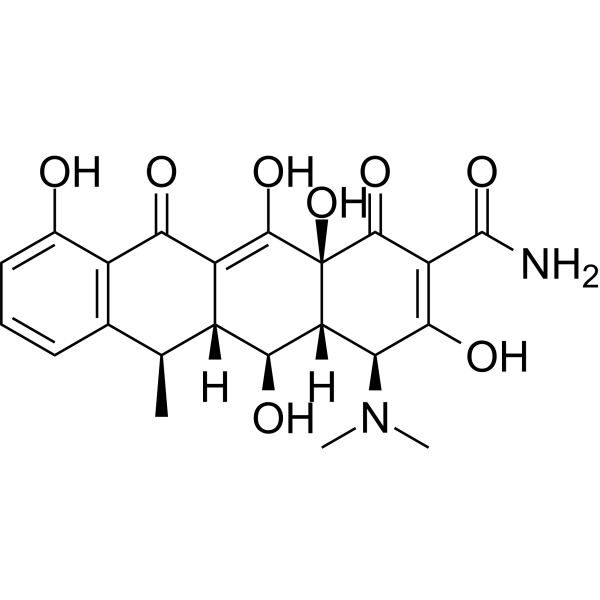
-
- HY-N0565B
-
|
Doxycycline hydrochloride hemiethanolate hemihydrate; WC2031
|
Antibiotic
MMP
Bacterial
Parasite
|
Infection
Neurological Disease
Inflammation/Immunology
Cancer
|
|
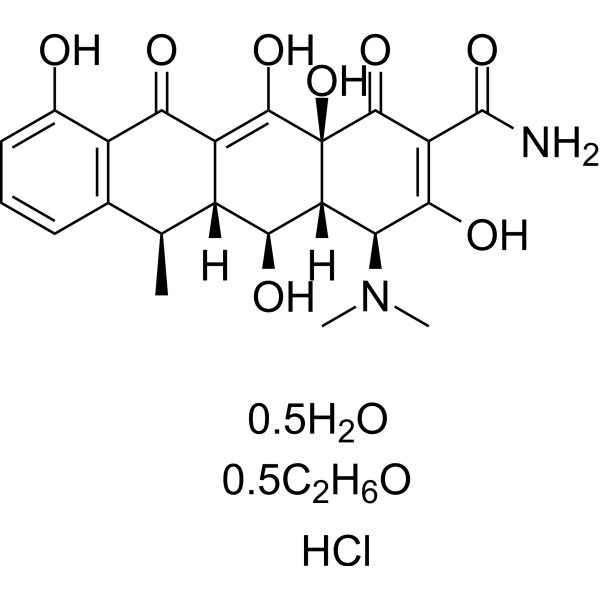
Doxycycline hyclate, an antibiotic, is an orally active and broad-spectrum metalloproteinase (MMP) inhibitor. Doxycycline hyclate shows antibacterial activity and anti-cancer cell proliferation activity. Doxycycline hyclate can be used to construct gene expression regulation models .
|
-
-
- HY-15768
-
|
GM6001; Galardin
|
MMP
|
Cancer
|
|
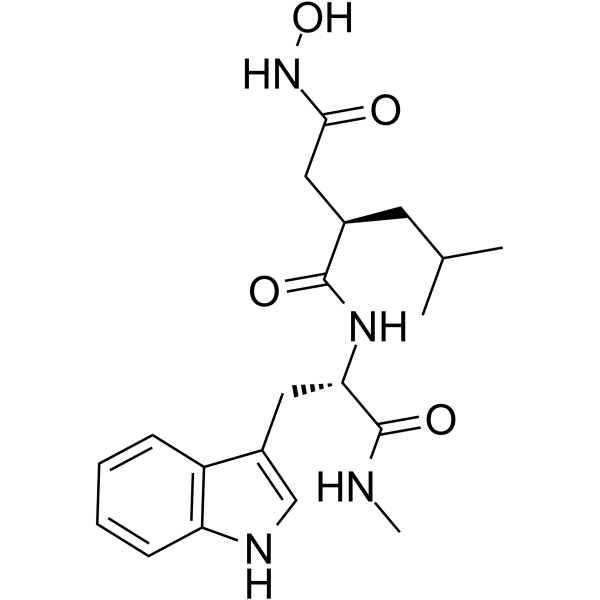
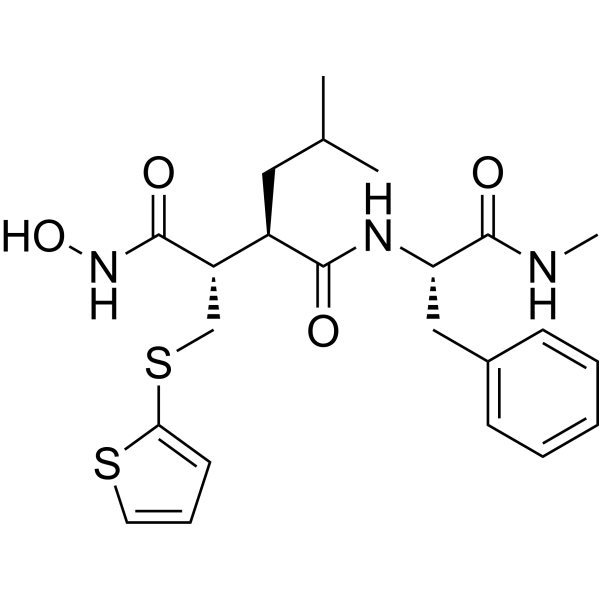
Ilomastat (GM6001) is a potent and broad spectrum matrix metalloprotease (MMP) inhibitor, inhibits MMPs (IC50s, 1.5 nM for MMP-1; 1.1 nM for MMP-2; 1.9 nM for MMP-3; 0.5 nM for MMP-9), with a Ki of 0.4 nM for human skin fibroblast collagenase (MMP-1).
|
-
-
- HY-N0565A
-
-
-
- HY-13564
-
|
BB94
|
MMP
|
Cancer
|
|
Batimastat is a potent broad spectrum MMP inhibitor with IC50 of 3, 4, 4, 6, and 20 nM for MMP-1, MMP-2, MMP-9, MMP-7 and MMP-3, respectively.
|
-
-
- HY-W004544
-
|
1,10-Phenanthroline
|
Environmental Pollutants
MMP
|
Others
|
|
o-Phenanthroline (1,10-Phenanthroline), a metal chelator, prevents the induction of chromosomal aberrations in streptozotocin-treated cells. o-Phenanthroline (1,10-Phenanthroline) forms a red chelate with Fe 2+ that absorbs maximally at 510 nm. o-Phenanthroline (1,10-Phenanthroline) is also a MMP inhibitor .
|
-

-
- HY-16657
-
|
|
MMP
NF-κB
Apoptosis
TNF Receptor
|
Inflammation/Immunology
Cancer
|
|
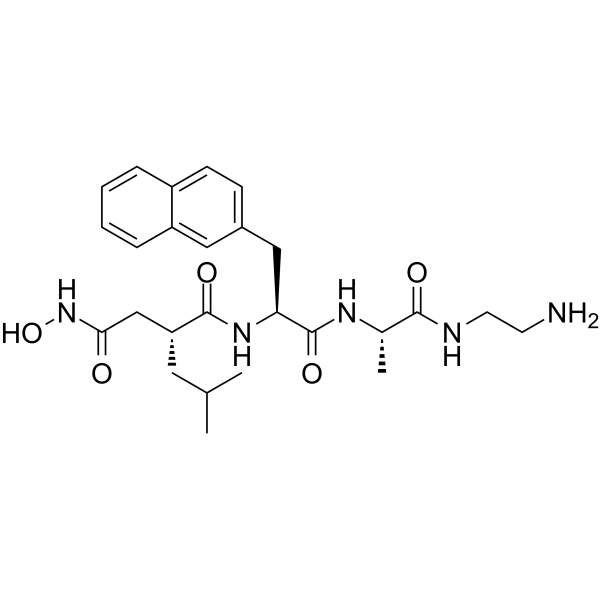
TAPI-1 is a broad-spectrum MMP inhibitor and NF-κB p65 inhibitor that targets ADAM17/TACE, ADAM10 and other proteins. TAPI-1 reduces the proteolytic cleavage of membrane-bound TNF-α, decreases TNF-α levels, inhibits NF-κB pathway activation, and downregulates profibrotic markers. TAPI-1 reduces the proportion of proinflammatory immune cells, alleviates cardiac and airway fibrosis, and improves cardiac function after myocardial infarction. Meanwhile, TAPI-1 inhibits the viability, migration and invasion of esophageal squamous cell carcinoma cells, enhances the chemosensitivity of Cisplatin (HY-17394), induces apoptosis, and shows low toxicity to normal esophageal epithelial cells. TAPI-1 can be widely used in studies related to myocardial infarction-induced heart failure, severe traumatic tracheal stenosis, esophageal squamous cell carcinoma and other conditions .
|
-
-
- HY-Y1841
-
|
1,10-Phenanthroline monohydrate
|
MOFs
MMP
|
Others
|
|
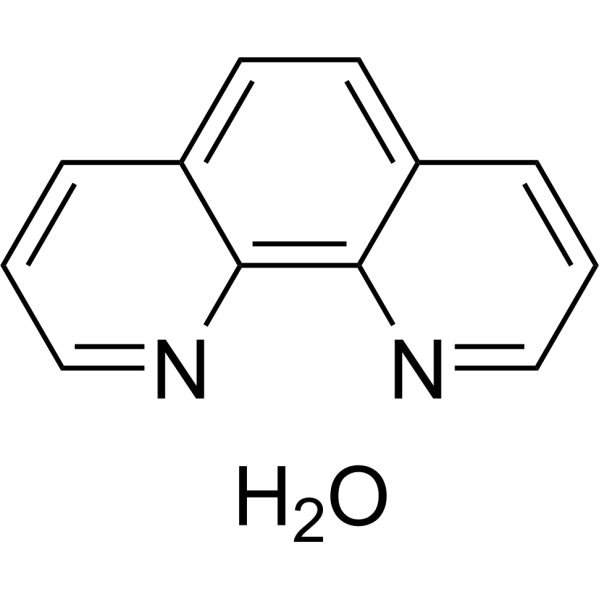
o-Phenanthroline (1,10-Phenanthroline) monohydrate, a metal chelator, prevents the induction of chromosomal aberrations in streptozotocin-treated cells. o-Phenanthroline monohydrate forms a red chelate with Fe 2+ that absorbs maximally at 510 nm. o-Phenanthroline (1,10-Phenanthroline) monohydrate is also a MMP inhibitor .
|
-
-
- HY-13648
-
|
CMT-3; COL-3
|
MMP
|
Cancer
|
|
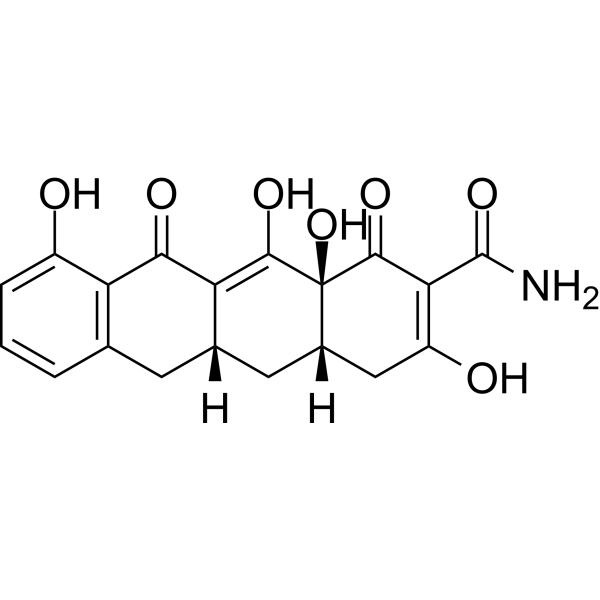
Incyclinide (CMT-3, COL-3) is a matrix metalloproteinase (MMP) inhibitor and inhibiting angiogenesis, tumor growth and invasion, and metastasis.
|
-
-
- HY-16657A
-
-
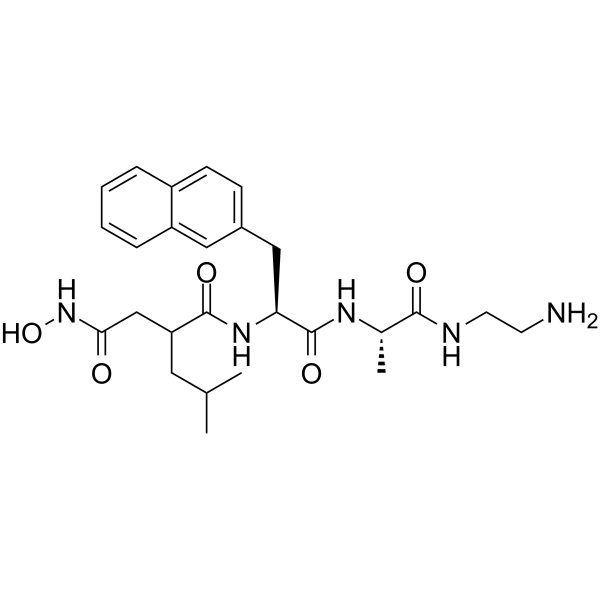
-
- HY-106992
-
|
|
MMP
|
Cancer
|
|
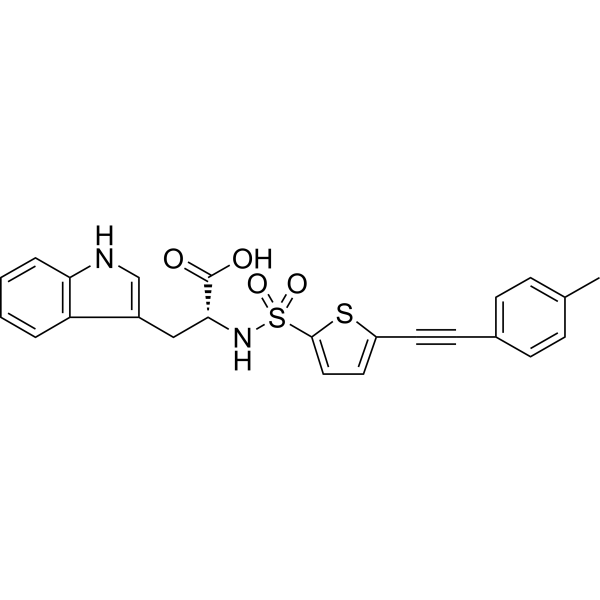
S 3304 is a novel matrix metalloproteinases (MMP) inhibitor specific for MMP-2 and MMP-9. S 3304 is a click chemistry reagent, it contains an Alkyne group and can undergo copper-catalyzed azide-alkyne cycloaddition (CuAAc) with molecules containing Azide groups.
|
-
-
- HY-12170
-
|
AG3340; KB-R9896
|
MMP
Apoptosis
|
Cancer
|
|
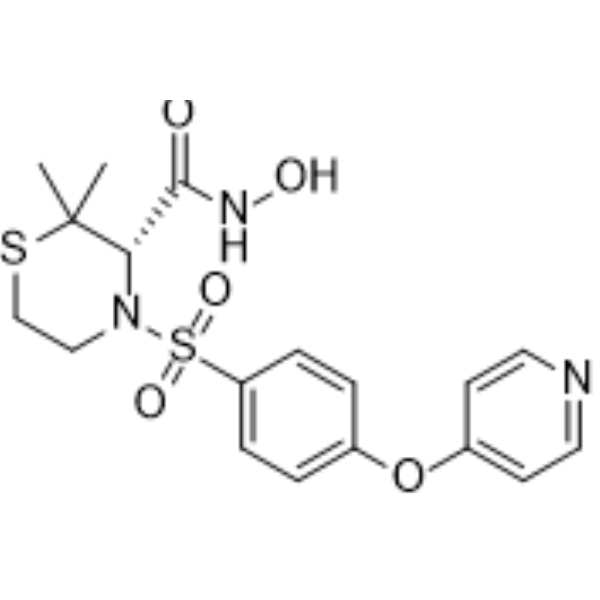
Prinomastat (AG3340) is a broad spectrum, potent, orally active metalloproteinase (MMP) inhibitor with IC50s of 79, 6.3 and 5.0 nM for MMP-1, MMP-3 and MMP-9, respectively. Prinomastat inhibits MMP-2, MMP-3, MMP-13 and MMP-9 with Kis of 0.05 nM, 0.3 nM, 0.03 nM and 0.26 nM, respectively. Prinomastat crosses blood-brain barrier. Antitumor avtivity .
|
-
-
- HY-W008923
-
|
|
MMP
Parasite
Bacterial
Antibiotic
Apoptosis
Akt
PI3K
|
Infection
Neurological Disease
Inflammation/Immunology
Cancer
|
|
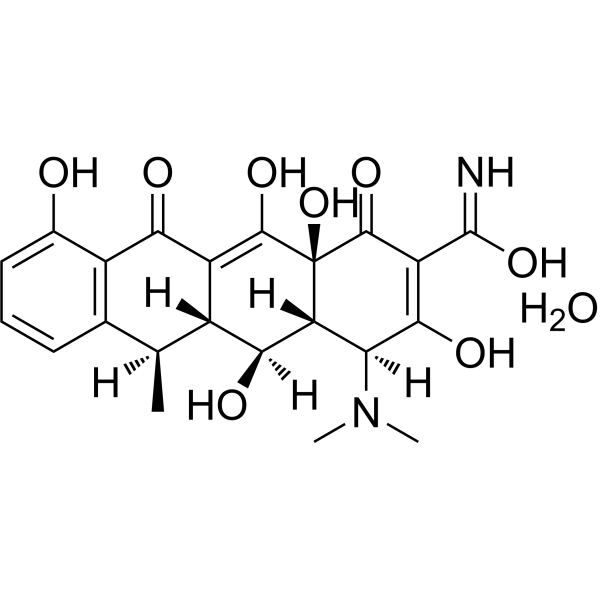
Doxycycline monohydrate is an orally active highly lipophilic, tissue-permeable MMP inhibitor with broad-spectrum antibacterial activity. Doxycycline monohydrate is also a semi-synthetic antibiotic with chelating properties, which blocks bacterial protein synthesis and inhibits extracellular matrix degradation through interactions with zinc and calcium atoms. Doxycycline monohydrate also inhibits mitochondrial biogenesis, translation, and the expression of respiratory chain proteins. Doxycycline monohydrate induces apoptosis, inhibits autophagy and EMT, downregulates stem cell markers, and activates the PI3K-AKT pathway, thereby effectively inhibiting the viability and proliferation of cancer cells such as breast cancer cells. Doxycycline monohydrate also promotes the survival and self-renewal of embryonic stem cells and neural stem cells, and reduces the frequency of medium changes in culture. Doxycycline monohydrate has been applied in studies related to breast cancer, prostate cancer, bladder cancer, and other cancers .
|
-
-
- HY-W004546
-
|
|
MOFs
MMP
Parasite
|
Infection
|
|
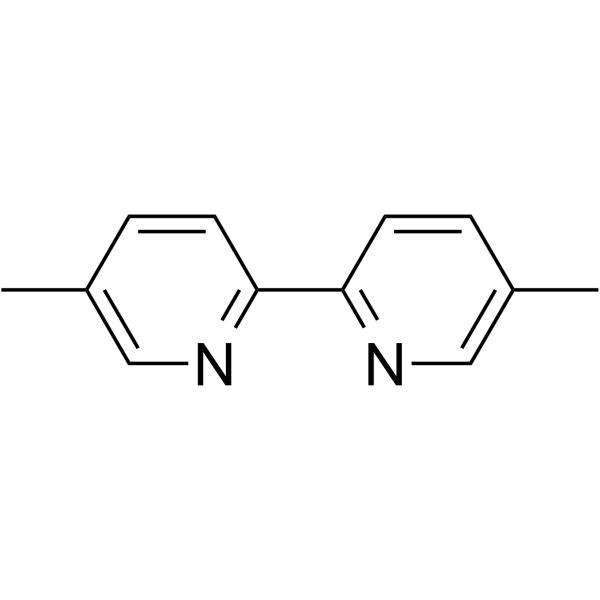
Abametapir is a metalloproteinase (MMP) inhibitor which is able to target metalloproteinases critical to egg hatching and louse development. Abametapir can inhibit hatching of both head and body louse .
|
-
-
- HY-142069
-
|
|
MMP
|
Neurological Disease
Metabolic Disease
|
|
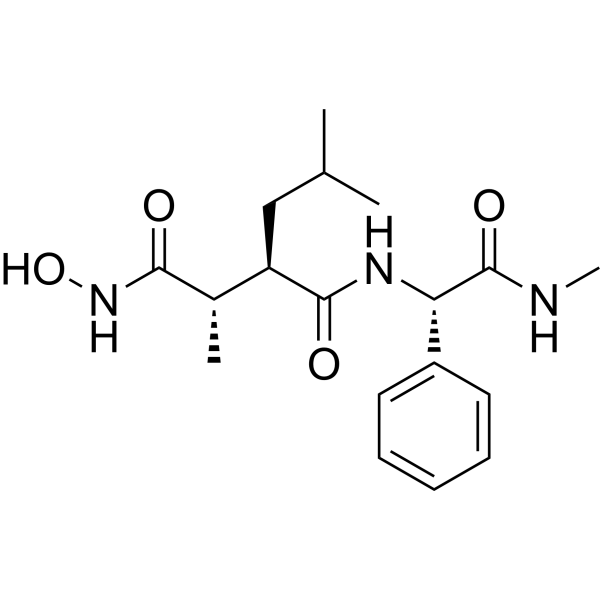
KB-R7785 is a matrix metalloproteinase (MMP) inhibitor, which improves insulin sensitivity by inhibiting TNF-α production. KB-R7785 can be used for diabetes research. KB-R7785 has a protective efficacy against focal cerebral ischemia .
|
-
-
- HY-119307
-
|
TMI-005
|
MMP
TNF Receptor
|
Cancer
|
|
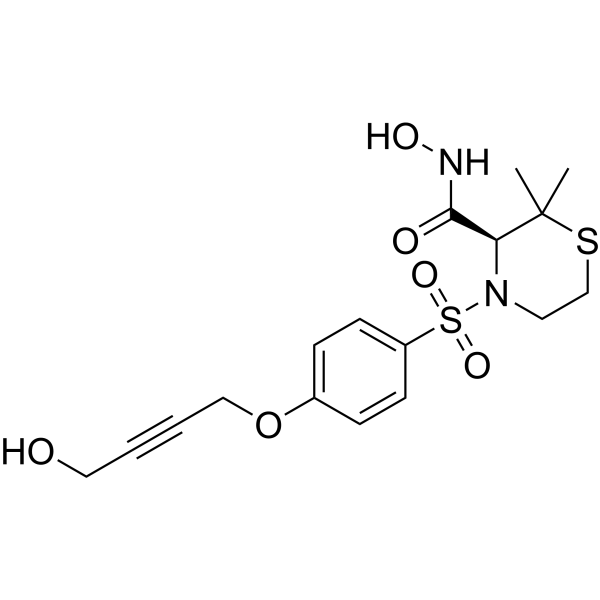
Apratastat (TMI-005) is an orally active, non-selective and reversible TACE/MMPs inhibitor, can inhibit inhibit the release of TNF-α. Apratastat has the potential to overcome radiotherapy-resistance in non-small cell lung cancer (NSCLC) . Apratastat is a click chemistry reagent, it contains an Alkyne group and can undergo copper-catalyzed azide-alkyne cycloaddition (CuAAc) with molecules containing Azide groups.
|
-
-
- HY-118694
-
-
-
- HY-109097
-
|
SP-8203
|
MMP
iGluR
|
Neurological Disease
Inflammation/Immunology
Cancer
|
|
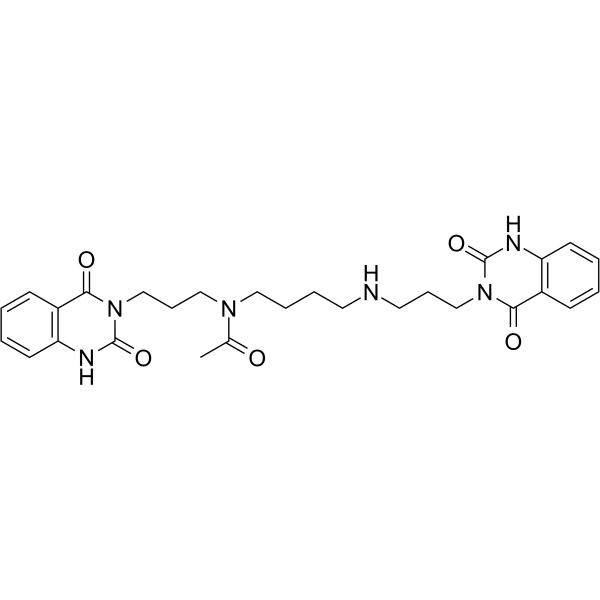
Otaplimastat (SP-8203), a matrix metalloproteinase (MMP) inhibitor, blocks N-methyl-D-aspartate (NMDA) receptor-mediated excitotoxicity in a competitive manner. Otaplimastat also exhibits anti-oxidant activity. Otaplimastat can be used for the research of brain ischemic injury .
|
-
-
- HY-19485
-
XL-784
2 Publications Verification
|
MMP
|
Cardiovascular Disease
|
|
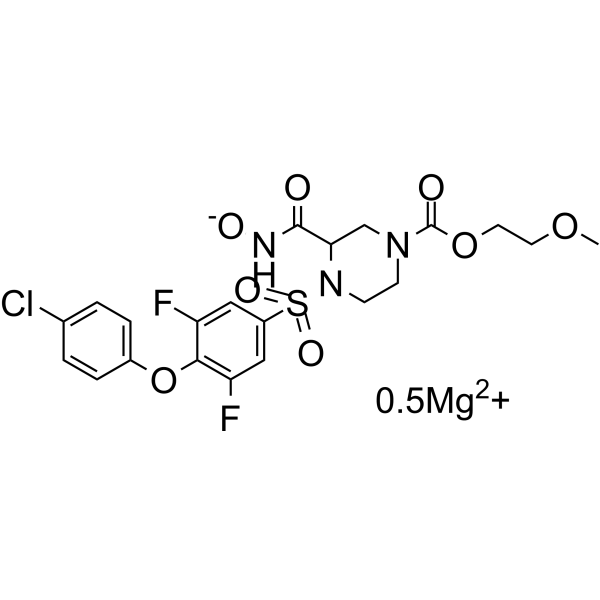
XL-784 is a selective matrix metalloproteinases (MMP) inhibitor, with IC50s of ~1900, 0.81, 120, 10.8, 18, 0.56 nM for MMP-1, MMP-2, MMP-3, MMP-8, MMP-9, MMP-13, respectively.
|
-
-
- HY-12170A
-
|
AG3340 hydrochloride; KB-R9896 hydrochloride
|
MMP
Apoptosis
|
Cancer
|
|
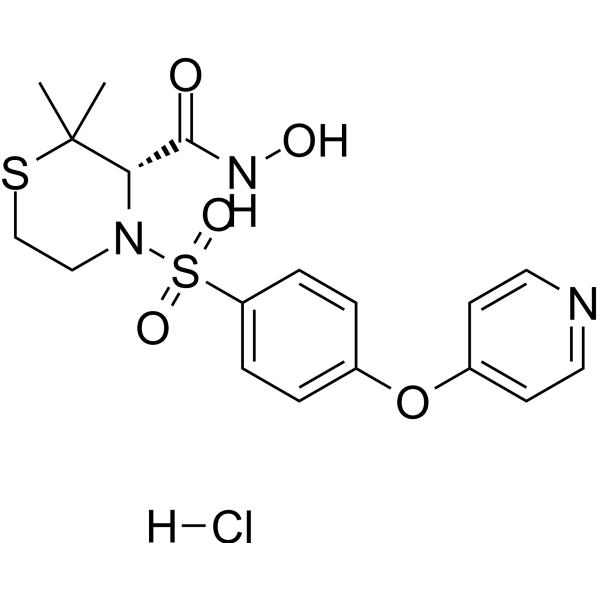
Prinomastat hydrochloride (AG3340 hydrochloride) is a broad spectrum, potent, orally active metalloproteinase (MMP) inhibitor with IC50s of 79, 6.3 and 5.0 nM for MMP-1, MMP-3 and MMP-9, respectively. Prinomastat hydrochloride inhibits MMP-2, MMP-3, MMP-13 and MMP-9 with Kis of 0.05 nM, 0.3 nM, 0.03 nM and 0.26 nM, respectively. Prinomastat hydrochloride can cross blood-brain barrier. Antitumor avtivity .
|
-
-
- HY-N0565S1
-
|
|
Isotope-Labeled Compounds
MMP
Parasite
Bacterial
Antibiotic
Apoptosis
Akt
PI3K
|
Infection
Neurological Disease
Inflammation/Immunology
Cancer
|
|
Doxycycline-d3 hyclate (major) is the deuterium labeled Doxycycline hyclate (HY-N0565B). Doxycycline hyclate is an orally active highly lipophilic, tissue-permeable MMP inhibitor with broad-spectrum antibacterial activity. Doxycycline hyclate is also a semi-synthetic antibiotic with chelating properties, which blocks bacterial protein synthesis and inhibits extracellular matrix degradation through interactions with zinc and calcium atoms. Doxycycline hyclate also inhibits mitochondrial biogenesis, translation, and the expression of respiratory chain proteins. Doxycycline hyclate induces apoptosis, inhibits autophagy and EMT, downregulates stem cell markers, and activates the PI3K-AKT pathway, thereby effectively inhibiting the viability and proliferation of cancer cells such as breast cancer cells. Doxycycline hyclate also promotes the survival and self-renewal of embryonic stem cells and neural stem cells, and reduces the frequency of medium changes in culture. Doxycycline hyclate has been applied in studies related to breast cancer, prostate cancer, bladder cancer, and other cancers .
|
-

-
- HY-119423
-
|
|
MMP
|
Cancer
|
|
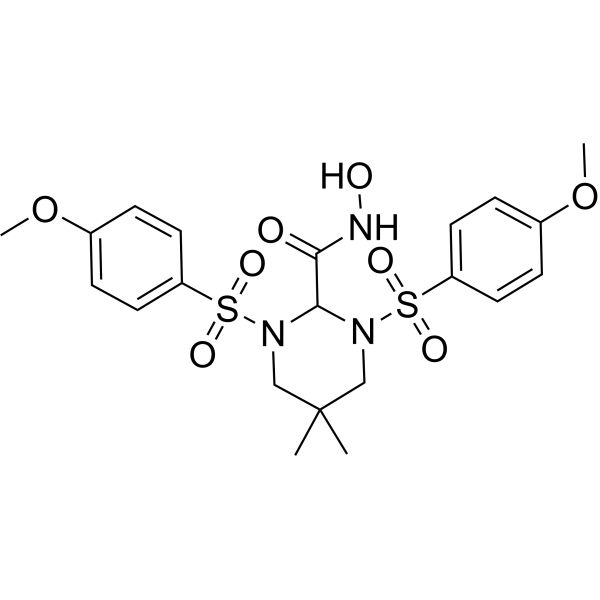
MMP Inhibitor II (compound 4e) is a potent, reversible pan-MMP inhibitor with IC50 values of 24 nM, 18.4 nM, 30 nM, and 2.7 nM for MMP-1,MMP-3, MMP-7, and MMP-9, respectively .
|
-
-
- HY-162038
-
|
|
MMP
|
Others
|
|
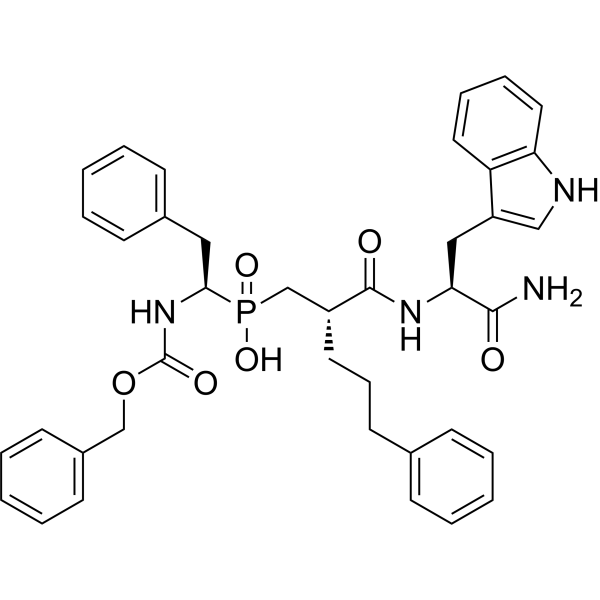
RXP03 is a MMPs inhibitor with the Ki of 20 nM, 2.5 nM, 10 nM, 5nM and 105 nM for MMP-2, MMP-8, MMP-9, MMP-11, MMP-14, respectively .
|
-
-
- HY-13564A
-
|
BB-94 sodium salt
|
MMP
|
Cancer
|
|
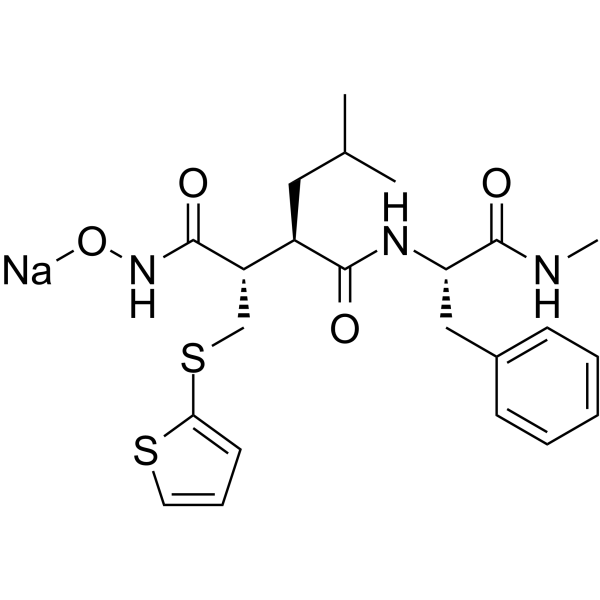
Batimastat sodium salt is a potent broad spectrum MMP inhibitor with IC50 of 3, 4, 4, 6, and 20 nM for MMP-1, MMP-2, MMP-9, MMP-7 and MMP-3, respectively.
|
-
-
- HY-12168
-
|
BAY 12-9566
|
MMP
|
Cancer
|
|
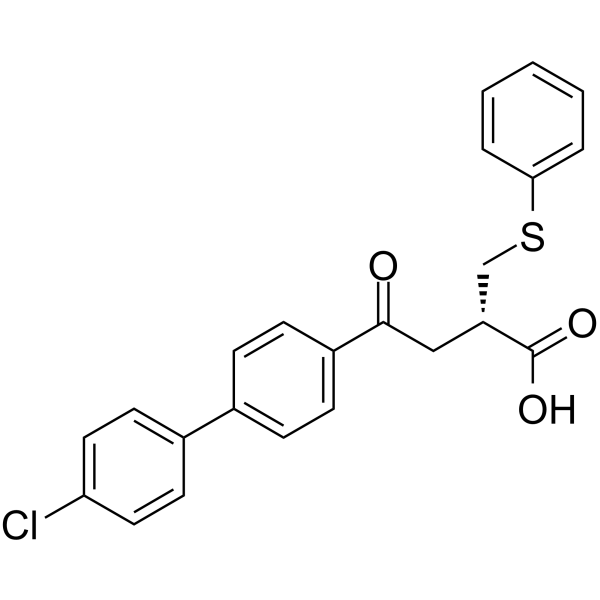
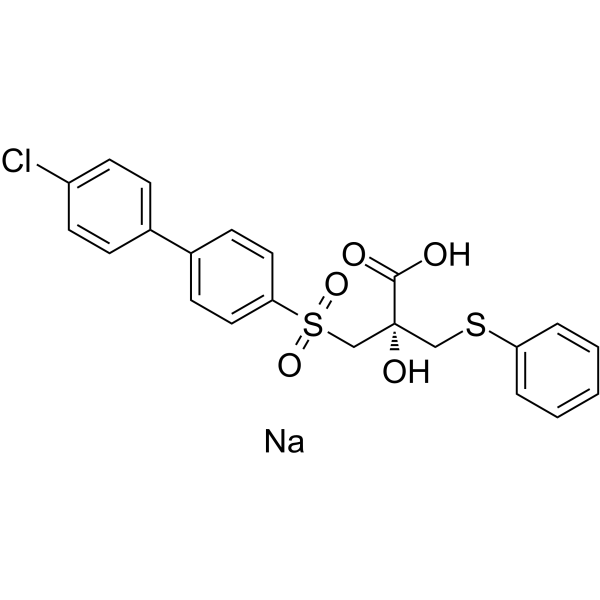
Tanomastat (BAY 12-9566) is an orally bioavailable, non-peptidic biphenyl matrix metalloproteinases (MMPs) inhibitor with a Zn-binding carboxyl group. The Ki values are 11, 143, 301, and 1470 nM for MMP-2, MMP-3, MMP-9, MMP-13 respectively. Tanomastat shows anti-invasive and antimetastatic activity in several experimental tumor models .
|
-
-
- HY-N0565AR
-
|
|
Reference Standards
MMP
Parasite
Bacterial
Antibiotic
Apoptosis
Akt
PI3K
|
Infection
Neurological Disease
Inflammation/Immunology
Cancer
|
|
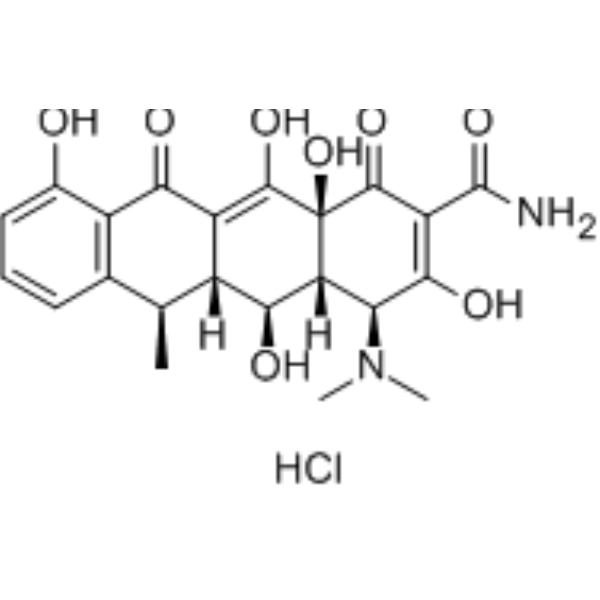
Doxycycline hydrochloride (Standard) is the analytical standard of Doxycycline hydrochloride (HY-N0565A). This product is intended for research and analytical applications. Doxycycline hydrochloride is an orally active highly lipophilic, tissue-permeable MMP inhibitor with broad-spectrum antibacterial activity. Doxycycline hydrochloride is also a semi-synthetic antibiotic with chelating properties, which blocks bacterial protein synthesis and inhibits extracellular matrix degradation through interactions with zinc and calcium atoms. Doxycycline hydrochloride also inhibits mitochondrial biogenesis, translation, and the expression of respiratory chain proteins. Doxycycline hydrochloride induces apoptosis, inhibits autophagy and EMT, downregulates stem cell markers, and activates the PI3K-AKT pathway, thereby effectively inhibiting the viability and proliferation of cancer cells such as breast cancer cells. Doxycycline hydrochloride also promotes the survival and self-renewal of embryonic stem cells and neural stem cells, and reduces the frequency of medium changes in culture. Doxycycline hydrochloride has been applied in studies related to breast cancer, prostate cancer, bladder cancer, and other cancers .
|
-

-
- HY-N0565R
-
|
|
Reference Standards
MMP
Parasite
Bacterial
Antibiotic
Apoptosis
Akt
PI3K
|
Infection
Neurological Disease
Inflammation/Immunology
Cancer
|
|
Doxycycline (Standard) is the analytical standard of Doxycycline (HY-N0565). This product is intended for research and analytical applications. Doxycycline is an orally active highly lipophilic, tissue-permeable MMP inhibitor with broad-spectrum antibacterial activity. Doxycycline is also a semi-synthetic antibiotic with chelating properties, which blocks bacterial protein synthesis and inhibits extracellular matrix degradation through interactions with zinc and calcium atoms. Doxycycline also inhibits mitochondrial biogenesis, translation, and the expression of respiratory chain proteins. Doxycycline induces apoptosis, inhibits autophagy and EMT, downregulates stem cell markers, and activates the PI3K-AKT pathway, thereby effectively inhibiting the viability and proliferation of cancer cells such as breast cancer cells. Doxycycline also promotes the survival and self-renewal of embryonic stem cells and neural stem cells, and reduces the frequency of medium changes in culture. Doxycycline has been applied in studies related to breast cancer, prostate cancer, bladder cancer, and other cancers .
|
-

-
- HY-N0565BR
-
|
Doxycycline (hydrochloride hemiethanolate hemihydrate) (Standard); WC2031 (Standard)
|
Reference Standards
MMP
Parasite
Bacterial
Antibiotic
Apoptosis
Akt
PI3K
|
Infection
Neurological Disease
Inflammation/Immunology
Cancer
|
|
Doxycycline hyclate (Standard) is the analytical standard of Doxycycline hyclate (HY-N0565B). This product is intended for research and analytical applications. Doxycycline hyclate is an orally active highly lipophilic, tissue-permeable MMP inhibitor with broad-spectrum antibacterial activity. Doxycycline hyclate is also a semi-synthetic antibiotic with chelating properties, which blocks bacterial protein synthesis and inhibits extracellular matrix degradation through interactions with zinc and calcium atoms. Doxycycline hyclate also inhibits mitochondrial biogenesis, translation, and the expression of respiratory chain proteins. Doxycycline hyclate induces apoptosis, inhibits autophagy and EMT, downregulates stem cell markers, and activates the PI3K-AKT pathway, thereby effectively inhibiting the viability and proliferation of cancer cells such as breast cancer cells. Doxycycline hyclate also promotes the survival and self-renewal of embryonic stem cells and neural stem cells, and reduces the frequency of medium changes in culture. Doxycycline hyclate has been applied in studies related to breast cancer, prostate cancer, bladder cancer, and other cancers .
|
-

-
- HY-101703
-
-
-
- HY-W011085
-
|
|
MMP
|
Inflammation/Immunology
|
|
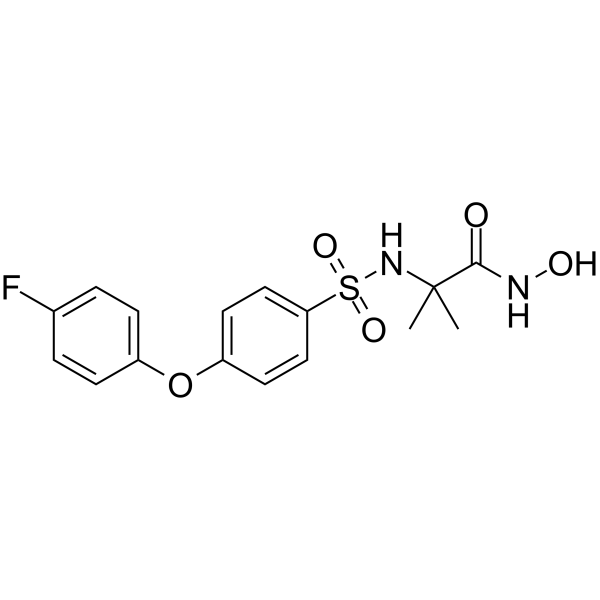
CP-471474 is an orally active and pan MMP inhibitor, with IC50 values of 1170 nM (MMP-1), 0.7 nM (MMP-2), 16 nM (MMP-3), 13 nM (MMP-9) and 0.9 nM (MMP-13), respectively .
|
-
-
- HY-P4123
-
|
|
MMP
|
Cardiovascular Disease
Inflammation/Immunology
Cancer
|
|
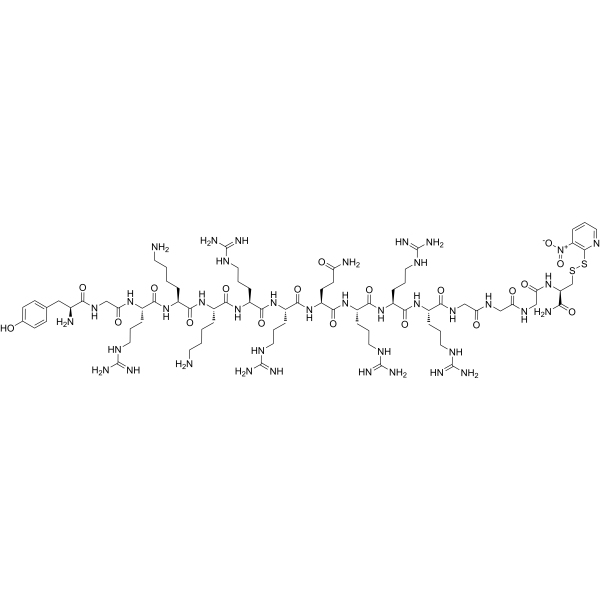
TAT (47-57) GGG-Cys (Npys) is a cell-penetrating peptide and delivery carrier derived from TAT. TAT (47-57) GGG-Cys (Npys) facilitates the translocation of conjugated drug molecules across cell membranes. TAT (47-57) GGG-Cys (Npys) acts as a delivery carrier for MT1-MMP inhibitors. TAT (47-57) GGG-Cys (Npys) is applicable to research on diseases associated with MT1-MMP activity, such as cancer, arthritis, heart disease, and vascular disorders .
|
-
-
- HY-137273
-
|
|
Somatostatin Receptor
MMP
|
Inflammation/Immunology
|
|
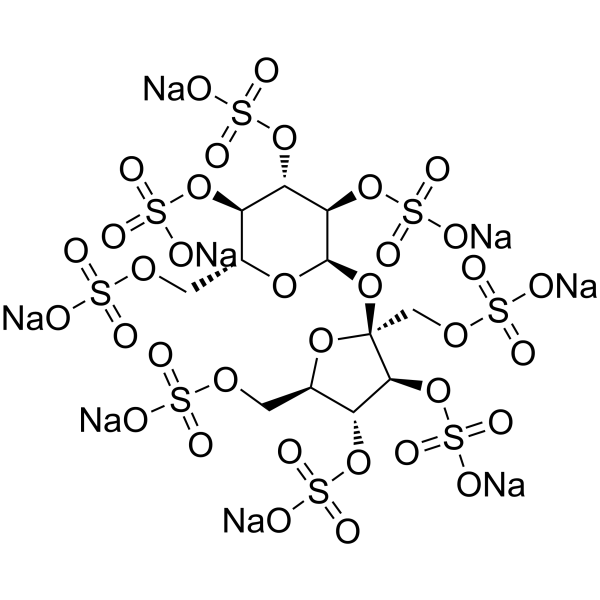
Sucrose octasulfate sodium, a derivative of sulfated oligosaccharides, is a matrix metalloproteinase (MMP) inhibitor. Sucrose octasulfate sodium stimulates the release of somatostatin-like immunoreactivity (SLI) from the stomach by acting directly on D cells in the gastric mucosa. Sucrose octasulfate sodium exerts its ulcer-healing effect by releasing endogenous gastric somatostatin. Sucrose octasulfate sodium can be used as a pharmaceutical excipient and significantly improves wound closure in diabetic foot ulcers caused by nerve ischemia and venous leg ulcers. Sucrose octasulfate sodium can be used in the study of chronic wound healing .
|
-
-
- HY-N0565AS
-
|
|
Isotope-Labeled Compounds
MMP
Parasite
Bacterial
Antibiotic
Apoptosis
Akt
PI3K
|
Infection
Neurological Disease
Inflammation/Immunology
Cancer
|
|
Doxycycline-d3 hydrochloride is deuterium labeled Doxycycline hydrochloride (HY-N0565A). Doxycycline hydrochloride is an orally active highly lipophilic, tissue-permeable MMP inhibitor with broad-spectrum antibacterial activity. Doxycycline hydrochloride is also a semi-synthetic antibiotic with chelating properties, which blocks bacterial protein synthesis and inhibits extracellular matrix degradation through interactions with zinc and calcium atoms. Doxycycline hydrochloride also inhibits mitochondrial biogenesis, translation, and the expression of respiratory chain proteins. Doxycycline hydrochloride induces apoptosis, inhibits autophagy and EMT, downregulates stem cell markers, and activates the PI3K-AKT pathway, thereby effectively inhibiting the viability and proliferation of cancer cells such as breast cancer cells. Doxycycline hydrochloride also promotes the survival and self-renewal of embryonic stem cells and neural stem cells, and reduces the frequency of medium changes in culture. Doxycycline hydrochloride has been applied in studies related to breast cancer, prostate cancer, bladder cancer, and other cancers .
|
-

-
- HY-N0565S3
-
|
|
Isotope-Labeled Compounds
MMP
Parasite
Bacterial
Antibiotic
Apoptosis
Akt
PI3K
|
Infection
Neurological Disease
Inflammation/Immunology
Cancer
|
|
Doxycycline- 13C,d3 is 13C and deuterium labeled Doxycycline (HY-N0565). Doxycycline is an orally active highly lipophilic, tissue-permeable MMP inhibitor with broad-spectrum antibacterial activity. Doxycycline is also a semi-synthetic antibiotic with chelating properties, which blocks bacterial protein synthesis and inhibits extracellular matrix degradation through interactions with zinc and calcium atoms. Doxycycline also inhibits mitochondrial biogenesis, translation, and the expression of respiratory chain proteins. Doxycycline induces apoptosis, inhibits autophagy and EMT, downregulates stem cell markers, and activates the PI3K-AKT pathway, thereby effectively inhibiting the viability and proliferation of cancer cells such as breast cancer cells. Doxycycline also promotes the survival and self-renewal of embryonic stem cells and neural stem cells, and reduces the frequency of medium changes in culture. Doxycycline has been applied in studies related to breast cancer, prostate cancer, bladder cancer, and other cancers .
|
-

-
- HY-112160
-
|
|
MMP
|
Cardiovascular Disease
|
|
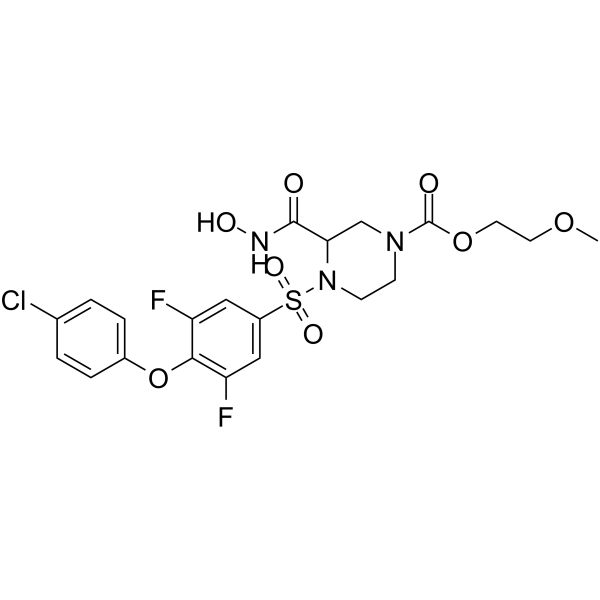
XL-784 free base is a selective matrix metalloproteinases (MMP) inhibitor, with IC50s of ~1900, 0.81, 120, 10.8, 18, 0.56 nM for MMP-1, MMP-2, MMP-3, MMP-8, MMP-9 and MMP-13, respectively .
|
-
-
- HY-N6739R
-
-

-
- HY-109747
-
|
|
MMP
|
Cancer
|
|
RO-28-2653 is an orally active matrix metalloproteinase (MMP) inhibitor. RO-28-2653 exhibits highly selective inhibitory effects on MMP2, MMP9 and membrane-type 1-MMP, and may reduce side effects (such as musculoskeletal pain) compared to broad-spectrum MMP inhibitors. RO-28-2653 shows significant tumor growth inhibition in a rat prostate model. RO-28-2653 can be used in studies of hormone-sensitive tumors .
|
-

-
- HY-136885
-
|
|
MMP
|
Infection
|
|
(S,S)-TAPI-0 is a matrix metalloproteinase (MMP) inhibitor that inhibits the growth of Chlamydia trachomatis by inhibiting PDF enzyme activity. (S,S)-TAPI-0 can be used to study Chlamydia infection .
|
-

-
- HY-115351
-
|
|
TNF Receptor
MMP
|
Inflammation/Immunology
|
|
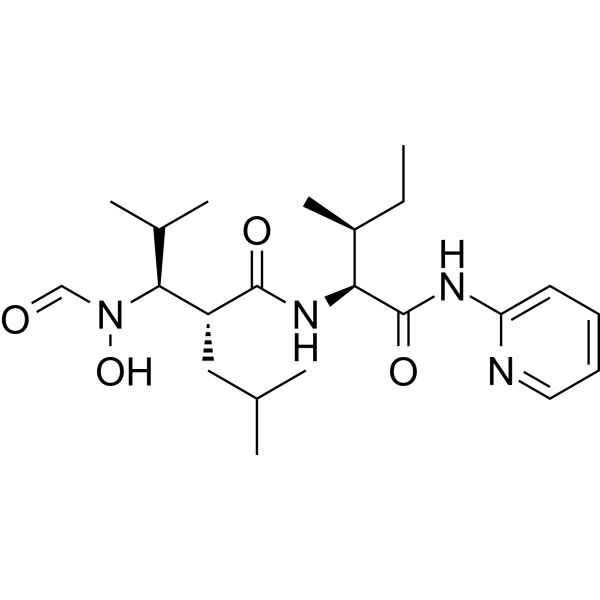
GW-3333 is a potent and orally active TNF-alpha-converting enzyme (TACE) and matrix metalloproteinases (MMP) inhibitor. GW-3333 inhibits tumor necrosis factor-alpha (TNF-alpha) production. GW-3333 can be used in research of arthritis .
|
-
-
- HY-14237
-
|
|
MMP
|
Inflammation/Immunology
Cancer
|
|
SC-77964 is a potent, selective and orally active matrix metalloprotease (MMP) inhibitor. SC-77964 shows IC50 values < 0.1 nM against MMP-2, MMP-9, and MMP-13. SC-77964 can be used for the research of cancer and inflammation, such as melanoma .
|
-

-
- HY-18694
-
|
|
MMP
|
Inflammation/Immunology
|
|
CGS 27023A is a non-peptidic and orally active MMP inhibitor with the Ki values of 43, 33, 20 and 8 nM for MMP-3, MMP-1, MMP-2 amd MMP-9, respectively. CGS 27023A prevents cartilage degradation in stromelysin-induced rabbit cartilage degradation model. CGS 27023A can be used for study of arthritis .
|
-

-
- HY-15768R
-
|
GM6001 (Standard); Galardin (Standard)
|
MMP
Reference Standards
|
Cancer
|
|
Ilomastat (Standard) is the analytical standard of Ilomastat. This product is intended for research and analytical applications. Ilomastat (GM6001) is a potent and broad spectrum matrix metalloprotease (MMP) inhibitor, inhibits MMPs (IC50s, 1.5 nM for MMP-1; 1.1 nM for MMP-2; 1.9 nM for MMP-3; 0.5 nM for MMP-9), with a Ki of 0.4 nM for human skin fibroblast collagenase (MMP-1).
|
-

-
- HY-N4075R
-
|
|
Reference Standards
Endogenous Metabolite
|
Metabolic Disease
Cancer
|
|
20(R)-Ginsenoside Rh2 (Standard) is the analytical standard of 20(R)-Ginsenoside Rh2. This product is intended for research and analytical applications. 20(R)-Ginsenoside Rh2, a matrix metalloproteinase (MMP) inhibitor, acts as a cell antiproliferator. It has anticancer effects via blocking cell proliferation and causing G1 phase arrest. 20(R)-Ginsenoside Rh2 induces apoptosis, and has anti-inflammatory and antioxidative activity . 20(R)-Ginsenoside Rh2 inhibits the replication and proliferation of mouse and human gammaherpesvirus 68 (MHV-68) with an IC50 of 2.77 μM for murine MHV-68 .
|
-

-
- HY-19422
-
|
|
MMP
|
Cancer
|
|
PNU-248686A is a novel matrix metalloproteinase (MMP) inhibitor.
|
-
-
- HY-12170B
-
|
(R)-AG3340; (R)-KB-R9896
|
MMP
|
Cancer
|
|
(R)-Prinomastat ((R)-AG3340) is the R-isomer of Prinomastat (HY-12170) (a MMP Inhibitor) .
|
-

-
- HY-114396
-
|
|
MMP
|
Cancer
|
|
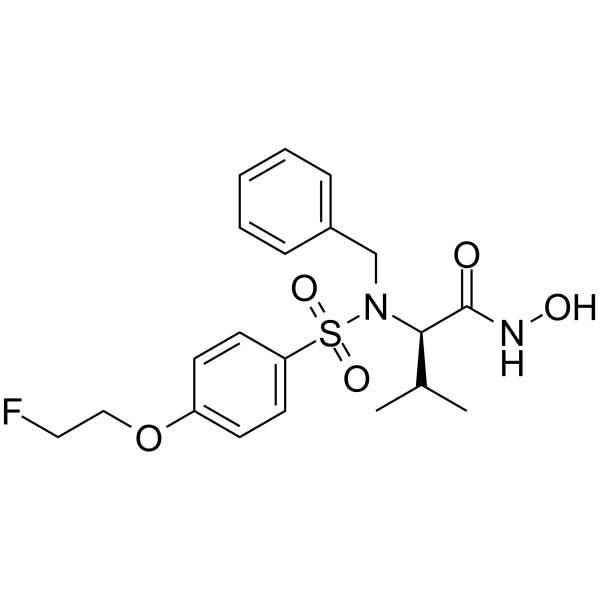
BR351 is a brain penetrant MMP inhibitor with IC50s of 4, 2, 11, 50 nM for MMP2, MMP8, MMP9 and MMP13, respectively .
|
-
-
- HY-43586
-
|
|
MMP
|
Cancer
|
|
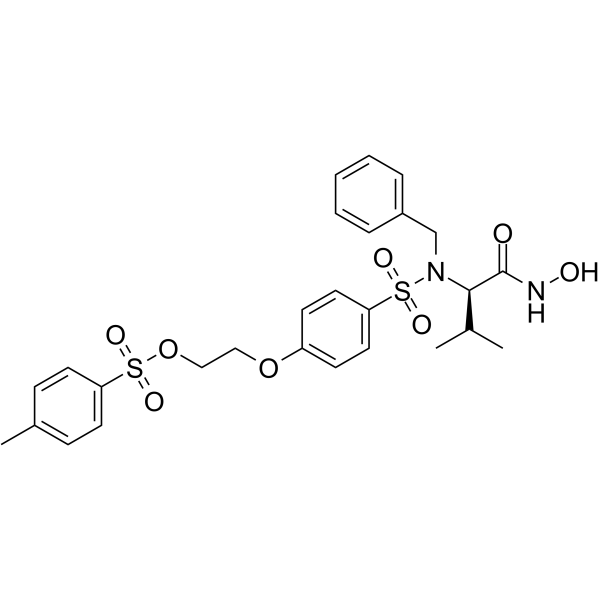
BR351 precursor is a precursor of BR351. BR351 is a brain penetrant MMP inhibitor with IC50s of 4, 2, 11, 50 nM for MMP2, MMP8, MMP9 and MMP13, respectively .
|
-
-
- HY-W004546R
-
|
|
Reference Standards
MMP
Parasite
|
Infection
|
|
Abametapir (Standard) is the analytical standard of Abametapir. This product is intended for research and analytical applications. Abametapir is a metalloproteinase (MMP) inhibitor which is able to target metalloproteinases critical to egg hatching and louse development. Abametapir can inhibit hatching of both head and body louse .
|
-

-
- HY-110116
-
|
|
MMP
|
Cardiovascular Disease
Inflammation/Immunology
Cancer
|
|
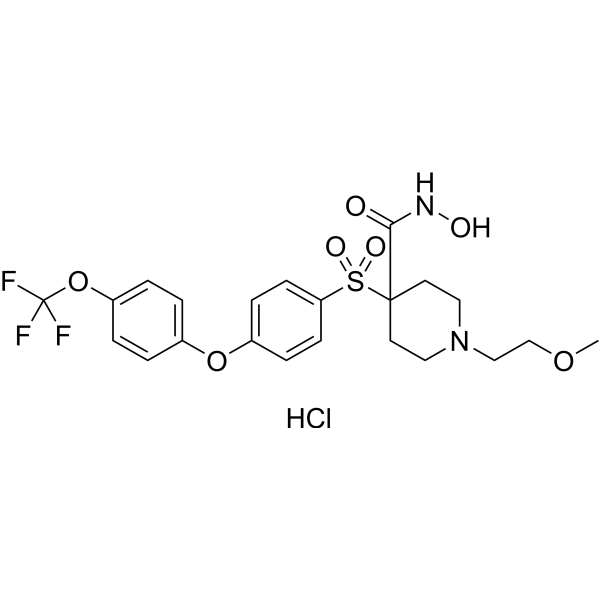
SD-2590 hydrochloride is a potent MMP inhibitor with IC50 values of ﹤0.1, ﹤0.1, 0.18, and 1.7 nM for MMP2, MMP13, MMP9, and MMP8, respectively. SD-2590 hydrochloride inhibits dilation of the left ventricle in rats .
|
-
-
- HY-Y1841R
-
|
|
Reference Standards
MMP
|
Others
|
|
o-Phenanthroline (1,10-Phenanthroline) monohydrate, a metal chelator, prevents the induction of chromosomal aberrations in streptozotocin-treated cells. o-Phenanthroline monohydrate forms a red chelate with Fe2+ that absorbs maximally at 510 nm. o-Phenanthroline (1,10-Phenanthroline) monohydrate is also a MMP inhibitor .
|
-

- HY-35513
-
|
|
MMP
|
Cancer
|
|
3-Aminobenzene-1,2-diol (compound C8) is a matrix metalloproteinase (MMP) inhibitor with IC50 values of 20, 26, 16 and 16.3 μM for MMP-2, MMP-8, MMP-9 and MMP-14, respectively .
|
-

- HY-13564R
-
|
BB94 (Standard)
|
MMP
Reference Standards
|
Cancer
|
|
Batimastat (Standard) is the analytical standard of Batimastat. This product is intended for research and analytical applications. Batimastat is a potent broad spectrum MMP inhibitor with IC50 of 3, 4, 4, 6, and 20 nM for MMP-1, MMP-2, MMP-9, MMP-7 and MMP-3, respectively.
|
-

- HY-123130
-
|
|
MMP
|
Cancer
|
|
ABT-770 (compound 11) is a highly selective and orally active MMP inhibitor, demonstrating over 1000-fold selectivity for MMP-2 (IC50=4 nM) compared to MMP-1 (IC50=4600 nM). ABT-770 can be utilized in studies related to tumor growth, invasion, and metastasis .
|
-

- HY-W004544S
-
|
1,10-Phenanthroline-d8
|
Isotope-Labeled Compounds
MMP
|
Others
|
|
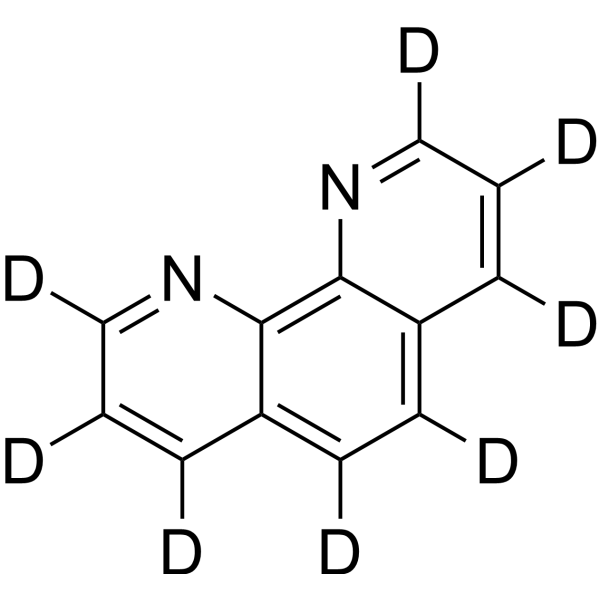
o-Phenanthroline-d8 is the deuterium labeled o-Phenanthroline. o-Phenanthroline (1,10-Phenanthroline), a metal chelator, prevents the induction of chromosomal aberrations in streptozotocin-treated cells. o-Phenanthroline (1,10-Phenanthroline) forms a red chelate with Fe2+ that absorbs maximally at 510 nm. o-Phenanthroline (1,10-Phenanthroline) is also a MMP inhibitor .
|
-
- HY-18694A
-
|
|
MMP
|
Inflammation/Immunology
|
|
CGS 27023A free base is a non-peptidic and orally active MMP inhibitor with the Ki values of 43, 33, 20 and 8 nM for MMP-3, MMP-1, MMP-2 amd MMP-9, respectively. CGS 27023A free base prevents cartilage degradation in stromelysin-induced rabbit cartilage degradation model. CGS 27023A free base can be used for study of arthritis .
|
-

- HY-12168B
-
|
(Rac)-BAY 12-9566
|
MMP
|
Cancer
|
|
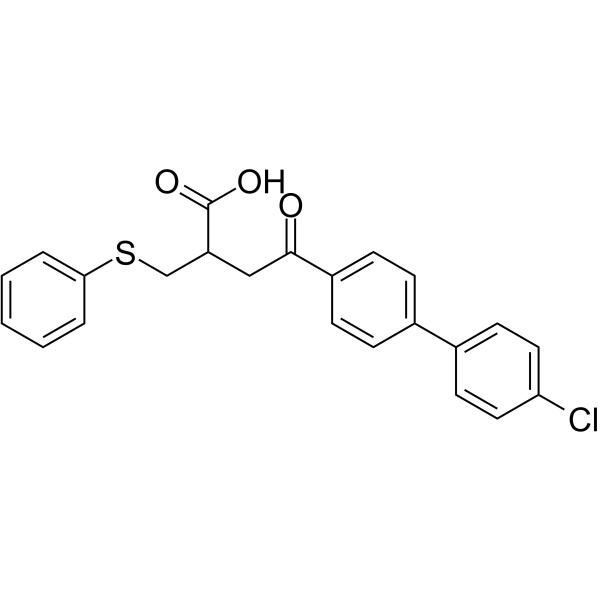
(Rac)-Tanomastat ((Rac)-BAY 12-9566) is the racemate of Tanomastat. Tanomastat (BAY 12-9566) is an orally bioavailable, non-peptidic biphenyl matrix metalloproteinases (MMPs) inhibitor with a Zn-binding carboxyl group. The Ki values are 11, 143, 301, and 1470 nM for MMP-2, MMP-3, MMP-9, MMP-13 respectively. Tanomastat shows anti-invasive and antimetastatic activity in several experimental tumor models .
|
-
- HY-119307R
-
|
TMI-005 (Standard)
|
MMP
TNF Receptor
Reference Standards
|
Cancer
|
|
Apratastat (Standard) is the analytical standard of Apratastat. This product is intended for research and analytical applications. Apratastat (TMI-005) is an orally active, non-selective and reversible TACE/MMPs inhibitor, can inhibit inhibit the release of TNF-α. Apratastat has the potential to overcome radiotherapy-resistance in non-small cell lung cancer (NSCLC) . Apratastat is a click chemistry reagent, it contains an Alkyne group and can undergo copper-catalyzed azide-alkyne cycloaddition (CuAAc) with molecules containing Azide groups.
|
-

- HY-171776
-
|
|
MMP
|
Cancer
|
|
OPB-3206 is a selective matrix metalloproteinase (MMP) inhibitor. OPB-3206 inhibits interstitial collagenase, gelatinase A (MMP-2), gelatinase B (MMP-9) and stromelysin with IC50 values of 7×10 -7 M, 5×10 -6 M, 5×10 -7 M and 2×10 -6 M, respectively. OPB-3206 reversibly binds to the zinc-binding region of MMPs, preventing the activation of MMP-9 and reducing extracellular matrix degradation to inhibit tumor lung metastasis. OPB-3206 is promising for research of lung metastasis of osteosarcoma .
|
-

- HY-168560
-
|
|
MMP
|
Cancer
|
|
MMP Inhibitor 4 (compound 4 B) is a potent MMP inhibitor. MMP Inhibitor 4 shows antiproliferative activity. MMP Inhibitor 4 induces cell cycle arrest at subG1 phase. MMP Inhibitor 4 decreases the mRNA expression of MMP2, MMP9 and VEGFA .
|
-

- HY-N0565C
-
|
|
MMP
Parasite
Bacterial
Antibiotic
Apoptosis
Akt
PI3K
|
Infection
Neurological Disease
Inflammation/Immunology
Cancer
|
|
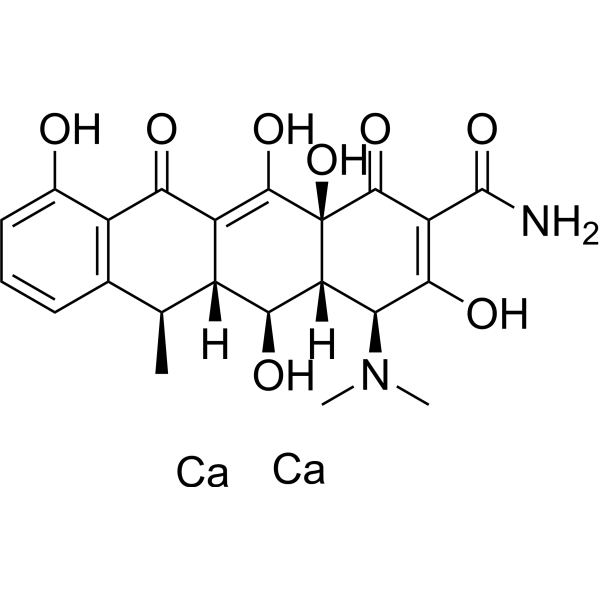
Doxycycline calcium is an orally active highly lipophilic, tissue-permeable MMP inhibitor with broad-spectrum antibacterial activity. Doxycycline calcium is also a semi-synthetic antibiotic with chelating properties, which blocks bacterial protein synthesis and inhibits extracellular matrix degradation through interactions with zinc and calcium atoms. Doxycycline calcium also inhibits mitochondrial biogenesis, translation, and the expression of respiratory chain proteins. Doxycycline calcium induces apoptosis, inhibits autophagy and EMT, downregulates stem cell markers, and activates the PI3K-AKT pathway, thereby effectively inhibiting the viability and proliferation of cancer cells such as breast cancer cells. Doxycycline calcium also promotes the survival and self-renewal of embryonic stem cells and neural stem cells, and reduces the frequency of medium changes in culture. Doxycycline calcium has been applied in studies related to breast cancer, prostate cancer, bladder cancer, and other cancers .
|
-
- HY-W008923R
-
|
|
Reference Standards
MMP
Parasite
Bacterial
Antibiotic
Apoptosis
Akt
PI3K
|
Infection
Neurological Disease
Inflammation/Immunology
Cancer
|
|
Doxycycline monohydrate (Standard) is the analytical standard of Doxycycline monohydrate (HY-W008923). Doxycycline monohydrate is an orally active highly lipophilic, tissue-permeable MMP inhibitor with broad-spectrum antibacterial activity. Doxycycline monohydrate is also a semi-synthetic antibiotic with chelating properties, which blocks bacterial protein synthesis and inhibits extracellular matrix degradation through interactions with zinc and calcium atoms. Doxycycline monohydrate also inhibits mitochondrial biogenesis, translation, and the expression of respiratory chain proteins. Doxycycline monohydrate induces apoptosis, inhibits autophagy and EMT, downregulates stem cell markers, and activates the PI3K-AKT pathway, thereby effectively inhibiting the viability and proliferation of cancer cells such as breast cancer cells. Doxycycline monohydrate also promotes the survival and self-renewal of embryonic stem cells and neural stem cells, and reduces the frequency of medium changes in culture. Doxycycline monohydrate has been applied in studies related to breast cancer, prostate cancer, bladder cancer, and other cancers .
|
-

- HY-N14770
-
|
|
MMP
|
Infection
|
|
Matlystatin E is a metalloproteinase (MMP) inhibitor .
|
-

- HY-N14771
-
|
|
MMP
|
Infection
|
|
Matlystatin F is a metalloproteinase (MMP) inhibitor .
|
-

- HY-N14761
-
|
|
MMP
|
Infection
|
|
Matlystatin D is a metalloproteinase (MMP) inhibitor .
|
-

- HY-101703R
-
|
GI4747 (Standard)
|
MMP
Reference Standards
|
Inflammation/Immunology
|
|
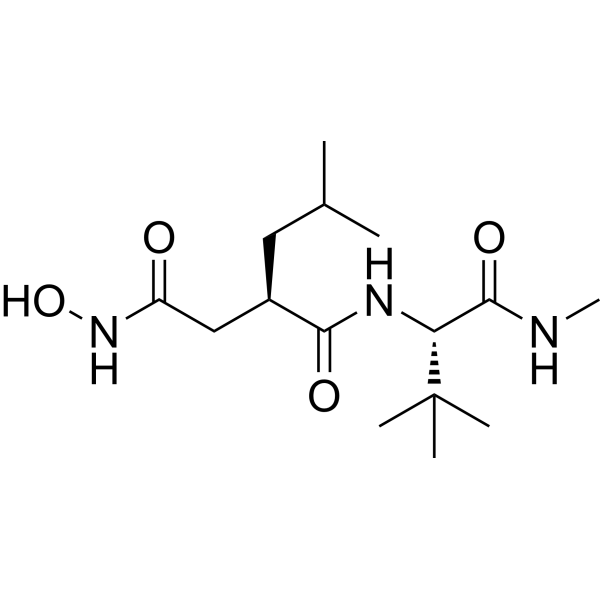
Ro 31-9790 (Standard) is the analytical standard of Ro 31-9790 (HY-101703). This product is intended for research and analytical applications. Ro 31-9790 is a synthetic metalloproteinase (MMP) inhibitor.
|
-

- HY-117939
-
|
|
MMP
|
|
|
GM1489 is an MMP inhibitor that reduces degradation at the resin-dentin interface by inhibiting MMP activity, thereby enhancing bonding stability. GM1489 shows potential for researching strategies to improve bonding stability in both superficial and deep dentin .
|
-

- HY-14239
-
|
BMS 275291
|
MMP
Collagen
|
Cancer
|
|
Rebimastat (BMS 275291) is an orally active, broad-spectrum MMP inhibitor and non-peptide collagen mimetic. Rebimastat has some selectivity because it does not inhibit all MMP activities. Rebimastat can be used in the research of colorectal cancer .
|
-

- HY-109097A
-
|
SP-8203 hydrochloride
|
MMP
iGluR
|
Cardiovascular Disease
Neurological Disease
|
|
Otaplimastat (SP-8203) hydrobromide, a matrix metalloproteinase (MMP) inhibitor, blocks N-methyl-D-aspartate (NMDA) receptor-mediated excitotoxicity in a competitive manner. Otaplimastat hydrobromide also exhibits anti-oxidant activity. Otaplimastat hydrobromide can be used for the research of brain ischemic injury .
|
-

- HY-106992R
-
|
|
Reference Standards
MMP
|
Cancer
|
|
S 3304 (Standard) is the analytical standard of S 3304 (HY-106992). This product is intended for research and analytical applications. S 3304 is a novel matrix metalloproteinases (MMP) inhibitor specific for MMP-2 and MMP-9. S 3304 is a click chemistry reagent, it contains an Alkyne group and can undergo copper-catalyzed azide-alkyne cycloaddition (CuAAc) with molecules containing Azide groups.
|
-

- HY-105360
-
|
|
MMP
|
Inflammation/Immunology
Cancer
|
|
GI-129471 is a MMP inhibitor. GI-129471 exhibits inhibitory activity against cancer cell invasion. GI-129471 can completely block the enhanced production of IgE and IgG1 by mouse B cells induced by rat mast cell protease-I (RMCP-I). GI-129471 can be used for the study of cancer and mast cell chymase-regulated immunological processes .
|
-

- HY-180412
-
|
BB-3644
|
MMP
|
Cancer
|
|
Solimastat (BB-3644) is a potent metalloproteinase (MMP) inhibitor that blocks constitutive and antibody-stimulated CD30 shedding from cell surfaces with an IC50 of 180 nM. Solimastat enhances persistence of anti-CD30 antibody Ki-3 on cells and favors its internalization. Solimastat enhances cytotoxic activity of Ki-3.dgA towards CD30 + L540 cells. Solimastat can be used for the research of CD30 + malignancies .
|
-

- HY-137273A
-
|
|
MMP
Somatostatin Receptor
|
Inflammation/Immunology
|
|
Sucrose octasulfate, a derivative of sulfated oligosaccharides, is a matrix metalloproteinase (MMP) inhibitor. Sucrose octasulfate stimulates the release of somatostatin-like immunoreactivity (SLI) from the stomach by acting directly on D cells in the gastric mucosa. Sucrose octasulfate exerts its ulcer-healing effect by releasing endogenous gastric somatostatin. Sucrose octasulfate can be used as a pharmaceutical excipient and significantly improves wound closure in diabetic foot ulcers caused by nerve ischemia and venous leg ulcers. Sucrose octasulfate can be used in the study of chronic wound healing .
|
-

- HY-N0565AG
-
|
|
Apoptosis
MMP
Akt
PI3K
|
Infection
Neurological Disease
Inflammation/Immunology
Cancer
|
|
Doxycycline hydrochloride GMP is Doxycycline (hydrochloride) (HY-N0565A) produced by using GMP guidelines. GMP small molecules works appropriately as an auxiliary reagent for cell therapy manufacture. Doxycycline hydrochloride is an orally active highly lipophilic, tissue-permeable MMP inhibitor with broad-spectrum antibacterial activity. Doxycycline hydrochloride is also a semi-synthetic antibiotic with chelating properties, which blocks bacterial protein synthesis and inhibits extracellular matrix degradation through interactions with zinc and calcium atoms. Doxycycline hydrochloride also inhibits mitochondrial biogenesis, translation, and the expression of respiratory chain proteins. Doxycycline hydrochloride induces apoptosis, inhibits autophagy and EMT, downregulates stem cell markers, and activates the PI3K-AKT pathway, thereby effectively inhibiting the viability and proliferation of cancer cells such as breast cancer cells. Doxycycline hydrochloride also promotes the survival and self-renewal of embryonic stem cells and neural stem cells, and reduces the frequency of medium changes in culture. Doxycycline hydrochloride has been applied in studies related to breast cancer, prostate cancer, bladder cancer, and other cancers .
|
-

| Cat. No. |
Product Name |
Type |
-
- HY-N0565AG
-
|
|
Fluorescent Dyes
|
|
Doxycycline hydrochloride GMP is Doxycycline (hydrochloride) (HY-N0565A) produced by using GMP guidelines. GMP small molecules works appropriately as an auxiliary reagent for cell therapy manufacture. Doxycycline hydrochloride is an orally active highly lipophilic, tissue-permeable MMP inhibitor with broad-spectrum antibacterial activity. Doxycycline hydrochloride is also a semi-synthetic antibiotic with chelating properties, which blocks bacterial protein synthesis and inhibits extracellular matrix degradation through interactions with zinc and calcium atoms. Doxycycline hydrochloride also inhibits mitochondrial biogenesis, translation, and the expression of respiratory chain proteins. Doxycycline hydrochloride induces apoptosis, inhibits autophagy and EMT, downregulates stem cell markers, and activates the PI3K-AKT pathway, thereby effectively inhibiting the viability and proliferation of cancer cells such as breast cancer cells. Doxycycline hydrochloride also promotes the survival and self-renewal of embryonic stem cells and neural stem cells, and reduces the frequency of medium changes in culture. Doxycycline hydrochloride has been applied in studies related to breast cancer, prostate cancer, bladder cancer, and other cancers .
|
| Cat. No. |
Product Name |
Type |
-
- HY-W004544
-
|
1,10-Phenanthroline
|
Biochemical Assay Reagents
|
|
o-Phenanthroline (1,10-Phenanthroline), a metal chelator, prevents the induction of chromosomal aberrations in streptozotocin-treated cells. o-Phenanthroline (1,10-Phenanthroline) forms a red chelate with Fe 2+ that absorbs maximally at 510 nm. o-Phenanthroline (1,10-Phenanthroline) is also a MMP inhibitor .
|
-
- HY-Y1841
-
|
1,10-Phenanthroline monohydrate
|
Biochemical Assay Reagents
|
|
o-Phenanthroline (1,10-Phenanthroline) monohydrate, a metal chelator, prevents the induction of chromosomal aberrations in streptozotocin-treated cells. o-Phenanthroline monohydrate forms a red chelate with Fe 2+ that absorbs maximally at 510 nm. o-Phenanthroline (1,10-Phenanthroline) monohydrate is also a MMP inhibitor .
|
-
- HY-Y1841R
-
|
|
Biochemical Assay Reagents
|
|
o-Phenanthroline (1,10-Phenanthroline) monohydrate, a metal chelator, prevents the induction of chromosomal aberrations in streptozotocin-treated cells. o-Phenanthroline monohydrate forms a red chelate with Fe2+ that absorbs maximally at 510 nm. o-Phenanthroline (1,10-Phenanthroline) monohydrate is also a MMP inhibitor .
|
-
- HY-N0565AG
-
|
|
Biochemical Assay Reagents
|
|
Doxycycline hydrochloride GMP is Doxycycline (hydrochloride) (HY-N0565A) produced by using GMP guidelines. GMP small molecules works appropriately as an auxiliary reagent for cell therapy manufacture. Doxycycline hydrochloride is an orally active highly lipophilic, tissue-permeable MMP inhibitor with broad-spectrum antibacterial activity. Doxycycline hydrochloride is also a semi-synthetic antibiotic with chelating properties, which blocks bacterial protein synthesis and inhibits extracellular matrix degradation through interactions with zinc and calcium atoms. Doxycycline hydrochloride also inhibits mitochondrial biogenesis, translation, and the expression of respiratory chain proteins. Doxycycline hydrochloride induces apoptosis, inhibits autophagy and EMT, downregulates stem cell markers, and activates the PI3K-AKT pathway, thereby effectively inhibiting the viability and proliferation of cancer cells such as breast cancer cells. Doxycycline hydrochloride also promotes the survival and self-renewal of embryonic stem cells and neural stem cells, and reduces the frequency of medium changes in culture. Doxycycline hydrochloride has been applied in studies related to breast cancer, prostate cancer, bladder cancer, and other cancers .
|
| Cat. No. |
Product Name |
Target |
Research Area |
-
- HY-118694
-
-
- HY-P4123
-
|
|
MMP
|
Cardiovascular Disease
Inflammation/Immunology
Cancer
|
|
TAT (47-57) GGG-Cys (Npys) is a cell-penetrating peptide and delivery carrier derived from TAT. TAT (47-57) GGG-Cys (Npys) facilitates the translocation of conjugated drug molecules across cell membranes. TAT (47-57) GGG-Cys (Npys) acts as a delivery carrier for MT1-MMP inhibitors. TAT (47-57) GGG-Cys (Npys) is applicable to research on diseases associated with MT1-MMP activity, such as cancer, arthritis, heart disease, and vascular disorders .
|
| Cat. No. |
Product Name |
Category |
Target |
Chemical Structure |
| Cat. No. |
Product Name |
Chemical Structure |
-
- HY-N0565S1
-
|
|
|
Doxycycline-d3 hyclate (major) is the deuterium labeled Doxycycline hyclate (HY-N0565B). Doxycycline hyclate is an orally active highly lipophilic, tissue-permeable MMP inhibitor with broad-spectrum antibacterial activity. Doxycycline hyclate is also a semi-synthetic antibiotic with chelating properties, which blocks bacterial protein synthesis and inhibits extracellular matrix degradation through interactions with zinc and calcium atoms. Doxycycline hyclate also inhibits mitochondrial biogenesis, translation, and the expression of respiratory chain proteins. Doxycycline hyclate induces apoptosis, inhibits autophagy and EMT, downregulates stem cell markers, and activates the PI3K-AKT pathway, thereby effectively inhibiting the viability and proliferation of cancer cells such as breast cancer cells. Doxycycline hyclate also promotes the survival and self-renewal of embryonic stem cells and neural stem cells, and reduces the frequency of medium changes in culture. Doxycycline hyclate has been applied in studies related to breast cancer, prostate cancer, bladder cancer, and other cancers .
|
-
-
- HY-N0565AS
-
|
|
|
Doxycycline-d3 hydrochloride is deuterium labeled Doxycycline hydrochloride (HY-N0565A). Doxycycline hydrochloride is an orally active highly lipophilic, tissue-permeable MMP inhibitor with broad-spectrum antibacterial activity. Doxycycline hydrochloride is also a semi-synthetic antibiotic with chelating properties, which blocks bacterial protein synthesis and inhibits extracellular matrix degradation through interactions with zinc and calcium atoms. Doxycycline hydrochloride also inhibits mitochondrial biogenesis, translation, and the expression of respiratory chain proteins. Doxycycline hydrochloride induces apoptosis, inhibits autophagy and EMT, downregulates stem cell markers, and activates the PI3K-AKT pathway, thereby effectively inhibiting the viability and proliferation of cancer cells such as breast cancer cells. Doxycycline hydrochloride also promotes the survival and self-renewal of embryonic stem cells and neural stem cells, and reduces the frequency of medium changes in culture. Doxycycline hydrochloride has been applied in studies related to breast cancer, prostate cancer, bladder cancer, and other cancers .
|
-
-
- HY-N0565S3
-
|
|
|
Doxycycline- 13C,d3 is 13C and deuterium labeled Doxycycline (HY-N0565). Doxycycline is an orally active highly lipophilic, tissue-permeable MMP inhibitor with broad-spectrum antibacterial activity. Doxycycline is also a semi-synthetic antibiotic with chelating properties, which blocks bacterial protein synthesis and inhibits extracellular matrix degradation through interactions with zinc and calcium atoms. Doxycycline also inhibits mitochondrial biogenesis, translation, and the expression of respiratory chain proteins. Doxycycline induces apoptosis, inhibits autophagy and EMT, downregulates stem cell markers, and activates the PI3K-AKT pathway, thereby effectively inhibiting the viability and proliferation of cancer cells such as breast cancer cells. Doxycycline also promotes the survival and self-renewal of embryonic stem cells and neural stem cells, and reduces the frequency of medium changes in culture. Doxycycline has been applied in studies related to breast cancer, prostate cancer, bladder cancer, and other cancers .
|
-
-
- HY-W004544S
-
|
|
|
o-Phenanthroline-d8 is the deuterium labeled o-Phenanthroline. o-Phenanthroline (1,10-Phenanthroline), a metal chelator, prevents the induction of chromosomal aberrations in streptozotocin-treated cells. o-Phenanthroline (1,10-Phenanthroline) forms a red chelate with Fe2+ that absorbs maximally at 510 nm. o-Phenanthroline (1,10-Phenanthroline) is also a MMP inhibitor .
|
-
| Cat. No. |
Product Name |
Target |
Research Areas |
Chemical Structure |
-
- HY-N0565AG
-
|
|
Apoptosis
MMP
Akt
PI3K
|
Infection
Neurological Disease
Inflammation/Immunology
Cancer
|
|
Doxycycline hydrochloride GMP is Doxycycline (hydrochloride) (HY-N0565A) produced by using GMP guidelines. GMP small molecules works appropriately as an auxiliary reagent for cell therapy manufacture. Doxycycline hydrochloride is an orally active highly lipophilic, tissue-permeable MMP inhibitor with broad-spectrum antibacterial activity. Doxycycline hydrochloride is also a semi-synthetic antibiotic with chelating properties, which blocks bacterial protein synthesis and inhibits extracellular matrix degradation through interactions with zinc and calcium atoms. Doxycycline hydrochloride also inhibits mitochondrial biogenesis, translation, and the expression of respiratory chain proteins. Doxycycline hydrochloride induces apoptosis, inhibits autophagy and EMT, downregulates stem cell markers, and activates the PI3K-AKT pathway, thereby effectively inhibiting the viability and proliferation of cancer cells such as breast cancer cells. Doxycycline hydrochloride also promotes the survival and self-renewal of embryonic stem cells and neural stem cells, and reduces the frequency of medium changes in culture. Doxycycline hydrochloride has been applied in studies related to breast cancer, prostate cancer, bladder cancer, and other cancers .
|
-
Your information is safe with us. * Required Fields.
Inquiry Information
- Product Name:
- Cat. No.:
- Quantity:
- MCE Japan Authorized Agent:








