Search Result
Results for "
PARP1+inhibitor
" in MedChemExpress (MCE) Product Catalog:
| Cat. No. |
Product Name |
Target |
Research Areas |
Chemical Structure |
-
- HY-114778
-
|
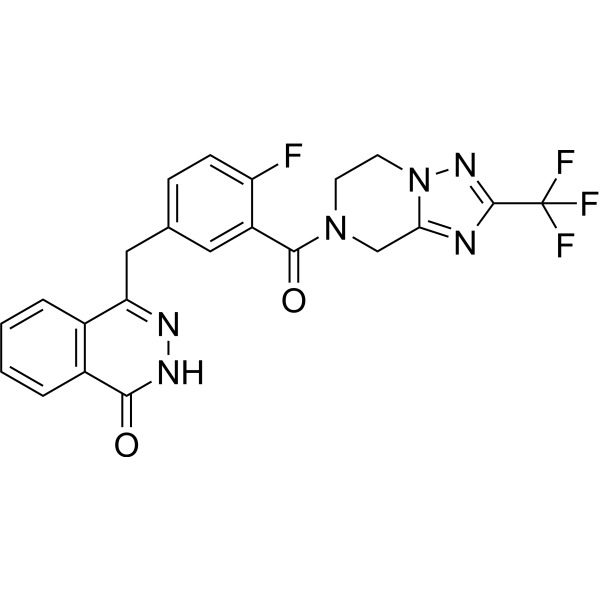
SHR3162; Fuzuloparib
|
PARP
|
Cancer
|
|
Fluzoparib (SHR3162) is a potent and orally active PARP1 inhibitor (IC50=1.46±0.72 nM, a cell-free enzymatic assay) with superior antitumor activity. Fluzoparib selectively inhibits the proliferation of homologous recombination repair (HR)-deficient cells, and sensitizes both HR-deficient and HR-proficient cells to cytotoxic agents. Fluzoparib exhibits good pharmacokinetic properties in vivo and can be used for BRCA1/2-mutant relapsed ovarian cancer research [1].
|
-
-
- HY-145471
-
|
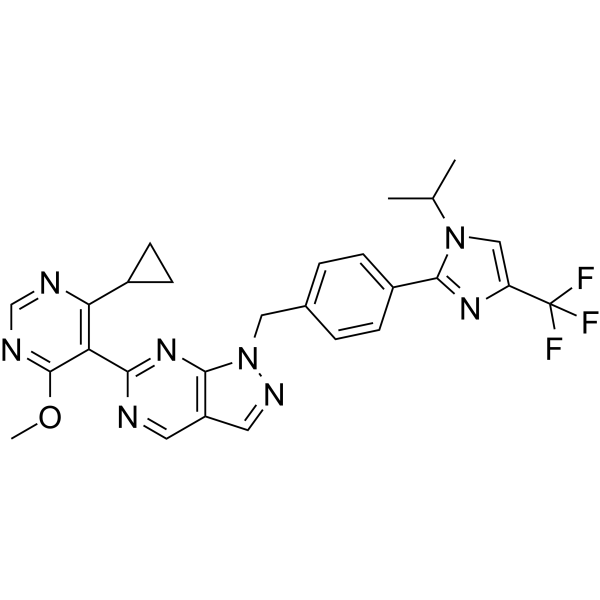
USP1-IN-1
|
Deubiquitinase
PARP
|
Cancer
|
|
KSQ-4279 (USP1-IN-1) is a potent USP1 inhibitor and a selective PARP1 inhibitor. KSQ-4279 is promising for research of cancers [1].
|
-
-
- HY-145804
-
|
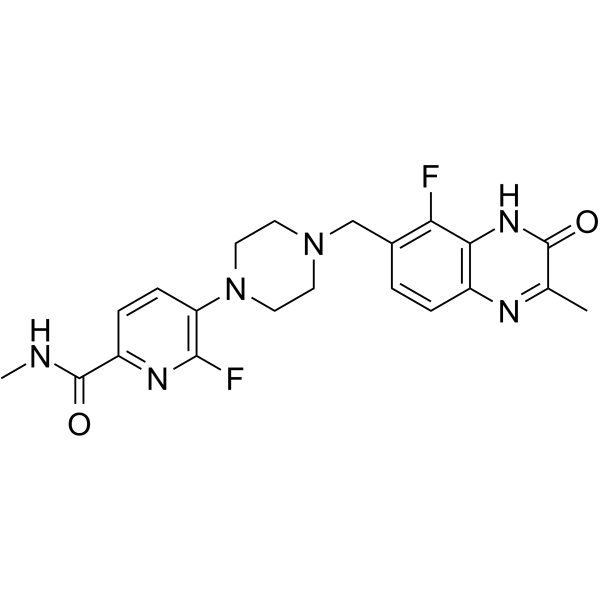
AZD-9574
|
PPAR
|
Neurological Disease
Cancer
|
|
AZD-9574 is a potent and brain penetrant PARP1 inhibitor and shows >8000-fold selectivity for PARP1 compared to PARP2/3/5a/6. AZD-9574 acts by selectively inhibiting and trapping PARP1 at the sites of SSBs. AZD-9574 is an anti-cancer agent and can be used for HRD +?breast cancer and advanced solid malignancies research [1].
|
-
-
- HY-12032
-
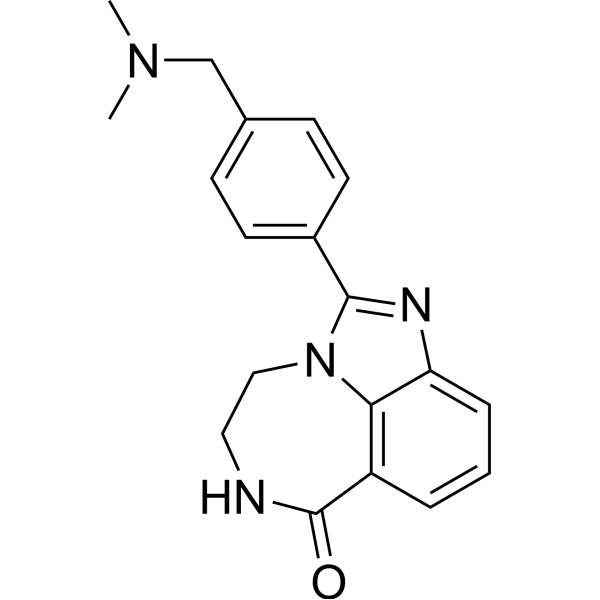
AG14361
Maximum Cited Publications
7 Publications Verification
|
PARP
|
Cancer
|
|
AG14361 is a potent PARP-1 inhibitor, with a Ki of < 5 nM, and in permeabilized SW620 and intact SW620 cells, the IC50s are 29 nM and 14 nM, respectively.
|
-
-
- HY-113352
-
|
|
Endogenous Metabolite
PARP
|
Cancer
|
|
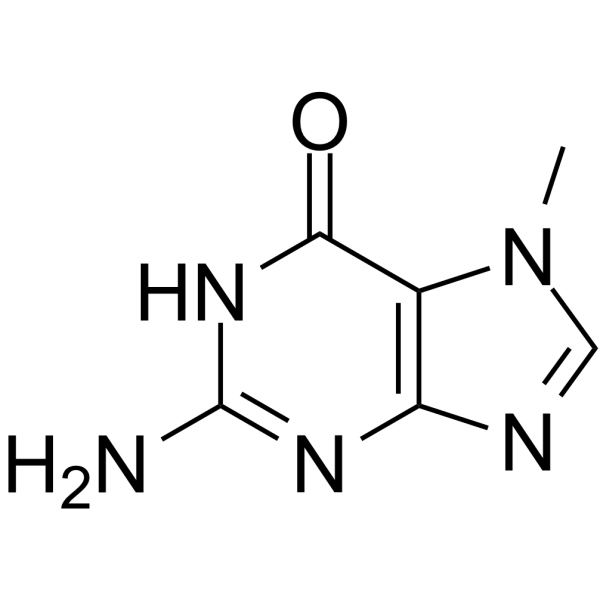
7-Methylguanine is an orally active and competitive PARP-1 inhibitor with a Ki value of 61 μM. 7-Methylguanine is a metabolite of nucleic acids. 7-Methylguanine has anticancer activity against uterine sarcoma and colon adenocarcinoma. 7-Methylguanine is used as a probe for protein-DNA interactions [1] .
|
-
-
- HY-114869
-
DPQ
3 Publications Verification
|
PARP
|
Neurological Disease
Cancer
|
|
DPQ is a selective PARP-1 inhibitor that blocks PARP-1-mediated DNA damage repair and NAD +/ATP consumption, thereby inhibiting excessive inflammatory responses. DPQ inhibits NF-κB pathway activation, reduces the expression of pro-inflammatory factors (such as TNF-α, IL-6) and oxidative stress. DPQ can be used in inflammation-related studies of acute lung injury, myocardial infarction, and neurodegenerative diseases [1] .
|
-
-
- HY-171007
-
-

-
- HY-10619D
-
|
MK 4827 (R-enantiomer)
|
PARP
|
Cancer
|
|
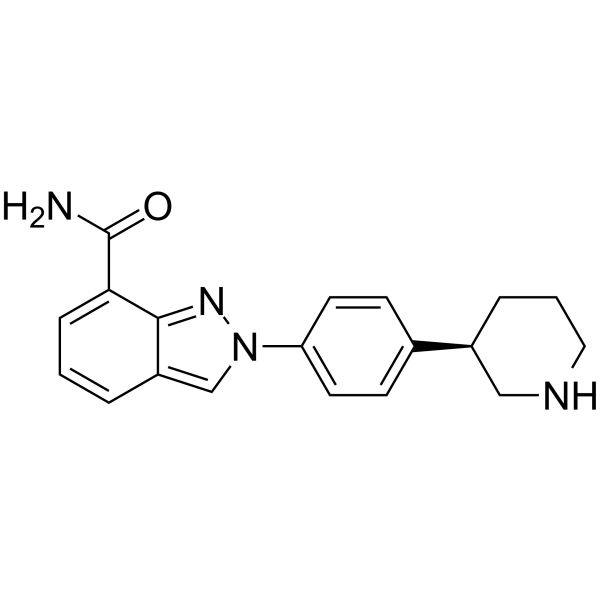
Niraparib R-enantiomer (MK-4827 R-enantiomer) is an excellent PARP1 inhibitor with IC50 of 2.4 nM.
|
-
-
- HY-18954
-
|
|
PARP
|
Cancer
|
|
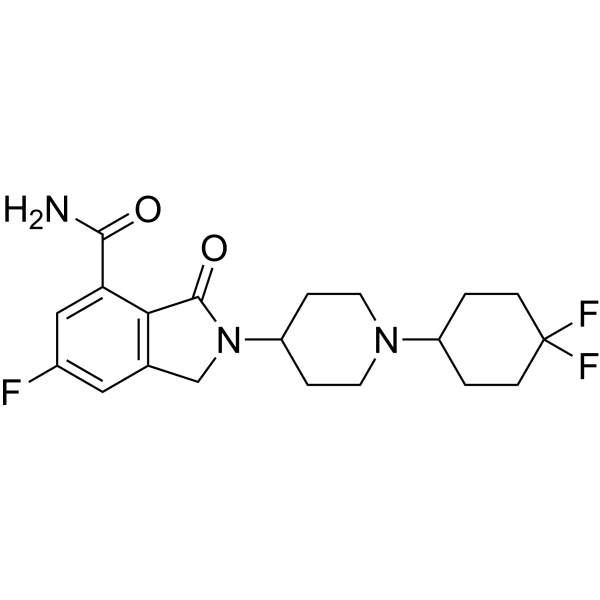
NMS-P118 is a potent, orally available, and highly selective PARP-1 Inhibitor for cancer therapy.
|
-
-
- HY-16106A
-
|
(8R,9S)-BMN-673; (8R,9S)-LT-673
|
PARP
|
Cancer
|
|
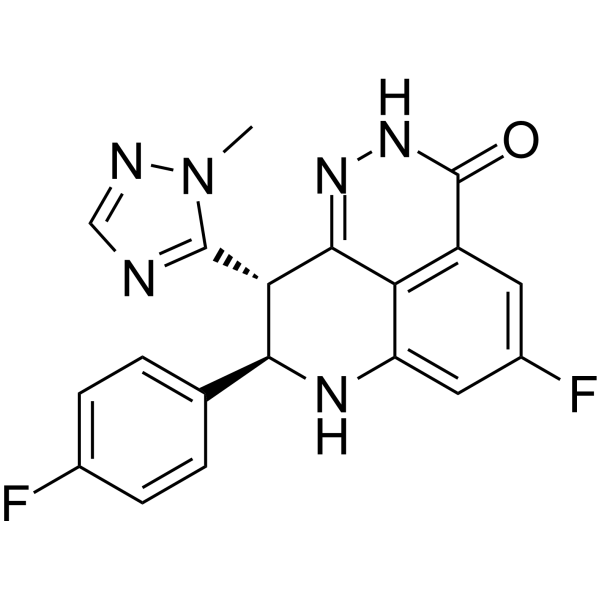
(8R,9S)-Talazoparib ((8R,9S)-BMN-673) is an enantiomer of Talazoparib. (8R,9S)-Talazoparib is an PARP1 inhibitor, with an IC50 of 144 nM [1].
|
-
-
- HY-164926
-
|
|
PARP
|
Neurological Disease
|
|
PARP1-IN-33 (Example 6) is a PARP1 inhibitor (IC50: 0.41 nM). PARP1-IN-33 has retinal cytoprotective effect, with an EC50 of 0.02 nM (inhibition on MTS activity of H2O2 induced human retinal pigment epithelial cell) [1].
|
-

-
- HY-W006566
-
|
5-Aminoisoquinolin-1-one
|
PARP
|
Cancer
|
|
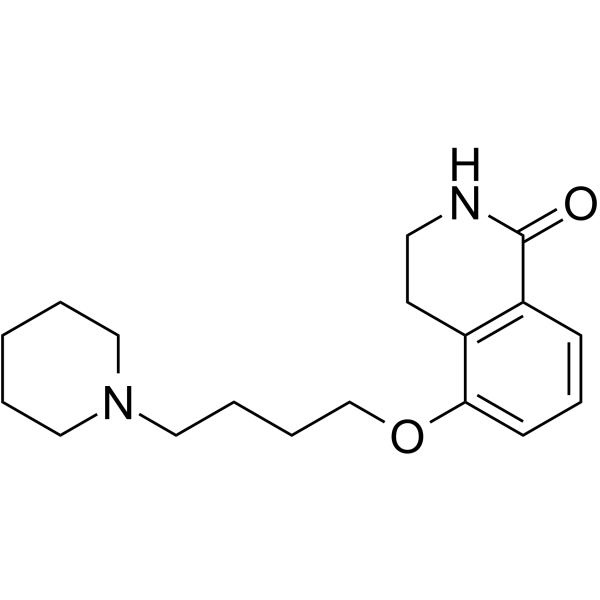
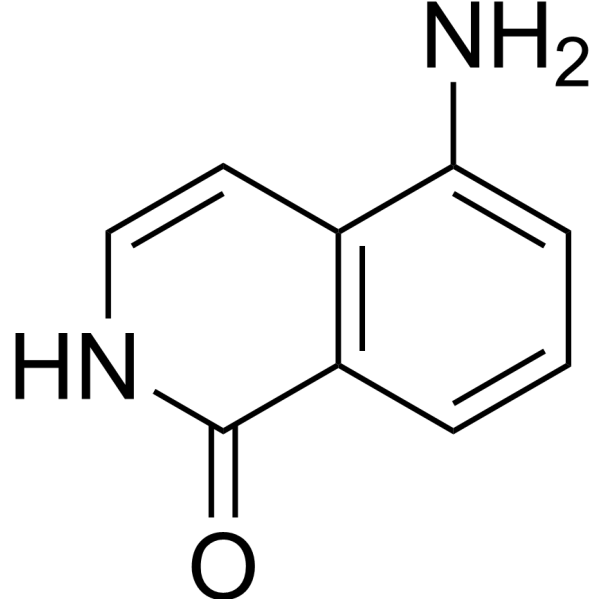
5-AIQ (5-Aminoisoquinolin-1-one) is a PARP-1 inhibitor. 5-AIQ is an important functional group in various drugs. 5-AIQ reduces the tissue injury associated with ischemia-reperfusion of the liver, it can be used for the research of the research conditions associated with ischemia-reperfusion of the liver [1] .
|
-
-
- HY-108632
-
|
|
PARP
|
Cancer
|
|
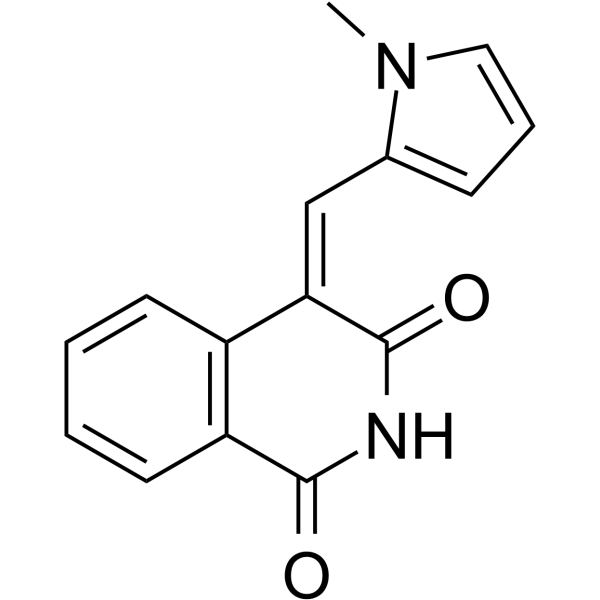
BYK204165 is a potent and selective PARP1 inhibitor. BYK204165 inhibits cell-free recombinant human PARP-1 (hPARP-1) with a pIC50 of 7.35 (pKi=7.05), and murine PARP-2 (mPARP-2) with a pIC50 of 5.38, respectively. BYK204165 displays 100-fold selectivity for PARP-1 [1].
|
-
-
- HY-147027
-
|
|
PARP
Caspase
Apoptosis
|
Neurological Disease
Inflammation/Immunology
Cancer
|
|
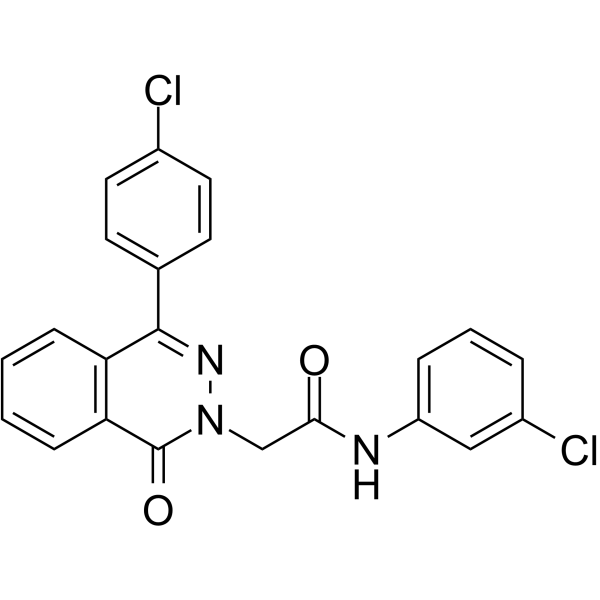
PARP-1-IN-2 (compound 11g) is a potent PARP1 inhibitor, with an IC50 of 149 nM, and ADME prediction indicates it has high blood-brain barrier permeability. PARP1-IN-2 shows significantly potent anti-proliferative activity against Human lung adenocarcinoma epithelial cell line A549. PARP1-IN-2 can induce A549 cells apoptosis [1].
|
-
-
- HY-145471A
-
|
|
Deubiquitinase
PARP
|
Cancer
|
|
KSQ-4279 (gentisate) (Compound Formula I) is a potent USP1 inhibitor and a selective PARP1 inhibitor. KSQ-4279 (gentisate) is promising for research of cancers [1].
|
-

-
- HY-132297A
-
|
|
PARP
|
Cancer
|
|
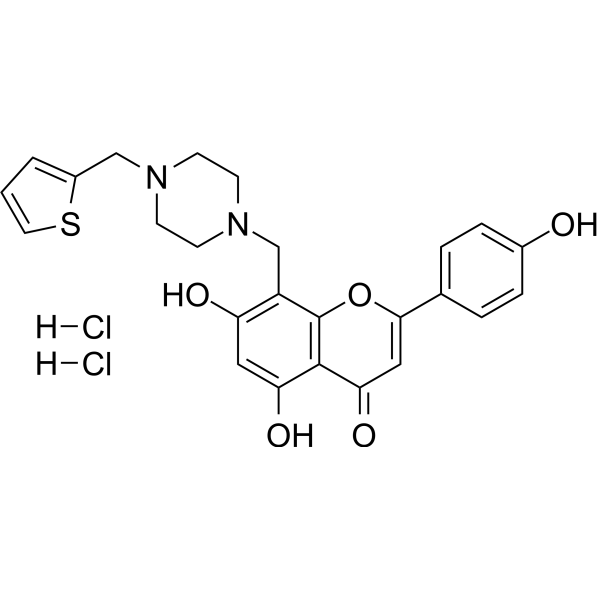
PARP1-IN-5 dihydrochloride is a low toxicity, orally active, potent and selective PARP-1 inhibitor (IC50 =14.7 nM). PARP1-IN-5 dihydrochloride can be used for the research of cancer [1].
|
-
-
- HY-136489
-
|
|
PARP
Apoptosis
|
Cancer
|
|
KU-0058948 is a specific and potent PARP1 inhibitor with an IC50 of 3.4 nM. KU-0058948 induces cell cycle arrest and apoptosis of primary myeloid leukemic cells and myeloid leukemic cell lines [1] .
|
-

-
- HY-147886
-
|
|
PARP
|
Cancer
|
|
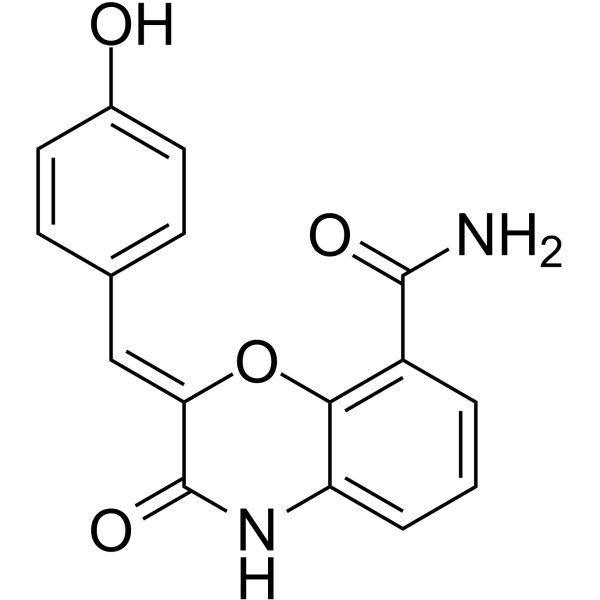
PARP1-IN-11 (compound 49) is a potent PARP1 inhibitor with IC50 value of 0.082 µM. PARP1-IN-11 shows complete inhibition of PARP2 and substantially inhibits PARP3, TNKS1 and TNKS2 [1].
|
-
-
- HY-W156961
-
|
|
PARP
|
Neurological Disease
|
|
LS-75 is a PARP-1 inhibitor with blood-brain permeability and IC50 value of 18 μM. LS-75 has neuroprotective activity [1].
|
-

-
- HY-149348
-
|
|
Topoisomerase
PARP
Apoptosis
|
Cancer
|
|
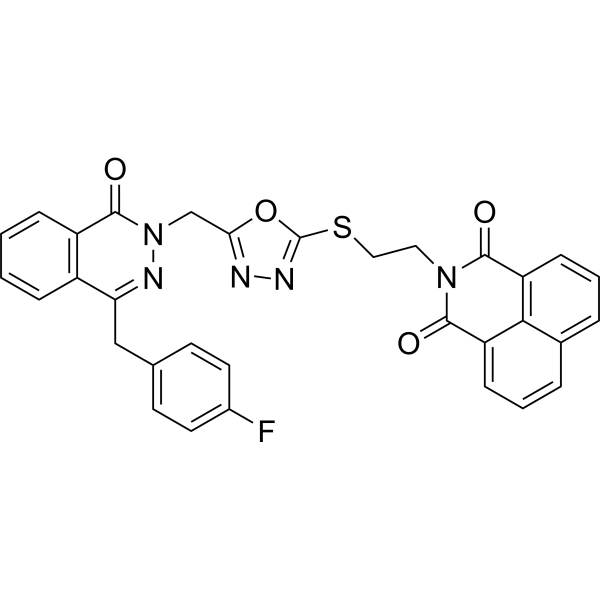
DiPT-4 is a dual TOP1/PARP1 inhibitor that induces massive DNA double-strand breaks (DSBs), cell cycle arrest, and apoptosis in cancer cells. DiPT-4 has the potential to overcome cancer drug resistance [1].
|
-
-
- HY-179406
-
|
|
PARP
DNA/RNA Synthesis
Reactive Oxygen Species (ROS)
Apoptosis
|
Cancer
|
|
PARP1-IN-49 is a selective PARP1 inhibitor with an IC50 of 23.56 nM and a Kd of 17.78 nM. PARP1-IN-49 shows a selectivity for PARP1 over PARP2. PARP1-IN-49 leads to the induction of DNA damage, cell cycle arrest, and apoptosis. PARP1-IN-49 also increases intracellular ROS levels and inhibits cell migration. PARP1-IN-49 can be used for the research of breast cancer and ovarian cancer [1].
|
-

-
- HY-128599
-
|
|
PARP
|
Cancer
|
|
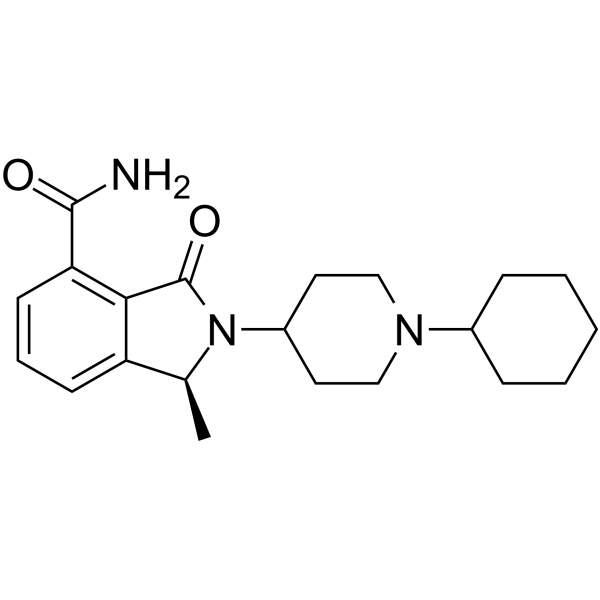
NMS-P515 is a potent, orally active and stereospecific PARP-1 inhibitor, with a Kd of 16 nM and an IC50 of 27 nM (in Hela cells). Anti-tumor activity [1].
|
-
-
- HY-175471
-
|
|
PARP
|
Cancer
|
|
PARP1-IN-42 (Example 43 cis-a) is a PARP1 inhibitor with IC50 <10 nM. PARP1-IN-42 can be used in cancer research [1].
|
-

-
- HY-34386
-
|
|
PARP
|
Inflammation/Immunology
Cancer
|
|
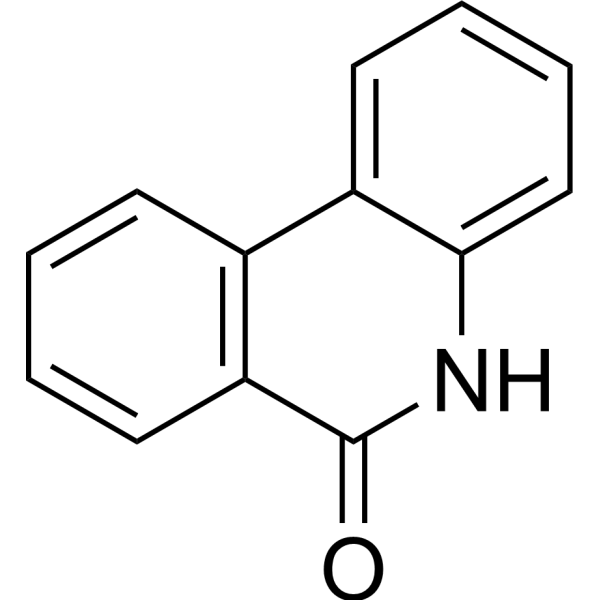
6(5H)-Phenanthridinone is a potent PARP-1 inhibitor and immunomodulator. 6(5H)-Phenanthridinone inhibits cell proliferation and can be used in cancer research [1].
|
-
-
- HY-132297
-
|
|
PARP
|
Cancer
|
|
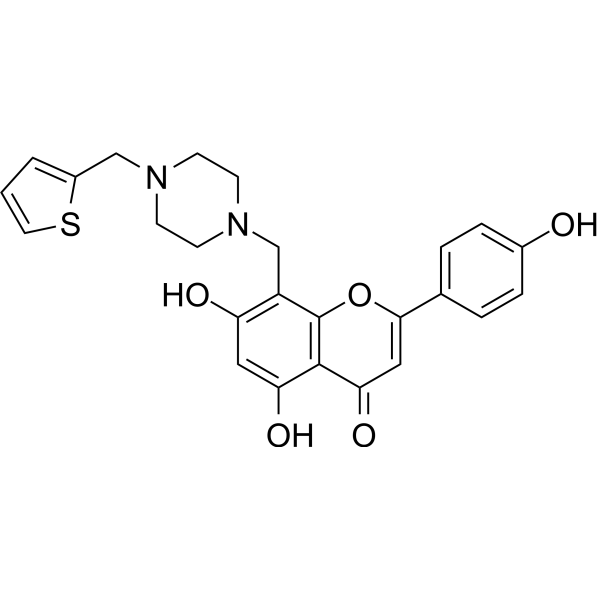
PARP1-IN-5 is a low toxicity, orally active, potent and selective PARP-1 inhibitor (IC50 =14.7 nM). PARP1-IN-5 can be used for the research of cancer [1].
|
-
-
- HY-136489A
-
|
|
PARP
Apoptosis
|
Cancer
|
|
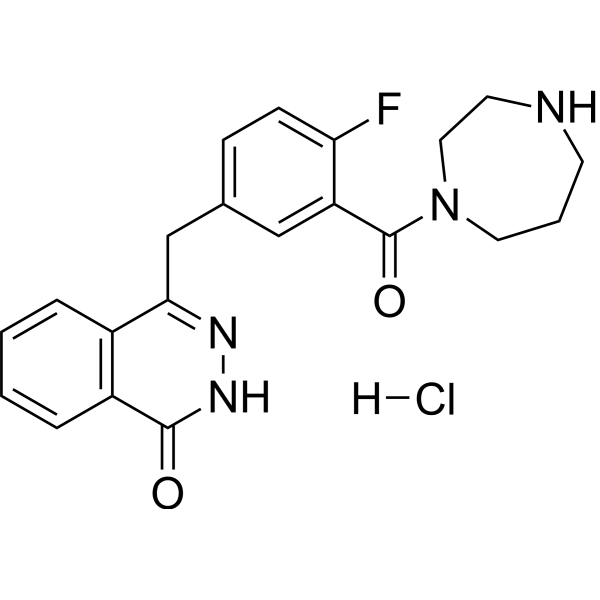
KU-0058948 hydrochloride is a specific and potent PARP1 inhibitor with an IC50 of 3.4 nM. KU-0058948 hydrochloride induces cell cycle arrest and apoptosis of primary myeloid leukemic cells and myeloid leukemic cell lines [1] .
|
-
-
- HY-132157
-
|
|
PARP
|
Cancer
|
|
8-Chloroquinazolin-4-ol is a poly (ADP-ribose) polymerase-1 (PARP-1) inhibitor with an IC50 value of 5.65 μM. 8-Chloroquinazolin-4-ol can be used in cancer-related research [1].
|
-

-
- HY-175482
-
|
|
PARP
|
Neurological Disease
Cancer
|
|
PARP1-IN-43 (Compound 5350) is a blood-brain barrier (BBB) permeable PARP1 inhibitor, with an IC50 of 5 nM. PARP1-IN-43 can be used for the study of homologous recombination (HR)-deficient central nerve system (CNS) cancers [1].
|
-

-
- HY-178100
-
|
|
PARP
BCRP
|
Cancer
|
|
PARP1-IN-45 (Compound 15) is a PARP1 inhibitor with an IC50 of 17 nM. PARP1-IN-45 effectively stimulates ATPase activity of ABCG2. PARP1-IN-45 can be used for cancers like ovarian cancer research [1].
|
-

-
- HY-169575
-
-

-
- HY-144642
-
|
|
PARP
|
Cancer
|
|
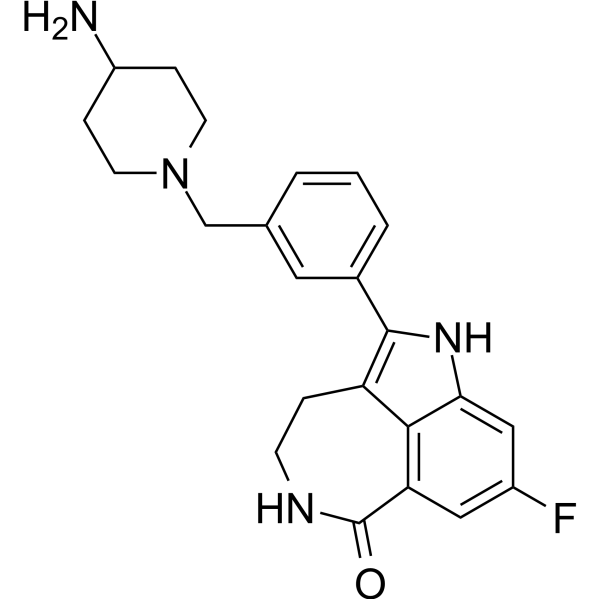
PARP-1-IN-1 is a high selective and orally active PARP-1 inhibitor (IC50=0.96 nM). PARP-1-IN-1 has well tolerance and remarkable single dose activity in the MDA-MB-436 xenotransplantation model [1].
|
-
-
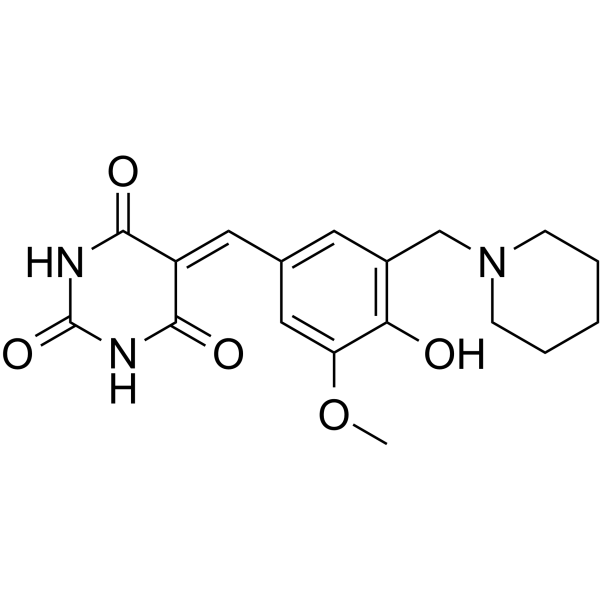
- HY-149001
-
|
|
PARP
|
Cancer
|
|
PARP1-IN-9 (Compound 5c) is a PARP1 inhibitor with an IC50 of 30.51 nM. PARP1-IN-9 induces cell apoptosis and shows anticancer activity. PARP1-IN-9 has higher potency than Olaparib (HY-10162) [1].
|
-
-
- HY-W006566R
-
|
5-Aminoisoquinolin-1-one (Standard)
|
Reference Standards
PARP
|
Cancer
|
|
5-AIQ (5-Aminoisoquinolin-1-one) is a PARP-1 inhibitor. 5-AIQ is an important functional group in various drugs. 5-AIQ reduces the tissue injury associated with ischemia-reperfusion of the liver, it can be used for the research of the research conditions associated with ischemia-reperfusion of the liver [1] .
|
-

-
- HY-178468
-
|
|
PARP
|
Cancer
|
|
PARP1-IN-47 (Compound 35) is a highly selective PARP1 inhibitor (IC50 <100 nM). PARP1-IN-47 blocks poly(ADP-ribosyl)ation and disrupts DNA damage repair pathways to induce tumor cell apoptosis. PARP1-IN-47 is promising for research of solid tumors and hematological malignancies [1].
|
-

-
- HY-N15380
-
|
|
PARP
Reactive Oxygen Species (ROS)
Caspase
Apoptosis
Pyroptosis
|
Cancer
|
|
4,4′-Secalonic acid D (Compound 12) is a PARP1 inhibitor. 4,4′-Secalonic acid D induces the accumulation of ROS and DNA damage, activates the caspase-3/GSDME pathway, and triggers apoptosis and pyroptosis of tumor cells by inhibiting PARP1. 4,4′-Secalonic acid D has anti-tumor activity [1].
|
-

-
- HY-10615
-
|
|
PARP
|
Cancer
|
|
A-620223 is a PARP-1 inhibitor with a Ki of 8 nM against PARP-1 and EC50 of 3 nM in a whole cell assay. A-620223 demonstrates good in vivo efficacy in a B16F10 subcutaneous murine melanoma model in combination with Temozolomide (TMZ) (HY-17364) and in an MX-1 breast xenograph model in combination with Cisplatin (HY-17394). A-620223 can be used for the studies of melanoma and breast cancer [1].
|
-

-
- HY-164475
-
|
|
PARP
|
Cancer
|
|
PARP1-IN-29 is an orally active PARP-1 inhibitor with an IC50 value of 6.3 nM. PARP1-IN-29, after being labeled with [18F], can be used for positron emission tomography (PET) imaging, specifically targeting PARP-1 in tumors. PARP1-IN-29 is applicable in the fields of oncology and imaging research, particularly for detecting PARP-1 activity in cancer [1].
|
-

-
- HY-175257
-
|
|
PARP
Reactive Oxygen Species (ROS)
Apoptosis
NF-κB
ERK
Bcl-2 Family
TGF-β Receptor
EGFR
Cadherin
|
Cancer
|
|
Theophylline-platinum(IV) prodrug-1 is a PARP-1 inhibitor. Theophylline-platinum(IV) prodrug-1 enhances DNA
damage, ROS production, mitochondrial dysfunction, apoptosis and S-phase arrest, along with reducing invasion and metastasis in cells. Theophylline-platinum(IV) prodrug-1 exhibits superior antitumor activity in the xenograft SKOV3-BRCA1-KD tumor model. Theophylline-platinum(IV) prodrug-1 can be used for the study of ovarian cancer [1].
|
-

-
- HY-178178
-
|
|
PARP
Reactive Oxygen Species (ROS)
DNA/RNA Synthesis
Apoptosis
|
Cancer
|
|
PARP1-IN-46 is a potent PARP-1 inhibitor with an IC50 of 2.4 nM. PARP1-IN-46 demonstrates remarkable anti-proliferative activity in both rat (C6) and human (U87MG) glioma cells. PARP1-IN-46 promotes PARP cleavage, triggers DNA damage, and increases ROS. PARP1-IN-46 effectively inhibits the migration, invasion and colony formation of glioma cells, and ultimately induces cell apoptosis. PARP1-IN-46 can be used to the study of glioma [1].
|
-

-
- HY-178032
-
|
|
PARP
Apoptosis
Reactive Oxygen Species (ROS)
DNA/RNA Synthesis
STING
|
Cancer
|
|
PARP1-IN-44, an Olaparib (HY-10162) derivative, is an orally active PARP1 inhibitor (IC50 = 0.6 nM), and also inhibits PARP2 (IC50 = 1.0 nM) and PARP7 (IC50 = 7.5 nM). PARP1-IN-44 has selective antiproliferative activity against BRCA-deficient cancer cells with minimal toxicity to normal cells. PARP1-IN-44 induces G2/M phase arrest, promotes apoptosis, elevates ROS levels, disrupts mitochondrial membrane potential. PARP1-IN-44 suppresses PARylation while increasing γH2AX accumulation. PARP1-IN-44 activates the cGAS-STING pathway, upregulating IFN-β and CXCL10 expression. PARP1-IN-44 enhancing CD8+ T cell infiltration in a CT26 tumor mouse model, demonstrating robust in vivo antitumor efficacy [1].
|
-

-
- HY-170432
-
|
|
PARP
|
Cancer
|
|
PARP1-IN-34 (compound 30) is a selective PARP1 inhibitor with an IC50 of 0.32 nM. PARP1-IN-34 is a subnanomolar PARP1 inhibitor with >1000-fold selectivity against PARP2 with an IC50 of 326 nM. PARP1-IN-34 shows antitumor efficacy[1].
|
-

-
- HY-173597
-
|
|
PARP
|
Cancer
|
|
ZINC43120769 is a PARP1 inhibitor. ZINC43120769 can be used in prostate cancer (PC) research [1].
|
-

-
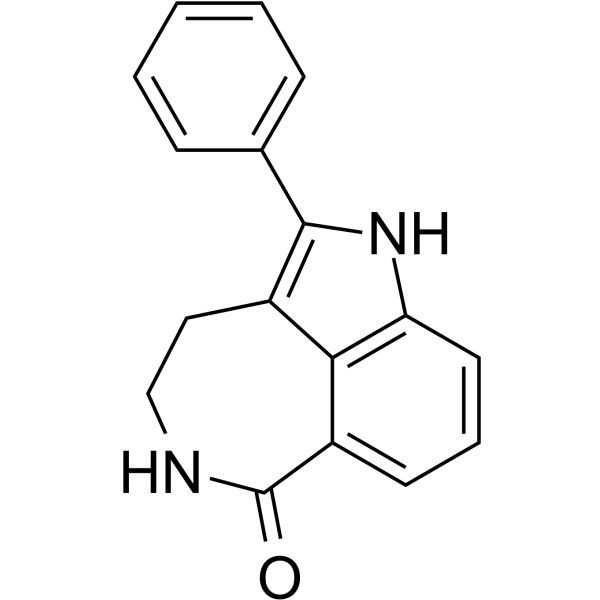
- HY-U00223
-
|
|
PARP
|
Cancer
|
|
WD2000-012547 is a selective poly(ADP-ribose)-polymerase (PARP-1) inhibitor with a pKi of 8.221.
|
-
-
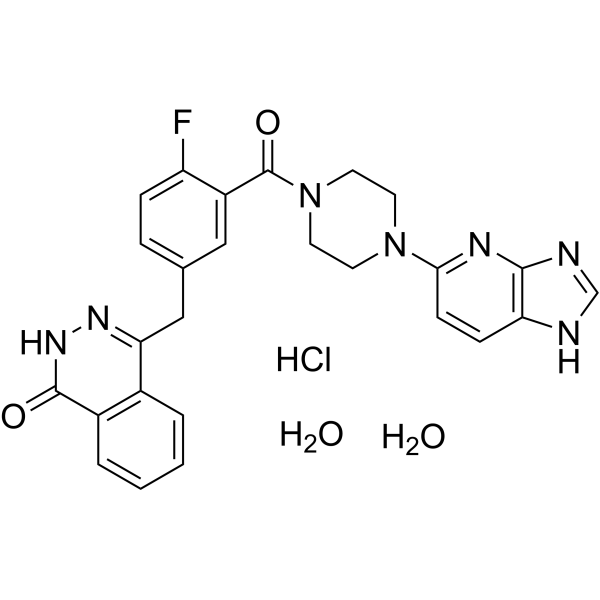
- HY-160417
-
|
|
PARP
|
Cancer
|
|
PARP1-IN-19 is a PARP1 inhibitor with antitumor effects (CN107955001A; Embodiment 3) [1].
|
-
-
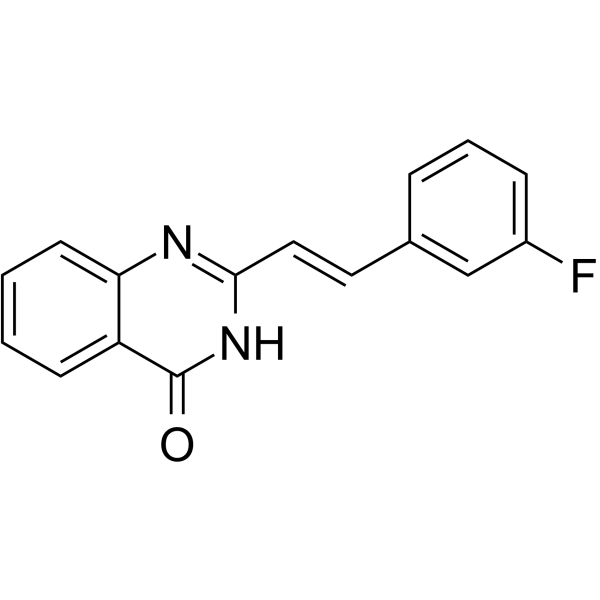
- HY-139879
-
|
|
PARP
|
Cancer
|
|
PARP1-IN-6 is a dual tubulin/PARP-1 inhibitor with IC50 values of 0.94 and 0.48 μM, respectively.
|
-
-
- HY-159612
-
|
|
PARP
|
Cancer
|
|
PARP1-IN-28 (compound 1) is a PARP1 inhibitor. PARP1-IN-28 can be used in the study of cancer [1].
|
-

-
- HY-108238
-
|
|
PARP
|
Cancer
|
|
BSI-401 is an orally active PARP-1 inhibitor. BSI-401 alone and in synergism with Oxaliplatin (HY-17371) inhibits pancreatic cancer [1].
|
-

-
- HY-162114
-
|
|
PARP
|
Cancer
|
|
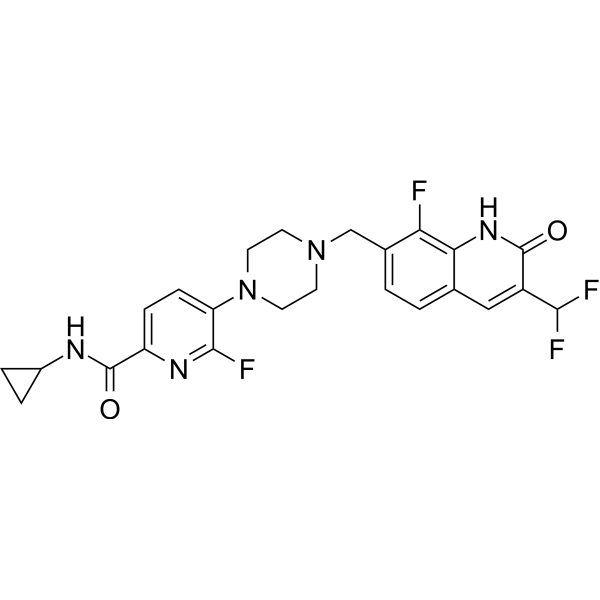
PARP1-IN-18 (compound 25) is a potent PARP1 inhibitor with an IC50 value of 2.7 nM. PARP1-IN-18 has anticancer effects [1].
|
-
-
- HY-174836
-
|
|
PARP
|
Cancer
|
|
ZINC000081009201 is a potent poly(ADP-ribose) polymerase 1 (PARP1) inhibitor with an IC50 value of 1.4767 μM. ZINC000081009201 is promising for research of triple-negative breast cancer (TNBC) [1].
|
-

-
- HY-164757
-
-

- HY-163658
-
|
|
PARP
|
Cancer
|
|
PARP-1-IN-23 (Compound I16 ) is an orally active and selective PARP-1 inhibitor with the IC50 of 12.38 nM. PARP-1-IN-23 inhibits tumor growth in vivo [1].
|
-

- HY-117423
-
|
|
PARP
|
Cancer
|
|
ST7710AA1 (compound 1l) is a potent PARP-1 inhibitor with an IC50 value of 0.07 µM. ST7710AA1 shows an antiproliferative activity. ST7710AA1 shows anticancer activity [1].
|
-

- HY-173446
-
|
|
PARP
|
Cancer
|
|
PARP1-IN-38 (compound ent-6_P) is a potent PARP1 inhibitor with an IC50 of 10 μM. PARP1-IN-38 shows selective cytotoxic activity in BRCA mutant cancer cells [1]
|
-

- HY-156298
-
|
|
PARP
Apoptosis
|
Cancer
|
|
PARP1-IN-16 (compound 12a) is a potent PARP1 inhibitor, with an IC50 of 1.89 nM. PARP1-IN-16 can arrest the cell cycle in S phase and induce apoptosis in HCT-116 cells [1].
|
-
- HY-157137
-
|
|
PARP
Caspase
Apoptosis
|
Cancer
|
|
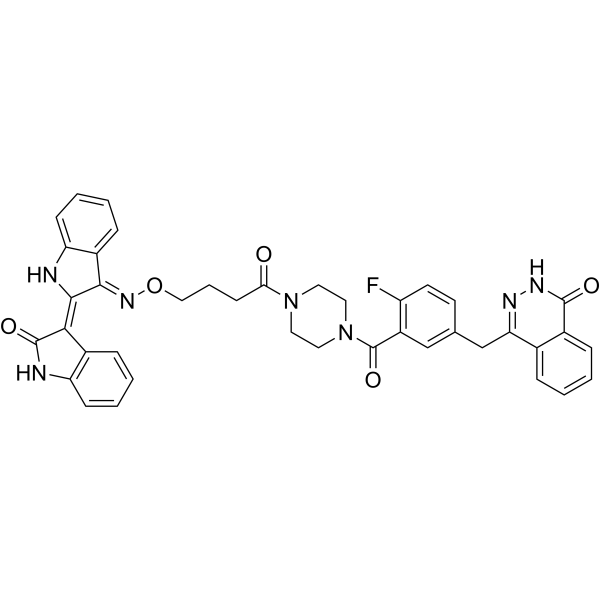
PARP1-IN-17 is a PARP-1 inhibitor (IC50 = 19.24 nM for PARP-1 and = 32.58 nM for PARP-2) and induce apoptosis. PARP1-IN-17 shows excellent anti-proliferative activity [1].
|
-
- HY-153590
-
|
|
PARP
|
Cancer
|
|
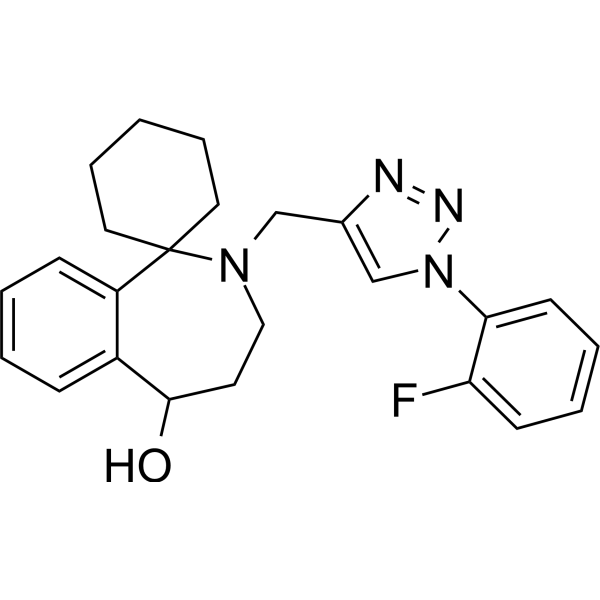
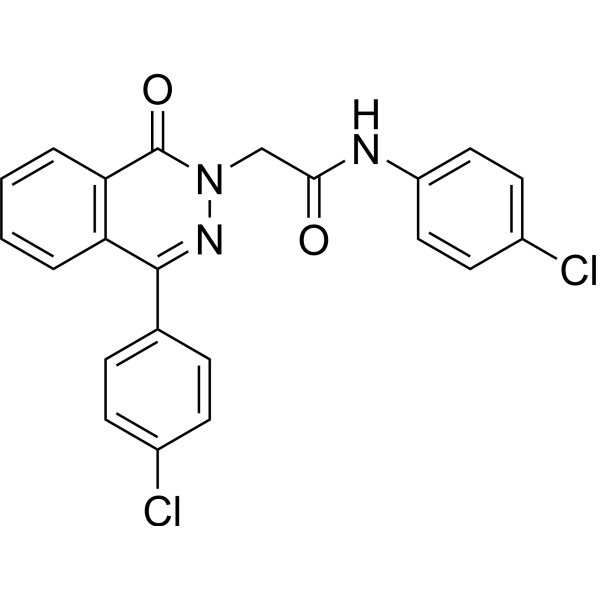
PARP-1-IN-4 is a PARP-1 inhibitor. PARP-1-IN-4 has inhibitory activity against PARP-1 with IC50 value of 302 μM. PARP-1-IN-4 can be used for the research of lung adenocarcinoma [1].
|
-
- HY-W006566A
-
|
5-Aminoisoquinolin-1-one hydrochloride
|
PARP
|
Cancer
|
|
5-AIQ hydrochloride is a PARP-1 inhibitor. 5-AIQ hydrochloride is an important functional group in various drugs. 5-AIQ hydrochloride reduces the tissue injury associated with ischemia-reperfusion of the liver, it can be used for the research of the research conditions associated with ischemia-reperfusion of the liver [1] .
|
-

- HY-163461
-
|
|
PARP
|
Cancer
|
|
4F-DDC is a novel PARP1 inhibitor with an IC50 value of 82 nM. 4F-DDC induces DNA damage and activates the cGAS–STING pathway. 4F-DDC inhibits the growth of HCC-1937-derived tumor xenografts [1].
|
-
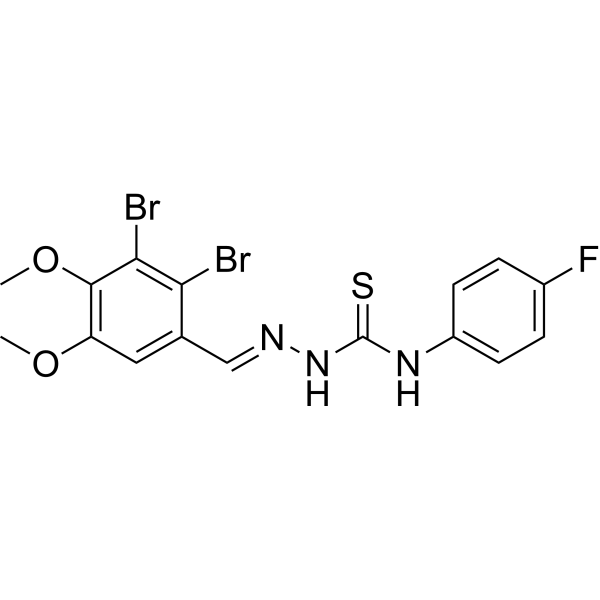
- HY-147030
-
|
|
PARP
|
Cancer
|
|
PARP1-IN-8 (compound 11c) is a potent and BBB-penetrated PARP1 inhibitor, with an IC50 of 97 nM. PARP1-IN-8 shows significantly potent anti-proliferative activity against Human lung adenocarcinoma epithelial cell line A549 [1].
|
-
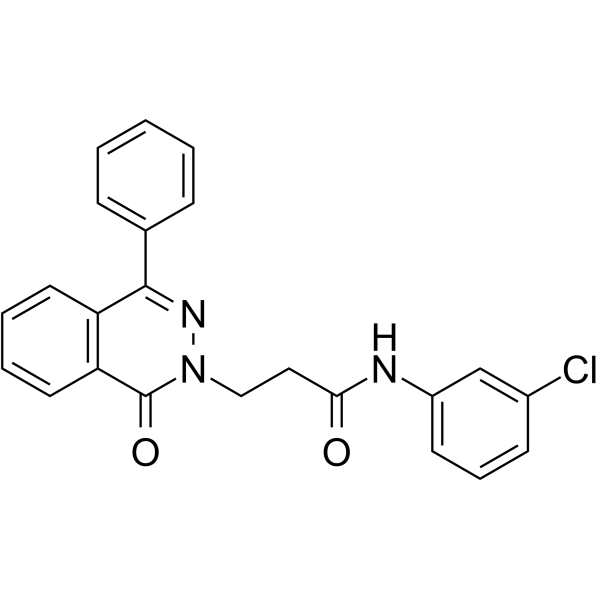
- HY-149003
-
|
|
PARP
Apoptosis
|
Cancer
|
|
PARP1-IN-10 (compound 12c) is a no-cytotoxicity and potent PARP1 inhibitor with an IC50 value of 50.62 nM in vitro. PARP1-IN-10 causes cell cycle arrest at G2/M phase and apoptosis, and enhances the cytotoxicity of temozolomide (TMZ) [1].
|
-
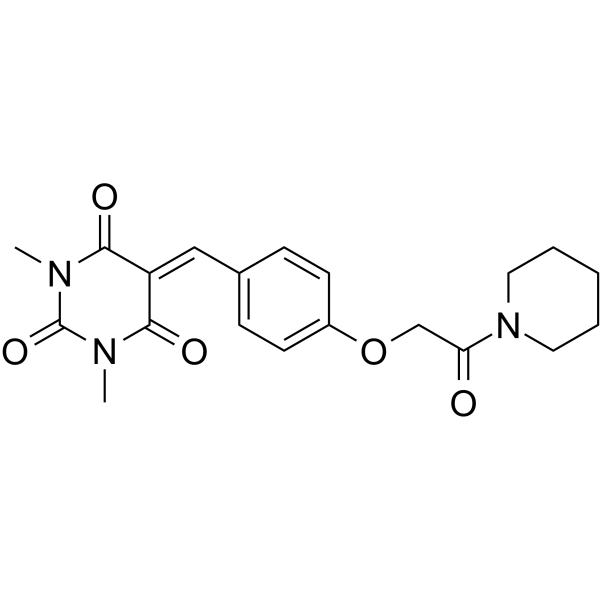
- HY-168094
-
|
|
PARP
|
Cancer
|
|
PARP1-IN-30 (Compound 3) is a specific and potent PARP1 inhibitor with cytotoxicity. PARP1-IN-30 allows precise inhibition of PARP1 in tumor cells with breast cancer 1 protein (BRCA1) or BRCA2 deficiencies. PARP1-IN-30 is promising for research of cancers [1].
|
-

- HY-155122
-
|
|
PARP
|
Cancer
|
|
PARP-1-IN-13 (Compound 19c) is a PARP-1 inhibitor (IC50: 26 nM). PARP-1-IN-13 inhibits DNA single-strand breakage repair and aggravates DNA double-strand breakage. PARP-1-IN-13 promotes the apoptosis of cancer cells through the mitochondrial apoptosis pathway [1].
|
-
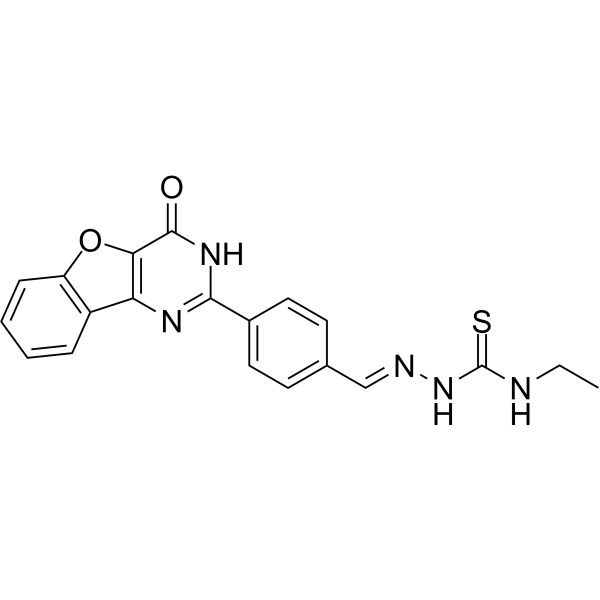
- HY-155766
-
|
|
PARP
Apoptosis
|
Cancer
|
|
PARP1-IN-14 (compound 19k) is a potent PARP1 inhibitor, with an IC50 of 0.6 ± 0.1 nM. PARP1-IN-14 exhibits antiproliferative effect against both MDA-MB-436 (BRCA1 −/−) and Capan-1 (BRCA2 −/−) cells with IC50 values below 0.3 nM [1].
|
-
- HY-149800
-
|
|
PARP
Apoptosis
Caspase
|
Cancer
|
|
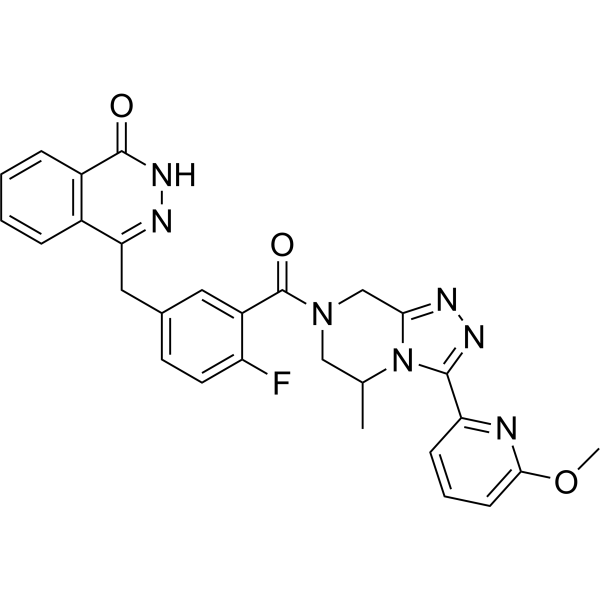
PARP-1-IN-3, a benzamide derivative, is a potent PARP-1 inhibitor with IC50 values of 0.25 nM and 2.34 nM for PARP-1 and PARP-2, respectively. PARP-1-IN-3 induces apoptosis and arrest cell cycle at G2/M phase. PARP-1-IN-3 can be used in research of cancer [1].
|
-
- HY-150765
-
|
|
PARP
Apoptosis
|
Cancer
|
|
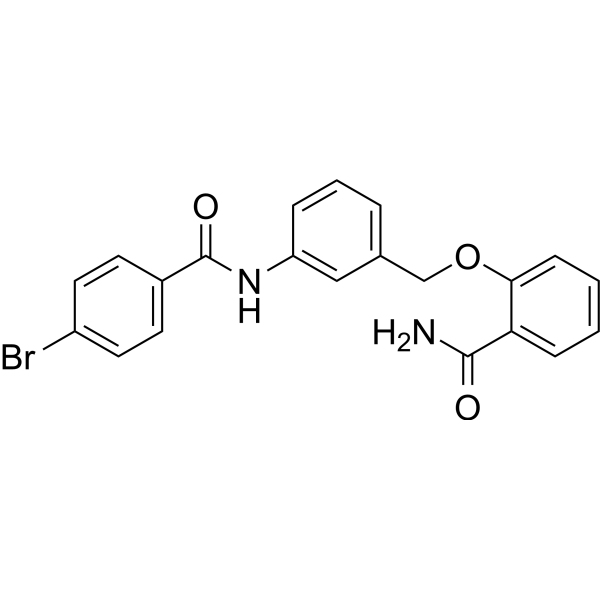
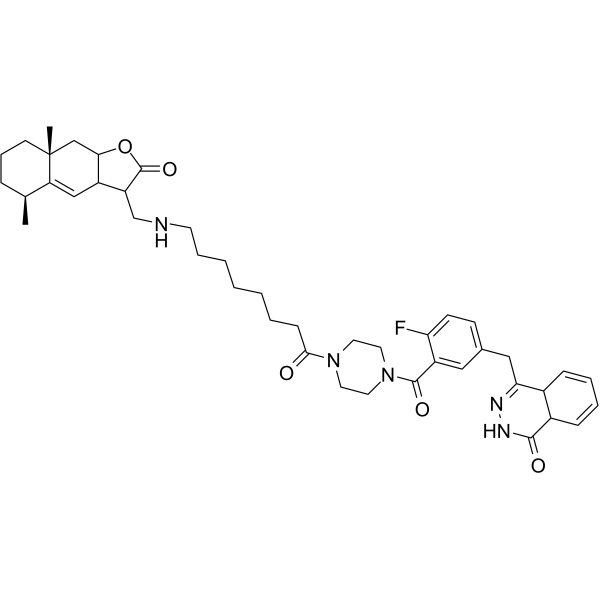
PARP1-IN-12 is a potent PARP1 inhibitor with an IC50 of 2.99 nM. PARP1-IN-12 exhibits antiproliferative activity, can induce cell apoptosis and cause cycle arrest at G2/M phase. PARP1-IN-12 also can induce DNA double strand breaks (DSBs) in BRCA-deficient cells [1].
|
-
- HY-W424851
-
|
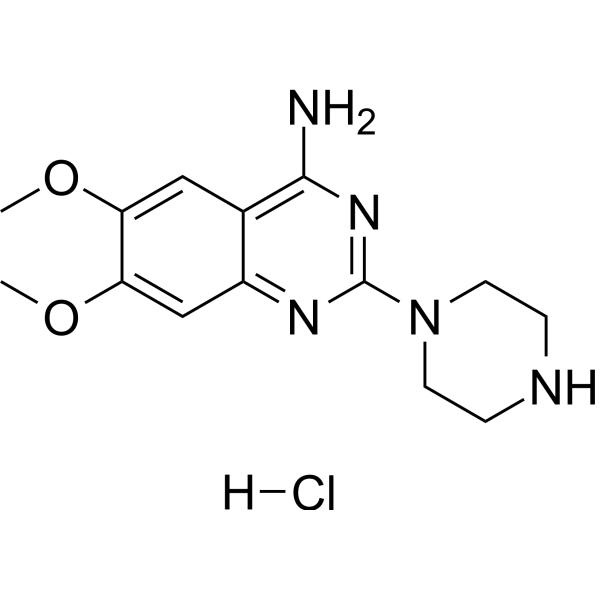
6,7-Dimethoxy-2-(1-piperazinyl)-4-quinazolinamine hydrochloride
|
PARP
|
Infection
Inflammation/Immunology
|
|
DPQ hydrochloride is a blood-brain barrier permeable and selective PARP-1 inhibitor that blocks PARP-1-mediated DNA damage repair and NAD +/ATP consumption, thereby inhibiting excessive inflammatory responses. DPQ hydrochloride inhibits NF-κB pathway activation, reduces the expression of pro-inflammatory factors (such as TNF-α, IL-6) and oxidative stress. DPQ hydrochloride can be used in inflammation-related studies of acute lung injury, myocardial infarction, and neurodegenerative diseases [1] .
|
-
- HY-155246
-
|
|
Apoptosis
PARP
|
Cancer
|
|
PARP1-IN-15 (Compound 6) is a PARP1 inhibitor. PARP1-IN-15 inhibits tankyrase (TNKS) and facilitates DNA double-strand breaks damage. PARP1-IN-15 induces tumor cell apoptosis. PARP1-IN-15 has anti-cancer activity in triple-negative breast cancer (TNBC) cells and TNBC patient-derived organoids. PARP1-IN-15 can be used for research of TNBC with or without BRCA1 mutations [1].
|
-
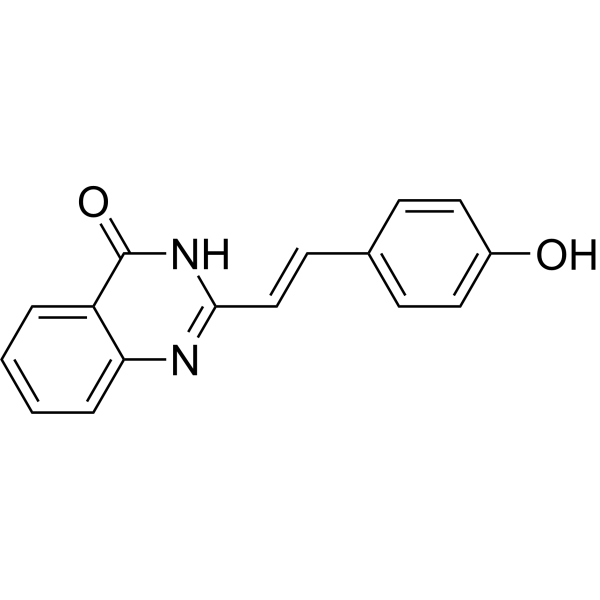
- HY-174442
-
|
|
PARP
|
Cancer
|
|
PARP1-IN-40 is a highly selectively and orally active PARP1 inhibitor (IC50: 0.19 nM for PARP1, 26 nM for PARP2). PARP1-IN-40 kills tumor cells by inhibiting PARP1, leading to accumulation of DNA damage. PARP1-IN-40 has high antitumor activity against BRCA mutant MDA-MB-436 cells. PARP1-IN-40 can be used in combination with chemotherapy for cancer-related research [1].
|
-

- HY-169170
-
|
|
Apoptosis
DNA/RNA Synthesis
Epigenetic Reader Domain
PARP
|
Cancer
|
|
PARP1/BRD4-IN-3 (compound HF4) is a potent BRD4 and PARP1 inhibitor with IC50 values of 1210, 2019 nM for BRD4, PARP1, respectively. PARP1/BRD4-IN-3 shows antiproliferative activities. PARP1/BRD4-IN-3 induces apoptosis and cell cycle arrest at G0/G1 phase. PARP1/BRD4-IN-3 causes DNA damage and reduces the protein expression of Rad51. PARP1/BRD4-IN-3 shows antitumor efficacy [1].
|
-

- HY-185143
-
|
|
PARP
|
Cancer
|
|
PARP1-IN-54 (example 5) is a PARP1 inhibitor with antitumor effects [1].
|
-

- HY-179685
-
|
|
PARP
|
Cancer
|
|
PARP1-IN-51 (P55 the second compound in the fifth row) is a PARP1 inhibitor. PARP1-IN-51 can be used for the research of cancer, such as breast cancer [1].
|
-

- HY-10619DR
-
|
MK 4827 (R-enantiomer) (Standard)
|
Reference Standards
PARP
|
Cancer
|
|
Niraparib (R-enantiomer) (Standard) is the analytical standard of Niraparib (R-enantiomer) (HY-10619D). This product is intended for research and analytical applications. Niraparib R-enantiomer (MK-4827 R-enantiomer) is an excellent PARP1 inhibitor with IC50 of 2.4 nM.
|
-

- HY-183373
-
|
|
EGFR
PARP
|
Cancer
|
|
EGFR/PARP-1-IN-1 is a dual EGFR and PARP-1 inhibitor with IC50 values of 64 nM and 12 nM, respectively. EGFR/PARP-1-IN-1 binds to the ATP-binding pocket of EGFR and interacts with the catalytic domain of PARP-1, inhibiting kinase and enzymatic activity via hydrogen bond formation with key residues in both targets. EGFR/PARP-1-IN-1 induces apoptosis through the endogenous mitochondrial pathway, arrests the cell cycle at the G2 phase, and inhibits cell proliferation. EGFR/PARP-1-IN-1 can be used for research on triple-negative breast cancer [1].
|
-

- HY-181265
-
|
|
PARP
|
Cancer
|
|
PARP1-IN-53 (Compound 328) is a quinazolinone derivative and PARP1 inhibitor with a PARP1 IC50 of 0.1 nM and selectivity over PARP2, which has a PARP2 IC50 of 23 nM.PARP1-IN-53 can be used for the research of cancer [1].
|
-

- HY-182499
-
|
|
PARP
|
Cancer
|
|
PARP1-IN-56 (Compound RCY) is an I-labeled poly(ADP−ribose) polymerase (PARP1) inhibitor. PARP1-IN-56 can be radiolabeled with 211At or 125I for use as an α-emitting radiotherapeutic agent. PARP1-IN-56 can be used for the research of cancer [1].
|
-

- HY-181140
-
|
|
CDK
PARP
|
Cancer
|
|
UNPD139734 is a CDK-1 inhibitor and PARP-1 inhibitor that forms stable complexes with each target protein. UNPD139734 serves as a lead compound for structural optimization to develop dual-target anticancer agents targeting CDK-1 and PARP-1. UNPD139734 can be used for the research of breast cancer [1].
|
-

- HY-129599
-
|
|
PARP
NF-κB
|
Cardiovascular Disease
Neurological Disease
|
|
L-2286 is an orally active PARP-1 inhibitor. L-2286 alleviates carotid artery remodeling, oxidative stress and inflammation in spontaneously hypertensive rats, protects neurons in the dorsal hippocampus, and reduces pyramidal cell loss and gliosis without affecting blood pressure. L-2286 can be used in research related to hypertension [1].
|
-

- HY-181158
-
|
|
PARP
|
Cancer
|
|
PARP1-IN-52 is a poly(ADP-ribose) polymerase-1 (PARP-1) inhibitor that forms stable interactions with the PARP-1 active site. PARP1-IN-52 exerts anticancer activity against breast cancer cells. PARP1-IN-52 can be used for the research of breast cancer [1].
|
-

- HY-179091
-
|
|
PARP
|
Cancer
|
|
CU-TZD-20 is a PARP-1 inhibitor. CU-TZD-20 has a high affinity for binding to the PARP-1 catalytic domain and good structural stability. CU-TZD-20 competitively occupies NAD + binding sites and forms stable interactions with key catalytic residues. CU-TZD-20 can be used for cancer research [1].
|
-

- HY-181068
-
|
|
PARP
Apoptosis
Microtubule/Tubulin
|
Cancer
|
|
2'-Nitroflavone is a PARP1 inhibitor. 2'-Nitroflavone inhibits the proliferation, induces cell cycle arrest and apoptosis of triple-negative breast cancer cells. 2'-Nitroflavone also inhibits the migration of triple-negative breast cancer cells and endothelial cells. 2'-Nitroflavone exhibits antitumor activity and can be used in the research of tumors such as triple-negative breast cancer [1].
|
-

- HY-181664
-
|
|
PARP
Apoptosis
Caspase
|
Cancer
|
|
YCH3971 is a PARP1 inhibitor with a PARP1 IC50 of 7.52 nM and a PARP1 EC50 of 67.75 nM. YCH3971 inhibits the proliferation of BRCA-deficient tumor cells. YCH3971 induces DNA damage, G2/M phase arrest, and caspase-mediated Apoptosis in triple-negative breast cancer cells. YCH3971 can be used for the research of BRCA-deficient tumors [1].
|
-

- HY-182246
-
|
|
PARP
|
Neurological Disease
Inflammation/Immunology
Cancer
|
|
MC2050 is a selective PARP-1 inhibitor with an IC50 of 119 nM. MC2050 functionally inhibits PARP-1 activity, including hyperactivation induced by oxidative stress, and reduces the poly (ADP-ribosyl) ation level of histone H1. MC2050 protects neuroblastoma cells from oxidative stress-mediated cell death induced by hydrogen peroxide. MC2050 is applicable to research related to neuroblastoma and Burkitt lymphoma [1].
|
-

- HY-108632R
-
|
|
Reference Standards
PARP
|
Cancer
|
|
BYK204165 (Standard) is the analytical standard of BYK204165 (HY-108632). This product is intended for research and analytical applications. BYK204165 is a potent and selective PARP1 inhibitor. BYK204165 inhibits cell-free recombinant human PARP-1 (hPARP-1) with a pIC50 of 7.35 (pKi=7.05), and murine PARP-2 (mPARP-2) with a pIC50 of 5.38, respectively. BYK204165 displays 100-fold selectivity for PARP-1 [1].
|
-

- HY-179614
-
|
|
PARP
DNA/RNA Synthesis
Apoptosis
CDK
Bcl-2 Family
|
Cancer
|
|
PARP1-IN-50 is a selective and orally active PARP-1 inhibitor with an IC50 of 64.98 nM. PARP1-IN-50 can inhibit PAR formation and induce DNA double strand breaks, thereby causing DNA damage. PARP1-IN-50 can induce G2/M phase arrest and cancer cells apoptosis. PARP1-IN-50 demonstrates significant antiproliferative activity against various cancer cells. PARP1-IN-50 can be used for the research of cancer, such as breast cancer [1].
|
-

- HY-181459
-
|
|
PARP
DNA/RNA Synthesis
Reactive Oxygen Species (ROS)
Apoptosis
|
Cancer
|
|
PARP1-IN-55 is a potent and selective PARP1 inhibitor with an IC50 value of 0.019 μM. PARP1-IN-55 exhibits anti-proliferative selective activity against MCF-7 breast cancer cells (IC50 = 3.6 μM). PARP1-IN-55 inhibits the PARP1-mediated DNA damage repair pathway, induces ROS accumulation, disrupts mitochondrial membrane potential, induced apoptosis and suppresses cancer cell migration, invasion, and colony formation. PARP1-IN-55 can be used for the study of breast cancer [1].
|
-

- HY-181928
-
|
|
c-Met/HGFR
PARP
Apoptosis
|
Cancer
|
|
PARP1/c-Met-IN-3 (Compound L19) is a selective c-Met and PARP1 inhibitor, with an IC50 of 5.4 nM against c-Met and an IC50 of 3.7 nM against PARP1. PARP1/c-Met-IN-3 inhibits PARP2 enzymatic activity with an IC50 of 4.52 nM, and shows no specificity for PARP1 and PARP2. PARP1/c-Met-IN-3 induces cell cycle arrest and apoptosis. PARP1/c-Met-IN-3 exhibits anti-tumor activity against triple-negative breast cancer [1].
|
-

| Cat. No. |
Product Name |
Category |
Target |
Chemical Structure |
Your information is safe with us. * Required Fields.
Inquiry Information
- Product Name:
- Cat. No.:
- Quantity:
- MCE Japan Authorized Agent:








