Search Result
Results for "
Signaling+Inhibitors
" in MedChemExpress (MCE) Product Catalog:
| Cat. No. |
Product Name |
Target |
Research Areas |
Chemical Structure |
-
- HY-N0150
-
|
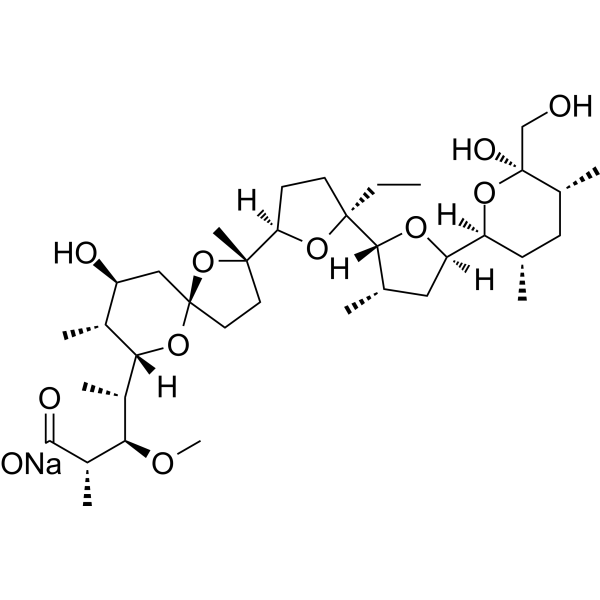
Monensin A sodium
|
Exosomes
Bacterial
Antibiotic
Na+/H+ Exchanger (NHE)
Parasite
Apoptosis
Fungal
Wnt
|
Infection
Cancer
|
|
Monensin (Monensin A) sodium, an orally active antibiotic, is an ionophore that mediates Na +/H + exchange. Monensin sodium is a potent Wnt signaling inhibitor. Monensin sodium causes a marked enlargement of the multivesicular bodies (MVBs) and regulates exosome secretion. Monensin sodium can be used for bacterial, fungal, and parasitic infections research, and shows anticancer effects .
|
-
-
- HY-12028
-
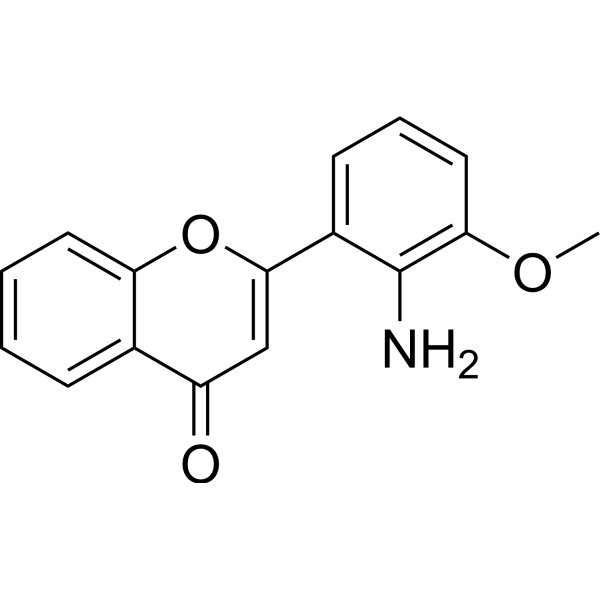
PD98059
Maximum Cited Publications
391 Publications Verification
|
MEK
ERK
Aryl Hydrocarbon Receptor
Autophagy
|
Cancer
|
|
PD98059 is a potent and selective MEK inhibitor with an IC50 of 5 µM. PD98059 binds to the inactive form of MEK, thereby preventing the activation of MEK1 (IC50 of 2-7 µM) and MEK2 (IC50 of 50 µM) by upstream kinases. PD98059 is a ERK1/2 signaling inhibitor. PD98059 is a ligand for the aryl hydrocarbon receptor (AHR), and suppresses TCDD binding (IC50 of 4 μM) and AHR transformation (IC50 of 1 μM). PD98059 also inhibits Mycobacterium bovis Bacillus CalmetteGuerin (BCG)-induced autophagy .
|
-
-
- HY-D0254
-
|
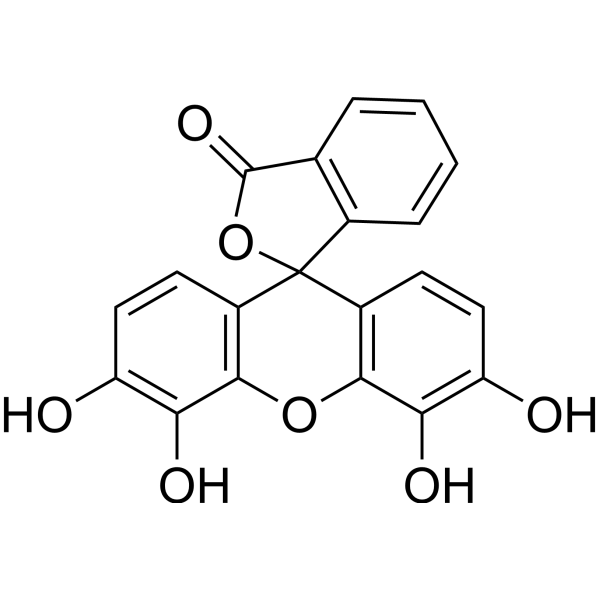
Pyrogallol phthalein
|
PI3K
|
Cancer
|
|
Gallein is a Gβγ subunit signaling inhibitor that can interfere with the interaction between Gβγ subunit and PI3Kγ, regulate platelet function, and exhibit anti-tumor activity [1][3].
|
-
-
- HY-N0560
-
|
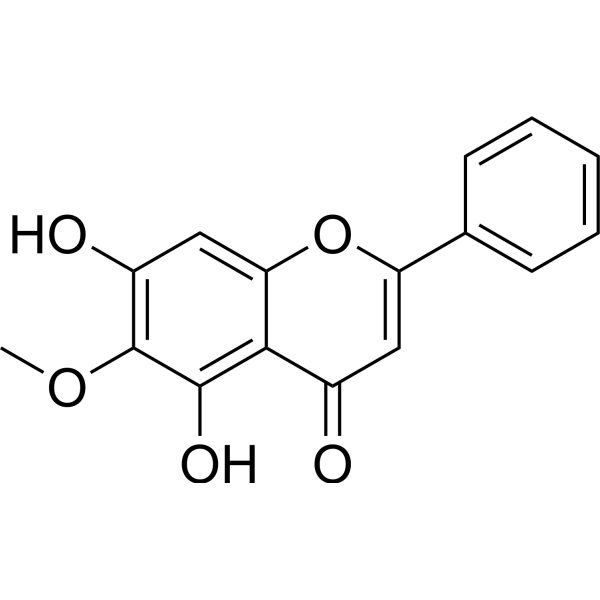
Baicalein 6-methyl ether; 6-Methoxybaicalein
|
HIF/HIF Prolyl-Hydroxylase
Autophagy
Virus Protease
|
Cancer
|
|
Oroxylin A is an active flavonoid compound with strong anti-cancer effects. Oroxylin A inhibits the IL-6/STAT3 pathway and NF-κB signaling, inhibits cell proliferation and induces apoptosis. Oroxylin A inhibits colitis-related carcinogenesis .
|
-
-
- HY-108473
-
|
TLR3-IN-1
|
Toll-like Receptor (TLR)
|
Cancer
|
|
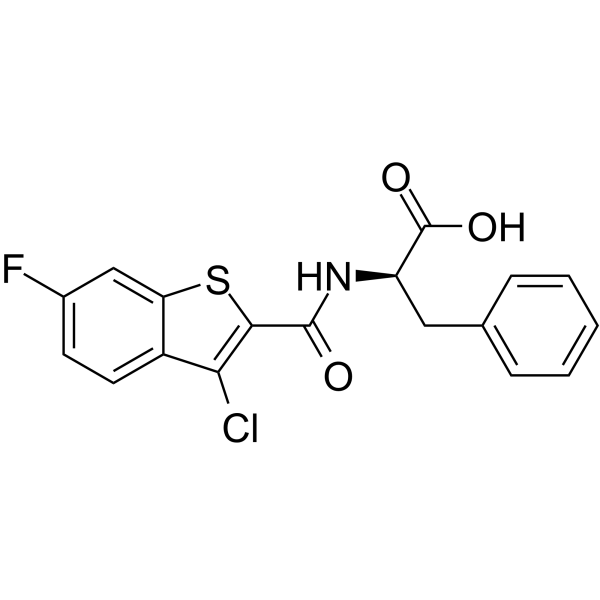
CU-CPT 4a (TLR3-IN-1) is a potent, highly selective TLR3 signaling inhibitor. CU-CPT 4a represses the expression of downstream signaling pathways mediated by the TLR3/dsRNA complex, including TNF-α and IL-1β .
|
-
-
- HY-32736
-
|
NSC 165677; PG 492
|
Wnt
β-catenin
Apoptosis
Autophagy
|
Inflammation/Immunology
Cancer
|
|
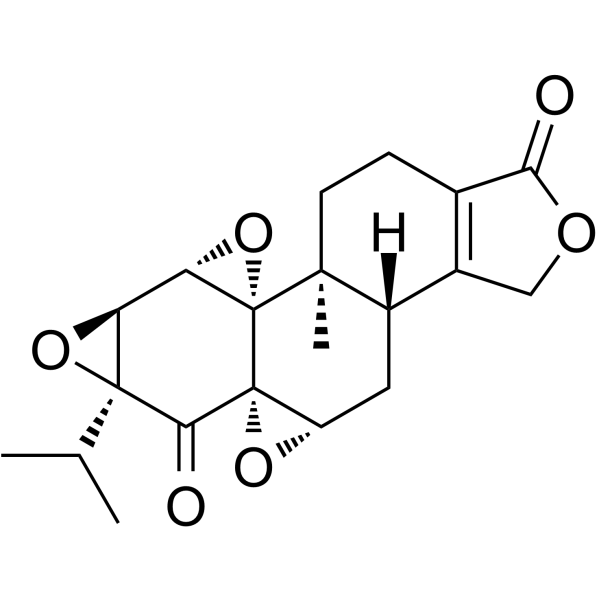
Triptonide (NSC 165677) is a natural product identified in Tripterygium wilfordii Hook F.. Triptonide is a Wnt signaling inhibitor with an IC50 of appropriately 0.3 nM. Triptonide has immunosuppression, anti-inflammatory, anti-fertility, neuroprotective and anti-lymphoma effects .
|
-
-
- HY-P991488
-
|
|
Interleukin Related
|
Inflammation/Immunology
|
|
BI-765423 is a selective monoclonal antibody inhibitor targeting IL-11. BI-765423 blocks IL-11-mediated signaling, inhibits fibroblast activation, and can extend the healthy lifespan of mammals, counteract cellular senescence in human cells, and alleviate inflammatory aging-related pathological processes. BI-765423 is primarily used in research on fibrotic diseases such as idiopathic pulmonary fibrosis (IPF) .
|
-

-
- HY-16712
-
|
|
TGF-β Receptor
|
Cancer
|
|
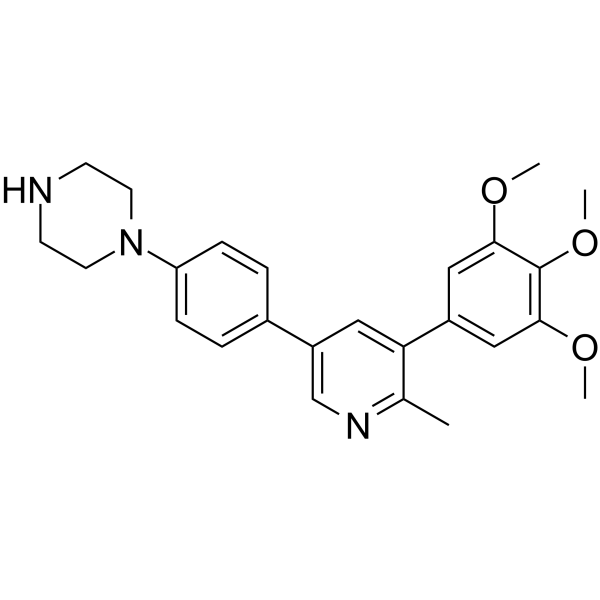
LDN-214117 is an orally active ALK2 inhibitor with well-tolerated and good brain penetration. LDN-214117 has a high selectivity and low cytotoxicity for ALK2 with an IC50 value of 24 nM. LDN-214117 also is a specific bone morphogenetic proteins (BMPs) signaling inhibitor and has relatively selective inhibition for BMP6 with an IC50 value of 100 nM. LDN-214117 can be used for the research of fibrodysplasia ossificans progressiva (FOP), diffuse intrinsic pontine glioma (DIPG) .
|
-
-
- HY-N0526
-
|
|
Sirtuin
Keap1-Nrf2
NF-κB
ERK
p38 MAPK
JNK
TSH Receptor
Reactive Oxygen Species (ROS)
SOD
|
Neurological Disease
Inflammation/Immunology
|
|
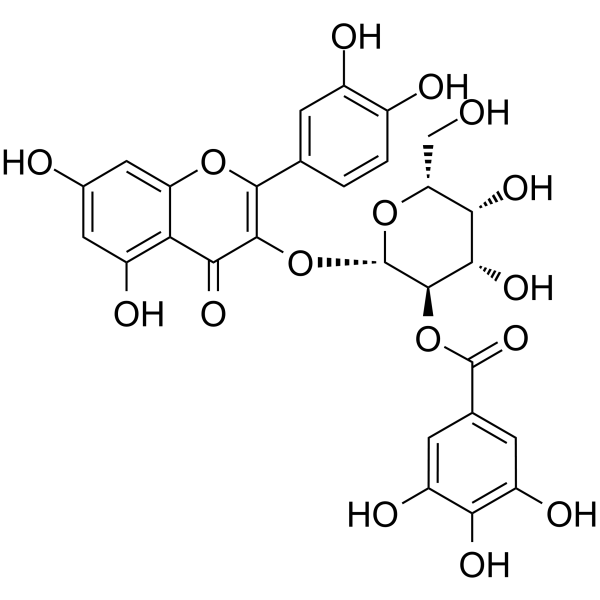
2''-O-Galloylhyperin is an active natural compound with anti‑inflammatory, antioxidant, anti‑adipogenic, antifibrotic, and cytostatic activities. 2''-O-Galloylhyperin upregulates SIRT1/Nrf2 signaling, inhibits NF-κB and MAPK (ERK1/2, p38, JNK) phosphorylation, suppresses TSHR activation, reduces ROS accumulation, and enhances SOD and GSH-Px activities. 2''-O-Galloylhyperin protects against LPS-induced tissue injury, enhances survival, and inhibits adipogenesis and fibrosis. 2"-O-Galloylhyperin can be used for the research of sepsis, acute lung injury, and thyroid eye disease .
|
-
-
- HY-100535
-
|
Cyclopamine-KAAD
|
Smo
|
Cancer
|
|
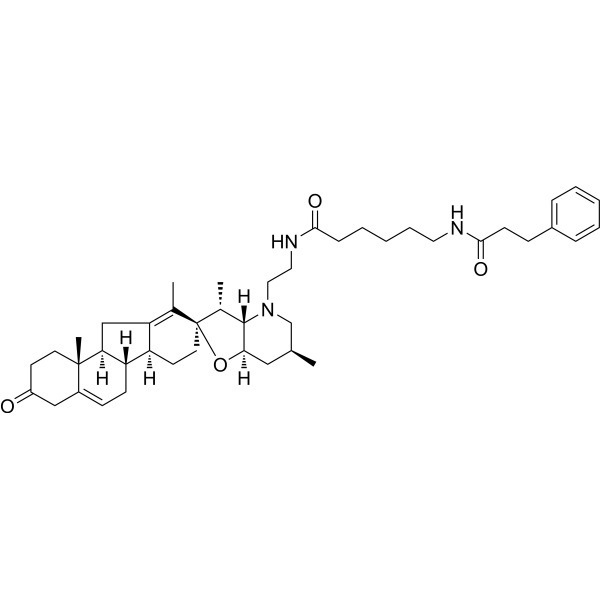
KAAD-Cyclopamine, a hedgehog signaling inhibitor, is a smoothened antagonist .
|
-
-
- HY-106381
-
|
|
PKC
|
Inflammation/Immunology
Cancer
|
|
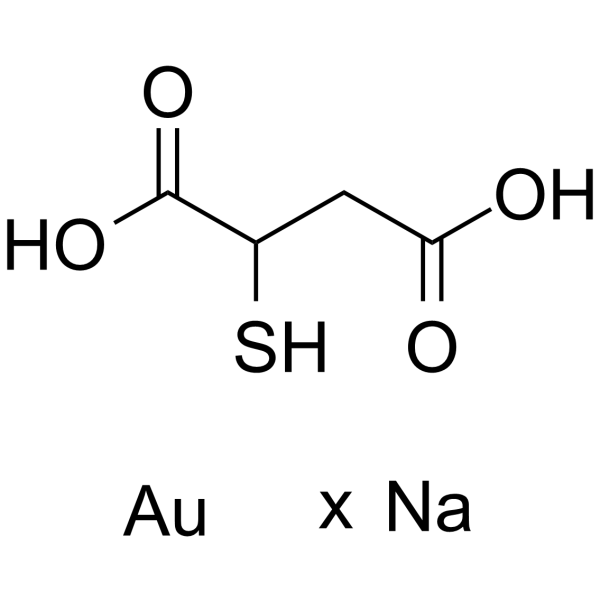
Aurothiomalate sodium is a potent and selective oncogenic PKCι signaling inhibitor. Aurothiomalate sodium inhibits tumor cell proliferation and not cell apoptosis. Aurothiomalate sodium is a potent thioredoxin reductase (TrxR) inhibitor. Aurothiomalate sodium, an anti-rheumatoid agent, exhibits potent anti-tumor activity .
|
-
-
- HY-N4302
-
Monensin
Maximum Cited Publications
38 Publications Verification
Monensin A
|
Exosomes
Bacterial
Apoptosis
Antibiotic
Parasite
Na+/H+ Exchanger (NHE)
Fungal
Wnt
|
Infection
Cancer
|
|
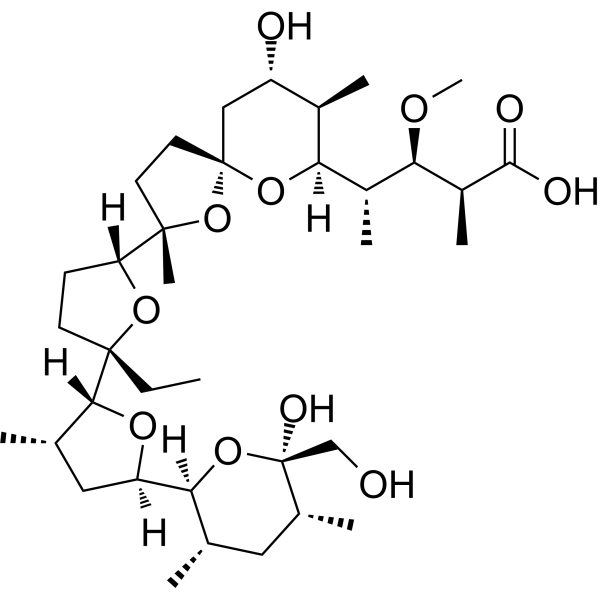
Monensin (Monensin A), an orally active antibiotic, is an ionophore that mediates Na +/H + exchange. Monensin is a potent Wnt signaling inhibitor. Monensin causes a marked enlargement of the multivesicular bodies (MVBs) and regulates exosome secretion. Monensin can be used for bacterial, fungal, and parasitic infections research, and shows anticancer effects .
|
-
-
- HY-P9969
-
|
EMD 72000
|
EGFR
|
Cancer
|
|
Matuzumab (EMD 72000) is a humanized anti-EGFR monoclonal antibody that blocks EGFR activation and downstream signaling, inhibits tumor growth. Deglycosylation and the possible elimination of ADCC activity can reduce the in vivo anti-tumor activity of Mattuzumab .
|
-

-
- HY-N1570
-
-
-
- HY-100434
-
|
|
FGFR
PDGFR
EGFR
Src
TGF-β Receptor
|
Cardiovascular Disease
Cancer
|
|
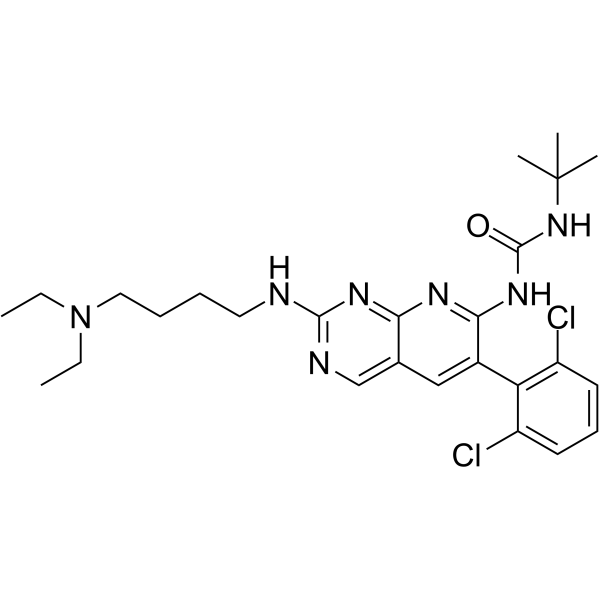
PD-161570 is a potent and ATP-competitive human FGF-1 receptor inhibitor with an IC50 of 39.9 nM and a Ki of 42 nM. PD-161570 also inhibits the PDGFR, EGFR and c-Src tyrosine kinases with IC50 values of 310 nM, 240 nM, and 44 nM, respectively. PD-161570 inhibits PDGF-stimulated autophosphorylation and FGF-1 receptor phosphorylation with IC50s of 450 nM and 622 nM, respectively . PD-161570 is also a bone morphogenetic proteins (BMPs) and TGF-β signaling inhibitor .
|
-
-
- HY-N2157
-
|
(+)-Pteryxin
|
Cholinesterase (ChE)
NF-κB
NOD-like Receptor (NLR)
Keap1-Nrf2
Reactive Oxygen Species (ROS)
Nuclear Factor of activated T Cells (NFAT)
p38 MAPK
|
Neurological Disease
Metabolic Disease
Inflammation/Immunology
|
|
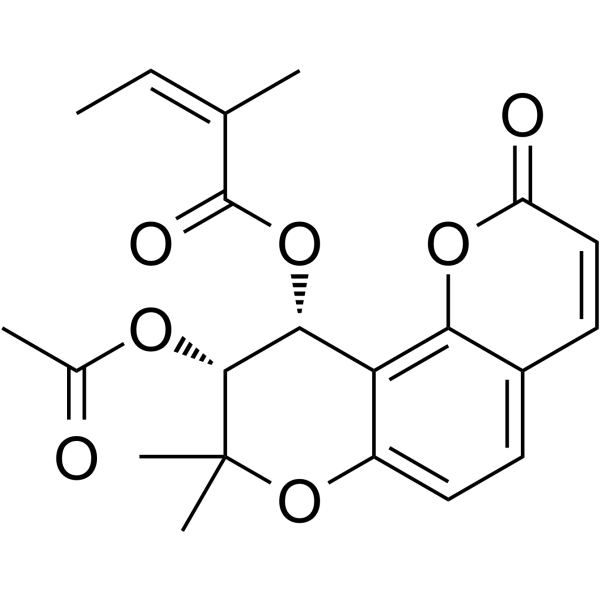
Pteryxin ((+)-Pteryxin) is an orally active multi-target inhibitor that targets NF-κB, MAPK, NLRP3 inflammasome, and Nrf2/ARE pathways. Pteryxin is also a BChE inhibitor (IC50=12.96 μg/mL) with a low inhibitory efficiency on AChE. Pteryxin inhibits the Ca 2+-calcineurin-NFATc1 pathway by blocking NF-κB/MAPK signaling, inhibiting NLRP3 inflammasome activation, and reducing ROS generation, and activates Nrf2-mediated antioxidant enzyme expression. Pteryxin has anti-inflammatory, antioxidant, and osteoclastogenesis inhibitory activities. Pteryxin can be used in the study of inflammatory diseases, osteoporosis, diabetes, and Alzheimer's disease .
|
-
-
- HY-147045
-
-
-
- HY-18959
-
|
|
β-catenin
Wnt
|
Cancer
|
|
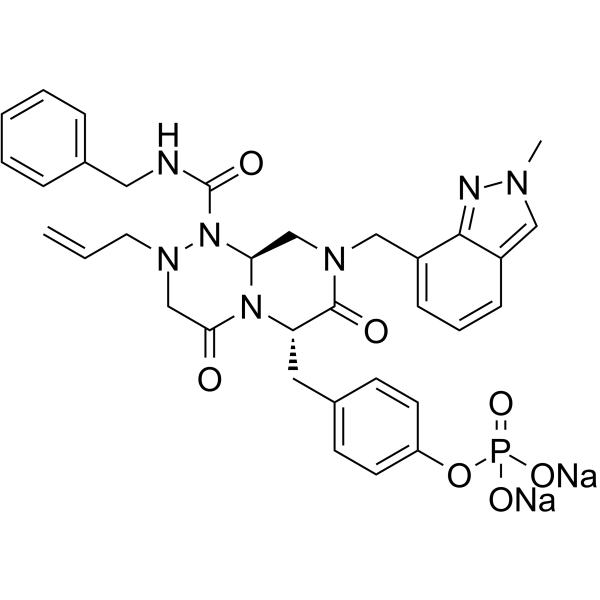
CWP232228, a highly potent selective Wnt/β-catenin signaling inhibitor, antagonizes binding of β-catenin to T-cell factor (TCF) in the nucleus. CWP232228 suppresses tumor formation and metastasis without toxicity through the inhibition of the growth of breast and liver cancer stem cells (CSCs) .
|
-
-
- HY-P3369
-
|
AXT-107
|
VEGFR
Tie
Akt
|
Cardiovascular Disease
Metabolic Disease
Inflammation/Immunology
|
|
Gersizangitide (AXT107) is an anti-angiogenic peptide consisting of 20 amino acids, derived from collagen IV. Gersizangitide is an inhibitor of VEGF-A and VEGF-C and an activator of Tie2. Gersizangitide can block VEGF receptor signaling, inhibit vascular leakage, neovascularization and inflammation. Gersizangitide can be used in the research of diseases related to ocular neovascularization and angiogenesis .
|
-

-
- HY-112799
-
|
|
Wnt
β-catenin
c-Myc
CDK
Survivin
|
Cancer
|
|
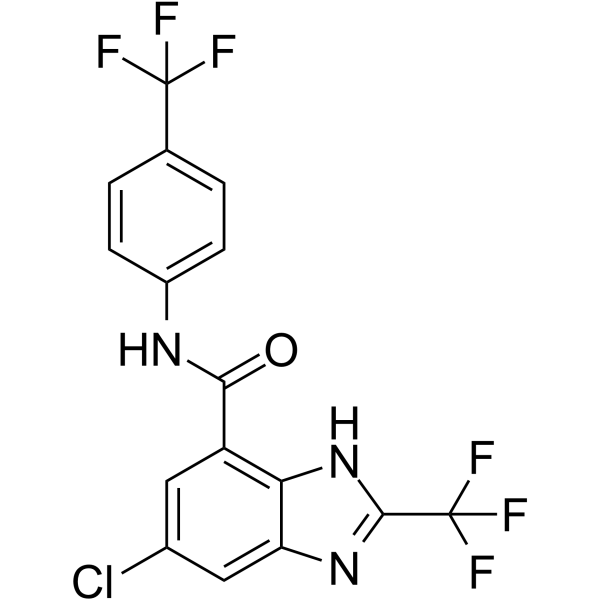
DK419 is a potent and orally active Wnt/β-catenin signaling inhibitor, with an IC50 of 0.19 μM. DK419 reduces protein lelvels of Axin2, β-catenin, c-Myc, Cyclin D1 and Survivin and induces production of pAMPK .
|
-
-
- HY-115539
-
|
|
Wnt
β-catenin
Histone Acetyltransferase
|
Cancer
|
|
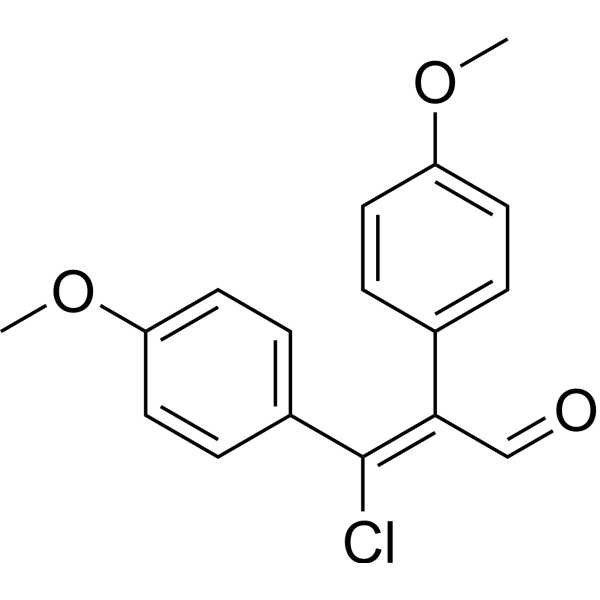
Windorphen is a Wnt/β-catenin signal inhibitor that specifically targets the function of the c-terminal transactivation domain of β-catenin-1 but not β-catenin-2. Windorphen selectively targets p300, disrupting the association of the mammalian β-catenin with p300 but not CBP .
|
-
-
- HY-120417
-
|
|
Src
FAK
|
Cardiovascular Disease
|
|
JP-153 is the Src-FAK-Paxillin signaling inhibitor. JP-153 inhibits Src-dependent phosphorylation of paxillin (Y118) and downstream activation of Akt (S473). JP-153 reduces VEGF-induced migration and proliferation in retinal endothelial cells. JP-153 can be uesd for the study of neovascular eye disease .
|
-

-
- HY-150538
-
|
|
STAT
Apoptosis
|
Cancer
|
|
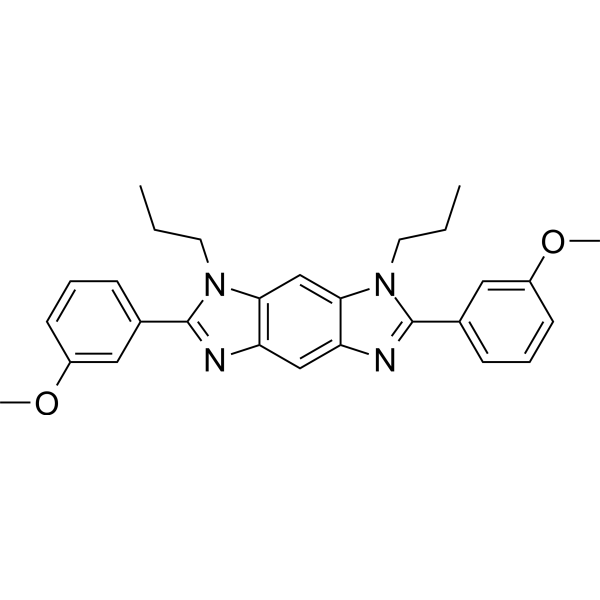
STAT3-IN-12 is a potent STAT3 signal inhibitor that can inhibit IL-6 induced JAK/STAT3 signalling pathway activation. STAT3-IN-12 inhibits cancer cell growth, migration, and induce cell apoptosis as well as cycle arrest. STAT3-IN-12 can be used in cancer-related research, such as hepatocellular carcinoma (HCC) and oesophageal carcinoma .
|
-
-
- HY-P10045
-
|
|
Integrin
|
Cardiovascular Disease
|
|
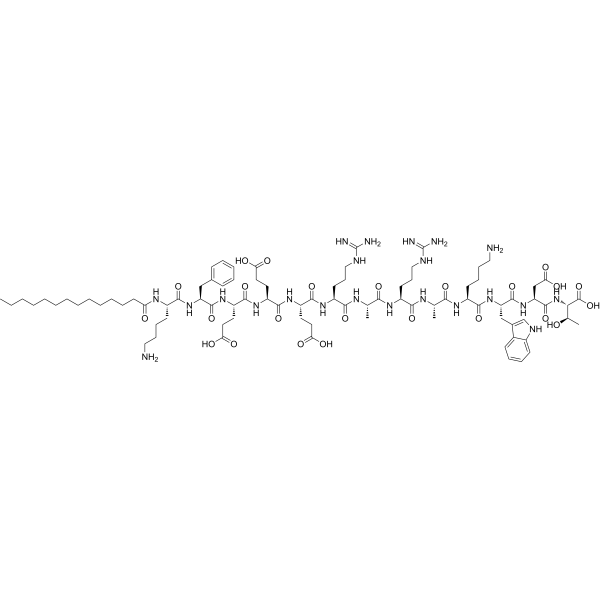
Integrin signaling inhibitor, mP13 is an inhibitor of integrin signaling. Integrin signaling inhibitor, mP13 inhibits inside-out and outside-in signaling, including fibrinogen binding, platelet adhesion, and clot retraction .
|
-
-
- HY-106381A
-
|
|
PKC
|
Inflammation/Immunology
|
|
Aurothiomalate tetramer sodium, an Aurothiomalate sodium (HY-106381) tetrameric form, is antiarthritic gold agent. Aurothiomalate sodium is a potent and selective oncogenic PKCι signaling inhibitor .
|
-

-
- HY-114592
-
-

-
- HY-N0150R
-
|
Monensin A sodium (Standard)
|
Reference Standards
Exosomes
Bacterial
Antibiotic
Na+/H+ Exchanger (NHE)
Parasite
Apoptosis
Fungal
Wnt
|
Infection
Cancer
|
|
Monensin (sodium) (Standard) is the analytical standard of Monensin (sodium). This product is intended for research and analytical applications. Monensin (Monensin A) sodium, an orally active antibiotic, is an ionophore that mediates Na+/H+ exchange. Monensin sodium is a potent Wnt signaling inhibitor. Monensin sodium causes a marked enlargement of the multivesicular bodies (MVBs) and regulates exosome secretion. Monensin sodium can be used for bacterial, fungal, and parasitic infections research, and shows anticancer effects .
|
-

-
- HY-P10415
-
EPI-X4
1 Publications Verification
hSA(408–423) peptide
|
CXCR
|
Infection
Inflammation/Immunology
Cancer
|
|
EPI-X4 (hSA408–423 peptide) is an antagonist for C-X-C motif chemokine receptor 4 (CXCR4) with IC50 of 8.6 μM. EPI-X4 blocks the CXCL12-mediated signaling, inhibits chemokine-mediated migration and invasion of leukemia cell. EPI-X4 exhibits anti-inflammatory activity in mouse model. EPI-X4 exhibits antiviral activity against CXCR4-tropic HIV with IC50 of 8.6 μM .
|
-

-
- HY-157169
-
|
AMU302
|
Pim
mTOR
Akt
PI3K
|
Cancer
|
|
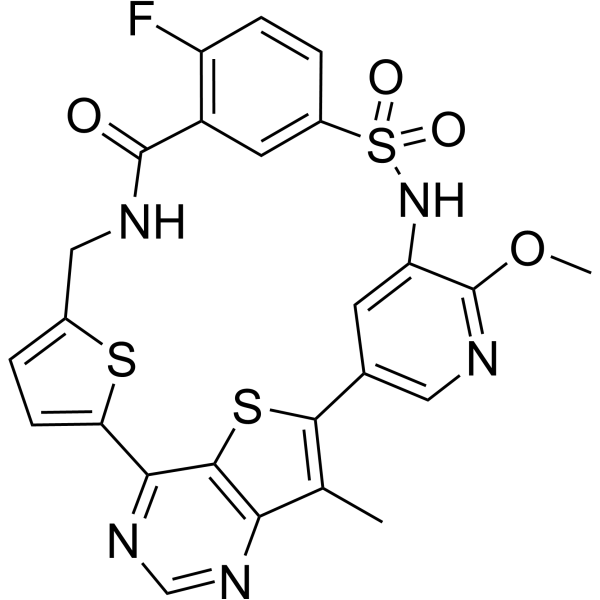
IBL-302 (AMU302) is an orally available dual-signaling inhibitor of PIM and PI3K/AKT/mTOR with activity against breast cancer and neuroblastoma. IBL-302 demonstrated in vivo efficacy in a nude mouse xenograft model, inhibiting trastuzumab (HY-P9907) resistance challenges. IBL-302 also enhances the effects of common cytotoxic chemotherapy drugs cisplatin (HY-17394), doxorubicin (HY-15142A), and etoposide (HY-13629) .
|
-
-
- HY-159643
-
|
|
MAP4K
IFNAR
Interleukin Related
|
Inflammation/Immunology
Cancer
|
|
NDI-101150 is an orally active, potent and selective hematopoietic progenitor cell kinase 1 (HPK1) inhibitor with an IC50 of 0.7 nM. NDI-101150 blocks HPK1-mediated negative regulation of immune receptor signaling, inhibits immunosuppression of T cell activation, enhances antigen-specific antibody production and augments B-cell activation. NDI-101150 inhibits tumor growth in syngeneic tumor models, establishes durable antitumor immune memory, and synergizes with anti-PD1 to enhance exhausted T cell activity and drive tumor regressions. NDI-101150 can be used for the research of cancer, such as breast cancer and colon cancer .
|
-

-
- HY-103639A
-
|
|
Toll-like Receptor (TLR)
|
Infection
|
|
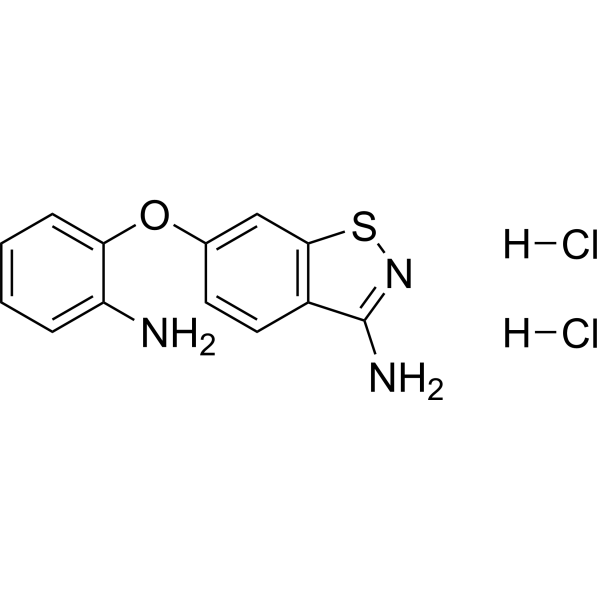
M62812 is a toll-like receptor 4 (TLR4) signaling inhibitor. M62812 inhibits endothelial and leukocyte activation and prevents lethal septic shock in mice. M62812 can reduces LPS-induced coagulation and inflammatory responses. M62812 can be used for the research of sepsis .
|
-
-
- HY-12028R
-
|
|
MEK
ERK
Aryl Hydrocarbon Receptor
Autophagy
|
Cancer
|
|
PD98059 (Standard) is the analytical standard of PD98059. This product is intended for research and analytical applications. PD98059 is a potent and selective MEK inhibitor with an IC50 of 5 µM. PD98059 binds to the inactive form of MEK, thereby preventing the activation of MEK1 (IC50 of 2-7 µM) and MEK2 (IC50 of 50 µM) by upstream kinases. PD98059 is a ERK1/2 signaling inhibitor. PD98059 is a ligand for the aryl hydrocarbon receptor (AHR), and suppresses TCDD binding (IC50 of 4 μM) and AHR transformation (IC50 of 1 μM). PD98059 also inhibits Mycobacterium bovis Bacillus CalmetteGuerin (BCG)-induced autophagy .
|
-

-
- HY-16475
-
|
|
Hedgehog
|
Cancer
|
|
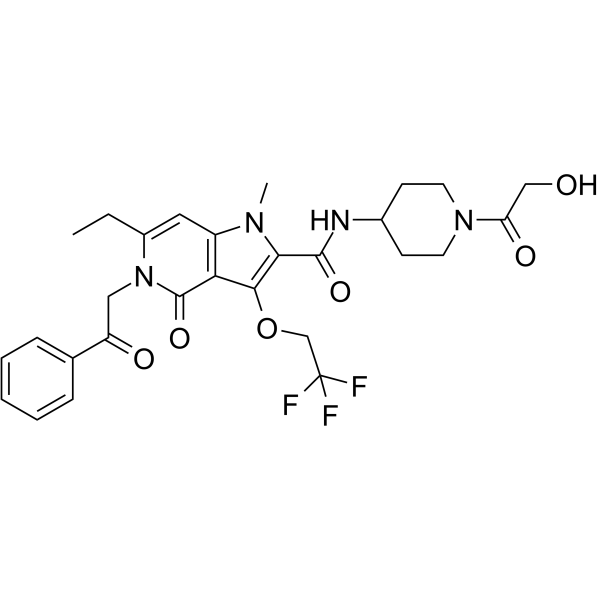
TAK-441 is a highly potent and orally active hedgehog (Hh) signaling inhibitor with an IC50value of 4.4 nM. TAK-441 has strong antitumor activity in solid tumors .
|
-
-
- HY-P2272
-
|
|
Wnt
β-catenin
|
Cancer
|
|
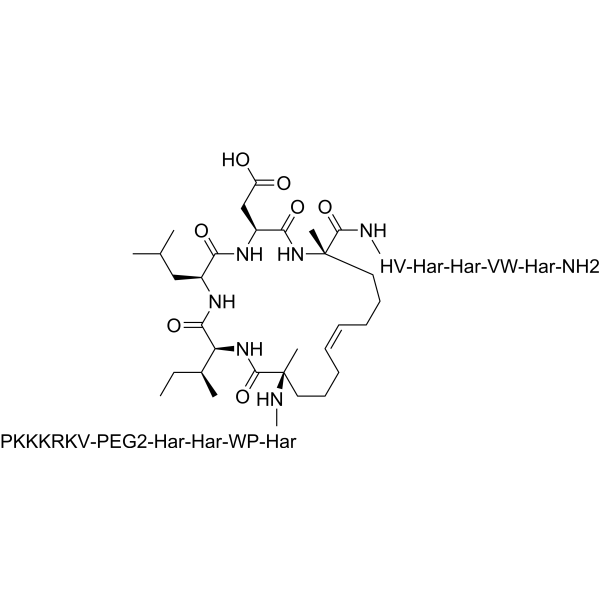
NLS-StAx-h is a selective, cell permeable, stapled peptide Wnt signaling inhibitor with an IC50 of 1.4 μM. NLS-StAx-h efficiently inhibits β-catenin-transcription factor interactions. NLS-StAx-h shows anti-proliferation of cancer cells .
|
-
-
- HY-156060
-
|
|
Toll-like Receptor (TLR)
|
Inflammation/Immunology
|
|
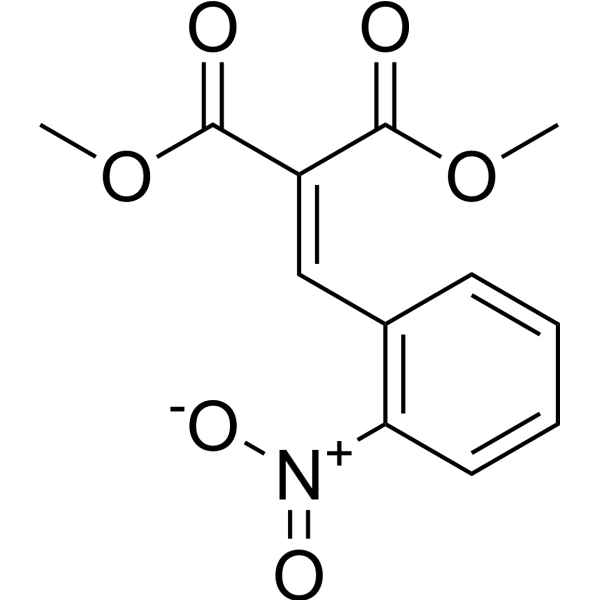
NCI126224 is a TLR4 signaling inhibitor. NCI126224 suppress LPS (HY-D1056)-induced production of NF-κB, TNF-α, IL-1β, and NO in the nanomolar-low micromolar range. NCI126224 can be used for the research of inflammatory diseases .
|
-
-
- HY-P2272A
-
|
|
Wnt
β-catenin
|
Cancer
|
|
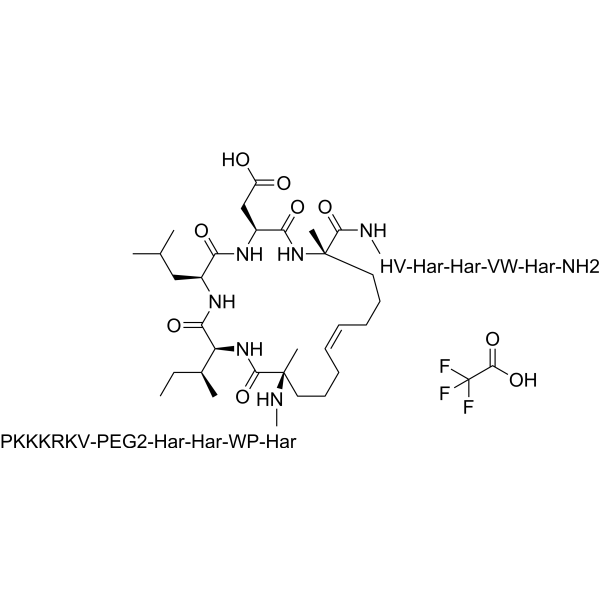
NLS-StAx-h TFA is a selective, cell permeable, stapled peptide Wnt signaling inhibitor with an IC50 of 1.4 μM. NLS-StAx-h TFA efficiently inhibits β-catenin-transcription factor interactions. NLS-StAx-h TFA shows anti-proliferation of cancer cells .
|
-
-
- HY-N0560R
-
|
Baicalein 6-methyl ether (Standard); 6-Methoxybaicalein (Standard)
|
Reference Standards
HIF/HIF Prolyl-Hydroxylase
Autophagy
Virus Protease
|
Cancer
|
|
Oroxylin A (Standard) is the analytical standard of Oroxylin A. This product is intended for research and analytical applications. Oroxylin A is an active flavonoid compound with strong anti-cancer effects. Oroxylin A inhibits the IL-6/STAT3 pathway and NF-κB signaling, inhibits cell proliferation and induces apoptosis. Oroxylin A inhibits colitis-related carcinogenesis .
|
-

-
- HY-120349
-
|
|
p38 MAPK
JNK
Apoptosis
Reactive Oxygen Species (ROS)
|
Cancer
|
|
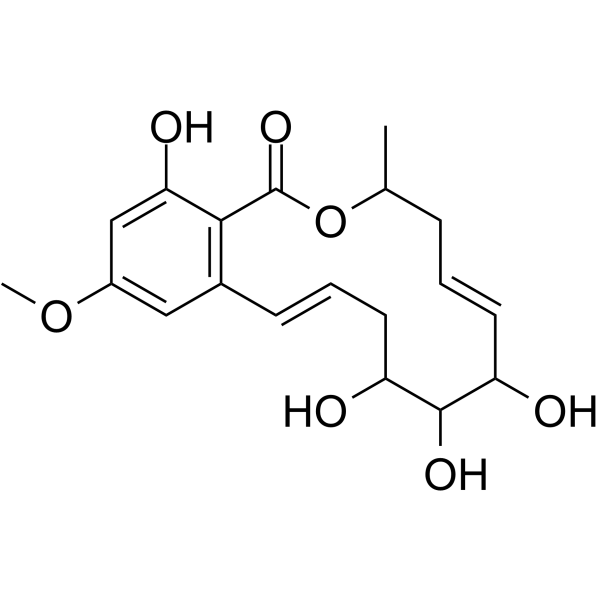
LL-Z1640-4 is a potent p38/JNK signaling inhibitor. LL-Z1640-4 significantly diminishes p38 and JNK activation in HCC cells transfected with MLK4 siRNA. LL-Z1640-4 markedly attenuates ROS production induced by MLK4 knockdown. LL-Z1640-4 significantly reduces the apoptotic cells in HCC cells transfected with siMLK4 .
|
-
-
- HY-162274
-
|
|
Hedgehog
Antibiotic
|
Infection
Cancer
|
|
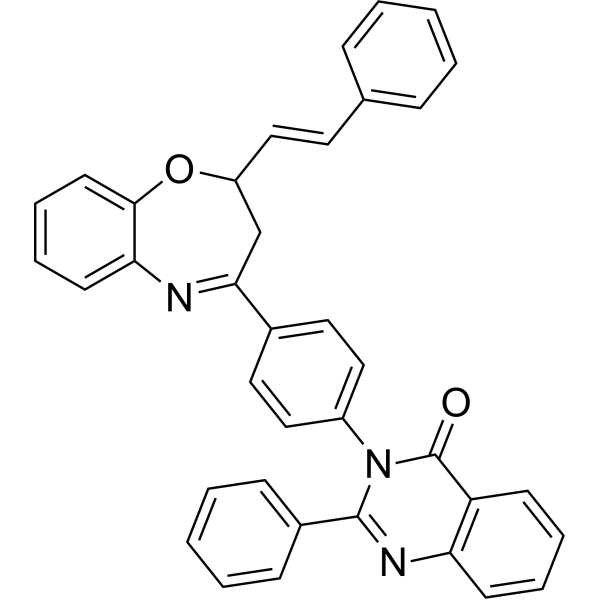
Oxazepine (compound 4a) has antimicrobial viability via binding OMPA/ exo-1,3-beta-glucanase proteins. Oxazepine is a hedgehog signaling inhibitor with antitumor viability .
|
-
-
- HY-109094
-
|
EC-18
|
Toll-like Receptor (TLR)
|
Inflammation/Immunology
|
|
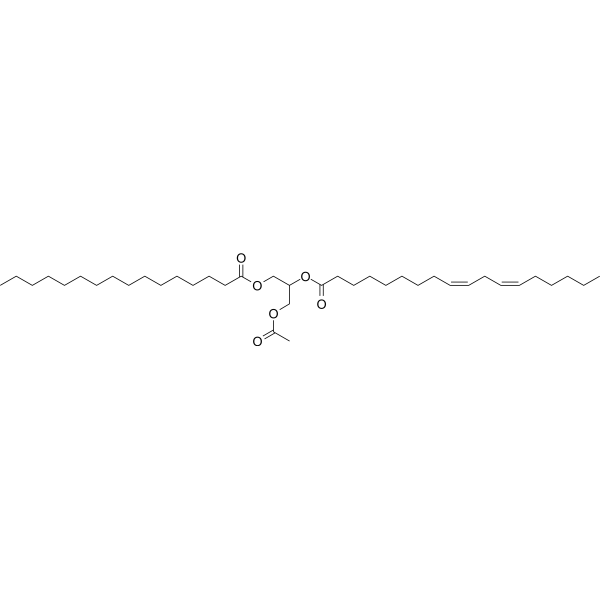
Mosedipimod is a monoacetyldiaglyceride that can be isolated from Cervus nippon Temminck. Mosedipimod is an orally active Toll-Like Receptor signaling inhibitor. Mosedipimod attenuates airway infammation by reducing myeloperoxidase expression in lung tissue. Mosedipimod is used in chronic obstructive pulmonary disease research .
|
-
-
- HY-N11924
-
|
|
AMPK
PPAR
|
Metabolic Disease
|
|
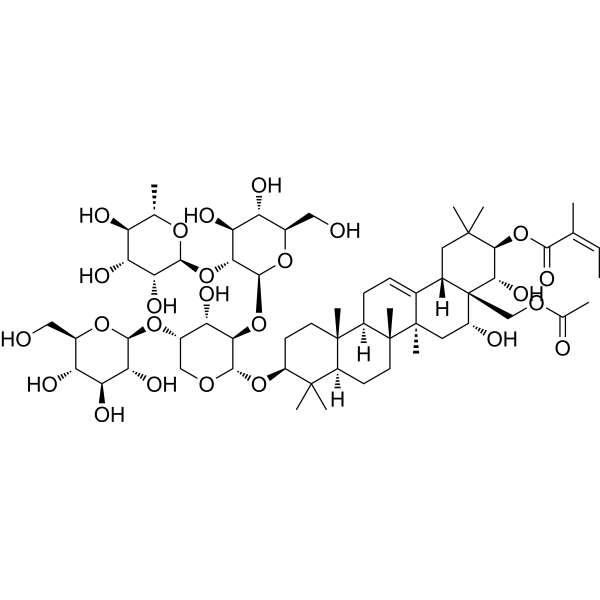
Foenumoside B is a triterpene saponin isolated from Lysimachia foenum-graecum. Foenumoside B activates AMPK signaling, inhibits PPARγ-induced adipogenesis, and shifts lipid metabolism toward lipolysis. Foenumoside B can be used in the study of obesity and obesity-related metabolic diseases .
|
-
-
- HY-P6441
-
|
|
β-catenin
Wnt
|
Inflammation/Immunology
|
|
KP-6, a polypeptide, is a Wnt/β-catenin signal inhibitor. KP-6 inhibits TGF-β and blocks rush fibrosis signal path crucial in vivo. KP-6 suppresses Renal tissues damage and renal fibrosis, and reverse the course of disease of chronic kidney disease (CKD) .
|
-

-
- HY-32736R
-
|
NSC 165677 (Standard); PG 492 (Standard)
|
Reference Standards
Wnt
β-catenin
Apoptosis
Autophagy
|
Inflammation/Immunology
Cancer
|
|
Triptonide (Standard) is the analytical standard of Triptonide. This product is intended for research and analytical applications. Triptonide (NSC 165677) is a natural product identified in Tripterygium wilfordii Hook F.. Triptonide is a Wnt signaling inhibitor with an IC50 of appropriately 0.3 nM. Triptonide has immunosuppression, anti-inflammatory, anti-fertility, neuroprotective and anti-lymphoma effects .
|
-

-
- HY-112143
-
|
|
Ser/Thr Protease
|
Cardiovascular Disease
|
|
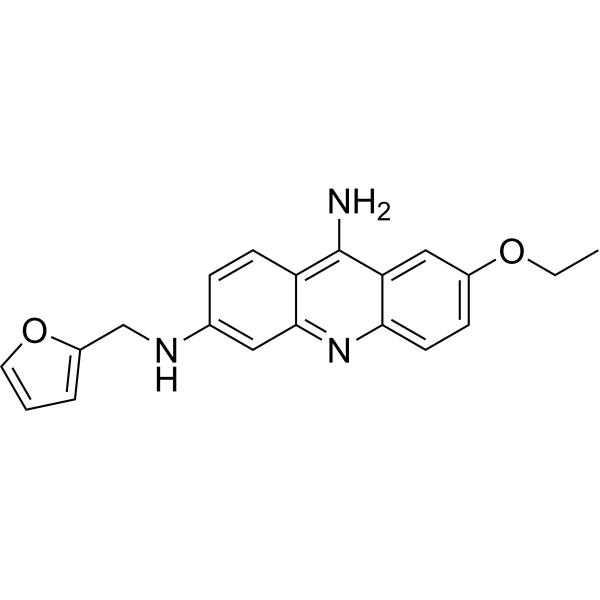
STOCK2S-26016 is a WNK signalling inhibitors. STOCK2S-26016 inhibits WNK4 and WNK1 with IC50s of 16 μM and 34.4 μM, respectively. STOCK2S-26016 has potential for antihypertensive research .
|
-
-
- HY-N1570R
-
|
|
Reference Standards
Salt-inducible Kinase (SIK)
KLF
Amyloid-β
|
Cardiovascular Disease
Neurological Disease
Metabolic Disease
Inflammation/Immunology
Endocrinology
|
|
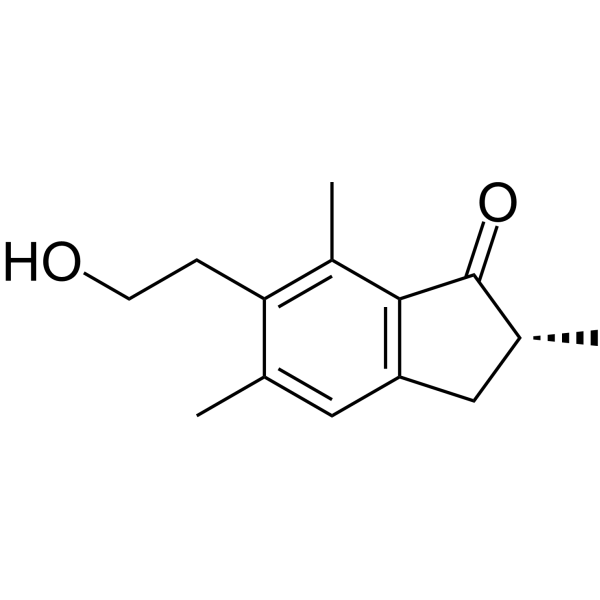
Pterosin B (Standard) is the analytical standard of Pterosin B (HY-N1570). This product is intended for research and analytical applications. Pterosin B is an indanone. Pterosin B can be obtained from Pteridium aquilinum. Pterosin B is a Sik3 signaling inhibitor. Pterosin B inhibits Klf5 expression and reduces β-amyloid deposition. Pterosin B prevents chondrocyte hypertrophy and osteoarthritis in mice. Pterosin B inhibits cardiomyocyte hypertrophy, improves cognitive impairment, and lowers blood glucose. Pterosin B can be used in research on arthritis, Alzheimer's disease, pathological cardiac hypertrophy and diabetes .
|
-

-
- HY-147520
-
-
-
- HY-138317
-
|
|
JAK
|
Cancer
|
|
Tyk2-IN-10 (compound 17.5) is a tyrosine kinase 2-mediated signaling inhibitor involved in inflammation regulation .
|
-

-
- HY-108508
-
|
|
Smo
Hedgehog
|
Cancer
|
|
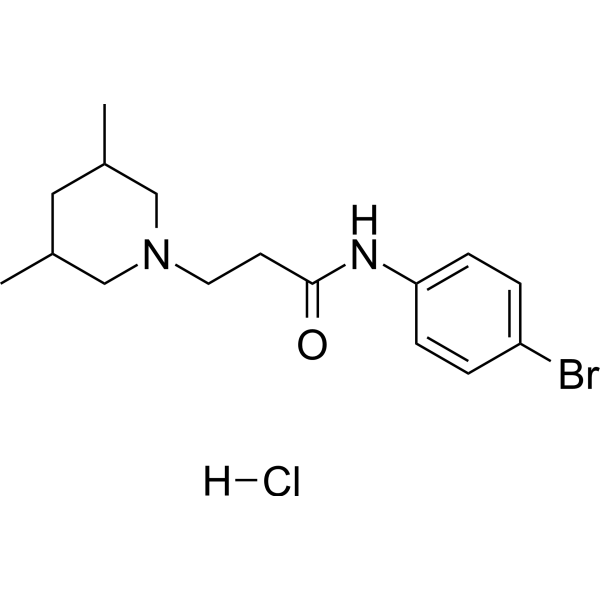
SMANT hydrochloride is a Smoothened (Smo) signaling inhibitor. SMANT hydrochloride is antagonist of Smo accumulation within the primary cilium (PC). SMANT hydrochloride has an equivalent activity in inhibiting SmoM2 (oncogenic form of Smo) and wild-type Smo .
|
-
-
- HY-D0254R
-
|
Pyrogallol phthalein (Standard)
|
PI3K
Reference Standards
|
Cancer
|
|
Gallein (Standard) is the analytical standard of Gallein. This product is intended for research and analytical applications. Gallein is a Gβγ subunit signaling inhibitor that can interfere with the interaction between Gβγ subunit and PI3Kγ, regulate platelet function, and exhibit anti-tumor activity .
|
-

-
- HY-P10797
-
-

- HY-147670
-
|
|
Hedgehog
Smo
Gli
Apoptosis
|
Cancer
|
|
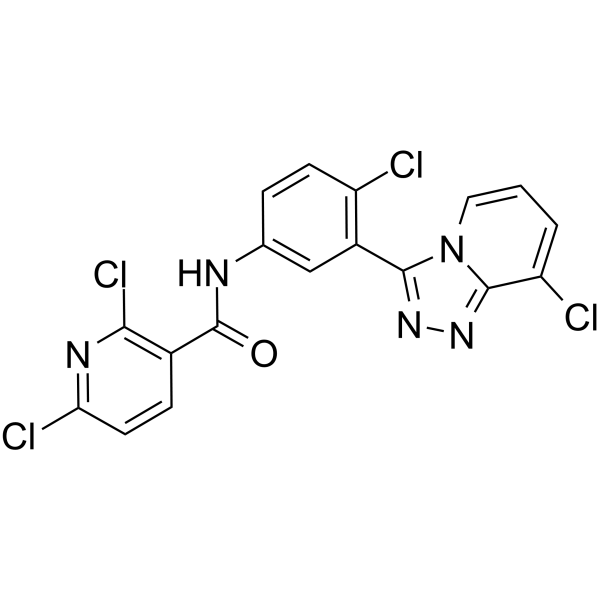
TPB15 is an orally active and potent Hh (Hedgehog) signaling inhibitor. TPB15 markedly induces cell cycle arrest and apoptosis in MDA-MB-468 cells. TPB15 blocks Smo (Smoothened) translocation into the cilia and reduced Smo protein and mRNA expression. TPB15 inhibits the expression of the downstream regulatory factor glioma-associated oncogene 1 (Gli1). TPB15 shows good anti-tumor activity with low toxicity .
|
-
- HY-122292
-
|
|
Antibiotic
Bacterial
|
Infection
Inflammation/Immunology
|
|
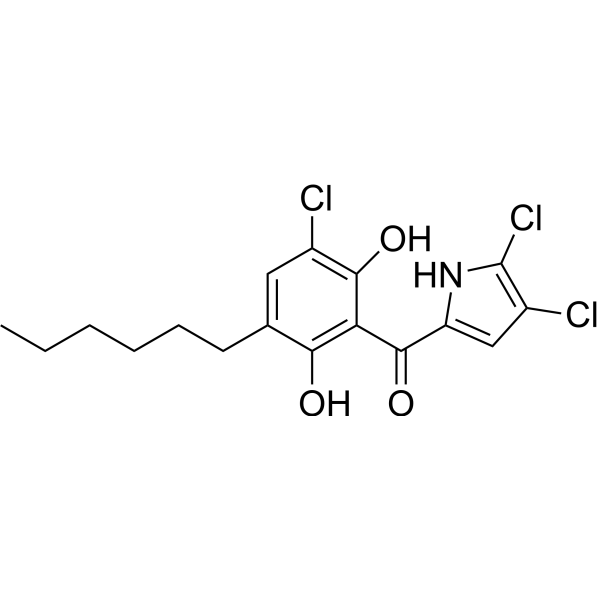
Celastramycin A is an antibiotic isolated from Streptomyces MaB-QuH-8, which exhibits antimicrobial activity against series of gram-negative bacteria and mycobacteria, with MICs between 0.05-3.1 μg/ml . Celastramycin A exhibits immunosuppressing efficacy in ex vivo Drosophila through immune deficiency pathway (IC50 of 0.008 μg/ml), inhibits the immunoresponse in human innate immunity through TNF-α signaling, inhibits IL-8 production in HUEVCs with IC50 of 0.06 μg/ml .
|
-
- HY-116604
-
|
PD 139530
|
PI3K
Akt
|
Cancer
|
|
RLX (PD 139530) is a PI3K/Akt/FoxO3a signaling inhibitor, possessing significant therapeutic potential in experimental colon cancer. RLX can effectively modulate the tumor microenvironment, enhancing the efficacy of cancer immunotherapy. RLX demonstrates the ability to improve the retention time of therapeutic agents within the tumor microenvironment by utilizing advanced nanoparticle delivery systems. RLX can be integrated with various treatment modalities, such as chemotherapy and radiotherapy, to enhance overall tumor therapy effectiveness .
|
-

- HY-116604A
-
|
PD 139530 hydrochloride
|
PI3K
Akt
|
Cancer
|
|
RLX (PD 139530) hydrochloride is the hydrochloride of RLX (HY-116604). RLX is a PI3K/Akt/FoxO3a signaling inhibitor, possessing significant therapeutic potential in experimental colon cancer. RLX can effectively modulate the tumor microenvironment, enhancing the efficacy of cancer immunotherapy. RLX demonstrates the ability to improve the retention time of therapeutic agents within the tumor microenvironment by utilizing advanced nanoparticle delivery systems. RLX can be integrated with various treatment modalities, such as chemotherapy and radiotherapy, to enhance overall tumor therapy effectiveness .
|
-

- HY-N0526R
-
|
|
Reference Standards
Sirtuin
Keap1-Nrf2
NF-κB
ERK
p38 MAPK
JNK
TSH Receptor
Reactive Oxygen Species (ROS)
SOD
|
Neurological Disease
Inflammation/Immunology
|
|
2"-O-Galloylhyperin (Standard) is the analytical standard of 2"-O-Galloylhyperin (HY-N0526). This product is intended for research and analytical applications. 2''-O-Galloylhyperin is an active natural compound with anti‑inflammatory, antioxidant, anti‑adipogenic, antifibrotic, and cytostatic activities. 2''-O-Galloylhyperin upregulates SIRT1/Nrf2 signaling, inhibits NF-κB and MAPK (ERK1/2, p38, JNK) phosphorylation, suppresses TSHR activation, reduces ROS accumulation, and enhances SOD and GSH-Px activities. 2''-O-Galloylhyperin protects against LPS-induced tissue injury, enhances survival, and inhibits adipogenesis and fibrosis. 2"-O-Galloylhyperin can be used for the research of sepsis, acute lung injury, and thyroid eye disease .
|
-

- HY-108508R
-
|
|
Reference Standards
Smo
Hedgehog
|
Cancer
|
|
SMANT hydrochloride (Standard) is the analytical standard of SMANT (hydrochloride) (HY-108508). This product is intended for research and analytical applications. SMANT hydrochloride is a Smoothened (Smo) signaling inhibitor. SMANT hydrochloride is antagonist of Smo accumulation within the primary cilium (PC). SMANT hydrochloride has an equivalent activity in inhibiting SmoM2 (oncogenic form of Smo) and wild-type Smo .
|
-

- HY-103639AR
-
|
|
Reference Standards
Toll-like Receptor (TLR)
|
Infection
|
|
M62812 (Standard) is the analytical standard of M62812 (HY-103639A). This product is intended for research and analytical applications. M62812 is a toll-like receptor 4 (TLR4) signaling inhibitor. M62812 inhibits endothelial and leukocyte activation and prevents lethal septic shock in mice. M62812 can reduces LPS-induced coagulation and inflammatory responses. M62812 can be used for the research of sepsis .
|
-

- HY-108473R
-
|
TLR3-IN-1 (Standard)
|
Reference Standards
Toll-like Receptor (TLR)
|
Cancer
|
|
CU-CPT 4a (Standard) is the analytical standard of CU-CPT 4a (HY-108473). This product is intended for research and analytical applications. CU-CPT 4a (TLR3-IN-1) is a potent, highly selective TLR3 signaling inhibitor. CU-CPT 4a represses the expression of downstream signaling pathways mediated by the TLR3/dsRNA complex, including TNF-α and IL-1β .
|
-

- HY-183599
-
|
|
Adenosine Receptor
|
Cancer
|
|
MK-1088 is an orally active A2A/A2B adenosine receptor antagonist with human A2A Ki of 0.31 nM, human A2B Ki 5.3 nM. MK-1088 blocks receptor downstream signaling, inhibits CREB phosphorylation and reverses adenosine-mediated immunosuppression. MK-1088 restores TNF−α release and enhances tumor immune surveillance. MK-1088 can be used for the research of cancer[1].
|
-

- HY-182377
-
|
|
Interleukin Related
TNF Receptor
|
Inflammation/Immunology
Cancer
|
|
DT-5461 is an IL-1 and TNF-α antagonist. DT-5461 competitively binds lipid A-binding sites on macrophage receptors, blocks LPS (HY-D1056)-initiated signaling, inhibits LPS-induced cytokine release, prevents LPS-induced serum cytokine production in mice, and protects against LPS-induced lethal endotoxemia. DT-5461 can be used for the research of lethal endotoxemia, medullary tubular mammary carcinoma, poorly differentiated colon adenocarcinoma, squamous-cell lung carcinoma, and gelatinous gastric adenocarcinoma .
|
-

- HY-181350
-
|
|
Carbonic Anhydrase
NAMPT
Apoptosis
Reactive Oxygen Species (ROS)
ERK
Akt
DNA/RNA Synthesis
Mitochondrial Metabolism
|
Cancer
|
|
CAIX/XII/NAMPT-IN-1 is a triple inhibitor of carbonic anhydrase IX/XII and nicotinamide phosphoribosyltransferase (NAMPT) with a hCA IX Ki of 78.1 nM, hCA XII Ki of 64.4 nM, and hNAMPT IC50 of 168 nM. CAIX/XII/NAMPT-IN-1 induces apoptosis, ROS accumulation, suppresses ERK/AKT signaling, inhibits DNA synthesis, and causes mitochondrial dysfunction. CAIX/XII/NAMPT-IN-1 exerts antiproliferative effects against multiple cancer cells under normoxic and hypoxic conditions. CAIX/XII/NAMPT-IN-1 can be used for the research of cancer, such as renal carcinoma, glioblastoma and colorectal cancer .
|
-

- HY-180561
-
|
|
Deubiquitinase
JAK
STAT
Apoptosis
|
Cancer
|
|
WWQ-03-012 is a selective deSUMOylating isopeptidases DESI2 inhibitor with an IC50 of 47.3 μM. WWQ-03-012 cans induce JAK2-V617F ubiquitination-proteasome degradation with no significant effect on wild-type JAK2. WWQ-03-012 can block JAK2-STAT3/5 signaling, inhibit cell proliferation and induce apoptosis. WWQ-03-012 has a synergistic effect in combination with Ruxolitinib (HY-50856), further enhancing its killing effect on JAK2 mutant cells. WWQ-03-012 can be used for the research of cancer, such as myeloproliferative neoplasms .
|
-

- HY-115438
-
|
|
JAK
STAT
Apoptosis
|
Cancer
|
|
AUH-6-96 is a JAK/STAT signaling inhibitor. AUH-6-96 reduces Unpaired-induced transcriptional activity in Drosophila cells and blocks tyrosine phosphorylation of STAT92E. AUH-6-96 blocks both constitutive and IL-6-induced phosphorylation of STAT3. AUH-6-96 decreases the level of tyrosine-phosphorylated JAK3. AUH-6-96 induces cancer cell Apoptosis by downregulating the expression of anti-apoptotic genes downstream of STAT3. AUH-6-96 selectively reduces the viability of cancer cells with abnormal JAK/STAT signaling pathway. AUH-6-96 is applicable to related research on Hodgkin's lymphoma, breast cancer, and prostate cancer .
|
-

- HY-181924
-
|
|
MAP4K
Interleukin Related
|
Inflammation/Immunology
Cancer
|
|
HPK1-IN-68 (Compound 39) is a HPK1 inhibitor with an IC50 of 2.8 nM. HPK1-IN-68 blocks HPK1 signaling, inhibits HPK1-mediated phosphorylation of SLP76, and promotes the production of the IL-2 cytokine. HPK1-IN-68 antagonizes the immunosuppressive effect mediated by PGE2. HPK1-IN-68 enhances the infiltration of CD3 +/CD8 + T cells into tumor tissues. HPK1-IN-68 exerts T cell-dependent antitumor efficacy in a mouse colon cancer model. HPK1-IN-68 exhibits significant synergistic antitumor effects when used in combination with anti-PD-1. HPK1-IN-68 is applicable to research related to colon cancer .
|
-

-
-
HY-L010
-
|
|
1,063 compounds
|
|
MAPK families play an important role in complex cellular programs like proliferation, differentiation, development, transformation, and apoptosis. In mammalian cells, four MAPK families have been clearly characterized: ERK1/2, C-Jun N-terminal kinse/stress-activated protein kinase (JNK/SAPK) , p38 kinase and ERK5. They respond to different signals. Each MAPK-related cascade consists of three enzymes that are activated in series: a MAPK kinase kinase (MAPKKK), a MAPK kinase (MAPKK) and a MAP kinase (MAPK). MAPK signaling pathways has been implicated in the development of many human diseases including Alzheimer's disease (AD), Parkinson's disease (PD), amyotrophic lateral sclerosis (ALS) and various types of cancers.
MCE designs a unique collection of 1,063 MAPK signaling pathway inhibitors that act as a useful tool for MAPK-related drug screening and disease research.
|
| Cat. No. |
Product Name |
Target |
Research Area |
-
- HY-P3369
-
|
AXT-107
|
VEGFR
Tie
Akt
|
Cardiovascular Disease
Metabolic Disease
Inflammation/Immunology
|
|
Gersizangitide (AXT107) is an anti-angiogenic peptide consisting of 20 amino acids, derived from collagen IV. Gersizangitide is an inhibitor of VEGF-A and VEGF-C and an activator of Tie2. Gersizangitide can block VEGF receptor signaling, inhibit vascular leakage, neovascularization and inflammation. Gersizangitide can be used in the research of diseases related to ocular neovascularization and angiogenesis .
|
-
- HY-P10045
-
|
|
Integrin
|
Cardiovascular Disease
|
|
Integrin signaling inhibitor, mP13 is an inhibitor of integrin signaling. Integrin signaling inhibitor, mP13 inhibits inside-out and outside-in signaling, including fibrinogen binding, platelet adhesion, and clot retraction .
|
-
- HY-P10415
-
EPI-X4
1 Publications Verification
hSA(408–423) peptide
|
CXCR
|
Infection
Inflammation/Immunology
Cancer
|
|
EPI-X4 (hSA408–423 peptide) is an antagonist for C-X-C motif chemokine receptor 4 (CXCR4) with IC50 of 8.6 μM. EPI-X4 blocks the CXCL12-mediated signaling, inhibits chemokine-mediated migration and invasion of leukemia cell. EPI-X4 exhibits anti-inflammatory activity in mouse model. EPI-X4 exhibits antiviral activity against CXCR4-tropic HIV with IC50 of 8.6 μM .
|
-
- HY-P2272
-
|
|
Wnt
β-catenin
|
Cancer
|
|
NLS-StAx-h is a selective, cell permeable, stapled peptide Wnt signaling inhibitor with an IC50 of 1.4 μM. NLS-StAx-h efficiently inhibits β-catenin-transcription factor interactions. NLS-StAx-h shows anti-proliferation of cancer cells .
|
-
- HY-P2272A
-
|
|
Wnt
β-catenin
|
Cancer
|
|
NLS-StAx-h TFA is a selective, cell permeable, stapled peptide Wnt signaling inhibitor with an IC50 of 1.4 μM. NLS-StAx-h TFA efficiently inhibits β-catenin-transcription factor interactions. NLS-StAx-h TFA shows anti-proliferation of cancer cells .
|
-
- HY-P6441
-
|
|
β-catenin
Wnt
|
Inflammation/Immunology
|
|
KP-6, a polypeptide, is a Wnt/β-catenin signal inhibitor. KP-6 inhibits TGF-β and blocks rush fibrosis signal path crucial in vivo. KP-6 suppresses Renal tissues damage and renal fibrosis, and reverse the course of disease of chronic kidney disease (CKD) .
|
-
- HY-P10797
-
| Cat. No. |
Product Name |
Target |
Research Area |
Image |
-
- HY-P991488
-
|
|
Interleukin Related
|
Inflammation/Immunology
|
|
BI-765423 is a selective monoclonal antibody inhibitor targeting IL-11. BI-765423 blocks IL-11-mediated signaling, inhibits fibroblast activation, and can extend the healthy lifespan of mammals, counteract cellular senescence in human cells, and alleviate inflammatory aging-related pathological processes. BI-765423 is primarily used in research on fibrotic diseases such as idiopathic pulmonary fibrosis (IPF) .
|
-

(5)
-
- HY-P9969
-
|
EMD 72000
|
EGFR
|
Cancer
|
|
Matuzumab (EMD 72000) is a humanized anti-EGFR monoclonal antibody that blocks EGFR activation and downstream signaling, inhibits tumor growth. Deglycosylation and the possible elimination of ADCC activity can reduce the in vivo anti-tumor activity of Mattuzumab .
|
-
(5)
| Cat. No. |
Product Name |
Category |
Target |
Chemical Structure |
-
- HY-N0150
-
-
-
- HY-N0560
-
-
-
- HY-32736
-
-
-
- HY-N0526
-
|
|
Flavonols
Structural Classification
Classification of Application Fields
Plants
Flavonoids
Pyrola calliantha H. Andr.
Pyrolaceae
Phenols
Polyphenols
Pyrola incarnata Fisch. ex DC.
Inflammation/Immunology
Disease Research Fields
Source Classification
|
Sirtuin
Keap1-Nrf2
NF-κB
ERK
p38 MAPK
JNK
TSH Receptor
Reactive Oxygen Species (ROS)
SOD
|
|
2''-O-Galloylhyperin is an active natural compound with anti‑inflammatory, antioxidant, anti‑adipogenic, antifibrotic, and cytostatic activities. 2''-O-Galloylhyperin upregulates SIRT1/Nrf2 signaling, inhibits NF-κB and MAPK (ERK1/2, p38, JNK) phosphorylation, suppresses TSHR activation, reduces ROS accumulation, and enhances SOD and GSH-Px activities. 2''-O-Galloylhyperin protects against LPS-induced tissue injury, enhances survival, and inhibits adipogenesis and fibrosis. 2"-O-Galloylhyperin can be used for the research of sepsis, acute lung injury, and thyroid eye disease .
|
-
-
- HY-N4302
-
-
-
- HY-N1570
-
-
-
- HY-N2157
-
|
(+)-Pteryxin
|
Coumarins
Phenylpropanoids
Umbelliferae
Plants
Achillea atrata L.
Source Classification
|
Cholinesterase (ChE)
NF-κB
NOD-like Receptor (NLR)
Keap1-Nrf2
Reactive Oxygen Species (ROS)
Nuclear Factor of activated T Cells (NFAT)
p38 MAPK
|
|
Pteryxin ((+)-Pteryxin) is an orally active multi-target inhibitor that targets NF-κB, MAPK, NLRP3 inflammasome, and Nrf2/ARE pathways. Pteryxin is also a BChE inhibitor (IC50=12.96 μg/mL) with a low inhibitory efficiency on AChE. Pteryxin inhibits the Ca 2+-calcineurin-NFATc1 pathway by blocking NF-κB/MAPK signaling, inhibiting NLRP3 inflammasome activation, and reducing ROS generation, and activates Nrf2-mediated antioxidant enzyme expression. Pteryxin has anti-inflammatory, antioxidant, and osteoclastogenesis inhibitory activities. Pteryxin can be used in the study of inflammatory diseases, osteoporosis, diabetes, and Alzheimer's disease .
|
-
-
- HY-N0150R
-
-
-
- HY-N0560R
-
-
-
- HY-N11924
-
-
-
- HY-32736R
-
-
-
- HY-N1570R
-
-
-
- HY-122292
-
|
|
Animals
Antibiotics
Source Classification
|
Antibiotic
Bacterial
|
|
Celastramycin A is an antibiotic isolated from Streptomyces MaB-QuH-8, which exhibits antimicrobial activity against series of gram-negative bacteria and mycobacteria, with MICs between 0.05-3.1 μg/ml . Celastramycin A exhibits immunosuppressing efficacy in ex vivo Drosophila through immune deficiency pathway (IC50 of 0.008 μg/ml), inhibits the immunoresponse in human innate immunity through TNF-α signaling, inhibits IL-8 production in HUEVCs with IC50 of 0.06 μg/ml .
|
-
-
- HY-N0526R
-
|
|
Flavonols
Structural Classification
Flavonoids
Pyrola calliantha H. Andr.
Pyrolaceae
Phenols
Polyphenols
Plants
Pyrola incarnata Fisch. ex DC.
Source Classification
|
Reference Standards
Sirtuin
Keap1-Nrf2
NF-κB
ERK
p38 MAPK
JNK
TSH Receptor
Reactive Oxygen Species (ROS)
SOD
|
|
2"-O-Galloylhyperin (Standard) is the analytical standard of 2"-O-Galloylhyperin (HY-N0526). This product is intended for research and analytical applications. 2''-O-Galloylhyperin is an active natural compound with anti‑inflammatory, antioxidant, anti‑adipogenic, antifibrotic, and cytostatic activities. 2''-O-Galloylhyperin upregulates SIRT1/Nrf2 signaling, inhibits NF-κB and MAPK (ERK1/2, p38, JNK) phosphorylation, suppresses TSHR activation, reduces ROS accumulation, and enhances SOD and GSH-Px activities. 2''-O-Galloylhyperin protects against LPS-induced tissue injury, enhances survival, and inhibits adipogenesis and fibrosis. 2"-O-Galloylhyperin can be used for the research of sepsis, acute lung injury, and thyroid eye disease .
|
-
Your information is safe with us. * Required Fields.
Inquiry Information
- Product Name:
- Cat. No.:
- Quantity:
- MCE Japan Authorized Agent:








