



CU-CPT 4a
Based on 14 publication(s) in Google Scholar
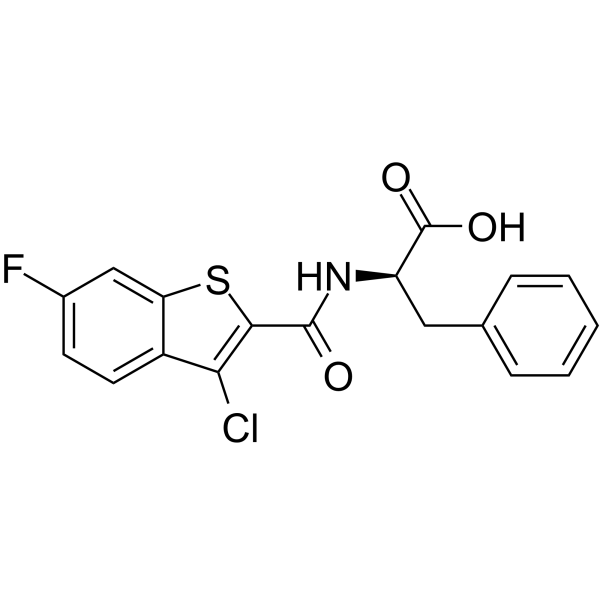
CU-CPT 4a (TLR3-IN-1) is a potent, highly selective TLR3 signaling inhibitor. CU-CPT 4a represses the expression of downstream signaling pathways mediated by the TLR3/dsRNA complex, including TNF-α and IL-1β.
For research use only. We do not sell to patients.
- Purity : 99.50%
- CAS No.: 1279713-77-7
- Formula: C18H13ClFNO3S
- Molecular Weight:377.82
-
Storage:Powder -20°C, 3 years , 4°C, 2 years ; In solvent -80°C, 6 months , -20°C, 1 month

To place orders, for customer services and technical support, please contact: MedChemExpress USA
Tel: 609-228-6898 E-mail: [email protected] [email protected]


-
 Biological Activity
-
Chemical Information
-
Solvent & Solubility
- Protocols
- Purity & Documentation
- References
-
 Help & FAQs


-
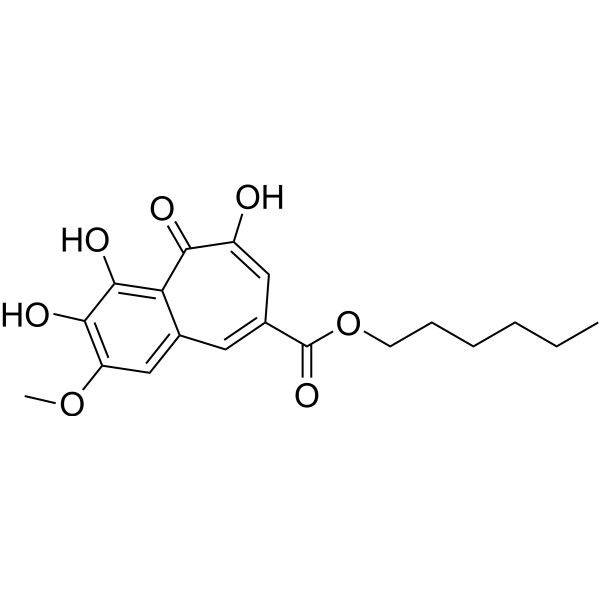
HY-108471
CU-CPT22TLR1/TLR2 Antagonist -
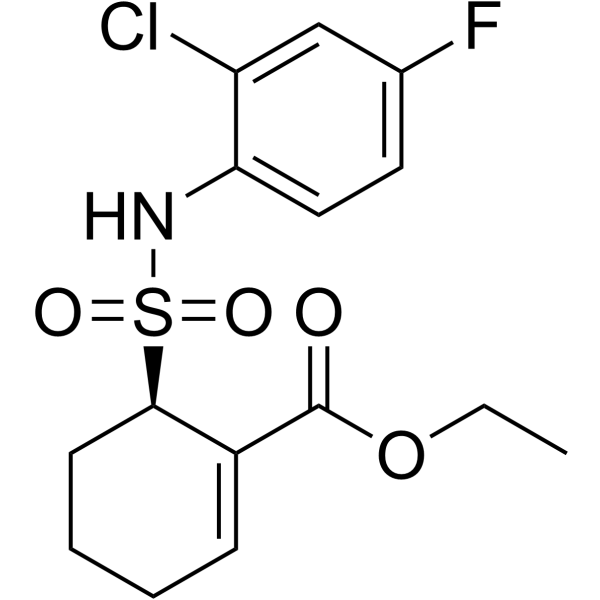
HY-11109
ResatorvidTLR4 Inhibitor -
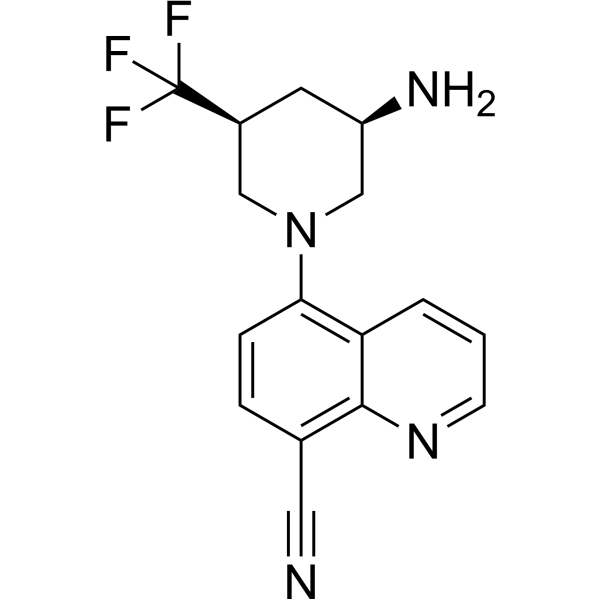
HY-134581
EnpatoranTLR7/8 Antagonist -
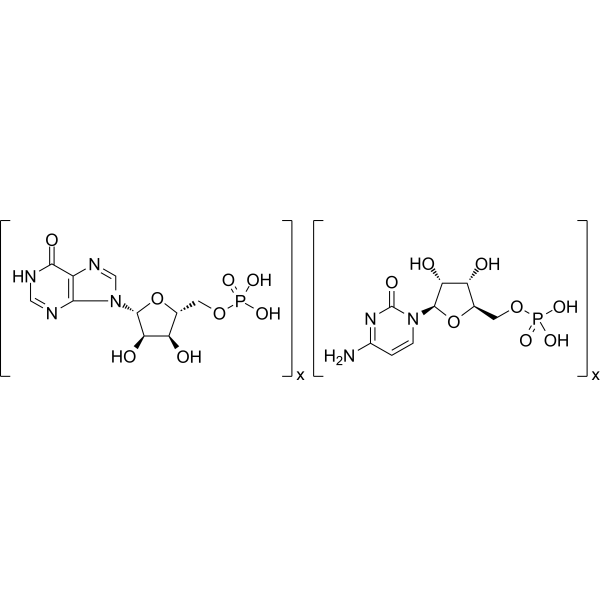
HY-107202
Polyinosinic-polycytidylic acidTLR-3 Agonist -
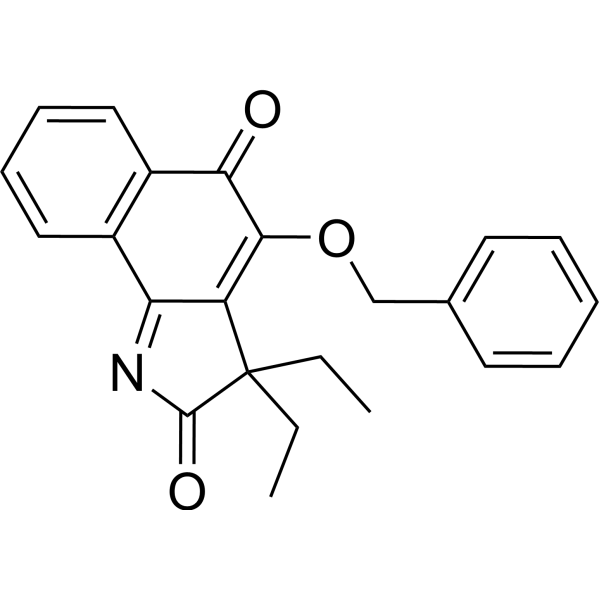
HY-147124
RIG012RIG-I Inhibitor -
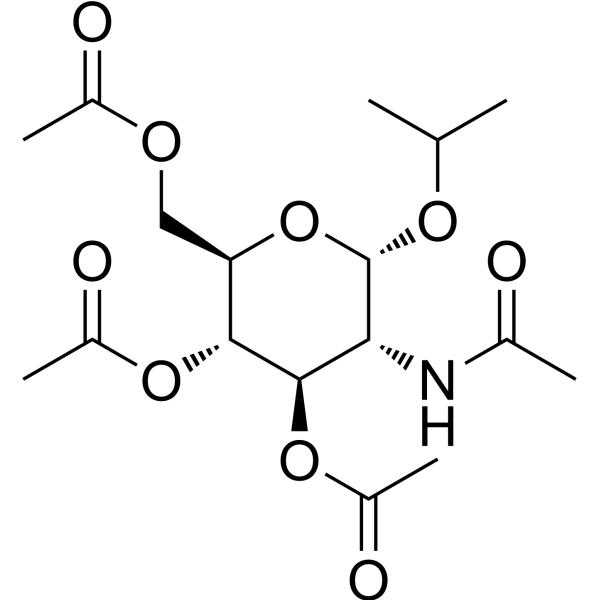
HY-107575
TLR4-IN-C34TLR4 Inhibitor -
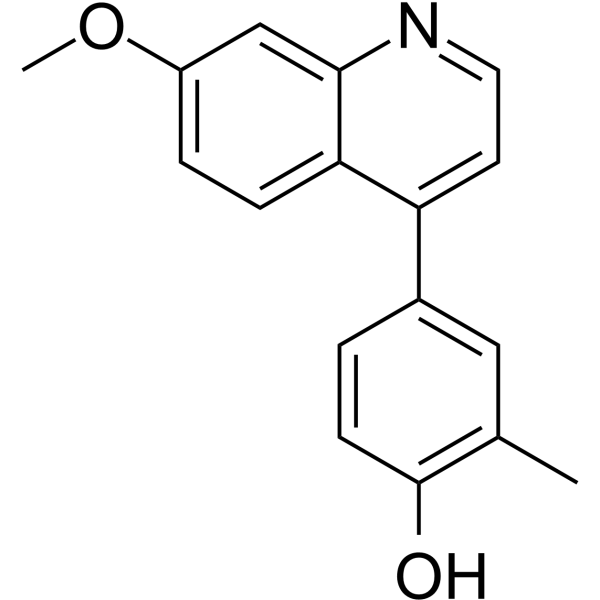
HY-112667
CU-CPT-9aToll-like Receptor (TLR) Antagonist -
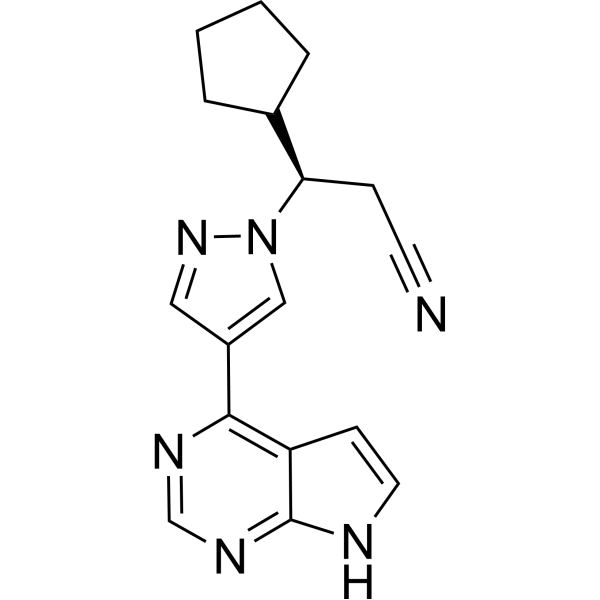
HY-50856
RuxolitinibJAK1/2 Inhibitor -
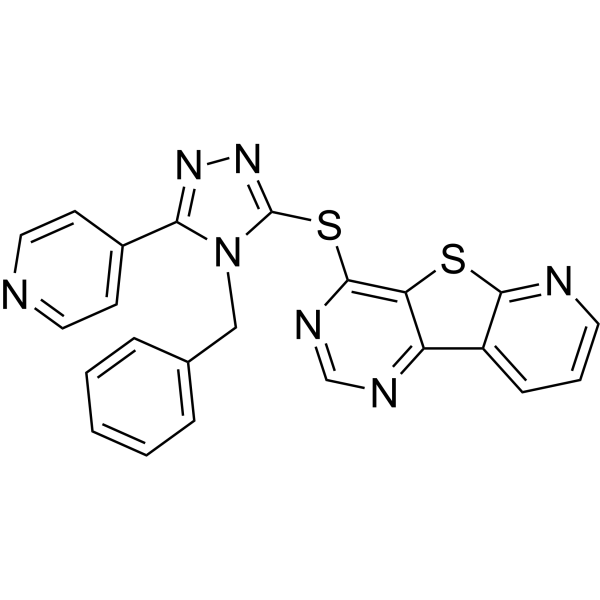
HY-116961
TH1020TLR5/Flagellin Complex Antagonist -
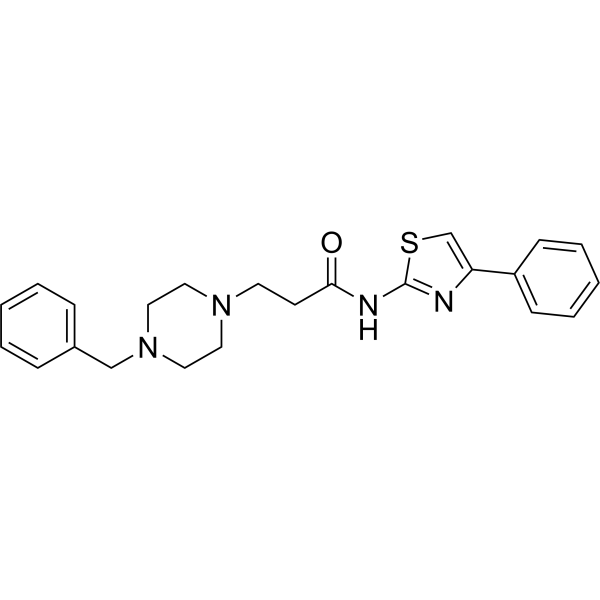
HY-139397
TJ-M2010-5MyD88 Inhibitor -
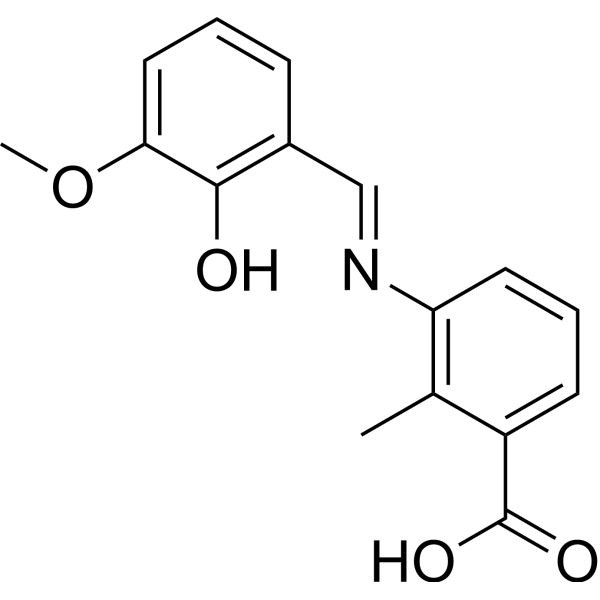
HY-100461
C29TLR2 Inhibitor -
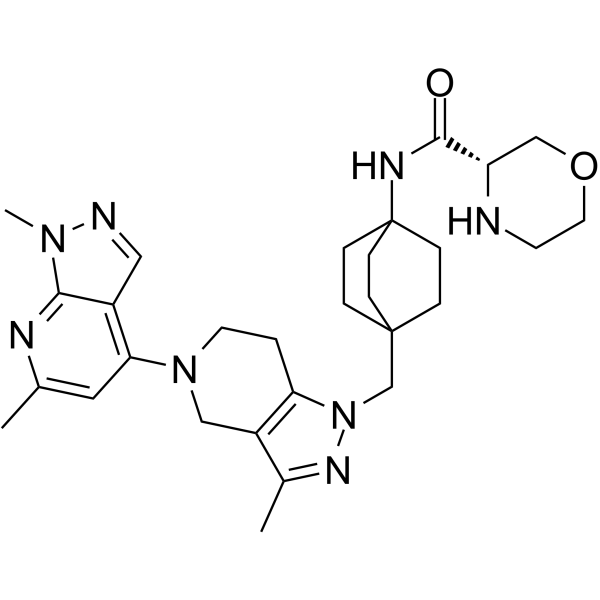
HY-139323
TLR7/8-IN-1TLR7/TLR8 Inhibitor
Publications Citing Use of MedChemExpress (MCE) CU-CPT 4a
More- Science. 2026 Feb 26;391(6788):eads4405. [Abstract]
- J Extracell Vesicles. 2025 May;14(5):e70083. [Abstract]
- Nat Commun. 2023 Nov 3;14(1):7048. [Abstract]
- Mol Cell. 2025 Mar 6;85(5):962-975.e7. [Abstract]
- Inflamm Res. 2026 Sep 5;75(1):208.
- Pharmaceuticals (Basel). 2026 Feb 3;19(2):261. [Abstract]
- Mol Pain. 2025 Jan-Dec:21:17448069251346373. [Abstract]
- Mol Immunol. 2026 Feb:190:101-109. [Abstract]
- Food Agric Immunol. 2025 Feb 08.
- Vet Microbiol. 2026 May:316:110973. [Abstract]
- Virology. 2026 Sep:622:110980. [Abstract]
- Biochem Biophys Res Commun. 2025 Nov 1:787:152767. [Abstract]
- Biomed Pharmacother. 2025 Sep 17:192:118569. [Abstract]
- bioRxiv. 2025 April 16.
 Customer Validation & Images

-
WB
-
ELISA
-
In Vivo Efficacy Study
-
In Vivo Efficacy Study
-
Histological Imaging/Staining


Biological Activity
Description
IC50 & Target
[1]|
TLR3 3.44 μM (IC50, in RAW 264.7 cells) |
In Vitro
CU-CPT 4a shows dose-dependent inhibitory effects blocking Poly (I:C)-induced TLR3 activation with an IC50 of 3.44 μM[1].
CU-CPT 4a competes with dsRNA for binding to TLR3 with a Ki of 2.96 μM[1].
MedChemExpress (MCE) has not independently confirmed the accuracy of these methods. They are for reference only.


Chemical Information
-
CAS No. 1279713-77-7
-
Appearance Solid
-
Molecular Weight 377.82
-
Formula C18H13ClFNO3S
-
Color White to off-white
-
SMILES
O=C(O)[C@@H](CC1=CC=CC=C1)NC(C2=C(Cl)C3=CC=C(F)C=C3S2)=O
-
Synonyms
TLR3-IN-1
-
Shipping
Room temperature in continental US; may vary elsewhere.
-
Storage
Powder -20°C 3 years 4°C 2 years In solvent -80°C 6 months -20°C 1 month


Publications (14)
-
Journal Impact Factor
-
Most Recent
-
Science
2026 Feb 26;391(6788):eads4405. PMID: 41747053 -
J Extracell Vesicles
Cancer-Specific RNA Modifications in Tumour-Derived Extracellular Vesicles Promote Tumour Growth. [Abstract]2025 May;14(5):e70083. PMID: 40326665
CU-CPT 4a purchased from MedChemExpress. Usage Cited in: J Extracell Vesicles. 2025 May;14(5):e70083. [Abstract]
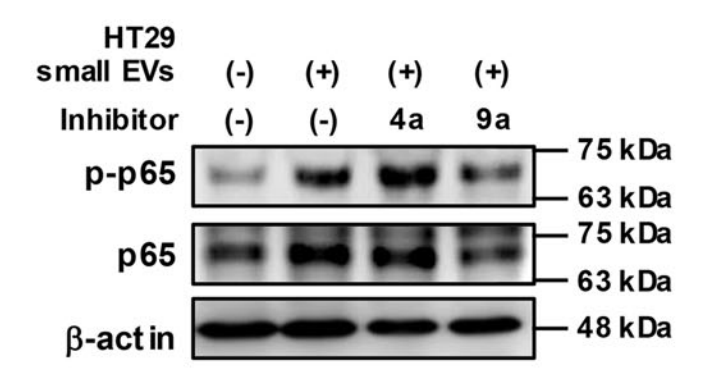
m6A levels in EVs regulate inflammatory responses via TLR8 in macrophages. Differentiated THP‐1 cells (dTHP‐1) were pretreated with or without CU‐CPT‐9a (HY-112667; 48 h) and CU‐CPT‐4a (HY-108473; 48 h). Whole‐cell lysates obtained from dTHP‐1 cells were subjected to Western blot analysis using an anti‐phospho p65 antibody, anti‐p65 antibody and anti‐β‐actin antibody. Representative images from three independent experiments are shown.
CU-CPT 4a purchased from MedChemExpress. Usage Cited in: J Extracell Vesicles. 2025 May;14(5):e70083. [Abstract]
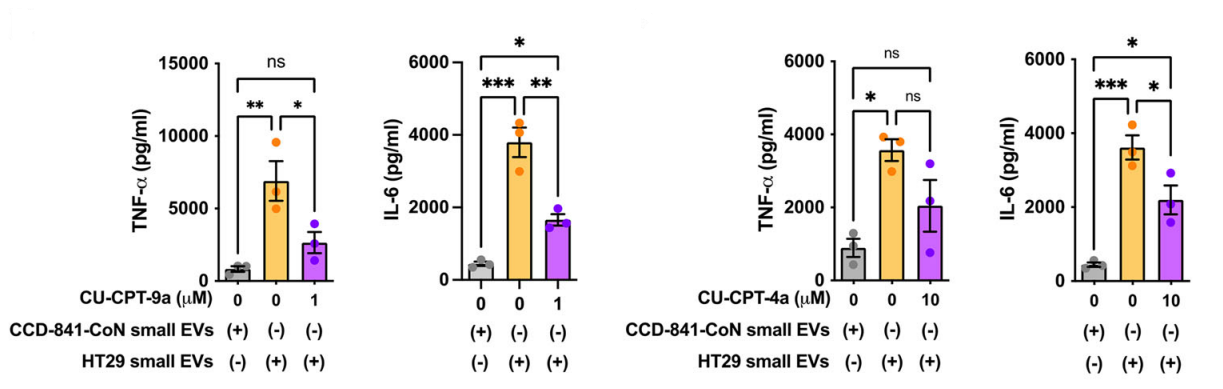
m6A levels in EVs regulate inflammatory responses via TLR8 in macrophages. Differentiated THP‐1 cells (dTHP‐1) were pretreated with or without CU‐CPT‐9a (HY-112667; 48 h) and CU‐CPT‐4a (HY-108473; 48 h). Conditioned medium from dTHP‐1 cells treated with CCD‐841‐CoN or HT29 small EVs was used for ELISA. dTHP‐1 cells were pre‐transfected with or without TLR8 siRNA.
-
Nat Commun
Wnt activation disturbs cell competition and causes diffuse invasion of transformed cells through NF-κB-MMP21 pathway. [Abstract]2023 Nov 3;14(1):7048. PMID: 37923722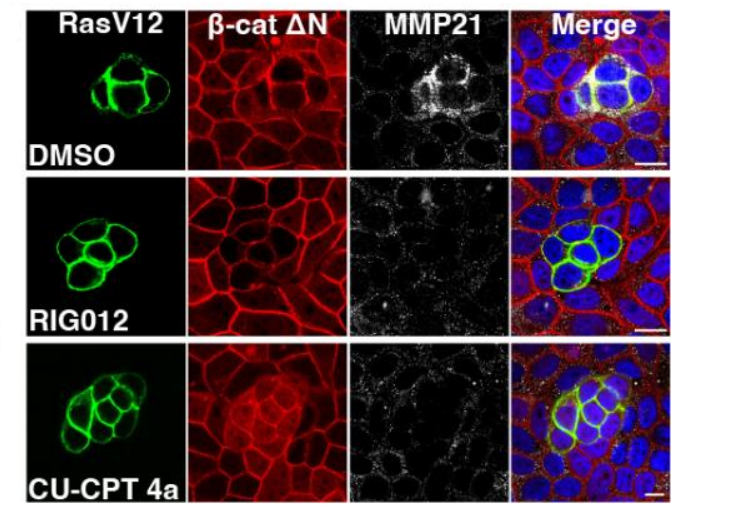
CU-CPT 4a purchased from MedChemExpress. Usage Cited in: Nat Commun. 2023 Nov 3;14(1):7048. [Abstract]
Immunofluorescence images of MMP21 in the absence or presence of RIG012 or CU-CPT 4a. β-cat ΔN/RasV12 cells were mixed with β-cat ΔN cells in the presence of BFA, and were treated with DMSO, 2.5 μM RIG012 or 50 μM CU-CPT 4a. Cells were stained with Hoechst 33342 (blue) and anti-MMP21 antibody (white).
CU-CPT 4a purchased from MedChemExpress. Usage Cited in: Nat Commun. 2023 Nov 3;14(1):7048. [Abstract]
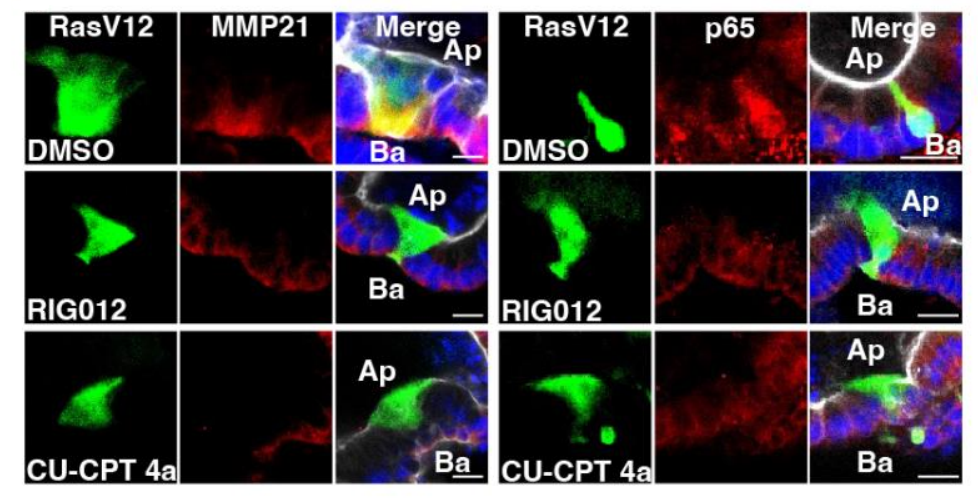
Immunofluorescence images of MMP21 or p65 in intestinal organoids from APCMin-Villin-RasV12 mice in the absence or presence of 10 μM RIG012 or 100 μM CU-CPT 4a.
-
Mol Cell
2025 Mar 6;85(5):962-975.e7. PMID: 39983719 -
-
Pharmaceuticals (Basel)
Aronia Berry Extract Inhibits Cancer Stemness and Overcomes 5-Fluorouracil Resistance by Targeting TLR3/NF-κB Signaling in Colorectal Cancer. [Abstract]2026 Feb 3;19(2):261. PMID: 41754803 -
Mol Pain
TLR3 mediates central sensitization in a chronic migraine model induced by repeated nitroglycerin through the ERK signaling pathway. [Abstract]2025 Jan-Dec:21:17448069251346373. PMID: 40407181
CU-CPT 4a purchased from MedChemExpress. Usage Cited in: Mol Pain. 2025 Jan-Dec:21:17448069251346373. [Abstract]
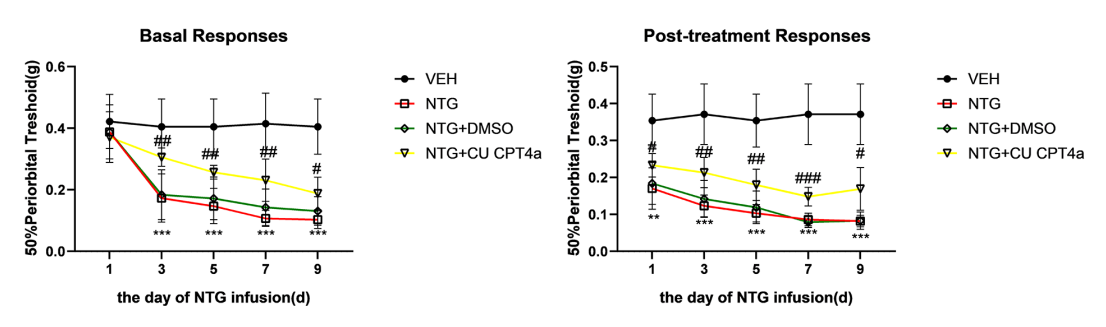
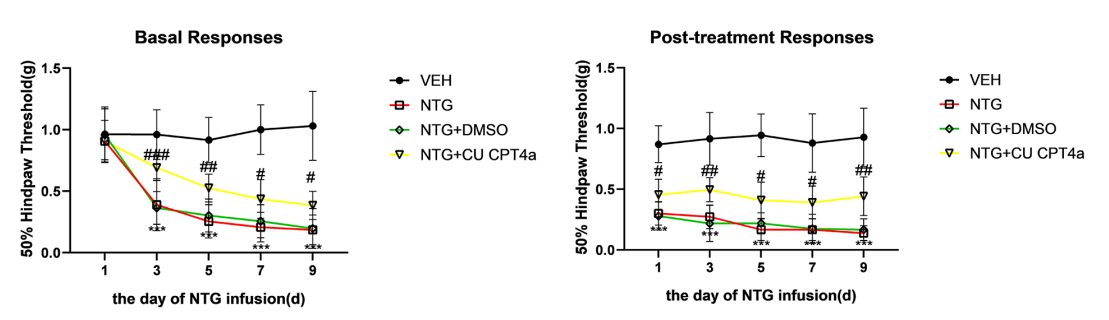
TLR3 antagonist CU CPT4a inhibited NTG-induced mechanical allodynia. Repeated treatment with CU CPT4a (5 mg/kg, i.p.) or vehicle (equal volumes of DMSO) every other day before NTG injections for 9 days. Repeated treatment with CU CPT4a inhibited basal hind paw mechanical and periorbital mechanical allodynia.
CU-CPT 4a purchased from MedChemExpress. Usage Cited in: Mol Pain. 2025 Jan-Dec:21:17448069251346373. [Abstract]
TLR3 antagonist CU CPT4a inhibited NTG-induced mechanical allodynia. Repeated treatment with CU CPT4a (5 mg/kg, i.p.) or vehicle (equal volumes of DMSO) every other day before NTG injections for 9 days. Post-treatment responses, including hind paw mechanical and periorbital mechanical allodynia, were estimated 2 h after NTG administration.
CU-CPT 4a purchased from MedChemExpress. Usage Cited in: Mol Pain. 2025 Jan-Dec:21:17448069251346373. [Abstract]
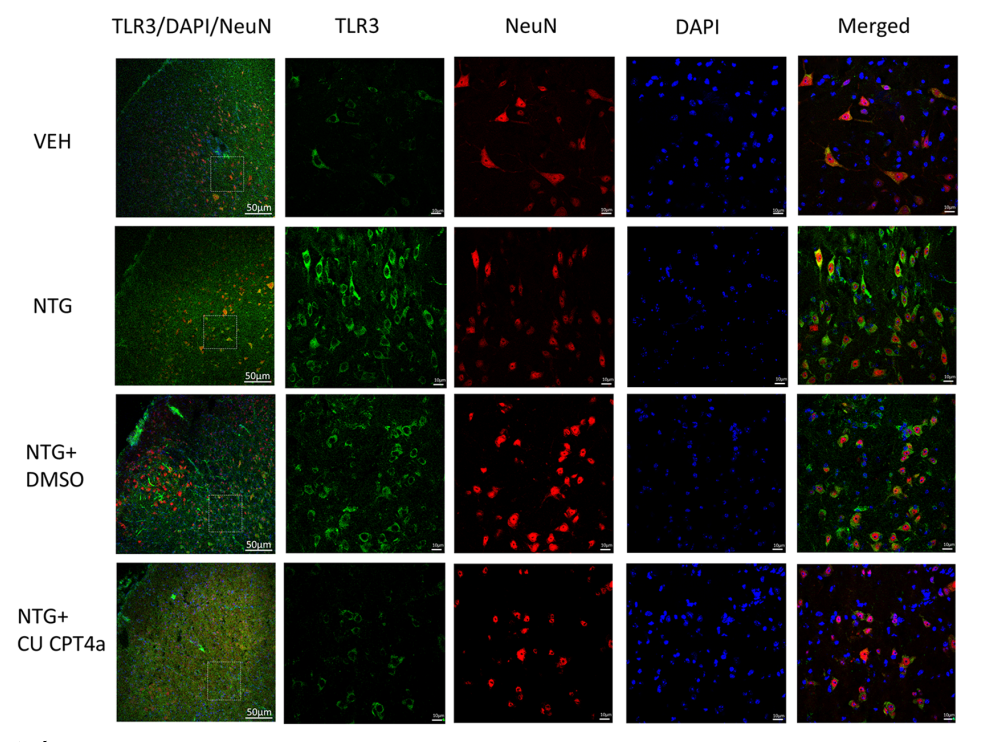
TLR3 antagonist CU CPT4a (5 mg/kg; i.p.; every other day for 9 days before NTG injection) reduced the expression of TLR3 in TNC. Quantitative analysis of the number of TLR3+Neuron in the TNC in a 212 × 212 µm² visual field of each section per mouse after NTG injection.
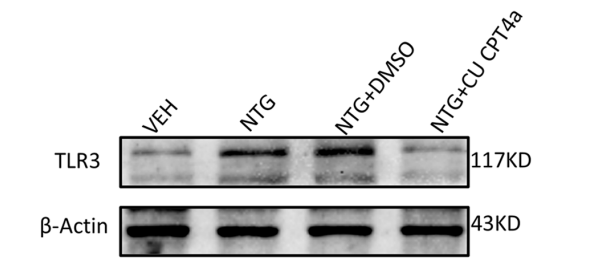
CU-CPT 4a purchased from MedChemExpress. Usage Cited in: Mol Pain. 2025 Jan-Dec:21:17448069251346373. [Abstract]
TLR3 antagonist CU CPT4a (5 mg/kg; i.p.; every other day for 9 days before NTG injection) reduced the expression of TLR3 in TNC. Immunoblot analysis of TLR3 (n = 5).
-
Mol Immunol
2026 Feb:190:101-109. PMID: 41564652 -
-
Vet Microbiol
2026 May:316:110973. PMID: 41806593 -
Virology
Rab4b is associated with inflammatory responses and TLR3-related signaling during Japanese encephalitis virus infection. [Abstract]2026 Sep:622:110980. PMID: 42229201 -
Biochem Biophys Res Commun
Macrophage Mertk mediates pressure overload-induced heart failure via type I interferon response. [Abstract]2025 Nov 1:787:152767. PMID: 41076977 -
Biomed Pharmacother
Baicalin attenuates acetaminophen-induced acute liver injury through inhibiting TLR2-dependent neutrophil extracellular trap formation. [Abstract]2025 Sep 17:192:118569. PMID: 40967078 -


Solvent & Solubility
In Vitro:
DMSO : 100 mg/mL (264.68 mM; Need ultrasonic; Hygroscopic DMSO has a significant impact on the solubility of product, please use newly opened DMSO)
Please refer to the solubility information to select the appropriate solvent. Once prepared, please aliquot and store the solution to prevent product inactivation from repeated freeze-thaw cycles.
Storage method and period of stock solution: -80°C, 6 months; -20°C, 1 month. When stored at -80°C, please use it within 6 months. When stored at -20°C, please use it within 1 month.
Please refer to the solubility information to select the appropriate solvent. Once prepared, please aliquot and store the solution to prevent product inactivation from repeated freeze-thaw cycles.
Storage method and period of stock solution: -80°C, 6 months; -20°C, 1 month. When stored at -80°C, please use it within 6 months. When stored at -20°C, please use it within 1 month.
Concentration (start) × Volume (start) = Concentration (final) × Volume (final)
In Vivo:
Select the appropriate dissolution method based on your experimental animal and administration route.
- For the following dissolution methods, please ensure to first prepare a clear stock solution using an In Vitro approach and then sequentially add co-solvents:
- To ensure reliable experimental results, the clarified stock solution can be appropriately stored based on storage conditions. As for the working solution for In Vivo experiments, it is recommended to prepare freshly and use it on the same day.
- The percentages shown for the solvents indicate their volumetric ratio in the final prepared solution. If precipitation or phase separation occurs during preparation, heat and/or sonication can be used to aid dissolution.
Add each solvent one by one: 10% DMSO 40% PEG300 5% Tween-80 45% Saline
Solubility: ≥ 2.5 mg/mL (6.62 mM); Clear solution
This protocol yields a clear solution of ≥ 2.5 mg/mL (saturation unknown).
Taking 1 mL working solution as an example, add 100 μL DMSO stock solution (25.0 mg/mL) to 400 μL PEG300, and mix evenly; then add 50 μL Tween-80 and mix evenly; then add 450 μL Saline to adjust the volume to 1 mL.
Preparation of Saline: Dissolve 0.9 g sodium chloride in ddH₂O and dilute to 100 mL to obtain a clear Saline solution.
In Vivo Dissolution Calculator
Please enter the basic information of animal experiments:
-
-
-
-
Recommended: Prepare an additional quantity of animals to account for potential losses during experiments.
Please enter your animal formula composition:
-
%DMSO +
Recommended: Keep the proportion of DMSO in working solution below 2% if your animal is weak.
-
%+
-
+%Tween-80 + +
-
%Saline +
The co-solvents required include: DMSO, . All of co-solvents are available by MedChemExpress (MCE). , Tween 80. All of co-solvents are available by MedChemExpress (MCE).
Working solution concentration: 0.22 mg/mL
Method for preparing stock solution: mg drug dissolved in μL DMSO. Stock solution concentration: mg/mL.
1. Take μL DMSO stock solution;
2. Add μL .
μL , mix evenly;
3. Then add μL Tween 80, mix evenly;
4. Then add μL
Please ensure that the stock solution in the first step is dissolved to a clear state, and add co-solvents in sequence. You can use ultrasonic heating (ultrasonic cleaner, recommended frequency 20-40 kHz), vortexing, etc. to assist dissolution.


Purity & Documentation
-
Data Sheet (276 KB)
-
SDS (254 KB)
- English - EN (254 KB)
- Français - FR (254 KB)
- Deutsch - DE (254 KB)
- Norwegian - NO (254 KB)
- Español - ES (254 KB)
- Swedish - SV (254 KB)
- Italian - IT (254 KB)
- Korean - KR (254 KB)
- Portuguese - PT (254 KB)
-
Handling Instructions (2659 KB)
References


Complete Stock Solution Preparation Table
Please refer to the solubility information to select the appropriate solvent. Once prepared, please aliquot and store the solution to prevent product inactivation from repeated freeze-thaw cycles.
Storage method and period of stock solution: -80°C, 6 months; -20°C, 1 month. When stored at -80°C, please use it within 6 months. When stored at -20°C, please use it within 1 month.
| Optional Solvent | Concentration Solvent Mass | 1 mg | 5 mg | 10 mg | 25 mg |
|---|---|---|---|---|---|
| DMSO | 1 mM | 2.6468 mL | 13.2338 mL | 26.4676 mL | 66.1691 mL |
| 5 mM | 0.5294 mL | 2.6468 mL | 5.2935 mL | 13.2338 mL | |
| 10 mM | 0.2647 mL | 1.3234 mL | 2.6468 mL | 6.6169 mL | |
| 15 mM | 0.1765 mL | 0.8823 mL | 1.7645 mL | 4.4113 mL | |
| 20 mM | 0.1323 mL | 0.6617 mL | 1.3234 mL | 3.3085 mL | |
| 25 mM | 0.1059 mL | 0.5294 mL | 1.0587 mL | 2.6468 mL | |
| 30 mM | 0.0882 mL | 0.4411 mL | 0.8823 mL | 2.2056 mL | |
| 40 mM | 0.0662 mL | 0.3308 mL | 0.6617 mL | 1.6542 mL | |
| 50 mM | 0.0529 mL | 0.2647 mL | 0.5294 mL | 1.3234 mL | |
| 60 mM | 0.0441 mL | 0.2206 mL | 0.4411 mL | 1.1028 mL | |
| 80 mM | 0.0331 mL | 0.1654 mL | 0.3308 mL | 0.8271 mL | |
| 100 mM | 0.0265 mL | 0.1323 mL | 0.2647 mL | 0.6617 mL |


CU-CPT 4a Related Classifications
HY-108473 Related Classifications
 Powered by Bioz