Search Result
Results for "
TNF-α and IFN-γ
" in MedChemExpress (MCE) Product Catalog:
2
Biochemical Assay Reagents
| Cat. No. |
Product Name |
Target |
Research Areas |
Chemical Structure |
-
- HY-N9965
-
|
2'-FL
|
TNF Receptor
Interleukin Related
|
Infection
Inflammation/Immunology
|
|
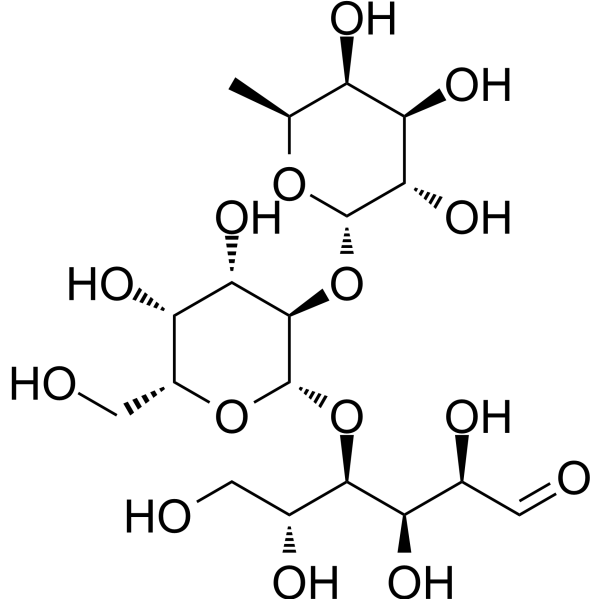
2'-Fucosyllactose (2'-FL) is an oligosaccharide that could be derived from human milk. 2'-Fucosyllactose regulates the expression of CD14, alleviates colitis and regulates the gut microbiome. 2'-Fucosyllactose stimulates T cells to increase IFN-γ production and decreases IL-6, IL-17, and TNF-α production of cytokines .
|
-
-
- HY-136339
-
|
|
E1/E2/E3 Enzyme
Interleukin Related
|
Inflammation/Immunology
Cancer
|
|
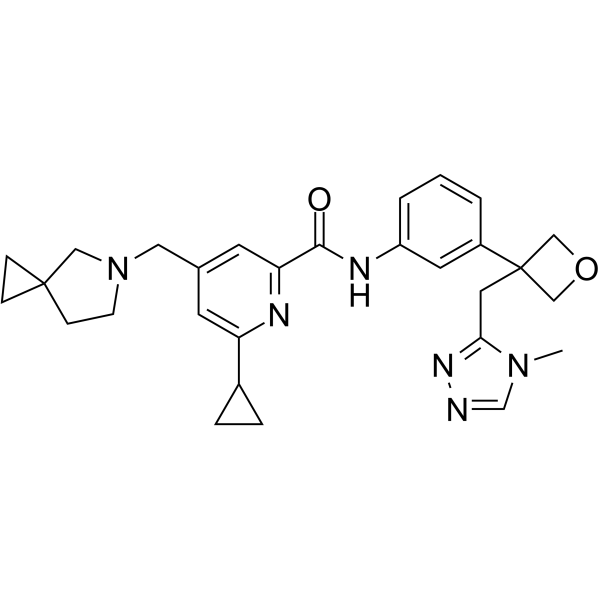
Cbl-b-IN-1 (Example 519) is an inhibitor of Cbl-b, with an IC50 of less than 100 nM. Cbl-b-IN-1 can promote the secretion of cytokines such as IL-2, IFN-γ, and TNF-α, facilitate T cell activation, and enhance the TCR signaling pathway. Cbl-b-IN-1 can be used in research on immunomodulation .
|
-
-
- HY-150725
-
|
|
IFNAR
TNF Receptor
|
Infection
Inflammation/Immunology
Cancer
|
|
ODN 1585 is a potent inducer of IFN and TNFα production. ODN 1585 is a potent stimulator of NK (natural killer) function. ODN 1585 increases CD8+ T-cell function, including the CD8+ T cell-mediated production of IFN-γ. ODN 1585 induces regression of established melanomas in mice. ODN 1585 can confer complete protection against malaria in mice. ODN 1585 can be used for acute myelogenous leukemia (AML) and malaria research. ODN 1585 can be used as a vaccine adjuvant .
|
-

-
- HY-19744
-
T6167923
Maximum Cited Publications
15 Publications Verification
|
MyD88
|
Inflammation/Immunology
|
|
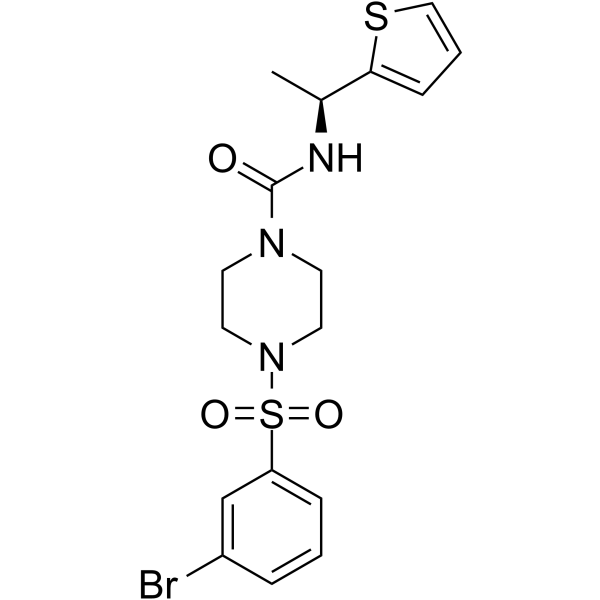
T6167923 is a selective inhibitor of MyD88-dependent signaling pathways. T6167923 directly binds to Toll/IL1 receptor (TIR) domain of MyD88 and disrupts MyD88 homodimeric formation. T6167923 inhibits NF-κB driven Staphylococcus enterotoxin AP (SEAP) activity, and improves anti-inflammatory activity with IC50s of 2.7 μM, 2.9 μM, 2.66 μM and 2.66 μM for IFN-γ, IL-1β, IL-6 and TNF-α, respectively .
|
-
-
- HY-N6017
-
|
|
HDAC
TNF Receptor
Interleukin Related
TGF-β Receptor
IFNAR
PI3K
PKC
Akt
GSK-3
Caspase
Apoptosis
|
Cancer
|
|
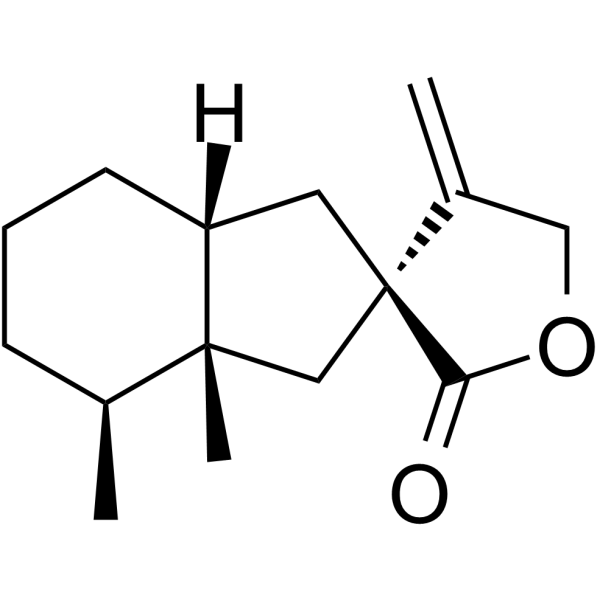
Bakkenolide A is an anticancer agent. Bakkenolide A reduces the viability of leukemia cells, inhibits cell colony formation and invasion, and downregulates the expression of HDAC3 in cells. Bakkenolide A downregulates the expression of pro-inflammatory cytokines including TNF-α, interleukins such as IL-1β, TGF-β1 and IFN-γ, as well as the expression of PI3K, PDK and PKC in leukemia cells. Bakkenolide A downregulates activated Akt, GSK and Bad, while upregulates Cyto-c, cleaved Caspase3 and cleaved Caspase7, induces apoptosis (apoptosis) in leukemia cells and thereby inhibits inflammatory responses in leukemia cells. Bakkenolide A significantly slows the growth of subcutaneous leukemia tumors in nude mice. Bakkenolide A is applicable to leukemia-related research .
|
-
-
- HY-107390A
-
|
|
TNF Receptor
Interleukin Related
IFNAR
|
Inflammation/Immunology
Cancer
|
|
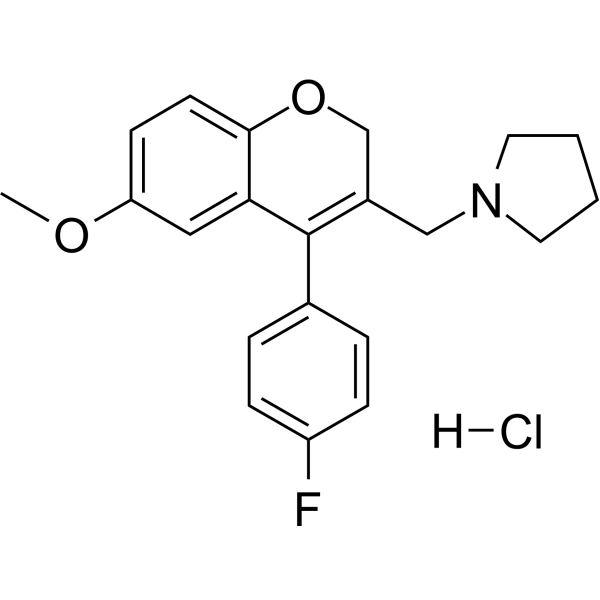
AX-024 hydrochloride is an orally available, first-in-class inhibitor of the TCR-Nck interaction that selectively inhibits TCR-triggered T cell activation with an IC50 ~1 nM. AX-024 hydrochloride modulates cell signaling by targeting SH3 domains. AX-024 hydrochloride has low-acute toxicity and high potency and selectivity, and strongly inhibit the production of IL-6, TNF-α, IFN-γ, IL-10 and IL-17A.
|
-
-
- HY-107390
-
AX-024
3 Publications Verification
|
TNF Receptor
Interleukin Related
IFNAR
|
Inflammation/Immunology
Cancer
|
|
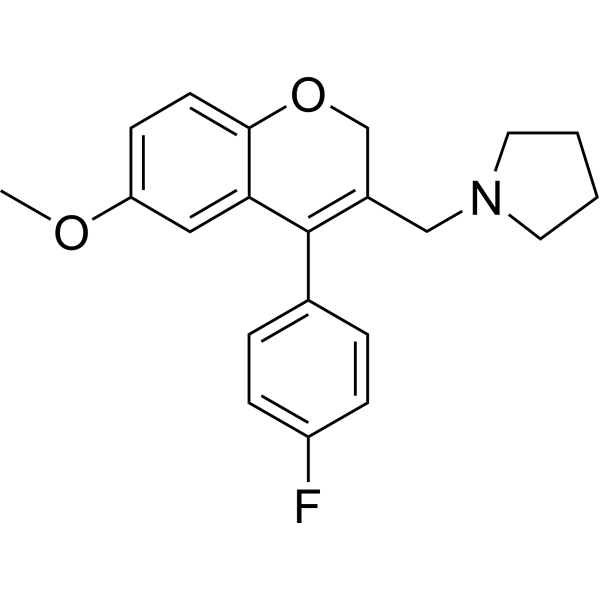
AX-024 is an orally available, first-in-class inhibitor of the TCR-Nck interaction that selectively inhibits TCR-triggered T cell activation with an IC50 ~1 nM. AX-024 modulates cell signaling by targeting SH3 domains. AX-024 has low-acute toxicity and high potency and selectivity, and strongly inhibit the production of IL-6, TNF-α, IFN-γ, IL-10 and IL-17A.
|
-
-
- HY-P99499
-
|
JNJ 63723283; JNJ 3283
|
PD-1/PD-L1
Interleukin Related
TNF Receptor
|
Cancer
|
|
Cetrelimab (JNJ 63723283; JNJ 3283) is a human IgG4κ mAb targeting PD-1. Cetrelimab binds PD-1 (Kd=1.72 nM, HEK293) to block the interaction of PD-1 with PD-L1 and PD-L2 (IC50s=111.7 ng/mL and 138.6 ng/mL, respectively). Cetrelimab stimulates peripheral T cells, increases IFN-γ, IL-2, TNF-α level and inhibits tumor growth in vivo .
|
-

-
- HY-113953
-
|
|
Caspase
Apoptosis
|
Inflammation/Immunology
|
|
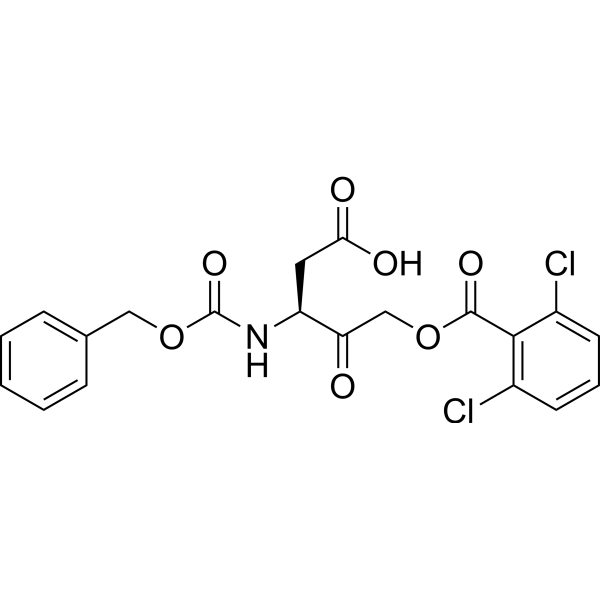
Z-Asp-CH2-DCB is an irreversible broad spectrum caspase inhibitor. Z-Asp-CH2-DCB also inhibits proteases with caspase-like activity. Z-D-CH2-DCB blocks the production of IL-1β, TNF-α, IL-6, and IFN-γ in staphylococcal enterotoxin B (SEB)-stimulated peripheral blood mononuclear cells (PBMC), and reduces SEB-1-stimulated T-cell proliferation in a dose-dependent manner. Z-Asp-CH2-DCB prevents SU5416-induced septal cell apoptosis and emphysema development .
|
-
-
- HY-B0446
-
|
Naphthazoline hydrochloride
|
Adrenergic Receptor
TNF Receptor
Interleukin Related
VEGFR
|
Cardiovascular Disease
Inflammation/Immunology
Cancer
|
|
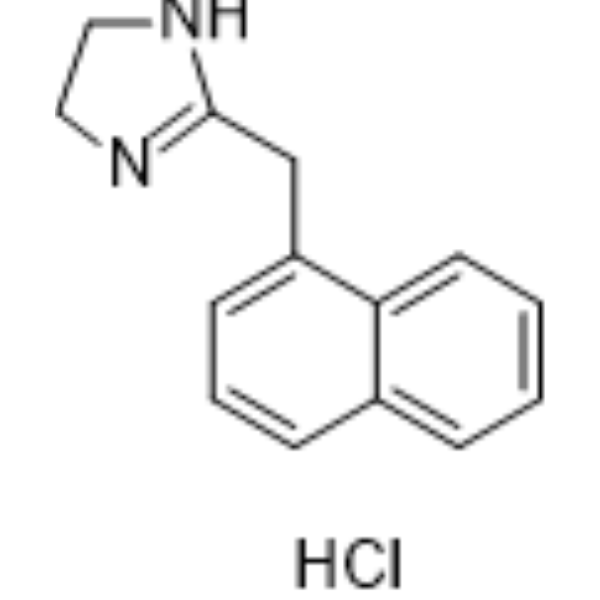
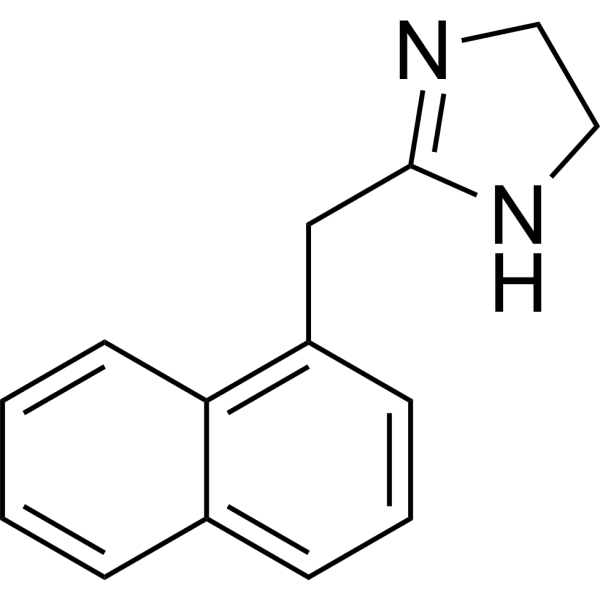
Naphazoline (Naphthazoline) hydrochloride is a potent α-adrenergic receptor agonist. Naphazoline hydrochloride reduces vascular hyperpermeability and promotes vasoconstriction. Naphazoline hydrochloride reduces the levels of inflammatory factors (TNF-α, IL-1β and IL-6), cytokines (IFN-γ and IL-4), IgE, GMCSF, and NGF. Naphazoline hydrochloride can be used for non-bacterial conjunctivitis research .
|
-
-
- HY-111326
-
-
-
- HY-P99390
-
|
MCLA 117
|
CD3
Interleukin Related
IFNAR
TNF Receptor
|
Inflammation/Immunology
Cancer
|
|
Tepoditamab (MCLA-117) is a full-length human IgG1 bispecific monoclonal antibody that binds to CLEC12A of myeloid cells and CD3 of cytotoxic T cells. Among others, CLEC12A is a myeloid differentiation antigen. Tepoditamab kills AML leukaemia mother cells and AML leukaemia stem cells, induces T cell-mediated proliferative lysis of AML cells. Tepoditamab induces upto 30-fold T-cell expansion. Tepoditamab results in moderate to strong cytokine (IFNγ, IL-6, IL-8, IL-10, and TNFα) and IFNγ release in human whole blood and PBMC, respectively. Tepoditamab can be used in acute myeloid leukaemia (AML) research .
|
-

-
- HY-145885
-
-
-
- HY-P99916
-
|
AMG-427
|
FLT3
CD3
TNF Receptor
|
Inflammation/Immunology
Cancer
|
Emirodatamab (AMG-427) is a bispecific T-cell engager (BiTE). Emirodatamab simultaneously binds FLT3 on the surface of acute myeloid leukemia (AML) cells and CD3 on the surface of T cells, thereby precisely recruiting immune effector cells to tumor sites. Emirodatamab potently induces T cell activation, secretion of proinflammatory cytokines (such as IFNγ, TNFα), and specific cytotoxicity, effectively lysing FLT3-positive tumor cells and inhibiting their growth. Emirodatamab not only significantly prolongs survival in mouse xenograft models and eliminates diseased cells in primates, but also exhibits a synergistic enhancement effect when combined with PD-1 blockade therapy. Emirodatamab is used in studies of acute myeloid leukemia, especially relapsed or refractory cases .
|
-

-
- HY-108622
-
|
Daxalipram
|
Phosphodiesterase (PDE)
Interleukin Related
IFNAR
|
Inflammation/Immunology
|
|
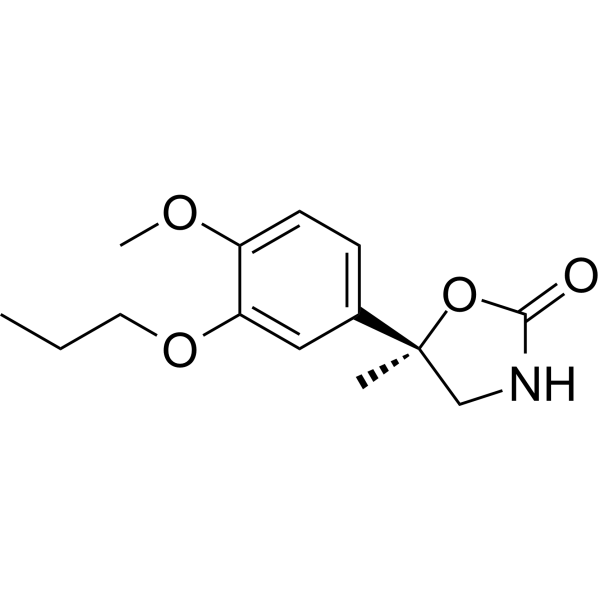
Mesopram (Daxalipram) is an orally active phosphodiesterase (PDE) 4 inhibitor. Mesopram inhibits the synthesis of proinflammatory cytokines TNF-α and IFN-γ. Mesopram demonstrates efficacy in ameliorating Dextran sulfate sodium (DSS) (HY-116282C)-induced murine colitis. Mesopram can be used for the study of chronic inflammatory diseases .
|
-
-
- HY-111326A
-
-
-
- HY-150725C
-
|
|
TNF Receptor
IFNAR
|
Infection
Inflammation/Immunology
Cancer
|
|
ODN 1585 sodium is a potent inducer of IFN and TNFα production. ODN 1585 sodium is a potent stimulator of NK (natural killer) function. ODN 1585 sodium increases CD8+ T-cell function, including the CD8+ T cell-mediated production of IFN-γ. ODN 1585 sodium induces regression of established melanomas in mice. ODN 1585 sodium can confer complete protection against malaria in mice. ODN 1585 sodium can be used for acute myelogenous leukemia (AML) and malaria research. ODN 1585 sodium can be used as a vaccine adjuvant .
|
-

-
- HY-P4846
-
|
|
CXCR
Apoptosis
IFNAR
TNF Receptor
Interleukin Related
|
Infection
Inflammation/Immunology
|
|
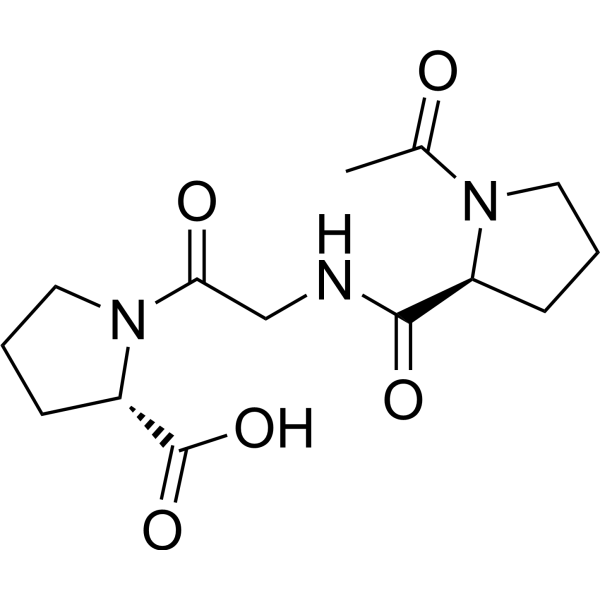
Ac-Pro-Gly-Pro-OH is an endogenous degradation product of extracellular collagen and acts as a CXCR2 agonist . Ac-Pro-Gly-Pro-OH exerts bactericidal activity by generating hydrogen peroxide, inhibits pulmonary inflammation, and reduces immune cell apoptosis (apoptosis). Ac-Pro-Gly-Pro-OH promotes the production of IFN-γ and inhibits the production of TNF-α and IL-6 in leukocytes. Ac-Pro-Gly-Pro-OH increases the survival rate of mice in sepsis models, enhances the bactericidal activity of neutrophils, acts as a neutrophil chemoattractant, induces neutrophil polarization, and regulates inflammatory and repair processes. Ac-Pro-Gly-Pro-OH induces chronic inflammation and tissue remodeling through sustained action. Ac-Pro-Gly-Pro-OH is released via alkaline hydrolysis of corneal proteins in alkali-injured eyes, thereby driving the early infiltration of neutrophils into the cornea. Ac-Pro-Gly-Pro-OH is applicable to research related to sepsis, chronic obstructive pulmonary disease, cystic fibrosis, bronchiolitis obliterans syndrome, severe asthma, idiopathic pulmonary fibrosis, and corneal ulcer .
|
-
-
- HY-148511
-
|
CMP-001
|
Toll-like Receptor (TLR)
IFNAR
PD-1/PD-L1
Indoleamine 2,3-Dioxygenase (IDO)
|
Cancer
|
|
Vidutolimod (CMP-001) is a virus-like particle containing a TLR9 activator . Vidutolimod induces human peripheral blood mononuclear cells to secrete IFNα, and upregulates the gene expression of CXCL10, PDL1, IDO and CD80. Vidutolimod activates TLR9, which in turn triggers plasmacytoid dendritic cell activation, production of IFNγ and TNFα, induction of CXCL10, and recruitment of antitumor T cells. Vidutolimod causes influenza-like symptoms, hypotension and tumor regression, and its activity depends on the presence of anti-Qβ antibodies. Vidutolimod modulates monocyte function, promotes CD4 T cell proliferation, and activates multiple immune cell types in an environment with anti-Qβ antibodies. Vidutolimod prolongs the survival of tumor-bearing mice. Vidutolimod is used in research related to advanced melanoma, head and neck squamous cell carcinoma, and advanced non-small cell lung cancer .
|
-

-
- HY-106359A
-
|
RDP-58 acetate
|
TNF Receptor
IFNAR
Reactive Oxygen Species (ROS)
|
Cancer
|
|
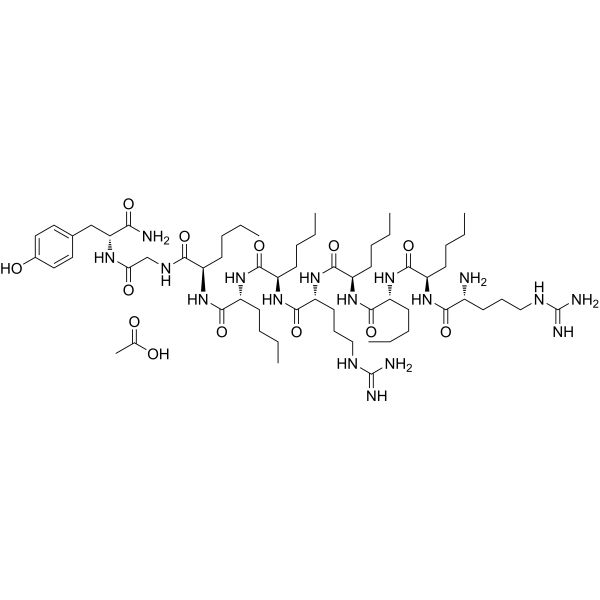
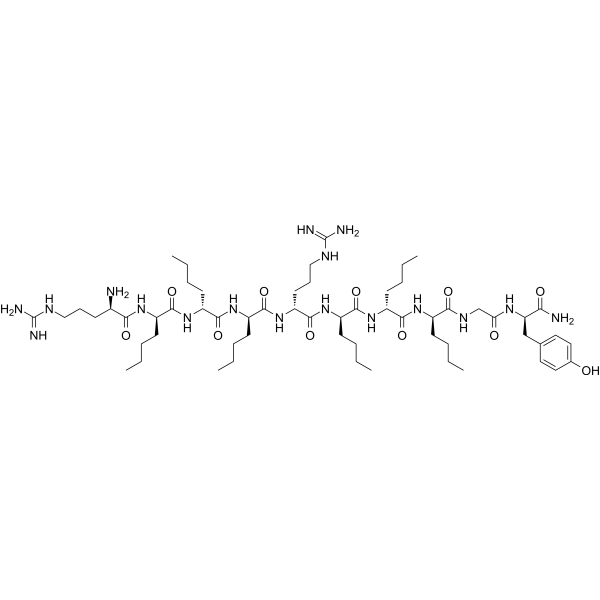
Delmitide (RDP58) acetate is an orally active d-isomer decapeptide with potent anti-inflammatory activity. Delmitide acetate inhibits production of TNF-α, IFN-γ, and interleukin (IL)-12, and up-regulates heme oxygenase 1 activity. Delmitide acetate can be used for the research of ulcerative colitis .
|
-
-
- HY-159884
-
|
|
Tim3
TNF Receptor
IFNAR
|
Cancer
|
|
MG-T-19 is an effective TIM-3 inhibitor that can suppress the interaction of TIM-3 with PtdSer, CEACAM1, and Gal-9. MG-T-19 can increase the production of tumor necrosis factor-α (TNF-α) and interferon-γ (IFN-γ) in peripheral blood mononuclear cells (PBMCs) from healthy donors, and enhance the ability of PBMCs to inhibit the proliferation of Kasumi-1 cells (an acute myelogenous leukemia cell line) .
|
-

-
- HY-13743
-
|
Linomide; FCF89; ABR212616
|
TNF Receptor
Interleukin Related
IFNAR
|
Neurological Disease
Inflammation/Immunology
Cancer
|
|
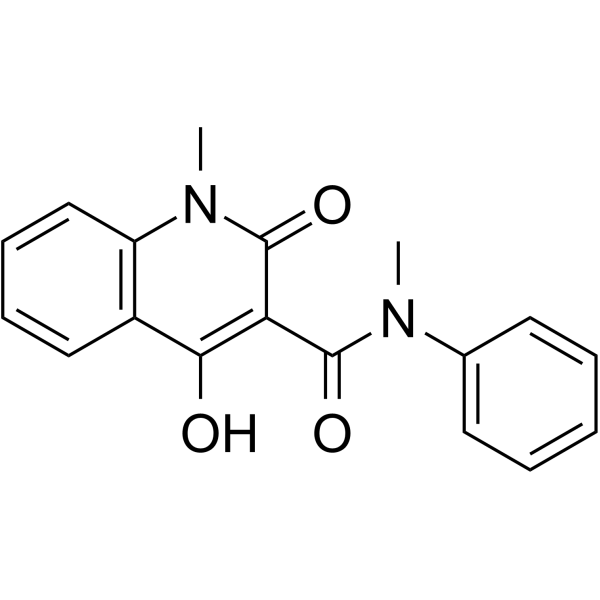
Roquinimex (Linomide) is an orally active immunomodulator with antineoplastic, anti-inflammatory, and antiangiogenic activity. Roquinimex suppresses TH1 lymphocyte cytokines (IL-2, IFN-γ), promotes TH2 lymphocyte cytokines (IL-4, IL-10), increases NK cell, activated monocyte, and T cell activity. Roquinimex blocks macrophage TNF-α production and suppresses IL-1/IL-6 secretion. Roquinimex exhibits in vivo antitumour activity, suppresses rodent autoimmune disease signs, and ameliorates murine colitis and psoriasis. Roquinimex can be used for the research of leukemia, inflammatory bowel disease, multiple sclerosis, and psoriasis .
|
-
-
- HY-D1056C1
-
|
LPS, from Salmonella enterica (Serotype enteritidis)
|
Toll-like Receptor (TLR)
|
Inflammation/Immunology
|
Lipopolysaccharides, from S. enterica (Salmonella enterica) serotype enteritidis are lipopolysaccharide endotoxins and TLR-4 activators derived from the enteritidis serotype of S. enterica, classified as S-type LPS, which can activate pathogen-associated molecular patterns (PAMP) of the immune system and induce cellular secretion of migrasomes. Lipopolysaccharides, from S. enterica serotype enteritidis exhibit a typical three-part structure: O-antigen, core oligosaccharide, and lipid A. Lipopolysaccharides, from S. enterica serotype enteritidis can induce systemic inflammatory responses, increasing levels of TNF-α, IFN-γ, IL-6, IL-10, and nitrate in plasma .
It is recommended to prepare a solution with concentration ≥2 mg/mL. Vortex thoroughly for more than 10 minutes. Due to the adsorption characteristics of LPS, silanized container or low adsorption centrifuge tubes should be used for aliquoting and storage, and mix thoroughly before use.
|
-

-
- HY-145886
-
-
-
- HY-P991364
-
|
PYX-106; BSI-060T
|
Transmembrane Glycoprotein
|
Cancer
|
|
Aldastotug (PYX-106; BSI-060T) is a human monoclonal antibody (mAb) targeting Siglec-15/CD33L3. Aldastotug reverses Siglec-15-mediated immunosuppression and enhances T-cell proliferation. Aldastotug induces significantly increased levels of IFNγ and TNFα in T cells. Aldastotug can be used in cancer immunity research. Recommended isotype control: Human IgG1 kappa, Isotype Control (HY-P99001) .
|
-

-
- HY-106359
-
-
-
- HY-111167
-
|
|
Phosphodiesterase (PDE)
Interleukin Related
TNF Receptor
IFNAR
|
Inflammation/Immunology
|
|
AN-2898 is a selective PDE4 inhibitor with IC50 of 0.027 μM over other phosphodiesterase enzymes, such as PDE1A, PDE2A and PDE3A. AN-2898 also potently inhibits PDE4 subtypes (PDE4B1, PDE4A1A and PDE4D2). AN-2898 significantly inhibits the production of TNF-α, IL-2, IFN-γ, IL-5 and IL-10. AN-2898 can be used for mild to moderate atopic dermatitis (AD) and psoriasis research .
|
-

-
- HY-175780
-
|
|
CD28
IFNAR
TNF Receptor
Interleukin Related
|
Cancer
|
|
CD28-IN-1 (Compound 19MS-5) is a CD28 inhibitor with a KD of 12.48 μM. CD28-IN-1 has a superior binding capacity to CD28 and potently inhibits CD28-B7 interactions. CD28-IN-1 inhibits CD28-driven immune activation and suppresses cytokine (IFN-γ, IL-2 and TNF-α) production in primary human T cells co-cultured with tumor spheroids and human epithelial tissues. CD28-IN-1 can be used for tumor immunity research .
|
-

-
- HY-134454
-
|
|
Prolyl Endopeptidase (PREP)
Parasite
|
Infection
|
|
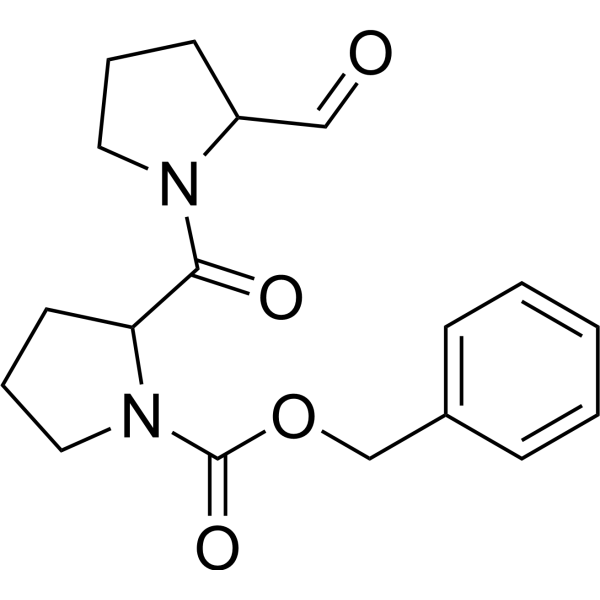
Z-Pro-Pro-CHO is a potent inhibitor of prolyl oligopeptidase (POP), with extremely high affinity for human prolyl oligopeptidase (HsPOP) (IC50=0.012 μM), and it also effectively inhibits the activity of Schistosoma mansoni prolyl oligopeptidase (SmPOP) (IC50=0.16 μM). Z-Pro-Pro-CHO does not block the phosphorylation of ERK or the production of TNF-α or IFN-γ in immune cells from presensitized mice, nor does it induce harmful phenotypes in cultured Schistosoma mansoni schistosomula. Z-Pro-Pro-CHO only partially inhibits epithelial cell wound healing at extremely high concentrations. Z-Pro-Pro-CHO finds wide application in studies related to schistosomiasis .
|
-
-
- HY-P990242
-
|
|
Galectin
TNF Receptor
IFNAR
Interleukin Related
|
Inflammation/Immunology
Cancer
|
|
Anti-Mouse Galectin-9 Antibody (RG9-1) is an anti-mouse Galectin-9 IgG2b monoclonal antibody. Anti-Mouse Galectin-9 Antibody (RG9-1) promotes inflammatory response by enhancing the secretion of IFN-γ, TNF-α, and IL-6. Anti-Mouse Galectin-9 Antibody (RG9-1) can increase CD8 T cell and Treg frequency. Anti-Mouse Galectin-9 Antibody (RG9-1) reduces graft survival time by increasing CD4 + and CD8 + T cell infiltration. Anti-Mouse Galectin-9 Antibody (RG9-1) can be used for researches on inflammation conditions, cancer and xenotransplantation such as ischemia-reperfusion, colon cancer, breast cancer and leukemia .
|
-
-
- HY-179336
-
|
|
Toll-like Receptor (TLR)
Interleukin Related
IFNAR
TNF Receptor
|
Cancer
|
|
TLR7/8 agonist 14 is a TLR7 and TLR8 agonist with EC50 values of 0.53 μM and 4.3 μM, respectively. TLR7/8 agonist 14 increases the secretion of the proinflammatory cytokines TNF-α, IL-1β, IL-8 and IFN-γ. TLR7/8 agonist 14 increases cytokine secretion and expression of CD86. LR7/8 agonist 14 can be used for research colorectal carcinoma .
|
-

-
- HY-P10994
-
|
Eps8(327-335)
|
EGFR
IFNAR
Interleukin Related
TNF Receptor
Complement System
Apoptosis
|
Inflammation/Immunology
Cancer
|
|
Eps8 peptide 327 is an HLA-A*2402-restricted peptide antigen derived from Eps8 protein. Eps8 peptide 327 has potent antitumor activity with significant cytotoxicity. Eps8 peptide 327 effectively inhibits cancer cells proliferation, induces apoptosis and disrupts EGFR signal pathway by inhibiting downstream signals (such as IL-2, TNF-α and IFN-γ) expression and the Eps8/EGFR interaction. Eps8 peptide 327 significantly inhibits tumor growth in HT-29 xenograft mcie models .
|
-

-
- HY-P991610
-
|
Sym025
|
C-type Lectin-like Receptors (CTLRs)
|
Cancer
|
|
S-095029 is a humanized IgG1 monoclonal antibody inhibitor targeting NKG2A. S-095029 significantly attenuates Fc-effector functions, inhibits the interaction with its ligand HLA-E, and increases the antibody-dependent cellular cytotoxicity mediated by other Fc-competent mAbs. S-095029 has a potent antitumor activity with enhancement of killing activity and cytokine secretion (IFNγ, TNF-α and CXCL9) of NK and γδ T-cells in co-culture with cancer cells .
|
-

-
- HY-P991393
-
|
|
Transmembrane Glycoprotein
IFNAR
TNF Receptor
|
Cancer
|
|
ASP8374 is a human IgG4 monoclonal antibody (mAb) targeting TIGIT. ASP8374 increases IL-2 production in Jurkat cells and IFN-γ and TNF-α production in human PBMCs. ASP8374 can be used in advanced solid tumors research. Recommended isotype control: Human IgG4 kappa, Isotype Control (HY-P99003) .
|
-

-
- HY-172533
-
|
|
STING
|
Cancer
|
|
3’,5’-DiOA-dC is a hydrophobic nucleotide lipid and a ligand for the STING agonist c-di-GMP (CDG). 3’,5’-DiOA-dC can assemble with CDG and form stable cyclic dinucleotide nanoparticles via various supramolecular forces driven by molecular recognition. 3’,5’-DiOA-dC can decrease tumor weight and volume, increase CD8 T cell, neutrophils as well as NK cell counts in tumor microenvironment in combination with CDG. 3’,5’-DiOA-dC also increases the levels of TNF-α and IFN-γ in murine melanoma model .
|
-

-
- HY-P991634
-
|
|
CD73
TNF Receptor
Interleukin Related
IFNAR
|
Inflammation/Immunology
Cancer
|
|
IBI-325 is a humanized monoclonal antibody inhibitor targeting CD73. IBI-325 completely inhibits CD73 enzymatic activity without hook effect. IBI-325 reverses Adenosine monophosphate (HY-A0181)-mediated immune suppression and significantly inhibits T cell proliferation and cytokines (IL-2, IFN-γ and TNF-α) release. IBI-325 has potent antitumor activities in hPBMC-reconstituted mice model and hCD73 knock-in mice model. IBI-325 can be used for cancer immunotherapy research .
|
-

-
- HY-168971
-
|
CP-25
|
IFNAR
STAT
TNF Receptor
Interleukin Related
CXCR
JAK
G Protein-coupled Receptor Kinase (GRK)
|
Inflammation/Immunology
|
|
Paeoniflorin-6′-O-benzene sulfonate (CP-25) is the inhibitor for G protein-coupled receptor kinase 2 (GRK2) that inhibits the translocation of GRK2 to the cell membrane, inhibits JAK1/STAT3 signaling pathway. Paeoniflorin-6′-O-benzene sulfonate inhibits IL-17A/CXCL2-induced proliferation of HaCaT. Paeoniflorin-6′-O-benzene sulfonate reduces the levels of inflammatory factors and chemokines such as IL-17A, IL-17F, IFN-γ, TNF-α, IL-22, IL-23, CXCL2, CXCL3 and CXCL9, alleviates Imiquimod (HY-B0180)-induced psoriasis in mouse model .
|
-

-
- HY-178945
-
|
|
Opioid Receptor
Interleukin Related
TNF Receptor
Sigma Receptor
|
Neurological Disease
Inflammation/Immunology
|
|
KOR agonist 7 (Compound 29) is a highly selective κ-opioid receptor (KOR) agonist with a Ki of 138 nM. KOR agonist 7 shows no activity at μ- and δ-opioid receptors or σ1 receptor, and exhibits extremely low affinity for σ2 receptor (Ki = 2.8 μM). KOR agonist 7 significantly reduces the secretion of pro-inflammatory cytokines such as IL-6, TNF-α, and IFN-γ, while increasing the production of the anti-inflammatory cytokine IL-10. KOR agonist 7 downregulates the expression of the pro-inflammatory M1 macrophage marker CD80 and upregulates the anti-inflammatory M2 macrophage marker CD163. KOR agonist 7 holds potential for applications in analgesia and immune modulation .
|
-

-
- HY-175013
-
|
|
CDK
STAT
Interleukin Related
|
Inflammation/Immunology
|
|
CDK6/9-IN-2 is a highly active dual inhibitor of CDK6 (IC50 = 15 nM) and CDK9 (IC50 = 22 nM). CDK6/9-IN-2 is selective for CDK2, CDK8, and CDK11. CDK6/9-IN-2 inhibits the proliferation of HaCaT cells induced by IFN-γ/TNF-α and suppresses the STAT3 pathway and the expression of inflammatory factors. CDK6/9-IN-2 can alleviate psoriatic dermatitis and is useful in psoriasis research .
|
-

-
- HY-W001288
-
|
|
NF-κB
|
Metabolic Disease
|
|
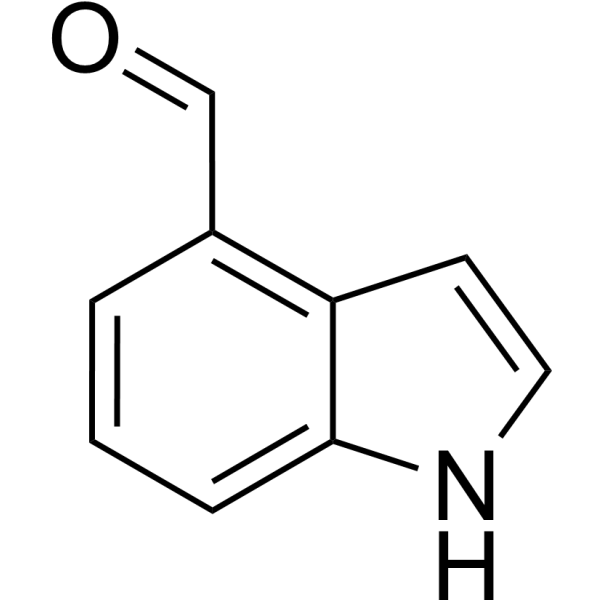
Indole-4-carboxaldehyde is an ergot alkaloid precursor. Indole-4-carboxaldehyde attenuates the methylglyoxal (MGO)-induced expression of inflammatory-related genes, such asTNF-α and IFN-γ by activating NF-κB without toxicity in HepG2 cells. Indole-4-carboxaldehyde reduces the MGO-induced AGE formation and the expression of the receptor for AGE (RAGE). Indole-4-carboxaldehyde can be used for the study of hepatic steatosis .
|
-
-
- HY-P991426
-
|
|
Transmembrane Glycoprotein
IFNAR
TNF Receptor
|
Cancer
|
|
MB-314 is a human IgG1 monoclonal antibody (mAb) targeting Lewis Y. MB-314 induces enhanced antibody-dependent cell-mediated cytotoxicity (ADCC) activity. MB-314 increases the release of IFN-γ, TNF-α, MCP-1, and IL-6. MB-314 can be used in cancer research .
|
-

-
- HY-B0446R
-
|
Naphthazoline hydrochloride (Standard)
|
Reference Standards
Adrenergic Receptor
TNF Receptor
Interleukin Related
VEGFR
|
Cardiovascular Disease
Inflammation/Immunology
|
|
Naphazoline (hydrochloride) (Standard) is the analytical standard of Naphazoline (hydrochloride). This product is intended for research and analytical applications. Naphazoline (Naphthazoline) hydrochloride is a potent α-adrenergic receptor agonist. Naphazoline hydrochloride reduces vascular hyperpermeability and promotes vasoconstriction. Naphazoline hydrochloride reduces the levels of inflammatory factors (TNF-α, IL-1β and IL-6), cytokines (IFN-γ and IL-4), IgE, GMCSF, and NGF。Naphazoline hydrochloride can be used for non-bacterial conjunctivitis research .
|
-

-
- HY-111326AR
-
|
Naphthazoline nitrate (Standard)
|
Reference Standards
Adrenergic Receptor
TNF Receptor
Interleukin Related
VEGFR
|
Cardiovascular Disease
Inflammation/Immunology
|
|
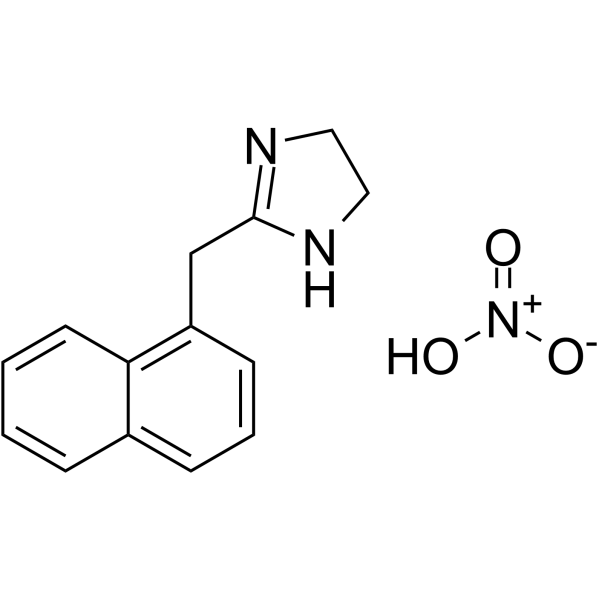
Naphazoline (nitrate) (Standard) is the analytical standard of Naphazoline (nitrate). This product is intended for research and analytical applications. Naphazoline (Naphthazoline) nitrate is an α-adrenergic receptor agonist. Naphazoline nitrate reduces vascular hyperpermeability and promotes vasoconstriction. Naphazoline nitrate reduces the levels of inflammatory factors (TNF-α, IL-1β and IL-6), cytokines (IFN-γ and IL-4), IgE, GMCSF, and NGF. Naphazoline nitrate can be used for non-bacterial conjunctivitis research .
|
-

-
- HY-P10995
-
|
|
EGFR
IFNAR
Interleukin Related
TNF Receptor
Complement System
Apoptosis
|
Inflammation/Immunology
Cancer
|
|
TAT-327 is cell-penetrating peptide. TAT-327 selectively inserts into cancer cell membranes and shows potent antitumor activity. TAT-327 effectively inhibits cancer cells proliferation, induces apoptosis and disrupts EGFR signal pathway by inhibiting downstream signals (such as IL-2, TNF-α and IFN-γ) expression and the Eps8/EGFR interaction. TAT-327 significantly inhibits tumor growth in HT-29 xenograft mcie models .
|
-

-
- HY-P991408
-
|
|
TNF Receptor
Interleukin Related
IFNAR
|
Inflammation/Immunology
|
|
DLX-105 is a human monoclonal antibody (mAb) targeting TNFSF2/TNFa. DLX-105 reduces skin epidermal thickness and the expression of K16 and Ki67. DLX-105 down-regulates the mRNA levels of IL-17, TNF-α, IL-23p19, IL-12p40, and IFN-γ. DLX-105 can be used in psoriasis research .
|
-

-
- HY-173180
-
|
|
Lipoxygenase
Interleukin Related
TNF Receptor
IFNAR
|
Inflammation/Immunology
|
|
5-LOX-IN-8 is a 5-LOX inhibitor with anti-inflammatory activity. 5-LOX-IN-8 suppresses IL-6, IL-1β, TNF-α and IFN-γ in macrophages and reduces IL-8 secretion in SW480 cells. 5-LOX-IN-8 reduces disease activity in a DSS colitis model. 5-LOX-IN-8 can be used for research of inflammatory bowel disease (IBD) .
|
-

-
- HY-119799
-
|
|
Phosphodiesterase (PDE)
|
Inflammation/Immunology
|
|
UK-500001 is an orally active inhibitor for phosphodiesterase 4 (PDE4), which inhibits PDE4D3 (IC50 is 0.28 nM), PDE4B2 (IC50 is 22.8 nM), PDE4A4 (IC50 is 26.1 nM) and PDE4C2 (IC50 is 271 nM). UK-500001 exhibits anti-inflammatory efficacy and inhibits TNF-α and IFN-γ release in human and rodent macrophagic cell lines in nanomolar levels. UK-500001 ameliorates chronic obstructive pulmonary disease (COPD) and asthma .
|
-

-
- HY-P992021
-
|
|
Transmembrane Glycoprotein
|
Cancer
|
|
WM-A1-3389 is an anti-human IGSF1monoclonal antibody and tumor growth inhibitor. WM-A1-3389 specifically binds to the C-terminus of IGSF1, increases secretion of Granzyme B, IFN?γ, and TNF?α, and inhibits growth of colon cancer or biliary tract cancer in xenogeneic or allogeneic mouse implantation models. WM-A1-3389 can be used for the research of colon cancer, biliary tract cancer, and head and neck cancer .
|
-

-
- HY-N9566
-
|
|
Interleukin Related
TNF Receptor
IFNAR
|
Inflammation/Immunology
|
|
Isopongaflavone is an isoflavone that can be isolated from the seedpods of Tephrosia vogelii with anti-inflammatory effects. Isopongaflavone suppresses the secretion of IL-1β, IFN-γ, granulocyte macrophage-colony stimulating factor (GM-CSF) and TNF-α in LPS (HY-D1056)-stimulated peripheral blood mononuclear cells (PBMCs) .
|
-

-
- HY-N19727
-
|
|
Interleukin Related
IFNAR
TNF Receptor
Apoptosis
|
Infection
Cancer
|
|
Chamissonolide is a sesquiterpene lactone with cytotoxic, anti-inflammatory and trypanocidal activities. Chamissonolide reduces the mRNA levels of IL-2, IFN-γ, GM-CSF, iNOS and TNF-α, and upregulates the mRNA level of NF-ATc. Chamissonolide decreases the population of naturally occurring apoptotic cells. Chamissonolide can be used in research related to tumors, African trypanosomiasis and Chagas disease .
|
-

- HY-P991789
-
|
|
Interleukin Related
|
Inflammation/Immunology
|
|
Anti-Mouse NKp46 Antibody (29A1.4) reacts with mouse NKp46. Anti-Mouse NKp46 Antibody (29A1.4) stimulates the NK cells to produce IFN-γ and TNF-α and to release their cytoplasmic granule contents. Recommend Isotype Controls: Rat IgG2a kappa, Isotype Control (HY-P990679) .
|
-

- HY-181507
-
|
|
CD28
IFNAR
TNF Receptor
Interleukin Related
|
Cancer
|
|
CD28-IN-3 is a CD28 inhibitor with an IC50 of 7.80 μM and a Kd of 52.45 μM. CD28-IN-3 selectively blocks the CD28-B7 interaction, thereby inhibiting CD28-mediated costimulation. CD28-IN-3 suppresses the production of proinflammatory cytokines IFN-γ, IL-2 and TNF-α. CD28-IN-3 can be used in the research of checkpoint-resistant cancers .
|
-

- HY-107390AR
-
|
|
Reference Standards
TNF Receptor
Interleukin Related
IFNAR
|
Inflammation/Immunology
Cancer
|
|
AX-024 hydrochloride (Standard) is the analytical standard of AX-024 (hydrochloride) (HY-107390A). This product is intended for research and analytical applications. AX-024 hydrochloride is an orally available, first-in-class inhibitor of the TCR-Nck interaction that selectively inhibits TCR-triggered T cell activation with an IC50 ~1 nM. AX-024 hydrochloride modulates cell signaling by targeting SH3 domains. AX-024 hydrochloride has low-acute toxicity and high potency and selectivity, and strongly inhibit the production of IL-6, TNF-α, IFN-γ, IL-10 and IL-17A.
|
-

- HY-16362
-
|
PG 490-88Na
|
Apoptosis
TGF-β Receptor
NF-κB
Interleukin Related
IFNAR
TNF Receptor
|
Inflammation/Immunology
|
|
Omtriptolide sodium (PG490-88Na) is a derivative of Triptolide (HY-32735). Omtriptolide sodium exhibits significant immunosuppressive, anti-fibrotic and anti-inflammatory properties. The mechanism of action of Omtriptolide sodium is diverse, including inhibiting T cell activation and proliferation, inducing T cell apoptosis (apoptosis), blocking fibroblast maturation/proliferation, inhibiting TGF-β mRNA expression, and suppressing pro-inflammatory cytokines (such as IL-2, IFN-γ, TNF-α) by blocking transcription factors such as NF-κB. Omtriptolide sodium can be used for research on obstructive airway diseases, pulmonary fibrosis and graft-versus-host disease .
|
-

- HY-180608
-
-

- HY-107091R
-
|
DA-DKP (Standard)
|
Reference Standards
MEK
p38 MAPK
IFNAR
TNF Receptor
Ras
JNK
|
Inflammation/Immunology
|
|
Aspartyl-alanyl-diketopiperazine (DA-DKP) (Standard) is the analytical standard of Aspartyl-alanyl-diketopiperazine (HY-107091). This product is intended for research and analytical applications. Aspartyl-alanyl-diketopiperazine is an immunomodulatory molecule and anti-inflammatory agent. Aspartyl-alanyl-diketopiperazine increases the level of active Rap1 in activated human T lymphocytes and reduces the phosphorylation levels of Ras, ATF-2, c-jun, MEK1, MEKK1, ERK1, JNK1,2,3, p38MAPK and MEF-2. Aspartyl-alanyl-diketopiperazine inhibits the production of pro-inflammatory cytokines, including the levels of IFN-γ and TNF-α. Aspartyl-alanyl-diketopiperazine can be used in studies of inflammatory immune responses .
|
-

- HY-13743R
-
|
Linomide (Standard); FCF89 (Standard); ABR212616 (Standard)
|
Reference Standards
TNF Receptor
Interleukin Related
IFNAR
|
Inflammation/Immunology
|
|
Roquinimex (Standard) is the analytical standard of Roquinimex (HY-13743). Roquinimex (Linomide) is an orally active immunomodulator with antineoplastic, anti-inflammatory, and antiangiogenic activity. Roquinimex suppresses TH1 lymphocyte cytokines (IL-2, IFN-γ), promotes TH2 lymphocyte cytokines (IL-4, IL-10), increases NK cell, activated monocyte, and T cell activity. Roquinimex blocks macrophage TNF-α production and suppresses IL-1/IL-6 secretion. Roquinimex exhibits in vivo antitumour activity, suppresses rodent autoimmune disease signs, and ameliorates murine colitis and psoriasis. Roquinimex can be used for the research of leukemia, inflammatory bowel disease, multiple sclerosis, and psoriasis .
|
-

- HY-182369
-
|
|
Toll-like Receptor (TLR)
TNF Receptor
Interleukin Related
IFNAR
Drug Derivative
|
Inflammation/Immunology
|
|
VA06 is a derivative of QS-21 (HY-101092A) that retains potent adjuvant activity while significantly reducing toxicity. VA06 self-assembles into flexible worm-like micelles with continuously elongated nanostructures and enhanced drug-loading encapsulation capacity. VA06 induces antigen-specific antibody production, enhances the secretion of TNF-α, IFN-γ and IL-2 in CD4 + and CD8 + T cells, and promotes the expression of immune-related and antiviral-related genes in mature dendritic cells. VA06 does not require liposome formulation, which simplifies production and storage processes. VA06 can be used in the research of varicella-zoster virus infection and Mycobacterium tuberculosis infection .
|
-

- HY-182503
-
|
|
Adenosine Kinase
|
Others
Inflammation/Immunology
|
|
GP515 is a potent and selective adenosine kinase inhibitor with a human IC50 of 4 nM. GP515 exerts tissue protective effects, produces long-lasting hepatic microcirculation effects after hemorrhagic shock, and induces dose- and time-related VEGF mRNA and protein expression in normoxic rat myocardial myoblasts, with additive VEGF increases during mild hypoxia and no effect during severe hypoxia. GP515 suppresses IFNγ synthesis and CD69 expression in DSS-induced colitis. GP515 also shows a dose-dependent suppression of TNF-α production with an IC50 of 80 μM and can be reversed in the presence of the cAMP antagonist (Rp)-cAMPS. Combinations of GP515 with either adenosine or rolipram led to an additive inhibition of TNF-α synthesis. GP515 can be used for the research of hemorrhagic shock .
|
-

- HY-183098
-
|
|
PROTACs
IKK
Apoptosis
|
Cancer
|
|
UNC8209 is a selective PROTAC-based TANK-binding kinase 1 (TBK1) degrader. UNC8209 recruits cereblon (CRBN) to mediate ubiquitin-proteasome pathway-dependent TBK1 degradation and reduces AAK1, GAK, and AURKA abundance. UNC8209 suppresses tumor cell proliferation, impairs in vivo tumor growth, inhibits colony and clonogenic growth and enhances tumor cell sensitivity to TNFα or IFN-γ. UNC8209 modulates cell cycle and induces mild apoptosis. UNC8209 can be used for the research of clear cell renal cell carcinoma, non-small cell lung cancer, pancreatic ductal adenocarcinoma .
|
-

- HY-P992401
-
|
|
EGFR
CD3
PI3K
Akt
p38 MAPK
Caspase
Apoptosis
IFNAR
TNF Receptor
Interleukin Related
|
Cancer
|
|
M802 is an anti-HER2/CD3 bispecific antibody, with a Kd of 0.578 nM for human HER2 and a Kd of 71.2 nM for human CD3. M802 inhibits the PI3K/AKT and MAPK signaling pathways, suppresses tumor cell proliferation, activates caspase-3, and promotes tumor cell apoptosis (apoptosis). M802 recruits and activates CD3-positive immune cells, mediates cytotoxicity against HER2-positive tumor cells, and induces immune cells to secrete IFN-γ, TNF-α, IL-2 and IL-6. M802 exhibits anti-tumor efficacy in mice with gastric cancer xenografts. M802 can be used in research related to HER2-positive breast cancer, HER2-positive gastric cancer and other cancers. The recommended isotype control is human IgG1 kappa (HY-P99001) .
|
-

- HY-P992487
-
|
|
Claudin
Fc Receptor (FcR)
Interleukin Related
|
Inflammation/Immunology
Cancer
|
|
ZL-1211 is an anti-CLDN18.2 monoclonal antibody. ZL-1211 exhibits enhanced binding affinity to CD16A. ZL-1211 induces ADCC-mediated cell lysis and triggers the production of IFNγ, TNFα and IL6. ZL-1211 promotes antibody-dependent cellular cytotoxicity. ZL-1211 exerts anti-tumor activity in a mouse xenograft model of gastric cancer. ZL-1211 can be used for the research of gastric cancer .
|
-

| Cat. No. |
Product Name |
Type |
-
- HY-D1056C1
-
|
LPS, from Salmonella enterica (Serotype enteritidis)
|
Biochemical Assay Reagents
|
Lipopolysaccharides, from S. enterica (Salmonella enterica) serotype enteritidis are lipopolysaccharide endotoxins and TLR-4 activators derived from the enteritidis serotype of S. enterica, classified as S-type LPS, which can activate pathogen-associated molecular patterns (PAMP) of the immune system and induce cellular secretion of migrasomes. Lipopolysaccharides, from S. enterica serotype enteritidis exhibit a typical three-part structure: O-antigen, core oligosaccharide, and lipid A. Lipopolysaccharides, from S. enterica serotype enteritidis can induce systemic inflammatory responses, increasing levels of TNF-α, IFN-γ, IL-6, IL-10, and nitrate in plasma .
It is recommended to prepare a solution with concentration ≥2 mg/mL. Vortex thoroughly for more than 10 minutes. Due to the adsorption characteristics of LPS, silanized container or low adsorption centrifuge tubes should be used for aliquoting and storage, and mix thoroughly before use.
|
-
- HY-W001288
-
|
|
Biochemical Assay Reagents
|
|
Indole-4-carboxaldehyde is an ergot alkaloid precursor. Indole-4-carboxaldehyde attenuates the methylglyoxal (MGO)-induced expression of inflammatory-related genes, such asTNF-α and IFN-γ by activating NF-κB without toxicity in HepG2 cells. Indole-4-carboxaldehyde reduces the MGO-induced AGE formation and the expression of the receptor for AGE (RAGE). Indole-4-carboxaldehyde can be used for the study of hepatic steatosis .
|
| Cat. No. |
Product Name |
Target |
Research Area |
-
- HY-P4846
-
|
|
CXCR
Apoptosis
IFNAR
TNF Receptor
Interleukin Related
|
Infection
Inflammation/Immunology
|
|
Ac-Pro-Gly-Pro-OH is an endogenous degradation product of extracellular collagen and acts as a CXCR2 agonist . Ac-Pro-Gly-Pro-OH exerts bactericidal activity by generating hydrogen peroxide, inhibits pulmonary inflammation, and reduces immune cell apoptosis (apoptosis). Ac-Pro-Gly-Pro-OH promotes the production of IFN-γ and inhibits the production of TNF-α and IL-6 in leukocytes. Ac-Pro-Gly-Pro-OH increases the survival rate of mice in sepsis models, enhances the bactericidal activity of neutrophils, acts as a neutrophil chemoattractant, induces neutrophil polarization, and regulates inflammatory and repair processes. Ac-Pro-Gly-Pro-OH induces chronic inflammation and tissue remodeling through sustained action. Ac-Pro-Gly-Pro-OH is released via alkaline hydrolysis of corneal proteins in alkali-injured eyes, thereby driving the early infiltration of neutrophils into the cornea. Ac-Pro-Gly-Pro-OH is applicable to research related to sepsis, chronic obstructive pulmonary disease, cystic fibrosis, bronchiolitis obliterans syndrome, severe asthma, idiopathic pulmonary fibrosis, and corneal ulcer .
|
-
- HY-106359A
-
|
RDP-58 acetate
|
TNF Receptor
IFNAR
Reactive Oxygen Species (ROS)
|
Cancer
|
|
Delmitide (RDP58) acetate is an orally active d-isomer decapeptide with potent anti-inflammatory activity. Delmitide acetate inhibits production of TNF-α, IFN-γ, and interleukin (IL)-12, and up-regulates heme oxygenase 1 activity. Delmitide acetate can be used for the research of ulcerative colitis .
|
-
- HY-106359
-
-
- HY-134454
-
|
|
Prolyl Endopeptidase (PREP)
Parasite
|
Infection
|
|
Z-Pro-Pro-CHO is a potent inhibitor of prolyl oligopeptidase (POP), with extremely high affinity for human prolyl oligopeptidase (HsPOP) (IC50=0.012 μM), and it also effectively inhibits the activity of Schistosoma mansoni prolyl oligopeptidase (SmPOP) (IC50=0.16 μM). Z-Pro-Pro-CHO does not block the phosphorylation of ERK or the production of TNF-α or IFN-γ in immune cells from presensitized mice, nor does it induce harmful phenotypes in cultured Schistosoma mansoni schistosomula. Z-Pro-Pro-CHO only partially inhibits epithelial cell wound healing at extremely high concentrations. Z-Pro-Pro-CHO finds wide application in studies related to schistosomiasis .
|
-
- HY-P10994
-
|
Eps8(327-335)
|
EGFR
IFNAR
Interleukin Related
TNF Receptor
Complement System
Apoptosis
|
Inflammation/Immunology
Cancer
|
|
Eps8 peptide 327 is an HLA-A*2402-restricted peptide antigen derived from Eps8 protein. Eps8 peptide 327 has potent antitumor activity with significant cytotoxicity. Eps8 peptide 327 effectively inhibits cancer cells proliferation, induces apoptosis and disrupts EGFR signal pathway by inhibiting downstream signals (such as IL-2, TNF-α and IFN-γ) expression and the Eps8/EGFR interaction. Eps8 peptide 327 significantly inhibits tumor growth in HT-29 xenograft mcie models .
|
-
- HY-P10995
-
|
|
EGFR
IFNAR
Interleukin Related
TNF Receptor
Complement System
Apoptosis
|
Inflammation/Immunology
Cancer
|
|
TAT-327 is cell-penetrating peptide. TAT-327 selectively inserts into cancer cell membranes and shows potent antitumor activity. TAT-327 effectively inhibits cancer cells proliferation, induces apoptosis and disrupts EGFR signal pathway by inhibiting downstream signals (such as IL-2, TNF-α and IFN-γ) expression and the Eps8/EGFR interaction. TAT-327 significantly inhibits tumor growth in HT-29 xenograft mcie models .
|
| Cat. No. |
Product Name |
Target |
Research Area |
Image |
-
- HY-P99499
-
|
JNJ 63723283; JNJ 3283
|
PD-1/PD-L1
Interleukin Related
TNF Receptor
|
Cancer
|
|
Cetrelimab (JNJ 63723283; JNJ 3283) is a human IgG4κ mAb targeting PD-1. Cetrelimab binds PD-1 (Kd=1.72 nM, HEK293) to block the interaction of PD-1 with PD-L1 and PD-L2 (IC50s=111.7 ng/mL and 138.6 ng/mL, respectively). Cetrelimab stimulates peripheral T cells, increases IFN-γ, IL-2, TNF-α level and inhibits tumor growth in vivo .
|
-

(5)
-
- HY-P99390
-
|
MCLA 117
|
CD3
Interleukin Related
IFNAR
TNF Receptor
|
Inflammation/Immunology
Cancer
|
|
Tepoditamab (MCLA-117) is a full-length human IgG1 bispecific monoclonal antibody that binds to CLEC12A of myeloid cells and CD3 of cytotoxic T cells. Among others, CLEC12A is a myeloid differentiation antigen. Tepoditamab kills AML leukaemia mother cells and AML leukaemia stem cells, induces T cell-mediated proliferative lysis of AML cells. Tepoditamab induces upto 30-fold T-cell expansion. Tepoditamab results in moderate to strong cytokine (IFNγ, IL-6, IL-8, IL-10, and TNFα) and IFNγ release in human whole blood and PBMC, respectively. Tepoditamab can be used in acute myeloid leukaemia (AML) research .
|
-
(5)
-
- HY-P99916
-
|
AMG-427
|
FLT3
CD3
TNF Receptor
|
Inflammation/Immunology
Cancer
|
Emirodatamab (AMG-427) is a bispecific T-cell engager (BiTE). Emirodatamab simultaneously binds FLT3 on the surface of acute myeloid leukemia (AML) cells and CD3 on the surface of T cells, thereby precisely recruiting immune effector cells to tumor sites. Emirodatamab potently induces T cell activation, secretion of proinflammatory cytokines (such as IFNγ, TNFα), and specific cytotoxicity, effectively lysing FLT3-positive tumor cells and inhibiting their growth. Emirodatamab not only significantly prolongs survival in mouse xenograft models and eliminates diseased cells in primates, but also exhibits a synergistic enhancement effect when combined with PD-1 blockade therapy. Emirodatamab is used in studies of acute myeloid leukemia, especially relapsed or refractory cases .
|
-
(5)
-
- HY-P991364
-
|
PYX-106; BSI-060T
|
Transmembrane Glycoprotein
|
Cancer
|
|
Aldastotug (PYX-106; BSI-060T) is a human monoclonal antibody (mAb) targeting Siglec-15/CD33L3. Aldastotug reverses Siglec-15-mediated immunosuppression and enhances T-cell proliferation. Aldastotug induces significantly increased levels of IFNγ and TNFα in T cells. Aldastotug can be used in cancer immunity research. Recommended isotype control: Human IgG1 kappa, Isotype Control (HY-P99001) .
|
-
(5)
-
- HY-P990242
-
|
|
Galectin
TNF Receptor
IFNAR
Interleukin Related
|
Inflammation/Immunology
Cancer
|
|
Anti-Mouse Galectin-9 Antibody (RG9-1) is an anti-mouse Galectin-9 IgG2b monoclonal antibody. Anti-Mouse Galectin-9 Antibody (RG9-1) promotes inflammatory response by enhancing the secretion of IFN-γ, TNF-α, and IL-6. Anti-Mouse Galectin-9 Antibody (RG9-1) can increase CD8 T cell and Treg frequency. Anti-Mouse Galectin-9 Antibody (RG9-1) reduces graft survival time by increasing CD4 + and CD8 + T cell infiltration. Anti-Mouse Galectin-9 Antibody (RG9-1) can be used for researches on inflammation conditions, cancer and xenotransplantation such as ischemia-reperfusion, colon cancer, breast cancer and leukemia .
|
-
(5)
-
- HY-P991610
-
|
Sym025
|
C-type Lectin-like Receptors (CTLRs)
|
Cancer
|
|
S-095029 is a humanized IgG1 monoclonal antibody inhibitor targeting NKG2A. S-095029 significantly attenuates Fc-effector functions, inhibits the interaction with its ligand HLA-E, and increases the antibody-dependent cellular cytotoxicity mediated by other Fc-competent mAbs. S-095029 has a potent antitumor activity with enhancement of killing activity and cytokine secretion (IFNγ, TNF-α and CXCL9) of NK and γδ T-cells in co-culture with cancer cells .
|
-
(5)
-
- HY-P991393
-
|
|
Transmembrane Glycoprotein
IFNAR
TNF Receptor
|
Cancer
|
|
ASP8374 is a human IgG4 monoclonal antibody (mAb) targeting TIGIT. ASP8374 increases IL-2 production in Jurkat cells and IFN-γ and TNF-α production in human PBMCs. ASP8374 can be used in advanced solid tumors research. Recommended isotype control: Human IgG4 kappa, Isotype Control (HY-P99003) .
|
-
(5)
-
- HY-P991634
-
|
|
CD73
TNF Receptor
Interleukin Related
IFNAR
|
Inflammation/Immunology
Cancer
|
|
IBI-325 is a humanized monoclonal antibody inhibitor targeting CD73. IBI-325 completely inhibits CD73 enzymatic activity without hook effect. IBI-325 reverses Adenosine monophosphate (HY-A0181)-mediated immune suppression and significantly inhibits T cell proliferation and cytokines (IL-2, IFN-γ and TNF-α) release. IBI-325 has potent antitumor activities in hPBMC-reconstituted mice model and hCD73 knock-in mice model. IBI-325 can be used for cancer immunotherapy research .
|
-
(5)
-
- HY-P991426
-
|
|
Transmembrane Glycoprotein
IFNAR
TNF Receptor
|
Cancer
|
|
MB-314 is a human IgG1 monoclonal antibody (mAb) targeting Lewis Y. MB-314 induces enhanced antibody-dependent cell-mediated cytotoxicity (ADCC) activity. MB-314 increases the release of IFN-γ, TNF-α, MCP-1, and IL-6. MB-314 can be used in cancer research .
|
-
(5)
-
- HY-P991408
-
|
|
TNF Receptor
Interleukin Related
IFNAR
|
Inflammation/Immunology
|
|
DLX-105 is a human monoclonal antibody (mAb) targeting TNFSF2/TNFa. DLX-105 reduces skin epidermal thickness and the expression of K16 and Ki67. DLX-105 down-regulates the mRNA levels of IL-17, TNF-α, IL-23p19, IL-12p40, and IFN-γ. DLX-105 can be used in psoriasis research .
|
-
(5)
-
- HY-P992021
-
|
|
Transmembrane Glycoprotein
|
Cancer
|
|
WM-A1-3389 is an anti-human IGSF1monoclonal antibody and tumor growth inhibitor. WM-A1-3389 specifically binds to the C-terminus of IGSF1, increases secretion of Granzyme B, IFN?γ, and TNF?α, and inhibits growth of colon cancer or biliary tract cancer in xenogeneic or allogeneic mouse implantation models. WM-A1-3389 can be used for the research of colon cancer, biliary tract cancer, and head and neck cancer .
|
-
(5)
-
- HY-P991789
-
|
|
Interleukin Related
|
Inflammation/Immunology
|
|
Anti-Mouse NKp46 Antibody (29A1.4) reacts with mouse NKp46. Anti-Mouse NKp46 Antibody (29A1.4) stimulates the NK cells to produce IFN-γ and TNF-α and to release their cytoplasmic granule contents. Recommend Isotype Controls: Rat IgG2a kappa, Isotype Control (HY-P990679) .
|
-
(5)
-
- HY-P992401
-
|
|
EGFR
CD3
PI3K
Akt
p38 MAPK
Caspase
Apoptosis
IFNAR
TNF Receptor
Interleukin Related
|
Cancer
|
|
M802 is an anti-HER2/CD3 bispecific antibody, with a Kd of 0.578 nM for human HER2 and a Kd of 71.2 nM for human CD3. M802 inhibits the PI3K/AKT and MAPK signaling pathways, suppresses tumor cell proliferation, activates caspase-3, and promotes tumor cell apoptosis (apoptosis). M802 recruits and activates CD3-positive immune cells, mediates cytotoxicity against HER2-positive tumor cells, and induces immune cells to secrete IFN-γ, TNF-α, IL-2 and IL-6. M802 exhibits anti-tumor efficacy in mice with gastric cancer xenografts. M802 can be used in research related to HER2-positive breast cancer, HER2-positive gastric cancer and other cancers. The recommended isotype control is human IgG1 kappa (HY-P99001) .
|
-
(5)
-
- HY-P992487
-
|
|
Claudin
Fc Receptor (FcR)
Interleukin Related
|
Inflammation/Immunology
Cancer
|
|
ZL-1211 is an anti-CLDN18.2 monoclonal antibody. ZL-1211 exhibits enhanced binding affinity to CD16A. ZL-1211 induces ADCC-mediated cell lysis and triggers the production of IFNγ, TNFα and IL6. ZL-1211 promotes antibody-dependent cellular cytotoxicity. ZL-1211 exerts anti-tumor activity in a mouse xenograft model of gastric cancer. ZL-1211 can be used for the research of gastric cancer .
|
-
(5)
| Cat. No. |
Product Name |
Category |
Target |
Chemical Structure |
-
- HY-N9965
-
-
-
- HY-N6017
-
|
|
Structural Classification
Classification of Application Fields
Terpenoids
Sesquiterpenes
Plants
Compositae
Disease Research Fields
Corethrodendron multijugum (Maximowicz) B. H. Choi & H. Ohashi
Source Classification
Cancer
|
HDAC
TNF Receptor
Interleukin Related
TGF-β Receptor
IFNAR
PI3K
PKC
Akt
GSK-3
Caspase
Apoptosis
|
|
Bakkenolide A is an anticancer agent. Bakkenolide A reduces the viability of leukemia cells, inhibits cell colony formation and invasion, and downregulates the expression of HDAC3 in cells. Bakkenolide A downregulates the expression of pro-inflammatory cytokines including TNF-α, interleukins such as IL-1β, TGF-β1 and IFN-γ, as well as the expression of PI3K, PDK and PKC in leukemia cells. Bakkenolide A downregulates activated Akt, GSK and Bad, while upregulates Cyto-c, cleaved Caspase3 and cleaved Caspase7, induces apoptosis (apoptosis) in leukemia cells and thereby inhibits inflammatory responses in leukemia cells. Bakkenolide A significantly slows the growth of subcutaneous leukemia tumors in nude mice. Bakkenolide A is applicable to leukemia-related research .
|
-
-
- HY-N9566
-
-
-
- HY-N19727
-
-
| Cat. No. |
Product Name |
|
Classification |
-
- HY-150725
-
|
|
|
CpG ODNs
|
|
ODN 1585 is a potent inducer of IFN and TNFα production. ODN 1585 is a potent stimulator of NK (natural killer) function. ODN 1585 increases CD8+ T-cell function, including the CD8+ T cell-mediated production of IFN-γ. ODN 1585 induces regression of established melanomas in mice. ODN 1585 can confer complete protection against malaria in mice. ODN 1585 can be used for acute myelogenous leukemia (AML) and malaria research. ODN 1585 can be used as a vaccine adjuvant .
|
-
- HY-150725C
-
|
|
|
CpG ODNs
|
|
ODN 1585 sodium is a potent inducer of IFN and TNFα production. ODN 1585 sodium is a potent stimulator of NK (natural killer) function. ODN 1585 sodium increases CD8+ T-cell function, including the CD8+ T cell-mediated production of IFN-γ. ODN 1585 sodium induces regression of established melanomas in mice. ODN 1585 sodium can confer complete protection against malaria in mice. ODN 1585 sodium can be used for acute myelogenous leukemia (AML) and malaria research. ODN 1585 sodium can be used as a vaccine adjuvant .
|
-
- HY-148511
-
|
CMP-001
|
|
CpG ODNs
|
|
Vidutolimod (CMP-001) is a virus-like particle containing a TLR9 activator . Vidutolimod induces human peripheral blood mononuclear cells to secrete IFNα, and upregulates the gene expression of CXCL10, PDL1, IDO and CD80. Vidutolimod activates TLR9, which in turn triggers plasmacytoid dendritic cell activation, production of IFNγ and TNFα, induction of CXCL10, and recruitment of antitumor T cells. Vidutolimod causes influenza-like symptoms, hypotension and tumor regression, and its activity depends on the presence of anti-Qβ antibodies. Vidutolimod modulates monocyte function, promotes CD4 T cell proliferation, and activates multiple immune cell types in an environment with anti-Qβ antibodies. Vidutolimod prolongs the survival of tumor-bearing mice. Vidutolimod is used in research related to advanced melanoma, head and neck squamous cell carcinoma, and advanced non-small cell lung cancer .
|
Your information is safe with us. * Required Fields.
Inquiry Information
- Product Name:
- Cat. No.:
- Quantity:
- MCE Japan Authorized Agent:








