From 11:00 pm to 12:00 pm EST ( 8:00 pm to 9:00 pm PST ) on January 6th, the website will be under maintenance. We are sorry for the inconvenience. Please arrange your schedule properly.
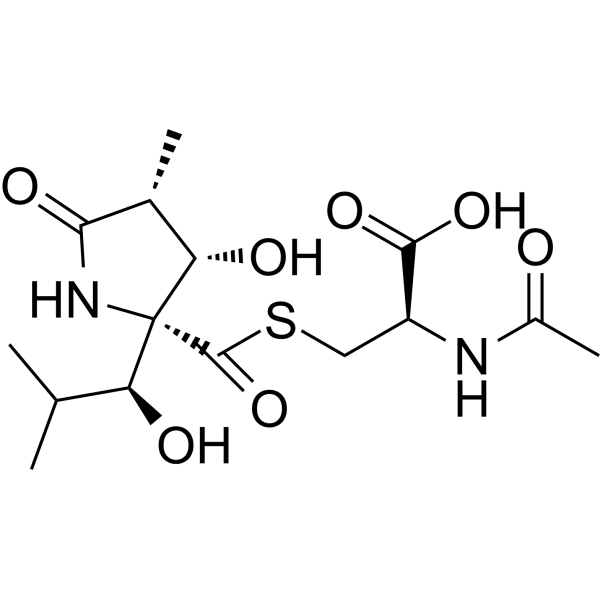
Lactacystin is a potent, orally active, irreversible, cell-permeable, selective 20Sproteasome inhibitor (IC50 = 4.8 μM). Lactacystin also inhibits the lysosomal enzyme cathepsin A. Lactacystin inhibits cell growth and induces apoptosisand cell cycle arrest, and has antiviral and antioxidative activity. Lactacystin induces neurite outgrowth and hypertension. Lactacystin has the potential for the research of cancer, Neurological Disease, hypertension and Malaria, and so on [2] [6] .
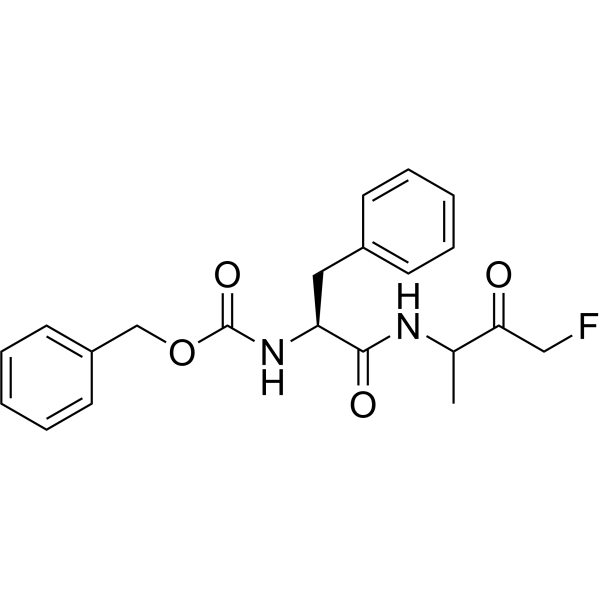
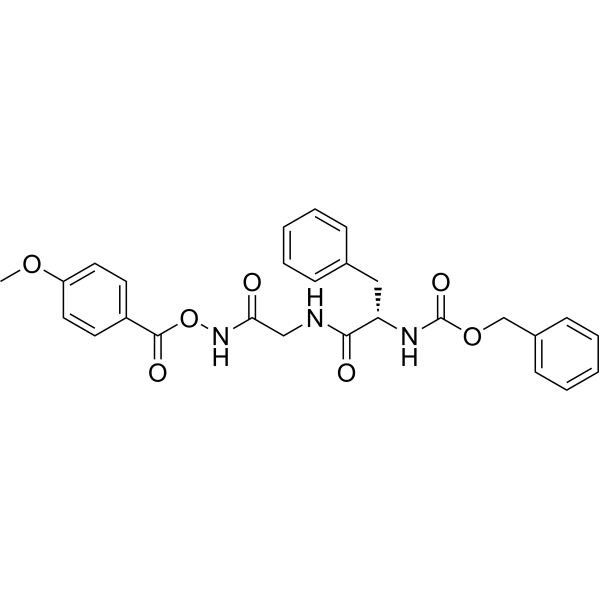
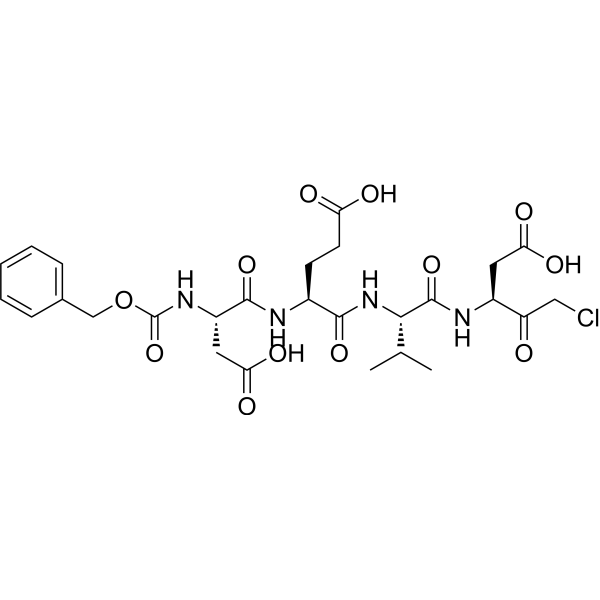
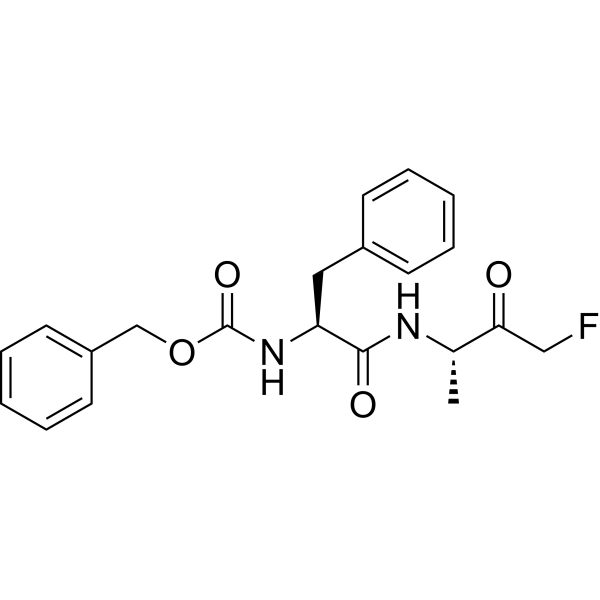
Z-FA-FMK ((1S)-Z-FA-FMK) is a potent Cathepsin B and L inhibitor. Z-FA-FMK blocks the induction of DEVDase activity, DNA fragmentation, and externalization of phosphatidylserine by selective synthetic retinoid-related molecules (RRMs). Z-FA-FMK inhibits apoptosis. Z-FA-FMK inhibits caspase activity and selectively inhibits recombinant effector caspases 2, -3, -6, and -7. Z-FA-FMK is a viral inhibitor. Z-FA-FMK inhibits reovirus replication in a susceptible host .
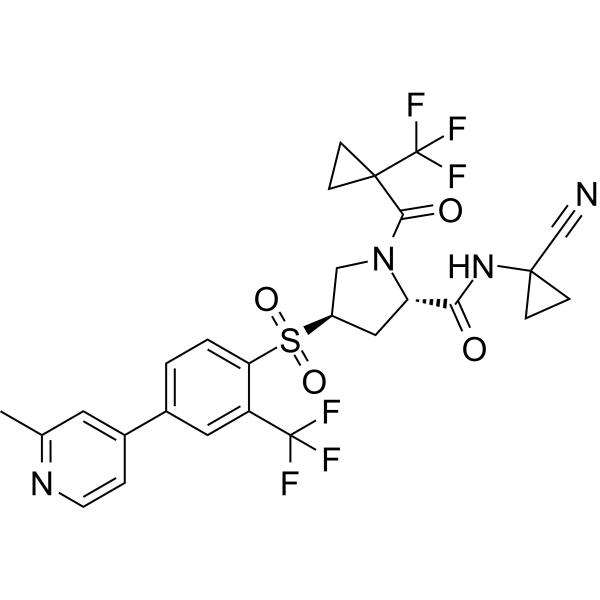
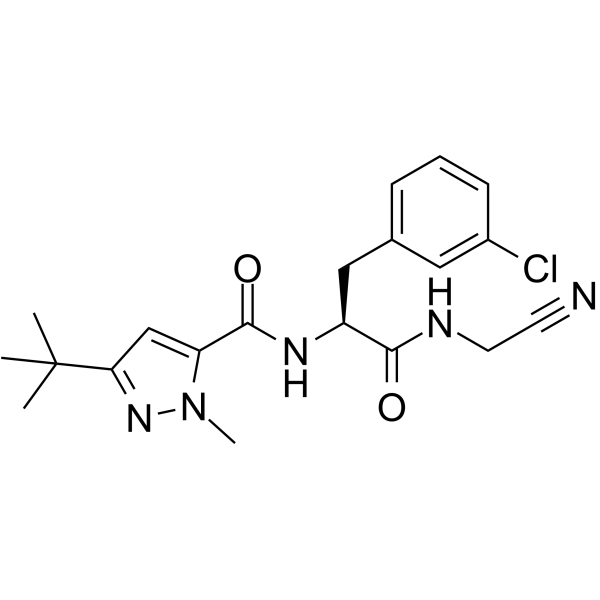
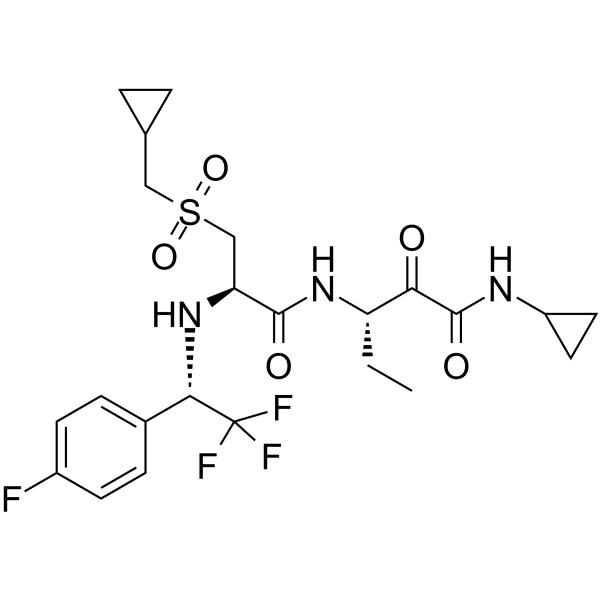
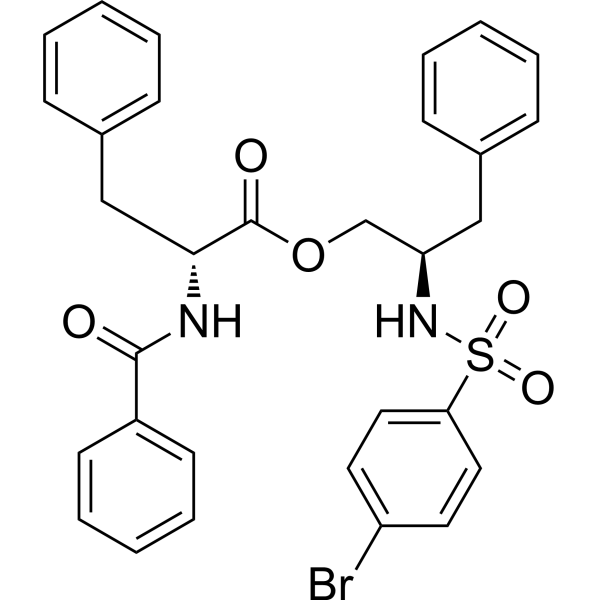
RO5461111 a highly specific and orally active antagonist of CathepsinS with IC50s of 0.4 nM (human CathepsinS) and 0.5 nM (murine CathepsinS), respectively. RO5461111 can effectively inhibit the activation of antigen-specific T cells and B cells. RO5461111 can improve pulmonary inflammation and lupus nephritis .
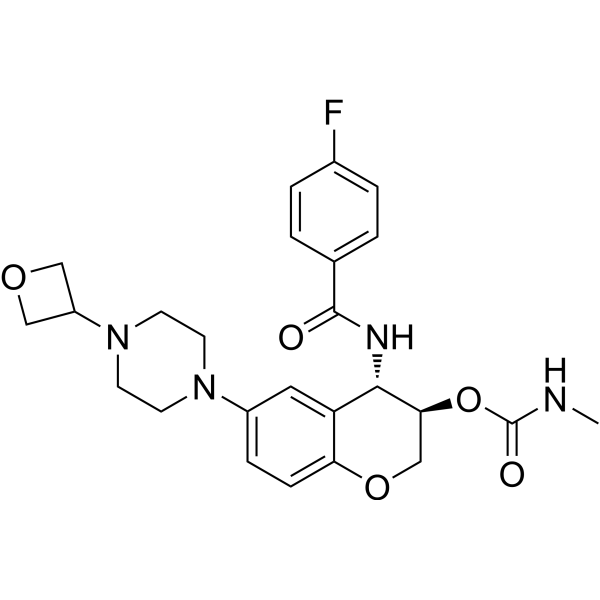
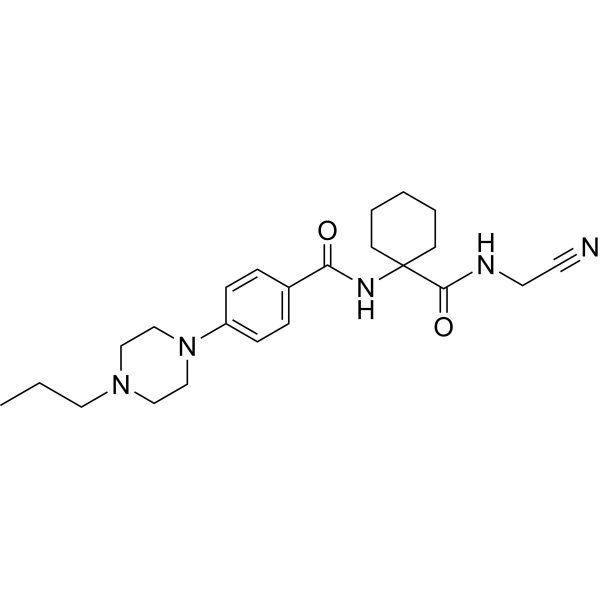
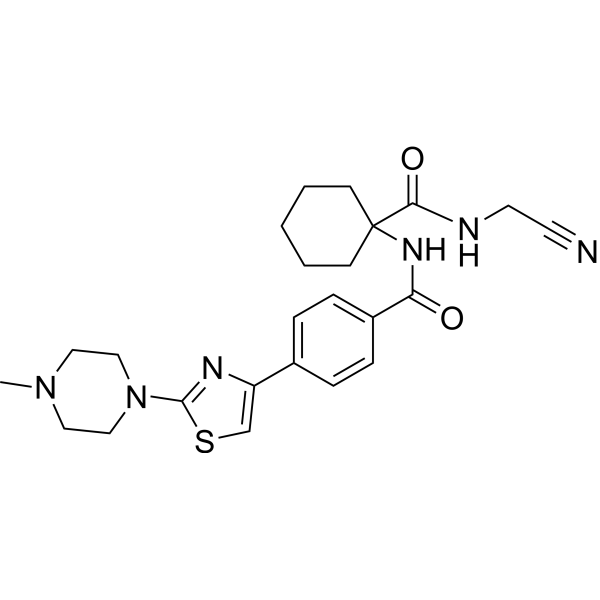
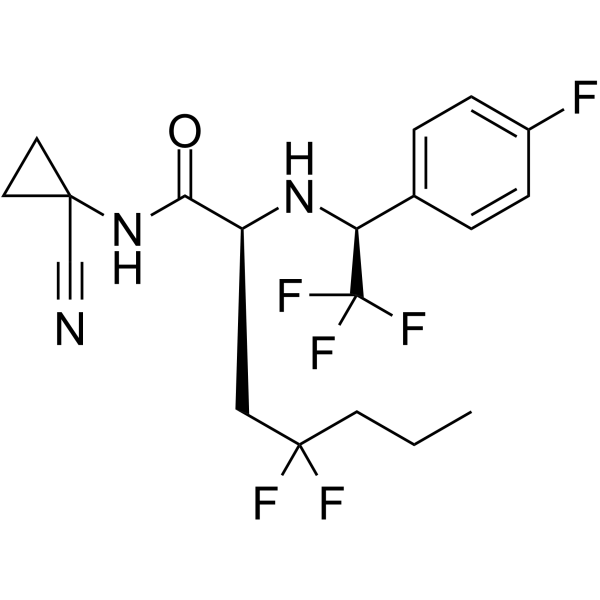
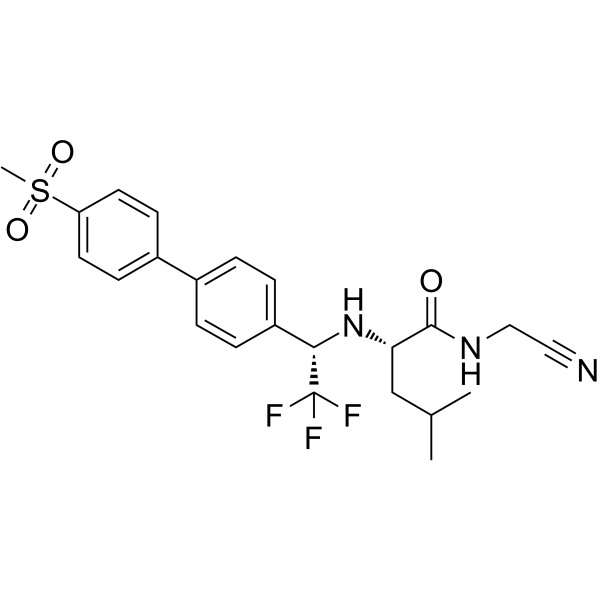
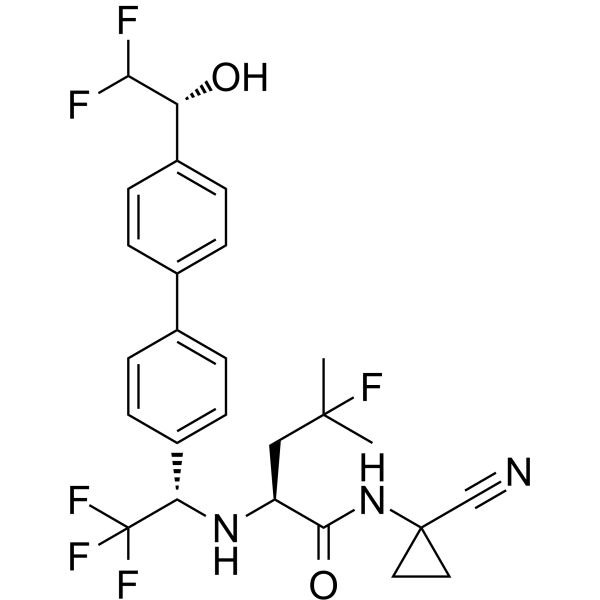
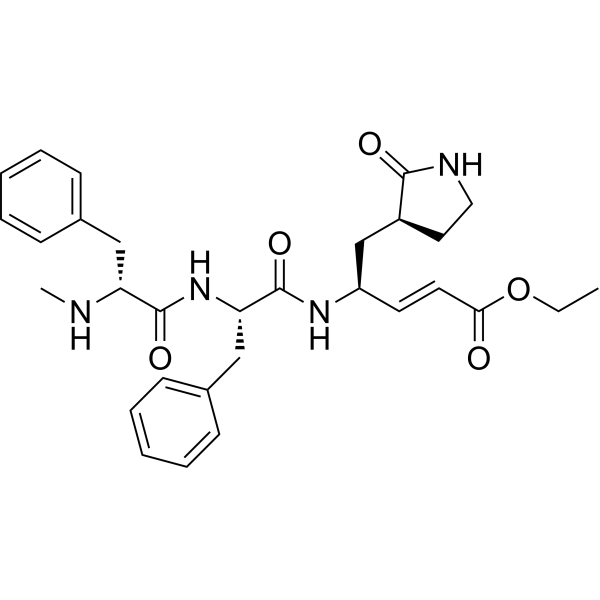
Balicatib (AAE581) is a potent, orally active and selective cathepsin K inhibitor with IC50 values of 22, 61, 48, 2900 nM for cathepsin K, cathepsin B, cathepsin L, cathepsinS, respectively. Balicatib inhibits bone turnover, decreases bone formation rates. Balicatib has the potential for the research of osteoporosis .
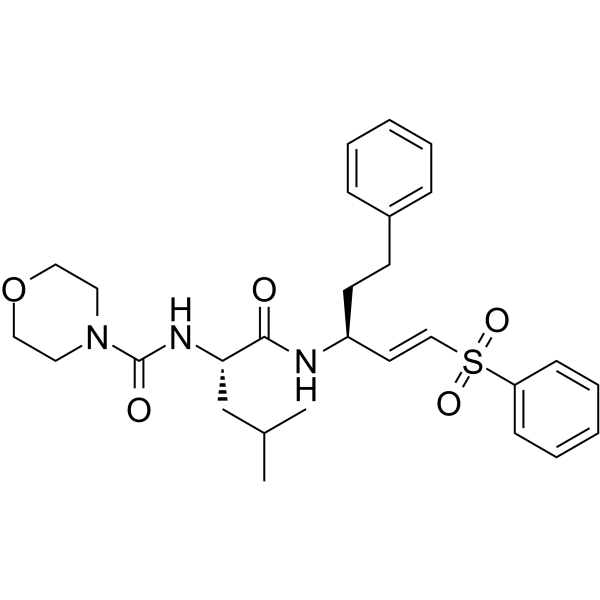
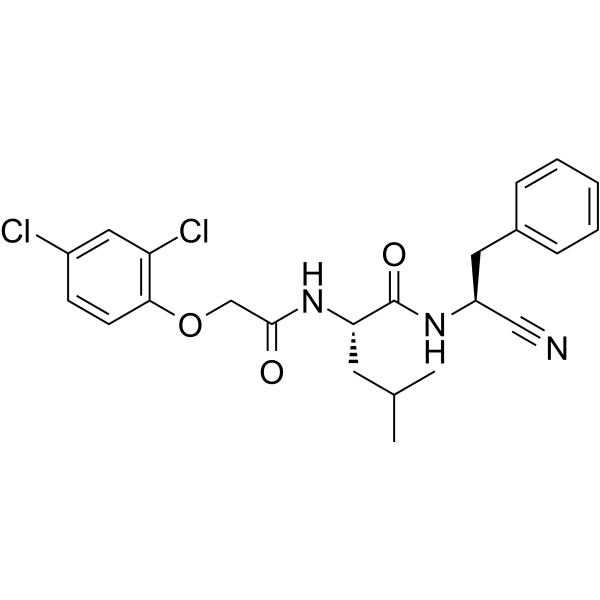
LHVS is a potent, non-selective, irreversible, cell-permeable cysteine protease and cathepsin inhibitor. LHVS decreases actin ring formation. LHVS inhibits T. gondii invasion with an IC50 of 10 μM .
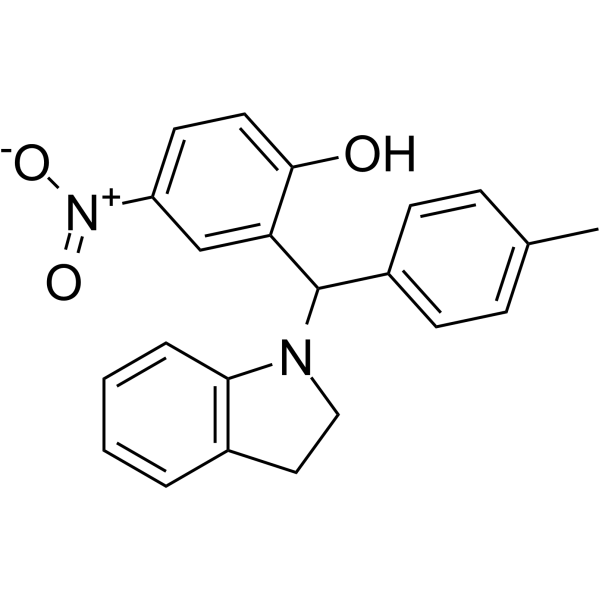
SID 26681509 is a potent, reversible, competitive, and selective inhibitor of human cathepsin L with an IC50 of 56 nM. SID 26681509 inhibits in vitro propagation of malaria parasite Plasmodium falciparum and inhibits Leishmania major with IC50s of 15.4 μM and 12.5 μM, respectively. SID 26681509 shows no inhibitory activity against cathepsin G .
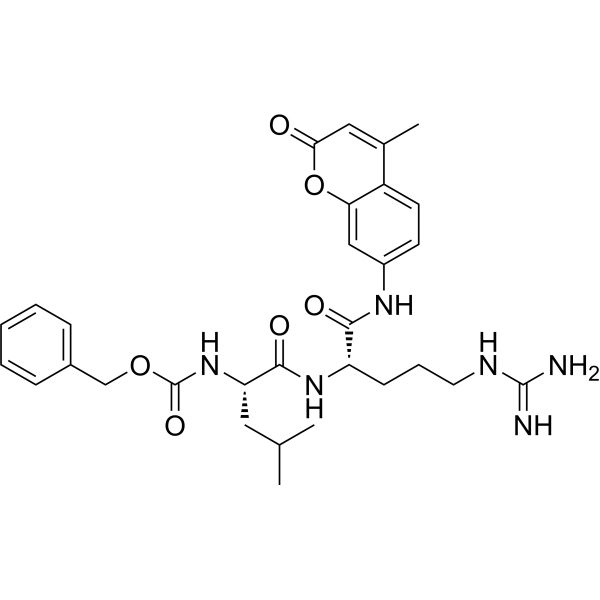
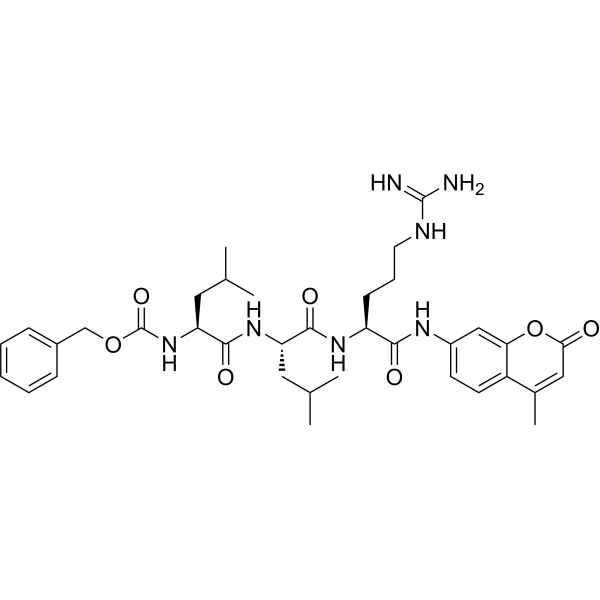
Z-Leu-Arg-AMC is a fluorogenic peptide substrate for cysteine proteases (e.g., Cathepsin) (Ex=350 nm,Em=460 nm). Z-Leu-Arg-AMC is preferentially cleaved by Cathepsin K and S under weakly acidic conditions, while its hydrolysis relies on residual CathepsinS activity at neutral pH. Z-Leu-Arg-AMC serves as a substrate for recombinant Sphenophorus levis Cathepsin L, falcipain-2, falcipain-3, berghepain-2, knowlepain-2, vivapain-2, as well as falcipain-2 chimeras and constructs. It enables quantitative detection of cysteine protease activity in human inflammatory bronchoalveolar lavage fluid via fluorescence generation. Z-Leu-Arg-AMC can be used in research related to pulmonary inflammatory diseases and malaria .
L-006235 (L-235) is a potent, selective, reversible and orally active inhibitor of cathepsin K, with an IC50 of 5 nM in bone resorption assay. L-006235 shows selectivity for cathepsin K (Ki=0.2 nM) over cathepsin B, cathepsin L, and cathepsinS (Ki=1, 6, and 47 μM, respectively). L-006235 can reduce collagen degradation and prevent bone loss .
Cathepsin inhibitor 1 (Compound 25) is a potent and selective inhibitor of Cathepsin, with pIC50s of 7.9, 6.7, 6.0, 5.5 and 5.2 for CatL, CatL2, CatS, CatK, and CatB, respectively. Cathepsin inhibitor 1 is promising for research of osteoarthritis .
CathepsinS, human, is a potent cysteine protease that promotes the degradation of damaged or harmful proteins in the endolysosomal pathway. CathepsinS, human, is involved in multiple pathological processes, including arthritis, cancer, and cardiovascular disease .
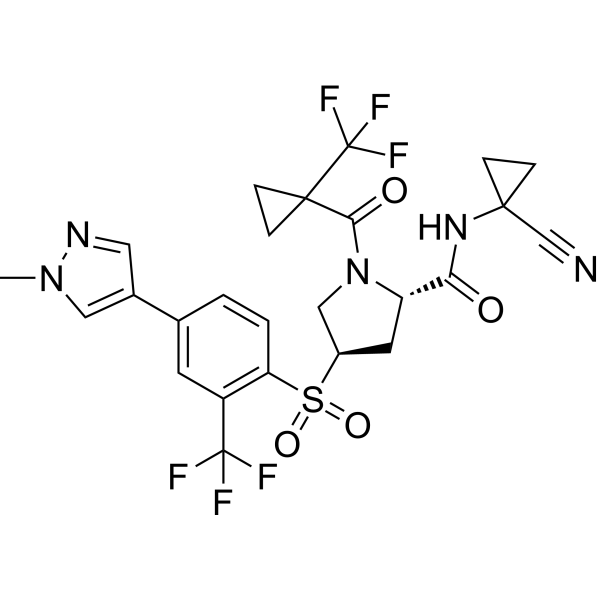
Cathepsin C-IN-5 (compound SF38) is a potent, selective and orally active Cathepsin C inhibitor with IC50s of 59.9 nM, 4.26 µM, >5 µM, >5 µM, >5 µM for Cat C, Cat L, Cat S, Cat B, Cat K, respectively. Cathepsin C-IN-5 inhibits the Cat C activity in bone marrow and blood. Cathepsin C-IN-5 decreases the activation of NSPs (neutrophil serine proteases). Cathepsin C-IN-5 shows anti-inflammatory activity .
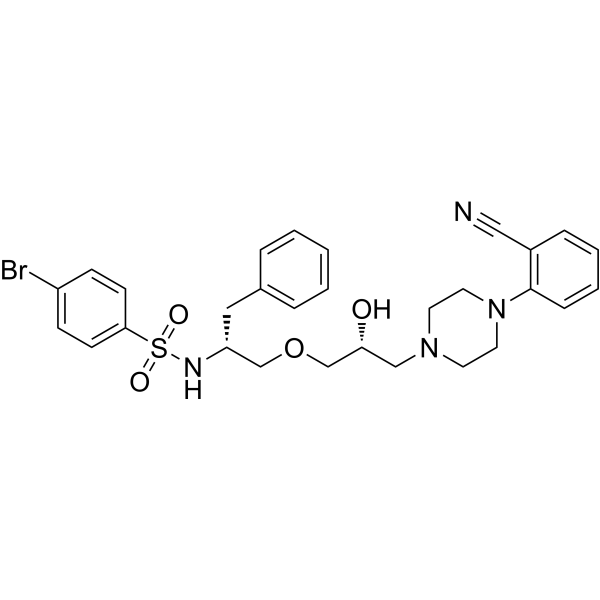
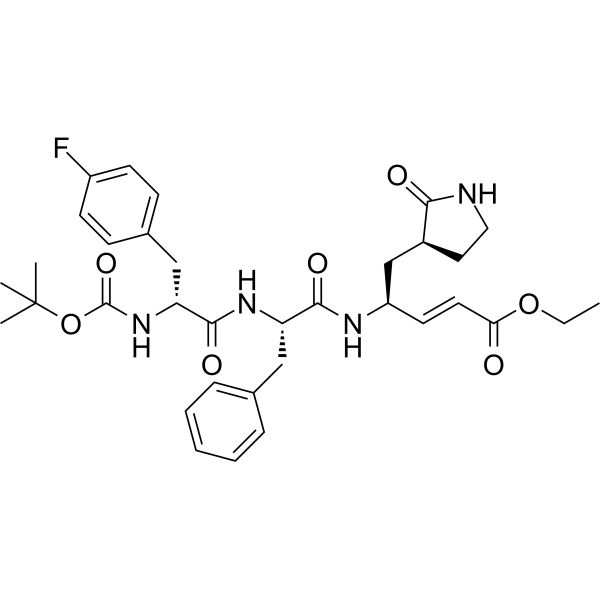
VBY-825 is an orally available novel reversible cathepsin inhibitor that has high inhibitory potency against cathepsin B, L, S and V, and possesses anti-tumor, anti-inflammatory and analgesic effects .
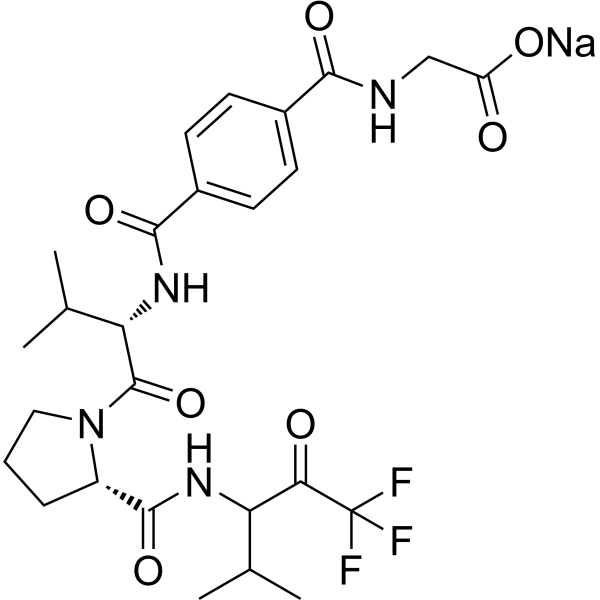
FK706 is a potent, slow-binding and competitive inhibitor of human neutrophil elastase with an IC50 of 83 nM and a Ki of 4.2 nM. FK706 also inhibits mouse neutrophil elastase and porcine pancreatic elastase with IC50s of 22 nM and 100 nM, respectively, and has no inhibitory activity against other serine proteinases such as human pancreatic trypsin, human pancreatic α-chymotrypsin and human leukocyte cathepsin G. FK706 has anti-inflammatory effect .
Cathepsin L/S-IN-1 is a dual inhibitor of Cathepsin L and CathepsinS with IC50s of 4.10 μM and 1.79 μM, respectively. Cathepsin L/S-IN-1 shows a significant antimetastatic and invasive effects on pancreatic cancer BxPC-3 and PANC-1 cells .
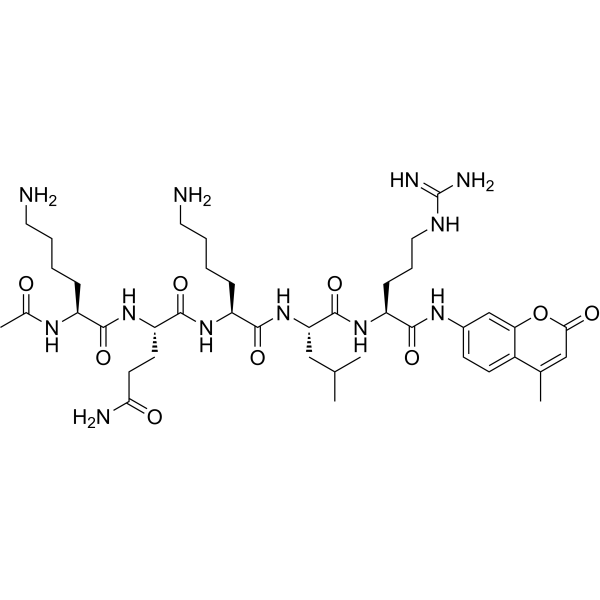
Ac-KQKLR-AMC TFA is a substrate peptide of CathepsinS fluorescently labeled with AMC (Ex/Em=354 nm/442 nm). Ac-KQKLR-AMC TFA can be used to measure CathepsinS activity) .
DBCO-PEG3-Glu-VC-PABC-MMAF (compound s19b) is a drug-linker conjugate for ADC by using the tubulin inhibitor, MMAF (HY-15579), linked via cathepsin cleavable DBCO-PEG3-Glu-VC-PABC. DBCO-PEG3-Glu-VC-PABC-MMAF can be used in the synthesis of antibody-drug conjugates (ADCs) .
The Anti-CTSS/CathepsinS Antibody (Fsn0503h) is a humanized antibody expressed in CHO cells, targeting CTSS/CathepsinS. The Anti-CTSS/CathepsinS Antibody (Fsn0503h) has a huIgG1 type heavy chain and a huκ type light chain, with a predicted molecular weight (MW) of 150 kDa. The isotype control for Anti-CTSS/CathepsinS Antibody (Fsn0503h) can be referenced as Human IgG1 kappa, Isotype Control (HY-P99001).
Ac-KQKLR-AMC is a substrate peptide of CathepsinS fluorescently labeled with AMC (Ex/Em=354 nm/442 nm). Ac-KQKLR-AMC can be used to measure CathepsinS activity) .
Z-Val-Val-Nle-diazomethylketone is a cathepsinS (CATS) inhibitor. Z-Val-Val-Nle-diazomethylketone significantly inhibits the IFNg-induced upregulation of the MHCII molecules HLA-DR and Ii-p33/35 with an increase of Ii-p10 protein level. Z-Val-Val-Nle-diazomethylketone can be used for dermatological diseases like psoriasis, atopic dermatitis and actinic keratosis research .
Cathepsin K inhibitor 6 (compound 19) is an inhibitor of cathepsin K (Cat K) with an IC50 of 17 nM. Cathepsin K inhibitor 6 also has inhibitory effects on other isoforms, with IC50s of 0.05 μM (Cat L) and 0.3 μM (Cat B), respectively .
TS-24 is an inhibitor for cathepsinS, with an IC50 of 4.3 μM. TS-24 exhibits radiosensitizing activity in wild type breast cancer susceptibility gene 1 (BRCA1) and in TNBC xenograft mice model, through induction of apoptosis .
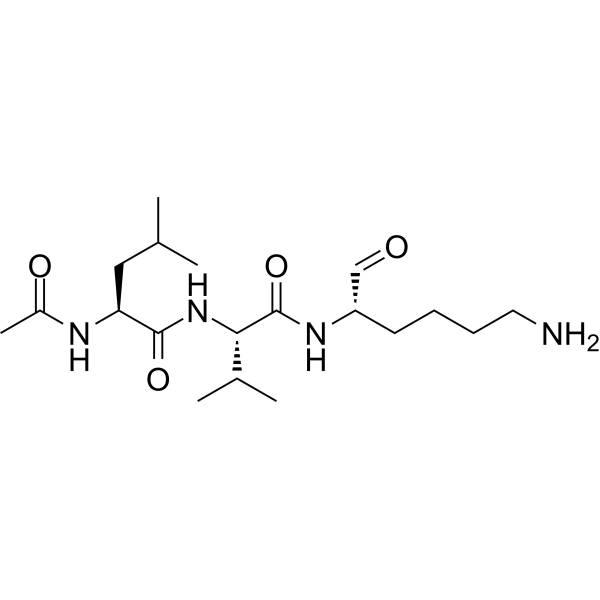
Ac-Leu-Val-Lys-Aldehyde is a potent cathepsin B inhibitor with IC50s of 4 nM. Ac-Leu-Val-Lys-Aldehyde significantly reduces quinolinic acid (HY-100807)-induced striatal cell death and causes accumulation of LC3-II .
L-873724 is a potent, orally bioavailable, selective and reversible non-basic cathepsin K inhibitor, with IC50s of 0.2, 178, 264, and 5239 nM for cathepsin K, cathepsinS, cathepsin L, cathepsin B, respectively . L-873724 also exhibits an IC50 of 0.5 nM for rabbit cathepsin K. L-873724 inhibits bone resorption .
TB-9, a Tasiamide B (HY-N15154) derivative, is a potent cathepsin D, cathepsin E, and BACE1 inhibitor with IC50s of 0.0783 nM, 0.724 nM, and 54.2 nM, respectively .
TB-11 is a Cathepsin D inhibitor, with IC50s of 0.126 nM (Cathepsin D), 1.92 nM (Cathepsin E), 48.8 nM (BACE1), respectively. TB-11 can be used for tumor research .
JNJ 10329670 is a potent and selective noncovalent cathepsinS inhibitor with a Ki value of 34 nM for human cathepsinS. JNJ 10329670 blocks invariant chain proteolysis in B cells and dendritic cells, as well as antigen-induced T cell proliferation .
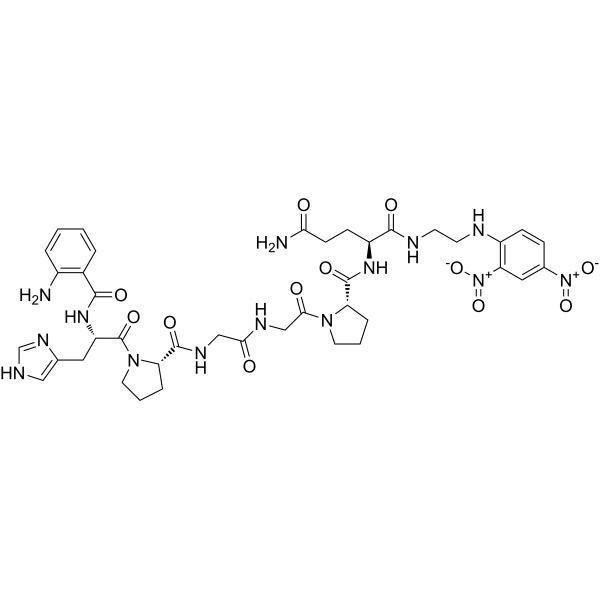
Abz-HPGGPQ-EDDnp (Cathepsin K substrate) is a biological active peptide. (Cathepsins are a class of globular lysosomal proteases, playing a vital role in mammalian cellular turnover. They degrade polypeptides and are distinguished by their substrate specificities. Cathepsin K is the lysosomal cysteine protease involved in bone remodeling and resorption. It has potential as a drug target in autoimmune diseases and osteoporosis.This FRET peptide can be used to monitor selectively cathepsin K activity in physiological fluids and cell lysates. Abz-HPGGPQ-EDDnp [where Abz represents o-aminobenzoic acid and EDDnp represents N -(2, 4-dinitrophenyl)-ethylenediamine], a substrate initially developed for trypanosomal enzymes, is efficiently cleaved at the Gly-Gly bond by cathepsin K. This peptide is resistant to hydrolysis by cathepsins B, F, H, L, S and V, Ex/Em=340 nm/420 nm.)
SARS-CoV-2-IN-77 (compound 11e) is a cathepsin L and cathepsinS inhibitor with Ki values of 111 nM and 103 nM, respectively. SARS-CoV-2-IN-77 inhibits SARS-CoV-2 with an EC50 value of 38.4 nM in Calu-3 cells without showing cytotoxicity .
SmCB1-IN-1 (Compound 2h) is an inhibitor for S. mansonicathepsin B1 (SmCB1) with an Ki of 0.05 μM . SmCB1-IN-1 exhibits selectivity toward human off-target cathepsins (29% and 37% inhibition for CatB and CatL at 20 μM). SmCB1-IN-1 inhibits 68% Schistosoma mansoni at 1 μM .
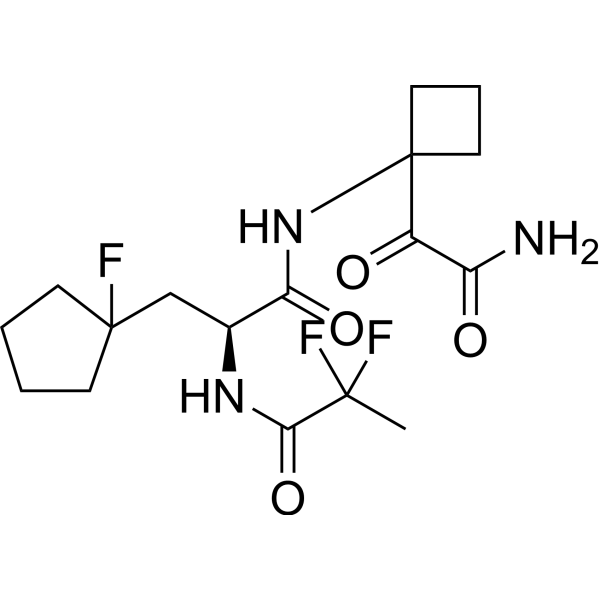
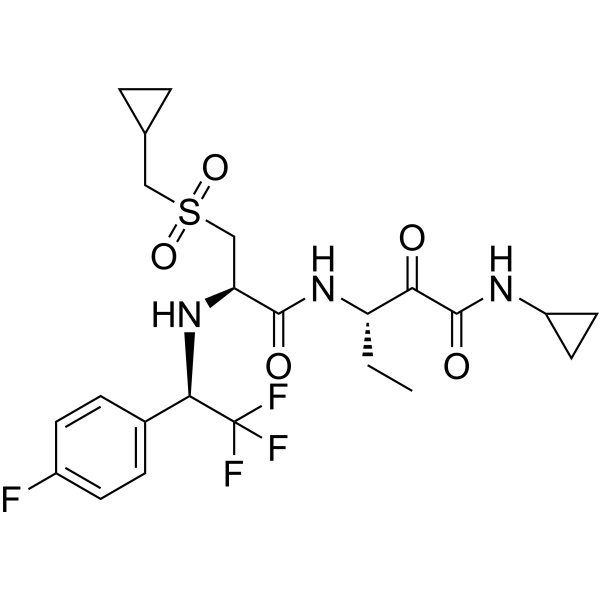
MK-0674 is a potent, orally bioavailable and selective cathepsin K inhibitor, with an IC50 of 0.4 nM, shows 1156, 1465, 11857 and 243 fold selectivity over Cat B, Cat F, Cat L and Cat S .
(Rac)-Z-FA-FMK is the racemate of Z-FA-FMK. (Rac)-Z-FA-FMK is an inhibitor of cathepsin B with a Ki of 1.5 μM. (Rac)-Z-FA-FMK inhibits caspase-2, -3, -6, -7, and -9 with IC50s of 6.147, 15.41, 32.45, 9.077, and 110.7 μM. (Rac)-Z-FA-FMK inhibits the main protease of SARS-CoV-2 replication with an IC50 of 11.39 μM. (Rac)-Z-FA-FMK inhibits the increased IL-1β level induced by LPS and NF-κB transactivation in macrophages .
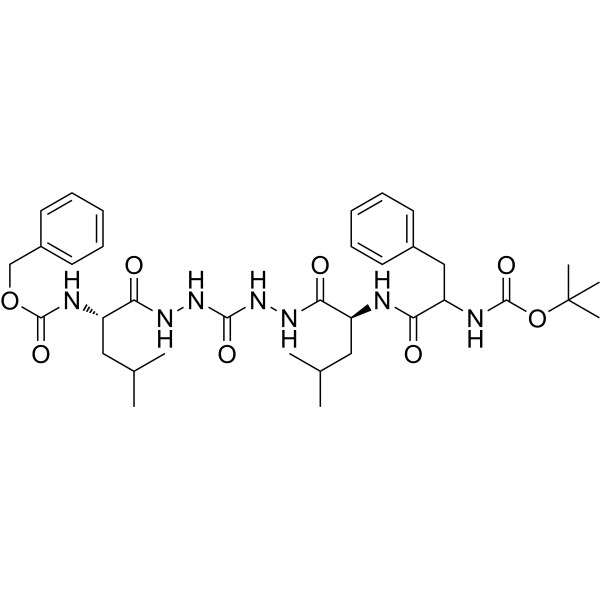
Cathepsin K inhibitor 4 is a potent carbohydrazide Cathepsin K inhibitor with IC50s of 13 nM, 269 nM, 296 nM for human, rat, mouse Cathepsin K, respectively .
(S,R,R)-VBY-825 is the isomer of VBY-825 (HY-15958), and can be used as an experimental control. VBY-825 is a novel reversible inhibitor of cathepsin with high inhibition of cathepsin B, L, S and V.
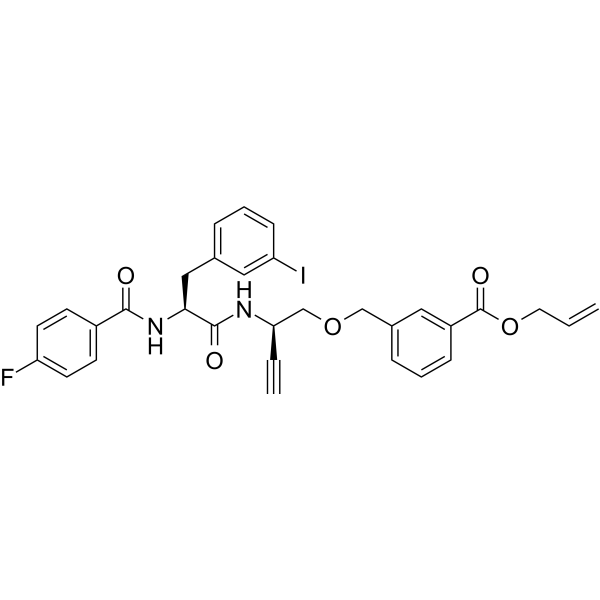
Cathepsin Inhibitor 3 (Compound 53k) is a non-radioactive intermediate in compound [ 18F] 2k radioactive synthesis, which has selectivity for cathepsinS. Cathepsin Inhibitor 3 can undergo radioactive fluorination and can be used for fluorine-18 labeling research . Cathepsin Inhibitor 3 is a click chemistry reagent, it contains an Alkyne group and can undergo copper-catalyzed azide-alkyne cycloaddition (CuAAc) with molecules containing Azide groups.
L-006235 (Standard) is the analytical standard of L-006235. This product is intended for research and analytical applications. L-006235 (L-235) is a potent, selective, reversible and orally active inhibitor of cathepsin K, with an IC50 of 5 nM in bone resorption assay. L-006235 shows selectivity for cathepsin K (Ki=0.2 nM) over cathepsin B, cathepsin L, and cathepsinS (Ki=1, 6, and 47 μM, respectively). L-006235 can reduce collagen degradation and prevent bone loss .
NC 2300 (VEL-0230)is a selective and orally active cysteine cathepsin inhibitor with the IC50 values of 284, 34.5, and 186 nM for cathepsin B, K, and S, respectively.NC 2300 can be used for study of diseases involving bone mineral disorders .
AM4299B is an inhibitor for thiol protease. AM4299B inhibits bovine spleen cathepsin B, human kidney cathepsin L and papain with IC50s of 0.7, 0.5 and 20 μM, respectively. AM4299B can be used in research in osteoporosis, and has potential to be used as an antiparasitic agent .
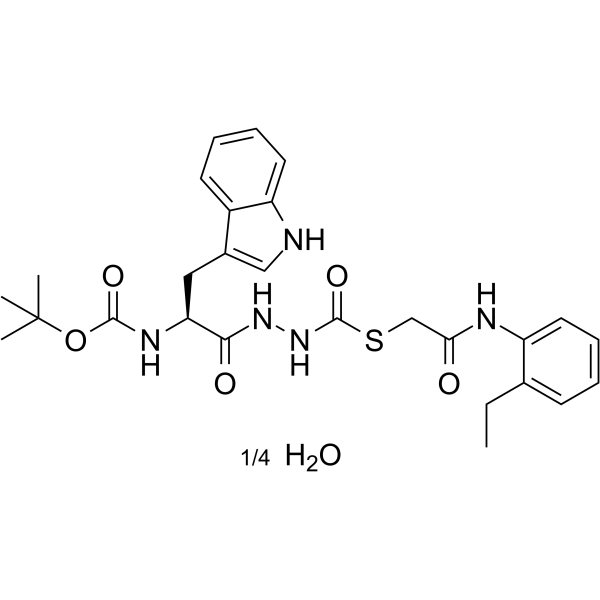
SID 26681509 quarterhydrate is a potent, reversible, competitive, and selective inhibitor of human cathepsin L with an IC50 of 56 nM. SID 26681509 quarterhydrate inhibits in vitro propagation of malaria parasite Plasmodium falciparum and inhibits Leishmania major with IC50s of 15.4 μM and 12.5 μM, respectively. SID 26681509 quarterhydrate shows no inhibitory activity against cathepsin G .
Tetromycin B is a cysteine protease inhibitor with Ki values of 0.62, 1.42, 32.5, and 1.59 μM for rhodesain, falcipain-2, cathepsin L, and cathepsin B, respectively. It inhibits the growth of T. brucei in vitro (IC50=30.87 μM). Tetromycin B is also cytotoxic to HEK293T kidney cells and J774.1 macrophages (IC50s=71.77 and 20.2 μM, respectively).
(S,S)-Z-FA-FMK is a cell-permeable, irreversible cathepsin B inhibitor. (S,S)-Z-FA-FMK blocks LPS-induced production of IL-1α and IL-1β. (S,S)-Z-FA-FMK can be used as a negative control for caspase-1 and caspase-2 inhibitors because it lacks an aspartic acid residue at the P1 position .
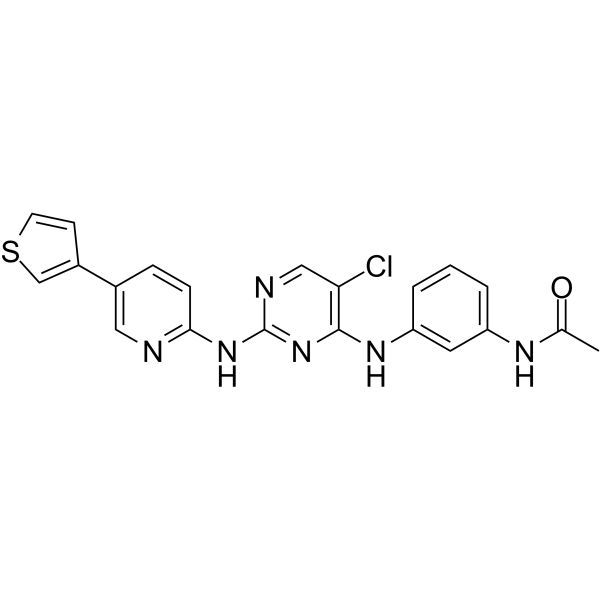
HNPMI is an inhibitor of EGFR and has cytotoxic effects on tumor cells. HNPMI can downregulate the protein levels of osteopontin, survivin and cathepsinS, leading to apoptosis. HNPMI also regulates BCL-2/BAX and p53 in CRC cell lines to inhibit tumorigenesis .
ASPER-29 is Asperphenamate HY-129578 analog. ASPER-29 also is a dual cathepsin L and S inhibitor with IC50 value of 6.03 μM and 5.02 μM, respectively. ASPER-29 can be used for the research of the migration and invasion of cancer .
Tetromycin A is a tetronic acid-based antibiotic. It reportedly has pronounced activity against Gram-positive bacteria, including methicillin-resistant S. aureus. Related tetromycin derivatives have been found to have anti-trypanosomal activity and inhibit the cysteine protease cathepsin L with Ki values in the low micromolar range.
Cathepsin L-IN-7 is an inhibitor of cathepsin L, cathepsin B and cathepsinS. Cathepsin L-IN-7 has an IC50 of 0.011 μM against cathepsin L and an IC50 of 0.062 μM against cathepsinS, while it shows weak inhibitory activity against cathepsin B. Cathepsin L-IN-7 binds to the active site of cysteine proteases and blocks their proteolytic function. Cathepsin L-IN-7 can be used in research on viral infections and cancer .
SARS-CoV-2 Mpro-IN-5 is a dual Inhibitor of Main Protease (M Pro) and Cathepsin L (CatL), with IC50s of 1800 nM and 145 nM respectively. SARS-CoV-2 Mpro-IN-5 has antiviral activity against SARS-CoV2. SARS-CoV-2 Mpro-IN-5 blocks SARS-CoV2 replication in hACE2 expressing A549 cells with IC50 value of 14.7 nM .
SARS-CoV-2 Mpro-IN-4 is a dual Inhibitor of Main Protease (M Pro) and Cathepsin L (CatL), with IC50s of 900 nM and 60 nM respectively. SARS-CoV-2 Mpro-IN-4 has antiviral activity against SARS-CoV2. SARS-CoV-2 Mpro-IN-4 blocks SARS-CoV2 replication in hACE2 expressing A549 cells with IC50 value of 8.2 nM .
Cathepsin-IN-5 is a cathepsin inhibitor with IC50 values of 6.2 μM and 81 nM for cathepsin L and cathepsinS. Cathepsin-IN-5 inhibits cancer cells proliferation, induces apoptosis, reduces growth of hepatocellular tumors in mouse models, and modulates expression of genes linked to cell death, cell proliferation, and cellular processes. Cathepsin-IN-5 can be used for the research of hepatocellular carcinoma .
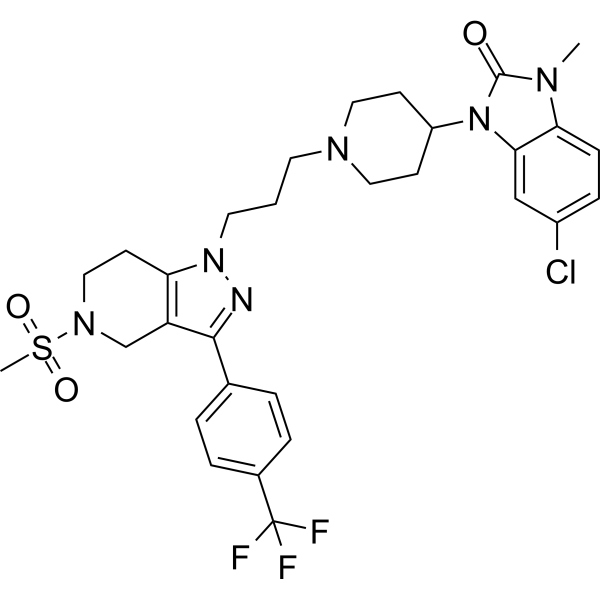
BI-1124 is a cathepsinS inhibitor that exhibits simulated sufficient ocular pharmacokinetic-pharmacodynamic coverage in rabbit models via topical ocular administration. BI-1124 can be used for the research of age-related dry eye disease .
BJ-2302 is a Src kinase inhibitor with an IC50 of 3.23 μM, and inhibits cathepsinS (CTSS) activity .BJ-2302 binds to Src, suppresses PI3K/AKT and Ras/Raf/ERK pathways, and reduces CTSS and MMP-9 expression .BJ-2302 inhibits cancer cell invasion, metastasis, proliferation, and tumor growth .BJ-2302 does not induce cytotoxicity in normal breast epithelial cells .BJ-2302 can be used for the research of breast cancer and triple-negative breast cancer .
Cathepsin K-IN-9 is a selective, potent and orally active Cathepsin K inhibitor with an IC50 of 6.2 nM. Cathepsin K-IN-9 has IC50 > 10000 nM for cathepsin B, L, and S, showing over 1600-fold selectivity. Cathepsin K-IN-9 has excellent safety and metabolic stability.Cathepsin K-IN-9 can be used for the research of osteoporosis .
DPP-1-IN-2 is a DPP-I inhibitor with a human IC50 of 36.8 nM and oral efficacy. DPP-1-IN-2 binds to intracellular DPP-I, increases its thermal stability, and reduces the activity and expression levels of downstream neutrophil serine proteases by inhibiting its enzymatic activity. DPP-1-IN-2 regulates the secretion of inflammatory factors and chemokines to exert anti-inflammatory effects. DPP-1-IN-2 reverses joint inflammation and tissue damage in adjuvant-induced arthritis rat models. DPP-1-IN-2 is applicable to research related to arthritis .
Petesicatib (Standard) is the analytical standard of Petesicatib (HY-109069). This product is intended for research and analytical applications. Petesicatib (RO5459072; RG-7625) is a cathepsinS inhibitor, used in research of immune diseases .
NB-533 is an orally active and brain-penetrant BACE-1 inhibitor with a human IC50 of 0.002 μM. NB-533 also inhibits human cathepsin D with an IC50 of 0.001 μM. NB-533 inhibits amyloidogenic amyloid precursor protein (APP) processing and reduces Aβ40 release. NB-533 reduces brain levels of APP metabolite C99 and Aβ40 in transgenic mice. NB-533 can be used for the research of Alzheimer’s disease .
Anti-inflammatory agent 113 (compound B5) is a Cathepsin L (CTSL) inhibitor and anti-inflammatory agent with a CTSL IC50 of 5.52 μM. Anti-inflammatory agent 113 suppresses CTSL maturation, attenuates NF-κB and p38 MAPK signaling pathway activation, and binds stably in CTSL’s active site via noncovalent interactions with Asp162, Cys25, and Glu63. Anti-inflammatory agent 113 inhibits pro-inflammatory cytokine (IL-6, IL-8) production, reduces inflammatory cell lung infiltration, and alleviates lung tissue injury. Anti-inflammatory agent 113 can be used for the research of acute lung injury .
Ac-KQKLR-AMC TFA is a substrate peptide of CathepsinS fluorescently labeled with AMC (Ex/Em=354 nm/442 nm). Ac-KQKLR-AMC TFA can be used to measure CathepsinS activity) .
Ac-KQKLR-AMC is a substrate peptide of CathepsinS fluorescently labeled with AMC (Ex/Em=354 nm/442 nm). Ac-KQKLR-AMC can be used to measure CathepsinS activity) .
Z-Val-Val-Nle-diazomethylketone is a cathepsinS (CATS) inhibitor. Z-Val-Val-Nle-diazomethylketone significantly inhibits the IFNg-induced upregulation of the MHCII molecules HLA-DR and Ii-p33/35 with an increase of Ii-p10 protein level. Z-Val-Val-Nle-diazomethylketone can be used for dermatological diseases like psoriasis, atopic dermatitis and actinic keratosis research .
Ac-Leu-Val-Lys-Aldehyde is a potent cathepsin B inhibitor with IC50s of 4 nM. Ac-Leu-Val-Lys-Aldehyde significantly reduces quinolinic acid (HY-100807)-induced striatal cell death and causes accumulation of LC3-II .
Abz-HPGGPQ-EDDnp (Cathepsin K substrate) is a biological active peptide. (Cathepsins are a class of globular lysosomal proteases, playing a vital role in mammalian cellular turnover. They degrade polypeptides and are distinguished by their substrate specificities. Cathepsin K is the lysosomal cysteine protease involved in bone remodeling and resorption. It has potential as a drug target in autoimmune diseases and osteoporosis.This FRET peptide can be used to monitor selectively cathepsin K activity in physiological fluids and cell lysates. Abz-HPGGPQ-EDDnp [where Abz represents o-aminobenzoic acid and EDDnp represents N -(2, 4-dinitrophenyl)-ethylenediamine], a substrate initially developed for trypanosomal enzymes, is efficiently cleaved at the Gly-Gly bond by cathepsin K. This peptide is resistant to hydrolysis by cathepsins B, F, H, L, S and V, Ex/Em=340 nm/420 nm.)
Cathepsin K inhibitor 4 is a potent carbohydrazide Cathepsin K inhibitor with IC50s of 13 nM, 269 nM, 296 nM for human, rat, mouse Cathepsin K, respectively .
(S,S)-Z-FA-FMK is a cell-permeable, irreversible cathepsin B inhibitor. (S,S)-Z-FA-FMK blocks LPS-induced production of IL-1α and IL-1β. (S,S)-Z-FA-FMK can be used as a negative control for caspase-1 and caspase-2 inhibitors because it lacks an aspartic acid residue at the P1 position .
The Anti-CTSS/CathepsinS Antibody (Fsn0503h) is a humanized antibody expressed in CHO cells, targeting CTSS/CathepsinS. The Anti-CTSS/CathepsinS Antibody (Fsn0503h) has a huIgG1 type heavy chain and a huκ type light chain, with a predicted molecular weight (MW) of 150 kDa. The isotype control for Anti-CTSS/CathepsinS Antibody (Fsn0503h) can be referenced as Human IgG1 kappa, Isotype Control (HY-P99001).
Lactacystin is a potent, orally active, irreversible, cell-permeable, selective 20Sproteasome inhibitor (IC50 = 4.8 μM). Lactacystin also inhibits the lysosomal enzyme cathepsin A. Lactacystin inhibits cell growth and induces apoptosisand cell cycle arrest, and has antiviral and antioxidative activity. Lactacystin induces neurite outgrowth and hypertension. Lactacystin has the potential for the research of cancer, Neurological Disease, hypertension and Malaria, and so on [2] [6] .
Cathepsin S Protein, Mouse (HEK293, His) is potent cysteine protease which can promote degradation of damaged or unwanted proteins in the endo-lysosomal pathway.
Cathepsin S Protein, Human (HEK293, His) is potent cysteine protease which can promote degradation of damaged or unwanted proteins in the endo-lysosomal pathway.
DBCO-PEG3-Glu-VC-PABC-MMAF (compound s19b) is a drug-linker conjugate for ADC by using the tubulin inhibitor, MMAF (HY-15579), linked via cathepsin cleavable DBCO-PEG3-Glu-VC-PABC. DBCO-PEG3-Glu-VC-PABC-MMAF can be used in the synthesis of antibody-drug conjugates (ADCs) .
Cathepsin Inhibitor 3 (Compound 53k) is a non-radioactive intermediate in compound [ 18F] 2k radioactive synthesis, which has selectivity for cathepsinS. Cathepsin Inhibitor 3 can undergo radioactive fluorination and can be used for fluorine-18 labeling research . Cathepsin Inhibitor 3 is a click chemistry reagent, it contains an Alkyne group and can undergo copper-catalyzed azide-alkyne cycloaddition (CuAAc) with molecules containing Azide groups.
Inquiry Online
Your information is safe with us. * Required Fields.
Western blot analysis of extracts from THP-1(lane 2(20μg), Jurkat (lane 3(20μg) and NIH3T3(lane 4(20μg) using FOXO1A (HY-P80132) Rabbit mAb. Proteins were transferred
to a PVDF membrane and blocked with 5% non-fat milk in TBST for 2 hour at room temperature. The primary antibody (1/1000) and Loading control antibody (Beta Actin, HY-P80438, 1/10000) was
used in 5% non-fat milk in TBST at 4°C overnight. Goat Anti-Mouse/Rabbit IgG-HRP Secondary Antibody (1/10000) was used for 1 hour at room temperature.
Western blot analysis of extracts from THP-1(lane 2(20μg), Jurkat (lane 3(20μg) and NIH3T3(lane 4(20μg) using FOXO1A (HY-P80132) Rabbit mAb. Proteins were transferred
to a PVDF membrane and blocked with 5% non-fat milk in TBST for 2 hour at room temperature. The primary antibody (1/1000) and Loading control antibody (Beta Actin, HY-P80438, 1/10000) was
used in 5% non-fat milk in TBST at 4°C overnight. Goat Anti-Mouse/Rabbit IgG-HRP Secondary Antibody (1/10000) was used for 1 hour at room temperature.
Western blot analysis of extracts from THP-1(lane 2(20μg), Jurkat (lane 3(20μg) and NIH3T3(lane 4(20μg) using FOXO1A (HY-P80132) Rabbit mAb. Proteins were transferred
to a PVDF membrane and blocked with 5% non-fat milk in TBST for 2 hour at room temperature. The primary antibody (1/1000) and Loading control antibody (Beta Actin, HY-P80438, 1/10000) was
used in 5% non-fat milk in TBST at 4°C overnight. Goat Anti-Mouse/Rabbit IgG-HRP Secondary Antibody (1/10000) was used for 1 hour at room temperature.
Western blot analysis of extracts from THP-1(lane 2(20μg), Jurkat (lane 3(20μg) and NIH3T3(lane 4(20μg) using FOXO1A (HY-P80132) Rabbit mAb. Proteins were transferred
to a PVDF membrane and blocked with 5% non-fat milk in TBST for 2 hour at room temperature. The primary antibody (1/1000) and Loading control antibody (Beta Actin, HY-P80438, 1/10000) was
MedchemExpress Validation 03
Western blot analysis of extracts from THP-1(lane 2(20μg), Jurkat (lane 3(20μg) and NIH3T3(lane 4(20μg) using FOXO1A (HY-P80132) Rabbit mAb. Proteins were transferred
MedchemExpress Validation 04
Western blot analysis of extracts from THP-1(lane 2(20μg), Jurkat (lane 3(20μg) and NIH3T3(lane 4(20μg) using FOXO1A (HY-P80132) Rabbit mAb. Proteins were transferred
to a PVDF membrane and blocked with 5% non-fat milk in TBST for 2 hour at room temperature. The primary antibody (1/1000) and Loading control antibody (Beta Actin, HY-P80438, 1/10000) was
used in 5% non-fat milk in TBST at 4°C overnight. Goat Anti-Mouse/Rabbit IgG-HRP Secondary Antibody (1/10000) was used for 1 hour at room temperature.
MedchemExpress Validation
Western blot analysis of extracts from THP-1(lane 2(20μg), Jurkat (lane 3(20μg) and NIH3T3(lane 4(20μg) using FOXO1A (HY-P80132) Rabbit mAb. Proteins were transferred
to a PVDF membrane and blocked with 5% non-fat milk in TBST for 2 hour at room temperature. The primary antibody (1/1000) and Loading control antibody (Beta Actin, HY-P80438, 1/10000) was
used in 5% non-fat milk in TBST at 4°C overnight. Goat Anti-Mouse/Rabbit IgG-HRP Secondary Antibody (1/10000) was used for 1 hour at room temperature.
Western blot analysis of extracts from THP-1(lane 2(20μg), Jurkat (lane 3(20μg) and NIH3T3(lane 4(20μg) using FOXO1A (HY-P80132) Rabbit mAb. Proteins were transferred
to a PVDF membrane and blocked with 5% non-fat milk in TBST for 2 hour at room temperature. The primary antibody (1/1000) and Loading control antibody (Beta Actin, HY-P80438, 1/10000) was
used in 5% non-fat milk in TBST at 4°C overnight. Goat Anti-Mouse/Rabbit IgG-HRP Secondary Antibody (1/10000) was used for 1 hour at room temperature.
MedchemExpress Validation
Western blot analysis of extracts from THP-1(lane 2(20μg), Jurkat (lane 3(20μg) and NIH3T3(lane 4(20μg) using FOXO1A (HY-P80132) Rabbit mAb. Proteins were transferred
to a PVDF membrane and blocked with 5% non-fat milk in TBST for 2 hour at room temperature. The primary antibody (1/1000) and Loading control antibody (Beta Actin, HY-P80438, 1/10000) was
used in 5% non-fat milk in TBST at 4°C overnight. Goat Anti-Mouse/Rabbit IgG-HRP Secondary Antibody (1/10000) was used for 1 hour at room temperature.
MedchemExpress Validation
Western blot analysis of extracts from THP-1(lane 2(20μg), Jurkat (lane 3(20μg) and NIH3T3(lane 4(20μg) using FOXO1A (HY-P80132) Rabbit mAb. Proteins were transferred
to a PVDF membrane and blocked with 5% non-fat milk in TBST for 2 hour at room temperature. The primary antibody (1/1000) and Loading control antibody (Beta Actin, HY-P80438, 1/10000) was
used in 5% non-fat milk in TBST at 4°C overnight. Goat Anti-Mouse/Rabbit IgG-HRP Secondary Antibody (1/10000) was used for 1 hour at room temperature.
MedchemExpress Validation
Western blot analysis of extracts from THP-1(lane 2(20μg), Jurkat (lane 3(20μg) and NIH3T3(lane 4(20μg) using FOXO1A (HY-P80132) Rabbit mAb. Proteins were transferred
to a PVDF membrane and blocked with 5% non-fat milk in TBST for 2 hour at room temperature. The primary antibody (1/1000) and Loading control antibody (Beta Actin, HY-P80438, 1/10000) was
used in 5% non-fat milk in TBST at 4°C overnight. Goat Anti-Mouse/Rabbit IgG-HRP Secondary Antibody (1/10000) was used for 1 hour at room temperature.
MedchemExpress Validation
Western blot analysis of extracts from THP-1(lane 2(20μg), Jurkat (lane 3(20μg) and NIH3T3(lane 4(20μg) using FOXO1A (HY-P80132) Rabbit mAb. Proteins were transferred
to a PVDF membrane and blocked with 5% non-fat milk in TBST for 2 hour at room temperature. The primary antibody (1/1000) and Loading control antibody (Beta Actin, HY-P80438, 1/10000) was
used in 5% non-fat milk in TBST at 4°C overnight. Goat Anti-Mouse/Rabbit IgG-HRP Secondary Antibody (1/10000) was used for 1 hour at room temperature.
MedchemExpress Validation
Western blot analysis of extracts from THP-1(lane 2(20μg), Jurkat (lane 3(20μg) and NIH3T3(lane 4(20μg) using FOXO1A (HY-P80132) Rabbit mAb. Proteins were transferred
to a PVDF membrane and blocked with 5% non-fat milk in TBST for 2 hour at room temperature. The primary antibody (1/1000) and Loading control antibody (Beta Actin, HY-P80438, 1/10000) was
used in 5% non-fat milk in TBST at 4°C overnight. Goat Anti-Mouse/Rabbit IgG-HRP Secondary Antibody (1/10000) was used for 1 hour at room temperature.
MedchemExpress Validation
Western blot analysis of extracts from THP-1(lane 2(20μg), Jurkat (lane 3(20μg) and NIH3T3(lane 4(20μg) using FOXO1A (HY-P80132) Rabbit mAb. Proteins were transferred
to a PVDF membrane and blocked with 5% non-fat milk in TBST for 2 hour at room temperature. The primary antibody (1/1000) and Loading control antibody (Beta Actin, HY-P80438, 1/10000) was
used in 5% non-fat milk in TBST at 4°C overnight. Goat Anti-Mouse/Rabbit IgG-HRP Secondary Antibody (1/10000) was used for 1 hour at room temperature.
MedChemExpress values your privacy and your trust is important to us. We use cookies to enhance your website experience. Some cookies are necessary to run the website.
Privacy and Cookie Policy