Search Result
Results for "
cytotoxic+effect
" in MedChemExpress (MCE) Product Catalog:
1
Biochemical Assay Reagents
3
Isotope-Labeled Compounds
| Cat. No. |
Product Name |
Target |
Research Areas |
Chemical Structure |
-
- HY-W020044
-
-
-
- HY-P1388
-
|
Amyloid β-peptide (1-42) (rat/mouse)
|
Amyloid-β
|
Neurological Disease
|
|
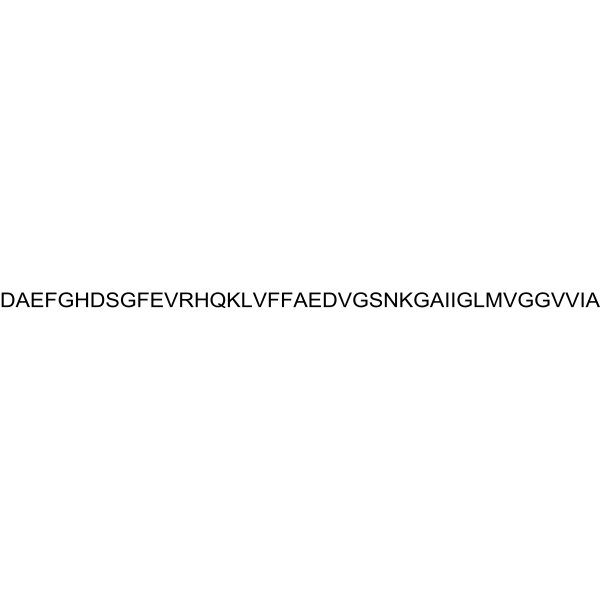
β-Amyloid (1-42), (rat/mouse) is a 42-aa peptide, shows cytotoxic effect on acute hippocampal slices, and used in the research of Alzheimer's disease.
|
-
-
- HY-401424
-
|
Polyoxyethylene(36) Castor Oil; PEG-36 Castor Oil
|
Environmental Pollutants
Biochemical Assay Reagents
|
Others
|
|
Cremophor EL-36 is a non-ionic surfactant, mainly used as a solubilizing carrier for poorly soluble Paclitaxel (HY-B0015). For example, Cremophor EL-36 can enhance the intracellular influx of Etoposide (HY-13629) without affecting drug efflux, and can dose-dependently increase the accumulation of VP-16 in lung adenocarcinoma cells (such as PC-14 and A549), significantly enhancing its cytotoxic effect .
|
-
-
- HY-10079
-
CHS-828
4 Publications Verification
GMX1778
|
NAMPT
Apoptosis
|
Cancer
|
|
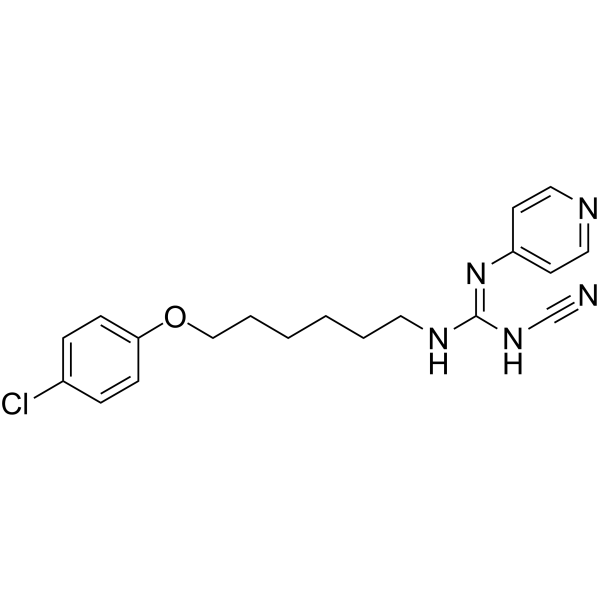
CHS-828 (GMX1778) is a competitive inhibitor of nicotinamide phosphoribosyltransferase (NAMPT), with an IC50 less than 25 nM. CHS-828 (GMX1778) exerts a cytotoxic effect by decreasing the cellular level of NAD + and exhibits a potent anticancer activity .
|
-
-
- HY-N6031
-
-
-
- HY-N6642
-
|
|
PPAR
Apoptosis
|
Inflammation/Immunology
Cancer
|
|
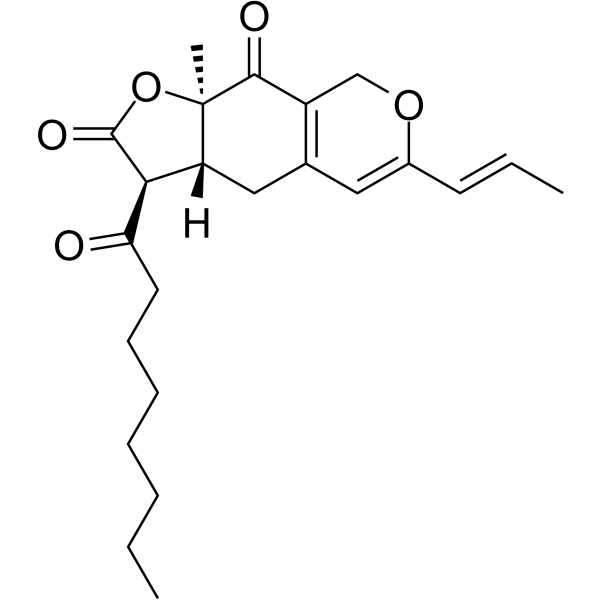
Ankaflavin, isolated from Monascus-Fermented red rice, is an orally active PPARγ agonist. Ankaflavin exhibits selective cytotoxic effect and induces cell death through apoptosis on cancer cells. Ankaflavin has anti-inflammatory, anti-cancer, antiatherosclerotic, and hypolipidemic effects .
|
-
-
- HY-P1388A
-
|
Amyloid β-peptide (1-42) (rat/mouse) TFA
|
Amyloid-β
|
Neurological Disease
|
|
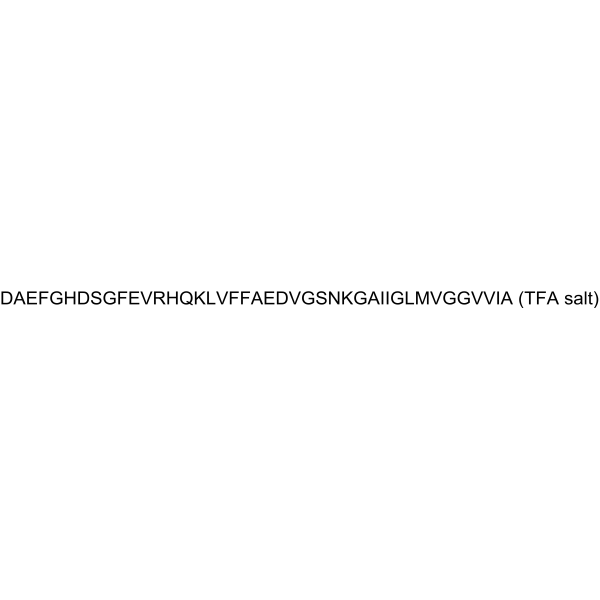
β-Amyloid (1-42), (rat/mouse) TFA is a 42-aa peptide, shows cytotoxic effect on acute hippocampal slices, and used in the research of Alzheimer's disease.
|
-
-
- HY-B1878
-
|
|
Environmental Pollutants
Fungal
|
Infection
|
|
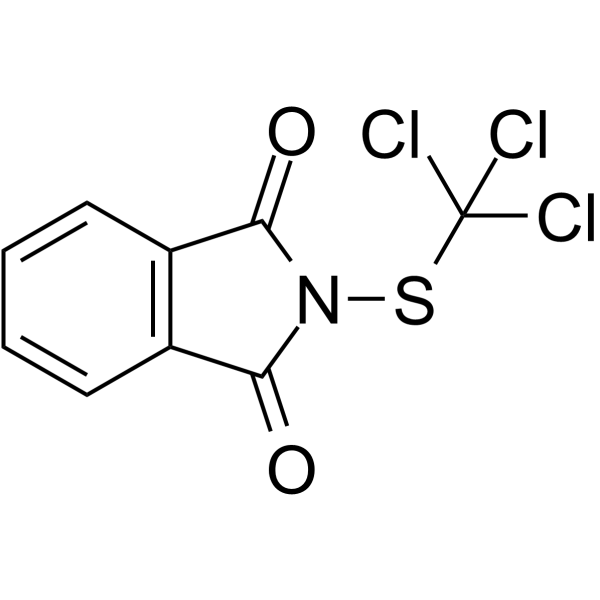
Faltan is a dicarboximide fungicide, widely used on vines and several vegetable crops, and is also cytotoxic effect on human bronchial epithelial cells .
|
-
-
- HY-148058
-
|
|
Topoisomerase
|
Cancer
|
|
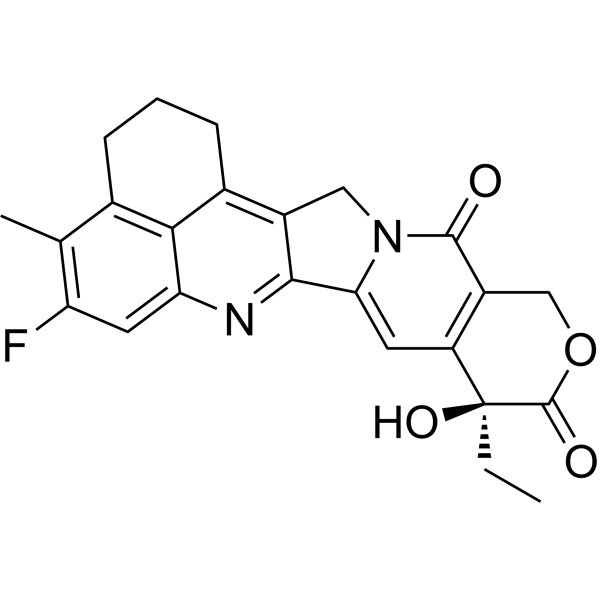
Topoisomerase I inhibitor 8 is a potent topoisomerase I inhibitor. Topoisomerase I inhibitor 8 is a hexacyclic analogue of camptothecin, and displays cytotoxic effect against tumor cells .
|
-
-
- HY-N0206
-
|
Deglucocyclamin; LTS-4; Saxifragifolin B
|
Antibiotic
|
Cancer
|
|
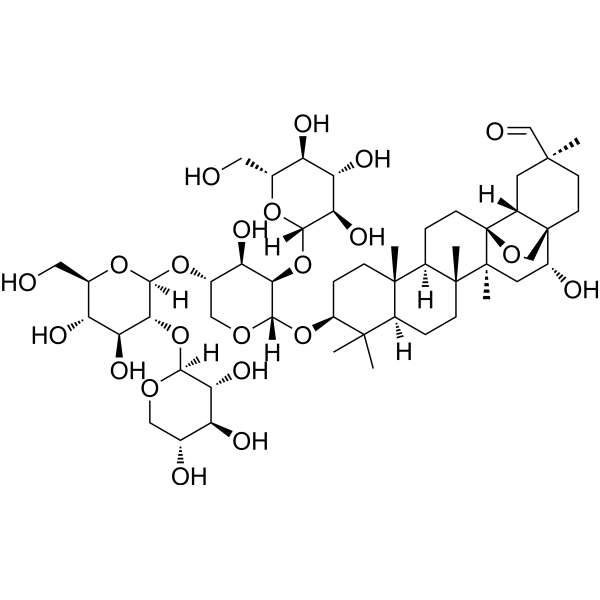
Ardisiacrispin A (Deglucocyclamin) is a common triterpenoid saponin from Ardisia species. Ardisiacrispin A has similar biological properties with some triterpenoid saponins in A. crenata which is one of the species of genus Ardisia and exhibits cytotoxic effect on tumor cells, immunomodulatory and antiviral activities .
|
-
-
- HY-135909
-
TH1217
1 Publications Verification
ZINC1775962367
|
SARS-CoV
|
Infection
Cancer
|
|
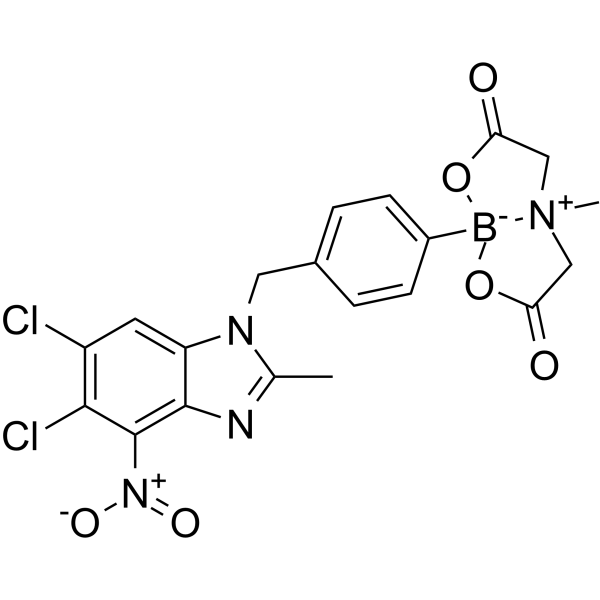
TH1217 (ZINC1775962367) is a potent and selective dCTPase pyrophosphatase 1 (dCTPase) inhibitor, with an IC50 of 47 nM. TH1217 enhances the cytotoxic effect of cytidine analogues in leukemia cells. TH1217 also could modulate SARS-Cov-2 interactors, so it shows activity of against COVID-19 .
|
-
-
- HY-107831
-
|
|
Drug Derivative
|
Inflammation/Immunology
Cancer
|
|
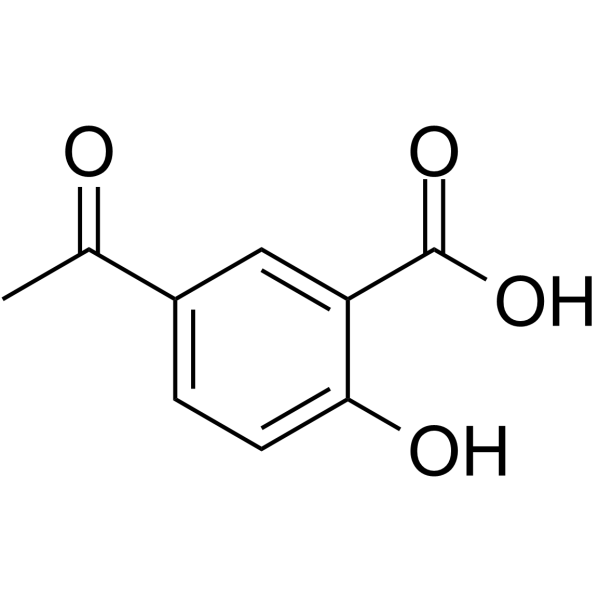
5-Acetylsalicylic acid is the derivate of Aspirin (HY-14654), with anti-inflammatory property. 5-Acetylsalicylic acid is the active metabolite of Sulfasalazine (HY-14655) and its production is regulated by beneficial bacteria in the gut but is confined to the intestinal tract. 5-Acetylsalicylic acid exhibits a mild cytotoxicity effect on B16F10 cells. 5-Acetylsalicylic acid can be used for the study of inflammatory bowel disease (IBD) such as ulcerative colitis (UC) .
|
-
-
- HY-W020044R
-
|
DL-α-Tocopherol (Standard)
|
Reference Standards
Ferroptosis
DNA/RNA Synthesis
Apoptosis
|
Cancer
|
|
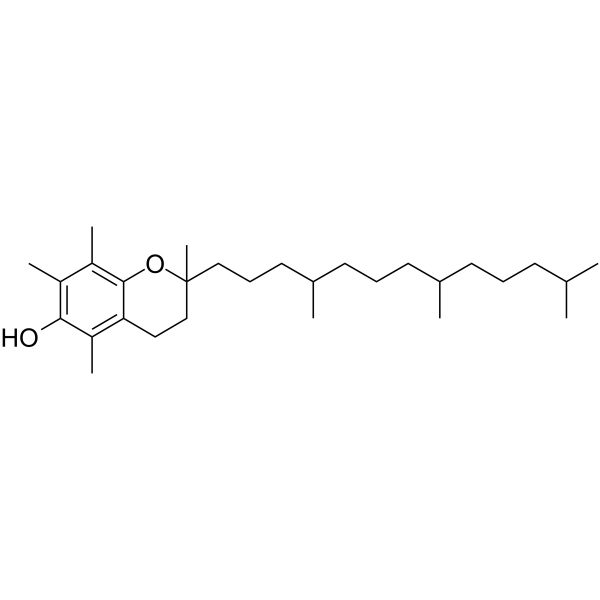
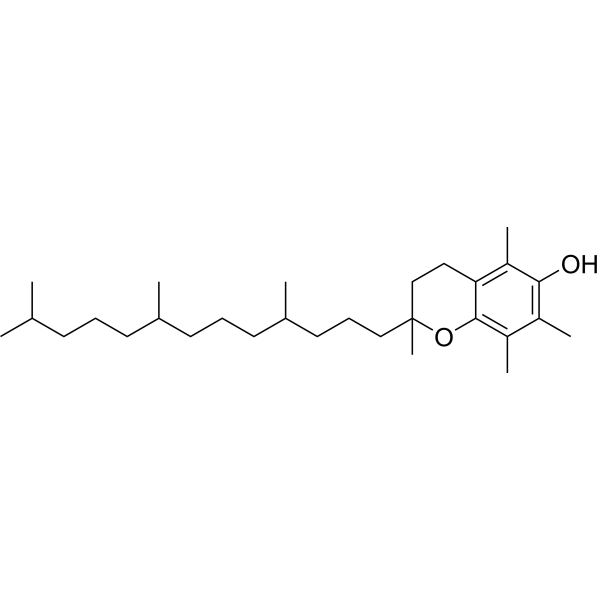
DL-alpha-Tocopherol (Standard) is the analytical standard of DL-alpha-Tocopherol. This product is intended for research and analytical applications. DL-alpha-Tocopherol is a synthetic vitamin E, with antioxidation effect. DL-alpha-Tocopherol protects human skin fibroblasts against the cytotoxic effect of UVB .
|
-
-
- HY-143498
-
|
|
DNA/RNA Synthesis
|
Cancer
|
|
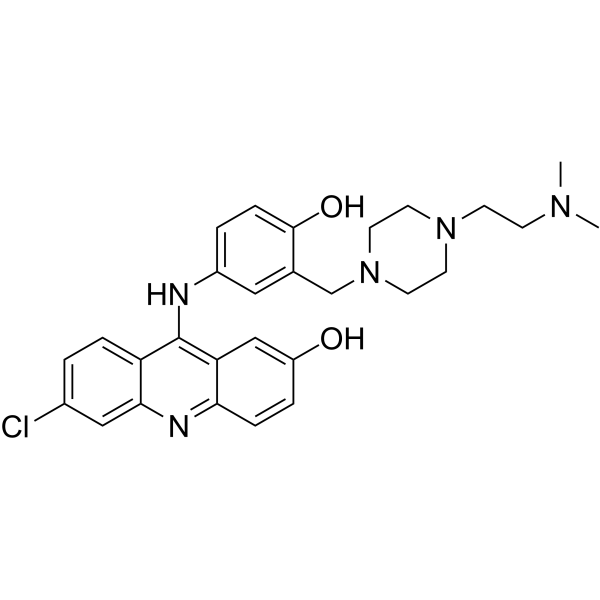
ERCC1-XPF-IN-1 is a potent and high-affinity ERCC1-XPF inhibitor with IC50 value of 0.49 μM. ERCC1-XPF-IN-1 has the capacity to potentiate the cytotoxicity effect of UV radiation and inhibiting DAN repair, by the inhibition of removal of CPDs, and cyclophosphamide toxicity to colorectal cancer cells .
|
-
-
- HY-125374
-
|
XRP9881
|
Apoptosis
|
Cancer
|
|
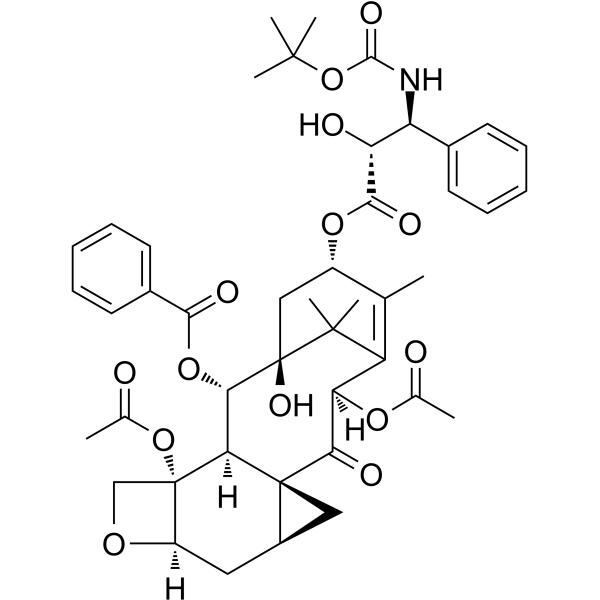
Larotaxel (XRP9881) is a taxane analogue with preclinical activity against taxane-resistant breast cancer. Larotaxel (XRP9881) exerts its cytotoxic effect by promoting tubulin assembly and stabilizing microtubules, ultimately leading to cell death by apoptosis. It presents the ability to cross the blood brain barrier and has a much lower affinity for P-glycoprotein 1 than Docetaxel .
|
-
-
- HY-124414
-
|
|
Estrogen Receptor/ERR
Drug Metabolite
|
Cancer
|
|
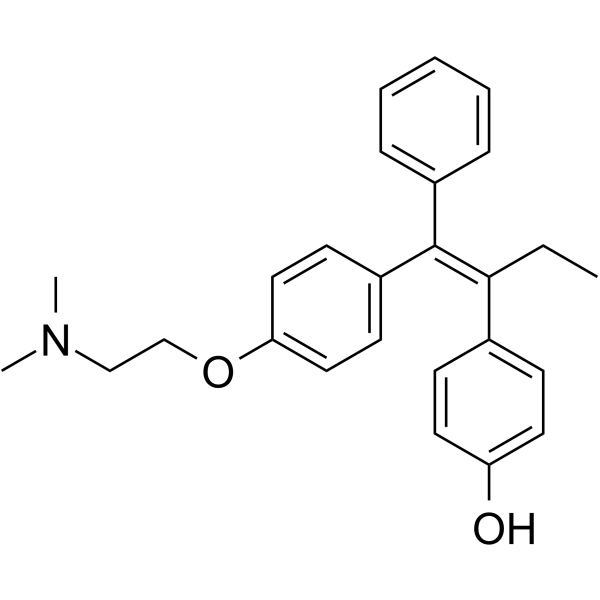
4'-Hydroxytamoxifen is a metabolite of Tamoxifen. 4'-Hydroxytamoxifen shows higher affinity for the ER than Tamoxifen. 4'-Hydroxytamoxifen induces a non-apoptotic cytotoxic effect in human endometrial adenocarcinoma cells .
|
-
-
- HY-173703
-
|
|
Topoisomerase
Drug Intermediate
|
Cancer
|
|
β-Glu-PAB(CH2NH2)-Exatecan (Compound 9a) is a topoisomerase I inhibitor. β-Glu-PAB(CH2NH2)-Exatecan binds to the topoisomerase I-DNA complex to prevent DNA strand reconnection, thereby inducing DNA breakage and cell apoptosis. β-Glu-PAB(CH2NH2)-Exatecan can be specifically cleaved by β-glucuronidase highly expressed in the tumor microenvironment to release Exatecan for cytotoxic effect. β-Glu-PAB(CH2NH2)-Exatecan is also an intermediate of Mal((3S,3aR,6S,6aR) -hexahydrofuro [3, 2-B]furan-3,6-diamine-PEG12)-β -Glu-Pab-Exatecan. β-Glu-PAB(CH2NH2)-Exatecan is promising for research of cancers .
|
-

-
- HY-B1878S
-
|
|
Fungal
|
Infection
|
|
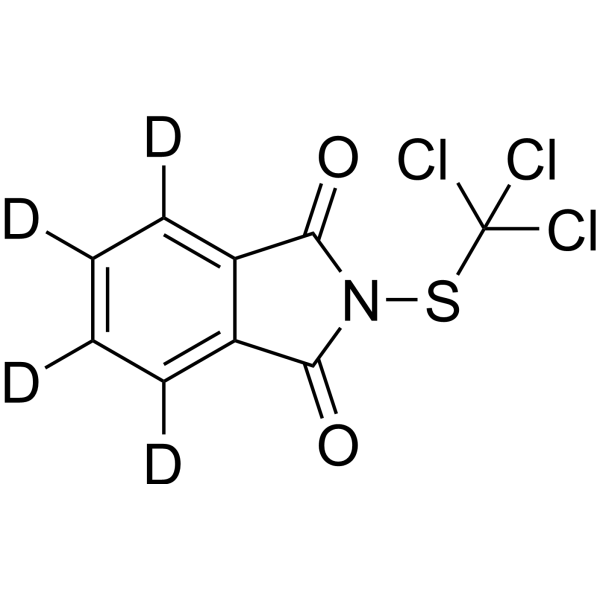
Faltan-d4 is the deuterium labeled Faltan . Faltan is a dicarboximide fungicide, widely used on vines and several vegetable crops, and is also cytotoxic effect on human bronchial epithelial cells .
|
-
-
- HY-N10890
-
|
|
Others
|
Cancer
|
|
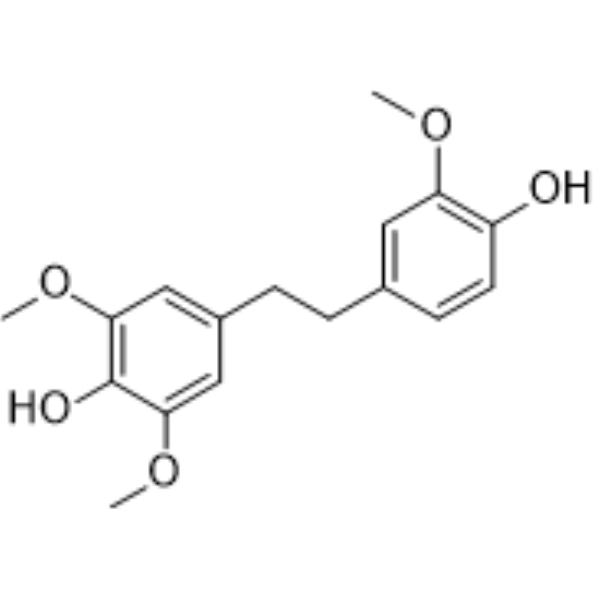
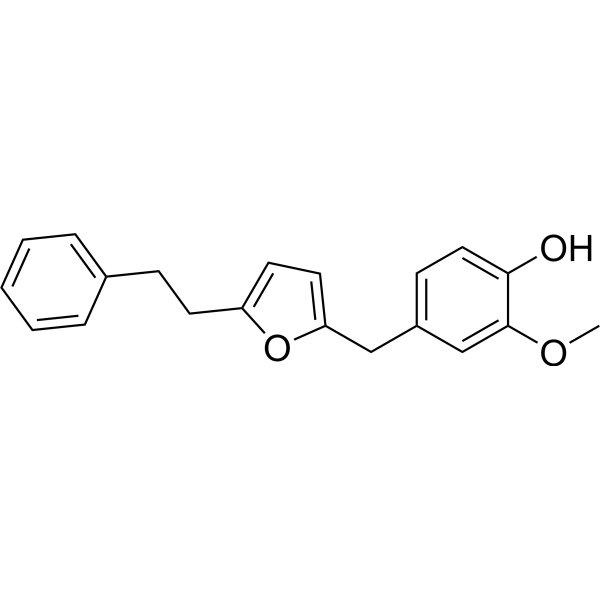
Alpinoid D, a diarylheptanoid, can be isolated from the MeOH extract from the rhizomes of Alpinia officinarum Hance. Alpinoid D shows cytotoxic effect against IMR-32 human neuroblastoma cell line .
|
-
-
- HY-N10789
-
|
|
Others
|
Cancer
|
|
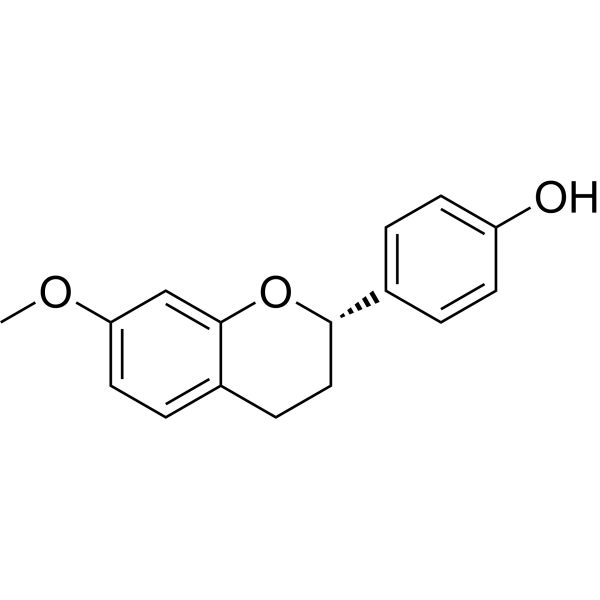
(2S)-4'-Hydroxy-7-methoxyflavan is a Flavan. Flavan (4′-hydroxy-7-methoxyflavan) showed an important cytotoxic effect on human leukemic Molt 4 cells .
|
-
-
- HY-N2892
-
|
Aristololactam A IIIa; Sch 546909
|
DYRK
|
Cardiovascular Disease
Cancer
|
|
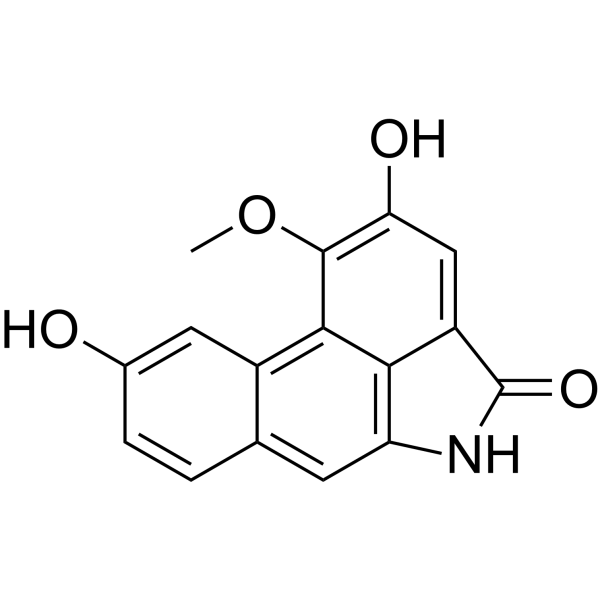
Aristolactam A IIIa (Sch 546909) is an aristolactam-type alkaloid that can be isolated from Glycosmis chlorosperma. Aristolactam A IIIa is a DYRK1A Inhibitor. Aristolactam A IIIa inhibits platelet aggregation induced by arachidonic acid (AA), collagen and platelet-activating factor (PAF). Aristolactam A IIIa has strong cytotoxic effect on HeLa cells .
|
-
-
- HY-143466
-
|
|
FAK
ULK
AMPK
Apoptosis
Autophagy
|
Cancer
|
|
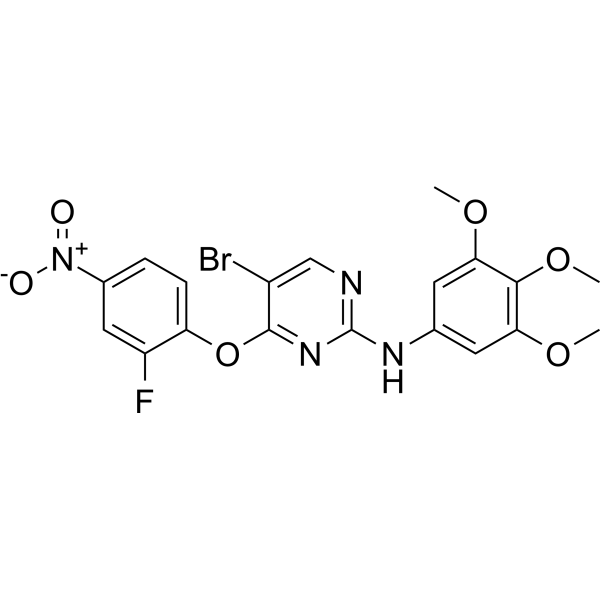
ULK1-IN-2 (compound 3s) is a potent ULK1 inhibitor. ULK1-IN-2 shows highest cytotoxic effect against cancer cell lines, with IC50 of 1.94 μM in A549. ULK1-IN-2 can induce apoptosis and simultaneously block autophagy, and can be used to study NSCLC (Non-small cell lung cancer) .
|
-
-
- HY-130612
-
|
|
Epigenetic Reader Domain
PROTACs
|
Cancer
|
|
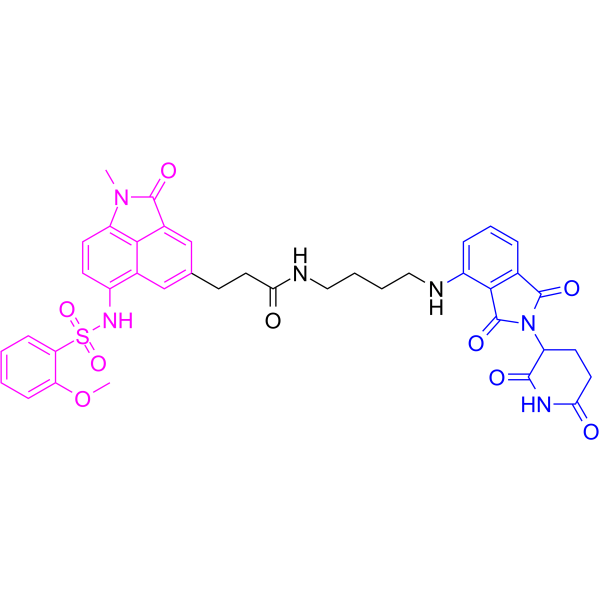
PROTAC BRD2/BRD4 degrader-1 (compound 15) is a potent and selective BET protein BRD4 and BRD2 degrader, connected by ligands for Cereblon and BET. PROTAC BRD2/BRD4 degrader-1 rapidly induces reversible, long-lasting, and unexpectedly selective removal of BRD4 and BRD2 over BRD3. It effectively inhibits solid tumors with low cytotoxic effect. PROTAC BRD2/BRD4 degrader-1 is composed of the BET inhibitor, a linker, and the ligand thalidomide for cereblon (CRBN)/cullin 4A .
|
-
-
- HY-N8718
-
|
|
Others
|
Others
|
|
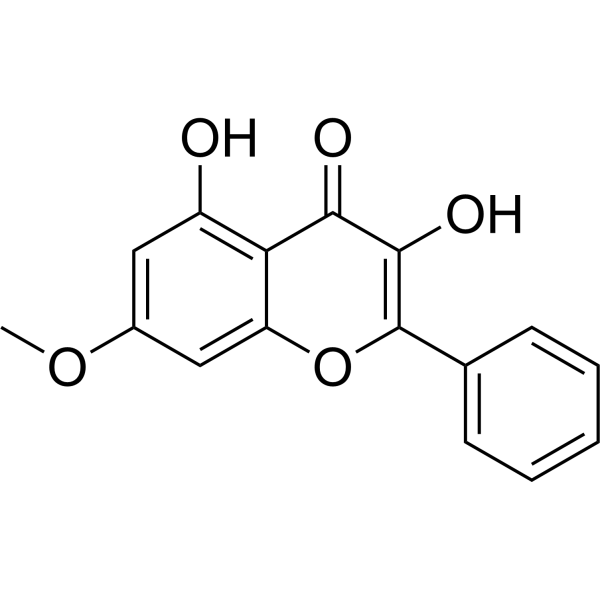
Izalpinin is a dihydrochalcone with cytotoxic effect against cancer cell lines. Izalpinin can be isolated from the leaves of Muntingia calabura .
|
-
-
- HY-N6842
-
|
|
Others
|
Infection
Cancer
|
|
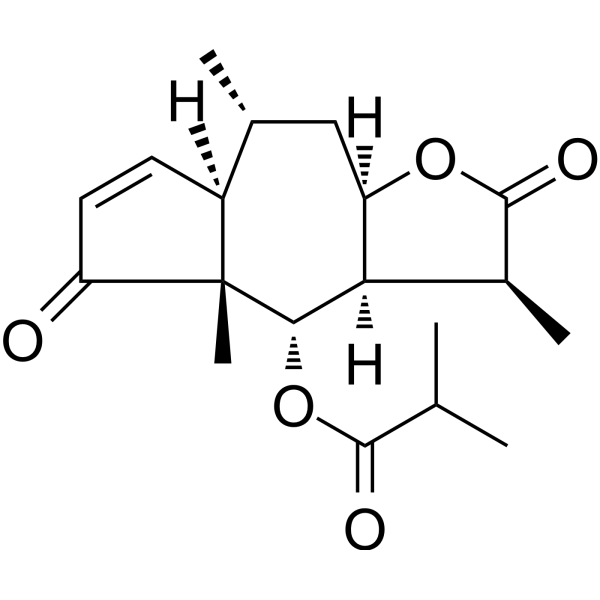
ArnicolideC is a sesquiterpene lactone isolated Centipeda minima . ArnicolideC exertes a cytotoxic effect on the panel of Nasopharyngeal carcinoma (NPC) cells, significantly inhibiting cell growth in a dose- and time- dependent manner. ArnicolideC also exhibits inhibitory effects on NPC proliferation .
|
-
-
- HY-149914
-
|
|
Androgen Receptor
|
Cancer
|
|
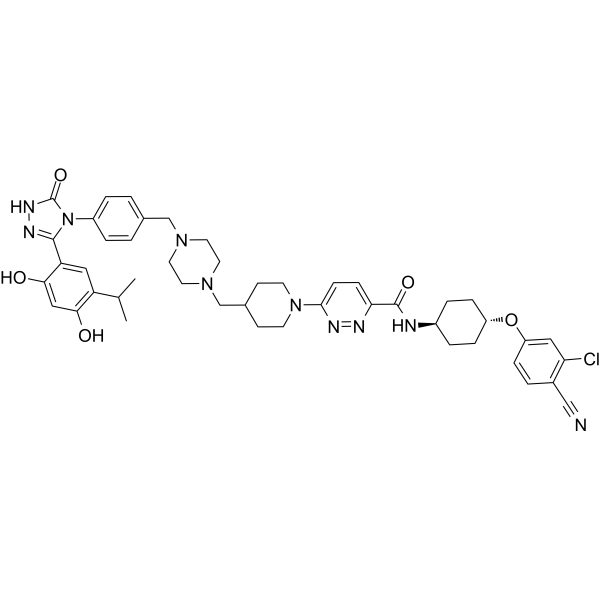
WCA-814 is an androgen receptor (AR) antagonist-Hsp90 inhibitor conjugate. WCA-814 induces the degradation of full-length and AR-V7. WCA-814 has cytotoxic effect in prostatic cancer cells (IC50: 171.2 nM, 26.5 nM for LNCaP, 22Rv1 cell) .
|
-
-
- HY-176282
-
|
|
CDK
PI3K
|
Cancer
|
|
CDK8-IN-19 (Compound 3d) is a CDK8 inhibitor with an IC50 of 25.08 nM. CDK8-IN-19 has a broad-spectrum anticancer activity, such as leukemia, melanoma and breast cancer, without significant cytotoxic effect on the normal Vero cells (mean IC50s of 2.87, 3.65, 3.79 and 45.48 μM, respectively) .
|
-

-
- HY-176281
-
|
|
PI3K
CDK
|
Cancer
|
|
PI3Kα-IN-26 (Compound 11e) is a PI3Kα inhibitor with an IC50 of 75.31 nM. PI3Kα-IN-26 has a broad-spectrum anticancer activity, such as leukemia, colon and breast cancer, without significant cytotoxic effect on the normal Vero cells (mean IC50s of 2.74, 3.50, 3.34 and 85.29 μM, respectively) .
|
-

-
- HY-P10993
-
|
|
Bcl-2 Family
|
Cancer
|
|
CT20p is an anticancer peptide based on the C hydrophobic terminus of Bax. CT20p has a unique cytotoxic effect independent of full-length Bax, and can act on mitochondria, leading to fusion-like aggregation and mitochondrial membrane hyperpolarization. CT20p can reduce α5β1 integrin levels and inhibit F-actin polymerization, thereby destroying the cytoskeleton and preventing cell attachment. CT20p can be used in the study of breast cancer .
|
-

-
- HY-W129441
-
|
N-Ac-4-S-CAP
|
DNA/RNA Synthesis
Tyrosinase
Thymidylate Synthase
|
Others
|
|
N-Acetyl-4-S-mercaptoaminophenol (N-Ac-4-S-CAP) is a compound that is selectively cytotoxic to melanocytes of black mouse hair follicles. It can cause 98% depigmentation of black mouse hair follicles. N-Ac-4-S-CAP can produce visible changes in hair follicle melanocytes 4 hours after intraperitoneal injection, including aggregation of melanin granules and nuclear condensation. Electron microscopy observations showed that it caused progressive destruction of melanocytes, including swelling of membranous organelles, nuclear condensation, and cytoplasmic vacuolation, ultimately leading to complete cell necrosis. N-Ac-4-S-CAP has a specific cytotoxic effect on melanocytes that actively produce eumelanin, but may not affect precursor or dormant melanocytes. These properties suggest that N-Ac-4-S-CAP may have potential application value in the treatment of melanoma or skin whitening.
|
-

-
- HY-168183
-
|
|
Apoptosis
|
Cancer
|
|
MG28 exhibits a remarkable cytotoxic effect, which is the likely consequence of its direct and intense DNA damaging activity. MG28 can be used for the research of cancer .
|
-

-
- HY-137200
-
|
|
Drug Metabolite
|
Cancer
|
|
N-Desmethyl Bendamustine is a metabolite of Bendamustine (HY-13567). N-Desmethyl Bendamustine has cytotoxic effect in several lymphoma cell lines and peripheral blood lymphocytes .
|
-

-
- HY-N10071
-
|
|
Others
|
Cancer
|
|
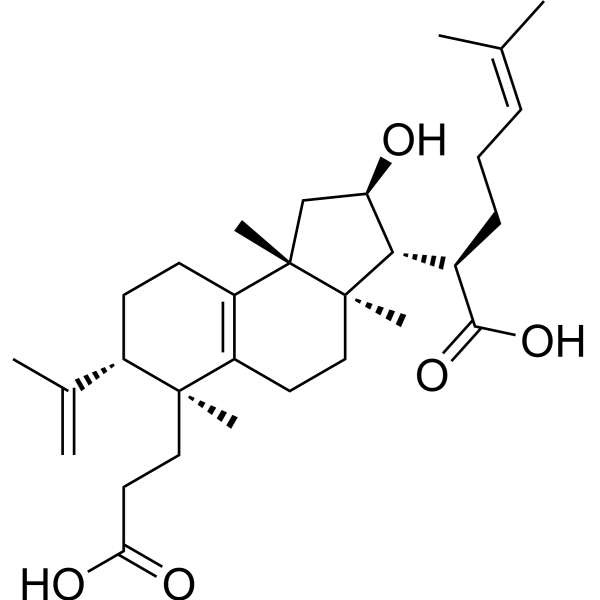
Poricoic acid G is a triterpenoid that can be isolated from Poria cocos. Poricoic acid G has a significant cytotoxic effect on leukemia cells and is a potential potent anti-leukemic compound in humans .
|
-
-
- HY-N12469
-
|
|
Others
|
Others
|
|
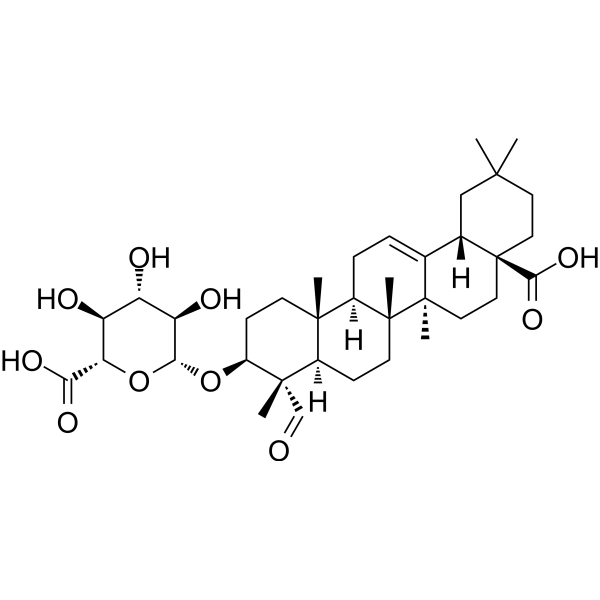
Gypsogenin 3-O-glucuronide is a glucuronide that can be isolated from Gypsophila. Gypsogenin 3-O-glucuronide has cytotoxic effect on THP-1 cells .
|
-
-
- HY-N1272
-
|
|
Endogenous Metabolite
|
Others
|
|
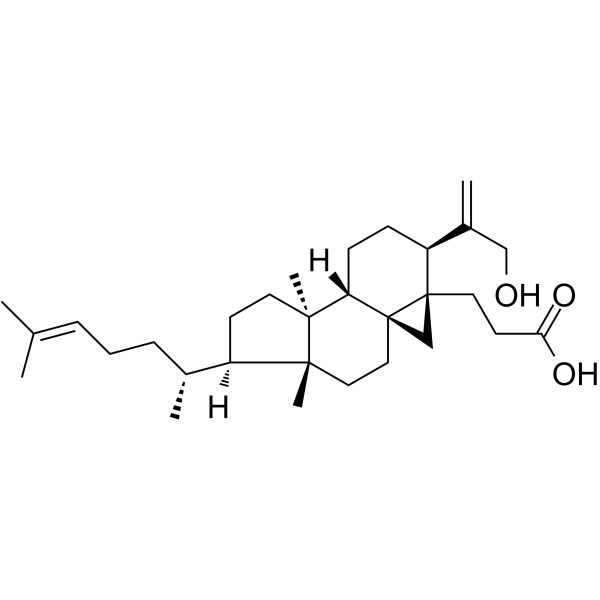
Secaubryenol is a class of 3,4-secocycloartane triterpenes isolated from Coussarea macrophylla. Secaubryenol does not display any cytotoxic effect at a dose of 10 μg/mL .
|
-
-
- HY-N10417
-
|
|
Apoptosis
Autophagy
|
Cancer
|
|
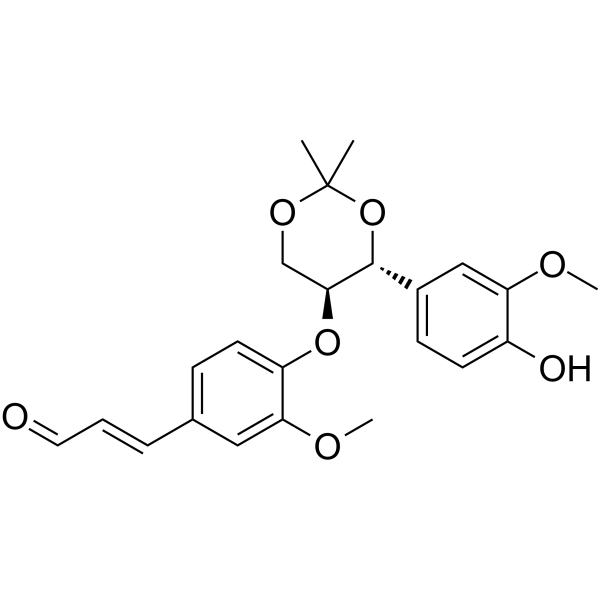
Apoptosis inducer 5 (compound 1b) is a lignan enantiomer that can be found in Crataegus pinnatifida. Apoptosis inducer 5 exhibits cytotoxic effect via apoptosis and autophagy in Hep3B cells .
|
-
-
- HY-B1878R
-
|
|
Reference Standards
Fungal
|
Infection
|
|
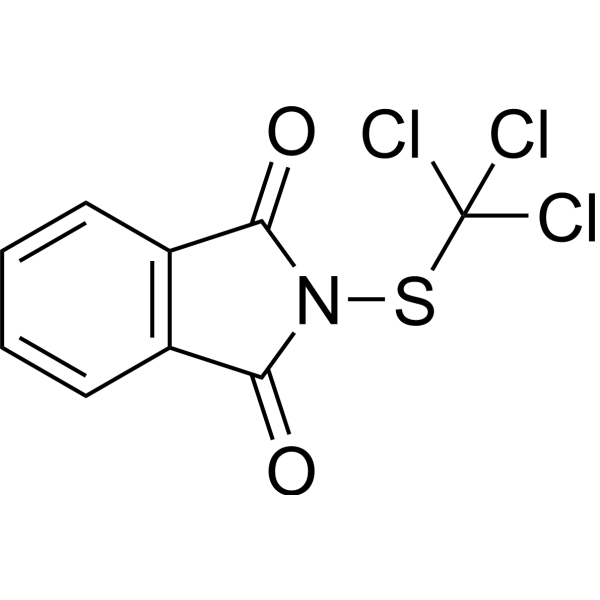
Faltan (Standard) is the analytical standard of Faltan. This product is intended for research and analytical applications. Faltan is a dicarboximide fungicide, widely used on vines and several vegetable crops, and is also cytotoxic effect on human bronchial epithelial cells .
|
-
-
- HY-N14370
-
|
|
Antibiotic
Bacterial
|
Infection
Cancer
|
|
Menoxymycin A is an antibiotic. Menoxymycin A has a cytotoxic effect. Menoxymycin A inhibits KB and N18-RE-105 cells with IC50s of 0.86 μM and 0.14 μM .
|
-

-
- HY-149996
-
|
|
Pim
|
Cancer
|
|
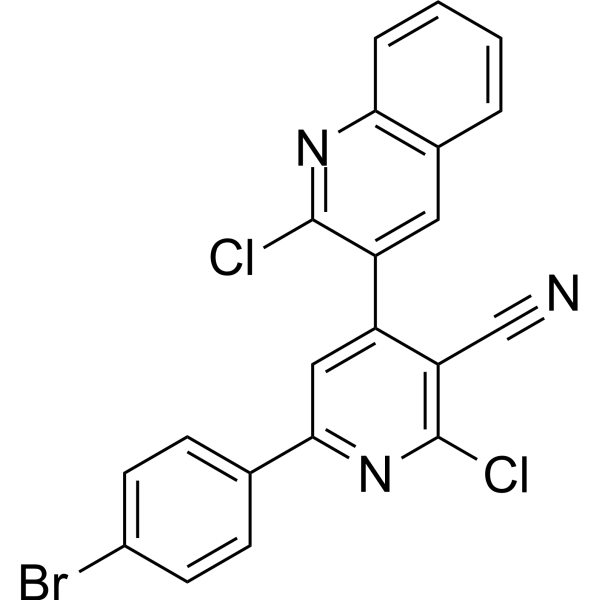
Pim-1 kinase inhibitor 6 (Compound 4d) is a potent Pim-1 kinase inhibitor with IC50 value of 0.46 μM, and has significant cytotoxic effect on cancer cells .
|
-
-
- HY-151236
-
|
|
Bacterial
|
Infection
|
|
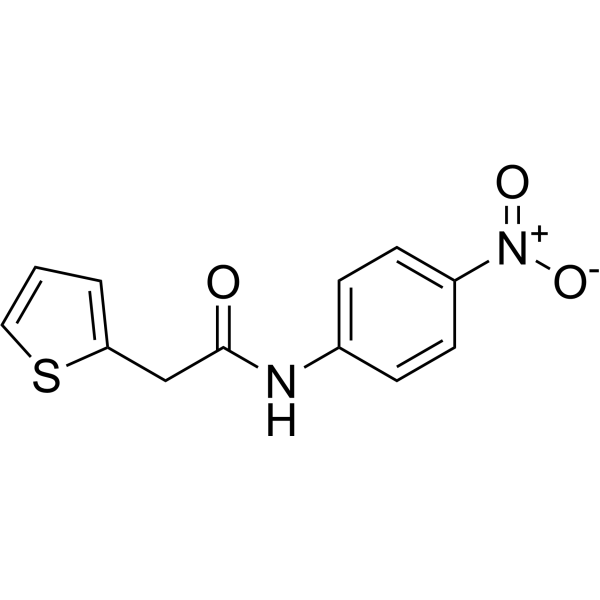
Antitubercular agent-30 is an antibacterial agent against Mycobacterium tuberculosis (MIC=50 μg/mL). Antitubercular agent-30 has little cytotoxic effect on murine macrophage cells (LD85=~100 μg/mL) .
|
-
-
- HY-N14496
-
|
|
Bacterial
|
Infection
Cancer
|
|
Nisamycin has stronger anti-Gram-positive bacteria and weaker anti-fungal and individual Gram-negative bacteria activities. Nisamycin has weak cytotoxic effect. The IC50 of mouse leukemia P388 cells is 4.8 μg/mL .
|
-

-
- HY-146197
-
|
|
Apoptosis
|
Cancer
|
|
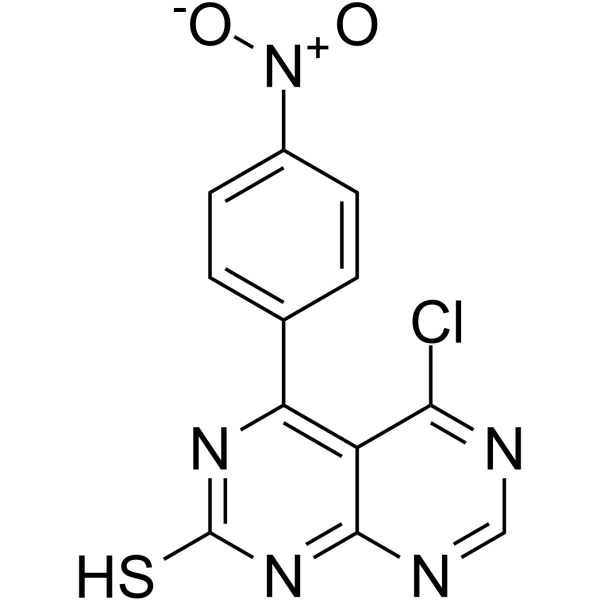
Apoptotic agent-1 (Compound 8a) is an apoptotic agent with high antiproliferative activity against cancer cells and low cytotoxic effect. Apoptotic agent-1 induces over-expression of Fas receptor and Cyto C genes .
|
-
-
- HY-N14371
-
|
|
Antibiotic
Bacterial
|
Infection
Cancer
|
|
Menoxymycin B is an antibiotic. Menoxymycin B has a cytotoxic effect. Menoxymycin B inhibits KB and N18-RE-105 cells with IC50s of 0.22 μM and 0.023 μM .
|
-

-
- HY-10079A
-
|
GMX1778 (nicotinate)
|
NAMPT
Apoptosis
|
Cancer
|
|
CHS-828 nicotinate is a competitive inhibitor of nicotinamide phosphoribosyltransferase (NAMPT), with an IC50 less than 25 nM. CHS-828 nicotinate (GMX1778) exerts a cytotoxic effect by decreasing the cellular level of NAD + and exhibits a potent anticancer activity .
|
-

-
- HY-W020044S1
-
|
|
Ferroptosis
|
Others
|
|
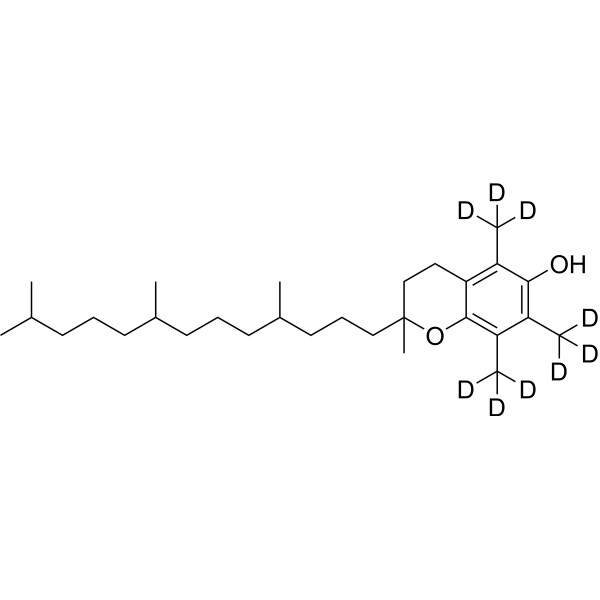
DL-alpha-Tocopherol-d9 is the deuterium labeled DL-alpha-Tocopherol . DL-alpha-Tocopherol is a synthetic vitamin E, with antioxidation effect. DL-alpha-Tocopherol protects human skin fibroblasts against the cytotoxic effect of UVB .
|
-
-
- HY-W020044S
-
|
|
Isotope-Labeled Compounds
Ferroptosis
|
Others
|
|
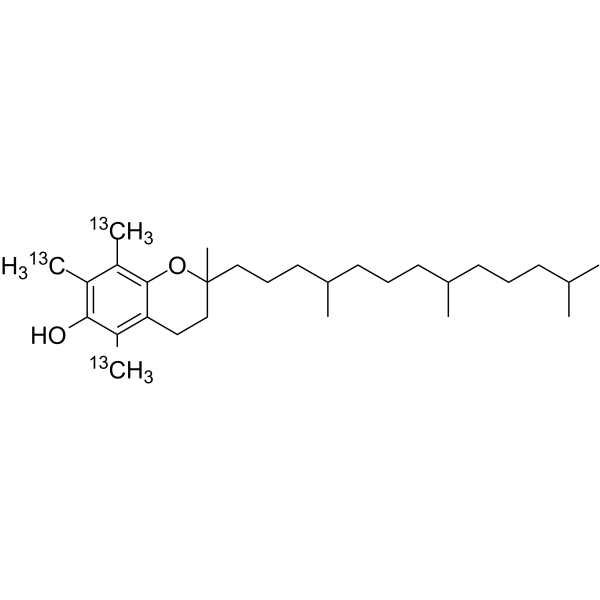
DL-alpha-Tocopherol- 13C3 is the 13C-labeled DL-alpha-Tocopherol. DL-alpha-Tocopherol is a synthetic vitamin E, with antioxidation effect. DL-alpha-Tocopherol protects human skin fibroblasts against the cytotoxic effect of UVB .
|
-
-
- HY-157168
-
|
|
Trk Receptor
|
Neurological Disease
|
|
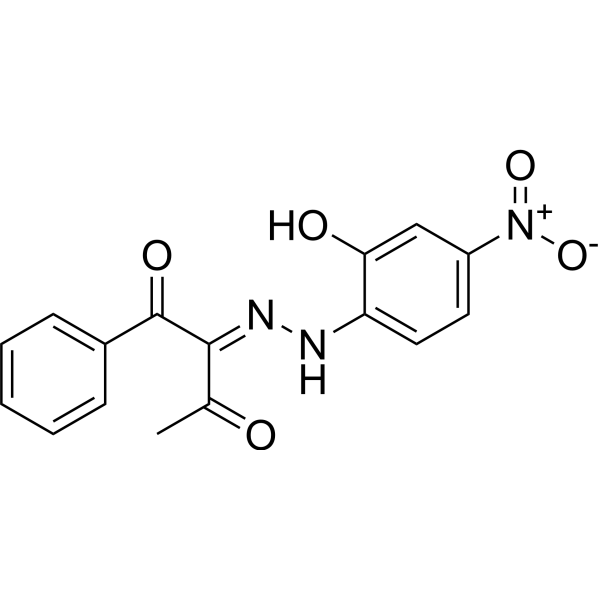
TrkA-IN-6 (compound R48) is a hydrazone-like, selective inhibitor of tropomyosin kinase type A receptor kinase (TrkA). TrkA-IN-6 exhibited a higher cytotoxic effect on U87 GBM cells than Temozolomide (HY-17364), with an IC50 of 68.99 μM .
|
-
-
- HY-143435
-
|
|
Apoptosis
|
Cancer
|
|
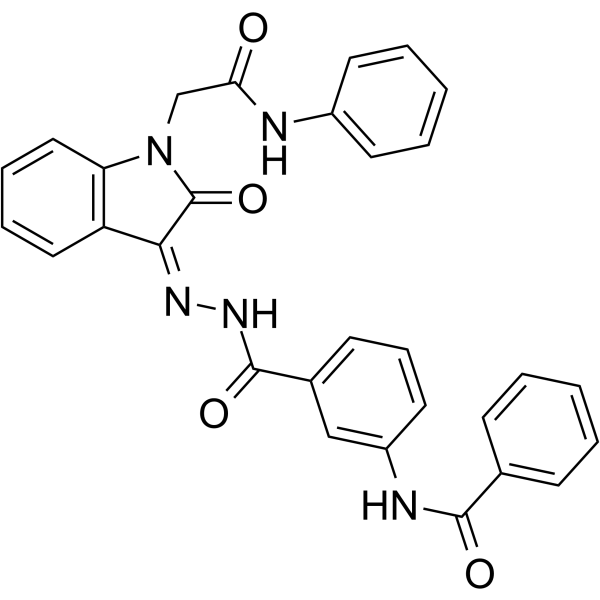
AG6033 is a potential novel CRBN modulator. AG6033 suppresses various tumor cells by modulating the interactions between CRBN and various antitumor target proteins. AG6033 can cause GSPT1 and IKZF1 degradation. AG6033 induces CRBN-dependent cytotoxic effect .
|
-
-
- HY-155014
-
|
|
SARS-CoV
|
Infection
|
|
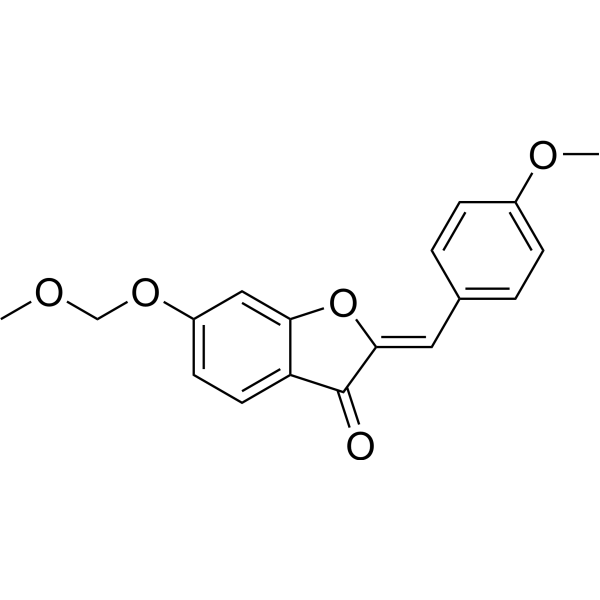
SARS-CoV-2-IN-44, a inhibitor of SARS-CoV-2, inhibits viral replication, with an EC50 of 0.6μM. SARS-CoV-2-IN-44 has no evident cytotoxic effect in Calu-3 cells and can be used for antiviral research .
|
-
-
- HY-155015
-
|
|
SARS-CoV
|
Infection
|
|
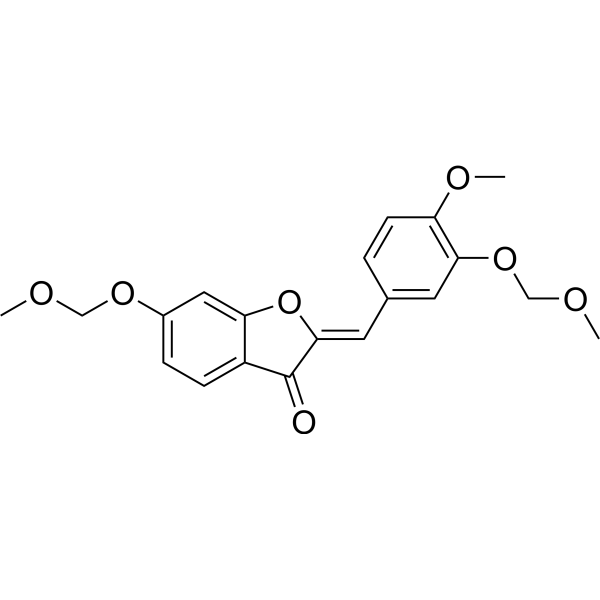
SARS-CoV-2-IN-45 (Compound 8p) is a SARS-CoV-2 inhibitor. SARS-CoV-2-IN-45 inhibits SARS-CoV-2 replication in Calu-3 cell with an EC50 of 0.5 μM, and has no evident cytotoxic effect .
|
-
- HY-124414R
-
|
|
Reference Standards
Estrogen Receptor/ERR
Drug Metabolite
|
Cancer
|
|
4'-Hydroxytamoxifen (Standard) is the analytical standard of 4'-Hydroxytamoxifen. This product is intended for research and analytical applications. 4'-Hydroxytamoxifen is a metabolite of Tamoxifen. 4'-Hydroxytamoxifen shows higher affinity for the ER than Tamoxifen. 4'-Hydroxytamoxifen induces a non-apoptotic cytotoxic effect in human endometrial adenocarcinoma cells .
|
-

- HY-106072
-
|
LY 104208
|
Microtubule/Tubulin
|
Cancer
|
|
Vinzolidine is a semisynthetic derivative of the catharanthus alkaloid. Vinzolidine exerts its cytotoxic effect on tumor cells by interfering with microtubulin polymerization, thereby inhibiting cell division. Vinzolidine can be utilized in research to investigate synergistic effects when combined with other chemotherapeutic agents or biologic therapies, as well as to study cancer cells' tolerance or resistance to these treatments, and to explore approaches to overcome such obstacles .
|
-

- HY-10079R
-
|
GMX1778 (Standard)
|
Reference Standards
NAMPT
Apoptosis
|
Cancer
|
|
CHS-828 (Standard) is the analytical standard of CHS-828. This product is intended for research and analytical applications. CHS-828 (GMX1778) is a competitive inhibitor of nicotinamide phosphoribosyltransferase (NAMPT), with an IC50 less than 25 nM. CHS-828 (GMX1778) exerts a cytotoxic effect by decreasing the cellular level of NAD+ and exhibits a potent anticancer activity .
|
-

- HY-N2741
-
|
|
Bcl-2 Family
|
Cancer
|
|
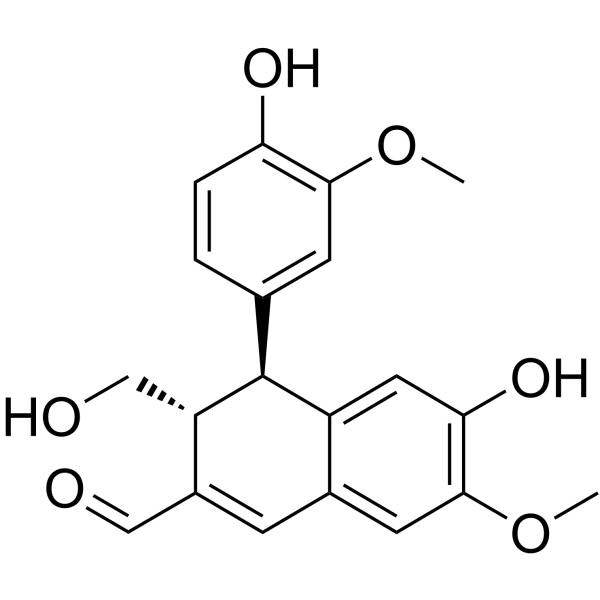
Vitexin B-1 is an inhibitor of Bcl-2 and the agonist of Caspase. Vitexin B-1 has cytotoxic effect and induces apoptosis in MCF-7, ZR-75-1, MDA-MB-231, and COC1 cells with IC50s of 3.2, 2.1, 1.8 and 0.39 μM, respectively .
|
-
- HY-155382
-
|
|
Monocarboxylate Transporter
|
Others
Cancer
|
|
Lactate transportor 1 (compound 1) is an active lactate transporter in living cells. Lactate transportor 1 displays the cytotoxic effect, with IC50 values of 3.36, 3.27,5.58 and 7.66 μM in Hela, CAL27, MCF7 and MCF10A, respectively. Lactate transportor 1 has an additive effect with Cisplatin (HY-17394) observed in HeLa cells .
|
-
- HY-P1474
-
|
Amyloid β-Protein (22-35)
|
Amyloid-β
|
Neurological Disease
|
|
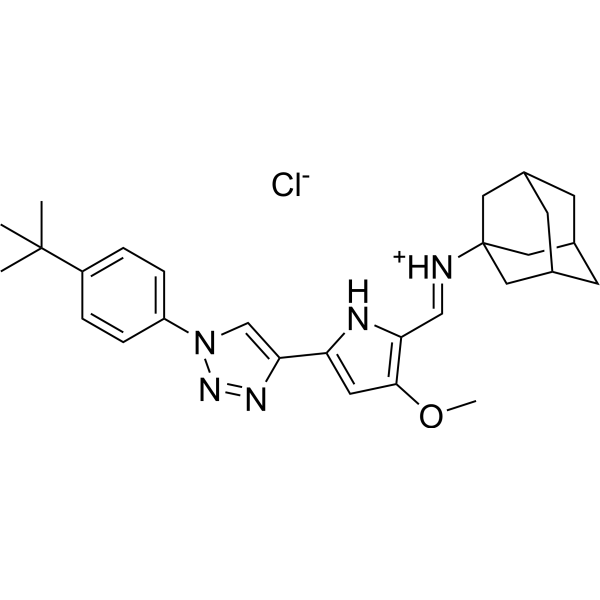
β-Amyloid 22-35 (Amyloid β-Protein 22-35), the residues 22-35 fragment ofβ-amyloid protein, has a cytotoxic effect on cultured neurons from the rat hippocampus in serum-free medium. β-Amyloid 22-35 forms aggregates and typical amyloid fibrils resembling those of the β-amyloid protein in neutral buffer solution) .
|
-

- HY-P1474A
-
|
Amyloid β-Protein (22-35) TFA
|
Amyloid-β
|
Neurological Disease
|
|
β-Amyloid 22-35 (Amyloid β-Protein 22-35) TFA, the residues 22-35 fragment ofβ-amyloid protein, has a cytotoxic effect on cultured neurons from the rat hippocampus in serum-free medium. β-Amyloid 22-35 TFA forms aggregates and typical amyloid fibrils resembling those of the β-amyloid protein in neutral buffer solution) .
|
-

- HY-151295
-
|
|
DNA/RNA Synthesis
|
Cancer
|
|
Antitumor agent-75 is a novel potent antitumor agent. Antitumor agent-75 has cytotoxic effects on cancer and normal human cell lines. Antitumor agent-75 shows a highly selective cytotoxic effect against human lung adenocarcinoma (cell line A549) when combined with Antitumor agent-74 (HY-151292), the IC50 value of 2.8 μM. Antitumor agent-75 can be used for the research of cancer .
|
-
- HY-123525
-
|
|
GABA Receptor
|
Neurological Disease
|
|
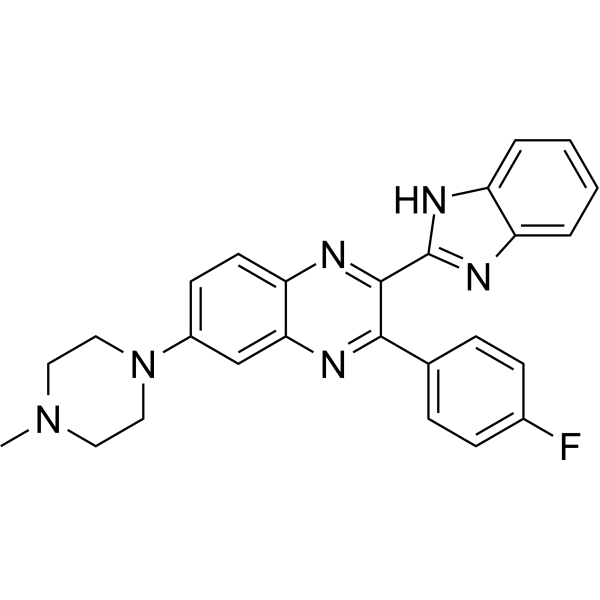
COR628 is a positive allosteric modulator of GABA(B) receptors with the activity of enhancing GABA-induced GTPγS stimulation. COR628 showed significant activity in in vitro studies but did not exhibit endogenous agonist activity. COR628 has shown efficacy in experiments in mice by enhancing the sedation/hypnosis induced by baclofen, shortening the onset time and extending the duration of loss of righting reflex when combined with non-sedating doses of baclofen . The cytotoxic effect of COR628 is comparable to or higher than that of GS39783 or BHF177 in concentration .
|
-

- HY-121642
-
|
|
Others
|
Others
|
|
SL-017 is a novel photoacoustic sensitizer and a derivative of photofrin B. It can be taken up by cells to the maximum extent within 30 minutes and is mainly localized in mitochondria. After being activated by visible light or ultrasound, SL-017 can significantly increase the production of reactive oxygen species (ROS). Low concentrations of SL-017 can rapidly cause the loss of mitochondrial membrane potential. SL-017 can also cause mitochondrial fragmentation, a process that occurs after the loss of membrane potential. Epoxyeicosatrienoic acids (EETs) can alleviate the loss of mitochondrial membrane potential caused by SL-017, but the antioxidant ascorbic acid has no such effect. These characteristics indicate that SL-017 mainly targets mitochondria and exerts its cytotoxic effect by triggering the collapse of mitochondrial membrane potential, generating ROS, and causing mitochondrial fragmentation. As a novel photoacoustic sensitizer, SL-017 has potential application value in photodynamic therapy and sonodynamic therapy.
|
-

- HY-N18378
-
|
|
Others
|
Cancer
|
|
Altissimacoumarin K is a terpenylated coumarin. Altissimacoumarin K can be isolated from the root bark of Ailanthus altissima (Mill.) Swingle. Altissimacoumarin K exhibits no significant cytotoxic effect against hepatoma cells .
|
-

- HY-Y0590
-
|
|
Environmental Pollutants
Reactive Oxygen Species (ROS)
Glutathione Reductase (GR)
|
Inflammation/Immunology
|
|
Copper (I) oxide is an oxidative stress inducer and cytotoxic agent. Copper (I) oxide causes dose-dependent decrease in the viability of airway epithelial cells by impairing the activities of catalase and glutathione reductase, generating reactive oxygen species, and increasing the levels of 8-isoprostane and the ratio of oxidized glutathione. However, when combined with Resveratrol (HY-16561), the cytotoxic effect induced by Copper (I) oxide is significantly attenuated, and oxidative damage is effectively alleviated .
|
-

- HY-107831R
-
|
|
Reference Standards
Others
|
Inflammation/Immunology
Cancer
|
|
5-Acetylsalicylic acid (Standard) is the analytical standard of 5-Acetylsalicylic acid (HY-107831). This product is intended for research and analytical applications. 5-Acetylsalicylic acid is the derivate of Aspirin (HY-14654), with anti-inflammatory property. 5-Acetylsalicylic acid is the active metabolite of Sulfasalazine (HY-14655) and its production is regulated by beneficial bacteria in the gut but is confined to the intestinal tract. 5-Acetylsalicylic acid exhibits a mild cytotoxicity effect on B16F10 cells. 5-Acetylsalicylic acid can be used for the study of inflammatory bowel disease (IBD) such as ulcerative colitis (UC) .
|
-

- HY-170515A
-
|
|
E1/E2/E3 Enzyme
SARS-CoV
|
Infection
Neurological Disease
Cancer
|
|
(E),(Z)-RNF5 agonist 1 (Compound Analog-1) is a RNF5 agonist that can enhance the ubiquitination and degradation of SARS-CoV-2 E protein by RNF5. (E),(Z)-RNF5 agonist 1 effectively inhibits the replication of SARS-CoV-2 and significantly alleviates pulmonary pathological damage and systemic inflammatory response in mouse infection models. (E),(Z)-RNF5 agonist 1 has a strong cytotoxic effect on neuroblastoma and melanoma. (E),(Z)-RNF5 agonist 1 can be used for research on anti-cancer and anti-viral purposes .
|
-

- HY-N9541
-
|
|
Others
|
Inflammation/Immunology
|
|
Chaetoglobosin Vb is a novel cytotoxic alkaloid with anti-inflammatory and antioxidant activities. Chaetoglobosin Vb can inhibit oxidative stress induced by LPS stimulation, reduce the production of reactive oxygen species and increase the expression of the antioxidant enzyme superoxide dismutase (SOD). Chaetoglobosin Vb significantly reduced the gene and protein expression of inducible nitric oxide synthase (iNOS) and cyclooxygenase-2 (COX-2) induced by LPS, and alleviated the production of proinflammatory cytokines such as TNF-α, IL-6 and IL-1β. Chaetoglobosin Vb exerts its biological activity through the TLR4-mediated MyD88-dependent signaling pathway and the TRIF-dependent signaling pathway, which is specifically manifested by inhibiting the phosphorylation of p38, ERK, and JNK MAPK and the translocation of NF-κB p65 subunit to the nucleus. Chaetoglobosin Vb showed no cytotoxic effect in the concentration range of 25-100 μM and promoted SOD enzyme activity and phosphorylation of p38, ERK1/2 and JNK in a dose-dependent manner .
|
-

| Cat. No. |
Product Name |
Type |
-
- HY-401424
-
|
Polyoxyethylene(36) Castor Oil; PEG-36 Castor Oil
|
Biochemical Assay Reagents
|
|
Cremophor EL-36 is a non-ionic surfactant, mainly used as a solubilizing carrier for poorly soluble Paclitaxel (HY-B0015). For example, Cremophor EL-36 can enhance the intracellular influx of Etoposide (HY-13629) without affecting drug efflux, and can dose-dependently increase the accumulation of VP-16 in lung adenocarcinoma cells (such as PC-14 and A549), significantly enhancing its cytotoxic effect .
|
| Cat. No. |
Product Name |
Target |
Research Area |
-
- HY-P1388
-
|
Amyloid β-peptide (1-42) (rat/mouse)
|
Amyloid-β
|
Neurological Disease
|
|
β-Amyloid (1-42), (rat/mouse) is a 42-aa peptide, shows cytotoxic effect on acute hippocampal slices, and used in the research of Alzheimer's disease.
|
-
- HY-P1388A
-
|
Amyloid β-peptide (1-42) (rat/mouse) TFA
|
Amyloid-β
|
Neurological Disease
|
|
β-Amyloid (1-42), (rat/mouse) TFA is a 42-aa peptide, shows cytotoxic effect on acute hippocampal slices, and used in the research of Alzheimer's disease.
|
-
- HY-P10993
-
|
|
Bcl-2 Family
|
Cancer
|
|
CT20p is an anticancer peptide based on the C hydrophobic terminus of Bax. CT20p has a unique cytotoxic effect independent of full-length Bax, and can act on mitochondria, leading to fusion-like aggregation and mitochondrial membrane hyperpolarization. CT20p can reduce α5β1 integrin levels and inhibit F-actin polymerization, thereby destroying the cytoskeleton and preventing cell attachment. CT20p can be used in the study of breast cancer .
|
-
- HY-P1474
-
|
Amyloid β-Protein (22-35)
|
Amyloid-β
|
Neurological Disease
|
|
β-Amyloid 22-35 (Amyloid β-Protein 22-35), the residues 22-35 fragment ofβ-amyloid protein, has a cytotoxic effect on cultured neurons from the rat hippocampus in serum-free medium. β-Amyloid 22-35 forms aggregates and typical amyloid fibrils resembling those of the β-amyloid protein in neutral buffer solution) .
|
-
- HY-P1474A
-
|
Amyloid β-Protein (22-35) TFA
|
Amyloid-β
|
Neurological Disease
|
|
β-Amyloid 22-35 (Amyloid β-Protein 22-35) TFA, the residues 22-35 fragment ofβ-amyloid protein, has a cytotoxic effect on cultured neurons from the rat hippocampus in serum-free medium. β-Amyloid 22-35 TFA forms aggregates and typical amyloid fibrils resembling those of the β-amyloid protein in neutral buffer solution) .
|
| Cat. No. |
Product Name |
Category |
Target |
Chemical Structure |
| Cat. No. |
Product Name |
Chemical Structure |
-
- HY-B1878S
-
|
|
|
Faltan-d4 is the deuterium labeled Faltan . Faltan is a dicarboximide fungicide, widely used on vines and several vegetable crops, and is also cytotoxic effect on human bronchial epithelial cells .
|
-
-
- HY-W020044S1
-
|
|
|
DL-alpha-Tocopherol-d9 is the deuterium labeled DL-alpha-Tocopherol . DL-alpha-Tocopherol is a synthetic vitamin E, with antioxidation effect. DL-alpha-Tocopherol protects human skin fibroblasts against the cytotoxic effect of UVB .
|
-
-
- HY-W020044S
-
|
|
|
DL-alpha-Tocopherol- 13C3 is the 13C-labeled DL-alpha-Tocopherol. DL-alpha-Tocopherol is a synthetic vitamin E, with antioxidation effect. DL-alpha-Tocopherol protects human skin fibroblasts against the cytotoxic effect of UVB .
|
-
Your information is safe with us. * Required Fields.
Inquiry Information
- Product Name:
- Cat. No.:
- Quantity:
- MCE Japan Authorized Agent:








