1. Search Result
Search Result
Results for "

free+fatty+acid+receptor

" in MedChemExpress (MCE) Product Catalog:

78

Inhibitors & Agonists

53

Peptides

4

Natural
Products

5

Isotope-Labeled Compounds

1

Antibodies

Cat. No. Product Name Target Research Areas Chemical Structure
  • HY-P0014
    Liraglutide
    Maximum Cited Publications
    38 Publications Verification

    GCGR GLP Receptor Metabolic Disease Cancer
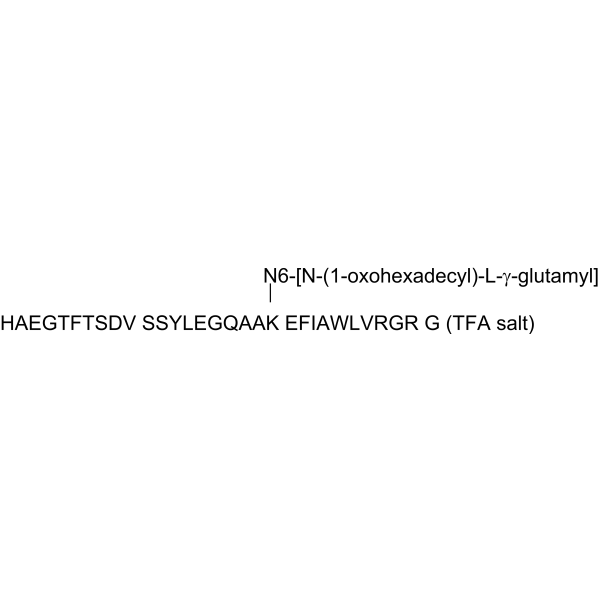
    Liraglutide is a glucagon-like peptide-1 (GLP-1) receptor agonist used clinically to treat type 2 diabetes mellitus.
    Liraglutide
  • HY-P3462
    Cagrilintide
    3 Publications Verification

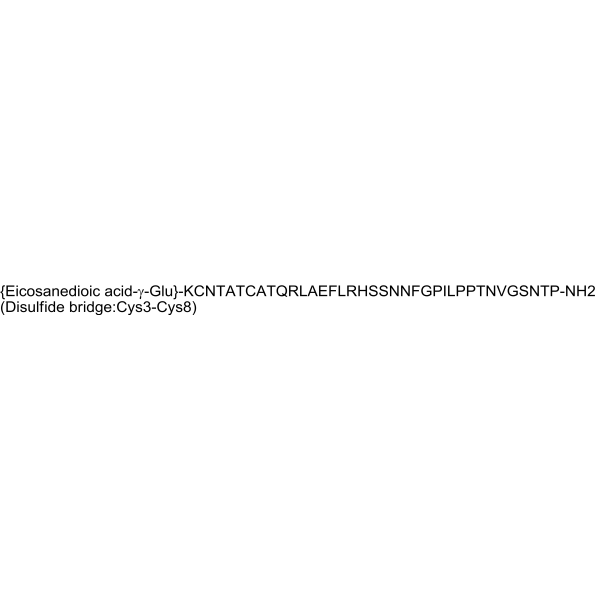
    CGRP Receptor Metabolic Disease
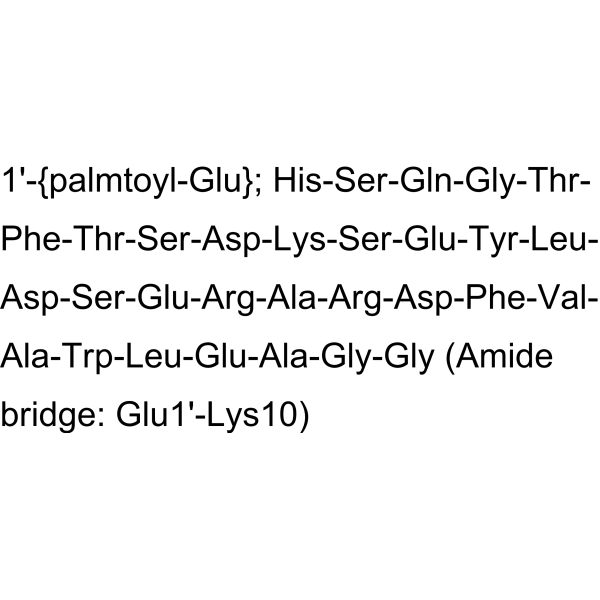
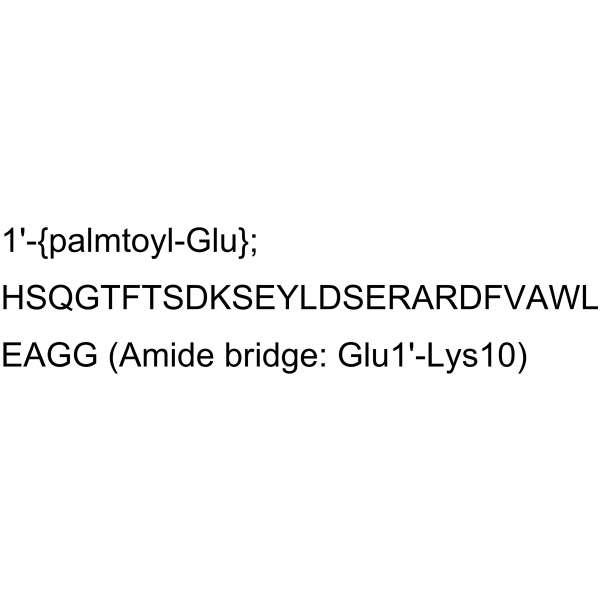
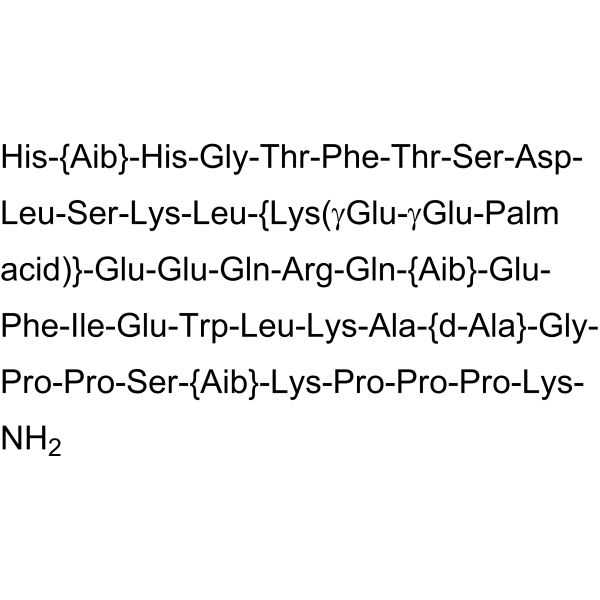
    Cagrilintide is an investigational novel long-acting acylated amylin analogue, acts as nonselective amylin receptors (AMYR) and calcitonin G protein-coupled receptor (CTR) agonist. Cagrilintide induces significant weight loss and reduces food intake. Cagrilintide has the potential for the research of obesity .
    Cagrilintide
  • HY-12940
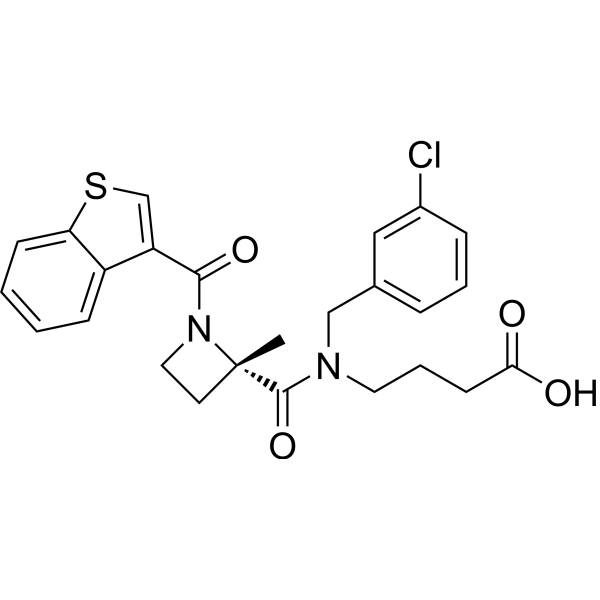
    GLPG0974
    15+ Cited Publications

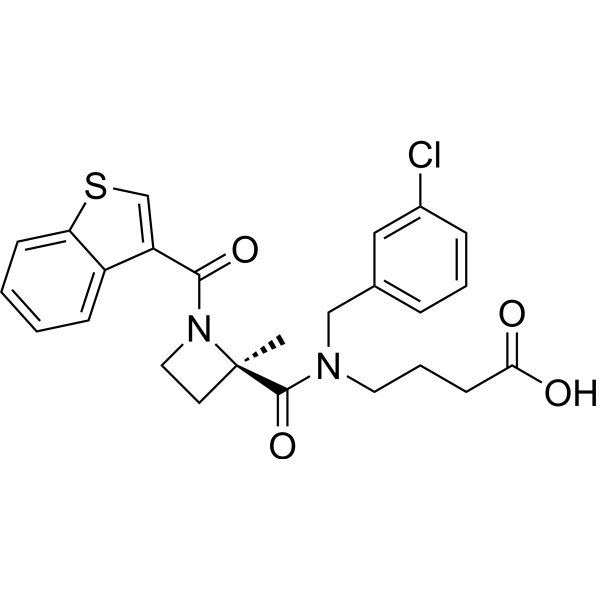
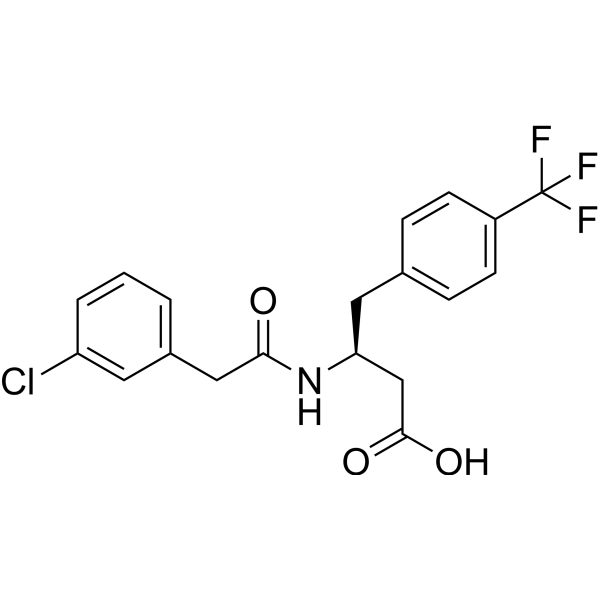
    Free Fatty Acid Receptor Metabolic Disease
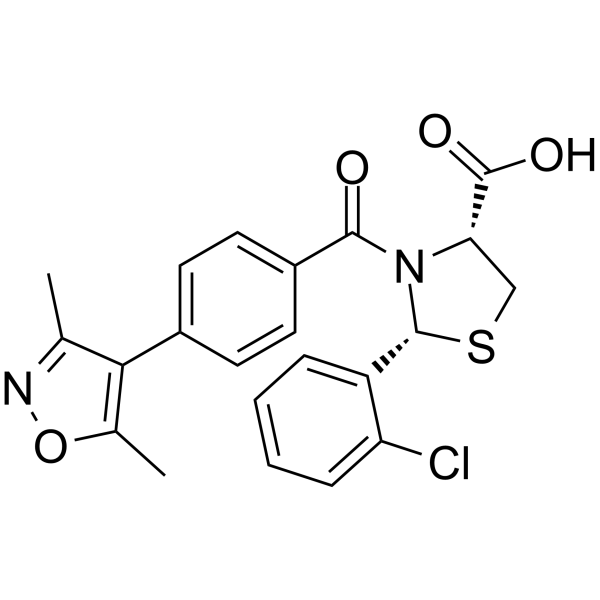
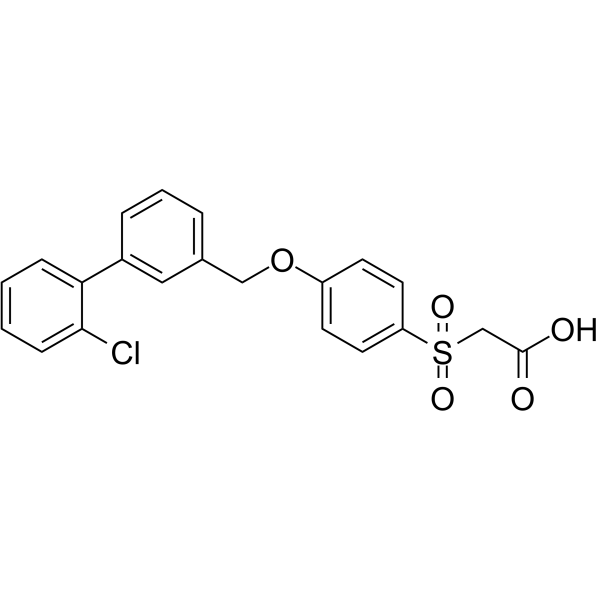
    GLPG0974 is a free fatty acid receptor-2 (FFA2/GPR43) antagonist with an IC50 of 9 nM.
    GLPG0974
  • HY-P3462A
    Cagrilintide acetate
    3 Publications Verification

    CGRP Receptor Metabolic Disease
    Cagrilintide acetate is a non-selective AMYR/CTR agonist and long-acting acylated amylase analogue. Cagrilintide acetate causes a reduction in food intake and significant weight loss in a dose-dependent manner. Cagrilintide acetate can be used in obesity studies .
    Cagrilintide acetate
  • HY-W040127
    Peonidin 3-O-glucoside chloride
    1 Publications Verification

    Insulin Receptor Metabolic Disease
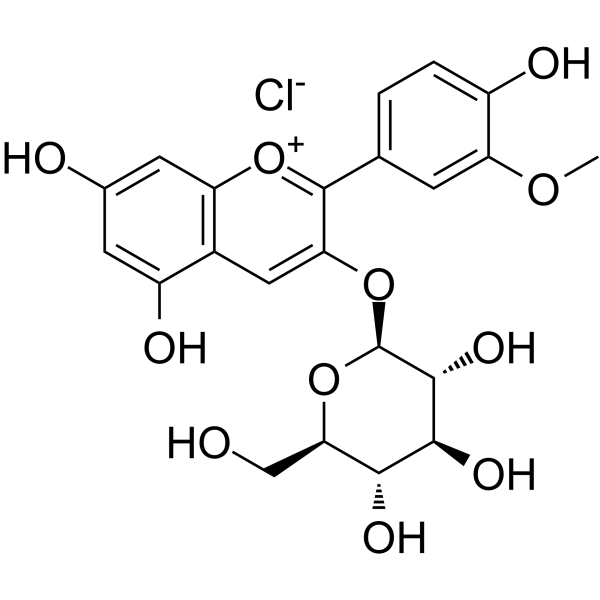
    Peonidin 3-O-glucoside chloride is an agonist of the free fatty acid receptor FFAR1 and Glucokinase. Peonidin 3-O-glucoside chloride enhances insulin secretion of pancreatic beta cells and increases glucose uptake by liver cells. Peonidin 3-O-glucoside chloride activates FFAR1, promotes the phosphorylation of related proteins in the insulin secretion pathway, and increases the expression of FFAR1. In liver cells, Peonidin 3-O-glucoside chloride activates GK and regulates proteins associated with carbohydrate metabolism. Peonidin 3-O-glucoside chloride can be used in diabetes research .
    Peonidin 3-O-glucoside chloride
  • HY-P1125
    4-CMTB
    5+ Cited Publications

    Free Fatty Acid Receptor Others
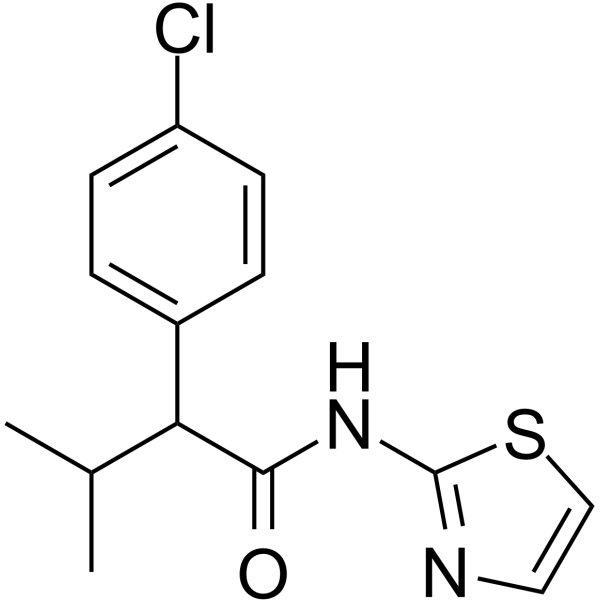
    4-CMTB is a selective free fatty acid receptor 2 (FFA2/GPR43) agonist and a positive allosteric modulator (pEC50=6.38) .
    4-CMTB
  • HY-P10272

    PTG-300

    Ferroportin Others
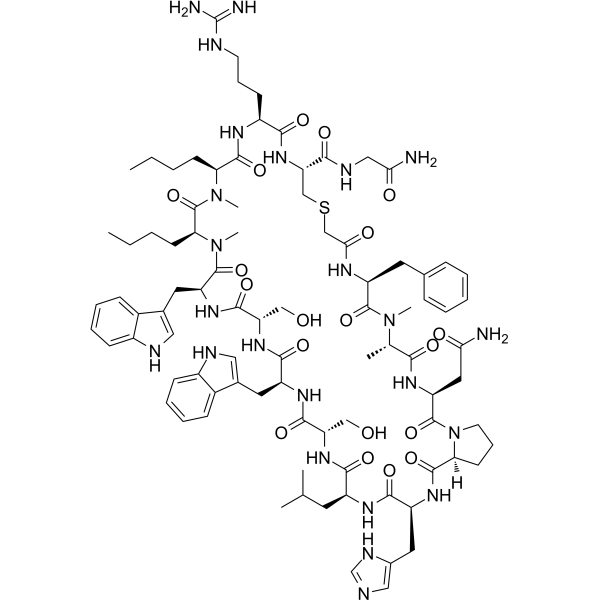
    Rusfertide is a peptide mimetic of natural hepcidin, which targets and degrades ferroportin, reduces serum iron and transferrin-saturation, and thus regulates the production of red blood cells. Rusfertide ameliorates the polycythemia vera, β-thalassemia and hereditary hemochromatosis .
    Rusfertide
  • HY-112813
    TUG-1375
    4 Publications Verification

    Free Fatty Acid Receptor Metabolic Disease
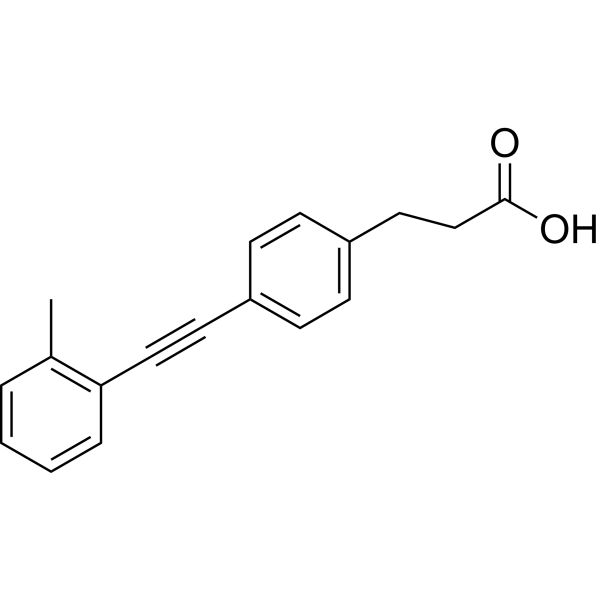
    TUG-1375 is an agonist of free fatty acid receptor 2 (FFA2/GPR43), with a pKi of 6.69. TUG-1375 is inactive on FFA3, FFA4, PPARα, PPARγ, PPARδ, LXRα or LXRβ .
    TUG-1375
  • HY-116522
    AR420626
    4 Publications Verification

    Free Fatty Acid Receptor Histone Methyltransferase HDAC mTOR CaMK p38 MAPK Epigenetic Reader Domain GLUT nAChR TNF Receptor Metabolic Disease Inflammation/Immunology Cancer
    AR420626 is a selective agonist of free fatty acid receptor 3 (FFAR3) (IC50=117 nM). AR420626 has anti-inflammatory, anticancer and antidiabetic activities. AR420626 improves neurogenic diarrhea by inhibiting nAChR mediated neural pathways. AR420626 inhibits the growth of HepG2 xenografts and inhibits the proliferation of hepatoma cells by inducing apoptosis. AR420626 also suppresses allergic asthma and eczema and has the ability to activate GPR41 to increase Ca 2+ signal-mediated glucose uptake and improve diabetes .
    AR420626
  • HY-P2231
    Cotadutide
    1 Publications Verification

    MEDI0382

    GCGR Metabolic Disease
    Cotadutide (MEDI0382) is a potent dual agonist of glucagon-like peptide-1 (GLP-1) and GCGR with EC50 values of 6.9 pM and 10.2 pM, respectively. Cotadutide exhibits ability to facilitate both weight loss and glycaemic control, and alleviate fibrosis. Cotadutide can be used in the research of obesity and type 2 diabetes (T2D) .
    Cotadutide
  • HY-P2231A
    Cotadutide acetate
    1 Publications Verification

    MEDI0382 acetate

    GCGR Metabolic Disease
    Cotadutide (MEDI0382) acetate is a potent dual agonist of glucagon-like peptide-1 (GLP-1) and GCGR with EC50 values of 6.9 pM and 10.2 pM, respectively. Cotadutide acetate exhibits ability to facilitate both weight loss and glycaemic control, and alleviate fibrosis. Cotadutide acetate can be used in the research of obesity and type 2 diabetes (T2D) .
    Cotadutide acetate
  • HY-124571

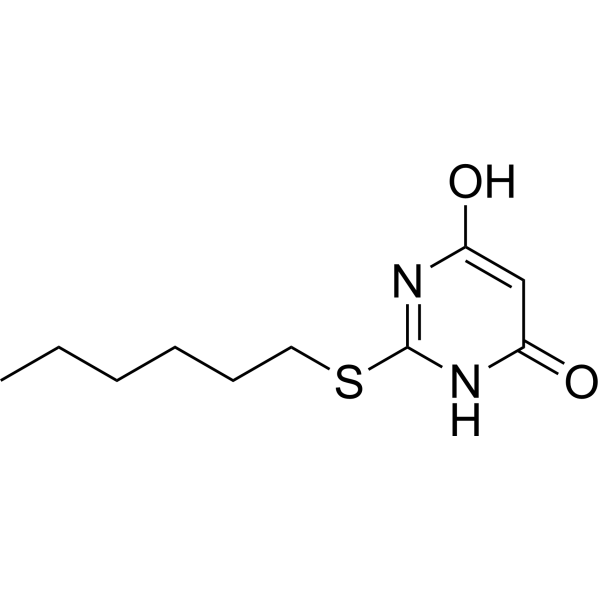
    GPR84 Inflammation/Immunology
    ZQ-16 is a potent and selective GPR84 agonist with an EC50 value of 0.213 μM. ZQ-16 has no activity on the other free fatty acid receptors (FFARs), including GPR40, GPR41, GPR119 and GPR120 .
    ZQ-16
  • HY-123297

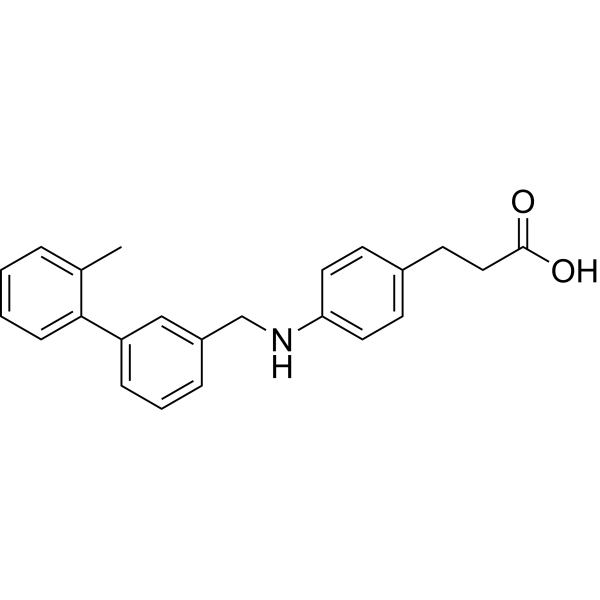
    Free Fatty Acid Receptor Metabolic Disease
    TUG-469 is a selective free fatty acid receptor 1 (FFA1/GPR40) agonist with an EC50 value of 19 nM. TUG-469 is >200-fold selective for FFA1 over FFA4. TUG-469 significantly improves glucose tolerance in pre-diabetic mice. TUG-469 can be used for the research of diabetes .
    TUG-469
  • HY-19995
    GSK137647A
    1 Publications Verification

    GSK 137647

    Free Fatty Acid Receptor Metabolic Disease
    GSK137647A (GSK 137647) is a potent, selective free fatty acid receptor 4 (FFA4) agonist with pEC50 values of 6.3, 6.2, and 6.1 for human, mouse and rat FFA4, and pEC50 values < 4.5 for all three species for FFA1, FFA2, and FFA3, respectively. GSK137647A has anti-inflammatory activity. GSK137647A induces insulin secretion and inhibits epithelial ion transport, GSK137647A is related to regulation of glucose homeostasis and anti-inflammatory response .
    GSK137647A
  • HY-W009081

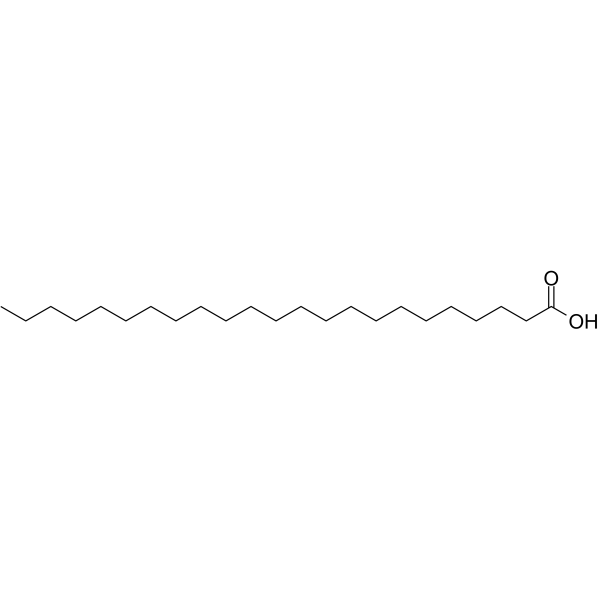
    Free Fatty Acid Receptor Neurological Disease
    Tricosanoic acid is an endogenous agonist of long-chain saturated fatty acids and free fatty acid receptor FFAR1, which can activate hair growth. Tricosanoic acid (C23:0) has the activity of improving cognitive function by regulating neuronal membrane fluidity, inhibiting neuroinflammatory response, participating in myelination and neuronal energy metabolism. Tricosanoic acid expression levels are low in the prefrontal cortex of Alzheimer's disease (AD) models; while better cognitive performance corresponds to higher serum concentration levels. Tricosanoic acid can be used as a biomarker for diseases related to cognitive decline .
    Tricosanoic acid
  • HY-P3291
    Dapiglutide
    1 Publications Verification

    ZP7570

    GCGR Metabolic Disease
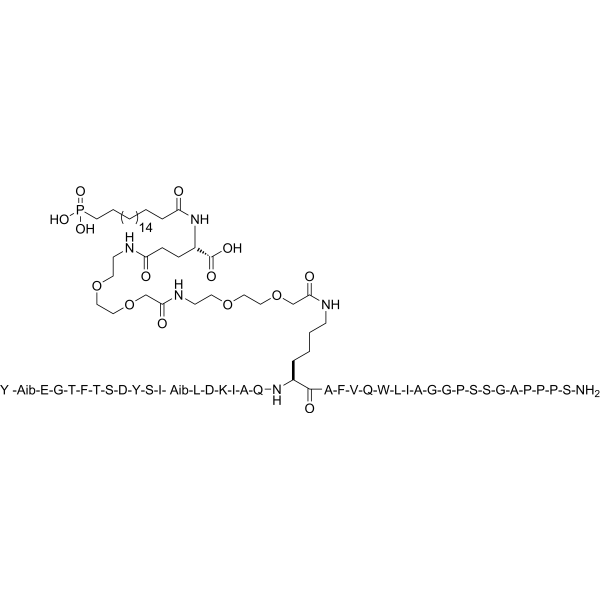
    Dapiglutide (ZP7570) is a long-acting glucagon-like peptide-1 receptor 1R (GLP-1R)/Glucagon-like peptide-2 receptor (GLP-2R) dual agonist. Dapiglutide alleviates intestinal dysfunction in a mouse short bowel model and has anti-obesity effects .
    Dapiglutide
  • HY-116263
    CATPB
    2 Publications Verification

    Free Fatty Acid Receptor Metabolic Disease
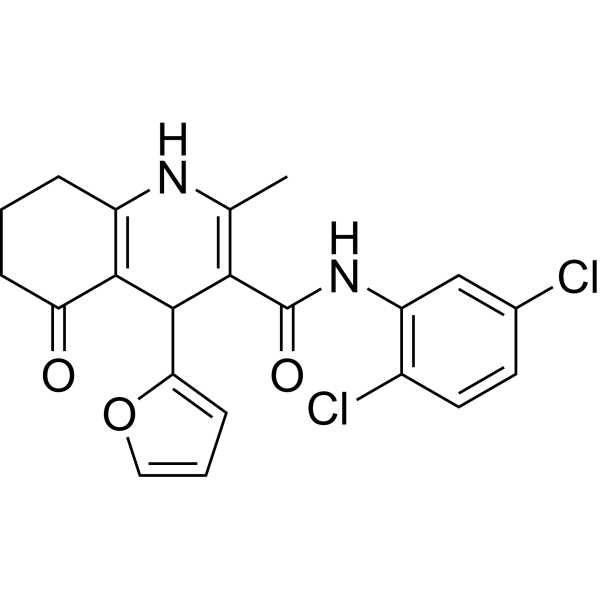
    CATPB is a potent, selective free fatty acid receptor 2 (FFA2R/GPR43) antagonist .
    CATPB
  • HY-148418

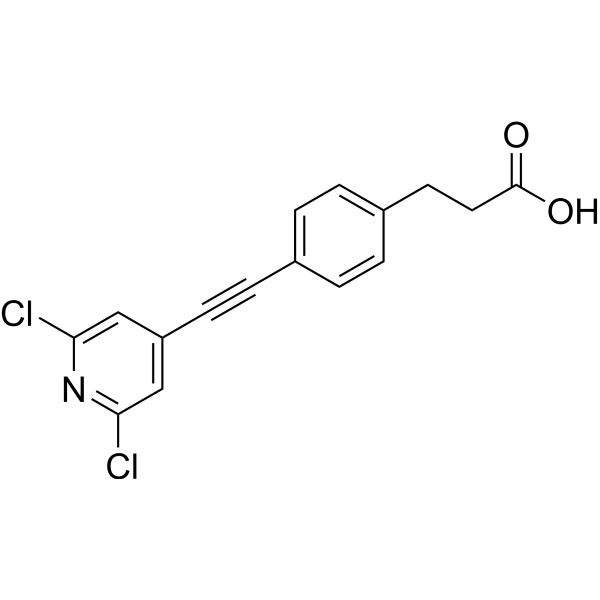
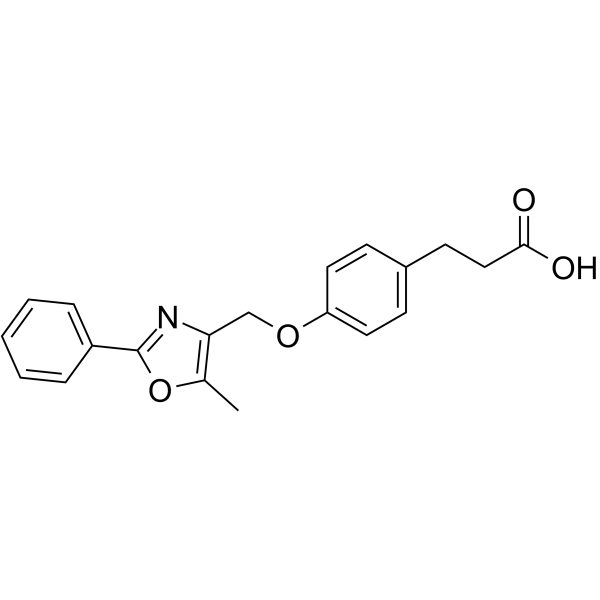
    Free Fatty Acid Receptor Metabolic Disease
    TUG-499 is a selective free fatty acid receptor 1 (FFAR1 or GPR40) (Free Fatty Acid Receptor) agonist with a pEC50 of 7.39. TUG-499 exhibits >100-fold selectivity over the related receptors FFA2, FFA3, and the nuclear receptor PPARγ and other diverse receptors, ion channels, and transporters. TUG-499 can be used for the research of type 2 diabetes . TUG-499 is a click chemistry reagent, it contains an Alkyne group and can undergo copper-catalyzed azide-alkyne cycloaddition (CuAAc) with molecules containing Azide groups.
    TUG-499
  • HY-P10218
    MANS peptide
    1 Publications Verification

    MARCKS PKC Inflammation/Immunology Cancer
    MANS peptide is an inhibitor for myristoylated alanine-rich C kinase substrate (MARCKS), which competes with MARCKS in cells for membrane binding, and thus inhibits the stimulation of mucin secretion and tumor metastasis .
    MANS peptide
  • HY-P0014S1

    Isotope-Labeled Compounds GLP Receptor GCGR Others
    Liraglutide- 13C6, 15 tetraTFA is the 13C and 15N labeled Liraglutide (HY-P0014) . Liraglutide is a glucagon-like peptide-1 (GLP-1) receptor agonist used for the study of type 2 diabetes mellitus .
    Liraglutide-13C5,15N tetraTFA
  • HY-P10271

    NNC0090-2746; MAR709; RO6811135

    GLP Receptor Metabolic Disease
    RG7697 is a dual agonist for glucagon-like peptide receptor (GLP Receptor) and glucosedependent insulinotropic polypeptide receptor (GIPR), with EC50 of 5 and 3 pM, respectively. RG7697 exhibits antihyperglycemic property .
    RG7697
  • HY-P10031

    GLP Receptor GCGR Metabolic Disease
    SAR441255 is a GLP-1R/GCGR/GIPR agonist, with human EC50 values of 1.03 pM, 1.01 pM, and 0.73 pM, respectively. SAR441255 stimulates receptor activity and drives cAMP accumulation. SAR441255 can be used for the research of type 2 diabetes, obesity .
    SAR441255
  • HY-103083

    Free Fatty Acid Receptor Metabolic Disease
    GPR40 agonist 4 is a potent free fatty acid receptor 1 (FFA1/ GPR40) agonist with a pEC50 of 7.54.
    GPR40 agonist 4
  • HY-14363

    Free Fatty Acid Receptor Metabolic Disease
    TUG-424 is a potent and selective free fatty acid receptor 1 (FFA1/GPR40) agonist with an EC50 of 32 nM. TUG-424 significantly increases glucose-stimulated insulin secretion at 100 nM. TUG-424 may serve to explore the role of FFA1 in metabolic diseases such as diabetes or obesity . TUG-424 is a click chemistry reagent, it contains an Alkyne group and can undergo copper-catalyzed azide-alkyne cycloaddition (CuAAc) with molecules containing Azide groups.
    TUG-424
  • HY-P10218A
    MANS peptide TFA
    1 Publications Verification

    MARCKS PKC Inflammation/Immunology Cancer
    MANS peptide TFA is the TFA salt form of MANS peptide (HY-P10218). MANS peptide TFA is an inhibitor for myristoylated alanine-rich C kinase substrate (MARCKS), which competes with MARCKS in cells for membrane binding, and thus inhibits the stimulation of mucin secretion and tumor metastasis .
    MANS peptide TFA
  • HY-P0014B
    Liraglutide TFA
    Maximum Cited Publications
    38 Publications Verification

    GLP Receptor Metabolic Disease
    Liraglutide (TFA) is an agonist of glucagon-like peptide 1 receptor (GLP-1). Liraglutide (TFA) can activate GLP-1, leading to the release of insulin in the presence of increased glucose concentration. Liraglutide (TFA) also reduces glucagon secretion in a glucose-dependent manner. Liraglutide (TFA) can be studied in research on type 2 diabetes .
    Liraglutide TFA
  • HY-P3143

    PD-1/PD-L1 Cancer
    BMSpep-57 is a potent and competitive macrocyclic peptide inhibitor of PD-1/PD-L1 interaction with an IC50 of 7.68 nM. BMSpep-57 binds to PD-L1 with Kds of 19 nM and 19.88 nM in MST and SPR assays, respectively. BMSpep-57 facilitates T cell function by in creasing IL-2 production in PBMCs .
    BMSpep-57
  • HY-P11273

    OK 101

    Chemerin Receptor Neurological Disease Inflammation/Immunology
    Urcosimod (OK 101) is a lipid-coupled chemokine peptide, a ChemR23 G protein-coupled receptor agonist, which has been shown to have anti-inflammatory and analgesic activities. Urcosimod can be used for dry eye research .
    Urcosimod
  • HY-153476A

    GLP Receptor GCGR Inflammation/Immunology
    GIP/GLP-1 dual receptor agonist-1 sodium is a GIP/GLP-1 dual receptor agonist. GIP/GLP-1 dual receptor agonist-1 sodium is used in the research of metabolic disorders and fatty liver diseases, including non-alcoholic steatohepatitis (NASH) and non-alcoholic fatty liver disease (NAFLD) .
    GIP/GLP-1 dual receptor agonist-1 sodium
  • HY-153476

    GCGR GLP Receptor Inflammation/Immunology
    GIP/GLP-1 dual receptor agonist-1 is a GIP/GLP-1 dual receptor agonist. GIP/GLP-1 dual receptor agonist-1 is used in the research of metabolic disorders and fatty liver diseases, including non-alcoholic steatohepatitis (NASH) and non-alcoholic fatty liver disease (NAFLD) .
    GIP/GLP-1 dual receptor agonist-1
  • HY-P11290

    Melanocortin Receptor Metabolic Disease
    MC4-NN2-0453, a α-MSH analog, is a selective MC4R agonist. MC4-NN2-0453 can be used for obesity research .
    MC4-NN2-0453
  • HY-147351

    Free Fatty Acid Receptor Metabolic Disease
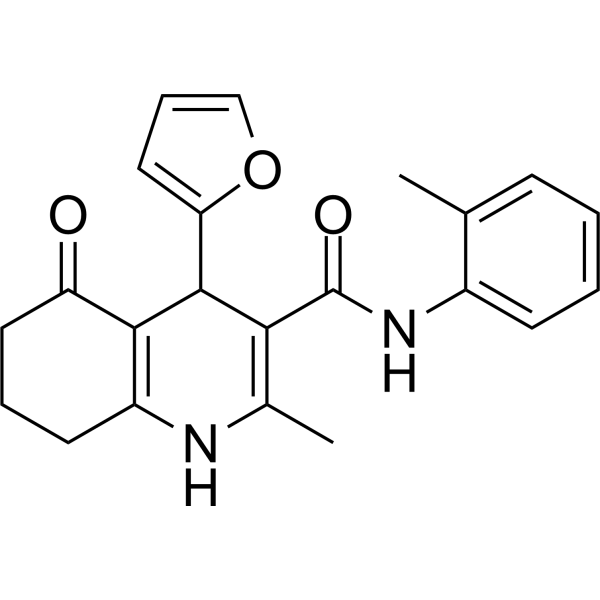
    GPR40 agonist 6 (Compound 7a) is a potent and selective free fatty acid receptor 1 (FFAR1 or GPR40) agonist with an EC50 of 0.058 μM .
    GPR40 agonist 6
  • HY-111763

    Free Fatty Acid Receptor Metabolic Disease
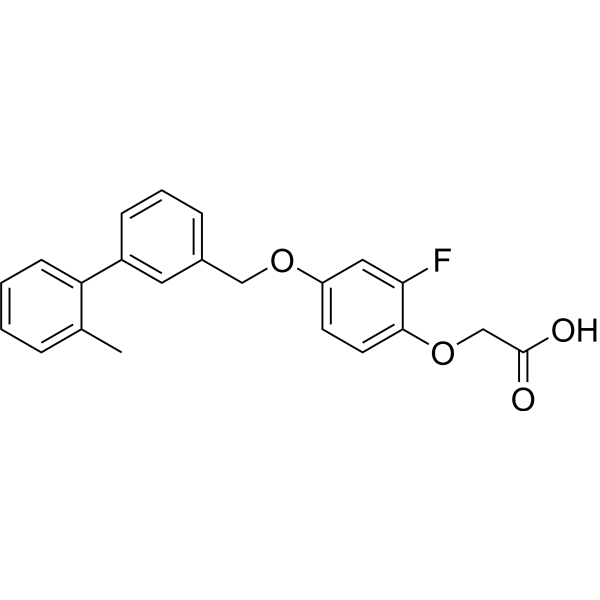
    GPR40/FFAR1 modulator 1 is an agonist and an allosteric modulator for Gq-coupled free fatty acid receptor 1 (GPR40/FFAR1) .
    GPR40/FFAR1 modulator 1
  • HY-12940A

    Free Fatty Acid Receptor Metabolic Disease
    (S)-GLPG0974 is the isomer of GLPG0974 (HY-12940), and can be used as an experimental control. GLPG0974 is a free fatty acid receptor-2 (FFA2/GPR43) antagonist with an IC50 of 9 nM.
    (S)-GLPG0974
  • HY-P10341

    GCGR Metabolic Disease
    ZP3022 is a dual agonist of glucagon-like peptide-1 (GLP-1) and gastrin that has the ability to sustainably improve glycemic control. Additionally, ZP3022 can effectively increase β-cell mass, promote β-cell proliferation, and enhance the function of pancreatic islets. ZP3022 can be used in anti-diabetic research .
    ZP3022
  • HY-N3977

    Free Fatty Acid Receptor Inflammation/Immunology

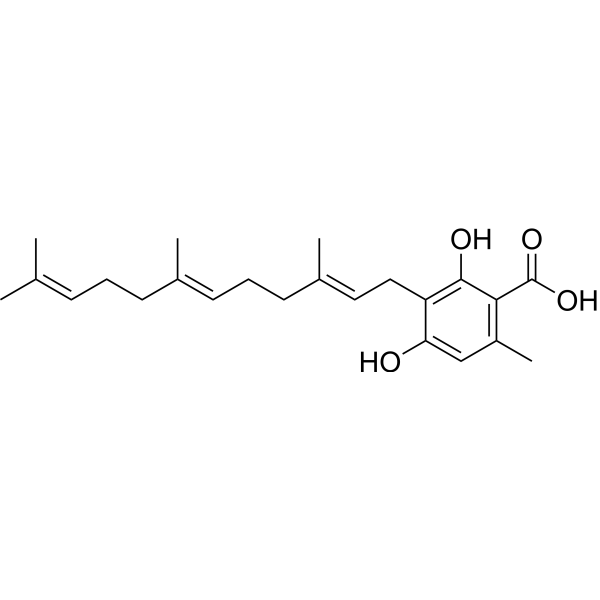
    Grifolic acid is a phenolic compound that is first extracted from the mushroom Albatrellus confluens. Grifolic acid acts as an agonist of the free fatty acid receptor (FFAR4/GPR120) .

    Grifolic acid
  • HY-59384

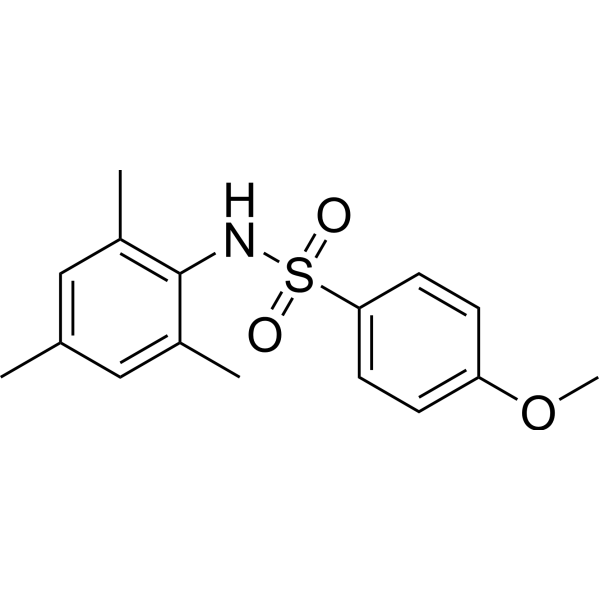
    Free Fatty Acid Receptor Metabolic Disease Inflammation/Immunology

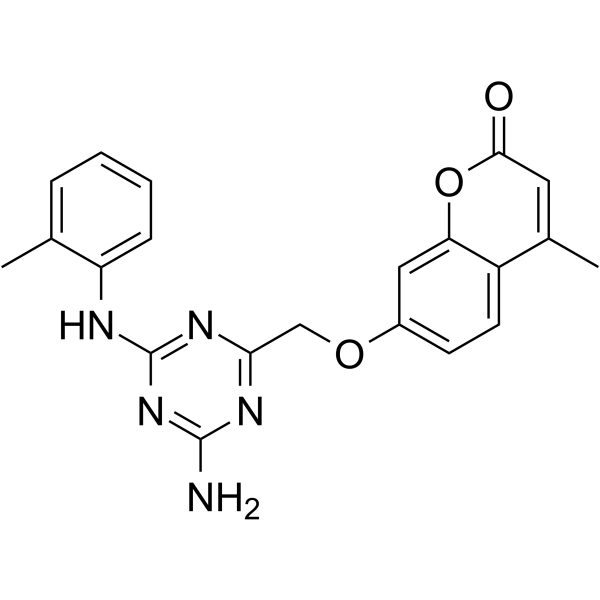
    MOMBA is a selective FFA2 (Free Fatty Acid Receptor 2) orthosteric agonist that activates receptor signaling pathways by binding to the orthosteric site of FFA2 with high specificity. MOMBA holds potential for research on metabolic and inflammatory diseases .
    MOMBA
  • HY-162689

    Free Fatty Acid Receptor Inflammation/Immunology
    GprA is a new synthetic agonist of G-protein-coupled receptor 120/free fatty acid receptor 4 (GPR120/FFAR4), with an AC50 of 203 nM on human GPR120 full isoform. GprA can be used in the research for NAFLD .
    GprA
  • HY-130120

    Free Fatty Acid Receptor PPAR Metabolic Disease
    HWL-088 is a highly potent and orally active free fatty acid receptor 1 (FFA1/GPR40) agonist (EC50 of 18.9 nM) with moderate PPARδ activity (EC50 of 570.9 nM) . HWL-088 improves glucose and lipid metabolism, and has anti-diabetic effects .
    HWL-088
  • HY-173556

    GPR84 Inflammation/Immunology
    GPR84 agonist-2 is a selective GPR84 agonist with no activity at free fatty acid receptors. GPR84 agonist-2 enhances GPR84-mediated signaling above basal levels and potentiates agonist-induced GPR84 activation. GPR84 agonist‑2 can be used for research on GPR84-related physiological mechanisms .
    GPR84 agonist-2
  • HY-169089

    Drug Derivative Cancer
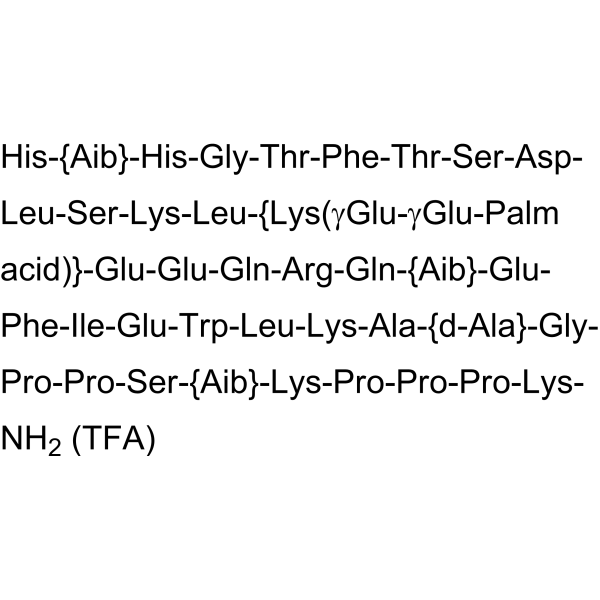
    RP-182-PEG3-K palmitic acid-NH2 (Compound 1a) is a fatty acid derivative of the immunomodulatory peptide RP-182. RP-182-PEG3-K palmitic acid-NH2 inhibits CD206 high M2-like macrophage (IC50 of 3.2 μM) and induces phagocytosis. RP-182-PEG3-K palmitic acid-NH2 exhibits antitumor efficacy in mouse B16 melanoma allografts .
    RP-182-PEG3-K(palmitic acid)-NH2
  • HY-P10563

    BHV-1100

    CD38 Cancer
    Noraramtide (BHV-1100) is an antibody recruitment molecule. Noraramtide can specifically bind to CD38 molecules to recruit natural killer (NK) cells. Noraramtide enhances the ability of NK cells to kill tumor cells through antibody-dependent cellular cytotoxicity (ADCC). This mechanism allows NK cells to more effectively recognize and eliminate tumor cells while avoiding mutual killing between NK cells. Noraramtide can be used for the study of autologous cancer immunity .
    Noraramtide
  • HY-P11233

    GLP Receptor Metabolic Disease
    Acmopatide (Compound E-153) is a dual-acting GIP/GLP-1 receptor agonist. Acmopatide is used in anti-diabetic research .
    Acmopatide
  • HY-P0014AS

    Isotope-Labeled Compounds GLP Receptor Metabolic Disease
    Liraglutide-d8 tetraTFA is deuterium labeled Liraglutide (HY-P0014). Liraglutide is a glucagon-like peptide-1 (GLP-1) receptor agonist used for the study of type 2 diabetes mellitus .
    Liraglutide-d8 tetraTFA
  • HY-P10031A

    GLP Receptor GCGR Metabolic Disease
    SAR441255 TFA is a GLP-1R/GCGR/GIPR agonist, with human EC50 values of 1.03 pM, 1.01 pM, and 0.73 pM, respectively. SAR441255 TFA stimulates receptor activity and drives cAMP accumulation. SAR441255 TFA can be used for the research of type 2 diabetes, obesity .
    SAR441255 TFA
  • HY-136896

    Free Fatty Acid Receptor Metabolic Disease Inflammation/Immunology
    FFA3 agonist 1 is an agonist of free fatty acid receptor 3 (FFA3). FFA3 agonist 1 regulates the health effect of intestinal microbiota by activating FFA3 .
    FFA3 agonist 1
  • HY-169089A

    Drug Derivative Cancer
    RP-182-PEG3-K(palmitic acid)-NH2 (Compound 1a) TFA is a fatty acid derivative of the immunomodulatory peptide RP-182. RP-182-PEG3-K(palmitic acid)-NH2 TFA inhibits CD206 high M2-like macrophage (IC50 of 3.2 μM) and induces phagocytosis. RP-182-PEG3-K(palmitic acid)-NH2 TFA exhibits antitumor efficacy in mouse B16 melanoma allografts .
    RP-182-PEG3-K(palmitic acid)-NH2 TFA
  • HY-P0014A

    GLP Receptor Metabolic Disease
    Liraglutide acetate is the acetate form of Liraglutide (HY-P0014), a glucagon-like peptide-1 (GLP-1) receptor agonist studied in type 2 diabetes .
    Liraglutide acetate
  • HY-P10318

    GLP Receptor Endocrinology
    SHR-2042 is a selective agonist of the GLP-1 receptor.SHR-2042 improves glycemic control by activating the GLP-1 receptor, enhancing insulin secretion and inhibiting glucagon secretion. SHR-2042 combined with sodium N-(8-[2-hydroxybenzoyl] amino) caprylate (SNAC) promotes monomerization through the formation of micelles and improves oral absorption efficiency .
    SHR-2042
  • HY-P1614

    Reactive Oxygen Species (ROS) Metabolic Disease Inflammation/Immunology
    ZEP-3 is a tetrapeptide derivative with anti-aging activity for the skin. ZEP-3 can inhibit ROS production and alleviate oxidative stress .
    ZEP-3

Inquiry Online

Your information is safe with us. * Required Fields.

Salutation


Country or Region *

Applicant Name *


Organization Name *

Department *


Email Address *


Product Name *

Cat. No.


Requested quantity *

Phone Number *


Remarks

Inquiry Online

Inquiry Information

Product Name:
Cat. No.:
Quantity:
MCE Japan Authorized Agent: