



GLPG0974
Based on 20 publication(s) in Google Scholar
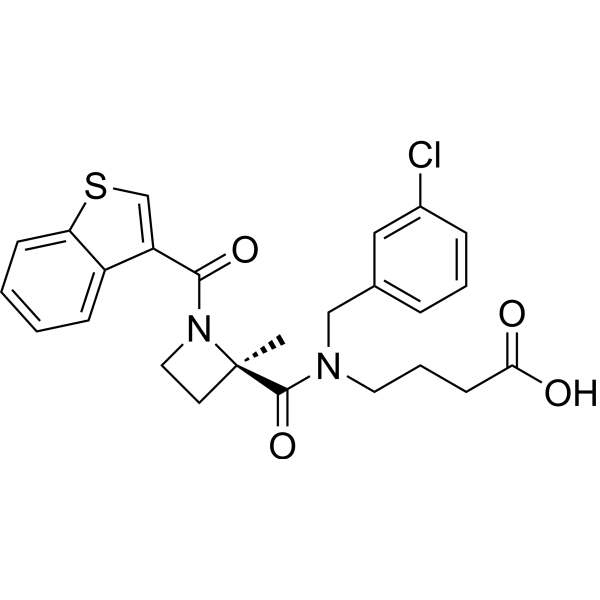
GLPG0974 is a free fatty acid receptor-2 (FFA2/GPR43) antagonist with an IC50 of 9 nM.
Nur für Forschungszwecke. Wir verkaufen nicht an Patienten.
- Reinheit : 98.12%
- CAS. Nr.: 1391076-61-1
- Formel: C25H25ClN2O4S
- Molecular Weight:485.00
-
Speicherung:Powder -20°C, 3 years , 4°C, 2 years ; In solvent -80°C, 2 years , -20°C, 1 year

To place orders, for customer services and technical support, please contact: MedChemExpress USA
Tel: 609-228-6898 E-mail: [email protected] [email protected]


-
 Biologische Aktivität
-
Chemical Information
-
Lösungsmittel & Löslichkeit
- Reinheit & Dokumentation
- Verweise
-
 Help & FAQs


-
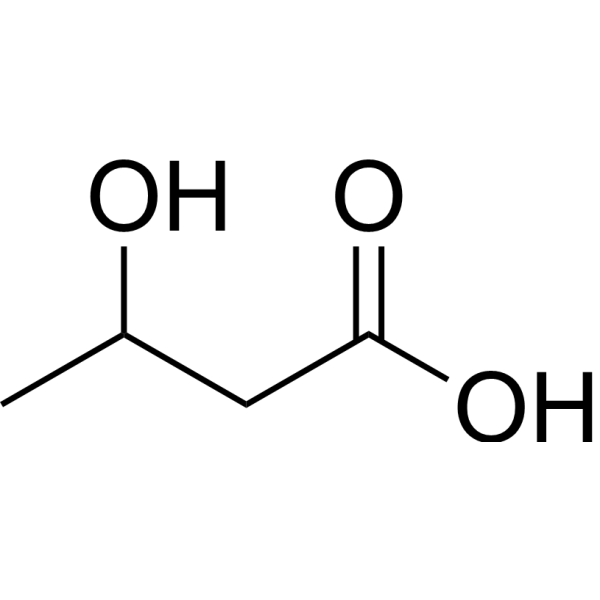
HY-113378
3-Hydroxybutyric acidEndogenous Metabolite -
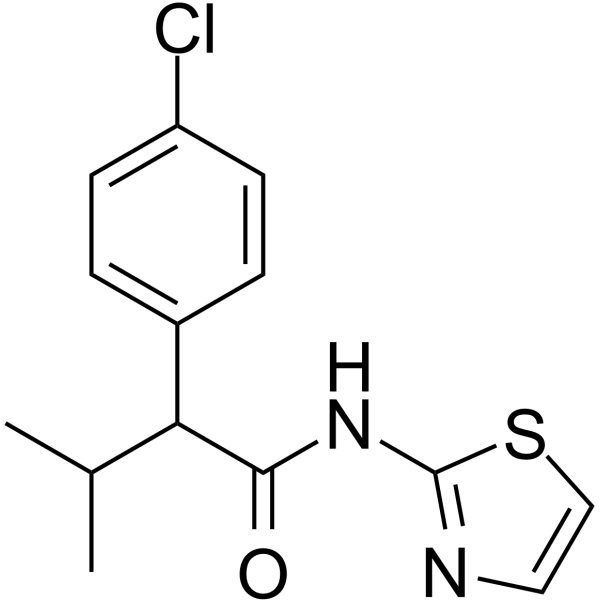
HY-P1125
4-CMTBFFA2 Agonist -
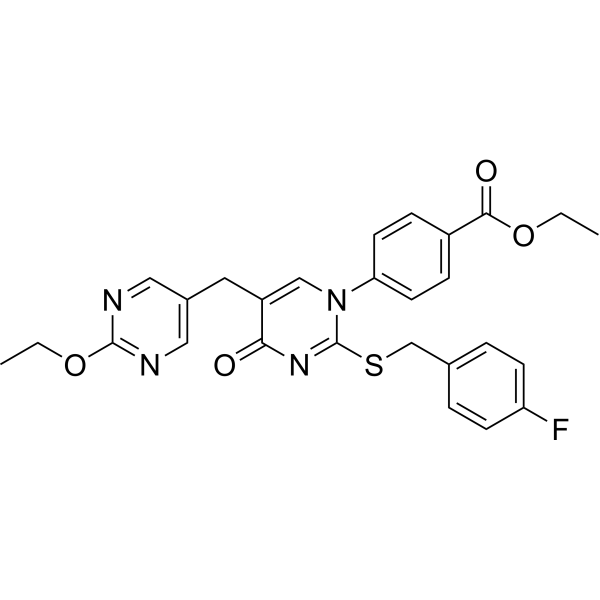
HY-50691
GW-1100Free Fatty Acid Receptor Antagonist -
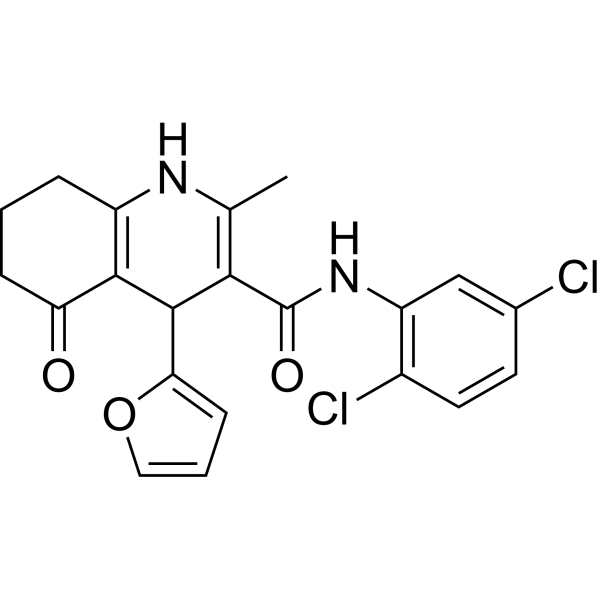
HY-116522
AR420626FFAR3 Agonist -
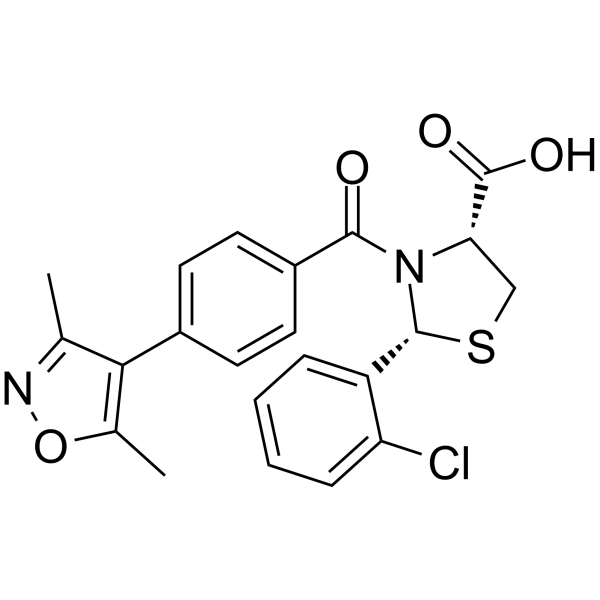
HY-112813
TUG-1375FFA2/GPR43 Agonist -
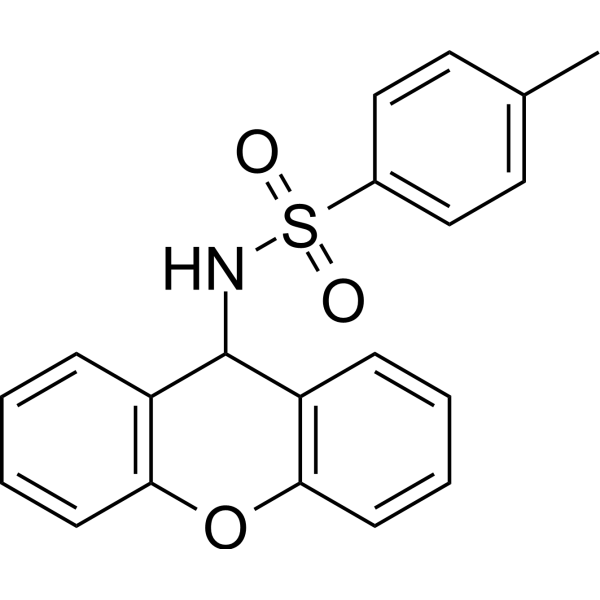
HY-19996
AH-7614FFA4 Antagonist -
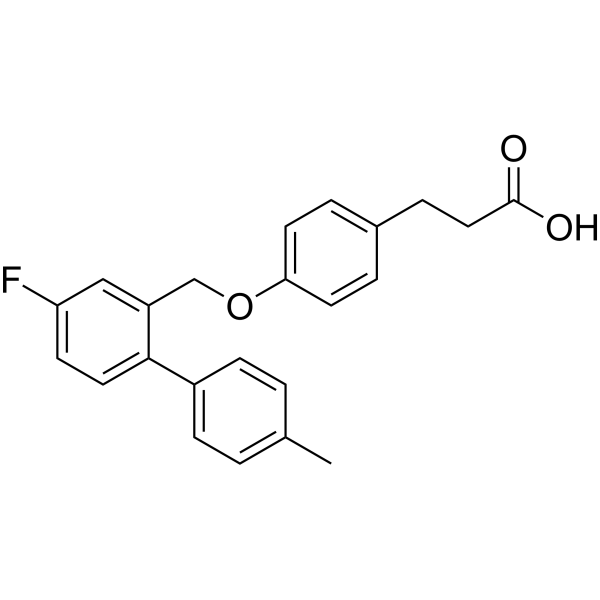
HY-100881
TUG-891FFA4/GPR120 Agonist -
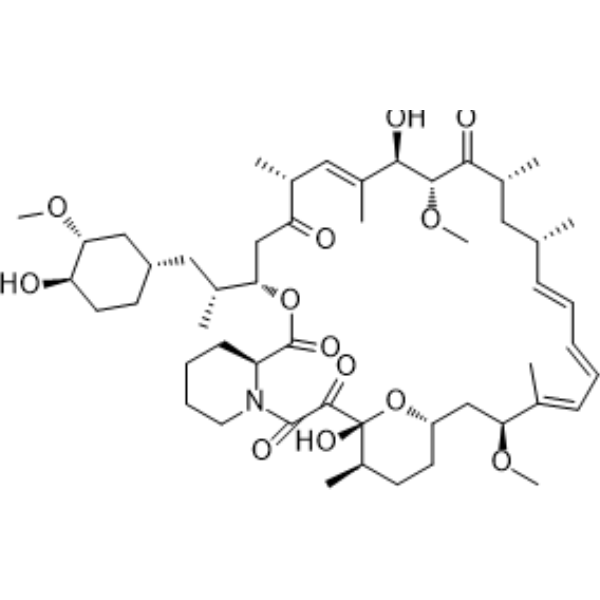
HY-10219
RapamycinmTOR Inhibitor -
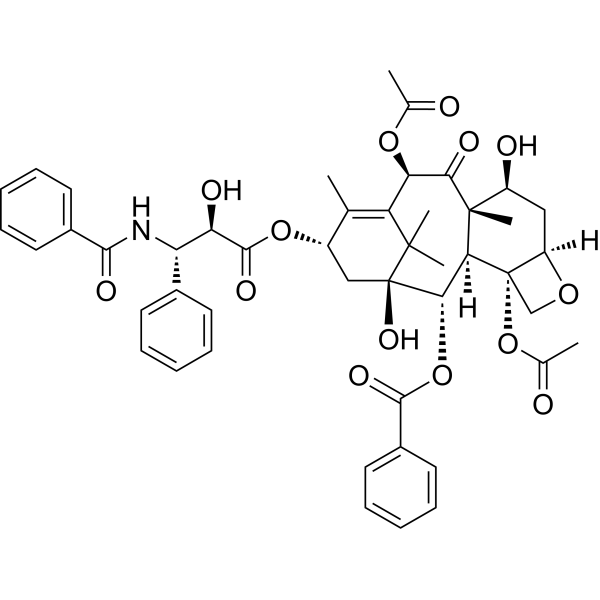
HY-B0015
PaclitaxelAntitumor Agent -
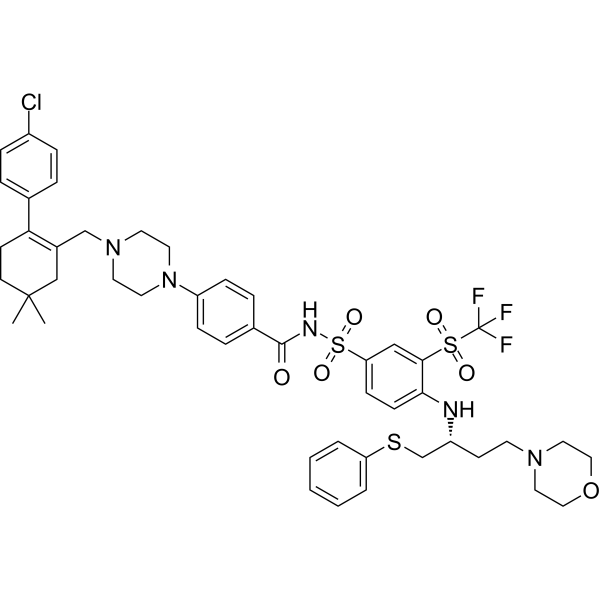
HY-10087
NavitoclaxBcl-2 Inhibitor -
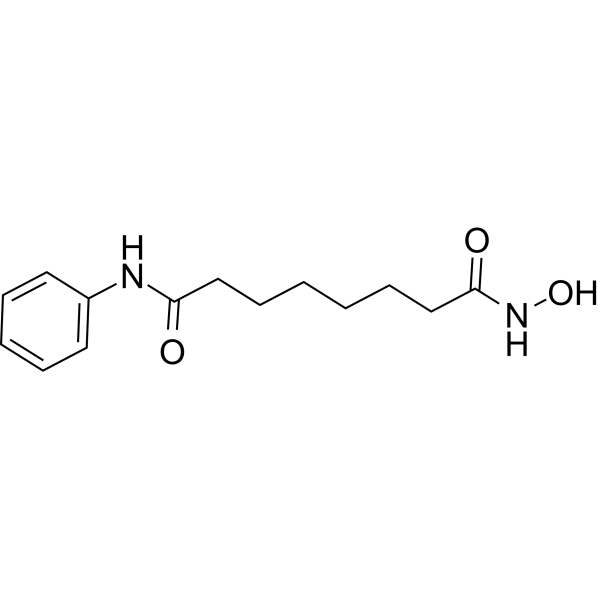
HY-10221
VorinostatHDAC Inhibitor -
HY-10108
LY294002PI3K Inhibitor
Publications Citing Use of MedChemExpress (MCE) GLPG0974
More- Cancer Cell. 2024 Oct 14;42(10):1729-1746.e8. [Abstract]
- Cell Host Microbe. 2026 Jul 8;34(7):1333-1349.e10. [Abstract]
- Cell Host Microbe. 2025 Jan 8;33(1):104-118.e7. [Abstract]
- Nat Commun. 2026 Feb 12;17(1):1214. [Abstract]
- J Adv Res. 2024 Feb:56:1-14. [Abstract]
- Redox Biol. 2024 Sep:75:103291. [Abstract]
- Adv Sci (Weinh). 2025 Aug 7:e02624. [Abstract]
- Int J Biol Sci. 2026 Jul 20;22(12):6752-6766.
- Phytomedicine. 2025 Dec:149:157523. [Abstract]
- Journal of Future Foods. 2026 Jan 2.
- J Anim Sci Biotechnol. 2023 Aug 5;14(1):111. [Abstract]
- Chin Med. 2024 Jun 15;19(1):87. [Abstract]
- Biochem Pharmacol. 2024 Dec;230(Pt 2):116593. [Abstract]
- Int J Mol Sci. 2026 Jan 1;27(1):468. [Abstract]
- Immunology. 2024 Nov;173(3):562-574. [Abstract]
- Biology (Basel). 2020 Aug 3;9(8):203. [Abstract]
- J Appl Microbiol. 2023 Aug 1;134(8):lxad153. [Abstract]
- medRxiv. 2026 Aug 10.
- SSRN. 2026 Mar 2.
- bioRxiv. 2023 Dec 10.
 Customer Validation & Images

-
In Vivo Efficacy Study
-
RT-PCR
-
Histological Imaging/Staining

-
IHC
-
Flow Cytometry



Biologische Aktivität
Beschreibung
IC50 & Target
IC50: 9 nM (GPR43)[1]
Cellular Effect
|
Cell Line

|
Type | Value | Description | References |
|---|---|---|---|---|
| HEK293 | IC50 |
9 nM
Compound: 99, GLPG0974
|
Antagonist activity against human FFA2 receptor expressed in HEK293 cells assessed as inhibition of sodium acetate-induced calcium mobilization
Antagonist activity against human FFA2 receptor expressed in HEK293 cells assessed as inhibition of sodium acetate-induced calcium mobilization
|
[PMID: 25380412] |
| Neutrophil | IC50 |
27 nM
Compound: 99, GLPG0974
|
Inhibition of sodium acetate-induced cell migration of human neutrophils after 1 hr by ATP luminescence based assay
Inhibition of sodium acetate-induced cell migration of human neutrophils after 1 hr by ATP luminescence based assay
|
[PMID: 25380412] |
| Neutrophil | IC50 |
43 nM
Compound: 99, GLPG0974
|
Inhibition of sodium acetate-induced cell migration of human neutrophils after 1 hr in presence of 90% plasma by ATP luminescence based assay
Inhibition of sodium acetate-induced cell migration of human neutrophils after 1 hr in presence of 90% plasma by ATP luminescence based assay
|
[PMID: 25380412] |
In Vitro
GLPG0974 is able to inhibit acetate-induced neutrophil migration strongly in vitro and demonstrates ability to inhibit a neutrophil-based pharmacodynamic (PD) marker, CD11b activation-specific epitope [AE], in a human whole blood assay[1].
MedChemExpress (MCE) has not independently confirmed the accuracy of these methods. They are for reference only. .
In Vivo
MedChemExpress (MCE) has not independently confirmed the accuracy of these methods. They are for reference only.
Clinical Trial
| NCT Number | Sponsor | Condition | Start Date |
Phase
|
|---|---|---|---|---|
| NCT01329991 | Plexxikon| | 2011-05 | PHASE1 |


Chemical Information
-
CAS. Nr. 1391076-61-1
-
Appearance Solid
-
Molecular Weight 485.00
-
Formel C25H25ClN2O4S
-
Color Off-white to light yellow
-
SMILES
O=C(O)CCCN(C([C@]1(C)N(C(C2=CSC3=CC=CC=C32)=O)CC1)=O)CC4=CC=CC(Cl)=C4
-
Versand
Room temperature in continental US; may vary elsewhere.
-
Speicherung
Powder -20°C 3 years 4°C 2 years In solvent -80°C 2 years -20°C 1 year


Publications (20)
-
Journal Impact Factor
-
Most Recent
-
Cancer Cell
Fusobacterium nucleatum facilitates anti-PD-1 therapy in microsatellite stable colorectal cancer. [Abstract]2024 Oct 14;42(10):1729-1746.e8. PMID: 39303724 -
Cell Host Microbe
Oat-β-glucan potentiates anti-PD-1 efficacy through Faecalibacterium prausnitzii-derived butyrate and indole-3-propionic acid. [Abstract]2026 Jul 8;34(7):1333-1349.e10. PMID: 42214334 -
Cell Host Microbe
2025 Jan 8;33(1):104-118.e7. PMID: 39706182 -
Nat Commun
Human iPSC-based Modeling of Pulmonary Fibrosis Reveals p300/CBP Inhibition Suppresses Alveolar Transitional Cell State. [Abstract]2026 Feb 12;17(1):1214. PMID: 41680175 -
J Adv Res
Strain specificity of lactobacilli with promoted colonization by galactooligosaccharides administration in protecting intestinal barriers during Salmonella infection. [Abstract]2024 Feb:56:1-14. PMID: 36894120 -
Redox Biol
EGCG drives gut microbial remodeling-induced epithelial GPR43 activation to lessen Th1 polarization in colitis. [Abstract]2024 Sep:75:103291. PMID: 39116526 -
Adv Sci (Weinh)
The Probiotic Parabacteroides johnsonii Ameliorates Metabolic Disorders Through Promoting BCAAs to BSCFAs Conversion. [Abstract]2025 Aug 7:e02624. PMID: 40772426 -
-
Phytomedicine
Tetrastigma hemsleyanum polysaccharides alleviate inflammatory bowel disease via the gut microbiota-SCFA-GPR43 signaling axis. [Abstract]2025 Dec:149:157523. PMID: 41308392
GLPG0974 purchased from MedChemExpress. Usage Cited in: Phytomedicine. 2025 Dec:149:157523. [Abstract]
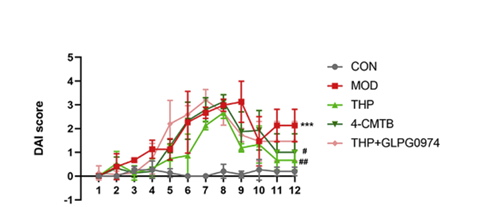
THP (Tetrastigma hemsleyanum polysaccharides, THP) or 4-CMTB (10 mg/kg, i.p., 5 days) improved the Disease Activity Index induced by DSS. However, GLPG0974 (1 mg/kg, i.g., 5 days) reversed the Disease Activity Index increase induced by Tetrastigma hemsleyanum polysaccharides in the IBD mouse model.
GLPG0974 purchased from MedChemExpress. Usage Cited in: Phytomedicine. 2025 Dec:149:157523. [Abstract]
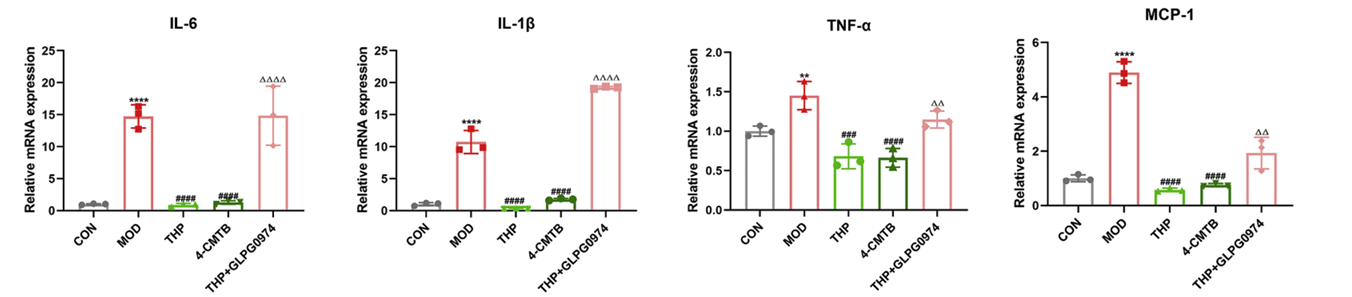
THP(Tetrastigma hemsleyanum polysaccharides, THP) or 4-CMTB (10 mg/kg, i.p., 5 days) reduced the expression of these pro-inflammatory mediators (IL-6, IL-1β, TNFα, and MCP-1) in the colon. Conversely, mice administered THP + GLPG0974 (1 mg/kg, i.g., 5 days) displayed an upregulation of colonic cytokine mRNA.
GLPG0974 purchased from MedChemExpress. Usage Cited in: Phytomedicine. 2025 Dec:149:157523. [Abstract]
THP (Tetrastigma hemsleyanum polysaccharides, THP)or 4-CMTB (10 mg/kg, i.p., 5 days) reduced the abnormal spleen index induced by DSS and improved the pathological changes in the spleens of mice following DSS treatment. Conversely, in the THP + GLPG0974 group, the abnormal spleen index and spleen inflammation persisted, indicating that GLPG0974 reversed the therapeutic effect of THP.
GLPG0974 purchased from MedChemExpress. Usage Cited in: Phytomedicine. 2025 Dec:149:157523. [Abstract]
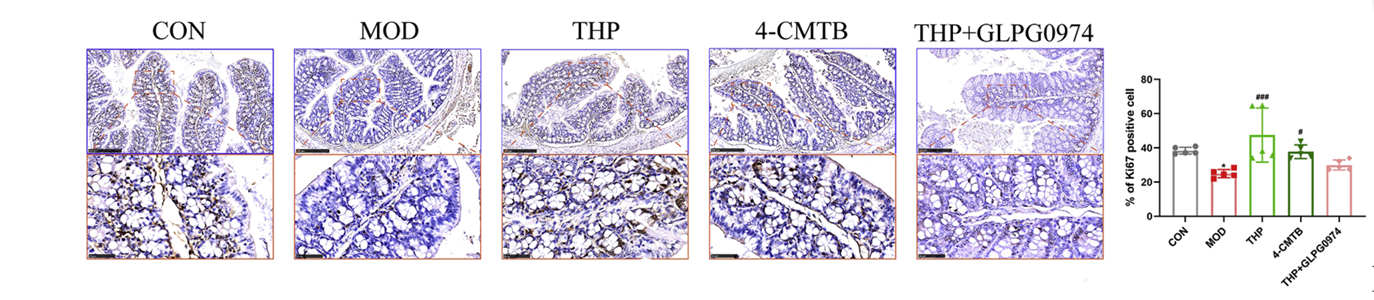
Immunohistochemical staining images of Ki67 showed that THP (Tetrastigma hemsleyanum polysaccharides, THP) or 4-CMTB (10 mg/kg, i.p., 5 days) regulated the growth and apoptosis of intestinal epithelial cells induced by DSS in mice. However, mice in the THP + GLPG0974 group exhibited persistent damage to intestinal epithelial cells.
GLPG0974 purchased from MedChemExpress. Usage Cited in: Phytomedicine. 2025 Dec:149:157523. [Abstract]
THP (Tetrastigma hemsleyanum polysaccharides, THP) or 4-CMTB alleviated the aberrant proliferation of CD3+ cells induced by DSS in mice. However, mice in the THP + GLPG0974 group still exhibited elevated levels of CD3+ cells.
-
-
J Anim Sci Biotechnol
2023 Aug 5;14(1):111. PMID: 37542282 -
Chin Med
Shaoyao Decoction reduced T lymphocyte activation by regulating of intestinal flora and 5-hydroxytryptamine metabolism in ulcerative colitis. [Abstract]2024 Jun 15;19(1):87. PMID: 38879471 -
Biochem Pharmacol
MNAM enhances Blautia abundance and modulates Th17/Treg balance to alleviate diabetes in T2DM mice. [Abstract]2024 Dec;230(Pt 2):116593. PMID: 39454734 -
Int J Mol Sci
Gut Microbiota-Derived Propionic Acid Mediates ApoA-I-Induced Amelioration of MASLD via Activation of GPR43-Ca2+-CAMKII-ATGL Hepatic Lipolysis. [Abstract]2026 Jan 1;27(1):468. PMID: 41516340 -
Immunology
Dietary human milk oligosaccharides reduce allergic airway inflammation by modulating SCFAs level and ILC2 activity. [Abstract]2024 Nov;173(3):562-574. PMID: 39108003 -
Biology (Basel)
Exercise Ameliorates Insulin Resistance of Type 2 Diabetes through Motivating Short-Chain Fatty Acid-Mediated Skeletal Muscle Cell Autophagy. [Abstract]2020 Aug 3;9(8):203. PMID: 32756447 -
J Appl Microbiol
Houpo Paiqi Mixture Promotes Intestinal Motility in Constipated Rats by Modulating Gut Microbiota and Activating 5-HT-cAMP-PKA Signal Pathway. [Abstract]2023 Aug 1;134(8):lxad153. PMID: 37481692 -
-
-


Lösungsmittel & Löslichkeit
In Vitro:
DMSO : 200 mg/mL (412.37 mM; Need ultrasonic; Hygroscopic DMSO has a significant impact on the solubility of product, please use newly opened DMSO)
Please refer to the solubility information to select the appropriate solvent. Once prepared, please aliquot and store the solution to prevent product inactivation from repeated freeze-thaw cycles.
Storage method and period of stock solution: -80°C, 2 years; -20°C, 1 year. When stored at -80°C, please use it within 2 years. When stored at -20°C, please use it within 1 year.
Please refer to the solubility information to select the appropriate solvent. Once prepared, please aliquot and store the solution to prevent product inactivation from repeated freeze-thaw cycles.
Storage method and period of stock solution: -80°C, 2 years; -20°C, 1 year. When stored at -80°C, please use it within 2 years. When stored at -20°C, please use it within 1 year.
Konzentration (Stammlösung) × Volumen (Stammlösung) = Konzentration (Ziellösung) × Volumen (Ziellösung)
In Vivo:
Select the appropriate dissolution method based on your experimental animal and administration route.
- For the following dissolution methods, please ensure to first prepare a clear stock solution using an In Vitro approach and then sequentially add co-solvents:
- To ensure reliable experimental results, the clarified stock solution can be appropriately stored based on storage conditions. As for the working solution for In Vivo experiments, it is recommended to prepare freshly and use it on the same day.
- The percentages shown for the solvents indicate their volumetric ratio in the final prepared solution. If precipitation or phase separation occurs during preparation, heat and/or sonication can be used to aid dissolution.
Add each solvent one by one: 10% DMSO 40% PEG300 5% Tween-80 45% Saline
Solubility: 5 mg/mL (10.31 mM); Suspended solution; Need ultrasonic
This protocol yields a suspended solution of 5 mg/mL. Suspended solution can be used for oral and intraperitoneal injection.
Taking 1 mL working solution as an example, add 100 μL DMSO stock solution (50.0 mg/mL) to 400 μL PEG300, and mix evenly; then add 50 μL Tween-80 and mix evenly; then add 450 μL Saline to adjust the volume to 1 mL.
Preparation of Saline: Dissolve 0.9 g sodium chloride in ddH₂O and dilute to 100 mL to obtain a clear Saline solution.
Add each solvent one by one: 10% DMSO 90% (20% SBE-β-CD in Saline)
Solubility: 5 mg/mL (10.31 mM); Suspended solution; Need ultrasonic
This protocol yields a suspended solution of 5 mg/mL. Suspended solution can be used for oral and intraperitoneal injection.
Taking 1 mL working solution as an example, add 100 μL DMSO stock solution (50.0 mg/mL) to 900 μL 20% SBE-β-CD in Saline, and mix evenly.
Preparation of 20% SBE-β-CD in Saline (4°C, storage for one week): 2 g SBE-β-CD powder is dissolved in 10 mL Saline, completely dissolve until clear.
In Vivo Dissolution Calculator
Please enter the basic information of animal experiments:
-
-
-
-
Recommended: Prepare an additional quantity of animals to account for potential losses during experiments.
Please enter your animal formula composition:
-
%DMSO +
Recommended: Keep the proportion of DMSO in working solution below 2% if your animal is weak.
-
%+
-
+%Tween-80 + +
-
%Saline +
The co-solvents required include: DMSO, . All of co-solvents are available by MedChemExpress (MCE). , Tween 80. All of co-solvents are available by MedChemExpress (MCE).
Working solution concentration: 0.22 mg/mL
Method for preparing stock solution: mg drug dissolved in μL DMSO. Stock solution concentration: mg/mL.
1. Take μL DMSO stock solution;
2. Add μL .
μL , mix evenly;
3. Then add μL Tween 80, mix evenly;
4. Then add μL
Please ensure that the stock solution in the first step is dissolved to a clear state, and add co-solvents in sequence. You can use ultrasonic heating (ultrasonic cleaner, recommended frequency 20-40 kHz), vortexing, etc. to assist dissolution.


Reinheit & Dokumentation
-
Data Sheet (276 KB)
-
SDS (254 KB)
- English - EN (254 KB)
- Français - FR (254 KB)
- Deutsch - DE (254 KB)
- Norwegian - NO (254 KB)
- Español - ES (254 KB)
- Swedish - SV (254 KB)
- Italian - IT (254 KB)
- Korean - KR (254 KB)
- Portuguese - PT (254 KB)
-
Handling Instructions (2659 KB)
Verweise


Complete Stock Solution Preparation Table
Please refer to the solubility information to select the appropriate solvent. Once prepared, please aliquot and store the solution to prevent product inactivation from repeated freeze-thaw cycles.
Storage method and period of stock solution: -80°C, 2 years; -20°C, 1 year. When stored at -80°C, please use it within 2 years. When stored at -20°C, please use it within 1 year.
| Optional Solvent | Concentration Solvent Mass | 1 mg | 5 mg | 10 mg | 25 mg |
|---|---|---|---|---|---|
| DMSO | 1 mM | 2.0619 mL | 10.3093 mL | 20.6186 mL | 51.5464 mL |
| 5 mM | 0.4124 mL | 2.0619 mL | 4.1237 mL | 10.3093 mL | |
| 10 mM | 0.2062 mL | 1.0309 mL | 2.0619 mL | 5.1546 mL | |
| 15 mM | 0.1375 mL | 0.6873 mL | 1.3746 mL | 3.4364 mL | |
| 20 mM | 0.1031 mL | 0.5155 mL | 1.0309 mL | 2.5773 mL | |
| 25 mM | 0.0825 mL | 0.4124 mL | 0.8247 mL | 2.0619 mL | |
| 30 mM | 0.0687 mL | 0.3436 mL | 0.6873 mL | 1.7182 mL | |
| 40 mM | 0.0515 mL | 0.2577 mL | 0.5155 mL | 1.2887 mL | |
| 50 mM | 0.0412 mL | 0.2062 mL | 0.4124 mL | 1.0309 mL | |
| 60 mM | 0.0344 mL | 0.1718 mL | 0.3436 mL | 0.8591 mL | |
| 80 mM | 0.0258 mL | 0.1289 mL | 0.2577 mL | 0.6443 mL | |
| 100 mM | 0.0206 mL | 0.1031 mL | 0.2062 mL | 0.5155 mL |


GLPG0974 Related Classifications
HY-12940 Related Classifications
 Powered by Bioz