



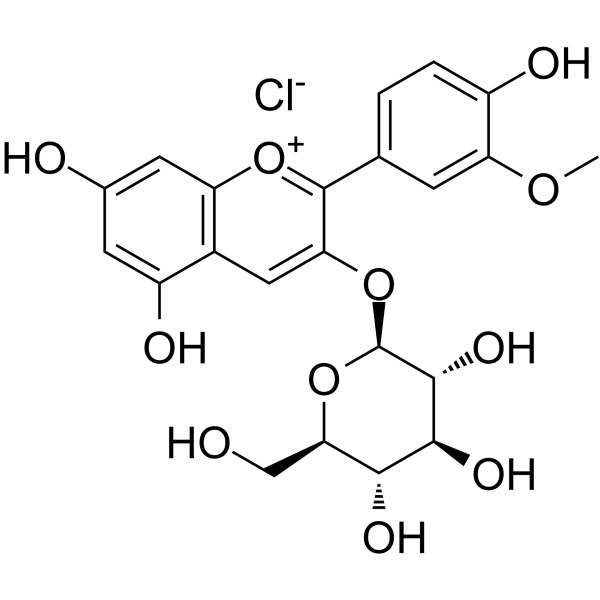
Peonidin 3-O-glucoside chloride
Based on 1 publication(s) in Google Scholar
Peonidin 3-O-glucoside chloride is an agonist of the free fatty acid receptor FFAR1 and Glucokinase. Peonidin 3-O-glucoside chloride enhances insulin secretion of pancreatic beta cells and increases glucose uptake by liver cells. Peonidin 3-O-glucoside chloride activates FFAR1, promotes the phosphorylation of related proteins in the insulin secretion pathway, and increases the expression of FFAR1. In liver cells, Peonidin 3-O-glucoside chloride activates GK and regulates proteins associated with carbohydrate metabolism. Peonidin 3-O-glucoside chloride can be used in diabetes research.
For research use only. We do not sell to patients.
- Purity : 98.02%
- CAS No.: 6906-39-4
- Formula: C22H23ClO11
- Molecular Weight:498.86
-
Storage:
4°C, sealed storage, away from moisture and light
* In solvent : -80°C, 6 months; -20°C, 1 month (sealed storage, away from moisture and light)

To place orders, for customer services and technical support, please contact: MedChemExpress USA
Tel: 609-228-6898 E-mail: [email protected] [email protected]


-
 Biological Activity
-
Chemical Information
-
Solvent & Solubility
- Purity & Documentation
- References
-
 Help & FAQs


-
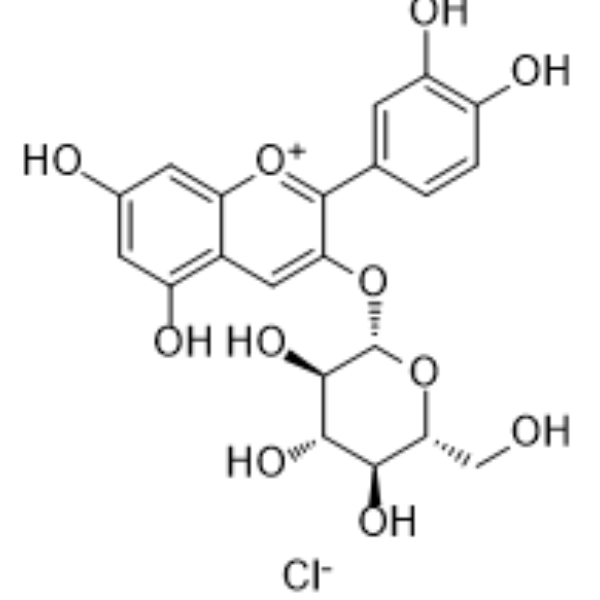
HY-N0640
Kuromanin chloride -
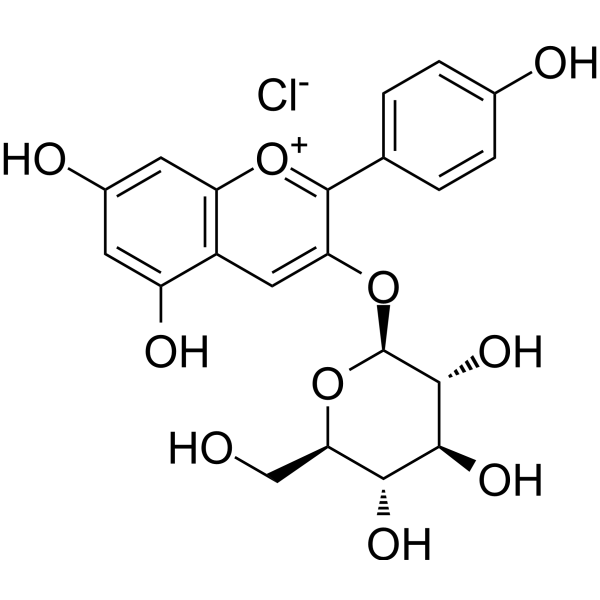
HY-W040045
Callistephin chloride -
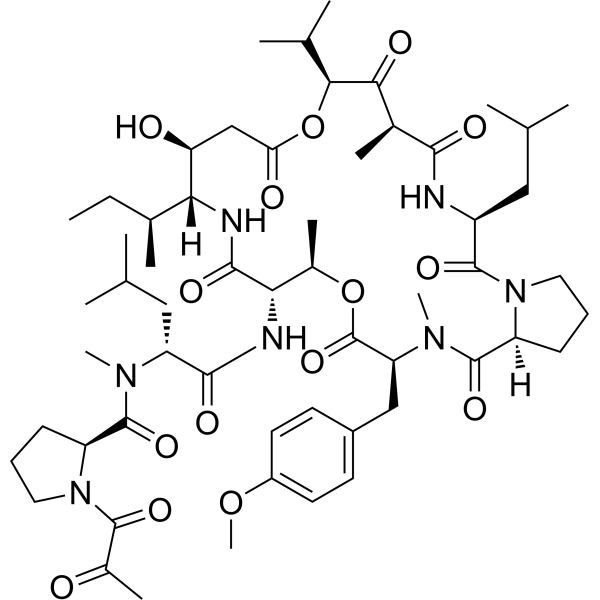
HY-16050
Plitidepsin -
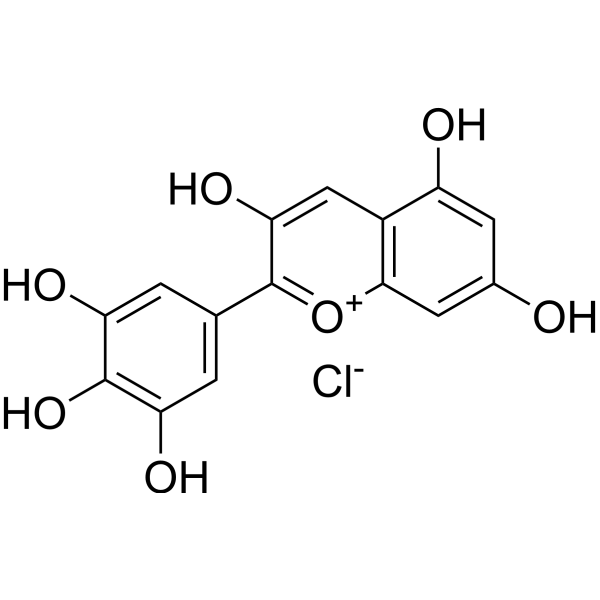
HY-N2409
Delphinidin chloride -
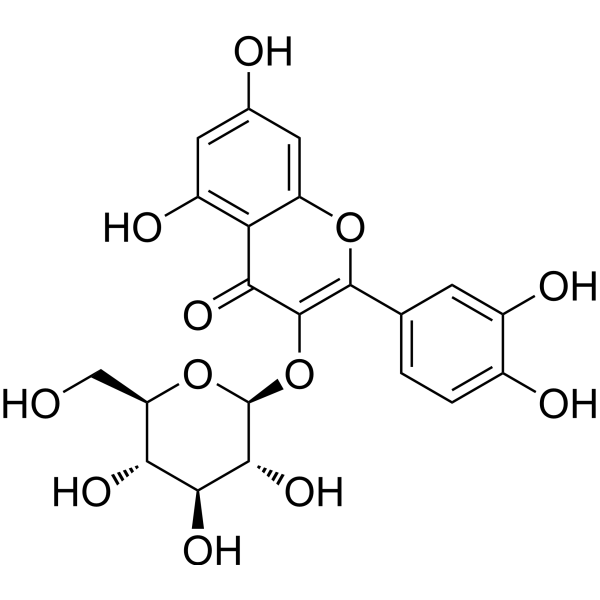
HY-N1445
Isoquercitrin -
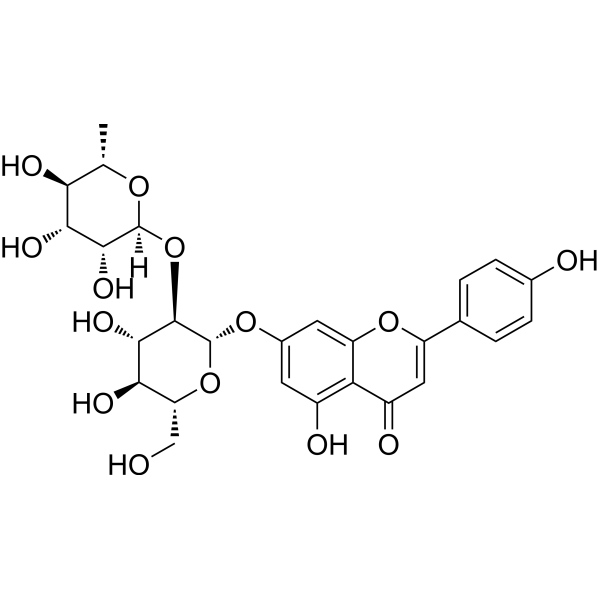
HY-N0755
Rhoifolin -
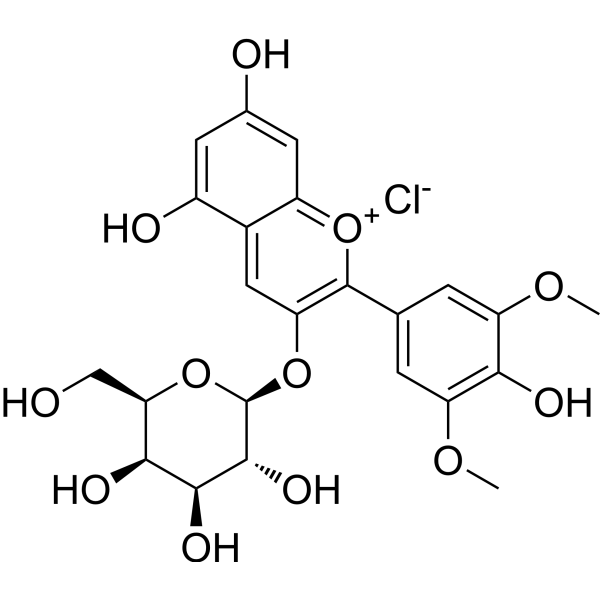
HY-N6623
Malvidin-3-galactoside chloride -
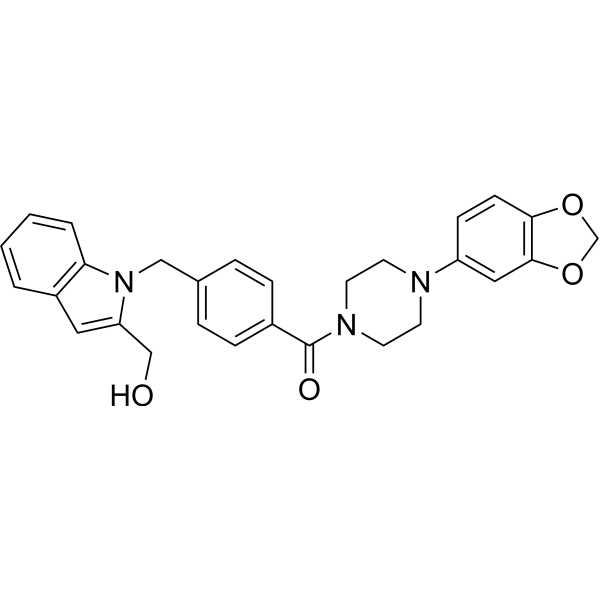
HY-144873
AVJ16 -
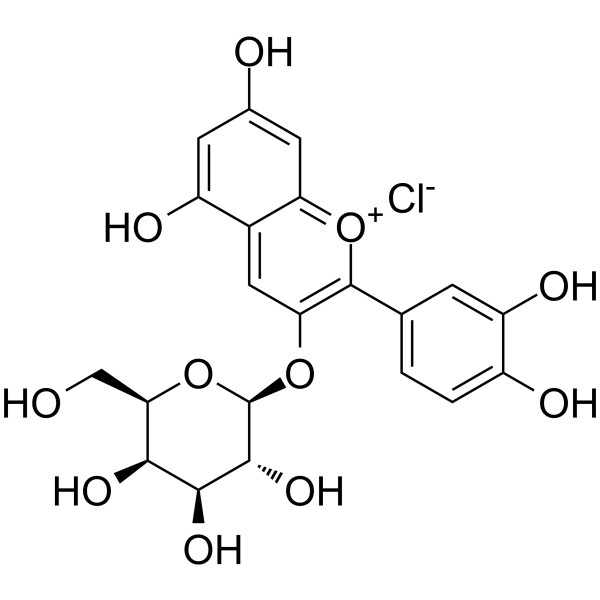
HY-N4142
Cyanidin-3-O-galactoside chloride -
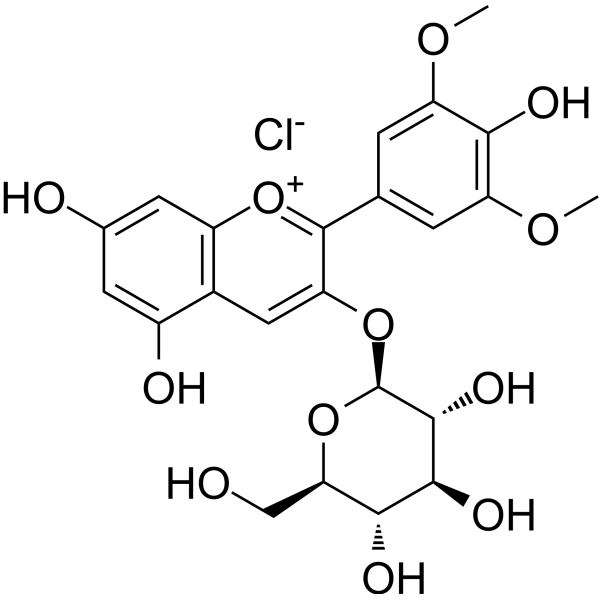
HY-125740
Malvidin-3-glucoside chloride -
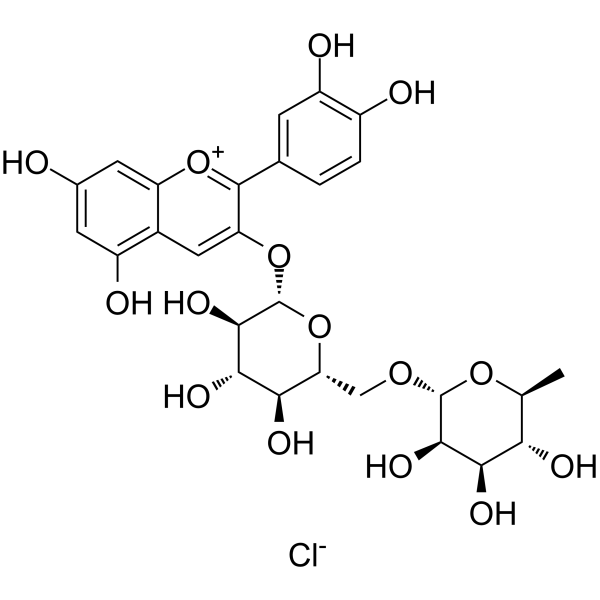
HY-105935
Keracyanin chloride -
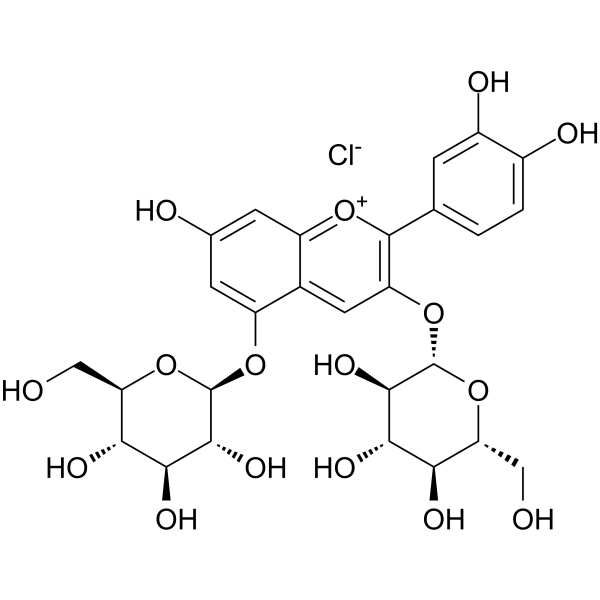
HY-129138
Cyanidin 3,5-diglucoside chloride
Publications Citing Use of MedChemExpress (MCE) Peonidin 3-O-glucoside chloride
More

Biological Activity
Description
In Vitro
Peonidin 3-O-glucoside (1-100 μM; 24 h) increases insulin secretion levels in INS-1E pancreatic β cells stimulated by glucose and increases the expression of FFAR1-dependent insulin secretion pathway-related proteins, such as phosphorylation of FFAR1, PLC, and PKD[1]. Peonidin 3-O-glucoside (100 μM; 24 h) increases glucose uptake in HepG2 hepatocytes, activated glucokinase (GK), and regulates proteins related to carbohydrate metabolism, such as increasing the phosphorylation level of AMP-activated protein kinase (AMPK) and reducing the expression of phosphoenolpyruvate carboxykinase (PEPCK)[1].
MedChemExpress (MCE) has not independently confirmed the accuracy of these methods. They are for reference only.
-
Cell Line:INS-1E pancreatic β-cells
-
Concentration:1-100 μM
-
Incubation Time:24 h
-
Result:The cells were treated with peonidin 3-O-glucoside at concentrations ranging from 1 to 100 μM for 24 h.
The results showed that compared with the untreated control group, the glucose-stimulated insulin secretion (GSIS) was enhanced by 18%-40%.
Western blot analysis indicated that the expression of proteins related to the FFAR1-dependent insulin secretory pathway, including FFAR1, PLC, and the phosphorylation of PKD, was increased.
-
Cell Line:HepG2 hepatic cells
-
Concentration:100 μM
-
Incubation Time:24 h
-
Result:After treating HepG2 cells with 100 μM peonidin 3-O-glucoside for 24 h, the glucose uptake in these cells was increased by 19% compared to the untreated group.
Western blot analysis revealed that the phosphorylation of AMP-activated protein kinase (AMPK) was increased, and the expression of phosphoenolpyruvate carboxykinase (PEPCK) was reduced.
The activity of glucokinase (GK) was also activated, which indicated that peonidin 3-O-glucoside could modulate the carbohydrate metabolism in HepG2 cells.


Chemical Information
-
CAS No. 6906-39-4
-
Appearance Solid
-
Molecular Weight 498.86
-
Formula C22H23ClO11
-
Color Brown to black
-
SMILES
OC1=CC(O)=CC2=C1C=C(O[C@@H]3O[C@H](CO)[C@@H](O)[C@H](O)[C@H]3O)C(C4=CC=C(O)C(OC)=C4)=[O+]2.[Cl-]
-
Structure Classification
-
Initial Source
-
Shipping
Room temperature in continental US; may vary elsewhere.
-
Storage
4°C, sealed storage, away from moisture and light
* In solvent : -80°C, 6 months; -20°C, 1 month (sealed storage, away from moisture and light)


Publications (1)
-
Journal Impact Factor
-
Most Recent
-
Food Chem
Flavonoid-mediated metabolic underpinning quality variation in red bud-sport pear mutants. [Abstract]2025 Oct 15:489:144992. PMID: 40466530


Solvent & Solubility
In Vitro:
DMSO : 31.25 mg/mL (62.64 mM; Need ultrasonic; Hygroscopic DMSO has a significant impact on the solubility of product, please use newly opened DMSO)
H2O : 5 mg/mL (10.02 mM; ultrasonic and warming and heat to 60°C)
Please refer to the solubility information to select the appropriate solvent. Once prepared, please aliquot and store the solution to prevent product inactivation from repeated freeze-thaw cycles.
Storage method and period of stock solution: -80°C, 6 months; -20°C, 1 month (sealed storage, away from moisture and light). When stored at -80°C, please use it within 6 months. When stored at -20°C, please use it within 1 month.
* Note: If you choose water as the stock solution, please dilute it to the working solution, then filter and sterilize it with a 0.22 μm filter before use.
Please refer to the solubility information to select the appropriate solvent. Once prepared, please aliquot and store the solution to prevent product inactivation from repeated freeze-thaw cycles.
Storage method and period of stock solution: -80°C, 6 months; -20°C, 1 month (sealed storage, away from moisture and light). When stored at -80°C, please use it within 6 months. When stored at -20°C, please use it within 1 month.
* Note: If you choose water as the stock solution, please dilute it to the working solution, then filter and sterilize it with a 0.22 μm filter before use.
Concentration (start) × Volume (start) = Concentration (final) × Volume (final)


Purity & Documentation
-
Data Sheet (283 KB)
-
SDS (252 KB)
- English - EN (252 KB)
- Français - FR (252 KB)
- Deutsch - DE (252 KB)
- Norwegian - NO (252 KB)
- Español - ES (252 KB)
- Swedish - SV (252 KB)
- Italian - IT (252 KB)
- Korean - KR (252 KB)
- Portuguese - PT (252 KB)
-
Handling Instructions (2659 KB)
References
[1]. Diego A Luna-Vital, et al. Anthocyanins from purple corn activate free fatty acid-receptor 1 and glucokinase enhancing in vitro insulin secretion and hepatic glucose uptake. PLoS One. 2018 Jul 11;13(7):e0200449. [Content Brief]
[2]. Wu G, et al. Optimized Synthesis and Antioxidant Activity of Anthocyanins Delphinidin-3-O-glucoside and Petunidin-3-O-glucoside. J Agric Food Chem. 2024 Jul 3;72(26):15005-15012. [Content Brief]


Complete Stock Solution Preparation Table
Please refer to the solubility information to select the appropriate solvent. Once prepared, please aliquot and store the solution to prevent product inactivation from repeated freeze-thaw cycles.
Storage method and period of stock solution: -80°C, 6 months; -20°C, 1 month (sealed storage, away from moisture and light). When stored at -80°C, please use it within 6 months. When stored at -20°C, please use it within 1 month.
| Optional Solvent | Concentration Solvent Mass | 1 mg | 5 mg | 10 mg | 25 mg |
|---|---|---|---|---|---|
| H2O / DMSO | 1 mM | 2.0046 mL | 10.0229 mL | 20.0457 mL | 50.1143 mL |
| 5 mM | 0.4009 mL | 2.0046 mL | 4.0091 mL | 10.0229 mL | |
| 10 mM | 0.2005 mL | 1.0023 mL | 2.0046 mL | 5.0114 mL | |
| DMSO | 15 mM | 0.1336 mL | 0.6682 mL | 1.3364 mL | 3.3410 mL |
| 20 mM | 0.1002 mL | 0.5011 mL | 1.0023 mL | 2.5057 mL | |
| 25 mM | 0.0802 mL | 0.4009 mL | 0.8018 mL | 2.0046 mL | |
| 30 mM | 0.0668 mL | 0.3341 mL | 0.6682 mL | 1.6705 mL | |
| 40 mM | 0.0501 mL | 0.2506 mL | 0.5011 mL | 1.2529 mL | |
| 50 mM | 0.0401 mL | 0.2005 mL | 0.4009 mL | 1.0023 mL | |
| 60 mM | 0.0334 mL | 0.1670 mL | 0.3341 mL | 0.8352 mL |
* Note: If you choose water as the stock solution, please dilute it to the working solution, then filter and sterilize it with a 0.22 μm filter before use.


Peonidin 3-O-glucoside chloride Related Classifications
HY-W040127 Related Classifications
 Powered by Bioz