Search Result
Results for "
insulin/glucose tolerance
" in MedChemExpress (MCE) Product Catalog:
| Cat. No. |
Product Name |
Target |
Research Areas |
Chemical Structure |
-
- HY-101966
-
|
|
Phosphoglycerate Dehydrogenase (PHGDH)
|
Metabolic Disease
Cancer
|
|
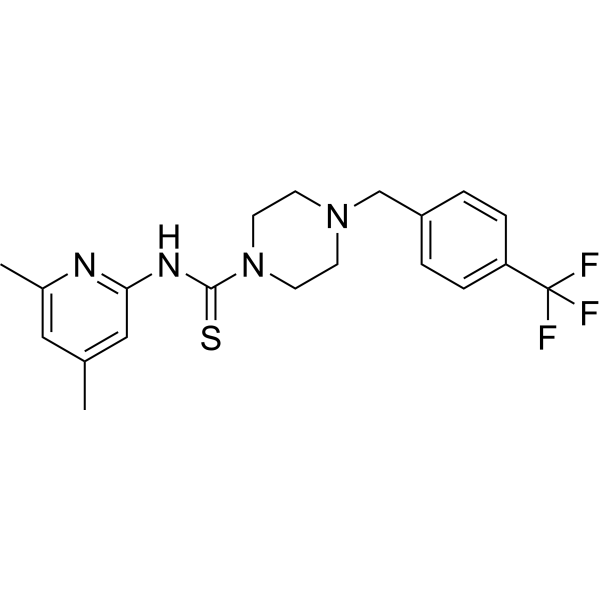
NCT-503 is a blood-brain barrier-permeable, non-competitive PHGDH inhibitor with an IC50 of 2.5 μM against human PHGDH. NCT-503 reduces glucose-derived serine production and the incorporation of one-carbon units into nucleotides without decreasing PHGDH protein expression. NCT-503 prevents high selenium-induced insulin resistance in mice by regulating blood glucose and insulin levels and improving glucose tolerance, and also inhibits the growth of tumors overexpressing PHGDH. NCT-503 can be used in research related to insulin resistance and breast cancer .
|
-
-
- HY-N9410
-
|
1-Linoleoyl-2-Hydroxy-sn-glycero-3-PC; LPC(18:2/0:0); LysoPC(18:2)
|
Endogenous Metabolite
|
Metabolic Disease
|
|
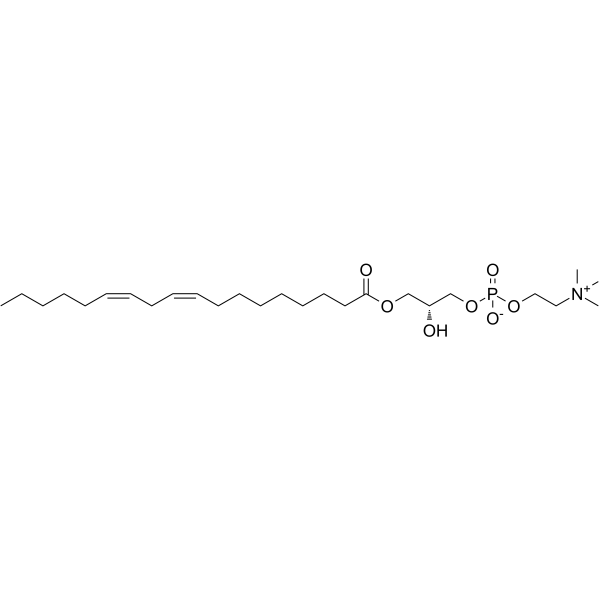
Lysophosphatidylcholine 18:2 (1-Linoleoyl-2-Hydroxy-sn-glycero-3-PC), a lysophospholipid, is a potential biomarker identified from insulin resistance (IR) polycystic ovary syndrome (PCOS). Low plasma Lysophosphatidylcholine 18:2 also has been shown to predict impaired glucose tolerance, insulin resistance, type 2 diabetes, coronary artery disease, and memory impairment .
|
-
-
- HY-N2593
-
|
|
Carnitine Palmitoyltransferase (CPT)
Reactive Oxygen Species (ROS)
Autophagy
Apoptosis
NF-κB
PI3K
Akt
MMP
Keap1-Nrf2
|
Metabolic Disease
Inflammation/Immunology
Cancer
|
|
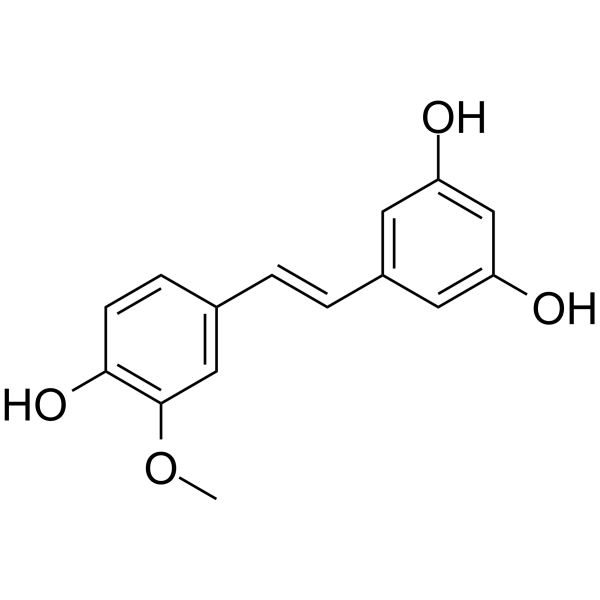
Isorhapontigenin is an orally active dietary polyphenol. Isorhapontigenin acts as a potent antioxidant that reduces the production of reactive oxygen species (ROS). Isorhapontigenin promotes the binding of JUN to the AP-1 site on the SESN2 promoter, induces SESN2 transcription, triggers MAPK8-dependent JUN activation, and upregulates the expression of PPAR-α, PGC-1α and CPT-1A to facilitate fatty acid oxidation. Isorhapontigenin induces autophagy, apoptosis and preadipocyte differentiation; it inhibits tumor growth, cell invasion, NF-κB transcriptional activity, the PI3K/Akt signaling pathway, STAT1 phosphorylation and MMP-2 expression. Isorhapontigenin alleviates oxidative stress, inflammatory cytokine release and triglyceride accumulation; it increases intracellular ATP levels and promotes Nrf2 nuclear translocation. Isorhapontigenin improves insulin sensitivity in adipose tissue and glucose tolerance, and reduces postprandial blood glucose, insulin and free fatty acid levels. Isorhapontigenin is applicable to research on bladder cancer, liver injury, chronic obstructive pulmonary disease, acute lung injury and type 2 diabetes .
|
-
-
- HY-N0936
-
Coixol
1 Publications Verification
6-Methoxy-2-benzoxazolinone; 6-MBOA
|
Others
|
Inflammation/Immunology
|
|
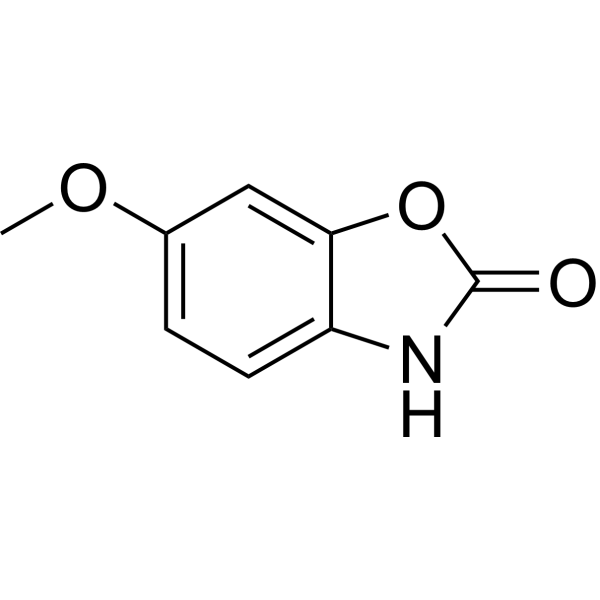
Coixol (6-Methoxy-2-benzoxazolinone; 6-MBOA) is a potent and orally active anti-inflammatory agent. Coixol decreases the iNOS protein expression. Coixol inhibits the production of TNF-α, IL-6, and IL-1β. Coixol improves glucose tolerance and plasma insulin. Coixol decreases the blood glucose level .
|
-
-
- HY-N15721
-
|
Trp-CA
|
Orphan GPCR
GLP Receptor
|
Metabolic Disease
|
|
Tryptophan-cholic acid (Trp-CA) is a microbial amino acid-conjugated bile acid that acts as an endogenous ligand and agonist (EC50=9.6 μM) for the orphan G protein-coupled receptor (GPCR) MRGPRE (Mas-related G protein-coupled receptor family member E). Tryptophan-cholic acid is orally effective but has poor oral absorption and does not cross the blood-brain barrier. Tryptophan-cholic acid promotes the secretion of glucagon-like peptide GLP-1, thereby improving glucose tolerance in diabetic mice. Tryptophan-cholic acid improves glucose tolerance, promotes insulin secretion, and alleviates high-fat diet-induced hepatic steatosis without causing pruritus side effects. Tryptophan-cholic acid is primarily used in research on type 2 diabetes (T2D) .
|
-
-
- HY-110197
-
6bK TFA
2 Publications Verification
|
IDE
|
Metabolic Disease
|
|
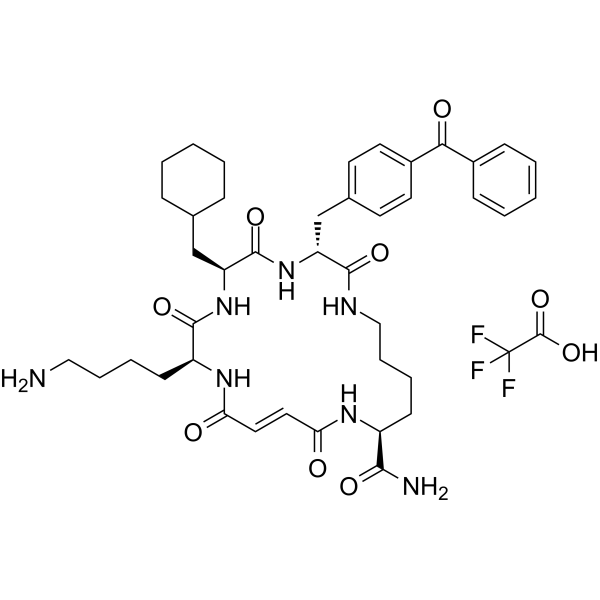
6bK TFA is a selective insulin-degrading enzyme (IDE) inhibitor with an IC50 of 50 nM. 6bK TFA binds to the distal pocket of IDE, thereby blocking substrate binding, peptide unfolding and cleavage processes, and reducing the degradation of insulin, glucagon and amylin. 6bK TFA improves oral glucose tolerance but impairs intraperitoneal glucose tolerance. 6bK TFA can be used in research related to type 2 diabetes .
|
-
-
- HY-164781
-
-
-
- HY-N8522
-
|
|
Others
|
Metabolic Disease
|
|
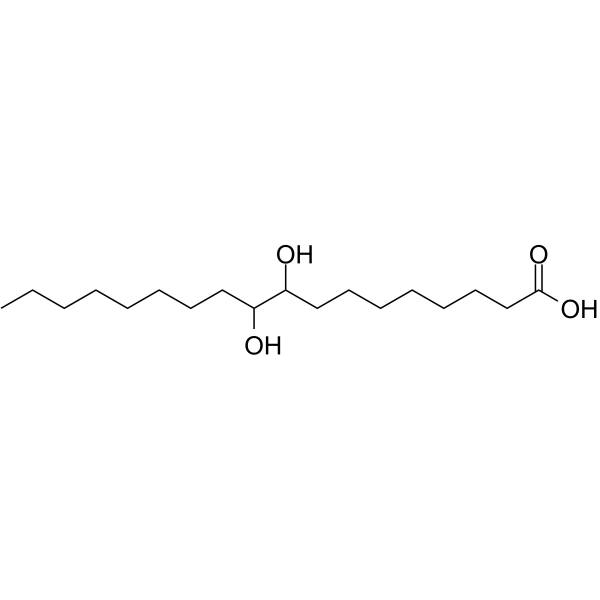
9,10-Dihydroxystearic acid is an oxidation product of oleic acid. 9,10-Dihydroxystearic acid can improve glucose tolerance and insulin sensitivity in KKAy mice .
|
-
-
- HY-P1434
-
|
|
Insulin Receptor
|
Metabolic Disease
|
|
[Pro3]-GIP (mouse) is a GIP receptor antagonist (IC50: 2.6 μM). [Pro3]-GIP (mouse) improves glucose tolerance and insulin sensitivity in ob/ob mice. [Pro3]-GIP (mouse) can be used for research of type 2 diabetes .
|
-
-
- HY-108448
-
|
OLDA
|
TRP Channel
Lipoxygenase
|
Cardiovascular Disease
Neurological Disease
Metabolic Disease
|
|
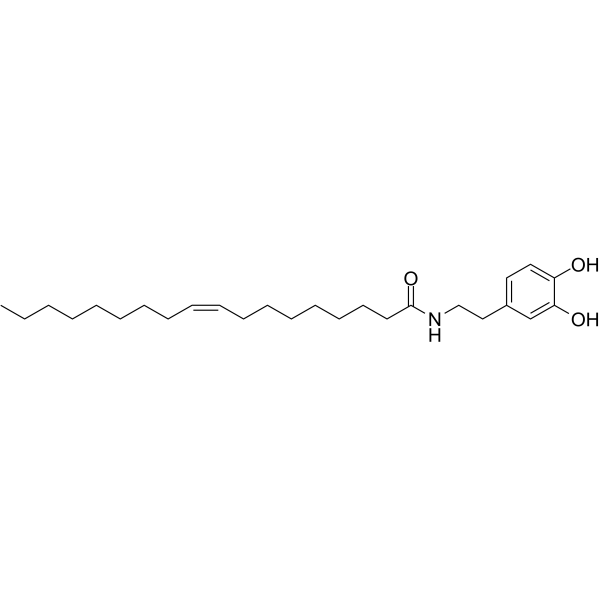
N-Oleoyldopamine (OLDA) is an orally active TRPV1 activator and 5-LOX inhibitor with blood-brain barrier permeability. N-Oleoyldopamine excites histaminergic neurons in the tuberomammillary nucleus via a dopamine receptor mechanism, a process independent of TRPV1 and cannabinoid receptors. On one hand, N-Oleoyldopamine promotes the release of insulin and glucose-dependent insulinotropic polypeptide through a GPR119-dependent pathway to improve glucose tolerance; on the other hand, N-Oleoyldopamine improves left ventricular function and reduces myocardial infarction size by triggering the release of substance P and calcitonin gene-related peptide. N-Oleoyldopamine is used in studies related to glycemic abnormalities and myocardial ischemia-reperfusion injury .
|
-
-
- HY-N15135
-
|
|
Interleukin Related
Toll-like Receptor (TLR)
Fungal
|
Metabolic Disease
|
|
Arabinoxylan Medium viscosity is an orally active Dectin-1 splice variant modulator, glucose absorption inhibitor, and chyme viscosity enhancer. Arabinoxylan Medium viscosity inhibits particulate β-glucan-induced Dectin-1A activation and mildly suppresses Dectin-1B activation. In human dendritic cells stimulated with particulate β-glucan, Arabinoxylan Medium viscosity reduces the production of IL-10 and TNF-α, and increases the production of IL-4 and IL-23. Arabinoxylan Medium viscosity also supports antifungal immune responses without activating TLR2, TLR4 or TLR5, and does not induce cytokine production when used to stimulate human dendritic cells alone. Arabinoxylan Medium viscosity increases small intestinal chyme viscosity, gets degraded in the large intestine to produce short-chain fatty acids, reduces glucose absorption and insulin response, and improves glucose homeostasis. Arabinoxylan Medium viscosity supports microbial fermentation and the growth of beneficial microbiota in the gastrointestinal tract, prevents bile acid reabsorption, and delays starch digestion. Arabinoxylan Medium viscosity can be used in research related to type 2 diabetes, impaired glucose tolerance, and metabolic syndrome .
|
-
-
- HY-111254
-
|
|
PPAR
NF-κB
JNK
|
Inflammation/Immunology
|
|
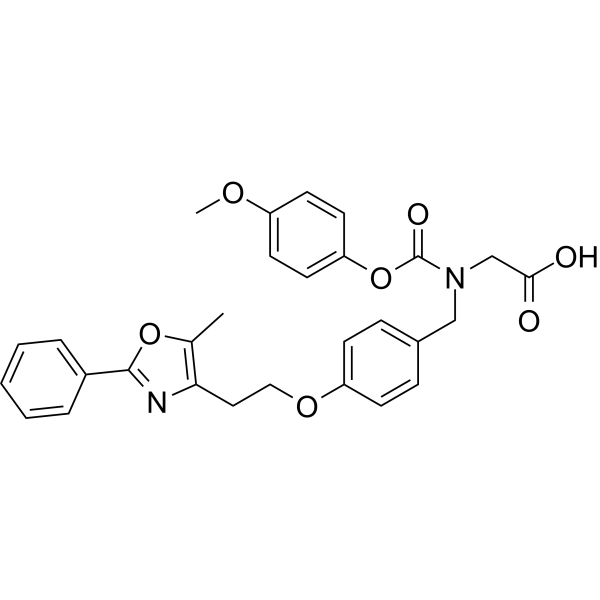
GQ-16 is an orally active PPARγ partial agonist with an IC50 of 1.84 μM and a Ki of 160 nM against human PPARγ. GQ-16 inhibits Cdk5-mediated Ser-273 phosphorylation. GQ-16 improves insulin sensitivity and glucose tolerance in obese and diabetic mice. GQ-16 also exhibits certain cytotoxicity against tumor cells. GQ-16 can be used in research related to obesity, diabetes and cancer .
|
-
-
- HY-19870C
-
|
RM-493 monoacetate; BIM-22493 monoacetate; IRC-022493 monoacetate
|
Melanocortin Receptor
Calmodulin
AMPK
|
Cardiovascular Disease
Metabolic Disease
Inflammation/Immunology
|
|
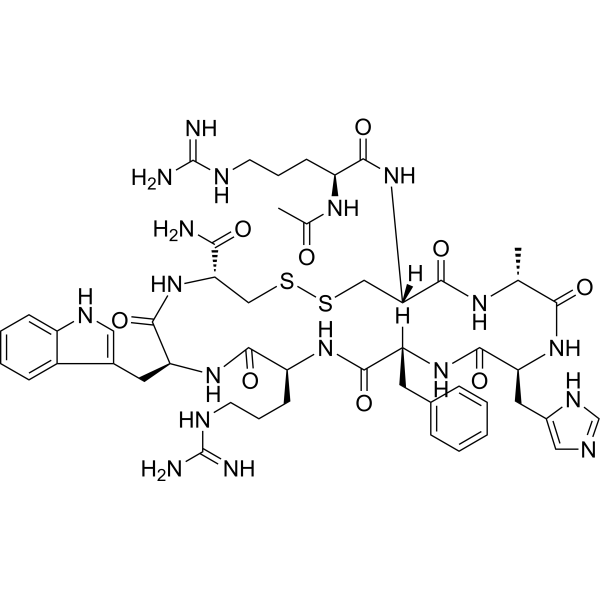
Setmelanotide monoacetate (RM-493 monoacetate) is a blood-brain barrier-permeable, selective MC4R agonist with a Ki value of 2.1 nM for hMC4R. Setmelanotide monoacetate activates the CaMKK2/AMPK signaling pathway. Setmelanotide monoacetate mediates body weight homeostasis, feeding regulation and energy expenditure modulation; it reduces food intake, induces weight loss, decreases obesity severity, increases daytime activity and energy expenditure, lowers levels of leptin, triglycerides, fasting insulin and diastolic blood pressure, improves insulin sensitivity, glucose tolerance and fatty liver condition, and reverses respiratory depression. Setmelanotide monoacetate is applicable to research related to obesity, hyperinsulinemia, fatty liver and respiratory depression .
|
-
-
- HY-131334
-
|
|
AMPK
|
Metabolic Disease
|
|
AMPK activator 4 is a potent AMPK activator without inhibition of mitochondrial complex I. AMPK activator 4 selectively activates AMPK in the muscle tissues. AMPK activator 4 dose-dependently improves glucose tolerance in normal mice, and significantly lowers fasting blood glucose level and ameliorates insulin resistance in db/db diabetic mice. Anti-hyperglycemic effect .
|
-
-
- HY-14811
-
|
ZGN-440; CKD-732 free base
|
MetAP
NF-κB
|
Metabolic Disease
|
Beloranib (ZGN-440; CKD-732 free base) is a selective, irreversible inhibitor of methionine aminopeptidase MetAP2 that suppresses appetite and increases energy expenditure. Beloranib blocks the enzymatic cleavage of N-terminal methionine from nascent proteins by forming a covalent bond with MetAP2, thereby regulating fatty acid metabolism, adrenergic signaling, and hypothalamic NF-κB expression. Beloranib significantly reduces food intake, body weight, and fat accumulation, while improving glucose tolerance, insulin sensitivity, and lipid metabolism. Beloranib also elevates energy expenditure and fat oxidation levels, without affecting body temperature, spontaneous activity, or the inflammatory cytokine IL-1β. Beloranib can be used in research on obesity and hypothalamic obesity .
|
-
-
- HY-N2421
-
|
5-O-Methyl-myo-inositol
|
NF-κB
TGF-β Receptor
Reactive Oxygen Species (ROS)
Insulin Receptor
Akt
Parasite
|
Infection
Metabolic Disease
Endocrinology
|
|
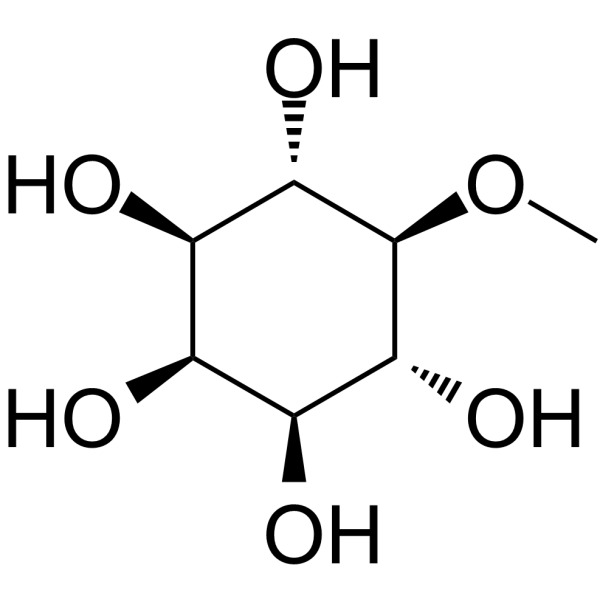
Sequoyitol (5-O-Methyl-myo-inositol) is an orally active hypoglycemic agent and antioxidant. Sequoyitol can be isolated from herbaceous plants. Sequoyitol downregulates the expression of NF-κB and TGF-β1, reduces ROS production and malondialdehyde levels, and enhances total antioxidant capacity. Sequoyitol activates the insulin signaling pathway, including the phosphorylation of IR, IRS1 and Akt. Sequoyitol increases serum insulin levels, inhibits hepatic glucose production, and promotes cellular glucose uptake. Sequoyitol antagonizes TNFα-induced inhibition of the insulin signaling pathway, and decreases blood urea nitrogen and serum creatinine levels. Sequoyitol elicits potential peaks in the chemosensors of adult and larval Atrophaneura alcinous, and acts as an oviposition stimulant for female Atrophaneura alcinous. Sequoyitol can be used in research related to type 2 diabetes, insulin resistance, hyperglycemia, impaired glucose tolerance and diabetic nephropathy .
|
-
-
- HY-E70599
-
|
|
Carboxylesterase (CES)
|
Metabolic Disease
|
|
Human CES2 Enzyme is a carboxylesterase involved in drug metabolism and lipid homeostasis. Human CES2 Enzyme hydrolyzes triglycerides, cholesteryl esters and retinyl esters to regulate lipid metabolism and energy homeostasis. Human CES2 Enzyme improves glucose tolerance and insulin sensitivity, reduces hepatic lipid accumulation, alleviates white adipose tissue steatitis, decreases plasma cholesterol levels, and reduces body weight and white adipose tissue weight. Human CES2 Enzyme can be used in the research of metabolic syndrome .
|
-
-
- HY-144035
-
|
|
GCGR
|
Metabolic Disease
Inflammation/Immunology
|
|
GLP-1R agonist 4 is a glucagon-like peptide-1 (GLP-1) receptor agonist. GLP-1 is an intestinal hypoglycemic hormone secreted by L-cells in the lower gastrointestinal tract. GLP-1R agonist 4 can be used for the research of type 2 diabetes mellitus, obesity, non-alcoholic steatohepatitis, insulin resistance and etc .
|
-
-
- HY-N11262
-
|
|
Phosphodiesterase (PDE)
Sirtuin
PGC-1α
p38 MAPK
HSP
TNF Receptor
NO Synthase
Apoptosis
|
Metabolic Disease
Inflammation/Immunology
|
|
Sudachitin is an orally active compound that potently inhibits mouse PDE1C and human PDE4B, with IC50 values of 5.0 μM and 15.0 μM, respectively. Sudachitin upregulates Sirt1 and PGC‑1α expression in skeletal muscle to regulate energy metabolism and promote mitochondrial biogenesis. Sudachitin improves lipid metabolism, glucose tolerance, insulin sensitivity, energy expenditure, and fatty acid β‑oxidation. Sudachitin activates p38MAPK signaling, induces HSP27 phosphorylation and caspase‑dependent apoptosis, and blocks EGF‑driven keratinocyte migration and proliferation. Sudachitin suppresses LPS‑induced TNF‑α, NO, and iNOS expression in macrophages and shows potent anti‑inflammatory activity. Sudachitin can be used for the research of metabolic syndrome, type 2 diabetes, and psoriasis. .
|
-
-
- HY-14811A
-
|
ZGN-440 hemioxalate; ZGN-433 hemioxalate; CDK732 hemioxalate
|
NF-κB
MetAP
|
Metabolic Disease
|
Beloranib (ZGN-440; CKD-732 free base) hemioxalate is a selective, irreversible inhibitor of methionine aminopeptidase MetAP2 that suppresses appetite and increases energy expenditure. Beloranib hemioxalate blocks the enzymatic cleavage of N-terminal methionine from nascent proteins by forming a covalent bond with MetAP2, thereby regulating fatty acid metabolism, adrenergic signaling, and hypothalamic NF-κB expression. Beloranib hemioxalate significantly reduces food intake, body weight, and fat accumulation, while improving glucose tolerance, insulin sensitivity, and lipid metabolism. Beloranib hemioxalate also elevates energy expenditure and fat oxidation levels, without affecting body temperature, spontaneous activity, or the inflammatory cytokine IL-1β. Beloranib hemioxalate can be used in research on obesity and hypothalamic obesity .
|
-
-
- HY-129736A
-
|
|
Dipeptidyl Peptidase
|
Metabolic Disease
|
|
P32/98 a potent inhibitor of dipeptidyl peptidase IV with a Ki value of 130 nM. P32/98 improves glucose tolerance, insulin sensitivity and β-cell responsiveness in fatty Zucker rat model .
|
-
-
- HY-W709961
-
|
1-(3-Carboxypropyl)tetradecyl (9Z)-9-octadecenoate
|
Endogenous Metabolite
|
Metabolic Disease
Inflammation/Immunology
|
|
5-OAHSA (1-(3-Carboxypropyl)tetradecyl (9Z)-9-octadecenoate) is a endogenous lipid. 5-OAHSA reduces the level of blood glucose, improves the glucose tolerance, and stimulates the the secretion of GLP-1 and insulin. 5-OAHSA exhibits potential in regulating metabolic and inflammatory responses .
|
-
-
- HY-17538A
-
|
|
PGC-1α
|
Metabolic Disease
|
|
ZLN005 (hydrochloride) is a peroxisome proliferator-activated receptor-g coactivator-1a (PGC-1α) activator. ZLN005 (hydrochloride) can stimulate the expression of PGC-1α and downstream genes in skeletal muscle cells, improve glucose utilization and fatty acid oxidation. ZLN005 (hydrochloride) can increase the transcription of PGC-1α and downstream genes in skeletal muscle of diabetic db/db mice, increase fat oxidation and improve glucose tolerance, pyruvate tolerance and insulin sensitivity .
|
-
-
- HY-160602
-
|
|
Free Fatty Acid Receptor
|
Metabolic Disease
|
|
CPL207280 is an orally active GPR40/FFA1 agonist with an antidiabetic effect. CPL207280 can effectively enhance glucose-stimulated insulin secretion and improve glucose tolerance in MIN6 pancreatic β-cells as well as in healthy Wistar Han rats and diabetic rat models. CPL207280 can be used for the research of type 2 diabetes .
|
-
-
- HY-106863
-
|
|
Adrenergic Receptor
|
Metabolic Disease
|
|
BRL 35135 is a potent and selective β3-adrenergic receptor agonist. BRL 35135 can dose dependently increase energy expenditure, reduce weight, and only reduce fat without reducing muscle protein. BRL 35135 can significantly improve glucose tolerance and insulin sensitivity. BRL 35135 can be used to study metabolic conditions such as obesity and diabetes .
|
-
-
- HY-N0936R
-
|
6-Methoxy-2-benzoxazolinone (Standard); 6-MBOA (Standard)
|
Reference Standards
Others
|
Inflammation/Immunology
|
|
Coixol (6-Methoxy-2-benzoxazolinone; 6-MBOA) is a potent and orally active anti-inflammatory agent. Coixol decreases the iNOS protein expression. Coixol inhibits the production of TNF-α, IL-6, and IL-1β. Coixol improves glucose tolerance and plasma insulin. Coixol decreases the blood glucose level .
|
-
-
- HY-178857
-
|
|
Cannabinoid Receptor
|
Metabolic Disease
|
|
CB1 antagonist 6 (Compound 11jE2) is an orally active CB1R antagonist, with an IC50 value of 23 nM. CB1 antagonist 6 significantly reduces food intake and body weight, improves glucose tolerance and insulin resistance, and decreases serum ALT and AST levels in diet-induced obese (DIO) mice, demonstrating hepatoprotective effects. CB1 antagonist 6 can be used for the study of metabolic syndrome (obesity, diabetes) .
|
-
-
- HY-173479
-
|
|
GLP Receptor
|
Cardiovascular Disease
Metabolic Disease
|
|
GLP-1R agonist 30 is a selective and orally active GLP-1R agonist with an EC50 of 0.048 nM. GLP-1R has excellent selectivity, with EC50 greater than 20 μM for GLP-2R, GIPR, and GCPR. GLP-1R agonist significantly increases cAMP-stimulating activity while markedly reducing hERG inhibitory activities. GLP-1R agonist has preferable absorption and excellent β-arrestin pathway selectivity. GLP-1R agonist effectively improves glucose tolerance and promoted insulin secretion in B-hGLP1R knock-in mice .
|
-
-
- HY-186028
-
|
|
Olfactory Receptor
|
Metabolic Disease
|
|
HOR1-C59 is a highly selective Or5v1/Olfr110 agonist with an EC50 of 7.12 nM. HOR1-C59 can improve glucose homeostasis, alleviate obesity and insulin resistance. HOR1-C59 is applicable for obesity-related research .
|
-
-
- HY-117830
-
|
|
Phosphatase
|
Endocrinology
|
|
CX08005 is a competitive PTP1B inhibitor. CX08005 can directly enhance the action of insulin in vivo and in vitro and improve insulin resistance .
|
-
-
- HY-117446
-
|
|
GPR119
|
Metabolic Disease
|
|
AS-1669058 is a GPR119 agonist and a potential inhibitor of type 2 diabetes. AS-1669058 induces insulin secretion in response to high blood glucose levels in vitro and in vivo and increases insulin promoter activity. In animal studies, AS-1669058 improved glucose tolerance and reduced blood glucose levels in db/db mice .
|
-
-
- HY-117446A
-
|
|
GPR119
|
Metabolic Disease
|
|
AS-1669058 free base is a GPR119 agonist and a potential inhibitor of type 2 diabetes. AS-1669058 free base induces insulin secretion induced by high blood glucose levels in vitro and in vivo and increases insulin promoter activity. In animal studies, AS-1669058 free base improved glucose tolerance and reduced blood glucose levels in db/db mice.
|
-
-
- HY-170874
-
|
|
PPAR
|
Metabolic Disease
|
|
PPARγ modulator-2 (Compound (R)-2n) is the reversible modulator for PPARγ that inhibits PPARγ ligand-binding domain (LBD) with an IC50 of 41 nM. PPARγ modulator-2 reduces blood glucose, improves the glucose tolerance and insulin tolerance, and exhibits anti-diabetic efficacy in db/db mouse models .
|
-
-
- HY-129736
-
|
|
Dipeptidyl Peptidase
|
Metabolic Disease
|
|
P32/98 hemifumarateis a potent inhibitor of dipeptidyl peptidase IV with a Ki value of 130 nM. P32/98 hemifumarate improves glucose tolerance, insulin sensitivity and β-cell responsiveness in fatty Zucker rat model .
|
-
-
- HY-133559
-
|
|
PPAR
|
Metabolic Disease
|
|
VSP-77 is an orally active PPARγ agonist. VSP-77 selectively upregulates the expression of insulin sensitivity-related genes (Glut4 and Adiponectin) by inhibiting CDK5-mediated phosphorylation of PPARγ at Ser-273. VSP-77 significantly improves glucose tolerance, reduces fasting blood glucose and insulin levels in high-fat diet (HFD)-induced diabetic mouse models. VSP-77 can be used for the study of diabetes .
|
-
-
- HY-10287A
-
|
|
Dipeptidyl Peptidase
|
Metabolic Disease
|
|
Gosogliptin hydrochloride is the hydrochloride of Gosogliptin (HY-10287). Gosogliptin (PF-00734200) is a potent, orally active, selective, and competitive inhibitor of DPP-IV, the enzyme mainly responsible for the degradation of the incretin peptides GLP-1 and glucose-dependent insulinotropic polypeptide. Gosogliptin demonstrates rapid and reversible inhibition of plasma DPP-4 activity. Gosogliptin stimulates insulin secretion and improves glucose tolerance .
|
-
-
- HY-117459
-
|
|
PPAR
|
Metabolic Disease
|
|
E-3030 free acid is a potent dual activator of peroxisome proliferator-activated receptor (PPAR) alpha and PPARgamma, exhibiting significant antidiabetic and lipid-modulating effects. E-3030 decreases blood glucose, triglyceride, non-esterified fatty acids, and insulin levels, while increasing blood adiponectin levels. E-3030 improves glucose tolerance and shows remarkable triglyceride- and non-high-density lipoprotein cholesterol-lowering effects in animal models.
|
-
-
- HY-10289
-
|
RO-4876904
|
Dipeptidyl Peptidase
GLP Receptor
P-glycoprotein
|
Metabolic Disease
|
|
Carmegliptin (RO-4876904) is an orally active and potent DPP IV inhibitor with a human DPP IV IC50 of 6.8 nM. Carmegliptin binds to the S1 pocket of DPP IV, blocks the degradation of GLP 1, potentiates endogenous GLP 1, increases plasma insulin levels, alleviates hyperglycemia, improves glucose tolerance. Carmegliptin acts as a substrate for human P glycoprotein without inhibiting the transporter, shows low in vitro cell permeability. Carmegliptin can be used for the research of type 2 diabetes, non insulin dependent diabetes mellitus .
|
-
-
- HY-P0165B
-
|
ITM077 acetate; R1583 acetate; BIM51077 acetate
|
GLP Receptor
|
Metabolic Disease
|
|
Taspoglutide (R1583) acetate is an agonist of the glucagon-like peptide 1 receptor (GLP-1R) with an Ki value of 1.1 nM. Taspoglutide acetate induces cAMP accumulation in CHO-K1 cells expressing human GLP-1R (EC50 = 0.06 nM). Taspoglutide acetate decreases blood levels of glucose and increases blood levels of insulin in a glucose tolerance test in Zucker diabetic obese rats. Taspoglutide acetate reduces blood levels of gastric inhibitory polypeptide (GIP), plasma levels of triglycerides, and body weight in the same model .
|
-
-
- HY-13991A
-
|
|
Ras
|
Metabolic Disease
Cancer
|
|
(S)-CCG-1423 is an inhibitor of Rho signaling that blocks the nuclear import of MRTF-A. (S)-CCG-1423 reduces the nuclear accumulation of MRTF-A and improves glucose uptake and tolerance in insulin-resistance mice in vivo. (S)-CCG-1423 exhibits higher inhibition activity than the SR- and the R-isomers of CCG-1423 (HY-13991). (S)-CCG-1423 can be used for the research of cancer and diabetes .
|
-
-
- HY-155967
-
|
|
AMPK
Cannabinoid Receptor
|
Metabolic Disease
|
|
CB1R/AMPK modulator 1 (Compound 38-S) is an orally active CB1R/AMPK modulator, with an Ki of 0.81 nM and an IC50 of 3.9 nM for CB1R. CB1R/AMPK modulator 1 activates AMPK. CB1R/AMPK modulator 1 reduces food intake and body weight, and improves glucose tolerance and insulin sensitivity .
|
-
-
- HY-N2593R
-
|
|
Reference Standards
Carnitine Palmitoyltransferase (CPT)
Reactive Oxygen Species (ROS)
Autophagy
Apoptosis
NF-κB
PI3K
Akt
MMP
Keap1-Nrf2
|
Inflammation/Immunology
Cancer
|
|
Isorhapontigenin (Standard) is the analytical standard of Isorhapontigenin (HY-N2593). This product is intended for research and analytical applications. Isorhapontigenin is an orally active dietary polyphenol. Isorhapontigenin acts as a potent antioxidant that reduces the production of reactive oxygen species (ROS). Isorhapontigenin promotes the binding of JUN to the AP-1 site on the SESN2 promoter, induces SESN2 transcription, triggers MAPK8-dependent JUN activation, and upregulates the expression of PPAR-α, PGC-1α and CPT-1A to facilitate fatty acid oxidation. Isorhapontigenin induces autophagy, apoptosis and preadipocyte differentiation; it inhibits tumor growth, cell invasion, NF-κB transcriptional activity, the PI3K/Akt signaling pathway, STAT1 phosphorylation and MMP-2 expression. Isorhapontigenin alleviates oxidative stress, inflammatory cytokine release and triglyceride accumulation; it increases intracellular ATP levels and promotes Nrf2 nuclear translocation. Isorhapontigenin improves insulin sensitivity in adipose tissue and glucose tolerance, and reduces postprandial blood glucose, insulin and free fatty acid levels. Isorhapontigenin is applicable to research on bladder cancer, liver injury, chronic obstructive pulmonary disease, acute lung injury and type 2 diabetes.
|
-
-
- HY-182558
-
|
|
Drug Derivative
AMPK
IKK
NF-κB
|
Metabolic Disease
|
|
Nandinine is an orally active derivative of Berberine (HY-N0716). Nandinine enhances AMPK activity, inhibits the activation of IKKβ/NF-κB, and regulates the phosphorylation of IRS-1. Nandinine reverses the abnormal production of adipokines, promotes insulin-mediated glucose uptake, and alleviates insulin resistance. Nandinine improves glucose tolerance and increases the insulin sensitivity index in mice. Nandinine can be used in studies related to insulin resistance .
|
-
-
- HY-110197A
-
|
|
IDE
|
Metabolic Disease
|
|
6bK formate is a potent and selective insulin degrading enzyme (IDE) inhibitor with an IC50 value of 50 nM. 6bK formate increases circulating insulin in high-fat-fed mice. Acute administration of 6bK formate enhances glucose tolerance to oral glucose, notably to a greater extent in high-fat-fed mice. 6bK formate can be used for type 2 diabetes research .
|
-
-
- HY-182300
-
|
|
Dipeptidyl Peptidase
GLP Receptor
|
Metabolic Disease
|
|
FE 999011 is an orally active dipeptidyl peptidase IV (DPP-IV) inhibitor with IC50 values of 7 nM and 3 nM against human and rat sources, respectively. FE 999011 acts as a glucose tolerance-improving agent and a GLP-1 receptor activator, which reduces blood glucose fluctuation, promotes GLP-1 release and decreases the insulin-glucose ratio. FE 999011 regulates lipid metabolism, delays the onset of diabetes, stabilizes food and water intake, reduces hypertriglyceridemia, prevents the elevation of free fatty acids, and delays the progression of impaired glucose tolerance to disease. FE 999011 can be used in relevant studies of type 2 diabetes .
|
-
-
- HY-180936
-
|
|
FBPase
AMPK
mTOR
Ribosomal S6 Kinase (RSK)
|
Metabolic Disease
|
|
FBPase-IN-6 (Compound 96) is an orally active FBPase inhibitor with an IC50 value of 1.769 μM. FBPase-IN-6 modulates AMPK/mTORC1/S6K signaling pathways. FBPase-IN-6 improves glucose tolerance, enhances insulin sensitivity, and promotes insulin secretion in type 2 diabetic mice .
|
-
-
- HY-180415
-
|
|
11β-HSD
|
Metabolic Disease
|
|
UE2316 is an orally active and specific 11βHSD1 inhibitor. UE2316 significantly improves glucose tolerance and insulin sensitivity in uremic rats. UE2316 also exacerbates hepatic fibrosis in mice. UE2316 can be used in the research of diseases such as hepatic fibrosis, uremia and diabetes mellitus .
|
-
-
- HY-182580
-
|
|
GPR119
Dipeptidyl Peptidase
|
Metabolic Disease
Inflammation/Immunology
|
|
HBK001 is an orally active and selective dual GPR119 agonist and DPP-IV inhibitor. HBK001 triggers cAMP production, PKA activation, CREB phosphorylation, glucose-stimulated insulin secretion, plasma incretin elevation, β-cell proliferation, and β-cell function gene up-regulation. HBK001 reduces blood glucose, ameliorates hyperglycemia, improves glucose tolerance, and enhances islet morphology. HBK001 can be used for the research of type 2 diabetes mellitus .
|
-
-
- HY-125646
-
|
|
GPR119
|
Metabolic Disease
|
|
YH18968 is an orally active GPR119 agonist with an EC50 of 2.8 nM for inducing cAMP accumulation. YH18968 activates GPR119, elevates intracellular cyclic adenosine monophosphate levels, stimulates glucagon-like peptide-1 secretion from intestinal L cells, and triggers glucose-dependent insulin secretion from pancreatic β cells. YH18968 improves glucose tolerance in normal mice and diet-induced obese mice. YH18968 can be used for the research of type 2 diabetes .
|
-
-
- HY-P11610
-
|
|
Amylin Receptor
CGRP Receptor
|
Metabolic Disease
|
|
KBP-089 is a dual Amylin and Calcitonin Receptor agonist. KBP-089 reduces body weight, decreases adipose tissue mass and improves glucose tolerance in obese rats. KBP-089 also eliminates lipid accumulation in the liver and muscle, and ameliorates glycemic homeostasis and insulin sensitivity. KBP-089 is applicable to the research of diseases such as obesity and type 2 diabetes .
|
-
- HY-182280
-
|
|
Insulin Receptor
|
Metabolic Disease
|
|
BDM71230 is an orally active inducer of insulin-degrading enzyme (IDE), with an EC50 of 1.9 μM against human IDE. BDM71230 binds to the interface of IDE dimers and enhances the catalytic activity of IDE via steric effects. BDM71230 can potentiate the hydrolytic effect of IDE on insulin and slightly attenuate the hypoglycemic effect of insulin. BDM71230 serves as a pharmacological tool for investigating IDE function and is applicable to studies related to glucose intolerance .
|
-
- HY-186011
-
|
|
Progesterone Receptor
|
Metabolic Disease
|
|
CPAG-1 is a small-molecule activator of progesterone receptor membrane component 2 (PGRMC2). CPAG-1 can enhance mitochondrial heme delivery to the nucleus mediated by PGRMC2 and activate genes related to heat production in brown adipose tissue (BAT), such as Ucp1 and Pgc-1α, and reduce lipid accumulation in BAT. CPAG-1 reduce fasting blood sugar and insulin levels, and improve glucose tolerance and insulin sensitivity. CPAG-1 can be used for research of type 2 diabetes .
|
-
- HY-10289A
-
|
RO-4876904 hydrochloride
|
Dipeptidyl Peptidase
GLP Receptor
P-glycoprotein
|
Metabolic Disease
|
|
Carmegliptin hydrochloride (RO-4876904 hydrochloride) is an orally active and potent DPP‑IV inhibitor with a human DPP‑IV IC50 of 6.8 nM. Carmegliptin hydrochloride binds to the S1 pocket of DPP‑IV, blocks the degradation of GLP‑1, potentiates endogenous GLP‑1, increases plasma insulin levels, alleviates hyperglycemia, improves glucose tolerance. Carmegliptin hydrochloride acts as a substrate for human P‑glycoprotein without inhibiting the transporter, shows low in vitro cell permeability. Carmegliptin hydrochloride can be used for the research of type 2 diabetes, non‑insulin‑dependent diabetes mellitus .
|
-
- HY-139792
-
|
SHR117887
|
Endogenous Metabolite
|
Metabolic Disease
|
|
Besigliptin tosylate (SHR117887) is a DPP-4 inhibitor with activity to improve metabolic control and β-cell function. Besigliptin tosylate can effectively reduce serum DPP-4 activity and improve oral glucose tolerance. Besigliptin tosylate significantly reduces fasting blood glucose levels and improves lipid profiles in a diabetic mouse model. The effect of besigliptin tosylate is comparable to that of the known compound vildagliptin (HY-14291) at the same concentration. Besigliptin tosylate increases insulin staining of pancreatic islet cells in chronic administration, indicating improved β-cell function .
|
-
- HY-182046
-
|
|
MNK
PPAR
Eukaryotic Initiation Factor (eIF)
Stearoyl-CoA Desaturase (SCD)
|
Metabolic Disease
|
|
HD202A is an orally active, selective dual inhibitor of MNK1/MNK2 (with IC50 values of 6.09 nM and 8.06 nM, and Kd values of 1.913 μM and 5.244 μM, respectively) that inhibits the MNK-eIF4E signaling pathway. By downregulating perilipin 2 and SCD1, while upregulating adipose triglyceride lipase and PPARγ coactivator 1α, HD202A enhances mitochondrial fatty acid oxidation and redox homeostasis. HD202A effectively suppresses body weight gain, hepatic lipid accumulation and elevation of serum lipids, significantly improves glucose tolerance and insulin sensitivity of the organism, and ameliorates inflammatory features. With these comprehensive pharmacological activities, HD202A exhibits great application potential in studies of metabolic dysfunction-associated steatotic liver disease .
|
-
| Cat. No. |
Product Name |
Target |
Research Area |
-
- HY-P1434
-
|
|
Insulin Receptor
|
Metabolic Disease
|
|
[Pro3]-GIP (mouse) is a GIP receptor antagonist (IC50: 2.6 μM). [Pro3]-GIP (mouse) improves glucose tolerance and insulin sensitivity in ob/ob mice. [Pro3]-GIP (mouse) can be used for research of type 2 diabetes .
|
-
- HY-19870C
-
|
RM-493 monoacetate; BIM-22493 monoacetate; IRC-022493 monoacetate
|
Melanocortin Receptor
Calmodulin
AMPK
|
Cardiovascular Disease
Metabolic Disease
Inflammation/Immunology
|
|
Setmelanotide monoacetate (RM-493 monoacetate) is a blood-brain barrier-permeable, selective MC4R agonist with a Ki value of 2.1 nM for hMC4R. Setmelanotide monoacetate activates the CaMKK2/AMPK signaling pathway. Setmelanotide monoacetate mediates body weight homeostasis, feeding regulation and energy expenditure modulation; it reduces food intake, induces weight loss, decreases obesity severity, increases daytime activity and energy expenditure, lowers levels of leptin, triglycerides, fasting insulin and diastolic blood pressure, improves insulin sensitivity, glucose tolerance and fatty liver condition, and reverses respiratory depression. Setmelanotide monoacetate is applicable to research related to obesity, hyperinsulinemia, fatty liver and respiratory depression .
|
-
- HY-P0165B
-
|
ITM077 acetate; R1583 acetate; BIM51077 acetate
|
GLP Receptor
|
Metabolic Disease
|
|
Taspoglutide (R1583) acetate is an agonist of the glucagon-like peptide 1 receptor (GLP-1R) with an Ki value of 1.1 nM. Taspoglutide acetate induces cAMP accumulation in CHO-K1 cells expressing human GLP-1R (EC50 = 0.06 nM). Taspoglutide acetate decreases blood levels of glucose and increases blood levels of insulin in a glucose tolerance test in Zucker diabetic obese rats. Taspoglutide acetate reduces blood levels of gastric inhibitory polypeptide (GIP), plasma levels of triglycerides, and body weight in the same model .
|
-
- HY-P11610
-
|
|
Amylin Receptor
CGRP Receptor
|
Metabolic Disease
|
|
KBP-089 is a dual Amylin and Calcitonin Receptor agonist. KBP-089 reduces body weight, decreases adipose tissue mass and improves glucose tolerance in obese rats. KBP-089 also eliminates lipid accumulation in the liver and muscle, and ameliorates glycemic homeostasis and insulin sensitivity. KBP-089 is applicable to the research of diseases such as obesity and type 2 diabetes .
|
| Cat. No. |
Product Name |
Category |
Target |
Chemical Structure |
-
- HY-N9410
-
-
-
- HY-N2593
-
|
|
Structural Classification
Stilbenes
Classification of Application Fields
Gnetum cleistostachyum C. Y. Cheng
Phenols
Polyphenols
Gnetaceae
Plants
Inflammation/Immunology
Disease Research Fields
Source Classification
|
Carnitine Palmitoyltransferase (CPT)
Reactive Oxygen Species (ROS)
Autophagy
Apoptosis
NF-κB
PI3K
Akt
MMP
Keap1-Nrf2
|
|
Isorhapontigenin is an orally active dietary polyphenol. Isorhapontigenin acts as a potent antioxidant that reduces the production of reactive oxygen species (ROS). Isorhapontigenin promotes the binding of JUN to the AP-1 site on the SESN2 promoter, induces SESN2 transcription, triggers MAPK8-dependent JUN activation, and upregulates the expression of PPAR-α, PGC-1α and CPT-1A to facilitate fatty acid oxidation. Isorhapontigenin induces autophagy, apoptosis and preadipocyte differentiation; it inhibits tumor growth, cell invasion, NF-κB transcriptional activity, the PI3K/Akt signaling pathway, STAT1 phosphorylation and MMP-2 expression. Isorhapontigenin alleviates oxidative stress, inflammatory cytokine release and triglyceride accumulation; it increases intracellular ATP levels and promotes Nrf2 nuclear translocation. Isorhapontigenin improves insulin sensitivity in adipose tissue and glucose tolerance, and reduces postprandial blood glucose, insulin and free fatty acid levels. Isorhapontigenin is applicable to research on bladder cancer, liver injury, chronic obstructive pulmonary disease, acute lung injury and type 2 diabetes .
|
-
-
- HY-N0936
-
-
-
- HY-N15721
-
|
Trp-CA
|
Triterpenes
Structural Classification
Terpenoids
Endogenous metabolite
Source Classification
|
Orphan GPCR
GLP Receptor
|
|
Tryptophan-cholic acid (Trp-CA) is a microbial amino acid-conjugated bile acid that acts as an endogenous ligand and agonist (EC50=9.6 μM) for the orphan G protein-coupled receptor (GPCR) MRGPRE (Mas-related G protein-coupled receptor family member E). Tryptophan-cholic acid is orally effective but has poor oral absorption and does not cross the blood-brain barrier. Tryptophan-cholic acid promotes the secretion of glucagon-like peptide GLP-1, thereby improving glucose tolerance in diabetic mice. Tryptophan-cholic acid improves glucose tolerance, promotes insulin secretion, and alleviates high-fat diet-induced hepatic steatosis without causing pruritus side effects. Tryptophan-cholic acid is primarily used in research on type 2 diabetes (T2D) .
|
-
-
- HY-N8522
-
-
-
- HY-N15135
-
|
|
Structural Classification
Polysaccharides
Antibiotics
Leguminosae
Pisum sativum Linn
Plants
Saccharides
Other Antibiotics
Source Classification
|
Interleukin Related
Toll-like Receptor (TLR)
Fungal
|
|
Arabinoxylan Medium viscosity is an orally active Dectin-1 splice variant modulator, glucose absorption inhibitor, and chyme viscosity enhancer. Arabinoxylan Medium viscosity inhibits particulate β-glucan-induced Dectin-1A activation and mildly suppresses Dectin-1B activation. In human dendritic cells stimulated with particulate β-glucan, Arabinoxylan Medium viscosity reduces the production of IL-10 and TNF-α, and increases the production of IL-4 and IL-23. Arabinoxylan Medium viscosity also supports antifungal immune responses without activating TLR2, TLR4 or TLR5, and does not induce cytokine production when used to stimulate human dendritic cells alone. Arabinoxylan Medium viscosity increases small intestinal chyme viscosity, gets degraded in the large intestine to produce short-chain fatty acids, reduces glucose absorption and insulin response, and improves glucose homeostasis. Arabinoxylan Medium viscosity supports microbial fermentation and the growth of beneficial microbiota in the gastrointestinal tract, prevents bile acid reabsorption, and delays starch digestion. Arabinoxylan Medium viscosity can be used in research related to type 2 diabetes, impaired glucose tolerance, and metabolic syndrome .
|
-
-
- HY-N2421
-
|
5-O-Methyl-myo-inositol
|
Structural Classification
Natural Products
Classification of Application Fields
Leguminosae
Glycine max (L.) merr
Metabolic Disease
Plants
Disease Research Fields
Source Classification
|
NF-κB
TGF-β Receptor
Reactive Oxygen Species (ROS)
Insulin Receptor
Akt
Parasite
|
|
Sequoyitol (5-O-Methyl-myo-inositol) is an orally active hypoglycemic agent and antioxidant. Sequoyitol can be isolated from herbaceous plants. Sequoyitol downregulates the expression of NF-κB and TGF-β1, reduces ROS production and malondialdehyde levels, and enhances total antioxidant capacity. Sequoyitol activates the insulin signaling pathway, including the phosphorylation of IR, IRS1 and Akt. Sequoyitol increases serum insulin levels, inhibits hepatic glucose production, and promotes cellular glucose uptake. Sequoyitol antagonizes TNFα-induced inhibition of the insulin signaling pathway, and decreases blood urea nitrogen and serum creatinine levels. Sequoyitol elicits potential peaks in the chemosensors of adult and larval Atrophaneura alcinous, and acts as an oviposition stimulant for female Atrophaneura alcinous. Sequoyitol can be used in research related to type 2 diabetes, insulin resistance, hyperglycemia, impaired glucose tolerance and diabetic nephropathy .
|
-
-
- HY-N11262
-
|
|
Structural Classification
Flavonoids
Flavones
Rutaceae
Citrus sudachi Hort. ex Shirai.
Plants
Source Classification
|
Phosphodiesterase (PDE)
Sirtuin
PGC-1α
p38 MAPK
HSP
TNF Receptor
NO Synthase
Apoptosis
|
|
Sudachitin is an orally active compound that potently inhibits mouse PDE1C and human PDE4B, with IC50 values of 5.0 μM and 15.0 μM, respectively. Sudachitin upregulates Sirt1 and PGC‑1α expression in skeletal muscle to regulate energy metabolism and promote mitochondrial biogenesis. Sudachitin improves lipid metabolism, glucose tolerance, insulin sensitivity, energy expenditure, and fatty acid β‑oxidation. Sudachitin activates p38MAPK signaling, induces HSP27 phosphorylation and caspase‑dependent apoptosis, and blocks EGF‑driven keratinocyte migration and proliferation. Sudachitin suppresses LPS‑induced TNF‑α, NO, and iNOS expression in macrophages and shows potent anti‑inflammatory activity. Sudachitin can be used for the research of metabolic syndrome, type 2 diabetes, and psoriasis. .
|
-
-
- HY-N0936R
-
-
-
- HY-N2593R
-
|
|
Structural Classification
Stilbenes
Gnetum cleistostachyum C. Y. Cheng
Phenols
Polyphenols
Gnetaceae
Plants
Source Classification
|
Reference Standards
Carnitine Palmitoyltransferase (CPT)
Reactive Oxygen Species (ROS)
Autophagy
Apoptosis
NF-κB
PI3K
Akt
MMP
Keap1-Nrf2
|
|
Isorhapontigenin (Standard) is the analytical standard of Isorhapontigenin (HY-N2593). This product is intended for research and analytical applications. Isorhapontigenin is an orally active dietary polyphenol. Isorhapontigenin acts as a potent antioxidant that reduces the production of reactive oxygen species (ROS). Isorhapontigenin promotes the binding of JUN to the AP-1 site on the SESN2 promoter, induces SESN2 transcription, triggers MAPK8-dependent JUN activation, and upregulates the expression of PPAR-α, PGC-1α and CPT-1A to facilitate fatty acid oxidation. Isorhapontigenin induces autophagy, apoptosis and preadipocyte differentiation; it inhibits tumor growth, cell invasion, NF-κB transcriptional activity, the PI3K/Akt signaling pathway, STAT1 phosphorylation and MMP-2 expression. Isorhapontigenin alleviates oxidative stress, inflammatory cytokine release and triglyceride accumulation; it increases intracellular ATP levels and promotes Nrf2 nuclear translocation. Isorhapontigenin improves insulin sensitivity in adipose tissue and glucose tolerance, and reduces postprandial blood glucose, insulin and free fatty acid levels. Isorhapontigenin is applicable to research on bladder cancer, liver injury, chronic obstructive pulmonary disease, acute lung injury and type 2 diabetes.
|
-
| Cat. No. |
Product Name |
|
Classification |
-
- HY-N9410
-
|
1-Linoleoyl-2-Hydroxy-sn-glycero-3-PC; LPC(18:2/0:0); LysoPC(18:2)
|
|
Phospholipids
|
|
Lysophosphatidylcholine 18:2 (1-Linoleoyl-2-Hydroxy-sn-glycero-3-PC), a lysophospholipid, is a potential biomarker identified from insulin resistance (IR) polycystic ovary syndrome (PCOS). Low plasma Lysophosphatidylcholine 18:2 also has been shown to predict impaired glucose tolerance, insulin resistance, type 2 diabetes, coronary artery disease, and memory impairment .
|
Your information is safe with us. * Required Fields.
Inquiry Information
- Product Name:
- Cat. No.:
- Quantity:
- MCE Japan Authorized Agent: