Search Result
Results for "
mechanical pain
" in MedChemExpress (MCE) Product Catalog:
1
Isotope-Labeled Compounds
| Cat. No. |
Product Name |
Target |
Research Areas |
Chemical Structure |
-
- HY-P1410B
-
-
-
- HY-18732A
-
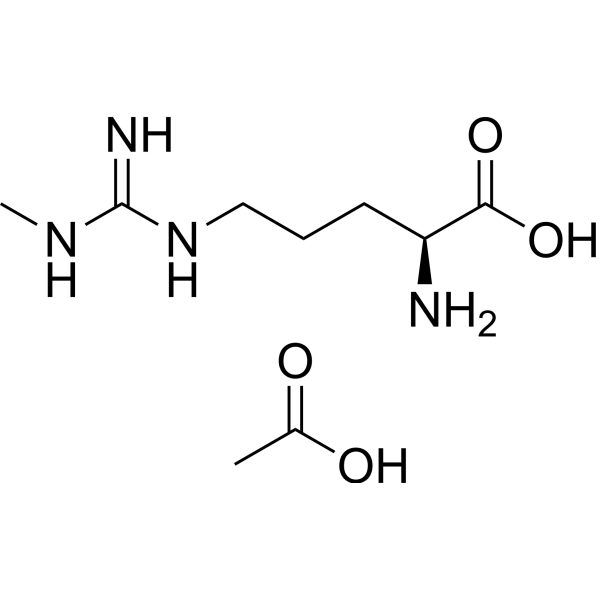
L-NMMA acetate
Maximum Cited Publications
11 Publications Verification
Tilarginine acetate; Methylarginine acetate
|
NO Synthase
|
Neurological Disease
Inflammation/Immunology
Cancer
|
|
L-NMMA (Tilarginine) acetate is a non-selective and competitive inhibitor of nitric oxide synthase. L-NMMA acetate inhibits three subtypes, namely nNOS, eNOS, and iNOS, and reduces NO production . L-NMMA acetate alleviates mechanical allodynia, thermal hyperalgesia, and choroidal fibrosis. L-NMMA acetate is applicable to research related to nociception, bone cancer pain, and myopia .
|
-
-
- HY-142240
-
|
HSK16149
|
Calcium Channel
|
Neurological Disease
|
|
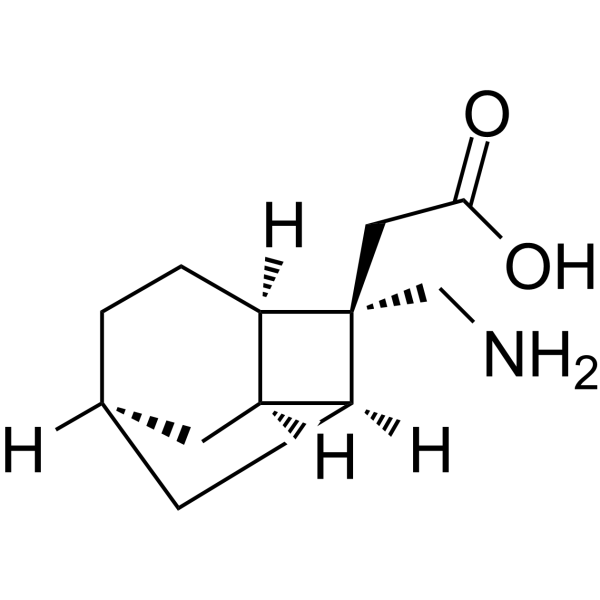
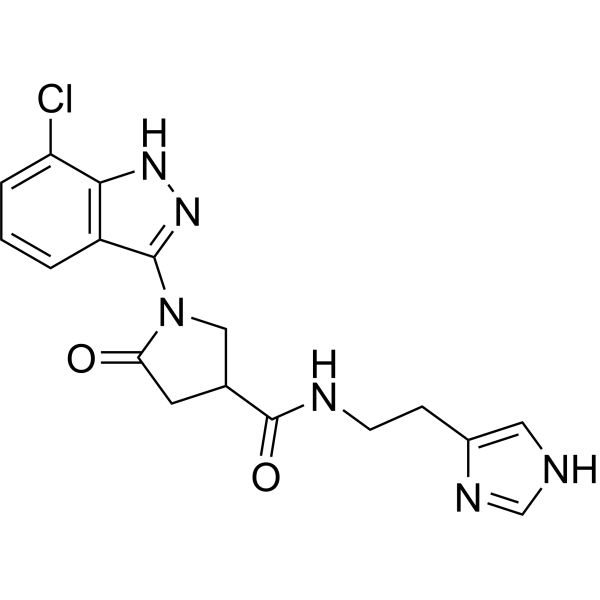
Crisugabalin is an orally active, selective ligand for the α2δ subunit of voltage-gated calcium channels, with a target IC50 of 3.96 nM in rats. Crisugabalin inhibits the binding of [ 3H]gabapentin to the α2δ subunit, reduces calcium influx, decreases neuronal excitability, and impairs nociceptive transmission. Crisugabalin alleviates mechanical allodynia, neuropathic pain and inflammatory pain in rats, and reduces phase II pain behaviors. Crisugabalin can be used in research related to chronic pain, neuropathic pain, diabetic neuropathy, fibromyalgia, inflammatory pain, diabetic peripheral neuropathy and postherpetic neuralgia.
|
-
-
- HY-N0478
-
Neoline
1 Publications Verification
Bullatine B
|
Others
|
Neurological Disease
|
|
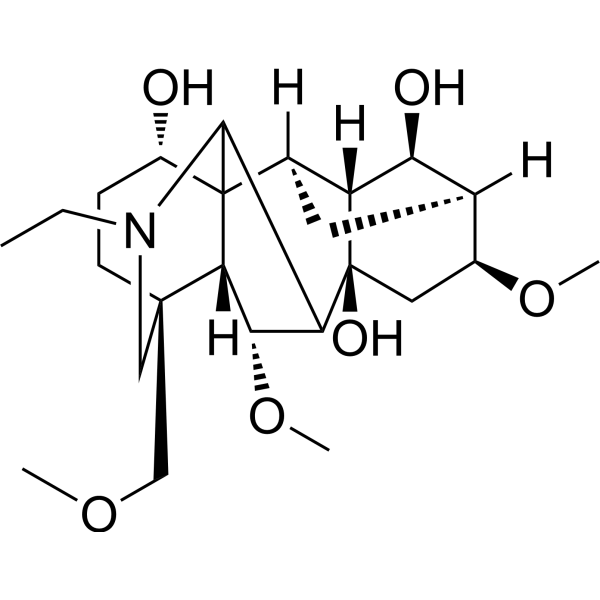
Neoline (Bullatine B) is the active ingredient of the active ingredient (PA), which can be used to cure the disease. Neoline Flow Suppression Nav1.7 Electrical Flow Control (VGSC), improve diabetes mechanical pain sensitivity. Neoline has a list of compounds that can be used, research on its use, and the quality of its processing during processing in pain .
|
-
-
- HY-156815
-
|
|
Orphan GPCR
|
Neurological Disease
Inflammation/Immunology
|
|
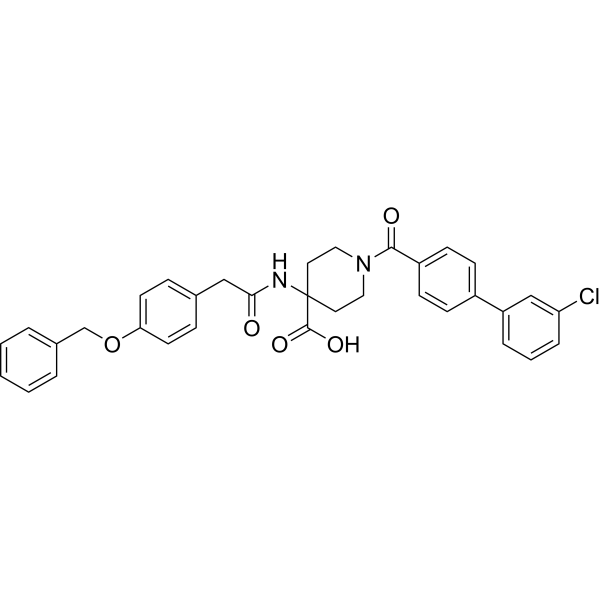
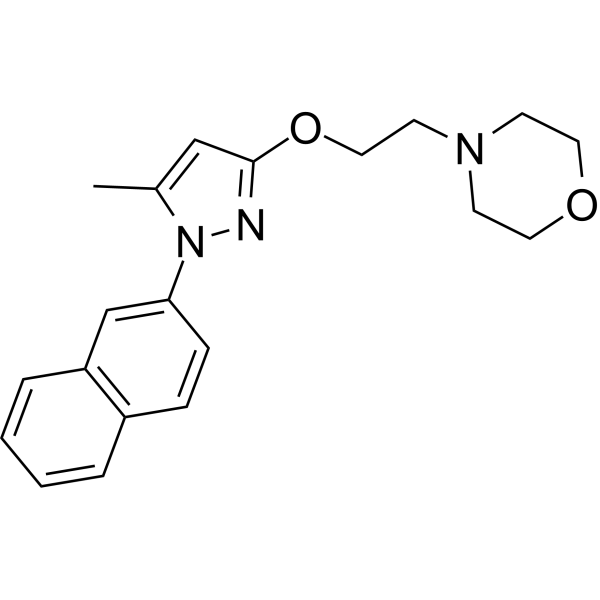
YL-365 is a potent and selective GPR34 antagonist with an IC50 of 17 nM. YL-365 binds to a portion of the orthosteric binding pocket of GPR34 and induces allosteric changes that stabilize the receptor in an inactive conformation. YL-365 down-regulates expression of the proinflammatory gene iNOS in M1 microglia and suppresses proinflammatory responses. YL-365 reduces mechanical allodynia in a dose-dependent manner in a mouse model of neuropathic pain. YL-365 can be used for the research of neuropathic pain .
|
-
-
- HY-15322
-
|
P505-15; PRT-2607; BIIB-057
|
Syk
Apoptosis
Caspase
|
Inflammation/Immunology
Cancer
|
|
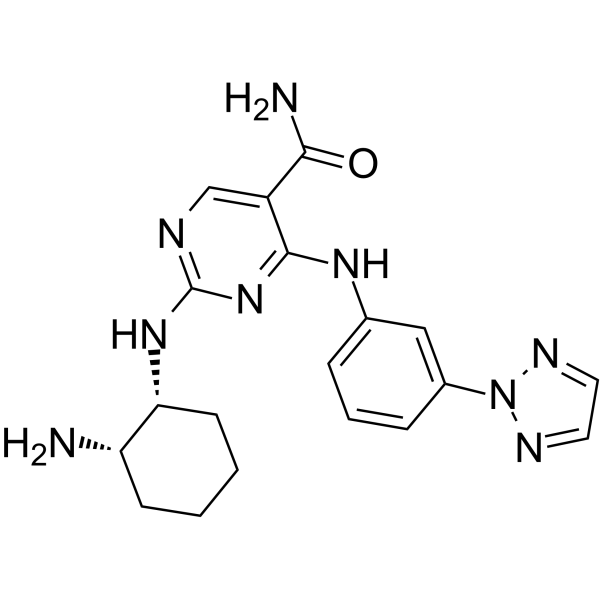
PRT062607 (P505-15; PRT-2607) is an orally active ATP-competitive Syk inhibitor with an IC50 value of 1 nM, and exhibits at least 80-fold selectivity over other kinases. PRT062607 blocks B cell antigen receptor-mediated activation, Fcε receptor 1-mediated basophil degranulation and microglial phagocytosis, and induces caspase-dependent apoptosis and microglial death. PRT062607 inhibits tumor growth and peripheral nerve injury-induced mechanical allodynia, and prevents neuronal loss. PRT062607 can be used in research related to rheumatoid arthritis, chronic lymphocytic leukemia, non-Hodgkin's lymphoma, neurodegenerative diseases and neuropathic pain .
|
-
-
- HY-10035
-
TTA-P2
2 Publications Verification
T-Type calcium channel inhibitor
|
Calcium Channel
|
Neurological Disease
|
|
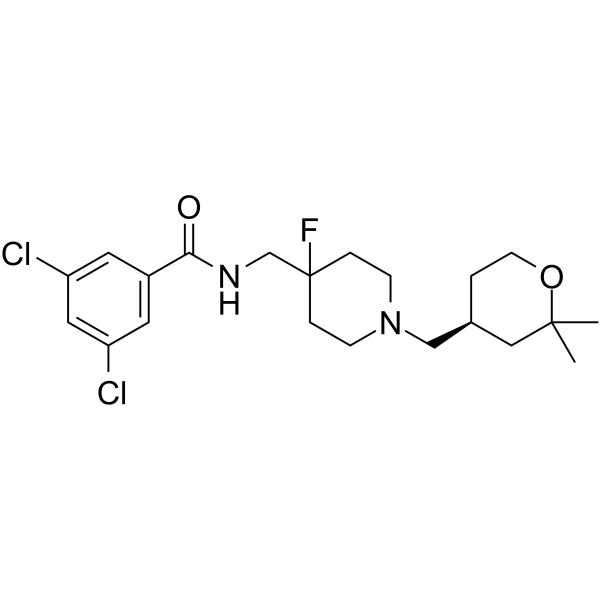
TTA-P2 (T-Type calcium channel inhibitor) is a selective, orally active, and BBB-penetrant T-type calcium channel blocker (IC50 = 22 nM). TTA-P2 reduces mechanical hypersensitivity and alleviates acute as well as chronic pain. TTA-P2 significantly reduces firing rates in temporal lobe epilepsy (TLE) neurons to control levels and suppresses synaptically evoked burst firing. TTA-P2 can be studied in research for neurological diseases such as tremor and absence epilepsy < sup>[4] .
|
-
-
- HY-N2258
-
|
|
Apoptosis
|
Inflammation/Immunology
|
|
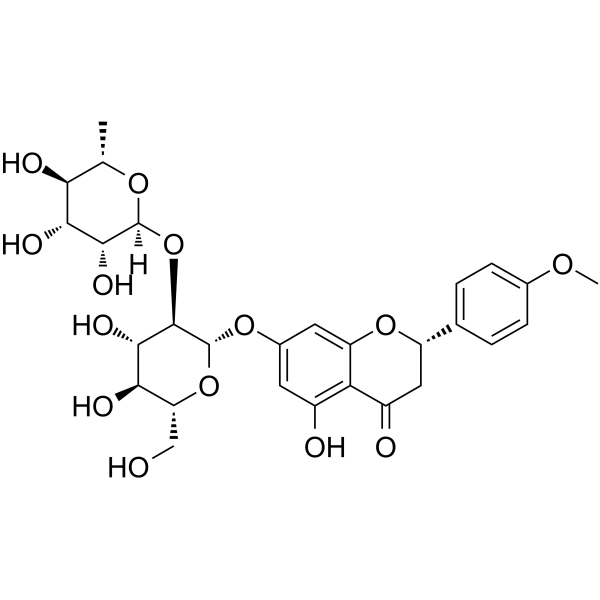
Poncirin is isolated from Poncirus trifoliata with anti-inflammory activites. Poncirin significantly reduces mechanical hyperalgesia and allodynia in Complete Freund’s Adjuvant (CFA)-induced inflammatory pain models .
|
-
-
- HY-P1137
-
10Panx
1 Publications Verification
|
Gap Junction Protein
|
Others
|
|
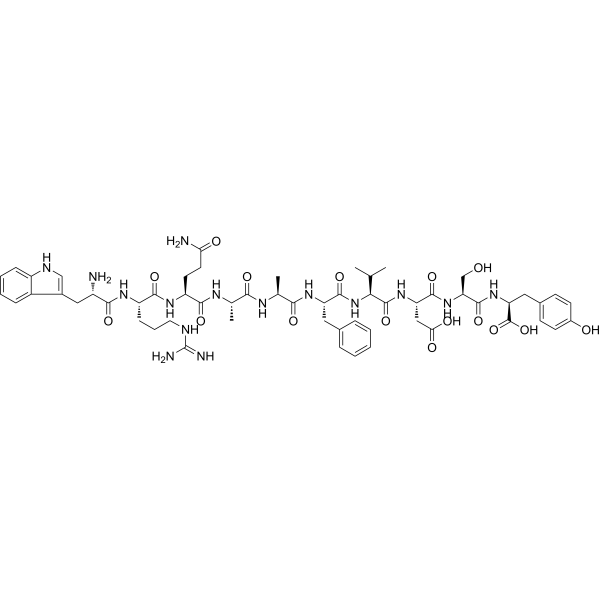
10Panx is a competitive inhibitor of selective Pannexin 1 (PANX1) channels. 10Panx blocks the opening of PANX1 channels, inhibits ATP release and downstream P2X7 receptor-mediated signaling pathways, thereby reducing cell death and inflammatory responses. 10Panx can be used in the study of diseases such as neuropathic pain, inflammatory bowel disease, and Clostridioides difficile infection. 10Panx can effectively reduce mechanical hyperalgesia and enhanced C-reflexes, and inhibit the expression of pro-inflammatory factors such as IL-6[1][2][3].
|
-
-
- HY-18099
-
S1RA
3 Publications Verification
E-52862
|
Sigma Receptor
5-HT Receptor
|
Neurological Disease
|
|
S1RA (E-52862) is a highly selective σ1 receptor (σ1R) antagonist with Kis of 17 nM and 23.5 nM for human σ1R and guinea pig σ1R, respectively. S1RA has Moderate antagonistic activity for human 5-HT2B receptor (Ki= 328 nM). S1RA has antinociceptive effects in neuropathic pain models. S1RA prevents mechanical and cold hypersensitivity in Oxaliplatin (HY-17371)-treated mice .
|
-
-
- HY-P10638
-
|
|
CaMK
|
Cardiovascular Disease
Neurological Disease
|
|
TAT-CN21 is a potent CaMKII inhibitor with an IC50 of 77.2 nM. TAT-CN21 inhibits both calcium/calmodulin-dependent and autonomously activated CaMKII, blocks glutamate-induced translocation of CaMK IIα, and reverses the enhanced phosphorylation of CaMKII at Thr286 following excitotoxic injury. TAT-CN21 shows application potential in studies related to ischemic stroke by reducing neuronal excitotoxicity and exacerbating pre-existing long-term neuronal death prior to injury. TAT-CN21 improves definitive behaviors in rats with residual nerve injury without altering indicators such as mechanical/thermal hyperalgesia or spatial memory. TAT-CN21 can also be used in studies related to neuropathic pain .
|
-
-
- HY-147557
-
PA-915
1 Publications Verification
PAC1R antagonist 1
|
PACAP Receptor
|
Neurological Disease
|
|
PA-915 (PAC1R antagonist 1) is a potent and orally active antagonist of PAC1 receptor. PA-915 inhibits pituitary adenylate cyclase-activating polypeptide (PACAP)-induced CREB phosphorylation. PA-915 can inhibit PACAP- and nerve injury-induced allodynia. PA-915 can be used for the research of neuropathic pain .
|
-
-
- HY-N5084
-
|
|
TRP Channel
HDAC
p38 MAPK
JNK
ERK
NF-κB
TNF Receptor
Interleukin Related
|
Neurological Disease
Inflammation/Immunology
Cancer
|
|
Pinocembrin 7-O-[3''-O-galloyl-4'',6''-hexahydroxydiphenoyl]-β-D-glucoside is a TRPV1 antagonist and HDAC7 inhibitor. Pinocembrin 7-O-[3''-O-galloyl-4'',6''-hexahydroxydiphenoyl]-β-D-glucoside blocks TRPV1-mediated calcium influx, suppresses phosphorylation of p65, IκBα, p38, JNK, and ERK1/2, inhibiting NF-κB and MAPK signaling cascades. Pinocembrin 7-O-[3''-O-galloyl-4'',6''-hexahydroxydiphenoyl]-β-D-glucoside reduces production and gene expression of pro-inflammatory cytokines IL-1β, IL-6, and TNF-α. Pinocembrin 7-O-[3''-O-galloyl-4'',6''-hexahydroxydiphenoyl]-β-D-glucoside exhibits potent analgesic activity, elevates thermal pain threshold and mechanical pain threshold in murine models. Pinocembrin 7-O-[3''-O-galloyl-4'',6''-hexahydroxydiphenoyl]-β-D-glucoside restores CD8 + T cell infiltration into bladder cancer tumors and improves bladder cancer immunotherapy efficacy. Pinocembrin 7-O-[3''-O-galloyl-4'',6''-hexahydroxydiphenoyl]-β-D-glucoside can be used for the researches of painand bladder cancer .
|
-
-
- HY-18732
-
L-NMMA
Maximum Cited Publications
11 Publications Verification
Tilarginine; Methylarginine
|
NO Synthase
|
Neurological Disease
Inflammation/Immunology
Cancer
|
|
L-NMMA (Tilarginine) is a non-selective and competitive inhibitor of nitric oxide synthase. L-NMMA inhibits three subtypes, namely nNOS, eNOS, and iNOS, and reduces NO production . L-NMMA alleviates mechanical allodynia, thermal hyperalgesia, and choroidal fibrosis. L-NMMA is applicable to research related to nociception, bone cancer pain, and myopia .
|
-
-
- HY-N0412
-
|
|
PERK
JNK
TNF Receptor
Interleukin Related
|
Neurological Disease
Inflammation/Immunology
|
|
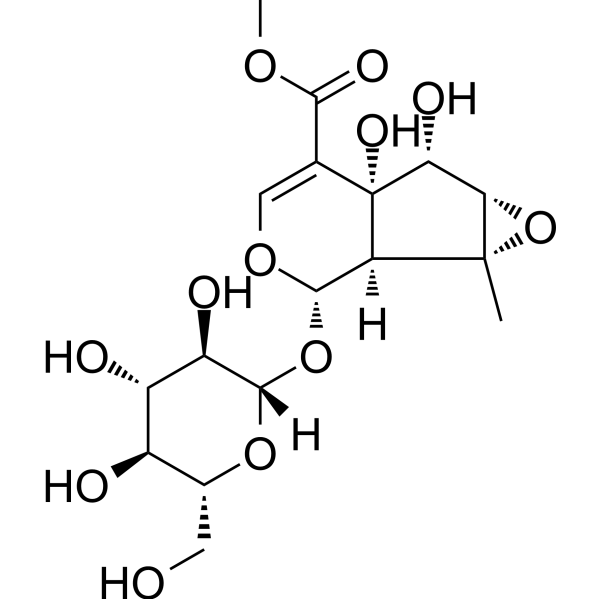
Sesamoside is an orally active anti-inflammatory, anti-hypoxic and analgesic agent. Sesamoside inhibits the phosphorylation of ERK and JNK, downregulates NLRP3 expression, restricts the nuclear localization of P65, regulates AKR1B1 expression, and reduces the expression of TRPV1 gene in the spinal cord. Sesamoside reduces the production of TNF-α, IL-6, IL-1β, iNOS and NO, restores cellular metabolism and organ function, and alleviates cold and mechanical hyperalgesia. Sesamoside can be used in research related to septic shock, high-altitude pulmonary edema and neuropathic pain .
|
-
-
- HY-14604
-
|
SR57746A; SR57746 hydrochloride
|
5-HT Receptor
Dopamine Receptor
Trk Receptor
PKC
ERK
Akt
JNK
|
Neurological Disease
Metabolic Disease
|
|
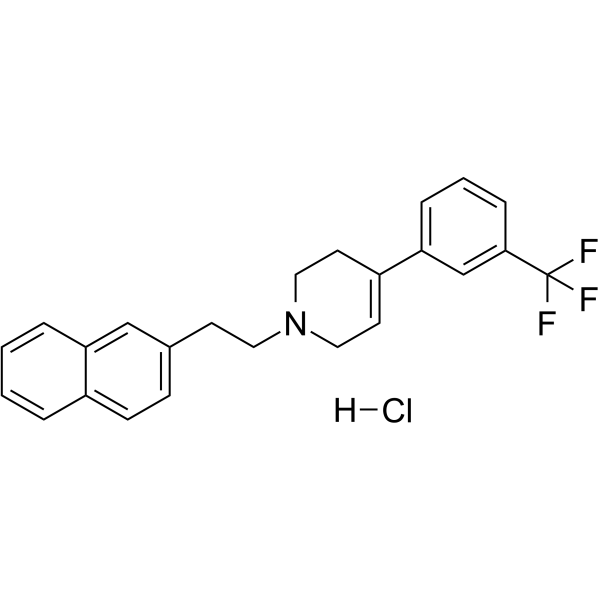
Xaliproden (SR57746) hydrochloride (SR57746A) is an orally active, highly selective 5-HT1A receptor agonist. Xaliproden hydrochloride activates pertussis toxin-sensitive G protein-coupled signaling cascades, as well as the PKC, ERK1/ERK2, Akt and p21 Ras/MEK-1 pathways. Xaliproden hydrochloride also downregulates the JNK/p66/c-Jun signaling pathway, induces phosphorylation of the shc adaptor protein, regulates extracellular dopamine and 5-HT levels, and induces [ 35S]GTPγS labeling in rat brain structures rich in 5-HT1A receptors. Xaliproden hydrochloride exerts neurotrophic, neuroprotective, renoprotective, anti-inflammatory, anti-apoptotic, anti-fibrotic and analgesic effects. Xaliproden hydrochloride also enhances NGF-induced neurite outgrowth, promotes motor neuron survival, attenuates renal tubular injury and inhibits chemotherapy-induced mechanical allodynia, without activating or altering NGF-induced TrkA receptor activation. Xaliproden hydrochloride can be used in the research of motor neuron disease, diabetic nephropathy, chemotherapy-induced peripheral neuropathy, amyotrophic lateral sclerosis, Alzheimer's disease, acute tonic nociceptive pain, inflammatory pain, depression and anxiety .
|
-
-
- HY-P1410C
-
|
|
Piezo Channel
Calcium Channel
mTOR
PI3K
Akt
|
Cardiovascular Disease
Neurological Disease
Inflammation/Immunology
|
|
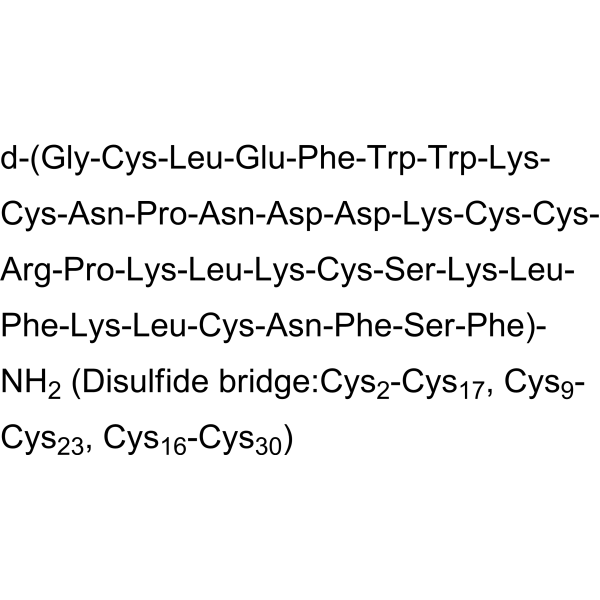
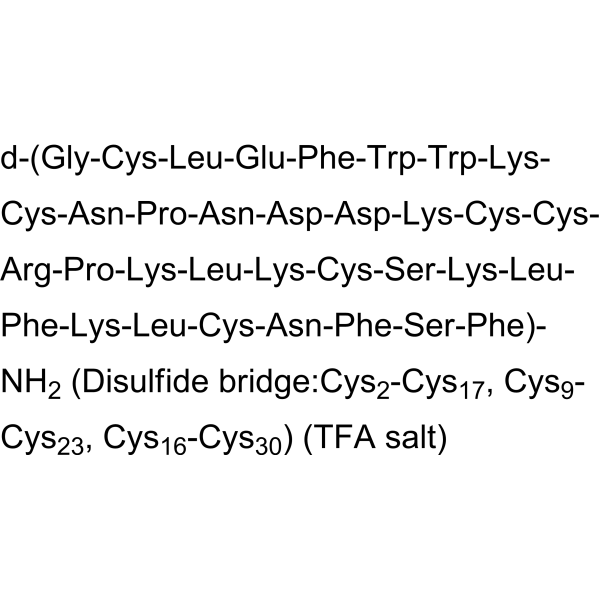
D-GsMTx4 TFA is a spider peptide and the D enantiomer of GsMTx4 (HY-P1410). D-GsMTx4 TFA inhibits the mechanosensitive ion channel Piezo2. D-GsMTx4 TFA inhibits [Ca 2+]i elevation. D-GsMTx4 TFA inhibits mTOR and PI3K-Akt signaling pathways. D-GsMTx4 TFA inhibits mechanical allodynia and thermal hyperalgesia. D-GsMTx4 TFA can be used in researches of mechanical stress, chronic pain and idiopathic pulmonary fibrosis .
|
-
-
- HY-168906
-
|
|
Bradykinin Receptor
PI3K
Akt
TNF Receptor
ERK
|
Neurological Disease
Inflammation/Immunology
|
|
BI-113823 is an orally active, blood-brain barrier-permeable bradykinin B1 receptor antagonist, with a Ki value of 5.3 nM for human receptors and 13.3 nM for rat receptors. BI-113823 reduces inflammation-induced mechanical hyperalgesia, as well as the mechanical sensitivity of peripheral afferent nerves and spinal nociceptive-specific neurons. BI-113823 alleviates liver fibrosis and portal hypertension, and improves survival in chronic liver disease models. BI-113823 inhibits the activities of monocytes, neutrophils and hepatic stellate cells, as well as the PI3K/Akt signaling pathway. BI-113823 can be used in research related to inflammatory pain, liver fibrosis and portal hypertension .
|
-
-
- HY-154636
-
|
|
Biochemical Assay Reagents
|
Endocrinology
|
Liquid Paraffin is a petroleum-derived mixture of saturated hydrocarbons and an orally active fecal lubricant. Liquid Paraffin is widely used in studies of constipation and fecal incontinence in children through its lubricating effect and the osmotic effect generated by its conversion to hydroxy fatty acids. Liquid Paraffin has high safety, is non-carcinogenic, and does not affect fat-soluble vitamin levels with long-term use. Liquid Paraffin does not cause abdominal pain or electrolyte disorders, but may lead to lipoid pneumonia and granulomas caused by rectal administration. Liquid Paraffin can also be used as a phase change material for thermal energy storage, or combined with nanoparticles to form a protective boundary film to reduce mechanical wear .
|
-
-
- HY-W021450A
-
|
|
Biochemical Assay Reagents
|
Neurological Disease
|
|
DL-Fluorocitric acid barium is a glial cell metabolic inhibitor. DL-Fluorocitric acid barium inhibits mechanical hyperalgesia induced by subcutaneous injection of complete Freund's adjuvant in rats. DL-Fluorocitric acid barium inhibits nociceptive behaviors induced by Histamine (HY-B1204) in mice and blocks the phosphorylation of the NMDA receptor NR1 subunit in the lumbar spinal cord of mice. DL-Fluorocitric acid (barium) can be used in the research of mechanical hyperalgesia and nociceptive pain .
|
-
-
- HY-117731
-
|
|
Sigma Receptor
|
Neurological Disease
|
|
UKH-1114 is a selective TMEM97 (a sigma-2 receptor) agonist with a Ki values of 1279 and 46 nM for σ1R and σ2R/TMEM97, respectively. UKH-1114 exhibits exceptional selectivity with negligible affinity for over 50 other receptors and channels. UKH-1114 effectively relieves spared nerve injury (SNI)-induced mechanical hypersensitivity with a long-lasting duration and without motor impairment. UKH-1114 can be used for neuropathic pain research .
|
-
-
- HY-111996
-
|
|
Potassium Channel
|
Neurological Disease
Inflammation/Immunology
|
|
Kv3 activator-1 is a Kv3 family voltage-gated potassium channel activator. Kv3 activator-1 reverses mechanical hyperalgesia in rat models of neuropathic and inflammatory pain, with rapid onset and long-lasting, dose-related effects. Kv3 activator-1 can be used for the research of pain .
|
-
-
- HY-111029A
-
|
|
GlyT
|
Others
|
|
ALX-1393 TFA, a selective GlyT2 inhibitor, has an antinociceptive effect on thermal, mechanical, and chemical stimulations in a rat acute pain model .
|
-
-
- HY-101546A
-
|
(+)-Cavidine
|
p38 MAPK
ERK
Interleukin Related
|
Neurological Disease
Inflammation/Immunology
|
|
Cavidine ((+)-Cavidine) is an analgesic and anti-inflammatory agent. Cavidine can be isolated from Corydalis ternata f. yanhusuo (Y.H.Chou & Chun C.Hsu) Y.C.Zhu. Cavidine reduces the expression of inflammatory factors IL-1β, IL-6 and TNF-α, and inhibits calcium ion influx. Cavidine inhibits the phosphorylation of p38 and ERK1/2. Cavidine increases mechanical and thermal pain thresholds in chronic pain models. Cavidine can be used for the research of chronic pain .
|
-
-
- HY-111029
-
|
|
GlyT
|
Neurological Disease
|
|
ALX-1393, a selective GlyT2 inhibitor, has an antinociceptive effect on thermal, mechanical, and chemical stimulations in a rat acute pain model .
|
-
-
- HY-107527
-
|
|
GlyT
|
Neurological Disease
|
|
Org 25543 hydrochloride is a selective and irreversible GlyT2 inhibitor (IC50: 16 nM). Org 25543 hydrochloride has analgesia effect. Org 25543 hydrochloride ameliorates mechanical allodynia after partial sciatic nerve ligation injury in mice .
|
-
-
- HY-W987949
-
|
|
Others
|
Neurological Disease
|
|
Z-4105 is an orally active nootropic agent. Z-4105 reverses the amnesic effects of electroconvulsive shock (ECS) and methylazoxymethanol acetate (MAM), and improves learning and memory functions. Z-4105 enhances the activity of the brain cholinergic system without affecting other neurotransmitter systems. Z-4105 significantly alleviates neuropathic pain in rats. Z-4105 can be used in the research of neuropathic pain and brain dysfunction .
|
-
-
- HY-145491
-
|
|
ERK
NF-κB
CCR
|
Inflammation/Immunology
|
|
Resolvin D5 is an anti-inflammatory and analgesic agent produced in M2 macrophages. Resolvin D5 alleviates Paclitaxel (HY-B0015)-induced mechanical allodynia and inflammatory pain by activating the GPR32 receptor, with gender specificity (effective only in male mice) and independence from TRPV1 or TRPA1 channels. Resolvin D5 attenuates LPS-induced ERK phosphorylation and NF-κB nuclear translocation, downregulates proinflammatory mediators such as IL-6 and CCL5, inhibits Th17 cell differentiation and osteoclastogenesis, promotes regulatory T cell differentiation, and shows no cytotoxicity to human monocytes. The level of Resolvin D5 is elevated in arthritic SKG mice, but Resolvin D5 has no effect on dendritic cell differentiation or M1 macrophage polarization, nor does it prevent ZyA-induced arthritis progression. Resolvin D5 is suitable for research related to chemotherapy-induced peripheral neuropathy, inflammatory pain and rheumatoid arthritis .
|
-
-
- HY-107656
-
|
|
mAChR
|
Neurological Disease
|
|
PTAC oxalate is a selective muscarinic receptor ligand. PTAC oxalate is an partial agonist of M2 and M4 but antagonist of M1, M3, and M5 (Ki values of 0.2-2.8 nM for hM1-5 in CHO cells). PTAC oxalate alleviates the mechanical allodynia on the neuropathic pain and has antidepression effects .
|
-
-
- HY-106388A
-
|
|
Adrenergic Receptor
|
Neurological Disease
|
|
Fadolmidine hydrochloride is a novel, selective α2-adrenoceptor (α2-AR) agonist with EC50 values of 0.4 nM, 4.9 nM and 0.5 nM for 2A, 2B and 2C, respectively. Fadolmidine hydrochloride has been effective against various submodalities of pain such as heat pain, mechanical pain, and visceral pain. Fadolmidine hydrochloride inhibits also electrically evoked contractions in rat vas deferens .
|
-
-
- HY-171807
-
|
|
nAChR
STAT
|
Neurological Disease
Inflammation/Immunology
|
|
TC-2559 free base is a α4β2 nicotinic acetylcholine receptor (nAChR) agonists with an EC50 of 0.18 μM. TC-2559 free base shows much weaker potencies on the group of b4-containing nAChR subtypes, α2β4, α4β4 and α3β4 receptors, with EC50s in the range of 10-30 µM. TC-2559 free base can increase the discharge of dopamine cells in the ventral tegmental area (VTA) of rats in vitro, enhancing the excitability and aggressive behavior of VTA dopamine neurons. TC-2559 free base inhibits STAT3 to exert anti-inflammatory properties and relieves mice mechanical allodynia and improve rats cognitive deficits. TC-2559 free base can be used for the study of nerve pain .
|
-
-
- HY-119820
-
|
SR57746A free base
|
Akt
Dopamine Receptor
Trk Receptor
5-HT Receptor
PKC
JNK
ERK
|
Neurological Disease
|
|
Xaliproden (SR57746) free base is an orally active, highly selective 5-HT1A receptor agonist. Xaliproden free base activates pertussis toxin-sensitive G protein-coupled signaling cascades, as well as the PKC, ERK1/ERK2, Akt and p21 Ras/MEK-1 pathways. Xaliproden free base also downregulates the JNK/p66/c-Jun signaling pathway, induces phosphorylation of the shc adaptor protein, regulates extracellular dopamine and 5-HT levels, and induces [ 35S]GTPγS labeling in rat brain structures rich in 5-HT1A receptors. Xaliproden free base exerts neurotrophic, neuroprotective, renoprotective, anti-inflammatory, anti-apoptotic, anti-fibrotic and analgesic effects. Xaliproden free base also enhances NGF-induced neurite outgrowth, promotes motor neuron survival, attenuates renal tubular injury and inhibits chemotherapy-induced mechanical allodynia, without activating or altering NGF-induced TrkA receptor activation. Xaliproden free base can be used in the research of motor neuron disease, diabetic nephropathy, chemotherapy-induced peripheral neuropathy, amyotrophic lateral sclerosis, Alzheimer's disease, acute tonic nociceptive pain, inflammatory pain, depression and anxiety .
|
-
-
- HY-19403
-
|
|
Neurokinin Receptor
|
Neurological Disease
|
|
TKA-731 is an NK1 receptor antagonist. TKA-731 can reverse mechanical hyperalgesia and has shown analgesic effects in a neuropathic pain model in guinea pigs. TKA-731 can be used in the research of neuropathic pain .
|
-
-
- HY-149863
-
|
|
Epigenetic Reader Domain
|
Neurological Disease
|
|
DDO-8926 is a potent and selective BET inhibitor that can significantly reduce mechanical hypersensitivity by inhibiting the expression of pro-inflammatory cytokines and reducing excitability for neuropathic pain research .
|
-
-
- HY-108035
-
|
MR04A3
|
GABA Receptor
|
Neurological Disease
|
|
(-)-JM-1232 (MR04A3) targets GABA A receptors and exerts its analgesic effects by binding to the benzodiazepine binding site of GABA A receptors. (-)-JM-1232 demonstrates potent analgesic effects in mice against acute thermal stimuli, mechanically induced pain, and visceral pain, with CI50 values of 2.96, 3.06, and 2.27 mg/kg, respectively. (-)-JM-1232 can be used in research related to pain and analgesia .
|
-
-
- HY-N2258R
-
|
|
Reference Standards
Apoptosis
|
Inflammation/Immunology
|
|
Poncirin (Standard) is the analytical standard of Poncirin. This product is intended for research and analytical applications. Poncirin is isolated from Poncirus trifoliata with anti-inflammory activites. Poncirin significantly reduces mechanical hyperalgesia and allodynia in Complete Freund’s Adjuvant (CFA)-induced inflammatory pain models .
|
-
-
- HY-14485
-
|
|
P2X Receptor
|
Neurological Disease
|
|
Ro-51 is a potent and selective dual P2X3/P2X2/3 antagonist, with IC50 of 2 nM and 5 nM for P2X3 and P2X2/3, respectively. Ro-51 can be used for the research for pain .
|
-
-
- HY-18732C
-
|
Tilarginine hydrochloride; Methylarginine hydrochloride
|
NO Synthase
Endogenous Metabolite
|
Cardiovascular Disease
Cancer
|
|
L-NMMA (Tilarginine) hydrochloride is a non-selective and competitive inhibitor of nitric oxide synthase. L-NMMA hydrochloride inhibits three subtypes, namely nNOS, eNOS, and iNOS, and reduces NO production . L-NMMA hydrochloride alleviates mechanical allodynia, thermal hyperalgesia, and choroidal fibrosis. L-NMMA hydrochloride is applicable to research related to nociception, bone cancer pain, and myopia .
|
-
-
- HY-18732B
-
|
Methylarginine citrate; Tilarginine citrate
|
NO Synthase
Endogenous Metabolite
|
Cardiovascular Disease
Cancer
|
|
L-NMMA (Tilarginine) citrate is a non-selective and competitive inhibitor of nitric oxide synthase. L-NMMA citrate inhibits three subtypes, namely nNOS, eNOS, and iNOS, and reduces NO production . L-NMMA citrate alleviates mechanical allodynia, thermal hyperalgesia, and choroidal fibrosis. L-NMMA citrate is applicable to research related to nociception, bone cancer pain, and myopia .
|
-
-
- HY-15041
-
|
|
Bradykinin Receptor
|
Inflammation/Immunology
|
|
NVP-SAA164 is an orally active nonpeptide kinin B1 receptor antagonist. NVP-SAA164 reverses CFA (Complete Freund's adjuvant) (HY-153808)-induced mechanical hyperalgesia and desArg10KD-induced hyperalgesia in hB1-KI mice, and is inactive in a model of inflammatory pain in wild-type mice .
|
-
-
- HY-135228
-
|
|
Calcium Channel
|
Neurological Disease
|
|
GZ4 is a calcium current inhibitor with direct inhibitory activity on cell surface channels. GZ4 inhibition reverses mechanical hyperalgesia/hyperalgesia in a spinal nerve ligation-induced neuropathic pain model. The mechanism of action of GZ4 is similar to that of gabapentin, but the time course of its biological effects is more rapid, indicating that GZ4 can directly inhibit calcium channel currents .
|
-
-
- HY-168166
-
|
|
Endogenous Metabolite
|
Neurological Disease
|
|
CHET3 is a sex-selective activator with potent analgesic activity. CHET3 was discovered to be a highly selective omnidirectional modulator of TASK-3-containing K2P channels, including TASK-3 homologues and TASK-3/TASK-1 heterologues. CHET3 exhibited significant analgesic effects in multiple acute and chronic pain models in mice, which could be abolished by pharmacological means or genetic knockout of TASK-3. CHET3 is able to functionally modulate the membrane excitability of specific small sensory neurons, which supports its analgesic effects on thermal hypersensitivity and mechanical hyperalgesia in chronic pain .
|
-
-
- HY-18732AR
-
|
Tilarginine acetate (Standard); Methylarginine acetate (Standard)
|
Reference Standards
NO Synthase
|
Cardiovascular Disease
Cancer
|
|
L-NMMA (Tilarginine) acetate (Standard) is the analytical standard of L-NMMA acetate (HY-18732A). This product is intended for research and analytical applications. L-NMMA (Tilarginine) acetate is a non-selective and competitive inhibitor of nitric oxide synthase. L-NMMA acetate inhibits three subtypes, namely nNOS, eNOS, and iNOS, and reduces NO production . L-NMMA acetate alleviates mechanical allodynia, thermal hyperalgesia, and choroidal fibrosis. L-NMMA acetate is applicable to research related to nociception, bone cancer pain, and myopia .
|
-
-
- HY-132184S
-
|
5,6-EET-d11; (±)5,6-EpETrE-d11
|
Isotope-Labeled Compounds
Adrenergic Receptor
|
Cardiovascular Disease
Neurological Disease
|
|
5,6-Epoxyeicosatrienoic acid-d11 (5,6-EET-d11) is deuterium labeled 5,6-Epoxyeicosatrienoic acid. 5,6-Epoxyeicosatrienoic acid is one of the four major epoxyeicosatrienoic acid (EET) isomers metabolized from Arachidonic acid (HY-109590). 5,6-Epoxyeicosatrienoic acid induces peripheral vasodilation and lowers blood pressure by inhibiting T-type calcium channels (Cav3.2: IC50 = 0.54 μM). 5,6-Epoxyeicosatrienoic acid causes vasoconstriction in hypoxic pulmonary blood vessels via activating Rho kinase in a membrane depolarization-dependent manner. 5,6-Epoxyeicosatrienoic acid induces mechanical pain by activating TRPA1. 5,6-Epoxyeicosatrienoic acid can be used in studies related to hypoxic pulmonary vasoconstriction, mechanical hyperalgesia and hypertension.
|
-
-
- HY-162759
-
|
|
Sigma Receptor
|
Neurological Disease
|
|
Sigma-1 receptor antagonist 6 (Compound 12) is an antagonist of the Sigma-1 receptor (σ1R). Sigma-1 receptor antagonist 6 exerts a robust antiallodynic effect by antagonizing σ1R. Sigma-1 receptor antagonist 6 can be used in neuropathic pain animal models to alleviate mechanical allodynia induced by paclitaxel (HY-B0015) .
|
-
-
- HY-162347
-
|
|
Sodium Channel
|
Neurological Disease
|
|
Nav1.7-IN-13 (compound 3g) is a sodium channel inhibitor that significantly inhibits Veratridine (HY-N6691)-induced neuronal activity. Nav1.7-IN-13 inhibits total Na+ current in DRG neurons in a concentration-dependent manner; slows down the activation of Navs. Nav1.7-IN-13 significantly alleviated mechanical pain behavior in a rat model of nerve injury (SNI) and had analgesic activity .
|
-
-
- HY-P5782
-
|
|
Sodium Channel
|
Neurological Disease
|
|
δ-Theraphotoxin-Hm1a toxin is a selective Nav1.1 activator. δ-Theraphotoxin-Hm1a toxin elicits pain and touch sensitivity. δ-Theraphotoxin-Hm1a toxin can be used for the research of irritable bowel syndrome .
|
-
-
- HY-P992012
-
|
|
Opioid Receptor
|
Neurological Disease
Cancer
|
|
CA1001 is a small-molecule ZNF74 inhibitor and a peripherally restricted κ/δ dual opioid receptor agonist. CA1001 exhibits potent antitumor activity both in vitro and in vivo. CA1001, in combination with immune checkpoint inhibitors, significantly enhances tumor regression. CA1001 activates peripherally restricted κ/δ dual opioid receptors and exerts analgesic effects under conditions of inflammatory pain, neuropathic pain, and mechanical hyperalgesia. CA1001 can be used in research related to melanoma, mechanical hyperalgesia, neuropathic pain, and inflammatory arthritis pain.
|
-
-
- HY-10035R
-
|
T-Type calcium channel inhibitor (Standard)
|
Calcium Channel
Reference Standards
|
Neurological Disease
|
|
TTA-P2 (Standard) is the analytical standard of TTA-P2 (HY-10035). This product is intended for research and analytical applications. TTA-P2 (T-Type calcium channel inhibitor) is a selective, orally active, and BBB-penetrant T-type calcium channel blocker (IC50 = 22 nM). TTA-P2 reduces mechanical hypersensitivity and alleviates acute as well as chronic pain. TTA-P2 significantly reduces firing rates in temporal lobe epilepsy (TLE) neurons to control levels and suppresses synaptically evoked burst firing. TTA-P2 can be studied in research for neurological diseases such as tremor and absence epilepsy < sup> .
|
-
-
- HY-106388
-
|
|
Adrenergic Receptor
|
Neurological Disease
|
|
Fadolmidine is a novel, selective α2-adrenoceptor (α2-AR) agonist with EC50 values of 0.4 nM, 4.9 nM and 0.5 nM for 2A, 2B and 2C, respectively. Fadolmidine has been effective against various submodalities of pain such as heat pain, mechanical pain, and visceral pain. Fadolmidine inhibits also electrically evoked contractions in rat vas deferens .
|
-
- HY-U00069
-
|
|
Monoamine Transporter
|
Neurological Disease
Inflammation/Immunology
|
|
Thionisoxetine is a norepinephrine transporter inhibitor with a Ki value of 0.2 nM in rats, and exhibits anti-hyperalgesic and analgesic activities. Thionisoxetine reverses thermal hyperalgesia and mechanical allodynia in rats. Thionisoxetine can be used in studies related to persistent inflammatory pain .
|
-
- HY-182710
-
|
|
Sodium Channel
|
Neurological Disease
|
|
DA-0218 is a Nav1.7 inhibitor. DA-0218 exerts state-dependent inhibitory effects. DA-0218 alleviates formalin-induced inflammatory pain behavior and Paclitaxel-induced mechanical hyperalgesia in mice. DA-0218 inhibits Histamine-induced acute pruritus and lymphoma-induced chronic pruritus in mice. DA-0218 can be used in research related to inflammatory pain, neuropathic pain, acute pruritus and chronic pruritus .
|
-
- HY-107527R
-
|
|
GlyT
Reference Standards
|
Neurological Disease
|
|
Org 25543 hydrochloride (Standard) is the analytical standard of Org 25543 (hydrochloride) (HY-107527). This product is intended for research and analytical applications. Org 25543 hydrochloride is a selective and irreversible GlyT2 inhibitor (IC50: 16 nM). Org 25543 hydrochloride has analgesia effect. Org 25543 hydrochloride ameliorates mechanical allodynia after partial sciatic nerve ligation injury in mice .
|
-
- HY-182597
-
|
|
Imidazoline Receptor
5-HT Receptor
Adrenergic Receptor
|
Neurological Disease
|
|
Tracizoline is an orally active I2-imidazoline receptor agonist. Tracizoline functionally modulates I2-imidazoline receptors, regulates hippocampal FADD cell fate adaptor, attenuates mechanical and thermal hyperalgesia, activates α2A-adrenergic receptors with very weak partial agonism, and induces antidepressant-like activity via 5-HT1A receptor activation. Tracizoline can be used for the research of inflammatory pain, neuropathic pain, and depression .
|
-
- HY-120925
-
|
|
Opioid Receptor
Arrestin
|
Neurological Disease
|
|
TRV0109101 is a μ-opioid peptide receptor (MOPR) selective agonist (KD = 70 nM) with blood-brain barrier permeability. TRV0109101 selectively promotes G protein signaling pathway coupling while reducing the recruitment of β-arrestin. TRV0109101 inhibits opioid-induced mechanical hyperalgesia and induces antinociceptive tolerance. TRV0109101 is applicable for pain-related research .
|
-
- HY-181482
-
|
|
DAGL
|
Neurological Disease
|
|
A1480LS is a peripherally restricted, orally active covalent and irreversible inhibitor of DAGLα and DAGLβ, with IC50 values of 6 nM and 4 nM against human targets, respectively, and IC50 values ≤15 nM across mouse, rat, dog, monkey and human systems. A1480LS reduces the levels of 2-arachidonoylglycerol, arachidonic acid, and cyclooxygenase- and lipoxygenase-derived eicosanoids. A1480LS inhibits injury-induced production of 2-arachidonoylglycerol and arachidonic acid in the peripheral sciatic nerve, and suppresses the responses of high-threshold and wide-dynamic-range-like dorsal horn neurons to mechanical stimulation. A1480LS alleviates pain behaviors in rat models of inflammatory pain, neuropathic pain and chemotherapy-induced peripheral neuropathy .
|
-
- HY-180582
-
|
|
nAChR
|
Neurological Disease
Inflammation/Immunology
|
|
QND8 is a selective and potent α7 nicotinic acetylcholine receptor (nAChR) agonist. QND8 can alleviate thermal hyperalgesia and mechanical hyperalgesia in carrageenan-induced inflammatory pain mouse model. QND8 can reduce the swelling of the mice feet, inhibit the release of pro-inflammatory factors at the inflammatory site, and prevent the infiltration of white blood cells. QND8 can be used for the research of inflammation and neurological disease, such as arthritis .
|
-
- HY-110268
-
|
|
CXCR
|
Inflammation/Immunology
|
|
NVP CXCR2 20 is a selective CXCR2 inhibitor with analgesic and antinociceptive activities. NVP CXCR2 20 selectively blocks CXCR2 signaling and attenuates mechanical and thermal hypersensitivity in rat chronic constriction injury (CCI) models. NVP CXCR2 20 inhibits CXCL3-induced hypersensitivity in naive mice and reduces elevated CXCL3 protein levels in the spinal cord and dorsal root ganglia (DRG) of CCI-exposed rats. NVP CXCR2 20 can be used for the research of neuropathic pain and chronic obstructive pulmonary disease (COPD) .
|
-
- HY-155949
-
|
|
|
Neurological Disease
Cancer
|
|
Bt354 is an orally active STAT3 inhibitor with IC50 values of 4.6 μM (DU145), 6.5 μM (MDA-MB-435) and 7.2 μM (MDA-MB-231), respectively. Bt354 induces cell cycle arrest and apoptosis, and downregulates epithelial-mesenchymal transition-related genes. Bt354 exhibits anti-angiogenic and anti-inflammatory activities, attenuates the polarization of M1 microglia and A1 astrocytes, suppresses inflammasome-related signaling pathways, and alleviates mechanical hyperalgesia and thermal hyperalgesia. Bt354 can be used in research related to glioblastoma multiforme, triple-negative breast cancer, prostate cancer and neuropathic pain .
|
-
- HY-115596
-
|
|
Calcium Channel
|
Neurological Disease
|
|
BTT-369 is a CaVα1·CaVβ3 protein-protein complex antagonist with a Ki of 2.0 μM. BTT-369 inhibits CaV2.2 currents, with an apparent IC50 value of 31 μM. BTT-369 disrupts the interaction between CaVα1 and CaVβ3 subunits. BTT-369 reduces the current density of CaV2.2, and shifts the voltage dependence of steady-state inactivation and activation of CaV2.2 to more positive potentials. BTT-369 alleviates mechanical hyperalgesia in a rat model of tibial nerve injury. BTT-369 can be used for the study of neuropathic pain .
|
-
- HY-12962A
-
|
|
iGluR
|
Neurological Disease
|
|
NMDA-IN-1 dihydrochloride is a selective NMDA NR2B antagonist with a Ki of 0.85 nM; NR2B Ca2+ influx IC50 is 9.7 nM. NMDA-IN-1 dihydrochloride inhibits Glu/Gly stimulated Ca2+ flux in Ltk- cells expressing the hNR1a/NR2B with a IC50 of 9.7 nM. NMDA-IN-1 dihydrochloride has no activities on NR2A, NR2C, NR2D, hERG-channel and α1-adrenergic receptor. NMDA-IN-1 dihydrochloride shows excellent activity in the mechanical hyperalgesia assay in rats. NMDA-IN-1 dihydrochloride can be used for the studies of stroke, parkinson, and neuropathic pain .
|
-
- HY-183144
-
|
|
mAChR
|
Neurological Disease
Inflammation/Immunology
|
|
Vedaclidine is an orally active muscarinic acetylcholine receptor (mAChR) modulator with mixed receptor activity, which activates muscarinic M2 and M4 receptors and blocks muscarinic M1, M3 and M5 receptors. Vedaclidine exerts its activity through interaction with spinal M4 muscarinic receptors, and does not induce hypothermia or excessive salivation. Vedaclidine can be used in research related to pain, neuropathic pain and inflammatory pain states .
|
-
- HY-14604R
-
|
SR57746A (Standard); SR57746 hydrochloride (Standard)
|
Reference Standards
Akt
Dopamine Receptor
Trk Receptor
5-HT Receptor
PKC
JNK
ERK
|
Neurological Disease
Cancer
|
|
Xaliproden (hydrochloride) (Standard) is the analytical standard of Xaliproden (hydrochloride). This product is intended for research and analytical applications. Xaliproden (SR57746) hydrochloride (SR57746A) is an orally active, highly selective 5-HT1A receptor agonist. Xaliproden hydrochloride activates pertussis toxin-sensitive G protein-coupled signaling cascades, as well as the PKC, ERK1/ERK2, Akt and p21 Ras/MEK-1 pathways. Xaliproden hydrochloride also downregulates the JNK/p66/c-Jun signaling pathway, induces phosphorylation of the shc adaptor protein, regulates extracellular dopamine and 5-HT levels, and induces [ 35S]GTPγS labeling in rat brain structures rich in 5-HT1A receptors. Xaliproden hydrochloride exerts neurotrophic, neuroprotective, renoprotective, anti-inflammatory, anti-apoptotic, anti-fibrotic and analgesic effects. Xaliproden hydrochloride also enhances NGF-induced neurite outgrowth, promotes motor neuron survival, attenuates renal tubular injury and inhibits chemotherapy-induced mechanical allodynia, without activating or altering NGF-induced TrkA receptor activation. Xaliproden hydrochloride can be used in the research of motor neuron disease, diabetic nephropathy, chemotherapy-induced peripheral neuropathy, amyotrophic lateral sclerosis, Alzheimer's disease, acute tonic nociceptive pain, inflammatory pain, depression and anxiety .
|
-
| Cat. No. |
Product Name |
Target |
Research Area |
-
- HY-P1410B
-
-
- HY-P1137
-
10Panx
1 Publications Verification
|
Gap Junction Protein
|
Others
|
|
10Panx is a competitive inhibitor of selective Pannexin 1 (PANX1) channels. 10Panx blocks the opening of PANX1 channels, inhibits ATP release and downstream P2X7 receptor-mediated signaling pathways, thereby reducing cell death and inflammatory responses. 10Panx can be used in the study of diseases such as neuropathic pain, inflammatory bowel disease, and Clostridioides difficile infection. 10Panx can effectively reduce mechanical hyperalgesia and enhanced C-reflexes, and inhibit the expression of pro-inflammatory factors such as IL-6[1][2][3].
|
-
- HY-P10638
-
|
|
CaMK
|
Cardiovascular Disease
Neurological Disease
|
|
TAT-CN21 is a potent CaMKII inhibitor with an IC50 of 77.2 nM. TAT-CN21 inhibits both calcium/calmodulin-dependent and autonomously activated CaMKII, blocks glutamate-induced translocation of CaMK IIα, and reverses the enhanced phosphorylation of CaMKII at Thr286 following excitotoxic injury. TAT-CN21 shows application potential in studies related to ischemic stroke by reducing neuronal excitotoxicity and exacerbating pre-existing long-term neuronal death prior to injury. TAT-CN21 improves definitive behaviors in rats with residual nerve injury without altering indicators such as mechanical/thermal hyperalgesia or spatial memory. TAT-CN21 can also be used in studies related to neuropathic pain .
|
-
- HY-P1410C
-
|
|
Piezo Channel
Calcium Channel
mTOR
PI3K
Akt
|
Cardiovascular Disease
Neurological Disease
Inflammation/Immunology
|
|
D-GsMTx4 TFA is a spider peptide and the D enantiomer of GsMTx4 (HY-P1410). D-GsMTx4 TFA inhibits the mechanosensitive ion channel Piezo2. D-GsMTx4 TFA inhibits [Ca 2+]i elevation. D-GsMTx4 TFA inhibits mTOR and PI3K-Akt signaling pathways. D-GsMTx4 TFA inhibits mechanical allodynia and thermal hyperalgesia. D-GsMTx4 TFA can be used in researches of mechanical stress, chronic pain and idiopathic pulmonary fibrosis .
|
-
- HY-P5163
-
|
|
Peptides
|
Inflammation/Immunology
|
|
NMB-1 is a conopeptide analogue. NMB-1 selectively inhibits sustained mechanically activated currents in sensory neurons (IC50: 1 μM). NMB-1 inhibits mechanical pain. NMB-1 can be used for research of hearing and pressure-evoked pain .
|
-
- HY-P5782
-
|
|
Sodium Channel
|
Neurological Disease
|
|
δ-Theraphotoxin-Hm1a toxin is a selective Nav1.1 activator. δ-Theraphotoxin-Hm1a toxin elicits pain and touch sensitivity. δ-Theraphotoxin-Hm1a toxin can be used for the research of irritable bowel syndrome .
|
| Cat. No. |
Product Name |
Target |
Research Area |
Image |
-
- HY-P992012
-
|
|
Opioid Receptor
|
Neurological Disease
Cancer
|
|
CA1001 is a small-molecule ZNF74 inhibitor and a peripherally restricted κ/δ dual opioid receptor agonist. CA1001 exhibits potent antitumor activity both in vitro and in vivo. CA1001, in combination with immune checkpoint inhibitors, significantly enhances tumor regression. CA1001 activates peripherally restricted κ/δ dual opioid receptors and exerts analgesic effects under conditions of inflammatory pain, neuropathic pain, and mechanical hyperalgesia. CA1001 can be used in research related to melanoma, mechanical hyperalgesia, neuropathic pain, and inflammatory arthritis pain.
|
-
(5)
| Cat. No. |
Product Name |
Category |
Target |
Chemical Structure |
-
- HY-18732A
-
-
-
- HY-N0478
-
Neoline
1 Publications Verification
Bullatine B
|
Alkaloids
Piperidine Alkaloids
other families
Plants
Source Classification
|
Others
|
|
Neoline (Bullatine B) is the active ingredient of the active ingredient (PA), which can be used to cure the disease. Neoline Flow Suppression Nav1.7 Electrical Flow Control (VGSC), improve diabetes mechanical pain sensitivity. Neoline has a list of compounds that can be used, research on its use, and the quality of its processing during processing in pain .
|
-
-
- HY-N2258
-
-
-
- HY-N5084
-
|
|
Structural Classification
Flavonoids
Classification of Application Fields
Flavonones
Other Diseases
Phenols
Polyphenols
Saxifragaceae
Plants
Penthorum chinense Pursh
Disease Research Fields
Source Classification
|
TRP Channel
HDAC
p38 MAPK
JNK
ERK
NF-κB
TNF Receptor
Interleukin Related
|
|
Pinocembrin 7-O-[3''-O-galloyl-4'',6''-hexahydroxydiphenoyl]-β-D-glucoside is a TRPV1 antagonist and HDAC7 inhibitor. Pinocembrin 7-O-[3''-O-galloyl-4'',6''-hexahydroxydiphenoyl]-β-D-glucoside blocks TRPV1-mediated calcium influx, suppresses phosphorylation of p65, IκBα, p38, JNK, and ERK1/2, inhibiting NF-κB and MAPK signaling cascades. Pinocembrin 7-O-[3''-O-galloyl-4'',6''-hexahydroxydiphenoyl]-β-D-glucoside reduces production and gene expression of pro-inflammatory cytokines IL-1β, IL-6, and TNF-α. Pinocembrin 7-O-[3''-O-galloyl-4'',6''-hexahydroxydiphenoyl]-β-D-glucoside exhibits potent analgesic activity, elevates thermal pain threshold and mechanical pain threshold in murine models. Pinocembrin 7-O-[3''-O-galloyl-4'',6''-hexahydroxydiphenoyl]-β-D-glucoside restores CD8 + T cell infiltration into bladder cancer tumors and improves bladder cancer immunotherapy efficacy. Pinocembrin 7-O-[3''-O-galloyl-4'',6''-hexahydroxydiphenoyl]-β-D-glucoside can be used for the researches of painand bladder cancer .
|
-
-
- HY-N0412
-
|
|
Structural Classification
Iridoids
Classification of Application Fields
Terpenoids
Labiatae
Phaseolus lunatus L.
Plants
Inflammation/Immunology
Disease Research Fields
Source Classification
|
PERK
JNK
TNF Receptor
Interleukin Related
|
|
Sesamoside is an orally active anti-inflammatory, anti-hypoxic and analgesic agent. Sesamoside inhibits the phosphorylation of ERK and JNK, downregulates NLRP3 expression, restricts the nuclear localization of P65, regulates AKR1B1 expression, and reduces the expression of TRPV1 gene in the spinal cord. Sesamoside reduces the production of TNF-α, IL-6, IL-1β, iNOS and NO, restores cellular metabolism and organ function, and alleviates cold and mechanical hyperalgesia. Sesamoside can be used in research related to septic shock, high-altitude pulmonary edema and neuropathic pain .
|
-
-
- HY-101546A
-
-
-
- HY-145491
-
|
|
Structural Classification
Ketones, Aldehydes, Acids
Endogenous metabolite
Source Classification
|
ERK
NF-κB
CCR
|
|
Resolvin D5 is an anti-inflammatory and analgesic agent produced in M2 macrophages. Resolvin D5 alleviates Paclitaxel (HY-B0015)-induced mechanical allodynia and inflammatory pain by activating the GPR32 receptor, with gender specificity (effective only in male mice) and independence from TRPV1 or TRPA1 channels. Resolvin D5 attenuates LPS-induced ERK phosphorylation and NF-κB nuclear translocation, downregulates proinflammatory mediators such as IL-6 and CCL5, inhibits Th17 cell differentiation and osteoclastogenesis, promotes regulatory T cell differentiation, and shows no cytotoxicity to human monocytes. The level of Resolvin D5 is elevated in arthritic SKG mice, but Resolvin D5 has no effect on dendritic cell differentiation or M1 macrophage polarization, nor does it prevent ZyA-induced arthritis progression. Resolvin D5 is suitable for research related to chemotherapy-induced peripheral neuropathy, inflammatory pain and rheumatoid arthritis .
|
-
-
- HY-N2258R
-
-
-
- HY-18732AR
-
|
Tilarginine acetate (Standard); Methylarginine acetate (Standard)
|
Structural Classification
Natural Products
Endogenous metabolite
Source Classification
|
Reference Standards
NO Synthase
|
|
L-NMMA (Tilarginine) acetate (Standard) is the analytical standard of L-NMMA acetate (HY-18732A). This product is intended for research and analytical applications. L-NMMA (Tilarginine) acetate is a non-selective and competitive inhibitor of nitric oxide synthase. L-NMMA acetate inhibits three subtypes, namely nNOS, eNOS, and iNOS, and reduces NO production . L-NMMA acetate alleviates mechanical allodynia, thermal hyperalgesia, and choroidal fibrosis. L-NMMA acetate is applicable to research related to nociception, bone cancer pain, and myopia .
|
-
| Cat. No. |
Product Name |
Chemical Structure |
-
- HY-132184S
-
|
|
|
5,6-Epoxyeicosatrienoic acid-d11 (5,6-EET-d11) is deuterium labeled 5,6-Epoxyeicosatrienoic acid. 5,6-Epoxyeicosatrienoic acid is one of the four major epoxyeicosatrienoic acid (EET) isomers metabolized from Arachidonic acid (HY-109590). 5,6-Epoxyeicosatrienoic acid induces peripheral vasodilation and lowers blood pressure by inhibiting T-type calcium channels (Cav3.2: IC50 = 0.54 μM). 5,6-Epoxyeicosatrienoic acid causes vasoconstriction in hypoxic pulmonary blood vessels via activating Rho kinase in a membrane depolarization-dependent manner. 5,6-Epoxyeicosatrienoic acid induces mechanical pain by activating TRPA1. 5,6-Epoxyeicosatrienoic acid can be used in studies related to hypoxic pulmonary vasoconstriction, mechanical hyperalgesia and hypertension.
|
-
| Cat. No. |
Product Name |
|
Classification |
-
- HY-154636
-
|
|
|
Others
|
Liquid Paraffin is a petroleum-derived mixture of saturated hydrocarbons and an orally active fecal lubricant. Liquid Paraffin is widely used in studies of constipation and fecal incontinence in children through its lubricating effect and the osmotic effect generated by its conversion to hydroxy fatty acids. Liquid Paraffin has high safety, is non-carcinogenic, and does not affect fat-soluble vitamin levels with long-term use. Liquid Paraffin does not cause abdominal pain or electrolyte disorders, but may lead to lipoid pneumonia and granulomas caused by rectal administration. Liquid Paraffin can also be used as a phase change material for thermal energy storage, or combined with nanoparticles to form a protective boundary film to reduce mechanical wear .
|
Your information is safe with us. * Required Fields.
Inquiry Information
- Product Name:
- Cat. No.:
- Quantity:
- MCE Japan Authorized Agent: