From 11:00 pm to 12:00 pm EST ( 8:00 pm to 9:00 pm PST ) on January 6th, the website will be under maintenance. We are sorry for the inconvenience. Please arrange your schedule properly.
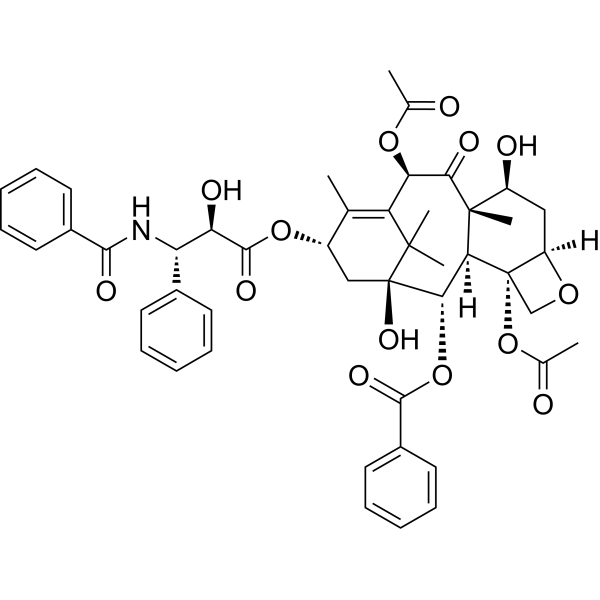
Paclitaxel is a naturally occurring antineoplastic agent and stabilizes tubulin polymerization. Paclitaxel can cause both mitotic arrest and apoptotic cell death. Paclitaxel also induces autophagy .
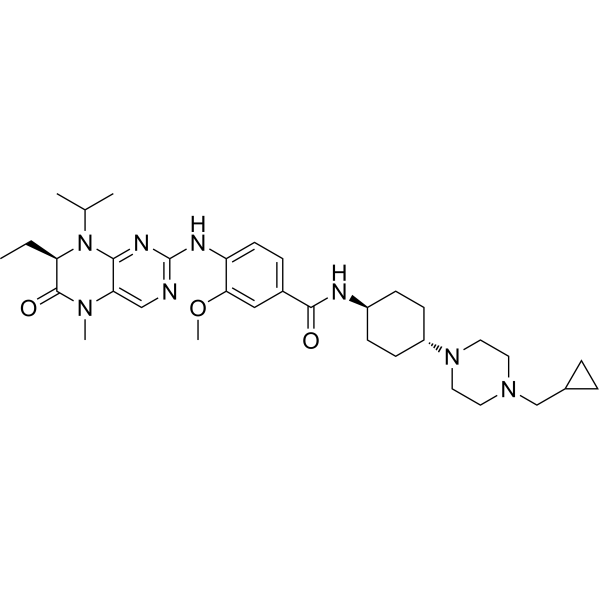
Volasertib (BI 6727) is an orally active, highly potent and ATP-competitive Polo-like kinase 1 (PLK1) inhibitor with an IC50 of 0.87 nM. Volasertib inhibits PLK2 and PLK3 with IC50s of 5 and 56 nM, respectively. Volasertib induces mitotic arrest and apoptosis. Volasertib, a dihydropteridinone derivative, shows marked antitumor activity in multiple cancer models .
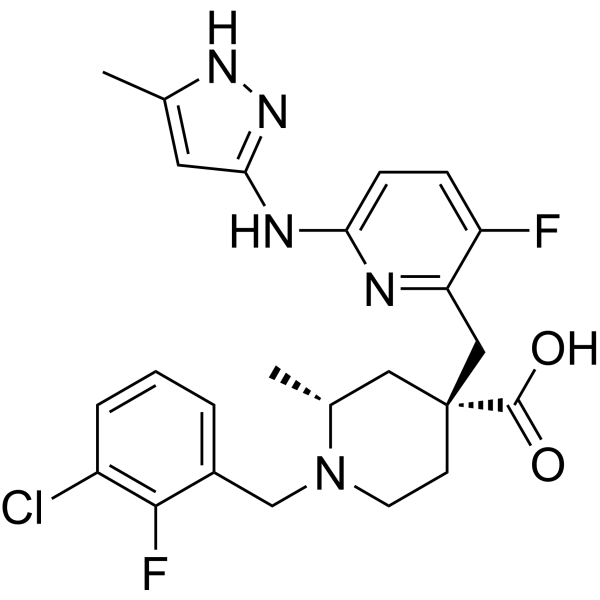
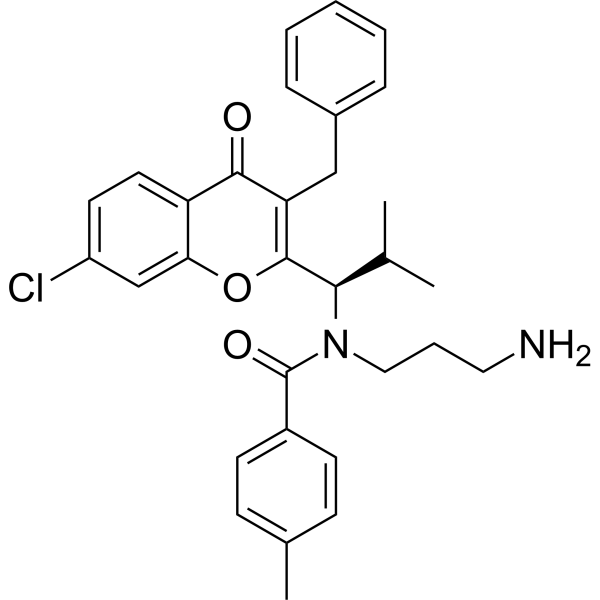
LY3295668 (AK-01) is a highly specific and orally active inhibitor of Aurora-A kinase with a Ki values for AurA and AurB of 0.8 nM and 1038 nM respectively. LY3295668 can effectively inhibit the autophosphorylation of AurA, induce mitotic arrest and apoptosis. LY3295668 avoids the formation of polyploids related to AurB inhibition. LY3295668 can be used for the study of small cell lung cancer .
Paclitaxel (Standard) is the analytical standard of Paclitaxel. This product is intended for research and analytical applications. Paclitaxel is a naturally occurring antineoplastic agent and stabilizes tubulin polymerization. Paclitaxel can cause both mitotic arrest and apoptotic cell death. Paclitaxel also induces autophagy .
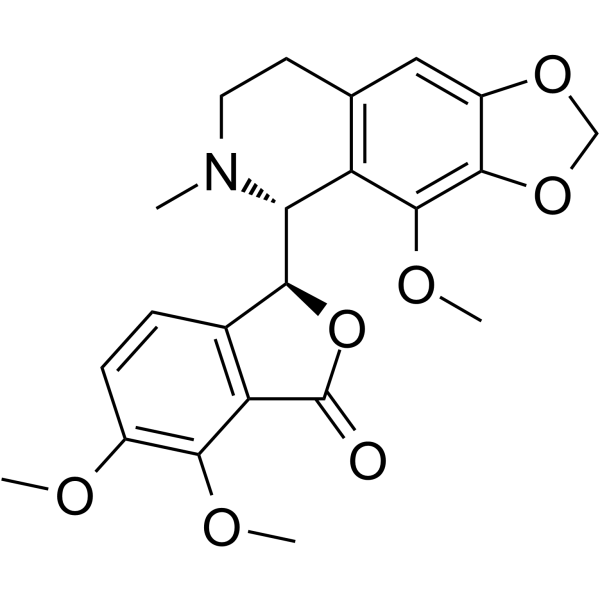
Noscapine ((S,R)-Noscapine) is an orally active phthalideisoquinoline alkaloid with potent antitussive. Noscapine exerts its antitussive effects by activating sigma opioid receptors and is a non-competitive Bradykinin inhibitor. Noscapine disrupts microtubule dynamics, induces mitotic arrest and apoptosis. Noscapine possesses anticancer, neuroprotective, anti-inflammatory activities, and can cross the blood-brain barrier .
BO-264 is a highly potent and orally active transforming acidic coiled-coil 3 (TACC3) inhibitor with an IC50 of 188 nM and a Kd of 1.5 nM. BO-264 specifically blocks the function of FGFR3-TACC3 fusion protein. BO-264 induces spindle assembly checkpoint (SAC)-dependent mitotic arrest, DNA damage and apoptosis. BO-264 has broad-spectrum antitumor activity .
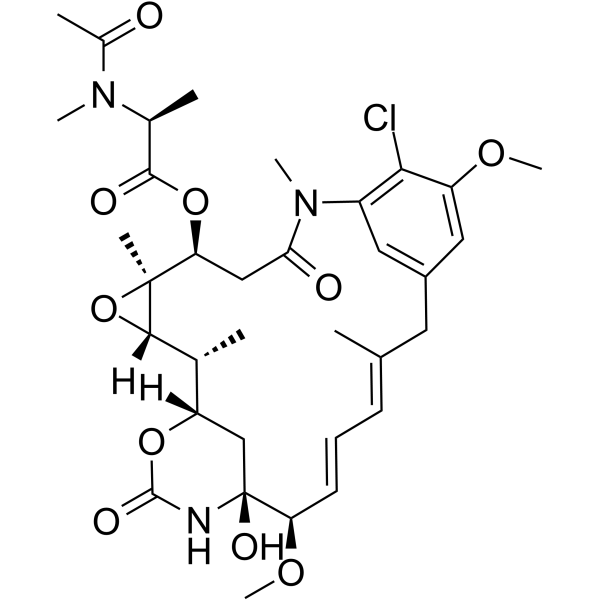
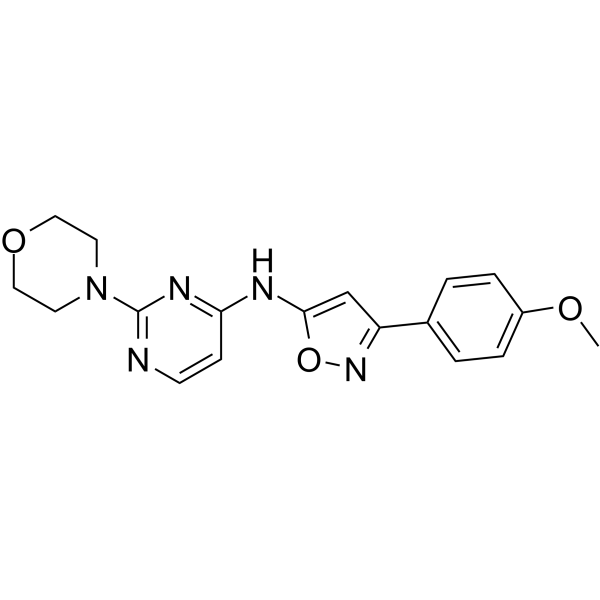
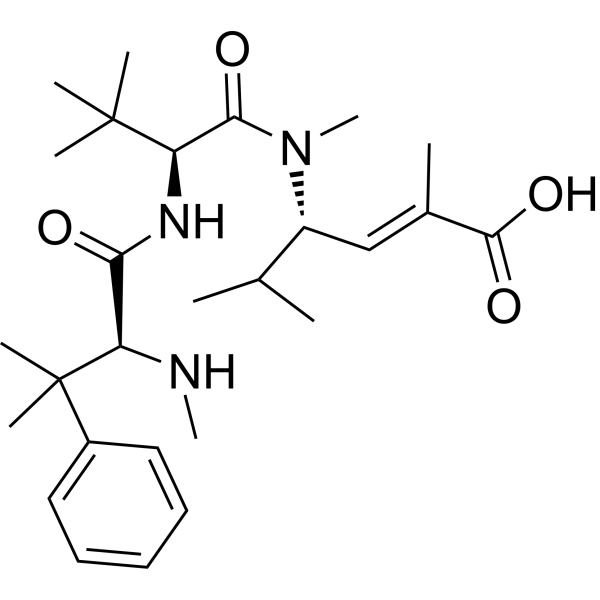
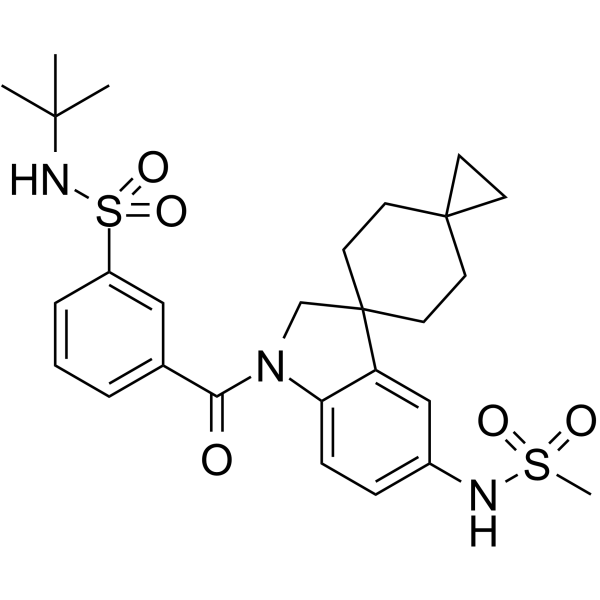
Taltobulin (HTI-286), a synthetic analogue of the tripeptide hemiasterlin, is a potent antimicrotubule agent that circumvents P-glycoprotein-mediated resistance in vitro and in vivo. Taltobulin inhibits the polymerization of purified tubulin, disrupts microtubule organization in cells, and induces mitotic arrest, as well as apoptosis .
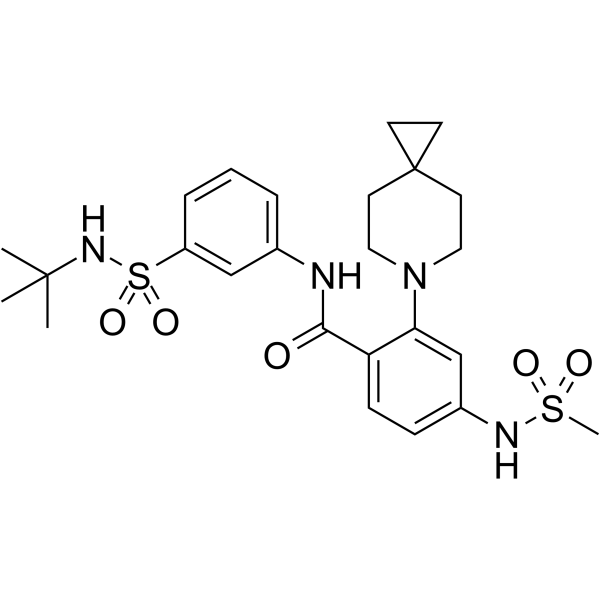
VLS-1272 (Compound 22) is an orally active KIF18A inhibitor that binds to the KIF18A-microtubule complex in an ATP-noncompetitive manner (IC50 = 41 nM), blocking its ATPase activity and inhibiting microtubule translocation. This leads to abnormal accumulation of KIF18A at spindle poles, disrupting chromosome alignment and inducing mitotic arrest and apoptosis in CIN High tumor cells (e.g., ovarian cancer OVCAR-3, breast cancer JIMT-1). VLS-1272 is a promising candidate for anti-tumor research .
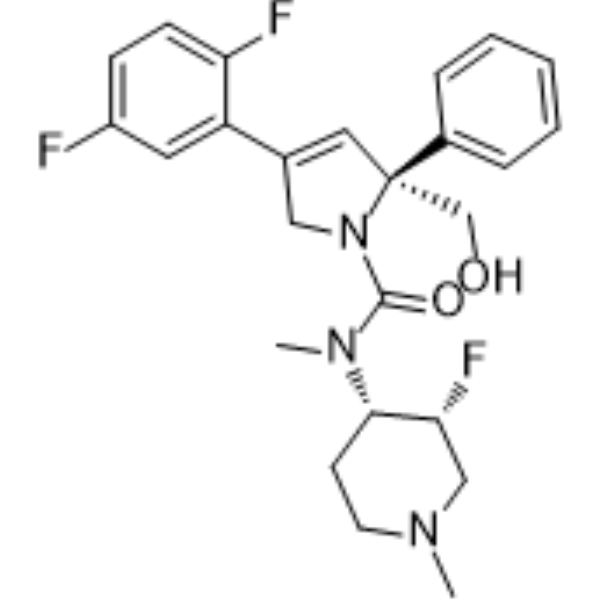
MK-0731 is a selective, non-competitive and allosteric kinesin spindle protein (KSP) inhibitor with an IC50 of 2.2 nM and a pKa of 7.6. MK-0731 is >20,000 fold selectivity against other kinesins. MK-0731 induces mitotic arrest and induces apoptosis in tumors. MK-0731 provides significant antitumor efficacy .
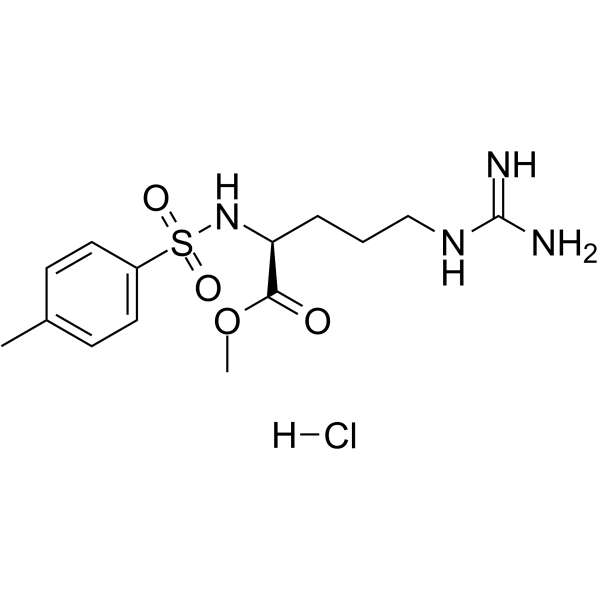
TAME hydrochloride is an inhibitor of anaphase-promoting complex/cyclosome (APC/C or APC), which binds to APC/C and prevents its activation by Cdc20 and Cdh1, produces mitotic arrest. TAME hydrochloride is not cell permeable .
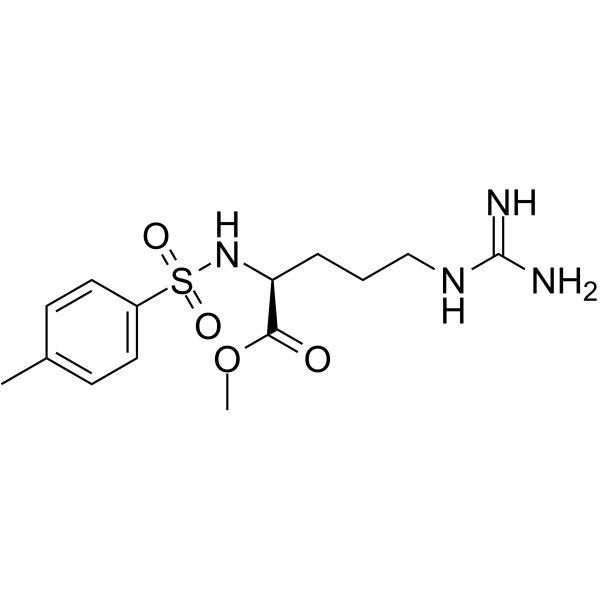
TAME is an inhibitor of anaphase-promoting complex/cyclosome (APC/C or APC), which binds to APC/C and prevents its activation by Cdc20 and Cdh1, produces mitotic arrest. TAME is not cell permeable .
Noscapine ((S,R)-Noscapine) hydrochloride is an orally active phthalideisoquinoline alkaloid with potent antitussive. Noscapine hydrochloride exerts its antitussive effects by activating sigma opioid receptors and is a non-competitive Bradykinin inhibitor. Noscapine hydrochloride disrupts microtubule dynamics, induces mitotic arrest and apoptosis. Noscapine hydrochloride possesses anticancer, neuroprotective, anti-inflammatory activities, and can crosse the blood-brain barrier .
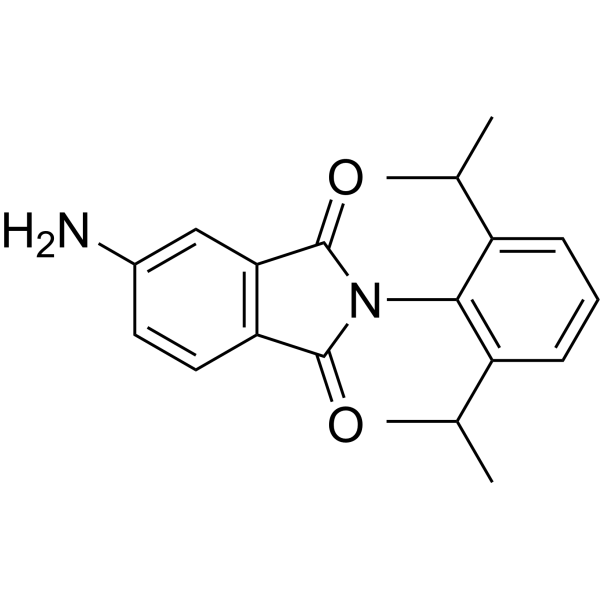
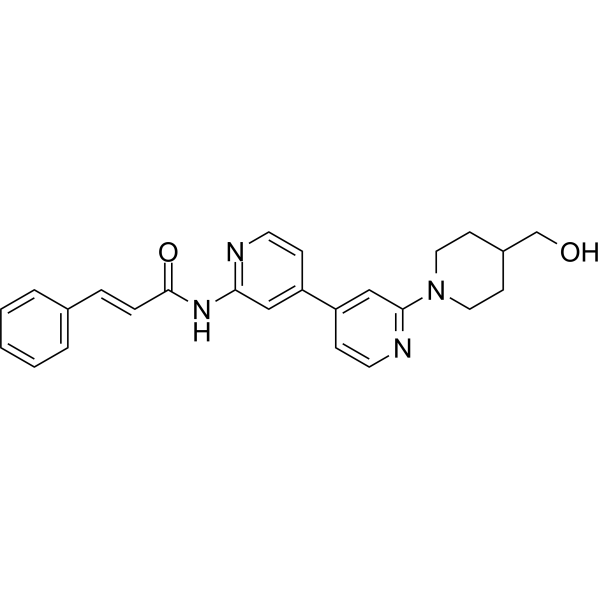
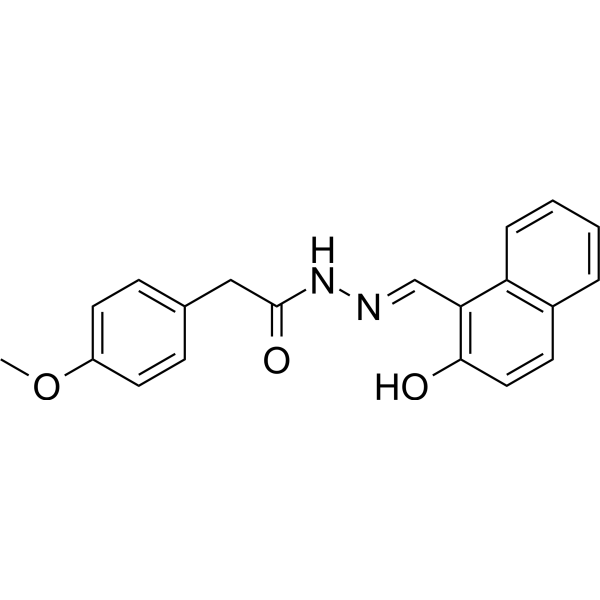
TC11 is a MCL1 degrader and Caspase-9 and CDK1 activator. TC11 functions as a phenylacetylamide derivative and is structurally related to immunomodulatory active molecules. TC11 induces degradation of MCL1 leading to apoptotic death during prolonged mitotic arrest.
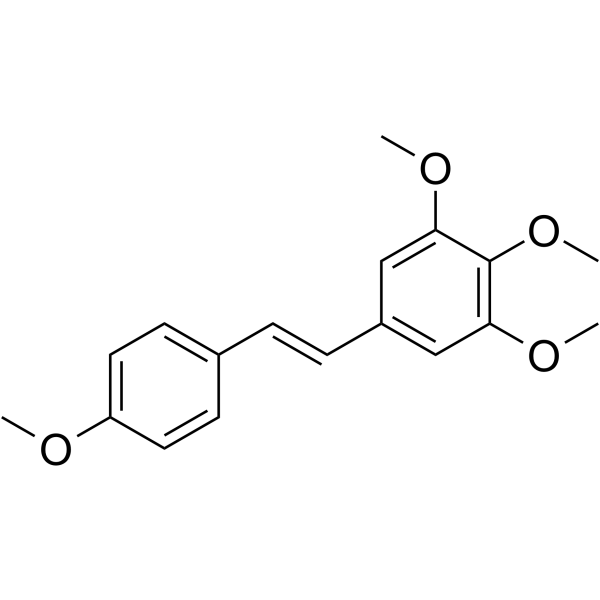
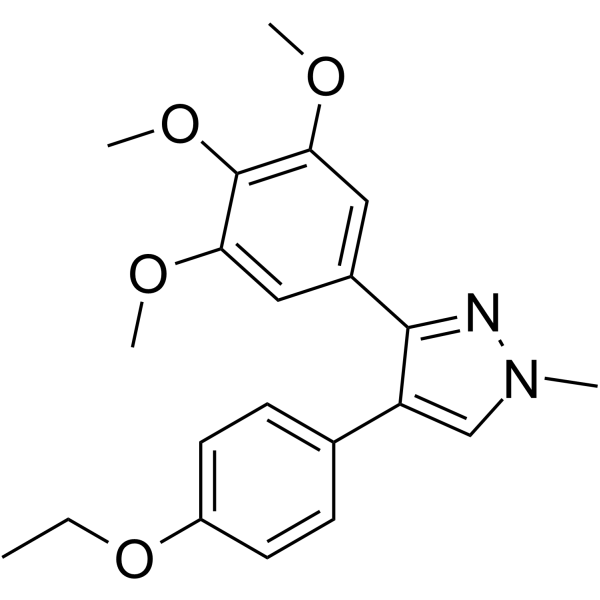
DMU-212 is a methylated derivative of Resveratrol (HY-16561), with antimitotic, anti-proliferative, antioxidant and apoptosis promoting activities. DMU-212 induces mitotic arrest via induction of apoptosis and activation of ERK1/2 protein. DMU-212 has orally active .
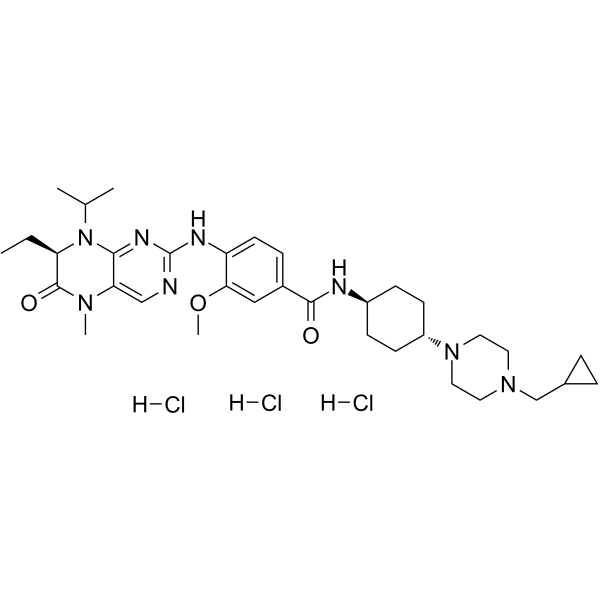
Volasertib (BI 6727) trihydrochloride is an orally active, highly potent and ATP-competitive Polo-like kinase 1 (PLK1) inhibitor with an IC50 of 0.87 nM. Volasertib trihydrochloride inhibits PLK2 and PLK3 with IC50s of 5 and 56 nM, respectively. Volasertib trihydrochloride induces mitotic arrest and apoptosis. Volasertib trihydrochloride, a dihydropteridinone derivative, shows marked antitumor activity in multiple cancer models .
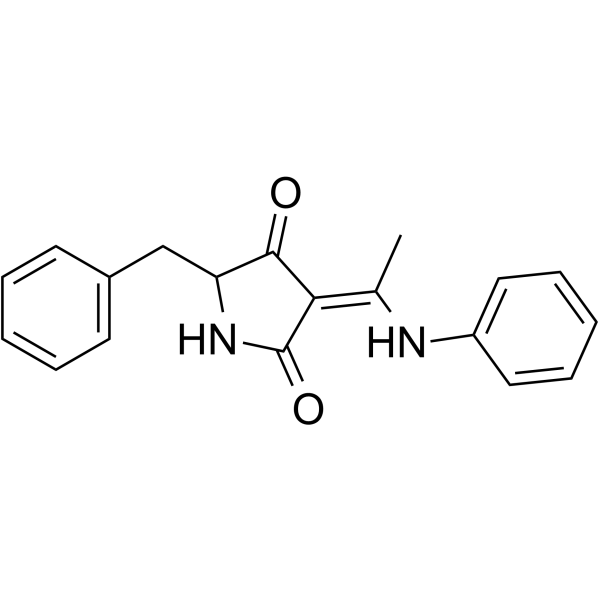
TN-16 is a Microtubule polymerization inhibitor. TN-16 induces G2/M cell cycle arrest, metaphase mitotic arrest and Apoptotic cell death in cells, and blocks late Autophagic flux by inhibiting autophagosome-lysosome fusion. TN-16 suppresses tumor growth in syngeneic mouse breast cancer models. TN-16 can be used in research related to neuroblastoma, cervical cancer, breast cancer and other tumors .
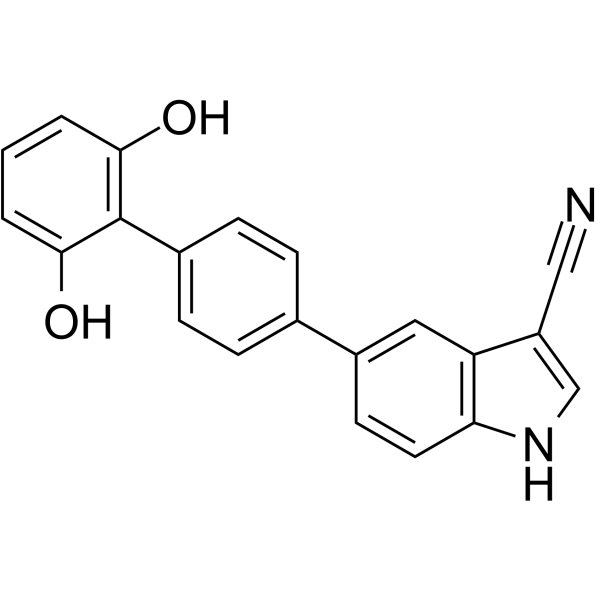
MT 63-78 is a specific and potent direct AMPK activator with an EC50 of 25 μM. MT 63–78 also induces cell mitotic arrest and apoptosis. MT 63-78 blocks prostate cancer growth by inhibiting the lipogenesis and mTORC1 pathways. MT 63-78 has antitumor effects .
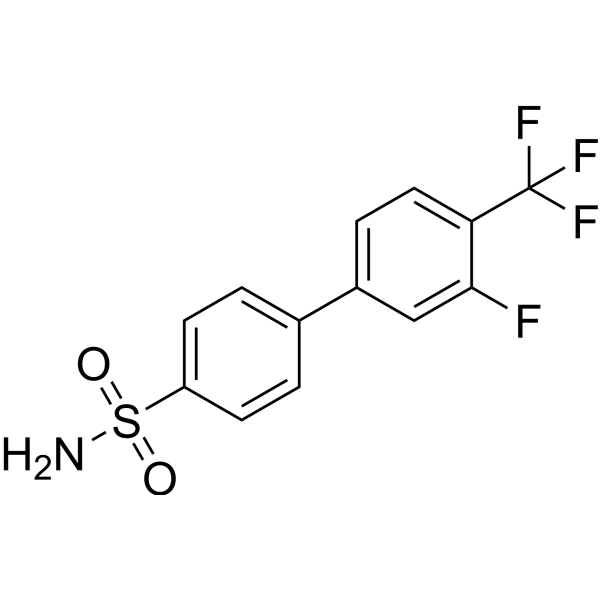
PVZB1194 is a biphenyl-type
inhibitor of Kinesin-5 ATPase activity that binds to the α4/α6 site of the motor domain in a nucleotide competitive manner. PVZB1194 has an IC50 of 0.12 μM for KSP ATPase. PVZB1194 induces mitotic arrest with the formation of a monopolar spindle, and inhibits HeLa cells proliferatio (IC50: 5.5 μM). PVZB1194 can be used in the study of tumors .
Paclitaxel- 13C6 is the 13C-labeled Paclitaxel. Paclitaxel is a naturally occurring antineoplastic agent and stabilizes?tubulin?polymerization. Paclitaxel can cause both mitotic arrest and?apoptotic?cell death. Paclitaxel also induces?autophagy .
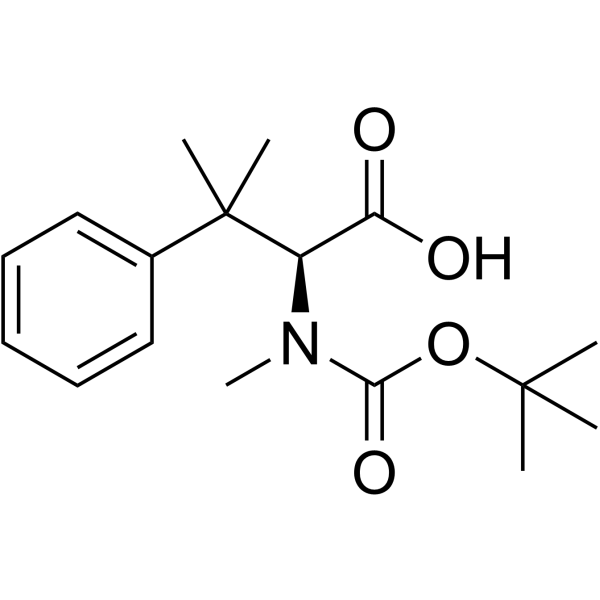
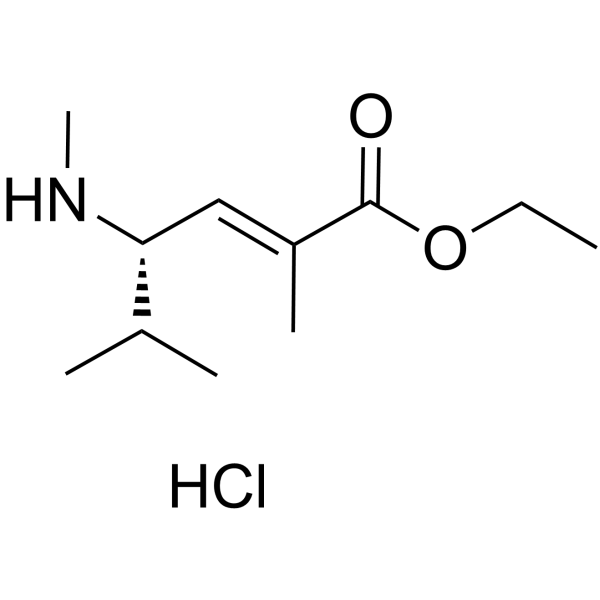
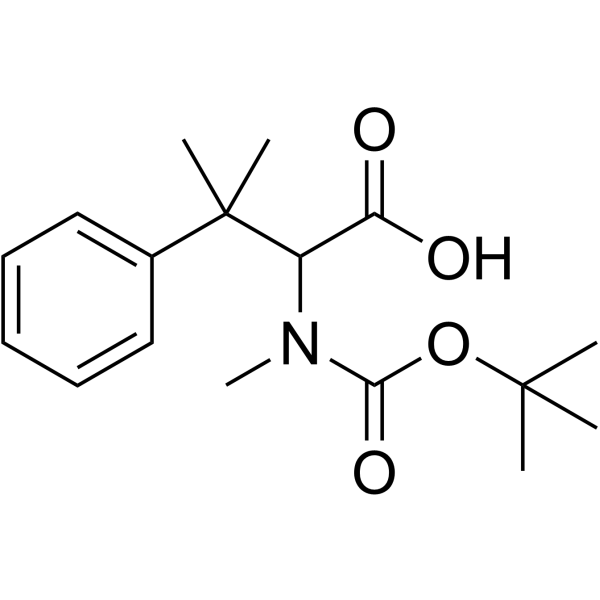
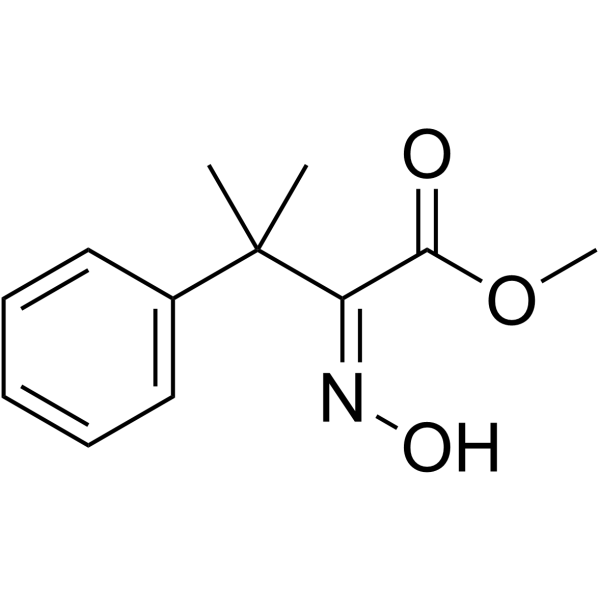
Taltobulin intermediate-1 is an intermediate in the synthesis of Taltobulin (HY-15584). Taltobulin is a common toxin component in ADC preparation (ADC Cytotoxin), and it is also a powerful tubulin (Microtubule/Tubulin) inhibitor. Taltobulin disrupts tubulin polymerization, induces mitotic arrest, and induces apoptosis .
Taltobulin intermediate-3 is an intermediate in the synthesis of Taltobulin (HY-15584). Taltobulin is a common toxin component in ADC preparation (ADC Cytotoxin), and it is also a powerful tubulin (Microtubule/Tubulin) inhibitor. Taltobulin disrupts tubulin polymerization, induces mitotic arrest, and induces apoptosis .
(Rac)-Taltobulin intermediate-1 is an intermediate in the synthesis of Taltobulin (HY-15584). Taltobulin is a common toxin component in ADC preparation (ADC Cytotoxin), and it is also a powerful tubulin (Microtubule/Tubulin) inhibitor. Taltobulin disrupts tubulin polymerization, induces mitotic arrest, and induces apoptosis .
KIF18A-IN-2 is a potent KIF18A inhibitor (IC50=28 nM). KIF18A-IN-2 causes significant mitotic arrest and increases the number of mitotic cells in tumor tissues. KIF18A-IN-2 can be used for researching cancer .
BPA-B9 is a RXRα ligand and antagonist targeting the pRXRα-PLK1 interaction. BPA-B9 has excellent RXRα-binding affinity (KD=39.29 ± 1.12 nM). BPA-B9 inhibits the proliferation of cancer cells by inducing mitotic arrest and cell apoptosis .
XS-060 is a potent anticancer agent and RXRα antagonist. XS-060 significantly induces RXRα-dependent mitotic arrest by inhibiting pRXRα-PLK1 interaction. XS-060 inhibits p-RXRα interaction with PLK1 but has no effect on RXRα heterodimerization with RARγ. XS-060 inhibits the in situ interaction between p-RXRα and PLK1 at the centrosome .
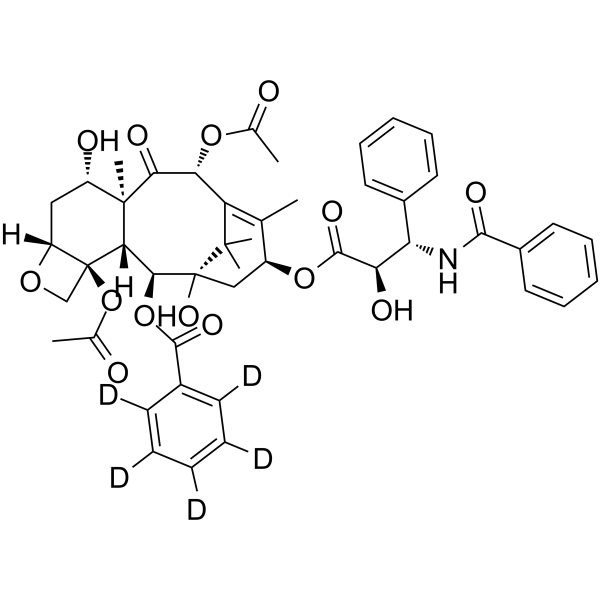
Paclitaxel-d5 (benzoyloxy) is the deuterium labeled Paclitaxel. Paclitaxel is a naturally occurring antineoplastic agent and stabilizes tubulin polymerization. Paclitaxel can cause both mitotic arrest and apoptotic cell death. Paclitaxel also induces autophagy .
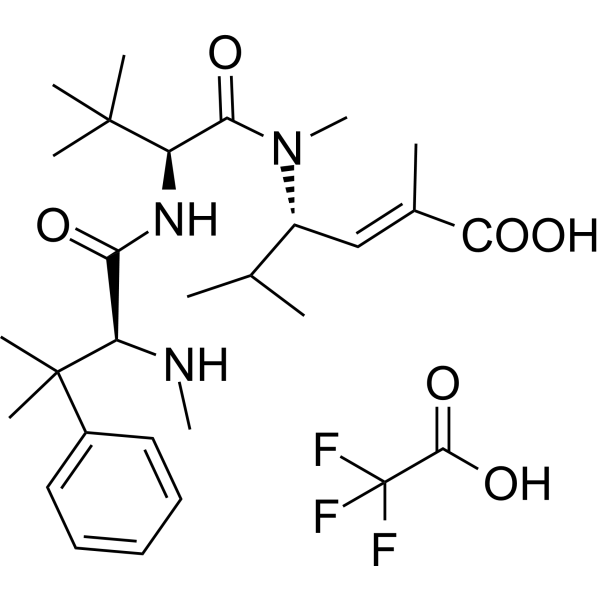
Taltobulin trifluoroacetate (HTI-286 trifluoroacetate), a synthetic analogue of the tripeptide hemiasterlin, is a potent antimicrotubule agent that circumvents P-glycoprotein-mediated resistance in vitro and in vivo. Taltobulin trifluoroacetate inhibits the polymerization of purified tubulin, disrupts microtubule organization in cells, and induces mitotic arrest, as well as apoptosis .
SB-743921 free base is a potent selective inhibitor of the mitotickinesin KSP (Eg5), with a Ki of 0.1 nM. SB-743921 free base can induce mitotic arrest, block cell cycle progression, induce apoptosis, and can be used in the research of myeloma, leukemia and other diseases .
KIF18A-IN-3 is a potent KIF18A inhibitor (IC50=61 nM). KIF18A-IN-3 causes significant mitotic arrest and increases the number of mitotic cells in tumor tissues. KIF18A-IN-3 can be used for researching cancer .
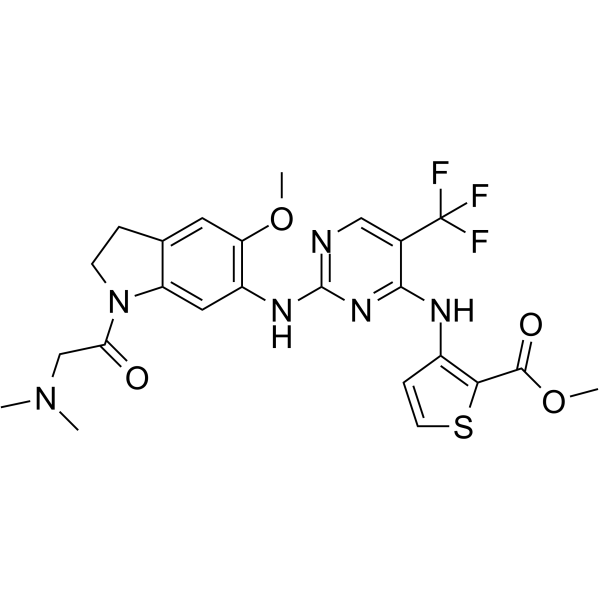
PLK1-IN-4 is a potent and selective PLK1 inhibitor with IC50 < 0.508 nM. PLK1-IN-4 has broad antiproliferative activity against a variety of cancer cell lines. PLK1-IN-4 induces mitotic arrest at the G2/M phase checkpoint, leading to cancer cell apoptosis. PLK1-IN-4 can be used for researching hepatocellular carcinoma .
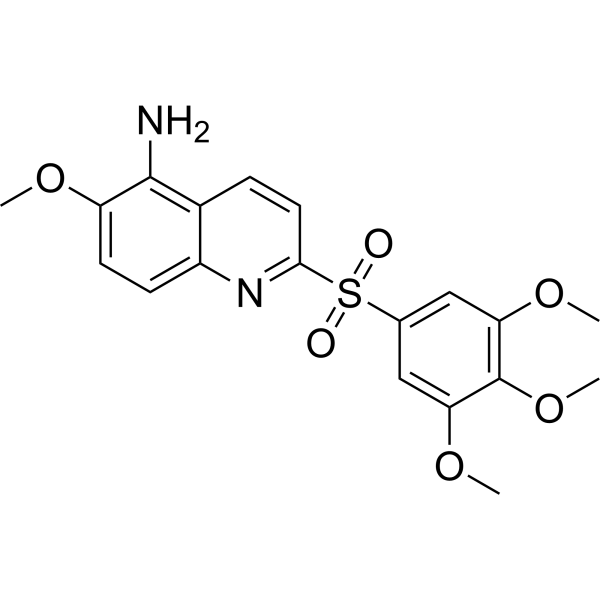
MPT0B392, an orally active quinoline derivative, induces c-Jun N-terminal kinase (JNK) activation, leading to apoptosis. MPT0B392 inhibits tubulin polymerization and triggers induction of the mitotic arrest, followed by mitochondrial membrane potential loss and caspases cleavage by activation of JNK and ultimately leads to apoptosis. MPT0B392 is demonstrated to be a novel microtubule-depolymerizing agent and enhances the cytotoxicity of sirolimus in sirolimus-resistant acute leukemic cells and the multidrug resistant cell line .
SU212 is a podophyllotoxin-derived ENO1 inhibitor and AMPK activator. SU212 can selectively induce oxidative phosphorylation, reduce glycolysis activity and glucose uptake in tumor cells, and directly bind to ENO1 without affecting these pathways in normal cells. SU212 induces apoptosis and promotes ENO1 degradation via proteasomal and autophagic pathways without inhibiting the catalytic activity. SU212 leads to mitotic arrest and apoptosis in TNBC (triple-negative breast cancer) cells by activating AMPK, demonstrating potent anti-tumor activity in vitro. SU212 inhibits tumor growth and metastasis in syngeneic, xenograft, and diabetic mouse models, exhibiting an excellent safety profile. SU212 can be used in research on t TNBC, diabetes, and fatty liver disease .
SCH 2047069 (MK-8267) is an orally active kinesin spindle protein (KSP) inhibitor (Kd: 0.5 nM) that can cross the blood-brain barrier. SCH 2047069 exhibits an IC50 value of ≤ 5 nM against the KSP ATPase. SCH 2047069 exhibits broad-spectrum antitumor activity. SCH 2047069 can induce mitotic arrest and apoptosis in tumor cells. SCH 2047069 can be used in the research of tumors such as ovarian cancer, colon cancer, glioblastoma, and lymphoma .
PTX-PEG-Cy3 (Paclitaxel-PEG-Cy3) is a Cy3 (HY-D0822) labeled PTX-PEG conjugate. The Cy3 fluorophore is commonly used in applications such as immunolabeling, nucleic acid labeling, fluorescence microscopy, and flow cytometry. Cy3 has an emission maximum around 562-570 nm. PTX stabilizes tubulin polymerization. PTX can cause both mitotic arrest and apoptotic cell death. PTX also induces autophagy .
Volasertib (Standard) is the analytical standard of Volasertib. This product is intended for research and analytical applications. Volasertib (BI 6727) is an orally active, highly potent and ATP-competitive Polo-like kinase 1 (PLK1) inhibitor with an IC50 of 0.87 nM. Volasertib inhibits PLK2 and PLK3 with IC50s of 5 and 56 nM, respectively. Volasertib induces mitotic arrest and apoptosis. Volasertib, a dihydropteridinone derivative, shows marked antitumor activity in multiple cancer models .
Cy5-Paclitaxel is a Cyanine5 carboxylic acid bromide (HY-D1319) labeled Paclitaxel (HY-B0015) conjugate. Cyanine5 carboxylic acid bromide is a fluorescent dye containing a non-activated carboxylic acid (Ex=646 nm, Em=662 nm) that can be used for molecular labeling and microscopy imaging. Paclitaxel stabilizes tubulin polymerization. Paclitaxel can cause both mitotic arrest and apoptotic cell death. Paclitaxel also induces autophagy .
Poloxin-2 is a small molecule Plk1 PBD inhibitor that can effectively induce cell mitotic arrest with an EC50 of approximately 15 μM in HeLa cells. Poloxin-2HT was developed by conjugating a hydrophobic tag (HT) to Poloxin-2, a new application of inhibitors targeting protein-protein interactions. Poloxin-2HT significantly enhanced the effects on cell viability and apoptosis by selectively degrading Plk1 protein, and its effect was stronger than that of untagged Poloxin-2. These data validate hydrophobic tags as a new strategy for targeting and disrupting disease-associated proteins.
Paclitaxel ceribate is the ester form of paclitaxel, a natural antineoplastic agent that stabilizes tubulin polymerization. Paclitaxel causes mitotic arrest and induces apoptosis, ultimately leading to cell death. Paclitaxel also induces autophagy .
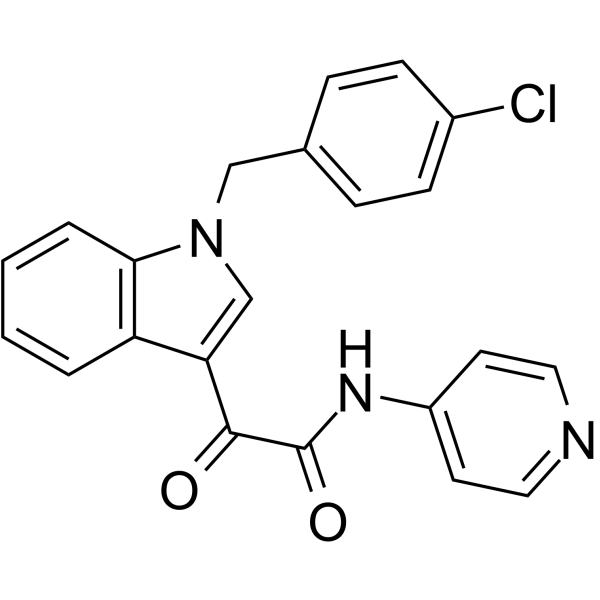
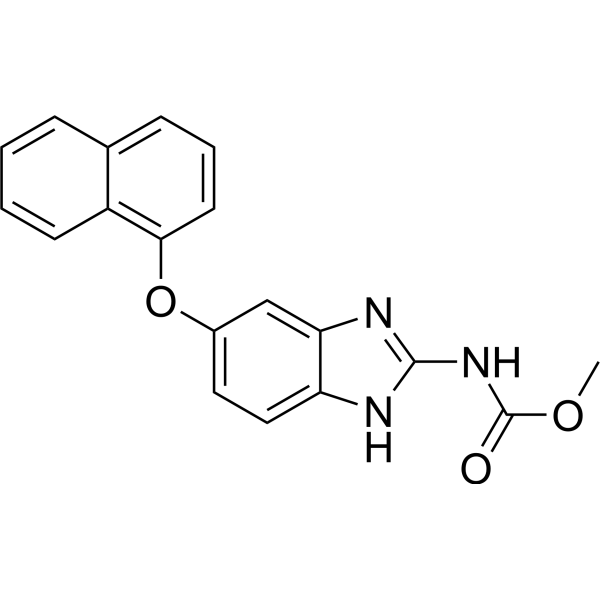
Tubulin polymerization-IN-57 (compound 5a) is a tubulin inhibitor and is an α-naphthoxy-substituted carbendazim (HY-13582) derivative. Tubulin polymerization-IN-57 induces mitotic arrest and inhibits cancer cell proliferation .
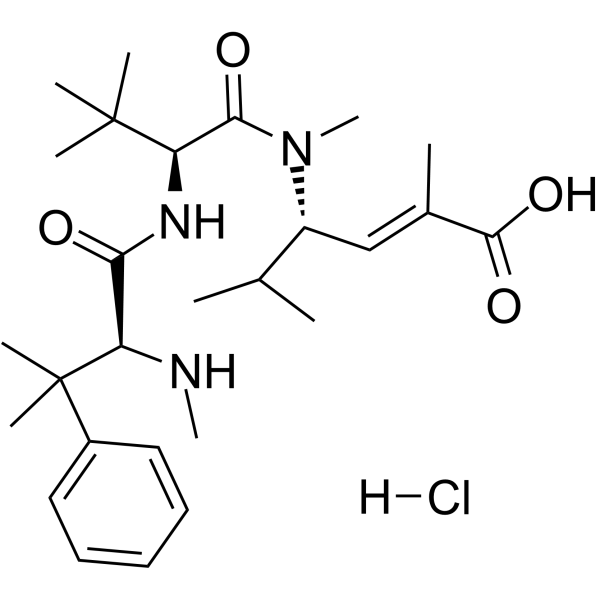
Taltobulin hydrochloride (HTI-286 hydrochloride), a synthetic analogue of the tripeptide hemiasterlin, is a potent antimicrotubule agent that circumvents P-glycoprotein-mediated resistance in vitro and in vivo. Taltobulin hydrochloride inhibits the polymerization of purified tubulin, disrupts microtubule organization in cells, and induces mitotic arrest, as well as apoptosis .
CK0106023 is a potent and specific allosteric inhibitor of KSP with a Ki value of 12 nM, showing antitumor activity. CK0106023 causes mitotic arrest and growth inhibition in several tumor cell lines. CK0106023 exhibits antitumor activity in tumor-bearing mice .
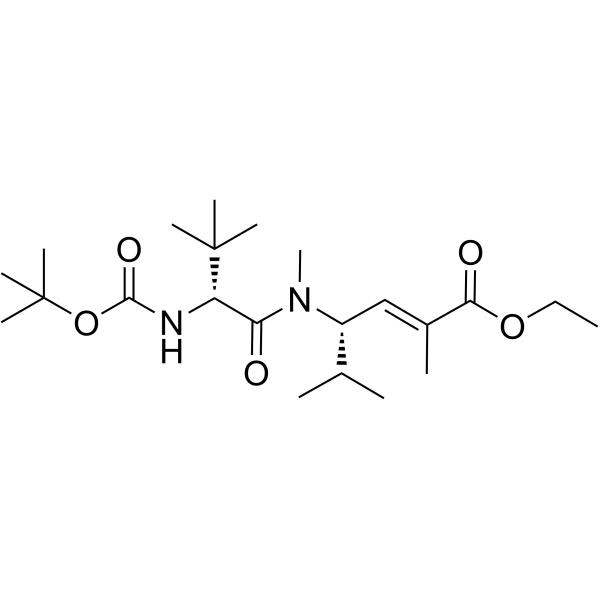
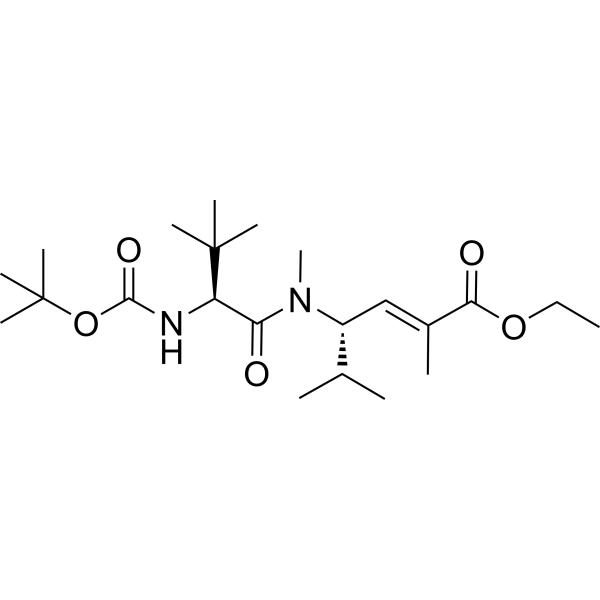
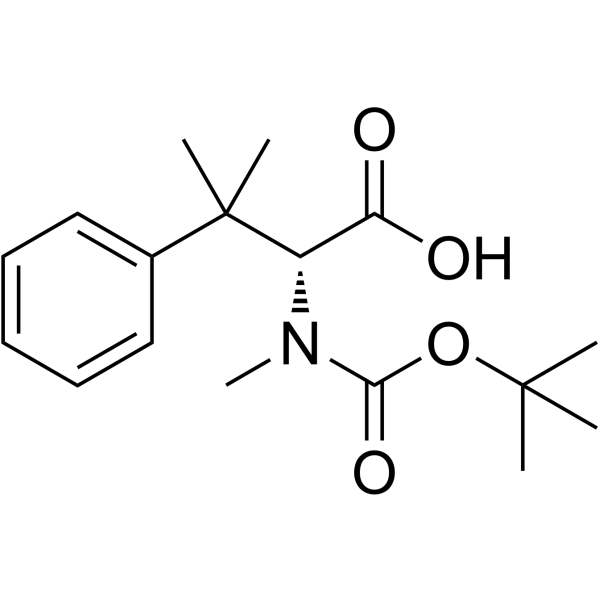
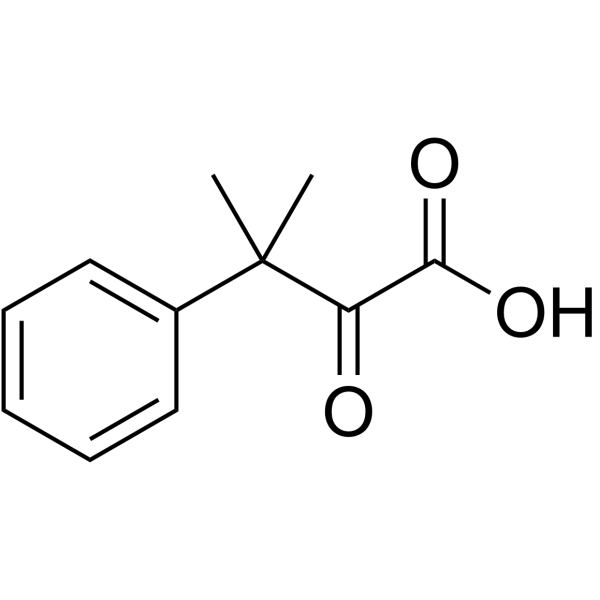
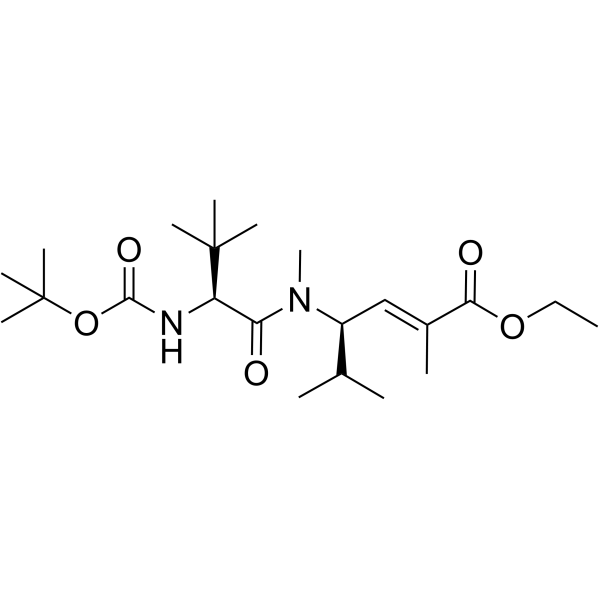
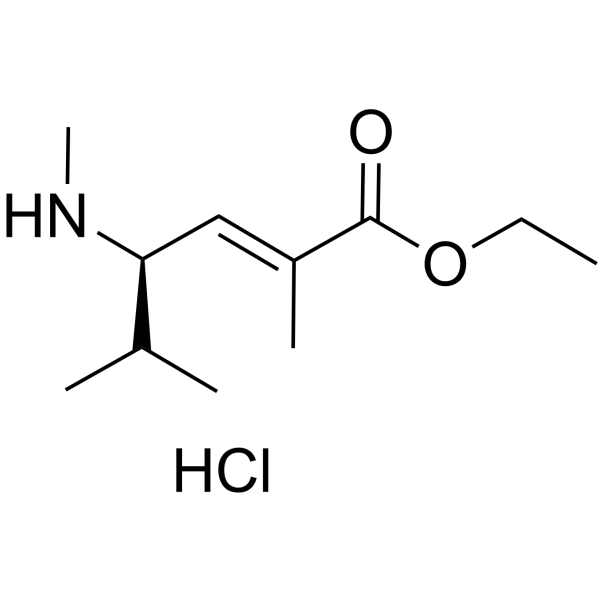
Taltobulin intermediate-7 is an intermediate in the synthesis of Taltobulin (HY-15584). Taltobulin is a common toxin component in ADC preparation (ADC Cytotoxin), and it is also a powerful tubulin (Microtubule/Tubulin) inhibitor. Taltobulin disrupts tubulin polymerization, induces mitotic arrest, and induces apoptosis .
Taltobulin intermediate-4 is an intermediate in the synthesis of Taltobulin (HY-15584). Taltobulin is a common toxin component in ADC preparation (ADC Cytotoxin), and it is also a powerful tubulin (Microtubule/Tubulin) inhibitor. Taltobulin disrupts tubulin polymerization, induces mitotic arrest, and induces apoptosis .
Taltobulin intermediate-8 is an intermediate in the synthesis of Taltobulin (HY-15584). Taltobulin is a common toxin component in ADC preparation (ADC Cytotoxin), and it is also a powerful tubulin (Microtubule/Tubulin) inhibitor. Taltobulin disrupts tubulin polymerization, induces mitotic arrest, and induces apoptosis .
Taltobulin intermediate-2 is an intermediate in the synthesis of Taltobulin (HY-15584). Taltobulin is a common toxin component in ADC preparation (ADC Cytotoxin), and it is also a powerful tubulin (Microtubule/Tubulin) inhibitor. Taltobulin disrupts tubulin polymerization, induces mitotic arrest, and induces apoptosis .
Taltobulin intermediate-6 is an intermediate in the synthesis of Taltobulin (HY-15584). Taltobulin is a common toxin component in ADC preparation (ADC Cytotoxin), and it is also a powerful tubulin (Microtubule/Tubulin) inhibitor. Taltobulin disrupts tubulin polymerization, induces mitotic arrest, and induces apoptosis .
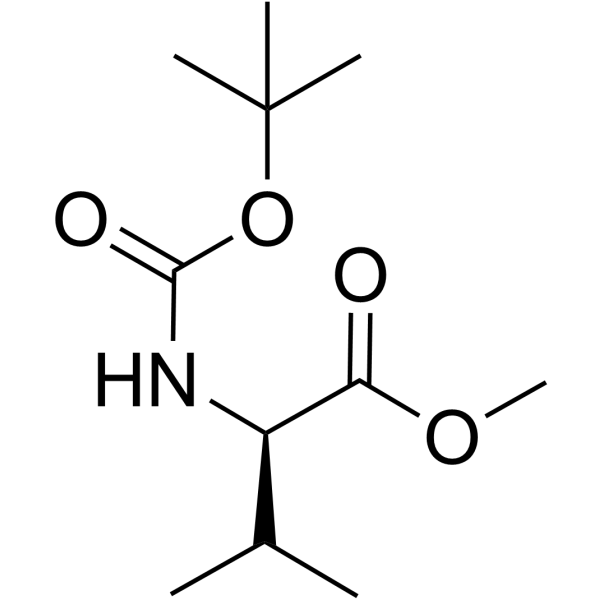
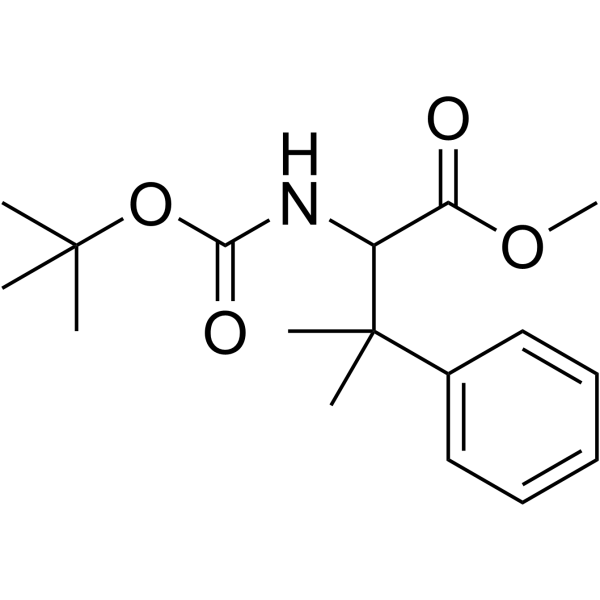
D-Boc Valine methyl ester is an intermediate in the synthesis of Taltobulin (HY-15584). Taltobulin is a common toxin component in ADC preparation (ADC Cytotoxin), and it is also a powerful tubulin (Microtubule/Tubulin) inhibitor. Taltobulin disrupts tubulin polymerization, induces mitotic arrest, and induces apoptosis .
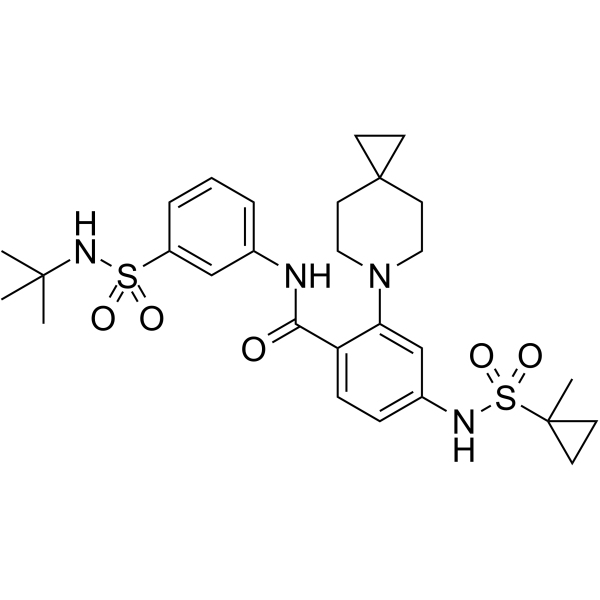
TACC3 inhibitor 2 (Compound 13b) is a TACC3 inhibitor with an IC50 of 200 nM. TACC3 inhibitor 2 can induce mitotic arrest, cell apoptosis (Apoptosis), and DNA damage. TACC3 inhibitor 2 can be used for cancer research .
Taltobulin intermediate-5 is an intermediate in the synthesis of Taltobulin (HY-15584). Taltobulin is a common toxin component in ADC preparation (ADC Cytotoxin), and it is also a powerful tubulin (Microtubule/Tubulin) inhibitor. Taltobulin disrupts tubulin polymerization, induces mitotic arrest, and induces apoptosis .
Taltobulin intermediate-10 is an intermediate in the synthesis of Taltobulin (HY-15584). Taltobulin is a common toxin component in ADC preparation (ADC Cytotoxin), and it is also a powerful tubulin (Microtubule/Tubulin) inhibitor. Taltobulin disrupts tubulin polymerization, induces mitotic arrest, and induces apoptosis .
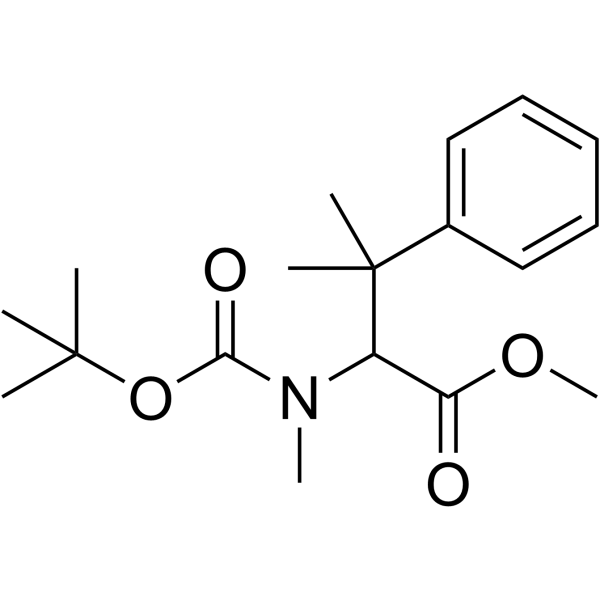
Taltobulin intermediate-11 is an intermediate in the synthesis of Taltobulin (HY-15584). Taltobulin is a common toxin component in ADC preparation (ADC Cytotoxin), and it is also a powerful tubulin (Microtubule/Tubulin) inhibitor. Taltobulin disrupts tubulin polymerization, induces mitotic arrest, and induces apoptosis .
Taltobulin intermediate-12 is an intermediate in the synthesis of Taltobulin (HY-15584). Taltobulin is a common toxin component in ADC preparation (ADC Cytotoxin), and it is also a powerful tubulin (Microtubule/Tubulin) inhibitor. Taltobulin disrupts tubulin polymerization, induces mitotic arrest, and induces apoptosis .
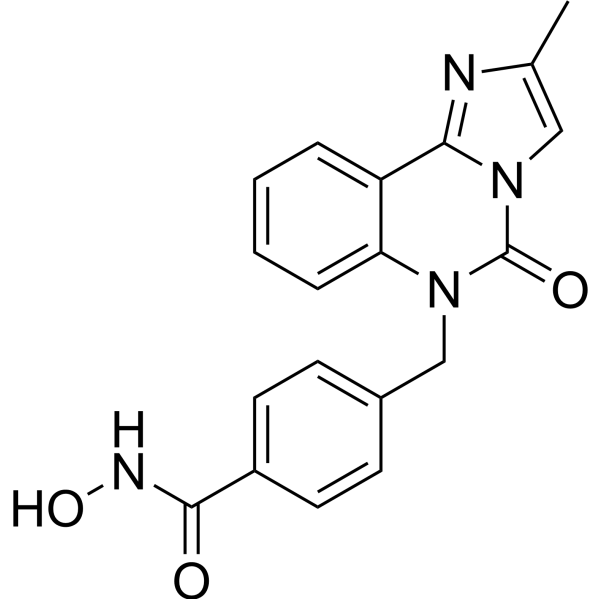
HDAC6-IN-32 (compound 25202) is a selective and potent inhibitor of HDAC6. HDAC6-IN-32 blocks HDAC6 activity and interferes with microtubule dynamics, leading to SAC activation and prolonged mitotic arrest, ultimately leading to apoptosis in CRPC cells .
Indibulin (Standard) is the analytical standard of Indibulin. This product is intended for research and analytical applications. Indibulin (ZIO 301), an orally applicable inhibitor of tubulin assembly, shows potent anticancer activity with a minimal neurotoxicity. Indibulin reduces inter-kinetochoric tension, produces aberrant spindles, activates mitotic checkpoint proteins Mad2 and BubR1, and induces mitotic arrest and apoptosis .
6-MOMIPP is a brain-penetrant microtubule disruptor that targets the colchicine site on β-tubulin. 6-MOMIPP can induce mitotic arrest and cell apoptosis. 6-MOMIPP has broad activity against the viability of multiple glioblastoma, melanoma and lung carcinoma cell lines. 6-MOMIPP can be used for the research of cancer .
Microtubule-IN-13 (Compound FB2) is a microtubule inhibitor. Microtubule-IN-13 interferes with microtubule dynamics, leading to defects in the mitotic spindle and persistent mitotic arrest. Microtubule-IN-13 exhibits potent cytotoxicity against multiple cancer cell lines (IC50 = 0.3-2.7 μM). Microtubule-IN-13 can be used for cancer research .
Eg5-IN-3 (5) is an Eg5 inhibitor that targets the novel allosteric pocket (α4/α6/L11). Eg5-IN-3 (5) causes tubulin assembly distortion with irregular morphology, resulting in a typical mitotic arrest similar to Monastrol (HY-101071A) .
(E)-XS-060 is an isomer of XS-060. XS-060 is a RXRα antagonist. XS-060 inhibits pRXRα-PLK1 interaction. XS-060 induces RXRα-dependent mitotic arrest. XS-060 exhibits good antitumor activity against breast cancer, lung adenocarcinoma, and liver cancer .
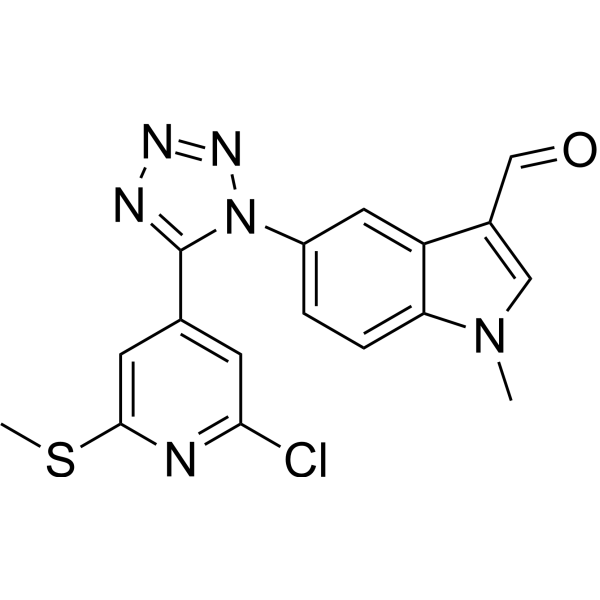
Tubulin inhibitor 38 (compound 14) is a tetrazole-based Tubulin inhibitor with antiproliferative potencies. Tubulin inhibitor 38 (100 nM,24 h) mediates mitotic arrest,blocks cell cycle at G2/M phase and induces apoptosis. Tubulin inhibitor 38 exhibits high cytotoxicity with high selectivity index among HeLa,MCF7,and U87 MG cells .
DL78 is an effective anti-mitotic agent. DL78 induces mitotic arrest, mitotic catastrophe and apoptosis in cancer cells by disrupting the interaction between Myc and α-tubulin. DL78 exhibits broad anti-cancer activity, especially against cancer cells with chromosomal instability and excessive expression of MYC. DL78 significantly reduces tumor burden in the OV81.2 xenograft model. DL78 can be used for the study of ovarian cancer .
Noscapine (Standard) is the analytical standard of Noscapine. This product is intended for research and analytical applications. Noscapine ((S,R)-Noscapine) is an orally active phthalideisoquinoline alkaloid with potent antitussive. Noscapine exerts its antitussive effects by activating sigma opioid receptors and is a non-competitive Bradykinin inhibitor. Noscapine disrupts microtubule dynamics, induces mitotic arrest and apoptosis. Noscapine possesses anticancer, neuroprotective, anti-inflammatory activities, and can cross the blood-brain barrier [4] .
Noscapine- 13C,d3 is a 13C- labeled and deuterated labeled Noscapine . Noscapine ((S,R)-Noscapine) is an orally active phthalideisoquinoline alkaloid with potent antitussive. Noscapine exerts its antitussive effects by activating sigma opioid receptors and is a non-competitive Bradykinin inhibitor. Noscapine disrupts microtubule dynamics, induces mitotic arrest and apoptosis. Noscapine possesses anticancer, neuroprotective, anti-inflammatory activities, and can cross the blood-brain barrier .
Cy5-Paclitaxel bromide is the bromide of Cy5-Paclitaxel (HY-D2422B). Cy5-Paclitaxel is a Cyanine5 carboxylic acid bromide (HY-D1319) labeled Paclitaxel (HY-B0015) conjugate. Cyanine5 carboxylic acid bromide is a fluorescent dye containing a non-activated carboxylic acid (Ex=646 nm, Em=662 nm) that can be used for molecular labeling and microscopy imaging. Paclitaxel stabilizes tubulin polymerization. Paclitaxel can cause both mitotic arrest and apoptotic cell death. Paclitaxel also induces autophagy .
Nur77 modulator 6 is a Nur77 modulator with a Kd of 0.40 μM. Nur77 modulator 6 functionally modulates Nur77 to induce mitotic arrest and apoptosis in colorectal tumor cells. Nur77 modulator 6 suppresses colorectal cancer cell proliferation via Nur77-dependent mitotic arrest induction. Nur77 modulator 6 exhibits anti-proliferative activity against colorectal tumor cells. Nur77 modulator 6 can be used for the research of colorectal cancer .
destabilizing agent-3 (HY-179695). Microtubule destabilizing agent-3 is a microtubule destabilizing agent. Microtubule destabilizing agent-3 exerts its antimyeloma phenotypes by destabilizing microtubules and promoting mitotic arrest, leading to cell death. Microtubule destabilizing agent-3 induces G2/M phase arrest and caspase-dependent apoptosis .
LY3295668 (AK-01) erbumine is a highly specific and orally active inhibitor of Aurora-A kinase with a Ki values for AurA and AurB of 0.8 nM and 1038 nM respectively. LY3295668 erbumine can effectively inhibit the autophosphorylation of AurA, induce mitotic arrest and apoptosis. LY3295668 erbumine avoids the formation of polyploids related to AurB inhibition. LY3295668 erbumine can be used for the study of small cell lung cancer .
NN-01-195 is a HSP90 and AURKA inhibitor. NN-01-195 binds tightly to and inhibits AURKA and HSP90, with an IC50 of 3.1 nM against AURKA and an IC50 of 8.7 nM against HSP90α. NN-01-195 induces mitotic arrest and spindle abnormality in tumor cells, and triggers cell apoptosis. NN-01-195 can be used in the research of solid tumors .
Microtubule destabilizing agent-3, a B32B3 (HY-12240) analog, is a microtubule destabilizing agent. Microtubule destabilizing agent-3 exerts its antimyeloma phenotypes by destabilizing microtubules and promoting mitotic arrest, leading to cell death. Microtubule destabilizing agent-3 induces G2/M phase arrest and caspase-dependent apoptosis. Microtubule destabilizing agent-3 can be used for the research of multiple myeloma .
MDL-27048, a tubulin inhibitor, binds competitively, reversibly to the Colchicine (HY-16569)-binding site on tubulin heterodimers. MDL-27048 inhibits microtubule assembly, induces slow depolymerization of preassembled microtubules, disrupts microtubule polymerization-depolymerization dynamics, and disrupts cytoplasmic microtubule networks. MDL-27048 exerts growth inhibitory effects on human cancer cells, induces mitotic arrest, and does not disrupt actin filaments at microtubule-depolymerizing concentrations. MDL-27048 can be used for the research of malignant tumors .
MPT0B392 (Standard) is the analytical standard of MPT0B392 (HY-101287). This product is intended for research and analytical applications. MPT0B392, an orally active quinoline derivative, induces c-Jun N-terminal kinase (JNK) activation, leading to apoptosis. MPT0B392 inhibits tubulin polymerization and triggers induction of the mitotic arrest, followed by mitochondrial membrane potential loss and caspases cleavage by activation of JNK and ultimately leads to apoptosis. MPT0B392 is demonstrated to be a novel microtubule-depolymerizing agent and enhances the cytotoxicity of sirolimus in sirolimus-resistant acute leukemic cells and the multidrug resistant cell line .
CIRc-014 is an orally active Cyclin A/B inhibitor with a Cyclin A IC50 of 0.05 μM, Cyclin A Kd of 2.7 nM, Cyclin B IC50 of less than 0.02 μM and Cyclin B Kd of 1.0 nM. CIRc-014 activates the spindle assembly checkpoint and promotes the formation of a complex between Cyclin B and CDK2 by blocking the RxL interaction of Cyclin A/B. CIRc-014 can induce replication stress, DNA damage, mitotic arrest and apoptosis in tumor cells. CIRc-014 showed tumor growth inhibition and regression in NCI-H69 and NCI-H446 small cell lung cancer xenograft models. CIRc-014 can be used for the research of small-cell lung cancer .
PTX-PEG-Cy3 (Paclitaxel-PEG-Cy3) is a Cy3 (HY-D0822) labeled PTX-PEG conjugate. The Cy3 fluorophore is commonly used in applications such as immunolabeling, nucleic acid labeling, fluorescence microscopy, and flow cytometry. Cy3 has an emission maximum around 562-570 nm. PTX stabilizes tubulin polymerization. PTX can cause both mitotic arrest and apoptotic cell death. PTX also induces autophagy .
Cy5-Paclitaxel is a Cyanine5 carboxylic acid bromide (HY-D1319) labeled Paclitaxel (HY-B0015) conjugate. Cyanine5 carboxylic acid bromide is a fluorescent dye containing a non-activated carboxylic acid (Ex=646 nm, Em=662 nm) that can be used for molecular labeling and microscopy imaging. Paclitaxel stabilizes tubulin polymerization. Paclitaxel can cause both mitotic arrest and apoptotic cell death. Paclitaxel also induces autophagy .
Cy5-Paclitaxel bromide is the bromide of Cy5-Paclitaxel (HY-D2422B). Cy5-Paclitaxel is a Cyanine5 carboxylic acid bromide (HY-D1319) labeled Paclitaxel (HY-B0015) conjugate. Cyanine5 carboxylic acid bromide is a fluorescent dye containing a non-activated carboxylic acid (Ex=646 nm, Em=662 nm) that can be used for molecular labeling and microscopy imaging. Paclitaxel stabilizes tubulin polymerization. Paclitaxel can cause both mitotic arrest and apoptotic cell death. Paclitaxel also induces autophagy .
Paclitaxel is a naturally occurring antineoplastic agent and stabilizes tubulin polymerization. Paclitaxel can cause both mitotic arrest and apoptotic cell death. Paclitaxel also induces autophagy .
Paclitaxel (Standard) is the analytical standard of Paclitaxel. This product is intended for research and analytical applications. Paclitaxel is a naturally occurring antineoplastic agent and stabilizes tubulin polymerization. Paclitaxel can cause both mitotic arrest and apoptotic cell death. Paclitaxel also induces autophagy .
Noscapine ((S,R)-Noscapine) is an orally active phthalideisoquinoline alkaloid with potent antitussive. Noscapine exerts its antitussive effects by activating sigma opioid receptors and is a non-competitive Bradykinin inhibitor. Noscapine disrupts microtubule dynamics, induces mitotic arrest and apoptosis. Noscapine possesses anticancer, neuroprotective, anti-inflammatory activities, and can cross the blood-brain barrier .
Noscapine (Standard) is the analytical standard of Noscapine. This product is intended for research and analytical applications. Noscapine ((S,R)-Noscapine) is an orally active phthalideisoquinoline alkaloid with potent antitussive. Noscapine exerts its antitussive effects by activating sigma opioid receptors and is a non-competitive Bradykinin inhibitor. Noscapine disrupts microtubule dynamics, induces mitotic arrest and apoptosis. Noscapine possesses anticancer, neuroprotective, anti-inflammatory activities, and can cross the blood-brain barrier [4] .
MAD2L1 is a critical spindle assembly checkpoint component that delays anaphase until correct chromosome alignment. During prophase, it forms a heterotetrameric complex with MAD1L1 at unattached kinetochores, recruiting O-MAD2 and aiding transformation. MAD2L1 Protein, Human (His-SUMO) is the recombinant human-derived MAD2L1 protein, expressed by E. coli , with N-SUMO, N-6*His labeled tag.
Paclitaxel- 13C6 is the 13C-labeled Paclitaxel. Paclitaxel is a naturally occurring antineoplastic agent and stabilizes?tubulin?polymerization. Paclitaxel can cause both mitotic arrest and?apoptotic?cell death. Paclitaxel also induces?autophagy .
Paclitaxel-d5 (benzoyloxy) is the deuterium labeled Paclitaxel. Paclitaxel is a naturally occurring antineoplastic agent and stabilizes tubulin polymerization. Paclitaxel can cause both mitotic arrest and apoptotic cell death. Paclitaxel also induces autophagy .
Noscapine- 13C,d3 is a 13C- labeled and deuterated labeled Noscapine . Noscapine ((S,R)-Noscapine) is an orally active phthalideisoquinoline alkaloid with potent antitussive. Noscapine exerts its antitussive effects by activating sigma opioid receptors and is a non-competitive Bradykinin inhibitor. Noscapine disrupts microtubule dynamics, induces mitotic arrest and apoptosis. Noscapine possesses anticancer, neuroprotective, anti-inflammatory activities, and can cross the blood-brain barrier .
Western blot analysis of extracts from THP-1(lane 2(20μg), Jurkat (lane 3(20μg) and NIH3T3(lane 4(20μg) using FOXO1A (HY-P80132) Rabbit mAb. Proteins were transferred
to a PVDF membrane and blocked with 5% non-fat milk in TBST for 2 hour at room temperature. The primary antibody (1/1000) and Loading control antibody (Beta Actin, HY-P80438, 1/10000) was
used in 5% non-fat milk in TBST at 4°C overnight. Goat Anti-Mouse/Rabbit IgG-HRP Secondary Antibody (1/10000) was used for 1 hour at room temperature.
Western blot analysis of extracts from THP-1(lane 2(20μg), Jurkat (lane 3(20μg) and NIH3T3(lane 4(20μg) using FOXO1A (HY-P80132) Rabbit mAb. Proteins were transferred
to a PVDF membrane and blocked with 5% non-fat milk in TBST for 2 hour at room temperature. The primary antibody (1/1000) and Loading control antibody (Beta Actin, HY-P80438, 1/10000) was
used in 5% non-fat milk in TBST at 4°C overnight. Goat Anti-Mouse/Rabbit IgG-HRP Secondary Antibody (1/10000) was used for 1 hour at room temperature.
Western blot analysis of extracts from THP-1(lane 2(20μg), Jurkat (lane 3(20μg) and NIH3T3(lane 4(20μg) using FOXO1A (HY-P80132) Rabbit mAb. Proteins were transferred
to a PVDF membrane and blocked with 5% non-fat milk in TBST for 2 hour at room temperature. The primary antibody (1/1000) and Loading control antibody (Beta Actin, HY-P80438, 1/10000) was
used in 5% non-fat milk in TBST at 4°C overnight. Goat Anti-Mouse/Rabbit IgG-HRP Secondary Antibody (1/10000) was used for 1 hour at room temperature.
Western blot analysis of extracts from THP-1(lane 2(20μg), Jurkat (lane 3(20μg) and NIH3T3(lane 4(20μg) using FOXO1A (HY-P80132) Rabbit mAb. Proteins were transferred
to a PVDF membrane and blocked with 5% non-fat milk in TBST for 2 hour at room temperature. The primary antibody (1/1000) and Loading control antibody (Beta Actin, HY-P80438, 1/10000) was
MedchemExpress Validation 03
Western blot analysis of extracts from THP-1(lane 2(20μg), Jurkat (lane 3(20μg) and NIH3T3(lane 4(20μg) using FOXO1A (HY-P80132) Rabbit mAb. Proteins were transferred
MedchemExpress Validation 04
Western blot analysis of extracts from THP-1(lane 2(20μg), Jurkat (lane 3(20μg) and NIH3T3(lane 4(20μg) using FOXO1A (HY-P80132) Rabbit mAb. Proteins were transferred
to a PVDF membrane and blocked with 5% non-fat milk in TBST for 2 hour at room temperature. The primary antibody (1/1000) and Loading control antibody (Beta Actin, HY-P80438, 1/10000) was
used in 5% non-fat milk in TBST at 4°C overnight. Goat Anti-Mouse/Rabbit IgG-HRP Secondary Antibody (1/10000) was used for 1 hour at room temperature.
MedchemExpress Validation
Western blot analysis of extracts from THP-1(lane 2(20μg), Jurkat (lane 3(20μg) and NIH3T3(lane 4(20μg) using FOXO1A (HY-P80132) Rabbit mAb. Proteins were transferred
to a PVDF membrane and blocked with 5% non-fat milk in TBST for 2 hour at room temperature. The primary antibody (1/1000) and Loading control antibody (Beta Actin, HY-P80438, 1/10000) was
used in 5% non-fat milk in TBST at 4°C overnight. Goat Anti-Mouse/Rabbit IgG-HRP Secondary Antibody (1/10000) was used for 1 hour at room temperature.
Western blot analysis of extracts from THP-1(lane 2(20μg), Jurkat (lane 3(20μg) and NIH3T3(lane 4(20μg) using FOXO1A (HY-P80132) Rabbit mAb. Proteins were transferred
to a PVDF membrane and blocked with 5% non-fat milk in TBST for 2 hour at room temperature. The primary antibody (1/1000) and Loading control antibody (Beta Actin, HY-P80438, 1/10000) was
used in 5% non-fat milk in TBST at 4°C overnight. Goat Anti-Mouse/Rabbit IgG-HRP Secondary Antibody (1/10000) was used for 1 hour at room temperature.
MedchemExpress Validation
Western blot analysis of extracts from THP-1(lane 2(20μg), Jurkat (lane 3(20μg) and NIH3T3(lane 4(20μg) using FOXO1A (HY-P80132) Rabbit mAb. Proteins were transferred
to a PVDF membrane and blocked with 5% non-fat milk in TBST for 2 hour at room temperature. The primary antibody (1/1000) and Loading control antibody (Beta Actin, HY-P80438, 1/10000) was
used in 5% non-fat milk in TBST at 4°C overnight. Goat Anti-Mouse/Rabbit IgG-HRP Secondary Antibody (1/10000) was used for 1 hour at room temperature.
MedchemExpress Validation
Western blot analysis of extracts from THP-1(lane 2(20μg), Jurkat (lane 3(20μg) and NIH3T3(lane 4(20μg) using FOXO1A (HY-P80132) Rabbit mAb. Proteins were transferred
to a PVDF membrane and blocked with 5% non-fat milk in TBST for 2 hour at room temperature. The primary antibody (1/1000) and Loading control antibody (Beta Actin, HY-P80438, 1/10000) was
used in 5% non-fat milk in TBST at 4°C overnight. Goat Anti-Mouse/Rabbit IgG-HRP Secondary Antibody (1/10000) was used for 1 hour at room temperature.
MedchemExpress Validation
Western blot analysis of extracts from THP-1(lane 2(20μg), Jurkat (lane 3(20μg) and NIH3T3(lane 4(20μg) using FOXO1A (HY-P80132) Rabbit mAb. Proteins were transferred
to a PVDF membrane and blocked with 5% non-fat milk in TBST for 2 hour at room temperature. The primary antibody (1/1000) and Loading control antibody (Beta Actin, HY-P80438, 1/10000) was
used in 5% non-fat milk in TBST at 4°C overnight. Goat Anti-Mouse/Rabbit IgG-HRP Secondary Antibody (1/10000) was used for 1 hour at room temperature.
MedchemExpress Validation
Western blot analysis of extracts from THP-1(lane 2(20μg), Jurkat (lane 3(20μg) and NIH3T3(lane 4(20μg) using FOXO1A (HY-P80132) Rabbit mAb. Proteins were transferred
to a PVDF membrane and blocked with 5% non-fat milk in TBST for 2 hour at room temperature. The primary antibody (1/1000) and Loading control antibody (Beta Actin, HY-P80438, 1/10000) was
used in 5% non-fat milk in TBST at 4°C overnight. Goat Anti-Mouse/Rabbit IgG-HRP Secondary Antibody (1/10000) was used for 1 hour at room temperature.
MedchemExpress Validation
Western blot analysis of extracts from THP-1(lane 2(20μg), Jurkat (lane 3(20μg) and NIH3T3(lane 4(20μg) using FOXO1A (HY-P80132) Rabbit mAb. Proteins were transferred
to a PVDF membrane and blocked with 5% non-fat milk in TBST for 2 hour at room temperature. The primary antibody (1/1000) and Loading control antibody (Beta Actin, HY-P80438, 1/10000) was
used in 5% non-fat milk in TBST at 4°C overnight. Goat Anti-Mouse/Rabbit IgG-HRP Secondary Antibody (1/10000) was used for 1 hour at room temperature.
MedchemExpress Validation
Western blot analysis of extracts from THP-1(lane 2(20μg), Jurkat (lane 3(20μg) and NIH3T3(lane 4(20μg) using FOXO1A (HY-P80132) Rabbit mAb. Proteins were transferred
to a PVDF membrane and blocked with 5% non-fat milk in TBST for 2 hour at room temperature. The primary antibody (1/1000) and Loading control antibody (Beta Actin, HY-P80438, 1/10000) was
used in 5% non-fat milk in TBST at 4°C overnight. Goat Anti-Mouse/Rabbit IgG-HRP Secondary Antibody (1/10000) was used for 1 hour at room temperature.
MedChemExpress values your privacy and your trust is important to us. We use cookies to enhance your website experience. Some cookies are necessary to run the website.
Privacy and Cookie Policy