From 11:00 pm to 12:00 pm EST ( 8:00 pm to 9:00 pm PST ) on January 6th, the website will be under maintenance. We are sorry for the inconvenience. Please arrange your schedule properly.
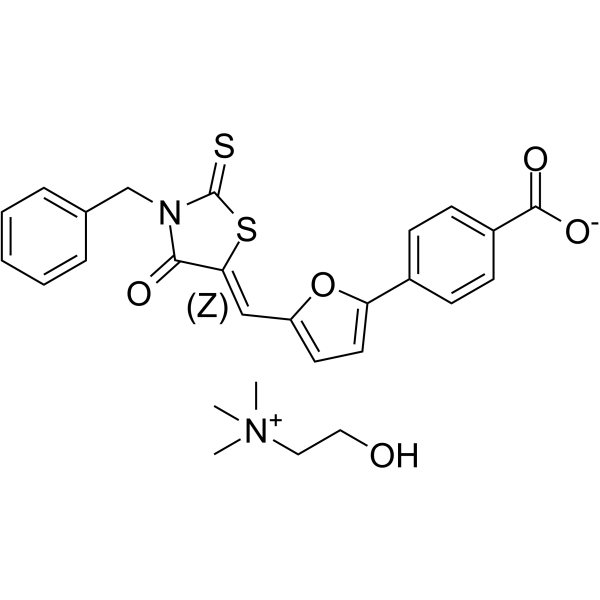
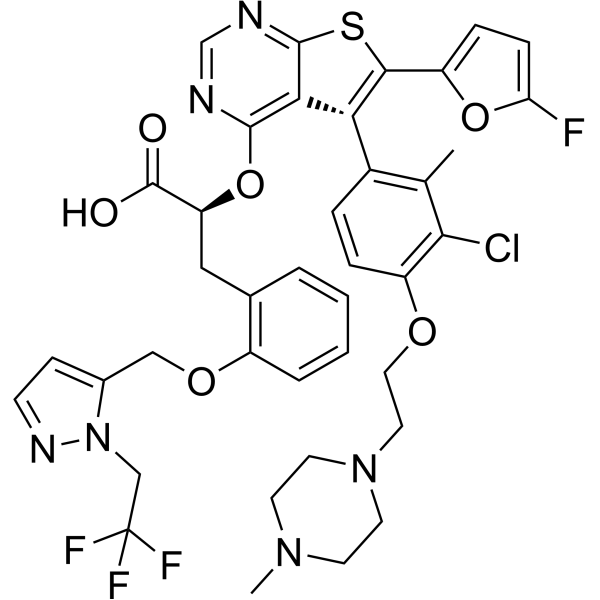
ADH-503 ((Z)-Leukadherin-1 choline) is an orally active and allosteric CD11b agonist. ADH-503 leads to the repolarization of tumor-associated macrophages, reduction in the number of tumor-infiltrating immunosuppressive myeloid cells, and enhances dendritic cell responses .
Sabatolimab (MBG453) is a high-affinity, humanized, IgG4 (S228P) antibody targeting TIM-3, an inhibitory receptor that regulates adaptive and innate immune responses. Sabatolimab is a potential immunosuppression agent that can target TIM-3 on immune and myeloid cells .
Plozalizumab (MLN-1202) is a humanized anti-CCR2 IgG1 monoclonal antibody. Plozalizumab blocks the recruitment of myeloid cells to the tumor microenvironment by inhibiting the CCL2/CCR2 axis. In addition, Plozalizumab also ameliorates synovial inflammation in rheumatoid arthritis. Plozalizumab can be used in the research of malignant melanoma and bone metastasis-related cancers. Recommended isotype control: Human IgG1 kappa, Isotype Control (HY-P99001) .
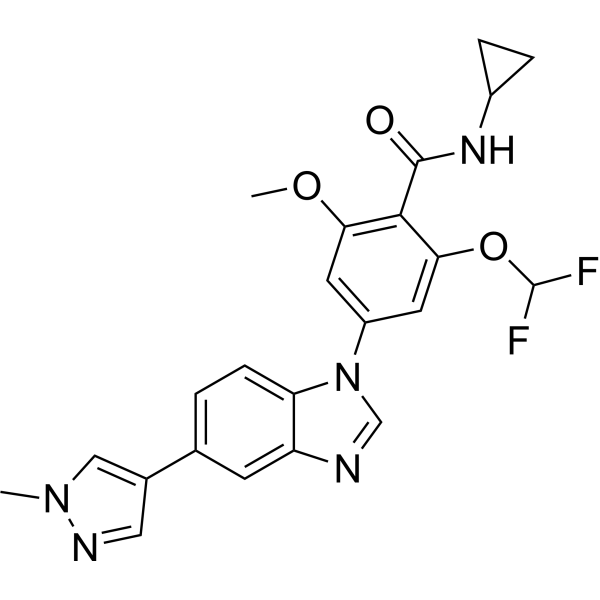
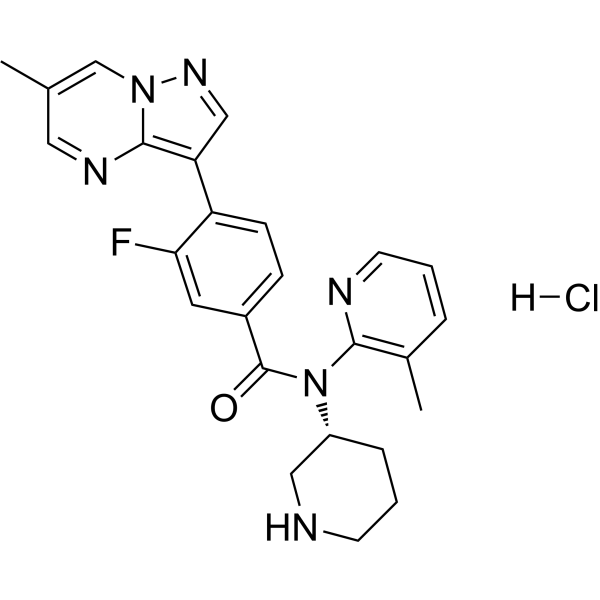
GLPG3312 (Compound 28) is an orally active SIK inhibitor with IC50 values of 2.0 nM, 0.7 nM and 0.6 nM for SIK1, SIK2 and SIK3, respectively. GLPG3312 exhibits anti-inflammatory and immunomodulatory activity in vitro on human primary myeloid cells and in vivo in mouse models. GLPG3312 has good oral bioavailability and can be used for research on inflammatory and immune diseases .
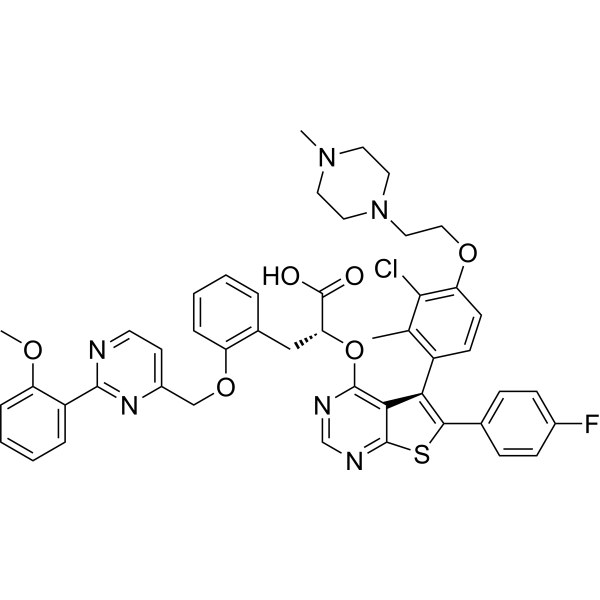
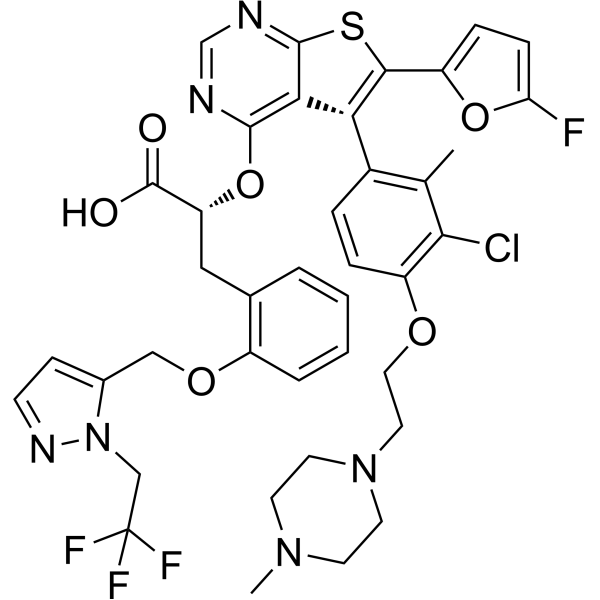
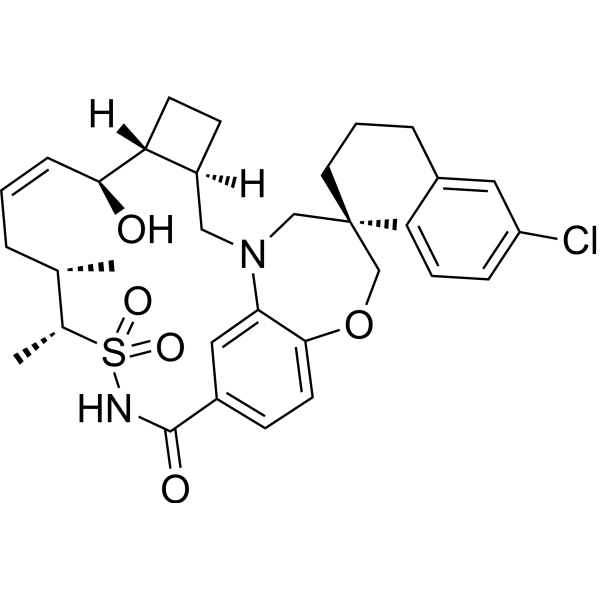
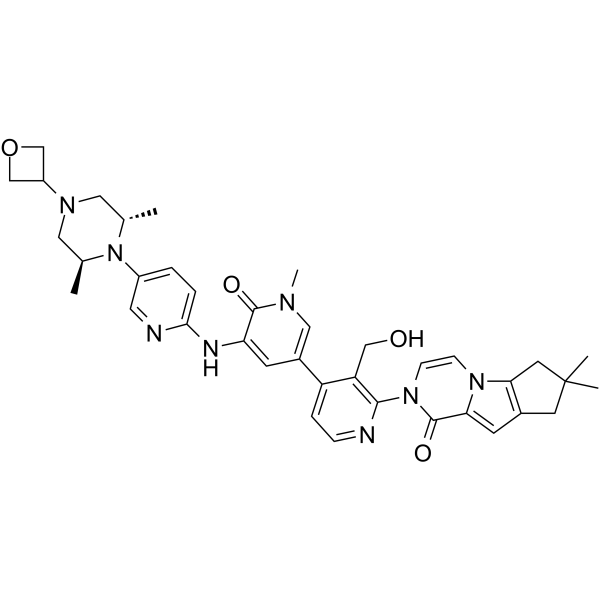
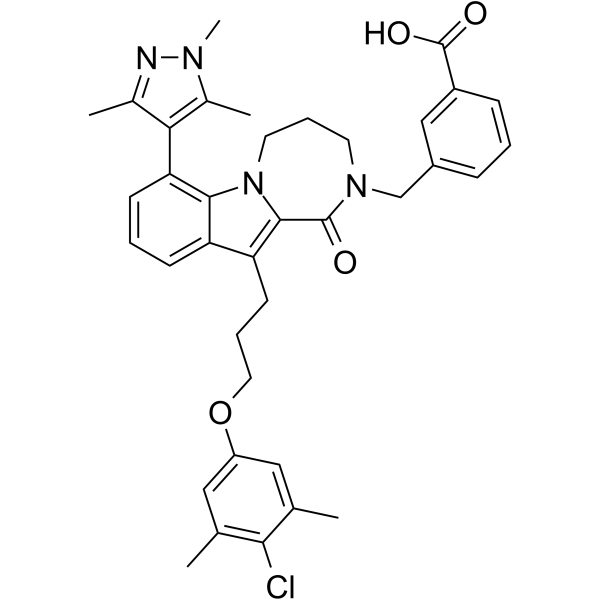
Mcl-1 inhibitor 6 is an orally active, selective myeloid cell leukemia 1 (Mcl-1) protein inhibitor with a Kd of 0.23 nM and a Ki of 0.02 μM. Mcl-1 inhibitor 6 possesses superior selectivity over other Bcl-2 family members (Bcl-2, Bcl2A1, Bcl-xL, and Bcl-w, Kd>10 μM). Mcl-1 inhibitor 6 is a potent antitumor agent .
Trabikibart (CSL311) is a specific inhibitor targeting the βc receptor (CSF2RB) that inhibits signal transduction mediated by GM-CSF, IL-5, and IL-3. Trabikibart exhibits significant anti-inflammatory and anti-edema effects, reduces myeloid cell infiltration, and inhibits inflammatory cell survival. Trabikibart also possesses antiviral immune functions, which alleviate pulmonary inflammation, reverse airway dysfunction and fibrosis, and thereby restore impaired pulmonary function. Trabikibart can be used in research on related diseases such as acute respiratory distress syndrome, viral pneumonia, asthma, and chronic rhinosinusitis with nasal polyps .
Tepoditamab (MCLA-117) is a full-length human IgG1 bispecific monoclonal antibody that binds to CLEC12A of myeloid cells and CD3 of cytotoxic T cells. Among others, CLEC12A is a myeloid differentiation antigen. Tepoditamab kills AML leukaemia mother cells and AML leukaemia stem cells, induces T cell-mediated proliferative lysis of AML cells. Tepoditamab induces upto 30-fold T-cell expansion. Tepoditamab results in moderate to strong cytokine (IFNγ, IL-6, IL-8, IL-10, and TNFα) and IFNγ release in human whole blood and PBMC, respectively. Tepoditamab can be used in acute myeloid leukaemia (AML) research .
Anti-Mouse CD47/IAP Antibody (MIAP301) is an anti-mouse CD47/IAP IgG2a monoclonal antibody. Anti-Mouse CD47/IAP Antibody (MIAP301) can effectively block CD47 signaling and enhance macrophage phagocytic function. Anti-Mouse CD47/IAP Antibody (MIAP301) can increase the infiltration of immune cells. Anti-Mouse CD47/IAP Antibody (MIAP301) restores the phagocytic function of myeloid cells and alleviate B cell inhibition. Anti-Mouse CD47/IAP Antibody (MIAP301) may interfere with wound healing. Anti-Mouse CD47/IAP Antibody (MIAP301) can be used for researches on cancer, inflammation and infection conditions such as melanoma, intestinal mucosal repair and sepsis .
BIIB129 is a covalent, selective, small molecule inhibitor of Bruton's tyrosine kinase (BTK) capable of penetrating the blood-brain barrier. BIIB129 inhibits the activity of BTK by covalently binding to Cys481 in BTK, thereby affecting the function of B cells and myeloid cells. BIIB129 can be used in multiple sclerosis (MS) research .
(S,R)-S63845 is the isomer of S63845 (HY-100741), and can be used as an experimental control. S63845 is a potent and selective myeloid cell leukemia 1 (MCL1) inhibitor with a Kd of 0.19 nM for human MCL1 .
NGM-438 is a humanized monoclonal antibody antagonist of LAIR1, with a Ka of 0.26 nM for human LAIR1 and 4.28 nM for cynomolgus monkey LAIR1. NGM-438 blocks the binding of LAIR1 to its Collagen ligand and antagonizes the Collagen-induced LAIR1 signaling pathway. NGM-438 reverses FcγR signaling inhibition in myeloid cells, induces dendritic cells to secrete TNFα, promotes T cell proliferation, and triggers myeloid inflammation and allogeneic T cell responses. NGM-438 sensitizes refractory mouse lung cancer to PD-1 blockade, increases the content of intratumoral CD8 + T cells and the expression of inflammatory genes. NGM-438 is applicable to research related to solid tumors, refractory solid tumors and non-small cell lung cancer .
(R,R)-S63845 is the isomer of S63845 (HY-100741), and can be used as an experimental control. S63845 is a potent and selective myeloid cell leukemia 1 (MCL1) inhibitor with a Kd of 0.19 nM for human MCL1 .
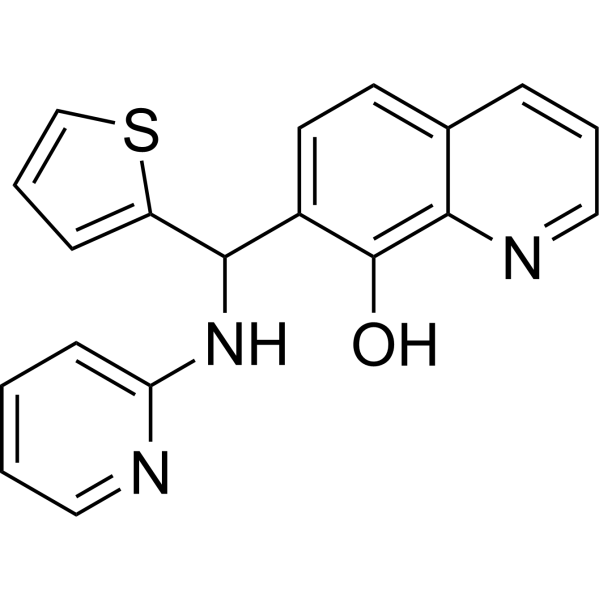
Magmas-IN-1 (compound 9) is a small molecule Magmas inhibitor (SMMI). Magmas is mitochondria associated,granulocyte-macrophage colony stimulating factor signaling molecule,as well as a GM-CSF inducible gene in myeloid cells. Magmas-IN-1 inhibits Magmas and modulates mitochondrial function. Magmas-IN-1 also inhibits proliferation in yeast at 4 μM .
Anti-Mouse IL-1a Antibody (ALF-161) is an anti-mouse IL-1a IgG1 monoclonal antibody. Anti-Mouse IL-1a Antibody (ALF-161) can inhibit CD8 + T cell response by blocking IL-1a signaling. Anti-Mouse IL-1a Antibody (ALF-161) can reversibly transform myeloid cell expansion and improve T cell function. Anti-Mouse IL-1a Antibody (ALF-161) can be used for researches on immune response and cancer such as breast cancer .
Flt-3L-Ig (hum/hum) (hFlt3L) is a Flt3 ligand. Flt-3L-Ig (hum/hum) enhances the release of inflammatory cytokines from myeloid cells and dendritic cells in BRGSF-CBC mice induced by OKT3. Flt-3L-Ig (hum/hum) increases the release of IL-2, CCL2 and CXCL10 in an OKT3-dependent manner. Flt-3L-Ig (hum/hum) can be used in studies related to cytokine release syndrome. Flt-3L-Ig (hum/hum) can be used in studies related to psoriasis-like skin inflammation .
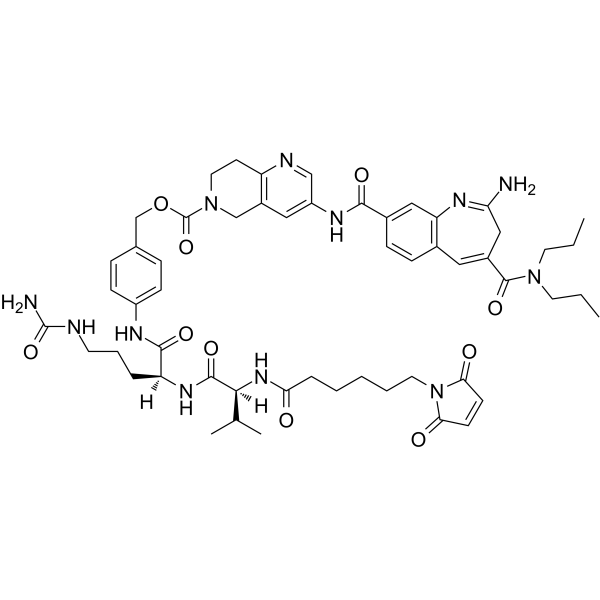
TLR7 agonist 29 (Compound 1) is the agonist for TLR7 with an EC50 of 5.2 nM for human TLR7 (EC50 for mouse TLR7 is 48.2 nM). TLR7 agonist 29 activates bone marrow-derived macrophages (BMDMs), stimulates myeloid cells in the tumor microenvironment, promotes the expression of PD-L1, CD86 and IFN-α. TLR7 agonist 29 can be used as payload for synthesis of ADC .
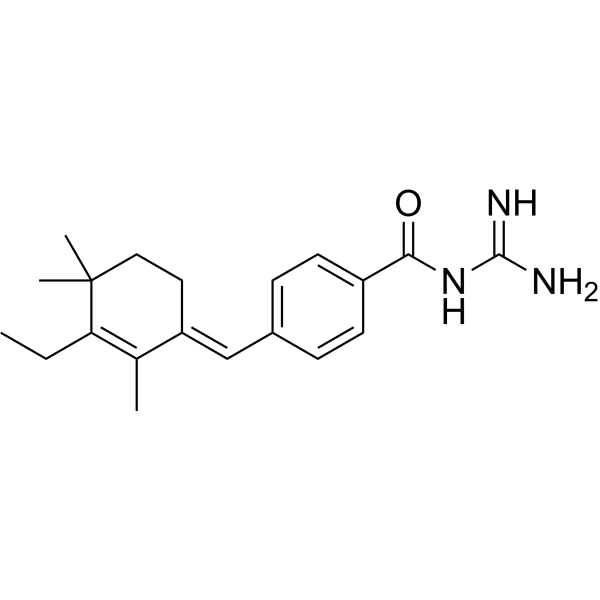
IMB-XH1 is an inhibitor of myeloid cell factor 1 (Mcl-1) . IMB-XH1 is a non-competitive Delhi metallo-β-lactamase (NDM-1) inhibitor. The IC50s of IMB-XH1 against metallo-β-lactamases NDM-1, IMP-4, ImiS and L1 are 0.4637 μM, 3.980 μM, 0.2287 μM and 1.158 μM, respectively .
Pertuzumab zuvotolimod (SBT6050) is an anti-HER2 antibody-drug conjugate (ADC). Pertuzumab zuvotolimod is composed of a humanized anti-HER2 antibody (Pertuzumab) (HY-P9912A), a linker, a TLR8 agonist payload, and the drug-linker conjugate for ADC is Zuvotolimod (HY-145620). Pertuzumab zuvotolimod potently induces multiple anti-tumor immune activities through the direct activation myeloid cells and the subsequent induction of T and NK cell cytolytic activity. Pertuzumab zuvotolimod can be used for HER2-expressing solid tumors research .
EP4 receptor antagonist 7 (Compound 14) is an antagonist of the prostaglandin E2 (PGE2) receptor subtype EP4 with an IC50 value of 1.1 nM. EP4 receptor antagonist 7 inhibits PGE2-induced β-arrestin recruitment in HEK293 cells with an IC50 value of 0.9 nM. EP4 receptor antagonist 7 decreases PGE2-induced expression of mRNA encoding IL-4, macrophage mannose receptor 1 (Mrc1), chitinase-like protein 3 (Chil3), chemokine (C-X-C) motif ligand 1 (Cxcl1), triggering receptor expressed on myeloid cells 2 (Trem2), and arginase-1 (Arg1), in RAW 264.7 macrophages. EP4 receptor antagonist 7 combined with an anti-PD-1 antibody inhibits tumor growth and increases infiltration of CD 8+ T cells into tumors in a CT26 murine colon cancer model .
Naphthol AS-D, in the form of its chloroacetate, can be used to demonstrate the esterase activity of human myeloid cells and contribute to research related to white blood cells .
BND-35 is a human monoclonal antibody (mAb) targeting LILRB4/ILT3/CD85k. BND-35 blocks the interaction of ILT3 with APOE and fibronectin, enhances the pro-inflammatory activity of various myeloid cells, and reverses ILT3-mediated immunosuppression of T cells by various suppressive myeloid cells. BND-35 has anti-tumor activity in the hILT3 transgenic mouse tumor model .
CD33 splicing modulator 1 (Compound 1) hydrochloride is a CD33 splicing modulator. CD33/Siglec 3 is a myeloid cell surface receptor known to regulate microglial activity. CD33 splicing modulator 1 hydrochloride increases exon 2 skipping in the cellular mRNA pool and can be used to study neurodegenerative diseases including Alzheimer's disease .
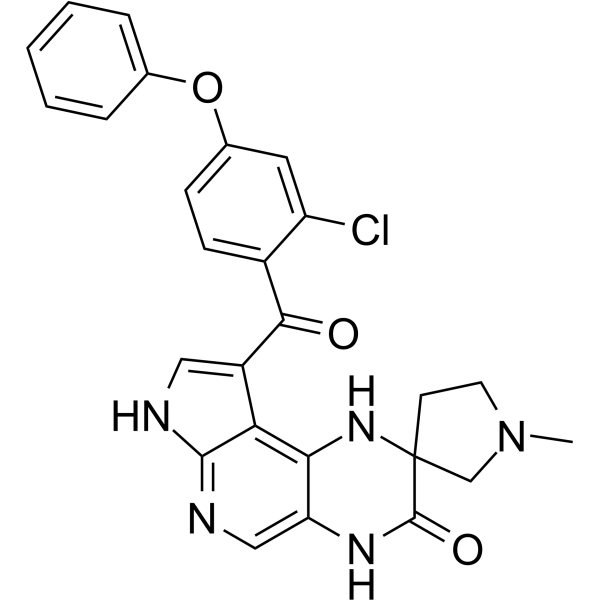
BTK-IN-14 is a potent inhibitor of BTK. BTK plays an important role in signaling mediated by B cell antigen receptor (BCR) and Fcγreceptor (FcγR) in B cells and myeloid cells, respectively. BTK-IN-14 has the potential for the research of related diseases, especially autoimmune diseases, inflammatory diseases or cancer (extracted from patent WO2022057894A1, compound 1) .
NOTA-COG1410 forms triggering receptor expressed on myeloid cells 2 (TREM2) targeting ligand. NOTA-COG1410 is capable of being labelled with 68Gallium ( 68Ga) for discovery and diagnosis of digestive system tumors through positron emission tomography/computed tomography (PET/CT). NOTA-COG1410 can be used for the synthesis/research of Radionuclide-Drug Conjugates (RDCs) .
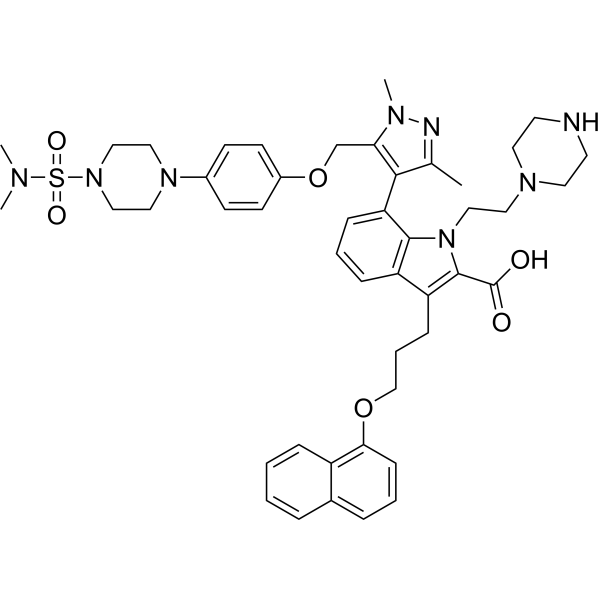
Mcl-1-IN-17 (Compound 25) is an orally active Myeloid Cell Leukemia 1 (Mcl-1) inhibitor with a Ki < 0.08 nM. Mcl-1-IN-17 has a significant antiproliferative activity (GI50s of 39 and 105 nM for H929 and A427 cells, respectively) and inhibits cellapoptosis. Mcl-1-IN-17 can be used for hematological and solid cancers research .
WKYMVM-NH2 is a hexapeptide that activates neutrophils and myeloid cells via the FPRL1 and FPRL2 receptors. It exhibits EC50 values of 2 nM and 80 nM in HL-60-FPRL1 and HL-60-FPRL2 cells, respectively. In HL-60 cells stably expressing FPRL2, WKYMVM-NH₂ induces chemotaxis, with optimal migration observed at concentrations ranging from 10 to 50 nM. It also stimulates superoxide production in neutrophils, with an EC50 of 75 nM. WKYMVM-NH₂ is a useful tool for research in the field of inflammatory diseases .
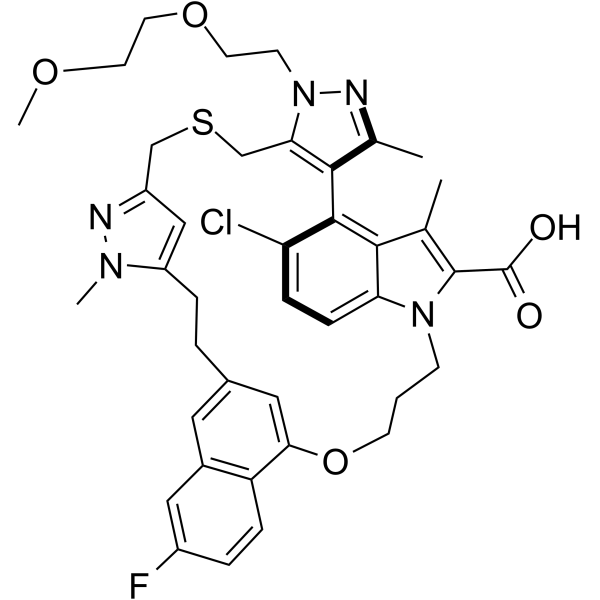
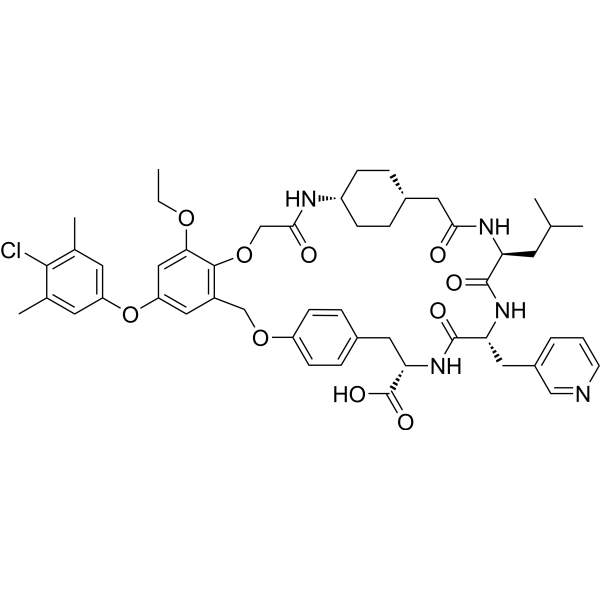
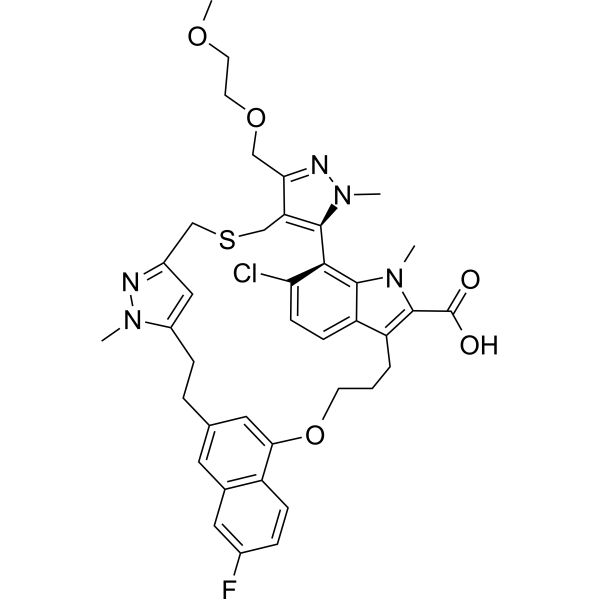
Mcl-1-IN-16 is an effective macrocyclic myeloid cell leukemia 1 (Mcl-1) inhibitor with a Ki of below 0.08 nM. Mcl-1-IN-16 maintains high selectivity (>50,000-fold) for Mcl-1 over other antiapoptotic Bcl-2 family members Bcl-2 and Bcl-xL. Mcl-1-IN-16 leads to the activation of caspase-3/7, thereby initiating cellapoptosis. Mcl-1-IN-16 achieves tumor regression in a lung cancer-derived tumor xenograft mice model. Mcl-1-IN-16 can be used in the research of solid tumor such as nonsmall cell lung cancer (NSCLC) .
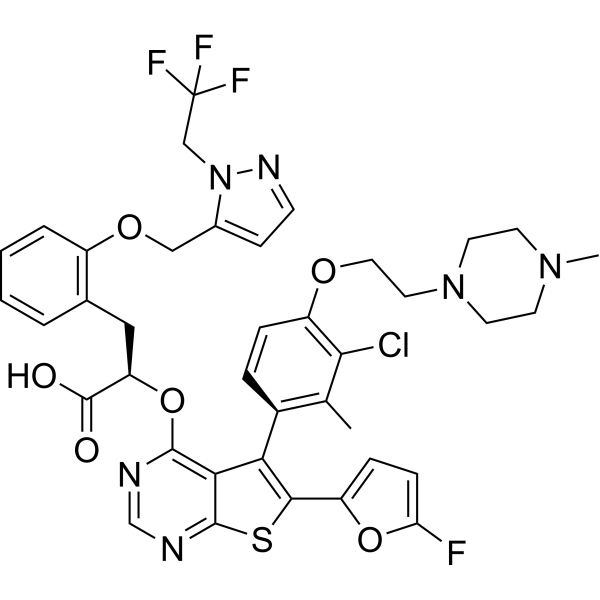
Mcl-1 inhibitor 14 (Compound (Ra)-10) is an inhibitor of myeloid cell leukemia-1 (MCL-1) with an Ki of 0.018 nM and can be used for anticancer research .
JMF4073 is a thymidylate (TMP) and cytidylate (CMP) kinases inhibitor with IC50s of 0.16 μM and 0.17 μM, respectively. JMF4073 eliminates wild-type (WT)-Bcr-Abl-transformed myeloid cells in vitro and in vivo .
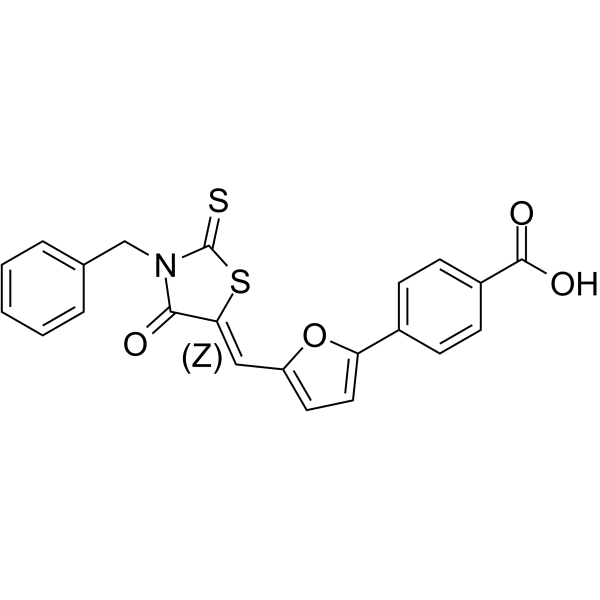
(Z)-Leukadherin-1 (ADH-503 free base) is an orally active and allosteric CD11b agonist. (Z)-Leukadherin-1 leads to the repolarization of tumor-associated macrophages, reduction in the number of tumor-infiltrating immunosuppressive myeloid cells, and enhances dendritic cell responses .
Mcl1-IN-15 (Compound 7) is the inhibitor for myeloid cell leukemia 1 (Mcl-1) with an IC50 of 8.73 μM. Mcl1-IN-15 inhibits Mcl1-BH3 peptide interaction, activates the Bak/Bax-mediated apoptosis and exhibits antitumor activity .
Mcl-1 inhibitor 22 (Example 36) is a myeloid cell leukemia-1 (MCL-1) inhibitor which inhibits the antiapoptotoic activity of MCL-1 by inhibiting its interaction with proapototic proteins. Mcl-1 inhibitor 22 exhibits anti-proliferation activities against various cancer cell lines and can be utilized in cancer research .
(+)-Mcl-1 inhibitor 22 (Example 37) is a myeloid cell leukemia-1 (MCL-1) inhibitor which inhibits the antiapoptotoic activity of MCL-1 by inhibiting its interaction with proapototic proteins. (+)-Mcl-1 inhibitor 22 exhibits anti-proliferation activities against various cancer cell lines and can be utilized in cancer research .
BTK-IN-11 is a potent inhibitor of BTK. BTK plays an important role in signaling mediated by B cell antigen receptor (BCR) and Fcγreceptor (FcγR) in B cells and myeloid cells, respectively. BTK-IN-11 has the potential for the research of related diseases, especially autoimmune diseases, inflammatory diseases or cancer (extracted from patent WO2022063101A1, compound Z2) .
SIK2-IN-3 is an orally active SIK1/2 selective inhibitor (IC50: 0.128/0.084 μM). SIK2-IN-3 inhibits CRTC3 phosphorylation and myeloid cell pro-inflammatory cytokine production. SIK2-IN-3 ameliorates systemic and tissue inflammatory responses in a mouse anti-CD40 colitis model .
IO-108 is a humanized IgG4 monoclonal antibody and a competitive inhibitor of LILRB2, with a KD value of 1.97 nM. IO-108 competitively blocks the binding of LILRB2 to its ligands including HLA-G, MHC-I, ANGPTL2 and SEMA4A, reprograms tumor-associated myeloid cells, drives the conversion of suppressive myeloid cells into a pro-inflammatory phenotype, and restores the cytotoxic activity of T cells and NK cells. IO-108 inhibits tumor growth in LILRB2 transgenic mouse models. IO-108 can be used for the research of solid tumors .
Lifonebart is a humanized monoclonal antibody targeting TREM2 (triggering receptor expressed on myeloid cells 2). The antibody isotype of Lifonebart is human IgG1κ, and the recommended isotype control is Human IgG1 kappa, Isotype Control (HY-P99001) .
TREM2 modulator-1 is a TREM2 modulator with an EC50 categorized as A and Emax of ++, and can be found in relevant research contexts. TREM2 modulator-1 modulates Triggering Receptor Expressed on Myeloid Cells 2. TREM2 modulator-1 can be used for the research of neurodegenerative diseases .
GSI526 is a IRAK4PROTAC degrader (DC50=40.17 nM, Dmax=97%; THP-1) based on the VHL ubiquitin-proteasome system. GSI526 inhibits IRAK4-mediated NF-κB and MAPK inflammatory signaling pathways, and induces IRAK4 degradation in myeloid cells. GSI526 is applicable to inflammation-related research .
JAK2-IN-18 (Compound example1) is a selective JAK2 inhibitor. JAK2-IN-18 can inhibit JAK-STAT signaling and shows an IC50 of <100 nM for pSTAT5 in HEL9217 cells. JAK2-IN-18 can inhibit the proliferation of abnormally proliferating myeloid cells and can be used for the research of myeloproliferative disorders, such as essential thrombocythemia .
Human IL10RA mRNA encodes the human interleukin 10 receptor subunit alpha (IL10RA) protein, a receptor for interleukin 10. IL10RA been shown to mediate the immunosuppressive signal of interleukin 10, and thus inhibits the synthesis of proinflammatory cytokines. It is also reported to promote survival of progenitor myeloid cells through the insulin receptor substrate-2/PI 3-kinase/AKT pathway.
SBT8230 is an ASGR1-targeted TLR8 agonist and an ASGR1-TLR8 immune TAC conjugate. SBT8230 achieves liver enrichment via conjugation with an anti-ASGR1 antibody, activates myeloid cells and induces anti-HBV immune responses. SBT8230 is applicable to research on chronic hepatitis B infection. The corresponding isotype control is: Human lgG1 kappa,lsotype Control (HY-P99001) .
RO8323 is an orally active, selective CDK8/CDK19 inhibitor, with an IC50 of 2 nM against CDK8 and 3 nM against CDK19. RO8323 promotes regulatory T cell differentiation, inhibits effector T cell generation, reverses the Teff/Treg ratio, upregulates IL-10 production in myeloid cells, and suppresses the production of TNF-α, IL-6 and IL-12. RO8323 enhances immune reconstitution and prolongs cardiac allograft survival in a dose-dependent manner. RO8323 can be used in the research of chronic graft-versus-host disease, cardiac allograft rejection, acute graft-versus-host disease and experimental autoimmune encephalomyelitis .
HMBD-002 is an Fc-independent, non-depleting IgG4 subclass antibody that targets VISTA and VSIG3. It is widely used in research related to various solid tumors, including colon cancer, triple-negative breast cancer, and non-small cell lung cancer. HMBD-002 blocks the interactions of VISTA with VSIG3 and LRIG1, relieves immunosuppression without depleting VISTA-positive cells, activates the cytotoxic program of CD8 + T cells, and drives the type I interferon signaling pathway. HMBD-002 reprograms tumor-associated macrophages to the M1 phenotype, reduces tumor infiltration of inhibitory myeloid cells, thereby significantly inhibiting tumor growth and improving survival. HMBD-002 is well tolerated in rodent and non-human primate animal models .
ES009 is a high-affinity LILRB2 antagonist, with IC50 values of 14.07 nM and 18.61 nM for inhibiting hLILRB2-huANGPTL3 and hLILRB2-huANGPTL4, respectively. ES009 specifically blocks the interactions between LILRB2 and MHC class I as well as non-MHC ligands, thereby effectively inhibiting receptor activation. ES009 can reprogram anti-inflammatory myeloid cells and induce their conversion to a pro-inflammatory phenotype, and also reverse the T cell suppression mediated by macrophages. When combined with anti-PD-1 blockade therapy, ES009 synergistically enhances T cell activation. ES009 can be used in research related to advanced solid tumors and ovarian cancer .
Pertuzumab zuvotolimod (SBT6050) is an anti-HER2 antibody-drug conjugate (ADC). Pertuzumab zuvotolimod is composed of a humanized anti-HER2 antibody (Pertuzumab) (HY-P9912A), a linker, a TLR8 agonist payload, and the drug-linker conjugate for ADC is Zuvotolimod (HY-145620). Pertuzumab zuvotolimod potently induces multiple anti-tumor immune activities through the direct activation myeloid cells and the subsequent induction of T and NK cell cytolytic activity. Pertuzumab zuvotolimod can be used for HER2-expressing solid tumors research .
LP17 (LQVTDSGLYRCVIYHPP) is a BBB-penetrable triggering receptor expressed on myeloid cells (TREM-1) inhibitory peptide. LP17 substantially alleviates ischemia-induced infarction and neuronal injury. LP17 can get access into brain and block TREM-1 .
LP17 (LQVTDSGLYRCVIYHPP) TFA is a BBB-penetrable triggering receptor expressed on myeloid cells (TREM-1) inhibitory peptide. LP17 TFA substantially alleviates ischemia-induced infarction and neuronal injury. LP17 TFA can get access into brain and block TREM-1 .
NOTA-COG1410 forms triggering receptor expressed on myeloid cells 2 (TREM2) targeting ligand. NOTA-COG1410 is capable of being labelled with 68Gallium ( 68Ga) for discovery and diagnosis of digestive system tumors through positron emission tomography/computed tomography (PET/CT). NOTA-COG1410 can be used for the synthesis/research of Radionuclide-Drug Conjugates (RDCs) .
WKYMVM-NH2 is a hexapeptide that activates neutrophils and myeloid cells via the FPRL1 and FPRL2 receptors. It exhibits EC50 values of 2 nM and 80 nM in HL-60-FPRL1 and HL-60-FPRL2 cells, respectively. In HL-60 cells stably expressing FPRL2, WKYMVM-NH₂ induces chemotaxis, with optimal migration observed at concentrations ranging from 10 to 50 nM. It also stimulates superoxide production in neutrophils, with an EC50 of 75 nM. WKYMVM-NH₂ is a useful tool for research in the field of inflammatory diseases .
Sabatolimab (MBG453) is a high-affinity, humanized, IgG4 (S228P) antibody targeting TIM-3, an inhibitory receptor that regulates adaptive and innate immune responses. Sabatolimab is a potential immunosuppression agent that can target TIM-3 on immune and myeloid cells .
Plozalizumab (MLN-1202) is a humanized anti-CCR2 IgG1 monoclonal antibody. Plozalizumab blocks the recruitment of myeloid cells to the tumor microenvironment by inhibiting the CCL2/CCR2 axis. In addition, Plozalizumab also ameliorates synovial inflammation in rheumatoid arthritis. Plozalizumab can be used in the research of malignant melanoma and bone metastasis-related cancers. Recommended isotype control: Human IgG1 kappa, Isotype Control (HY-P99001) .
Trabikibart (CSL311) is a specific inhibitor targeting the βc receptor (CSF2RB) that inhibits signal transduction mediated by GM-CSF, IL-5, and IL-3. Trabikibart exhibits significant anti-inflammatory and anti-edema effects, reduces myeloid cell infiltration, and inhibits inflammatory cell survival. Trabikibart also possesses antiviral immune functions, which alleviate pulmonary inflammation, reverse airway dysfunction and fibrosis, and thereby restore impaired pulmonary function. Trabikibart can be used in research on related diseases such as acute respiratory distress syndrome, viral pneumonia, asthma, and chronic rhinosinusitis with nasal polyps .
Tepoditamab (MCLA-117) is a full-length human IgG1 bispecific monoclonal antibody that binds to CLEC12A of myeloid cells and CD3 of cytotoxic T cells. Among others, CLEC12A is a myeloid differentiation antigen. Tepoditamab kills AML leukaemia mother cells and AML leukaemia stem cells, induces T cell-mediated proliferative lysis of AML cells. Tepoditamab induces upto 30-fold T-cell expansion. Tepoditamab results in moderate to strong cytokine (IFNγ, IL-6, IL-8, IL-10, and TNFα) and IFNγ release in human whole blood and PBMC, respectively. Tepoditamab can be used in acute myeloid leukaemia (AML) research .
Anti-Mouse CD47/IAP Antibody (MIAP301) is an anti-mouse CD47/IAP IgG2a monoclonal antibody. Anti-Mouse CD47/IAP Antibody (MIAP301) can effectively block CD47 signaling and enhance macrophage phagocytic function. Anti-Mouse CD47/IAP Antibody (MIAP301) can increase the infiltration of immune cells. Anti-Mouse CD47/IAP Antibody (MIAP301) restores the phagocytic function of myeloid cells and alleviate B cell inhibition. Anti-Mouse CD47/IAP Antibody (MIAP301) may interfere with wound healing. Anti-Mouse CD47/IAP Antibody (MIAP301) can be used for researches on cancer, inflammation and infection conditions such as melanoma, intestinal mucosal repair and sepsis .
NGM-438 is a humanized monoclonal antibody antagonist of LAIR1, with a Ka of 0.26 nM for human LAIR1 and 4.28 nM for cynomolgus monkey LAIR1. NGM-438 blocks the binding of LAIR1 to its Collagen ligand and antagonizes the Collagen-induced LAIR1 signaling pathway. NGM-438 reverses FcγR signaling inhibition in myeloid cells, induces dendritic cells to secrete TNFα, promotes T cell proliferation, and triggers myeloid inflammation and allogeneic T cell responses. NGM-438 sensitizes refractory mouse lung cancer to PD-1 blockade, increases the content of intratumoral CD8 + T cells and the expression of inflammatory genes. NGM-438 is applicable to research related to solid tumors, refractory solid tumors and non-small cell lung cancer .
Anti-Mouse IL-1a Antibody (ALF-161) is an anti-mouse IL-1a IgG1 monoclonal antibody. Anti-Mouse IL-1a Antibody (ALF-161) can inhibit CD8 + T cell response by blocking IL-1a signaling. Anti-Mouse IL-1a Antibody (ALF-161) can reversibly transform myeloid cell expansion and improve T cell function. Anti-Mouse IL-1a Antibody (ALF-161) can be used for researches on immune response and cancer such as breast cancer .
Flt-3L-Ig (hum/hum) (hFlt3L) is a Flt3 ligand. Flt-3L-Ig (hum/hum) enhances the release of inflammatory cytokines from myeloid cells and dendritic cells in BRGSF-CBC mice induced by OKT3. Flt-3L-Ig (hum/hum) increases the release of IL-2, CCL2 and CXCL10 in an OKT3-dependent manner. Flt-3L-Ig (hum/hum) can be used in studies related to cytokine release syndrome. Flt-3L-Ig (hum/hum) can be used in studies related to psoriasis-like skin inflammation .
Pertuzumab zuvotolimod (SBT6050) is an anti-HER2 antibody-drug conjugate (ADC). Pertuzumab zuvotolimod is composed of a humanized anti-HER2 antibody (Pertuzumab) (HY-P9912A), a linker, a TLR8 agonist payload, and the drug-linker conjugate for ADC is Zuvotolimod (HY-145620). Pertuzumab zuvotolimod potently induces multiple anti-tumor immune activities through the direct activation myeloid cells and the subsequent induction of T and NK cell cytolytic activity. Pertuzumab zuvotolimod can be used for HER2-expressing solid tumors research .
BND-35 is a human monoclonal antibody (mAb) targeting LILRB4/ILT3/CD85k. BND-35 blocks the interaction of ILT3 with APOE and fibronectin, enhances the pro-inflammatory activity of various myeloid cells, and reverses ILT3-mediated immunosuppression of T cells by various suppressive myeloid cells. BND-35 has anti-tumor activity in the hILT3 transgenic mouse tumor model .
IO-108 is a humanized IgG4 monoclonal antibody and a competitive inhibitor of LILRB2, with a KD value of 1.97 nM. IO-108 competitively blocks the binding of LILRB2 to its ligands including HLA-G, MHC-I, ANGPTL2 and SEMA4A, reprograms tumor-associated myeloid cells, drives the conversion of suppressive myeloid cells into a pro-inflammatory phenotype, and restores the cytotoxic activity of T cells and NK cells. IO-108 inhibits tumor growth in LILRB2 transgenic mouse models. IO-108 can be used for the research of solid tumors .
Lifonebart is a humanized monoclonal antibody targeting TREM2 (triggering receptor expressed on myeloid cells 2). The antibody isotype of Lifonebart is human IgG1κ, and the recommended isotype control is Human IgG1 kappa, Isotype Control (HY-P99001) .
SBT8230 is an ASGR1-targeted TLR8 agonist and an ASGR1-TLR8 immune TAC conjugate. SBT8230 achieves liver enrichment via conjugation with an anti-ASGR1 antibody, activates myeloid cells and induces anti-HBV immune responses. SBT8230 is applicable to research on chronic hepatitis B infection. The corresponding isotype control is: Human lgG1 kappa,lsotype Control (HY-P99001) .
HMBD-002 is an Fc-independent, non-depleting IgG4 subclass antibody that targets VISTA and VSIG3. It is widely used in research related to various solid tumors, including colon cancer, triple-negative breast cancer, and non-small cell lung cancer. HMBD-002 blocks the interactions of VISTA with VSIG3 and LRIG1, relieves immunosuppression without depleting VISTA-positive cells, activates the cytotoxic program of CD8 + T cells, and drives the type I interferon signaling pathway. HMBD-002 reprograms tumor-associated macrophages to the M1 phenotype, reduces tumor infiltration of inhibitory myeloid cells, thereby significantly inhibiting tumor growth and improving survival. HMBD-002 is well tolerated in rodent and non-human primate animal models .
ES009 is a high-affinity LILRB2 antagonist, with IC50 values of 14.07 nM and 18.61 nM for inhibiting hLILRB2-huANGPTL3 and hLILRB2-huANGPTL4, respectively. ES009 specifically blocks the interactions between LILRB2 and MHC class I as well as non-MHC ligands, thereby effectively inhibiting receptor activation. ES009 can reprogram anti-inflammatory myeloid cells and induce their conversion to a pro-inflammatory phenotype, and also reverse the T cell suppression mediated by macrophages. When combined with anti-PD-1 blockade therapy, ES009 synergistically enhances T cell activation. ES009 can be used in research related to advanced solid tumors and ovarian cancer .
Siglec-3/CD33, a sialic-acid-binding lectin, crucially mediates cell-cell interactions and immune cell quiescence. Preferring sialic acid on specific mucins, it forms homodimers, interacting with PTPN6/SHP-1 and PTPN11/SHP-2 upon phosphorylation. CD33 also engages C1QA through its C-terminus, activating CD33 inhibitory motifs. Siglec-3/CD33 Protein, Human (HEK293) is the recombinant human-derived Siglec-3/CD33 protein, expressed by HEK293 , with tag free.
Siglec-3/CD33, a sialic-acid-binding lectin, crucially mediates cell-cell interactions and immune cell quiescence. Preferring sialic acid on specific mucins, it forms homodimers, interacting with PTPN6/SHP-1 and PTPN11/SHP-2 upon phosphorylation. CD33 also engages C1QA through its C-terminus, activating CD33 inhibitory motifs. Siglec-3/CD33 Protein, Mouse (HEK293) is the recombinant mouse-derived Siglec-3/CD33 protein, expressed by HEK293 , with tag free.
CD14 Protein, Human (HEK293, His) is a recombinant human CD14 expressed in HEK 293 cells with a His tag at the N-terminus. CD14 Protein is an efficient target for recombinant immunoglobulin vaccine constructs that deliver T cell epitopes.
CD14 protein is a key protein in the innate immune response and is significantly expressed in monocytes/macrophages. It acts as a coreceptor that binds various microbial and fungal molecules, including lipopolysaccharide (LPS). CD14 Protein, Mouse (HEK293, His) is the recombinant mouse-derived CD14 protein, expressed by HEK293 , with C-6*His labeled tag.
Siglec-3/CD33, a sialic-acid-binding lectin, crucially mediates cell-cell interactions and immune cell quiescence. Preferring sialic acid on specific mucins, it forms homodimers, interacting with PTPN6/SHP-1 and PTPN11/SHP-2 upon phosphorylation. CD33 also engages C1QA through its C-terminus, activating CD33 inhibitory motifs. Siglec-3/CD33 Protein, Mouse (HEK293, Fc) is the recombinant mouse-derived Siglec-3/CD33 protein, expressed by HEK293 , with C-hFc labeled tag.
Siglec-3/CD33 protein is a sialic acid-binding lectin that mediates cell-cell interactions and maintains immune cell quiescence. It prefers α-2,3- and α-2,6-linked glycans with sialic acid. Siglec-3/CD33 Protein, Human (HEK293, hFc) is the recombinant human-derived Siglec-3/CD33 protein, expressed by HEK293 , with C-hFc labeled tag.
Siglec-3/CD33, a sialic-acid-binding lectin, crucially mediates cell-cell interactions and immune cell quiescence. Preferring sialic acid on specific mucins, it forms homodimers, interacting with PTPN6/SHP-1 and PTPN11/SHP-2 upon phosphorylation. CD33 also engages C1QA through its C-terminus, activating CD33 inhibitory motifs. Siglec-3/CD33 Protein, Human (HEK293, His) is the recombinant human-derived Siglec-3/CD33 protein, expressed by HEK293 , with C-His labeled tag.
Siglec-3/CD33, a sialic-acid-binding lectin, crucially mediates cell-cell interactions and immune cell quiescence. Preferring sialic acid on specific mucins, it forms homodimers, interacting with PTPN6/SHP-1 and PTPN11/SHP-2 upon phosphorylation. CD33 also engages C1QA through its C-terminus, activating CD33 inhibitory motifs. Siglec-3/CD33 Protein, Human (Biotinylated, HEK293, His) is the recombinant human-derived Siglec-3/CD33 protein, expressed by HEK293 , with C-His labeled tag.
Siglec-3/CD33, a sialic-acid-binding lectin, crucially mediates cell-cell interactions and immune cell quiescence. Preferring sialic acid on specific mucins, it forms homodimers, interacting with PTPN6/SHP-1 and PTPN11/SHP-2 upon phosphorylation. CD33 also engages C1QA through its C-terminus, activating CD33 inhibitory motifs. Siglec-3/CD33 Protein, Cynomolgus/Rhesus Macaque (HEK293, His) is the recombinant Rhesus Macaque-derived Siglec-3/CD33 protein, expressed by HEK293 , with C-His labeled tag.
Siglec-3/CD33, a sialic-acid-binding lectin, crucially mediates cell-cell interactions and immune cell quiescence. Preferring sialic acid on specific mucins, it forms homodimers, interacting with PTPN6/SHP-1 and PTPN11/SHP-2 upon phosphorylation. CD33 also engages C1QA through its C-terminus, activating CD33 inhibitory motifs. Siglec-3/CD33 Protein, Cynomolgus/Rhesus Macaque (Biotinylated, HEK293, His) is the recombinant Rhesus Macaque-derived Siglec-3/CD33 protein, expressed by HEK293 , with C-His labeled tag.
Siglec-3/CD33, a sialic-acid-binding lectin, crucially mediates cell-cell interactions and immune cell quiescence. Preferring sialic acid on specific mucins, it forms homodimers, interacting with PTPN6/SHP-1 and PTPN11/SHP-2 upon phosphorylation. CD33 also engages C1QA through its C-terminus, activating CD33 inhibitory motifs. Siglec-3/CD33 Protein, Mouse (HEK293, His) is the recombinant mouse-derived Siglec-3/CD33 protein, expressed by HEK293 , with C-6*His labeled tag.
Siglec-3/CD33, a sialic-acid-binding lectin, crucially mediates cell-cell interactions and immune cell quiescence. Preferring sialic acid on specific mucins, it forms homodimers, interacting with PTPN6/SHP-1 and PTPN11/SHP-2 upon phosphorylation. CD33 also engages C1QA through its C-terminus, activating CD33 inhibitory motifs. Siglec-3/CD33 Protein, Human (HEK293, Fc-His) is the recombinant human-derived Siglec-3/CD33 protein, expressed by HEK293 , with C-hFc, C-6*His labeled tag.
Human IL10RA mRNA encodes the human interleukin 10 receptor subunit alpha (IL10RA) protein, a receptor for interleukin 10. IL10RA been shown to mediate the immunosuppressive signal of interleukin 10, and thus inhibits the synthesis of proinflammatory cytokines. It is also reported to promote survival of progenitor myeloid cells through the insulin receptor substrate-2/PI 3-kinase/AKT pathway.
Inquiry Online
Your information is safe with us. * Required Fields.
Western blot analysis of extracts from THP-1(lane 2(20μg), Jurkat (lane 3(20μg) and NIH3T3(lane 4(20μg) using FOXO1A (HY-P80132) Rabbit mAb. Proteins were transferred
to a PVDF membrane and blocked with 5% non-fat milk in TBST for 2 hour at room temperature. The primary antibody (1/1000) and Loading control antibody (Beta Actin, HY-P80438, 1/10000) was
used in 5% non-fat milk in TBST at 4°C overnight. Goat Anti-Mouse/Rabbit IgG-HRP Secondary Antibody (1/10000) was used for 1 hour at room temperature.
Western blot analysis of extracts from THP-1(lane 2(20μg), Jurkat (lane 3(20μg) and NIH3T3(lane 4(20μg) using FOXO1A (HY-P80132) Rabbit mAb. Proteins were transferred
to a PVDF membrane and blocked with 5% non-fat milk in TBST for 2 hour at room temperature. The primary antibody (1/1000) and Loading control antibody (Beta Actin, HY-P80438, 1/10000) was
used in 5% non-fat milk in TBST at 4°C overnight. Goat Anti-Mouse/Rabbit IgG-HRP Secondary Antibody (1/10000) was used for 1 hour at room temperature.
Western blot analysis of extracts from THP-1(lane 2(20μg), Jurkat (lane 3(20μg) and NIH3T3(lane 4(20μg) using FOXO1A (HY-P80132) Rabbit mAb. Proteins were transferred
to a PVDF membrane and blocked with 5% non-fat milk in TBST for 2 hour at room temperature. The primary antibody (1/1000) and Loading control antibody (Beta Actin, HY-P80438, 1/10000) was
used in 5% non-fat milk in TBST at 4°C overnight. Goat Anti-Mouse/Rabbit IgG-HRP Secondary Antibody (1/10000) was used for 1 hour at room temperature.
Western blot analysis of extracts from THP-1(lane 2(20μg), Jurkat (lane 3(20μg) and NIH3T3(lane 4(20μg) using FOXO1A (HY-P80132) Rabbit mAb. Proteins were transferred
to a PVDF membrane and blocked with 5% non-fat milk in TBST for 2 hour at room temperature. The primary antibody (1/1000) and Loading control antibody (Beta Actin, HY-P80438, 1/10000) was
MedchemExpress Validation 03
Western blot analysis of extracts from THP-1(lane 2(20μg), Jurkat (lane 3(20μg) and NIH3T3(lane 4(20μg) using FOXO1A (HY-P80132) Rabbit mAb. Proteins were transferred
MedchemExpress Validation 04
Western blot analysis of extracts from THP-1(lane 2(20μg), Jurkat (lane 3(20μg) and NIH3T3(lane 4(20μg) using FOXO1A (HY-P80132) Rabbit mAb. Proteins were transferred
to a PVDF membrane and blocked with 5% non-fat milk in TBST for 2 hour at room temperature. The primary antibody (1/1000) and Loading control antibody (Beta Actin, HY-P80438, 1/10000) was
used in 5% non-fat milk in TBST at 4°C overnight. Goat Anti-Mouse/Rabbit IgG-HRP Secondary Antibody (1/10000) was used for 1 hour at room temperature.
MedchemExpress Validation
Western blot analysis of extracts from THP-1(lane 2(20μg), Jurkat (lane 3(20μg) and NIH3T3(lane 4(20μg) using FOXO1A (HY-P80132) Rabbit mAb. Proteins were transferred
to a PVDF membrane and blocked with 5% non-fat milk in TBST for 2 hour at room temperature. The primary antibody (1/1000) and Loading control antibody (Beta Actin, HY-P80438, 1/10000) was
used in 5% non-fat milk in TBST at 4°C overnight. Goat Anti-Mouse/Rabbit IgG-HRP Secondary Antibody (1/10000) was used for 1 hour at room temperature.
Western blot analysis of extracts from THP-1(lane 2(20μg), Jurkat (lane 3(20μg) and NIH3T3(lane 4(20μg) using FOXO1A (HY-P80132) Rabbit mAb. Proteins were transferred
to a PVDF membrane and blocked with 5% non-fat milk in TBST for 2 hour at room temperature. The primary antibody (1/1000) and Loading control antibody (Beta Actin, HY-P80438, 1/10000) was
used in 5% non-fat milk in TBST at 4°C overnight. Goat Anti-Mouse/Rabbit IgG-HRP Secondary Antibody (1/10000) was used for 1 hour at room temperature.
MedchemExpress Validation
Western blot analysis of extracts from THP-1(lane 2(20μg), Jurkat (lane 3(20μg) and NIH3T3(lane 4(20μg) using FOXO1A (HY-P80132) Rabbit mAb. Proteins were transferred
to a PVDF membrane and blocked with 5% non-fat milk in TBST for 2 hour at room temperature. The primary antibody (1/1000) and Loading control antibody (Beta Actin, HY-P80438, 1/10000) was
used in 5% non-fat milk in TBST at 4°C overnight. Goat Anti-Mouse/Rabbit IgG-HRP Secondary Antibody (1/10000) was used for 1 hour at room temperature.
MedchemExpress Validation
Western blot analysis of extracts from THP-1(lane 2(20μg), Jurkat (lane 3(20μg) and NIH3T3(lane 4(20μg) using FOXO1A (HY-P80132) Rabbit mAb. Proteins were transferred
to a PVDF membrane and blocked with 5% non-fat milk in TBST for 2 hour at room temperature. The primary antibody (1/1000) and Loading control antibody (Beta Actin, HY-P80438, 1/10000) was
used in 5% non-fat milk in TBST at 4°C overnight. Goat Anti-Mouse/Rabbit IgG-HRP Secondary Antibody (1/10000) was used for 1 hour at room temperature.
MedchemExpress Validation
Western blot analysis of extracts from THP-1(lane 2(20μg), Jurkat (lane 3(20μg) and NIH3T3(lane 4(20μg) using FOXO1A (HY-P80132) Rabbit mAb. Proteins were transferred
to a PVDF membrane and blocked with 5% non-fat milk in TBST for 2 hour at room temperature. The primary antibody (1/1000) and Loading control antibody (Beta Actin, HY-P80438, 1/10000) was
used in 5% non-fat milk in TBST at 4°C overnight. Goat Anti-Mouse/Rabbit IgG-HRP Secondary Antibody (1/10000) was used for 1 hour at room temperature.
MedchemExpress Validation
Western blot analysis of extracts from THP-1(lane 2(20μg), Jurkat (lane 3(20μg) and NIH3T3(lane 4(20μg) using FOXO1A (HY-P80132) Rabbit mAb. Proteins were transferred
to a PVDF membrane and blocked with 5% non-fat milk in TBST for 2 hour at room temperature. The primary antibody (1/1000) and Loading control antibody (Beta Actin, HY-P80438, 1/10000) was
used in 5% non-fat milk in TBST at 4°C overnight. Goat Anti-Mouse/Rabbit IgG-HRP Secondary Antibody (1/10000) was used for 1 hour at room temperature.
MedchemExpress Validation
Western blot analysis of extracts from THP-1(lane 2(20μg), Jurkat (lane 3(20μg) and NIH3T3(lane 4(20μg) using FOXO1A (HY-P80132) Rabbit mAb. Proteins were transferred
to a PVDF membrane and blocked with 5% non-fat milk in TBST for 2 hour at room temperature. The primary antibody (1/1000) and Loading control antibody (Beta Actin, HY-P80438, 1/10000) was
used in 5% non-fat milk in TBST at 4°C overnight. Goat Anti-Mouse/Rabbit IgG-HRP Secondary Antibody (1/10000) was used for 1 hour at room temperature.
MedchemExpress Validation
Western blot analysis of extracts from THP-1(lane 2(20μg), Jurkat (lane 3(20μg) and NIH3T3(lane 4(20μg) using FOXO1A (HY-P80132) Rabbit mAb. Proteins were transferred
to a PVDF membrane and blocked with 5% non-fat milk in TBST for 2 hour at room temperature. The primary antibody (1/1000) and Loading control antibody (Beta Actin, HY-P80438, 1/10000) was
used in 5% non-fat milk in TBST at 4°C overnight. Goat Anti-Mouse/Rabbit IgG-HRP Secondary Antibody (1/10000) was used for 1 hour at room temperature.
MedChemExpress values your privacy and your trust is important to us. We use cookies to enhance your website experience. Some cookies are necessary to run the website.
Privacy and Cookie Policy