


Search Result
Results for "
ovarian cancer cell migration
" in MedChemExpress (MCE) Product Catalog:
| Cat. No. |
Product Name |
Target |
Research Areas |
Chemical Structure |
-
- HY-129046
-
|
Ribonuclease A; EC 4.6.1.18; RNase A
|
Endonuclease
DNA/RNA Synthesis
|
Others
|
|
RNase A (Bovine pancreatic RNase) is a widely used Endonuclease in DNA purification by specifically hydrolyzing cytosine or uracil residues of RNA. RNase A degrades the RNA in the RNA/DNA duplex. RNase A catalyses the breakdown of 3',5'-phosphodiester linkages of single stranded RNA. RNase A family members in organisms are tightly involved in various physiological and pathological processes including cell growth and development, proliferation, differentiation and migration. Dysregulation of RNase A activity or expression level is closely related to pancreatic, ovarian, bladder and thyroid cancer. RNase A has tumor cell-killing ability .
|
-
-
- HY-150231
-
SU056
2 Publications Verification
|
YB-1
|
Cancer
|
|
SU056 is a YB-1 inhibitor. SU056 induces cell-cycle arrest, apoptosis, and inhibits cell migration in ovarian cancer cells. SU056 interacts with YB-1 and inhibits and its associated downstream proteins and pathways. SU056 can enhance the cytotoxic effects of Paclitaxel (HY-B0015) .
|
-
-
- HY-P5321
-
|
|
FGFR
|
Cancer
|
|
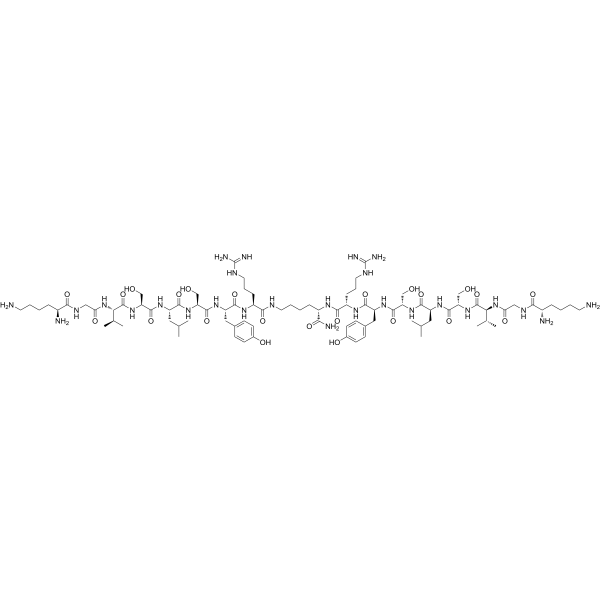
bFGF (119-126) is a ligand of bFGF. The complex formed by bFGF (119-126) and bFGF can bind to FGFR1, while inhibiting the bFGF-FGFR1 interaction, FGFR1 phosphorylation and downstream signaling pathways. Therefore, bFGF (119-126) induces cell apoptosis and inhibits cell proliferation, migration, angiogenesis and metastasis. When conjugated with a carrier, bFGF (119-126) enhances cellular uptake via FGFR-mediated endocytosis and serves as an effective FGFR-targeted ligand. When used in combination with ultrasound and Doxorubicin (HY-15142A), bFGF (119-126) significantly enhances the inhibitory effect on tumors. bFGF (119-126) is applicable to research related to lung cancer, breast cancer, glioblastoma and ovarian cancer .
|
-
-
- HY-112234
-
|
Sepiapterin
|
Endogenous Metabolite
|
Cancer
|
|
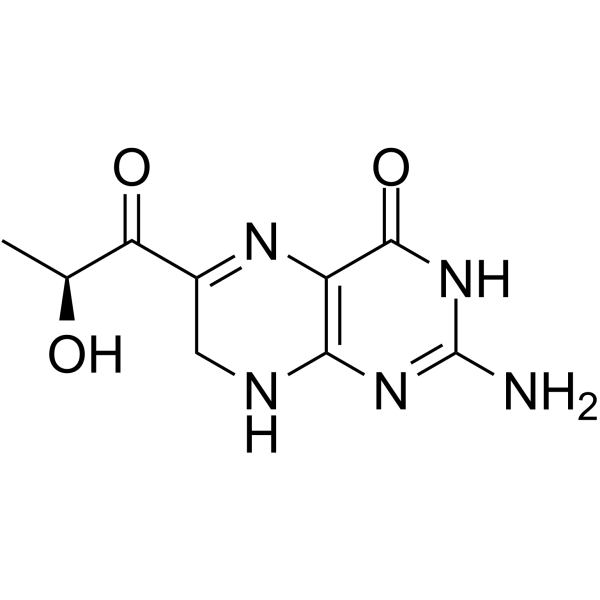
L-Sepiapterin (Sepiapterin), is a phenylalanine hydroxylase activator, is a precursor of the endothelial nitric oxide synthase (eNOS) cofactor tetrahydrobiopterin (BH4). L-Sepiapterin improves endothelial dysfunction in small mesenteric arteries from db/db mice, and induces angiogenesis. L-Sepiapterin inhibits cell proliferation and migration of ovarian cancer cells via down-regulation of p70 S6K-dependent VEGFR-2 expression. L-Sepiapterin can be used for the study of hyperphenylalaninemia .
|
-
-
- HY-N0448
-
|
|
AMPK
Reactive Oxygen Species (ROS)
Akt
PI3K
Interleukin Related
TNF Receptor
Apoptosis
|
Neurological Disease
Inflammation/Immunology
Cancer
|
|
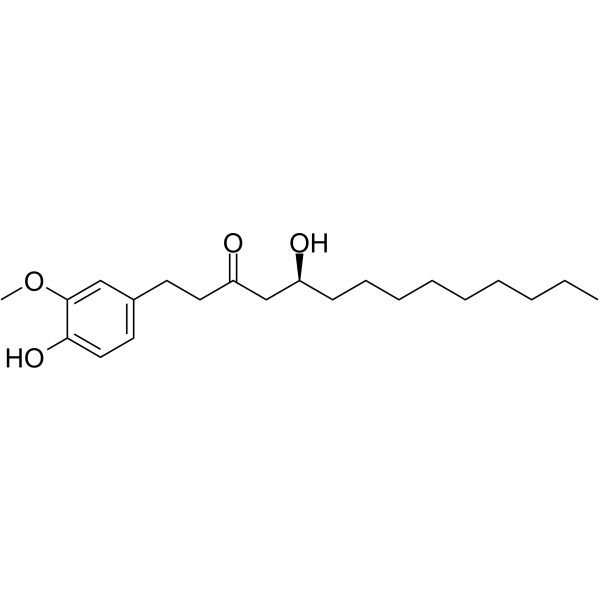
10-Gingerol is an AMPK agonist, which is found in the ginger oleoresin from fresh rhizome with anti-inflammatory, antioxidant and anti-proliferative activities. 10-Gingerol suppresses neointimal hyperplasia and inhibits vascular smooth muscle cell proliferation. 10-Gingerol exhibits substantial scavenging activities with an IC50 value of 10.47 μM against DPPH radical, an IC50 value of 1.68 μM against superoxide radical and an IC50 value of 1.35 μM against hydroxyl radical. 10-Gingerol inhibits the proliferation of MDA-MB-231 tumor cell line with an IC50 of 12.1 μM. 10-Gingerol suppresses the proliferation, migration, invasion, and induced apoptosis through targeting the PI3K/Akt signaling pathway in MDA-MB-231/IR cells. 10-Gingerol can be used in research on various common cancers such as ovarian cancer and colon cancer, as well as colitis and neurodegenerative diseases .
|
-
-
- HY-19536
-
LLL12
1 Publications Verification
|
STAT
|
Cancer
|
|
LLL12 is a small molecule inhibitor of STAT3 that inhibits STAT3 phosphorylation. LLL12 enhanced the inhibitory effect of Cisplatin (HY-17394) and Paclitaxel (HY-B0015) on ovarian cancer cell formation, migration, and growth .
|
-
-
- HY-129046C
-
|
Ribonuclease B, Bovine Pancreas
|
Endonuclease
DNA/RNA Synthesis
|
Endocrinology
Cancer
|
|
RNase A (Bovine pancreatic RNase) is a widely used Endonuclease in DNA purification by specifically hydrolyzing cytosine or uracil residues of RNA. RNase A degrades the RNA in the RNA/DNA duplex. RNase A catalyses the breakdown of 3',5'-phosphodiester linkages of single stranded RNA. RNase A family members in organisms are tightly involved in various physiological and pathological processes including cell growth and development, proliferation, differentiation and migration. Dysregulation of RNase A activity or expression level is closely related to pancreatic, ovarian, bladder and thyroid cancer. RNase A has tumor cell-killing ability. RNase B, Bovine Pancreas (Ribonuclease B, Bovine Pancreas) is the N-glycosylated form of RNase A. RNase B, Bovine Pancreas can promote the folding of polypeptide chains and play a role similar to molecular chaperones .
|
-
-
- HY-N3415
-
|
|
Apoptosis
Autophagy
Caspase
Ferroptosis
SARS-CoV
|
Neurological Disease
Inflammation/Immunology
Cancer
|
|
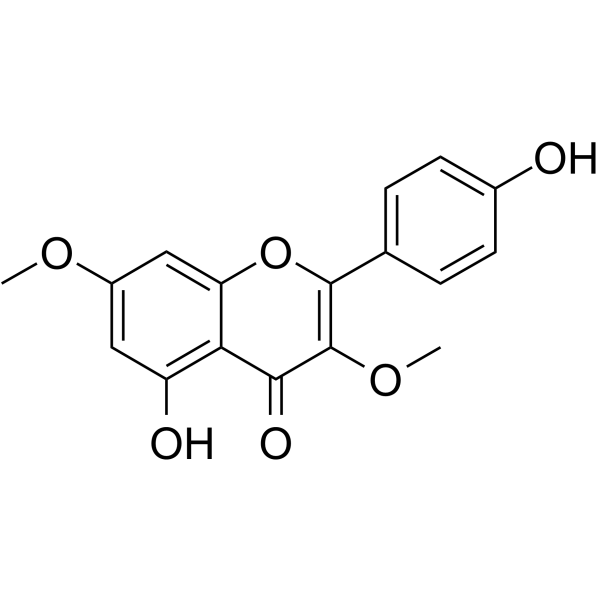
Kumatakenin is an orally active apoptosis inducer and autophagy inhibitor, with a Kd value of 2.94 μM for mouse ATG5. Kumatakenin increases the activities of caspase-3, caspase-8 and caspase-9, thereby inducing caspase-dependent apoptosis in ovarian cancer cells. Kumatakenin reduces the expression of chemokines and pro-oncogenic factors in ovarian cancer cells, and inhibits M2 macrophage polarization. Kumatakenin inactivates TRIM65 function, reduces the expression and stability of FASN, and thus inhibits the proliferation, migration, invasion and tumor progression of esophageal cancer cells. Kumatakenin interacts with ATG5 to reduce its protein level, decrease LC3 level, and reduce the number of autophagosomes in the hippocampus. Kumatakenin binds to Eno3 to upregulate its expression, reduce the stability and expression level of IRP1 mRNA, inhibit ferroptosis, alleviate intestinal inflammation, and restore epithelial barrier function. Kumatakenin enhances the efficacy of antibiotics against pathogenic bacteria, inhibits SARS-CoV-2 replication, and reduces cytokine production. Kumatakenin is applicable to research related to ovarian cancer, esophageal cancer, depression and colitis .
|
-
-
- HY-125847
-
|
|
Ras
PI3K
Akt
Caspase
Apoptosis
Bcl-2 Family
NF-κB
MMP
|
Cancer
|
|
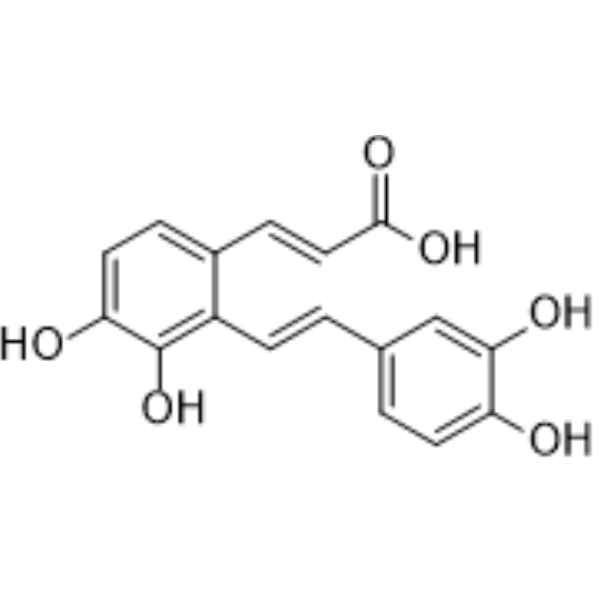
Salvianolic acid F is a KRAS inhibitor, especially for KRAS G12D. Salvianolic acid F inhibits NF-kB, MMP-9, and NO simultaneously. Salvianolic acid F inhibits cancer cell growth, invasion, and migration and induces apoptosis via the EP300/PI3K/AKT pathway in vitro. Salvianolic acid F inhibits the growth of KRAS-dependent lung cancer cells via the PI3K/AKT signaling pathway in vivo. Salvianolic acid F can be used in the research of various cancers, including KRAS G12D-driven non-small cell lung cancer (NSCLC) and ovarian cancer .
|
-
-
- HY-N1255
-
|
(-)-Scoulerine; Discretamine
|
Bcl-2 Family
Apoptosis
mTOR
GABA Receptor
PI3K
Adrenergic Receptor
Beta-secretase
Akt
|
Cancer
|
|
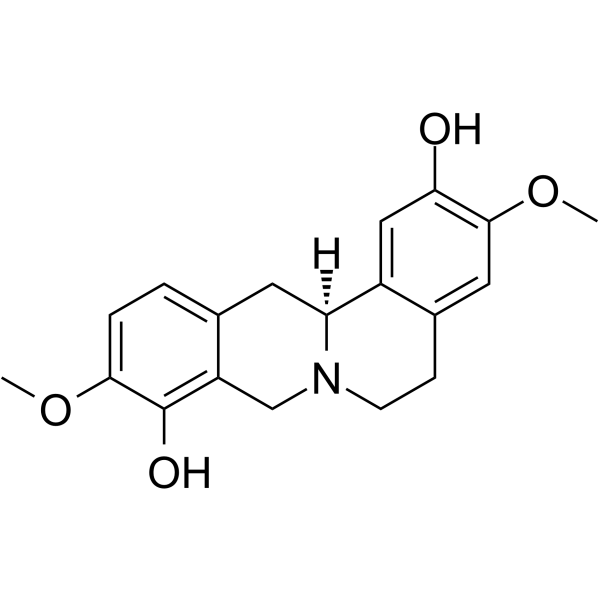
Scoulerine ((-)-Scoulerine; Discretamine) hydrochloride is a multi-target inhibitor with anti-tumor and antioxidant activities. Scoulerine mainly targets the PI3K/Akt/mTOR signaling axis and α1D-adrenergic receptor, disrupts microtubule structure, and induces cell cycle arrest and apoptosis. Scoulerine effectively inhibits mitochondrial dehydrogenase activity, targets GABA receptors and BACE1, and suppresses the proliferation, migration, invasion, epithelial-mesenchymal transition and stem cell properties of cancer cells. Scoulerine also exhibits multiple pharmacological activities including anti-Plasmodium falciparum, antibacterial, antiemetic and antitussive effects, and regulates endoplasmic reticulum stress and mitochondrial function (modulates Bax, Bcl-2 and cytochrome c). Scoulerine is applicable to research related to leukemia, ovarian cancer, and colorectal cancer .
|
-
-
- HY-129046I
-
|
|
DNA/RNA Synthesis
Endonuclease
|
Endocrinology
Cancer
|
|
RNase A (Bovine pancreatic RNase) is a widely used Endonuclease in DNA purification by specifically hydrolyzing cytosine or uracil residues of RNA. RNase A degrades the RNA in the RNA/DNA duplex. RNase A catalyses the breakdown of 3',5'-phosphodiester linkages of single stranded RNA. RNase A family members in organisms are tightly involved in various physiological and pathological processes including cell growth and development, proliferation, differentiation and migration. Dysregulation of RNase A activity or expression level is closely related to pancreatic, ovarian, bladder and thyroid cancer. RNase A has tumor cell-killing ability. RNase A, Recombinant (animal free) is recombinant RNase A with no animal-derived components .
|
-
-
- HY-P1103
-
|
|
CXCR
|
Cancer
|
|
CTCE-9908 is a potent and selective CXCR4 antagonist. CTCE-9908 induces mitotic catastrophe, cytotoxicity and inhibits migration in CXCR4-expressing ovarian cancer cells .
|
-
-
- HY-P99291
-
|
LM609; MEDI-522
|
Integrin
Apoptosis
Akt
|
Cancer
|
|
Etaracizumab (LM 609) is an αvβ3 integrin IgG mAb. Etaracizumab is developed to target αvβ3+ cancer cells via NK cell-mediated cytotoxicity. Etaracizumab sterically hinders access of large ligands to the RGD-binding pocket, without obstructing it. Etaracizumab decreases p-Akt in vitro. Etaracizumab can decrease cancer proliferation and invasion. Etaracizumab induces tumor cell apoptosis, and inhibition ofαvβ3-mediated cell adhesion, endothelial cell migration and osteoclast-mediated bone resorption. Etaracizumab can be studied in anti-tumor research against cancers such as ovarian cancer, metastatic melanoma as well as advanced solid tumors. Recommend Isotype Control: Human IgG1 kappa, Isotype Control (HY-P99001) .
|
-
-
- HY-129046D
-
|
Ribonuclease A, Recombinant
|
Endonuclease
DNA/RNA Synthesis
|
Endocrinology
Cancer
|
|
RNase A (Bovine pancreatic RNase) is a widely used Endonuclease in DNA purification by specifically hydrolyzing cytosine or uracil residues of RNA. RNase A degrades the RNA in the RNA/DNA duplex. RNase A catalyses the breakdown of 3',5'-phosphodiester linkages of single stranded RNA. RNase A family members in organisms are tightly involved in various physiological and pathological processes including cell growth and development, proliferation, differentiation and migration. Dysregulation of RNase A activity or expression level is closely related to pancreatic, ovarian, bladder and thyroid cancer. RNase A has tumor cell-killing ability. RNase A, Recombinant (Ribonuclease A, Recombinant) is a recombinant form of RNase A .
|
-
-
- HY-135457
-
JMS-053
3 Publications Verification
|
Phosphatase
STAT
Ras
|
Cancer
|
|
JMS-053 is an efficient and reversible PTP4A3 inhibitor, with an IC50 value of 18 nM.
JMS-053 demonstrates broad PTP4A inhibitory activity with IC50s of 50 nM and 53 nM for PTP4A1 and PTP4A2, respectively. JMS-053 exhibits IC50 values of 92.6 nM and 207.6 nM for CDC25B and DUSP3, respectively. JMS-053 can effectively inhibit the activity of PTP4A3, inhibit tumor cell proliferation and migration through multiple mechanisms such as interfering with RhoA and STAT3/p38 signaling pathway. JMS-053 can be used for the study of cancers such as ovarian cancer, breast cancer and colon cancer .
|
-
-
- HY-12929
-
|
SU093
|
Pim
Apoptosis
|
Cancer
|
|
NSC756093 (SU093) is a GBP1:PIM1 interaction inhibitor. NSC756093 binds to GBP1-PIM1 with a Kd of 38 nM. NSC756093 suppresses proliferation, reduces migration, induces G1 phase cell-cycle arrest, and increases apoptotic cell death in ovarian cancer cells. NSC756093 reduces cellular proteasomal activity, induces accumulation of ubiquitinated proteins, and restrains tumor progression and lung metastasis in murine ovarian cancer xenograft models. NSC756093 increases sensitivity of prostate cancer cells to Docetaxel (HY-B0011) and sensitizes GBP1-overexpressing ovarian cancer cells to Paclitaxel (HY-B0015). NSC756093 can be used for the research of prostate cancer and ovarian cancer .
|
-
-
- HY-N1510
-
|
|
Glycosidase
Notch
Toll-like Receptor (TLR)
NF-κB
Mucin
Reactive Oxygen Species (ROS)
Bacterial
TGF-beta/Smad
Anaplastic lymphoma kinase (ALK)
|
Infection
Inflammation/Immunology
Cancer
|
|
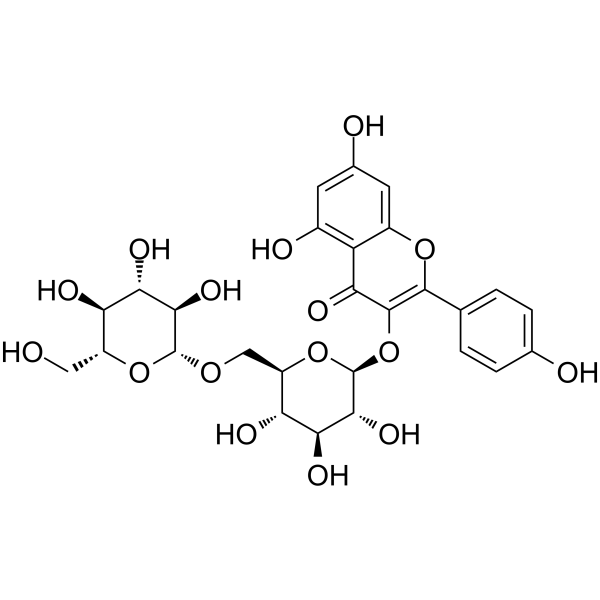
Kaempferol 3-O-gentiobioside is an orally active flavonoid, with a Ka value of 57 µM against human NOTCH1 and an IC50 value of 50 μM against α-glucosidase. Kaempferol 3-O-gentiobioside inhibits the NOTCH signaling pathway. It downregulates the expression of TLR4 and NLRP3, and suppresses the activation and nuclear translocation of NF-κB. Kaempferol 3-O-gentiobioside inhibits the expression of MUC5AC, reduces nitrite and ROS levels, and attenuates excessive mucus secretion. It exhibits antibacterial activity, reducing the formation and growth of MRSA biofilms. Kaempferol 3-O-gentiobioside blocks the TGF-β/ALK5/Smad signaling pathway and inhibits epithelial-mesenchymal transition. It suppresses the proliferation, migration, invasion and metastatic growth of tumor cells. Kaempferol 3-O-gentiobioside alleviates airway inflammation and mucus hypersecretion in mice with allergic asthma . It reduces the volume of ovarian cancer xenografts in mice. Kaempferol 3-O-gentiobioside can be used in research related to allergic asthma, diabetes, MRSA infection, breast cancer, gastric cancer and ovarian cancer .
|
-
-
- HY-129046E
-
|
Ribonuclease A DNase & Protease Free, Recombinant
|
Endonuclease
DNA/RNA Synthesis
|
Endocrinology
Cancer
|
|
RNase A (Bovine pancreatic RNase) is a widely used Endonuclease in DNA purification by specifically hydrolyzing cytosine or uracil residues of RNA. RNase A degrades the RNA in the RNA/DNA duplex. RNase A catalyses the breakdown of 3',5'-phosphodiester linkages of single stranded RNA. RNase A family members in organisms are tightly involved in various physiological and pathological processes including cell growth and development, proliferation, differentiation and migration. Dysregulation of RNase A activity or expression level is closely related to pancreatic, ovarian, bladder and thyroid cancer. RNase A has tumor cell-killing ability. RNase A (DNase & Protease Free), Recombinant is recombinant RNase A, which does not contain DNase and protease .
|
-
-
- HY-129046B
-
|
Ribonuclease A DNase & Protease Free
|
Endonuclease
DNA/RNA Synthesis
|
Others
Endocrinology
Cancer
|
|
RNase A (Bovine pancreatic RNase) is a widely used Endonuclease in DNA purification by specifically hydrolyzing cytosine or uracil residues of RNA. RNase A degrades the RNA in the RNA/DNA duplex. RNase A catalyses the breakdown of 3',5'-phosphodiester linkages of single stranded RNA. RNase A family members in organisms are tightly involved in various physiological and pathological processes including cell growth and development, proliferation, differentiation and migration. Dysregulation of RNase A activity or expression level is closely related to pancreatic, ovarian, bladder and thyroid cancer. RNase A has tumor cell-killing ability. RNase A, Bovine Pancreas (DNase & Protease Free) is RNase A derived from bovine pancreas and does not contain DNase or protease .
|
-
-
- HY-P99121
-
|
|
Integrin
|
Inflammation/Immunology
Cancer
|
|
Anti-Mouse/Human CD11b Antibody (M1/70) is an anti-mouse CD11b IgG2b monoclonal antibody. Anti-Mouse/Human CD11b Antibody (M1/70) can significantly inhibit the adhesion between dendritic cells (DCs) and platelets. Anti-Mouse/Human CD11b Antibody (M1/70) can kill ovarian cancer cells and inhibit their migration. Anti-Mouse/Human CD11b Antibody (M1/70) can alleviate renal fibrosis and inflammation. Anti-Mouse/Human CD11b Antibody (M1/70) can be used for researches on inflammation conditions and cancer such as ischemia-reperfusion injury (IRI), thrombotic inflammatory conditions and ovarian cancer .
|
-
-
- HY-129046H
-
|
|
DNA/RNA Synthesis
Endonuclease
|
Endocrinology
Cancer
|
|
RNase A (Bovine pancreatic RNase) is a widely used Endonuclease in DNA purification by specifically hydrolyzing cytosine or uracil residues of RNA. RNase A degrades the RNA in the RNA/DNA duplex. RNase A catalyses the breakdown of 3',5'-phosphodiester linkages of single stranded RNA. RNase A family members in organisms are tightly involved in various physiological and pathological processes including cell growth and development, proliferation, differentiation and migration. Dysregulation of RNase A activity or expression level is closely related to pancreatic, ovarian, bladder and thyroid cancer. RNase A has tumor cell-killing ability. RNase A, Recombinant (Protease & DNase free, animal free) is recombinant RNase A that does not contain protease and DNase and does not contain animal components .
|
-
-
- HY-155102
-
|
|
PROTACs
Glutaminase
|
Cancer
|
|
PROTAC TG2 degrader-2 (compound 7) is a selective, competitive degrader targeting Transglutaminase 2 (TG2), with Kd > 100 μM. PROTAC TG2 degrader-2 inhibits the cell migration and decreases the level of TG2 in ovarian cancer cells. PROTAC TG2 degrader-2 can be used for ovarian cancer study .
|
-
-
- HY-179228
-
|
|
CTLA-4
TGF-beta/Smad
|
Cancer
|
|
AN02 is a derivative of Curcumin (HY-N0005). AN02 inhibits the proliferation and clonogenicity, migration and invasion of ovarian cancer cells. AN02 dose-dependently upregulates the expression of APC and mediates the degradation of CTLA-4 through SMAD4. In the small xenograft model, AN02 significantly inhibits tumor growth and reverses the tumor immune-suppressive microenvironment. AN02, when combined with Ipilimumab (HY-P9901), can enhance efficacy and inhibit epithelial-mesenchymal transition. AN02 can be used for the study of ovarian cancer .
|
-
-
- HY-175818
-
|
|
Apelin Receptor (APJ)
|
Cancer
|
|
APJ antagonist-1 is an apelin receptor (APJ) antagonist. APJ antagonist-1 shows strong β-arrestin inhibition with an IC50 of 3.1 μM. APJ antagonist-1 selectively inhibits APJ-overexpressing cancer cells and suppresses apelin-induced endothelial cell migration. APJ antagonist-1exhibits high metabolic stability. APJ antagonist-1 can used for the studies of ovarian cancer and tumor angiogenesis .
|
-
-
- HY-179406
-
|
|
PARP
DNA/RNA Synthesis
Reactive Oxygen Species (ROS)
Apoptosis
|
Cancer
|
|
PARP1-IN-49 is a selective PARP1 inhibitor with an IC50 of 23.56 nM and a Kd of 17.78 nM. PARP1-IN-49 shows a selectivity for PARP1 over PARP2. PARP1-IN-49 leads to the induction of DNA damage, cell cycle arrest, and apoptosis. PARP1-IN-49 also increases intracellular ROS levels and inhibits cell migration. PARP1-IN-49 can be used for the research of breast cancer and ovarian cancer .
|
-
-
- HY-178446
-
|
|
METTL3
c-Myc
Bcl-2 Family
|
Cancer
|
|
METTL3-IN-11 is an excellent, selective METTL3 inhibitor (IC50 = 45.31 nM). METTL3-IN-11 exhibits high selectivity towards METTL3 compared to DNMT1, EZH1, MLL1, and PRMT1. METTL3-IN-11 reduces the m6A level of total RNA in MOLM-13 and SKOV3 cells, induces cell apoptosis, and inhibits cell migration. METTL3-IN-11 can reduce the expression of m6A downstream target genes (c-MYC and BCL2). METTL3-IN-11 can be used for the study of ovarian cancer and acute myeloid leukemia .
|
-
-
- HY-P1103A
-
|
|
CXCR
|
Cancer
|
|
CTCE-9908 TFA is a potent and selective CXCR4 antagonist. CTCE-9908 TFA induces mitotic catastrophe, cytotoxicity and inhibits migration in CXCR4-expressing ovarian cancer cells .
|
-
-
- HY-176780
-
|
|
Others
|
Cancer
|
|
Gαi2-IN-1 (Compound 14) is a Gαi2 inhibitor. Gαi2-IN-1 significantly inhibits cancer cells migration induced by the chemotherapeutic drug, such as Vorinostat (HY-10221) and Docetaxel (HY-B0011). Gαi2-IN-1 can be used for cancers like prostate, breast and ovarian cancer research .
|
-
-
- HY-143407
-
|
|
FAK
|
Cancer
|
|
FAK-IN-3 (Compound 36) is a potent inhibitor of focal adhesion kinase (FAK). FAK-IN-3 not only decreases migration and invasion of PA-1 cells, but also reduces expression of MMP-2 and MMP-9. FAK-IN-3 inhibits tumor growth and metastasis, and no obvious adverse effects. FAK-IN-3 has the potential for the research of ovarian cancer .
|
-
-
- HY-P11011
-
|
Pep R54; CXCR4 antagonist peptide 19
|
CXCR
|
Cancer
|
|
Peptide R54 (Pep R54; CXCR4 antagonist peptide 19) is an antagonistic peptide targeting CXCR4 with significant anticancer activity. Peptide R54 inhibits CXCR4-dependent cell migration, epithelial-mesenchymal transition, and lung metastasis development, with better serum stability and higher CXCR4 affinity than the lead compound (IC50=20 nM). Peptide R54 synergizes with anti-PD-1 therapy to exert anti-tumor activity in vivo, enhances granzyme activity, and reduces infiltration of Foxp3 cells. Peptide R54 can be used in the study of colon cancer, ovarian cancer, and melanoma .
|
-
-
- HY-179388
-
|
|
PROTACs
Sirtuin
Apoptosis
Akt
mTOR
|
Cancer
|
|
PROTAC Sirt2 Degrader-2 is a highly efficient and selective PROTAC degrader targeting SIRT2. PROTAC Sirt2 Degrader-2 demonstrates the most potent anti-proliferative activity both in vitro and in vivo. PROTAC Sirt2 Degrader-2 leads to a marked increase in H4K16Ac levels. PROTAC Sirt2 Degrader-2 significantly suppresses clonogenic formation and migration, induces cell cycle arrest, and promotes apoptosis. PROTAC Sirt2 Degrader-2 inhibits the AKT/mTOR signaling pathway by indirectly degrading SIRT2 and blocking downstream protein phosphorylation, thereby disrupting the signaling cascade and suppressing tumor development. PROTAC Sirt2 Degrader-2 can be used for the study of ovarian cancer .
|
-
-
- HY-E70295
-
|
GALNT14
|
Endogenous Metabolite
|
Cancer
|
|
N-Acetylgalactosaminyltransferase 14 (GALNT14) is a mucin-type glycosylating enzyme polypeptide that promotes the migration of ovarian cancer by modifying mucin 13 (MUC13). GALNT14 can regulate the O-glycosylation and stability of MUC13, thereby mediating the malignant behavior of ovarian cancer cells .
|
-
-
- HY-178325
-
|
|
Microtubule/Tubulin
Apoptosis
|
Cancer
|
|
Tubulin-IN-57 is a Tubulin inhibitor. Tubulin-IN-57 is a potent antiproliferative agent that inhibits clonogenic formation, migration, and invasion of ovarian cancer cells. Tubulin-IN-57 inhibits tubulin polymerization, which in turn induces G2/M arrest and apoptosis in SKOV3 cells. Tubulin-IN-57 demonstrates potent antitumor activity without observable toxicity in an SKOV3 xenograft model. Y60S can be used for the study of ovarian cancer .
|
-
-
- HY-125575
-
|
|
Carbonic Anhydrase
|
Cancer
|
|
FC11409B is an ureido-sulfamate carbonic anhydrase IX (CAIX) inhibitor. FC11409B inhibits proliferation and migration of breast cancer cell lines in both hypoxic (0.5% O2) and normoxic conditions (21% O2). FC11409B also inhibits 3D spheroid of breast cancer subtypes invasion. FC11409B is promising for research of breast and ovarian cancers .
|
-
-
- HY-E70298
-
|
ST3GAL1
|
Endogenous Metabolite
|
Cancer
|
|
ST3 β-Gal α-2,3-Sialyltransferase 1 (ST3GAL1) is a sialyltransferase whose overexpression in ovarian cancer cell lines enhances cell growth, migration, and invasion capabilities, as well as increases tumorigenicity and resistance to paclitaxel in vivo. ST3 β-Gal α-2,3-Sialyltransferase 1 catalyzes the transfer of sialic acid from cytidine monophosphate-sialic acid to galactose-containing substrates and can be utilized in studies of cancer progression and chemotherapy resistance .
|
-
-
- HY-181732
-
|
|
PROTACs
Transglutaminase
FAK
Src
Akt
|
Cancer
|
|
PROTAC TG2 Degrader-3 is a TG2 (TGM2) PROTAC degrader. PROTAC TG2 Degrader-3 inhibits the adhesion and migration of ovarian cancer cells. PROTAC TG2 Degrader-3 can be used for the research of ovarian cancer .
|
-
-
- HY-P991310
-
|
LT3015; LT-3000
|
LPL Receptor
|
Neurological Disease
Cancer
|
|
Lpathomab (LT3015; LT-3000) is a human IgG1 monoclonal antibody (mAb) targeting LPA. Lpathomab reduces the release of IL-8 and IL-6 cytokines in SKOV3 cells and blocks LPA-triggered tumor cell migration. Lpathomab reduces neovascularization in Matrigel plug and CNV models. Lpathomab inhibits brain injury in the CCI mouse model. Lpathomab can be used in the study of brain injury, ovarian cancer, diabetic neuropathy, and spinal cord injury. Recommended isotype control: Human IgG1 kappa, Isotype Control (HY-P99001) .
|
-
-
- HY-136893
-
|
|
Microtubule/Tubulin
Apoptosis
Caspase
Bcl-2 Family
|
Cancer
|
|
SP-6-27 is a tubulin depolymerizing agent that binds to the colchicine site of β-tubulin. SP-6-27 induces G2/M cell cycle arrest in ovarian cancer cells. SP-6-27 enhances intrinsic apoptosis in ovarian cancer cells through upregulation of Bax, Apaf-1, caspase-6, caspase-9, and caspase-3. SP-6-27 reduces ovarian cancer cell migration. SP-6-27 inhibits capillary tube formation by human umbilical vein endothelial cells. SP-6-27 shows minimum cytotoxicity to normal ovarian epithelia. SP-6-27 shows enhanced cytotoxicity in chemo-sensitive/resistant ovarian cancer cells when combined with Cisplatin (HY-17394). SP-6-27 can be used for the research of ovarian cancer .
|
-
-
- HY-181074
-
|
|
Microtubule/Tubulin
Apoptosis
Bcl-2 Family
|
Neurological Disease
Cancer
|
|
Tubulin polymerization-IN-88 is a tubulin inhibitor that blocks tubulin polymerization, leading to microtubule destabilization and disruption of the mitotic spindle. Tubulin polymerization-IN-88 induces G2/M phase arrest and apoptosis in cancer cells, and inhibits cancer cell migration and self-renewal of cancer stem cells. It exhibits in vitro anti-proliferative activity against cancer cells with selectivity over normal cells. Tubulin polymerization-IN-88 also demonstrates in vivo anti-cancer activity without significant toxicity. Tubulin polymerization-IN-88 is applicable for research on glioblastoma, lung cancer, endometrial cancer, ovarian cancer, and leukemia .
|
-
-
- HY-180781
-
|
|
ADAMTS
|
Inflammation/Immunology
Cancer
|
|
ADAMTS-5-IN-4 (Compound 4b) is a selective ADAMTS5 inhibitor with an IC₅₀ of 9.4 μM. ADAMTS-5-IN-4 significantly inhibits the degradation of Aggrecan in the implants of the osteoarthritis model. ADAMTS-5-IN-4 effectively inhibits the pseudopod elongation and directional migration of ovarian cancer cells. ADAMTS-5-IN-4 shows significant cytotoxicity to HEK293T cells, human chondrocytes, and porcine chondrocyte implants. ADAMTS-5-IN-4 can be used for the study of osteoarthritis and ovarian cancer .
|
-
-
- HY-P11716
-
|
|
ERK
|
Cancer
|
|
HYD-1 is a D-amino acid tumor cell adhesion peptide. HYD-1 contains overlapping linear peptide elements required for adhesion, migration blocking, and ERK signaling activation. HYD-1 supports adhesion of breast, prostate, ovarian, and pancreatic tumor cells, and shows no effect on tumor cell cycle distribution. HYD-1 can be used for the research of prostate cancer .
|
-
-
- HY-N1255A
-
|
(-)-Scoulerine hydrochloride; Discretamine hydrochloride
|
Apoptosis
PI3K
Akt
mTOR
Adrenergic Receptor
GABA Receptor
Beta-secretase
Bcl-2 Family
|
Cancer
|
|
Scoulerine ((-)-Scoulerine; Discretamine) hydrochloride is a multi-target inhibitor with anti-tumor and antioxidant activities. Scoulerine hydrochloride mainly targets the PI3K/Akt/mTOR signaling axis and α1D-adrenergic receptor, disrupts microtubule structure, and induces cell cycle arrest and apoptosis. Scoulerine hydrochloride effectively inhibits mitochondrial dehydrogenase activity, targets GABA receptors and BACE1, and suppresses the proliferation, migration, invasion, epithelial-mesenchymal transition and stem cell properties of cancer cells. Scoulerine hydrochloride also exhibits multiple pharmacological activities including anti-Plasmodium falciparum, antibacterial, antiemetic and antitussive effects, and regulates endoplasmic reticulum stress and mitochondrial function (modulates Bax, Bcl-2 and cytochrome c). Scoulerine hydrochloride is applicable to research related to leukemia, ovarian cancer, and colorectal cancer .
|
-
| Cat. No. |
Product Name |
Target |
Research Area |
-
- HY-P5321
-
|
|
FGFR
|
Cancer
|
|
bFGF (119-126) is a ligand of bFGF. The complex formed by bFGF (119-126) and bFGF can bind to FGFR1, while inhibiting the bFGF-FGFR1 interaction, FGFR1 phosphorylation and downstream signaling pathways. Therefore, bFGF (119-126) induces cell apoptosis and inhibits cell proliferation, migration, angiogenesis and metastasis. When conjugated with a carrier, bFGF (119-126) enhances cellular uptake via FGFR-mediated endocytosis and serves as an effective FGFR-targeted ligand. When used in combination with ultrasound and Doxorubicin (HY-15142A), bFGF (119-126) significantly enhances the inhibitory effect on tumors. bFGF (119-126) is applicable to research related to lung cancer, breast cancer, glioblastoma and ovarian cancer .
|
-
- HY-P1103
-
|
|
CXCR
|
Cancer
|
|
CTCE-9908 is a potent and selective CXCR4 antagonist. CTCE-9908 induces mitotic catastrophe, cytotoxicity and inhibits migration in CXCR4-expressing ovarian cancer cells .
|
-
- HY-P1103A
-
|
|
CXCR
|
Cancer
|
|
CTCE-9908 TFA is a potent and selective CXCR4 antagonist. CTCE-9908 TFA induces mitotic catastrophe, cytotoxicity and inhibits migration in CXCR4-expressing ovarian cancer cells .
|
-
- HY-P11011
-
|
Pep R54; CXCR4 antagonist peptide 19
|
CXCR
|
Cancer
|
|
Peptide R54 (Pep R54; CXCR4 antagonist peptide 19) is an antagonistic peptide targeting CXCR4 with significant anticancer activity. Peptide R54 inhibits CXCR4-dependent cell migration, epithelial-mesenchymal transition, and lung metastasis development, with better serum stability and higher CXCR4 affinity than the lead compound (IC50=20 nM). Peptide R54 synergizes with anti-PD-1 therapy to exert anti-tumor activity in vivo, enhances granzyme activity, and reduces infiltration of Foxp3 cells. Peptide R54 can be used in the study of colon cancer, ovarian cancer, and melanoma .
|
-
- HY-P11716
-
|
|
ERK
|
Cancer
|
|
HYD-1 is a D-amino acid tumor cell adhesion peptide. HYD-1 contains overlapping linear peptide elements required for adhesion, migration blocking, and ERK signaling activation. HYD-1 supports adhesion of breast, prostate, ovarian, and pancreatic tumor cells, and shows no effect on tumor cell cycle distribution. HYD-1 can be used for the research of prostate cancer .
|
| Cat. No. |
Product Name |
Target |
Research Area |
Image |
-
- HY-P99291
-
|
LM609; MEDI-522
|
Integrin
Apoptosis
Akt
|
Cancer
|
|
Etaracizumab (LM 609) is an αvβ3 integrin IgG mAb. Etaracizumab is developed to target αvβ3+ cancer cells via NK cell-mediated cytotoxicity. Etaracizumab sterically hinders access of large ligands to the RGD-binding pocket, without obstructing it. Etaracizumab decreases p-Akt in vitro. Etaracizumab can decrease cancer proliferation and invasion. Etaracizumab induces tumor cell apoptosis, and inhibition ofαvβ3-mediated cell adhesion, endothelial cell migration and osteoclast-mediated bone resorption. Etaracizumab can be studied in anti-tumor research against cancers such as ovarian cancer, metastatic melanoma as well as advanced solid tumors. Recommend Isotype Control: Human IgG1 kappa, Isotype Control (HY-P99001) .
|
-
(5)
-
- HY-P99121
-
|
|
Integrin
|
Inflammation/Immunology
Cancer
|
|
Anti-Mouse/Human CD11b Antibody (M1/70) is an anti-mouse CD11b IgG2b monoclonal antibody. Anti-Mouse/Human CD11b Antibody (M1/70) can significantly inhibit the adhesion between dendritic cells (DCs) and platelets. Anti-Mouse/Human CD11b Antibody (M1/70) can kill ovarian cancer cells and inhibit their migration. Anti-Mouse/Human CD11b Antibody (M1/70) can alleviate renal fibrosis and inflammation. Anti-Mouse/Human CD11b Antibody (M1/70) can be used for researches on inflammation conditions and cancer such as ischemia-reperfusion injury (IRI), thrombotic inflammatory conditions and ovarian cancer .
|
-
(5)
-
- HY-P991310
-
|
LT3015; LT-3000
|
LPL Receptor
|
Neurological Disease
Cancer
|
|
Lpathomab (LT3015; LT-3000) is a human IgG1 monoclonal antibody (mAb) targeting LPA. Lpathomab reduces the release of IL-8 and IL-6 cytokines in SKOV3 cells and blocks LPA-triggered tumor cell migration. Lpathomab reduces neovascularization in Matrigel plug and CNV models. Lpathomab inhibits brain injury in the CCI mouse model. Lpathomab can be used in the study of brain injury, ovarian cancer, diabetic neuropathy, and spinal cord injury. Recommended isotype control: Human IgG1 kappa, Isotype Control (HY-P99001) .
|
-
(5)
| Cat. No. |
Product Name |
Category |
Target |
Chemical Structure |
-
- HY-112234
-
-
-
- HY-N0448
-
-
-
- HY-N3415
-
|
|
Flavonols
Structural Classification
Flavonoids
Classification of Application Fields
Phenols
Polyphenols
Myrtaceae
Plants
Syzygium aromaticum
Disease Research Fields
Source Classification
Cancer
|
Apoptosis
Autophagy
Caspase
Ferroptosis
SARS-CoV
|
|
Kumatakenin is an orally active apoptosis inducer and autophagy inhibitor, with a Kd value of 2.94 μM for mouse ATG5. Kumatakenin increases the activities of caspase-3, caspase-8 and caspase-9, thereby inducing caspase-dependent apoptosis in ovarian cancer cells. Kumatakenin reduces the expression of chemokines and pro-oncogenic factors in ovarian cancer cells, and inhibits M2 macrophage polarization. Kumatakenin inactivates TRIM65 function, reduces the expression and stability of FASN, and thus inhibits the proliferation, migration, invasion and tumor progression of esophageal cancer cells. Kumatakenin interacts with ATG5 to reduce its protein level, decrease LC3 level, and reduce the number of autophagosomes in the hippocampus. Kumatakenin binds to Eno3 to upregulate its expression, reduce the stability and expression level of IRP1 mRNA, inhibit ferroptosis, alleviate intestinal inflammation, and restore epithelial barrier function. Kumatakenin enhances the efficacy of antibiotics against pathogenic bacteria, inhibits SARS-CoV-2 replication, and reduces cytokine production. Kumatakenin is applicable to research related to ovarian cancer, esophageal cancer, depression and colitis .
|
-
-
- HY-125847
-
-
-
- HY-N1255
-
|
(-)-Scoulerine; Discretamine
|
Alkaloids
Structural Classification
other families
Classification of Application Fields
Phenols
Polyphenols
Plants
Isoquinoline Alkaloids
Disease Research Fields
Source Classification
Cancer
|
Bcl-2 Family
Apoptosis
mTOR
GABA Receptor
PI3K
Adrenergic Receptor
Beta-secretase
Akt
|
|
Scoulerine ((-)-Scoulerine; Discretamine) hydrochloride is a multi-target inhibitor with anti-tumor and antioxidant activities. Scoulerine mainly targets the PI3K/Akt/mTOR signaling axis and α1D-adrenergic receptor, disrupts microtubule structure, and induces cell cycle arrest and apoptosis. Scoulerine effectively inhibits mitochondrial dehydrogenase activity, targets GABA receptors and BACE1, and suppresses the proliferation, migration, invasion, epithelial-mesenchymal transition and stem cell properties of cancer cells. Scoulerine also exhibits multiple pharmacological activities including anti-Plasmodium falciparum, antibacterial, antiemetic and antitussive effects, and regulates endoplasmic reticulum stress and mitochondrial function (modulates Bax, Bcl-2 and cytochrome c). Scoulerine is applicable to research related to leukemia, ovarian cancer, and colorectal cancer .
|
-
-
- HY-N1510
-
|
|
Flavonols
Structural Classification
Flavonoids
Sauropus spatulifolius Beille
Classification of Application Fields
Phenols
Polyphenols
Metabolic Disease
Euphorbiaceae
Plants
Disease Research Fields
Source Classification
|
Glycosidase
Notch
Toll-like Receptor (TLR)
NF-κB
Mucin
Reactive Oxygen Species (ROS)
Bacterial
TGF-beta/Smad
Anaplastic lymphoma kinase (ALK)
|
|
Kaempferol 3-O-gentiobioside is an orally active flavonoid, with a Ka value of 57 µM against human NOTCH1 and an IC50 value of 50 μM against α-glucosidase. Kaempferol 3-O-gentiobioside inhibits the NOTCH signaling pathway. It downregulates the expression of TLR4 and NLRP3, and suppresses the activation and nuclear translocation of NF-κB. Kaempferol 3-O-gentiobioside inhibits the expression of MUC5AC, reduces nitrite and ROS levels, and attenuates excessive mucus secretion. It exhibits antibacterial activity, reducing the formation and growth of MRSA biofilms. Kaempferol 3-O-gentiobioside blocks the TGF-β/ALK5/Smad signaling pathway and inhibits epithelial-mesenchymal transition. It suppresses the proliferation, migration, invasion and metastatic growth of tumor cells. Kaempferol 3-O-gentiobioside alleviates airway inflammation and mucus hypersecretion in mice with allergic asthma . It reduces the volume of ovarian cancer xenografts in mice. Kaempferol 3-O-gentiobioside can be used in research related to allergic asthma, diabetes, MRSA infection, breast cancer, gastric cancer and ovarian cancer .
|
-
-
- HY-N1255A
-
|
(-)-Scoulerine hydrochloride; Discretamine hydrochloride
|
Structural Classification
Alkaloids
Phenols
Polyphenols
Umbelliferae
Plants
Isoquinoline Alkaloids
Carphephorus corymbosus (Nutt.) Torr. & A.Gray
Source Classification
|
Apoptosis
PI3K
Akt
mTOR
Adrenergic Receptor
GABA Receptor
Beta-secretase
Bcl-2 Family
|
|
Scoulerine ((-)-Scoulerine; Discretamine) hydrochloride is a multi-target inhibitor with anti-tumor and antioxidant activities. Scoulerine hydrochloride mainly targets the PI3K/Akt/mTOR signaling axis and α1D-adrenergic receptor, disrupts microtubule structure, and induces cell cycle arrest and apoptosis. Scoulerine hydrochloride effectively inhibits mitochondrial dehydrogenase activity, targets GABA receptors and BACE1, and suppresses the proliferation, migration, invasion, epithelial-mesenchymal transition and stem cell properties of cancer cells. Scoulerine hydrochloride also exhibits multiple pharmacological activities including anti-Plasmodium falciparum, antibacterial, antiemetic and antitussive effects, and regulates endoplasmic reticulum stress and mitochondrial function (modulates Bax, Bcl-2 and cytochrome c). Scoulerine hydrochloride is applicable to research related to leukemia, ovarian cancer, and colorectal cancer .
|
-
Your information is safe with us. * Required Fields.
Inquiry Information
- Product Name:
- Cat. No.:
- Quantity:
- MCE Japan Authorized Agent:

