



ADAMTS
Adamalysin-like metalloproteinase with thrombospondin motifs
ADAMTS is a class of zinc-dependent secreted metalloproteases that primarily participate in extracellular matrix (ECM) degradation and remodeling, blood coagulation regulation, and cardiovascular homeostasis. This family consists of 19 ADAMTS proteases and 7 ADAMTS-like proteins, each with distinct biological functions. Among them, ADAMTS1, 4, and 5 are responsible for proteoglycan degradation, ADAMTS2, 3, and 14 facilitate procollagen processing, ADAMTS13 regulates coagulation by cleaving von Willebrand factor (vWF), and ADAMTS7 and 12 influence vascular smooth muscle cell migration, contributing to atherosclerosis. Additionally, ADAMTS1 and ADAMTS8 function as tumor suppressors, inhibiting angiogenesis and thereby restricting tumor growth.
Dysregulation of ADAMTS functions is associated with various diseases. For example, mutations in ADAMTS2 lead to Ehlers-Danlos syndrome (a connective tissue disorder with skin hyperelasticity) due to impaired collagen maturation; excessive ADAMTS5 activity disrupts proteoglycan homeostasis and exacerbates osteoarthritis; ADAMTS13 deficiency causes thrombotic thrombocytopenic purpura (TTP), resulting in abnormal blood clot formation. Additionally, ADAMTS7 promotes vascular remodeling, accelerating atherosclerosis progression. Therefore, selective inhibitors or activators targeting ADAMTS have emerged as potential therapeutic strategies for joint diseases, thrombotic disorders, and cardiovascular conditions[1].
All Product Categories
-
ADAMTS Related Products (20)
Related Products (20)

-
Antibodies (7)
- 1
-
Aldumastat
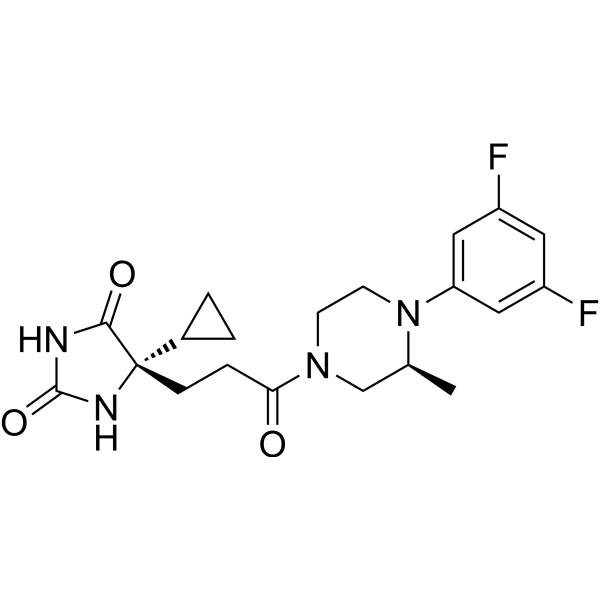 0 ImagesSynonyms: GLPG1972; S201086Aldumastat (GLPG1972; S201086) is a potent, seletive and orally active ADAMTS-5 (IC50=19 nM) inhibitor, and has 8-fold seletivity over ADAMTS-4 (IC50=156 nM). Aldumastat has anticatabolic activity and is used for osteoarthritis research.
-
ADAMTS-5 Inhibitor
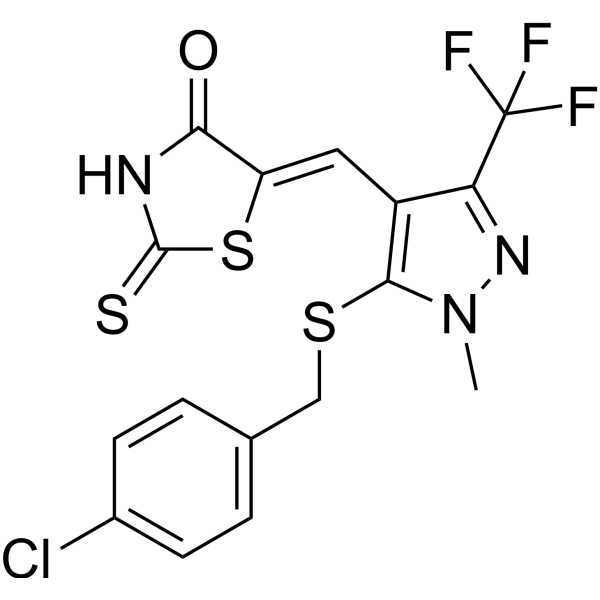 0 ImagesADAMTS-5 Inhibitor is a potent ADAMTS-5 (aggrecanase-2) inhibitor, with an IC50 of 1.1 µM. ADAMTS-5 Inhibitor shows >40-fold functional selectivity over ADAMTS-4 (aggrecanase-1).
-
BAY-9835
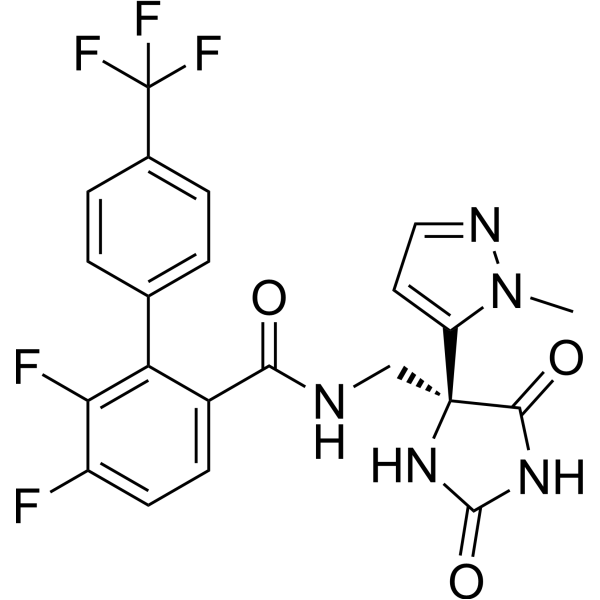 0 ImagesBAY-9835, a chemical probe, is an orally active ADAMTS7 and ADAMTS12 antagonist with IC50s of 6 nM and 30 nM, respectively. BAY-9835 exhibits inhibitory potencies vs mouse (mIC50 = 8 nM) and rat (rIC50 = 27 nM) ADAMTS7 enzymes. BAY-9835 is very selective against a range of off-targets and metalloproteases. BAY-9835 can be used for the study of atherogenesis.

-
ADAMTS-5-IN-3
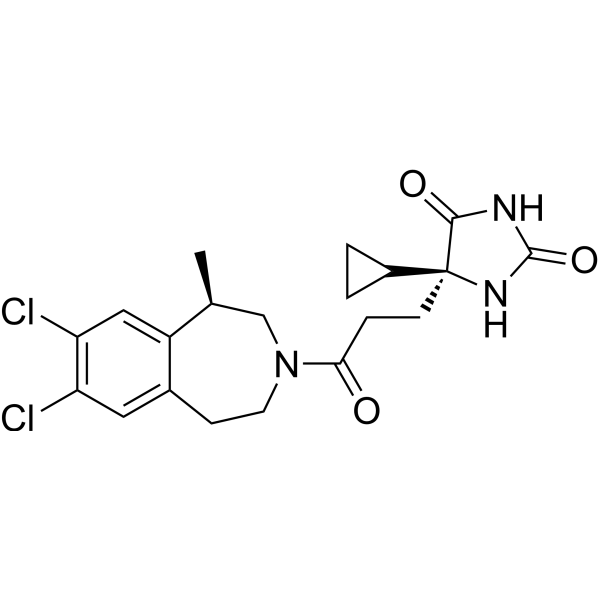 0 ImagesADAMTS-5-IN-3 (Example 37-2) is a potent inhibitor of ADAMTS-5 and ADAMTS-4 with IC50s of 8 and 12 nM, respectively. ADAMTS-5-IN-3 can be used for the research of diseases involving degradation of cartilage or disruption of cartilage homeostasis, in particular osteoarthrosis and/or rheumatoid arthritis.
-
CRB0017
 0 ImagesCat. No.: HY-P992336CRB0017 is a recombinant monoclonal antibody targeting ADAMTS5, with high affinity for the spacer domain of ADAMTS5 and strong antigen specificity. CRB0017 binds to the spacer domain of ADAMTS5 and reduces the proteolytic activity of this enzyme. CRB0017 delays articular cartilage degradation, alleviates the pathological severity of osteoarthritis, and decreases the osteoarthritis histopathological score. CRB0017 is applicable to the research of osteoarthritis.
-
ADA2
 0 ImagesCat. No.: HY-P11846ADA2 is an ADAMTS4-binding peptide and imaging agent with a human ADAMTS4 Ka of 5.3 nM and reduced renal uptake compared to related tracers. ADA2 accumulates in dilated aortic regions in aortic aneurysm mouse models. ADA2 exhibits an in vivo safety profile. ADA2 can be used for the research of aortic aneurysm.
-
GSK2394002
 0 ImagesCat. No.: HY-P992358GSK2394002 is an antibody inhibitor targeting ADAMTS-4 and ADAMTS-5, with cartilage-penetrating ability following systemic administration. GSK2394002 inhibits the release of aggrecan-derived neoepitopes and reduces cartilage degradation, exhibiting the potential to relieve pain, alleviate hyperalgesia and inhibit the progression of joint damage. GSK2394002 also induces potentially irreversible cardiovascular effects such as increased mean arterial pressure and myocardial ischemia in cynomolgus monkeys.
-
Isecarosmab
 0 ImagesCat. No.: HY-P99671CAS No.: 2254082-79-4Synonyms: M-6495Isecarosmab (M-6495) is an anti-ADAMTS monoclonal antibody (mAb) with a KD value of 3.65 pM. Isecarosmab has chondroprotective and anti-inflammatory activities. Isecarosmab can bind albumin to extend plasma half-life.
-
AGG-523
 0 ImagesSynonyms: PF-5212371AGG-523 (PF-5212371) is an orally active, reversible, non-hydroxamate, zinc-binding selective inhibitor of ADAMTS4 and ADAMTS5 with IC50 of <0.03 and 0.04 μM. AGG-523 also inhibits MMP-2, -8, 12 activity AGG-523 attenuates release of aggrecanase-generated ARG-aggrecan fragments into synovial fluid, reduces surgery-induced ARG-aggrecan release in rat joint models, and inhibits aggrecanase activity to slow cartilage degradation. AGG-523 can be used for the research of osteoarthritis.
-
Vicenin 3
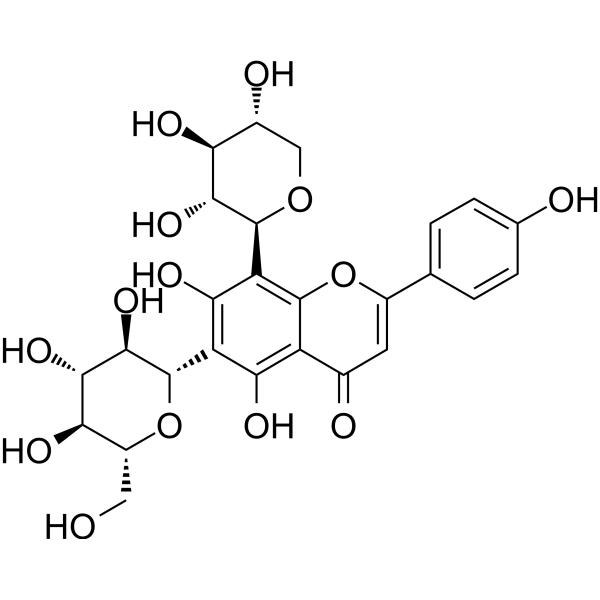 0 ImagesVicenin 3 is an angiotensin-converting enzyme (ACE) inhibitor (IC50 = 46.91 μM) that can be isolated from the aerial parts of Desmodium styracifolium. Vicenin 3 ameliorates IL-1β-induced extracellular matrix degradation in SW1353 chondrocytes by regulating the MAPK pathway. Vicenin 3 can be used for the study of osteoarthritis (OA) and hypertension.

-
Adamtsostatin 16
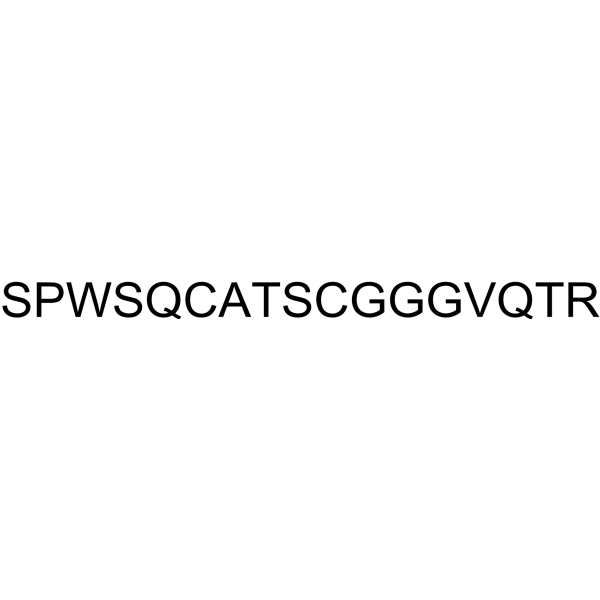 0 ImagesCat. No.: HY-P4003CAS No.: 929554-90-5Adamtsostatin 16 is an anti-angiogenic 17-amino acid peptide containing type I thrombospondin motifs.
-
ZSNI-21
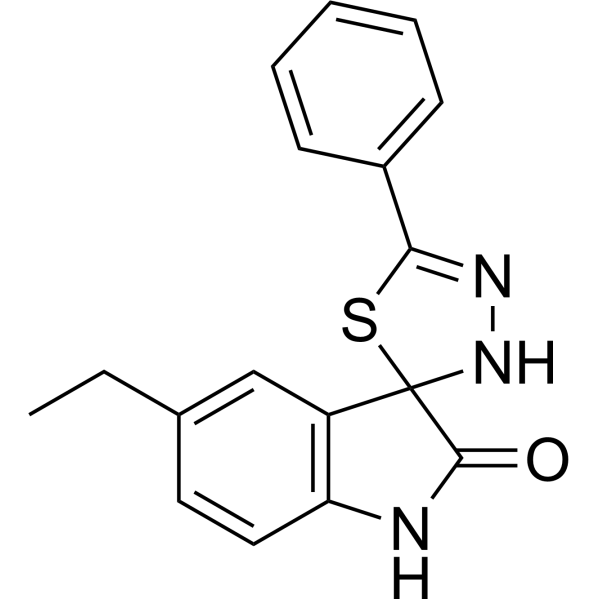
 0 ImagesCat. No.: HY-172394ZSNI-21 is a ADAM17/HDAC2 inhibitor with ADAM17 IC50 0.939 μM and HDAC2 IC50 0.844 μM. ZSNI-21 regulates the expression of apoptosis-related proteins (Bax, Bcl-2) and Cyclin D1, and induces apoptosis.. ZSNI-21 can be used for the research of hepatocellular carcinoma, breast cancer, and non-small cell lung cancer.

-
ADAMTS-5-IN-4
 0 ImagesCat. No.: HY-180781ADAMTS-5-IN-4 (Compound 4b) is a selective ADAMTS5 inhibitor with an IC₅₀ of 9.4 μM. ADAMTS-5-IN-4 significantly inhibits the degradation of Aggrecan in the implants of the osteoarthritis model. ADAMTS-5-IN-4 effectively inhibits the pseudopod elongation and directional migration of ovarian cancer cells. ADAMTS-5-IN-4 shows significant cytotoxicity to HEK293T cells, human chondrocytes, and porcine chondrocyte implants. ADAMTS-5-IN-4 can be used for the study of osteoarthritis and ovarian cancer.
-
Adamtsostatin 18
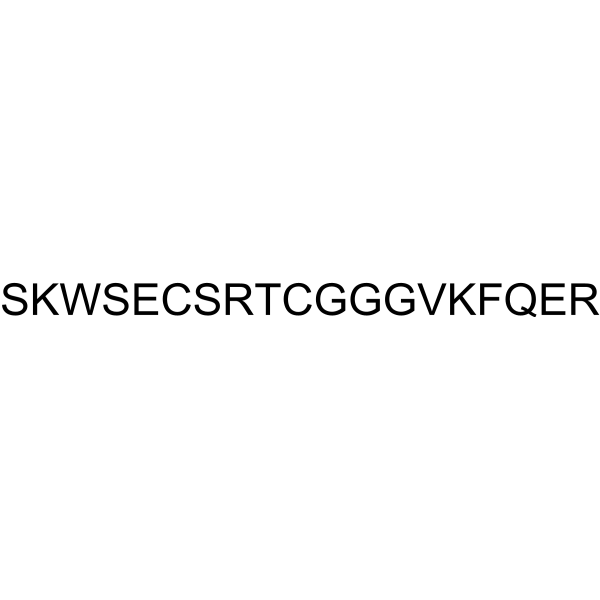 0 ImagesCat. No.: HY-P4002CAS No.: 929554-95-0Adamtsostatin 18 is an anti-angiogenic peptide derived from proteins containing type I thrombospondin motifs. Adamtsostatin 18 inhibits cell migration and proliferation.
-
Adamtsostatin 4
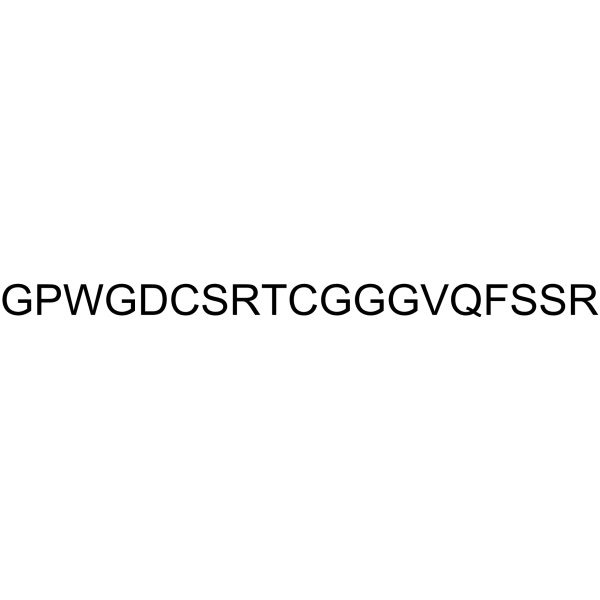 0 ImagesCat. No.: HY-P4001CAS No.: 929554-73-4Adamtsostatin 4 is an anti-angiogenic peptide. Adamtsostatin 4 can be used for the research of anti-angiogenic.
-
ADAMTS-4/5-IN-1
 0 ImagesCat. No.: HY-153505CAS No.: 1607004-34-1ADAMTS-4/5-IN-1 is an orally active, and selective dual ADAMTS-4/5 inhibitor with IC50 values of 2 nM for human ADAMTS-4 and human ADAMTS-5, respectively. ADAMTS-4/5-IN-1 exhibits high selectivity against MMP enzymes. ADAMTS-4/5-IN-1 reduces aggrecan degradation products in synovial fluid. ADAMTS-4/5-IN-1 can be used for the research of osteoarthritis.
- 1




