1. Search Result
Search Result
Results for "

pathogenic bacteria

" in MedChemExpress (MCE) Product Catalog:

65

Inhibitors & Agonists

1

Screening Libraries

1

Fluorescent Dyes

5

Biochemical Assay Reagents

5

Peptides

27

Natural
Products

4

Isotope-Labeled Compounds

Cat. No. 상품명 Target 연구분야 Chemical Structure
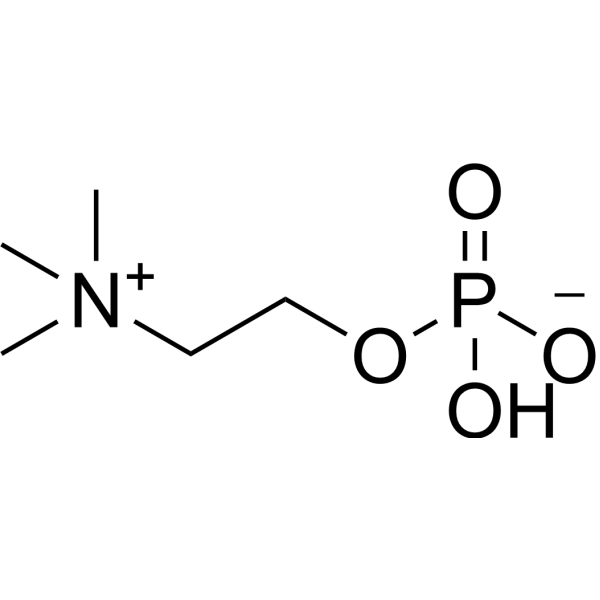
  • HY-B2233B
    Phosphorylcholine
    Maximum Cited Publications
    12 Publications Verification

    Phosphocholine

    Endogenous Metabolite Adrenergic Receptor Cardiovascular Disease Neurological Disease Inflammation/Immunology
    Phosphatidylcholine is the main phospholipid component in eukaryotic biofilms. Phosphatidylcholine exists in commensal or pathogenic bacteria associated with eukaryotes in prokaryotes. Phosphorylcholine exhibits a surprising range of immunomodulatory properties .
    Phosphorylcholine
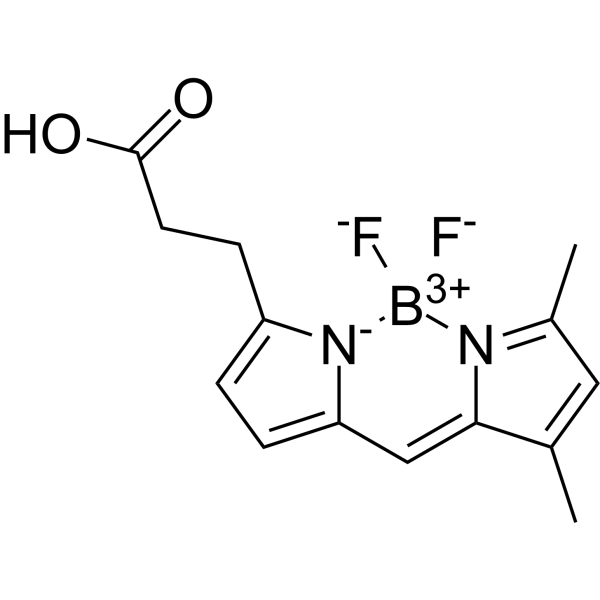
  • HY-43520

    Fluorescent Dye Others
    BODIPY-FL is a green fluorescent dye that can be used to label probes or primers. BODIPY-FL fluorescence can be quenched after interacting with uniquely positioned guanine, making it useful for quantifying specific DNA or RNA molecules. The maximum absorption wavelength of BODIPY-FL is 505 nm, and the maximum emission wavelength is 513 nm .
    BODIPY-FL
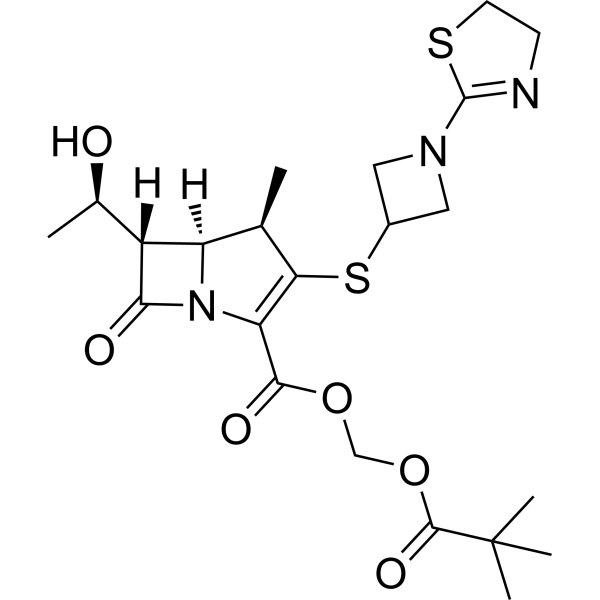
  • HY-B0396

    L084

    Penicillin-binding protein (PBP) Bacterial Antibiotic Infection
    Tebipenem pivoxil (L084) is an orally active antibiotic against a variety of pathogenic bacteria. Tebipenem pivoxil binds penicillin-binding protein (PBP), thereby inhibiting cell wall synthesis .
    Tebipenem pivoxil
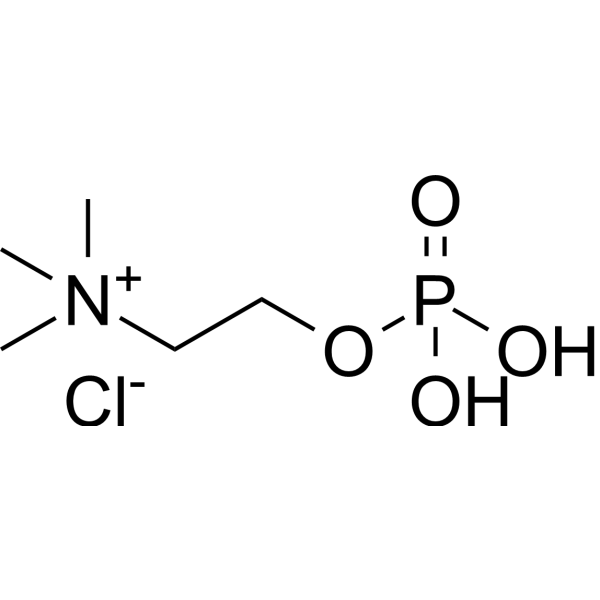
  • HY-B2233
    Phosphorylcholine chloride
    Maximum Cited Publications
    12 Publications Verification

    Phosphocholine chloride

    Endogenous Metabolite Adrenergic Receptor Cardiovascular Disease Neurological Disease Inflammation/Immunology
    Phosphorylcholine chloride (Phosphocholine chloride) is the main phospholipid component in eukaryotic biofilms. Phosphorylcholine chloride exists in commensal or pathogenic bacteria associated with eukaryotes in prokaryotes. Phosphorylcholine chloride exhibits a surprising range of immunomodulatory properties .
    Phosphorylcholine chloride
  • HY-N7104

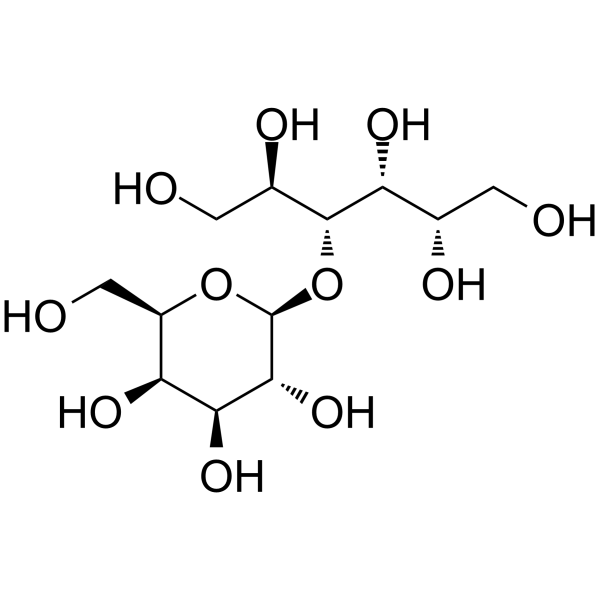
    D-Lactitol

    Bacterial Infection Neurological Disease Endocrinology
    Lactitol (D-Lactitol) is a non-absorbable disaccharide and Bacterial regulator. Lactitol reduces the populations of Bacteroides, Clostridium, coliforms and Eubacterium, while increasing the populations of Lactobacillus and Streptococcus. Lactitol can be used in the research of portosystemic encephalopathy and chronic constipation .
    Lactitol
  • HY-B1344

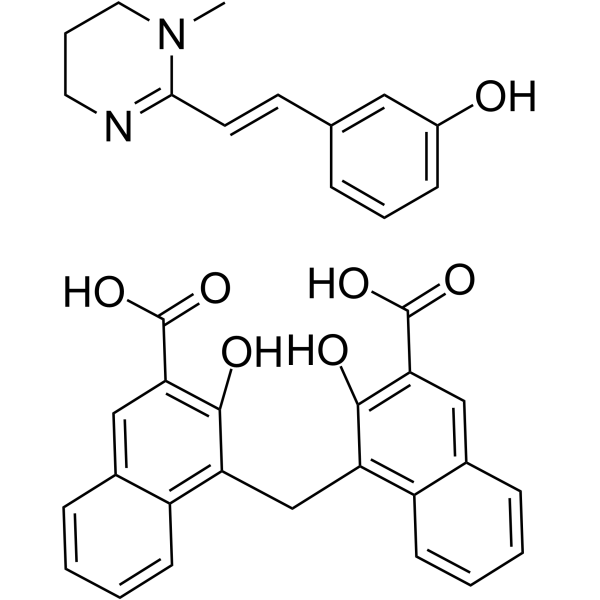
    Oxantel embonate

    Parasite Infection
    Oxantel pamoate (Oxantel embonate) is an anthelmintic agent that potently against Trichuris muris. Oxantel pamoate inhibits fumarate reductase (Frd) activity in some pathogenic bacteria and inhibits P. gingivalis homotypic biofilm formation (IC50 of 2.2 μM) .
    Oxantel pamoate
  • HY-W009123

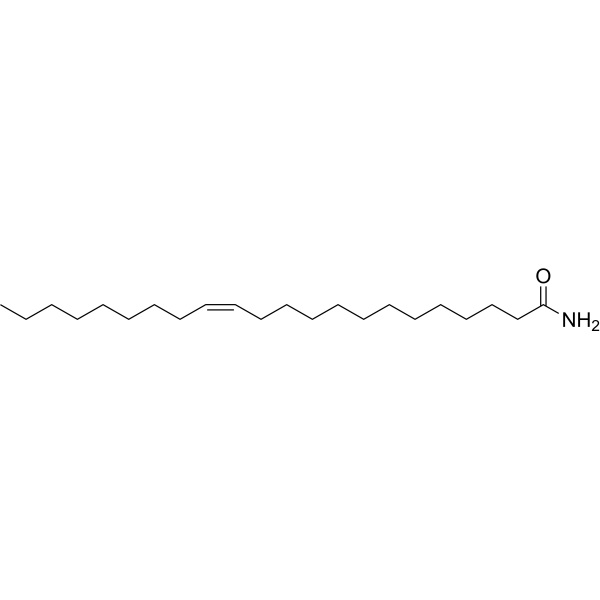
    cis-13-Docosenamide

    Endogenous Metabolite Bacterial Infection Neurological Disease
    Erucamide is an orally active, blood-brain barrier-permeable TMEM19 ligand and T3SS inhibitor. Erucamide exerts retinal neuroprotective effects in mouse models of retinal degeneration. Erucamide attenuates depression- and anxiety-like behaviors in mice.\n\nErucamide binds to the conserved hydrophobic pocket in HrcC, disrupts its outer membrane localization, and blocks T3SS-mediated effector protein secretion in Gram-negative pathogenic bacteria. Erucamide enhances the antimicrobial immunity of plants against pathogenic bacteria. Erucamide can be used in research related to retinitis pigmentosa, anxiety and depression, bacterial wilt, and bacterial blight .
    Erucamide
  • HY-W039897
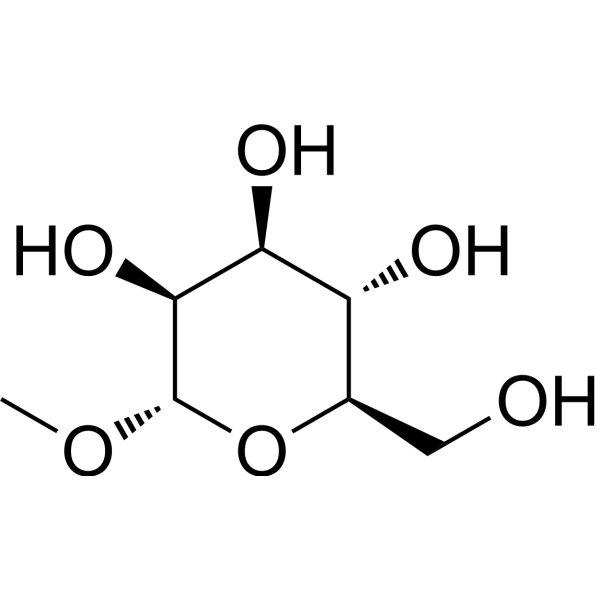
    Methyl α-D-mannopyranoside
    1 Publications Verification

    α-Methyl-D-mannoside

    Environmental Pollutants Bacterial Infection
    Methyl α-D-mannopyranoside (α-Methyl-D-mannoside) is a methyl glycoside derivative and conformational stabilizer of α-D-mannopyranose. The glycosidic bond conformation of Methyl α-D-mannopyranoside is significantly affected by the environment. In aqueous solution, Methyl α-D-mannopyranoside stabilizes into a trans conformation via intermolecular hydrogen bonds; in the gas phase, however, steric interactions drive Methyl α-D-mannopyranoside to prefer a clockwise gauche conformation. Methyl α-D-mannopyranoside also serves as a major component of secondary cell wall polymers in some bacteria and an active precursor site for virus-targeted glycoproteins. Methyl α-D-mannopyranoside acts as an acceptor substrate for alternansucrase, mediating the transfer of D-glucopyranosyl groups to generate a variety of glycosylated oligosaccharide products, with methyl α-D-glucopyranosyl-(1→6)-α-D-mannopyranoside as the main component. Methyl α-D-mannopyranoside is applicable to studies on bacterial pathogenic mechanisms associated with mannose-specific fimbrial lectins .
    Methyl α-D-mannopyranoside
  • HY-N3415
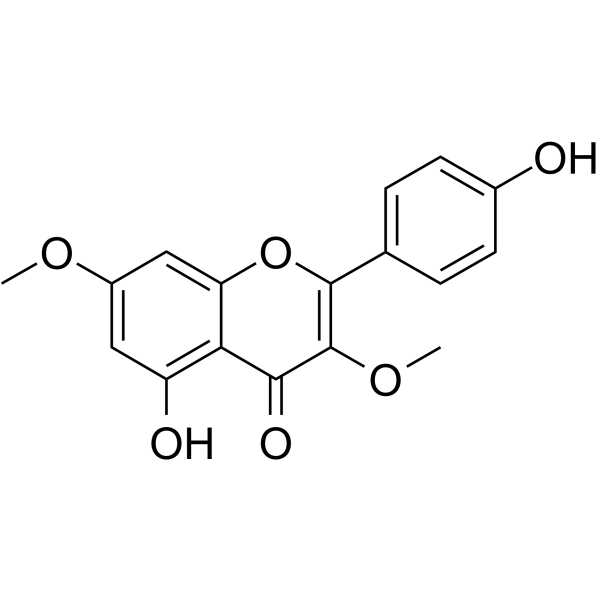
    Kumatakenin
    1 Publications Verification

    Apoptosis Autophagy Caspase Ferroptosis SARS-CoV Neurological Disease Inflammation/Immunology Cancer
    Kumatakenin is an orally active apoptosis inducer and autophagy inhibitor, with a Kd value of 2.94 μM for mouse ATG5. Kumatakenin increases the activities of caspase-3, caspase-8 and caspase-9, thereby inducing caspase-dependent apoptosis in ovarian cancer cells. Kumatakenin reduces the expression of chemokines and pro-oncogenic factors in ovarian cancer cells, and inhibits M2 macrophage polarization. Kumatakenin inactivates TRIM65 function, reduces the expression and stability of FASN, and thus inhibits the proliferation, migration, invasion and tumor progression of esophageal cancer cells. Kumatakenin interacts with ATG5 to reduce its protein level, decrease LC3 level, and reduce the number of autophagosomes in the hippocampus. Kumatakenin binds to Eno3 to upregulate its expression, reduce the stability and expression level of IRP1 mRNA, inhibit ferroptosis, alleviate intestinal inflammation, and restore epithelial barrier function. Kumatakenin enhances the efficacy of antibiotics against pathogenic bacteria, inhibits SARS-CoV-2 replication, and reduces cytokine production. Kumatakenin is applicable to research related to ovarian cancer, esophageal cancer, depression and colitis .
    Kumatakenin
  • HY-W012444

    Antibiotic Fungal Infection
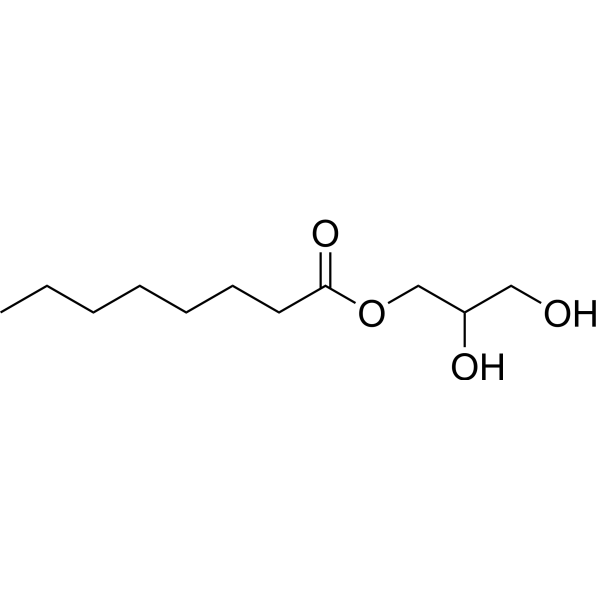
    Glyceryl 1-monooctanoate is a glycerol monolaurate derivative. Glyceryl 1-monooctanoate is a broad-spectrum antimicrobial, suppresses the growth of pathogenic yeast (Candida albicans and Candida parapsilosis), as well as Gram-positive (Staphylococcus aureus) and Gram-negative (Escherichia coli, Klebsiella pneumoniae) bacteria .
    Glyceryl 1-monooctanoate
  • HY-W012595

    Benzalacetone

    Environmental Pollutants Antibiotic Endogenous Metabolite Phospholipase Bacterial Tyrosinase Infection Metabolic Disease Inflammation/Immunology
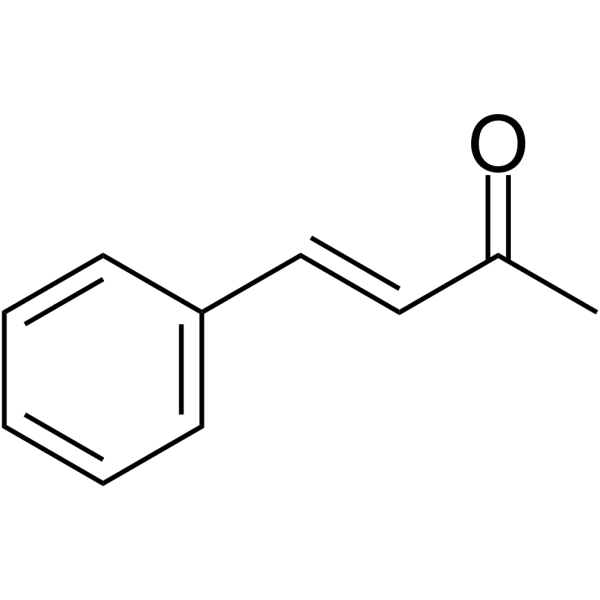
    Benzylideneacetone (Benzalacetone) is an orally active antibiotic, tyrosinase inhibitor, phospholipase A2 inhibitor, and immunosuppressant. Benzylideneacetone has antibacterial activity against some gram-negative plant-pathogenic bacteria. Benzylideneacetone can also be used in the synthesis of chemicals and drugs, and as a flavoring additive for some foods .
    Benzylideneacetone
  • HY-13451
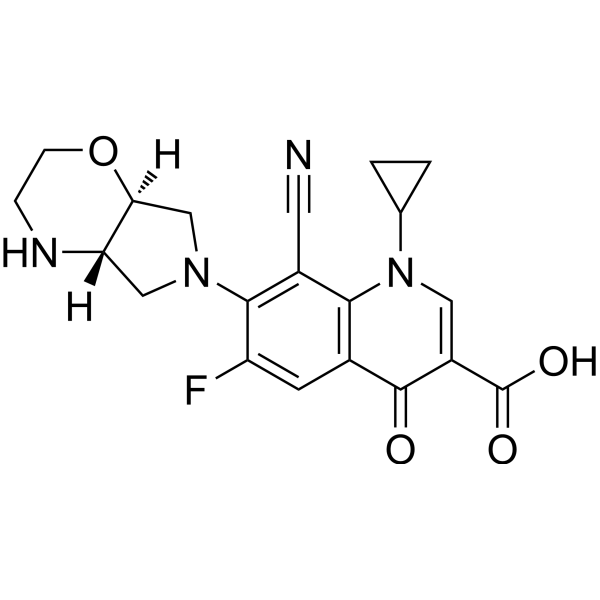
    Finafloxacin
    1 Publications Verification

    Antibiotic Bacterial Infection
    Finafloxacin is an orally active fourth-generation fluoroquinolone broad-spectrum antibiotic. Finafloxacin exhibits stronger antibacterial activity in acidic pH environments and is not easily affected by bacterial multidrug efflux transporters. Finafloxacin is effective against a variety of extracellular pathogenic bacteria, and can also accumulate in macrophages, showing excellent antibacterial activity against intracellular Staphylococcus aureus, Listeria monocytogenes, Legionella pneumophila, Burkholderia pseudomallei, and other pathogens. Finafloxacin has been approved by the U.S. FDA for research on acute otitis externa mediated by Pseudomonas aeruginosa. Finafloxacin is also used in studies related to diseases such as melioidosis, inhalational tularemia, and inhalational plague .
    Finafloxacin
  • HY-N2255
    Crebanine
    4 Publications Verification

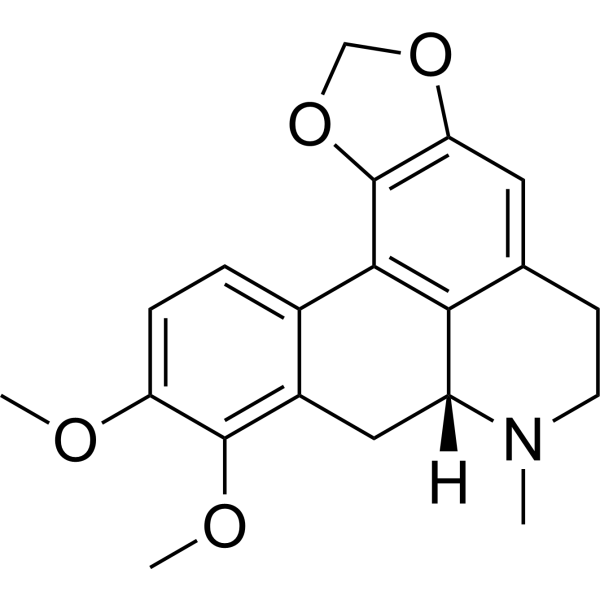
    Akt Apoptosis NF-κB Reactive Oxygen Species (ROS) p38 MAPK ERK Interleukin Related TNF Receptor NO Synthase nAChR Bacterial Cancer
    Crebanine is an isoquinoline-like alkaloid that can be derived from Stephania. Crebanine is an antagonist of the α7-nAChR with an IC50 of 19.1 μM. Crebanine suppresses the proliferation, migration, and invasion of cancer cells, triggers reactive oxygen species (ROS) burst, and promotes apoptosis. Crebanine inhibits the AKT/FoxO3a, NF-κB and MAPK signaling pathways. Crebanine attenuates NOX2 hyperactivation, exhibits antioxidant properties by reducing reactive oxygen species and peroxidation in microglia cells. Crebanine inhibits voltage-dependent Na + current in guinea-pig ventricular myocytes. Crebanine has high inhibitory activity against gram-positive animal pathogenic bacteria. Crebanine ameliorates ischemia-reperfusion brain damage in middle cerebral artery occlusion and reperfusion (MCAO/R) rats. Crebanine significantly improves Scopolamine (HY-N0296)-induced cognitive deficits in ICR mice. Crebanine can be used for the study of hepatocellular carcinoma (HCC), cerebral ischemia and Alzheimer's disease .
    Crebanine
  • HY-122280

    Endogenous Metabolite Infection
    Aerobactin is a siderophore produced by bacteria. Aerobactin is a highly potent pathogenic factor .
    Aerobactin
  • HY-W013755
    Dioctyl phthalate
    2 Publications Verification

    DNOP; Di-n-octyl phthalate; Phthalic acid dioctyl ester

    Biochemical Assay Reagents Aminotransferases (Transaminases) Phosphatase Bacterial Inflammation/Immunology
    Dioctyl phthalate (DNOP) is a plasticizer. Dioctyl phthalate increases the activities of alanine aminotransferase (ALT) and alkaline phosphatase (ALP) in the liver, as well as the levels of creatinine and urea in the kidney. Exposure to Dioctyl phthalate disrupts the homeostasis of the intestinal microbial community, increases the abundance of pathogenic bacteria, and reduces the abundance of beneficial bacteria such as Lactobacillus. Dioctyl phthalate induces significant and dose-dependent inflammatory responses in the liver, spleen and kidney of mice .
    Dioctyl phthalate
  • HY-W014141

    L-Ascorbic acid 5,6-acetonide

    Biochemical Assay Reagents Infection
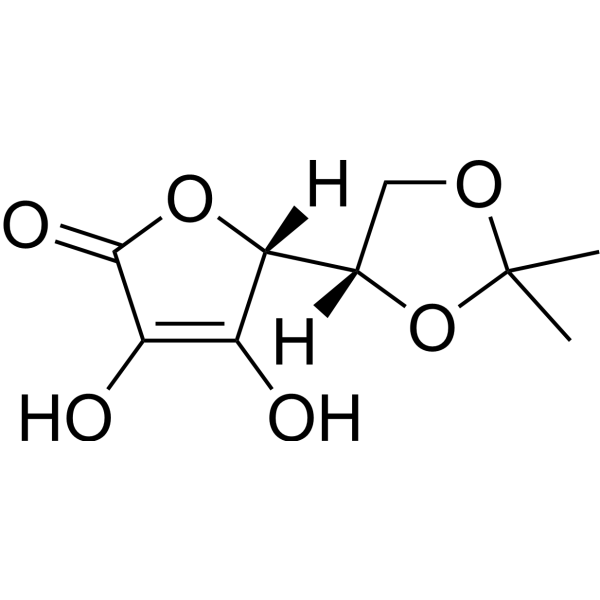
    5,6-O-Isopropylidene-L-ascorbic acid (L-Ascorbic acid 5,6-acetonide) is an organic compound and a derivative of L-ascorbic acid (vitamin C). 5,6-O-Isopropylidene-L-ascorbic acid inhibits biofilm formation by pathogenic bacteria. 5,6-O-Isopropylidene-L-ascorbic acid is applicable to studies related to bacterial infections .
    5,6-O-Isopropylidene-L-ascorbic acid
  • HY-17580S

    Isotope-Labeled Compounds DNA/RNA Synthesis Bacterial Apoptosis Antibiotic Infection
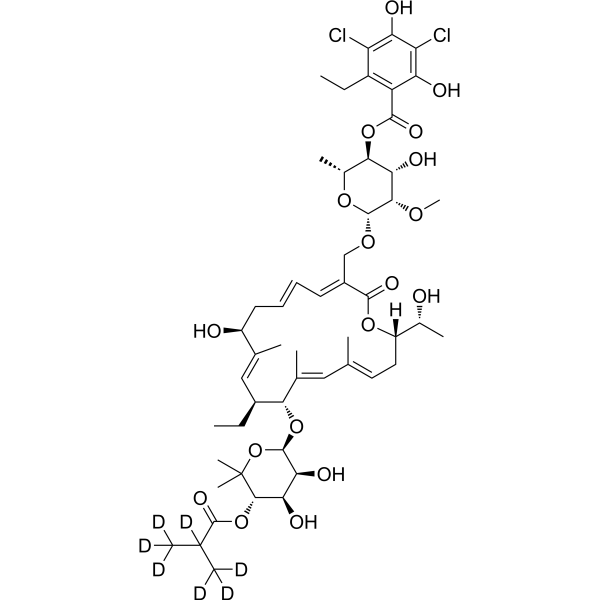
    Fidaxomicin-d7 (OPT-80-D7) is the deuterium labeled Fidaxomicin. Fidaxomicin (OPT-80), a macrocyclic RNA polymerase inhibitor, has a narrow spectrum of activity. Fidaxomicin selectively eradicates pathogenic Clostridium difficile with minimal disruption to the multiple species of bacteria that make up the normal, healthy intestinal flora .
    Fidaxomicin-d7
  • HY-168398

    Endogenous Metabolite Infection
    9(S),12(S),13(S)-TriHODE is a plant oxylipin and trihydroxylated fatty acid. 9(S),12(S),13(S)-TriHODE can be used in research on bacterial infection and fungal infection .
    9(S),12(S),13(S)-TriHODE
  • HY-123779

    Bacterial Fungal Infection
    RWJ-49815 is a histidine kinase inhibitor. RWJ-49815 inhibits the autokinase activity of purified GST-Sln1 and the autophosphorylation of KinA in vitro. RWJ-49815 acts as a fungal growth inhibitor . RWJ-49815 serves as a bactericide against Gram-positive pathogenic bacteria. RWJ-49815 is applicable to research related to fungal infections and Gram-positive bacterial infections .
    RWJ-49815
  • HY-B2233A

    Biochemical Assay Reagents Adrenergic Receptor Cardiovascular Disease Neurological Disease Inflammation/Immunology
    Calcium phosphorylcholine chloride, 98% is the main phospholipid component in eukaryotic biofilms. Calcium phosphorylcholine chloride, 98% exists in commensal or pathogenic bacteria associated with eukaryotes in prokaryotes. Calcium phosphorylcholine chloride, 98% exhibits a surprising range of immunomodulatory properties .
    Calcium phosphorylcholine chloride, 98%
  • HY-N14257

    Bacterial Antibiotic Acetyl-CoA Carboxylase Infection
    Andrimid is a peptide Antibiotic and acetyl-CoA carboxylase inhibitor. Andrimid is produced by symbiotic bacteria of the genus *Enterobacter* residing in the brown planthopper Nilaparvata lugens. Andrimid exhibits strong specific activity against Xanthomonas campestris pv. oryzae. Andrimid shows no or only weak activity against Gram-positive and Gram-negative bacteria, including most plant pathogenic bacteria. Andrimid can be used in studies related to bacterial infections and rice bacterial blight .
    Andrimid
  • HY-B2233AS

    Phosphocholine-d9 chloride calcium

    Endogenous Metabolite Isotope-Labeled Compounds Adrenergic Receptor Cardiovascular Disease Neurological Disease Inflammation/Immunology
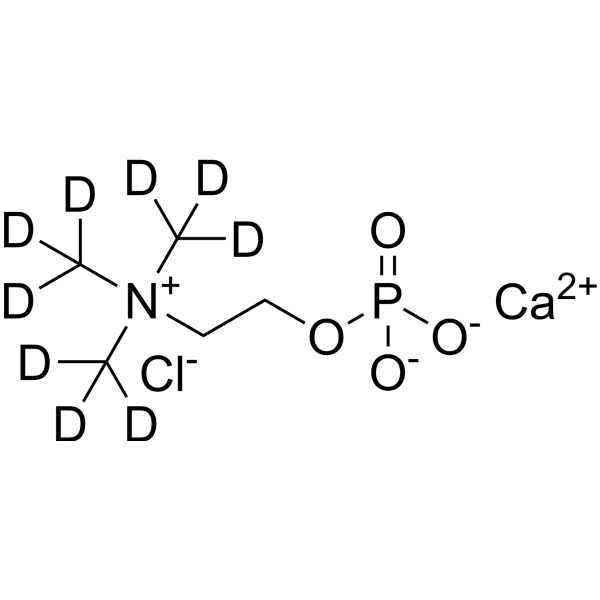
    Calcium phosphorylcholine-d9 (chloride) is the deuterium labeled Calcium phosphorylcholine chloride. Calcium phosphorylcholine chloride is the main phospholipid component in eukaryotic biofilms. Calcium phosphorylcholine chloride exists in commensal or pathogenic bacteria associated with eukaryotes in prokaryotes. Calcium phosphorylcholine chloride exhibits a surprising range of immunomodulatory properties .
    Calcium phosphorylcholine-d9 chloride
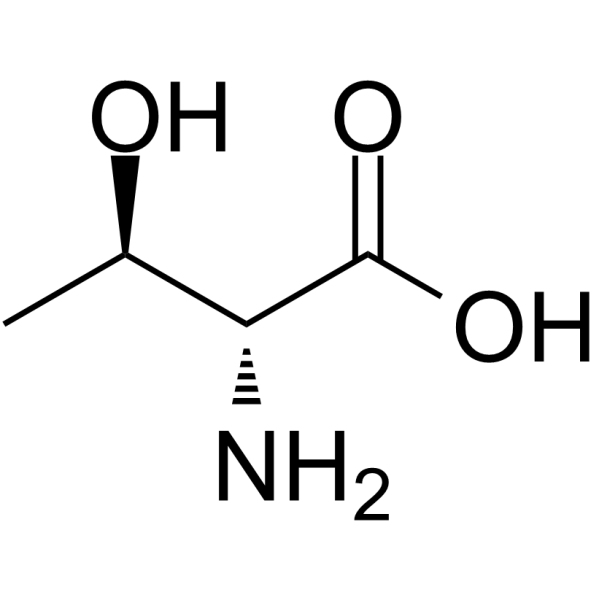
  • HY-W001959

    Endogenous Metabolite Metabolic Disease
    D-Allothreonine is the D stereoisomer of Allothreonine. D-Allallreonine is a peptide lipid derived from bacteria. D-Allothreonine can be specifically oxidized by D-amino acid oxidase, while the L configuration has no reaction. D-Allallreonine is also a component of bacterial polysaccharides. D-Allallreonine can be used for researching bacterial pathogenicity, antigenic diversity and drug resistance .
    D-Allothreonine
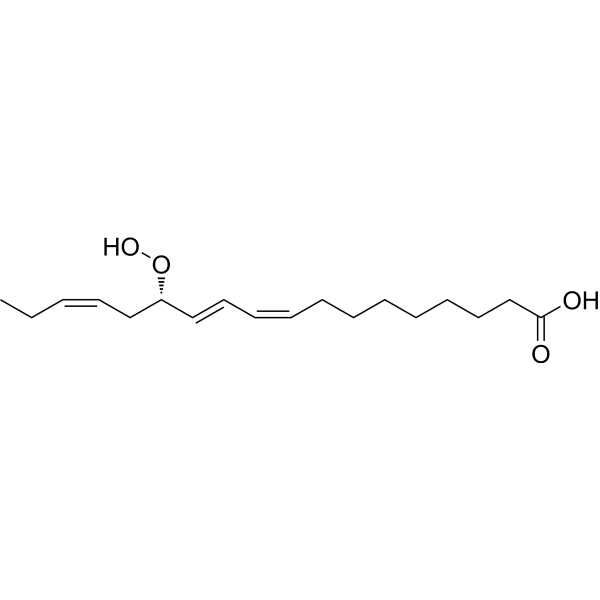
  • HY-130323

    Bacterial Infection
    13-HPOT is a linolenic acid hydroperoxide and an antibacterial agent. 13-HPOT interacts with lipid representatives of bacterial inner membranes. 13-HPOT exerts dose-dependent in vitro antibacterial activity against Pectobacterium carotovorum, Pseudomonas syringae pv. syringae DC3000, and Xanthomonas translucens pv. translucens .
    13-HPOT
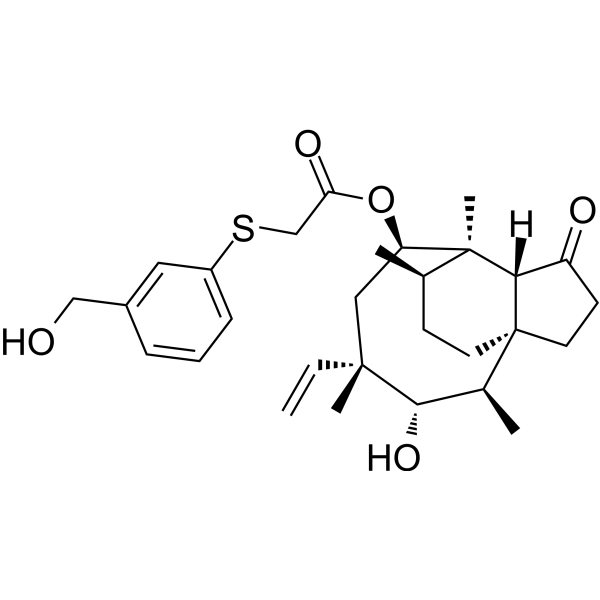
  • HY-113640

    Bacterial Infection
    BC-7013 is a novel semi-synthetic pleuromutilin derivative. BC-7013 has excellent activity against Gram-positive pathogenic bacteria. BC-7013 exhibits potent antibacterial properties against both Staphylococcus, Streptococcus and penicillin-resistant Streptococcus pneumoniae. BC-7013 has activity against Gram-positive pathogenic bacteria, BC-7013 is useful in the research of acute bacterial skin and skin structure infection (ABSSSI) .
    BC-7013
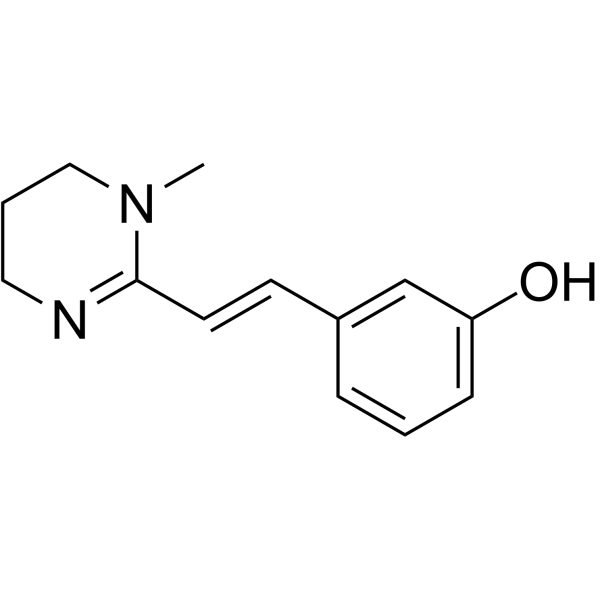
  • HY-124498

    CP-14445

    Parasite Infection
    Oxantel (CP-14445) is an anthelmintic agent that potently against Trichuris muris. Oxantel inhibits fumarate reductase (Frd) activity in some pathogenic bacteria and inhibits P. gingivalis homotypic biofilm formation (IC50 of 2.2 μM) .
    Oxantel
  • HY-P5600

    Bacterial Infection
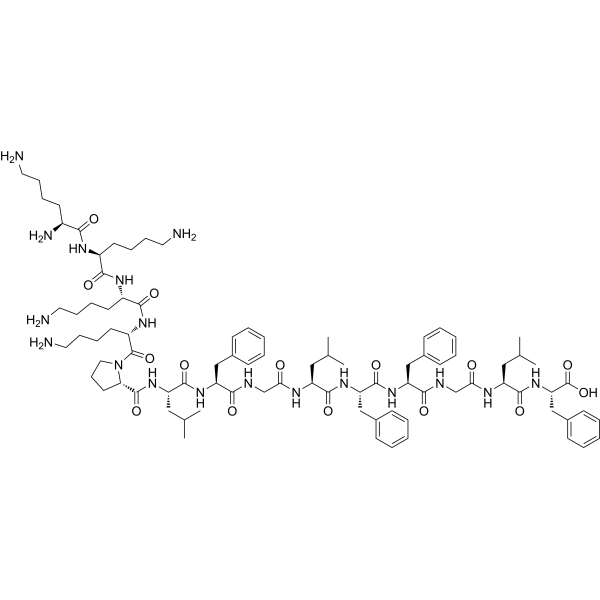
    The K4 peptide is an antimicrobial peptide with strong activity against Gram-positive and Gram-negative bacteria, including human pathogenic bacteria, such as Staphylococcus aureus and Marine Vibrio bacteria .
    The K4 peptide
  • HY-B0396A

    L084 hydrochloride

    Penicillin-binding protein (PBP) Bacterial Antibiotic Infection
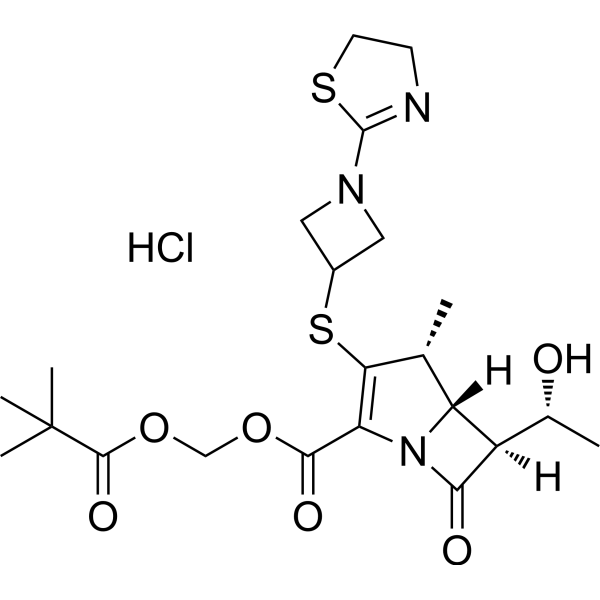
    Tebipenem pivoxil (L084) hydrochloride is an orally active antibiotic against a variety of pathogenic bacteria. Tebipenem pivoxil hydrochloride binds penicillin-binding protein (PBP), thereby inhibiting cell wall synthesis .
    Tebipenem pivoxil hydrochloride
  • HY-105751

    Kalamycin; U-19718

    Antibiotic Bacterial Beta-lactamase Fungal Infection
    Kalafungin is an antibiotic, antimicrobial agent and a β-lactamase inhibitor from marine Streptomyces, with IC50 of 225.37 μM. Kalafungin destroys cell membranes. Kalafungin shows inhibitory activities against a variety of pathogenic fungi, yeasts, protozoa, gram-positive bacteria (such as S. aureus ATCC 33591 and S. aureus ATCC 23591), and, to a lesser extent, gram-negative bacteria .
    Kalafungin
  • HY-125721

    Fungal Bacterial Antibiotic Infection
    Tetranactin is an orally active antibiotic that has insecticidal properties and can inhibit the growth of Gram-positive bacteria and plant pathogenic fungal in vitro. Tetranactin LD50 for intraperitoneal injection in mice is greater than 300 mg/kg, and the LD50 is greater than 15,000 mg/kg .
    Tetranactin
  • HY-101136

    AT-265

    Antibiotic Carbonic Anhydrase Bacterial Infection
    Dealanylascamycin (AT-265) (Compound 2) is a nucleoside antibiotic. AT 265 is a carbonic anhydrase (CA) inhibitor, with Ki values of 167, 65.2, 234, and 143 nM for hCA I, hCA II, hCA IV, and hCA IX respectively. Dealanylascamycin is the active form of Ascamycin (HY-121071). Dealanylascamycin exhibits broad-spectrum antibacterial activity and is effective against pathogenic bacteria such as Xanthomonas citri (MIC = 0.4 μg/mL). Dealanylascamycin has high cytotoxicity .
    Dealanylascamycin
  • HY-N14133

    Bacterial Infection
    Enaminomycin A has activity against Gram-positive bacteria, Gram-negative bacteria and plant pathogenic fungi (weak), and it has the inhibitory effect of L-1210 .
    Enaminomycin A
  • HY-157381

    Biochemical Assay Reagents Others
    China Blue Lactose Agar is a weakly selective medium used for the selective isolation of intestinal pathogenic bacteria.
    China Blue Lactose Agar
  • HY-120315

    Bacterial Infection
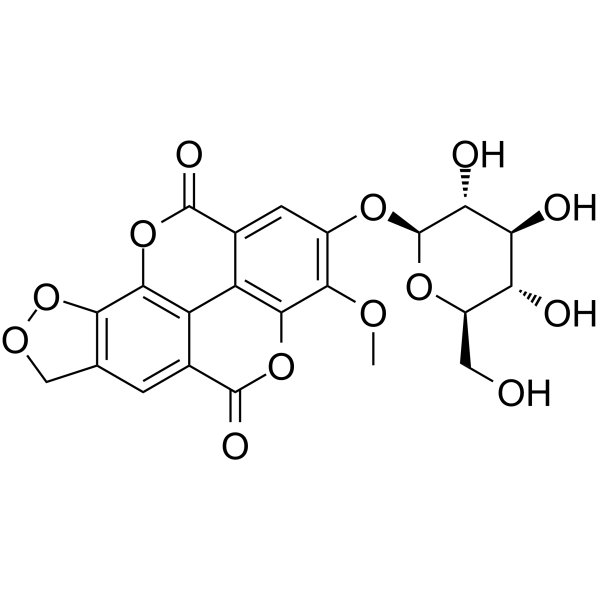
    Nyssoside, a ellagic acid derivative, has significant antioxidant activity and shows antibacterial activity against different pathogenic bacteria .
    Nyssoside
  • HY-N8474

    Others Others
    Pyrenocine A is an acyl phytotoxin isolated from plant pathogenic fungi .
    Pyrenocine A
  • HY-157371

    Biochemical Assay Reagents Others
    Blood Agar Base can be used to isolate pathogenic bacteria with high nutritional requirements. Blood Agar Base ingredients include tryptone, soy peptone, sodium chloride, and agar .
    Blood Agar Base
  • HY-116639

    Bacterial Infection Cancer
    Javanicin is an antibacterial agent with certain antibacterial activity against pathogenic bacteria such as Bacillus megaterium, Staphylococcus aureus, Salmonella typhi, and Escherichia coli. Javanicin has weak cytotoxicity against the human lung cancer cell line .
    Javanicin
  • HY-P10411

    Bacterial Infection
    BING is an antimicrobial peptide that can be isolated from Japanese medaka fish. BING shows a broad-spectrum toxicity against pathogenic bacteria including drug-resistant strains. BING induces a deregulation of periplasmic peptidyl-prolyl isomerases in gram-negative bacteria, and reduces the RNA level of cpxR, which plays a crucial role in the development of antimicrobial resistance .
    BING
  • HY-157370

    Biochemical Assay Reagents Others
    Blood Enrichment Medium can be used for enrichment culture of pathogenic bacteria in blood. Blood Enrichment Medium ingredients include peptone, beef extract powder, NaCl, glucose, sodium citrate, para-aminobenzoic acid, magnesium sulfate, phenol red .
    Blood Enrichment Medium
  • HY-B2233BR

    Phosphocholine (Standard)

    Endogenous Metabolite Adrenergic Receptor Reference Standards Cardiovascular Disease Neurological Disease Inflammation/Immunology
    Phosphorylcholine (Standard) is the analytical standard of Phosphorylcholine. This product is intended for research and analytical applications. Phosphatidylcholine is the main phospholipid component in eukaryotic biofilms. Phosphatidylcholine exists in commensal or pathogenic bacteria associated with eukaryotes in prokaryotes. Phosphorylcholine exhibits a surprising range of immunomodulatory properties .
    Phosphorylcholine (Standard)
  • HY-162256

    Fungal Infection
    Antibacterial agent 184 (compound 4j) is a fungal inhibitor that is toxic to the plant pathogenic fungus Sclerotinia sclerotiorum. Antibacterial agent 184 can effectively inhibit Sclerotinia sclerotiorum (IR>97%) .
    Antibacterial agent 184
  • HY-B2233R

    Phosphocholine chloride (Standard)

    Endogenous Metabolite Adrenergic Receptor Reference Standards Cardiovascular Disease Neurological Disease Inflammation/Immunology
    Phosphorylcholine (chloride) (Standard) is the analytical standard of Phosphorylcholine (chloride). This product is intended for research and analytical applications. Phosphorylcholine chloride (Phosphocholine chloride) is the main phospholipid component in eukaryotic biofilms. Phosphorylcholine chloride exists in commensal or pathogenic bacteria associated with eukaryotes in prokaryotes. Phosphorylcholine chloride exhibits a surprising range of immunomodulatory properties .
    Phosphorylcholine chloride (Standard)
  • HY-107120

    Drug Derivative Antibiotic Bacterial Infection
    CB-182804, Polymyxin B (HY-149179) analogue, is a polypeptide antibiotic. CB-182804 has inhibitory activity against all Gram-negative pathogenic bacteria, including Escherichia coli, Klebsiella pneumoniae, Acinetobacter baumannii, and Pseudomonas aeruginosa with MIC50 values of 2 μg/mL. CB-182804 is mainly used for the research on refractory infections caused by multidrug-resistant (MDR) Gram-negative bacteria .
    CB-182804
  • HY-N15359

    Bacterial Infection
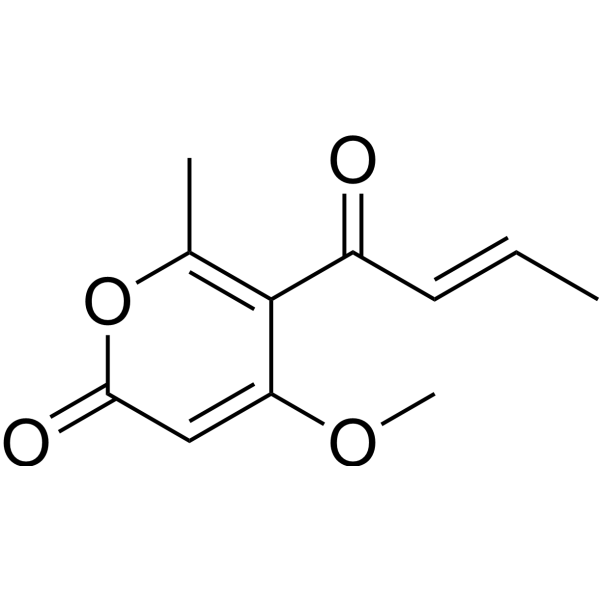
    Germicidin C is a microbial metabolite with antibacterial activity, which is found in the marine sponge-derived fungus Aspergillus niger. Germicidin C can inhibit the growth of various pathogenic bacteria such as Staphylococcus aureus, Escherichia coli, and Bacillus subtilis with MIC values ranging from 32 to 64 µg/mL .
    Germicidin C
  • HY-115965

    Bacterial Antibiotic Infection
    VP-4604 is a potent anti-methicillin-resistant Staphylococcus aureus (MRSA) agent. VP-4604 exhibits significant microbial growth inhibition toward Staphylococcus aureus (ATCC 43300) with MIC of 4-8 µg/mL. VP-4604 inhibits the growth of methicillin‐resistant Staphylococcus aureus with growth inhibition >95% .
    VP-4604
  • HY-115965R

    Reference Standards Bacterial Antibiotic Infection
    VP-4604 (Standard) is the analytical standard of VP-4604. This product is intended for research and analytical applications. VP-4604 is a potent anti-methicillin-resistant Staphylococcus aureus (MRSA) agent. VP-4604 exhibits significant microbial growth inhibition toward Staphylococcus aureus (ATCC 43300) with MIC of 4-8 μg/mL. VP-4604 inhibits the growth of methicillin‐resistant Staphylococcus aureus with growth inhibition >95%[1].
    VP-4604 (Standard)
  • HY-115964

    Bacterial Antibiotic Infection
    VP-4556 is a potent anti-methicillin-resistant Staphylococcus aureus (MRSA) agent. VP-4556 exhibits significant microbial growth inhibition toward Staphylococcus aureus (ATCC 43300) with MIC of 8 µg/mL. VP-4556 inhibits the growth of methicillin‐resistant Staphylococcus aureus with growth inhibition >95% .
    VP-4556
  • HY-B0396R

    L084 (Standard)

    Penicillin-binding protein (PBP) Reference Standards Bacterial Antibiotic Infection
    Tebipenem pivoxil (Standard) is the analytical standard of Tebipenem pivoxil. This product is intended for research and analytical applications. Tebipenem pivoxil (L084) is an orally active antibiotic against a variety of pathogenic bacteria. Tebipenem pivoxil binds penicillin-binding protein (PBP), thereby inhibiting cell wall synthesis[1].
    Tebipenem pivoxil (Standard)
  • HY-W012595R

    Benzalacetone (Standard)

    Reference Standards Endogenous Metabolite Antibiotic Bacterial Tyrosinase Phospholipase Infection Metabolic Disease Inflammation/Immunology
    Benzylideneacetone (Standard) is the analytical standard of Benzylideneacetone. This product is intended for research and analytical applications. Benzylideneacetone (Benzalacetone) is an orally active antibiotic, tyrosinase inhibitor, phospholipase A2 inhibitor, and immunosuppressant. Benzylideneacetone has antibacterial activity against some gram-negative plant-pathogenic bacteria. Benzylideneacetone can also be used in the synthesis of chemicals and drugs, and as a flavoring additive for some foods .
    Benzylideneacetone (Standard)
  • HY-B1344R

    Oxantel embonate (Standard)

    Reference Standards Parasite Infection
    Oxantel pamoate (Standard) (Oxantel embonate (Standard)) is the analytical standard of Oxantel pamoate (HY-B1344). This product is intended for research and analytical applications. Oxantel pamoate (Oxantel embonate) is an anthelmintic agent that potently against Trichuris muris. Oxantel pamoate inhibits fumarate reductase (Frd) activity in some pathogenic bacteria and inhibits P. gingivalis homotypic biofilm formation (IC50 of 2.2 μM).
    Oxantel pamoate (Standard)

온라인 문의

Your information is safe with us. * Required Fields.

호칭


Country or Region *

고객명 *


회사명 *

Department *


메일주소 *


상품명 *

Cat. No.


Requested quantity *

전화번호 *


비고

온라인 문의

Inquiry Information

상품명:
Cat. No.:
수량:
MCE Japan Authorized Agent: