



Phosphorylcholine
Based on 13 publication(s) in Google Scholar
Phosphatidylcholine is the main phospholipid component in eukaryotic biofilms. Phosphatidylcholine exists in commensal or pathogenic bacteria associated with eukaryotes in prokaryotes. Phosphorylcholine exhibits a surprising range of immunomodulatory properties.
商品は「研究用試薬」です。人や動物の医療用・臨床診断用・食品用の製品ではありません。
研究用途以外に使用した場合、当社は一切の責任を負いかねます。
- 純度 : 98.0%
- CAS 番号: 3616-04-4
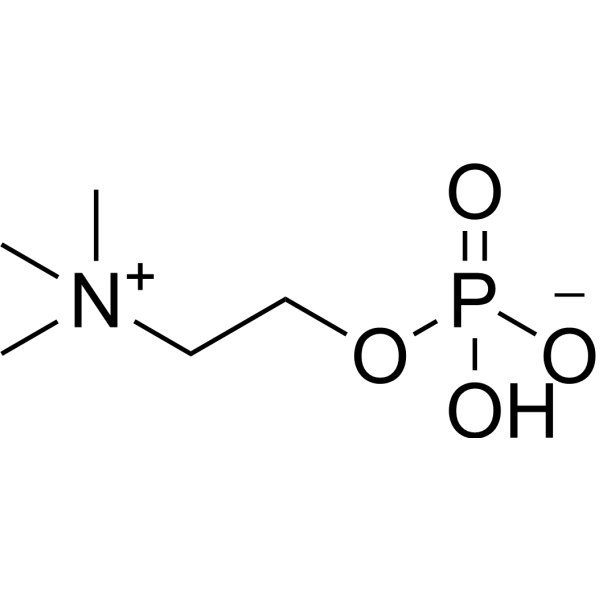
- 分子式: C5H14NO4P
- 分子量:183.14
-
保管条件:
4°C, stored under nitrogen
* In solvent : -80°C, 6 months; -20°C, 1 month (stored under nitrogen)

To place orders, for customer services and technical support, please contact: MedChemExpress USA
Tel: 609-228-6898 E-mail: [email protected] [email protected]


-
 生物活性
生物活性
-
化学情報
-
溶剤 & 溶解度
- 純度とドキュメンテーション
- 参考文献
-
 Help & FAQs


-
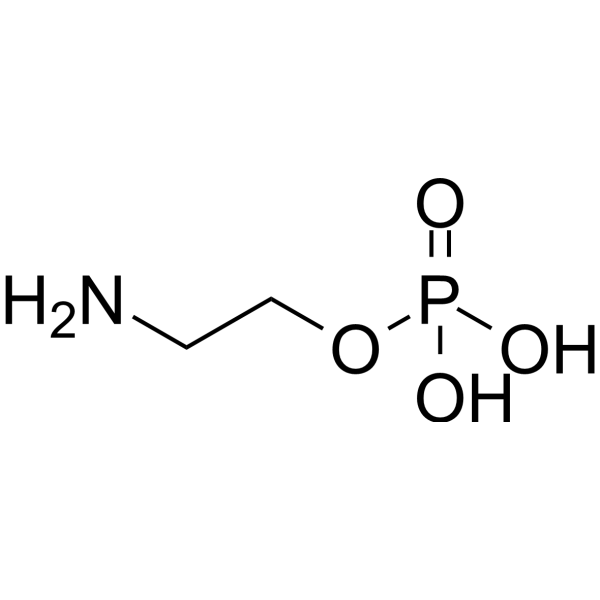
HY-N5034
PhosphorylethanolamineEndogenous Metabolite -
HY-113498
SphingomyelinEndogenous Metabolite -
HY-W250118
Cephalin form bovine brainBiochemical Assay Reagent -
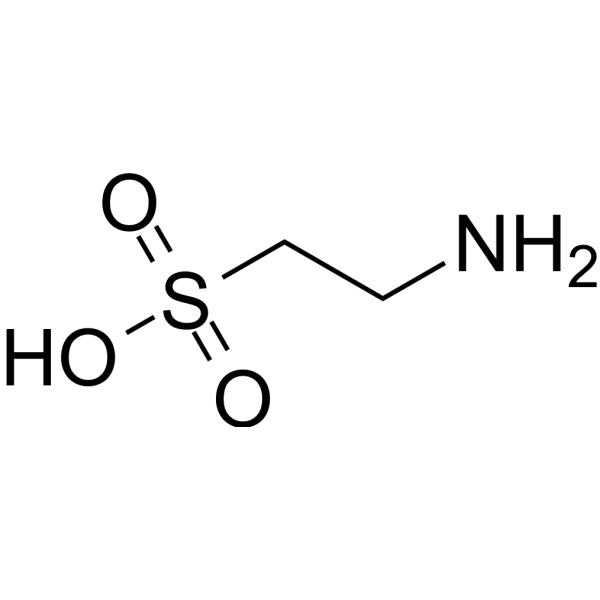
HY-B0351
TaurineAutophagy Inducer -
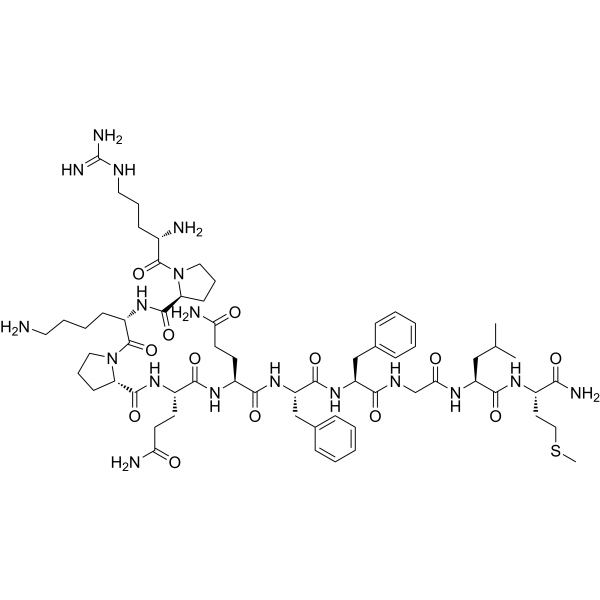
HY-P0201
Substance PNeurotransmitter -
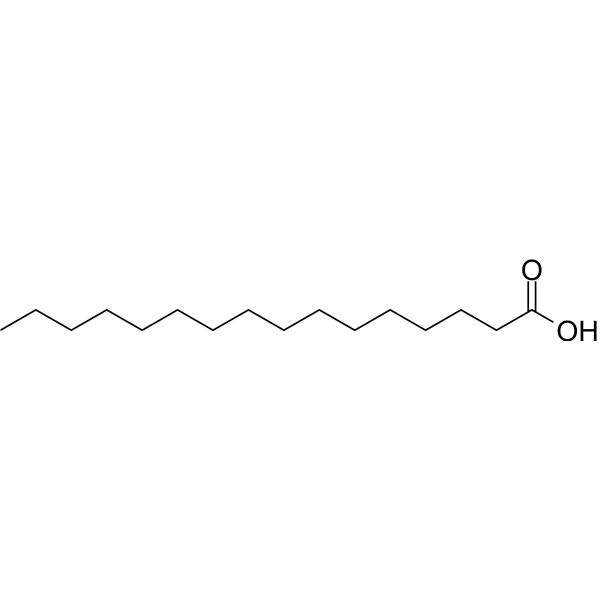
HY-N0830
Palmitic acidEndogenous Metabolite -
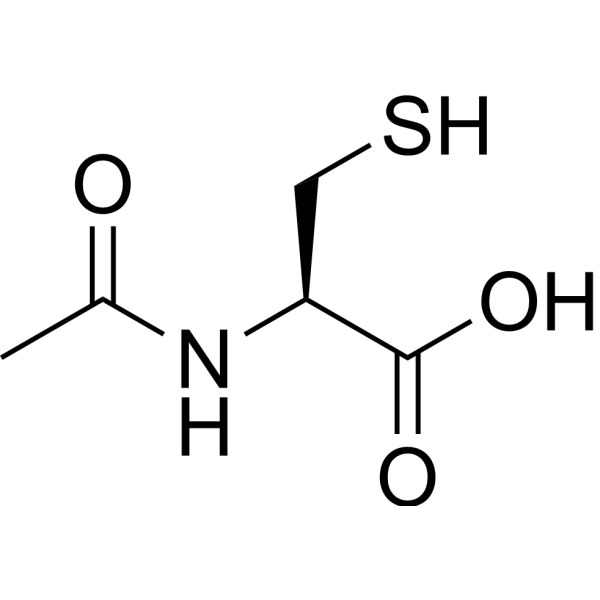
HY-B0215
AcetylcysteineMucolytic Agent -
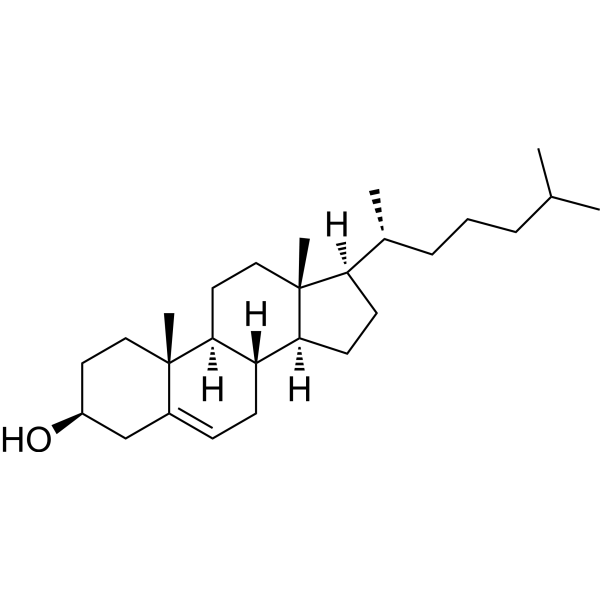
HY-N0322
Cholesterol (from animal)ERRα Agonist -
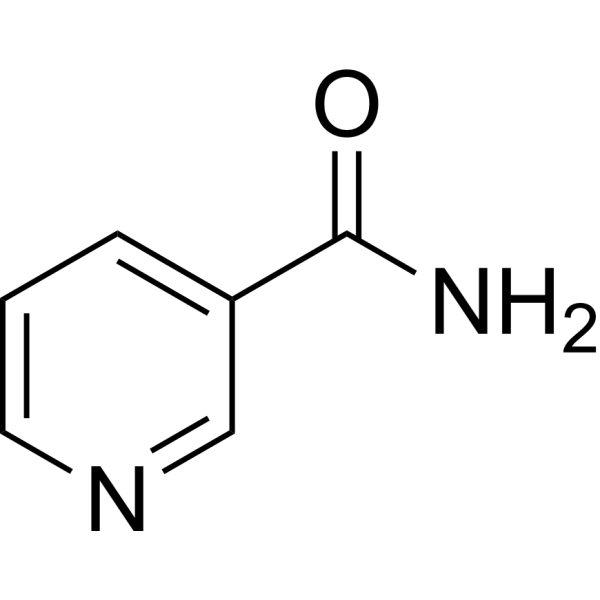
HY-B0150
NicotinamideSIRT Inhibitor -
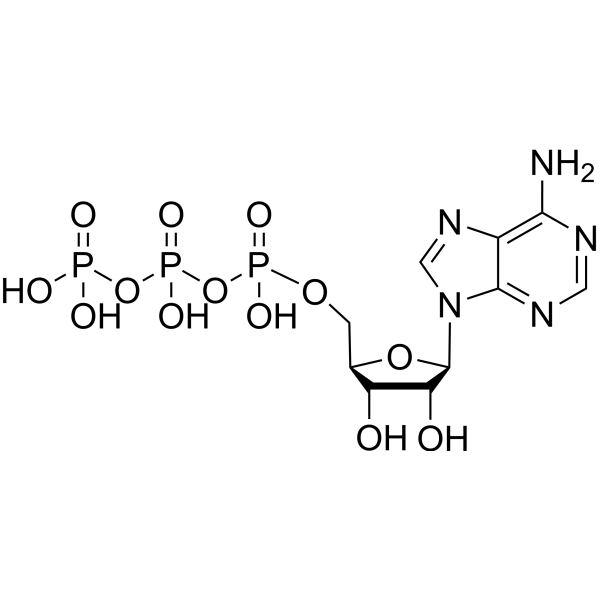
HY-B2176
ATPEndogenous Metabolite -
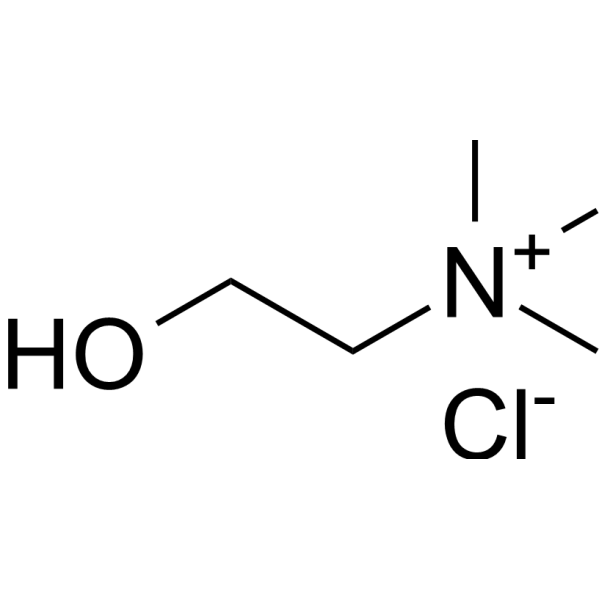
HY-B1337
Choline chlorideBronchodilator -
HY-N0650
L-SerineAmino Acid
MedChemExpress(MCE)の使用を引用している文献 Phosphorylcholine
More- Nature. 2025 Jul;643(8070):192-200. [Abstract]
- Cell Metab. 2026 Feb 3;38(2):316-330.e8. [Abstract]
- Immunity. 2025 Nov 11;58(11):2670-2684.e10. [Abstract]
- Nat Commun. 2023 Mar 24;14(1):1631. [Abstract]
- Microbiome. 2025 Apr 2;13(1):90. [Abstract]
- Adv Sci (Weinh). 2025 Jan;12(4):e2411276. [Abstract]
- NPJ Biofilms Microbiomes. 2023 Sep 4;9(1):62. [Abstract]
- Anal Chem. 2025 May 13;97(18):9827-9835. [Abstract]
- Virulence. 2025 Dec;16(1):2490208. [Abstract]
- JCI Insight. 2021 Oct 22;6(20):e151911. [Abstract]
- J Physiol Biochem. 2022 May;78(2):355-363. [Abstract]
- bioRxiv. 2026 Jun 28.
- Patent. US20250160318A1.
 Customer Validation & Images

-
WB
-
ELISA
-
Bio/Physico-chemical Assay
-
In Vivo Efficacy Study
-
In Vivo Efficacy Study
Endogenous Metabolite アイソフォーム固有の製品をすべて表示
MoreAdrenergic Receptor アイソフォーム固有の製品をすべて表示
More

生物活性
製品説明
IC50 & Target
|
Human Endogenous Metabolite |
Microbial Metabolite |
体外実験
Phosphorylcholine is a component of drug delivery micelles, which improves the efficiency of cellular internalization and increases the cytotoxicity of cytotoxins carried in micelles in HeLa cells[2].
MedChemExpress (MCE) has not independently confirmed the accuracy of these methods. They are for reference only. .
体内実験
Phosphorylcholine (2 μg; ip; once every two weeks for 4 months) induces the production of anti-PC and anti-oxLDL antibodies, increases mature B cells in the spleen, and reduces atherosclerotic lesions in the aortic root in mouse models[4].
MedChemExpress (MCE) has not independently confirmed the accuracy of these methods. They are for reference only.
-
Animal Model:Sprague Dawley rats model[3]
-
Dosage:200-600 μmol/kg
-
Administration:ip; single dose
-
Result:Increased plasma glucagon and choline concentration.
-
Animal Model:apoE knockout mouse model[4]
-
Dosage:2 μg
-
Administration:ip; once every two weeks for 4 months
-
Result:Induced anti-PC and anti-oxLDL antibodies, reduced atherosclerotic lesions.


化学情報
-
CAS 番号 3616-04-4
-
性状 Oil
-
分子量 183.14
-
分子式 C5H14NO4P
-
Color Colorless to light yellow
-
SMILES
O=P(OCC[N+](C)(C)C)([O-])O
-
別名
Phosphocholine
-
Structure Classification
-
Initial Source
a variety of prokaryotic and eukaryotic pathogens
-
輸送条件
Room temperature in continental US; may vary elsewhere.
-
保管条件
4°C, stored under nitrogen
* In solvent : -80°C, 6 months; -20°C, 1 month (stored under nitrogen)


Publications (13)
-
Journal Impact Factor
-
Most Recent
-
Nature
2025 Jul;643(8070):192-200. PMID: 39695227 -
Cell Metab
Endometrial stromal cell-derived TMAO sustains decidualization to prevent recurrent spontaneous abortion. [Abstract]2026 Feb 3;38(2):316-330.e8. PMID: 41512878 -
Immunity
Membrane integrity changes upon viral infection activate sphingomyelinase SMPDL3B to restrict cGAS-STING signaling via cGAMP degradation. [Abstract]2025 Nov 11;58(11):2670-2684.e10. PMID: 41175872
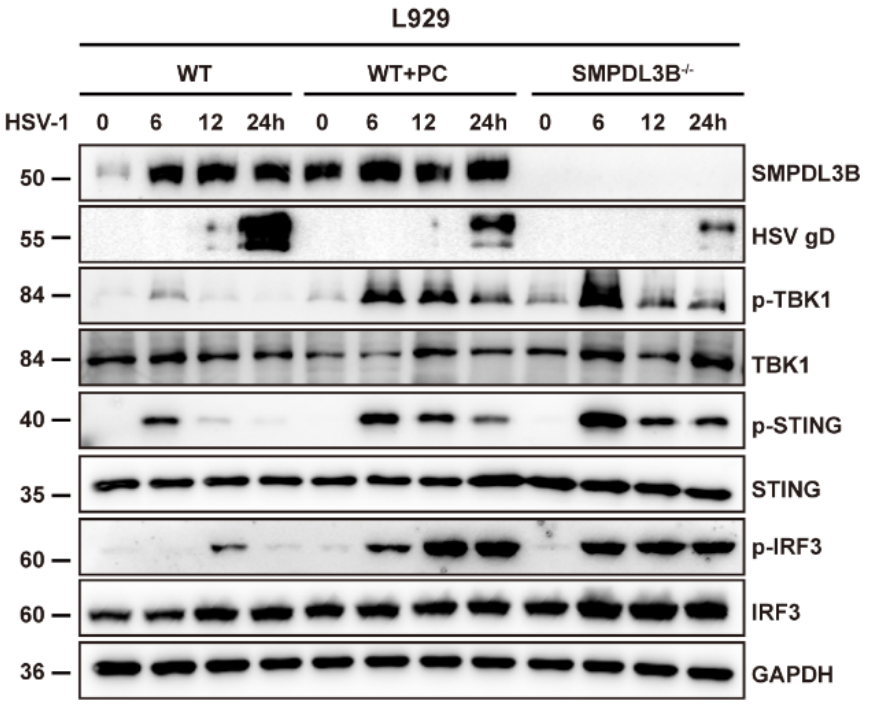
Phosphorylcholine purchased from MedChemExpress. Usage Cited in: Immunity. 2025 Nov 11;58(11):2670-2684.e10. [Abstract]
Phosphorylcholine (PC, 10 μM; 24 h) increased HSV-1-induced cGAS-STING signaling and reduced HSV-1 replication in L929 cells.
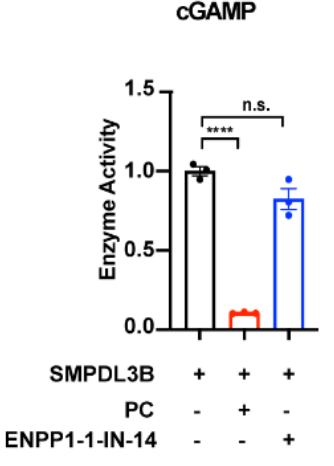
Phosphorylcholine purchased from MedChemExpress. Usage Cited in: Immunity. 2025 Nov 11;58(11):2670-2684.e10. [Abstract]
SMPDL3B (5 μM) were pre-incubated with Phosphorylcholine (PC, 100 μM) or ENPP1-1-IN-14 (100 μM) at 4°C for 30 min, and then incubated with cGAMP (100 μM) at 37°C for 3 h. The concentration of cGAMP was examined by cGAMP ELISA kit.
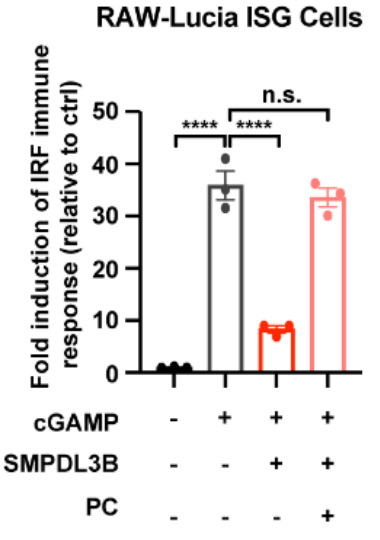
Phosphorylcholine purchased from MedChemExpress. Usage Cited in: Immunity. 2025 Nov 11;58(11):2670-2684.e10. [Abstract]
SMPDL3B was pre-incubated with or without Phosphorylcholine (PC, 10 μM) at 4°C for 1 h, and then incubated with or without cGAMP (100 μM) at 37°C for 4 h. RAW-Lucia ISG cells were stimulated with the above reaction products (50-fold dilution) for 24 h and the ISRE reporter activity was assessed following the standard protocol.
-
Nat Commun
Immunotherapy targeting plasma ASM is protective in a mouse model of Alzheimer's disease. [Abstract]2023 Mar 24;14(1):1631. PMID: 36959217 -
Microbiome
Faecalibacterium prausnitzii-derived outer membrane vesicles reprogram gut microbiota metabolism to alleviate Porcine Epidemic Diarrhea Virus infection. [Abstract]2025 Apr 2;13(1):90. PMID: 40176190
Phosphorylcholine purchased from MedChemExpress. Usage Cited in: Microbiome. 2025 Apr 2;13(1):90. [Abstract]
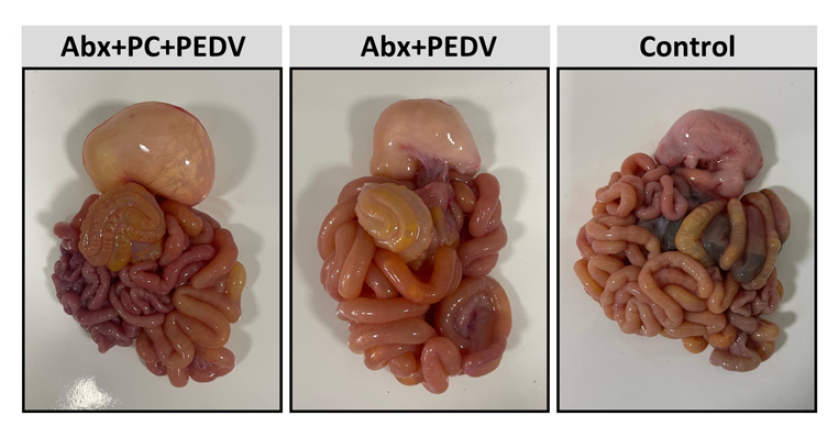
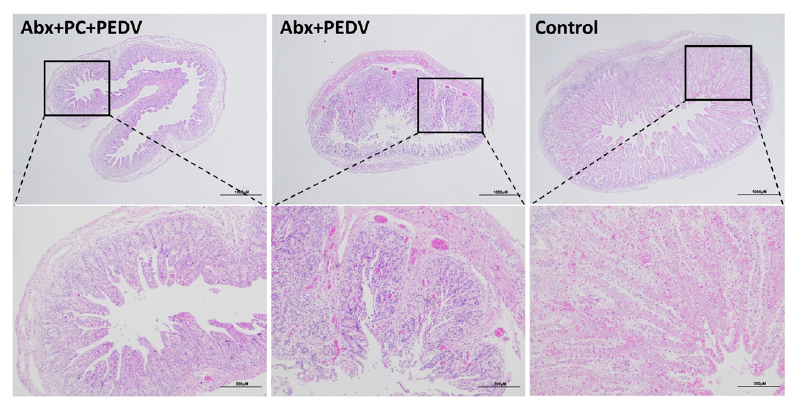
The pig intestines of the Phosphorylcholine (PC) (10 mg/kg; once daily for 8 days) pretreatment group exhibited mild congestion and edema in gut appearance, while the PEDV group showed obvious lesions and severe congestion and edema.
Phosphorylcholine purchased from MedChemExpress. Usage Cited in: Microbiome. 2025 Apr 2;13(1):90. [Abstract]
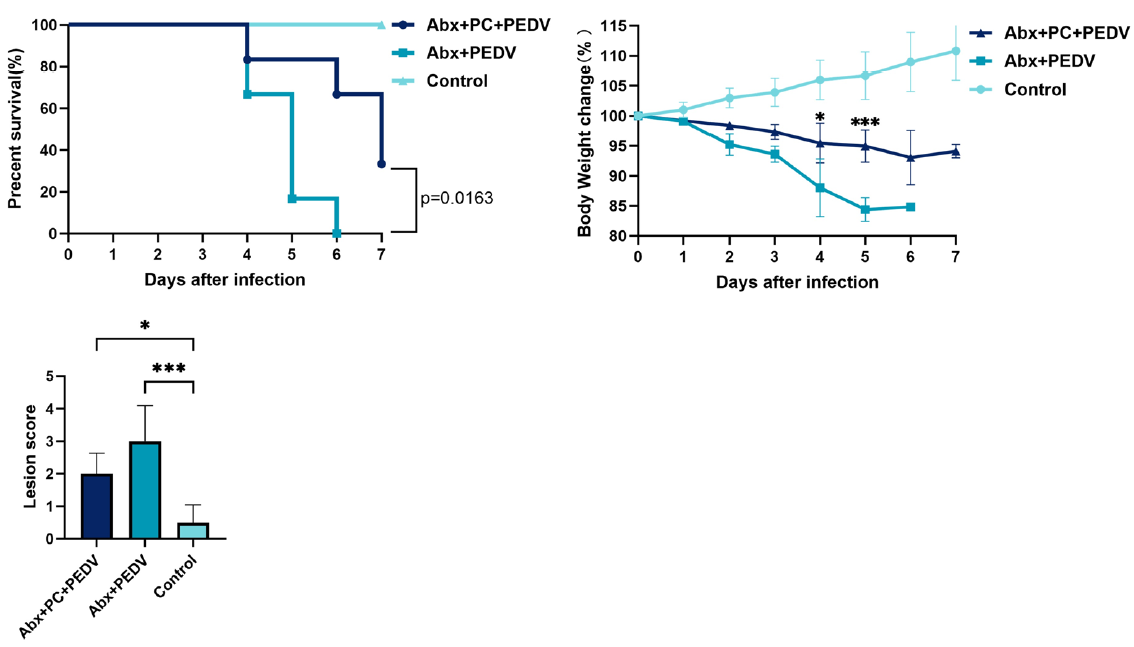
Phosphorylcholine (PC) (10 mg/kg; once daily for 8 d) mitigated the negative impacts of intestinal virus, as evidenced by improved survival rates and body weight changes, and alleviated broken villi and extensive epithelial cell shedding in piglets.
Phosphorylcholine purchased from MedChemExpress. Usage Cited in: Microbiome. 2025 Apr 2;13(1):90. [Abstract]
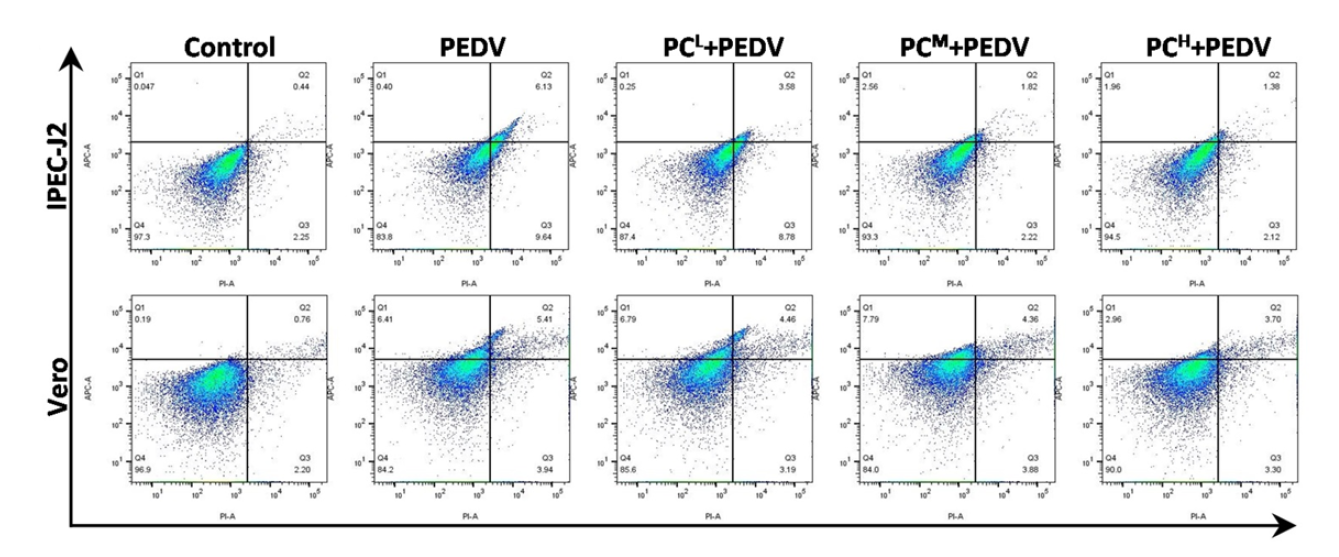
Phosphorylcholine (PC) (1, 5, and 10 μM; 24 h) treatment at different concentrations inhibited PEDV-induced cell death in both IPEC-J2 and Vero cells.
Phosphorylcholine purchased from MedChemExpress. Usage Cited in: Microbiome. 2025 Apr 2;13(1):90. [Abstract]
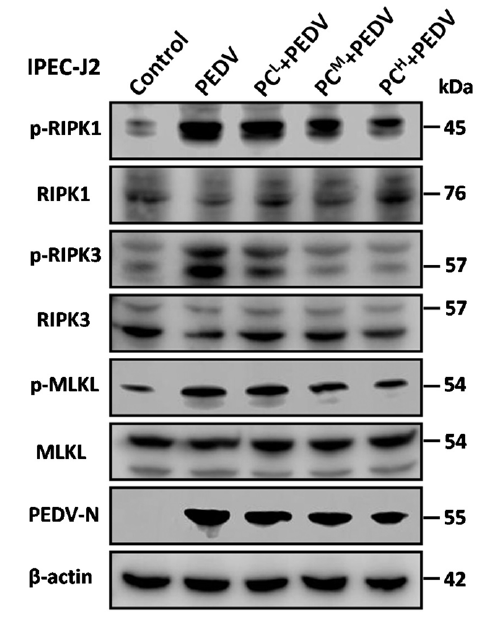
Expression analysis of RIPK1, p-RIPK1, RIPK3, p-RIPK3, MLKL, p-MLKL, and PEDV-N in IPEC-J2 cells pre-treated with various Phosphorylcholine (PC) (1, 5, and 10 μM) concentrations post-PEDV infection. Phosphorylcholine (PC) (1, 5, and 10 μM) treatment reduced the phosphorylation levels of RIPK1, RIPK3, and MLKL.
Phosphorylcholine purchased from MedChemExpress. Usage Cited in: Microbiome. 2025 Apr 2;13(1):90. [Abstract]
Phosphorylcholine (PC) (10 mg/kg; once daily for 8 days) pretreatment alleviated viral infection of the pig's intestines, keeping the intestinal villi and tissue structure intact, with only minor damage and epithelial cell shedding.
-
Adv Sci (Weinh)
Single-Cell Simultaneous Metabolome and Transcriptome Profiling Revealing Metabolite-Gene Correlation Network. [Abstract]2025 Jan;12(4):e2411276. PMID: 39629980 -
NPJ Biofilms Microbiomes
Colonic phosphocholine is correlated with Candida tropicalis and promotes diarrhea and pathogen clearance. [Abstract]2023 Sep 4;9(1):62. PMID: 37666845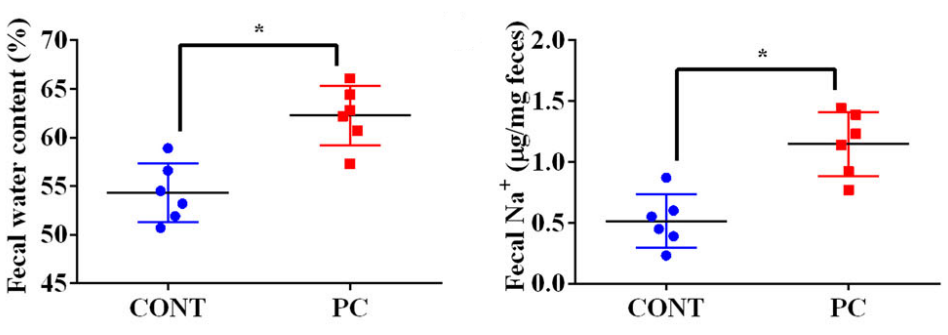
Phosphorylcholine purchased from MedChemExpress. Usage Cited in: NPJ Biofilms Microbiomes. 2023 Sep 4;9(1):62. [Abstract]
Fecal water content and fecal Na+ content; C57BL/6 male mice were either orally administrated with 0.1 mL PBS (CONT group) or 0.1 mL Phosphorylcholine at a concentration of 2.5 mol/L (PC group) for 7 days. The results showed that that Phosphorylcholine increased fecal water and Na+ content.
Phosphorylcholine purchased from MedChemExpress. Usage Cited in: NPJ Biofilms Microbiomes. 2023 Sep 4;9(1):62. [Abstract]
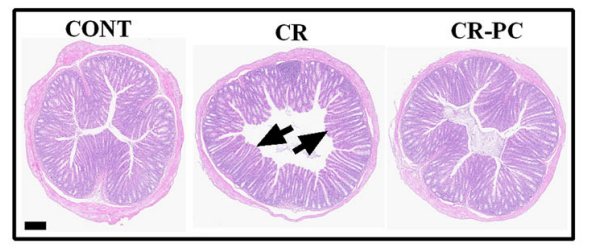
Colonic morphology (Scale bar = 200 μm; arrows, impaired villus). The results showed that Phosphorylcholine (Phosphocholine, 2.5 mol/L; 0.1 mL; i.g.; once daily for 7 days) protected mice from morphological damage.
Phosphorylcholine purchased from MedChemExpress. Usage Cited in: NPJ Biofilms Microbiomes. 2023 Sep 4;9(1):62. [Abstract]
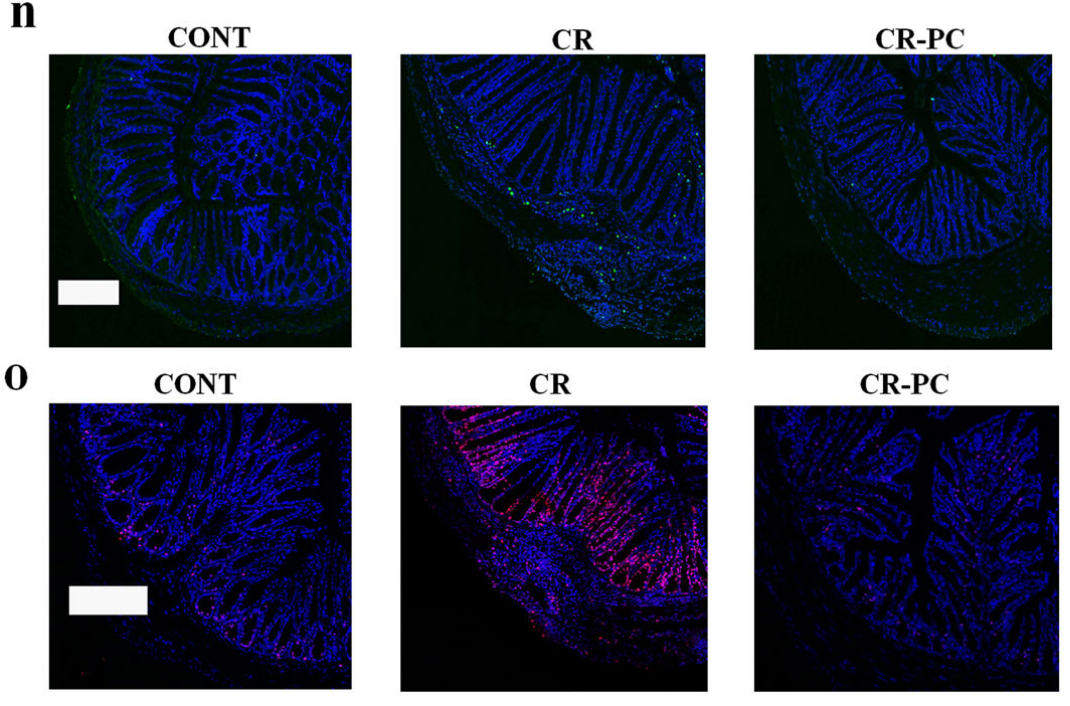
Phosphorylcholine (Phosphocholine, 2.5 mol/L; 0.1 mL; i.g.; once daily for 7 days) alleviated C. rodentium-induced apoptosis, as indicated by decreased caspase-3 expression (Fig. n), and epithelial proliferation, as indicated by decreased Ki67 expression (Fig. o).
-
Anal Chem
Ultrahigh Flow Regulated Discharge Coupling with Targeted Mass Spectrometry Analysis: Real Time Capturing Biomolecules in Exhaled Breath. [Abstract]2025 May 13;97(18):9827-9835. PMID: 40302637 -
Virulence
2025 Dec;16(1):2490208. PMID: 40202859 -
JCI Insight
Phospholipase A2 enzymes represent a shared pathogenic pathway in psoriasis and pityriasis rubra pilaris. [Abstract]2021 Oct 22;6(20):e151911. PMID: 34491907 -
J Physiol Biochem
D609 inhibition of phosphatidylcholine-specific phospholipase C attenuates prolonged insulin stimulation-mediated GLUT4 downregulation in 3T3-L1 adipocytes. [Abstract]2022 May;78(2):355-363. PMID: 35048323 -
-


溶剤 & 溶解度
体外:
H2O : 100 mg/mL (546.03 mM; Need ultrasonic)
Ethanol : 4 mg/mL (21.84 mM; Need ultrasonic)
DMSO : < 1 mg/mL (insoluble or slightly soluble)
Please refer to the solubility information to select the appropriate solvent. Once prepared, please aliquot and store the solution to prevent product inactivation from repeated freeze-thaw cycles.
Storage method and period of stock solution: -80°C, 6 months; -20°C, 1 month (stored under nitrogen). When stored at -80°C, please use it within 6 months. When stored at -20°C, please use it within 1 month.
* Note: If you choose water as the stock solution, please dilute it to the working solution, then filter and sterilize it with a 0.22 μm filter before use.
Please refer to the solubility information to select the appropriate solvent. Once prepared, please aliquot and store the solution to prevent product inactivation from repeated freeze-thaw cycles.
Storage method and period of stock solution: -80°C, 6 months; -20°C, 1 month (stored under nitrogen). When stored at -80°C, please use it within 6 months. When stored at -20°C, please use it within 1 month.
* Note: If you choose water as the stock solution, please dilute it to the working solution, then filter and sterilize it with a 0.22 μm filter before use.
濃度 (開始) × 体積 (開始) = 濃度 (終了) × 体積 (終了)
体内:
For the following dissolution methods, please prepare the working solution directly:
It is recommended to prepare fresh solutions and use them promptly within a short period of time.
The percentages shown for the solvents indicate their volumetric ratio in the final prepared solution. If precipitation or phase separation occurs during preparation, heat and/or sonication can be used to aid dissolution.
Add each solvent one by one: PBS
Solubility: 100 mg/mL (546.03 mM); Clear solution; Need ultrasonic


純度とドキュメンテーション
-
データシート (275 KB)
-
SDS (252 KB)
- English - EN (252 KB)
- Français - FR (252 KB)
- Deutsch - DE (252 KB)
- Norwegian - NO (252 KB)
- Español - ES (252 KB)
- Swedish - SV (252 KB)
- Italian - IT (252 KB)
- Korean - KR (252 KB)
- Portuguese - PT (252 KB)
-
取扱説明書 (2659 KB)
参考文献
[1]. Harnett W, et al. Phosphorylcholine: friend or foe of the immune system? Immunol Today. 1999 Mar;20(3):125-9. [Content Brief]
[2]. Tu S, et al., Enhancement of cellular uptake and antitumor efficiencies of micelles with phosphorylcholine. Macromol Biosci. 2011 Oct 10;11(10):1416-25. [Content Brief]
[3]. Cansev M, et al., Choline, CDP-choline or phosphocholine increases plasma glucagon in rats: involvement of the peripheral autonomic nervous system. Eur J Pharmacol. 2008 Jul 28;589(1-3):315-22. [Content Brief]
[4]. Caligiuri G, et al., Phosphorylcholine-targeting immunization reduces atherosclerosis. J Am Coll Cardiol. 2007 Aug 7;50(6):540-6. [Content Brief]


Complete Stock Solution Preparation Table
Please refer to the solubility information to select the appropriate solvent. Once prepared, please aliquot and store the solution to prevent product inactivation from repeated freeze-thaw cycles.
Storage method and period of stock solution: -80°C, 6 months; -20°C, 1 month (stored under nitrogen). When stored at -80°C, please use it within 6 months. When stored at -20°C, please use it within 1 month.
| Optional Solvent | Concentration Solvent Mass | 1 mg | 5 mg | 10 mg | 25 mg |
|---|---|---|---|---|---|
| Ethanol / H2O | 1 mM | 5.4603 mL | 27.3015 mL | 54.6030 mL | 136.5076 mL |
| 5 mM | 1.0921 mL | 5.4603 mL | 10.9206 mL | 27.3015 mL | |
| 10 mM | 0.5460 mL | 2.7302 mL | 5.4603 mL | 13.6508 mL | |
| 15 mM | 0.3640 mL | 1.8201 mL | 3.6402 mL | 9.1005 mL | |
| 20 mM | 0.2730 mL | 1.3651 mL | 2.7302 mL | 6.8254 mL | |
| H2O | 25 mM | 0.2184 mL | 1.0921 mL | 2.1841 mL | 5.4603 mL |
| 30 mM | 0.1820 mL | 0.9101 mL | 1.8201 mL | 4.5503 mL | |
| 40 mM | 0.1365 mL | 0.6825 mL | 1.3651 mL | 3.4127 mL | |
| 50 mM | 0.1092 mL | 0.5460 mL | 1.0921 mL | 2.7302 mL | |
| 60 mM | 0.0910 mL | 0.4550 mL | 0.9101 mL | 2.2751 mL | |
| 80 mM | 0.0683 mL | 0.3413 mL | 0.6825 mL | 1.7063 mL | |
| 100 mM | 0.0546 mL | 0.2730 mL | 0.5460 mL | 1.3651 mL |
* Note: If you choose water as the stock solution, please dilute it to the working solution, then filter and sterilize it with a 0.22 μm filter before use.


Phosphorylcholine 関連分類
HY-B2233B 関連分類
 Powered by Bioz