Search Result
Results for "
proteasome+inhibitor
" in MedChemExpress (MCE) Product Catalog:
2
Biochemical Assay Reagents
4
Isotope-Labeled Compounds
| Cat. No. |
Product Name |
Target |
Research Areas |
Chemical Structure |
-
- HY-10227
-
Bortezomib
Maximum Cited Publications
248 Publications Verification
PS-341; LDP-341; NSC 681239
|
Proteasome
NF-κB
Apoptosis
Autophagy
TREM receptor
|
Cancer
|
|
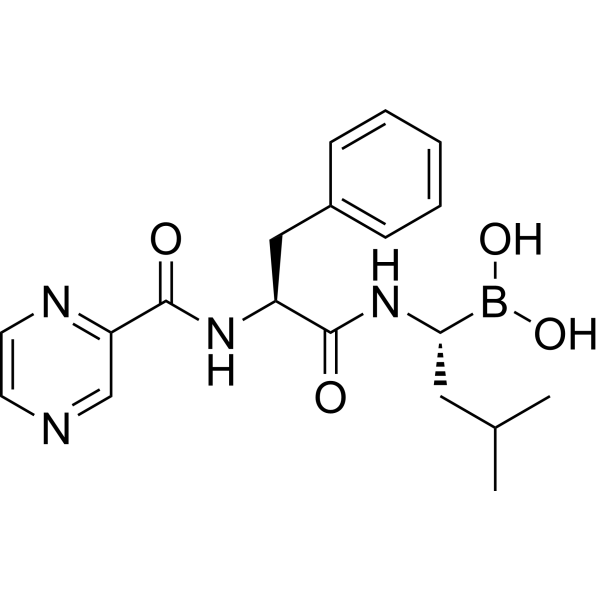
Bortezomib (PS-341) is a reversible and selective proteasome inhibitor, and potently inhibits 20S proteasome (Ki=0.6 nM) by targeting a threonine residue. Bortezomib disrupts the cell cycle, induces apoptosis, and inhibits NF-κB. Bortezomib is the first proteasome inhibitor anticancer agent. Bortezomib can be used for the study of multiple myeloma (MM) . Bortezomib effectively inhibits TREM2 expression in tumor-associated macrophages (TAMs) .
|
-
-
- HY-10455
-
-
-
- HY-10453
-
|
MLN2238
|
Proteasome
Autophagy
|
Cancer
|
|
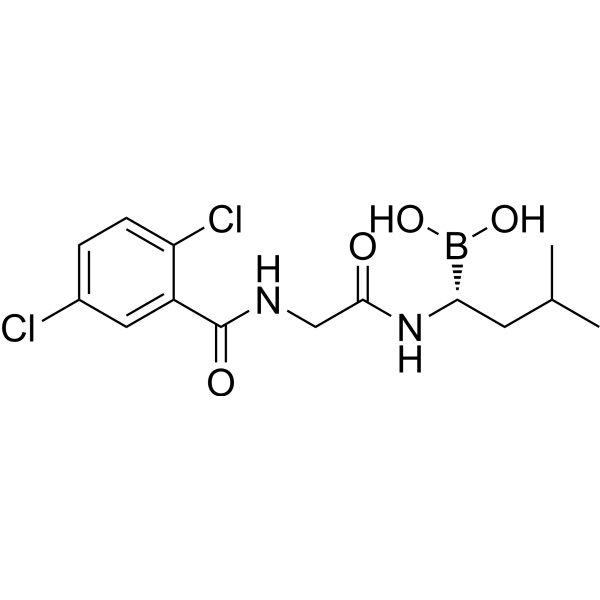
Ixazomib (MLN2238) is a selective, potent, and reversible proteasome inhibitor, which inhibits the chymotrypsin-like proteolytic (β5) site of the 20S proteasome with an IC50 of 3.4 nM (Ki of 0.93 nM).
|
-
-
- HY-13067
-
-
-
- HY-16594
-
|
|
Proteasome
Cathepsin
Apoptosis
|
Cardiovascular Disease
Infection
Neurological Disease
Cancer
|
|
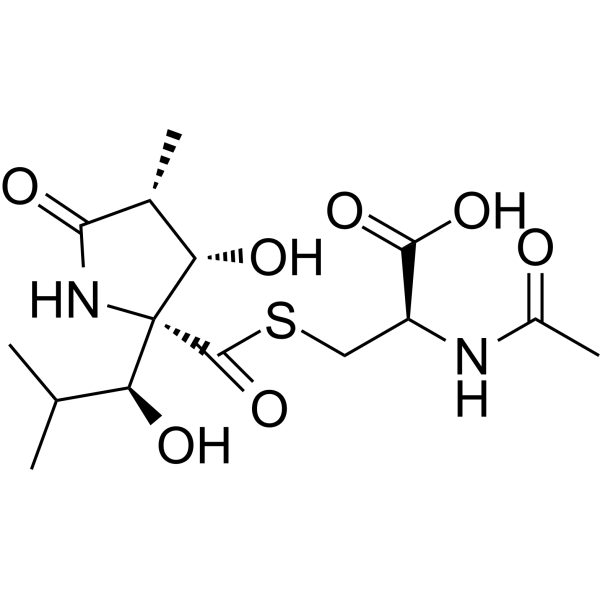
Lactacystin is a potent, orally active, irreversible, cell-permeable, selective 20S proteasome inhibitor (IC50 = 4.8 μM). Lactacystin also inhibits the lysosomal enzyme cathepsin A. Lactacystin inhibits cell growth and induces apoptosisand cell cycle arrest, and has antiviral and antioxidative activity. Lactacystin induces neurite outgrowth and hypertension. Lactacystin has the potential for the research of cancer, Neurological Disease, hypertension and Malaria, and so on [2] [6] .
|
-
-
- HY-13821
-
|
BU-4061T
|
Proteasome
Apoptosis
|
Inflammation/Immunology
Cancer
|
|
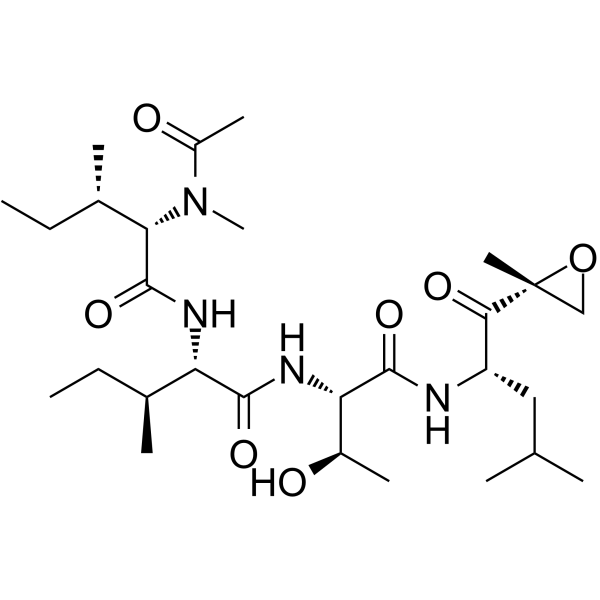
Epoxomicin (BU-4061T) is an epoxyketone-containing natural product and a potent, selective and irreversible proteasome inhibitor. Epoxomicin covalently binds to the LMP7, X, MECL1, and Z catalytic subunits of the proteasome and potently inhibits primarily the chymotrypsin-like activity. Epoxomicin can cross the blood-brain barrier. Epoxomicin has strongly antitumor and anti-inflammatory activity .
|
-
-
- HY-13259C
-
|
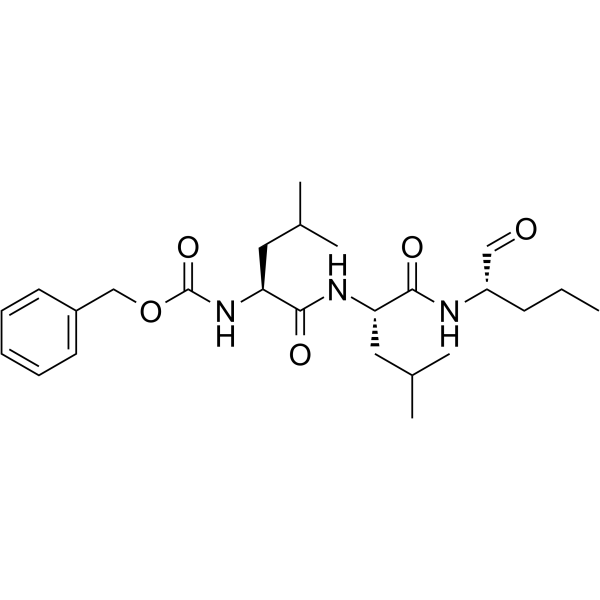
(S,R,S)-(-)-MG-132; Z-Leu-D-Leu-Leu-al
|
Proteasome
|
Cancer
|
|
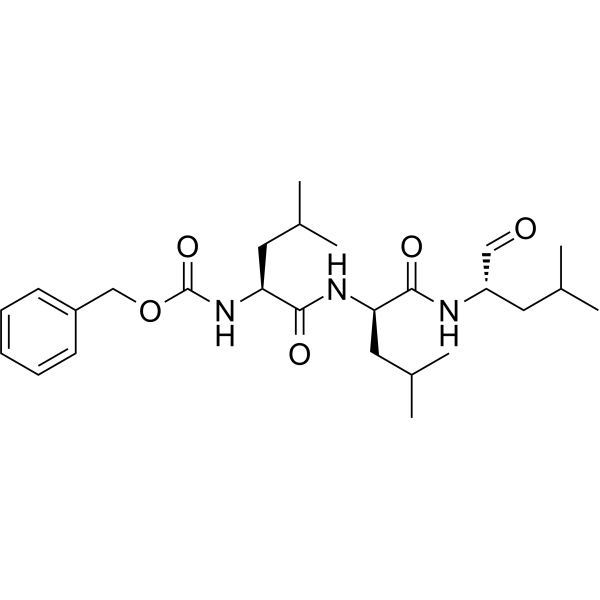
(R)-MG-132 ((S,R,S)-(-)-MG-132) is the enantiomer of MG-132. (R)-MG-132 is a proteasome inhibitor with weaker cell cytotoxicity than MG-132 .
|
-
-
- HY-10985
-
|
Salinosporamide A; NPI-0052
|
Proteasome
|
Cancer
|
|
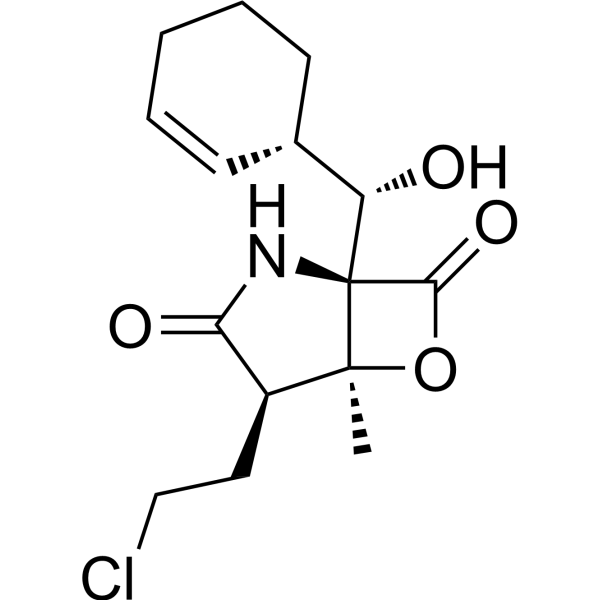
Marizomib (Salinosporamide A) is a second-generation, irreversible, brain-penetrant, pan-proteasome inhibitor. Marizomib inhibits the CT-L (β5), CT-T-laspase-like (C-L, β1) and trypsin-like (T-L, β2) activities of the 20S proteasome (IC50=3.5, 28, and 430 nM, respectively) .
|
-
-
- HY-10452
-
|
MLN9708
|
Proteasome
Autophagy
|
Cancer
|
|
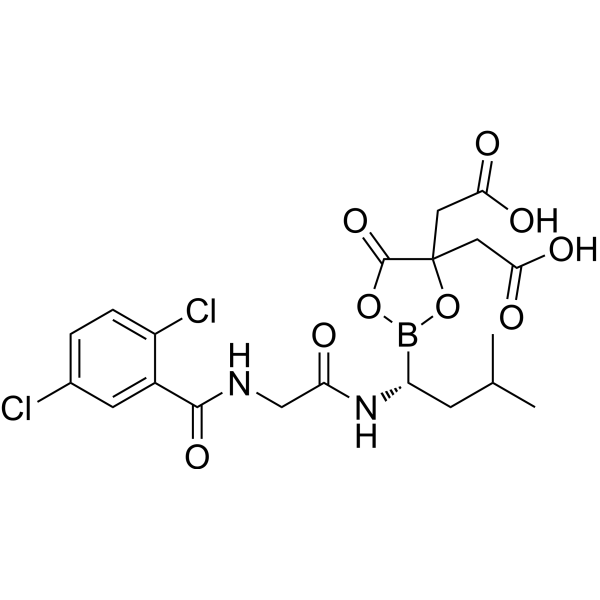
Ixazomib citrate (MLN9708) is a selective, orally active, second-generation proteasome inhibitor. Ixazomib citrate can be used for the study of a broad range of human malignancies .
|
-
-
- HY-10454
-
|
CEP-18770
|
Proteasome
NF-κB
Apoptosis
|
Cancer
|
|
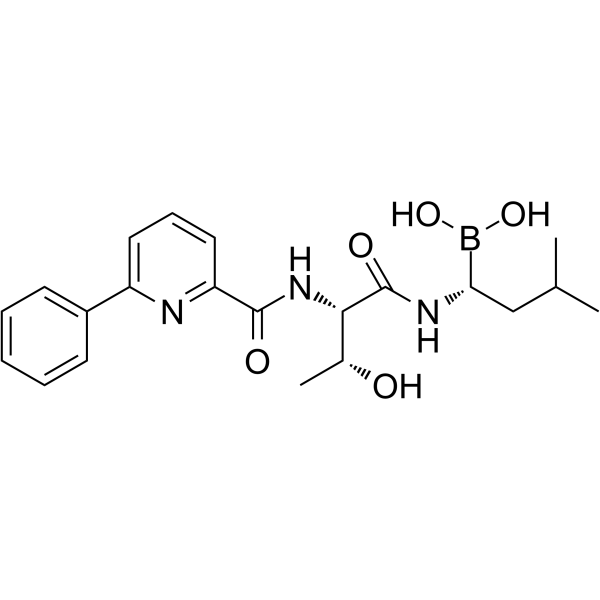
Delanzomib (CEP-18770) is a potent and orally active chymotrypsin-like activity of the proteasome inhibitor with an IC50 of 3.8 nM. Delanzomib inhibits NF-κB activity, induces cancer cell apoptotic, and has strong antiangiogenic and anti-cancer activities .
|
-
-
- HY-W017227
-
|
|
Proteasome
|
Metabolic Disease
Cancer
|
|
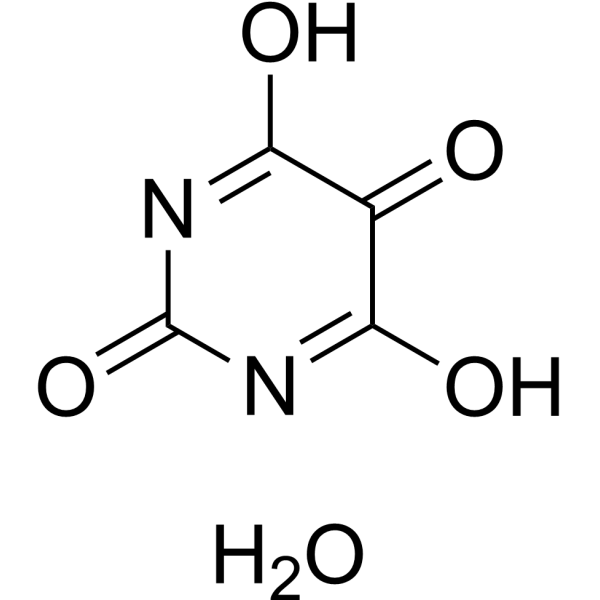
Alloxan hydrate is a diabetogenic agent to induce diabetes. Alloxan hydrate is a proteasome inhibitor. Alloxan causes diabetes in experimental animals through its ability to destroy the insulin-secreting B-cells of the pancreas .
|
-
-
- HY-12113
-
|
ONX 0912; PR-047
|
Proteasome
Autophagy
Apoptosis
|
Cancer
|
|
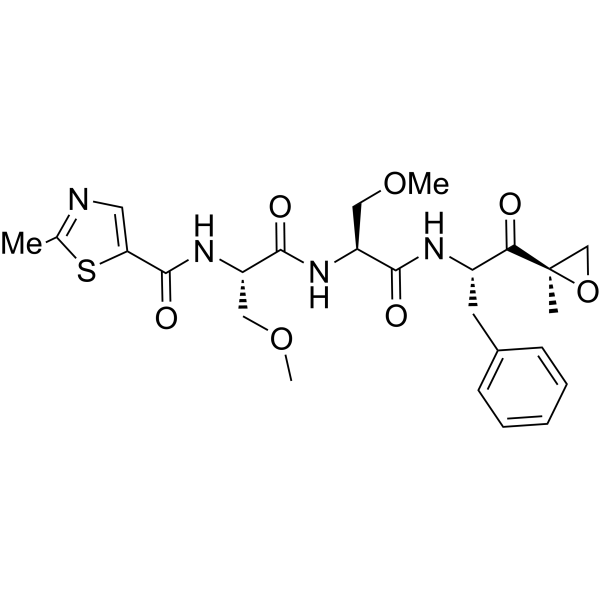
Oprozomib (PR-047) is an orally bioavailable and selective peptide epoxyketone proteasome inhibitor with IC50s of 36 and 82 nM for proteasome (β5) and immunoproteasome (LMP7), respectively. Oprozomib (ONX 0912) induces apoptosis in MM cells .
|
-
-
- HY-108552
-
MG-115
1 Publications Verification
|
Proteasome
Apoptosis
|
Cancer
|
|
MG-115 is a potent and reversible proteasome inhibitor, with Kis of 21 nM and 35 nM for 20S and 26S proteasome, respectively. MG-115 specifically inhibit the chymotrypsin-like activity of the proteasome, induces p53-dependent apoptosis .
|
-
-
- HY-108549
-
|
Omuralide; β-Clastolactacystin
|
Proteasome
|
Cancer
|
|
Clasto-Lactacystin β-lactone, a natural active metabolite of lactacystin, which is a metabolite of Streptomyces, acts as an irreversible 20S proteasome inhibitor.
|
-

-
- HY-10227R
-
|
PS-341 (Standard); LDP-341 (Standard); NSC 681239 (Standard)
|
Reference Standards
Proteasome
NF-κB
Apoptosis
Autophagy
TREM receptor
|
Cancer
|
|
Bortezomib (Standard) is the analytical standard of Bortezomib. This product is intended for research and analytical applications. Bortezomib (PS-341) is a reversible and selective proteasome inhibitor, and potently inhibits 20S proteasome (Ki=0.6 nM) by targeting a threonine residue. Bortezomib disrupts the cell cycle, induces apoptosis, and inhibits NF-κB. Bortezomib is the first proteasome inhibitor anticancer agent. Bortezomib can be used for the study of multiple myeloma (MM) . Bortezomib effectively inhibits TREM2 expression in tumor-associated macrophages (TAMs) .
|
-

-
- HY-131350
-
|
|
Proteasome
Parasite
|
Infection
|
|
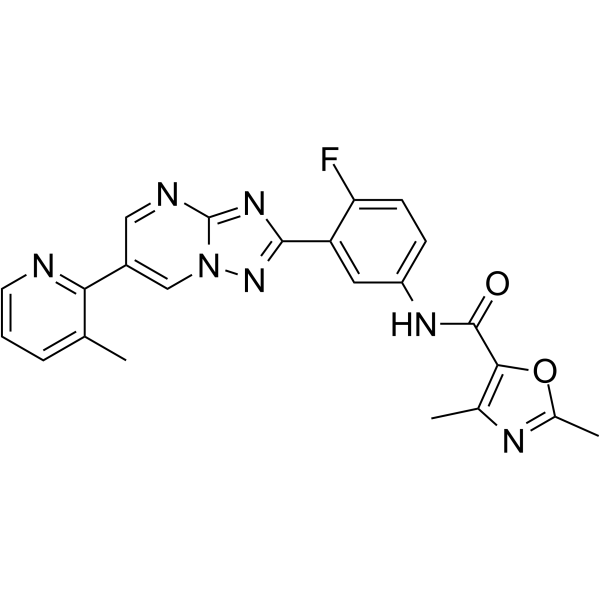
LXE408 is an orally active, non-competitive and kinetoplastid-selective proteasome inhibitor. LXE408 has an IC50 of 0.04 μM for L. donovani proteasome and an EC50 of 0.04 μM for L. donovani. LXE408 has a low propensity to cross the blood brain barrier. LXE408 has the potential for visceral leishmaniasis (VL) research .
|
-
-
- HY-P11306
-
|
|
Proteasome
NF-κB
|
Inflammation/Immunology
|
|
Biotin-(Oaa)3-epoxomicin is a biotin-labeled form of Epoxomicin (HY-13821), prepared by conjugating Epoxomicin with biotin via three hydrophilic oxaacetyl amino acid (Oaa) linkers. Biotin-(Oaa)3-epoxomicin is primarily used in proteomic studies for the capture, identification and target validation of proteasome complexes, to determine the intracellular targets of epoxomicin. Epoxomicin acts as a proteasome inhibitor and NF-κB inhibitor, which effectively blocks inflammatory responses in mouse ear edema assays. It inhibits proteasome activity via covalent binding to catalytic subunits including LMP7, X, MECL1 and Z, with the strongest inhibitory effect on chymotrypsin-like activity, and does not interfere with non-proteasomal proteases such as trypsin and papain .
|
-

-
- HY-108551
-
-
-
- HY-W001023
-
|
5A8HQ; 5AHQ
|
Proteasome
NF-κB
|
Cancer
|
|
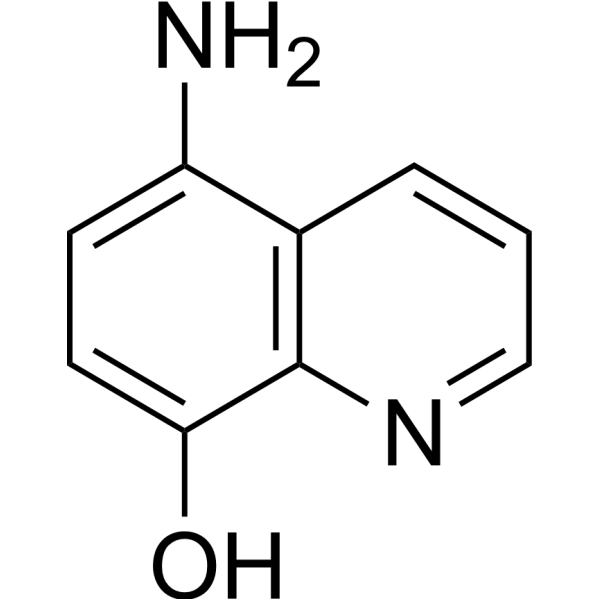
5-Amino-8-hydroxyquinoline (5A8HQ; 5AHQ) is an orally active non-competitive 20S proteasome inhibitor. 5-Amino-8-hydroxyquinoline can inhibit NF-κB activity and induce cancer cells death and shows low cytotoxicity towards normal hematopoietic cells. 5-Amino-8-hydroxyquinoline can be used for the research of cancer, such as leukemia .
|
-
-
- HY-107412
-
|
PS-IX; AM114
|
Proteasome
|
Cancer
|
|
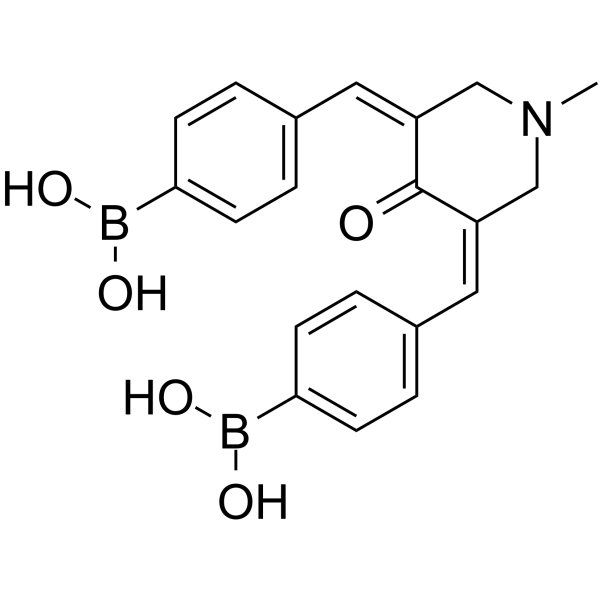
Proteasome inhibitor IX (PS-IX; AM114) is a Chalcone derivative and a chymotrypsin-like activity of the 20S proteasome inhibitor with an IC50 value of ~1 μM. Proteasome inhibitor IX exhibits HCT116 p53 +/+ cells growth inhibitory activity with an IC50 value of 1.49 μM. Proteasome inhibitor IX has potent anticancer activity .
|
-
-
- HY-10227S
-
|
PS-341-d8; LDP-341-d8; NSC 681239-d8
|
Isotope-Labeled Compounds
Proteasome
NF-κB
Apoptosis
Autophagy
TREM receptor
|
Cancer
|
|
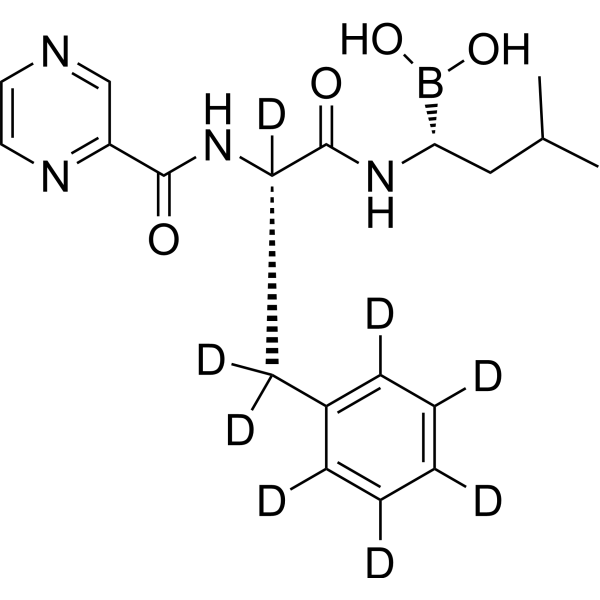
Bortezomib-d8 is the deuterium labeled Bortezomib. Bortezomib (PS-341) is a reversible and selective proteasome inhibitor, and potently inhibits 20S proteasome (Ki=0.6 nM) by targeting a threonine residue. Bortezomib disrupts the cell cycle, induces apoptosis, and inhibits NF-κB. Bortezomib is the first proteasome inhibitor anticancer agent. Bortezomib can be used for the study of multiple myeloma (MM) . Bortezomib effectively inhibits TREM2 expression in tumor-associated macrophages (TAMs) .
|
-
-
- HY-13067R
-
-

-
- HY-151252
-
|
|
Proteasome
NOD-like Receptor (NLR)
|
Inflammation/Immunology
|
|
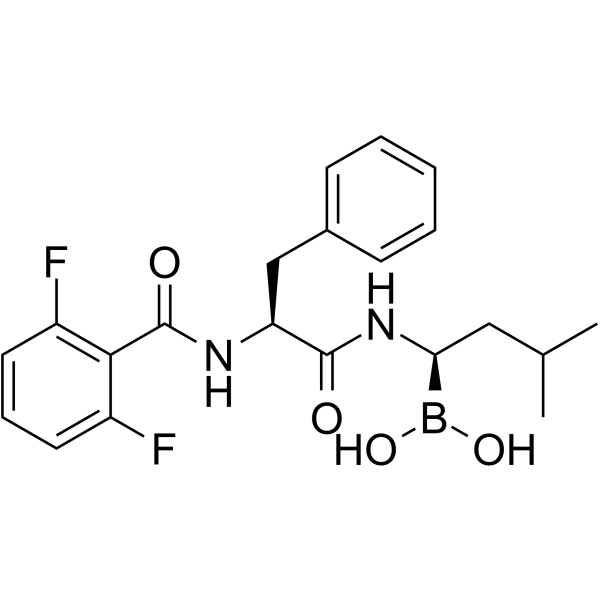
NIC-0102 is an orally active proteasome inhibitor (pIC50=7.55) that specifically inhibits NLRP3 inflammatory vesicle activation. NIC-0102 shows potent anti-inflammatory effects in a model of dextran sulfate sodium (DSS)-induced ulcerative colitis. NIC-0102 also inhibits production of pro-IL-1β .
|
-
-
- HY-111844
-
|
|
PROTACs
SNIPERs
RAR/RXR
|
Neurological Disease
Metabolic Disease
Cancer
|
|
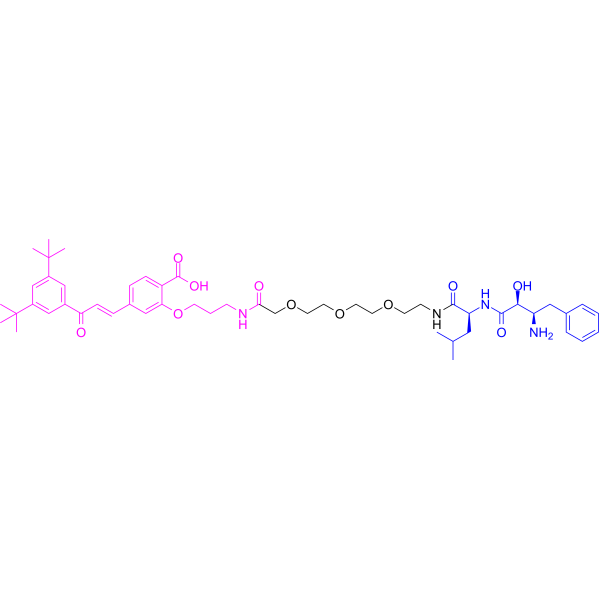
PROTAC RAR degrader-1 (Compound 9) is a potent and selective RAR PROTAC Degrader consisting of apoptotic protein inhibitors (IAPs) ligands. IAPs-based degraders are also known as SNIPERs. PROTAC RAR Degrader-1 reduces RARα levels in HT1080 cells in a concentration-dependent manner but is blocked by the proteasome inhibitor MG132 (HY-13259). PROTAC RAR Degrader-1 can be used in the study of nuclear receptor-related diseases. (Pink: RAR ligand 1 (HY-111843); Black: Linker (HY-140189); Blue: IAPs Ligand (HY-B0134)) .
|
-
-
- HY-10455R
-
|
PR-171 (Standard)
|
Reference Standards
Proteasome
Autophagy
Apoptosis
|
Cancer
|
|
Carfilzomib (Standard) is the analytical standard of Carfilzomib. This product is intended for research and analytical applications. Carfilzomib (PR-171) is an irreversible proteasome inhibitor with an IC50 of 5 nM in ANBL-6 and RPMI 8226 cells.
|
-

-
- HY-158412
-
|
|
Proteasome
Apoptosis
|
Cancer
|
|
BT317 is a blood-brain transmissible mitochondrial Lon peptidase I (LonP1) and CT-L proteasome inhibitor. BT317 can increase the production of reactive oxygen species (ROS) and induce apoptosis in astrocytoma cells. BT317 has antitumor activity .
|
-

-
- HY-P1259A
-
|
|
Proteasome
Bacterial
|
Inflammation/Immunology
|
|
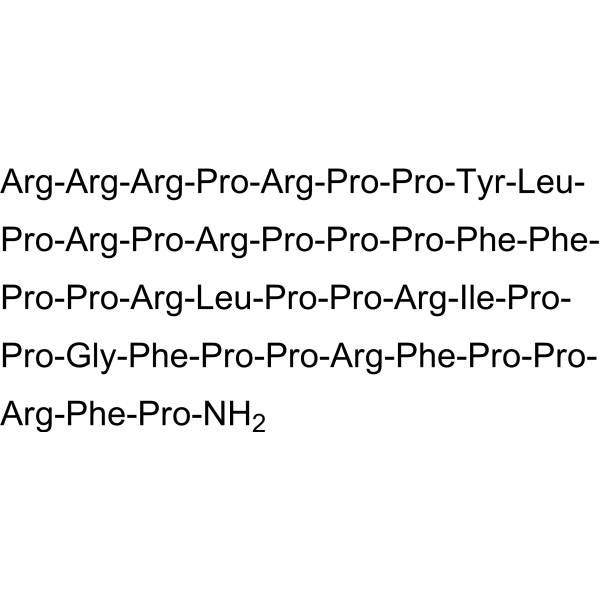
PR-39 TFA, a natural proline- and arginine-rich antibacterial peptide, is a noncompetitive, reversible and allosteric proteasome inhibitor. PR-39 TFAreversibly binds to the α7 subunit of the proteasome and blocks degradation of NF-κB inhibitor IκBα by the ubiquitin-proteasome pathway. PR-39 TFA stimulates angiogenesis, inhibits inflammatory responses and significant reduces myocardial infarct size in mice .
|
-
-
- HY-P2483B
-
|
|
Bacterial
Proteasome
|
Infection
Inflammation/Immunology
Cancer
|
|
Octaarginine acetate is a cell-penetrating peptide and proteasome inhibitor. Octaarginine acetate exhibits mixed-type inhibition against 20S proteasome chymotrypsin-like, caspase-like, and trypsin-like activities, and inhibits 26S proteasome activity with decreased efficiency. Octaarginine acetate induces ubiquitin-conjugated protein accumulation, mediates HSPG-dependent cellular internalization via macropinocytosis, enhances liposomal cargo uptake and gene delivery. Octaarginine acetate can be used for the research of cervix carcinoma, collagen antibody-induced arthritis, and bacterial infections .
|
-

-
- HY-P2483
-
|
|
Proteasome
Bacterial
|
Infection
Inflammation/Immunology
Cancer
|
|
Octaarginine is a cell-penetrating peptide and proteasome inhibitor. Octaarginine exhibits mixed-type inhibition against 20S proteasome chymotrypsin-like, caspase-like, and trypsin-like activities, and inhibits 26S proteasome activity with decreased efficiency. Octaarginine induces ubiquitin-conjugated protein accumulation, mediates HSPG-dependent cellular internalization via macropinocytosis, enhances liposomal cargo uptake and gene delivery. Octaarginine can be used for the research of cervix carcinoma, collagen antibody-induced arthritis, and bacterial infections .
|
-

-
- HY-P1258
-
PSI
2 Publications Verification
Proteasome Inhibitor 1; Z-Ile-Glu(OtBu)-Ala-Leu-CHO
|
Proteasome
|
Infection
Cancer
|
|
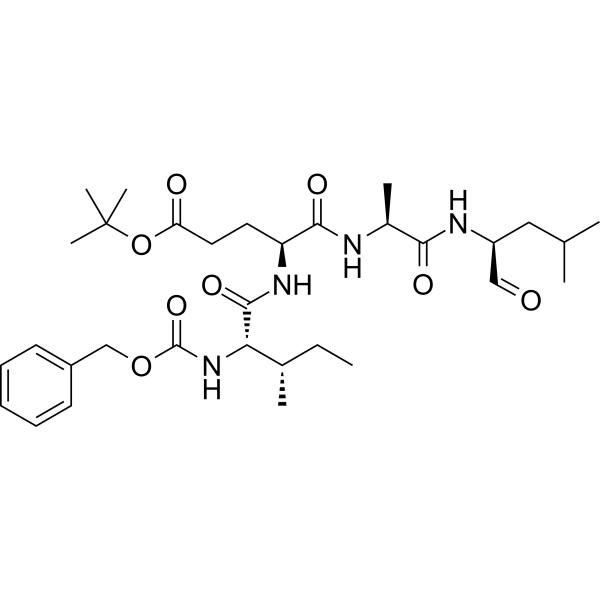
PSI (Proteasome Inhibitor 1) is a potent proteasome inhibitor. PSI inhibits the proliferation of primary effusion lymphoma (PEL) cells. PSI has the potential for the research of Kaposi’s sarcoma-associated herpesvirus (KSHV) infection and KSHV-associated lymphomas .
|
-
-
- HY-10455S
-
-
-
- HY-128903
-
|
|
Drug-Linker Conjugates for ADC
|
Cancer
|
|
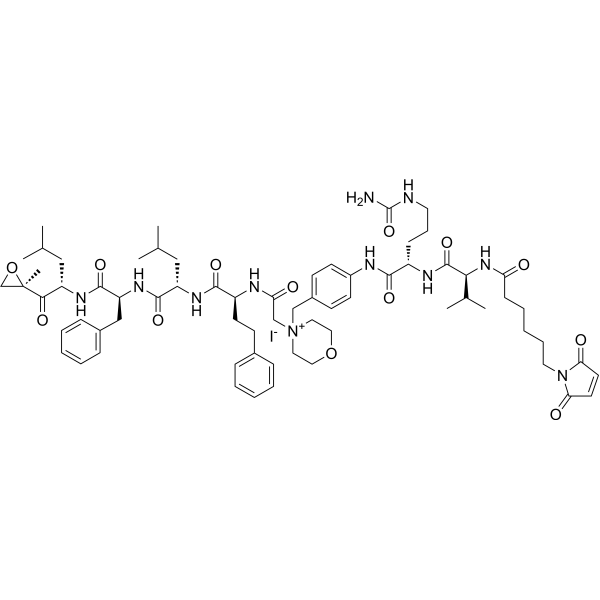
MC-Val-Cit-PAB-carfilzomib iodide is a agent-linker conjugate for ADC with potent antitumor activity by using carfilzomib (an irreversible proteasome inhibitor), linked via the ADC linker MC-Val-Cit-PAB.
|
-
-
- HY-139181
-
|
|
HDAC
|
Cancer
|
|
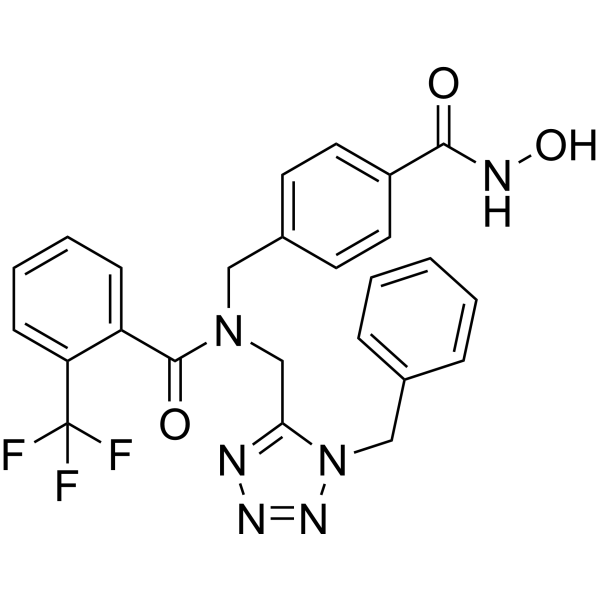
NR160 is a selective HDAC6 inhibitor with an IC50 value of 30 nM. NR160 shows low cytotoxicity against leukemia cell line. NR160 augments the apoptosis induction of Bortezomib (HY-10227) (proteasome inhibitor), Epirubicin (HY-13624) and Daunorubicin (HY-13062A) significantly .
|
-
-
- HY-144452
-
|
|
Proteasome
|
Cancer
|
|
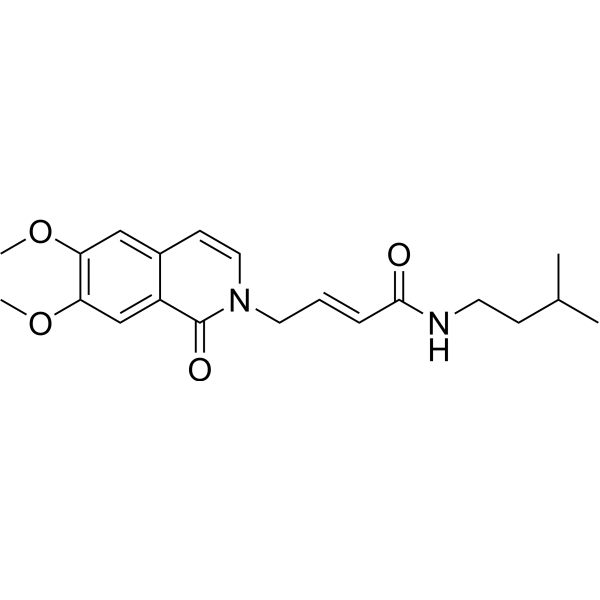
Immunoproteasome inhibitor 1 is a potent, reversible, time-independent immunoproteasome and proteasome inhibitor (Kis of 1.18, 0.27, 1.91 μM in β5c, β1i, β5i submits, respectively). Immunoproteasome inhibitor 1 can be used for the research of certain neoplastic diseases .
|
-
-
- HY-132991
-
ML 2-14
1 Publications Verification
|
PROTACs
Epigenetic Reader Domain
|
Cancer
|
|
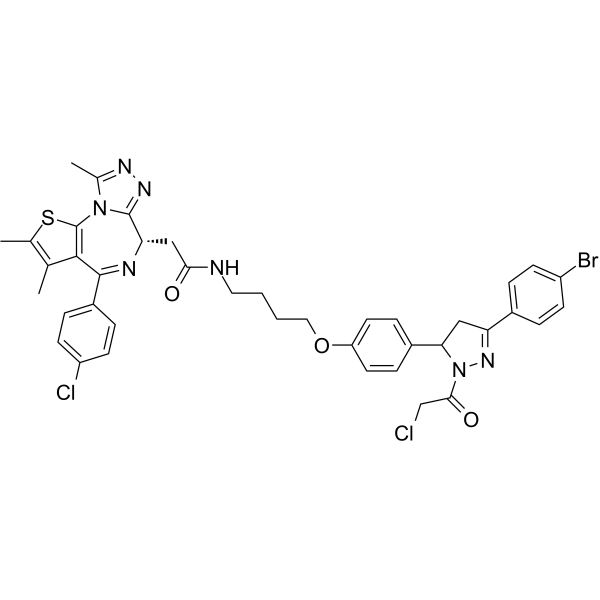
ML 2-14 is a PROTAC targeting BRD4 with a C4 alkyl linker. ML 2-14 consists of the E3 ligase ligand EN219 (HY-115715) (bule part), the target protein ligand JQ-1 (HY-13030) (red part), and the PROTAC linker (balck part). ML 2-14 can effectively degrade BRD4 in 231MFP breast cancer cells, and this effect can be reversed by the proteasome inhibitor Bortezomib (HY-10227) and the E1 activase inhibitor TAK-243 (HY-100487) .
|
-
-
- HY-125939
-
|
|
Proteasome
|
Cancer
|
|
Bortezomib-pinanediol is a proteasome inhibitor and a prodrug of Bortezomib (HY-10227). Bortezomib-pinanediol inhibits cell growth and can be used for study of multiple myeloma .
|
-

-
- HY-119288
-
|
NSC 45382
|
Proteasome
|
Cancer
|
|
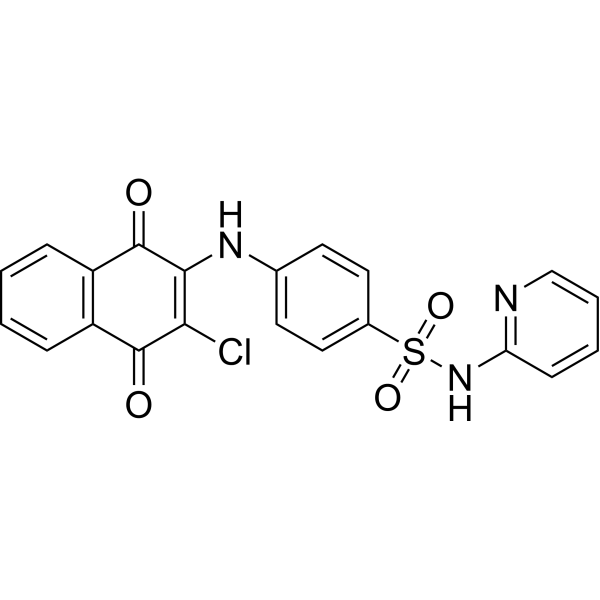
BC-23 (NSC 45382) is a proteasome inhibitor. BC-23 exhibits good inhibition of CT-L activity of the proteasome and is selective for malignant over normal cells .
|
-
-
- HY-10227G
-
|
PS-341; LDP-341; NSC 681239
|
Proteasome
NF-κB
Apoptosis
Autophagy
TREM receptor
|
Cancer
|
|
Bortezomib (GMP) (PS-341 (GMP)) is Bortezomib (HY-10227) produced by using GMP guidelines. GMP small molecules works appropriately as an auxiliary reagent for cell therapy manufacture. Bortezomib (PS-341) is a reversible and selective proteasome inhibitor, and potently inhibits 20S proteasome (Ki=0.6 nM) by targeting a threonine residue. Bortezomib disrupts the cell cycle, induces apoptosis, and inhibits NF-κB. Bortezomib is the first proteasome inhibitor anticancer agent. Bortezomib can be used for the study of multiple myeloma (MM) . Bortezomib effectively inhibits TREM2 expression in tumor-associated macrophages (TAMs) .
|
-

-
- HY-N16453
-
|
|
Proteasome
|
Neurological Disease
Cancer
|
|
(+)-Catechin 3-gallate is an orally active polyphenolic compound that acts as a non-selective proteasome inhibitor. (+)-Catechin 3-gallate exerts antitumor effects by inducing apoptosis and suppressing inflammatory cytokines. (+)-Catechin 3-gallate is promising for research of cancers (e.g., breast, prostate) and neurodegenerative diseases (e.g., Alzheimer’s) .
|
-

-
- HY-P1259
-
|
|
Proteasome
Bacterial
|
Inflammation/Immunology
|
|
PR-39, a natural proline- and arginine-rich antibacterial peptide, is a noncompetitive, reversible and allosteric proteasome inhibitor. PR-39 reversibly binds to the α7 subunit of the proteasome and blocks degradation of NF-κB inhibitor IκBα by the ubiquitin-proteasome pathway. PR-39 stimulates angiogenesis, inhibits inflammatory responses and significant reduces myocardial infarct size in mice .
|
-

-
- HY-P10714
-
|
|
Proteasome
Apoptosis
Deubiquitinase
|
Cancer
|
Ub4ix is a DUB/26S proteasome inhibitor. Ub4ix can protect K48-linked Ub chains from being chopped up by deubiquitinating enzymes (DUBs) and prevent the proteasomal degradation of Ub-tagged proteins. Ub4ix can reduce the viability of Hela cells and induce apoptosis, with an IC50 value of 1.6 μM .
|
-

-
- HY-W048404
-
|
|
Proteasome
|
Cancer
|
|
Bortezomib impurity A is a metabolite of the 20S proteasome inhibitor Bortezomib (HY-10227).
|
-

-
- HY-120035
-
|
|
Proteasome
Ribosomal S6 Kinase (RSK)
Apoptosis
|
Cancer
|
|
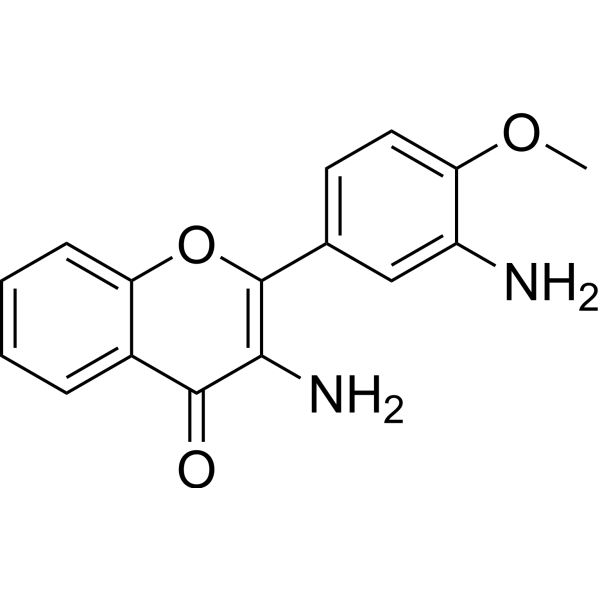
DD1, a proteasome inhibitor, targets Bax activation and P70S6K degradation during acute myeloid leukemia (AML) apoptosis. DD1 induces apoptosis in the caspase-dependent manner. DD1 induces mitochondrial membrane depolarization and Bad dephosphorylation .
|
-
-
- HY-10453R
-
|
MLN2238 (Standard)
|
Reference Standards
Proteasome
Autophagy
|
Cancer
|
|
Ixazomib (Standard) is the analytical standard of Ixazomib. This product is intended for research and analytical applications. Ixazomib (MLN2238) is a selective, potent, and reversible proteasome inhibitor, which inhibits the chymotrypsin-like proteolytic (β5) site of the 20S proteasome with an IC50 of 3.4 nM (Ki of 0.93 nM).
|
-

-
- HY-P4910
-
|
|
Proteasome
Apoptosis
|
Cancer
|
|
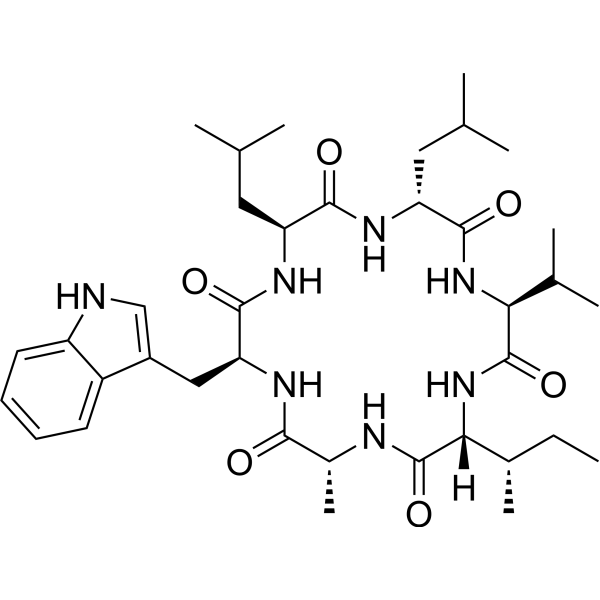
Baceridin is a proteasome inhibitor and a cyclic hexapeptide. Baceridin can be isolated from the culture medium of Epiphytic Bacillus. Baceridin can inhibit cell cycle progression and induce tumor cell apoptosis through a p53-independent pathway. Baceridin can be used in cancer research .
|
-
-
- HY-170881
-
|
|
Proteasome
|
Cancer
|
|
TIR-199 is a novel and highly specific dual proteasome inhibitor that can effectively inhibit the PSMB5 subunit of constitutive proteasome and the PSMB8 subunit of immunoproteasome. TIR-199 can induce the death of various tumor cells. TIR-199 can be used for research on myeloma .
|
-

-
- HY-171956
-
|
|
Proteasome
Parasite
|
Infection
|
|
Carmaphycin-17 (CP-17) is a selective 20S proteasome inhibitor with an EC50 of 217 ?nM. Carmaphycin-17 has potent antimicrobial activity against Trichomonas vaginalis. Carmaphycin-17 overcomes Metronidazole (HY-B0318) resistance and significantly reduces parasite burden upon topical treatment without any apparent adverse effects in vaginal trichomonad infection mice model. Carmaphycin-17 can be used for sexually transmitted disease like trichomoniasis research .
|
-

-
- HY-13067G
-
|
Tripterine; Tripterin
|
Endogenous Metabolite
Proteasome
Antibiotic
Apoptosis
Bacterial
Autophagy
Mitophagy
|
Infection
Inflammation/Immunology
Cancer
|
|
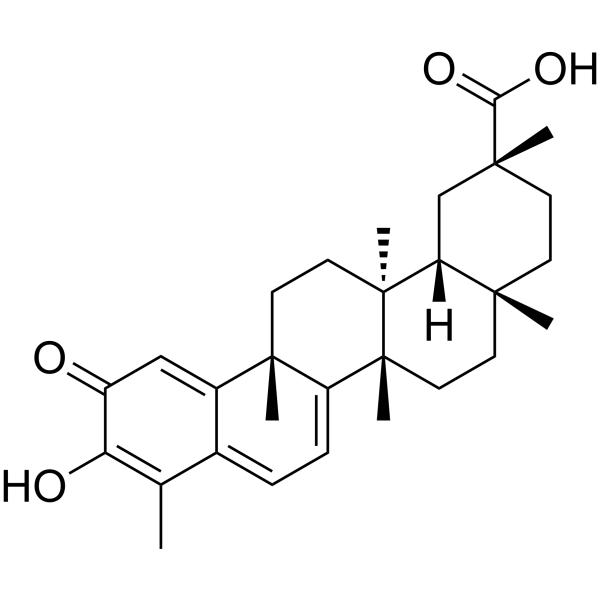
Celastrol (GMP) (Tripterine (GMP)) is Celastrol (HY-10227) produced by using GMP guidelines. GMP small molecules works appropriately as an auxiliary reagent for cell therapy manufacture. Celastrol (Tripterine;Tripterin) is a proteasome inhibitor which potently and preferentially inhibits the chymotrypsin-like activity of a purified 20S proteasome with IC50 of 2.5 μM. In addition, Celastrol is also an antibiotic with potent antimicrobial activity against standard and clinical methicillin-resistant Staphylococcus aureus (MRSA) strains, inducing oxidative stress and inhibiting DNA synthesis by binding to P5CDH .
|
-

-
- HY-118522
-
|
|
Proteasome
NF-κB
Caspase
PARP
IAP
Apoptosis
|
Cancer
|
TP-110 is a proteasome inhibitor. TP-110 specifically inhibits the protease-like activity of the 20S proteasome, but does not affect the trypsin-like or peptidyl-glutamyl peptide hydrolysis activity. TP-110 inhibits the NF-κB pathway, activates caspase-8, -9, and -3, and causes PARP cleavage, significantly reducing the levels of cIAP-1 and XIAP. TP-110 causes cell cycle arrest at the G2/M phase and promotes apoptosis of cancer cells. TP-110 can be used in cancer research of prostate cancer and multiple myeloma, etc .
|
-

-
- HY-P1258A
-
|
Proteasome Inhibitor 1 TFA; Z-Ile-Glu(OtBu)-Ala-Leu-CHO TFA
|
Proteasome
|
Infection
Cancer
|
|
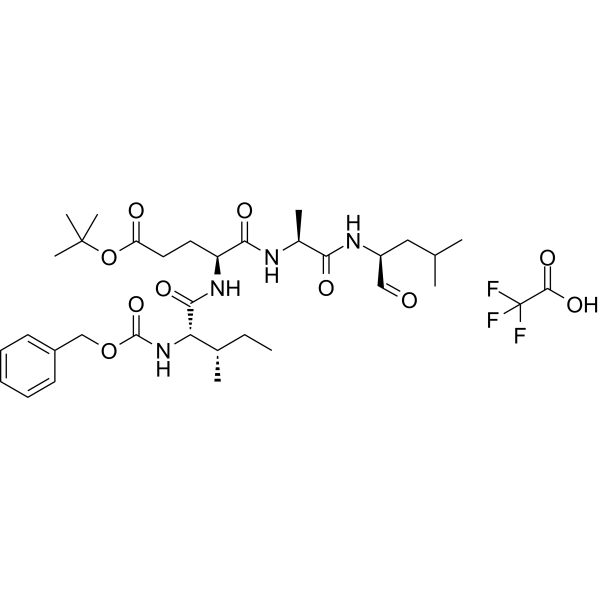
PSI (TFA) is a potent proteasome inhibitor. PSI (TFA) inhibits the proliferation of primary effusion lymphoma (PEL) cells. PSI (TFA) can be used for the research of Kaposi’s sarcoma-associated herpesvirus (KSHV) infection and KSHV-associated lymphomas .
|
-
- HY-156605
-
|
|
Proteasome
|
Cancer
|
|
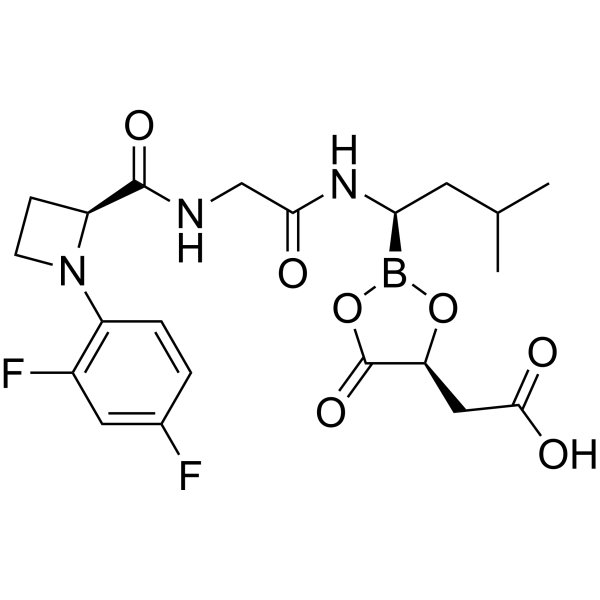
Davelizomib is proteasome inhibitor with antineoplastic effect .
|
-
- HY-157032
-
-
- HY-N14927
-
-

- HY-N14928
-
-

- HY-100172
-
|
|
Proteasome
|
Cancer
|
|
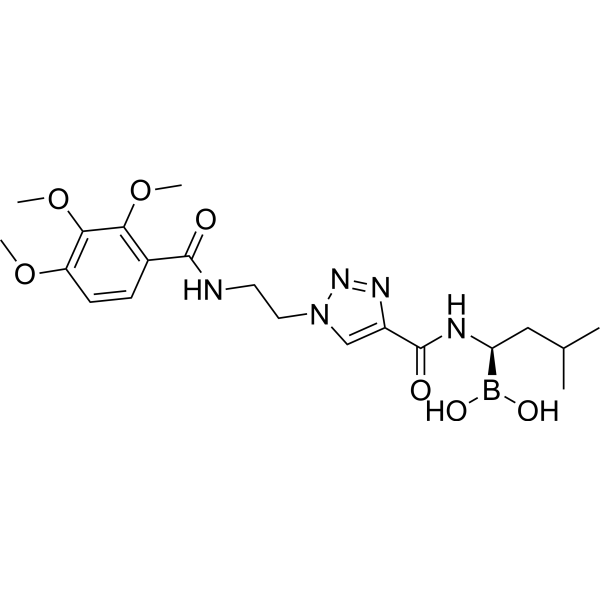
Proteasome-IN-1 is a proteasome inhibitor extracted from patent WO 2013142376 A1.
|
-
- HY-N14940
-
-

- HY-N14929
-
-

- HY-N11620
-
|
|
Proteasome
|
Others
|
|
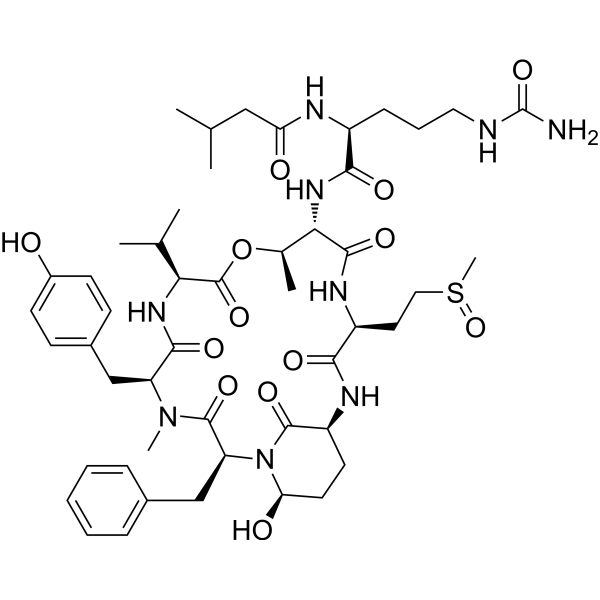
Sadopeptins A is a nature product that could be isolated from Streptomyces sp. Sadopeptins A is a potent proteasome inhibitor .
|
-
- HY-N11621
-
|
|
Proteasome
|
Others
|
|
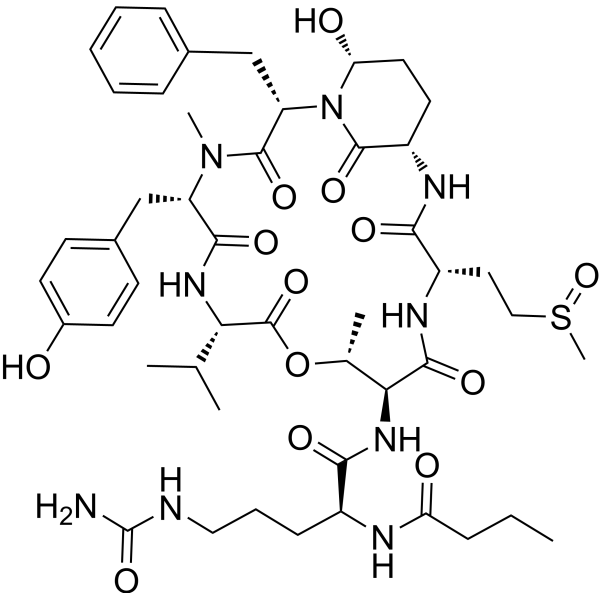
Sadopeptins B is a nature product that could be isolated from Streptomyces sp. Sadopeptins B is a potent proteasome inhibitor .
|
-
- HY-W273493
-
|
2-(4-Nitrobenzylidene)acetophenone
|
Proteasome
|
Inflammation/Immunology
|
|
4-Nitrochalcone (2-(4-Nitrobenzylidene)acetophenone) inhibits the proteasome, inhibits NF-κB activity induced by TNFα .
|
-

- HY-179273
-
|
|
Proteasome
Parasite
|
Infection
|
|
Proteasome-IN-1 (Compound 130) is a proteasome inhibitor. Proteasome-IN-1 exhibits antiparasitic activity against P. faciparum 3D7 .
|
-

- HY-158197
-
|
|
Sigma Receptor
Proteasome
|
Cancer
|
|
RC-106 is a proteasome inhibitor (IC50: 35 μM) and Sigma receptor modulator with anticancer activity. RC-106 has antiproliferative activity against cancer cells including glioblastoma (GB) and multiple myeloma (MM) .
|
-

- HY-168048
-
|
|
Proteasome
|
Cancer
|
|
ZINC09518833 is a α-ketoamide nonpeptidic proteasome inhibitor with an IC50 value of 12.4 μM. ZINC09518833 binds both primed and nonprimed sites of the proteasome. ZINC09518833 is promising for research of multiple myeloma (MM) .
|
-

- HY-112908
-
|
|
HDAC
Proteasome
|
Cancer
|
|
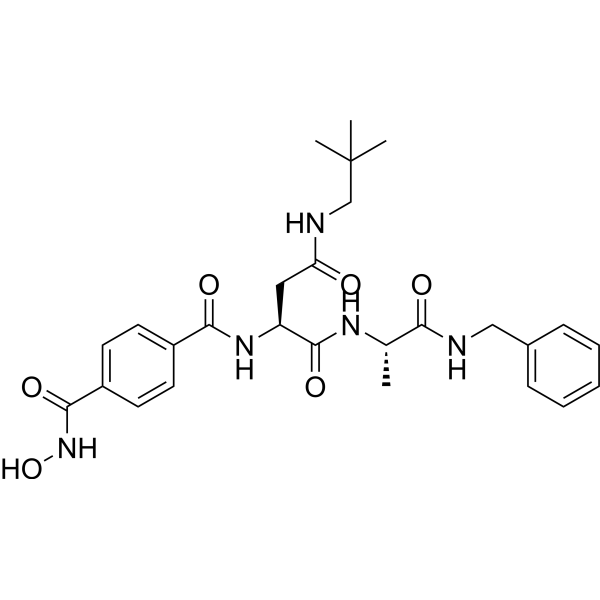
RTS-V5 is a dual HDAC/proteasome inhibitor with IC50s of 6.9, 18, 15, 0.27, 0.53 μM for HDAC1, HDAC2, HDAC3, HDAC6, HDAC8, respectively.
|
-
- HY-149832
-
|
|
Proteasome
|
Cancer
|
|
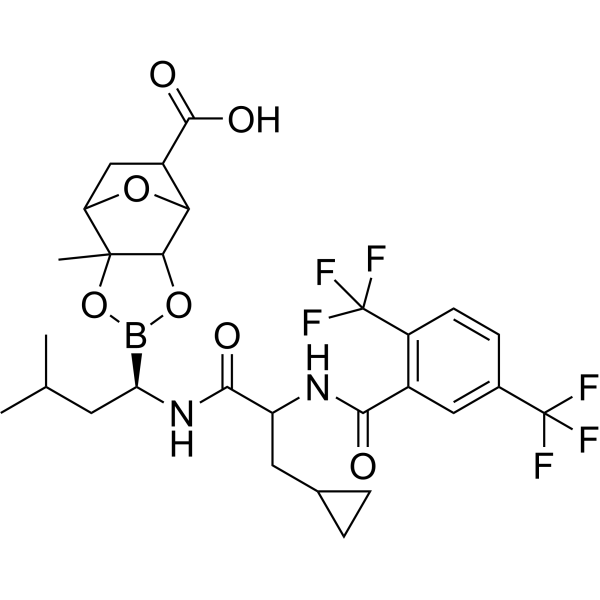
Anticancer agent 114 is a potent and orally active dipeptide boronic acid ester proteasome inhibitor with an IC50 value of 2.2 nM. Anticancer agent 114 has antiproliferative activity against the RPMI-8226 cells. Anticancer agent 114 can be used in research of multiple myeloma .
|
-
- HY-113824
-
|
Ridaifen-F
|
Proteasome
|
Cancer
|
|
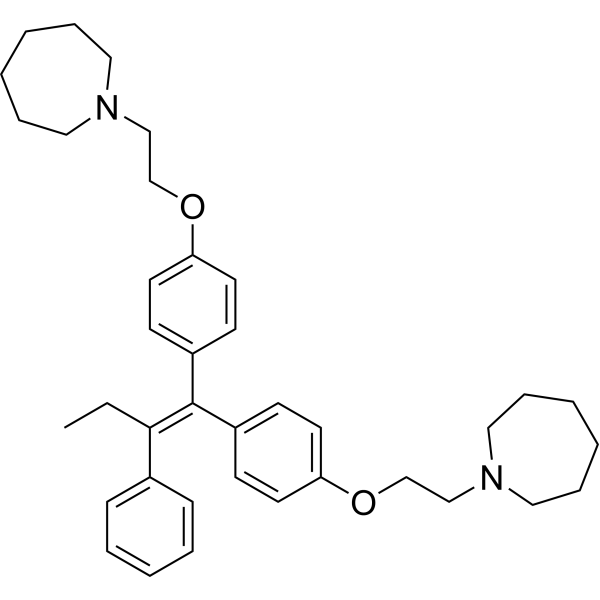
RID-F (Ridaifen-F), a Tamoxifen (HY-13757A) derivative, is a nonpeptidic proteasome inhibitor. RID-F inhibits human 20S proteasome activity, with IC50s of 0.64, 0.34, and 0.43 μM for CT-L, T-L, and PGPH, respectively .
|
-
- HY-117513
-
|
|
Proteasome
Apoptosis
|
Cancer
|
|
CEP1612 is a dipeptidyl proteasome inhibitor with the IC50 of 60 nM. CEP1612 induces p21(WAF1)and p27(KIP1) expression and cell apoptosis. CEP1612 shows anticancer activity in vivo .
|
-

- HY-139331
-
|
|
Proteasome
|
Neurological Disease
Inflammation/Immunology
Cancer
|
|
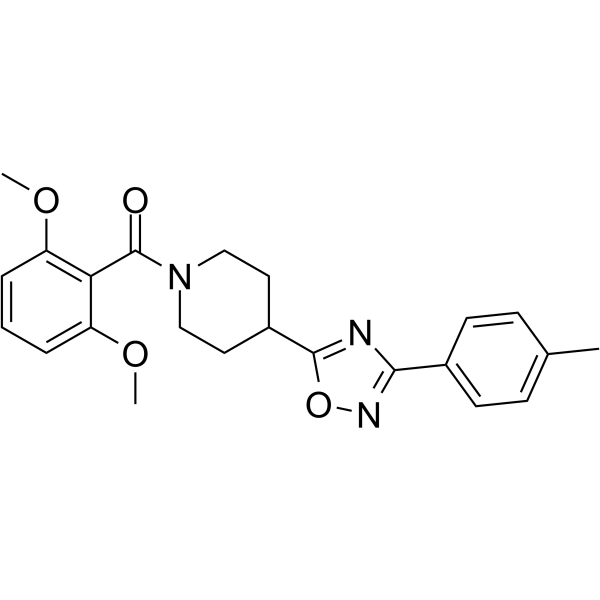
20S Proteasome-IN-1 is a 26S proteasome inhibitor extracted from patent WO2006128196A2 compound 2. 20S Proteasome-IN-1 has the potential for cancer, immune-related disorders, inflammation, ischemic conditions, neurodegenerative disorders and other diseases research .
|
-
- HY-W748328
-
|
|
Isotope-Labeled Compounds
Autophagy
Proteasome
|
Cancer
|
|
Ixazomib- 13C2, 15N is 13C and 15N labeled Ixazomib. Ixazomib (MLN2238) is a selective, potent, and reversible proteasome inhibitor, which inhibits the chymotrypsin-like proteolytic (β5) site of the 20S proteasome with an IC50 of 3.4 nM (Ki of 0.93 nM) .
|
-

- HY-117520
-
|
|
Proteasome
|
Cancer
|
|
FV-162 is a potent, orally active and irreversible proteasome inhibitor. FV-162 exhibits cytotoxic to human myeloma cell lines and primary myeloma cells. FV-162 inhibits tumor growth in a myeloma xenograft mouse model. FV-162 can be used for myeloma research .
|
-

- HY-168902
-
|
|
Proteasome
|
Cancer
|
|
Proteasome-IN-7 (Compound 6f) is an epoxyketone macrocyclic peptidyl proteasome inhibitor (IC50 value of 37.92 nM for 20S proteasome ChT-L subunit). Proteasome-IN-7 displays robust antiproliferative effects against multiple myeloma, acute lymphoblastic leukemia and non-small cell lung cancer .
|
-

- HY-151195
-
|
|
Proteasome
Parasite
|
Infection
|
|
20S Proteasome-IN-4 (Compound 7) is a brain-penetrant, parasite-selective, orally active 20S proteasome inhibitor with an IC50 of 6.3 nM against T. b. brucei 20S proteasome. 20S Proteasome-IN-4 can be used for the research of human African trypanosomiasis (HAT) .
|
-
- HY-157212
-
|
|
Apoptosis
PARP
Proteasome
|
Cancer
|
|
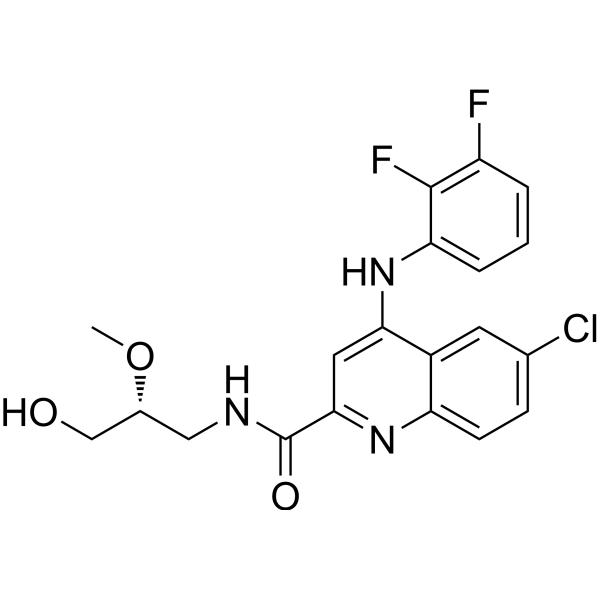
PARP-1/Proteasome-IN-1 (compound 42i) is a dual PARP-1 and proteasome inhibitor with significant inhibitory effects on breast cancer. PARP-1/Proteasome-IN-1 can downregulate the expression of BRCA1 and RAD51 to inhibit homologous recombination repair function and induce apoptosis .
|
-
- HY-144369
-
|
|
Proteasome
|
Cancer
|
|
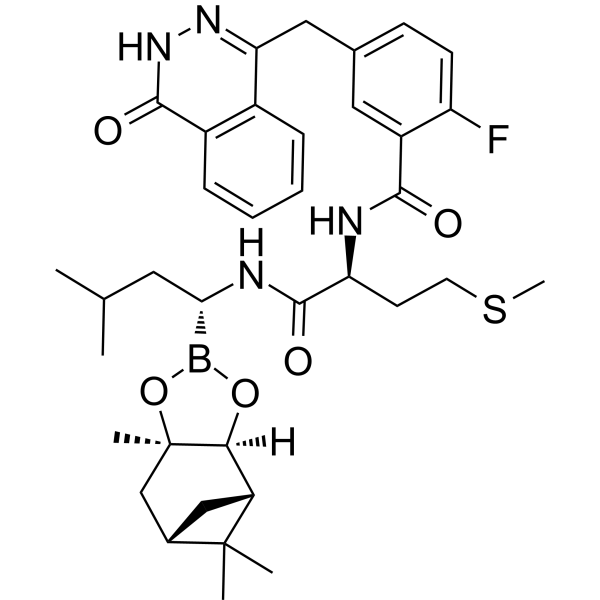
Proteasome-IN-4 is an excellent and non-covalent proteasome inhibitor (IC50=8.39 nM). Proteasome-IN-4 has potent antiproliferative activities against RPMI-8226, MM-1S and MV-4-11 cell lines. Proteasome-IN-4 can be used for cancer research .
|
-
- HY-131350A
-
|
|
Proteasome
Parasite
|
Infection
|
|
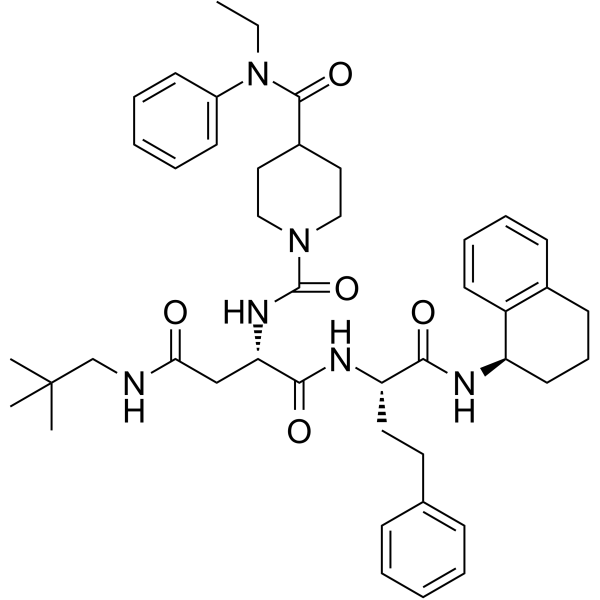
LXE408 fumarate is an orally active, non-competitive and kinetoplastid-selective proteasome inhibitor. LXE408 fumarate has an IC50 of 0.04 μM for L. donovani proteasome and an EC50 of 0.04 μM for L. donovani. LXE408 fumarate has a low propensity to cross the blood brain barrier. LXE408 fumarate has the potential for visceral leishmaniasis (VL) research .
|
-

- HY-150590
-
|
|
Proteasome
|
Cancer
|
|
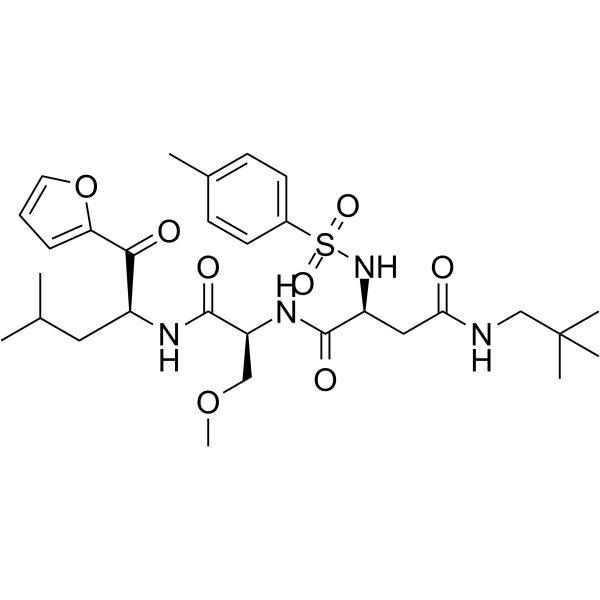
20S Proteasome-IN-2 is a human 20S proteasome inhibitor. 20S Proteasome-IN-2 shows high selectivity to its β5 subunit with the IC50 of 0.18 μM. 20S Proteasome-IN-2 displays anti-proliferative effect in vitro and in vivo, and arrests cell cycle at G2/M .
|
-
- HY-P11311
-
|
|
Proteasome
|
Cancer
|
|
NC-002, a cell-permeable peptide, is a Trypsin-like proteasome inhibitor without inhibition of lysosomal cysteine proteases. NC-002 is the epoxyketone derivative of Leupeptin (HY-18234). NC-002 sensitizes myeloma cells to Bortezomib (HY-10227) and Carfilzomib (HY-10455). NC-002 can be used for cancers research .
|
-

- HY-163770
-
|
|
Proteasome
|
Cancer
|
|
Anticancer agent 233 (compound 5g) is a 3,5-bis(arylmethylene)-4-piperidinone derivative with anticancer activity, with GI50 of 0.25 and 0.23 μM for cervical cancer (HeLa) and colon cancer (HCT116) cell lines, respectively. The chlorine atom on the aromatic ring of Anticancer agent 233 interacts well with the catalytic site of 20S proteasome, inhibiting the activity of 20S proteasome to exert its anticancer effect .
|
-

- HY-126874
-
|
TP-101
|
Proteasome
|
Others
|
|
Tyropeptin A-4 (TP-101) is a potent proteasome inhibitor with the ability to inhibit mammalian 20S proteasome activity. Tyropeptin A-4 exerts its inhibitory effect by binding to the site responsible for trypsin-like activity. Tyropeptin A-4 derivative TP-104 has a 20-fold increase in inhibitory activity over Tyropeptin A. TP-110 specifically inhibits trypsin-like activity without affecting PGPH and trypsin-like activity .
|
-

- HY-162885
-
|
|
Proteasome
JAK
STAT
Interleukin Related
|
Cancer
|
|
YSY01A is a proteasome inhibitor that can suppress cancer cell survival by inducing apoptosis (Apoptosis). Its IC50 values are 51.0 nM for HEK293T, 9.2 nM for A549, 5.2 nM for MCF-7, 8.9 nM for MGC-803, and 35.4 nM for PC-3M cells. Additionally, YSY01A eliminates constitutive STAT3 signaling by downregulating gp130 and JAK2 in human A549 lung cancer cells. YSY01A holds promise for research in the field of cancer therapy .
|
-

- HY-P2483A
-
|
|
Proteasome
Bacterial
|
Infection
Neurological Disease
Cancer
|
|
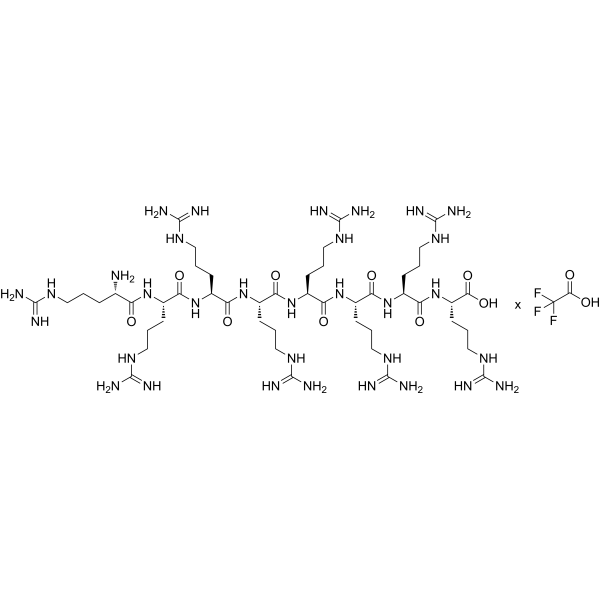
Octaarginine TFA is a cell-penetrating peptide and proteasome inhibitor. Octaarginine TFA exhibits mixed-type inhibition against 20S proteasome chymotrypsin-like, caspase-like, and trypsin-like activities, and inhibits 26S proteasome activity with decreased efficiency. Octaarginine TFA induces ubiquitin-conjugated protein accumulation, mediates HSPG-dependent cellular internalization via macropinocytosis, enhances liposomal cargo uptake and gene delivery. Octaarginine TFA can be used for the research of cervix carcinoma, collagen antibody-induced arthritis, and bacterial infections .
|
-
- HY-107412R
-
|
PS-IX (Standard); AM114 (Standard)
|
Reference Standards
Proteasome
|
Cancer
|
|
Proteasome inhibitor IX (Standard) is the analytical standard of Proteasome inhibitor IX (HY-107412). This product is intended for research and analytical applications. Proteasome inhibitor IX (PS-IX; AM114) is a Chalcone derivative and a chymotrypsin-like activity of the 20S proteasome inhibitor with an IC50 value of ~1 μM. Proteasome inhibitor IX exhibits HCT116 p53+/+ cells growth inhibitory activity with an IC50 value of 1.49 μM. Proteasome inhibitor IX has potent anticancer activity .
|
-

- HY-180127
-
|
|
Proteasome
PD-1/PD-L1
|
Cancer
|
|
UR238 is a proteasome inhibitor. UR238 reduces levels of the immunomodulator HE4. UR238 decreases PDL1 expression on cells. UR238 exhibits anticancer activity against epithelial ovarian cancer .
|
-

- HY-10453S
-
|
MLN2238-d7
|
Isotope-Labeled Compounds
Proteasome
Autophagy
|
Cancer
|
|
Ixazomib-d7 is the deuterium labeled Ixazomib (HY-10453). Ixazomib (MLN2238) is a selective, potent, and reversible proteasome inhibitor, which inhibits the chymotrypsin-like proteolytic (β5) site of the 20S proteasome with an IC50 of 3.4 nM (Ki of 0.93 nM) .
|
-

- HY-10452R
-
|
MLN9708 (Standard)
|
Proteasome
Reference Standards
Autophagy
|
Cancer
|
|
Ixazomib citrate (Standard) is the analytical standard of Ixazomib citrate (HY-10452). This product is intended for research and analytical applications. Ixazomib citrate (MLN9708) is a selective, orally active, second-generation proteasome inhibitor. Ixazomib citrate can be used for the study of a broad range of human malignancies .
|
-

- HY-W001023A
-
|
5A8HQ dihydrochloride; 5AHQ dihydrochloride
|
Proteasome
NF-κB
|
Cancer
|
|
5-Amino-8-hydroxyquinoline (5A8HQ; 5AHQ) dihydrochloride is an orally active non-competitive 20S proteasome inhibitor. 5-Amino-8-hydroxyquinoline dihydrochloride can inhibit NF-κB activity and induce cancer cells death and shows low cytotoxicity towards normal hematopoietic cells. 5-Amino-8-hydroxyquinoline dihydrochloride can be used for the research of cancer, such as leukemia .
|
-

- HY-123255
-
|
|
Proteasome
MMP
Apoptosis
Autophagy
|
Cardiovascular Disease
Neurological Disease
Cancer
|
|
BSc2118 is a 20S proteasome inhibitor with an IC50 of approximately 50 nM. BSc2118 induces G2/M phase cell cycle arrest and apoptosis in myeloma cells, inhibits cytoprotective autophagy, and suppresses tumor angiogenesis. BSc2118 reduces MMP9 activity, promotes angioneurogenesis, and alleviates recombinant tissue-type plasminogen activator-induced cerebral toxicity. BSc2118 is applicable to studies related to cerebral ischemia and multiple myeloma .
|
-

- HY-183801
-
|
|
Phosphatase
Apoptosis
|
Cancer
|
|
Cu2LCl2(H2O) acts as a proteasome inhibitor and protein tyrosine phosphatase inhibitor, with antiproliferative and apoptosis-inducing effects. Cu2LCl2(H2O) exhibits low cytotoxicity against normal cells and remarkable in vivo antitumor efficacy. Cu2LCl2(H2O) inhibits proteasome activity in colon cancer cells, and suppresses PTP1B and TCPTP activities in breast cancer cells. Cu2LCl2(H2O) can be used in the research of colon cancer, breast cancer and liver cancer .
|
-

| Cat. No. |
Product Name |
Type |
-
- HY-10227G
-
|
PS-341; LDP-341; NSC 681239
|
Fluorescent Dyes
|
|
Bortezomib (GMP) (PS-341 (GMP)) is Bortezomib (HY-10227) produced by using GMP guidelines. GMP small molecules works appropriately as an auxiliary reagent for cell therapy manufacture. Bortezomib (PS-341) is a reversible and selective proteasome inhibitor, and potently inhibits 20S proteasome (Ki=0.6 nM) by targeting a threonine residue. Bortezomib disrupts the cell cycle, induces apoptosis, and inhibits NF-κB. Bortezomib is the first proteasome inhibitor anticancer agent. Bortezomib can be used for the study of multiple myeloma (MM) . Bortezomib effectively inhibits TREM2 expression in tumor-associated macrophages (TAMs) .
|
-
- HY-13067G
-
|
Tripterine; Tripterin
|
Fluorescent Dyes
|
|
Celastrol (GMP) (Tripterine (GMP)) is Celastrol (HY-10227) produced by using GMP guidelines. GMP small molecules works appropriately as an auxiliary reagent for cell therapy manufacture. Celastrol (Tripterine;Tripterin) is a proteasome inhibitor which potently and preferentially inhibits the chymotrypsin-like activity of a purified 20S proteasome with IC50 of 2.5 μM. In addition, Celastrol is also an antibiotic with potent antimicrobial activity against standard and clinical methicillin-resistant Staphylococcus aureus (MRSA) strains, inducing oxidative stress and inhibiting DNA synthesis by binding to P5CDH .
|
| Cat. No. |
Product Name |
Type |
-
- HY-10227G
-
|
PS-341; LDP-341; NSC 681239
|
Biochemical Assay Reagents
|
|
Bortezomib (GMP) (PS-341 (GMP)) is Bortezomib (HY-10227) produced by using GMP guidelines. GMP small molecules works appropriately as an auxiliary reagent for cell therapy manufacture. Bortezomib (PS-341) is a reversible and selective proteasome inhibitor, and potently inhibits 20S proteasome (Ki=0.6 nM) by targeting a threonine residue. Bortezomib disrupts the cell cycle, induces apoptosis, and inhibits NF-κB. Bortezomib is the first proteasome inhibitor anticancer agent. Bortezomib can be used for the study of multiple myeloma (MM) . Bortezomib effectively inhibits TREM2 expression in tumor-associated macrophages (TAMs) .
|
-
- HY-13067G
-
|
Tripterine; Tripterin
|
Biochemical Assay Reagents
|
|
Celastrol (GMP) (Tripterine (GMP)) is Celastrol (HY-10227) produced by using GMP guidelines. GMP small molecules works appropriately as an auxiliary reagent for cell therapy manufacture. Celastrol (Tripterine;Tripterin) is a proteasome inhibitor which potently and preferentially inhibits the chymotrypsin-like activity of a purified 20S proteasome with IC50 of 2.5 μM. In addition, Celastrol is also an antibiotic with potent antimicrobial activity against standard and clinical methicillin-resistant Staphylococcus aureus (MRSA) strains, inducing oxidative stress and inhibiting DNA synthesis by binding to P5CDH .
|
| Cat. No. |
Product Name |
Target |
Research Area |
-
- HY-P11306
-
|
|
Proteasome
NF-κB
|
Inflammation/Immunology
|
|
Biotin-(Oaa)3-epoxomicin is a biotin-labeled form of Epoxomicin (HY-13821), prepared by conjugating Epoxomicin with biotin via three hydrophilic oxaacetyl amino acid (Oaa) linkers. Biotin-(Oaa)3-epoxomicin is primarily used in proteomic studies for the capture, identification and target validation of proteasome complexes, to determine the intracellular targets of epoxomicin. Epoxomicin acts as a proteasome inhibitor and NF-κB inhibitor, which effectively blocks inflammatory responses in mouse ear edema assays. It inhibits proteasome activity via covalent binding to catalytic subunits including LMP7, X, MECL1 and Z, with the strongest inhibitory effect on chymotrypsin-like activity, and does not interfere with non-proteasomal proteases such as trypsin and papain .
|
-
- HY-P1259A
-
|
|
Proteasome
Bacterial
|
Inflammation/Immunology
|
|
PR-39 TFA, a natural proline- and arginine-rich antibacterial peptide, is a noncompetitive, reversible and allosteric proteasome inhibitor. PR-39 TFAreversibly binds to the α7 subunit of the proteasome and blocks degradation of NF-κB inhibitor IκBα by the ubiquitin-proteasome pathway. PR-39 TFA stimulates angiogenesis, inhibits inflammatory responses and significant reduces myocardial infarct size in mice .
|
-
- HY-P2483B
-
|
|
Bacterial
Proteasome
|
Infection
Inflammation/Immunology
Cancer
|
|
Octaarginine acetate is a cell-penetrating peptide and proteasome inhibitor. Octaarginine acetate exhibits mixed-type inhibition against 20S proteasome chymotrypsin-like, caspase-like, and trypsin-like activities, and inhibits 26S proteasome activity with decreased efficiency. Octaarginine acetate induces ubiquitin-conjugated protein accumulation, mediates HSPG-dependent cellular internalization via macropinocytosis, enhances liposomal cargo uptake and gene delivery. Octaarginine acetate can be used for the research of cervix carcinoma, collagen antibody-induced arthritis, and bacterial infections .
|
-
- HY-P2483
-
|
|
Proteasome
Bacterial
|
Infection
Inflammation/Immunology
Cancer
|
|
Octaarginine is a cell-penetrating peptide and proteasome inhibitor. Octaarginine exhibits mixed-type inhibition against 20S proteasome chymotrypsin-like, caspase-like, and trypsin-like activities, and inhibits 26S proteasome activity with decreased efficiency. Octaarginine induces ubiquitin-conjugated protein accumulation, mediates HSPG-dependent cellular internalization via macropinocytosis, enhances liposomal cargo uptake and gene delivery. Octaarginine can be used for the research of cervix carcinoma, collagen antibody-induced arthritis, and bacterial infections .
|
-
- HY-P1258
-
PSI
2 Publications Verification
Proteasome Inhibitor 1; Z-Ile-Glu(OtBu)-Ala-Leu-CHO
|
Proteasome
|
Infection
Cancer
|
|
PSI (Proteasome Inhibitor 1) is a potent proteasome inhibitor. PSI inhibits the proliferation of primary effusion lymphoma (PEL) cells. PSI has the potential for the research of Kaposi’s sarcoma-associated herpesvirus (KSHV) infection and KSHV-associated lymphomas .
|
-
- HY-P1259
-
|
|
Proteasome
Bacterial
|
Inflammation/Immunology
|
|
PR-39, a natural proline- and arginine-rich antibacterial peptide, is a noncompetitive, reversible and allosteric proteasome inhibitor. PR-39 reversibly binds to the α7 subunit of the proteasome and blocks degradation of NF-κB inhibitor IκBα by the ubiquitin-proteasome pathway. PR-39 stimulates angiogenesis, inhibits inflammatory responses and significant reduces myocardial infarct size in mice .
|
-
- HY-P10714
-
|
|
Proteasome
Apoptosis
Deubiquitinase
|
Cancer
|
Ub4ix is a DUB/26S proteasome inhibitor. Ub4ix can protect K48-linked Ub chains from being chopped up by deubiquitinating enzymes (DUBs) and prevent the proteasomal degradation of Ub-tagged proteins. Ub4ix can reduce the viability of Hela cells and induce apoptosis, with an IC50 value of 1.6 μM .
|
-
- HY-P4910
-
|
|
Proteasome
Apoptosis
|
Cancer
|
|
Baceridin is a proteasome inhibitor and a cyclic hexapeptide. Baceridin can be isolated from the culture medium of Epiphytic Bacillus. Baceridin can inhibit cell cycle progression and induce tumor cell apoptosis through a p53-independent pathway. Baceridin can be used in cancer research .
|
-
- HY-P1258A
-
|
Proteasome Inhibitor 1 TFA; Z-Ile-Glu(OtBu)-Ala-Leu-CHO TFA
|
Proteasome
|
Infection
Cancer
|
|
PSI (TFA) is a potent proteasome inhibitor. PSI (TFA) inhibits the proliferation of primary effusion lymphoma (PEL) cells. PSI (TFA) can be used for the research of Kaposi’s sarcoma-associated herpesvirus (KSHV) infection and KSHV-associated lymphomas .
|
-
- HY-P11311
-
|
|
Proteasome
|
Cancer
|
|
NC-002, a cell-permeable peptide, is a Trypsin-like proteasome inhibitor without inhibition of lysosomal cysteine proteases. NC-002 is the epoxyketone derivative of Leupeptin (HY-18234). NC-002 sensitizes myeloma cells to Bortezomib (HY-10227) and Carfilzomib (HY-10455). NC-002 can be used for cancers research .
|
-
- HY-P2483A
-
|
|
Proteasome
Bacterial
|
Infection
Neurological Disease
Cancer
|
|
Octaarginine TFA is a cell-penetrating peptide and proteasome inhibitor. Octaarginine TFA exhibits mixed-type inhibition against 20S proteasome chymotrypsin-like, caspase-like, and trypsin-like activities, and inhibits 26S proteasome activity with decreased efficiency. Octaarginine TFA induces ubiquitin-conjugated protein accumulation, mediates HSPG-dependent cellular internalization via macropinocytosis, enhances liposomal cargo uptake and gene delivery. Octaarginine TFA can be used for the research of cervix carcinoma, collagen antibody-induced arthritis, and bacterial infections .
|
| Cat. No. |
Product Name |
Category |
Target |
Chemical Structure |
-
- HY-13067
-
-
-
- HY-16594
-
|
|
Structural Classification
Microorganisms
Antibiotics
Other Antibiotics
Source Classification
|
Proteasome
Cathepsin
Apoptosis
|
|
Lactacystin is a potent, orally active, irreversible, cell-permeable, selective 20S proteasome inhibitor (IC50 = 4.8 μM). Lactacystin also inhibits the lysosomal enzyme cathepsin A. Lactacystin inhibits cell growth and induces apoptosisand cell cycle arrest, and has antiviral and antioxidative activity. Lactacystin induces neurite outgrowth and hypertension. Lactacystin has the potential for the research of cancer, Neurological Disease, hypertension and Malaria, and so on [2] [6] .
|
-
-
- HY-13821
-
-
-
- HY-10985
-
|
Salinosporamide A; NPI-0052
|
Marine natural products
Marine microorganism
Source Classification
|
Proteasome
|
|
Marizomib (Salinosporamide A) is a second-generation, irreversible, brain-penetrant, pan-proteasome inhibitor. Marizomib inhibits the CT-L (β5), CT-T-laspase-like (C-L, β1) and trypsin-like (T-L, β2) activities of the 20S proteasome (IC50=3.5, 28, and 430 nM, respectively) .
|
-
-
- HY-108549
-
-
-
- HY-13067R
-
-
-
- HY-N16453
-
-
-
- HY-N14927
-
-
-
- HY-N14928
-
-
-
- HY-N14940
-
-
-
- HY-N14929
-
-
-
- HY-N11620
-
-
-
- HY-N11621
-
-
-
- HY-W273493
-
-
| Cat. No. |
Product Name |
Chemical Structure |
-
- HY-10227S
-
|
|
|
Bortezomib-d8 is the deuterium labeled Bortezomib. Bortezomib (PS-341) is a reversible and selective proteasome inhibitor, and potently inhibits 20S proteasome (Ki=0.6 nM) by targeting a threonine residue. Bortezomib disrupts the cell cycle, induces apoptosis, and inhibits NF-κB. Bortezomib is the first proteasome inhibitor anticancer agent. Bortezomib can be used for the study of multiple myeloma (MM) . Bortezomib effectively inhibits TREM2 expression in tumor-associated macrophages (TAMs) .
|
-
-
- HY-10455S
-
|
|
|
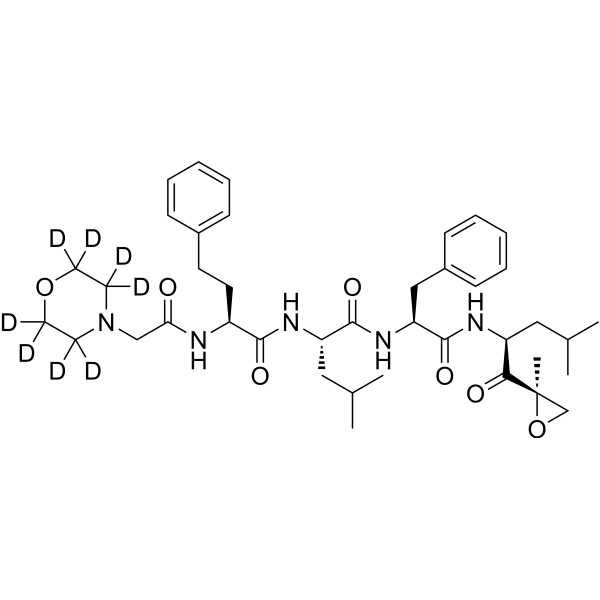
Carfilzomib-d8 is deuterium labeled Carfilzomib. Carfilzomib (PR-171) is an irreversible proteasome inhibitor with an IC50 of 5 nM in ANBL-6 and RPMI 8226 cells.
|
-
-
- HY-W748328
-
|
|
|
Ixazomib- 13C2, 15N is 13C and 15N labeled Ixazomib. Ixazomib (MLN2238) is a selective, potent, and reversible proteasome inhibitor, which inhibits the chymotrypsin-like proteolytic (β5) site of the 20S proteasome with an IC50 of 3.4 nM (Ki of 0.93 nM) .
|
-
-
- HY-10453S
-
|
|
|
Ixazomib-d7 is the deuterium labeled Ixazomib (HY-10453). Ixazomib (MLN2238) is a selective, potent, and reversible proteasome inhibitor, which inhibits the chymotrypsin-like proteolytic (β5) site of the 20S proteasome with an IC50 of 3.4 nM (Ki of 0.93 nM) .
|
-
| Cat. No. |
Product Name |
Target |
Research Areas |
Chemical Structure |
-
- HY-10227G
-
|
PS-341; LDP-341; NSC 681239
|
Proteasome
NF-κB
Apoptosis
Autophagy
TREM receptor
|
Cancer
|
|
Bortezomib (GMP) (PS-341 (GMP)) is Bortezomib (HY-10227) produced by using GMP guidelines. GMP small molecules works appropriately as an auxiliary reagent for cell therapy manufacture. Bortezomib (PS-341) is a reversible and selective proteasome inhibitor, and potently inhibits 20S proteasome (Ki=0.6 nM) by targeting a threonine residue. Bortezomib disrupts the cell cycle, induces apoptosis, and inhibits NF-κB. Bortezomib is the first proteasome inhibitor anticancer agent. Bortezomib can be used for the study of multiple myeloma (MM) . Bortezomib effectively inhibits TREM2 expression in tumor-associated macrophages (TAMs) .
|
-
-
- HY-13067G
-
|
Tripterine; Tripterin
|
Endogenous Metabolite
Proteasome
Antibiotic
Apoptosis
Bacterial
Autophagy
Mitophagy
|
Infection
Inflammation/Immunology
Cancer
|
|
Celastrol (GMP) (Tripterine (GMP)) is Celastrol (HY-10227) produced by using GMP guidelines. GMP small molecules works appropriately as an auxiliary reagent for cell therapy manufacture. Celastrol (Tripterine;Tripterin) is a proteasome inhibitor which potently and preferentially inhibits the chymotrypsin-like activity of a purified 20S proteasome with IC50 of 2.5 μM. In addition, Celastrol is also an antibiotic with potent antimicrobial activity against standard and clinical methicillin-resistant Staphylococcus aureus (MRSA) strains, inducing oxidative stress and inhibiting DNA synthesis by binding to P5CDH .
|
-
Your information is safe with us. * Required Fields.
Inquiry Information
- Product Name:
- Cat. No.:
- Quantity:
- MCE Japan Authorized Agent:








