



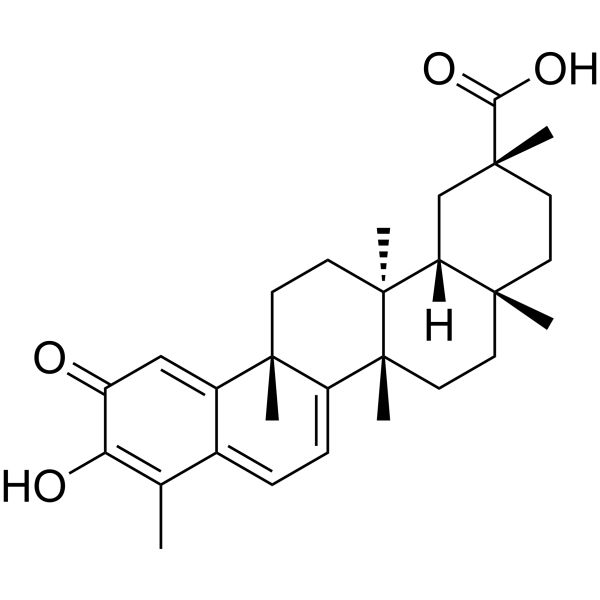
Celastrol (GMP) (Tripterine (GMP)) is Celastrol (HY-10227) produced by using GMP guidelines. GMP small molecules works appropriately as an auxiliary reagent for cell therapy manufacture. Celastrol (Tripterine;Tripterin) is a proteasome inhibitor which potently and preferentially inhibits the chymotrypsin-like activity of a purified 20S proteasome with IC50 of 2.5 μM. In addition, Celastrol is also an antibiotic with potent antimicrobial activity against standard and clinical methicillin-resistant Staphylococcus aureus (MRSA) strains, inducing oxidative stress and inhibiting DNA synthesis by binding to P5CDH.
For research use only. We do not sell to patients.
- CAS No.: 34157-83-0
- Formula: C29H38O4
- Molecular Weight:450.61
-
Storage:
Please store the product under the recommended conditions in the Certificate of Analysis.


To place orders, for customer services and technical support, please contact: MedChemExpress USA
Tel: 609-228-6898 E-mail: [email protected] [email protected]


-
 Biological Activity
-
Chemical Information
- Protocols
- Purity & Documentation
- References
-
 Help & FAQs


-
HY-13067
CelastrolAutophagy Inducer -

HY-13067R
Celastrol (Standard)Autophagy Inducer -
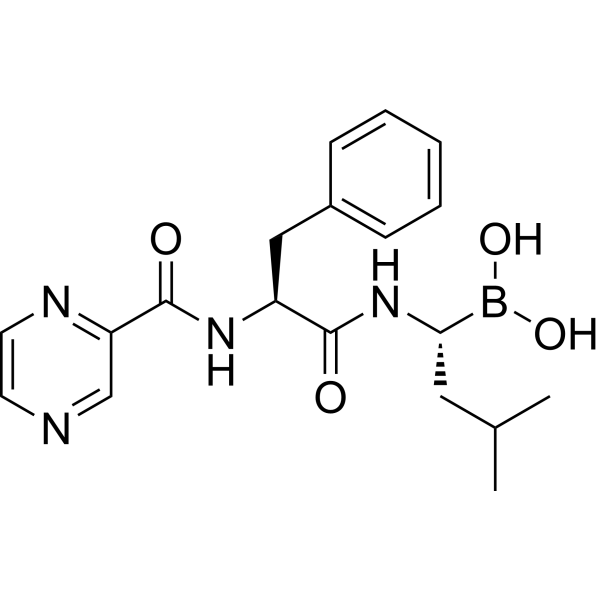
HY-10227
BortezomibProteasome Inhibitor -
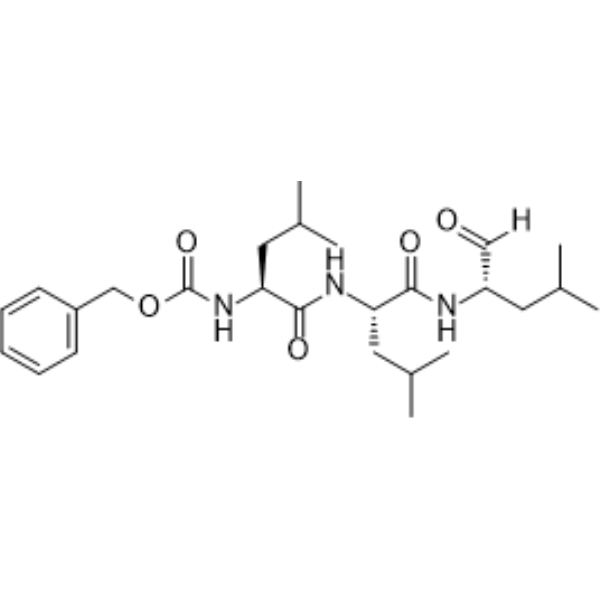
HY-13259
MG-132Proteasome Inhibitor -
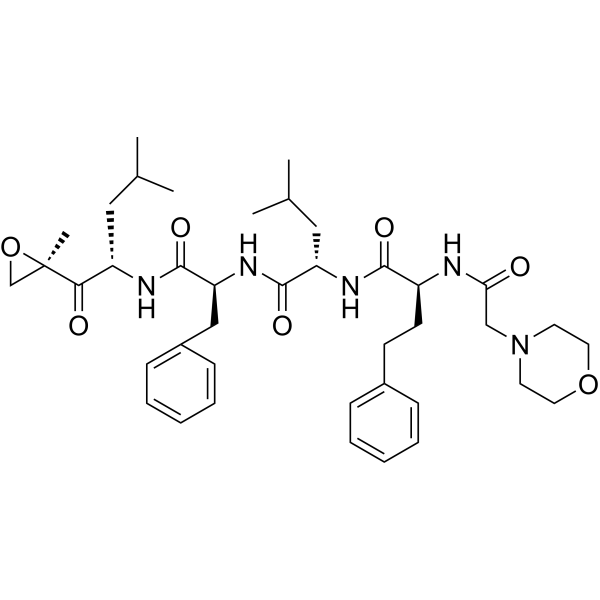
HY-10455
CarfilzomibProteasome Inhibitor -
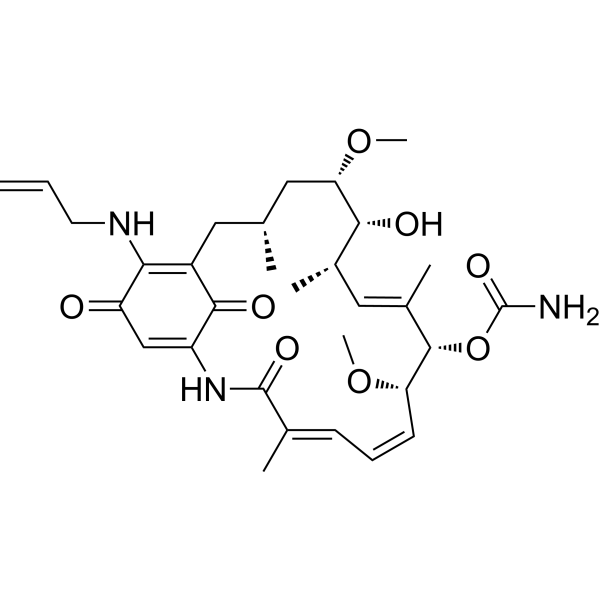
HY-10211
TanespimycinHSP90 Inhibitor -
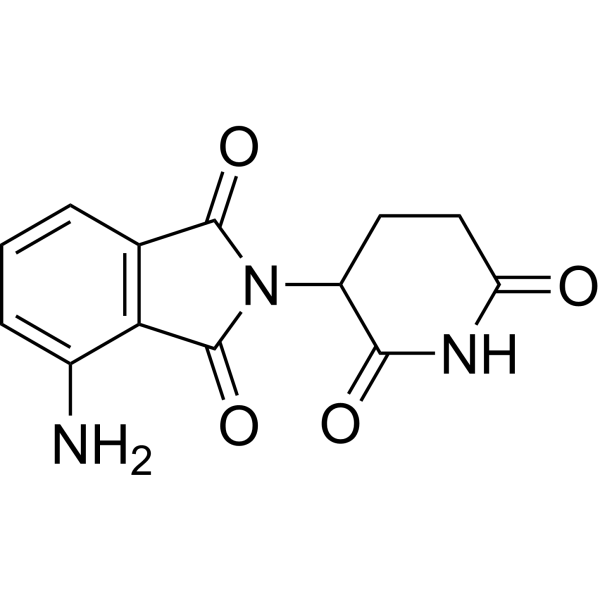
HY-10984
PomalidomideImmunomodulatory Agent -
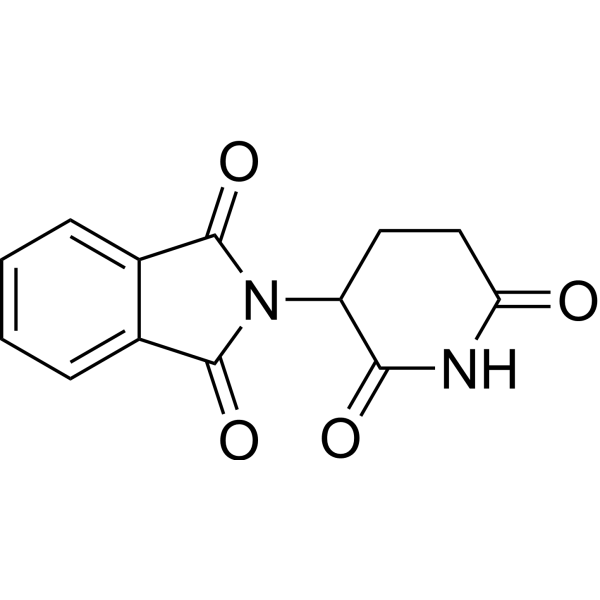
HY-14658
ThalidomideCereblon Inhibitor -

HY-10227R
Bortezomib (Standard)Proteasome Inhibitor -
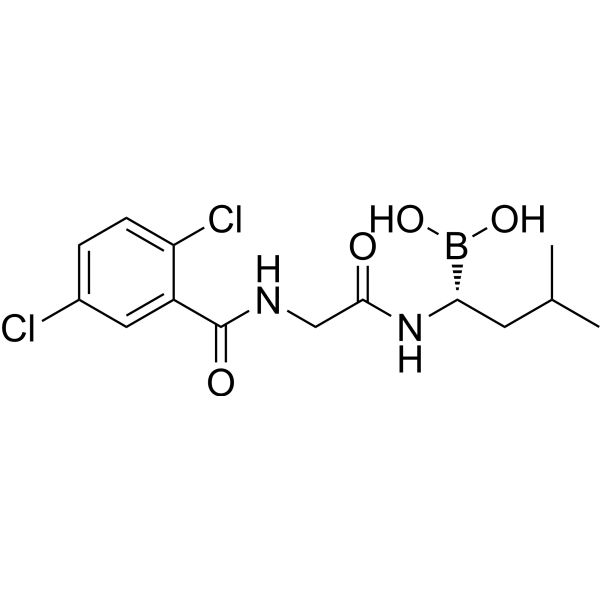
HY-10453
IxazomibProteasome Inhibitor -
HY-13821
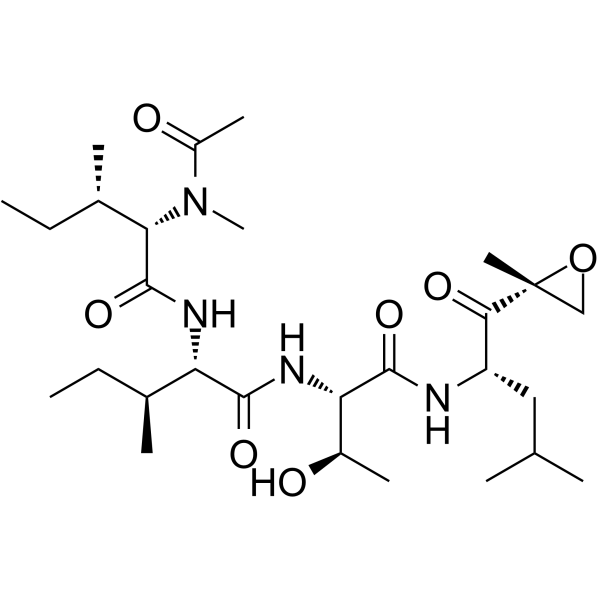
EpoxomicinProteasome Inhibitor -
HY-15205
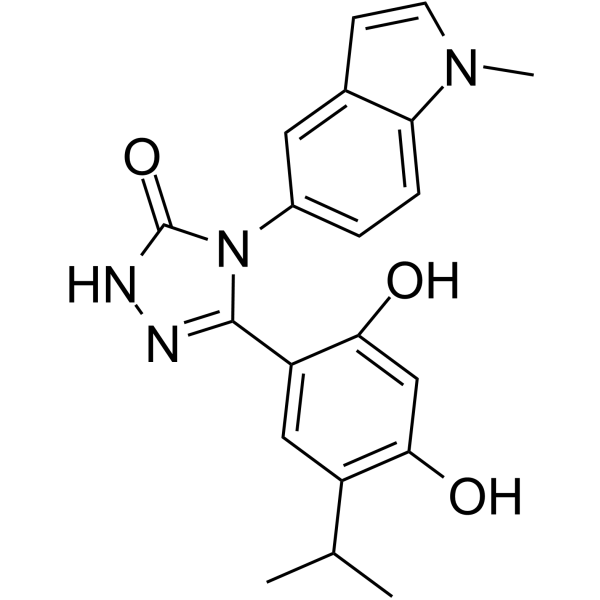
GanetespibHSP90 Inhibitor


Biological Activity
Description
In Vitro
Celastrol (Tripterine;Tripterin) (GMP) significantly inhibits the proteasomal chymotrypsin activity in PC-3 cells in a concentration-dependent manner; at 2.5 μM it reaches ~55% inhibition, comparable to its potency to a purified 20S proteasome (IC50=2.5 μM). Furthermore, increased levels of IκB-α, Bax, and p27 are observed, three well known target proteins of the proteasome in PC-3 cells treated with Celastrol[1].
MedChemExpress (MCE) has not independently confirmed the accuracy of these methods. They are for reference only. Further protocols information, click here.
In Vivo
MedChemExpress (MCE) has not independently confirmed the accuracy of these methods. They are for reference only.


Chemical Information
-
CAS No. 34157-83-0
-
Molecular Weight 450.61
-
Formula C29H38O4
-
SMILES
OC1=C(C2=CC=C3[C@](C)([C@]4(CC[C@]3(C2=CC1=O)C)C)CC[C@@]5(C)CC[C@@](C(O)=O)(C[C@]54[H])C)C
-
Synonyms
Tripterine (GMP); Tripterin (GMP)
-
Shipping
Room temperature in continental US; may vary elsewhere.
-
Storage
Please store the product under the recommended conditions in the Certificate of Analysis.

Protocols
-
Research Protocol for Infectious Diseases
Infectious-disease experiments test how pathogens interact with host barriers, innate immune receptors, inflammatory signaling, pathogen replication, and tissue injury; pattern-recognition receptors such as TLRs, RIG-I-like receptors, NOD-like receptors, and inflammasomes detect microbial molecules and activate NF-κB, interferon, and cytokine responses. The central hypothesis is that infection severity reflects the balance between pathogen burden and host response: protective inflammation restricts pathogen growth, whereas excessive or mislocalized inflammation contributes to tissue damage and disease phenotype. Unresolved questions include which host pathways are protective versus pathogenic, why some infection models fail to translate to human disease, and which combined readouts best predict clinically relevant infection outcomes.
-
EdU Incorporation Assay (Click Chemistry-Based DNA Synthesis Measurement)
The EdU incorporation assay measures DNA synthesis by adding the thymidine analog 5-ethynyl-2′-deoxyuridine to cells or tissues, where it is incorporated into newly synthesized DNA during S phase. Incorporated EdU is detected by copper-catalyzed azide-alkyne cycloaddition, in which a fluorescent azide covalently reacts with the ethynyl group on EdU, allowing S-phase cells to be detected by fluorescence microscopy, flow cytometry, or high-content imaging. EdU detection does not require DNA denaturation or anti-BrdU antibody access, which preserves sample structure and improves compatibility with immunostaining and multiparameter cytometry compared with BrdU-based detection. EdU can be cytotoxic in a cell-type- and exposure-dependent manner, so pulse duration, concentration, and continuous-labeling designs should be validated for each cell type.
-
Cell Cytotoxicity Assay
Cytotoxicity assays are usually based on the assessment of cell membrane damage, which can also be indirectly detected by measuring cell viability. Detection methods include MTT assay, CKK-8 assay, LDH assay and ATP assay, etc.
-
ROS/oxidative-stress fluorescent staining
ROS/oxidative-stress fluorescent staining uses cell-permeant fluorogenic probes that become fluorescent after oxidation inside cells or tissues; commonly used examples include DCFH-DA/DCFDA for broad cellular oxidant detection, DHE for superoxide-related signal detection, MitoSOX for mitochondrial superoxide-related signal detection, and CellROX probes for oxidative-stress-associated fluorescence readouts. The assay detects probe oxidation rather than a single ROS species unless the probe and analysis method have been chemically validated for that species. DCFH-DA enters cells, is deacetylated by intracellular esterases to DCFH, and produces fluorescent DCF after oxidation, so the readout is used as an operational measure of total cellular oxidative stress rather than a species-specific ROS measurement. DHE and MitoSOX can report superoxide-related oxidation, but red fluorescence alone can include non-specific ethidium-like oxidation products; HPLC or optimized spectral approaches are
-
BrdU Incorporation Assay
Bromodeoxyuridine (BrdU) incorporation assay is based on the principle that BrdU, a thymidine analog, is incorporated into newly synthesized DNA during the S phase of the cell cycle, thereby serving as a marker of DNA replication and cellular proliferation. Incorporated BrdU can be detected using anti-BrdU antibodies following DNA denaturation, enabling visualization or quantification of proliferating cells through immunochemical detection methods such as immunofluorescence or immunohistochemistry.


Purity & Documentation
References
[1]. Yang H, et al. Celastrol, a triterpene extracted from the Chinese "Thunder of God Vine," is a potent proteasome inhibitor and suppresses human prostate cancer growth in nude mice. Cancer Res. 2006 May 1;66(9):4758-65 [Content Brief]
[2]. Guan Y, et al. Celastrol attenuates oxidative stress in the skeletal muscle of diabetic rats by regulating the AMPK-PGC1α-SIRT3 signaling pathway. Int J Mol Med. 2016 May;37(5):1229-38. [Content Brief]
[3]. Yuan Z, et al. Celastrol Combats Methicillin‐Resistant Staphylococcus aureus by Targeting Δ1‐Pyrroline‐5‐Carboxylate Dehydrogenase[J]. Advanced Science, 2023, 10(25): 2302459. [Content Brief]

Calculators
Concentration (start) × Volume (start) = Concentration (final) × Volume (final)


Celastrol (GMP) Related Classifications
HY-13067G Related Classifications
 Powered by Bioz