Search Result
Results for "
renal+fibrosis
" in MedChemExpress (MCE) Product Catalog:
1
Biochemical Assay Reagents
1
Isotope-Labeled Compounds
| Cat. No. |
Product Name |
Target |
Research Areas |
Chemical Structure |
-
- HY-10358
-
|
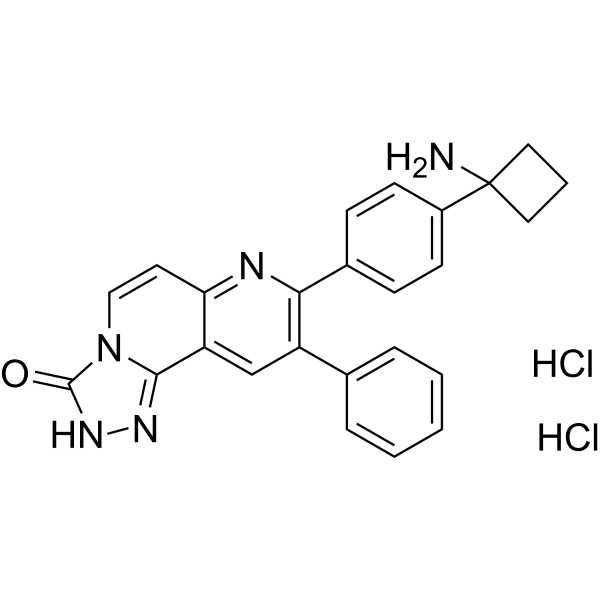
MK-2206 (2HCl)
|
Bcl-2 Family
Apoptosis
mTOR
Akt
GSK-3
|
Cardiovascular Disease
Inflammation/Immunology
Cancer
|
|
MK-2206 dihydrochloride (MK-2206 2HCl) is an orally active pan-AKT inhibitor, with IC50 values of 8 nM, 12 nM and 65 nM against AKT1, AKT2 and AKT3, respectively. MK-2206 dihydrochloride inhibits the Akt/mTOR signaling pathway and reduces the levels of downstream GSK3β and Mcl-1 via proteasomal degradation. MK-2206 dihydrochloride induces G1-phase cell cycle arrest, apoptosis, epithelial-mesenchymal transition, fibroblast activation and extracellular matrix deposition. MK-2206 dihydrochloride causes transient hyperglycemia and hyperinsulinemia in animals. MK-2206 dihydrochloride can be used in research related to solid tumors, renal fibrosis and hypercholesterolemia .
|
-
-
- HY-101938
-
-
-
- HY-108232
-
MK-2206
Maximum Cited Publications
462 Publications Verification
|
Bcl-2 Family
Apoptosis
mTOR
Akt
GSK-3
|
Metabolic Disease
Inflammation/Immunology
Cancer
|
|
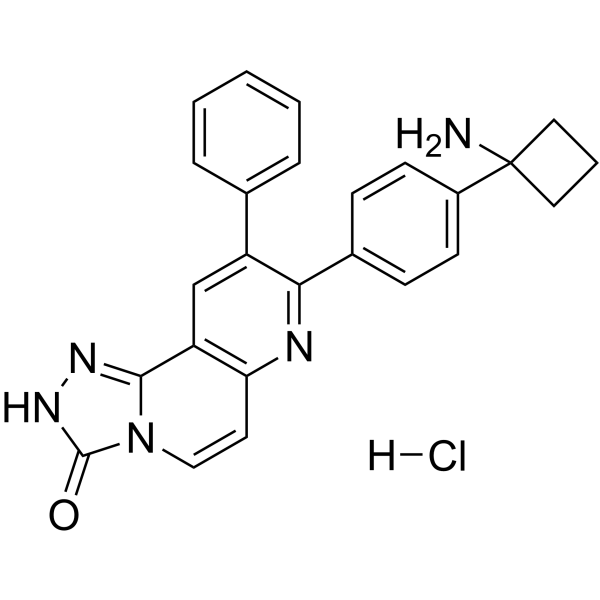
MK-2206 is an orally active pan-AKT inhibitor, with IC50 values of 8 nM, 12 nM and 65 nM against AKT1, AKT2 and AKT3, respectively. MK-2206 inhibits the Akt/mTOR signaling pathway and reduces the levels of downstream GSK3β and Mcl-1 via proteasomal degradation. MK-2206 induces G1-phase cell cycle arrest, apoptosis, epithelial-mesenchymal transition, fibroblast activation and extracellular matrix deposition. MK-2206 causes transient hyperglycemia and hyperinsulinemia in animals. MK-2206 can be used in research related to solid tumors, renal fibrosis and hypercholesterolemia .
|
-
-
- HY-N2995
-
|
Poricoic acid A(F)
|
NF-κB
Keap1-Nrf2
AMPK
TGF-beta/Smad
Reactive Oxygen Species (ROS)
|
Inflammation/Immunology
Cancer
|
|
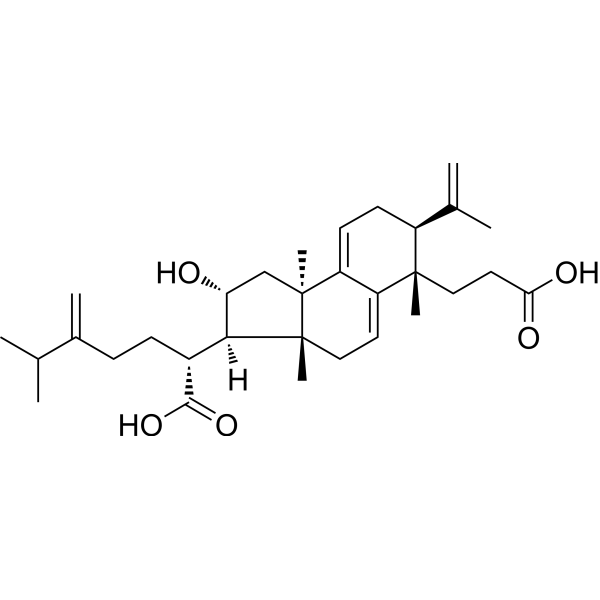
Poricoic acid A can be isolated from Poria cocos. Poricoic acid A is an orally active anti-tumor agent. Poricoic acid A enhances melatonin inhibition of AKI-to-CKD transition by regulating Gas6/AxlNFκB/Nrf2 axis. Poricoic acid A also attenuatea fibroblast activation and abnormal extracellular matrix remodeling in renal fibrosis by activating AMPK and inhibiting Smad3. Poricoic acid A significantly reduces the magnitude of rise in serum creatinine and urea levels in rat model when combined with Melatonin. Poricoic acid A ameliorates renal fibrosis and podocyte injury by attenuating oxidative stress and inflammation through regulating NF-κB and Nrf2 in IRI rodent model in combination with Melatonin .
|
-
-
- HY-18627A
-
|
(R)-PFI-2 hydrochloride
|
Histone Methyltransferase
|
Infection
Inflammation/Immunology
Cancer
|
|
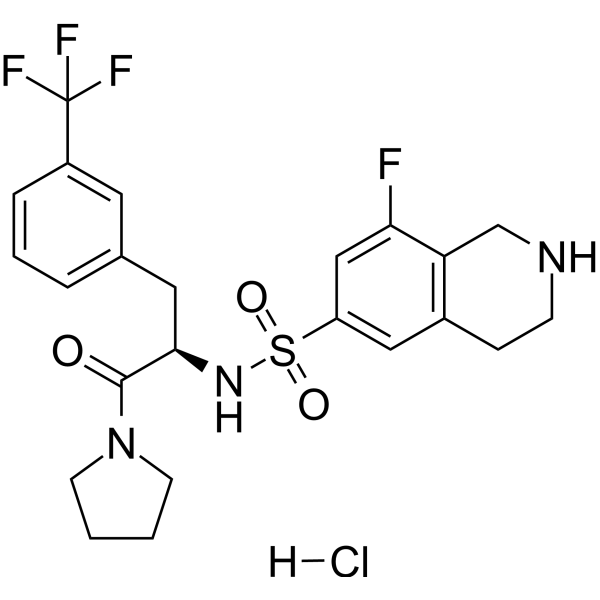
PFI-2 ((R)-PFI-2 hydrochloride) hydrochloride is a potent and selective SET domain containing lysine methyltransferase 7 (SETD7) inhibitor. (R)-PFI-2 shows high inhibiting activity with IC50 value of 2.0 nM and (S)-PFI-2 shows inhibiting activity with IC50 value of 1.0 μM. PFI-2 hydrochloride can be used for the research of chronic kidney disease and inflammation response in the development of renal fibrosis .
|
-
-
- HY-12220
-
MM-102
4 Publications Verification
HMTase Inhibitor IX
|
WDR5
Apoptosis
NF-κB
TNF Receptor
Interleukin Related
|
Inflammation/Immunology
Cancer
|
|
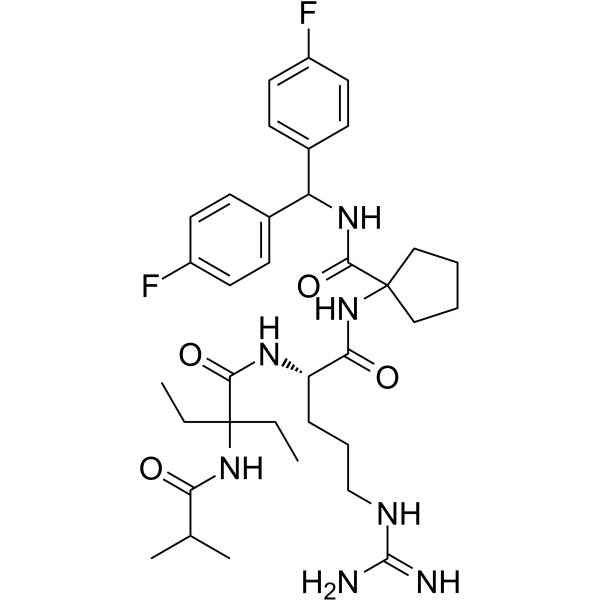
MM-102 (HMTase Inhibitor IX) is a cell-permeable and tightly binding inhibitor of MLL1-WDR5 interaction (IC50=2.4 nM). MM-102 can specifically inhibit the growth and induce apoptosis of leukemia cells containing MLL1 fusion protein, and reduce renal fibrosis and inflammation in mice with ischemia-reperfusion injury. In addition, MM-102 also acts as an H3K4 histone methyltransferase inhibitor to improve the development of porcine somatic cell nuclear transfer (SCNT) embryos .
|
-
-
- HY-13102
-
|
|
Procollagen C Proteinase
|
Others
|
|
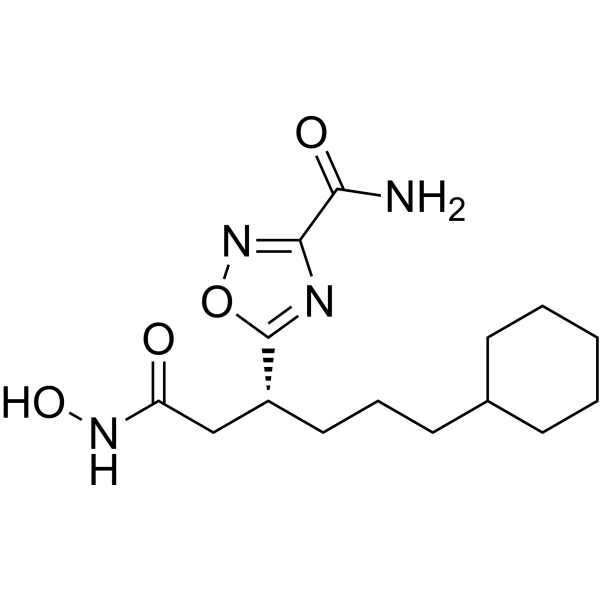
UK-383367 is an orally available pro-collagen C-protease inhibitor (BMP-1) with an IC50 value of 44 nM. UK-383367 can reduce renal fibrosis and inflammation in chronic kidney disease (CKD) and may be used to study postoperative skin scarring .
|
-
-
- HY-12953
-
-
-
- HY-P10899
-
|
|
PROTACs
TGF-beta/Smad
|
Endocrinology
|
|
ETTAC-2 is a LRG1 PROTAC degrader, degrading LRG1 via the ubiquitin-proteasome pathway with a DC50 value of 8.38 μM. ETTAC-2 penetrates damaged renal cells to reduce the extracellular secretion of LRG1. ETTAC-2 effectively inhibits the TGF-β-Smad3 signaling pathway and diminishes the secretion of fibrosis-associated extracellular matrix proteins. ETTAC-2 degrades LRG1 within fibrotic kidneys and the efficacy in inhibiting the TGF-β-Smad3 pathway both in vitro and vivo. ETTAC-2 can be used for renal fibrosis research .
|
-

-
- HY-18627
-
|
(R)-PFI-2
|
Histone Methyltransferase
|
Infection
Inflammation/Immunology
Cancer
|
|
PFI-2 ((R)-PFI-2 hydrochloride) hydrochloride, a chemical probe, is a potent and selective SET domain containing lysine methyltransferase 7 (SETD7) inhibitor. (R)-PFI-2 shows high inhibiting activity with IC50 value of 2.0 nM and (S)-PFI-2 shows inhibiting activity with IC50 value of 1.0 μM. PFI-2 hydrochloride can be used for the research of chronic kidney disease and inflammation response in the development of renal fibrosis .
|
-
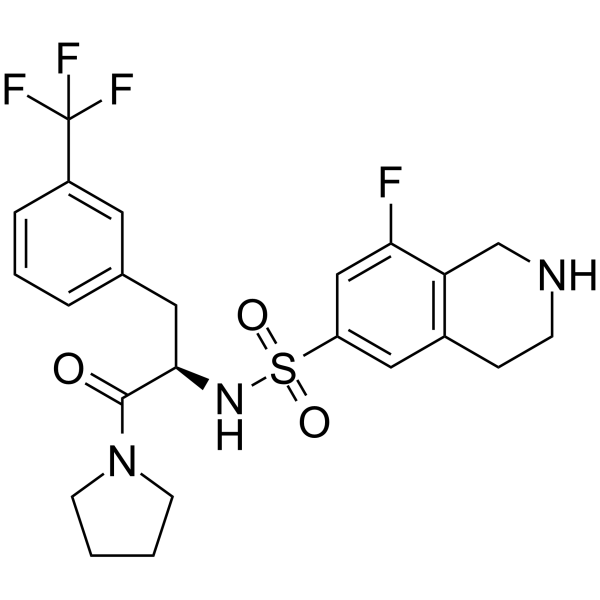
-
- HY-N2181
-
|
|
Cytochrome P450
Apoptosis
Bacterial
Autophagy
|
Infection
Neurological Disease
Metabolic Disease
Inflammation/Immunology
Cancer
|
|
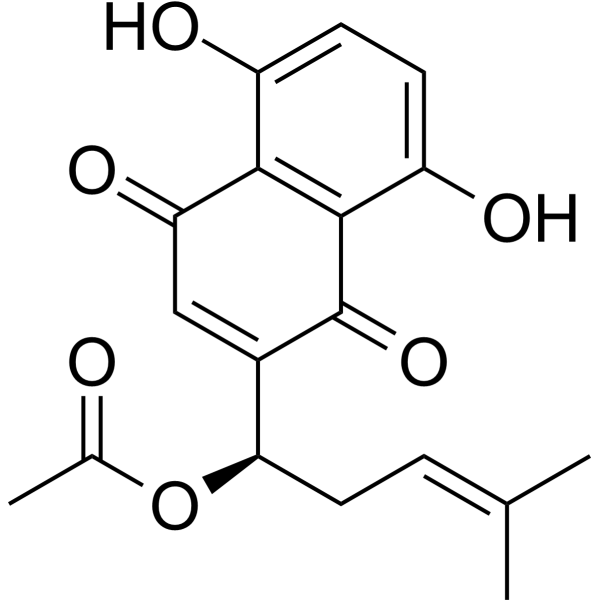
Acetylshikonin is an oral active anti-cancer, anti-inflammatory, antioxidant, anti-fertility, antibacterial, and neuroprotective agent. Acetylshikonin is a inhibitor of acetylcholinase (AChE) (IC50=34.6 μM) and nonselective cytochrome P450. Acetylshikonin can induce Apoptosis and Autophagy in cancer cells. Acetylshikonin regulates blood glucose, liver fat metabolism, and renal fibrosis, and is used in the study of diabetes, diabetic nephropathy (DN), obesity, and nonalcoholic fatty liver disease (NAFLD) .
|
-
-
- HY-110217
-
|
|
IMPDH
|
Inflammation/Immunology
|
|
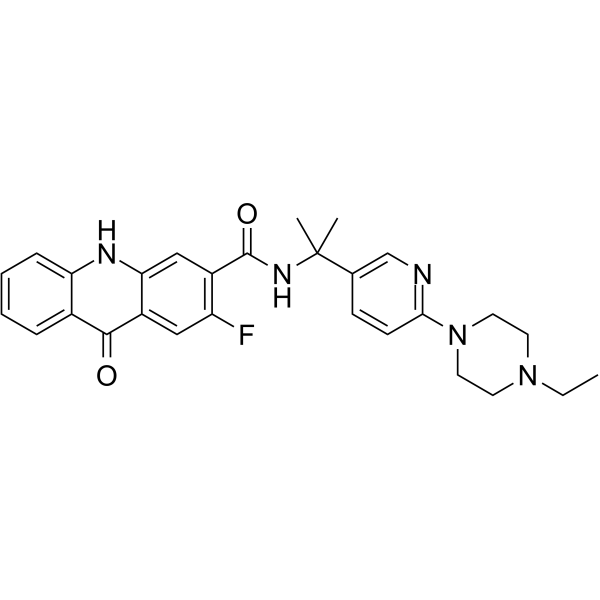
BMS-566419 is an orally active IMPDH inhibitor with an IC50 of 91 nM against human IMPDH I and 68 nM against human IMPDH II. BMS-566419 exerts anti-heart transplant rejection and anti-renal fibrosis effects, and inhibits the expression of MCP-1, TGF-β1 as well as antibody production. BMS-566419 can be used in research on renal fibrosis and organ transplantation .
|
-
-
- HY-P99512
-
|
UCB-7858
|
Glutaminase
|
Endocrinology
|
|
Zampilimab (UCB-7858) is a monoclonal antibody against transglutaminase 2 (TG2). Zampilimab inhibits TG2 crosslinking transamidation activity with an IC50 of 0.25 nM and a Kd of <50 pM. Zampilimab improves renal fibrosis .
|
-

-
- HY-W014075
-
|
|
Aryl Hydrocarbon Receptor
Cytochrome P450
Collagen
|
Inflammation/Immunology
|
|
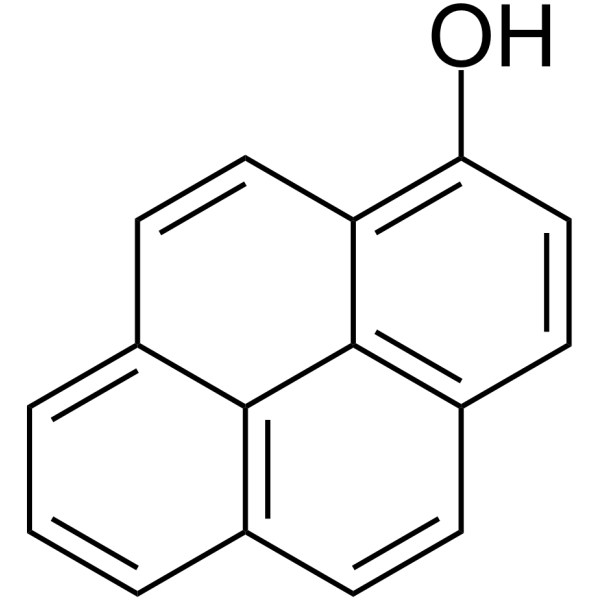
1-Hydroxypyrene, a biomarker of exposure to polycyclic aromatic hydrocarbons (PAHs), is analyzed in urine samples. 1-Hydroxypyrene is the major biomarker of exposure to pyrenes. 1-Hydroxypyrene is the orally active agonist for aryl hydrocarbon receptor (AhR) and can lead to renal fibrosis .
|
-
-
- HY-P11178
-
|
|
Apoptosis
SARS-CoV
|
Infection
Metabolic Disease
Inflammation/Immunology
|
|
Corisin is a pro-apoptotic small peptide produced by Staphylococcus species. Corisin binds to serum albumin to target organs such as the lungs and kidneys, induces cellular senescence, apoptosis and epithelial-mesenchymal transition, and accelerates the progression of organ fibrosis including pulmonary fibrosis and diabetic renal fibrosis. Corisin levels are closely associated with coronavirus disease 2019 (COVID-19), diabetic chronic kidney disease (CKD), non-diabetic CKD, and idiopathic pulmonary fibrosis (IPF) .
|
-

-
- HY-18758
-
IN-1130
1 Publications Verification
|
TGF-β Receptor
|
Inflammation/Immunology
Cancer
|
|
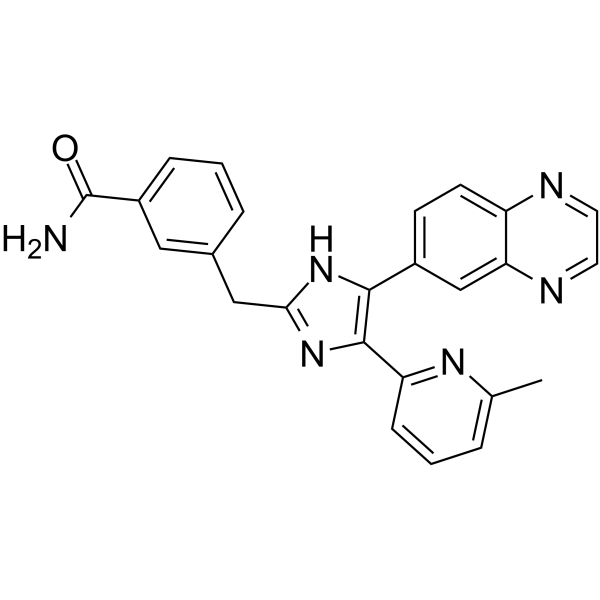
IN-1130 is a highly selective transforming growth factor-β type I receptor kinase (ALK5) inhibitor with an IC50 of 5.3 nM for ALK5-mediated Smad3 phosphorylation. IN-1130 inhibits ALK5 phosphorylation of casein (IC50=36 nM) and p38α mitogen-activated protein kinase (IC50=4.3 μM). IN-1130 suppresses renal fibrosis in obstructive nephropathy and blocks breast cancer lung metastasis .
|
-
-
- HY-112597A
-
|
REN001; HPP593
|
PPAR
|
Inflammation/Immunology
|
|
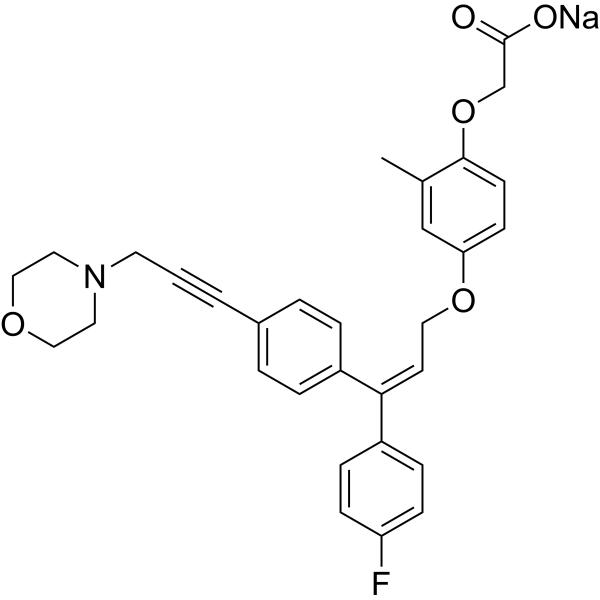
Mavodelpar (REN001) is a selective PPARδ agonist. Mavodelpar suppresses glomerular injury and renal fibrosis. Mavodelpar can be used for the research of primary mitochondrial myopathies (PMM) and long-chain fatty acid oxidation disorders (LC-FAOD) . Mavodelpar is a click chemistry reagent, it contains an Alkyne group and can undergo copper-catalyzed azide-alkyne cycloaddition (CuAAc) with molecules containing Azide groups.
|
-
-
- HY-N3225
-
|
|
NAMPT
Sirtuin
Microtubule/Tubulin
Apoptosis
Autophagy
PDGFR
NF-κB
AMPK
|
Cardiovascular Disease
Neurological Disease
Metabolic Disease
Inflammation/Immunology
Cancer
|
|
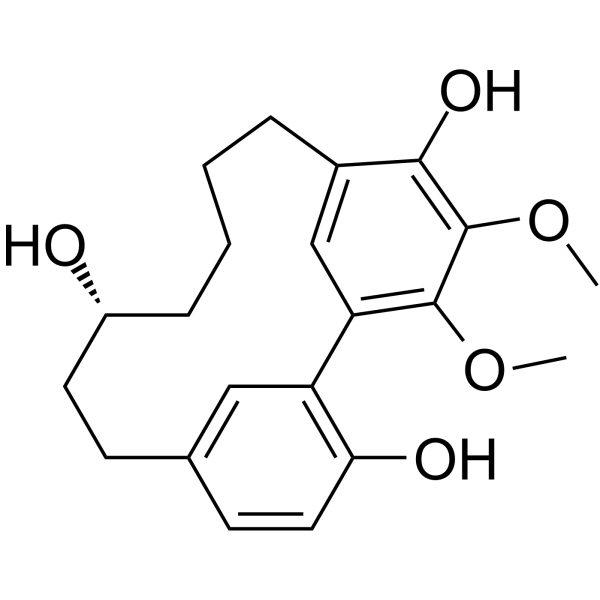
Myricanol is a diarylheptanoid and a Nampt activator. Myricanol exerts anti-inflammatory effects and alleviates glucocorticoid-induced muscle atrophy by increasing Sirtuin 1 (SIRT1) and PRDX5 activities while regulating inflammatory factors. Myricanol exhibits growth inhibition and induces apoptosis in human lung adenocarcinoma A549 cells. Myricanol promotes autophagy-mediated clearance of microtubule-associated protein tau to exert neuroprotective effects. Myricanol protects cardiovascular function by inhibiting PDGFRβ and NF-κB signaling pathways. Myricanol activates mitochondrial transcription factor A (TFAM) expression to exert anti-renal fibrosis effects. Myricanol improves insulin resistance through AMPK activation .
|
-
-
- HY-128439
-
|
|
DYRK
|
Cancer
|
|
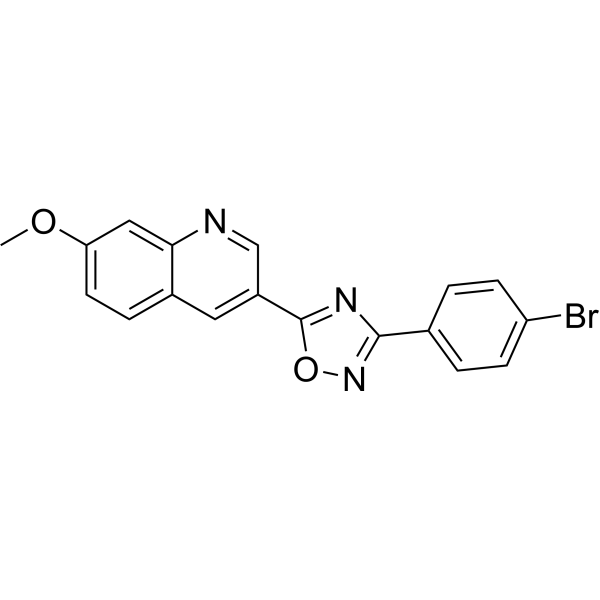
BT173 is a potent homeodomain interacting protein kinase 2 (HIPK2) inhibitor. BT173 binds to HIPK2 and does not inhibit HIPK2 kinase activity but rather, interfered allosterically with the ability of HIPK2 to associate with Smad3. BT173 attenuates renal fibrosis through suppression of the TGF-β1/Smad3 pathway. BT173 can be studied in research for kidney diseases such as renal fibrosis .
|
-
-
- HY-W014075S
-
-
-
- HY-P990107
-
|
|
TGF-β Receptor
|
Cancer
|
|
Anti-Mouse/Human/Rat/Monkey/Hamster/Canine/Bovine TGF-β Antibody (1D11.16.8) is an TGF-β IgG antibody inhibitor. Anti-Mouse/Human/Rat/Monkey/Hamster/Canine/Bovine TGF-β Antibody (1D11.16.8) reduces renal fibrosis in unilateral ureteral obstruction (UUO) mice models. Anti-Mouse/Human/Rat/Monkey/Hamster/Canine/Bovine TGF-β Antibody (1D11.16.8) shows potent anti-tumor effect in various tumor models, such as pancreatic cancer .
|
-
-
- HY-N0885
-
|
Telobufotoxin; Telocinobufogenin
|
JAK
STAT
mTOR
PI3K
Akt
Polo-like Kinase (PLK)
Na+/K+ ATPase
Apoptosis
Bacterial
|
Infection
Cardiovascular Disease
Neurological Disease
Inflammation/Immunology
Cancer
|
|
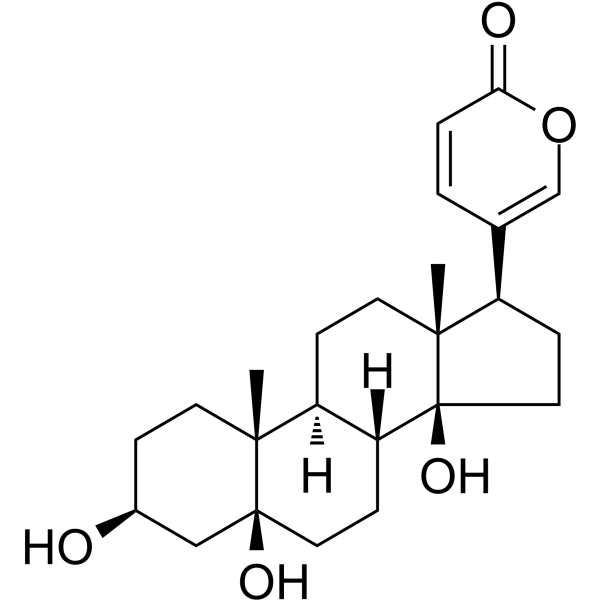
Telocinobufagin (Telobufotoxin; Telocinobufogenin) is an orally active bufadienolide with potential anti-tumor effects. Telocinobufagin exerts its anti-cancer effects on non-small cell carcinoma, osteosarcoma, thyroid cancer, breast cancer and head and neck squamous cell carcinoma by inhibiting the STAT3, JAK2/STAT3, LARP1-mTOR, PI3K/Akt/Snail and PLK1 pathways, and can also induce tumor cell apoptosis. Telocinobufagin enhances the Th1 immune response and protects against Salmonella typhimurium infection. Telocinobufagin has a strong cardiac-stimulating effect by inhibiting the activity of Na +/K +-ATPase, and it can promote renal fibrosis. Telocinobufagin demonstrates non-opioid analgesic effects in various acute pain models .
|
-
-
- HY-N10423
-
|
(-)-Cubebin
|
Cholinesterase (ChE)
Bacterial
Fungal
Parasite
p38 MAPK
|
Infection
Neurological Disease
Metabolic Disease
Inflammation/Immunology
Cancer
|
|
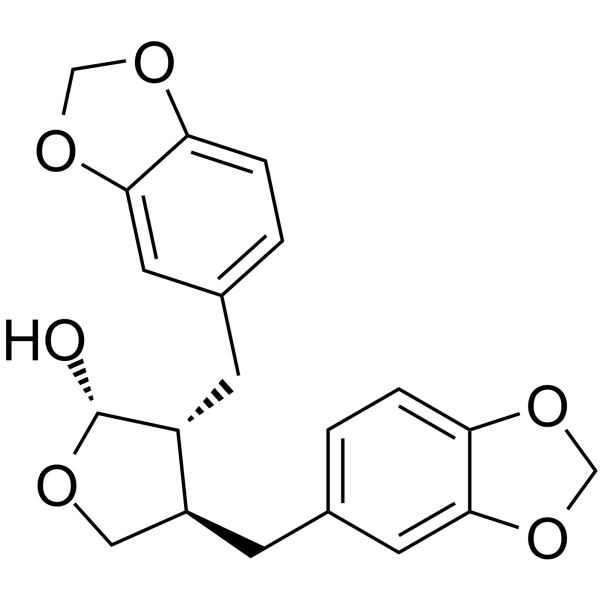
Cubebin ((-)-Cubebin), a dibenzyl butyrolactone lignan, is an orally active AChE inhibitor. Cubebin binds to active sites of NF-κB, TNF-α, and TGF-β1 via hydrogen and hydrophobic interactions, obstructing critical residues to inhibit pro-inflammatory or renal fibrosis-related activity. Cubebin enhances p38 MAPK phosphorylation to increase tyrosinase gene expression, stimulating melanogenesis via elevated tyrosinase activity, expression, and mRNA levels. Cubebin reduces oxidative stress via enhanced endogenous antioxidant enzyme activity and inhibited lipid peroxidation, regulates lipid metabolism, improves glycemic control, and exerts renoprotective effects via reduced renal dysfunction markers and improved renal architecture. Cubebin shows antimicrobial activity. Cubebin exerts larvicidal activity against Angiostrongylus cantonensis larvae, with no cytotoxicity toward monkey or human cell lines or Caenorhabditis elegans. Cubebin can be used for the research of diabetic nephropathy, melanoma, colon adenocarcinoma, neuroangiostrongyliasis, Alzheimer’s disease (AD) and depression .
|
-
-
- HY-P99121
-
|
|
Integrin
|
Inflammation/Immunology
Cancer
|
|
Anti-Mouse/Human CD11b Antibody (M1/70) is an anti-mouse CD11b IgG2b monoclonal antibody. Anti-Mouse/Human CD11b Antibody (M1/70) can significantly inhibit the adhesion between dendritic cells (DCs) and platelets. Anti-Mouse/Human CD11b Antibody (M1/70) can kill ovarian cancer cells and inhibit their migration. Anti-Mouse/Human CD11b Antibody (M1/70) can alleviate renal fibrosis and inflammation. Anti-Mouse/Human CD11b Antibody (M1/70) can be used for researches on inflammation conditions and cancer such as ischemia-reperfusion injury (IRI), thrombotic inflammatory conditions and ovarian cancer .
|
-
-
- HY-P3209
-
-
![Des-Arg9-[Leu8]-Bradykinin acetate](//file.medchemexpress.com/product_pic/hy-p3209.gif)
-
- HY-130579
-
|
L-VNIO hydrochloride
|
NO Synthase
NADPH Oxidase
|
Cardiovascular Disease
Neurological Disease
|
|
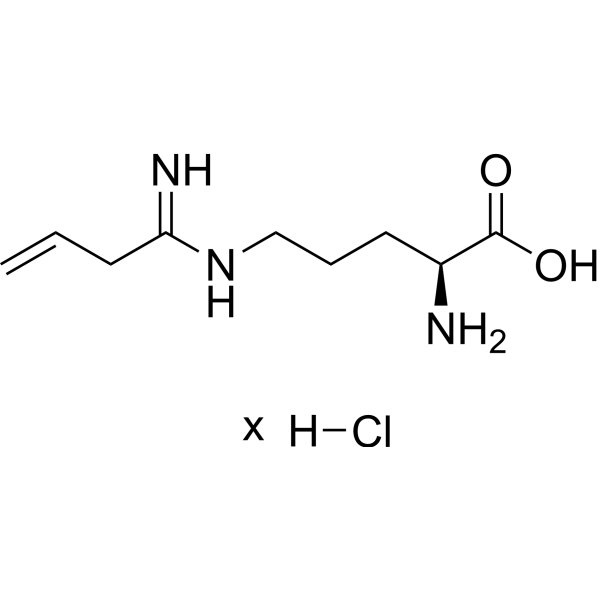
Vinyl-L-NIO (L-VNIO) hydrochloride is a neuronal nitric oxide synthase (NOS) inhibitor with a rat Ki of 0.10 μM. Vinyl-L-NIO hydrochloride inhibits NADPH oxidase activity, attenuates renal fibrosis, inflammation, oxidative stress indices, and albuminuria. Vinyl-L-NIO hydrochloride can be used for the research of parkinson's disease, migraine headache, and hypertension .
|
-
-
- HY-10357
-
|
|
Akt
mTOR
Apoptosis
GSK-3
Bcl-2 Family
|
Metabolic Disease
Inflammation/Immunology
Cancer
|
|
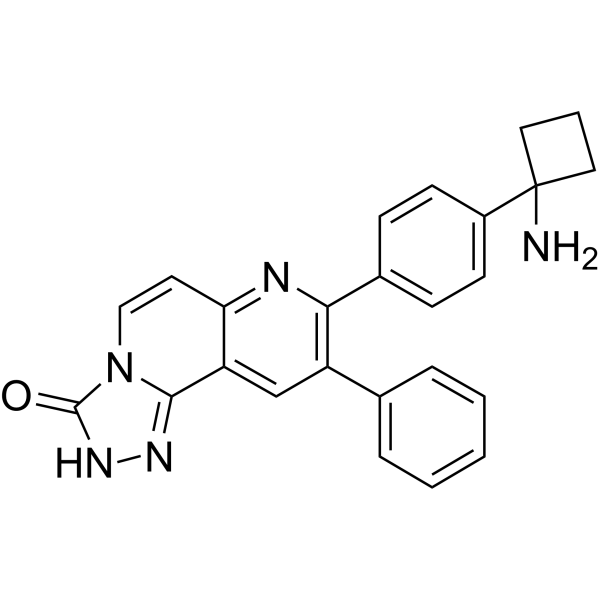
MK-2206 free base is an orally active pan-AKT inhibitor, with IC50 values of 8 nM, 12 nM and 65 nM against AKT1, AKT2 and AKT3, respectively. MK-2206 free base inhibits the Akt/mTOR signaling pathway and reduces the levels of downstream GSK3β and Mcl-1 via proteasomal degradation. MK-2206 free base induces G1-phase cell cycle arrest, apoptosis, epithelial-mesenchymal transition, fibroblast activation and extracellular matrix deposition. MK-2206 free base causes transient hyperglycemia and hyperinsulinemia in animals. MK-2206 free base can be used in research related to solid tumors, renal fibrosis and hypercholesterolemia .
|
-
-
- HY-P6441
-
|
|
β-catenin
Wnt
|
Inflammation/Immunology
|
|
KP-6, a polypeptide, is a Wnt/β-catenin signal inhibitor. KP-6 inhibits TGF-β and blocks rush fibrosis signal path crucial in vivo. KP-6 suppresses Renal tissues damage and renal fibrosis, and reverse the course of disease of chronic kidney disease (CKD) .
|
-

-
- HY-163121
-
|
|
Glycosyltransferase
TGF-β Receptor
FAK
Galectin
Collagen
|
Endocrinology
Cancer
|
|
PST3.1a is an orally active and brain-penetrant N-acetylglucosamine glycosyltransferase (MGAT5) inhibitor with a human IC50 of 2 µM. PST3.1a inhibits TGFβR and FAK signaling pathway activity. PST3.1a alters β1,6-GlcNAc N-glycans and microtubule/microfilament integrity, increases OLIG2 expression, and inhibits proliferation, migration, invasiveness, and clonogenic capacities of glioblastoma initiating cells. PST3.1a reduces invasive and proliferative capacity of glioblastoma initiating cells in orthotopic graft models, increases overall survival of orthotopic graft model mice. PST3.1a blunts MGAT5 overexpression, decreases renal fibrosis via collagen 1, collagen 4, and galectin 3 downregulation in a rat chronic kidney disease model. PST3.1a can be used for the research of glioblastoma multiforme and chronic kidney disease .
|
-

-
- HY-30099
-
|
|
Biochemical Assay Reagents
|
|
|
O,O,S-Trimethyl ester phosphorothioic acid is a chemical substance with biological activity for studying renal fibrosis. O,O,S-Trimethyl ester phosphorothioic acid can be used as an experimental model for studying renal fibrosis.
|
-

-
- HY-123409
-
|
|
TGF-β Receptor
|
Metabolic Disease
|
|
Nicousamide is a potent inhibitor of TGF-β RII phosphorylation. Nicousamide can be used to study renal fibrosis in animal models of diabetic nephropathy .
|
-

-
- HY-N10438
-
|
|
Integrin
|
Inflammation/Immunology
|
|
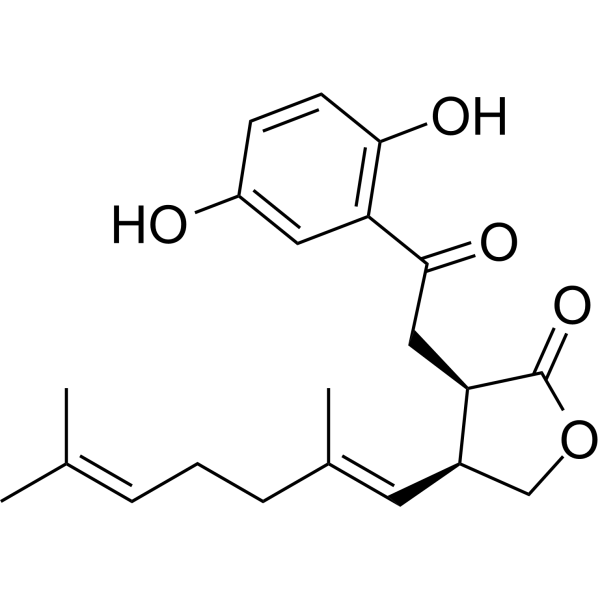
Ganodermaones B (Compound 2) is a renal fibrosis inhibitor. Ganodermaones B inhibits TGF-β1-induced collagen I and fibronectin expression .
|
-
-
- HY-N3674
-
|
|
TGF-beta/Smad
|
Inflammation/Immunology
|
|
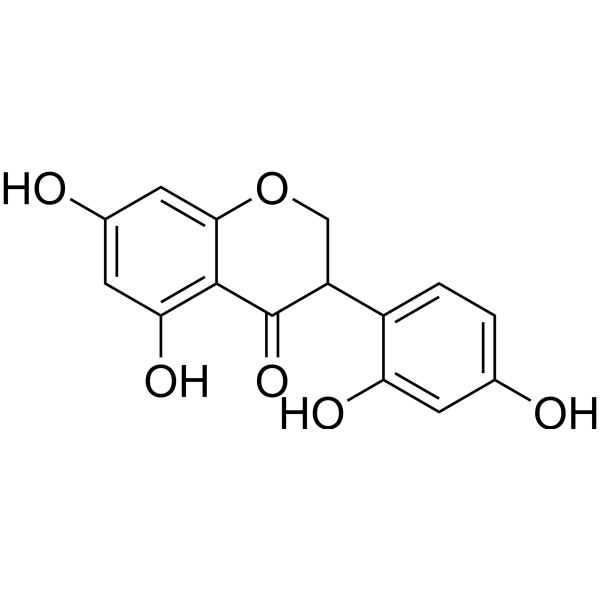
Dalbergioidin, a well-known anthocyanin, ameliorates doxorubicin-induced renal fibrosis by suppressing the TGF-β signal pathway. Dalbergioidin exhibits tyrosinase inhibitory activity with an IC50 of 20 mM .
|
-
-
- HY-122445
-
-
-
- HY-142698
-
|
|
Guanylate Cyclase
|
Cardiovascular Disease
|
|
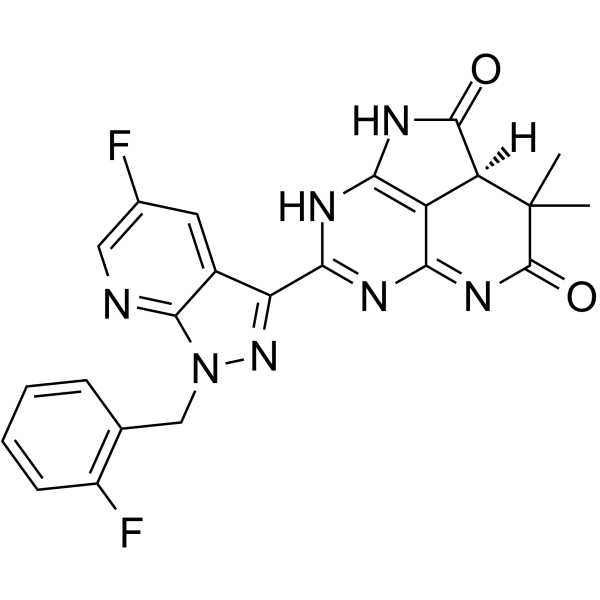
SGC agonist 2 is a potent agonist of soluble guanylate cyclase (SGC). Soluble guanylate cyclase is a key signal transduction enzyme in the NO-sGC-cGMP signaling pathway. SGC agonist 2 has the potential for the research of cardiovascular disease (heart failure, pulmonary hypertension, angina, myocardial infarction) and fibrotic diseases (renal fibrosis, systemic sclerosis) (extracted from patent WO2021219088A1, compound 031) .
|
-
-
- HY-174348
-
|
|
Epigenetic Reader Domain
|
Inflammation/Immunology
|
|
BRD4-IN-10 (Compound 31) is a selective BRD4 inhibitor with an IC50 of 13.5 nM. BRD4-IN-10 can exert anti-inflammatory and anti-fibrotic effects. BRD4-IN-10 also has good metabolic stability, pharmacokinetic properties and safety. BRD4-IN-10 can be used in the research of renal fibrosis diseases .
|
-

-
- HY-W014075R
-
|
|
Reference Standards
Aryl Hydrocarbon Receptor
Cytochrome P450
Collagen
|
Inflammation/Immunology
|
|
1-Hydroxypyrene (Standard) is the analytical standard of 1-Hydroxypyrene (HY-W014075). This product is intended for research and analytical applications. 1-Hydroxypyrene, a biomarker of exposure to polycyclic aromatic hydrocarbons (PAHs), is analyzed in urine samples. 1-Hydroxypyrene is the major biomarker of exposure to pyrenes. 1-Hydroxypyrene is the orally active agonist for aryl hydrocarbon receptor (AhR) and can lead to renal fibrosis.
|
-

-
- HY-172600
-
|
|
TRP Channel
|
Inflammation/Immunology
|
|
TRPC6 antagonist-1 (X26) is a TRPC6 antagonist with IC50 values of 0.97 μM, 3.93 μM, 5.77 μM and 4.37 μM for TRPC6, TRPC3, TRPC5 and TRPC7, respectively. TRPC6 antagonist-1 inhibits TGF-β1-induced myofibroblast differentiation, and attenuates renal fibrosis .
|
-

-
- HY-18758R
-
|
|
TGF-β Receptor
|
Inflammation/Immunology
Cancer
|
|
IN-1130 (Standard) is the analytical standard of IN-1130. This product is intended for research and analytical applications. IN-1130 is a highly selective transforming growth factor-β type I receptor kinase (ALK5) inhibitor with an IC50 of 5.3 nM for ALK5-mediated Smad3 phosphorylation. IN-1130 inhibits ALK5 phosphorylation of casein (IC50=36 nM) and p38α mitogen-activated protein kinase (IC50=4.3 μM). IN-1130 suppresses renal fibrosis in obstructive nephropathy and blocks breast cancer lung metastasis .
|
-

-
- HY-P11609
-
|
|
TGF-beta/Smad
|
Metabolic Disease
|
|
TGFβ1-IN-4 is a TGF-β1 inhibitor. TGFβ1-IN-4 inhibits myofibroblast activation and epithelial-mesenchymal transition in vitro. TGFβ1-IN-4 alleviates renal fibrosis in a mouse model of renal fibrosis. TGFβ1-IN-4 can be used for research on fibrotic diseases such as renal fibrosis .
|
-

-
- HY-182021
-
|
|
Amine N-methyltransferase
|
Endocrinology
|
|
NNMT-IN-8 is a non-SAM-mimicking bisubstrate inhibitor and a selective methyltransferase NNMT inhibitor, with IC50 values of 0.0084 μM and 0.0085 μM against human NNMT, and an IC50 of 0.0072 μM against mouse NNMT. NNMT-IN-8 exhibits prominent renal distribution characteristics and moderate bioavailability in rodents. NNMT-IN-8 dose-dependently inhibits renal NNMT in renal fibrosis models, thereby exerting antifibrotic effects. NNMT-IN-8 can be used to investigate the mechanisms of renal fibrosis .
|
-

-
- HY-N17639
-
|
|
TGF-beta/Smad
TGF-β Receptor
|
Others
|
|
Regiafuran C is a compound with both TGF-βRI inhibitory and anti-fibrotic activities. Regiafuran C effectively inhibits renal fibrosis by binding to TGF-βRI and interfering with the TGF-β/Smad and Wnt/β-catenin signaling pathways. Regiafuran C also exhibits free radical scavenging activity, but shows no anti-inflammatory activity in PGE2 competitive enzyme immunoassays. The ability of Regiafuran C to specifically block the Smad3-TGF-βRII interaction and inhibit fibrotic processes allows its use in renal fibrosis research .
|
-

-
- HY-181652
-
|
|
PPAR
|
Endocrinology
|
|
PPARδ agonist 13 is a potent, selective and orally active PPARδ agonist with an EC50 values of 0.50 nM. PPARδ agonist 13 binds to the PPARδ ligand-binding pocket and upregulates PPARδ target gene expression. PPARδ agonist 13 inhibits renal fibroblast activation, restores fatty acid oxidation, and attenuates TGF-β1-induced renal fibroblast activation. PPARδ agonist 13 exhibits anti-renal fibrosis effects in a mouse model of unilateral ureteral obstruction. PPARδ agonist 13 can be used for the research of renal fibrosis .
|
-

-
- HY-P992066
-
|
|
Discoidin Domain Receptor
|
Inflammation/Immunology
|
|
Anti-Mouse DDR2 Antibody (DAB0065) is a mAb that specifically targets mouse discoidin domain receptor DDR2 without cross-reacting with DDR1. Anti-Mouse DDR2 Antibody (DAB0065) binds to the extracellular domain of native mouse DDR2, induces endocytosis and lysosomal degradation of DDR2, and this process is independent of collagen binding. Anti-Mouse DDR2 Antibody (DAB0065) exhibits significant therapeutic effects in both the unilateral ureteral obstruction (UUO) mouse model of renal fibrosis and the bleomycin (HY-108345)-induced mouse model of pulmonary fibrosis, effectively downregulating the mRNA expression of type I collagen Col1a1 and fibronectin Fn1. Anti-Mouse DDR2 Antibody (DAB0065) can be humanized and has the potential to be developed as a targeted agent for diseases such as idiopathic pulmonary fibrosis and renal fibrosis .
|
-

-
- HY-101938R
-
|
Adenosyl-Ornithine (Standard); A-9145 (Standard); Antibiotic 32232RP (Standard)
|
Reference Standards
Histone Methyltransferase
Fungal
Antibiotic
Parasite
|
Infection
Inflammation/Immunology
|
|
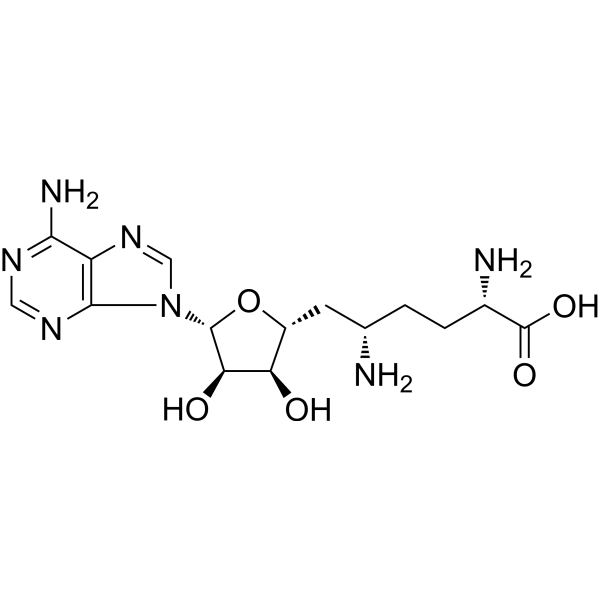
Sinefungin (Standard) is the analytical standard of Sinefungin (HY-101938). This product is intended for research and analytical applications. Sinefungin is a potent inhibitor of virion mRNA(guanine-7-)-methyltransferase, mRNA(nucleoside-2'-)-methyltransferase, and viral multiplication . Sinefungin, a SET7/9 inhibitor, ameliorates renal fibrosis by inhibiting H3K4 methylation .
|
-

-
- HY-P11623
-
|
|
Interleukin Related
Collagen
|
Inflammation/Immunology
|
|
4L2-P13D is an IL-11 antagonist with an IC50 of 2.8 μM. 4L2-P13D has a KD of 11 nM for hIL-11. 4L2-P13D exhibits antifibrotic and renoprotective activities. 4L2-P13D can be used in the research of renal fibrosis .
|
-

-
- HY-180322
-
|
|
Glutaminase
|
Cardiovascular Disease
Metabolic Disease
|
|
TG2-IN-3h (Compound 3h) is a transglutaminase (TG2) inhibitor (hTG2: IC50 = 6nM). TG2-IN-3h inhibits endothelial cell migration and angiogenesis. TG2-IN-3h alleviates renal fibrosis in a mouse model of hypertensive nephropathy. TG2-IN-3h can be used in research on metabolic diseases such as hypertensive nephropathy and cardiovascular and cerebrovascular diseases such as pathological angiogenesis .
|
-

-
- HY-180271
-
|
|
Xanthine Oxidase
NF-κB
TNF Receptor
Interleukin Related
URAT1
GLUT
|
Metabolic Disease
|
|
Xanthine oxidase-IN-21, a Genipin (HY-17389) derivative, is an orally active mixed competitive xanthine oxidase (XOD) inhibitor with an IC50 of 0.68 μM. Xanthine oxidase-IN-21 reduces renal fibrosis by decreasing α-SMA expression and suppresses pro-inflammatory cytokines IL-1β, IL-6, and TNF-α through NF-κB pathway regulation. Xanthine oxidase-IN-21 also inhibits URAT1 and GLUT9 expression, promoting uric acid excretion and lowering serum uric acid levels. Xanthine oxidase-IN-21 shows significantly hepatorenal protection activity. Xanthine oxidase-IN-21 can be used for the research of hyperuricemia .
|
-

-
- HY-10358R
-
|
MK-2206 (2HCl) (Standard)
|
Organoid
Reference Standards
Akt
Autophagy
Apoptosis
|
Cardiovascular Disease
Inflammation/Immunology
Cancer
|
|
MK-2206 dihydrochloride (MK-2206 2HCl) (Standard) is the analytical standard of MK-2206 dihydrochloride (HY-10358). This product is intended for research and analytical applications. MK-2206 dihydrochloride is an orally active pan-AKT inhibitor, with IC50 values of 8 nM, 12 nM and 65 nM against AKT1, AKT2 and AKT3, respectively. MK-2206 dihydrochloride inhibits the Akt/mTOR signaling pathway and reduces the levels of downstream GSK3β and Mcl-1 via proteasomal degradation. MK-2206 dihydrochloride induces G1-phase cell cycle arrest, apoptosis, epithelial-mesenchymal transition, fibroblast activation and extracellular matrix deposition. MK-2206 dihydrochloride causes transient hyperglycemia and hyperinsulinemia in animals. MK-2206 dihydrochloride can be used in research related to solid tumors, renal fibrosis and hypercholesterolemia .
|
-

| Cat. No. |
Product Name |
Type |
-
- HY-30099
-
|
|
Biochemical Assay Reagents
|
|
O,O,S-Trimethyl ester phosphorothioic acid is a chemical substance with biological activity for studying renal fibrosis. O,O,S-Trimethyl ester phosphorothioic acid can be used as an experimental model for studying renal fibrosis.
|
| Cat. No. |
Product Name |
Target |
Research Area |
-
- HY-P10899
-
|
|
PROTACs
TGF-beta/Smad
|
Endocrinology
|
|
ETTAC-2 is a LRG1 PROTAC degrader, degrading LRG1 via the ubiquitin-proteasome pathway with a DC50 value of 8.38 μM. ETTAC-2 penetrates damaged renal cells to reduce the extracellular secretion of LRG1. ETTAC-2 effectively inhibits the TGF-β-Smad3 signaling pathway and diminishes the secretion of fibrosis-associated extracellular matrix proteins. ETTAC-2 degrades LRG1 within fibrotic kidneys and the efficacy in inhibiting the TGF-β-Smad3 pathway both in vitro and vivo. ETTAC-2 can be used for renal fibrosis research .
|
-
- HY-P11178
-
|
|
Apoptosis
SARS-CoV
|
Infection
Metabolic Disease
Inflammation/Immunology
|
|
Corisin is a pro-apoptotic small peptide produced by Staphylococcus species. Corisin binds to serum albumin to target organs such as the lungs and kidneys, induces cellular senescence, apoptosis and epithelial-mesenchymal transition, and accelerates the progression of organ fibrosis including pulmonary fibrosis and diabetic renal fibrosis. Corisin levels are closely associated with coronavirus disease 2019 (COVID-19), diabetic chronic kidney disease (CKD), non-diabetic CKD, and idiopathic pulmonary fibrosis (IPF) .
|
-
- HY-P3209
-
-
- HY-P6441
-
|
|
β-catenin
Wnt
|
Inflammation/Immunology
|
|
KP-6, a polypeptide, is a Wnt/β-catenin signal inhibitor. KP-6 inhibits TGF-β and blocks rush fibrosis signal path crucial in vivo. KP-6 suppresses Renal tissues damage and renal fibrosis, and reverse the course of disease of chronic kidney disease (CKD) .
|
-
- HY-P11609
-
|
|
TGF-beta/Smad
|
Metabolic Disease
|
|
TGFβ1-IN-4 is a TGF-β1 inhibitor. TGFβ1-IN-4 inhibits myofibroblast activation and epithelial-mesenchymal transition in vitro. TGFβ1-IN-4 alleviates renal fibrosis in a mouse model of renal fibrosis. TGFβ1-IN-4 can be used for research on fibrotic diseases such as renal fibrosis .
|
-
- HY-P11623
-
|
|
Interleukin Related
Collagen
|
Inflammation/Immunology
|
|
4L2-P13D is an IL-11 antagonist with an IC50 of 2.8 μM. 4L2-P13D has a KD of 11 nM for hIL-11. 4L2-P13D exhibits antifibrotic and renoprotective activities. 4L2-P13D can be used in the research of renal fibrosis .
|
| Cat. No. |
Product Name |
Target |
Research Area |
Image |
-
- HY-P99512
-
|
UCB-7858
|
Glutaminase
|
Endocrinology
|
|
Zampilimab (UCB-7858) is a monoclonal antibody against transglutaminase 2 (TG2). Zampilimab inhibits TG2 crosslinking transamidation activity with an IC50 of 0.25 nM and a Kd of <50 pM. Zampilimab improves renal fibrosis .
|
-

(5)
-
- HY-P990107
-
|
|
TGF-β Receptor
|
Cancer
|
|
Anti-Mouse/Human/Rat/Monkey/Hamster/Canine/Bovine TGF-β Antibody (1D11.16.8) is an TGF-β IgG antibody inhibitor. Anti-Mouse/Human/Rat/Monkey/Hamster/Canine/Bovine TGF-β Antibody (1D11.16.8) reduces renal fibrosis in unilateral ureteral obstruction (UUO) mice models. Anti-Mouse/Human/Rat/Monkey/Hamster/Canine/Bovine TGF-β Antibody (1D11.16.8) shows potent anti-tumor effect in various tumor models, such as pancreatic cancer .
|
-
(5)
-
- HY-P99121
-
|
|
Integrin
|
Inflammation/Immunology
Cancer
|
|
Anti-Mouse/Human CD11b Antibody (M1/70) is an anti-mouse CD11b IgG2b monoclonal antibody. Anti-Mouse/Human CD11b Antibody (M1/70) can significantly inhibit the adhesion between dendritic cells (DCs) and platelets. Anti-Mouse/Human CD11b Antibody (M1/70) can kill ovarian cancer cells and inhibit their migration. Anti-Mouse/Human CD11b Antibody (M1/70) can alleviate renal fibrosis and inflammation. Anti-Mouse/Human CD11b Antibody (M1/70) can be used for researches on inflammation conditions and cancer such as ischemia-reperfusion injury (IRI), thrombotic inflammatory conditions and ovarian cancer .
|
-
(5)
-
- HY-P992066
-
|
|
Discoidin Domain Receptor
|
Inflammation/Immunology
|
|
Anti-Mouse DDR2 Antibody (DAB0065) is a mAb that specifically targets mouse discoidin domain receptor DDR2 without cross-reacting with DDR1. Anti-Mouse DDR2 Antibody (DAB0065) binds to the extracellular domain of native mouse DDR2, induces endocytosis and lysosomal degradation of DDR2, and this process is independent of collagen binding. Anti-Mouse DDR2 Antibody (DAB0065) exhibits significant therapeutic effects in both the unilateral ureteral obstruction (UUO) mouse model of renal fibrosis and the bleomycin (HY-108345)-induced mouse model of pulmonary fibrosis, effectively downregulating the mRNA expression of type I collagen Col1a1 and fibronectin Fn1. Anti-Mouse DDR2 Antibody (DAB0065) can be humanized and has the potential to be developed as a targeted agent for diseases such as idiopathic pulmonary fibrosis and renal fibrosis .
|
-
(5)
| Cat. No. |
Product Name |
Category |
Target |
Chemical Structure |
-
- HY-N2995
-
-
-
- HY-N2181
-
|
|
Quinones
Classification of Application Fields
Phenols
Polyphenols
Plants
Lithospermum erythrorhizon Sieb. et Zucc.
Naphthalene Quinones
Boraginaceae
Inflammation/Immunology
Disease Research Fields
Source Classification
|
Cytochrome P450
Apoptosis
Bacterial
Autophagy
|
|
Acetylshikonin is an oral active anti-cancer, anti-inflammatory, antioxidant, anti-fertility, antibacterial, and neuroprotective agent. Acetylshikonin is a inhibitor of acetylcholinase (AChE) (IC50=34.6 μM) and nonselective cytochrome P450. Acetylshikonin can induce Apoptosis and Autophagy in cancer cells. Acetylshikonin regulates blood glucose, liver fat metabolism, and renal fibrosis, and is used in the study of diabetes, diabetic nephropathy (DN), obesity, and nonalcoholic fatty liver disease (NAFLD) .
|
-
-
- HY-W014075
-
-
-
- HY-N3225
-
|
|
Myrica ceriferaL.
Phenols
Polyphenols
Plants
Source Classification
Myricaceae
|
NAMPT
Sirtuin
Microtubule/Tubulin
Apoptosis
Autophagy
PDGFR
NF-κB
AMPK
|
|
Myricanol is a diarylheptanoid and a Nampt activator. Myricanol exerts anti-inflammatory effects and alleviates glucocorticoid-induced muscle atrophy by increasing Sirtuin 1 (SIRT1) and PRDX5 activities while regulating inflammatory factors. Myricanol exhibits growth inhibition and induces apoptosis in human lung adenocarcinoma A549 cells. Myricanol promotes autophagy-mediated clearance of microtubule-associated protein tau to exert neuroprotective effects. Myricanol protects cardiovascular function by inhibiting PDGFRβ and NF-κB signaling pathways. Myricanol activates mitochondrial transcription factor A (TFAM) expression to exert anti-renal fibrosis effects. Myricanol improves insulin resistance through AMPK activation .
|
-
-
- HY-N0885
-
-
-
- HY-N10423
-
|
(-)-Cubebin
|
Structural Classification
Classification of Application Fields
Lignans
Piperaceae
Piper cubeba L.f.
Phenylpropanoids
Plants
Inflammation/Immunology
Disease Research Fields
Source Classification
|
Cholinesterase (ChE)
Bacterial
Fungal
Parasite
p38 MAPK
|
|
Cubebin ((-)-Cubebin), a dibenzyl butyrolactone lignan, is an orally active AChE inhibitor. Cubebin binds to active sites of NF-κB, TNF-α, and TGF-β1 via hydrogen and hydrophobic interactions, obstructing critical residues to inhibit pro-inflammatory or renal fibrosis-related activity. Cubebin enhances p38 MAPK phosphorylation to increase tyrosinase gene expression, stimulating melanogenesis via elevated tyrosinase activity, expression, and mRNA levels. Cubebin reduces oxidative stress via enhanced endogenous antioxidant enzyme activity and inhibited lipid peroxidation, regulates lipid metabolism, improves glycemic control, and exerts renoprotective effects via reduced renal dysfunction markers and improved renal architecture. Cubebin shows antimicrobial activity. Cubebin exerts larvicidal activity against Angiostrongylus cantonensis larvae, with no cytotoxicity toward monkey or human cell lines or Caenorhabditis elegans. Cubebin can be used for the research of diabetic nephropathy, melanoma, colon adenocarcinoma, neuroangiostrongyliasis, Alzheimer’s disease (AD) and depression .
|
-
-
- HY-N10438
-
-
-
- HY-N3674
-
-
-
- HY-W014075R
-
-
-
- HY-N17639
-
|
|
Structural Classification
Phenols
Polyphenols
Plants
Moraceae
Morus alba Linn.
Source Classification
|
TGF-beta/Smad
TGF-β Receptor
|
|
Regiafuran C is a compound with both TGF-βRI inhibitory and anti-fibrotic activities. Regiafuran C effectively inhibits renal fibrosis by binding to TGF-βRI and interfering with the TGF-β/Smad and Wnt/β-catenin signaling pathways. Regiafuran C also exhibits free radical scavenging activity, but shows no anti-inflammatory activity in PGE2 competitive enzyme immunoassays. The ability of Regiafuran C to specifically block the Smad3-TGF-βRII interaction and inhibit fibrotic processes allows its use in renal fibrosis research .
|
-
| Cat. No. |
Product Name |
Chemical Structure |
-
- HY-W014075S
-
|
|
|
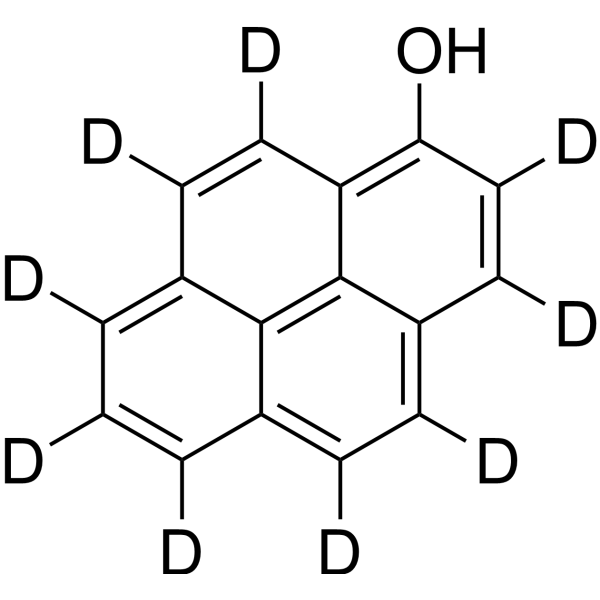
1-Hydroxypyrene-d9 is the deuterium labeled 1-Hydroxypyrene (HY-W014075). 1-Hydroxypyrene, a biomarker of exposure to polycyclic aromatic hydrocarbons (PAHs), is analyzed in urine samples. 1-Hydroxypyrene is the major biomarker of exposure to pyrenes. 1-Hydroxypyrene is the orally active agonist for aryl hydrocarbon receptor (AhR) and can lead to renal fibrosis .
|
-
Your information is safe with us. * Required Fields.
Inquiry Information
- Product Name:
- Cat. No.:
- Quantity:
- MCE Japan Authorized Agent:





![Des-Arg9-[Leu8]-Bradykinin acetate](http://file.medchemexpress.com/product_pic/hy-p3209.gif)





