1. Search Result
Search Result
Results for "

toxic peptide

" in MedChemExpress (MCE) Product Catalog:

72

Inhibitors & Agonists

5

Screening Libraries

4

Biochemical Assay Reagents

64

Peptides

1

Inhibitory Antibodies

4

Natural
Products

1

Isotope-Labeled Compounds

5

Oligonucleotides

Cat. No. Product Name Target Research Areas Chemical Structure
  • HY-P1410
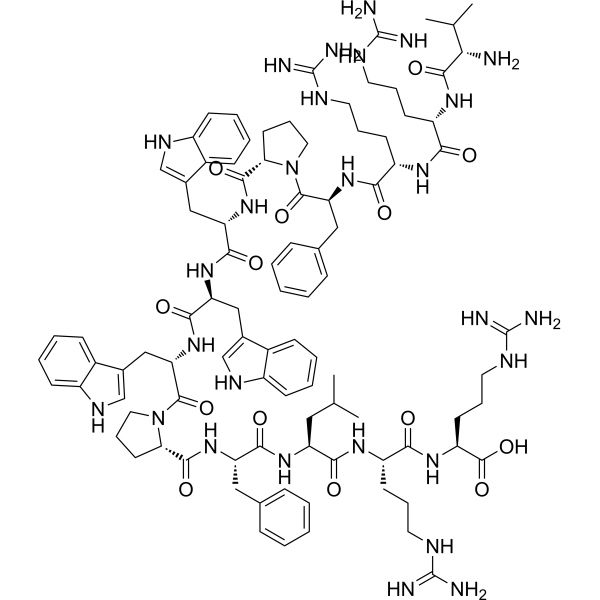
    GsMTx4
    Maximum Cited Publications
    112 Publications Verification

    TRP Channel Piezo Channel Cardiovascular Disease Neurological Disease Inflammation/Immunology
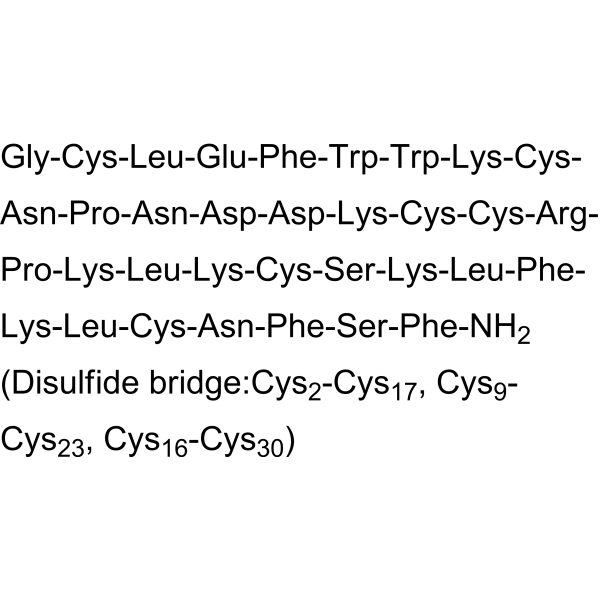
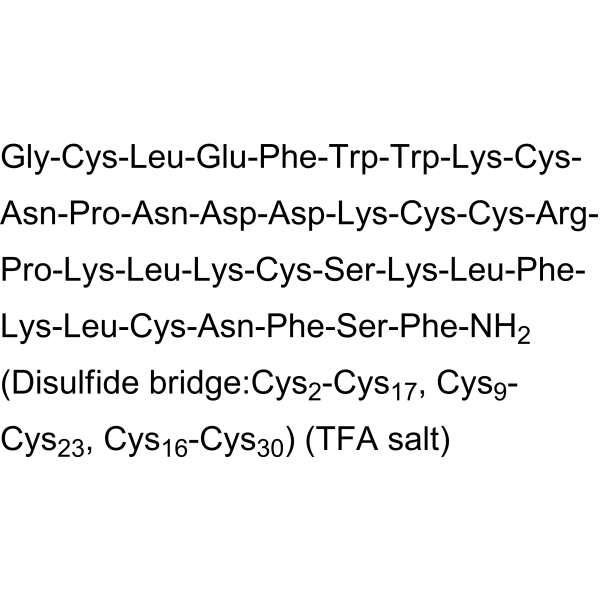
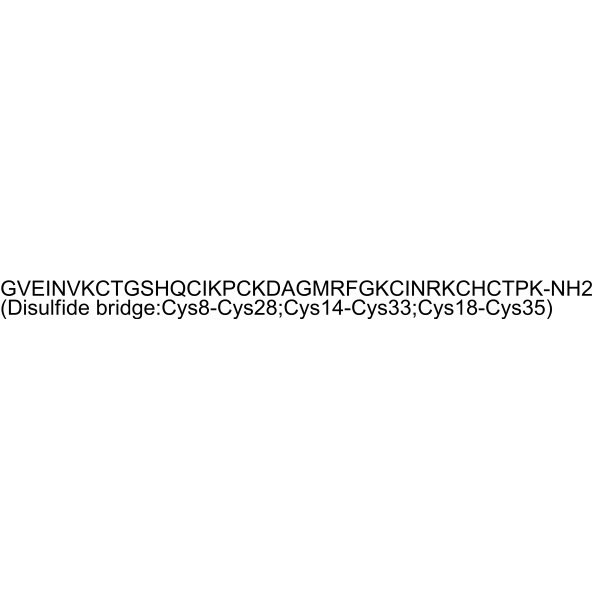
    GsMTx4 is a spider venom peptide that selectively inhibits cationic-permeable mechanosensitive channels (MSCs) belonging to the Piezo and TRP channel families. GsMTx4 also blocks cation-selective stretch-activated channels (SACs) , attenuates lysophosphatidylcholine (LPC)-induced astrocyte toxicity and microglial reactivity. GsMTx4 is an important pharmacological tool for identifying the role of these excitatory MSCs in normal physiology and pathology .
    GsMTx4
  • HY-P1363
    β-Amyloid (1-42), human TFA
    20+ Cited Publications

    Amyloid β-peptide (1-42) (human) TFA

    Amyloid-β Neurological Disease
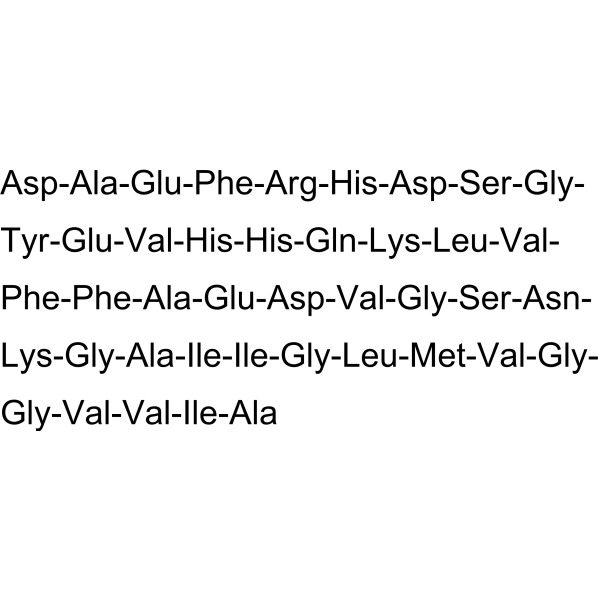
    β-Amyloid (1-42) (Amyloid β-peptide (1-42), human TFA, a 42-amino acid peptide that has not been treated with HFIP, is a brain-penetrant amyloid protein fragment, which can be used in research on Alzheimer's disease and Down’s syndrome. β-Amyloid (1-42), human TFA remaining as a monomer exhibits antioxidant and neuroprotective effects. β-Amyloid (1-42), human TFA, after being monomericized by HFIP and dissolved in DMSO to form the stock solution, on the one hand, can form soluble oligomers (AβOs) when incubated at 4 °C, which have synaptic toxicity and neurotoxicity; on the other hand, it can be incubated at 37 °C to form insoluble fibrils, with lower neurotoxicity, and participating in the oxidative damage process. Aβ42 oligomers bind to various neuronal surface receptors (such as PrPc, mGluR5, NMDA receptors, etc.), triggering oxidative stress, calcium homeostasis imbalance, and synaptic toxicity via activating downstream signaling pathways, leading to neuronal dysfunction and death .
    β-Amyloid (1-42), human TFA
  • HY-P1363A
    β-Amyloid (1-42), human
    20+ Cited Publications

    Amyloid β-peptide (1-42) (human)

    Amyloid-β Neurological Disease
    β-Amyloid (1-42) (Amyloid β-peptide (1-42)), human, a 42-amino acid peptide that has not been treated with HFIP, is a brain-penetrant amyloid protein fragment, which can be used in research on Alzheimer's disease and Down’s syndrome. β-Amyloid (1-42), human remaining as a monomer exhibits antioxidant and neuroprotective effects. β-Amyloid (1-42), human, after being monomericized by HFIP and dissolved in DMSO to form the stock solution, on the one hand, can form soluble oligomers (AβOs) when incubated at 4 °C, which have synaptic toxicity and neurotoxicity; on the other hand, it can be incubated at 37 °C to form insoluble fibrils, with lower neurotoxicity, and participating in the oxidative damage process. Aβ42 oligomers bind to various neuronal surface receptors (such as PrPc, mGluR5, NMDA receptors, etc.), triggering oxidative stress, calcium homeostasis imbalance, and synaptic toxicity via activating downstream signaling pathways, leading to neuronal dysfunction and death .
    β-Amyloid (1-42), human
  • HY-P1363B

    Amyloid-β Neurological Disease
    β-Amyloid (1-42), human, HFIP-treated, a 42-amino acid peptide that has been treated with HFIP from β-Amyloid (1-42), human (HY-P1363A), is a brain-penetrant amyloid protein fragment, which can be used in research on Alzheimer's disease and Down’s syndrome. β-Amyloid (1-42), human, HFIP-treated remaining as a monomer exhibits antioxidant and neuroprotective effects. β-Amyloid (1-42), human, HFIP-treated, after being dissolved in DMSO to form the stock solution, on the one hand, can form soluble oligomers (AβOs) when incubated at 4°C, which have synaptic toxicity and neurotoxicity; on the other hand, it can be incubated at 37°C to form insoluble fibrils, with lower neurotoxicity, and participating in the oxidative damage process. Aβ42 oligomers bind to various neuronal surface receptors (such as PrPc, mGluR5, NMDA receptors, etc.), triggering oxidative stress, calcium homeostasis imbalance, and synaptic toxicity via activating downstream signaling pathways, leading to neuronal dysfunction and death .
    β-Amyloid (1-42), human, HFIP-treated
  • HY-B2247A
    PLGA (75:25)
    5+ Cited Publications

    poly(lactic-co-glycolic acid) (75:25)

    Biochemical Assay Reagents Others
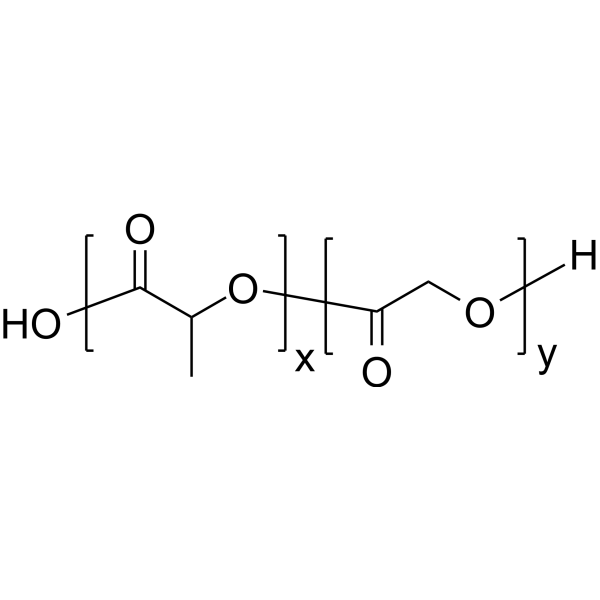
    PLGA (75:25) is a low toxicity, biocompatible and biodegradable controlled drug delivery carrier, can achieve slow release in the organism. PLGA (75:25) is a copolymer of 75% poly lactic acid (PLA) and 25% poly glycolic acid (PGA). PLGA (75:25) has been extensively studied as delivery vehicles for agents, proteins and various other macromolecules such as DNA, RNA and peptides .
    PLGA (75:25)
  • HY-P0033
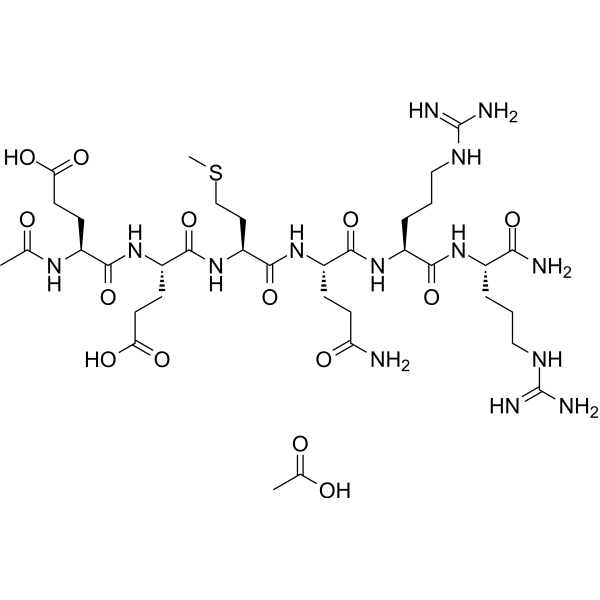
    Argireline
    2 Publications Verification

    Acetyl hexapeptide-3; Acetyl hexapeptide-8

    Calcium Channel Neurological Disease
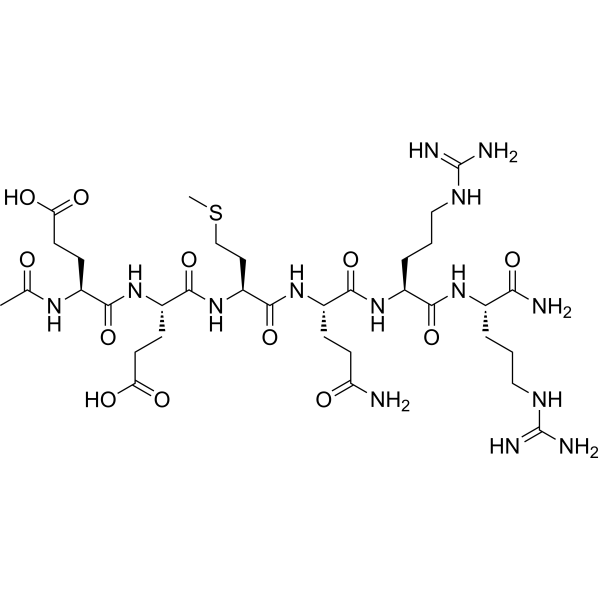
    Argireline (Acetyl hexapeptide-3) is a non-toxic, skin-permeable, antiwrinkle peptide. Argireline significantly inhibits Ca 2+ dependent neurotransmitter release (acetylcholine) at the neuromuscular junction. Argireline has antiwrinkle and anti-aging activity .
    Argireline
  • HY-105174

    JAK FAK Inflammation/Immunology
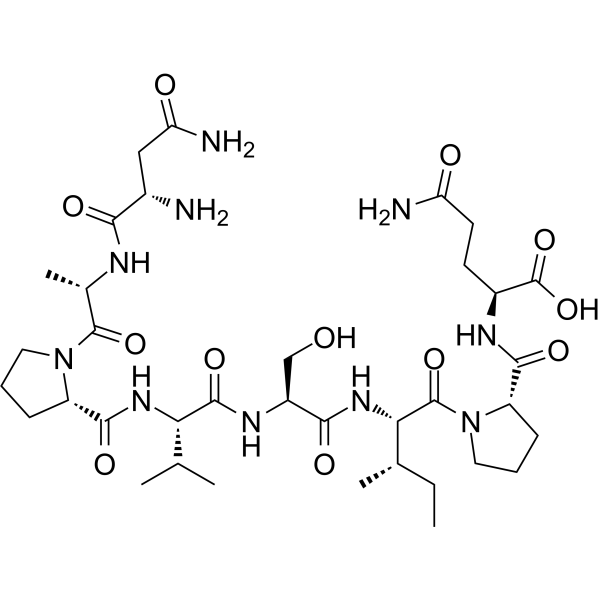
    BPC 157 is the 15-amino acide fragment of gastric peptide BPC. BPC 157 exhibits wound healing promoting and neuroprotective activity. BPC 157 maintains the integrity of the gastrointestinal mucosa without significant toxicity. BPC 157 acetate counteracts NSAIDs/insulin overdose/copper-induced toxicity. BPC 157 ameliorates specific (over)stimulated/damaged neurotransmitter systems-induced behavioral disorders through serotonergic and dopaminergic systems .
    BPC 157
  • HY-106783
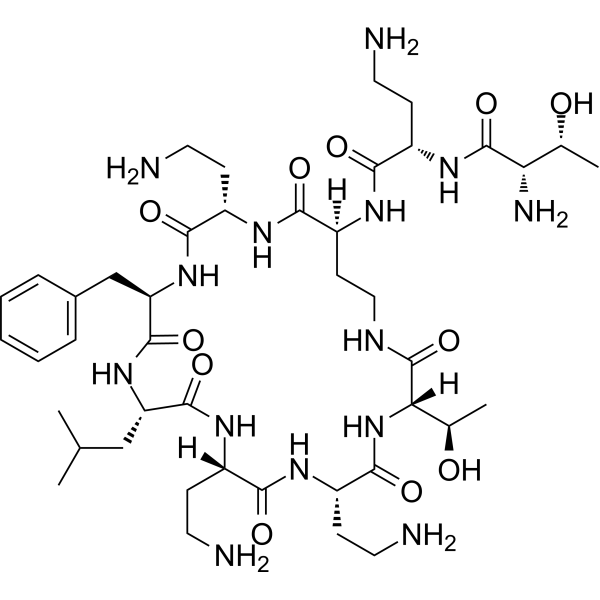
    Polymyxin B nonapeptide
    2 Publications Verification

    Bacterial Antibiotic Infection
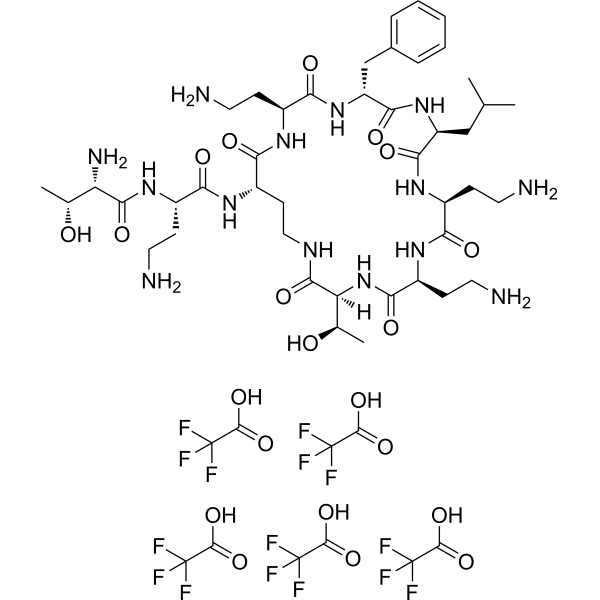
    Polymyxin B nonapeptide is a cyclic peptide obtained from Polymyxin B by proteolytic removal of its terminal amino acyl residue. Polymyxin B nonapeptide is less toxic, lacks bactericidal activity, and retains its ability to render gram-negative bacteria susceptible to several antibiotics by permeabilizing their outer membranes .
    Polymyxin B nonapeptide
  • HY-P1410A
    GsMTx4 TFA
    Maximum Cited Publications
    112 Publications Verification

    TRP Channel Piezo Channel Cardiovascular Disease Neurological Disease Inflammation/Immunology
    GsMTx4 TFA is a spider venom peptide that selectively inhibits cationic-permeable mechanosensitive channels (MSCs) belonging to the Piezo and TRP channel families. GsMTx4 TFA also blocks cation-selective stretch-activated channels (SACs) , attenuates lysophosphatidylcholine (LPC)-induced astrocyte toxicity and microglial reactivity. GsMTx4 TFA is an important pharmacological tool for identifying the role of these excitatory MSCs in normal physiology and pathology .
    GsMTx4 TFA
  • HY-P5307

    INF7-A5K-TAT

    Biochemical Assay Reagents Others
    Peptide A5K (INF7-A5K-TAT) is an amphiphilic peptide derived from the HA2-TAT fusion scaffold. Peptide A5K can non-covalently bind to CRISPR ribonucleoproteins and efficiently deliver them to cells, such as primary human T cells, B cells, and NK cells. Peptide A5K enables low-toxicity, precise, and multiplex genome editing, holding great application potential in the field of cell therapy .
    Peptide A5K
  • HY-P11099

    Transferrin Receptor Neurological Disease Cancer
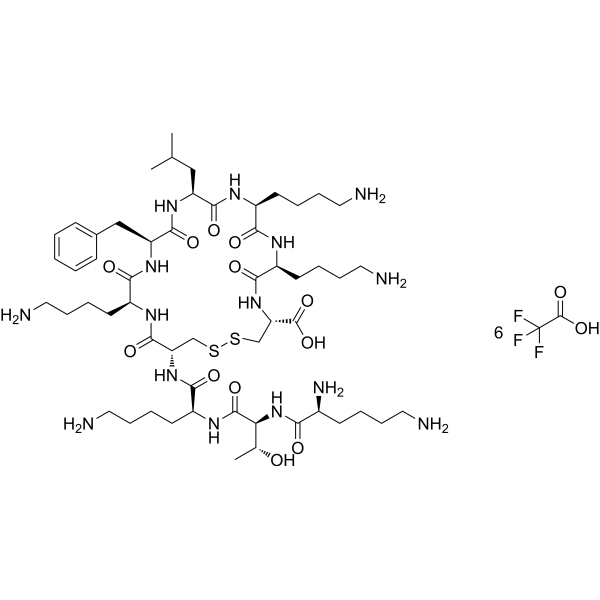
    Cys-LT7 is a transferrin receptor (TfR)-targeting peptide ligand. Cys-LT7 binds to a TfR site distinct from endogenous transferrin, mediates conjugated Doxorubicin (HY-15142A) delivery to TfR-overexpressed tumor cells, and exhibits low toxicity to TfR-low-expressed normal cells. Cys-LT7 is an L-configuration peptide susceptible to proteolytic enzymes, leading to poor biostability in peptide-drug conjugates. Cys-LT7 can be used for the research of glioblastoma, hepatocellular carcinoma, lung carcinoma .
    Cys-LT7
  • HY-P11335A

    Ser/Thr Protease Bacterial Others
    Oscillamide Y TFA is the trifluoroacetate salt of Oscillamide Y (HY-P11335). Oscillamide Y (Compound 1), a ureido-containing cyclic peptide, is a Chymotrypsin inhibitor. Oscillamide Y can be isolated from freshwater toxic cyanobacterium Oscillatoria agardhii. Oscillamide Y has potent toxicity against fish, daphnid magna and algae with a stimulatory effect for Raphidocelis subcapitata (EC50: 4.62 mg/L). Oscillamide Y induces high luminescence inhibition in Aliivibrio fischeri. Oscillamide Y can be used for ecological development research .
    Oscillamide Y TFA
  • HY-P1629

    Bacterial Fungal Antibiotic Infection
    Temporin A is a short alpha-helical antimicrobial peptide isolated from the skin of the frog Rana temporaria. Temporin A is effective against a broad spectrum of Gram-positive bacteria. Temporin A interacts directly with the cell membrane of the microorganism and it is non-toxic to erythrocytes at concentrations that are antimicrobial. Temporin A also has antifungal activities (against yeast-like Candida albicans) .
    Temporin A
  • HY-105066
    Davunetide
    1 Publications Verification

    Microtubule/Tubulin Amyloid-β Neurological Disease
    Davunetide is an eight amino acid snippet derived from activity-dependent neuroprotective protein (ADNP), a neurotrophic factor that exists in the mammalian CNS. Davunetide possesses neuroprotective, neurotrophic and cognitive protective roperties. Davunetide, a microtubule-stabilizing peptide, interacts with and stabilises neuron-specific βIII-tubulin in vitro. Davunetide penetrates the blood-brain barrier and is non-toxic. Davunetide inhibits Aβ aggregation and Aβ-induced neurotoxicity .
    Davunetide
  • HY-P5345

    Apoptosis Antibiotic Caspase Mitochondrial Metabolism Cardiovascular Disease Infection Neurological Disease Metabolic Disease
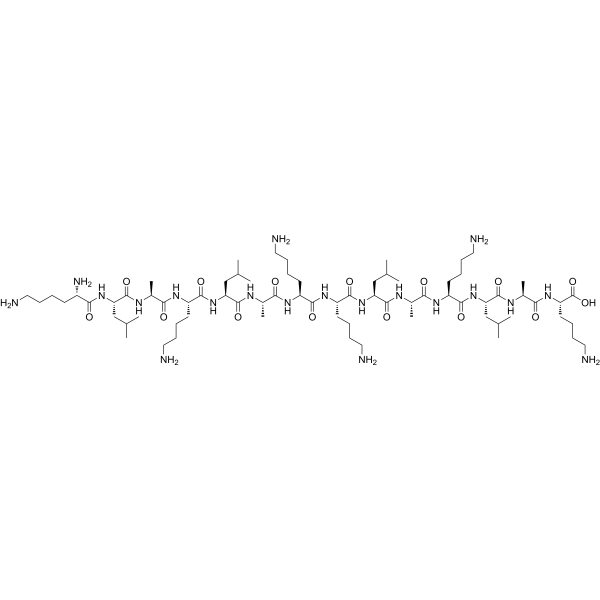
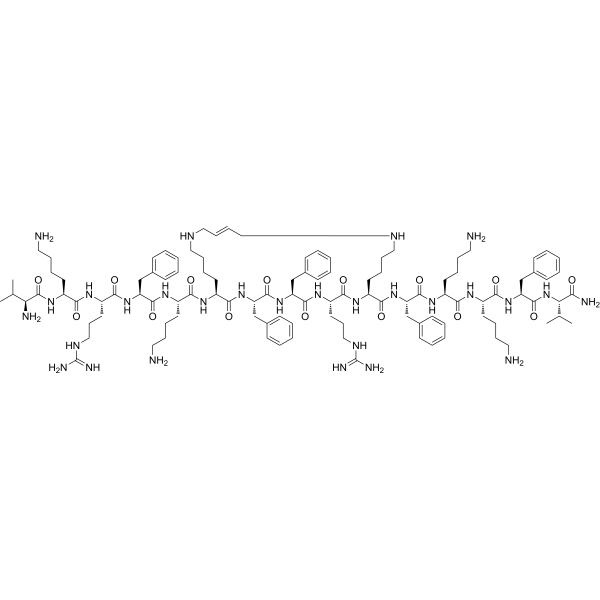
    KLA peptide is a naturally occurring Antibiotic peptide that is nontoxic outside of cells but is toxic when it enters into the interior of targeted cells. KLA peptide can induce cell Apoptosis by disrupting mitochondrial membranes and activating Caspase. MG1-KLA, formed by the coupling of KLA peptide with MG1, can selectively induce apoptosis in pro-inflammatory microglia. KLA peptide can be used for the research of liver fibrosis. KLA peptide can be used for the research of neonatal hypoxic-ischemic encephalopathy.
    KLA peptide
  • HY-106783A
    Polymyxin B nonapeptide TFA
    2 Publications Verification

    Bacterial Antibiotic Infection
    Polymyxin B nonapeptide TFA is a cyclic peptide obtained from Polymyxin B by proteolytic removal of its terminal amino acyl residue. Polymyxin B nonapeptide TFA is less toxic, lacks bactericidal activity, and retains its ability to render gram-negative bacteria susceptible to several antibiotics by permeabilizing their outer membranes .
    Polymyxin B nonapeptide TFA
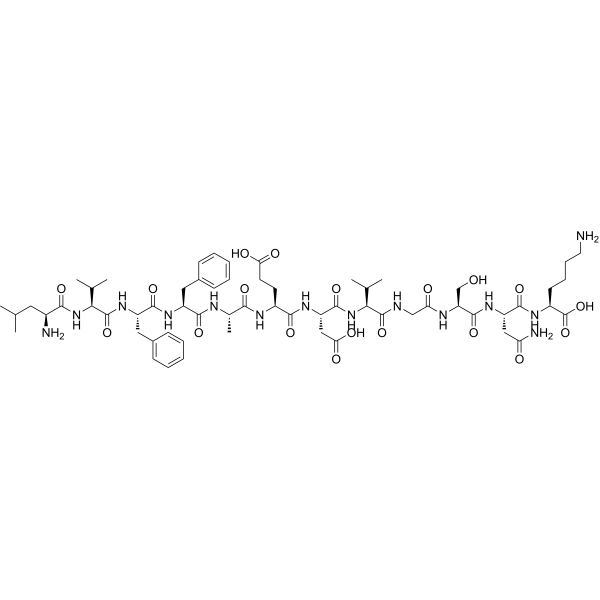
  • HY-P1047

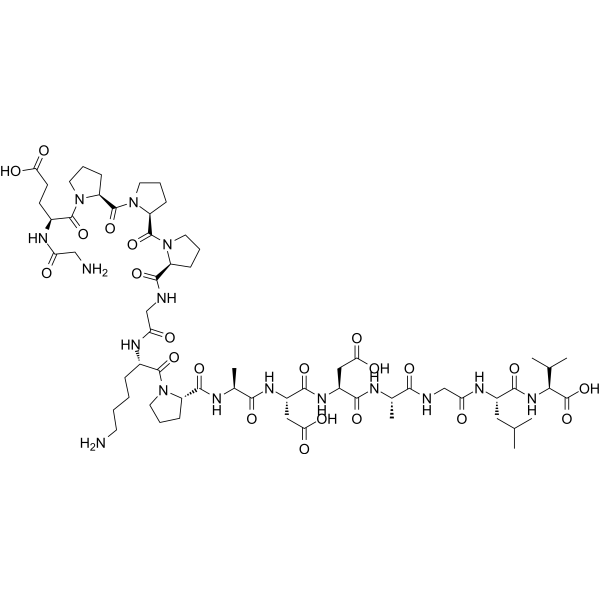
    [Pro18, Asp21] β-Amyloid (17-21)

    Amyloid-β Neurological Disease
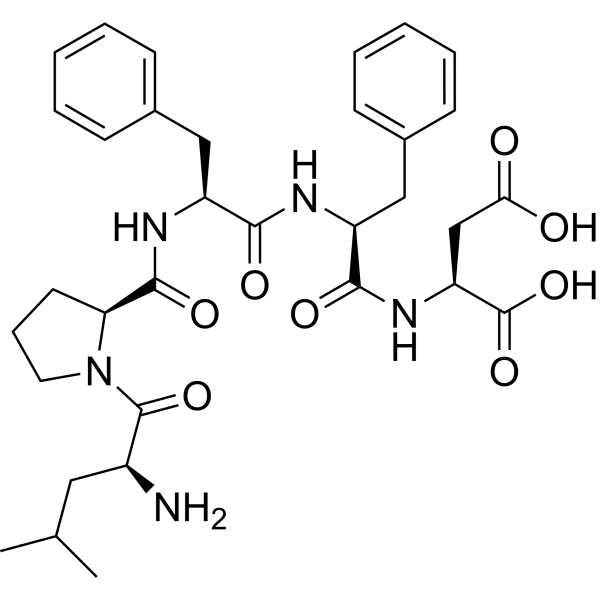
    β-Sheet Breaker Peptide iAβ5 is an effective brain amyloid-β (Abeta) degrader. Abeta deposits are associated with Alzheimer's disease (AD), and the related toxicity arises from its β-sheet conformation and aggregation. β-Sheet Breaker Peptide iAβ5 can repeatedly induce the degradation of fibrillary amyloid deposits in vivo. Therefore, β-Sheet Breaker Peptide iAβ5 can prevent and/or reverse neuronal contraction caused by Abeta and reduce the range of interleukin IL-1beta positive microglial-like cells around Abeta deposits. β-Sheet Breaker Peptide iAβ5 can reduce the size and/or number of brain amyloid plaques in AD. β-Sheet Breaker Peptide iAβ5 is labeled with a hydrophobic benzyl alcohol (HBA) tag and shows a bright blue color under acidic conditions, which can be used for quantitative determination.
    β-Sheet Breaker Peptide iAβ5
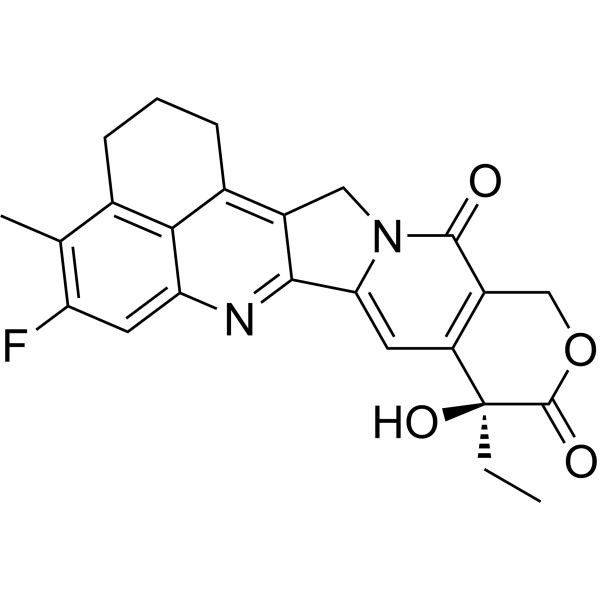
  • HY-148058

    Topoisomerase Cancer
    Topoisomerase I inhibitor 8 is a potent topoisomerase I inhibitor. Topoisomerase I inhibitor 8 is a hexacyclic analogue of camptothecin, and displays cytotoxic effect against tumor cells .
    Topoisomerase I inhibitor 8
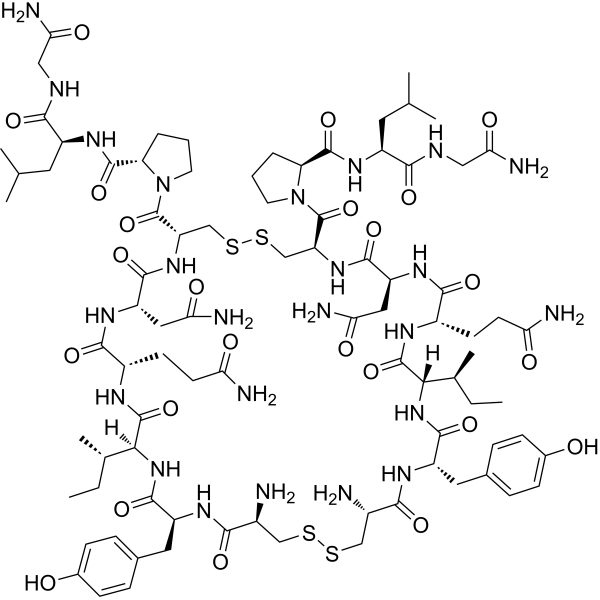
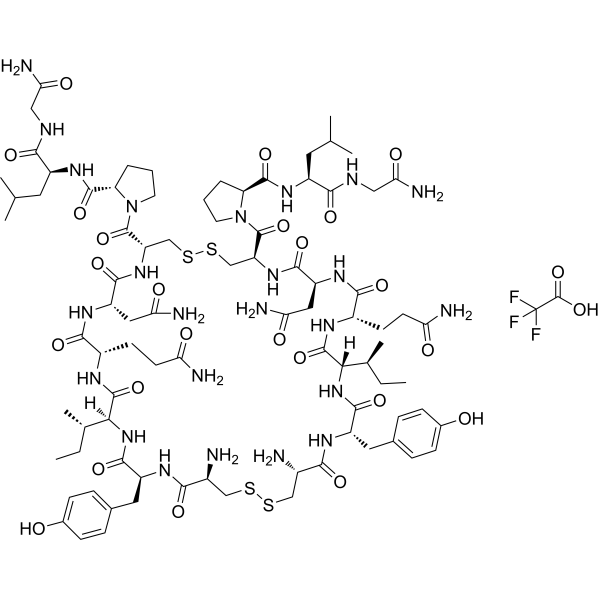
  • HY-P3215

    Oxytocin Receptor Endocrinology
    Oxytocin parallel dimer is the disulfide-bridged homo peptide dimer. Oxytocin dimer has oxytocin and vasopressin-like activity with less toxic than oxytocin .
    Oxytocin parallel dimer
  • HY-P10741

    Radionuclide-Drug Conjugates (RDCs) Peptide-Drug Conjugates (PDCs) Somatostatin Receptor Cancer
    DOTA-EB-TATE is composed of SST peptide derivative, DOTA-octreotate conjugated a common to an Evans blue analog (EB). DOTA-EB-TATE is a peptide drug conjugate (PDC) improves the pharmacokinetics of SSTR2 analogs and reduces PRRT toxicity. DOTA-EB-TATE can also be used for the synthesis/research of Radionuclide-Drug Conjugates (RDCs) .
    DOTA-EB-TATE
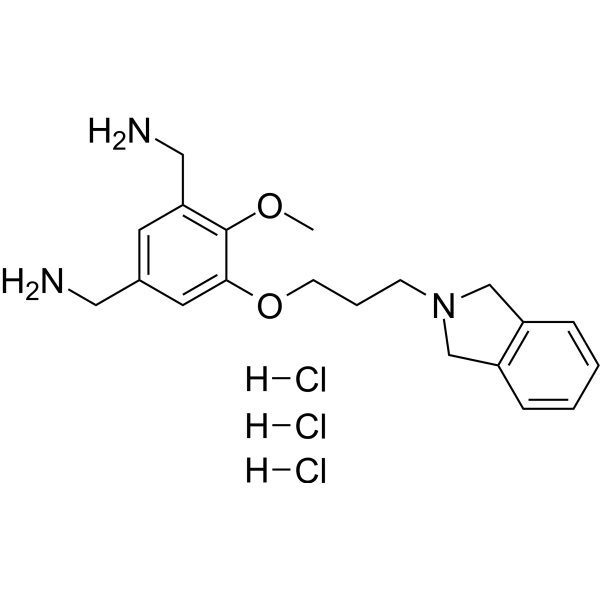
  • HY-125837A
    MS31 trihydrochloride
    3 Publications Verification

    Epigenetic Reader Domain Cancer
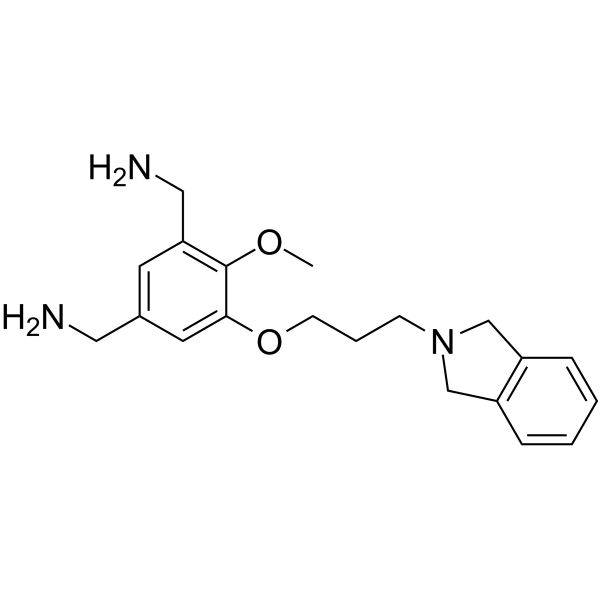
    MS31 trihydrochloride is a potent, highly affinity and selective fragment-like methyllysine reader protein spindlin 1 (SPIN1) inhibitor. MS31 trihydrochloride potently inhibits the interactions between SPIN1 and H3K4me3 (IC50=77 nM, AlphaLISA; 243 nM, FP). MS31 trihydrochloride selectively binds Tudor domain II of SPIN1 (Kd=91 nM). MS31 trihydrochloride potently inhibits binding of trimethyllysine-containing peptides to SPIN1, and is not toxic to nontumorigenic cells .
    MS31 trihydrochloride
  • HY-P5486

    Bacterial Others
    Tet-20 is a biological active peptide. (Tet-20, is a synthetic cathelicidin-derived peptide. It was tested as infection-resistant coating for medical devices. When tethered on an implant surface Tet-20 exhibited broad antimicrobial activities both in vivo and in vitro. It can stop biofilm formation and appears to be non-toxic to eukaryotic cells)
    Tet-20
  • HY-172273A

    Liposome Cancer
    DSPE-PEG2000-Mal-Cys-YEQDPWGVKWWY is a PEG compound which composed of DSPE and a M2-polarized macrophages targeting peptide (M2pep, YEQDPWGVKWWY). M2pep is conjugated to a proapoptotic peptide as monovalent or multivalent ligands to concentrate the toxic effect of the peptide to M2 macrophages. DSPE-PEG2000-Mal-Cys-YEQDPWGVKWWY can be used for drug delivery .
    DSPE-PEG2000-Mal-Cys-YEQDPWGVKWWY
  • HY-P5640

    Bacterial Parasite Infection
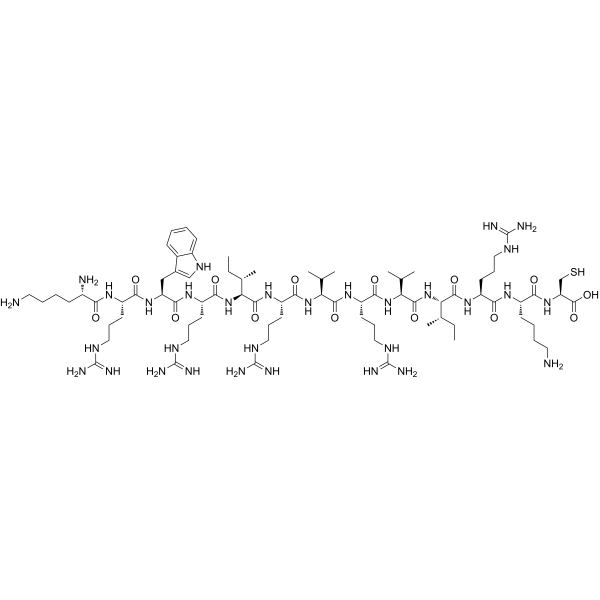
    Tritrpticin is a porcine-derived antimicrobial peptide with properties such as membrane disruption and hemolysis. Tritrpticin disrupts the cell membranes of bacteria, fungi and Jurkat T cell leukemia cells and induces their death. Tritrpticin also enhances the efficacy of Metronidazole (HY-B0318) against *Trichomonas vaginalis*, reduces plasma endotoxin and inflammatory cytokine levels, restricts bacterial growth in blood and visceral tissues, decreases the mortality rate of septic shock in rats and enhances the therapeutic effect of ertapenem. Tritrpticin exhibits selective cytotoxicity against Jurkat T cell leukemia cells, while showing low toxicity to normal peripheral blood mononuclear cells and red blood cells, and can serve as a template for antimicrobial peptide design. Tritrpticin can be applied to research related to bacterial infections, fungal infections, trichomoniasis, septic shock and leukemia .
    Tritrpticin
  • HY-P10560

    Biochemical Assay Reagents Others
    M918 is a cell-penetrating peptide. M918 is internalized by cells through endocytosis and can effectively penetrate a variety of cells in a non-toxic manner. M918 can be used in gene therapy and drug delivery system research .
    M918
  • HY-172273

    Liposome Cancer
    DSPE-PEG1000-Mal-Cys-YEQDPWGVKWWY is a PEG compound which composed of DSPE and a M2-polarized macrophages targeting peptide (M2pep, YEQDPWGVKWWY). M2pep is conjugated to a proapoptotic peptide as monovalent or multivalent ligands to concentrate the toxic effect of the peptide to M2 macrophages. DSPE-PEG1000-Mal-Cys-YEQDPWGVKWWY can be used for drug delivery .
    DSPE-PEG1000-Mal-Cys-YEQDPWGVKWWY
  • HY-P0033A

    Acetyl hexapeptide-3 acetate; Acetyl hexapeptide-8 acetate

    Calcium Channel Neurological Disease
    Argireline acetate (Acetyl hexapeptide-3 acetate) is a non-toxic, skin-permeable, antiwrinkle peptide. Argireline acetate significantly inhibits Ca 2+ dependent neurotransmitter release (acetylcholine) at the neuromuscular junction. Argireline acetate has antiwrinkle and anti-aging activity .
    Argireline acetate
  • HY-P3912A

    Interleukin Related Infection
    Endotoxin inhibitor TFA is a synthetic peptide that binds lipid A with high affinity, thereby detoxifying LPS (HY-D1056) and preventing LPS-induced cytokine release in vivo. Endotoxin inhibitor TFA inhibits the febrile response to LPS with very low toxicity and lethality .
    Endotoxin inhibitor TFA
  • HY-P3350

    Bacterial Infection
    LS-BF1 is a stable and low toxic cationic antimicrobial peptide. LS-BF1 displays broad spectrum of antibacterial activity, including the challenging ESKAPE pathogens, by cell membrane disruptive mechanism. LS-BF1 shows good in vivo efficacy for elimination of bacteria in a mouse infection model[1].
    LS-BF1
  • HY-P10360

    α-synuclein Neurological Disease
    Tat-βsyn-degron is an α-synuclein knockdown peptide that effectively degrades α-synuclein protein via the proteasome pathway. Tat-βsyn-degron effectively reduces α-synuclein protein levels in primary rat cortical neuron cultures. In a Parkinson's mouse toxicity model, Tat-βsyn-degron can alleviate parkinsonian toxin-induced neuronal damage and movement disorders .
    Tat-βsyn-degron
  • HY-178819

    Integrin Drug Intermediate Cancer
    NM-001 is a theranostic prodrug that targets ανβ3 integrin. NM-001 consists of cRGD and GFLG peptides, a DCM fluorophore and Chlorambucil (HY-13593). NM-001 internalizes into lysosomes of tumor cells via the cRGD peptide, and generates NM-002 (HY-178820) and Chlorambucil through intracellular cleavage at the GFLG peptide by overexpressed Cathepsin B (CTSB). NM-001 exhibits green fluorescence under physiological conditions, and converts to NIR fluorescence by CTSB activation. NM-001 has significant antitumor activity with low toxicity in HeLa cell xenografts mouse models. NM-001 can be used for real-time drug release monitoring research .
    NM-001
  • HY-118834

    Lyngbyatoxin A

    PKC Inflammation/Immunology Cancer
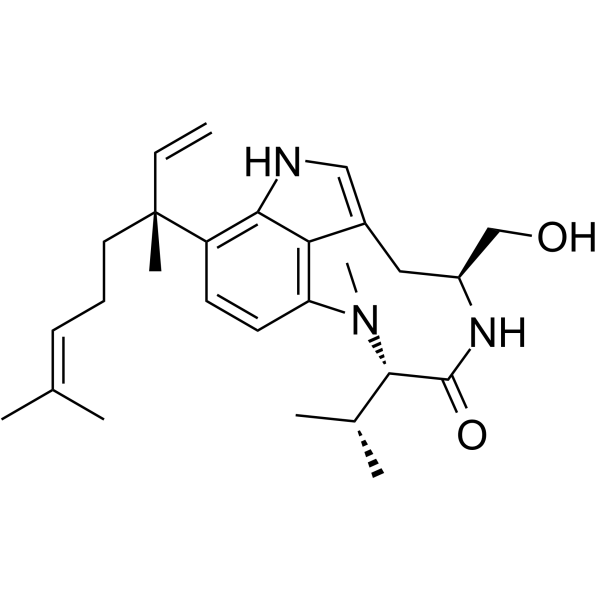
    Teleocidin A1 (Lyngbyatoxin A) is a PKC activator with a Ki value of 0.11 nM for binding to the PKCδ-C1B peptide. Teleocidin A1 exhibits anticancer activity against cervical cancer and leukemia. Teleocidin A1 can induce seaweed dermatitis, food poisoning and local skin toxicity. Teleocidin A1 can be used in studies related to cervical cancer, seaweed dermatitis and food poisoning .
    Teleocidin A1
  • HY-P11000

    Biochemical Assay Reagents Others
    INF7TAT is an amphipathic peptide containing the influenza HA2 sequence and the TAT peptide (HY-P0281). INF7TAT can associate with other macromolecules through non-covalent associations. INF7TAT can be used for non-toxic delivery of siRNAs .
    INF7TAT
  • HY-172273C

    Liposome Cancer
    DSPE-PEG3400-Mal-Cys-YEQDPWGVKWWY is a PEG compound which composed of DSPE and a M2-polarized macrophages targeting peptide (M2pep, YEQDPWGVKWWY). M2pep is conjugated to a proapoptotic peptide as monovalent or multivalent ligands to concentrate the toxic effect of the peptide to M2 macrophages. DSPE-PEG3400-Mal-Cys-YEQDPWGVKWWY can be used for drug delivery .
    DSPE-PEG3400-M2pep
  • HY-P5307A

    INF7-A5K-TAT acetate

    Biochemical Assay Reagents Others
    Peptide A5K (INF7-A5K-TAT) acetate is an amphiphilic peptide derived from the HA2-TAT fusion scaffold. Peptide A5K acetate can non-covalently bind to CRISPR ribonucleoproteins and efficiently deliver them to cells, such as primary human T cells, B cells, and NK cells. Peptide A5K acetate enables low-toxicity, precise, and multiplex genome editing, holding great application potential in the field of cell therapy .
    Peptide A5K acetate
  • HY-P11335

    Ser/Thr Protease Bacterial Others
    Oscillamide Y (Compound 1), a ureido-containing cyclic peptide, is a Chymotrypsin inhibitor. Oscillamide Y can be isolated from freshwater toxic cyanobacterium Oscillatoria agardhii. Oscillamide Y has potent toxicity against fish, daphnid magna and algae with a stimulatory effect for Raphidocelis subcapitata (EC50: 4.62 mg/L). Oscillamide Y induces high luminescence inhibition in Aliivibrio fischeri. Oscillamide Y can be used for ecological development research .
    Oscillamide Y
  • HY-P3912

    COX Interleukin Related Infection
    Endotoxin inhibitor a synthetic peptide that binds lipid A with high affinity, thereby detoxifying LPS (HY-D1056) and preventing LPS-induced cytokine release in vivo. Endotoxin inhibitor inhibits the febrile response to LPS with very low toxicity and lethality .
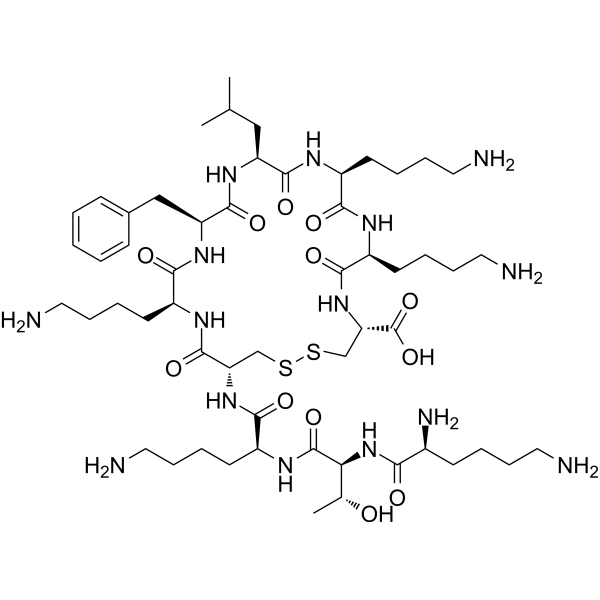
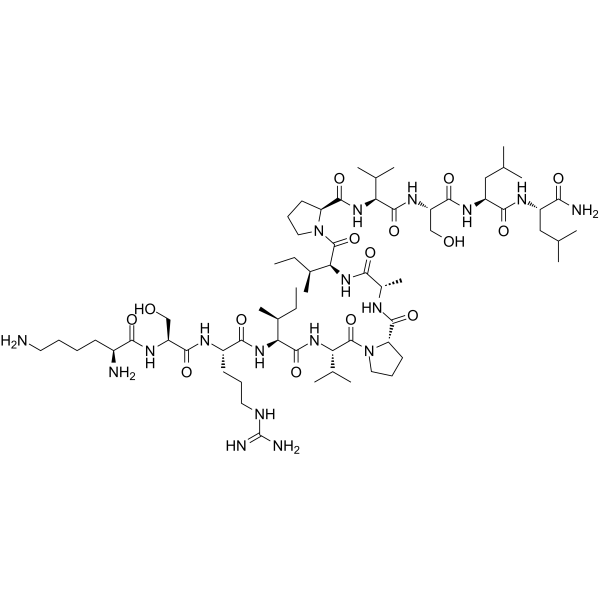
    Endotoxin inhibitor
  • HY-P2320

    Bacterial Infection Inflammation/Immunology
    IDR-1 is an antimicrobial peptide that is active against Gram-positive and Gram-negative bacteria. IDR-1 counters infection by selective modulation of innate immunity without obvious toxicities. IDR-1 has anti-inflammatory and anti-infective properties, enhances the levels of monocyte chemokines, and attenuates pro-inflammatory cytokine release .
    IDR-1
  • HY-B0317F

    Calcium Channel Infection
    Amlodipine hydrochloride is a biologically active drug used to lower blood pressure and prevent chest pain. Amlodipine hydrochloride has shown synergistic effects with antimicrobial drugs in in vitro studies, especially against carbene peptide-resistant Acinetobacter baumannii. Amlodipine hydrochloride can be used in combination with other antibiotics to enhance the inhibitory effect against resistant bacteria. The use of amlodipine hydrochloride helps reduce the dosage requirements of the drug, reduce toxic effects, and delay the emergence of drug resistance .
    Amlodipine hydrochloride
  • HY-P11226

    Amyloid-β CaMK Apoptosis Neurological Disease
    TI-16 is a peptide that targets β-amyloid (Aβ) protein. TI-16 can cross the blood-brain barrier. TI-16 can increase the concentration of intracellular free CaM, thereby restoring calcium ion homeostasis and reducing Aβ toxicity. TI-16 can reduce the deposition of Aβ in the brain, improve neuronal pathology, inhibit cell apoptosis, and improve cognitive function in mice. TI-16 is commonly used in the study of Alzheimer's disease .
    TI-16
  • HY-125837

    Epigenetic Reader Domain Cancer
    MS31 is a potent, highly affinity and selective fragment-like methyllysine reader protein spindlin 1 (SPIN1) inhibitor. MS31 potently inhibits the interactions between SPIN1 and H3K4me3 (IC50=77 nM, AlphaLISA; 243 nM, FP). MS31 selectively binds Tudor domain II of SPIN1 (Kd=91 nM). MS31 potently inhibits binding of trimethyllysine-containing peptides to SPIN1. MS31 is not toxic to nontumorigenic cells .
    MS31
  • HY-P1363S1

    Isotope-Labeled Compounds Amyloid-β Neurological Disease
    β-Amyloid (1-42), human, Ala( 13C3, 15N) TFA is the 13C and 15N-labeled β-Amyloid (1-42), human (HY-P1363A). β-Amyloid (1-42) (Amyloid β-peptide (1-42)), human, a 42-amino acid peptide that has not been treated with HFIP, is a brain-penetrant amyloid protein fragment, which can be used in research on Alzheimer's disease and Down’s syndrome. β-Amyloid (1-42), human remaining as a monomer exhibits antioxidant and neuroprotective effects. β-Amyloid (1-42), human, after being monomericized by HFIP and dissolved in DMSO to form the stock solution, on the one hand, can form soluble oligomers (AβOs) when incubated at 4 °C, which have synaptic toxicity and neurotoxicity; on the other hand, it can be incubated at 37 °C to form insoluble fibrils, with lower neurotoxicity, and participating in the oxidative damage process. Aβ42 oligomers bind to various neuronal surface receptors (such as PrPc, mGluR5, NMDA receptors, etc.), triggering oxidative stress, calcium homeostasis imbalance, and synaptic toxicity via activating downstream signaling pathways, leading to neuronal dysfunction and death .
    β-Amyloid (1-42), human, Ala(13C3,15N) TFA
  • HY-P11064

    Bacterial Infection
    G(IIKK)3I-NH2 is an antimicrobial peptide. G(IIKK)3I-NH2 exhibits potent antibacterial activity against both Gram-negative and Gram-positive bacteria. G(IIKK)3I-NH2 has low toxicity to primary cells and mice, and G(IIKK)3I-NH2 is not easy to induce bacterial resistance. G(IIKK)3I-NH2 can be used in the research of anti-infection agents .
    G(IIKK)3I-NH2
  • HY-P5853

    Potassium Channel Inflammation/Immunology
    Aam-KTX is a Kv channel inhibitor with IC50 values of 1.1 nM and >750 nM for Kv1.3 and Kv1.1, respectively. Aam-KTX is a toxic peptide obtained from the venom of the scorpion Mesobuthus eupeus. Aam-KTX has potential in autoimmune diseases research .
    Aam-KTX
  • HY-P10546

    pALA

    Bacterial Infection
    Polyalanine peptide (pALA) is an antimicrobial peptide that targets biofilms and Gram-negative bacteria and is non-toxic to mammalian cells. Polyalanine peptide forms an α-helical conformation that effectively permeabilizes Gram-negative bacterial membranes, thereby inducing lethal cell leakage. Polyalanine peptide can be used in anti-infection research .
    Polyalanine peptide
  • HY-P5639

    Fungal Infection
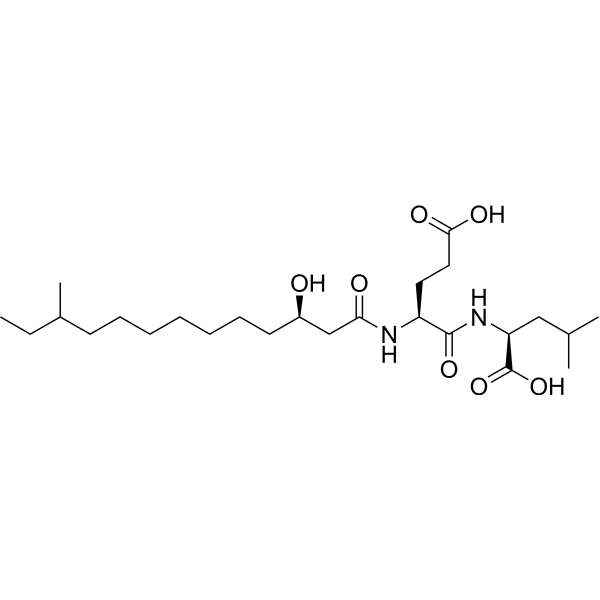
    Gageotetrin A is an antimicrobial peptide derived from the marine bacterium Bacillus subtilis. Gageotetrin A has antifungal activity, but none toxic to numerous human cancer cells .
    Gageotetrin A
  • HY-P3215A

    Oxytocin Receptor Endocrinology
    Oxytocin parallel dimer TFA is the disulfide-bridged homo peptide dimer. Oxytocin dimer has oxytocin and vasopressin-like activity with less toxic than oxytocin .
    Oxytocin parallel dimer TFA
  • HY-172273B

    Liposome Cancer
    DSPE-PEG5000-Mal-Cys-YEQDPWGVKWWY is a PEG compound which composed of DSPE and a M2-polarized macrophages targeting peptide (M2pep, YEQDPWGVKWWY). M2pep is conjugated to a proapoptotic peptide as monovalent or multivalent ligands to concentrate the toxic effect of the peptide to M2 macrophages. DSPE-PEG5000-Mal-Cys-YEQDPWGVKWWY can be used for drug delivery .
    DSPE-PEG5000-M2pep
  • HY-P10037

    Amyloid-β Neurological Disease
    β Amyloid(17-28) human is a β-amyloid peptide (Abeta), a lipid-induced amyloid core fragment. β Amyloid(17-28) human enhances aggregation of full-length β Amyloid40, producing toxic aggregates in Alzheimer's disease (AD) .
    β Amyloid(17-28) human
  • HY-162339

    Cholinesterase (ChE) Neurological Disease
    BChE-IN-30 (compound (R)-37a) is a BChE inhibitor (IC50: 5 nM) with anti-inflammatory activity and low toxicity. BChE-IN-30 can improve cognitive deficits induced by scopolamine and Aβ1-42 peptide and can be used in the study of late-stage AD .
    BChE-IN-30

Inquiry Online

Your information is safe with us. * Required Fields.

Salutation


Country or Region *

Applicant Name *


Organization Name *

Department *


Email Address *


Product Name *

Cat. No.


Requested quantity *

Phone Number *


Remarks

Inquiry Online

Inquiry Information

Product Name:
Cat. No.:
Quantity:
MCE Japan Authorized Agent: