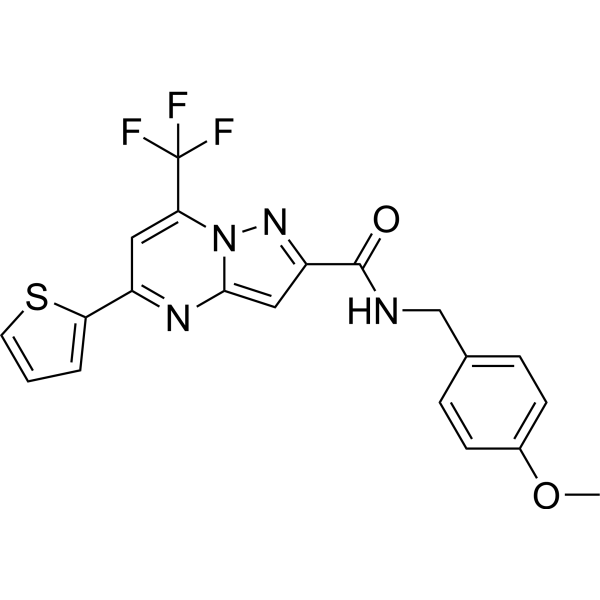
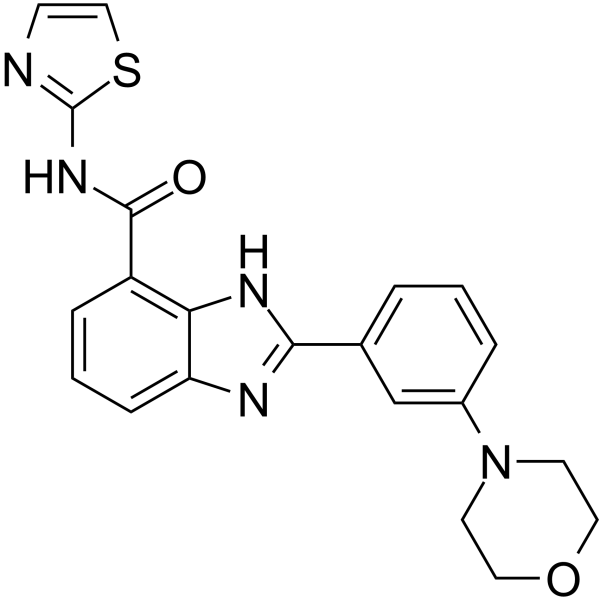
1. Search Result
Search Result
Results for "

transcriptional inhibition

" in MedChemExpress (MCE) Product Catalog:

55

Inhibitors & Agonists

1

Screening Libraries

2

Peptides

1

Inhibitory Antibodies

8

Natural
Products

1

Oligonucleotides

Cat. No. Product Name Target Research Areas Chemical Structure
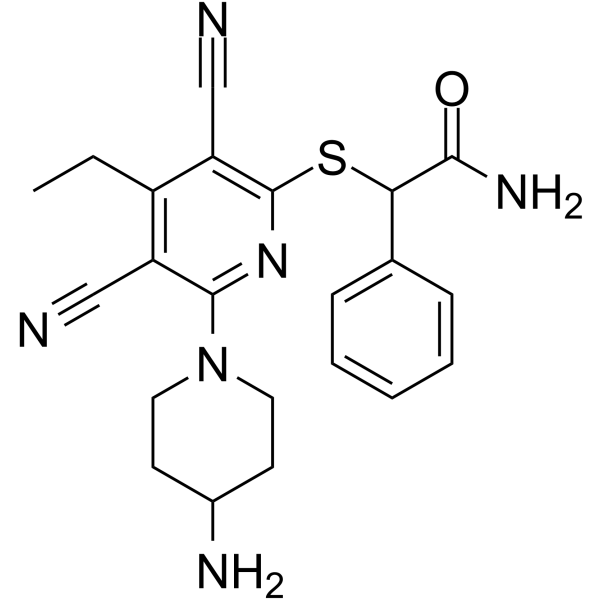
  • HY-139664
    GSK-3685032
    10+ Cited Publications

    DNA Methyltransferase Cancer
    GSK-3685032 is a non-time-dependent, noncovalently, first-in-class reversible DNMT1-selective inhibitor, with an IC50 of 0.036 μM. GSK-3685032 induces robust loss of DNA methylation, transcriptional activation, and cancer cell growth inhibition .
    GSK-3685032
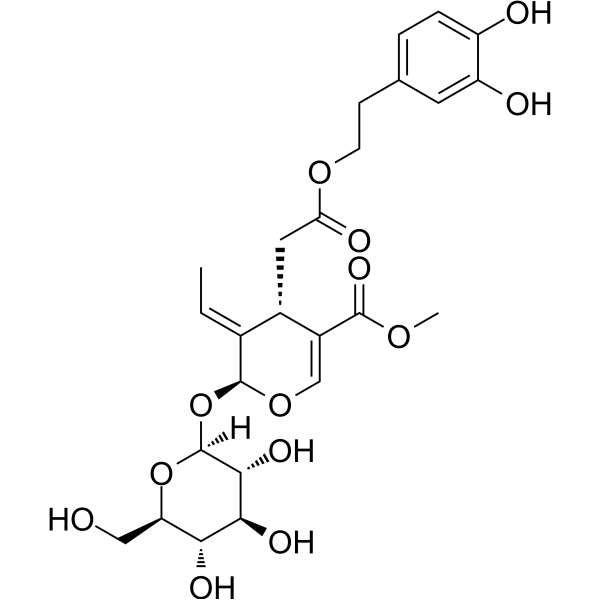
  • HY-N0292
    Oleuropein
    Maximum Cited Publications
    9 Publications Verification

    Cytochrome P450 PPAR Apoptosis Cardiovascular Disease Inflammation/Immunology Cancer
    Oleuropein, found in olive leaves and oil, exerts antioxidant, anti-inflammatory and anti-atherogenic effects through direct inhibition of PPARγ transcriptional activity . Oleuropein induces apoptosis in breast cancer cells via the p53-dependent pathway and through the regulation of Bax and Bcl2 genes. Oleuropein also inhibits aromatase .
    Oleuropein
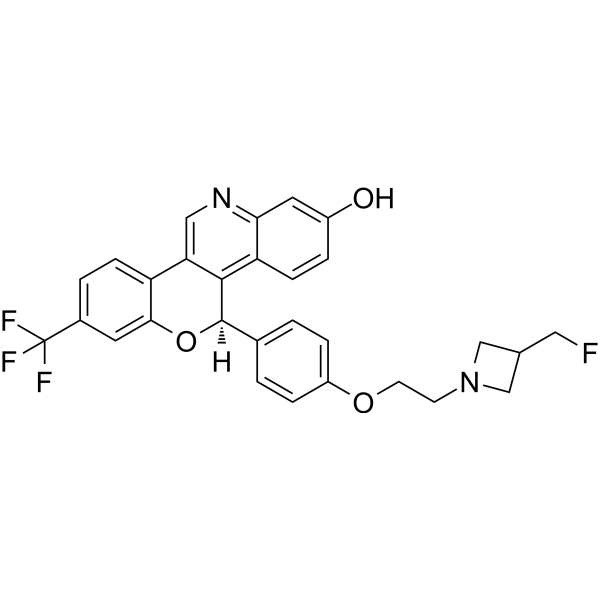
  • HY-145572
    Imlunestrant
    1 Publications Verification

    LY-3484356

    Estrogen Receptor/ERR Cancer
    Imlunestrant (LY-3484356) is an orally active, potent and selective estrogen receptor degrader (SERD) with pure antagonistic properties. Imlunestrant results in sustained inhibition of ER-dependent gene transcription and cell growth. Imlunestrant can be used for the research of ER-positive (ER+) advanced breast cancer (aBC) and endometrial endometrioid cancer (EEC) .
    Imlunestrant
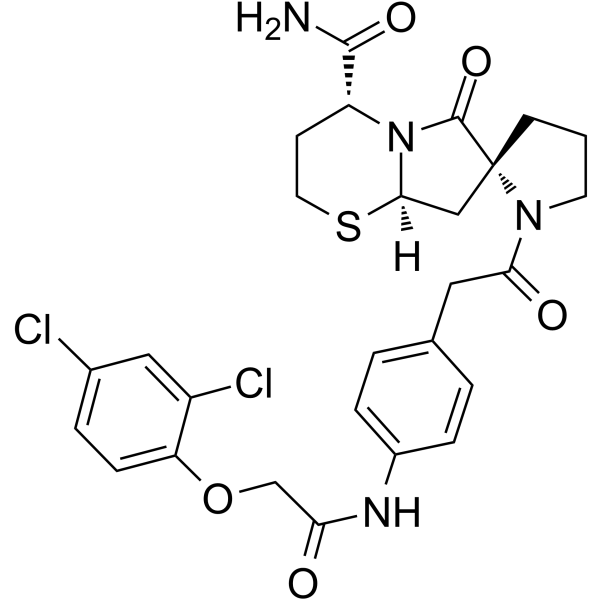
  • HY-50937
    ST 2825
    Maximum Cited Publications
    70 Publications Verification

    MyD88 Inflammation/Immunology
    ST 2825 is a specific MyD88 dimerization inhibitor. ST2825 interferes with recruitment of IRAK1 and IRAK4 by MyD88, causing inhibition of IL-1β-mediated activation of NF-κB transcriptional activity .
    ST 2825
  • HY-145572A
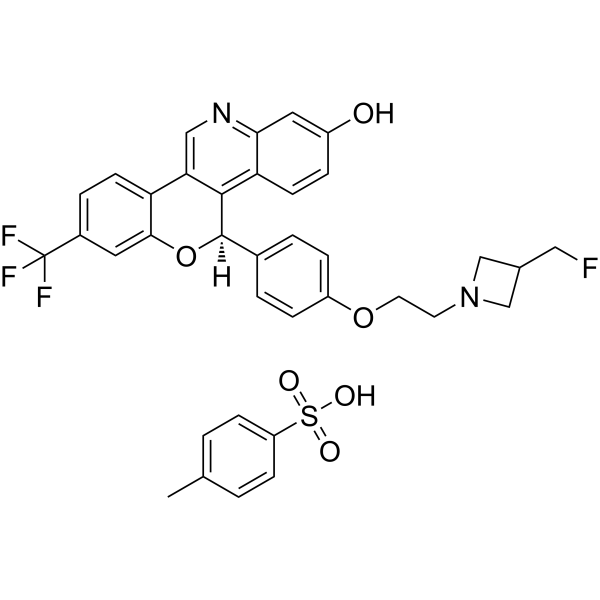
    Imlunestrant tosylate
    1 Publications Verification

    LY-3484356 tosylate

    Estrogen Receptor/ERR Cancer
    Imlunestrant (LY-3484356) tosylate is an orally active, potent and selective estrogen receptor degrader (SERD) with pure antagonistic properties. Imlunestrant tosylate results in sustained inhibition of ER-dependent gene transcription and cell growth. Imlunestrant tosylate can be used for the research of ER-positive (ER+) advanced breast cancer (aBC) and endometrial endometrioid cancer (EEC) .
    Imlunestrant tosylate
  • HY-P1939

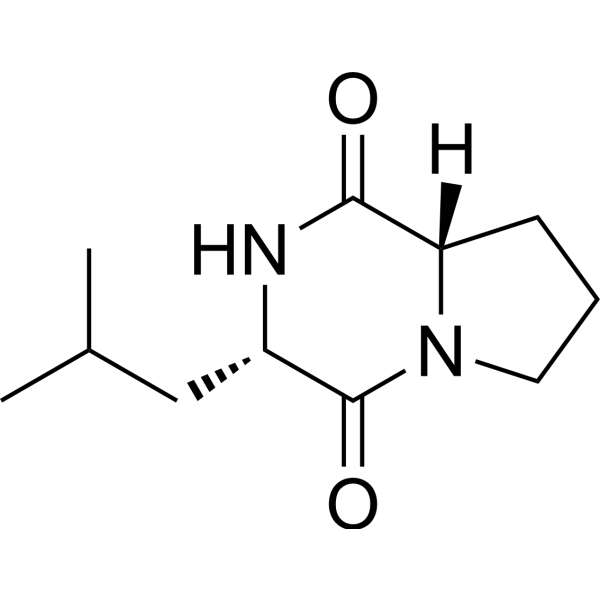
    Cyclo(L-prolyl-L-leucyl)

    Fungal Bacterial Influenza Virus Infection
    Cyclo(L-Leu-L-Pro) is a cyclic dipeptide with broad-spectrum antibacterial, antiviral and antifungal activities. Its biological activity is highly dependent on the stereoconfiguration and is widely present in microbial metabolites. Cyclo(L-Leu-L-Pro) efficiently and specifically inhibits the production of aflatoxin by Aspergillus flavus. The cis configuration of Cyclo(L-Leu-L-Pro) (cis-cyclo(L-Leu-L-Pro)) has broad-spectrum antibacterial activity against multi-drug resistant bacteria and significantly inhibits the influenza A virus H3N2 .
    Cyclo(L-Leu-L-Pro)
  • HY-153278

    CDK7-IN-21

    CDK DNA/RNA Synthesis c-Myc Early 2 Factor (E2F) Topoisomerase Cancer
    Q901 (CDK7-IN-21) is a selective and potent CDK7 inhibitor with an IC50 of 10 nM. Q901 disrupts MYC and E2Ftranscription program, downregulating cell cycle control and DNA damage repair pathways. Q901 stabilizes TOP1-DPCs and sensitizes tumor to TOP1 inhibitors by suppressing RNAPII transition from initiation to elongation. Q901 can inhibit tumor growth and significantly enhances tumor growth inhibition combined with TOP1 inhibitors. Q901 can be used for the research of cancer, such as colon cancer and lung cancer .
    Q901
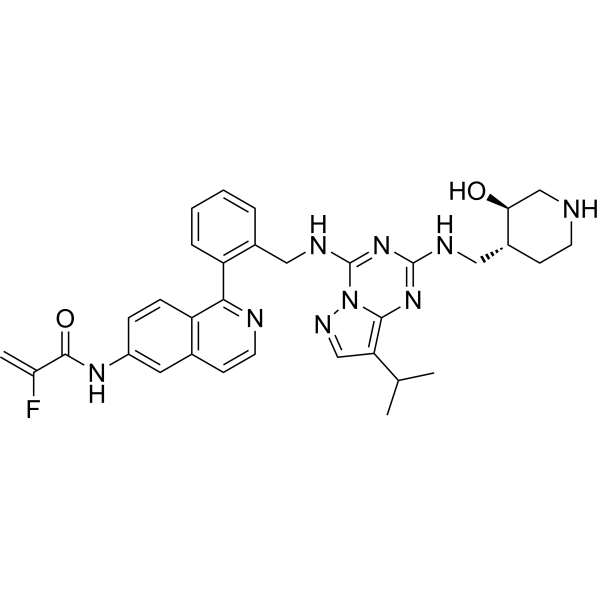
  • HY-155338

    YAP Cancer
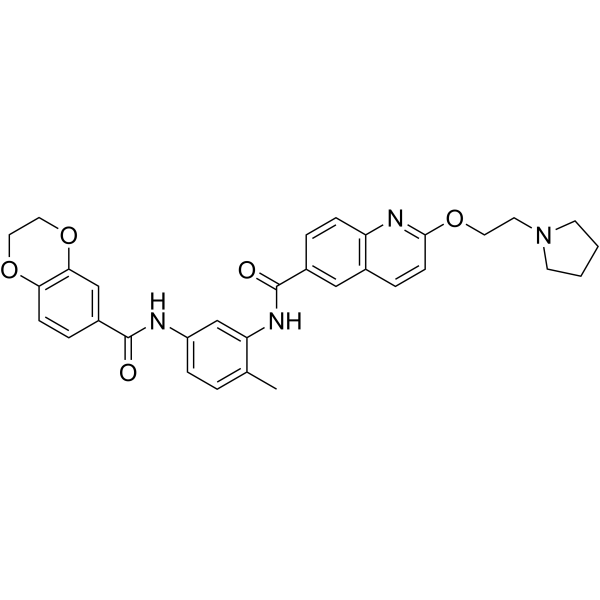
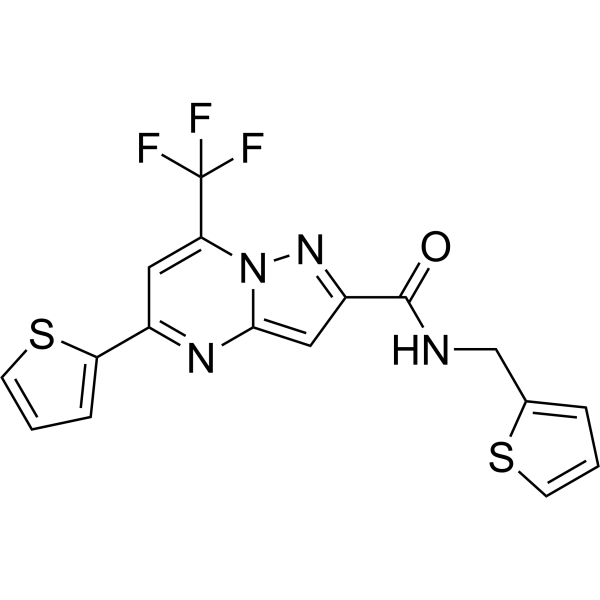
    SWTX-143 is an orally active YAP/TAZ-TEAD inhibitor that binds to the palmitoylation pocket of all four TEAD isoforms. SWTX-143 causes irreversible and specific inhibition of the transcriptional activity of YAP/TAZ-TEAD and shows antitumor activity .
    SWTX-143
  • HY-124593
    PTC299
    5 Publications Verification

    Emvododstat

    VEGFR Dihydroorotate Dehydrogenase DNA/RNA Synthesis Cancer
    PTC299 is an orally active inhibitor of VEGFA mRNA translation that selectively inhibits VEGF protein synthesis at the post-transcriptional level. PTC299 is also a potent inhibitor of dihydroorotate dehydrogenase (DHODH). PTC299 shows good oral bioavailability and lack of off-target kinase inhibition and myelosuppression. PTC299 can be useful for the research of hematologic malignancies .
    PTC299
  • HY-153347
    JY-2
    2 Publications Verification

    FOXO Metabolic Disease
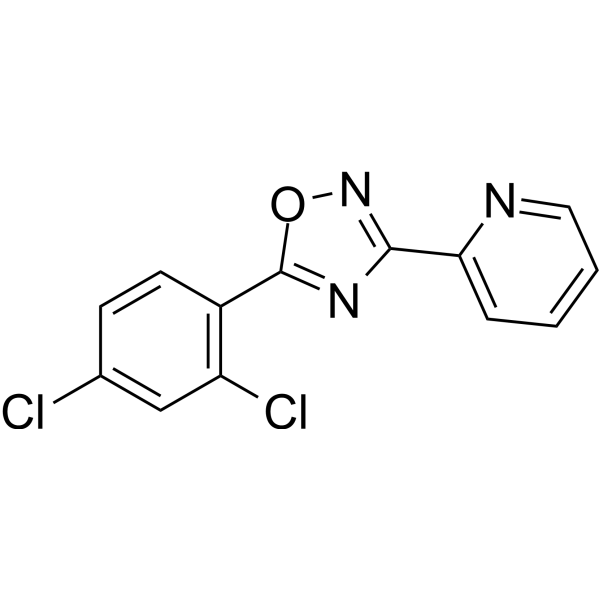
    JY-2 is a moderately selective and orally active Forkhead transcription factor forkhead box O1 (FoxO1) inhibitor that inhibits FoxO1 transcriptional activity with an IC50 of 22 μM. JY-2 shows moderate inhibition against FoxO3a and FoxO4. JY-2 shows anti-diabetic activity .
    JY-2
  • HY-N3610
    Coclaurine
    1 Publications Verification

    nAChR Cancer
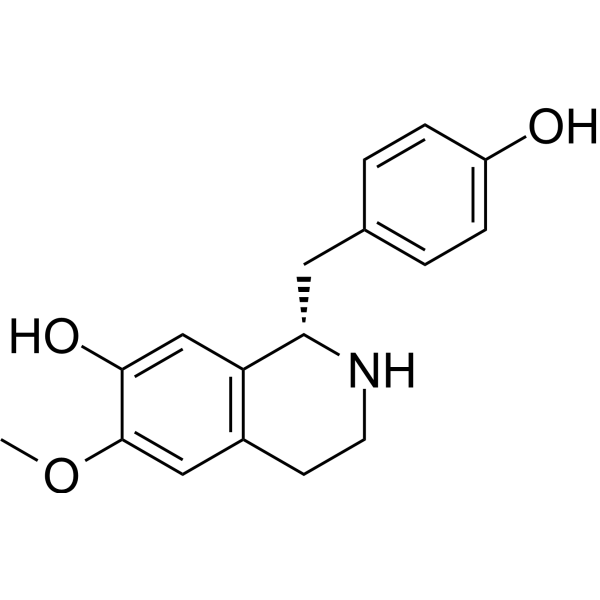
    Coclaurine is a class of tetrahydroisoquinoline alkaloids that can be isolated from Sarcopetalum harveyanum with anticancer activity. Coclaurine is a nicotinic acetylcholine receptor (nAChRs) antagonist. Coclaurine is a key molecule in S. tetrandra responsible for EFHD2 inhibition. Coclaurine can downregulate EFHD2-related NOX4-ABCC1 signaling and enhanced Cisplatin (HY-17394) sensitivity. Coclaurine suppresses the stemness and metastatic properties of NSCLC cells. Coclaurine disrupts the interaction between the transcription factor FOXG1 and the EFHD2 promoter, leading to a reduction in EFHD2 transcription .
    Coclaurine
  • HY-101026
    CCT251236
    4 Publications Verification

    HSP Cancer
    CCT251236 is an orally available pirin ligand from a heat shock transcription factor 1 (hsf1) phenotypic screen with an IC50 of 19 nM for inhibition of HSF1-mediated HSP72 induction.
    CCT251236
  • HY-120072
    PF-3450074
    5 Publications Verification

    PF-74

    HIV Infection
    PF-3450074 (PF-74) is a specifical inhibitor of HIV-1 capsid protein (CA) and displays a broad-spectrum inhibition of HIV isolates with submicromolar potency (EC50=8-640 nM). PF-3450074 (PF-74) acts at an early stage of HIV-1 infection, inhibits viral replication by directly competing with the binding of CPSF6 and NUP153, and blocks the uncoating, assembly, and the reverse transcription steps of the viral life cycle . CPSF6: nuclear host factors cleavage and polyadenylation specific factor 6; NUP153: nucleoporin 153.
    PF-3450074
  • HY-113137
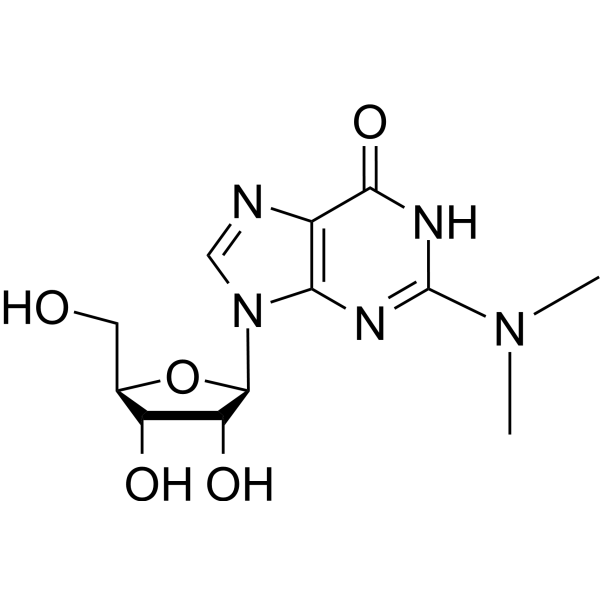
    N2,N2-Dimethylguanosine
    4 Publications Verification

    Endogenous Metabolite Cancer
    N2,N2-Dimethylguanosine is a methylated modified nucleoside present in RNA and serves as a structural modification component of tRNA. N2,N2-Dimethylguanosine inhibits reverse transcriptase-mediated cDNA synthesis and is one of the key modifications affecting sequencing efficiency in high-throughput RNA sequencing. N2,N2-Dimethylguanosine can be selectively demethylated at one methyl group by AlkB mutant enzymes (such as D135S/L118V) and converted to N2-methylguanosine, thereby reducing the inhibition of reverse transcription .
    N2,N2-Dimethylguanosine
  • HY-N1513

    AP-1 NF-κB Cancer
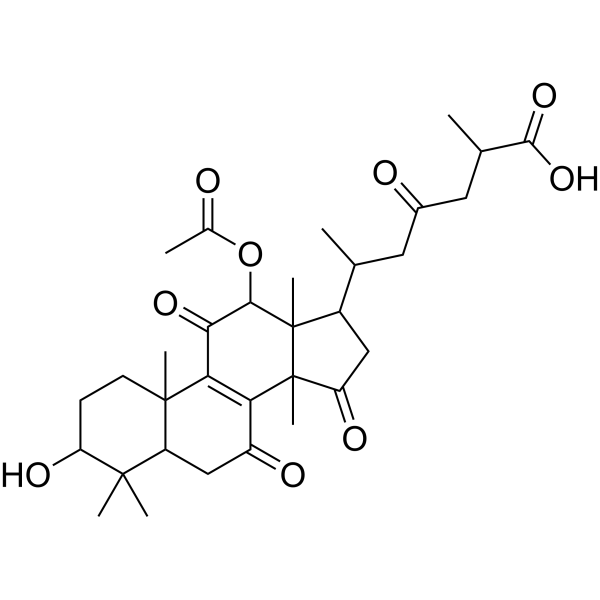
    Ganoderic acid H is a lanostane-type triterpene isolated from Ganoderma lucidum. Ganoderic acid H suppresses growth and invasive behavior of breast cancer cells through the inhibition of transcription factors AP-1 and NF-kappaB signaling .
    Ganoderic acid H
  • HY-125232
    MS645
    1 Publications Verification

    Epigenetic Reader Domain Cancer
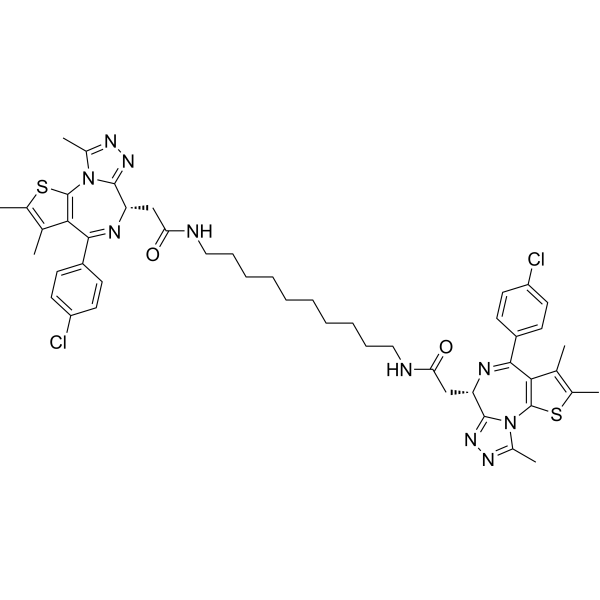
    MS645 is a bivalent BET bromodomains (BrD) inhibitor with a Ki of 18.4 nM for BRD4-BD1/BD2. MS645 spatially constrains bivalent inhibition of BRD4 BrDs resulting in a sustained repression of BRD4 transcriptional activity in solid-tumor cells .
    MS645
  • HY-135046
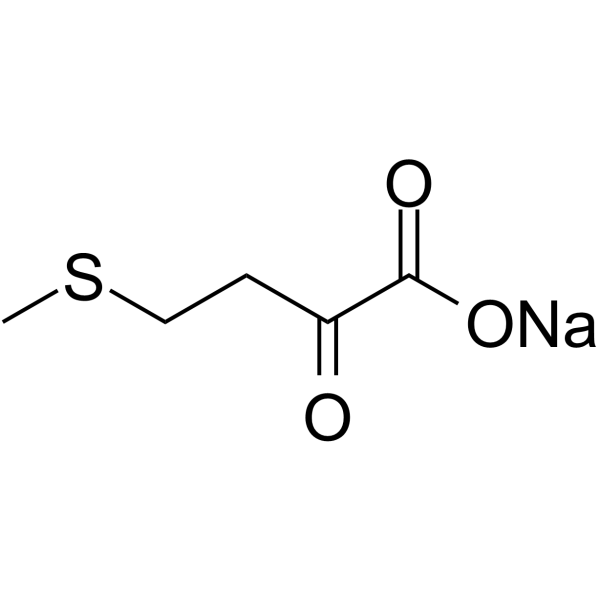
    MTOB sodium
    2 Publications Verification

    DNA/RNA Synthesis Neurological Disease Inflammation/Immunology Cancer
    MTOB sodium is a potent C-terminal binding protein (CtBP) inhibitor. MTOB sodium attenuates repetitive head injury-elicited neurologic dysfunction and neuroinflammation via inhibition of the transactivation activity of CtBP1 and CtBP2. MTOB sodium antagonizes the transcriptional regulatory activity of CtBP1 and CtBP2 by eviction from their target promoters in breast cancer cell lines .
    MTOB sodium
  • HY-147291

    c-Myc PARP Apoptosis Cancer
    VPC-70063 is a potent Myc-Max inhibitor with an IC50 value of 8.9 μM for Myc-Max transcriptional activity inhibition. VPC-70063 reduces UBE2C promotor activity and AR-V7 levels, and induces PARP cleavage. VPC-70063 induces apoptosis and blocks Myc-Max interactions with DNA. VPC-70063 can be used for researching anticancer .
    VPC-70063
  • HY-P99925

    REGN421

    Notch Metabolic Disease Cancer
    Enoticumab (REGN421, SAR153192) is an IgG1κ antibody targeting human Dll4. DLL4 is a ligand of the Notch signaling pathway and regulates fatty acid uptake through non-transcriptional regulation of macropinocytosis-dependent long-chain fatty acid uptake. Specific in vivo activity of Enoticumab in an ovarian xenograft model. EGN421 (2.5 mg/kg once weekly) resulted in 86% and 83% tumor growth inhibition in mouse subcutaneous TOV-112D or intraperitoneal A2780 human tumor xenograft models, respectively .
    Enoticumab
  • HY-117669

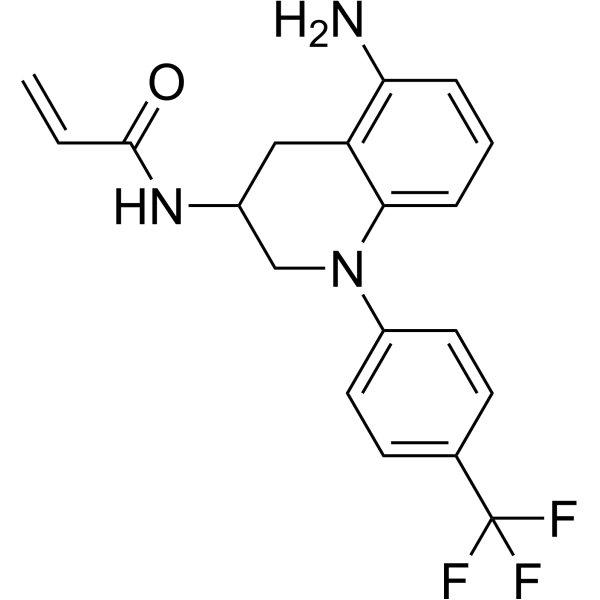
    Androgen Receptor Cancer
    VPC-14228 is an inhibitor that selectively targets androgen receptor DNA binding domain (AR-DBD). VPC-14228 inhibits the interaction between AR and DNA, thereby blocking AR-mediated transcriptional activation. VPC-14228 does not rely on nuclear localization inhibition, but rather inhibits the activity of full-length AR and splice variant AR-V7 by interfering with AR binding to chromatin. And VPC-14228 has high selectivity for other nuclear receptors such as ER and PR. VPC-14228 can be used in the study of prostate cancer [2].
    VPC-14228
  • HY-N3225

    NAMPT Sirtuin Microtubule/Tubulin Apoptosis Autophagy PDGFR NF-κB AMPK Cardiovascular Disease Neurological Disease Metabolic Disease Inflammation/Immunology Cancer
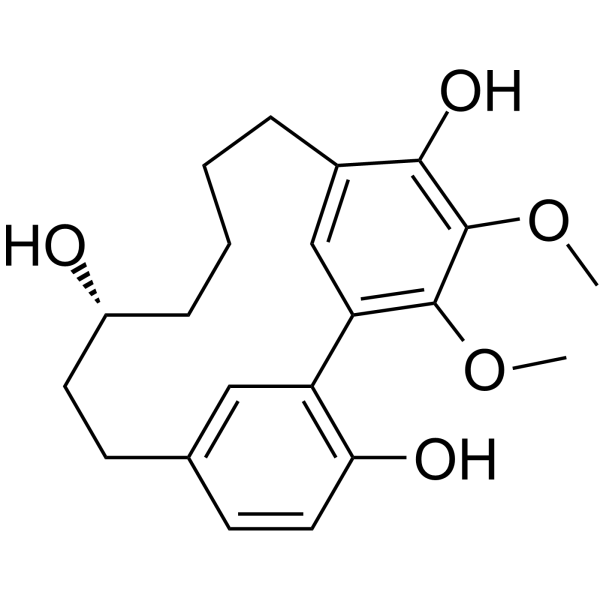
    Myricanol is a diarylheptanoid and a Nampt activator. Myricanol exerts anti-inflammatory effects and alleviates glucocorticoid-induced muscle atrophy by increasing Sirtuin 1 (SIRT1) and PRDX5 activities while regulating inflammatory factors. Myricanol exhibits growth inhibition and induces apoptosis in human lung adenocarcinoma A549 cells. Myricanol promotes autophagy-mediated clearance of microtubule-associated protein tau to exert neuroprotective effects. Myricanol protects cardiovascular function by inhibiting PDGFRβ and NF-κB signaling pathways. Myricanol activates mitochondrial transcription factor A (TFAM) expression to exert anti-renal fibrosis effects. Myricanol improves insulin resistance through AMPK activation .
    Myricanol
  • HY-152223

    PCSK9 Cardiovascular Disease
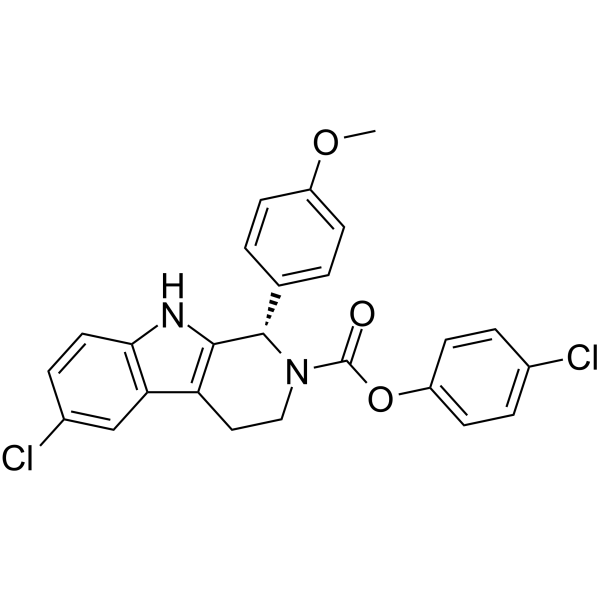
    PCSK9-IN-11 (compound 5r) is a potent and orally active PCSK9 inhibitor. PCSK9-IN-11 exhibits PCSK9 transcriptional inhibitory activity in HepG2 cells, with an IC50 of 5.7 μM. PCSK9-IN-11 increases LDL receptor (LDLR) protein level. PCSK9-IN-11 can be used for atherosclerosis research .
    PCSK9-IN-11
  • HY-N4182
    Licochalcone E
    4 Publications Verification

    Akt p38 MAPK Autophagy Inflammation/Immunology
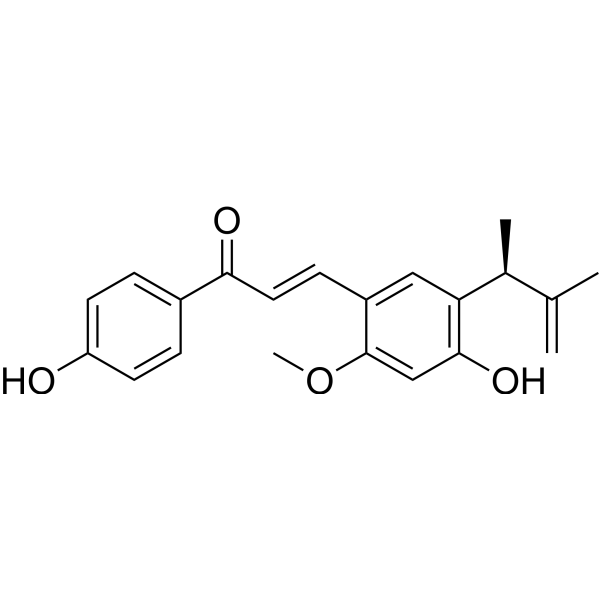
    Licochalcone E, a flavonoid compound isolated from Glycyrrhiza uralensis, inhibits NF-κB and AP-1 transcriptional activity through the inhibition of AKT and MAPK activation .
    Licochalcone E
  • HY-139664A

    DNA Methyltransferase Cancer
    (R)-GSK-3685032 is the R-enantiomer of GSK-3685032. GSK-3685032 is a non-time-dependent, noncovalently, first-in-class reversible DNMT1-selective inhibitor, with an IC50 of 0.036 μM. GSK-3685032 induces robust loss of DNA methylation, transcriptional activation, and cancer cell growth inhibition .
    (R)-GSK-3685032
  • HY-141703A

    Epigenetic Reader Domain Cancer
    DC-BPi-11 hydrochloride is an inhibitor of bromodomain PHD finger transcription factor (BPTF), with an IC50 value of 698 nM. DC-BPi-11 hydrochloride shows remarkable inhibition against leukemia cell proliferation .
    DC-BPi-11 hydrochloride
  • HY-126979

    c-Myc Cancer
    Mycro2 is an inhibitor of c-Myc/Max dimer and DNA binding, with an IC50 value of 23 μM for the inhibition of Myc/Max DNA binding activity. Mycro2 can inhibit c-myc-dependent cell proliferation, gene transcription and oncogenic transformation .
    Mycro2
  • HY-147187

    STAT Apoptosis Bcl-2 Family Survivin Cancer
    MNK8 is a potent STAT3 (signal transducer and activator of transcription 3) inhibitor. MNK8 inhibits STAT3 activation and reduced its DNA binding ability. MNK8 shows good growth inhibition against hepatocellular carcinoma (HCC) cells. MNK8 induces apoptosis in HCC cells. MNK8 reduces prosurvival proteins expression and migration/invasion of HCC cells .
    MNK8
  • HY-N0292R

    Cytochrome P450 Reference Standards PPAR Apoptosis Cardiovascular Disease Inflammation/Immunology Cancer
    Oleuropein (Standard) is the analytical standard of Oleuropein. This product is intended for research and analytical applications. Oleuropein, found in olive leaves and oil, exerts antioxidant, anti-inflammatory and anti-atherogenic effects through direct inhibition of PPARγ transcriptional activity . Oleuropein induces apoptosis in breast cancer cells via the p53-dependent pathway and through the regulation of Bax and Bcl2 genes. Oleuropein also inhibits aromatase .
    Oleuropein (Standard)
  • HY-141703

    Epigenetic Reader Domain Cancer
    DC-BPi-11 is an inhibitor of bromodomain PHD finger transcription factor (BPTF), with an IC50 value of 698 nM. DC-BPi-11 shows remarkable inhibition against leukemia cell proliferation .
    DC-BPi-11
  • HY-111527

    Calcium Channel Neurological Disease
    PPZ2 is a diacylglycerol (DAG)-activated TRPC3/TRPC6/TRPC7 channel activator with activity in promoting neuronal development and survival. PPZ2 activates recombinant TRPC3/TRPC6/TRPC7 channels in a dose-dependent manner without affecting other TRPC channels. PPZ2 elicits cation currents and calcium ion (Ca(2+)) influx in cultured central neurons. PPZ2 is able to induce BDNF-like neurite outgrowth and neuroprotection, an effect that disappears after TRPC3/TRPC6/TRPC7 knockdown or inhibition. PPZ2 also increases the activation of the calcium-dependent transcription factor cAMP response element binding protein. The effects of PPZ2 suggest that calcium signaling mediated by activation of DAG-activated TRPC channels plays an important role in its neurotrophic effects .
    PPZ2
  • HY-153278A

    CDK7-IN-21 TFA

    CDK DNA/RNA Synthesis c-Myc Early 2 Factor (E2F) Topoisomerase Cancer
    Q901 (CDK7-IN-21) TFA is a selective and potent CDK7 inhibitor with an IC50 of 10 nM. Q901 TFA disrupts MYC and E2Ftranscription program, downregulating cell cycle control and DNA damage repair pathways. Q901 TFA stabilizes TOP1-DPCs and sensitizes tumor to TOP1 inhibitors by suppressing RNAPII transition from initiation to elongation. Q901 TFA can inhibit tumor growth and significantly enhances tumor growth inhibition combined with TOP1 inhibitors. Q901 TFA can be used for the research of cancer, such as colon cancer and lung cancer .
    Q901 TFA
  • HY-125839

    Glucocorticoid Receptor Inflammation/Immunology Endocrinology
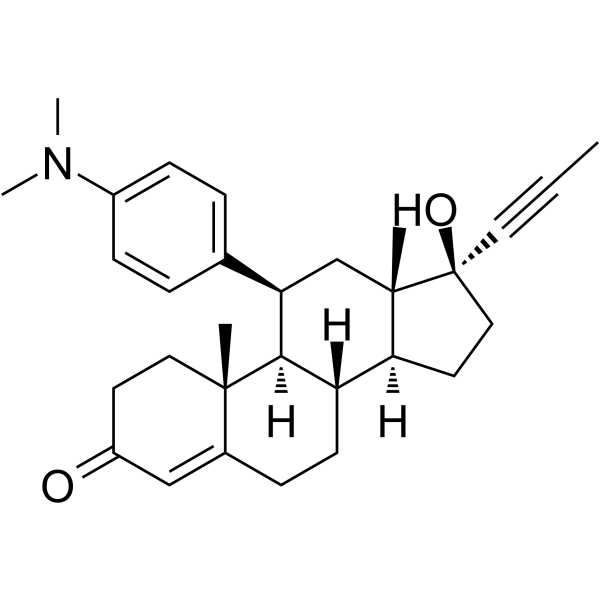
    OP-3633 is a potent and selective steroidal glucocorticoid receptor (GR) antagonist with an IC50 of 29 nM, with inhibition of GR transcriptional activity. OP-3633 exhibits low progesterone receptor (PR) agonism and androgen receptor (AR) antagonism .
    OP-3633
  • HY-125636

    c-Myc Cancer
    Mycro1 is an inhibitor of c-Myc/Max dimer and DNA binding, with an IC50 value of 30 μM for the inhibition of Myc/Max DNA binding activity. Mycro1 can inhibit c-myc-dependent cell proliferation, gene transcription and oncogenic transformation .
    Mycro1
  • HY-113843

    MDM-2/p53 Cancer
    RETRA (hydrobromide) is a mutant p53-dependent activator of p73 that can inhibit cancer cells carrying mutant p53. RETRA (hydrobromide) increases the expression level of p73, induces transcriptional activation of several common to transcriptional targets p53 and p73, which leads to mutant p53- and p73-dependent inhibition of tumor growth, reduction of colony formation and induction of effector caspases .
    RETRA hydrobromide
  • HY-P10229

    Phytohormone Others
    RALF1 peptide, a polypeptide found in plant kingdom (as well as in fungi and bacteria), is a FERONIA (FER) modulator. RALF1 peptide mediates rapid net H + influx across the plasma membrane, apoplast alkalinization, rapid reversible root growth inhibition, and non-transcriptional regulation.RALF1 peptide up-regulates auxin biosynthesis genes, activates canonical TIR1/AFB auxin signaling, and mediates sustained root growth inhibition. RALF1 peptide can be used for research on the regulation of plant growth and development .
    RALF1 peptide
  • HY-139664B

    DNA Methyltransferase Cancer
    (S)-GSK-3685032 is the isomer of GSK-3685032 (HY-139664), and can be used as an experimental control. GSK-3685032 is a non-time-dependent, noncovalently, first-in-class reversible DNMT1-selective inhibitor, with an IC50 of 0.036 μM. GSK-3685032 induces robust loss of DNA methylation, transcriptional activation, and cancer cell growth inhibition .
    (S)-GSK-3685032
  • HY-174569

    mRNA Inflammation/Immunology
    Human NFKB1 mRNA encodes the human nuclear factor kappa B subunit 1 (NFKB1) protein, a transcription regulator that is activated by various intra- and extra-cellular stimuli such as cytokines, oxidant-free radicals, ultraviolet irradiation, and bacterial or viral products. Inappropriate activation of NFKB has been associated with a number of inflammatory diseases while persistent inhibition of NFKB leads to inappropriate immune cell development or delayed cell growth. NFKB is a critical regulator of the immediate-early response to viral infection.
    Human NFKB1 mRNA
  • HY-179560

    Polo-like Kinase (PLK) MDM-2/p53 Cancer
    PMV6-PEG4-BI2536 is a p53-Y220C-PLK1 dual-functional compound, composed of a high-affinity p53-Y220C mutant binder (Kd ≈ 2.5 nM) and a potent PLK1 kinase inhibitor (IC50 = 0.83 nM). PMV6-PEG4-BI2536 triggers TP53 Y220C cell G2/M arrest and apoptosis through PLK1 mislocalization and kinase inhibition, independent of p53 transcriptional reactivation. PMV6-PEG4-BI2536 can be used for the study of TP53 mutant cancers .
    PMV6-PEG4-BI2536
  • HY-W478417

    β-catenin Cancer
    (R)-Etodolac is an enantiomer of the non-steroidal anti-inflammatory drug etodolic acid (HY-76251), which can inhibit the transcriptional inhibition of β-catenin. (R)-Etodolac has anti-tumor activity and can be used in the research of hepatocellular carcinoma .
    (R)-Etodolac
  • HY-129346

    Endogenous Metabolite Cancer
    STF-038533 is a CREB target gene transcription inhibitor with the activity of inhibiting the expression of related genes. STF-038533 plays a regulatory role in cell signaling pathways and has potential application value in exploring the inhibition of CREB-related diseases .
    STF-038533
  • HY-114981

    Sirtuin Inflammation/Immunology
    SRTCX1002 is a potent activator of SIRT1 (STAC), suppresses inflammatory responses through promotion of p65 deacetylation and inhibition of NF-κB Activity. SRTCX1002 suppresses stimuli-induced NF-κB transcriptional activation and LPS-induced TNFα secretion with IC50s of 0.71 and 7.58 µM, respectively .
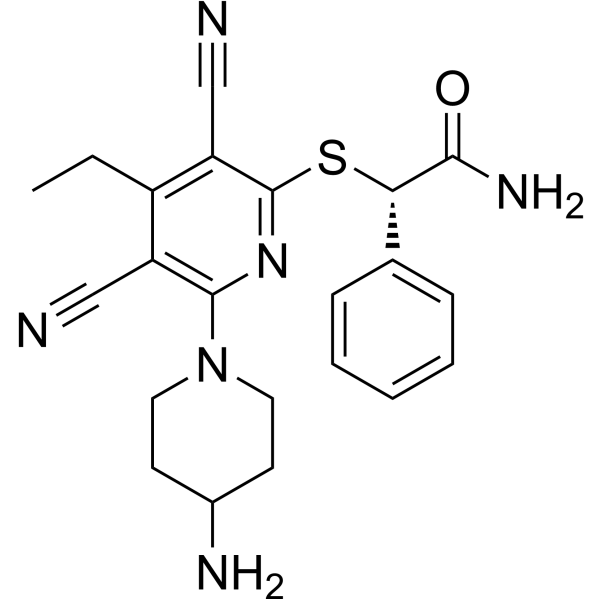
    SRTCX1002
  • HY-117746

    Bacterial Infection
    KSK120 is a potent inhibitor of drug-resistant infections with specific activity against Chlamydia trachomatis (C. trachomatis). KSK120 inhibits the developmental cycle of C. trachomatis, thereby reducing the infectivity of progeny bacteria. KSK120 targets the glucose-6-phosphate (G-6P) metabolic pathway of C. trachomatis, showing its potential application in antimicrobial inhibition. The mechanism of KSK120 may involve inhibition of the transcriptional machinery, which provides new ideas for the development of specific drugs against C. trachomatis infection .
    KSK120
  • HY-114906

    Sirtuin Cancer
    SIRT1/2/3-IN-2 (compound 9) is a potent SIRT inhibitor, with inhibition rates of 27%, 72%, and 71% targeting SIRT1, SIRT2, and SIRT3, respectively, at 200 μM. SIRT3 is a potential tumor suppressor or promoter, and its increased transcription may be associated with lymph node-positive breast cancer and oral squamous cell carcinoma .
    SIRT1/2/3-IN-2
  • HY-173640

    Androgen Receptor Phosphodiesterase (PDE) Cancer
    ID11916 is an orally active androgen receptor (AR) antagonist and a phosphodiesterase 5 (PDE5) inhibitor. ID11916 blocks androgen binding to AR, nuclear translocation, and androgen-dependent transcriptional activity of AR, while increasing intracellular cGMP levels and activating PKG via inhibition. ID11916 shows potent anti-cancer effect in prostate cancer cell lines VCaP and 22Rv1 and in AR-positive breast cancer cell lines SK-BR-3 .
    ID11916
  • HY-173139

    YAP Cancer
    TEAD-IN-19 (Compound 1l) is a transcriptional inhibitor of TEAD, exhibiting inhibition rates of 38.5%, 36.2%, 57.8%, and 71.3% against TEAD1, TEAD2, TEAD3, and TEAD4, respectively, at a concentration of 10 μM. TEAD-IN-19 shows potent anti-proliferative and anti-migratory activities in prostate cancer cell lines and significantly reduces the expression of TEAD-regulated downstream genes. TEAD-IN-19 holds promise for research in the field of cancer therapy .
    TEAD-IN-19
  • HY-N3810

    Tyrosinase Others
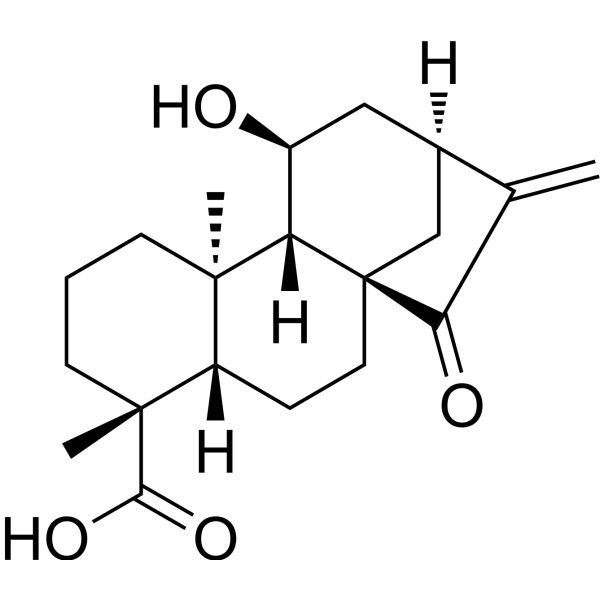
    ent-11α-Hydroxy-15-oxokaur-16-en-19-oic acid is an anti-melanin synthesis tyrosinase inhibitor, which can be isolated from Pteris fern. ent-11α-Hydroxy-15-oxokaur-16-en-19-oic acid regulates the melanogenesis transcription factor microphthalmia-associated transcription factor (MITF). The 11α-OH, 15-oxo and 16-en moieties of ent-11α-Hydroxy-15-oxokaur-16-en-19-oic acid are key fragments that inhibit melanin synthesis. The 19-COOH moiety has been implicated in the inhibition of cytotoxicity associated with 11α-OH KA and related compounds .
    ent-11α-Hydroxy-15-oxokaur-16-en-19-oic acid
  • HY-161649

    Cytochrome P450 Aryl Hydrocarbon Receptor Cancer
    hCYP1B1-IN-2 (compound 3n) is a potent human cytochrome P450 1B1 enzyme hCYP1B1 inhibitor. hCYP1B1-IN-2 shows the extremely potent anti-hCYP1B1 activity (IC50=0.040 nM) and blocks AhR transcription activity. hCYP1B1-IN-2 potently inhibits hCYP1B1 via a mix inhibition manner, showing a Ki value of 21.71 pM .
    hCYP1B1-IN-2
  • HY-403733A

    Androgen Receptor Cancer
    (-)-JJ-450 is a non-competitive antagonist targeting the androgen receptor (AR). (-)-JJ-450 is more potent than (+)-JJ-450 (HY-403733B) in inhibiting androgen-induced AR activity, and the mechanism of AR inhibition by (+)-JJ-450 is different from that of Enzalutamide (MDV3100) (HY-70003), which may target the ligand binding domain (LBD) of AR. (-)-JJ-450 inhibits the transcriptional activity of wild-type AR and mutant AR F876L by inhibiting AR nuclear translocation and promoting nuclear degradation of unbound AR. (-)-JJ-450 can be used in the study of castration-resistant prostate cancer (CRPC) resistant to Enzalutamide .
    (–)-JJ-450
  • HY-12031B

    MEK Inflammation/Immunology
    (2Z,3Z)-U0126 is a selective inhibitor of MEK1 and MEK2, demonstrating potent antiinflammatory effects by noncompetitively inhibiting AP-1 transcriptional activity with IC50 values of 72 nM for MEK1 and 58 nM for MEK2. (2Z,3Z)-U0126 also inhibits anchorage-independent growth of Ki-ras-transformed rat fibroblasts by blocking both the extracellular signal-regulated kinase and mammalian target of rapamycin pathways. Additionally, (2Z,3Z)-U0126 can undergo isomerization and cyclization, resulting in various products that show reduced affinity for MEK and diminished AP-1 inhibition compared to the parent compound.
    (2Z,3Z)-U0126
  • HY-126773

    Biochemical Assay Reagents Infection
    Dp2mT is a non-cytotoxic control compound, with an IC50 of >3 μM for HIV-1 transcription inhibition and an IC50 of >10 μM for cytotoxicity. Dp2mT does not bind to intracellular iron pools. Dp2mT does not inhibit CDK9 activity .
    Dp2mT

Inquiry Online

Your information is safe with us. * Required Fields.

Salutation


Country or Region *

Applicant Name *


Organization Name *

Department *


Email Address *


Product Name *

Cat. No.


Requested quantity *

Phone Number *


Remarks

Inquiry Online

Inquiry Information

Product Name:
Cat. No.:
Quantity:
MCE Japan Authorized Agent: