Search Result
Results for "
tlr4-nf-
" in MedChemExpress (MCE) Product Catalog:
2
Biochemical Assay Reagents
1
Isotope-Labeled Compounds
| Cat. No. |
Product Name |
Target |
Research Areas |
Chemical Structure |
-
- HY-N0680
-
-
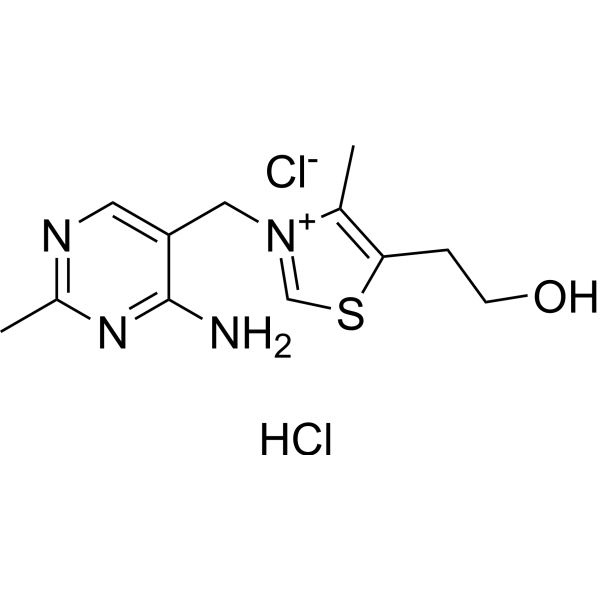
-
- HY-P9930
-
|
AMG 145
|
NF-κB
Ser/Thr Protease
Toll-like Receptor (TLR)
|
Cardiovascular Disease
Metabolic Disease
Inflammation/Immunology
Cancer
|
|
Evolocumab (AMG 145) is a human monoclonal antibody that inhibits PCSK9. Evolocumab is used in the study of hypercholesterolemia and atherosclerotic cardiovascular disease. Evolocumab binds to circulating PCSK9 protein and inhibits its binding to LDLR. Evolocumab has antioxidant and cytoprotective activities against H2O2-induced oxidative damage to endothelial cells. Evolocumab may also negatively regulate activation of the TLR-4/NF-κB signaling pathway to prevent inflammation .
|
-

-
- HY-108910
-
|
EC 3.4.21.1; Chymotrypsin A
|
Toll-like Receptor (TLR)
NF-κB
MMP
|
Others
Inflammation/Immunology
|
|
Chymotrypsin (EC 3.4.21.1; Chymotrypsin A) is an orally effective inhibitor targeting molecules such as TLR4, NF-κB, MMP-1, TNF-α, IL-1β, and IL-6. Chymotrypsin downregulates the TLR4/NF-κB signaling pathway, inhibiting the release of inflammatory factors, reducing cell infiltration and tissue damage. It also reduces the expression of tumor cell adhesion molecules (such as CD44 and CD54) and can be specifically detected by fluorescent probes (such as NBD-3). Chymotrypsin has anti-inflammatory, hepatoprotective, joint damage-reducing, liver protection against lipotoxicity, and anti-tumor metastasis functions. It can be used in research on diseases such as rheumatoid arthritis, non-alcoholic fatty liver disease, and melanoma metastasis. Chymotrypsin can be used in studies of inflammation, edema, and expectoration [4] .
|
-
-
- HY-N0131
-
|
|
MMP
Endogenous Metabolite
|
Neurological Disease
Inflammation/Immunology
|
|
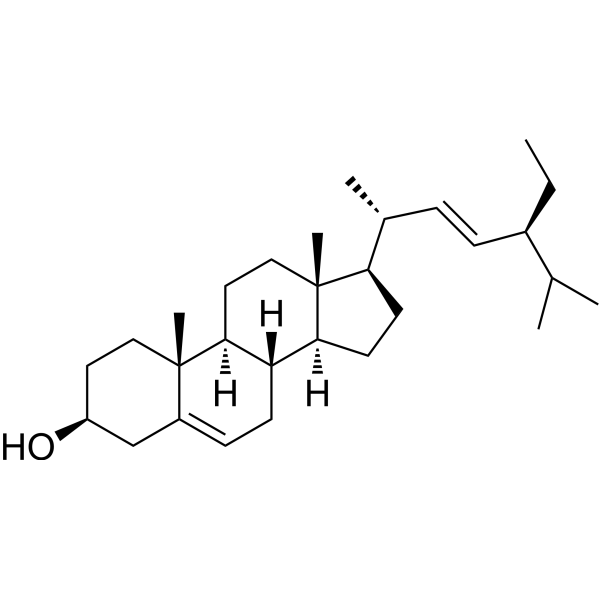
Stigmasterol is an orally acitve, immunomodulatory agent with anti-inflammatory and neuroprotective effect, as well as able to cross the blood-brain barrier. Stigmasterol activates AMPK, which in turn inhibits NF-κB and NLRP3 signaling pathways, reduces microglia-mediated neuroinflammation, and alleviates cognitive impairment and Alzheimer's disease. Stigmasterol regulates M1/M2 polarization of microglia through the TLR4/ NF-κB pathway, thereby reducing neuropathic pain. Stigmasterol can be used for neurodegenerative diseases, inflammatory diseases, and pain management, among others [4] .
|
-
-
- HY-107859
-
-

-
- HY-B1060
-
|
Methylprednisolone hydrogen succinate sodium
|
Glucocorticoid Receptor
|
Infection
Neurological Disease
Inflammation/Immunology
Cancer
|
|
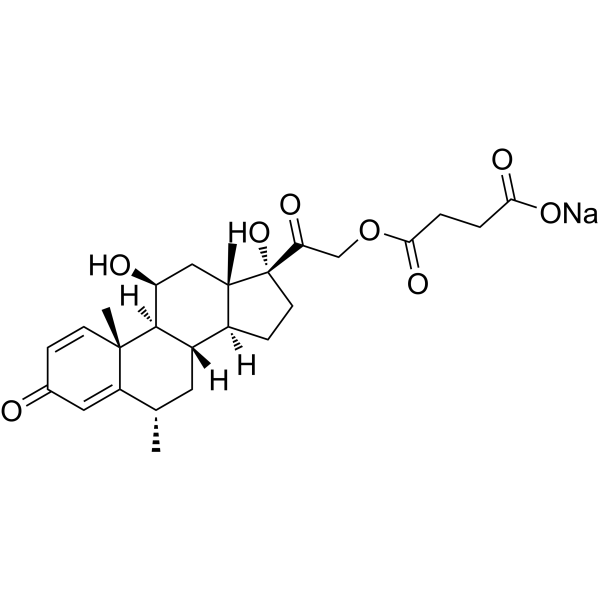
Methylprednisolone succinate (Methylprednisolone hydrogen succinate) sodium is a prodrug of Methylprednisolone (HY-B0260) and glucocorticoid with immunosuppressant and anti-inflammatory activity. Methylprednisolone succinate sodium binds cytosolic glucocorticoid receptors, translocates to nuclei, and modulates target gene transcription. Methylprednisolone succinate sodium alters Bax, Bcl-2, occludin, and ZO-1 expression; attenuates TLR4/NF-κB signaling; suppresses proinflammatory cytokine production and immune cell activation. Methylprednisolone succinate sodium can be used for the research of intracranial haemorrhage, rheumatoid arthritis, multiple sclerosis, preterminal cancer, inflammatory conditions, shock, immediate-type hypersensitivity, acute myocardial ischemia, hypoxic heart muscle damage, and traumatic spinal cord injury [4] .
|
-
-
- HY-N0535
-
|
Magnoflorine chloride; α-Magnoflorine chloride; Thalictrine chloride
|
Fungal
Autophagy
Apoptosis
PINK1/Parkin
NOD-like Receptor (NLR)
Caspase
JNK
NF-κB
Sirtuin
AMPK
Reactive Oxygen Species (ROS)
|
Infection
Metabolic Disease
|
|
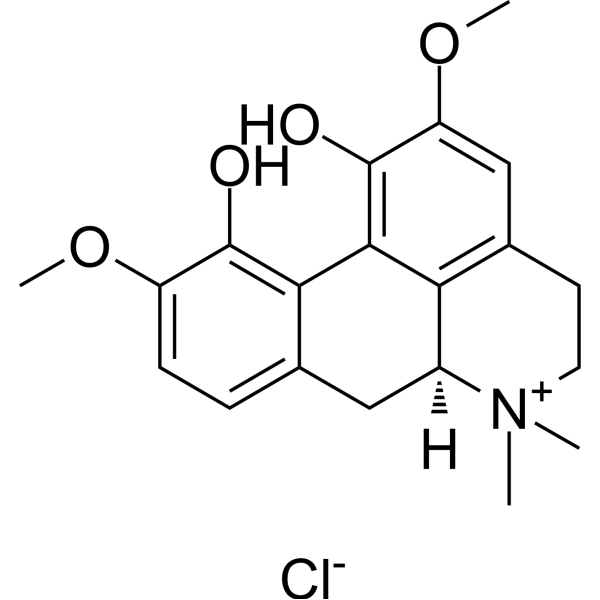
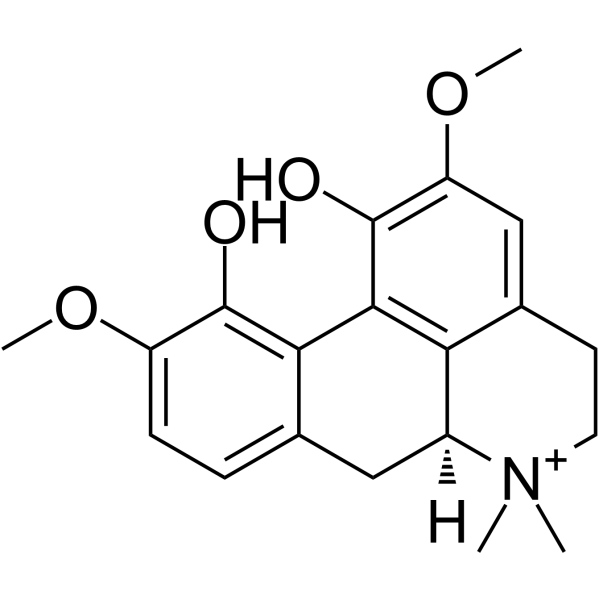
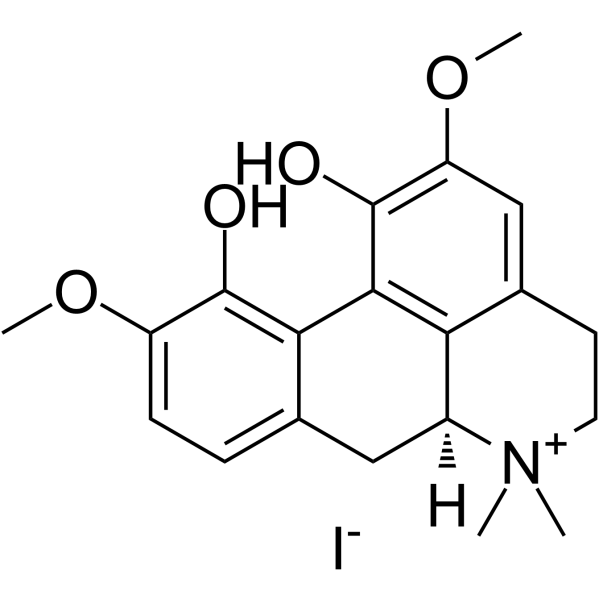
(+)-Magnoflorine (α-Magnoflorine) chloride is an orally active aporphine alkaloid with multiple biological activities. (+)-Magnoflorine chloride promotes Parkin/PINK1-mediated mitochondrial autophagy, inhibits the activation of NLRP3/Caspase-1 pathway, regulates the intestinal microbiota, and exhibits significant anti-inflammatory and immunomodulatory activities. (+)-Magnoflorine chloride inhibits JNK and TLR4/NF-κB signaling pathways, activates Sirt1/AMPK pathway, alleviates neuronal oxidative stress and apoptosis. Magnoflorine chloride upregulates miR-410-3p, inhibits HMGB1/NF-κB pathway, and has anti-tumor activity. (+)-Magnoflorine chloride also has significant antifungal activity [4] .
|
-
-
- HY-N6673
-
-
-
- HY-N1346
-
Robinin
5 Publications Verification
|
Toll-like Receptor (TLR)
Apoptosis
|
Inflammation/Immunology
Cancer
|
|
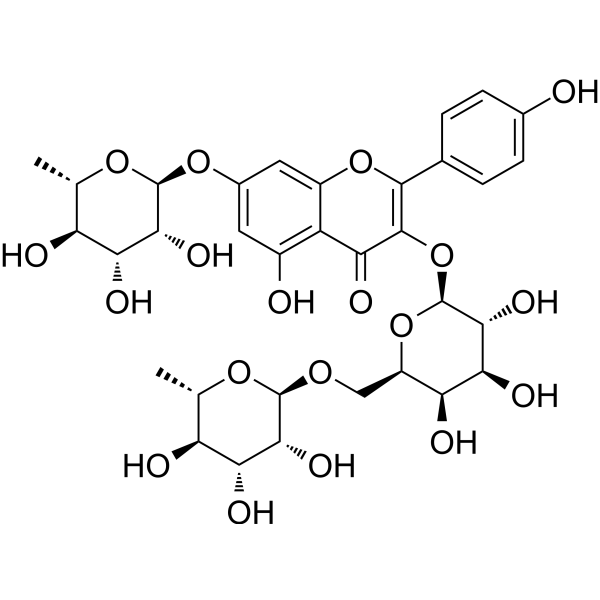
Robinin is a flavonoid that can be extracted from the leaves of purple cowpea, inhibiting TGF-β, TLR4/NF-κB and TLR2-PI3k-AKT signaling pathways. Robinin exerts anti-inflammatory and anti-tumor effects. The combination of Robinin and Methotrexate (HY-14519) reduces inflammation in experimental arthritis, Robinin can decrease the Doxorubicin (HY-15142A) induced cardiac toxicity effect [4].
|
-
-
- HY-B1900
-
|
Methylprednisolone hydrogen succinate
|
Glucocorticoid Receptor
Bacterial
Toll-like Receptor (TLR)
NF-κB
|
Infection
Neurological Disease
Metabolic Disease
Inflammation/Immunology
Cancer
|
|
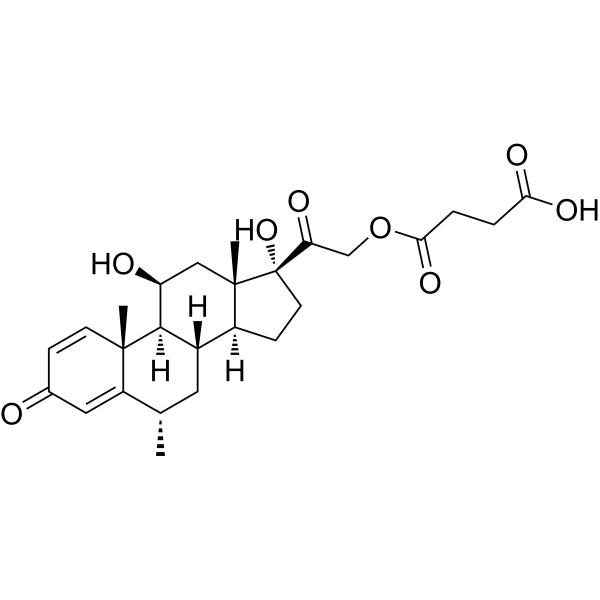
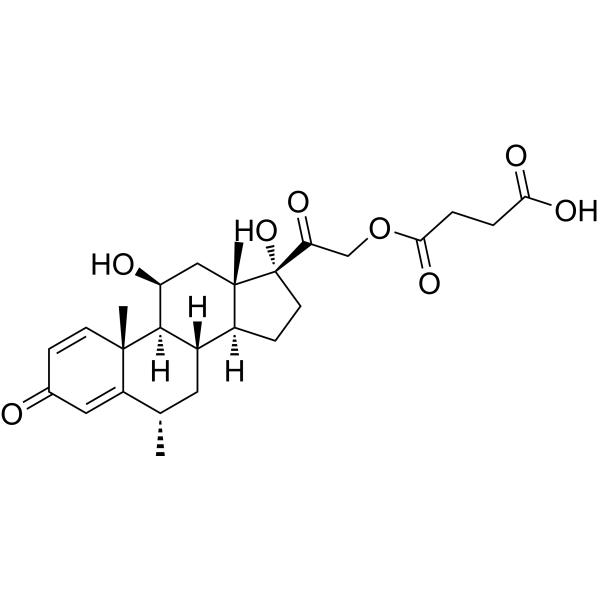
Methylprednisolone succinate (Methylprednisolone hydrogen succinate) is a prodrug of Methylprednisolone (HY-B0260) and glucocorticoid with immunosuppressant and anti-inflammatory activity. Methylprednisolone succinate binds cytosolic glucocorticoid receptors, translocates to nuclei, and modulates target gene transcription. Methylprednisolone succinate alters Bax, Bcl-2, occludin, and ZO-1 expression; attenuates TLR4/NF-κB signaling; suppresses proinflammatory cytokine production and immune cell activation. Methylprednisolone succinate can be used for the research of intracranial haemorrhage, rheumatoid arthritis, multiple sclerosis, preterminal cancer, inflammatory conditions, shock, immediate-type hypersensitivity, acute myocardial ischemia, hypoxic heart muscle damage, and traumatic spinal cord injury [4] .
|
-
-
- HY-N0334
-
-
-
- HY-108910A
-
|
EC 3.4.21.1 (MS grade); Chymotrypsin A (MS grade)
|
Toll-like Receptor (TLR)
NF-κB
MMP
|
Others
Inflammation/Immunology
|
|
Chymotrypsin (EC 3.4.21.1; Chymotrypsin A) (MS grade) is an orally effective inhibitor targeting molecules such as TLR4, NF-κB, MMP-1, TNF-α, IL-1β, and IL-6. Chymotrypsin (MS grade) downregulates the TLR4/NF-κB signaling pathway, inhibits the release of inflammatory factors, reduces cell infiltration and tissue damage, and also reduces the expression of tumor cell adhesion molecules (such as CD44 and CD54). It can also be specifically detected by fluorescent probes (such as NBD-3). Chymotrypsin (MS grade) has anti-inflammatory, hepatoprotective, joint damage-reducing, liver protection against lipotoxicity, and anti-tumor metastasis functions, and can be used in the research of diseases such as rheumatoid arthritis, non-alcoholic fatty liver disease, and melanoma metastasis. Chymotrypsin (MS grade) can be used in studies of inflammation, edema, and expectoration [4] .
|
-
-
- HY-N0334A
-
-
-
- HY-N2110
-
|
|
Akt
Sirtuin
Integrin
STAT
PI3K
Apoptosis
ERK
PPAR
PKC
Toll-like Receptor (TLR)
HIV
|
Inflammation/Immunology
|
|
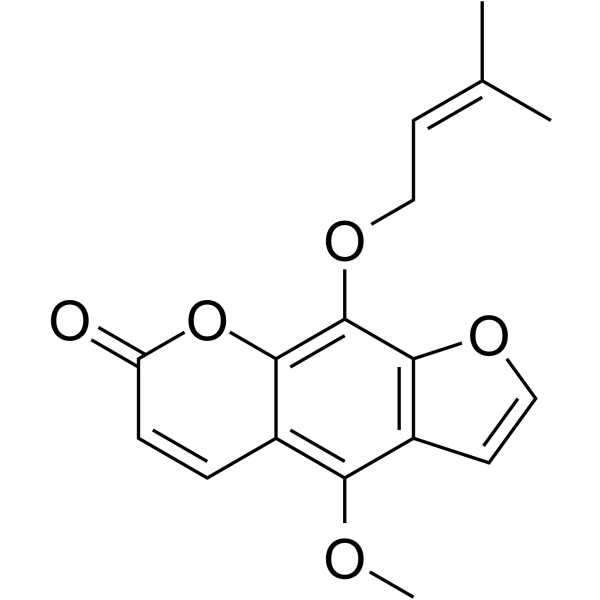
Phellopterin, an orally active furocoumarin with multiple biological activities. Phellopterin is a partial agonist of the central benzodiazepine receptors. Phellopterin exerts anti-inflammatory effects by upregulating SIRT1, downregulating ICAM-1 (reducing chronic inflammation, aiding diabetic ulcer healing), inhibiting STAT3 phosphorylation (easing atopic dermatitis inflammation), regulating Akt/PKC pathways (lowering TNF-α-induced VCAM-1 to block monocyte adhesion), and inhibiting TLR4/NF-κB pathway and macrophage M2 polarization (alleviating colitis-related cancers). Phellopterin suppresses ovarian cancer progression via inhibiting the PU.1/CLEC5A/PI3K-AKT loop (inducing cell cycle arrest, apoptosis, DNA damage). Phellopterin alleviates murine diabetes by promoting adipocyte differentiation and increasing PPARγ. Phellopterin also has anti-HSV-1 activity. Phellopterin can be used for studying anti-inflammation, anti-cancer (e.g., ovarian cancer, colitis cancer), blood glucose lowering, anti-diabetes, and anti-virus [4] .
|
-
-
- HY-107352
-
-
-
- HY-168710
-
|
|
Toll-like Receptor (TLR)
NF-κB
IKK
|
Inflammation/Immunology
|
|
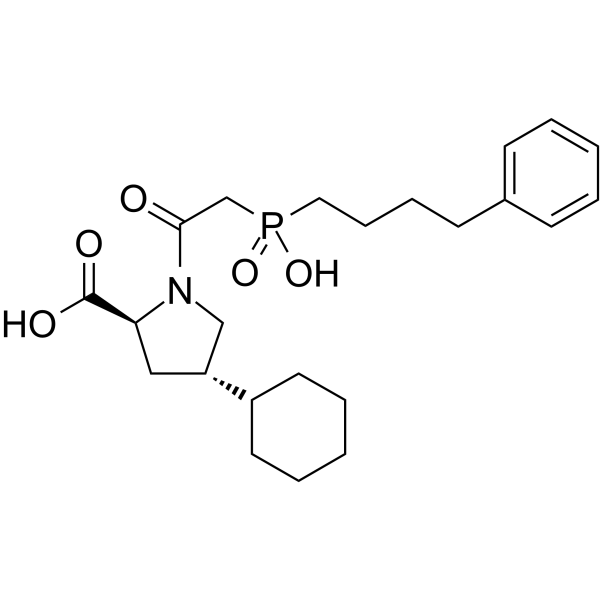
TLR4/NF-κB-IN-1 (Compound 7x) is an orally available inhibitor that specifically targets the TLR4/NF-κB signaling pathway, offering anti-inflammatory effects and the ability to cross the blood-brain barrier. TLR4/NF-κB-IN-1 can reduce acute neuroinflammation in mice caused by LPS (HY-D1056) and downregulate the expression of TLR4, P-NF-κB and P-IκB-α proteins .
|
-

-
- HY-N1508
-
|
|
MMP
Apoptosis
Autophagy
NF-κB
TNF Receptor
COX
Toll-like Receptor (TLR)
SOD
ASK1
JNK
|
Cardiovascular Disease
Inflammation/Immunology
Endocrinology
Cancer
|
|
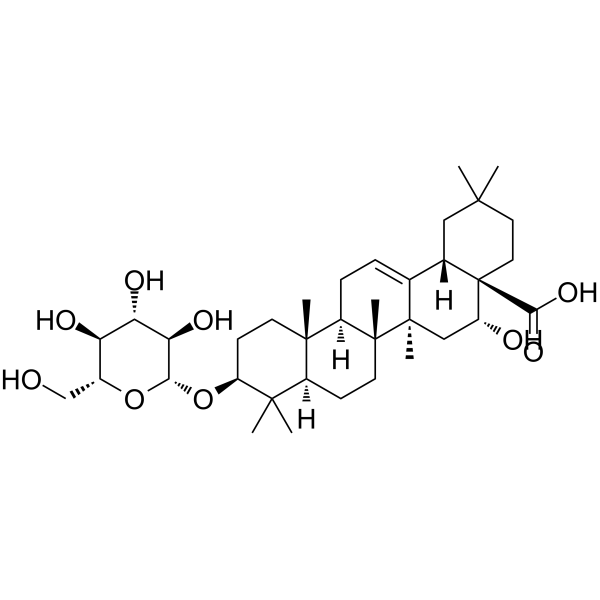
Ecliptasaponin A is an orally active pentacyclic triterpenoid saponin. Ecliptasaponin A exerts anti-tumor activity by activating ASK1/JNK pathway, inducing apoptosis and autophagy in lung cancer cells. Ecliptasaponin A exerts anti-inflammatory/anti-fibrotic effects and protects the cardiovascular system by inhibiting the HMGB1/TLR4/NF-κB pathway, and the expression of COX-2 and MMP-9. Ecliptasaponin A can enhance SOD activity, reduce MDA levels, and alleviate oxidative stress damage. Ecliptasaponin A exerts chondroprotective effects by inhibiting the expression of MMP13 and regulating inflammatory factors. Ecliptasaponin A improves ovarian function and regulates sex hormones by upregulating the expression of ESR1 receptors [4] .
|
-
-
- HY-N7700A
-
|
G2013 sodium
|
VEGFR
Toll-like Receptor (TLR)
COX
NO Synthase
NF-κB
MMP
|
Inflammation/Immunology
Cancer
|
|
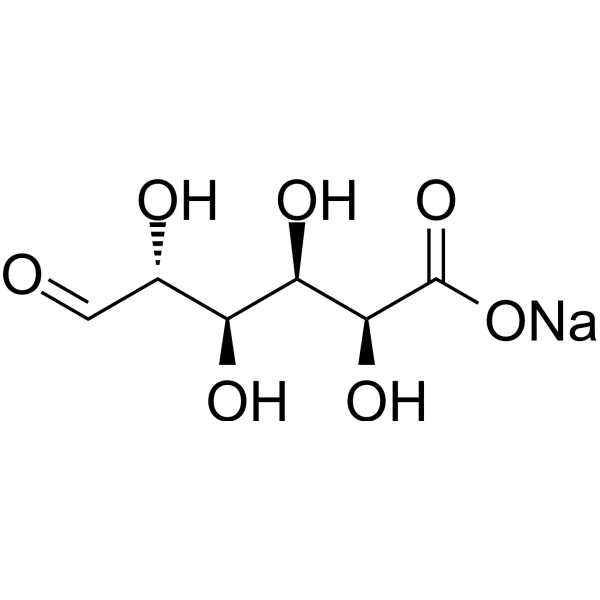
Guluronic acid (G2013) sodium is an orally active oxidative stress regulator and anti-inflammatory agent that exerts pharmacological effects by down-regulating various pro-inflammatory and oxidative stress-related genes (such as TLR4, NF-κB, iNOS, etc.) and inhibiting the activities of COX-2, MMPs and VEGF. Low-dose Guluronic acid sodium up-regulates the expression of immunoregulatory genes SHIP1 and SOCS1, thereby effectively inhibiting cancer-related inflammation, tumor angiogenesis, cell adhesion and metastasis, while reducing the accumulation of immunosuppressive cells. Guluronic acid sodium significantly prolongs the survival time of tumor-bearing hosts within a concentration range without direct cytotoxicity, demonstrating favorable safety. Guluronic acid sodium has involved in the research of multiple sclerosis, ankylosing spondylitis, breast cancer and other inflammatory diseases [4].
|
-
-
- HY-N7700
-
|
G2013
|
MMP
COX
VEGFR
Toll-like Receptor (TLR)
NF-κB
NO Synthase
|
Inflammation/Immunology
Cancer
|
|
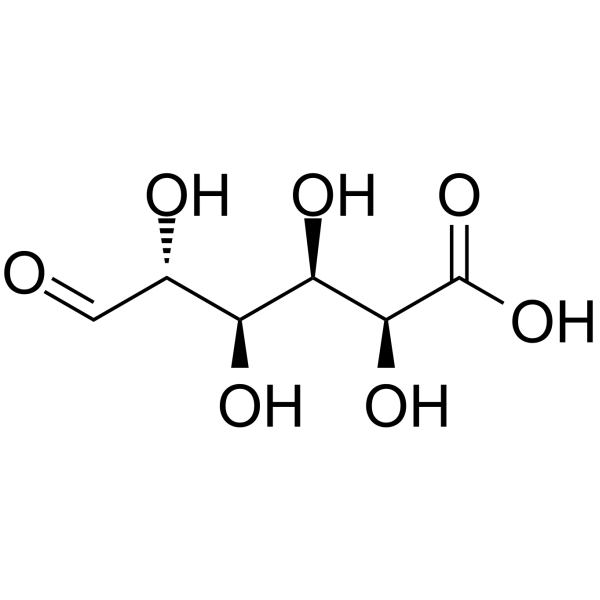
Guluronic acid (G2013) is an orally active oxidative stress regulator and anti-inflammatory agent that exerts pharmacological effects by down-regulating various pro-inflammatory and oxidative stress-related genes (such as TLR4, NF-κB, iNOS, etc.) and inhibiting the activities of COX-2, MMPs and VEGF. Low-dose Guluronic acid up-regulates the expression of immunoregulatory genes SHIP1 and SOCS1, thereby effectively inhibiting cancer-related inflammation, tumor angiogenesis, cell adhesion and metastasis, while reducing the accumulation of immunosuppressive cells. Guluronic acid significantly prolongs the survival time of tumor-bearing hosts within a concentration range without direct cytotoxicity, demonstrating favorable safety. Guluronic acid has involved in the research of multiple sclerosis, ankylosing spondylitis, breast cancer and other inflammatory diseases [4].
|
-
-
- HY-B1900R
-
|
Methylprednisolone hydrogen succinate (Standard)
|
Reference Standards
Glucocorticoid Receptor
Bacterial
Toll-like Receptor (TLR)
NF-κB
|
Metabolic Disease
Inflammation/Immunology
Cancer
|
|
Methylprednisolone succinate (Standard) is the analytical standard of Methylprednisolone succinate (HY-B1900). This product is intended for research and analytical applications. Methylprednisolone succinate (Methylprednisolone hydrogen succinate) is a prodrug of Methylprednisolone (HY-B0260) and glucocorticoid with immunosuppressant and anti-inflammatory activity. Methylprednisolone succinate binds cytosolic glucocorticoid receptors, translocates to nuclei, and modulates target gene transcription. Methylprednisolone succinate alters Bax, Bcl-2, occludin, and ZO-1 expression; attenuates TLR4/NF-κB signaling; suppresses proinflammatory cytokine production and immune cell activation. Methylprednisolone succinate can be used for the research of intracranial haemorrhage, rheumatoid arthritis, multiple sclerosis, preterminal cancer, inflammatory conditions, shock, immediate-type hypersensitivity, acute myocardial ischemia, hypoxic heart muscle damage, and traumatic spinal cord injury [4] .
|
-
-
- HY-107859S
-
|
TCEP-d12
|
Isotope-Labeled Compounds
Reactive Oxygen Species (ROS)
Apoptosis
DNA/RNA Synthesis
Calcium Channel
FXR
Toll-like Receptor (TLR)
NF-κB
SOD
Interleukin Related
TNF Receptor
|
Others
|
|
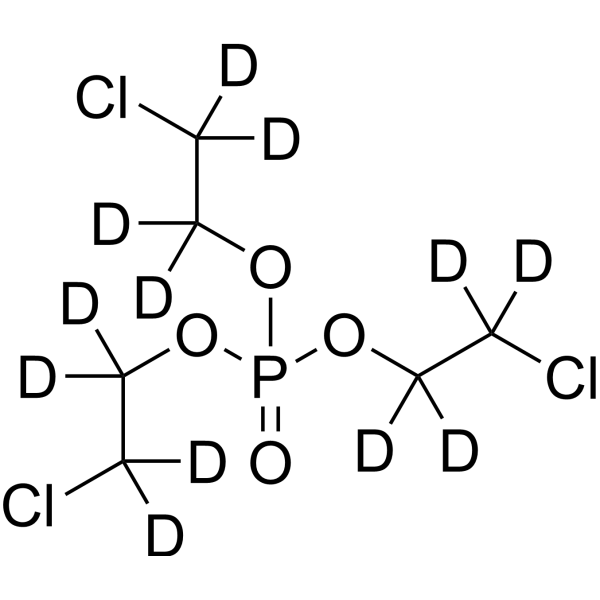
Tris(2-chloroethyl)phosphate-d12 is the deuterium labeled Tris(β-chloroethyl) phosphate. Tris(2-chloroethyl) phosphate is a widely used organic phosphorus flame retardant, mainly used as a plasticizer. Tris(2-chloroethyl) phosphate has orally active hepatotoxicity, inducing an increase in reactive oxygen species (ROS) and calcium ions (Ca²⁺) influx, a decrease in mitochondrial membrane potential (△Ψm), and causing DNA damage and cell apoptosis. Tris(2-chloroethyl) phosphate directly binds to FXR, inducing obesity and the formation of fatty liver in mice. Chloroethyl) phosphate activates the TLR4/NF-κB pathway, triggering liver inflammation.
|
-
-
- HY-142963
-
-
-
- HY-N12527
-
|
|
NF-κB
|
Others
|
|
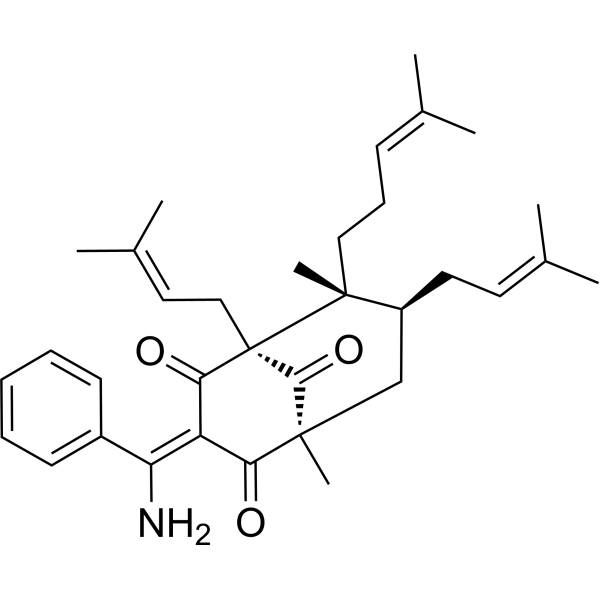
Hyperelamine A (compound 5) is a polycyclic polyprenylated acylphloroglucinols (PPAPs). Hyperelamine A exhibits inhibitory activity against LPS-activated NO production in BV-2 cells via TLR-4/NF κB signaling .
|
-
-
- HY-165386
-
|
|
Toll-like Receptor (TLR)
NF-κB
STAT
MMP
COX
VEGFR
|
Cancer
|
|
TU-100 is a Japanese herbal medicine. TU-100 exhibits anti-cancer effects by regulating cancer-associated fibroblasts (CAFs) in the TME. TU-100 can antagonize the M2 polarization phenotype of macrophages in the tumor microenvironment by suppressing the TLR4/NF-κB/STAT3 axis. TU-100 can inhibit the high expression of MMP-2, COX-2, and VEGF in TAMs .
|
-

-
- HY-P11442
-
|
Lycotoxin-Pa2a; TBIU041425
|
Bacterial
Toll-like Receptor (TLR)
|
Inflammation/Immunology
|
|
Lytx-Pa2a (Lycotoxin-Pa2a) is a peptide inhibitor against bacterial membranes and TLR4 receptor. Lytx-Pa2a exerts antimicrobial effects via non-competitive disruption of outer/cytoplasmic membranes and suppression of LPS-induced TLR4/NF-κB signaling. Lytx-Pa2a is promising for research of bacterial infection and inflammation-related disease (e.g., sepsis) .
|
-

-
- HY-N2110R
-
|
|
Reference Standards
Akt
Sirtuin
Integrin
STAT
PI3K
Apoptosis
ERK
PPAR
PKC
Toll-like Receptor (TLR)
HIV
|
Infection
Cardiovascular Disease
Neurological Disease
Metabolic Disease
Inflammation/Immunology
Cancer
|
|
Phellopterin (Standard) is the analytical standard of Phellopterin. Phellopterin, an orally active furocoumarin with multiple biological activities. Phellopterin is a partial agonist of the central benzodiazepine receptors. Phellopterin exerts anti-inflammatory effects by upregulating SIRT1, downregulating ICAM-1 (reducing chronic inflammation, aiding diabetic ulcer healing), inhibiting STAT3 phosphorylation (easing atopic dermatitis inflammation), regulating Akt/PKC pathways (lowering TNF-α-induced VCAM-1 to block monocyte adhesion), and inhibiting TLR4/NF-κB pathway and macrophage M2 polarization (alleviating colitis-related cancers). Phellopterin suppresses ovarian cancer progression via inhibiting the PU.1/CLEC5A/PI3K-AKT loop (inducing cell cycle arrest, apoptosis, DNA damage). Phellopterin alleviates murine diabetes by promoting adipocyte differentiation and increasing PPARγ. Phellopterin also has anti-HSV-1 activity. Phellopterin can be used for studying anti-inflammation, anti-cancer (e.g., ovarian cancer, colitis cancer), blood glucose lowering, anti-diabetes, and anti-virus.
|
-

-
- HY-181765
-
-

-
- HY-N10119
-
|
|
p38 MAPK
|
Neurological Disease
|
|
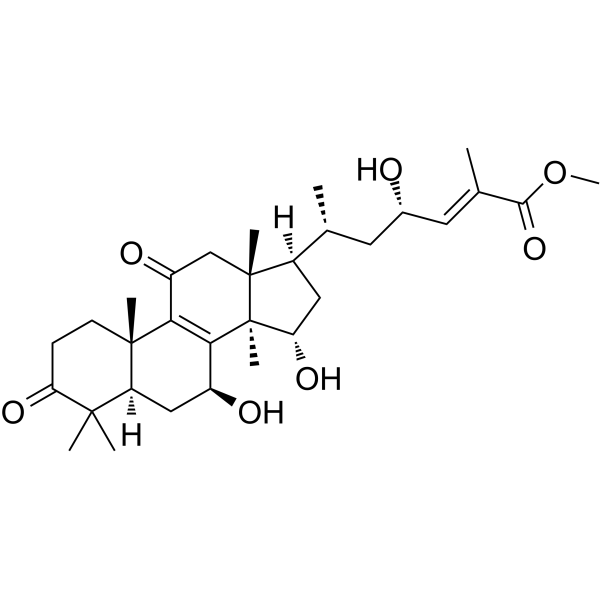
Ganoderterpene A attenuates LPS-induced inflammation and apoptosis via suppressing MAPK and TLR-4/NF-κB pathways in BV-2 cells.
|
-
-
- HY-107352R
-
-

-
- HY-173129
-
|
|
NF-κB
Toll-like Receptor (TLR)
|
Inflammation/Immunology
|
|
Anti-inflammatory agent 97 (Compound 1l), an anti-inflammation agent, can also inhibit oxidative stress. Anti-inflammatory agent 97 can inhibit the colonic shortening and suppress inflammatory symptoms of the colonic tissue in the DSS (HY-116282C)-induced ulcerative colitis mice model. Anti-inflammatory agent 97 can regulate the inflammation-related TLR4/NF-κB signaling pathway and the oxidative stress-related Nrf2/HO-1 signaling pathway .
|
-

-
- HY-N1346R
-
|
|
Reference Standards
Toll-like Receptor (TLR)
Apoptosis
|
Inflammation/Immunology
|
|
Robinin (Standard) is the analytical standard of Robinin. This product is intended for research and analytical applications. Robinin is a flavonoid that can be extracted from the leaves of purple cowpea, inhibiting TGF-β, TLR4/NF-κB and TLR2-PI3k-AKT signaling pathways. Robinin exerts anti-inflammatory and anti-tumor effects. The combination of Robinin and Methotrexate (HY-14519) reduces inflammation in experimental arthritis, Robinin can decrease the Doxorubicin (HY-15142A) induced cardiac toxicity effect [4].
|
-

-
- HY-D1056I
-
|
LPS, from Akkermansia muciniphila
|
Biochemical Assay Reagents
|
Inflammation/Immunology
|
Lipopolysaccharides, from Akkermansia muciniphila (LPS, from Akkermansia muciniphila) are lipopolysaccharide endotoxins derived from Akkermansia muciniphila and are TLR-4 activators. Unlike typical LPS, Lipopolysaccharides, from Akkermansia muciniphila are R-type LPS or lipooligosaccharides (LOS), lacking the O-antigen domain and consisting only of a core oligosaccharide and a lipid A. Lipopolysaccharides, from Akkermansia muciniphila can activate TLR4 and TLR2, and may inhibit the TLR4/NF-κB pathway, thereby alleviating LPS-induced acute kidney injury .
It is recommended to prepare a solution with concentration ≥2 mg/mL. Vortex thoroughly for more than 10 minutes. Due to the adsorption characteristics of LPS, silanized container or low adsorption centrifuge tubes should be used for aliquoting and storage, and mix thoroughly before use.
|
-

-
- HY-N1508R
-
|
|
Reference Standards
MMP
Apoptosis
Autophagy
NF-κB
TNF Receptor
COX
Toll-like Receptor (TLR)
SOD
ASK1
JNK
|
Cardiovascular Disease
Inflammation/Immunology
Endocrinology
Cancer
|
|
Ecliptasaponin A (Standard) is the analytical standard for Ecliptasaponin A (HY-N1508). Ecliptasaponin A is an orally active pentacyclic triterpenoid saponin. Ecliptasaponin A exerts anti-tumor activity by activating ASK1/JNK pathway, inducing apoptosis and autophagy in lung cancer cells. Ecliptasaponin A exerts anti-inflammatory/anti-fibrotic effects and protects the cardiovascular system by inhibiting the HMGB1/TLR4/NF-κB pathway, and the expression of COX-2 and MMP-9. Ecliptasaponin A can enhance SOD activity, reduce MDA levels, and alleviate oxidative stress damage. Ecliptasaponin A exerts chondroprotective effects by inhibiting the expression of MMP13 and regulating inflammatory factors. Ecliptasaponin A improves ovarian function and regulates sex hormones by upregulating the expression of ESR1 receptors.
|
-

-
- HY-N17383
-
|
|
Toll-like Receptor (TLR)
NF-κB
Collagen
Interleukin Related
Cadherin
NOD-like Receptor (NLR)
TGF-β Receptor
FXR
Apoptosis
|
Metabolic Disease
Inflammation/Immunology
|
|
Ligusticum cycloprolactam is a potent, orally active, and CNS-penetrant TLR4/NF-κB inhibitor, exhibiting anti-inflammatory and neuroprotective activity. Ligusticum cycloprolactam reduces FPR1 expression, inhibits NLRP3 inflammasome, TLR4/NF-κB, hepatic MAPK and TGF-β signaling, and selectively activates hepatic FXR. Ligusticum cycloprolactam attenuates pro-inflammatory mediator production, enhances anti-inflammatory cytokine secretion, regulates renal uric acid transporters, and preserves intestinal microbiota composition. Ligusticum cycloprolactam can be used for the research of ischemic stroke, hyperuricemic nephropathy, neuroinflammation, and metabolic dysfunction-associated fatty liver disease [4].
|
-

-
- HY-183573
-
|
|
Phosphatase
Toll-like Receptor (TLR)
NF-κB
Interleukin Related
|
Inflammation/Immunology
|
|
PTPRO-IN-1 is a selective, orally active PTPRO inhibitor with an IC50 of 0.16 μM. PTPRO-IN-1 exhibits IC50 values of 2.4 μM, 2.33 μM and 2.13 μM against PTPN22, PTP1B and PTPRT, respectively, and shows almost no inhibitory activity against STEP/SSH2. PTPRO-IN-1 inhibits the TLR4/NF-κB signaling pathway in macrophages, ameliorates colonic pathological conditions and suppresses the secretion of pro-inflammatory cytokines by T cells. PTPRO-IN-1 can be used for the research of inflammatory bowel disease .
|
-

| Cat. No. |
Product Name |
Type |
-
- HY-108910
-
|
EC 3.4.21.1; Chymotrypsin A
|
Biochemical Assay Reagents
|
|
Chymotrypsin (EC 3.4.21.1; Chymotrypsin A) is an orally effective inhibitor targeting molecules such as TLR4, NF-κB, MMP-1, TNF-α, IL-1β, and IL-6. Chymotrypsin downregulates the TLR4/NF-κB signaling pathway, inhibiting the release of inflammatory factors, reducing cell infiltration and tissue damage. It also reduces the expression of tumor cell adhesion molecules (such as CD44 and CD54) and can be specifically detected by fluorescent probes (such as NBD-3). Chymotrypsin has anti-inflammatory, hepatoprotective, joint damage-reducing, liver protection against lipotoxicity, and anti-tumor metastasis functions. It can be used in research on diseases such as rheumatoid arthritis, non-alcoholic fatty liver disease, and melanoma metastasis. Chymotrypsin can be used in studies of inflammation, edema, and expectoration [4] .
|
-
- HY-D1056I
-
|
LPS, from Akkermansia muciniphila
|
Biochemical Assay Reagents
|
Lipopolysaccharides, from Akkermansia muciniphila (LPS, from Akkermansia muciniphila) are lipopolysaccharide endotoxins derived from Akkermansia muciniphila and are TLR-4 activators. Unlike typical LPS, Lipopolysaccharides, from Akkermansia muciniphila are R-type LPS or lipooligosaccharides (LOS), lacking the O-antigen domain and consisting only of a core oligosaccharide and a lipid A. Lipopolysaccharides, from Akkermansia muciniphila can activate TLR4 and TLR2, and may inhibit the TLR4/NF-κB pathway, thereby alleviating LPS-induced acute kidney injury .
It is recommended to prepare a solution with concentration ≥2 mg/mL. Vortex thoroughly for more than 10 minutes. Due to the adsorption characteristics of LPS, silanized container or low adsorption centrifuge tubes should be used for aliquoting and storage, and mix thoroughly before use.
|
| Cat. No. |
Product Name |
Target |
Research Area |
-
- HY-P11442
-
|
Lycotoxin-Pa2a; TBIU041425
|
Bacterial
Toll-like Receptor (TLR)
|
Inflammation/Immunology
|
|
Lytx-Pa2a (Lycotoxin-Pa2a) is a peptide inhibitor against bacterial membranes and TLR4 receptor. Lytx-Pa2a exerts antimicrobial effects via non-competitive disruption of outer/cytoplasmic membranes and suppression of LPS-induced TLR4/NF-κB signaling. Lytx-Pa2a is promising for research of bacterial infection and inflammation-related disease (e.g., sepsis) .
|
| Cat. No. |
Product Name |
Target |
Research Area |
Image |
-
- HY-P9930
-
|
AMG 145
|
NF-κB
Ser/Thr Protease
Toll-like Receptor (TLR)
|
Cardiovascular Disease
Metabolic Disease
Inflammation/Immunology
Cancer
|
|
Evolocumab (AMG 145) is a human monoclonal antibody that inhibits PCSK9. Evolocumab is used in the study of hypercholesterolemia and atherosclerotic cardiovascular disease. Evolocumab binds to circulating PCSK9 protein and inhibits its binding to LDLR. Evolocumab has antioxidant and cytoprotective activities against H2O2-induced oxidative damage to endothelial cells. Evolocumab may also negatively regulate activation of the TLR-4/NF-κB signaling pathway to prevent inflammation .
|
-

(5)
| Cat. No. |
Product Name |
Category |
Target |
Chemical Structure |
-
- HY-N0680
-
-
-
- HY-N0131
-
-
-
- HY-N0535
-
-
-
- HY-N6673
-
-
-
- HY-N1346
-
-
-
- HY-N0334
-
-
-
- HY-N0334A
-
-
-
- HY-N2110
-
|
|
Structural Classification
Classification of Application Fields
Coumarins
Phenylpropanoids
Umbelliferae
Helogyne apaloidea Nutt.
Plants
Inflammation/Immunology
Disease Research Fields
Source Classification
|
Akt
Sirtuin
Integrin
STAT
PI3K
Apoptosis
ERK
PPAR
PKC
Toll-like Receptor (TLR)
HIV
|
|
Phellopterin, an orally active furocoumarin with multiple biological activities. Phellopterin is a partial agonist of the central benzodiazepine receptors. Phellopterin exerts anti-inflammatory effects by upregulating SIRT1, downregulating ICAM-1 (reducing chronic inflammation, aiding diabetic ulcer healing), inhibiting STAT3 phosphorylation (easing atopic dermatitis inflammation), regulating Akt/PKC pathways (lowering TNF-α-induced VCAM-1 to block monocyte adhesion), and inhibiting TLR4/NF-κB pathway and macrophage M2 polarization (alleviating colitis-related cancers). Phellopterin suppresses ovarian cancer progression via inhibiting the PU.1/CLEC5A/PI3K-AKT loop (inducing cell cycle arrest, apoptosis, DNA damage). Phellopterin alleviates murine diabetes by promoting adipocyte differentiation and increasing PPARγ. Phellopterin also has anti-HSV-1 activity. Phellopterin can be used for studying anti-inflammation, anti-cancer (e.g., ovarian cancer, colitis cancer), blood glucose lowering, anti-diabetes, and anti-virus [4] .
|
-
-
- HY-N1508
-
-
-
- HY-N7700A
-
|
G2013 sodium
|
Structural Classification
Classification of Application Fields
Ketones, Aldehydes, Acids
Endogenous metabolite
Inflammation/Immunology
Disease Research Fields
Source Classification
|
VEGFR
Toll-like Receptor (TLR)
COX
NO Synthase
NF-κB
MMP
|
|
Guluronic acid (G2013) sodium is an orally active oxidative stress regulator and anti-inflammatory agent that exerts pharmacological effects by down-regulating various pro-inflammatory and oxidative stress-related genes (such as TLR4, NF-κB, iNOS, etc.) and inhibiting the activities of COX-2, MMPs and VEGF. Low-dose Guluronic acid sodium up-regulates the expression of immunoregulatory genes SHIP1 and SOCS1, thereby effectively inhibiting cancer-related inflammation, tumor angiogenesis, cell adhesion and metastasis, while reducing the accumulation of immunosuppressive cells. Guluronic acid sodium significantly prolongs the survival time of tumor-bearing hosts within a concentration range without direct cytotoxicity, demonstrating favorable safety. Guluronic acid sodium has involved in the research of multiple sclerosis, ankylosing spondylitis, breast cancer and other inflammatory diseases [4].
|
-
-
- HY-N12527
-
-
-
- HY-N2110R
-
|
|
Structural Classification
Coumarins
Phenylpropanoids
Umbelliferae
Helogyne apaloidea Nutt.
Plants
Source Classification
|
Reference Standards
Akt
Sirtuin
Integrin
STAT
PI3K
Apoptosis
ERK
PPAR
PKC
Toll-like Receptor (TLR)
HIV
|
|
Phellopterin (Standard) is the analytical standard of Phellopterin. Phellopterin, an orally active furocoumarin with multiple biological activities. Phellopterin is a partial agonist of the central benzodiazepine receptors. Phellopterin exerts anti-inflammatory effects by upregulating SIRT1, downregulating ICAM-1 (reducing chronic inflammation, aiding diabetic ulcer healing), inhibiting STAT3 phosphorylation (easing atopic dermatitis inflammation), regulating Akt/PKC pathways (lowering TNF-α-induced VCAM-1 to block monocyte adhesion), and inhibiting TLR4/NF-κB pathway and macrophage M2 polarization (alleviating colitis-related cancers). Phellopterin suppresses ovarian cancer progression via inhibiting the PU.1/CLEC5A/PI3K-AKT loop (inducing cell cycle arrest, apoptosis, DNA damage). Phellopterin alleviates murine diabetes by promoting adipocyte differentiation and increasing PPARγ. Phellopterin also has anti-HSV-1 activity. Phellopterin can be used for studying anti-inflammation, anti-cancer (e.g., ovarian cancer, colitis cancer), blood glucose lowering, anti-diabetes, and anti-virus.
|
-
-
- HY-N10119
-
-
-
- HY-N1346R
-
|
|
Structural Classification
Flavonoids
Flavones
Leguminosae
Plants
Vigna unguiculata
|
Reference Standards
Toll-like Receptor (TLR)
Apoptosis
|
|
Robinin (Standard) is the analytical standard of Robinin. This product is intended for research and analytical applications. Robinin is a flavonoid that can be extracted from the leaves of purple cowpea, inhibiting TGF-β, TLR4/NF-κB and TLR2-PI3k-AKT signaling pathways. Robinin exerts anti-inflammatory and anti-tumor effects. The combination of Robinin and Methotrexate (HY-14519) reduces inflammation in experimental arthritis, Robinin can decrease the Doxorubicin (HY-15142A) induced cardiac toxicity effect [4].
|
-
-
- HY-N1508R
-
|
|
Triterpenes
Structural Classification
other families
Terpenoids
Plants
Source Classification
|
Reference Standards
MMP
Apoptosis
Autophagy
NF-κB
TNF Receptor
COX
Toll-like Receptor (TLR)
SOD
ASK1
JNK
|
|
Ecliptasaponin A (Standard) is the analytical standard for Ecliptasaponin A (HY-N1508). Ecliptasaponin A is an orally active pentacyclic triterpenoid saponin. Ecliptasaponin A exerts anti-tumor activity by activating ASK1/JNK pathway, inducing apoptosis and autophagy in lung cancer cells. Ecliptasaponin A exerts anti-inflammatory/anti-fibrotic effects and protects the cardiovascular system by inhibiting the HMGB1/TLR4/NF-κB pathway, and the expression of COX-2 and MMP-9. Ecliptasaponin A can enhance SOD activity, reduce MDA levels, and alleviate oxidative stress damage. Ecliptasaponin A exerts chondroprotective effects by inhibiting the expression of MMP13 and regulating inflammatory factors. Ecliptasaponin A improves ovarian function and regulates sex hormones by upregulating the expression of ESR1 receptors.
|
-
-
- HY-N17383
-
|
|
Structural Classification
Natural Products
Umbelliferae
Plants
Echinacea angustifolia DC.
Source Classification
|
Toll-like Receptor (TLR)
NF-κB
Collagen
Interleukin Related
Cadherin
NOD-like Receptor (NLR)
TGF-β Receptor
FXR
Apoptosis
|
|
Ligusticum cycloprolactam is a potent, orally active, and CNS-penetrant TLR4/NF-κB inhibitor, exhibiting anti-inflammatory and neuroprotective activity. Ligusticum cycloprolactam reduces FPR1 expression, inhibits NLRP3 inflammasome, TLR4/NF-κB, hepatic MAPK and TGF-β signaling, and selectively activates hepatic FXR. Ligusticum cycloprolactam attenuates pro-inflammatory mediator production, enhances anti-inflammatory cytokine secretion, regulates renal uric acid transporters, and preserves intestinal microbiota composition. Ligusticum cycloprolactam can be used for the research of ischemic stroke, hyperuricemic nephropathy, neuroinflammation, and metabolic dysfunction-associated fatty liver disease [4].
|
-
| Cat. No. |
Product Name |
Chemical Structure |
-
- HY-107859S
-
|
|
|
Tris(2-chloroethyl)phosphate-d12 is the deuterium labeled Tris(β-chloroethyl) phosphate. Tris(2-chloroethyl) phosphate is a widely used organic phosphorus flame retardant, mainly used as a plasticizer. Tris(2-chloroethyl) phosphate has orally active hepatotoxicity, inducing an increase in reactive oxygen species (ROS) and calcium ions (Ca²⁺) influx, a decrease in mitochondrial membrane potential (△Ψm), and causing DNA damage and cell apoptosis. Tris(2-chloroethyl) phosphate directly binds to FXR, inducing obesity and the formation of fatty liver in mice. Chloroethyl) phosphate activates the TLR4/NF-κB pathway, triggering liver inflammation.
|
-
| Cat. No. |
Product Name |
|
Classification |
-
- HY-N0131
-
|
|
|
Cholesterol
|
|
Stigmasterol is an orally acitve, immunomodulatory agent with anti-inflammatory and neuroprotective effect, as well as able to cross the blood-brain barrier. Stigmasterol activates AMPK, which in turn inhibits NF-κB and NLRP3 signaling pathways, reduces microglia-mediated neuroinflammation, and alleviates cognitive impairment and Alzheimer's disease. Stigmasterol regulates M1/M2 polarization of microglia through the TLR4/ NF-κB pathway, thereby reducing neuropathic pain. Stigmasterol can be used for neurodegenerative diseases, inflammatory diseases, and pain management, among others [4] .
|
Your information is safe with us. * Required Fields.
Inquiry Information
- Product Name:
- Cat. No.:
- Quantity:
- MCE Japan Authorized Agent:








