Search Result
Results for "
nsclc-cell
" in MedChemExpress (MCE) Product Catalog:
| Cat. No. |
Product Name |
Target |
Research Areas |
Chemical Structure |
-
- HY-N6871
-
|
|
Bacterial
IKK
Ferroptosis
|
Infection
Metabolic Disease
Inflammation/Immunology
Cancer
|
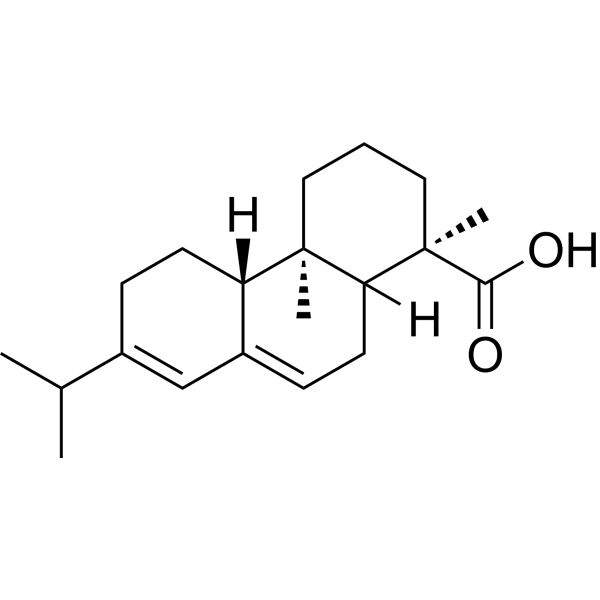
Abietic acid, an orally active diterpene isolated from Colophony, displays significant anti-proliferative, anti-inflammatory, anti-obesity effect, bacteriostatic, cell cycle arresting and pro-apoptotic activities. Abietic acid inhibits lipoxygenase activity for allergy. Abietic acid enhances cell migration and tube formation in HUVECs. Abietic acid induces significant angiogenic potential, which is associated with upregulation of extracellular signal-regulated kinase (ERK) and p38 expression. Abietic acid attenuates sepsis-induced lung injury by inhibiting nuclear factor kappa-light-chain-enhancer of activated B cells (NF-κB) pathway to inhibit M1 macrophage polarization. Abietic acid exhibits a positive effect against liver injury by attenuating inflammation and ferroptosis. Abietic acid shows accelerated wound closure in a mouse model of cutaneous wounds. Abietic acid significantly reduces the proliferation and growth of NSCLC cells by IKKβ inhibition.Additionally, Abietic acid ameliorates psoriasis-like inflammation and modulates gut microbiota in mice. Abietic acid is promising for research in non-small-cell lung cancer (NSCLC), liver injury-related deseases and psoriasis .
|
-
-
- HY-N0373
-
Licochalcone B
Maximum Cited Publications
12 Publications Verification
|
Amyloid-β
Apoptosis
NOD-like Receptor (NLR)
|
Neurological Disease
|
|
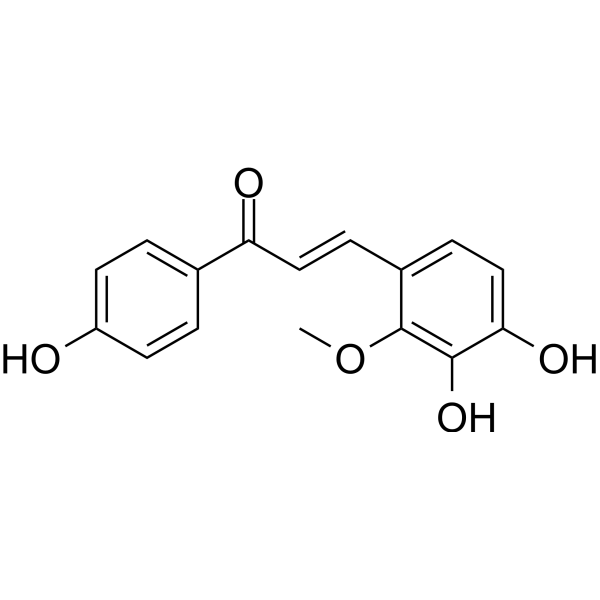
Licochalcone B is an extract from the root of Glycyrrhiza uralensis. Licochalcone B inhibits amyloid β (42) self-aggregation (IC50=2.16 μM) and disaggregate pre-formed Aβ42 fibrils, reduce metal-induced Aβ42 aggregation through chelating metal ionsLicochalcone B inhibits phosphorylation of NF-κB p65 in LPS signaling pathway. Licochalcone B inhibits growth and induces apoptosis of NSCLC cells. Licochalcone B specifically inhibits the NLRP3 inflammasome by disrupting NEK7‐NLRP3 interaction .
|
-
-
- HY-N3610
-
|
|
nAChR
|
Cancer
|
|
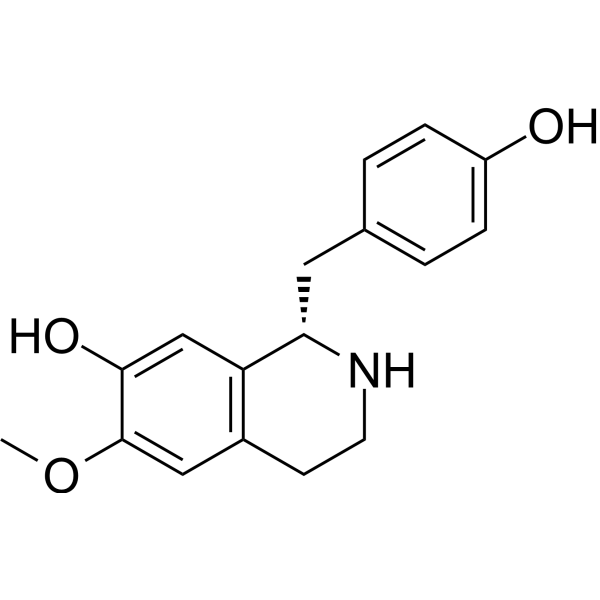
Coclaurine is a class of tetrahydroisoquinoline alkaloids that can be isolated from Sarcopetalum harveyanum with anticancer activity. Coclaurine is a nicotinic acetylcholine receptor (nAChRs) antagonist. Coclaurine is a key molecule in S. tetrandra responsible for EFHD2 inhibition. Coclaurine can downregulate EFHD2-related NOX4-ABCC1 signaling and enhanced Cisplatin (HY-17394) sensitivity. Coclaurine suppresses the stemness and metastatic properties of NSCLC cells. Coclaurine disrupts the interaction between the transcription factor FOXG1 and the EFHD2 promoter, leading to a reduction in EFHD2 transcription .
|
-
-
- HY-114358
-
|
ONO-7475
|
TAM Receptor
Trk Receptor
|
Cancer
|
|
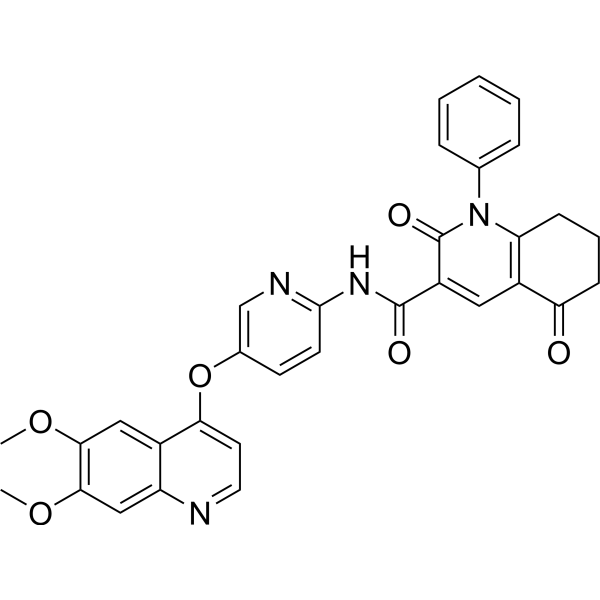
Tamnorzatinib (ONO-7475) is a potent, selective, and orally active Axl/Mer inhibitor with IC50 values of 0.7 nM and 1.0 nM, respectively. Tamnorzatinib sensitizes AXL-overexpressing EGFR-mutant NSCLC cells to the EGFR-TKIs, suppresses the emergence and maintenance of tolerant cells. Tamnorzatinib combines with Osimertinib (HY-15772) provides a bright promise for the study of EGFR-mutated non-small cell lung cancer (NSCLC).
|
-
-
- HY-137497
-
|
|
Ras
Apoptosis
|
Cancer
|
|
KRAS inhibitor-9, a potent KRAS inhibitor (Kd=92 μM), blocks the formation of GTP-KRAS and downstream activation of KRAS. KRAS inhibitor-9 binds to KRAS G12D, KRAS G12C and KRAS Q61H protein with a moderate binding affinity. KRAS inhibitor-9 causes G2/M cell cycle arrest and induces apoptosis. KRAS inhibitor-9 selectively inhibits the proliferation of NSCLC cells with KRAS mutation but not normal lung cells .
|
-
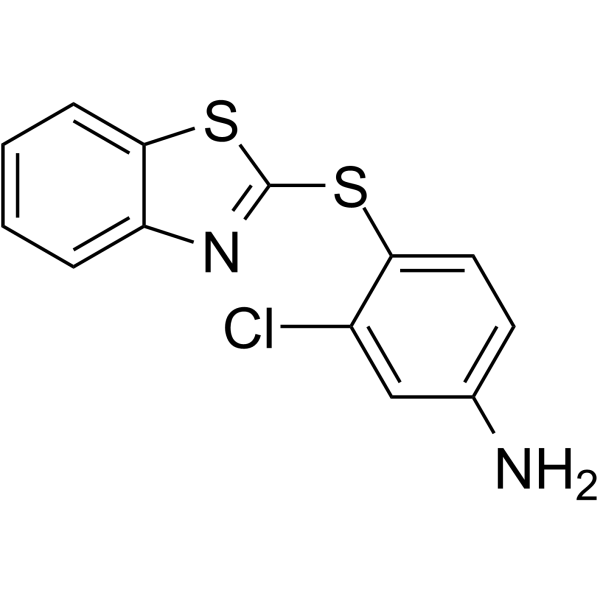
-
- HY-148900
-
|
|
E1/E2/E3 Enzyme
|
Cancer
|
|
SCFSkp2-IN-2 (Compound AAA-237) is a Skp2 inhibitor with a KD of 28.77 μM. AAA-237 induces apoptosis of NSCLC cells and shows antitumor activities .
|
-
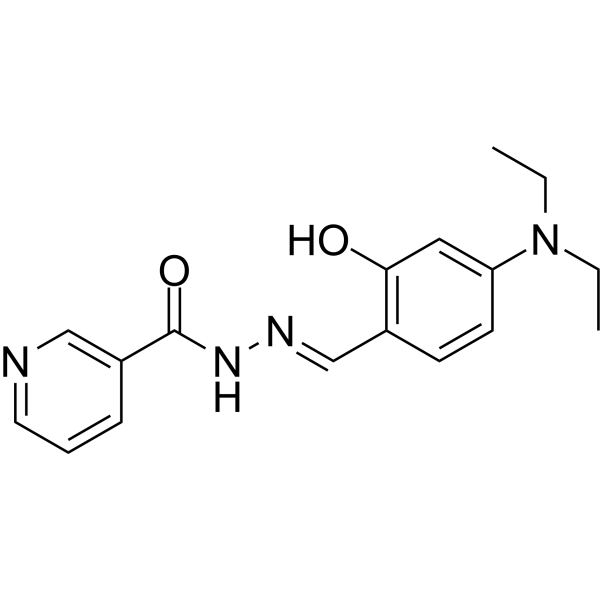
-
- HY-157229
-
STX-721
1 Publications Verification
|
EGFR
ERK
|
Cancer
|
|
STX-721 is an orally active, irreversible, covalent EGFR exon 20 insertion (ex20ins) inhibitor that selectively targets ex20ins-mutant dynamic protein states. STX-721 potently inhibits the kinase activity of EGFR ex20ins mutants (NPG, ASV, SVD). STX-721 inhibits phosphorylation of EGFR (pEGFR Y1068) and downstream ERK (pERK Thr202/Tyr204), and suppresses proliferation of ex20ins-mutant Ba/F3 cells and human NSCLC cell lines (NCI-H2073 ASV KI, CUTO-14 ASV). STX-721 induces tumor regression in EGFR ex20ins-mutant PDX/CDX models. STX-721 can be used for the study of non-small cell lung cancer (NSCLC) harboring EGFR or HER2 ex20ins mutations .
|
-
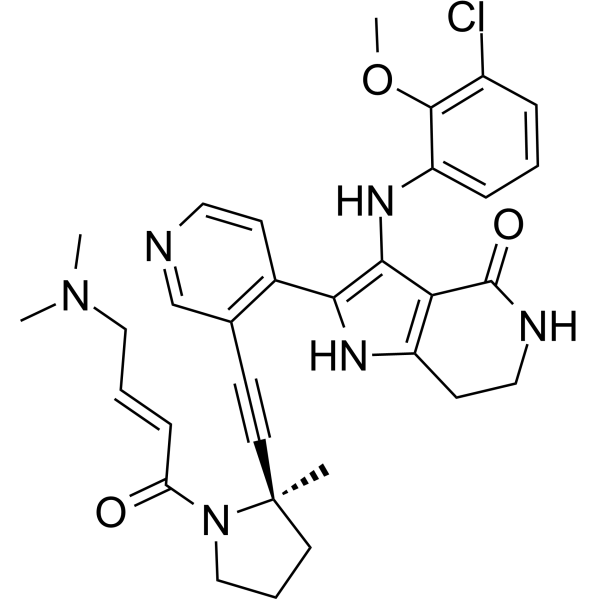
-
- HY-121537
-
|
|
COX
Akt
Apoptosis
|
Neurological Disease
Inflammation/Immunology
Cancer
|
|
CAY10404 is a potent and selective cyclooxygenase-2 (COX-2) inhibitor with an IC50 of 1 nM and a selectivity index (SI; COX-1 IC50/COX-2 IC50) of >500000. CAY10404 is a potent PKB/Akt and MAPK signaling pathways inhibitor and induces apoptosis in non-small cell lung cancer (NSCLC) cells. CAY10404, a diarylisoxazole, has good analgesic, anti-inflammatory, and anti-cancer activities .
|
-
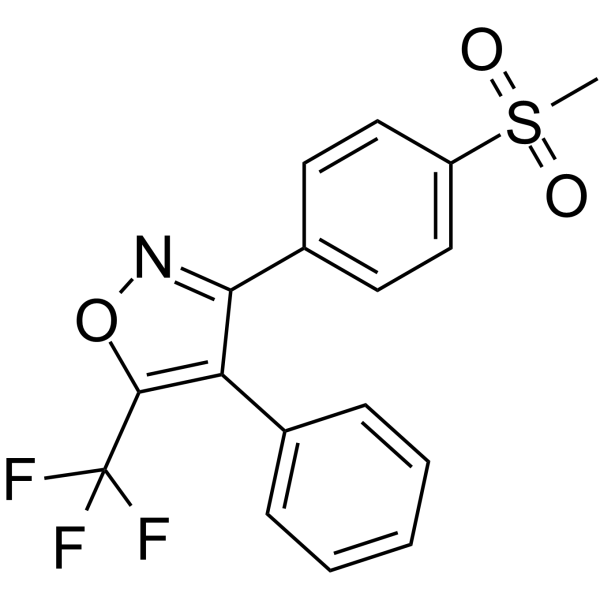
-
- HY-151606
-
|
|
Akt
|
Cancer
|
|
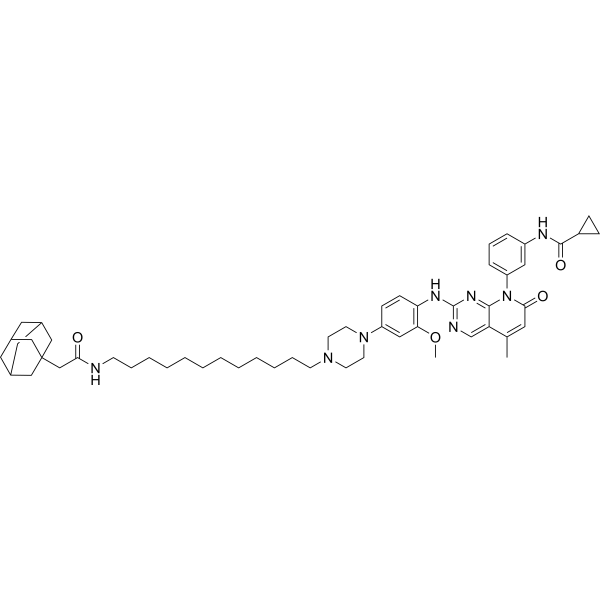
Akt3 degrader 1 (compound 12l) is a selective Akt3 degrader that overcomesOsimertinib (HY-15772)-induced resistance in H1975OR NSCLC cells. Akt3 degrader 1 also has anti-proliferative activity and significantly inhibits tumour growth in mice. Akt3 degrader 1 can be used in the study of drug-resistant non-small cell lung cancer .
|
-
-
- HY-137295
-
|
|
PKC
Apoptosis
|
Inflammation/Immunology
|
|
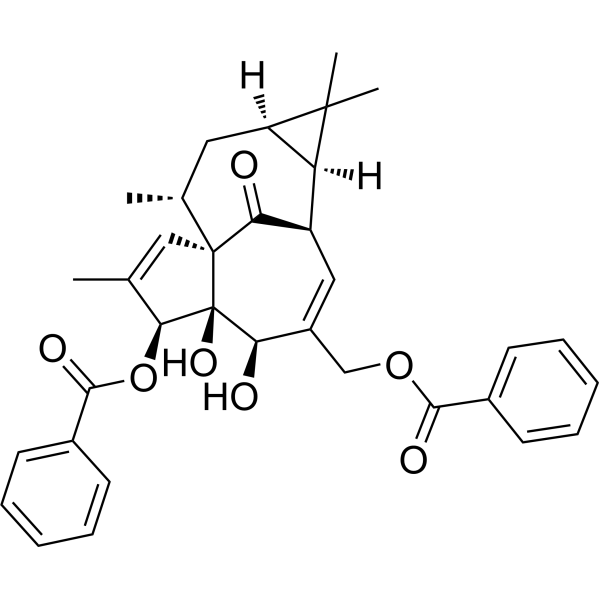
Ingenol 3,20-dibenzoate is a potent protein kinase C (PKC) isoform-selective agonist. Ingenol 3,20-dibenzoate induces selective translocation of nPKC-delta, -epsilon, and -theta and PKC-mu from the cytosolic fraction to the particulate fraction and induces morphologically typical apoptosis through de novo synthesis of macromolecules. Ingenol 3,20-dibenzoate increases the IFN-γ production and degranulation by NK cells, especially when NK cells are stimulated by NSCLC cells .
|
-
-
- HY-Z3832
-
|
|
Apoptosis
p38 MAPK
Autophagy
|
Cancer
|
|
N-Methylparoxetine is a derivative of Paroxetine that induces Apoptosis NSCLC cells by activating mitogen-activated protein kinase ( MAPK). N-Methylparoxetine has antitumor activity .
|
-

-
- HY-147942
-
|
|
PROTACs
EGFR
|
Cancer
|
|
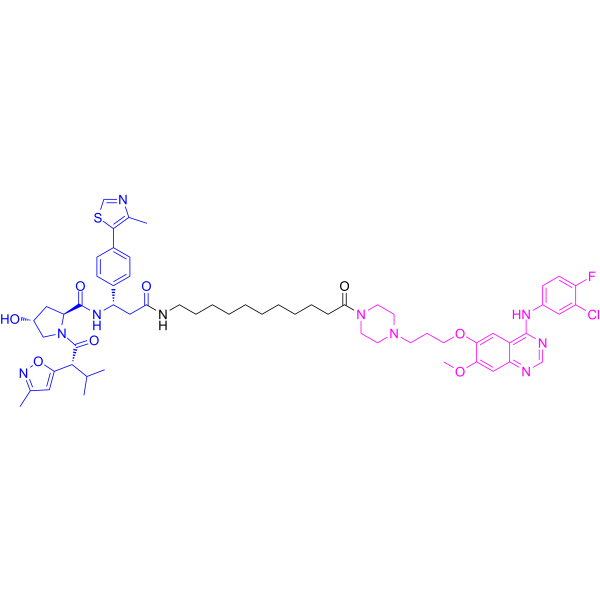
MS9449 is a potent PROTAC EGFR degrader with Kds of 17 nM and 10 nM for EGFR WT and EGFR L858R, respectively. MS9449 effectively induces degradation of mutant EGFRs through both the ubiquitin/proteasome system (UPS) and autophagy/lysosome pathways. MS9449 potently inhibits the proliferation of NSCLC cells. MS9449 can be used for researching anticancer .
|
-
-
- HY-147941
-
|
|
PROTACs
EGFR
|
Inflammation/Immunology
Cancer
|
|
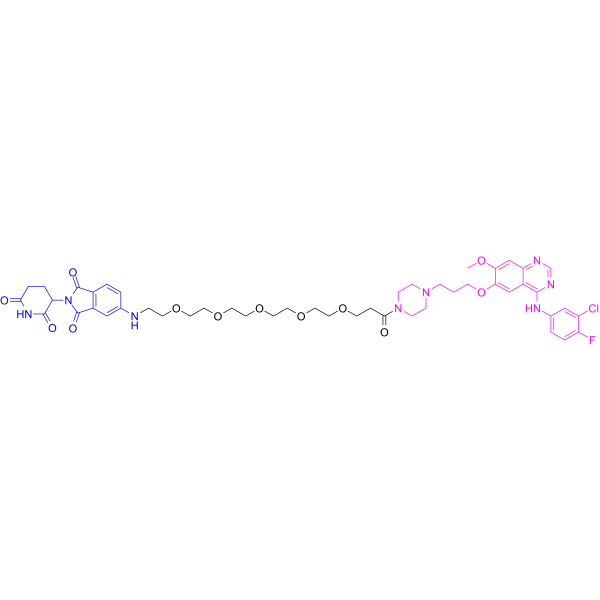
MS9427 is a potent PROTAC EGFR degrader with Kds of 7.1 nM and 4.3 nM for EGFR WT and EGFR L858R, respectively. MS9427 selectively degrades the mutant but not the WT EGFR through both the ubiquitin/proteasome system (UPS) and autophagy/lysosome pathways. MS9427 potently inhibits the proliferation of NSCLC cells. MS9427 can be used for researching anticancer .
|
-
-
- HY-151563A
-
|
|
Deubiquitinase
|
Cancer
|
|
OTUB1/USP8-IN-1 TFA is the TFA salt form of OTUB1/USP8-IN-1 (HY-151563). OTUB1/USP8-IN-1 TFA is a dual inhibitor for OTUB1/USP8, IC50 for OTUB1 and USP8 is 0.17 and 0.28 nM, respectively. OTUB1/USP8-IN-1 TFA inhibits proliferation of NSCLC cells. OTUB1/USP8-IN-1 TFA exhibits good pharmacokinetic characters in ICR mouse, and exhibits antitumor activity in H1975 xenograft mouse model .
|
-

-
- HY-19637
-
|
|
Topoisomerase
|
Cancer
|
|
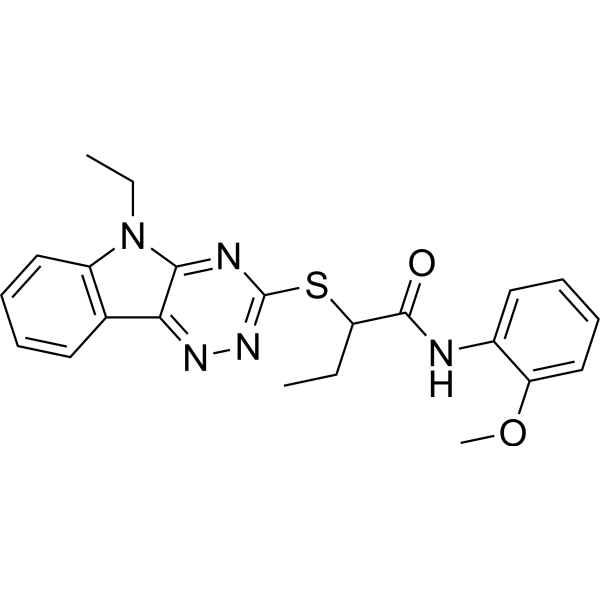
SW044248 is a non-canonical topoisomerase I inhibitor, and selectively toxic for certain non-small cell lung cancer (NSCLC) cell lines.
|
-
-
- HY-146325
-
|
|
HSP
|
Cancer
|
|
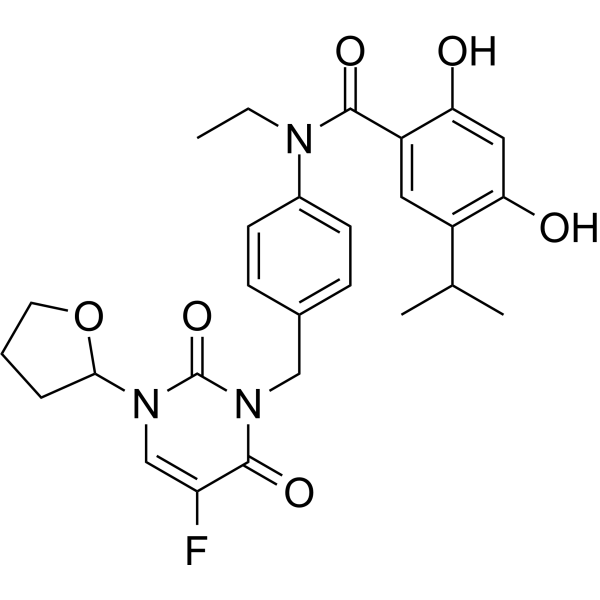
HSP90-IN-11 (Compound 12c) is a potent inhibitor of HSP90. HSP90-IN-11 displays potent HSP90α inhibition comparable to AUY-922 (Luminespib). HSP90-IN-11 shows significant antiproliferative activity in CRC and NSCLC cells in a double digit nM range. HSP90-IN-11 leads to rapid degradation of client proteins EGFR and Akt in NSCLC cells. HSP90-IN-11 induces significant accumulation of a sub-G1 phase population .
|
-
-
- HY-168926
-
|
|
Reactive Oxygen Species (ROS)
Apoptosis
|
Cancer
|
|
NQO2-IN-1 (Compound 20b) is the inhibitor for quinone oxidoreductase (NQO) that inhibits NQO2 with an IC50 of 95 nM. NQO2-IN-1 overcomes the resistance of NSCLC cells to tumor necrosis factor-related apoptosis-inducing ligand (TRAIL) by induction of ROS and apoptosis .
|
-

-
- HY-124084
-
|
|
Stearoyl-CoA Desaturase (SCD)
|
Cancer
|
|
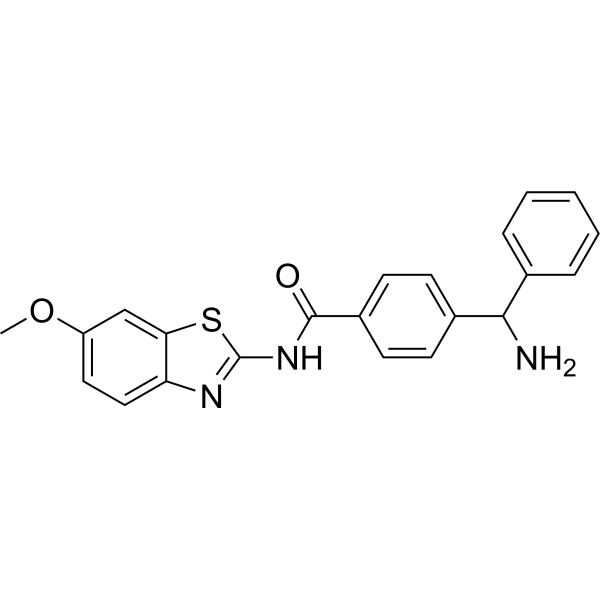
SW203668 is an irreversible stearoyl CoA desaturase (SCD) inhibitor with an IC50 of 54 nM. SW203668 covalently binds and inhibits SCD, depletes unsaturated fatty acids, and triggers cell death in sensitive cells. SW203668 requires demethylation by CYP4F11 to form its active SCD-inhibiting form; differential CYP4F11 expression drives selective cytotoxicity. SW203668 exerts cytotoxicity toward CYP4F11-expressing non-small cell lung cancer (NSCLC) cells and spares CYP4F11-lacking NSCLC cells. SW203668 inhibits tumor growth in immunodeficient mice bearing CYP4F11-expressing NSCLC xenografts and spares mouse skin sebocytes. SW203668 can be used for the research of non-small cell lung cancer .
|
-
-
- HY-103702
-
|
|
Proton Pump
DNA/RNA Synthesis
Apoptosis
|
Inflammation/Immunology
Cancer
|
|
TIP48/49-IN-1 is an orally active, specific RUVBL1/2 (TIP48/49) ATPase inhibitor with an IC50 of 59 nM against purified RUVBL1/2. TIP48/49-IN-1 inhibits the DNA replication process, leading to S-phase arrest. TIP48/49-IN-1 induces apoptosis. TIP48/49-IN-1 can be used for the research of non-small cell lung cancer (NSCLC) cells .
|
-

-
- HY-126251
-
|
|
CDK
Apoptosis
|
Cancer
|
|
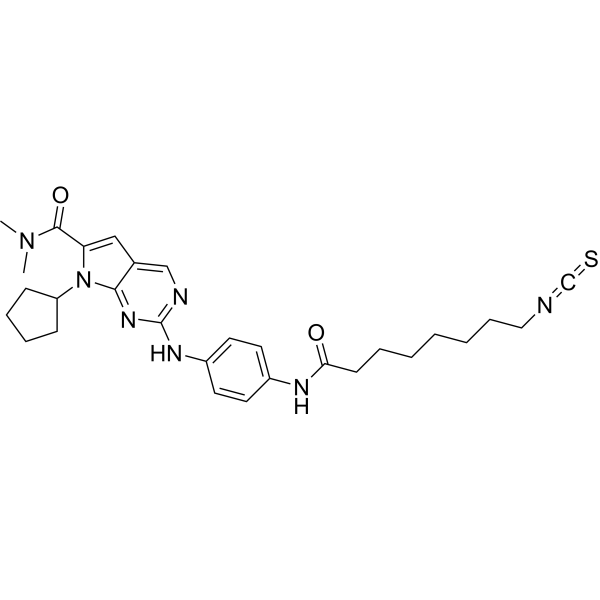
CDK9-IN-7 (compound 21e) is a selective, highly potent, and orally active CDK9/cyclin T inhibitor (IC50=11 nM), which exhibits more potent over other CDKs (CDK4/cyclinD=148 nM; CDK6/cyclinD=145 nM). CDK9-IN-7 shows antitumor activity without obvious toxicity. CDK9-IN-7 induces NSCLC cell apoptosis, arrests the cell cycle in the G2 phase, and suppresses the stemness properties of NSCLC .
|
-
-
- HY-139047
-
|
|
GLUT
|
Cancer
|
|
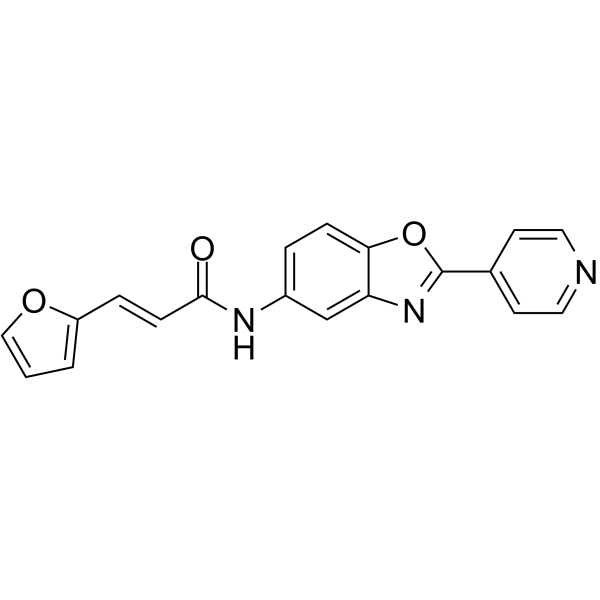
SW157765 is a selective non-canonical glucose transporter GLUT8 (SLC2A8) inhibitor. KRAS/KEAP1 double mutant NSCLC cells are selectively sensitive to the SW157765, due to the convergent consequences of dual KRAS and NRF2 modulation of metabolic and xenobiotic gene regulatory programs .
|
-
-
- HY-173403
-
|
|
TrxR
Reactive Oxygen Species (ROS)
Apoptosis
|
Cancer
|
|
TrxR-IN-8 (Compound 6f) is a selective TrxR inhibitor (IC50: 10.2 μM). TrxR-IN-8 induces apoptosis through oxidative stress by stimulating the production of reactive oxygen species (ROS), reducing intracellular thiols, and lowering the glutathione/glutathione ratio. TrxR-IN-8 exhibits significant cytotoxicity against non-small cell lung cancer (NSCLC) cells .
|
-

-
- HY-175837
-
|
|
EGFR
Apoptosis
|
Cancer
|
|
EGFR-IN-172 is a EGFR inhibitor. EGFR-IN-172 effectively inhibits the proliferation of non-small cell lung cancer (NSCLC) cells carrying the L858R, T790M and C797S drug-resistant mutations. EGFR-IN-172 inhibits EGFR phosphorylation, induces cell cycle arrest and apoptosis. EGFR-IN-172 can be used for the study of NSCLC .
|
-

-
- HY-147941A
-
|
|
PROTACs
EGFR
|
Infection
Inflammation/Immunology
Cancer
|
|
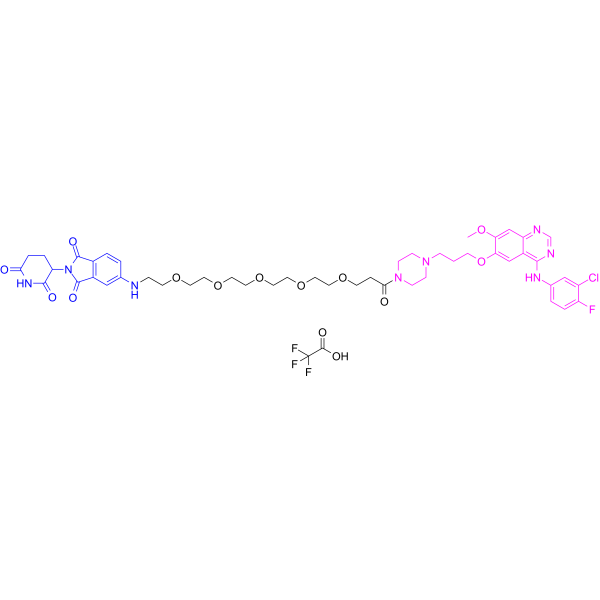
MS9427 TFA is a potent PROTAC EGFR degrader with Kds of 7.1 nM and 4.3 nM for EGFR WT and EGFR L858R, respectively. MS9427 TFA selectively degrades the mutant but not the WT EGFR through both the ubiquitin/proteasome system (UPS) and autophagy/lysosome pathways. MS9427 TFA potently inhibits the proliferation of NSCLC cells. MS9427 TFA can be used for researching anticancer .
|
-
-
- HY-179143
-
|
|
EGFR
Akt
Apoptosis
|
Cancer
|
|
EGFR-IN-185 is a EGFR inhibitor. EGFR-IN-185 exhibits potent activity against non-small cell lung cancer (NSCLC) cells harboring EGFR mutations. EGFR-IN-185 inhibits colony formation and migration, induces G0/G1 arrest, and promots apoptosis, which are associated with the suppression of EGFR and AKT phosphorylation. EGFR-IN-185 can be used for the research of NSCLC .
|
-

-
- HY-101522
-
|
|
EGFR
BMX Kinase
Btk
MEK
|
Cancer
|
|
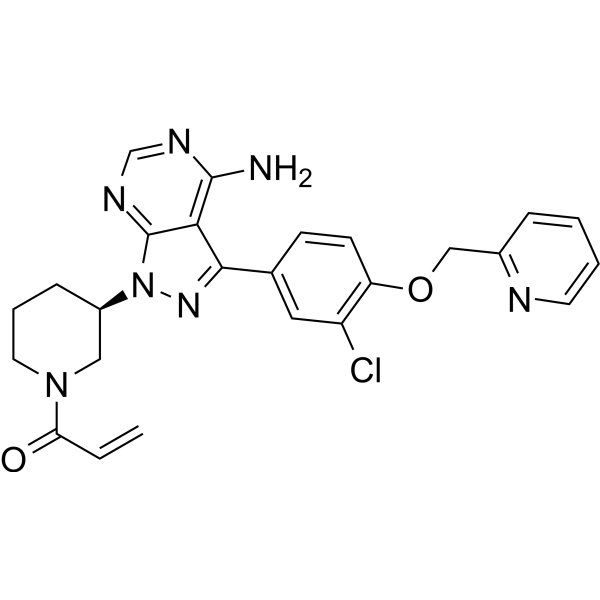
CHMFL-EGFR-202 is a potent, irreversible inhibitor of epidermal growth factor receptor (EGFR) mutant kinase, with IC50s of 5.3 nM and 8.3 nM for drug-resistant mutant EGFR T790M and WT EGFR kinases, respectively. CHMFL-EGFR-202 exhibits ~10-fold selectivity for EGFR L858R/T790M against the EGFR wild-type in cells. CHMFL-EGFR-202 adopts a covalent “DFG-in-C-helix-out” inactive binding conformation with EGFR, with strong antiproliferative effects against EGFR mutant-driven nonsmall-cell lung cancer (NSCLC) cell lines .
|
-
-
- HY-124084A
-
|
|
Stearoyl-CoA Desaturase (SCD)
|
Cancer
|
|
SW203668 TFA is an irreversible stearoyl CoA desaturase (SCD) inhibitor with an IC50 of 54 nM. SW203668 TFA covalently binds and inhibits SCD, depletes unsaturated fatty acids, and triggers cell death in sensitive cells. SW203668 TFA requires demethylation by CYP4F11 to form its active SCD-inhibiting form; differential CYP4F11 expression drives selective cytotoxicity. SW203668 TFA exerts cytotoxicity toward CYP4F11-expressing non-small cell lung cancer (NSCLC) cells and spares CYP4F11-lacking NSCLC cells. SW203668 TFA inhibits tumor growth in immunodeficient mice bearing CYP4F11-expressing NSCLC xenografts and spares mouse skin sebocytes. SW203668 TFA can be used for the research of non-small cell lung cancer .
|
-

-
- HY-171191
-
|
|
Antibody-Drug Conjugates (ADCs)
Microtubule/Tubulin
c-Met/HGFR
|
Cancer
|
|
REGN5093-M114 is a bispecific antibody-drug conjugate (ADC) that targets two epitopes of the MET receptor tyrosine kinase inhibits the proliferation of NSCLC cells, exhibits antitumor efficacy in mouse models. REGN5093-M114 is composed of the human monoclonal anti-MET antibody Davutamig (HY-P990073) and the tubulin-inhibiting linker-payload (HY-148528) .
|
-

-
- HY-149275
-
|
|
Pyruvate Kinase
PDK-1
Akt
EGFR
Apoptosis
|
Cancer
|
|
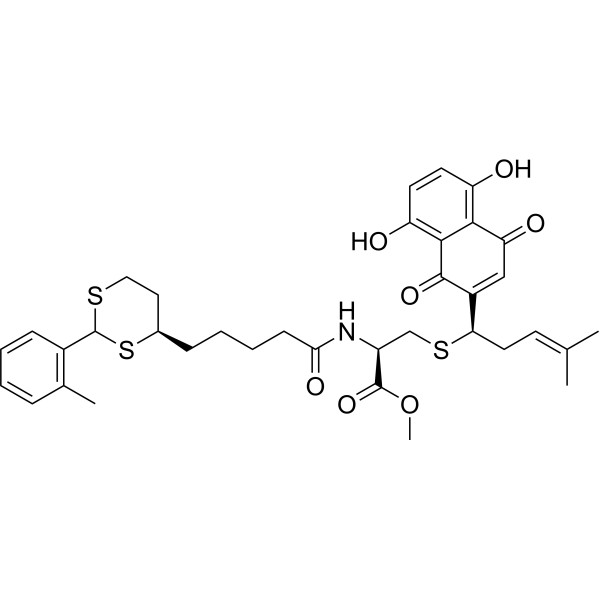
PKM2/PDK1-IN-1, one of shikonin thioether derivatives, is a dual inhibitor of PKM2/PDK1. PKM2/PDK1-IN-1 inhibits the proliferation of NSCLC cells, and induces apoptosis. PKM2/PDK1-IN-1 induces intercellular ROS production, and regulates the apoptotic proteins, to involves in mitochondrial and death receptor pathway .
|
-
-
- HY-148572
-
|
|
Indoleamine 2,3-Dioxygenase (IDO)
NAMPT
|
Cancer
|
|
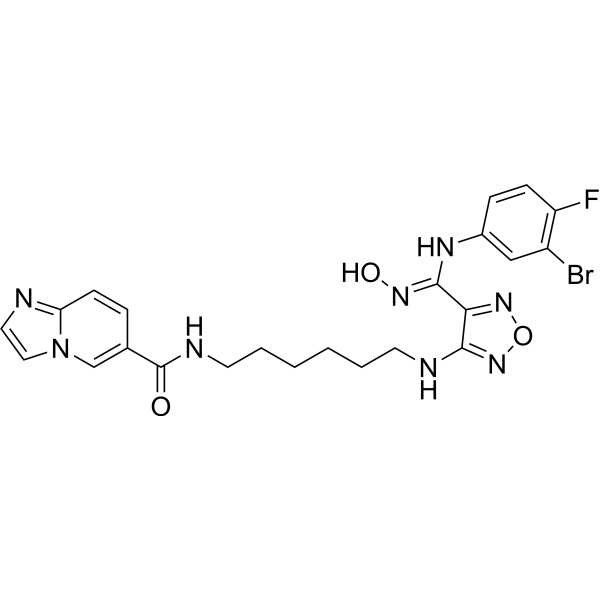
NAMPT/IDO1-IN-1 is an orally active dual inhibitor of NAMPT and IDO1 with IC50s of 57.7 nM and 233 nM, respectively. NAMPT/IDO1-IN-1 blocks NAD+ biosynthesis, inhibits proliferation and migration of Paclitaxel (HY-B0015)- and FK866 (HY-50876)-resistant NSCLC cell lines (A549/R cells). NAMPT/IDO1-IN-1 has shown antitumor effects in mice and enhanced A549/R cell sensitivity to paclitaxel .
|
-
-
- HY-178021
-
|
|
HDAC
DNA/RNA Synthesis
Apoptosis
RAD51
Caspase
|
Cancer
|
|
HDAC1-IN-11 (Compound 6) is a HDAC1 inhibitor with an IC50 of 106.6 nM. HDAC1-IN-11 inhibits the expression of Sp1 and RAD51, thereby inducing Caspase-dependent apoptosis. HDAC1-IN-11 has antitumor activity and sensitizes Etoposide (HY-13629) and Gemcitabine (HY-17026), promoting synergistic death of NSCLC cells through the inhibition of homologous recombination and non-homologous end joining (NHEJ) pathways involved in DNA DSB repair. HDAC1-IN-11 can be used for chemotherapy of cancers like NSCLC research .
|
-

-
- HY-178022
-
|
|
HDAC
Apoptosis
Caspase
RAD51
DNA/RNA Synthesis
|
Cancer
|
|
HDAC6-IN-63 (Compound 7) is an orally active HDAC6 inhibitor with an IC50 of 145 nM. HDAC6-IN-63 inhibits the expression of Sp1 and RAD51, thereby inducing Caspase-dependent apoptosis. HDAC6-IN-63 has antitumor activity and sensitizes Etoposide (HY-13629) and Gemcitabine (HY-17026), promoting synergistic death of NSCLC cells through the inhibition of homologous recombination and non-homologous end joining (NHEJ) pathways involved in DNA DSB repair. HDAC6-IN-63 can be used for chemotherapy of cancers like NSCLC research .
|
-

-
- HY-164476
-
|
|
EGFR
GSK-3
PD-1/PD-L1
|
Cancer
|
|
ES-072 is an orally effective selective EGFR mutant (EGFR-T790M) inhibitor. ES-072 activates GSK3α by inhibiting EGFR-T790M activity, which promotes phosphorylation of PD-L1 at Ser279 and Ser283. The phosphorylated PD-L1 recruits the E3 ubiquitin ligase ARIH1, leading to ubiquitination and proteasomal degradation of PD-L1. This mechanism not only reduces cancer cell growth but also enhances anti-tumor immune response by lowering PD-L1 levels. ES-072 can be used to inhibit proliferation in non-small cell lung cancer (NSCLC) cells .
|
-

-
- HY-175864
-
|
|
EGFR
Apoptosis
p38 MAPK
ERK
Akt
STAT
|
Inflammation/Immunology
Cancer
|
|
EGFR-IN-173 is an orally active, pan-mutant EGFR tyrosine kinase inhibitor that targets EGFR 19del, L858R/T790M and C797S triple-mutations, potently inhibiting EGFR 19del/T790M/C797S with an IC50 of 1.19 nM while showing over 100-fold selectivity for mutant over wild-type EGFR (IC50 = 19.362 μM against WT). EGFR-IN-173 significantly inhibits cell migration, induces apoptosis in non-small cell lung cancer (NSCLC) cells. EGFR-IN-173 inhibits EGFR phosphorylation and suppresses the downstream pathways (MAPK/ERK, AKT, STAT3). EGFR-IN-173 exhibits antitumor efficacy in NSCLC and Ba/F3 xenograft models. EGFR-IN-173 can be used for NSCLC research .
|
-

-
- HY-174088
-
|
|
CDK
Discoidin Domain Receptor
Apoptosis
Reactive Oxygen Species (ROS)
DNA/RNA Synthesis
|
Cancer
|
|
CDK4/6/BRD4-IN-2 (Compound PJ2) is a dual inhibitor of CDK4/6 and BRD4 with IC50 values for CDK4, CDK6, BRD4 (BD1), and BRD4 (BD2) of 168.75, 292.45, 23.17, and 3.12 nM respectively. CDK4/6/BRD4-IN-2 has a strong inhibitory effect on non-small cell lung cancer (NSCLC) cell lines. CDK4/6/BRD4-IN-2 induces cell cycle arrest, senescence and apoptosis through ROS-mediated DNA damage. CDK4/6/BRD4-IN-2 can also effectively inhibit the migration and invasion of NCI-H358 cells. CDK4/6-IN-2 can be used for the study of KRAS-mutated NSCLC .
|
-

-
- HY-169688
-
|
|
MDM-2/p53
Apoptosis
|
Cancer
|
|
NA-17 is a naphthalimide compound with anti-tumor activity and lower toxicity to normal cells like HL-7702 and WI-38. NA-17 exhibits a p53-dependent selective inhibition in various NSCLC cells, inducing the accumulation of active p53 in the mitochondria and nuclei of NSCLC cells. NA-17 can cause cell cycle arrest in the G1 phase, leading to apoptosis and cell death .
|
-

-
- HY-150571
-
|
|
Topoisomerase
c-Myc
Apoptosis
ROS Kinase
|
Cancer
|
|
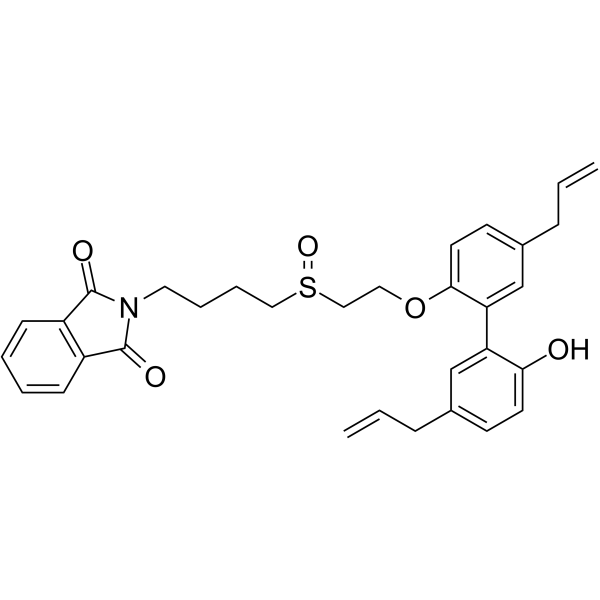
Anticancer agent 76 (Compound CT2-3) is an anticancer agent. Anticancer agent 76 significantly inhibits the proliferation of human NSCLC cells, induces cell cycle arrest, causes ROS generation and induces cell apoptosis .
|
-
-
- HY-N13164
-
|
|
PI3K
Akt
Apoptosis
|
Cancer
|
Polygalacin D3 is a triterpenoid saponin compound that can be extracted from the roots of the balloon flower. Polygalacin D3 can inhibit the proliferation of non-small cell lung cancer (NSCLC) cell lines by blocking the PI3K/Akt pathway, and it induces cell cycle arrest and cell apoptosis .
|
-

-
- HY-157564
-
|
|
Apoptosis
|
Cancer
|
|
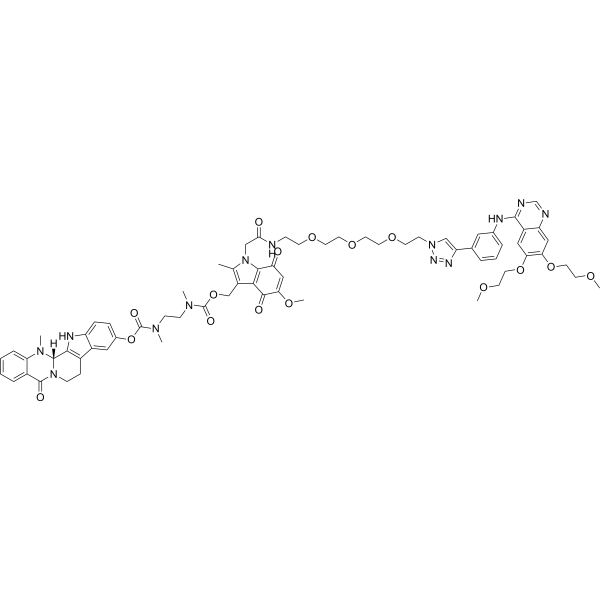
Antitumor agent-135 (Compound 13) is a potent antitumor agent. Antitumor agent-135 induces cell apoptosis, with IC50s of 3.79 , 10.55, 1.14, and 4.14 μM for NSCLC cell lines (A549, H460, PC-9, and PC-9/GR) .
|
-
-
- HY-149352
-
|
|
Thymidylate Synthase
|
Cancer
|
|
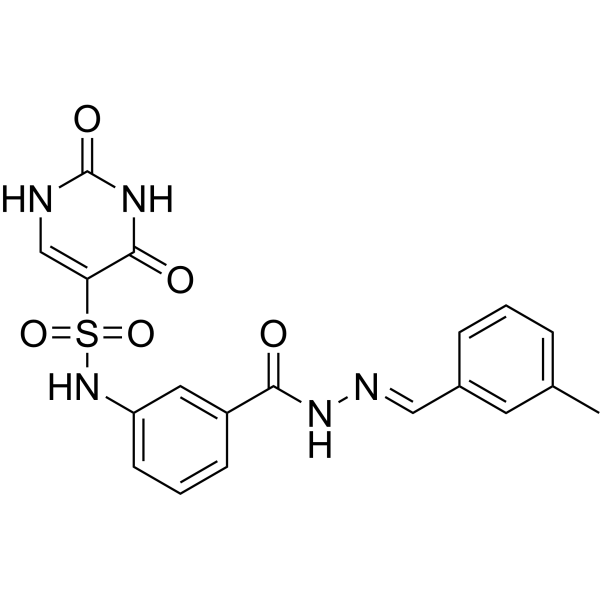
DG1 (Compound 8Nc) is a Thymidylate Synthase (TS) inhibitor that affects cancer angiogenesis and metabolic reprogramming in NSCLC cells. DG1 can effectively inhibit the expression of CD26, ET-1, FGF-1 and EGF. DG1 also effectively inhibits the proliferation of cancer tissue in the A549 xenograft mouse model .
|
-
-
- HY-162896
-
|
|
DNA/RNA Synthesis
|
Cancer
|
|
And1 degrader 1 (Compound A15) is a degrader of the acidic nucleoplasmic DNA-binding protein 1 (And1), which can significantly induce the degradation of And1 in NSCLC cells. And1 degrader 1 (5 μM) combined with Olaparib (HY-10162) (1 μM) effectively inhibits the proliferation of A549 and H460 cells. And1 degrader 1 can be used in cancer research .
|
-

-
- HY-157526
-
|
|
EGFR
Apoptosis
|
Cancer
|
|
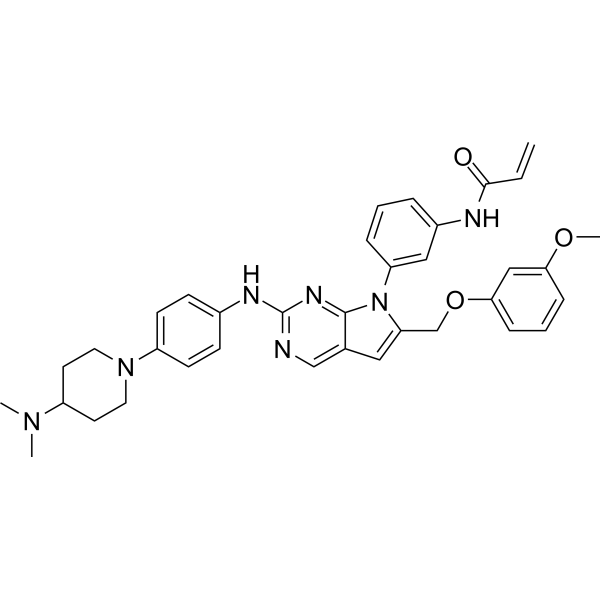
EGFR-TK-IN-1 (compound 7o) is a potent mutant EGFR inhibitor with IC50 of 8.5 nM an 9.3 nM against EGFR L858R/T790M and EGFR Del19.EGFR-TK-IN-1 showes strong antiproliferative effects against EGFR mutant-driven non-small cell lung cancer (NSCLC) cells and induces cell apoptosis .
|
-
-
- HY-N3764
-
|
|
Akt
Dihydrofolate reductase (DHFR)
Endogenous Metabolite
|
Others
|
|
Diosbulbin C is a diterpene lactone component, which can be extracted from traditional Chinese medicine Dioscorea bulbifera L.. Diosbulbin C possesses high anticancer activity in non-small cell lung cancer (NSCLC). Diosbulbin C could induce cell cycle arrest at G0/G1 phase in NSCLC. Diosbulbin C also inhibits the proliferation of NSCLC cells, possibly by downregulating the expression/activation of AKT, DHFR, and TYMS .
|
-

-
- HY-173065
-
|
|
CDK
Apoptosis
|
Cancer
|
|
CDK9-IN-36 (Compound T7) is a potent, selective and metabolically stable CDK9 inhibitor with an IC50 value of 1.2 nM. CDK9-IN-36 effectively suppresses cell proliferation, reduces colony formation, and induces apoptosis in Osimertinib (HY-15772)-resistant NSCLC cells by downregulating Mcl-1. CDK9-IN-36 also demonstrates antitumor efficacy in a tumor xenograft model .
|
-

-
- HY-173500
-
|
|
MMP
Apoptosis
EGFR
STAT
|
Cancer
|
|
MG-3C is a potent matrix metalloproteinase 9 (MMP-9) inhibitor. MG-3C can selectively kill non-small-cell lung cancer (NSCLC) cells harboring the EGFR T790M mutation. MG-3C blocks the EGFR/STAT3 signaling pathway, inducing G2/M phase arrest, growth inhibition, and apoptosis of cancer cells. MG-3C is promising for research of lung cancer .
|
-

-
- HY-121537R
-
|
|
COX
Akt
Apoptosis
|
Neurological Disease
Inflammation/Immunology
Cancer
|
|
CAY10404 (Standard) is the analytical standard of CAY10404. This product is intended for research and analytical applications. CAY10404 is a potent and selective cyclooxygenase-2 (COX-2) inhibitor with an IC50 of 1 nM and a selectivity index (SI; COX-1 IC50/COX-2 IC50) of >500000. CAY10404 is a potent PKB/Akt and MAPK signaling pathways inhibitor and induces apoptosis in non-small cell lung cancer (NSCLC) cells. CAY10404, a diarylisoxazole, has good analgesic, anti-inflammatory, and anti-cancer activities .
|
-

-
- HY-170665
-
|
|
EGFR
|
Cancer
|
|
EGFR T790M/L858R-IN-9 (Compound 8) is an EGFR-L858R/T790M inhibitor that demonstrates potent inhibitory phosphorylation effects against the EGFR-L858R/T790M mutant kinase, with an IC50 value of 0.0064µM. EGFR T790M/L858R-IN-9 also inhibits the proliferation of non-small cell lung cancer (NSCLC) cells and can be utilized in cancer research .
|
-

-
- HY-116504
-
|
|
EGFR
Akt
ERK
Apoptosis
|
Cancer
|
|
WB-308 is a novel small molecule that was identified as an inhibitor of EGFR by an in vitro EGFR kinase activity system. WB-308 was able to reduce the proliferation and clonogenicity of NSCLC cells, causing G2/M phase arrest and apoptosis. In addition, WB-308 inhibited tumor growth in two in vivo animal models (lung orthotopic transplantation model and patient-derived clonal mouse model). WB-308 impaired the phosphorylation of EGFR, AKT, and ERK1/2 proteins. Compared with Gefitinib, WB-308 had lower cytotoxicity. This study showed that WB-308 is a new EGFR-TKI that may be considered as an alternative to Gefitinib in the clinical treatment of NSCLC.
|
-

-
- HY-N0373R
-
|
|
Reference Standards
Amyloid-β
Apoptosis
NOD-like Receptor (NLR)
|
Neurological Disease
|
|
Licochalcone B (Standard) is the analytical standard of Licochalcone B. This product is intended for research and analytical applications. Licochalcone B is an extract from the root of Glycyrrhiza uralensis. Licochalcone B inhibits amyloid β (42) self-aggregation (IC50=2.16 μM) and disaggregate pre-formed Aβ42 fibrils, reduce metal-induced Aβ42 aggregation through chelating metal ionsLicochalcone B inhibits phosphorylation of NF-κB p65 in LPS signaling pathway. Licochalcone B inhibits growth and induces apoptosis of NSCLC cells. Licochalcone B specifically inhibits the NLRP3 inflammasome by disrupting NEK7‐NLRP3 interaction .
|
-

-
- HY-170968
-
|
|
EGFR
Apoptosis
|
Cancer
|
|
EGFR-IN-150 is an EGFR inhibitor that effectively suppresses the phosphorylation of mutant epidermal growth factor receptor (EGFR) and its downstream AKT signaling pathway, thereby exerting antitumor effects and inducing HMOX1 expression to trigger ferroptosis. EGFR-IN-150 exhibits an IC50 of 0.386 μM against the non-small cell lung cancer (NSCLC) cell line H1975, and significantly inhibits colony formation and migration of both H1975 and A549 cells while inducing apoptosis. In addition, EGFR-IN-150 markedly suppresses tumor growth in the H1975 cell-derived xenograft (CDX) mouse model. EGFR-IN-150 holds promise for research related to non-small cell lung cancer .
|
-

- HY-161923
-
|
|
EGFR
Apoptosis
Akt
ERK
|
Cancer
|
|
EGFR-IN-120 (Compound 11eg) is an orally active EGFR inhibitor. EGFR-IN-120 inhibits EGFR L858R/T790M/C797S with an IC50 value of 0.053 μM, and has a relatively weak effect on EGFR WT (IC50: 1.05 μM). EGFR-IN-120 inhibits the phosphorylation of EGFR and main downstream effectors (STAT3, AKT, and Erk). EGFR-IN-120 induces cell cycle arrest and cell apoptosis in EGFR mutant cells. EGFR-IN-120 inhibits the proliferation of the NSCLC cells harboring EGFR L858R/T790M/C797S with an IC50 of 0.052 μM .
|
-

- HY-170928
-
|
|
EGFR
Anaplastic lymphoma kinase (ALK)
Cytochrome P450
|
Cancer
|
|
DA-0157 is the orally active inhibitor for EGFR and ALK that overcomes drug-resistant mutations of EGFR C797S and ALK in NSCLC) cells. DA-0157 inhibits the proliferation of Ba/F3-EGFR Del19/T790M/C797S (IC50 = 6.9 nM), Ba/F3-EGFR WT (IC50 = 0.83 μM), Ba/F3-EML4-ALK-L1196M (IC50 = 5.5 nM), and Ba/F3-EML4-ALK (IC50 = 7.4 nM). DA-0157 inhibits CYP2D6 with IC50 of 5.26 μM. DA-0157 exhibits antitumor efficacy in mouse models .
|
-

- HY-180851
-
|
|
Estrogen Receptor/ERR
|
Cancer
|
|
ER ligand-14 is an estrogen receptor (ER) ligand. ER ligand-14 can serve as a ligand for target protein for PROTAC, and can be used to develop and design degradative agents for PROTAC ERβ, such as ERB-2 (HY-180850). ERB-2 displays favorable antiproliferative activity against Osimertinib (HY-15772) resistance NSCLC cells .
|
-

- HY-P991883
-
|
Licartin; Metuximab; Mehuzumab
|
Apoptosis
CDK
Caspase
Bcl-2 Family
|
Cancer
|
|
Metuzumab (Licartin) is a human-mouse chimeric IgG1 monoclonal antibody targeting CD147. Metuzumab induces Apoptosis, reduces levels of Cyclin D1, full-length Caspase-3, and Bcl-2, and increases Bax expression. Metuzumab enhances the sensitivity of non-small cell lung cancer (NSCLC) cells to Gemcitabine (HY-17026). Metuzumab is applicable for research on hepatocellular carcinoma and non-small cell lung cancer [1] [2].
|
-

- HY-179481
-
|
|
Ferroptosis
Keap1-Nrf2
Glutathione Peroxidase
Reactive Oxygen Species (ROS)
|
Cancer
|
|
Ferroptosis inducer-13 is a 5′-prenylated chalcone derivative that effectively induces ferroptosis in human non-small cell lung cancer (NSCLC) cells by altering the activity of the Nrf2/xCT/GPX4 pathway. Ferroptosis inducer-13 exhibits potent anti-proliferative effects in vitro, and inhibits tumour growth in a NSCLC mouse model. Ferroptosis inducer-13 can be used for NSCLC research .
|
-

- HY-182052
-
|
|
Glutathione Peroxidase
Reactive Oxygen Species (ROS)
NO Synthase
Ferroptosis
Apoptosis
|
Cancer
|
|
anti-NSCLC agent-2 exhibits nanomolar anti-proliferative activity and acts on wild-type and drug-resistant non-small cell lung cancer (NSCLC) cells. anti-NSCLC agent-2 downregulates ferroptosis-related factors SLC7A11 and GPX4, disrupts cellular redox homeostasis, depletes glutathione, accumulates lipid peroxides, and simultaneously elevates mitochondrial nitric oxide and ROS levels to induce ferroptosis in tumor cells. anti-NSCLC agent-2 is applicable to research related to non-small cell lung cancer .
|
-

- HY-173118
-
|
|
EGFR
Apoptosis
|
Cancer
|
|
EGFR-IN-152 (compound D4) is a potent EGFR tyrosine kinase inhibitor, exhibiting potent EGFR L858R/T790M/C797S inhibition activity (IC50 = 40 nM). EGFR-IN-152 induces G0/G1 phase cell cycle arrest and apoptosis, thereby inhibiting colony formation and cell proliferation of non-small cell lung cancer (NSCLC) cells. EGFR-IN-152 can be used for NSCLC research .
|
-

- HY-180965
-
|
|
PROTACs
Anaplastic lymphoma kinase (ALK)
EGFR
Apoptosis
|
Cancer
|
|
Pro-PEG3-BA is an EML4-ALK/EGFR PROTAC degrader, degrading EML4 ALK and EGFR mutant (L858R/T790M) with DC 50 values of 0.42 and 13.50 μM, respectively. Pro-PEG3-BA hinders proliferation and induces cell cycle arrest and apoptosis of NSCLC cells in vitro. Pro-PEG3-BA shows safety profile and decreases EML4-ALK protein via rewiring the ubiquitin- proteasome system in vivo. Pro-PEG3-BA can be used for non-small cell lung cancer research .
|
-

- HY-179484
-
|
|
Reactive Oxygen Species (ROS)
ERK
|
Cancer
|
|
KRASG12C IN-19 is a selective and orally active KRAS G12C inhibitor. KRASG12C IN-19 exerts potent antiproliferative activity against the KRAS G12C-mutant non small cell lung cancer (NSCLC) cell line H358 with an IC50 of 7.6 nM, and effectively suppresses downstream ERK phosphorylation (IC50 = 24.06 nM). KRASG12C IN 19 has no significant inhibitory activity against KRAS G12V and KRAS G12D-mutant cancer cells (PANC 1, Panc, AsPC 1, and GP2d cells) with IC50 > 10,000 nM. KRASG12C IN-19 rapidly forms a covalent bond with KRAS G12V-GDP, leading to dose-dependent inhibition of the downstream KRAS pathway. KRASG12C IN 19 can be employed for research in KRAS G12C driven cancers, including non small cell lung cancer, pancreatic cancer, and colorectal cancer .
|
-

| Cat. No. |
Product Name |
Type |
-
- HY-171191
-
|
|
Fluorescent Dyes
|
|
REGN5093-M114 is a bispecific antibody-drug conjugate (ADC) that targets two epitopes of the MET receptor tyrosine kinase inhibits the proliferation of NSCLC cells, exhibits antitumor efficacy in mouse models. REGN5093-M114 is composed of the human monoclonal anti-MET antibody Davutamig (HY-P990073) and the tubulin-inhibiting linker-payload (HY-148528) .
|
| Cat. No. |
Product Name |
Target |
Research Area |
Image |
-
- HY-P991883
-
|
Licartin; Metuximab; Mehuzumab
|
Apoptosis
CDK
Caspase
Bcl-2 Family
|
Cancer
|
|
Metuzumab (Licartin) is a human-mouse chimeric IgG1 monoclonal antibody targeting CD147. Metuzumab induces Apoptosis, reduces levels of Cyclin D1, full-length Caspase-3, and Bcl-2, and increases Bax expression. Metuzumab enhances the sensitivity of non-small cell lung cancer (NSCLC) cells to Gemcitabine (HY-17026). Metuzumab is applicable for research on hepatocellular carcinoma and non-small cell lung cancer [1] [2].
|
-

(5)
| Cat. No. |
Product Name |
Category |
Target |
Chemical Structure |
-
- HY-N6871
-
|
|
Infection
Colophony
Classification of Application Fields
Pinaceae
Ketones, Aldehydes, Acids
Metabolic Disease
Plants
Inflammation/Immunology
Disease Research Fields
|
Bacterial
IKK
Ferroptosis
|
Abietic acid, an orally active diterpene isolated from Colophony, displays significant anti-proliferative, anti-inflammatory, anti-obesity effect, bacteriostatic, cell cycle arresting and pro-apoptotic activities. Abietic acid inhibits lipoxygenase activity for allergy. Abietic acid enhances cell migration and tube formation in HUVECs. Abietic acid induces significant angiogenic potential, which is associated with upregulation of extracellular signal-regulated kinase (ERK) and p38 expression. Abietic acid attenuates sepsis-induced lung injury by inhibiting nuclear factor kappa-light-chain-enhancer of activated B cells (NF-κB) pathway to inhibit M1 macrophage polarization. Abietic acid exhibits a positive effect against liver injury by attenuating inflammation and ferroptosis. Abietic acid shows accelerated wound closure in a mouse model of cutaneous wounds. Abietic acid significantly reduces the proliferation and growth of NSCLC cells by IKKβ inhibition.Additionally, Abietic acid ameliorates psoriasis-like inflammation and modulates gut microbiota in mice. Abietic acid is promising for research in non-small-cell lung cancer (NSCLC), liver injury-related deseases and psoriasis .
|
-
-
- HY-N0373
-
Licochalcone B
Maximum Cited Publications
12 Publications Verification
|
Chalcones
Flavonoids
Leguminosae
Plants
Glycyrrhiza uralensis Fisch.
Source Classification
|
Amyloid-β
Apoptosis
NOD-like Receptor (NLR)
|
|
Licochalcone B is an extract from the root of Glycyrrhiza uralensis. Licochalcone B inhibits amyloid β (42) self-aggregation (IC50=2.16 μM) and disaggregate pre-formed Aβ42 fibrils, reduce metal-induced Aβ42 aggregation through chelating metal ionsLicochalcone B inhibits phosphorylation of NF-κB p65 in LPS signaling pathway. Licochalcone B inhibits growth and induces apoptosis of NSCLC cells. Licochalcone B specifically inhibits the NLRP3 inflammasome by disrupting NEK7‐NLRP3 interaction .
|
-
-
- HY-N3610
-
|
|
Alkaloids
Structural Classification
Phenols
Polyphenols
Plants
Lauraceae
Isoquinoline Alkaloids
Lindera aggregata (Sims) Kosterm.
Source Classification
|
nAChR
|
|
Coclaurine is a class of tetrahydroisoquinoline alkaloids that can be isolated from Sarcopetalum harveyanum with anticancer activity. Coclaurine is a nicotinic acetylcholine receptor (nAChRs) antagonist. Coclaurine is a key molecule in S. tetrandra responsible for EFHD2 inhibition. Coclaurine can downregulate EFHD2-related NOX4-ABCC1 signaling and enhanced Cisplatin (HY-17394) sensitivity. Coclaurine suppresses the stemness and metastatic properties of NSCLC cells. Coclaurine disrupts the interaction between the transcription factor FOXG1 and the EFHD2 promoter, leading to a reduction in EFHD2 transcription .
|
-
-
- HY-137295
-
-
-
- HY-N13164
-
-
-
- HY-N3764
-
-
-
- HY-N0373R
-
-
Your information is safe with us. * Required Fields.
Inquiry Information
- Product Name:
- Cat. No.:
- Quantity:
- MCE Japan Authorized Agent:








