1. Metabolic Enzyme/Protease Epigenetics Cell Cycle/DNA Damage Apoptosis Immunology/Inflammation
  2. FXR Sirtuin TNF Receptor Interleukin Related
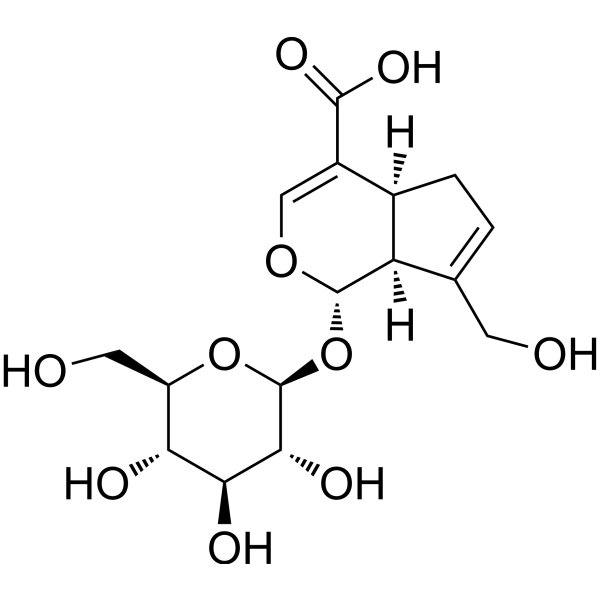
  3. Geniposidic acid

Geniposidic acid is an orally active FXR modulator and SIRT6 activator. Geniposidic acid binds to the Ser332 and His447 sites on the FXR ligand-binding domain, thereby driving nuclear translocation, coactivator recruitment, and transcription of downstream bile acid and cholesterol metabolism-related genes. Geniposidic acid improves metabolic dysfunction-related fatty liver disease by activating the SIRT6 signaling pathway. Geniposidic acid inhibits inflammation and modulates gut microbiota to alleviate colitis. Geniposidic acid can be used in research on drug-induced liver injury, inflammatory bowel disease, metabolic dysfunction-related fatty liver disease, and metabolic dysfunction-related steatohepatitis.

For research use only. We do not sell to patients.

CAS No. : 27741-01-1

Size Price Stock Quantity
Free Sample (0.1 - 0.2 mg)   Apply Now  
Solid + Solvent (Highly Recommended)
10 mM * 1 mL in DMSO
ready for reconstitution
In-stock
Solution
10 mM * 1 mL in DMSO In-stock
Solid
5 mg In-stock
10 mg In-stock
25 mg In-stock
50 mg In-stock
100 mg In-stock
500 mg In-stock
1 g   Get quote  
5 g   Get quote  

* Please select Quantity before adding items.

This product is a controlled substance and not for sale in your territory.

Customer Review

Based on 7 publication(s) in Google Scholar

Other Forms of Geniposidic acid:

Top Publications Citing Use of Products

    Geniposidic acid purchased from MedChemExpress. Usage Cited in: J Cell Mol Med. 2024 Apr;28(8):e18228.  [Abstract]

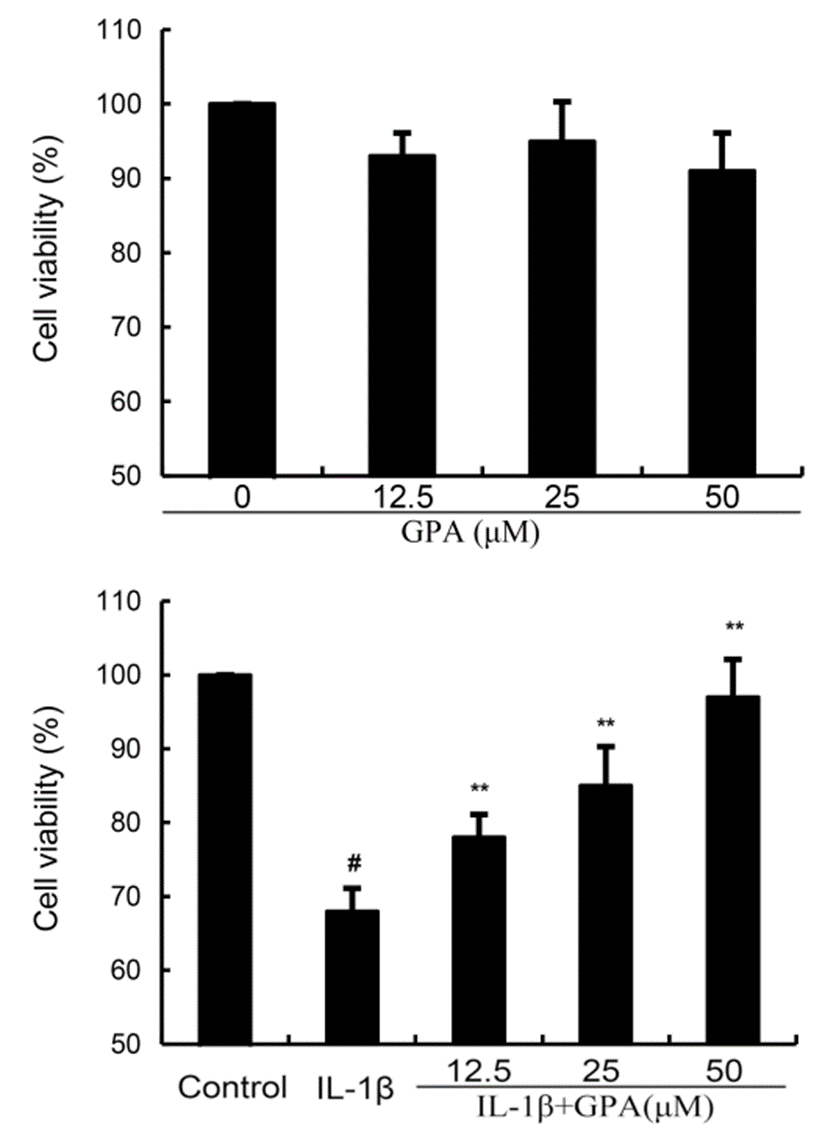
    Cells were cultured with different concentrations of Geniposidic acid (GPA) (12.5, 25 and 50 μM) for 24 h. The cell viability was determined by CCK8 assay.

    Geniposidic acid purchased from MedChemExpress. Usage Cited in: Molecules. 2022 Dec 5;27(23):8568.  [Abstract]

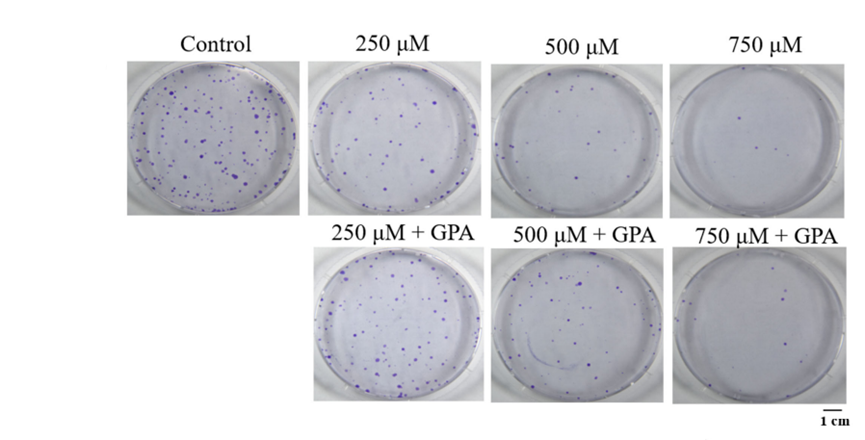
    HaCaT cells were treated with GPA (50 μM) for 24 h before being exposed to H2O2 with indicated concentrations (250 μM, 500 μM, 750 μM) for 4 h. Clonogenic surviving assay was used to evaluate the effects of GPA pretreatment on clonogenicity under oxidative stress.

    Geniposidic acid purchased from MedChemExpress. Usage Cited in: Molecules. 2022 Dec 5;27(23):8568.  [Abstract]

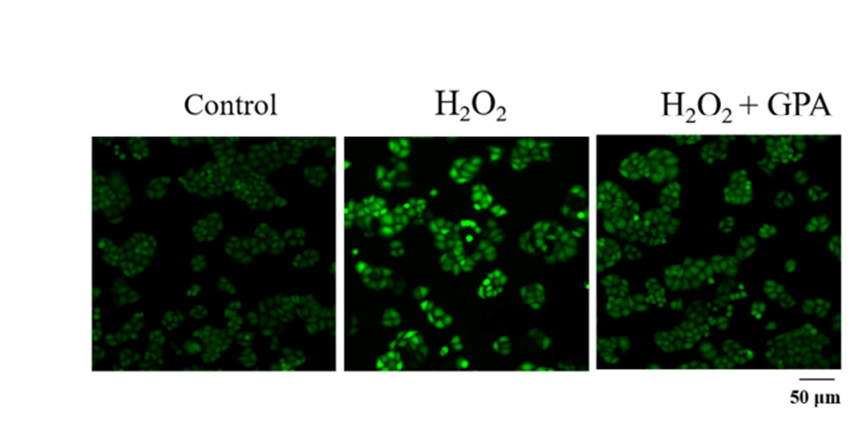
    Cells were exposed to H2O2 (750 μM) for 4 h after being pretreated with GPA (50 μM) for 24 h. Intracellular ROS generation was measured by a fluorescence microscope using a CM−H2DCFDA probe.

    Geniposidic acid purchased from MedChemExpress. Usage Cited in: Molecules. 2022 Dec 5;27(23):8568.  [Abstract]

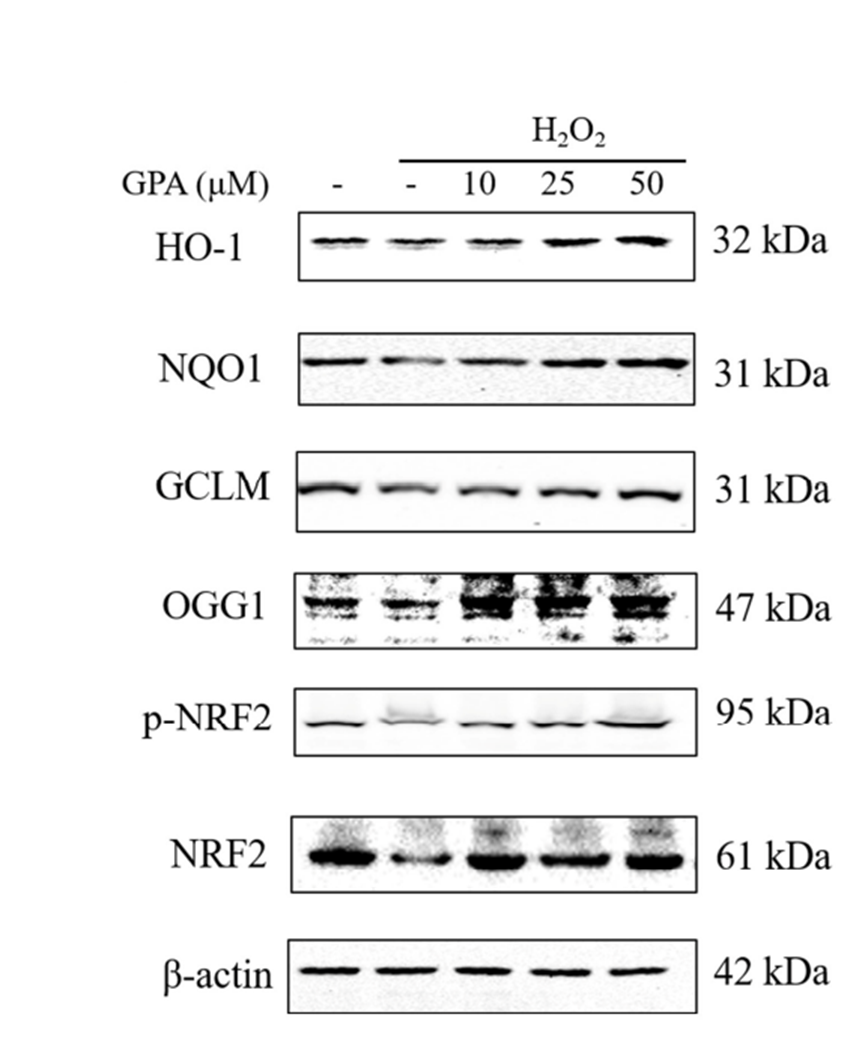
    Cells were exposed to H2O2 (750 μM) for 4 h after being pretreated with GPA (10 μM, 25 μM, 50 μM) for 24 h. Western blotting was performed to identify the antioxidative genes expression level.
    • Biological Activity

    • Purity & Documentation

    • References

    • Customer Review

    Description

    Geniposidic acid is an orally active FXR modulator and SIRT6 activator. Geniposidic acid binds to the Ser332 and His447 sites on the FXR ligand-binding domain, thereby driving nuclear translocation, coactivator recruitment, and transcription of downstream bile acid and cholesterol metabolism-related genes. Geniposidic acid improves metabolic dysfunction-related fatty liver disease by activating the SIRT6 signaling pathway. Geniposidic acid inhibits inflammation and modulates gut microbiota to alleviate colitis. Geniposidic acid can be used in research on drug-induced liver injury, inflammatory bowel disease, metabolic dysfunction-related fatty liver disease, and metabolic dysfunction-related steatohepatitis[1][2][3].

    IC50 & Target

    SIRT6

    6.751 × 10 μM (Kd)

    In Vitro

    Geniposidic acid (25-100 μM; 12 h) activates the nuclear translocation of farnesoid X receptor (FXR) in TP-injured human L02 hepatocytes, upregulates key bile acid synthases and transporters to reduce lipid accumulation, and this activity is absolutely dependent on the expression of FXR[1].
    Geniposidic acid directly binds to the ligand-binding domain of human FXR, with a Kd value of 3.905 × 10⁻⁷ M. It binds to FXR in a dose-dependent manner, with an EC50 of 1.076×10⁻⁸ M[1].
    Geniposidic acid (25-100 μM; 24 h) activates BSEP-mediated transcription of BSEP target genes in human L02 hepatocytes, with Ser332 and His447 residues being critical for this agonist activity[1].
    Geniposidic acid (25-100 μM; 72 h) upregulates the expression and nuclear translocation of miR-19a-3p in TP-damaged human L02 hepatocytes via an FXR-dependent mechanism; miR-19a-3p does not regulate FXR expression, but inhibits LXR-mediated cholesterol synthesis, thereby reducing the expression of cholesterol synthesis genes and lipid droplet accumulation[1].
    Geniposidic acid (25-100 μM) reduces OA/PA-induced lipid accumulation and oxidative stress in primary hepatocytes from wild-type mice in a concentration-dependent manner, which depends on functionally intact SIRT6[3].
    Geniposidic acid (25-100 μM) upregulates the expression and deacetylase activity of SIRT6 in HepG2 cells and mouse primary hepatocytes under both normal and lipotoxic conditions[3].
    Geniposidic acid (0.625-80 μM) binds directly to recombinant human SIRT6, with a Kd value of 6.751 × 10⁻⁸ M[3].
    Geniposidic acid (100 μM) reduces OA+PA-induced lipid accumulation in primary hepatocytes from wild-type mice[3].
    Geniposidic acid (100 μM) upregulates the expression of fatty acid oxidation-related genes *Pparα*, *Cpt1α* and *Cd36* in primary hepatocytes from wild-type mice under lipotoxic conditions[3].

    MedChemExpress (MCE) has not independently confirmed the accuracy of these methods. They are for reference only.

    Western Blot Analysis[1]

    Cell Line: L02 cells treatment with TP
    Concentration: 25, 50, 100 μM
    Incubation Time: 12 h
    Result: restored the protein levels of CYP7A1, CYP7B1, CYP8B1, CYP27A1, and the transporters BSEP, MRP2, and NTCP, which were downregulated in TP-induced liver cell in-jury.

    RT-PCR[1]

    Cell Line: L02 cells treatment with TP
    Concentration: 25, 50, 100 μM
    Incubation Time: 12 h
    Result: Restored the mRNA levels of CYP7A1, CYP7B1, CYP8B1, CYP27A1, and the transporters BSEP, MRP2, and NTCP, which were downregulated in TP-induced liver cell in-jury.
    Activated the expression of mdr2, an FXR target gene.
    In Vivo

    Geniposidic acid (25-100 mg/kg; i.g.; daily; 6-21 days) in Acetaminophen (HY-66005) and Triptolide (HY-32735) induced liver injury (DILI) mouse models can alleviate liver injury, inflammatory response and bile acid/cholesterol metabolic dysfunction in a concentration-dependent manner by upregulating bile acid synthesis and transport mediators and inhibiting miR-19a-3p-mediated cholesterol synthesis[1].
    Geniposidic acid (25-75 mg/kg; i.g.; daily; 7 days) showed a dose-dependent alleviating effect on DSS-induced colitis in male C57BL/6 mice, including reducing disease activity, restoring colon length, improving colonic tissue morphology, inhibiting the production of pro-inflammatory cytokines, inhibiting NF-κB activation, enhancing the expression of intestinal tight junction proteins, and restoring gut microbiota composition[2].
    Geniposidic acid (75 mg/kg; i.g.; daily; 7 days) showed no visible adverse effects in healthy male C57BL/6 mice and was able to regulate gut microbiota composition[2].
    Geniposidic acid (25-100 mg/kg; i.g.; daily; 4-8 weeks) dose-dependently alleviated metabolic dysfunction-related fatty liver disease induced by high-fat diet (HFD) and MCD in male C57BL/6J mice, with its action dependent on functional liver function[3].

    MedChemExpress (MCE) has not independently confirmed the accuracy of these methods. They are for reference only.

    Animal Model: C57BL/6 (male, 6-8 weeks old, Acetaminophen/Triptolide-induced acute DILI model)[1]
    Dosage: 25 mg/kg; 50 mg/kg; 100 mg/kg
    Administration: i.g.; daily; 6 days
    Result: Prevented weight loss caused by acute drug-induced liver injury (DILI).
    Reduced acetaminophen-induced increase in liver weight ratio.
    Reduced elevated serum ALT and AST levels without affecting ALP levels.
    Reduced inflammatory infiltration, hepatocellular necrosis, and F4/80-positive Kupffer cells.
    Reduced mRNA levels of hepatic pro-inflammatory cytokines TNF-α, IL-1β, and IL-6, and increases mRNA levels of the anti-inflammatory cytokine IL-10.
    Reduced elevated serum and hepatic levels of total bile acids (TBA), total triglycerides (TG), and total cholesterol (TCHO), and reduces hepatic lipid deposition.
    Dose-dependently upregulated the mRNA and protein expression of bile acid synthases (CYP7A1, CYP7B1, CYP8B1, CYP27A1) and bile acid transporters (BSEP, MRP2, NTCP) in the liver.
    Animal Model: C57BL/6 (male, 7-8 weeks old, 21-23 g, DSS-induced colitis model)[2]
    Dosage: 25 mg/kg; 50 mg/kg; 75 mg/kg
    Administration: i.g.; daily; 7 days
    Result: Reduced Disease Activity Index (DAI) score and colonic histological damage score.
    Increased colonic length.
    Decreased colonic TNF-α and IL-1β levels, and NF-κB p65 protein expression.
    Upregulated the protein expression of tight junction proteins ZO-1 and occludin in colonic tissue.
    Increased the richness and diversity of gut microbiota (Chao1, Shannon, Simpson indices), increases the relative abundance of Bacteroides, and decreases the relative abundance of Verrucous microbes.
    Animal Model: C57BL/6 (male, 7-8 weeks old, 21-23 g)[2]
    Dosage: 75 mg/kg
    Administration: i.g.; daily; 7 days
    Result: Altered the gut microbiota structure, increasing the relative abundance of Proteobacteria, Muribacaceae, Lactobacillus, Verrucomicrobiales, and Akkermansia, while decreasing the relative abundance of Verrucomicrobiota.
    Animal Model: C57BL/6J (male, 8 weeks old, 20±2 g, HFD/MCD-induced)[3]
    Dosage: 25 mg/kg; 50 mg/kg; 100 mg/kg
    Administration: p.o.; daily; 4-8 weeks
    Result: Reduced weight gain and liver weight increase.
    Decreased serum ALT, AST, TC, TG, NEFA, and LDL-C levels while increasing serum HDL-C levels.
    Reduced macrovesicular steatosis (HE staining) and neutral lipid deposition (Oil Red O staining) in liver sections.
    Upregulated the mRNA expression of hepatic fatty acid β-oxidation regulators (Pparα, Cpt1α, Acad1, Acadm).
    Increased serum GSH-PX and SOD activities and decreased MDA levels, thereby restoring redox homeostasis.
    Reduced fasting blood glucose, improved glucose tolerance and insulin sensitivity, and reduced perirenal fat mass and adipocyte volume.
    Reduced F4/80+ macrophage infiltration in liver tissue.
    Downregulated the hepatic mRNA expression of pro-inflammatory genes (IL-1β, Ccl2, CXcl1) and fibrosis genes (TGF-β, Fn1, Col1a1).
    Reduce liver collagen deposition (Masson trichrome staining, Sirius red staining).
    Molecular Weight

    374.34

    Formula

    C16H22O10

    CAS No.
    Appearance

    Solid

    Color

    White to off-white

    SMILES

    O[C@H]1[C@H](O)[C@@H](CO)O[C@@H](O[C@@H]2OC=C(C(O)=O)[C@]3([H])[C@@]2([H])C(CO)=CC3)[C@@H]1O

    Structure Classification
    Initial Source
    Shipping

    Room temperature in continental US; may vary elsewhere.

    Storage
    Powder -20°C 3 years
    4°C 2 years
    In solvent -80°C 2 years
    -20°C 1 year
    Solvent & Solubility
    In Vitro: 

    DMSO : ≥ 100 mg/mL (267.14 mM; Hygroscopic DMSO has a significant impact on the solubility of product, please use newly opened DMSO)

    *"≥" means soluble, but saturation unknown.

    Preparing
    Stock Solutions
    Concentration Solvent Mass 1 mg 5 mg 10 mg
    1 mM 2.6714 mL 13.3568 mL 26.7137 mL
    5 mM 0.5343 mL 2.6714 mL 5.3427 mL
    View the Complete Stock Solution Preparation Table

    * Please refer to the solubility information to select the appropriate solvent. Once prepared, please aliquot and store the solution to prevent product inactivation from repeated freeze-thaw cycles.
    Storage method and period of stock solution: -80°C, 2 years; -20°C, 1 year. When stored at -80°C, please use it within 2 years. When stored at -20°C, please use it within 1 year.

    • Molarity Calculator

    • Dilution Calculator

    Mass (g) = Concentration (mol/L) × Volume (L) × Molecular Weight (g/mol)

    Mass
    =
    Concentration
    ×
    Volume
    ×
    Molecular Weight *

    Concentration (start) × Volume (start) = Concentration (final) × Volume (final)

    This equation is commonly abbreviated as: C1V1 = C2V2

    Concentration (start)

    C1

    ×
    Volume (start)

    V1

    =
    Concentration (final)

    C2

    ×
    Volume (final)

    V2

    In Vivo:

    Select the appropriate dissolution method based on your experimental animal and administration route.

    For the following dissolution methods, please ensure to first prepare a clear stock solution using an In Vitro approach and then sequentially add co-solvents:
    To ensure reliable experimental results, the clarified stock solution can be appropriately stored based on storage conditions. As for the working solution for in vivo experiments, it is recommended to prepare freshly and use it on the same day.
    The percentages shown for the solvents indicate their volumetric ratio in the final prepared solution. If precipitation or phase separation occurs during preparation, heat and/or sonication can be used to aid dissolution.

    • Protocol 1

      Add each solvent one by one:  10% DMSO    40% PEG300    5% Tween-80    45% Saline

      Solubility: ≥ 3 mg/mL (8.01 mM); Clear solution

      This protocol yields a clear solution of ≥ 3 mg/mL (saturation unknown).

      Taking 1 mL working solution as an example, add 100 μL DMSO stock solution (30.0 mg/mL) to 400 μL PEG300, and mix evenly; then add 50 μL Tween-80 and mix evenly; then add 450 μL Saline to adjust the volume to 1 mL.

      Preparation of Saline: Dissolve 0.9 g sodium chloride in ddH₂O and dilute to 100 mL to obtain a clear Saline solution.
    • Protocol 2

      Add each solvent one by one:  10% DMSO    90% (20% SBE-β-CD in Saline)

      Solubility: ≥ 3 mg/mL (8.01 mM); Clear solution

      This protocol yields a clear solution of ≥ 3 mg/mL (saturation unknown).

      Taking 1 mL working solution as an example, add 100 μL DMSO stock solution (30.0 mg/mL) to 900 μL 20% SBE-β-CD in Saline, and mix evenly.

      Preparation of 20% SBE-β-CD in Saline (4°C, storage for one week): 2 g SBE-β-CD powder is dissolved in 10 mL Saline, completely dissolve until clear.
    In Vivo Dissolution Calculator
    Please enter the basic information of animal experiments:

    Dosage

    mg/kg

    Animal weight
    (per animal)

    g

    Dosing volume
    (per animal)

    μL

    Number of animals

    Recommended: Prepare an additional quantity of animals to account for potential losses during experiments.
    Please enter your animal formula composition:
    %
    DMSO +
    +
    %
    Tween-80 +
    %
    Saline
    Recommended: Keep the proportion of DMSO in working solution below 2% if your animal is weak.
    The co-solvents required include: DMSO, . All of co-solvents are available by MedChemExpress (MCE). , Tween 80. All of co-solvents are available by MedChemExpress (MCE).
    Calculation results:
    Working solution concentration: mg/mL
    Method for preparing stock solution: mg drug dissolved in μL  DMSO (Stock solution concentration: mg/mL).
    The concentration of the stock solution you require exceeds the measured solubility. The following solution is for reference only. If necessary, please contact MedChemExpress (MCE).
    Method for preparing in vivo working solution for animal experiments: Take μL DMSO stock solution, add μL . μL , mix evenly, next add μL Tween 80, mix evenly, then add μL Saline.
     If the continuous dosing period exceeds half a month, please choose this protocol carefully.
    Please ensure that the stock solution in the first step is dissolved to a clear state, and add co-solvents in sequence. You can use ultrasonic heating (ultrasonic cleaner, recommended frequency 20-40 kHz), vortexing, etc. to assist dissolution.
    Purity & Documentation
    References

    Complete Stock Solution Preparation Table

    * Please refer to the solubility information to select the appropriate solvent. Once prepared, please aliquot and store the solution to prevent product inactivation from repeated freeze-thaw cycles.
    Storage method and period of stock solution: -80°C, 2 years; -20°C, 1 year. When stored at -80°C, please use it within 2 years. When stored at -20°C, please use it within 1 year.

    Optional Solvent Concentration Solvent Mass 1 mg 5 mg 10 mg 25 mg
    DMSO 1 mM 2.6714 mL 13.3568 mL 26.7137 mL 66.7842 mL
    5 mM 0.5343 mL 2.6714 mL 5.3427 mL 13.3568 mL
    10 mM 0.2671 mL 1.3357 mL 2.6714 mL 6.6784 mL
    15 mM 0.1781 mL 0.8905 mL 1.7809 mL 4.4523 mL
    20 mM 0.1336 mL 0.6678 mL 1.3357 mL 3.3392 mL
    25 mM 0.1069 mL 0.5343 mL 1.0685 mL 2.6714 mL
    30 mM 0.0890 mL 0.4452 mL 0.8905 mL 2.2261 mL
    40 mM 0.0668 mL 0.3339 mL 0.6678 mL 1.6696 mL
    50 mM 0.0534 mL 0.2671 mL 0.5343 mL 1.3357 mL
    60 mM 0.0445 mL 0.2226 mL 0.4452 mL 1.1131 mL
    80 mM 0.0334 mL 0.1670 mL 0.3339 mL 0.8348 mL
    100 mM 0.0267 mL 0.1336 mL 0.2671 mL 0.6678 mL
    • No file chosen (Maximum size is: 1024 Kb)
    • If you have published this work, please enter the PubMed ID.
    • Your name will appear on the site.
    Help & FAQs
    • Do most proteins show cross-species activity?

      Species cross-reactivity must be investigated individually for each product. Many human cytokines will produce a nice response in mouse cell lines, and many mouse proteins will show activity on human cells. Other proteins may have a lower specific activity when used in the opposite species.

    Your Recently Viewed Products:

    Inquiry Online

    Your information is safe with us. * Required Fields.

    Product Name


    Requested Quantity *

    Applicant Name *


    Salutation

    Email Address *


    Phone Number *

    Department


    Organization Name *

    City

    State

    Country or Region *


    Remarks

    Bulk Inquiry

    Inquiry Information

    Product Name:
    Geniposidic acid
    Cat. No.:
    HY-N0010
    Quantity:
    MCE Japan Authorized Agent: