1. Search Result
Search Result
Results for "

β2-AR

" in MedChemExpress (MCE) Product Catalog:

90

Inhibitors & Agonists

9

Natural
Products

24

Isotope-Labeled Compounds

3

Antibodies

Cat. No. Product Name Target Research Areas Chemical Structure
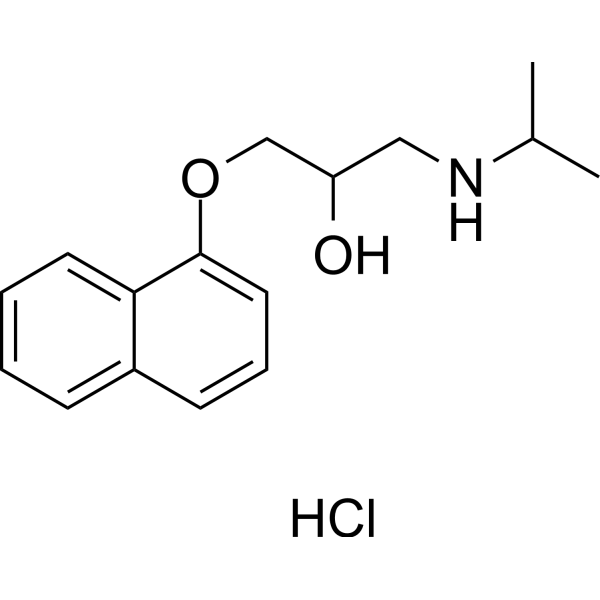
  • HY-B0573
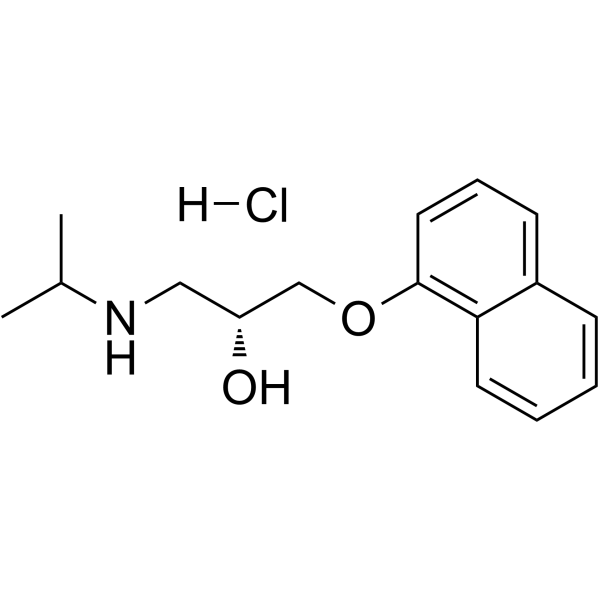
    Propranolol hydrochloride
    Maximum Cited Publications
    44 Publications Verification

    Adrenergic Receptor Bacterial Cardiovascular Disease Infection Neurological Disease Metabolic Disease Cancer
    Propranolol hydrochloride is a nonselective and BBB-permeableβ-adrenergic receptor (βAR) antagonist, has high affinity for the β1AR and β2AR with Ki values of 1.8 nM and 0.8 nM, respectively. Propranolol hydrochloride inhibits [ 3H]-DHA binding to rat brain membrane preparation with an IC50 of 12 nM. Propranolol hydrochloride is used for study of hypertension, pheochromocytoma, myocardial infarction, cardiac arrhythmias, angina pectoris, and hypertrophic cardiomyopathy [2] .
    Propranolol hydrochloride
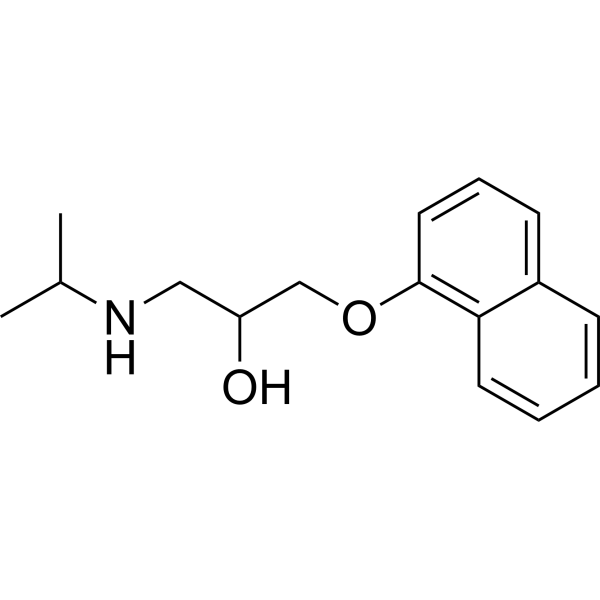
  • HY-B0573B
    Propranolol
    Maximum Cited Publications
    44 Publications Verification

    Adrenergic Receptor Bacterial Cardiovascular Disease Infection Neurological Disease Metabolic Disease Cancer
    Propranolol is a nonselective and BBB-permeable β-adrenergic receptor (βAR) antagonist, has high affinity for the β1AR and β2AR with Ki values of 1.8 nM and 0.8 nM, respectively . Propranolol inhibits [ 3H]-DHA binding to rat brain membrane preparation with an IC50 of 12 nM [2]. Propranolol is used for the study of hypertension, pheochromocytoma, myocardial infarction, cardiac arrhythmias, angina pectoris, and hypertrophic cardiomyopathy .
    Propranolol
  • HY-B1037
    Salbutamol
    5+ Cited Publications

    Albuterol; AH-3365

    Adrenergic Receptor ERK Inflammation/Immunology Cancer
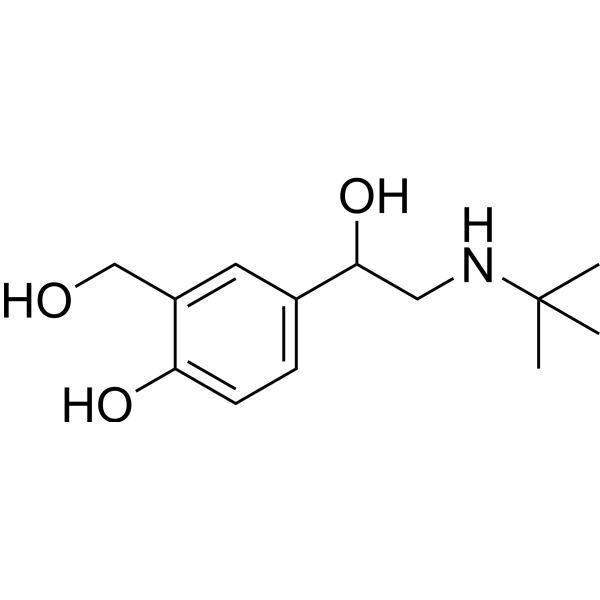
    Salbutamol (Albuterol) is an orally active short-acting β2-adrenergic receptor agonist. Salbutamol promotes tumorigenesis in gastric cancer cells through the β2-AR/ERK/EMT pathway. Salbutamol can relax bronchial smooth muscle and is used to study bronchospasm induced by asthma and chronic obstructive pulmonary disease [2].
    Salbutamol
  • HY-100543
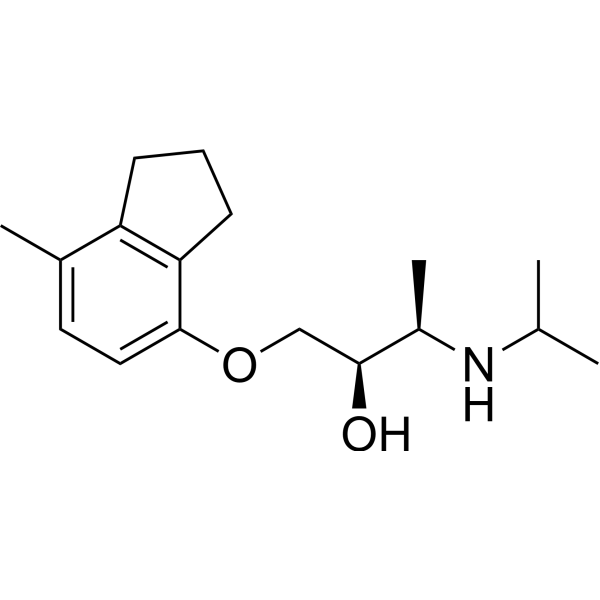
    Zenidolol
    Maximum Cited Publications
    45 Publications Verification

    ICI-118551

    Adrenergic Receptor Apoptosis Caspase Bcl-2 Family HIF/HIF Prolyl-Hydroxylase Cardiovascular Disease Neurological Disease Inflammation/Immunology
    Zenidolol (ICI-118551) is a selective β2-adrenergic receptor antagonist with Ki values of Zenidolol for β2, β1 and β3 adrenergic receptors of 0.7, 49.5 and 611 nM, respectively. Zenidolol exerts antitumor effects via inducing apoptosis, inhibiting tumor sphere formation, and downregulating the HIF pathway by blocking β2-AR on tumor cells. Zenidolol exhibits a unique pulmonary vessel-specific vasodilatory effect in mouse models. Zenidolol can be used as an intraocular pressure-lowering agent in ophthalmic disease research [2] .
    Zenidolol
  • HY-15746
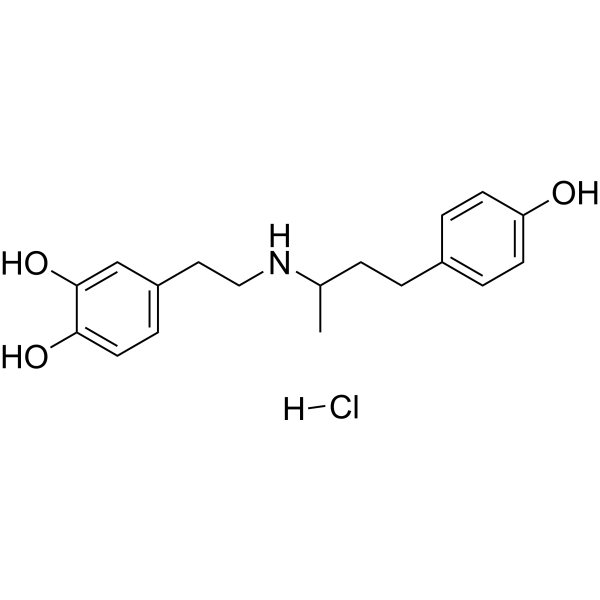
    Dobutamine hydrochloride
    5 Publications Verification

    Adrenergic Receptor Cardiovascular Disease Endocrinology Cancer
    Dobutamine hydrochloride is a synthetic catecholamine that acts on α1-AR, β1-AR, β2-AR (α-1, β-1 andβ-2 adrenoceptors). Dobutamine hydrochloride is a selective β1-AR agonist, relatively weak activity at α1-AR and β2-AR. Dobutamine hydrochloride can increase cardiac output and correct hypoperfusion [2] .
    Dobutamine hydrochloride
  • HY-W015061
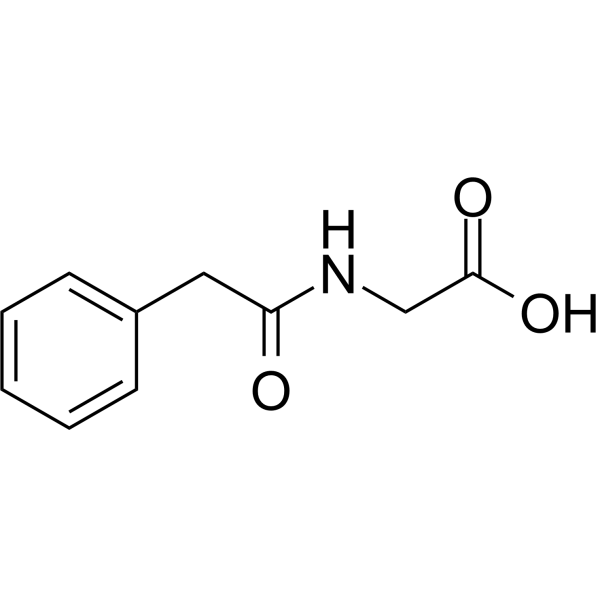
    Phenylacetylglycine
    1 Publications Verification

    Adrenergic Receptor Apoptosis Endogenous Metabolite Cardiovascular Disease Metabolic Disease
    Phenylacetylglycine is a gut microbial metabolite that can activate β2AR. Phenylacetylglycine protects against cardiac injury caused by ischemia/reperfusion .
    Phenylacetylglycine
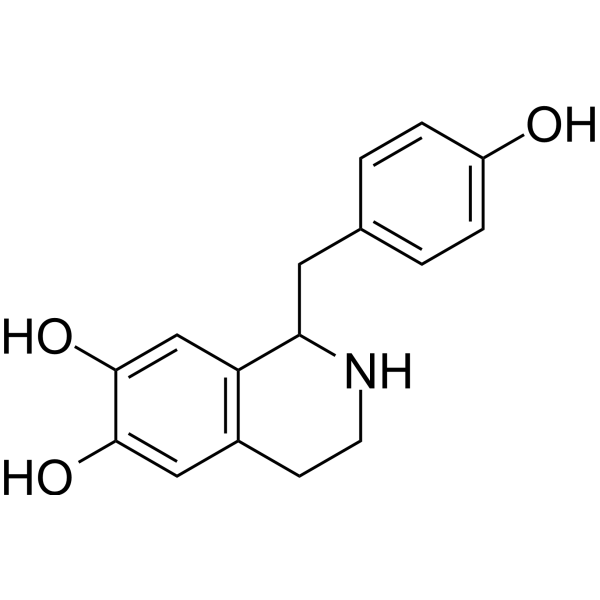
  • HY-N2037
    Higenamine
    5+ Cited Publications

    Norcoclaurine; Demethyl-Coclaurine

    MAP3K MDM-2/p53 Adrenergic Receptor ROS Kinase Apoptosis Cardiovascular Disease Endocrinology
    Higenamine (Norcoclaurine), a β2-AR agonist with antioxidant capability, is a key component of the Chinese herb aconite root that prescribes for treating symptoms of heart failure in the oriental Asian countries. Higenamine is also a α1-adrenergic receptor antagonist with hypotensive effect. is a selective LSD1 inhibitor (IC50=1.47 μM) that can be isolated from aconite. Higenamine hydrochloride has anti-inflammatory and antibacterial activity. Higenamine protects myocyte Apoptosis and ischemia/reperfusion (I/R) injury through selective activation of beta2-adrenergic receptor (β2-AR). Higenamine also reduces I/R-induced myocardial infarction in mice. Higenamine can attenuate IL-1β-induced Apoptosis through ROS-mediated PI3K/Akt signaling pathway. Higenamine protects brain cells from oxygen deprivation. Higenamine can promote bone formation in osteoporosis through the SMAD2/3 pathway. Higenamine can be used to study cancer, inflammation, cardiorenal syndrome and other diseases [2] .
    Higenamine
  • HY-B1276

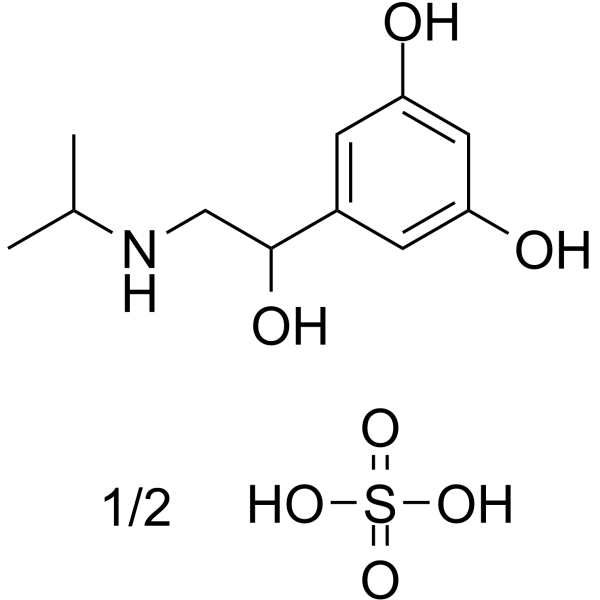
    Metaproterenol sulfate

    Adrenergic Receptor Cardiovascular Disease Inflammation/Immunology Endocrinology
    Metaproterenol hemisulfate (Orciprenaline hemisulfate) is a direct-acting sympathomimetic and a β2-adrenergic receptor (β2AR) agonist with an IC50 of 68 nM. Metaproterenol hemisulfate also has anti-inflammatory activity [2].
    Metaproterenol hemisulfate
  • HY-14301
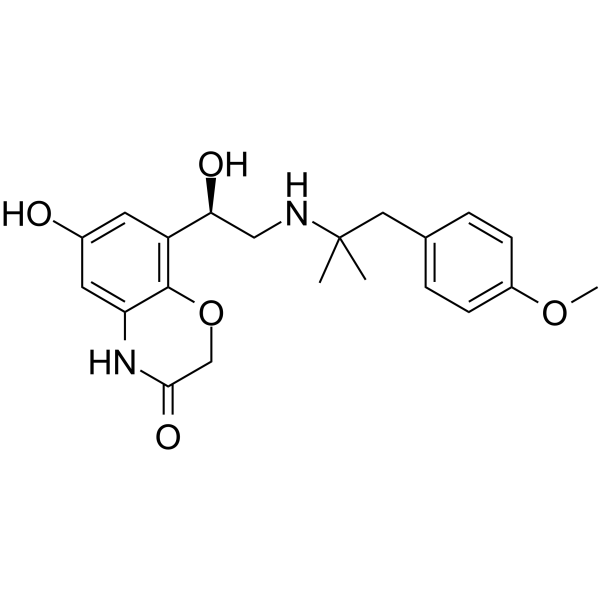
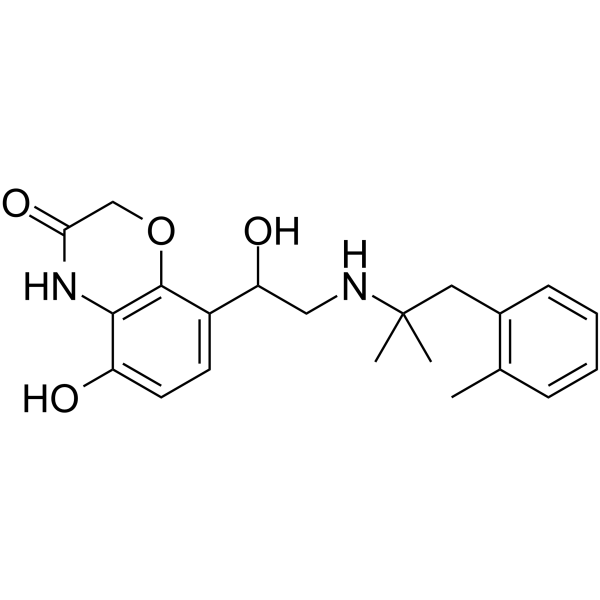
    Olodaterol
    1 Publications Verification

    BI1744

    Adrenergic Receptor Inflammation/Immunology Endocrinology
    Olodaterol (BI1744) is a selective, long acting β2-adrenoceptor 2-AR) agonist (EC50=0.1 nM and pKi= 9.14 for human β2-adrenoceptor, respectively). Olodaterol can be used for chronic obstructive pulmonary disease (COPD) and pulmonary fibrosis [2] .
    Olodaterol
  • HY-N0166
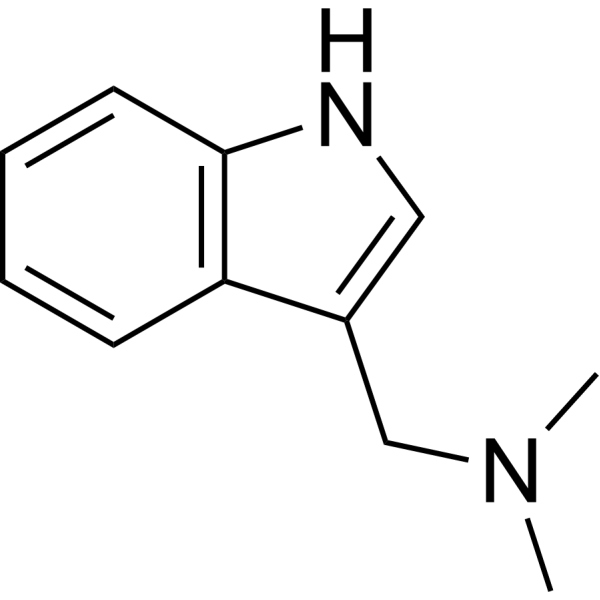
    Gramine
    4 Publications Verification

    Donaxine

    Adiponectin Receptor Reverse Transcriptase Infection Metabolic Disease Endocrinology Cancer
    Gramine (Donaxine) is an alkaloid, acts as an active adiponectin receptor (AdipoR) agonist, with IC50s of 3.2 and 4.2 μM for AdipoR2 and AdipoR1, respectively . Gramine is also a human and mouse β2-Adrenergic receptor (β2-AR) agonist [2]. Gramine (Donaxine) has anti-tumor, anti-viral and anti-inflammatory properties .
    Gramine
  • HY-121251
    BI-167107
    2 Publications Verification

    Adrenergic Receptor Neurological Disease Endocrinology Cancer
    BI-167107 is a high affinity, full agonist that binds to the β2 adrenergic receptor (β2AR) with a dissociation constant Kd of 84 pM .
    BI-167107
  • HY-A0295
    (R)-Propranolol hydrochloride
    1 Publications Verification

    Adrenergic Receptor Cardiovascular Disease Neurological Disease Endocrinology
    (R)-Propranolol hydrochloride is a less active enantiomer of the β-adrenoceptor antagonist propranolol (HY-B0573). Propranolol is a nonselective β-adrenergic receptor (βAR) antagonist, has high affinity for the β1AR and β2AR with Ki values of 1.8 nM and 0.8 nM, respectively .
    (R)-Propranolol hydrochloride
  • HY-B0436
    Salbutamol hemisulfate
    5+ Cited Publications

    Albuterol hemisulfate; AH-3365 hemisulfate

    Adrenergic Receptor ERK Inflammation/Immunology Cancer
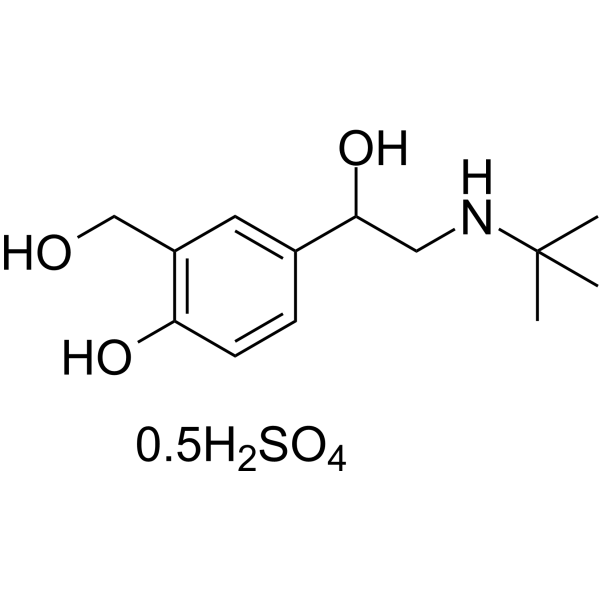
    Salbutamol (Albuterol) hemisulfate is an orally active short-acting β2-adrenergic receptor agonist. Salbutamol hemisulfate promotes tumorigenesis in gastric cancer cells through the β2-AR/ERK/EMT pathway. Salbutamol hemisulfate can relax bronchial smooth muscle and is used to study bronchospasm induced by asthma and chronic obstructive pulmonary disease [2].
    Salbutamol hemisulfate
  • HY-15746A
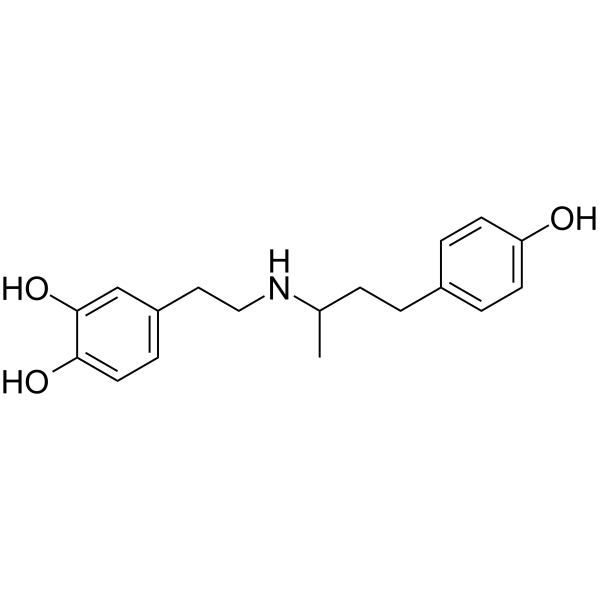
    Dobutamine
    5 Publications Verification

    Adrenergic Receptor Cardiovascular Disease Endocrinology Cancer
    Dobutamine is a synthetic catecholamine that acts on α1-AR, β1-AR, β2-AR (α-1, β-1 andβ-2 adrenoceptors). Dobutamine is a selective β1-AR agonist, relatively weak activity at α1-AR and β2-AR. Dobutamine can increase cardiac output and correct hypoperfusion [2] .
    Dobutamine
  • HY-W744625

    BI1744-d3 hydrochloride

    Isotope-Labeled Compounds Adrenergic Receptor Endocrinology
    Olodaterol-d3 hydrochloride (BI1744-d3 hydrochloride) is the deuterium labeled Olodaterol hydrochloride (HY-14301A). Olodaterol (BI1744) hydrochloride is a selective, long acting β2-adrenoceptor (β2-AR) agonist (EC50=0.1 nM and pKi= 9.14 for human β2-adrenoceptor, respectively). Olodaterol can be used for chronic obstructive pulmonary disease (COPD) and pulmonary fibrosis [2] .
    Olodaterol-d3 hydrochloride
  • HY-14300A
    Vilanterol trifenatate
    5+ Cited Publications

    GW642444 trifenatate

    Adrenergic Receptor Inflammation/Immunology Endocrinology Cancer
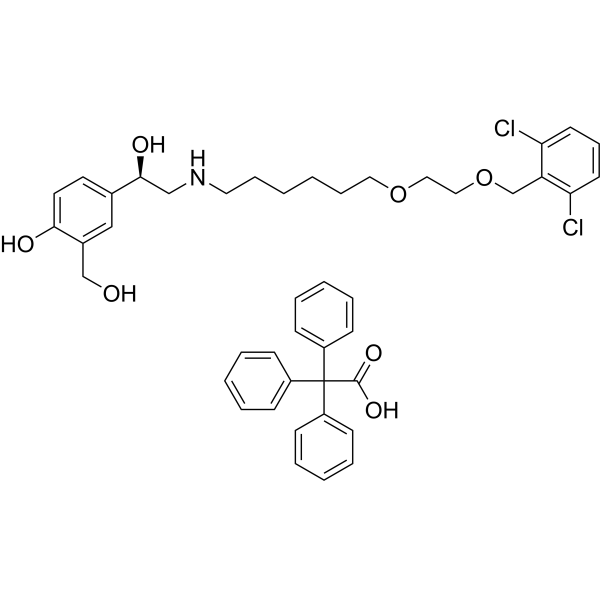
    Vilanterol (GW642444) trifenatate is a long-acting β2 adrenergic receptor agonist. Vilanterol trifenatate has pEC50 values for β2-AR, β1-AR, and β3-AR of 9.4, 6.4, and 6.1, respectively. Vilanterol trifenatate selectively activates airway β2 adrenergic receptors, increases cAMP and thus relaxes bronchial smooth muscle. Vilanterol trifenatate can be used in asthma research [2][4].
    Vilanterol trifenatate
  • HY-148804

    APD418

    Adrenergic Receptor Cardiovascular Disease
    Vemtoberant is a β3-adrenergic receptor inhibitor with a human Ki of 8.2 nM, and exhibits 400- to 600-fold selectivity over human β1-AR and β2-AR. Vemtoberant attenuates β3-AR-mediated cardiac inhibition. Vemtoberant can be used for the research of systolic heart failure .
    Vemtoberant
  • HY-14301A
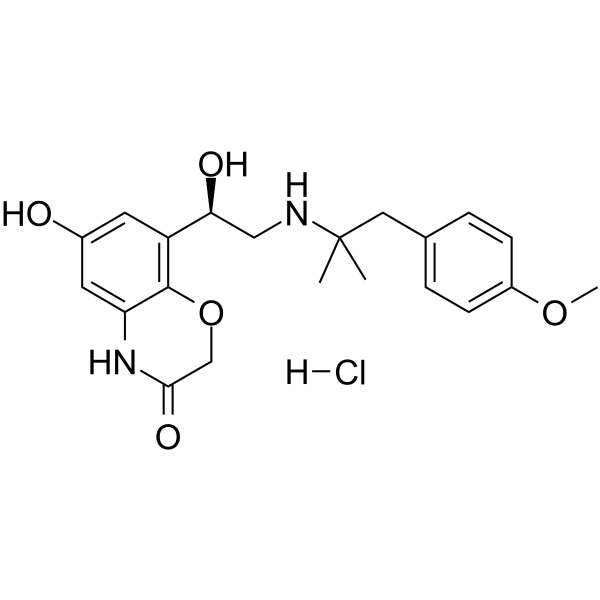
    Olodaterol hydrochloride
    1 Publications Verification

    BI1744 hydrochloride

    Adrenergic Receptor Inflammation/Immunology Endocrinology
    Olodaterol (BI1744) hydrochloride is a selective, long acting β2-adrenoceptor 2-AR) agonist (EC50=0.1 nM and pKi= 9.14 for human β2-adrenoceptor, respectively). Olodaterol can be used for chronic obstructive pulmonary disease (COPD) and pulmonary fibrosis [2] .
    Olodaterol hydrochloride
  • HY-14300
    Vilanterol
    5+ Cited Publications

    GW642444

    Adrenergic Receptor Inflammation/Immunology Endocrinology Cancer
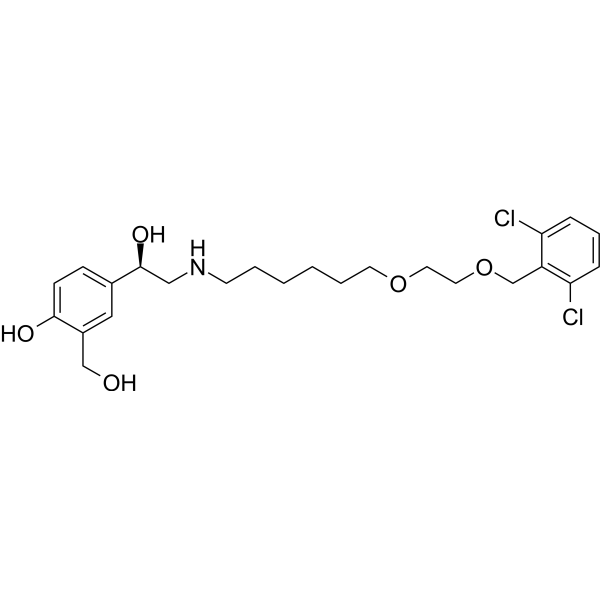
    Vilanterol (GW642444) is a long-acting β2 adrenergic receptor agonist. Vilanterol has pEC50 values for β2-AR, β1-AR, and β3-AR of 9.4, 6.4, and 6.1, respectively. Vilanterol selectively activates airway β2 adrenergic receptors, increases cAMP and thus relaxes bronchial smooth muscle. Vilanterol can be used in asthma research [3][5].
    Vilanterol
  • HY-171978

    Adrenergic Receptor Cardiovascular Disease
    LM-189 is a β2-adrenergic receptor 2AR) ligand and G protein-biased modulator with a human β2AR Ki of 0.063 nM.LM-189 promotes β2AR coupling to Gαs and Gαi heterotrimers, stabilizes distinct β2AR conformations including a TM6 outward state, and increases β2AR ICL2 dynamics.LM-189 restricts β2AR ligand-binding pocket conformational heterogeneity, stabilizes polar ligand-receptor interaction networks, and exhibits bias toward Gαi signaling over Gαs signaling.LM-189 enabled cryo-EM structural characterization of the β2AR-Gi complex.LM-189 can be used for the research of congestive heart failure .
    LM-189
  • HY-171978A

    Adrenergic Receptor Cardiovascular Disease
    LM-189 free base, a G protein alpha subunit I (Gαi)-biased agonist, is a Gαi-biased ligand of β2-adrenergic receptor (β2AR). LM-189 free base stabilizes a distinct conformation in TM6 and increases the dynamics of ICL2. LM-189 free base can be used to develop the Gαi-biased β2AR agonists .
    LM-189 free base
  • HY-B0573S1

    Adrenergic Receptor Neurological Disease Endocrinology
    Propranolol-d7 (ring-d7) is the deuterium labeled Propranolol hydrochloride. Propranolol hydrochloride is a nonselective β-adrenergic receptor (βAR) antagonist, has high affinity for the β1AR and β2AR with Ki values of 1.8 nM and 0.8 nM, respectively . Propranolol hydrochloride inhibits [3H]-DHA binding to rat brain membrane preparation with an IC50 of 12 nM [2]. Propranolol hydrochloride is used for study of hypertension, pheochromocytoma, myocardial infarction, cardiac arrhythmias, angina pectoris, and hypertrophic cardiomyopathy .
    Propranolol-d7 (ring-d7)
  • HY-B1421

    LY031537

    Adrenergic Receptor Trace Amine-associated Receptor (TAAR) Metabolic Disease
    Ractopamine hydrochloride (LY031537) is a potent and orally active β-adrenergic receptor (βAR) agonist with Kd value of ~25 nM for pig β1AR and β2AR. Ractopamine hydrochloride also is a mTAAR1 agonist with an EC50 of 16 μM. Ractopamine hydrochloride promotes muscle mass development, limits fat deposition, reduces feed consumption, increases total cellular protein synthesis, and improves growth rate and feed efficiency in finishing swine. Ractopamine hydrochloride can be used for researching to increase lean tissue growth and improve production efficiency in pigs [2] .
    Ractopamine hydrochloride
  • HY-B0010D
    Arformoterol tartrate
    1 Publications Verification

    (R,R)-Formoterol tARtrate

    Adrenergic Receptor Inflammation/Immunology
    Arformoterol ((R,R)-Formoterol) tartrate, the (R,R)-enantiomer of Formoterol, is a long-acting β2-adrenergic receptor (β2-AR) agonist, with a Kd of 2.9 nM. Arformoterol tartrate can be used for the research of chronic obstructive pulmonary disease (COPD) [2].
    Arformoterol tartrate
  • HY-136960

    Adrenergic Receptor Others
    β2AR antagonist 1 is a potent β2-adrenergic receptor (β2AR) inhibitor. β2AR antagonist 1 exhibits high selectivity for β2AR over β1AR, vasopressin receptor type 2, and angiotensin type 1 receptor. β2AR antagonist 1 stabilizes the inactive conformation of β2AR and interferes with its coupling to G proteins and β-arrestins .
    β2AR antagonist 1
  • HY-B0573BS

    Adrenergic Receptor Cardiovascular Disease Neurological Disease Endocrinology
    Propranolol-d7 is the deuterium labeled Propranolol. Propranolol is a nonselective β-adrenergic receptor (βAR) antagonist, has high affinity for the β1AR and β2AR with Ki values of 1.8 nM and 0.8 nM, respectively . Propranolol inhibits [3H]-DHA binding to rat brain membrane preparation with an IC50 of 12 nM [2]. Propranolol is used for the study of hypertension, pheochromocytoma, myocardial infarction, cardiac arrhythmias, angina pectoris, and hypertrophic cardiomyopathy .
    Propranolol-d7
  • HY-B0573S

    Adrenergic Receptor Cardiovascular Disease Neurological Disease Endocrinology
    Propranolol-d7 (hydrochloride) is a deuterium labeled Propranolol hydrochloride. Propranolol hydrochloride is a nonselective β-adrenergic receptor (βAR) antagonist, has high affinity for the β1AR and β2AR with Ki values of 1.8 nM and 0.8 nM, respectively . Propranolol hydrochloride inhibits [3H]-DHA binding to rat brain membrane preparation with an IC50 of 12 nM [2]. Propranolol hydrochloride is used for the study of hypertension, pheochromocytoma, myocardial infarction, cardiac arrhythmias, angina pectoris, and hypertrophic cardiomyopathy .
    Propranolol-d7 hydrochloride
  • HY-B1037S2

    Albuterol-d9; AH-3365-d9

    Isotope-Labeled Compounds ERK Adrenergic Receptor Inflammation/Immunology Cancer
    Salbutamol-d9 (Albuterol-d9) is the deuterium labeled Salbutamol (HY-B1037). Salbutamol (Albuterol) is an orally active short-acting β2-adrenergic receptor agonist. Salbutamol promotes tumorigenesis in gastric cancer cells through the β2-AR/ERK/EMT pathway. Salbutamol can relax bronchial smooth muscle and is used to study bronchospasm induced by asthma and chronic obstructive pulmonary disease [2].
    Salbutamol-d9
  • HY-B1037S

    Albuterol-d3; AH-3365-d3

    Isotope-Labeled Compounds ERK Adrenergic Receptor Inflammation/Immunology Cancer
    Salbutamol-d3 (Albuterol-d3) is the deuterium labeled Salbutamol (HY-B1037). Salbutamol (Albuterol) is an orally active short-acting β2-adrenergic receptor agonist. Salbutamol promotes tumorigenesis in gastric cancer cells through the β2-AR/ERK/EMT pathway. Salbutamol can relax bronchial smooth muscle and is used to study bronchospasm induced by asthma and chronic obstructive pulmonary disease [2].
    Salbutamol-d3
  • HY-B0010A
    Arformoterol
    1 Publications Verification

    (R,R)-Formoterol

    Adrenergic Receptor Inflammation/Immunology
    Arformoterol ((R,R)-Formoterol), the (R,R)-enantiomer of Formoterol, is a long-acting β2-adrenergic receptor (β2-AR) agonist, with a Kd of 2.9 nM. Arformoterol can be used for the research of chronic obstructive pulmonary disease (COPD) [2].
    Arformoterol
  • HY-W015061R

    Reference Standards Adrenergic Receptor Apoptosis Endogenous Metabolite Cardiovascular Disease Metabolic Disease
    Phenylacetylglycine (Standard) is the analytical standard of Phenylacetylglycine. This product is intended for research and analytical applications. Phenylacetylglycine is a gut microbial metabolite that can activate β2AR. Phenylacetylglycine protects against cardiac injury caused by ischemia/reperfusion .
    Phenylacetylglycine (Standard)
  • HY-W341547

    Adrenergic Receptor Inflammation/Immunology
    3,4-Dihydro-6,7-isoquinolinediol (compound 7) is a β2-AR agonist with an EC50 of 106.9 μM in CH-K1/GA1S cells. 3,4-Dihydro-6,7-isoquinolinediol can also inhibit the production of NO in mouse macrophage RAW 264.7 cells induced by lipopolysaccharide, showing anti-inflammatory activity .
    3,4-Dihydro-6,7-isoquinolinediol
  • HY-14301AR

    BI1744 hydrochloride (StandARd)

    Reference Standards Adrenergic Receptor Inflammation/Immunology Endocrinology
    Olodaterol (hydrochloride) (Standard) is the analytical standard of Olodaterol (hydrochloride). This product is intended for research and analytical applications. Olodaterol (BI1744) hydrochloride is a selective, long acting β2-adrenoceptor 2-AR) agonist (EC50=0.1 nM and pKi= 9.14 for human β2-adrenoceptor, respectively). Olodaterol can be used for chronic obstructive pulmonary disease (COPD) and pulmonary fibrosis [2] .
    Olodaterol hydrochloride (Standard)
  • HY-B0573R

    Reference Standards Adrenergic Receptor Bacterial Neurological Disease Endocrinology Cancer
    Propranolol (hydrochloride) (Standard) is the analytical standard of Propranolol (hydrochloride). This product is intended for research and analytical applications. Propranolol hydrochloride is a nonselective β-adrenergic receptor (βAR) antagonist, has high affinity for the β1AR and β2AR with Ki values of 1.8 nM and 0.8 nM, respectively . Propranolol hydrochloride inhibits [ 3H]-DHA binding to rat brain membrane preparation with an IC50 of 12 nM [2]. Propranolol hydrochloride is used for study of hypertension, pheochromocytoma, myocardial infarction, cardiac arrhythmias, angina pectoris, and hypertrophic cardiomyopathy .
    Propranolol hydrochloride (Standard)
  • HY-B1037R

    Albuterol (StandARd); AH-3365 (StandARd)

    Reference Standards Adrenergic Receptor ERK Inflammation/Immunology Cancer
    Salbutamol (Standard) is the analytical standard of Salbutamol. This product is intended for research and analytical applications. Salbutamol (Albuterol) is a short-acting beta-2 adrenergic receptor agonist with oral activity. Salbutamol promotes tumorigenesis of gastric cancer cells through the β2-AR/ERK/EMT pathway. Salbutamol is used to study bronchospasms caused by asthma and chronic obstructive pulmonary disease (COPD) [2].
    Salbutamol (Standard)
  • HY-B1276A

    Orciprenaline

    Adrenergic Receptor Cardiovascular Disease Inflammation/Immunology Endocrinology
    Metaproterenol (Orciprenaline) is a direct-acting sympathomimetic and a β2-adrenergic receptor (β2AR) agonist with an IC50 of 68 nM. Metaproterenol also has anti-inflammatory activity [2].
    Metaproterenol
  • HY-N0166R
    Gramine (Standard)
    4 Publications Verification

    Donaxine (StandARd)

    Reference Standards Adrenergic Receptor Reverse Transcriptase Infection Metabolic Disease Endocrinology Cancer
    Gramine (Standard) is the analytical standard of Gramine. This product is intended for research and analytical applications. Gramine (Donaxine) is an alkaloid, acts as an active adiponectin receptor (AdipoR) agonist, with IC50s of 3.2 and 4.2 μM for AdipoR2 and AdipoR1, respectively . Gramine is also a human and mouse β2-Adrenergic receptor (β2-AR) agonist [2]. Gramine (Donaxine) has anti-tumor, anti-viral and anti-inflammatory properties .
    Gramine (Standard)
  • HY-148524

    mAChR Adrenergic Receptor Cardiovascular Disease
    β2AR/M-receptor agonist-1 (example 131) is a muscarinic antagonist and β2 adrenoceptor agonist (MABA). β2AR/M-receptor agonist-1 shows potency to β2 adrenoceptor with an EC50 value of 9.2 nM. β2AR/M-receptor agonist-1 also has potency to muscarinic receptor with a Ki value of 30.2 nM. β2AR/M-receptor agonist-1 shows MABA potency with an EC50 value of 4.0 nM .
    β2AR/M-receptor agonist-1
  • HY-148525

    β2AR/M-receptor agonist-2

    mAChR Adrenergic Receptor Cardiovascular Disease Inflammation/Immunology
    β2AR/M-receptor agonist-2 (compound 15) is a muscarinic antagonist and β2 adrenoceptor agonist (MABA). β2AR/M-receptor agonist-2 shows potency to β2 adrenoceptor with an EC50 value of 3.7 nM. β2AR/M-receptor agonist-2 also has potency to human cloned M3 receptor with a Ki value of 0.73 nM. β2AR/M-receptor agonist-2 is a potent bronchodilator, it can be used for the research of chronic obstructive pulmonary disease (COPD) .
    PF-4348235
  • HY-101393A

    (±)-CGP 12177 hydrochloride

    Adrenergic Receptor Cardiovascular Disease Metabolic Disease
    CGP 12177 ((±)-CGP 12177) hydrochloride is a β-Adrenergic receptor (β-AR) ligand. CGP 12177 hydrochloride is a β3-AR (Ki = 88 nM) agonist with β12-AR (Ki = 0.9 nM for β1; Ki = 4 nM for β2) antagonist action. CGP 12177 hydrochloride exhibits partial agonist properties for α1-AR in rat pulmonary artery. CGP 12177 hydrochloride regulates the expression of ucp and leptin genes in NMRI mice adipose tissues. CGP 12177 hydrochloride can be used for cardiovascular and metabolic disease research [1][2][3][4].
    CGP 12177 hydrochloride
  • HY-148533

    mAChR Adrenergic Receptor Neurological Disease
    β2AR agonist /M-receptor antagonist-1 is a potent dual muscarinic antagonist/beta 2 agonist (MABA). β2AR agonist /M-receptor antagonist-1 potently relaxes either Carbachol?(HY-B1208)-induced contraction, in the absence (MABA) or presence of Propranolol?(HY-B1208), or Histamine(HY-B1204)-induced contraction (β2) [2].
    β2AR agonist /M-receptor antagonist-1
  • HY-179226

    Molecular Glues Adrenergic Receptor Inflammation/Immunology
    AP-7-168, molecular glues, is a β-arrestin-biased negative allosteric modulator of the β2-adrenergic receptor (β2AR). AP-7-168 can promote β2AR homodimerization and inhibit GRK5-mediated β2AR phosphorylation. AP-7-168 can sustain bronchorelaxation in cell and tissue. AP-7-168 can be used for the researches of inflammation and immunology, such as asthma .
    AP-7-168
  • HY-B1001A

    EcARazine hydrochloride

    Adrenergic Receptor Cardiovascular Disease Endocrinology
    Todralazine hydrochloride (Ecarazine hydrochloride) is an anti-hypertensive agent, acts as a β2AR blocker, with antioxidant and free radical scavenging activity .
    Todralazine hydrochloride
  • HY-B0010AS

    Isotope-Labeled Compounds Adrenergic Receptor Inflammation/Immunology
    Formoterol-d3 is deuterium labeled Arformoterol. Arformoterol ((R,R)-Formoterol), the (R,R)-enantiomer of Formoterol, is a long-acting β2-adrenergic receptor (β2-AR) agonist, with a Kd of 2.9 nM. Arformoterol can be used for the research of chronic obstructive pulmonary disease (COPD) [2].
    Formoterol-d3
  • HY-148361

    FAP Others
    Fluorogen binding modulator-1 (PubChem SID 125240934) is a fluorogen activating protein (FAP)-fluorogen binding modulator with -log EC50s of 6.61 and 6.37 for AM2.2-β2AR and AM2.2-GPR32, respectively .
    Fluorogen binding modulator-1
  • HY-157796

    Adrenergic Receptor Metabolic Disease
    β2AR agonist 4 (compound A19) is a potent and selective β2-Adrenoceptor agonist with an EC50 of 3.7 pM. β2AR agonist 4 suppresses the inflammatory cytokines and leukocytes upregulation and improves lung function in COPD rat model .
    β2AR agonist 4
  • HY-W015061S

    2-(2-Phenylacetamido)acetic acid-d5

    Adrenergic Receptor Apoptosis Endogenous Metabolite Cardiovascular Disease
    N-(Phenylacetyl-d5)glycine is the deuterium labeled Phenylacetylglycine. Phenylacetylglycine is a gut microbial metabolite that can activate β2AR. Phenylacetylglycine protects against cardiac injury caused by ischemia/reperfusion [2].
    N-(Phenylacetyl-d5)glycine
  • HY-148526

    Adrenergic Receptor mAChR Metabolic Disease
    β2AR/M3-receptor agonist-1 (example 9) is a potent β2AR and M3 receptor agonist. β2AR/M3-receptor agonist-1 shows M3 receptor affinity with a pIC50 value of 9.3. β2AR/M3-receptor agonist-1 has the potential for the research of respiratory tract disorders .
    β2AR/M3-receptor agonist-1
  • HY-B1276R

    Metaproterenol sulfate (StandARd)

    Reference Standards Adrenergic Receptor Cardiovascular Disease Inflammation/Immunology Endocrinology
    Metaproterenol (hemisulfate) (Standard) is the analytical standard of Metaproterenol (hemisulfate). This product is intended for research and analytical applications. Metaproterenol hemisulfate (Orciprenaline hemisulfate) is a direct-acting sympathomimetic and a β2-adrenergic receptor (β2AR) agonist with an IC50 of 68 nM. Metaproterenol hemisulfate also has anti-inflammatory activity [2].
    Metaproterenol hemisulfate (Standard)
  • HY-149728

    Adrenergic Receptor Metabolic Disease
    β2AR agonist 3 (compound 9a) is a β2-adrenergic receptor (β2AR) agonist. β2AR agonist 3 can be used for type 2 diabetes research .
    β2AR agonist 3

Inquiry Online

Your information is safe with us. * Required Fields.

Salutation


Country or Region *

Applicant Name *


Organization Name *

Department *


Email Address *


Product Name *

Cat. No.


Requested quantity *

Phone Number *


Remarks

Inquiry Online

Inquiry Information

Product Name:
Cat. No.:
Quantity:
MCE Japan Authorized Agent:

