
Search Result
Results for "
AIN
" in MedChemExpress (MCE) Product Catalog:
1
Biochemical Assay Reagents
2
Isotope-Labeled Compounds
| Cat. No. |
Product Name |
Target |
Research Areas |
Chemical Structure |
-
- HY-114153C
-
|
|
c-Fms
|
Neurological Disease
|
|
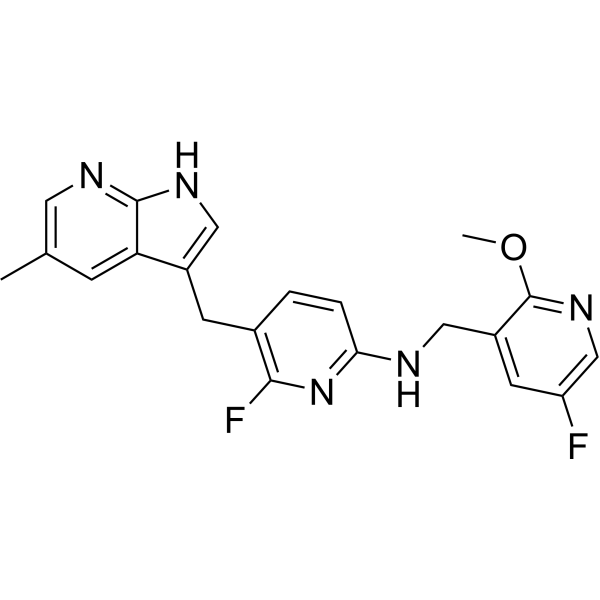
PLX5622 in AIN-76A Diet (1200 ppm) contains 1200 mg of PLX5622 (HY-114153) per Kg of AIN-76 diet and it can be used for microglia clearance. PLX5622 in AIN-76A Diet (1200 ppm) is ideal choose for microglia function research in healthy/diseased states. PLX5622 in AIN-76A Diet (1200 ppm) has been verified by MedChemExpress (MCE).The color of PLX5622 in AIN-76A Diet (1200 ppm) provided by MCE is blue. Meanwhile, MCE will provide an equal amount of PLX5622-Free AIN-76A Diet (no added pigments) as a complimentary offering, which is used for the control group.
|
-
-
- HY-P9927
-
|
AIN457
|
Interleukin Related
|
Inflammation/Immunology
Cancer
|
|
Secukinumab (AIN457) is a high affinity, human monoclonal antibody targeted against interleukin (IL)-17A. Secukinumab is the first-in-class anti-IL-17 agent used for the research of plaque psoriasis, ankylosing spondylitis and psoriatic arthritis .
|
-
-
- HY-144433
-
|
|
DNA Methyltransferase
|
Infection
|
|
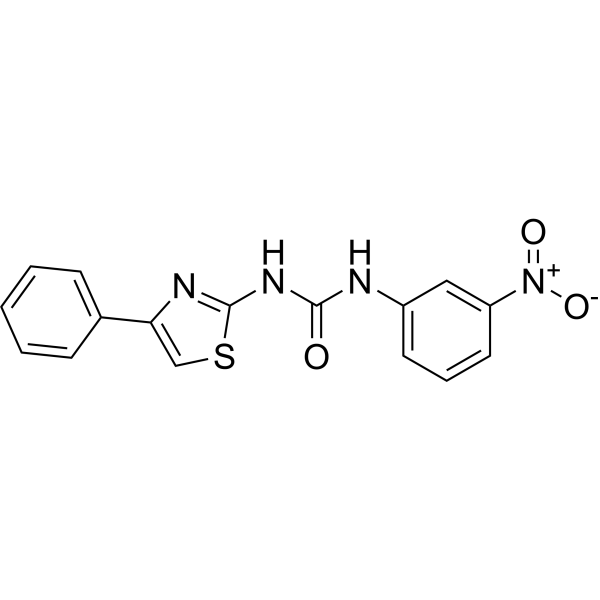
DNMT3A-IN-1 (compound 1) is an effective and selective DNMT3A inhibitor. DNMT3A-IN-1 exhibits inhibitory activity against DNMT3A, with KI values ranging from 9.16 to 18.85 μM (AdoMet) and 11.37 to 23.34 μM (poly dI-dC). DNMT3A-IN-1 can induce apoptosis in acute myeloid leukemia (AML) cell lines (Apoptosis) .
|
-
-
- HY-147066
-
|
|
DYRK
|
Cancer
|
|
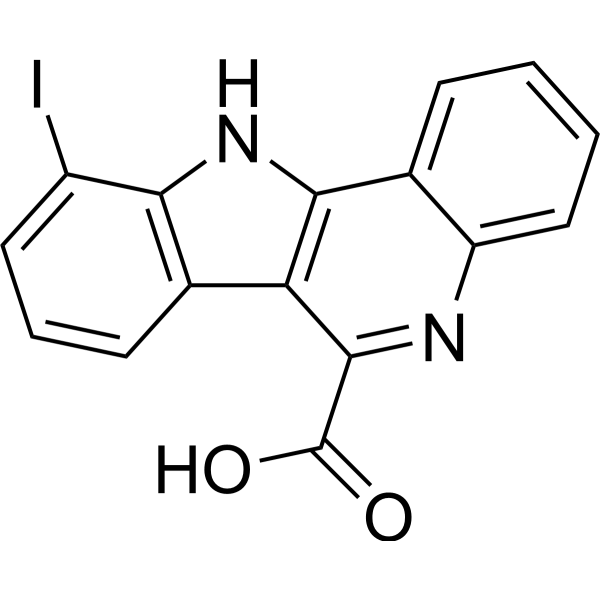
Dyrk1A-IN-4 is a potent and orally active Dyrk1A inhibitor. Dyrk1A-IN-4 exhibits IC50s against DYRK1A and DYRK2 of 2 nM and 6 nM. Dyrk1A-IN-4 exhibits the inhibition of the DYRK1A pSer520 autophosphorylation in U2OS cells with an IC50 of 28 nM. Dyrk1A-IN-4 can be used for the studies of ovarian adenocarcinoma, neuroblastoma and cervical squamous cell carcinoma .
|
-
-
- HY-176842
-
-
-
- HY-148447
-
|
|
Eukaryotic Initiation Factor (eIF)
|
Cancer
|
|
eIF4A-IN-3, Silvestrol (HY-13251) analogue, is an eIF4A inhibitor. eIF4A-IN-3 blocks protein translation initiation by interfering with eIF4F complex assembly, preferentially inhibiting translation of mRNAs with long, highly structured 5'-untranslated regions. eIF4A-IN-3 inhibits proliferation of human breast cancer cells. eIF4A-IN-3 has moderate apical to basolateral permeability in intestinal cell monolayers and a low efflux ratio .
|
-
-
- HY-172997
-
|
|
iGluR
|
Neurological Disease
|
|
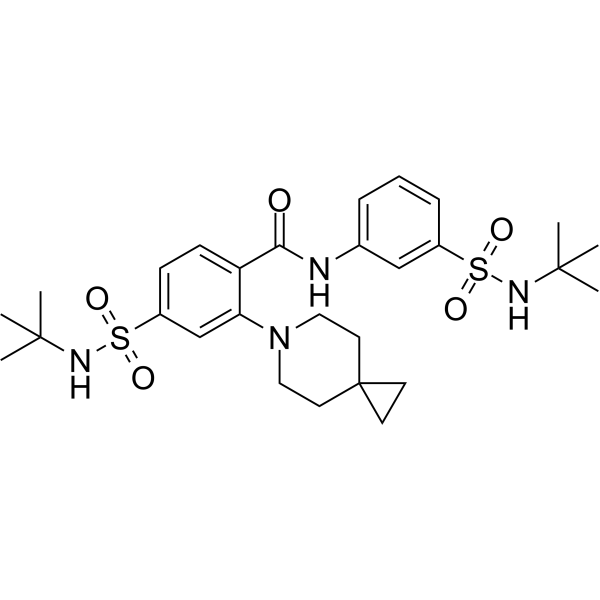
GluN1/3A-IN-1 (Compound GM-10) is a GluN1/GluN3A NMDA receptor inhibitor. GluN1/3A-IN-1 exhibits potent inhibitory activity against GluN1/GluN3A (IC50: 0.98 µM). GluN1/3A-IN-1 exerts its inhibitory effect by targeting the pre-M1 region and forming hydrogen bond interactions with key residues. GluN1/3A-IN-1 can be used to study GluN1/GluN3A-related neurological diseases .
|
-
-
- HY-D1474
-
|
|
Wnt
|
Cancer
|
|
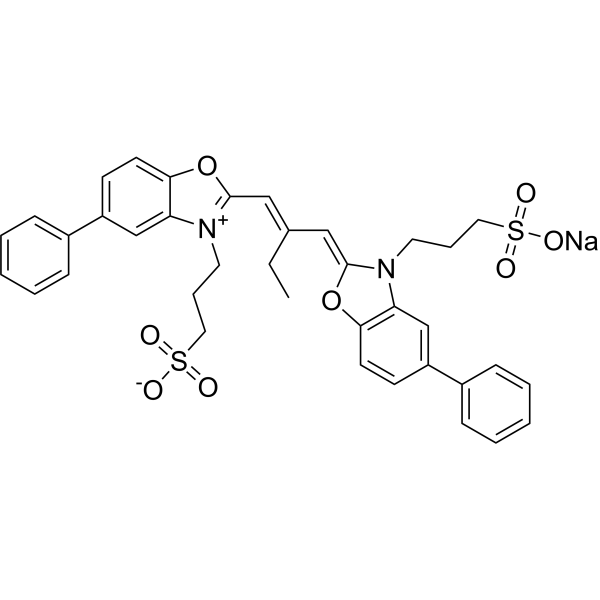
WNT7A-IN-1 sodium (1365-0109), a WNT7A inhibitor, disrupts the protein-protein interaction between WNT7A and its receptor FZD5, resulting in the upregulation of MHC-I expression. WNT7A-IN-1 sodium significantly increases the expression of MHC-I and p-p65,while concurrently reducing the expression of active β-catenin . WNT7A-IN-1 sodium (compound F) is also a photographic sensitizer in the green spectral region .
|
-
-
- HY-146221
-
|
|
DYRK
|
Neurological Disease
|
|
Dyrk1A-IN-5 (Compound 5j) is a potent and selective DYRK1A inhibitor, with an IC50 of 6 nM. yrk1A-IN-5 exhibits significant selectivity for DYRK1B (IC50 = 600 nM) and CLK1 (IC50 = 500 nM), but shows almost no inhibition of DYRK2 (IC50 > 10 μM). Dyrk1A-IN-5 can be used for Down syndrome research .
|
-
-
- HY-141890
-
|
|
Epigenetic Reader Domain
|
Cancer
|
|
BAZ1A-IN-1 is a potent inhibitor of BAZ1A (bromodomain-containing protein). BAZ1A-IN-1 shows a KD value of 0.52 μM against BAZ1A bromodomain. BAZ1A-IN-1 shows good anti-viability activity against cancer cell lines expressing a high level of BAZ1A, but weak or no activity against cancer cells with a low expression level of BAZ1A .
|
-
-
- HY-176844
-
|
|
ADC Payload
Drug Intermediate
|
Cancer
|
|
eIF4A-IN-1 intermediate (Compound 71E) is an intermediate of Eukaryotic translation initiation factor 4A (eIF4A) inhibitor. eIF4A-IN-1 intermediate can be used as a cytotoxic payload for synthesis of antibody-drug conjugates (ADCs) .
|
-
-
- HY-170411
-
|
|
Wnt
|
Cancer
|
|
WNT7A-IN-1 (1365-0109), a WNT7A inhibitor, disrupts the protein-protein interaction between WNT7A and its receptor FZD5, resulting in the upregulation of MHC-I expression. WNT7A-IN-1 significantly increases the expression of MHC-I and p-p65,while concurrently reducing the expression of active β-catenin. WNT7A-IN-1 (compound F) is also a photographic sensitizer in the green spectral region .
|
-
-
- HY-170788
-
|
|
Phosphodiesterase (PDE)
|
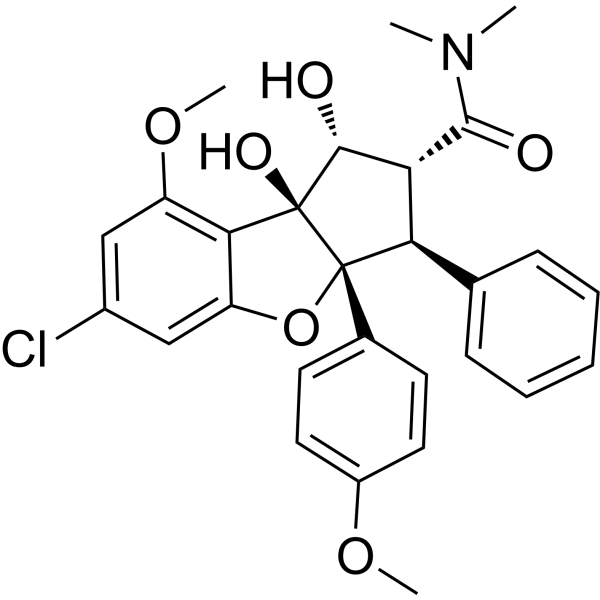
Metabolic Disease
|
|
PDE7A-IN-1 is an orally active and selective PDE7A inhibitor with an IC50 of 0.0037 μM against PDE7A. PDE7A-IN-1 shows excellent isozyme selectivity over PDE7B. PDE7A-IN-1 elevates intracellular cAMP levels, suppresses ECR5 enhancer activity and reduces sclerostin expression. PDE7A-IN-1 significantly increases bone mineral density in rats. PDE7A-IN-1 can be used for the study of osteoporosis .
|
-
-
- HY-162937
-
|
|
Kinesin
Microtubule/Tubulin
|
Cancer
|
|
KIF18A-IN-13 (Compound 16) is an effective and orally active inhibitor of KIF18A with anticancer activity in vivo. KIF18A-IN-13 can be utilized for research in ovarian cancer .
|
-
-
- HY-164220
-
|
|
Phosphatase
Bacterial
|
Infection
|
|
PPM1A-IN-1 (Compound IV-4) is an inhibitor for PP2C Ser/Thr phosphatase protein phosphatase Mg2+/Mn2+-dependent 1A. PPM1A-IN-1 exhibits antibacterial activity against Mycobacterium tuberculosis .
|
-
-
- HY-W969907
-
|
|
GSK-3
|
Others
|
|
GSK3a-IN-38 is a groundbreaking small molecule that effectively inhibits GSK-3a activity.
|
-
-
- HY-175442
-
|
|
iGluR
|
Neurological Disease
|
|
GluN1/3A-IN-2 (Compound DD-1) is a selective GluN1/GluN3A NMDA receptor inhibitor with an IC50 of 1.26 μM for GluN1/GluN3A NMDA receptor. GluN1/3A-IN-2 can be used for neurological and psychiatric disorders research .
|
-
-
- HY-147060
-
|
|
DYRK
|
Neurological Disease
|
|
Dyrk1A-IN-3 (Compound 8b), a highly selective dual-specificity tyrosine-regulated kinase 1A (DYRK1A) inhibitor, maintains high levels of DYRK1A binding affinity (IC50=76 nM). Dyrk1A-IN-3 can be used for the research of neurodegenerative disorders such as Alzheimer’s Disease, Huntington’s Disease, and Parkinson’s Disease .
|
-
-
- HY-44062
-
|
|
Histone Methyltransferase
|
Inflammation/Immunology
Cancer
|
|
G9a-IN-1 (Compound 113) is a G9a protein inhibitor. G9A/EHMT2 is a nuclear histone lysine methyltransferase that catalyzes histone H3 lysine 9 dimethylation (H3K9me2), which is a reversible modification generally associated with transcriptional gene silencing. G9a-IN-1 can be used for the research of autoimmune disorders or cancer .
|
-
-
- HY-145802
-
|
|
Kinesin
Microtubule/Tubulin
|
Cancer
|
|
KIF18A-IN-2 is a potent KIF18A inhibitor (IC50=28 nM). KIF18A-IN-2 causes significant mitotic arrest and increases the number of mitotic cells in tumor tissues. KIF18A-IN-2 can be used for researching cancer .
|
-
-
- HY-162994
-
-
-
- HY-176402
-
-
-
- HY-157478
-
|
|
Casein Kinase
|
Infection
|
|
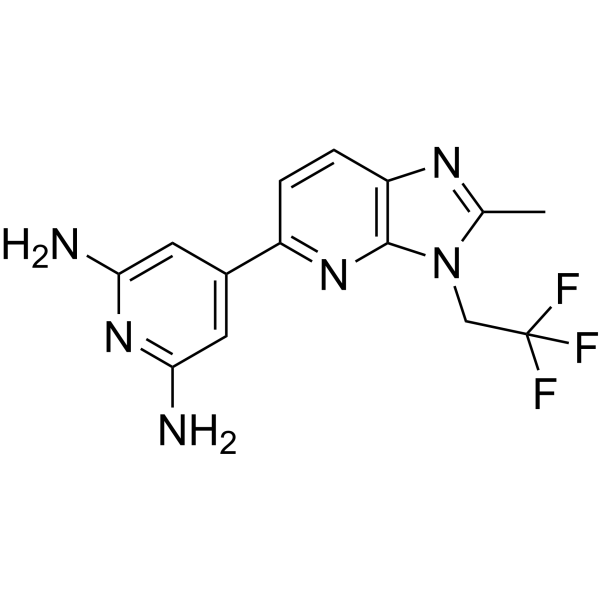
CSNK2A-IN-1 (compound 7C) is a selective CSNK2A inhibitor. CSNK2A-IN-1 has antiviral activity and improved selectivity over PIM3 .
|
-
-
- HY-W231513
-
|
|
MASTL
Ser/Thr Protease
Aurora Kinase
|
Cancer
|
|
MASTL/Aurora A-IN-1 (Compound MA4) is a dual inhibitor of MASTL and Aurora A kinases with IC50 values of 0.56 μM and 0.16 μM, respectively. MASTL/Aurora A-IN-1 has broad-spectrum anticancer activity and has potent anticancer activity against SR (leukemia), K-562 (leukemia), MDA-MB-435 (melanoma), MOLT-4 (leukemia), and SK-MEL-2 (melanoma) cell lines in NCI-60 cancer cell lines with GI50 values of 0.023, 0.032, 0.037, 0.044, and 0.051 μM, respectively. MASTL/Aurora A-IN-1 inhibits Aurora A and MASTL kinases, inducing cell cycle G2/M arrest, thereby inhibiting cancer cell proliferation. MASTL/Aurora A-IN-1 can be used in cancer research, especially for tumors with dysregulated mitosis .
|
-
-
- HY-145803
-
|
|
Kinesin
Microtubule/Tubulin
|
Cancer
|
|
KIF18A-IN-3 is a potent KIF18A inhibitor (IC50=61 nM). KIF18A-IN-3 causes significant mitotic arrest and increases the number of mitotic cells in tumor tissues. KIF18A-IN-3 can be used for researching cancer .
|
-
-
- HY-176843
-
-
-
- HY-146201
-
|
|
Phosphodiesterase (PDE)
5-HT Receptor
|
Neurological Disease
|
|
PDE4B/7A-IN-1 is a dual PDE4B/PDE7A inhibitor. PDE4B/7A-IN-1 shows IC50 values of 69.0 μM for PDE4B and 57.0 μM for PDE7A, as well as Ki values of 539 nM for 5-HT1A and 328 nM for 5-HT7. PDE4B/7A-IN-1 shows favorable membrane permeability. PDE4B/7A-IN-1 can be used for the study of cognitive impairment and depression .
|
-
-
- HY-139830
-
|
|
DYRK
|
Neurological Disease
|
|
Dyrk1A-IN-1 is a triple inhibitor of Dyrk1A kinase activity (IC50 = 119 nM) and the aggregation of tau and α-syn oligomers.
|
-
-
- HY-178511
-
|
|
Kinesin
|
Cancer
|
|
KIF18A-IN-17 (Example 37A) is a KIF18A inhibitor with racemic form with an IC50 of 48 nM. KIF18A-IN-17 exhibits anti-proliferative activity against HT29 cells. KIF18A-IN-17 can be used for the study of cancers such as breast cancer and ovarian cancer .
|
-
-
- HY-178378
-
|
|
Histone Methyltransferase
GLP Receptor
Reactive Oxygen Species (ROS)
Autophagy
Apoptosis
|
Cancer
|
|
G9a-IN-4 is a G9a inhibitor with high selectivity (IC50 = 32 nM). G9a-IN-4 shows high selectivity against the other tested lysine/arginine methyltransferases. G9a-IN-4 exhibits high enzymatic activity against G9a and more potent antiproliferative effects against all tested cancer cells. G9a-IN-4 significantly suppresses the H3K9me2 level. G9a-IN-4 triggers autophagy by inducing the production of ROS, thus leading to cell apoptosis and cell cycle arrest at G0/G1 in CT26 colon cells. G9a-IN-4 can be used for the study of colon cancer .
|
-
-
- HY-175834
-
|
|
Topoisomerase
Reactive Oxygen Species (ROS)
Apoptosis
Microtubule/Tubulin
|
Cancer
|
|
DNA/TOP2A-IN-1 is an inhibitor of DNA and TOP2A. DNA/TOP2A-IN-1 selectively binds to TOP2A, not TOP2B, and interacts with DNA and TOP2A to form a stable DM1-TOP2A-DNA ternary complex. DNA/TOP2A-IN-1 induces DNA damage, increases reactive oxygen species (ROS) and triggers apoptosis in triple-negative breast cancer (TNBC) cells. DNA/TOP2A-IN-1 disrupts microtubule distribution and induces cell cycle arrest. DNA/TOP2A-IN-1 shows strong antiproliferative activity and inhibits cell migration. DNA/TOP2A-IN-1 inhibits tumor growth and can be used for TNBC research .
|
-
-
- HY-162010
-
|
|
Methionine Adenosyltransferase (MAT)
|
Cancer
|
|
MAT2A-IN-13 is a potent and orally active methionine adenosyltransferase 2A (MAT2A) inhibitor with a favorable pharmacokinetic profile. MAT2A-IN-13 shows in vivo potency in an HCT-116 MTAP-deleted xenograft model. MAT2A-IN-13 can be used for MTAP-Deleted tumors research .
|
-
-
- HY-178343
-
|
|
Aurora Kinase
Apoptosis
|
Cancer
|
|
Aurora A-IN-5 is a potent and highly selective Aurora A inhibitor (IC50 = 0.02 μM), showing 362-fold selectivity for over Aurora B. Aurora A-IN-5 shows its selectivity through unique C−H/π interactions, enhanced hydrophobic contacts, an open binding pocket, and tighter protein packing. Aurora A-IN-5 suppresses Aurora A autophosphorylation, thereby inhibiting cancer cell proliferation by inducing G2/M phase arrest, triggering apoptosis, and suppressing colony formation. Aurora A-IN-5 inhibits tumor growth in MDA-MB-231 xenograft mouse models. Aurora A-IN-5 can be used for breast, cervical, prostate, and lymphoma cancer research .
|
-
-
- HY-158386
-
|
|
IRE1
|
Cancer
|
|
IRE1a-IN-1 (Compound 10) is an IRE1α inhibitor, with an IC50 of less than 100 nM for XBP1 mRNA. IRE1a-IN-1 can be used for the research of cancer .
|
-
-
- HY-158159
-
|
|
Interleukin Related
|
Inflammation/Immunology
Cancer
|
|
IL17A-IN-1 (compound 72) is an orally active Interleukin 17A inhibitor. IL17A-IN-1 can be used in the study of inflammatory and autoimmune diseases (plaque psoriasis, psoriatic arthritis, and ankylosing spondylitis, etc.), as well as cancer .
|
-
-
- HY-168265
-
|
|
DYRK
|
Neurological Disease
Cancer
|
|
Dyrk1A-IN-11 (compound 166) is a potent dual-specificity tyrosine phosphorylation- regulated 1A (DYRK1A) inhibitor with an EC50 value of 0.0021 µM. Dyrk1A-IN-11 inhibits the Phospho-Tau (Thr212) with an EC50 value of 0.0361 µM .
|
-
-
- HY-142660
-
-
-
- HY-170500
-
-
-
- HY-170503
-
|
|
Methionine Adenosyltransferase (MAT)
|
Cancer
|
|
MAT2A-IN-20 (Compound A49) is an inhibitor for methionine adenosyltransferase 2A (MAT2A) with an IC50 ≤50 nM. MAT2A-IN-20 inhibits human UGT1A1 with an IC50 of 28.45 μM. MAT2A-IN-20 exhibits antitumor in mouse models .
|
-
-
- HY-158237
-
-
-
- HY-170905S
-
-
-
- HY-158757
-
|
|
Kinesin
Microtubule/Tubulin
|
Cancer
|
|
KIF18A-IN-12 (compound 9) is a KIF18A inhibitor, with an IC50 value of 45.54 nM. KIF18A-IN-12 can be used in cancer research .
|
-
-
- HY-149915
-
-
-
- HY-170940
-
|
|
DYRK
Enterovirus
|
Infection
|
|
Dyrk1A-IN-12 (compound S43) is a Dyrk (Dual specificity tyrosine phosphorylation regulated kinase 1A inhibitor. Dyrk1A-IN-12 inhibits Dyrk1A with a IC50 of 95 nM. Dyrk1A-IN-12 shows anti-EV-A71 activity with an EC50 of 4.4 μM, CC50 of 12.8 μM and SI of 2.9. Dyrk1A-IN-12 shows potent inhibition against herpes simplex virus (HSV) .
|
-
-
- HY-158212
-
|
|
DYRK
|
Neurological Disease
|
|
Dyrk1A-IN-8 (compound 4C) is a potent inhibitor of Dyrk1A , with the IC50 of 209 nM. Dyrk1A-IN-8 plays an important role in neurodegenerative diseases .
|
-
-
- HY-131973
-
|
|
Phosphodiesterase (PDE)
|
Cardiovascular Disease
Metabolic Disease
|
|
PDE10A-IN-2 hydrochloride is a potent, highly selective and orally active phosphodiesterase 10A (PDE10A) inhibitor with an IC50 of 2.8 nM. PDE10A-IN-2 hydrochloride shows selectivity of >3500-fold against other PDE subtypes. PDE10A-IN-2 hydrochloride can be used for pulmonary arterial hypertension (PAH) research .
|
-
-
- HY-179113
-
-
-
- HY-170832
-
|
|
Epigenetic Reader Domain
Potassium Channel
|
Cancer
|
|
Menin–KMT2A-IN-1 (Compound 20) is the inhibitor for menin–KMT2A that binds to menin with an IC50 of 8 nM, and inhibits the interaction between menin and lysine methyltransferase 2A (KMT2A). Menin–KMT2A-IN-1 inhibits hERG with an IC50 of 65 μM. Menin–KMT2A-IN-1 inhibits cell MV4-11 with an IC50 of 74 nM. Menin–KMT2A-IN-1 exhibits good pharmacokinetic characteristics in CD-1 mouse with an orally bioavailability of 74% .
|
-
-
- HY-145827
-
|
|
Kinesin
Microtubule/Tubulin
|
Cancer
|
|
KIF18A-IN-4 is a moderately potent ATP and microtubule (MT) noncompetitive KIF18A inhibitor (IC50=6.16 μM). KIF18A-IN-4 has selectivity against a large panel of mitotic kinesins and kinases, and does not show any direct effects on tubulin assembly. KIF18A-IN-4 exhibits anti-tumor activity .
|
-
-
- HY-161787
-
|
|
Histone Methyltransferase
|
Others
|
|
G9a-IN-2 (Compound 7i) is an inhibitor for histone methyltransferases G9a with IC50 of 0.024 μM. G9a-IN-2 reduces H3K9me2 levels and induces the mRNA expression of γ-globin mRNA. G9a-IN-2 shows the potential in ameliorating sickle cell disease (SCD) .
|
-
- HY-172894
-
-
- HY-158393
-
|
|
IRE1
|
Cancer
|
|
IRE1a-IN-2 (Compound 30) is an IRE1α inhibitor, with an IC50 of over than 200 nM for XBP1 mRNA. IRE1a-IN-2 can be used for the research of cancer .
|
-
- HY-168445
-
|
|
Methionine Adenosyltransferase (MAT)
|
Cancer
|
|
MAT2A-IN-21 (compound 28) is a potent methionine adenosyltransferase 2A (MAT2A) inhibitor with an IC50 of 49 nM. MAT2A-IN-21 selectivity inhibits MTAP-deficient cancer cells .
|
-
- HY-163182
-
|
|
Casein Kinase
|
Infection
|
|
CSNK2A-IN-2 (compound 6c) is a selective CSNK2A inhibitor with antiviral activity. CSNK2A-IN-2 exhibits an inhibitory effect on viral replication and is selective for PIM3 .
|
-
- HY-164980
-
|
|
Kinesin
|
Cancer
|
|
KIF18A-IN-16 (Compound 15) is a fused ring KIF18A inhibitor. KIF18A-IN-16 can be used in oncology (e.g., colon, breast, lung cancer) studies .
|
-
- HY-170906S
-
|
|
Methionine Adenosyltransferase (MAT)
|
Cancer
|
|
MAT2A-IN-23 (compound 39) is a MAT2A inhibitor, with an IC50 of 4 nM. MAT2A-IN-23 inhibits SAM in the HCT-116 (MTAP −/−) and in the HCT-116 WT cell line with IC50s of 3 and 2 nM, respectively. MAT2A-IN-23 inhibits SDMA in the HCT-116 (MTAP −/−) and in the HCT-116 WT cell line with IC50s of 2 and >3000 nM, respectively. MAT2A-IN-23 inhibits HCT-116 (MTAP −/−) cell proliferation with with an IC50 of 47 nM .
|
-
- HY-115982
-
|
|
HCV Protease
|
Infection
|
|
NS5A-IN-3 (Compound 15) is a potent inhibitor of NS5A. NS5A-IN-3 has extremely high potency against HCV genotype 1b, improved activity against genotype 3a (GT 3a) and good metabolic stability. NS5A-IN-3 exhibits a higher resistance barrier than daclatasvir against genotype 1b . NS5A-IN-3 is a click chemistry reagent, it contains an Alkyne group and can undergo copper-catalyzed azide-alkyne cycloaddition (CuAAc) with molecules containing Azide groups.
|
-
- HY-144179
-
|
|
Methionine Adenosyltransferase (MAT)
|
Cancer
|
|
MAT2A-IN-4 is a methionine adenosyltransferase 2A (MAT2A) inhibitor extracted from patent WO2020123395A1 compound 426 . MAT2A-IN-4 can be used for the research of cancer .
|
-
- HY-162107
-
|
|
DYRK
|
Neurological Disease
|
|
Dyrk1A-IN-6 (compound 7cc) is an EGCG-like non-competitive inhibitor of DYRK1A. Dyrk1A-IN-6 can be used to alleviate cognitive defects in Down syndrome models .
|
-
- HY-147760
-
|
|
DYRK
|
Metabolic Disease
|
|
Dyrk1A-IN-2 (Compound 63) is a DYRK1A inhibitor with an EC50 of 37 nM. Dyrk1A-IN-2 exhibits highly potent human β-cell replication-promoting activity and low cytotoxicity .
|
-
- HY-144184
-
|
|
Methionine Adenosyltransferase (MAT)
|
Cancer
|
|
MAT2A-IN-6 is a potent inhibitor of MAT2A. The expression level of MAT2A is abnormally elevated in several types of tumors, including gastric, colon, liver and pancreatic cancers. MAT2A-IN-6 reduces the proliferative activity of MTAP-deficient cancer cells. MAT2A-IN-6 has the potential for the potential for the research of cancer diseases (extracted from patent WO2021254529A1, compound 18) .
|
-
- HY-144185
-
|
|
Methionine Adenosyltransferase (MAT)
|
Cancer
|
|
MAT2A-IN-7 is a potent inhibitor of MAT2A. The expression level of MAT2A is abnormally elevated in several types of tumors, including gastric, colon, liver and pancreatic cancers. MAT2A-IN-7 reduces the proliferative activity of MTAP-deficient cancer cells. MAT2A-IN-7 has the potential for the potential for the research of cancer diseases (extracted from patent WO2021254529A1, compound 24) .
|
-
- HY-144181
-
|
|
Methionine Adenosyltransferase (MAT)
|
Cancer
|
|
MAT2A-IN-5 is a potent inhibitor of MAT2A. The expression level of MAT2A is abnormally elevated in several types of tumors, including gastric, colon, liver and pancreatic cancers. MAT2A-IN-5 reduces the proliferative activity of MTAP-deficient cancer cells. MAT2A-IN-5 has the potential for the potential for the research of cancer diseases (extracted from patent WO2021254529A1, compound 1) .
|
-
- HY-142929
-
|
|
Somatostatin Receptor
|
Cancer
|
|
MAT2A-IN-2 is a potent inhibitor of MAT2A. The expression level of MAT2A is abnormally high in several types of tumors, including gastric, colon, liver and pancreatic cancers. MAT2A-IN-2 reduces the proliferative activity of MTAP-deficient cancer cells. MAT2A-IN-2 has the potential for the research of cancer diseases (extracted from patent WO2020243376A1, compound 172) .
|
-
- HY-142928
-
|
|
Somatostatin Receptor
|
Cancer
|
|
MAT2A-IN-1 is a potent inhibitor of MAT2A. The expression level of MAT2A is abnormally high in several types of tumors, including gastric, colon, liver and pancreatic cancers. MAT2A-IN-1 reduces the proliferative activity of MTAP-deficient cancer cells. MAT2A-IN-1 has the potential for the research of cancer diseases (extracted from patent WO2021139775A1, compound 64) .
|
-
- HY-142930
-
|
|
Somatostatin Receptor
|
Cancer
|
|
MAT2A-IN-3 is a potent inhibitor of MAT2A. The expression level of MAT2A is abnormally high in several types of tumors, including gastric, colon, liver and pancreatic cancers. MAT2A-IN-3 reduces the proliferative activity of MTAP-deficient cancer cells. MAT2A-IN-3 has the potential for the research of cancer diseases (extracted from patent WO2019191470A1, compound 265) .
|
-
- HY-159496
-
|
|
DYRK
|
Metabolic Disease
|
|
Dyrk1A-IN-10 (compound B4) is a DYRK1A inhibitor with antidiabetic activity. Dyrk1A-IN-10 can promote pancreatic β-cell proliferation, increase insulin secretion, and lower blood sugar .
|
-
- HY-158683
-
|
|
Kinesin
Microtubule/Tubulin
|
Cancer
|
|
KIF18A-IN-11 (Compound 13) is a potent KIF18A inhibitor, with IC50 values of less than 100 nM in OVCAR3 and MDA-MB-157 cells. KIF18A-IN-11 can be used for the research of cancer .
|
-
- HY-176465
-
|
|
Carboxylesterase (CES)
|
Inflammation/Immunology
|
|
CES2A-IN-3 (Compound 9d) is a potent serine-targeting covalent human carboxylesterase 2A (hCES2A) inhibitor with an IC50 value of 0.12 nM. CES2A-IN-3 is promising for research of diarrhea and ulcerative colitis .
|
-
- HY-115981
-
|
|
HCV Protease
|
Infection
|
|
NS5A-IN-2 (Compound 33) is a potent inhibitor of NS5A. NS5A-IN-2 has extremely high potency against HCV genotype 1b, improved activity against genotype 3a (GT 3a) and good metabolic stability . NS5A-IN-2 is a click chemistry reagent, it contains an Alkyne group and can undergo copper-catalyzed azide-alkyne cycloaddition (CuAAc) with molecules containing Azide groups.
|
-
- HY-155228
-
-
- HY-U00427
-
|
|
Phosphodiesterase (PDE)
|
Neurological Disease
Cancer
|
|
PDE2A-IN-3 (Example Ic1) is a selective phosphodiesterase 2A (PDE2A) inhibitor with IC50s of 69 nM and 1762 nM for PDE2A and PDE10, respectively. PDE2A-IN-3 can be used for the study of neurological and psychiatric disorders .
|
-
- HY-162531
-
|
|
Kinesin
Microtubule/Tubulin
|
Cancer
|
|
KIF18A-IN-9 (Compound 1) is a potent KIF18A inhibitor, with an IC50 value of 3.8 nM. KIF18A-IN-9 has anticancer activity, with IC50 values of less than 100 nM in OVCAR3 and MDA-MB-157 cells .
|
-
- HY-162532
-
|
|
Kinesin
Microtubule/Tubulin
|
Cancer
|
|
KIF18A-IN-10 (Compound 24) is a potent KIF18A inhibitor, with an IC50 value of 23.8 nM. KIF18A-IN-10 has anticancer activity, with IC50 values of less than 100 nM in OVCAR3 and MDA-MB-157 cells .
|
-
- HY-161298
-
-
- HY-162995
-
-
- HY-155755
-
|
|
Carboxylesterase (CES)
Drug Derivative
|
Cancer
|
|
CES2A-IN-1 (compound 20w) is a potent CES2A inhibitor with an IC50 value of 1.6 nM for human CES2A. CES2A-IN-1, a bysspectin A derivative, shows an approximately 1000-fold improvement over the lead compound bysspectin A .
|
-
- HY-162597
-
|
|
DYRK
|
Neurological Disease
|
|
Dyrk1A-IN-9 (Compound L9) is a moderately active DYRK1A inhibitor (IC50: 1.67 μM). L9 shows neuroprotective activity by regulating the expression of Aβ and phosphorylation of Tau protein. Dyrk1A-IN-9 can be used for research of Alzheimer's disease .
|
-
- HY-173267
-
|
|
Carboxylesterase (CES)
|
Metabolic Disease
Cancer
|
|
CES2A-IN-2 (compound 14n) is an orally active, highly specific, irreversible and covalent CES2A inhibitor with an IC50 of 0.04 nM for human CES2A. CES2A-IN-2 covalently binds to CES2A by specifically targeting the catalytic serine residue (Ser-228). CES2A-IN-2 can significantly ameliorate Irinotecan-triggered gut toxicity (ITGT) without diminishing the anti-tumor effects of Irinotecan (HY-16562) in tumor-bearing mice .
|
-
- HY-164978
-
|
|
Kinesin
|
Cancer
|
|
KIF18A-IN-14 (Compound Example 81) is a KIF18A inhibitor. KIF18A-IN-14 is available in two forms, EX81-A and its enantiomer EX81-B. EX81-A and EX81-B inhibit OVCAR-3 cells viability with IC50s of 0-0.01 μM and 0.01-0.1 μM, respectively. KIF18A-IN-14 can be used in tumor (e.g. colon, breast, lung) studies .
|
-
- HY-162135
-
-
- HY-157995
-
|
|
DYRK
|
Metabolic Disease
Inflammation/Immunology
Cancer
|
|
Dyrk1a-in-7 (Compound 29) is a selective DYRK1A kinase inhibitor, and has good kinase selectivity for CLK1 kinase. The IC50 value of DYRK1A is 28 nM. For CLK2, Kd is 17.5 nM. Dyrk1a-in-7 can be used in the research of cancer, type Ⅱ diabetes and neurological diseases .
|
-
- HY-145375
-
-
- HY-173281
-
|
|
Methionine Adenosyltransferase (MAT)
|
Cancer
|
|
MAT2A-IN-24 (Compound 9) is an inhibitor of methionine adenosyltransferase 2a (MAT2a). The IC50 value for the inhibition of MAT2a is 20 nM, and the IC50 value for the antiproliferative activity against HAP1MTAP–/– cells is 10 nM. MAT2A-IN-24 can be used in the research field of tumor diseases associated with MTAP deficiency .
|
-
- HY-155595
-
|
|
DNA/RNA Synthesis
|
Others
|
|
SNM1A-IN-1 (compound 11a) is an inhibtor of SNM1A (a DNA damage repair enzyme with cytotoxicity) .
|
-
- HY-173360
-
|
|
Phosphodiesterase (PDE)
|
Cardiovascular Disease
|
|
PDE10A-IN-5 (Compound A30) is an inhibitor of phosphodiesterase 10A (PDE10A) with oral activity, and its IC50 value is 3.5 nM. PDE10A-IN-5 exerts the activity of inhibiting pulmonary vascular remodeling by inhibiting PDE10A and activating the cyclic adenosine monophosphate (cAMP)-associated signaling pathway, and can be used for research in the field of pulmonary arterial hypertension .
|
-
- HY-170501
-
-
- HY-170502
-
-
- HY-170421
-
-
- HY-179599
-
|
|
DYRK
EGFR
|
Neurological Disease
Cancer
|
|
Dyrk1A-IN-15 is a selective, brain-penetrant and ATP-competitive Dyrk1A inhibitor with a IC50 of 19 nM. Dyrk1A-IN-15 displays high selectivity across a broad kinase panel (specific for DYRK kinases) with nanomolar potency. Dyrk1A-IN-15 impairs neurosphere self-renewal, cell invasion, and EGFR stability in vitro. Dyrk1A-IN-15 inhibits tumor growth and prolongs survival in vivo. Dyrk1A-IN-15 has potential for glioblastoma (GBM) research .
|
-
- HY-179600
-
|
|
DYRK
EGFR
|
Neurological Disease
Cancer
|
|
Dyrk1A-IN-16 is a selective, brain-penetrant and ATP-competitive Dyrk1A inhibitor with a IC50 of 53 nM. Dyrk1A-IN-16 displays high selectivity across a broad kinase panel (specific for DYRK kinases) with nanomolar potency. Dyrk1A-IN-16 impairs neurosphere self-renewal, cell invasion, and EGFR stability in vitro. Dyrk1A-IN-16 inhibits tumor growth and prolongs survival in vivo. Dyrk1A-IN-16 has potential for glioblastoma (GBM) research .
|
-
- HY-180526
-
|
|
Phosphodiesterase (PDE)
|
Neurological Disease
|
|
PDE2A-IN-2 is a selective and brain-penetrant PDE2A inhibitor (Ki = 5.49 nM and 100 > fold selectivity over other PDE isoforms). The 11C-labeled PDE2A-IN-2 serves as a positron emission tomography (PET) tracer for brain imaging in patients with neurodegenerative diseases. PDE2A-IN-2 educes the radiotracer signal in PDE2A-rich regions in vitro. PDE2A-IN-2 exhibits low binding affinity in vivo. PDE2A-IN-2 can be used for neurodegenerative diseases .
|
-
- HY-180170
-
|
|
Kinesin
|
Cancer
|
|
KIF18A-IN-18 (Compound I) is a KIF18A inhibitor. KIF18A-IN-18 can be used in the research of chromosomally unstable tumors .
|
-
- HY-183568
-
|
|
Methionine Adenosyltransferase (MAT)
|
Cancer
|
|
MAT2A-IN-26 is an orally active MAT2A inhibitor with a human IC50 of 17.53 nM. MAT2A-IN-26 inhibits the enzymatic activity of MAT2A, thereby reducing the levels of S-adenosylmethionine (SAM) and symmetric dimethylarginine (sDMA). MAT2A-IN-26 inhibits the proliferation of MTAP-deficient cancer cells and induces anti-tumor efficacy in xenograft models. MAT2A-IN-26 can be used in non-small cell lung cancer research .
|
-
- HY-120945
-
|
|
Phosphodiesterase (PDE)
|
Neurological Disease
|
|
PDE10A-IN-1 is a phosphodiesterase 10A (PDE10A) inhibitor with an IC50 of 250 nM and the ability to cross the blood-brain barrier. PDE10A-IN-1 can be used in research on neurological disorders such as schizophrenia .
|
-
- HY-180641
-
|
|
Kinesin
|
Cancer
|
|
KIF18A-IN-19 (Compound 1) is an orally active KIF18A inhibitor with an IC50 of <0.1 μM. KIF18A-IN-19 has anti-cancer activity against ovarian cancer .
|
-
- HY-181046
-
|
|
α-synuclein
Bcr-Abl
GSK-3
DYRK
LRRK2
Microtubule/Tubulin
|
Neurological Disease
|
|
Dyrk1A-IN-17 is an orally active and blood-brain barrier-permeable multi-kinase inhibitor. Dyrk1A-IN-17 reduces the excessive phosphorylation of α-synuclein by inhibiting four kinases (ABL1, DYRK1A, GSK3β, and LRRK2) and stabilizing microtubules. Dyrk1A-IN-17 is applicable for research on neurodegenerative diseases such as Parkinson’s disease and Alzheimer’s disease .
|
-
- HY-100014R
-
|
|
Histone Demethylase
Reference Standards
|
Cancer
|
|
KDM5A-IN-1 (Standard) is the analytical standard of KDM5A-IN-1 (HY-100014). This product is intended for research and analytical applications. KDM5A-IN-1 is a potent, orally bioavailable pan-histone lysine demethylases 5 (KDM5) inhibitor with IC50s of 45 nM, 56 nM and 55 nM for KDM5A, KDM5B and KDM5C, respectively, and with an EC50 value of 960 nM for PC9 H3K4Me3. KDM5A-IN-1 is significantly less potent against other KDM5B enzymes (1A, 2B, 3B, 4C, 6A, 7B) .
|
-
- HY-W657887
-
|
|
Histone Methyltransferase
GSK-3
Tau Protein
Amyloid-β
Glucocorticoid Receptor
Androgen Receptor
Adrenergic Receptor
|
Neurological Disease
|
|
GSK-3β/G9a-IN-1 (Compound T2) is an orally active, selective, blood-brain-barrier permeable, competitive G9a (substrate-competitive, IC50: 1.1 μM) and GSK-3β (ATP competitive, IC50: 0.8 μM) inhibitor. GSK-3β/G9a-IN-1 is a potent H3K9me2 inhibitor that reshapes chromatin landscape. GSK-3β/G9a-IN-1 lowers tau phosphorylation, reduces Aβ aggregation. GSK-3β/G9a-IN-1 displays inhibition toward glucocorticoid receptor, androgen receptor, and alpha-2A adrenergic receptor. GSK-3β/G9a-IN-1 also upregulates SAGA complex members such as Eny2 and Sgf29. GSK-3β/G9a-IN-1 markedly improves memory, restores social behaviors, and increases synaptic complexity in late-onset Alzheimer’s disease .
|
-
- HY-108706R
-
|
|
Reference Standards
Histone Demethylase
|
Cancer
|
|
KdM2A/7A-IN-1 (Standard) is the analytical standard of KdM2A/7A-IN-1 (HY-108706). This product is intended for research and analytical applications. KdM2A/7A-IN-1 is a first-in-class, selective and cell-permeable inhibitor of histone lysine demethylases KdM2A/7A, with an IC50 of 0.16 μM for KdM2A, exhibits 75 fold selevtivity over other JmjC lysine demethylases, and is inactive on methyl transferases, and histone acetyl transferases .
|
-
- HY-153065
-
|
|
Kinesin
Microtubule/Tubulin
|
Cancer
|
|
KIF18A-IN-6 (Compound 134) is an orally active KIF18A inhibitor with an IC50 of 0.016 μM against KIF18A microtubule-dependent ATPase activity .
|
-
- HY-123154
-
|
|
Phosphodiesterase (PDE)
|
Others
|
|
PDE10A-IN-4 (compound 38) is a compound used to inhibit schizophrenia. As a PDE10A inhibitor, it is less effective than placebo in inhibiting acute schizophrenia and does not show antipsychotic effect.
|
-
- HY-100014
-
|
|
Histone Demethylase
|
Cancer
|
|
KDM5A-IN-1 is a potent, orally bioavailable pan-histone lysine demethylases 5 (KDM5) inhibitor with IC50s of 45 nM, 56 nM and 55 nM for KDM5A, KDM5B and KDM5C, respectively, and with an EC50 value of 960 nM for PC9 H3K4Me3. KDM5A-IN-1 is significantly less potent against other KDM5B enzymes (1A, 2B, 3B, 4C, 6A, 7B) .
|
-
- HY-146126
-
|
|
HCV Protease
|
Infection
|
|
NS5A-IN-4 (Compound 1.12) is an orally active pan-genotypic hepatitis C virus (HCV) NS5A inhibitor with IC50 values of 1.2, 2296, 4.6, 362, 10.3 and 693 pM against gT1b, gT1a, gT2a, gT3a, gT4a and gT5a . NS5A-IN-4 is a click chemistry reagent, it contains an Alkyne group and can undergo copper-catalyzed azide-alkyne cycloaddition (CuAAc) with molecules containing Azide groups.
|
-
- HY-145034
-
|
|
Kinesin
|
Cancer
|
|
KIF18A-IN-1 is an inhibitor of the mitotic kinesin KIF18A with anti-tumor activity. KIF18A targeted inhibitors may activate mitotic checkpoints and selectively kill chromosomally unstable cancer cells .
|
-
- HY-164979
-
|
|
Kinesin
|
Cancer
|
|
KIF18A-IN-15 (Compound Example 36) is a KIF18A inhibitor, available in two forms, EX36-A and its enantiomer EX36-B, with IC50s of 0.01-0.1 μM, respectively. EX36-A and EX36-B inhibit OVCAR-3 cells viability with IC50s of 0.01-0.1 μM and 0-0.01 μM, respectively. KIF18A-IN-15 can be used in tumor (e.g. colon, breast, lung) studies .
|
-
- HY-108706
-
|
|
Histone Demethylase
|
Cancer
|
|
KDM2A/7A-IN-1 is a first-in-class, selective and cell-permeable inhibitor of histone lysine demethylases KDM2A/7A, with an IC50 of 0.16 μM for KDM2A, exhibits 75 fold selevtivity over other JmjC lysine demethylases, and is inactive on methyl transferases, and histone acetyl transferases .
|
-
- HY-142817
-
|
|
G Protein-coupled Receptor Kinase (GRK)
Aurora Kinase
|
Cancer
|
|
GRK6/Aurora A-IN-1 is a dual inhibitor of G protein-coupled receptor kinase 6 (GRK6)/Aurora A, with IC50 values of 120 nM and 11 nM, respectively. GRK6 is a key kinase required for the survival of multiple myeloma (MM) cells. GRK6-IN-2 has the potential for research on multiple myeloma .
|
-
- HY-136535
-
|
hTrkA-IN-1
|
Trk Receptor
|
Inflammation/Immunology
|
|
Anizatrectinib (hTrkA-IN-1) is a potent and orally active inhibitor of TrkA kinase with an IC50 of 1.3 nM, compound 2 extracted from patent WO2015175788. Anizatrectinib can be used for the study of inflammatory disease, such as prostatitis, pelvic, et al .
|
-
- HY-W099547
-
|
|
Liposome
|
Others
|
|
Dihexadecyl hydrogen phosphateIt is an organic compound belonging to phospholipids. It's often used as an emulsifier, which means it helps mix two substances together that don't usually mix well, such as oil and water. Dihexadecyl hydrogen phosphateIt has several applications in the food industry, especially in the production of processed foods where it improves texture and stability. Additionally, it has applications in the pharmaceutical industry where it can be used ain the generation of micelles, liposomes, and other types of artificial membranes.
|
-
- HY-168439
-
|
|
PROTACs
Aurora Kinase
|
Cancer
|
|
HLB-0532259 is a PROTAC degrader for Aurora-A and N-Myc. HLB-0532259 degrades Aurora-Ain a non-MYCN amplified MCF-7 with a DC50 of 20.2 nM, degrades N-Myc in MYCN amplified cells SK-N-BE and Kelly with DC50 of 179 nM and 229 nM. HLB-0532259 exhibits antitumor efficacy in mouse models . (Pink: ligand for target protein (HY-168440); Black: linker (HY-W007957); Blue: ligand for E3 ligase Cereblon (HY-41547))
|
-
| Cat. No. |
Product Name |
Type |
-
- HY-W099547
-
|
|
Biochemical Assay Reagents
|
|
Dihexadecyl hydrogen phosphateIt is an organic compound belonging to phospholipids. It's often used as an emulsifier, which means it helps mix two substances together that don't usually mix well, such as oil and water. Dihexadecyl hydrogen phosphateIt has several applications in the food industry, especially in the production of processed foods where it improves texture and stability. Additionally, it has applications in the pharmaceutical industry where it can be used ain the generation of micelles, liposomes, and other types of artificial membranes.
|
| Cat. No. |
Product Name |
Target |
Research Area |
Image |
-
- HY-P9927
-
|
AIN457
|
Interleukin Related
|
Inflammation/Immunology
Cancer
|
|
Secukinumab (AIN457) is a high affinity, human monoclonal antibody targeted against interleukin (IL)-17A. Secukinumab is the first-in-class anti-IL-17 agent used for the research of plaque psoriasis, ankylosing spondylitis and psoriatic arthritis .
|
-
(5)
| Cat. No. |
Product Name |
Chemical Structure |
-
- HY-170905S
-
|
|
|
MAT2A-IN-22 (Compound 29-1) is a BBB-penetrable and orally active MAT2A inhibitor with an IC50 of 4 nM. MAT2A-IN-22 shows selectivity and inhibitory activity against MTAP-deficient cancer cell lines. MAT2A-IN-22 has anti-tumor effects .
|
-
-
- HY-170906S
-
|
|
|
MAT2A-IN-23 (compound 39) is a MAT2A inhibitor, with an IC50 of 4 nM. MAT2A-IN-23 inhibits SAM in the HCT-116 (MTAP −/−) and in the HCT-116 WT cell line with IC50s of 3 and 2 nM, respectively. MAT2A-IN-23 inhibits SDMA in the HCT-116 (MTAP −/−) and in the HCT-116 WT cell line with IC50s of 2 and >3000 nM, respectively. MAT2A-IN-23 inhibits HCT-116 (MTAP −/−) cell proliferation with with an IC50 of 47 nM .
|
-
| Cat. No. |
Product Name |
|
Classification |
-
- HY-162994
-
|
|
|
Alkynes
|
|
KAT6A-IN-1 is a KAT6A inhibitor with an IC50 of <10 μM. KAT6A-IN-1 can be used for the research of cancer .
|
| Cat. No. |
Product Name |
|
Classification |
-
- HY-W099547
-
|
|
|
Phospholipids
|
|
Dihexadecyl hydrogen phosphateIt is an organic compound belonging to phospholipids. It's often used as an emulsifier, which means it helps mix two substances together that don't usually mix well, such as oil and water. Dihexadecyl hydrogen phosphateIt has several applications in the food industry, especially in the production of processed foods where it improves texture and stability. Additionally, it has applications in the pharmaceutical industry where it can be used ain the generation of micelles, liposomes, and other types of artificial membranes.
|
Your information is safe with us. * Required Fields.
Inquiry Information
- Product Name:
- Cat. No.:
- Quantity:
- MCE Japan Authorized Agent:

