Search Result
Results for "
AKT+inhibitor
" in MedChemExpress (MCE) Product Catalog:
2
Biochemical Assay Reagents
| Cat. No. |
Product Name |
Target |
Research Areas |
Chemical Structure |
-
- HY-10358
-
|
MK-2206 (2HCl)
|
Bcl-2 Family
Apoptosis
mTOR
Akt
GSK-3
|
Cardiovascular Disease
Inflammation/Immunology
Cancer
|
|
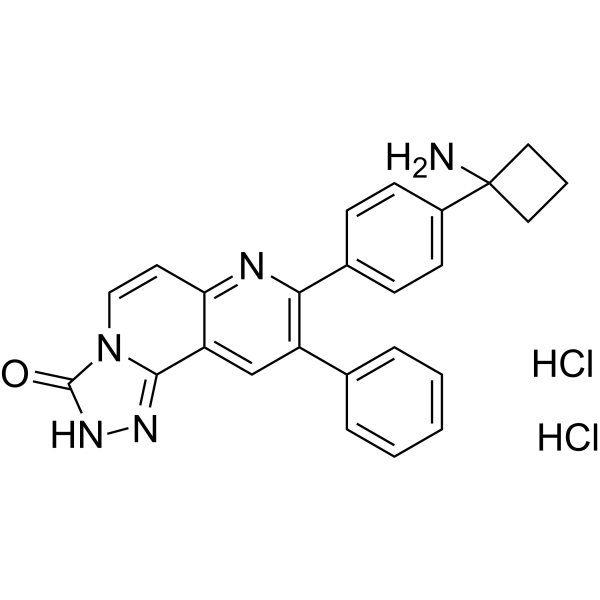
MK-2206 dihydrochloride (MK-2206 2HCl) is an orally active pan-AKT inhibitor, with IC50 values of 8 nM, 12 nM and 65 nM against AKT1, AKT2 and AKT3, respectively. MK-2206 dihydrochloride inhibits the Akt/mTOR signaling pathway and reduces the levels of downstream GSK3β and Mcl-1 via proteasomal degradation. MK-2206 dihydrochloride induces G1-phase cell cycle arrest, apoptosis, epithelial-mesenchymal transition, fibroblast activation and extracellular matrix deposition. MK-2206 dihydrochloride causes transient hyperglycemia and hyperinsulinemia in animals. MK-2206 dihydrochloride can be used in research related to solid tumors, renal fibrosis and hypercholesterolemia .
|
-
-
- HY-15186
-
|
GDC-0068; RG7440
|
Organoid
Akt
Apoptosis
|
Cancer
|
|
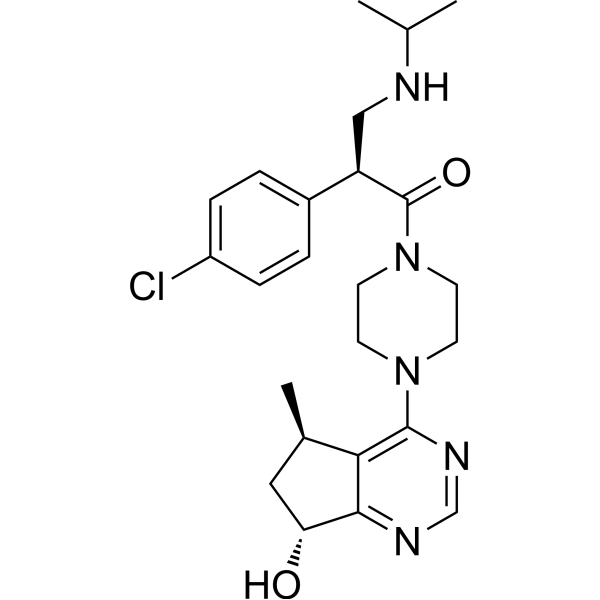
Ipatasertib (GDC-0068) is an orally active, highly selective and ATP-competitive pan-Akt inhibitor with IC50 values of 5, 18, 8 nM for Akt1/2/3, respectively. Ipatasertib synchronously activates FoxO3a and NF-κB through inhibition of Akt leading to p53-independent activation of PUMA. Ipatasertib also induces apoptosis in cancer cells and inhibits tumor growth in xenograft mouse models .
|
-
-
- HY-108232
-
MK-2206
Maximum Cited Publications
462 Publications Verification
|
Bcl-2 Family
Apoptosis
mTOR
Akt
GSK-3
|
Metabolic Disease
Inflammation/Immunology
Cancer
|
|
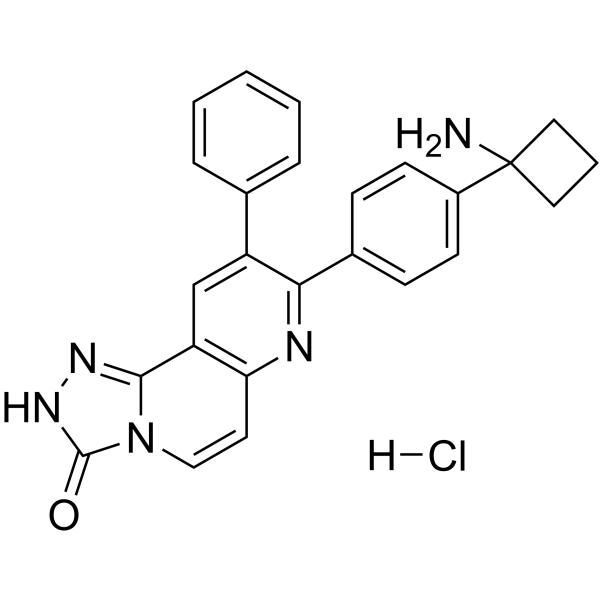
MK-2206 is an orally active pan-AKT inhibitor, with IC50 values of 8 nM, 12 nM and 65 nM against AKT1, AKT2 and AKT3, respectively. MK-2206 inhibits the Akt/mTOR signaling pathway and reduces the levels of downstream GSK3β and Mcl-1 via proteasomal degradation. MK-2206 induces G1-phase cell cycle arrest, apoptosis, epithelial-mesenchymal transition, fibroblast activation and extracellular matrix deposition. MK-2206 causes transient hyperglycemia and hyperinsulinemia in animals. MK-2206 can be used in research related to solid tumors, renal fibrosis and hypercholesterolemia .
|
-
-
- HY-10355
-
|
AKTi-1/2
|
Akt
Apoptosis
|
Metabolic Disease
Cancer
|
|
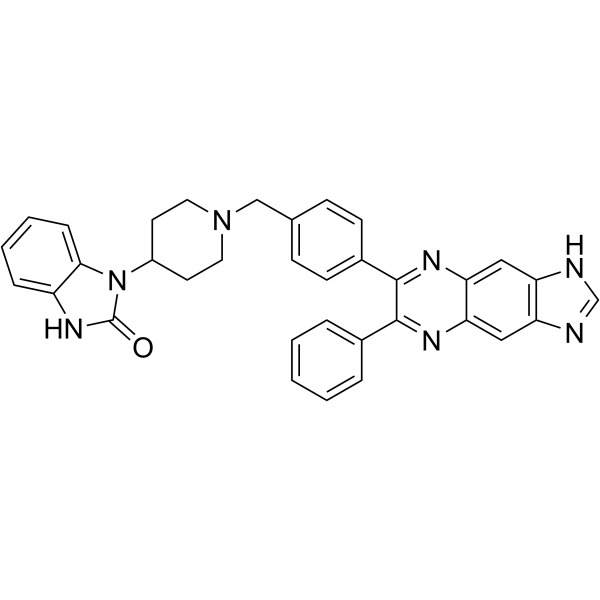
AKT inhibitor VIII (AKTi-1/2) is a cell-permeable quinoxaline compound that has been shown to potently, selectively, allosterically, and reversibly inhibit Akt1, Akt2, and Akt3 activity with IC50s of 58 nM, 210 nM, and 2119 nM, respectively.
|
-
-
- HY-15965
-
|
GSK2141795
|
Akt
|
Cancer
|
|
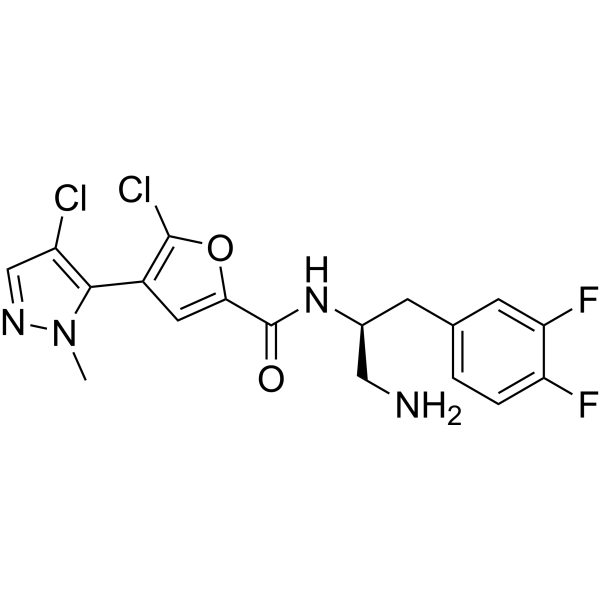
Uprosertib (GSK2141795) is a potent and selective pan-Akt inhibitor with IC50 values of 180/328/38 nM for Akt1/Akt2/Akt3, respectively.
|
-
-
- HY-19719
-
|
ARQ-092
|
Akt
Parasite
|
Infection
Cancer
|
|
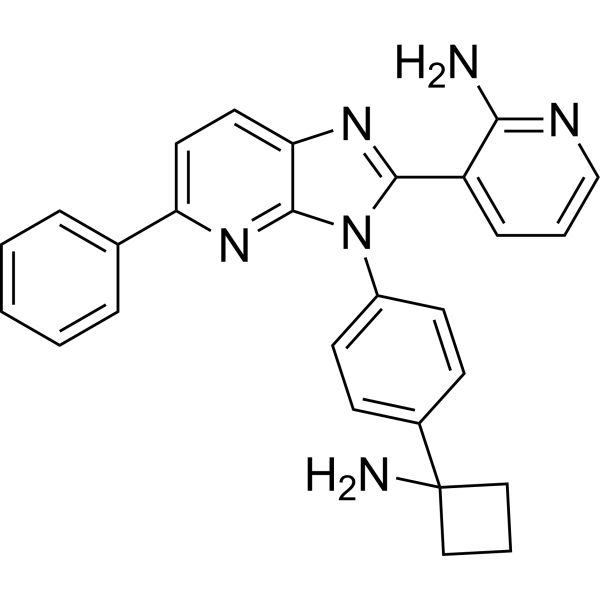
Miransertib (ARQ-092) is a potent, orally active, selective and allosteric Akt inhibitor with IC50s of 2.7 nM, 14 nM and 8.1 nM for Akt1, Akt2, Akt3, respectively. Miransertib is also a potent the AKT1-E17K mutant protein inhibitor and has the potential for PI3K/AKT-driven tumors and Proteus syndrome research . Miransertib is effective against Leishmania .
|
-
-
- HY-10249
-
|
|
Akt
AMPK
Autophagy
|
Cancer
|
|
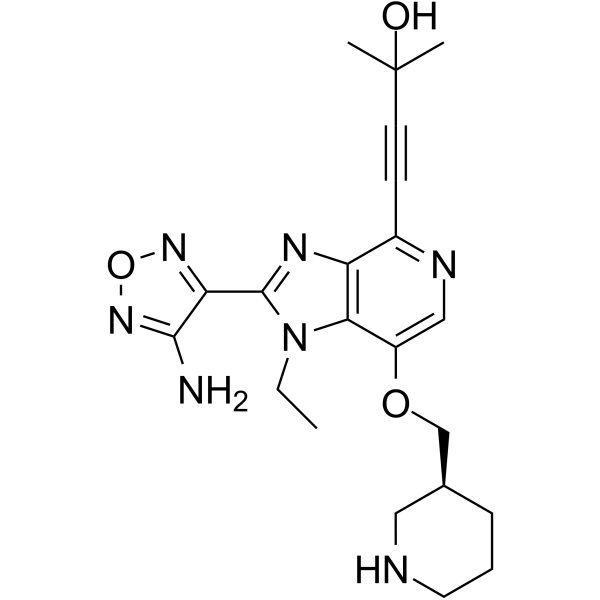
GSK-690693 is an ATP-competitive pan-Akt inhibitor with IC50s of 2 nM, 13 nM, 9 nM for Akt1, Akt2 and Akt3, respectively. GSK-690693 is also an AMPK inhibitor, affects Unc-51-like autophagy activating kinase 1 (ULK1) activity and robustly inhibits STING-dependent IRF3 activation .
|
-
-
- HY-133120
-
|
|
PROTACs
Akt
|
Cancer
|
|
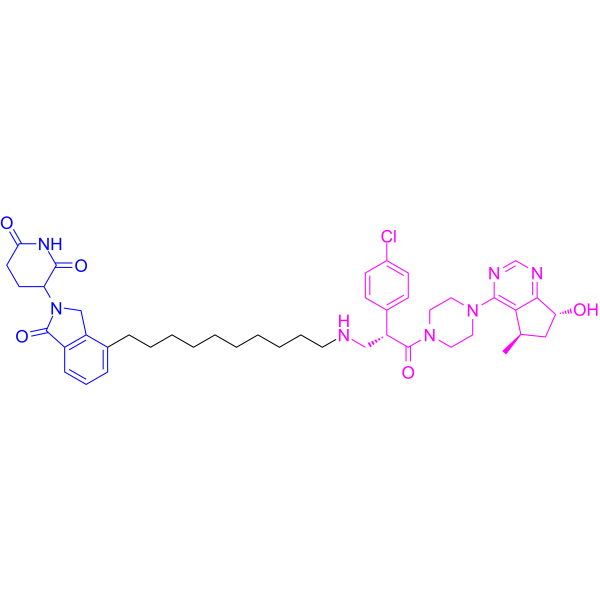
INY-03-041 is a potent, highly selective and PROTAC-based pan-AKT degrader consisting of the ATP-competitive AKT inhibitor Ipatasertib (HY-15186) conjugated to Lenalidomide (HY-A0003, Cereblon ligand). INY-03-041 inhibits AKT1, AKT2 and AKT3 with IC50s of 2.0, 6.8 and 3.5 nM, respectively .
|
-
-
- HY-50909
-
|
KRX-0401; NSC 639966; D21266
|
Akt
Autophagy
Apoptosis
|
Cancer
|
|
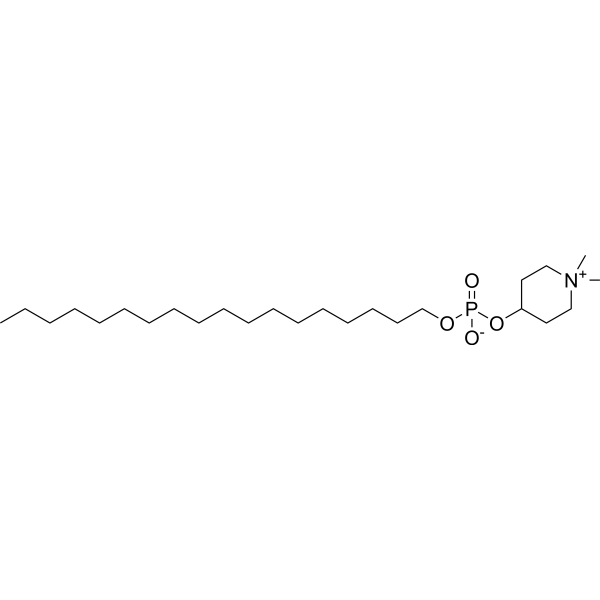
Perifosine is an oral Akt inhibitor which inhibits proliferation of different tumor cell lines with IC50s of 0.6-8.9 μM.
|
-
-
- HY-10425
-
|
A-443654
|
Akt
|
Cancer
|
|
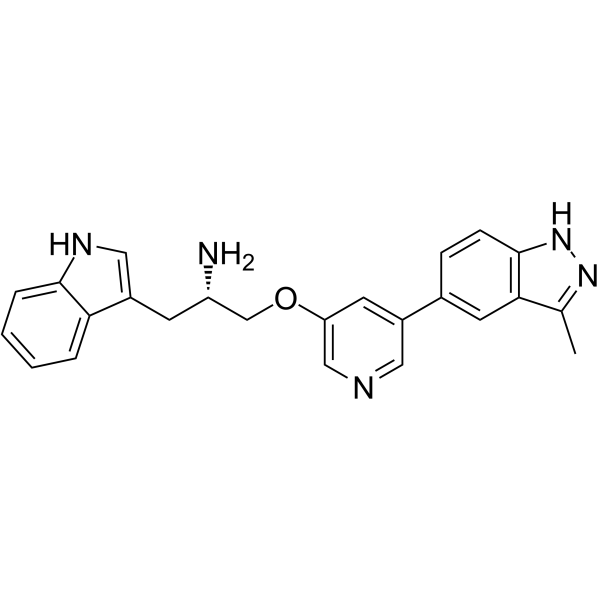
A-443654 is a pan-Akt inhibitor and has equal potency against Akt1, Akt2, or Akt3 within cells (Ki=160 pM) .
|
-
-
- HY-101984
-
|
|
Nucleoside Antimetabolite/Analog
Adenosine Receptor
Akt
SARS-CoV
|
Infection
Cancer
|
|
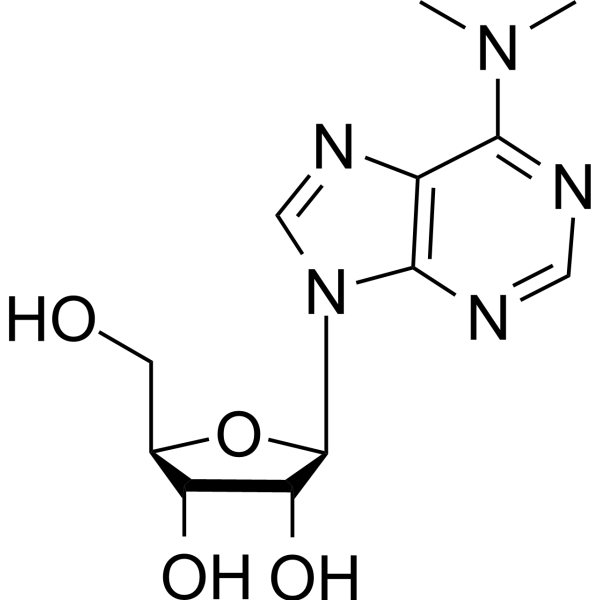
N6,N6-Dimethyladenosine, a modified ribonucleoside, is an endogenous A3 adenosine receptor ligand. N6,N6-Dimethyladenosine is an AKT inhibitor with antitumor effects. N6, N6-Dimethyladenosine targets SARS-CoV-2 entry protein ADAM17. N6, N6-Dimethyladenosine robustly inhibits AKT signaling in a variety of non-small cell lung cancer cell lines .
|
-
-
- HY-151504
-
|
ALM301
|
Akt
|
Cancer
|
|
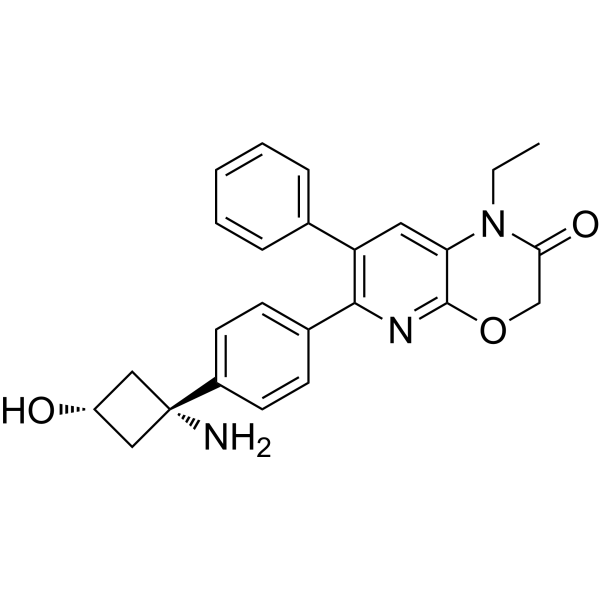
Engasertib is an orally active highly specific AKT inhibitor with IC50 values of 0.13 µM, 0.09 µM and 2.75 µM for AKT1, AKT2 and AKT3, respectively. Engasertib inhibits AKT phosphorylation and modulates downstream signalling in vitro. Engasertib can inhibit cancer cell proliferation and tumor growth .
|
-
-
- HY-19934
-
|
TAS-117
|
Akt
Apoptosis
Autophagy
|
Cancer
|
|
Pifusertib (TAS-117) is a potent, selective, orally active allosteric Akt inhibitor (with IC50s of 4.8, 1.6, and 44 nM for Akt1, 2, and 3, respectively). Pifusertib triggers anti-myeloma activities and enhances fatal endoplasmic reticulum (ER) stress induced by proteasome inhibition. Pifusertib induces apoptosis and autophagy .
|
-
-
- HY-N0534
-
|
|
DNA/RNA Synthesis
Apoptosis
PI3K
Akt
Caspase
SOD
Interleukin Related
|
Cardiovascular Disease
Inflammation/Immunology
Cancer
|
|
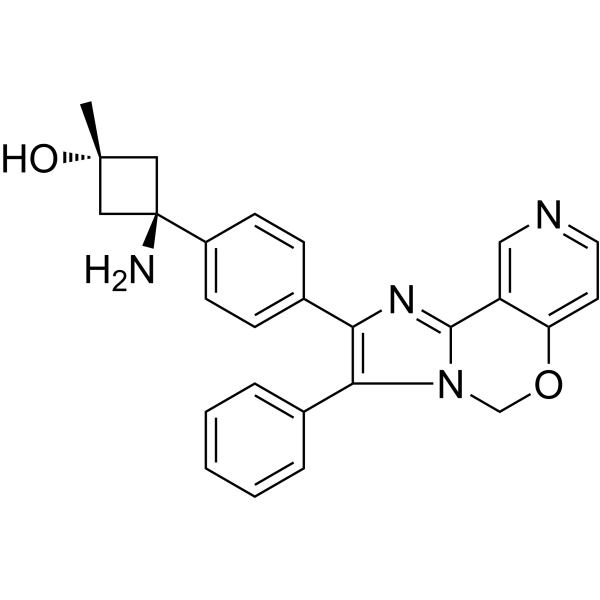
Vitexin-2"-O-rhamnoside is an orally active flavonoid glycoside. Vitexin-2"-O-rhamnoside inhibits Apoptosis, increases the phosphorylation levels of PI3K/Akt, inhibits caspase-3, SOD activity, and promotes cytokine (IL-2, IL-6, and IL-12) secretion. Vitexin-2"-O-rhamnoside strongly inhibits DNA synthesis in MCF-7 cells with an IC50 of 17.5 μM. Vitexin-2"-O-rhamnoside enhances immune function and improves the absorption of active compounds. Vitexin-2"-O-rhamnoside has antioxidant activity. Vitexin-2"-O-rhamnoside is used in the study of cardiovascular disease and immune-related diseases .
|
-
-
- HY-19832
-
SC66
5 Publications Verification
|
MOFs
Akt
Apoptosis
|
Cancer
|
|
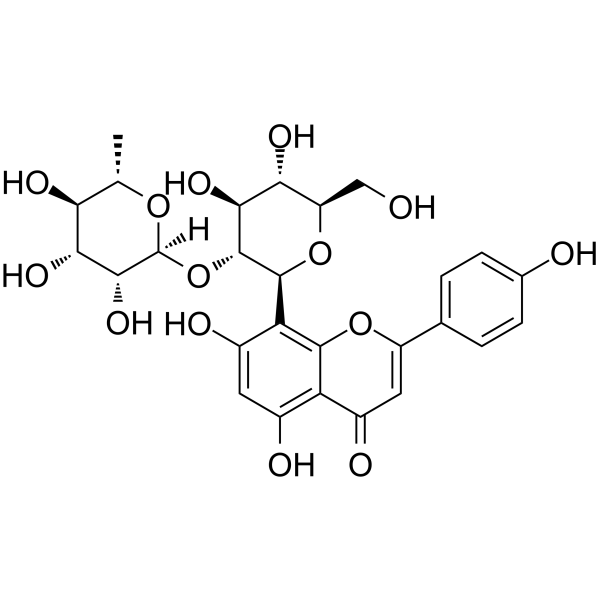
SC66 is an Akt inhibitor, reduces cell viability in a dose- and time-dependent manner, inhibits colony formation and induces apoptosis in hepatocellular carcinoma (HCC) cells.
|
-
-
- HY-15186A
-
|
GDC-0068 dihydrochloride; RG-7440 dihydrochloride
|
Organoid
Akt
|
Cancer
|
|
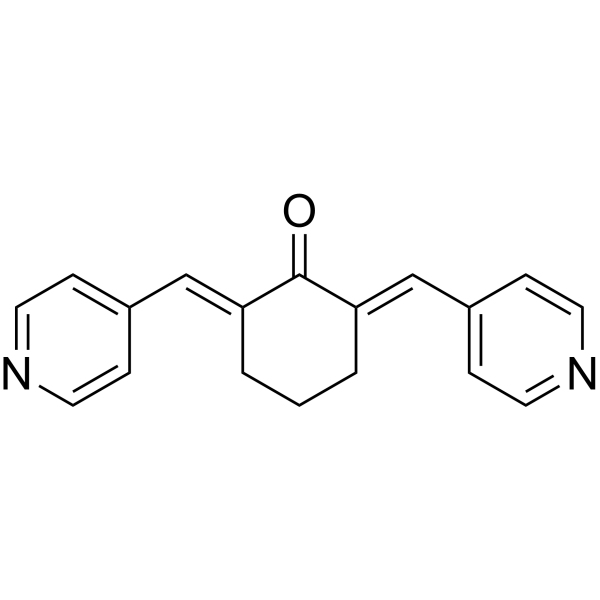
Ipatasertib dihydrochloride (GDC-0068 dihydrochloride) is a highly selective and ATP-competitive pan-Akt inhibitor with IC50s of 5, 18 and 8 nM for Akt1, Akt2 and Akt3, respectively.
|
-
-
- HY-40351
-
|
|
Drug Intermediate
|
Others
|
|
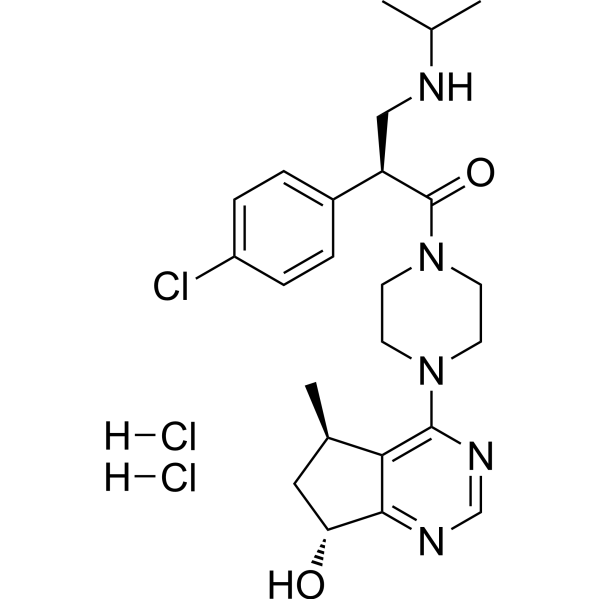
4-Chloro-7H-pyrrolo[2,3-d]pyrimidine is a nitrogen-containing heterocyclic organic synthesis intermediate that can be used for the synthesis of JAK and PKB/Akt inhibitors .
|
-
![4-Chloro-7H-pyrrolo[2,3-d]pyrimidine](//file.medchemexpress.com/product_pic/hy-40351.gif)
-
- HY-132302
-
|
|
Akt
PKA
PKC
ROCK
Ribosomal S6 Kinase (RSK)
SGK
|
Cancer
|
|
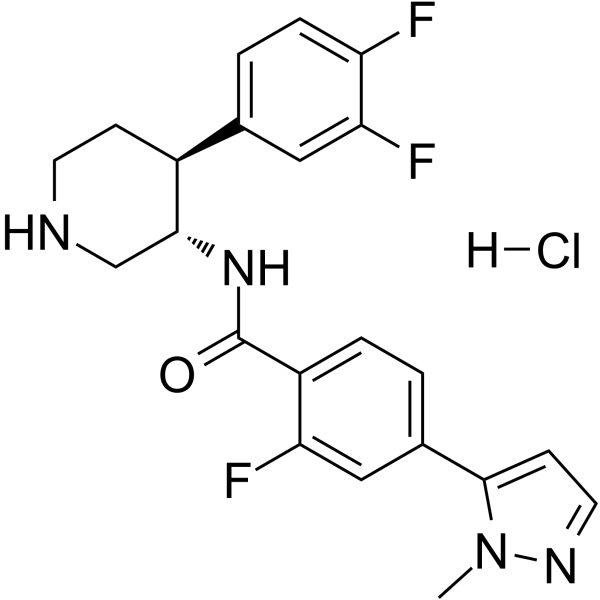
Hu7691 is an orally active, selective Akt inhibitor with IC50s of 4.0 nM, 97.5 nM, 28 nM for Akt1, Akt2 and Akt3, respectively. Hu7691 inhibits tumor growth and enables decrease of cutaneous toxicity in mice .
|
-
-
- HY-75813
-
|
|
Biochemical Assay Reagents
Akt
5-HT Receptor
|
Neurological Disease
Cancer
|
|
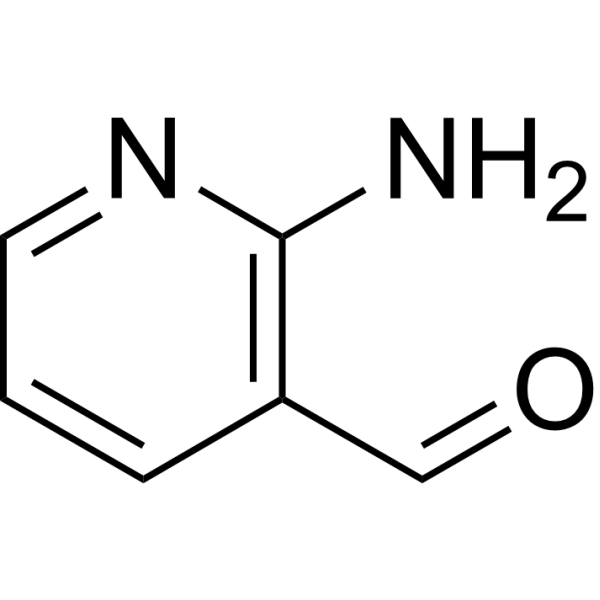
2-Aminonicotinaldehyde is a synthetic intermediate. 2-Aminonicotinaldehyde can be used for the synthesis of 5-HT3 receptor antagonists, AKT inhibitors, and other compounds. 2-Aminonicotinaldehyde is applicable to research on depression and cancers (including hepatocellular carcinoma) .
|
-
-
- HY-19934A
-
|
TAS-117 hydrochloride
|
Akt
Apoptosis
Autophagy
|
Cancer
|
|
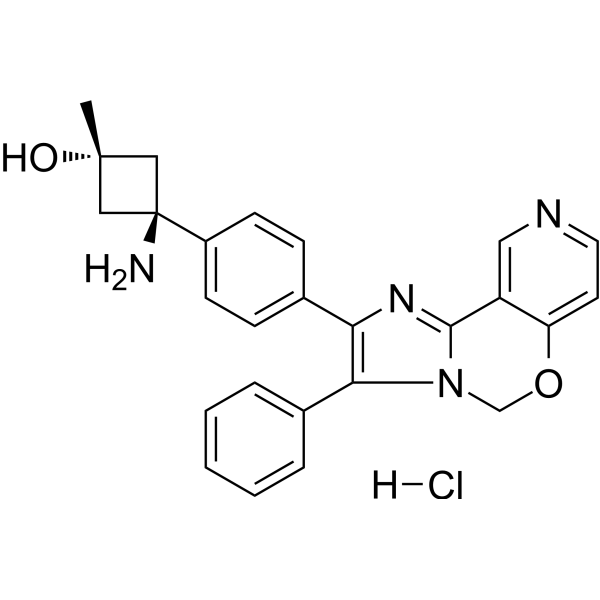
Pifusertib (TAS-117) hydrochloride is a potent, selective, orally active allosteric Akt inhibitor (with IC50s of 4.8, 1.6, and 44 nM for Akt1, 2, and 3, respectively). Pifusertib hydrochloride triggers anti-myeloma activities and enhances fatal endoplasmic reticulum (ER) stress induced by proteasome inhibition. Pifusertib hydrochloride induces apoptosis and autophagy .
|
-
-
- HY-15673
-
KP372-1
3 Publications Verification
|
Quinone Reductase
Akt
Reactive Oxygen Species (ROS)
Apoptosis
|
Cancer
|
|
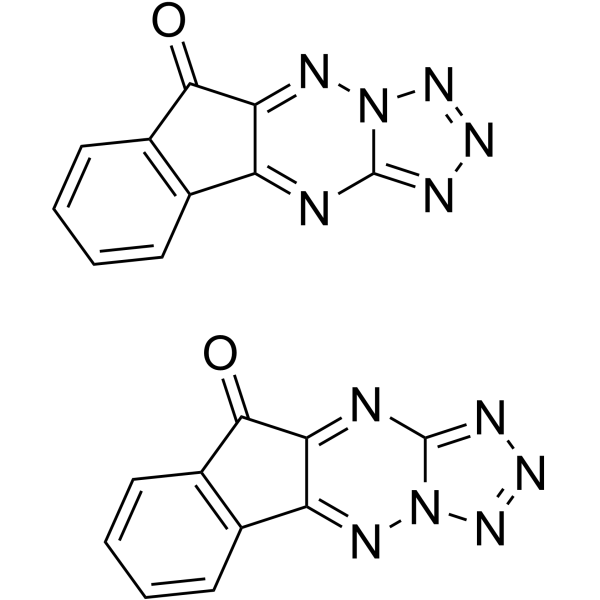
KP372-1 is an Akt inhibitor that inhibits proliferation and induces apoptosis and anoikis. KP372-1 is also an NQO1 redox cycling agent that causes DNA damage (including DNA breakage) by generating ROS. KP372-1 can be used in cancer research (such as head and neck squamous cell carcinoma (HNSCC) and pancreatic cancer) .
|
-
-
- HY-19719A
-
|
ARQ-092 hydrochloride
|
Akt
Parasite
|
Infection
Cancer
|
|
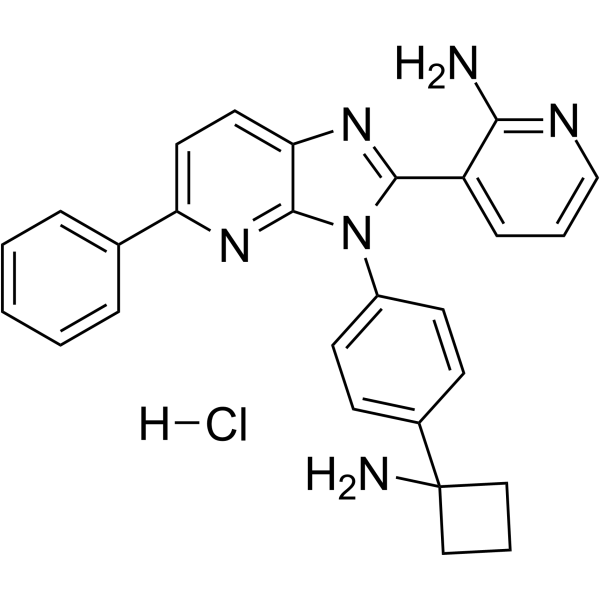
Miransertib hydrochloride (ARQ-092 hydrochloride) is a potent, orally active, selective and allosteric Akt inhibitor with IC50s of 2.7 nM, 14 nM and 8.1 nM for Akt1, Akt2, Akt3, respectively. Miransertib hydrochloride is also a potent the AKT1-E17K mutant protein inhibitor and has the potential for PI3K/AKT-driven tumors and Proteus syndrome research . Miransertib hydrochloride is effective against Leishmania .
|
-
-
- HY-N2907
-
|
|
Wnt
Ras
Endogenous Metabolite
Bacterial
Fungal
PD-1/PD-L1
Tim3
Akt
AP-1
STAT
|
Infection
Neurological Disease
Inflammation/Immunology
Cancer
|
|
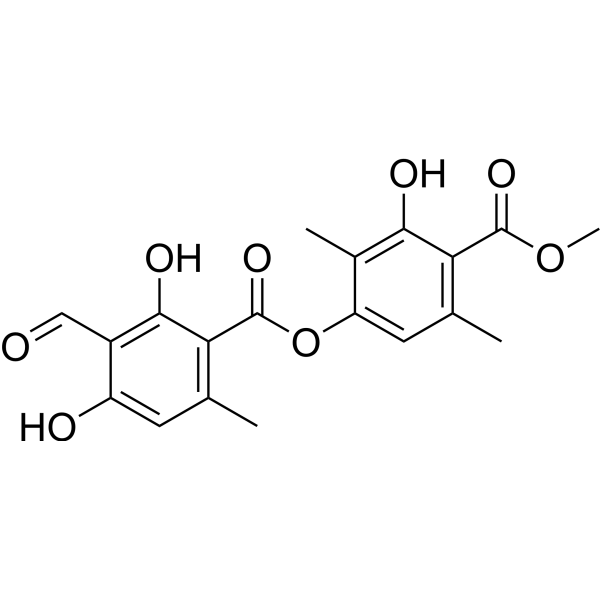
Atranorin is a secondary metabolite of lichens and AKT inhibitor. Atranorin possesses multiple activities such as antibacterial, anti-inflammatory, antioxidant, anti-glycation, analgesic, and anti-tumor effects. Atranorin has IC50 values for scavenging DPPH and ABTS free radicals of 117 μM and less than 10 μM, respectively. Additionally, Atranorin also exhibits effects in promoting wound healing. Atranorin can be used in the research of various diseases, including myelodysplastic syndromes, tumors, and inflammatory conditions .
|
-
-
- HY-107586
-
|
DAQ B1; L-783281; Dimethylasterriquinone
|
Insulin Receptor
Akt
NO Synthase
NADPH Oxidase
JAK
STAT
FOXO
DNA/RNA Synthesis
ERK
Flavivirus
|
Cardiovascular Disease
Infection
Metabolic Disease
Inflammation/Immunology
|
|
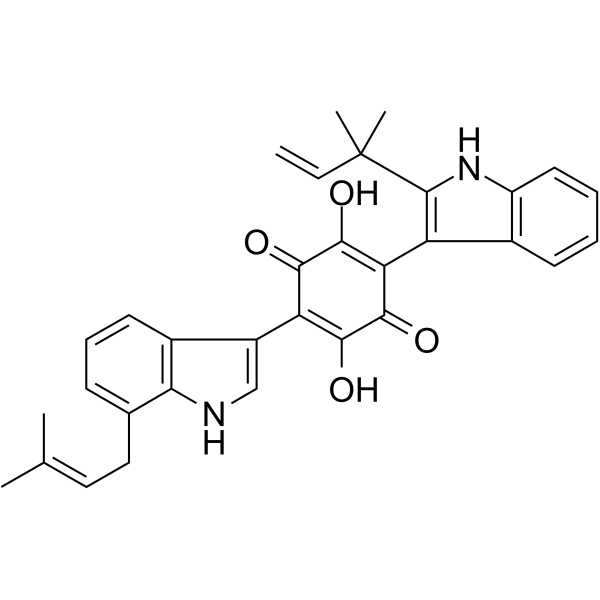
Demethylasterriquinone B1 (DAQ B1; L-783281) is an orally active insulin receptor (insulin receptor) agonist and AKT activator. By activating AKT, Demethylasterriquinone B1 upregulates the expression and activity of eNOS to increase NO production, while downregulating the expression of the NADPH oxidase subunit p22phox to reduce oxidative stress and improve vascular endothelial dysfunction in hypertensive rats. Demethylasterriquinone B1 combind with an AKT inhibitor targets the insulin signaling pathway to activate two antiviral pathways, RNA interference and JAK/STAT, in mosquitoes, thereby reducing Zika virus infection .
|
-
-
- HY-14971
-
|
(E)-AKTIV
|
Akt
|
Cancer
|
|
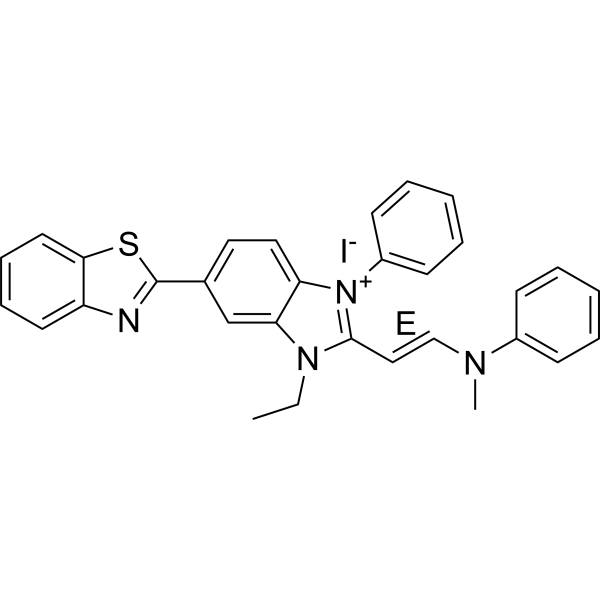
(E)-Akt inhibitor-IV ((E)-AKTIV) is a PI3K-Akt inhibitor, with potent cytotoxic .
|
-
-
- HY-19982
-
|
|
Akt
|
Cancer
|
|
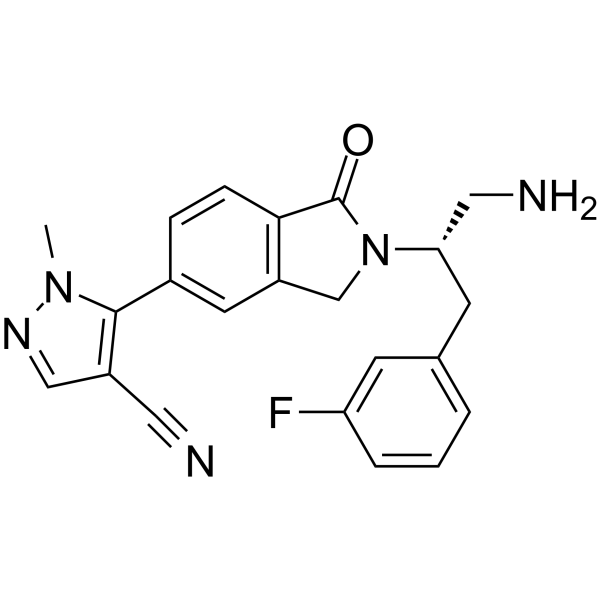
AKT-IN-6 (Example 13) is a potent Akt inhibitor. AKT-IN-6 inhibits Akt1, Akt2 and Akt3 with IC50s < 500nM, respectively. (patent WO2013056015A1).
|
-
-
- HY-10721
-
|
AKT protein kinase inhibitor
|
Akt
|
Cancer
|
|
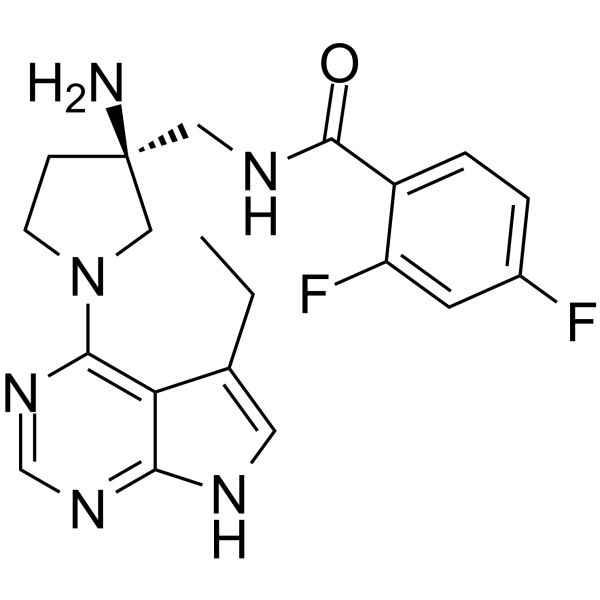
PF-AKT400 is a broadly selective, potent, ATP-competitive Akt inhibitor, displays 900-fold greater selectivity for PKBα (IC50=0.5 nM) than PKA (IC50=450 nM).
|
-
-
- HY-14971A
-
|
AKTIV
|
Akt
|
Cancer
|
|
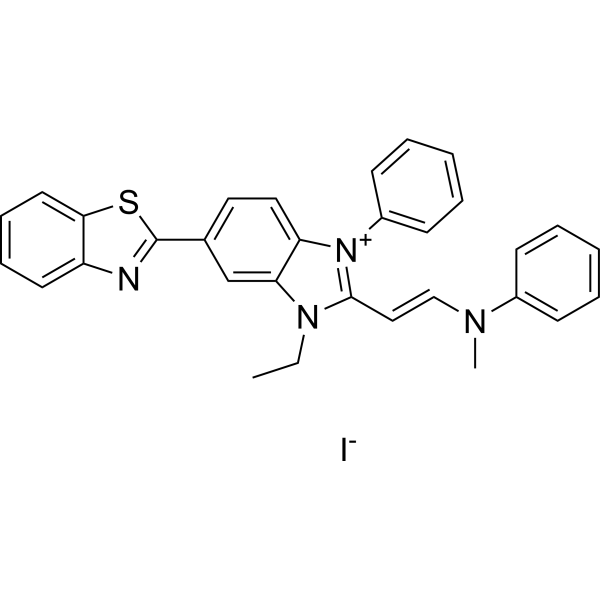
Akt inhibitor-IV (AKTIV) acts as a PI3K-Akt inhibitor at the E isomer (HY-14971), with potent cytotoxicity .
|
-
-
- HY-18296
-
|
|
Akt
|
Cancer
|
|
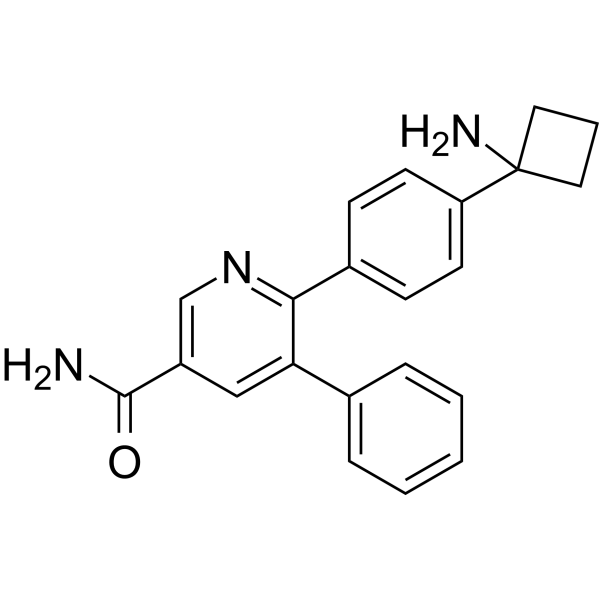
AKT-IN-1 is an allosteric AKT inhibitor with an IC50 of 1.042 μM.
|
-
-
- HY-100654
-
-
-
- HY-15369
-
|
|
Akt
Apoptosis
|
Cancer
|
|
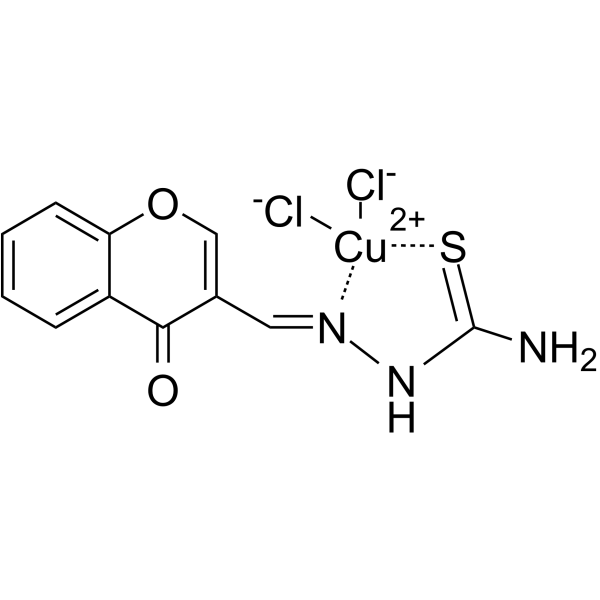
FPA-124, a cell-permeable copper complex, is a selective Akt inhibitor with an IC50 of 0.1 μM. FPA-124 interacts with both the pleckstrin homology (PH) and the kinase domains of Akt. FPA-124 induces apoptosis .
|
-
-
- HY-133120A
-
|
|
PROTACs
Akt
|
Cancer
|
|
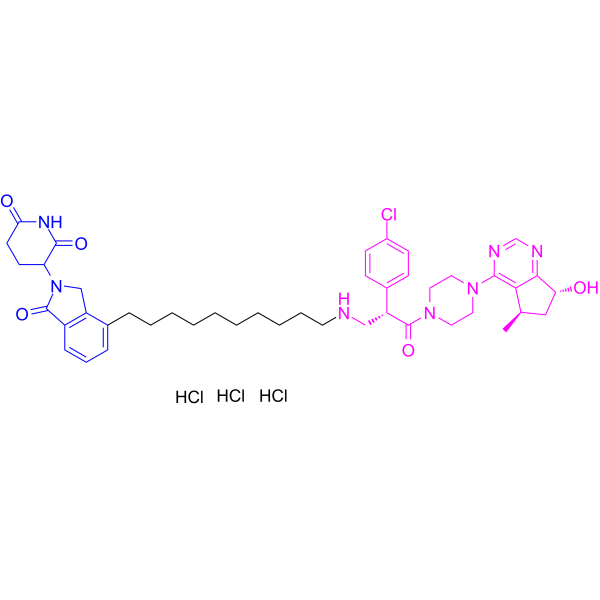
INY-03-041 trihydrochloride is a potent, highly selective and PROTAC-based pan-AKT degrader consisting of the ATP-competitive AKT inhibitor Ipatasertib (HY-15186) conjugated to Lenalidomide (HY-A0003). INY-03-041 trihydrochloride inhibits AKT1, AKT2 and AKT3 with IC50s of 2.0, 6.8 and 3.5 nM, respectively .
|
-
-
- HY-126257
-
|
|
Akt
Apoptosis
|
Cancer
|
|
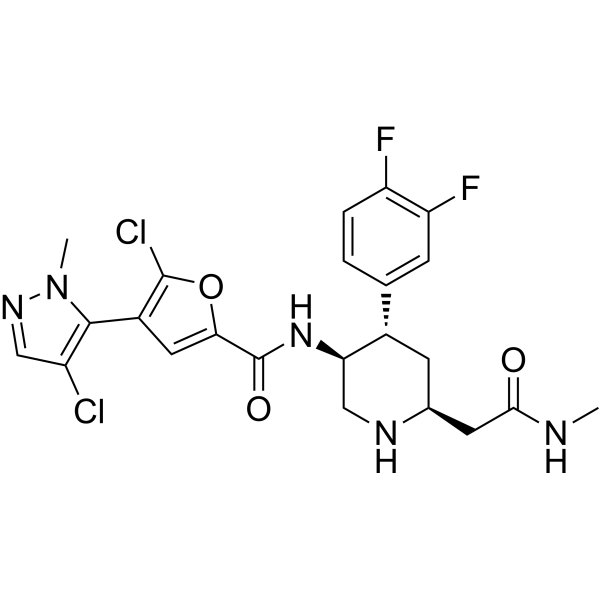
AKT-IN-3 (compound E22) is a potent, orally active low hERG blocking Akt inhibitor, with 1.4 nM, 1.2 nM and 1.7 nM for Akt1, Akt2 and Akt3, respectively. AKT-IN-3 (compound E22) also exhibits good inhibitory activity against other AGC family kinases, such as PKA, PKC, ROCK1, RSK1, P70S6K, and SGK. AKT-IN-3 (compound E22) induces apoptosis and inhibits metastasis of cancer cells .
|
-
-
- HY-101984R
-
|
|
Reference Standards
Nucleoside Antimetabolite/Analog
Adenosine Receptor
Akt
SARS-CoV
|
Infection
Cancer
|
|
N6,N6-Dimethyladenosine (Standard) is the analytical standard of N6,N6-Dimethyladenosine (HY-101984). This product is intended for research and analytical applications. N6,N6-Dimethyladenosine, a modified ribonucleoside, is an endogenous A3 adenosine receptor ligand. N6,N6-Dimethyladenosine is an AKT inhibitor with antitumor effects. N6, N6-Dimethyladenosine targets SARS-CoV-2 entry protein ADAM17. N6, N6-Dimethyladenosine robustly inhibits AKT signaling in a variety of non-small cell lung cancer cell lines.
|
-

-
- HY-149842
-
|
|
Akt
Apoptosis
|
Cancer
|
|
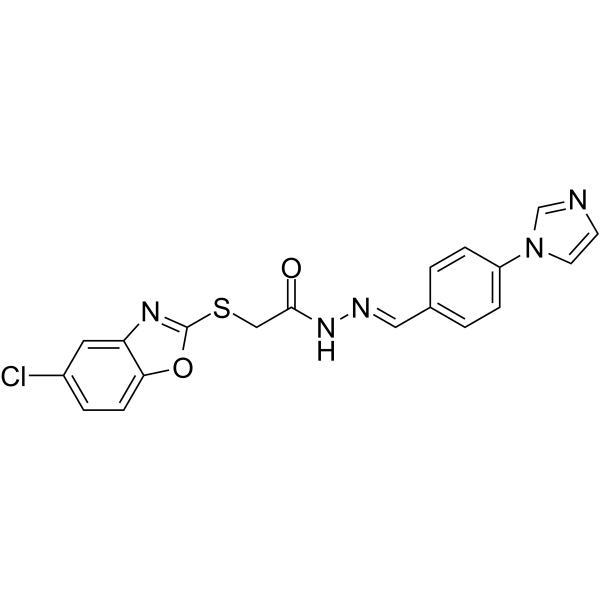
AKT-IN-18, an inhibitor of Akt, inhibits Akt with an IC50 of 69.45 μΜ in A549 cells. AKT-IN-18 induces apoptosis and can be used in non-small cell lung cancer study .
|
-
-
- HY-147768
-
|
|
PI3K
Akt
Microtubule/Tubulin
MMP
Apoptosis
|
Cancer
|
|
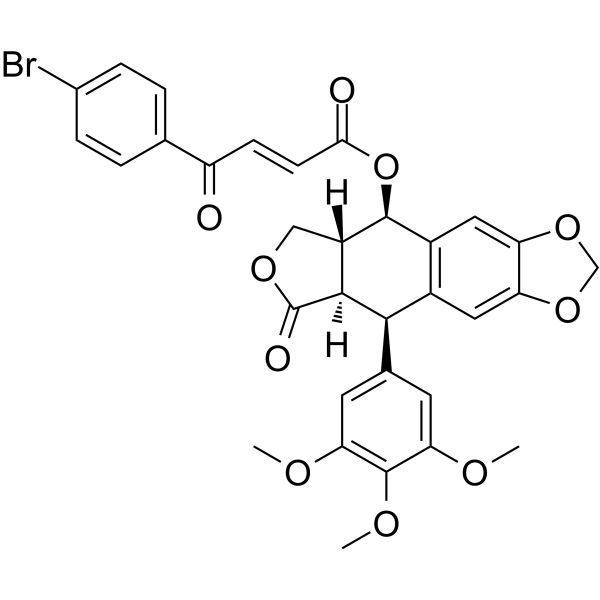
PI3K/AKT-IN-2 (Compound 12c) is a PI3K and AKT inhibitor. PI3K/AKT-IN-2 blocks the epithelial-mesenchymal transition (EMT) and induces apoptosis. PI3K/AKT-IN-2 inhibits the polymerization of tubulin .
|
-
-
- HY-10357
-
|
|
Akt
mTOR
Apoptosis
GSK-3
Bcl-2 Family
|
Metabolic Disease
Inflammation/Immunology
Cancer
|
|
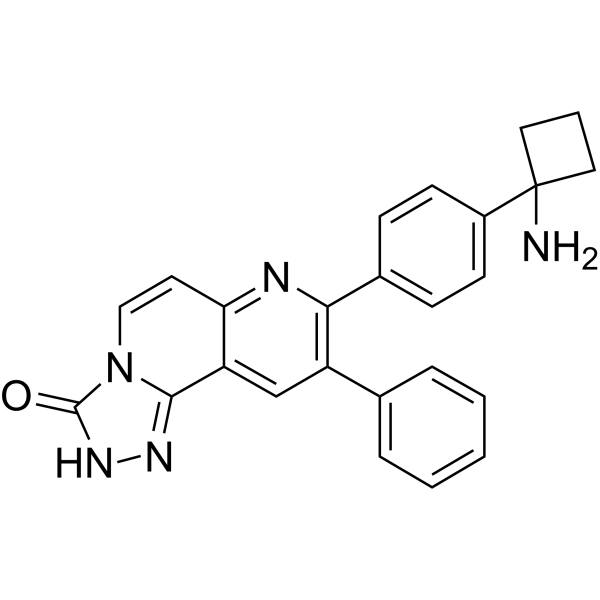
MK-2206 free base is an orally active pan-AKT inhibitor, with IC50 values of 8 nM, 12 nM and 65 nM against AKT1, AKT2 and AKT3, respectively. MK-2206 free base inhibits the Akt/mTOR signaling pathway and reduces the levels of downstream GSK3β and Mcl-1 via proteasomal degradation. MK-2206 free base induces G1-phase cell cycle arrest, apoptosis, epithelial-mesenchymal transition, fibroblast activation and extracellular matrix deposition. MK-2206 free base causes transient hyperglycemia and hyperinsulinemia in animals. MK-2206 free base can be used in research related to solid tumors, renal fibrosis and hypercholesterolemia .
|
-
-
- HY-153640
-
|
|
Akt
|
Cancer
|
|
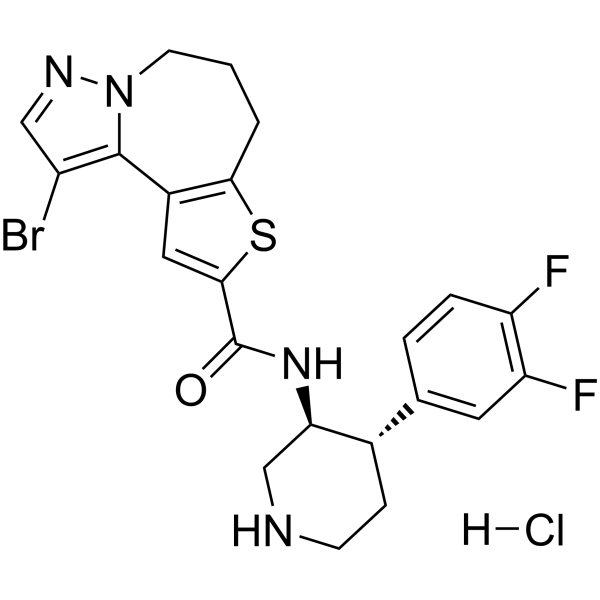
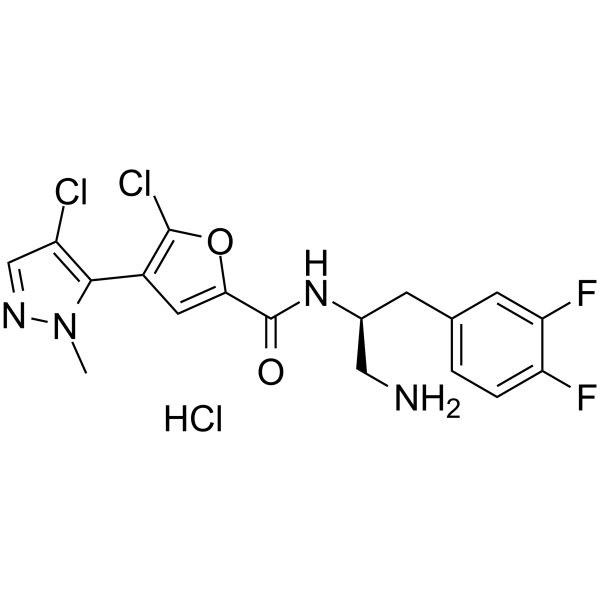
AKT-IN-14 (Example 2) is a potent AKTinhibitor with the IC50 values of <0.01 nM, 1.06 nM and 0.66 nM for AKT1, AKT2, AKT3, respectively. AKT-IN-14 can be used in cancer research .
|
-
-
- HY-15965A
-
|
GSK2141795 hydrochloride
|
Akt
|
Cancer
|
|
Uprosertib hydrochloride (GSK2141795 hydrochloride) is a potent and selective pan-Akt inhibitor with IC50 values of 180/328/38 nM for Akt1/Akt2/Akt3, respectively.
|
-
-
- HY-133850
-
|
|
Pim
|
Cancer
|
|
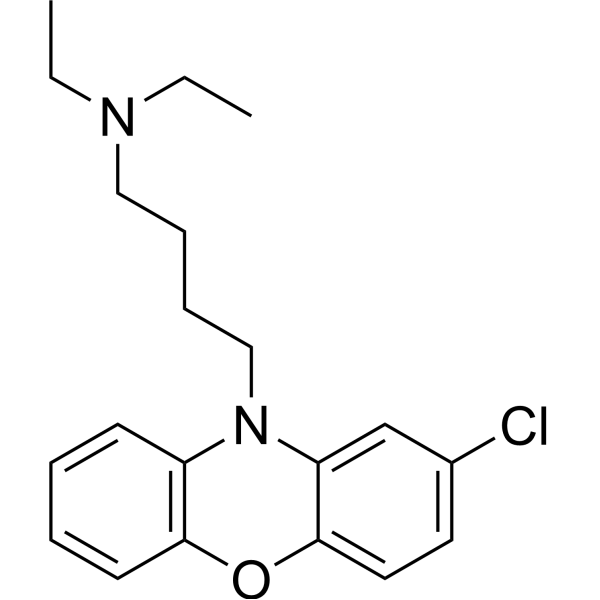
10-DEBC is a selective Akt inhibitor. 10-DEBC shows strong inhibitory activity against Moloney murine leukemia virus (Pim) kinase-1 (IC50=1.28 μM) .
|
-
-
- HY-132302A
-
|
|
Akt
PKA
PKC
ROCK
Ribosomal S6 Kinase (RSK)
SGK
|
Cancer
|
|
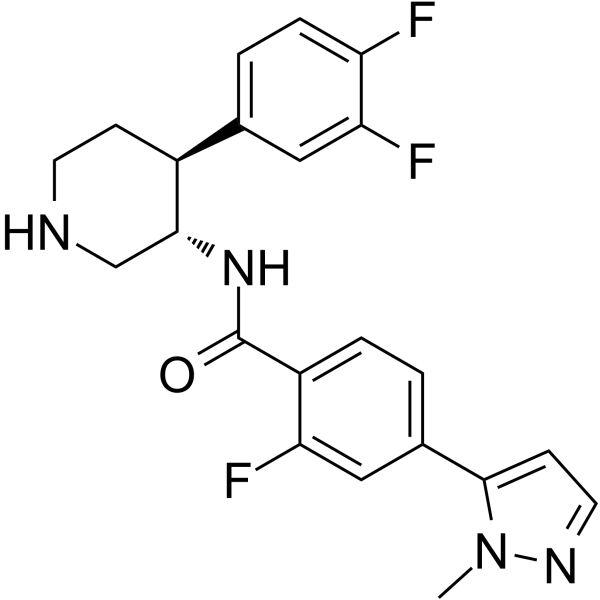
Hu7691 free base is an orally active, selective Akt inhibitor with IC50s of 4.0 nM, 97.5 nM, 28 nM for Akt1, Akt2 and Akt3, respectively. Hu7691 free base inhibits tumor growth and enables decrease of cutaneous toxicity in mice .
|
-
-
- HY-173273
-
|
|
CDK
Apoptosis
DNA/RNA Synthesis
Akt
|
Cancer
|
|
YJZ5118 is a selective CDK12/CDK13 inhibitor with IC50 values of 39.5 nM and 26.4 nM. YJZ5118 suppresses transcription of DNA damage response genes and induces DNA damage in tumor cells. YJZ5118 inhibits proliferation and triggers apoptosis. YJZ5118 inhibits RNA polymerase II Ser2 phosphorylation and increases Akt pathway activity. YJZ5118 exhibits synergistic effects with Akt inhibitors. YJZ5118 can be used for the research of cancer, such as prostate cancer .
|
-

-
- HY-N2907R
-
|
|
Wnt
Reference Standards
Ras
Endogenous Metabolite
Bacterial
Fungal
PD-1/PD-L1
Tim3
Akt
AP-1
STAT
|
Infection
Neurological Disease
Inflammation/Immunology
Cancer
|
|
Atranorin (Standard) is the analytical standard of Atranorin (HY-N2907). This product is intended for research and analytical applications. Atranorin is a secondary metabolite of lichens and AKT inhibitor. Atranorin possesses multiple activities such as antibacterial, anti-inflammatory, antioxidant, anti-glycation, analgesic, and anti-tumor effects. Atranorin has IC50 values for scavenging DPPH and ABTS free radicals of 117 μM and less than 10 μM, respectively. Additionally, Atranorin also exhibits effects in promoting wound healing. Atranorin can be used in the research of various diseases, including myelodysplastic syndromes, tumors, and inflammatory conditions .
|
-

-
- HY-153640A
-
|
|
Akt
|
Cancer
|
|
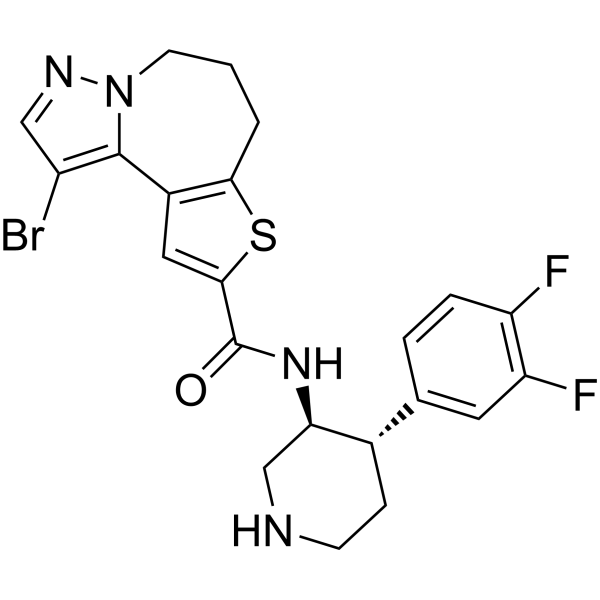
AKT-IN-14 (Example 2) free baseis a potent AKTinhibitor with the IC50 values of <0.01 nM, 1.06 nM and 0.66 nM for AKT1, AKT2, AKT3, respectively. AKT-IN-14 free basecan be used in cancer research .
|
-
-
- HY-P10049
-
|
|
Akt
|
Cancer
|
|
TAT-TCL1-Akt-in is an Akt inhibitor .
|
-

-
- HY-16034
-
|
|
Akt
|
Cancer
|
|
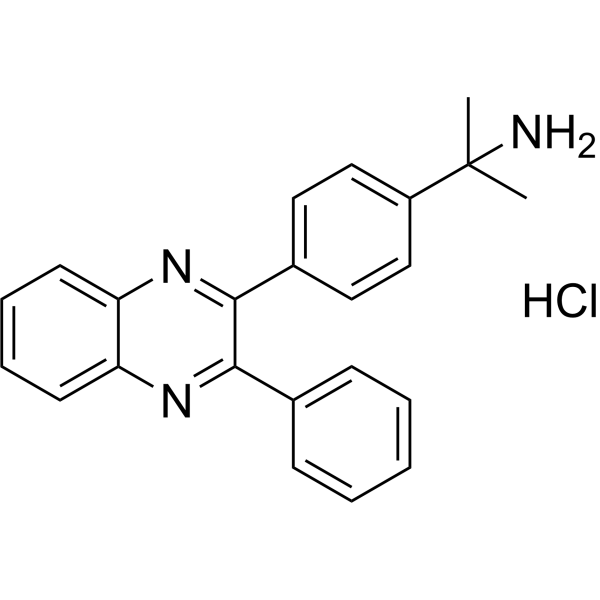
AKT-IN-20 is an AKT inhibitor, and can be used for research of cancer
|
-
-
- HY-161704
-
|
|
Akt
|
Cancer
|
|
AKT-IN-23 is an AKT inhibitor. AKT-IN-23 can be used in cancer research .
|
-

-
- HY-164414
-
|
AT 11854
|
Akt
|
Cancer
|
|
CCT129254 is a potent Akt inhibitor. CCT129254 reduces the motility of melanoma cells in vivo .
|
-

-
- HY-112148
-
|
|
Akt
|
Cancer
|
|
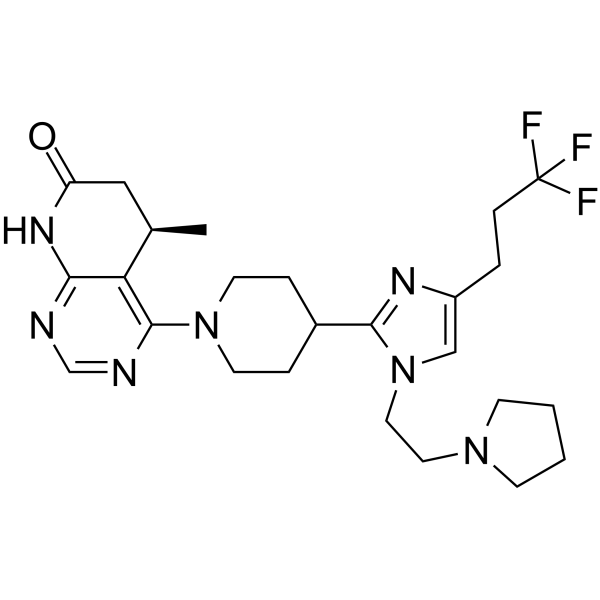
AKT-IN-2 is a potent, selective and orally bioavailable AKT inhibitor with an IC50 of 5 nM for AKT1 .
|
-
-
- HY-138767
-
|
|
Akt
|
Cancer
|
|
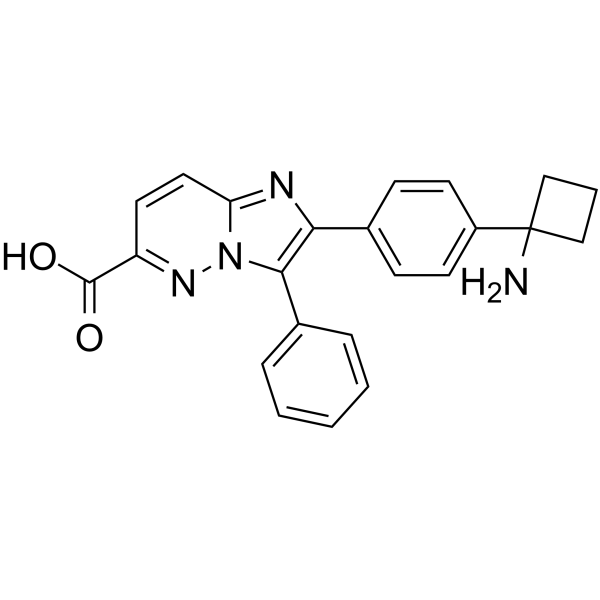
AKT-IN-5 (Example 8) is a Akt inhibitor with IC50 values of 450 nM and 400 nM for Akt1 and Akt2, respectively .
|
-
- HY-143610
-
|
|
Akt
|
Cancer
|
|
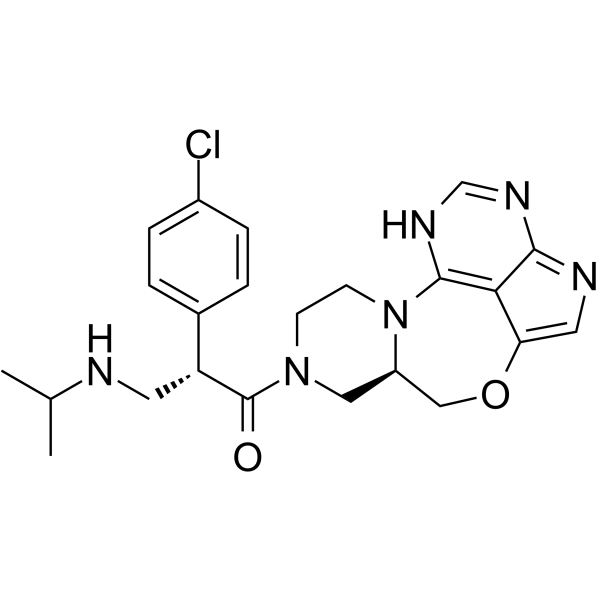
AKT-IN-7 (compound 1-P1) is a potent AKT inhibitor. AKT-IN-7 has the potential for cancer research .
|
-
- HY-143611
-
|
|
Akt
|
Cancer
|
|
AKT-IN-8 is a potent AKT inhibitor with IC50s of 4.46, 2.44, and 9.47 nM for AKT1, AKT2, and AKT3, respectively .
|
-
- HY-156108
-
|
|
Akt
Apoptosis
|
Cancer
|
|
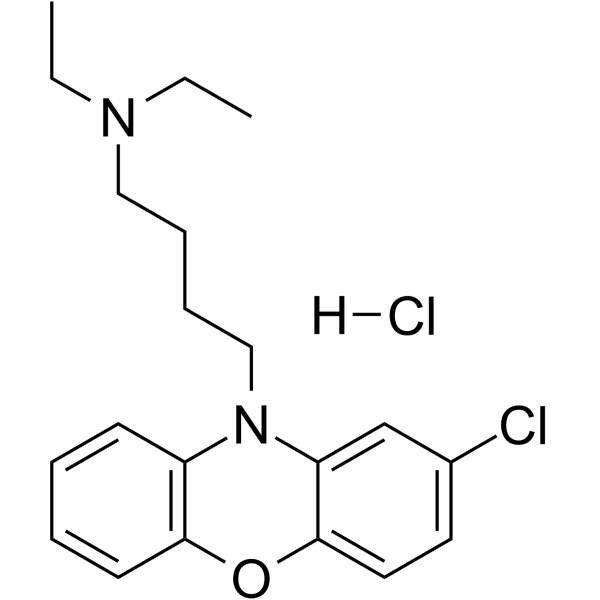
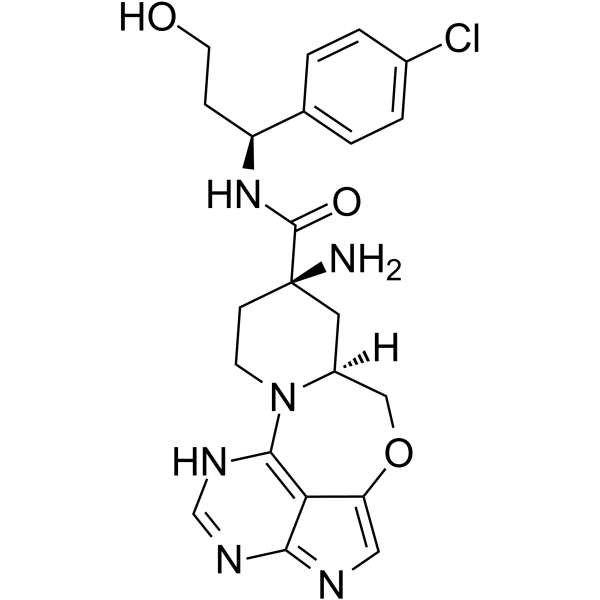
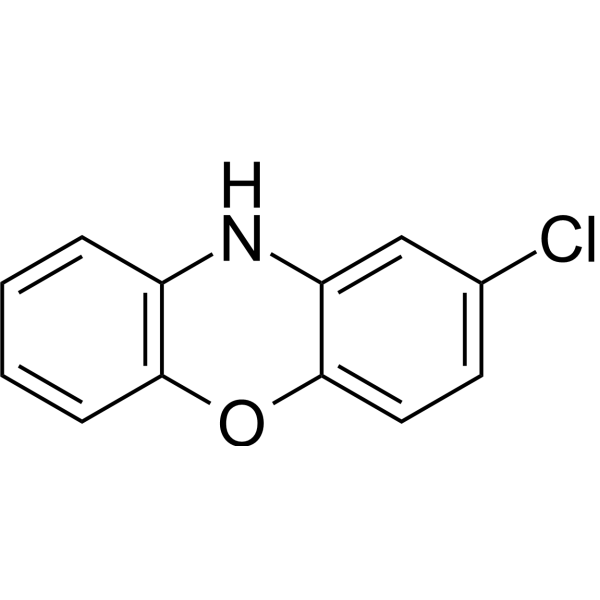
2-Chlorophenoxazine is a Akt inhibitor with an IC50 value of 2-5 μM for in vitro. 2-Chlorophenoxazine can induce apoptosis. 2-Chlorophenoxazine can be used for cancer diseases research .
|
-
- HY-149841
-
|
|
Akt
|
Cancer
|
|
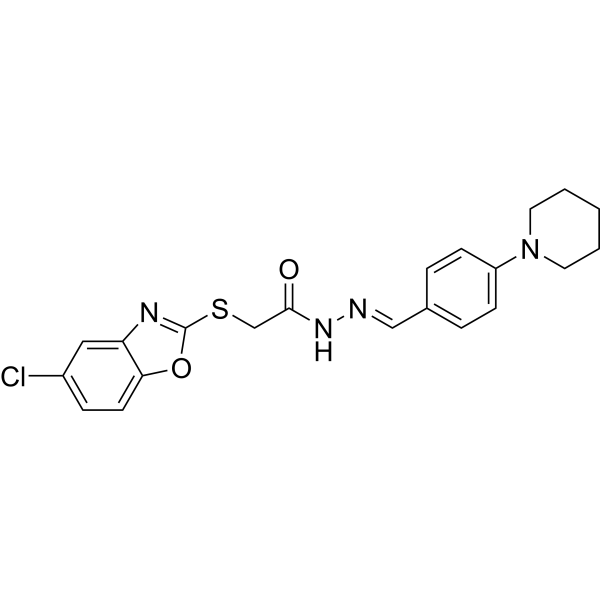
AKT-IN-17 is a AKt inhibitor. AKT-IN-17 inhibits AKt in A549 cells, leading to Apoptosis. AKT-IN-17 can be used in non-small cell lung cancer study .
|
-
- HY-18933
-
|
|
Akt
|
Cancer
|
|
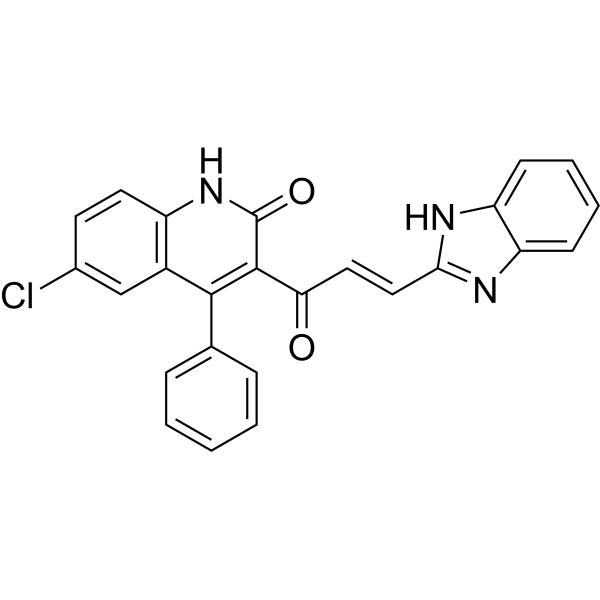
BI-69A11 is an AKT inhibitor that can effectively suppress the phosphorylation of AKT. BI-69A11 exhibits anticancer activity and can lead to the death of melanoma cells and prostate tumor cells .
|
-
- HY-50909R
-
|
KRX-0401 (Standard); NSC 639966 (Standard); D21266 (Standard)
|
Akt
Autophagy
Apoptosis
Reference Standards
|
Cancer
|
|
Perifosine (Standard) is the analytical standard of Perifosine. This product is intended for research and analytical applications. Perifosine is an oral Akt inhibitor which inhibits proliferation of different tumor cell lines with IC50s of 0.6-8.9 μM.
|
-

- HY-100702
-
|
|
Akt
Apoptosis
|
Cancer
|
|
SH-5 is a potent AKT inhibitor. SH-5 potentiates the apoptosis induced by tumor necrosis factor. SH-5 blocks NF-kB activation induced by TNF-a, lipopolysaccharide (HY-D1056), phorbol ester (HY-18739), and cigarette smoke .
|
-

- HY-161144
-
|
|
Akt
Apoptosis
|
Cancer
|
|
AKT-IN-21 (compound C36) is a potent AKT inhibitor with broad-spectrum cytotoxicity and anticancer activity. AKT-IN-21 also blocks the cell cycle and induces apoptosis of cancer cells by down-regulating the PI3K/AKT pathway .
|
-
- HY-153685
-
|
|
Topoisomerase
Akt
Apoptosis
|
Cancer
|
|
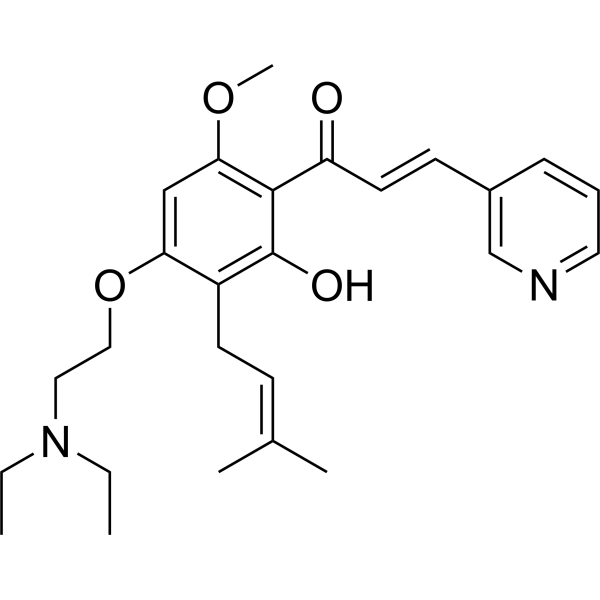
NISC-6 is a novel dual Topo-IIα/Akt inhibitor. NISC-6 has inhibitory activity against various cells, such as UACC903 (IC50 = 2.5 µM) and CHL-1 (IC50 = 0.8 µM) cells. NISC-6 dose dependently induces early and late apoptosis. NISC-6 can be used for research on melanoma .
|
-

- HY-139296
-
|
|
Akt
|
Cancer
|
|
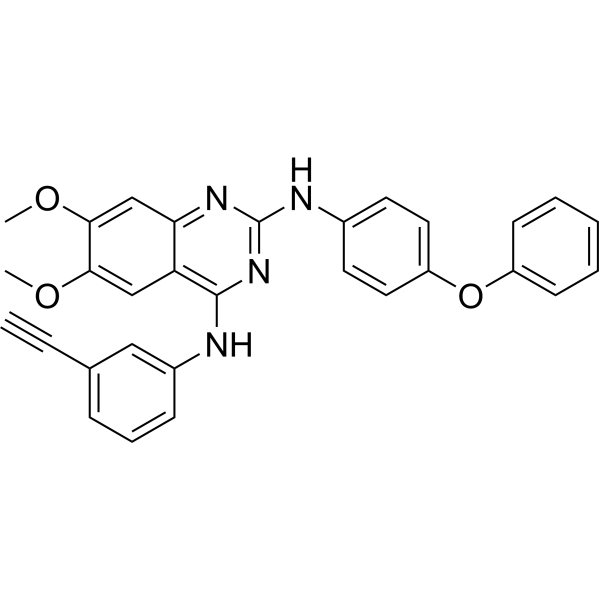
PP2A Cancerous-IN-1 is a strong and potent CIP2A (Cancerous inhibitor of PP2A) and p-Akt inhibitor. PP2A Cancerous-IN-1 shows the most potent antiproliferative activities . PP2A Cancerous-IN-1 is a click chemistry reagent, it contains an Alkyne group and can undergo copper-catalyzed azide-alkyne cycloaddition (CuAAc) with molecules containing Azide groups.
|
-
- HY-15186C
-
|
GDC-0068 tosylate; RG7440 tosylate
|
Organoid
Akt
Apoptosis
|
Cancer
|
|
Ipatasertib (GDC-0068) tosylate is an orally active, highly selective and ATP-competitive pan-Akt inhibitor with IC50 values of 5, 18, 8 nM for Akt1/2/3, respectively. Ipatasertib tosylate synchronously activates FoxO3a and NF-κB through inhibition of Akt leading to p53-independent activation of PUMA. Ipatasertib tosylate also induces apoptosis in cancer cells and inhibits tumor growth in xenograft mouse models .
|
-

- HY-P10105
-
|
|
Akt
Apoptosis
|
Cancer
|
|
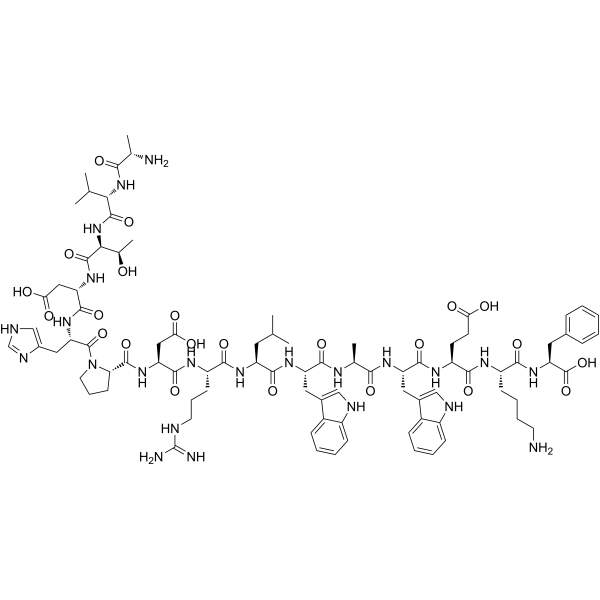
TCL1(10-24) is a encompassing the betaA strand of human TCL1. TCL1(10-24) is a Akt inhibitor. TCL1(10-24) interacts with the Akt PH domain prevented phosphoinositide binding and hence inhibits membrane translocation and activation of Akt. TCL1(10-24) inhibits cellular proliferation and anti-apoptosis. TCL1(10-24) has tumor growth in vivo .
|
-
- HY-169431
-
|
|
VEGFR
Akt
Caspase
Bcl-2 Family
Apoptosis
|
Cancer
|
|
VEGFR-2/AKT-IN-2 (Compound 5) is a VEGFR-2/AKT inhibitor (IC50: 0.061 μM for VEGFRin HepG2 cell). VEGFR-2/AKT-IN-2 reduces total and phosphorylated AKT as well as up-regulates BAX and Caspase-3 and down-regulates Bcl-2 in cells, thereby promoting Apoptosis. VEGFR-2/AKT-IN-2 causes cell cycle arrest in S phase. VEGFR-2/AKT-IN-2 inhibits the growth of human liver tumor cells .
|
-

- HY-178993
-
|
|
PI3K
Akt
Apoptosis
|
Cancer
|
|
PI3K/AKT-IN-5 (Compound 3h) is a PI3K/AKT inhibitor. PI3K/AKT-IN-5 exhibits outstanding broad-spectrum anti-cancer activity, especially being sensitive to colorectal cancer. PI3K/AKT-IN-5 significantly reduces cell colony formation, induces G2/M phase cell cycle arrest and cell apoptosis. PI3K/AKT-IN-5 can be used for research on colorectal cancer .
|
-

- HY-N0534R
-
|
|
Reference Standards
DNA/RNA Synthesis
Apoptosis
PI3K
Akt
Caspase
SOD
Interleukin Related
|
Cardiovascular Disease
Inflammation/Immunology
Cancer
|
|
Vitexin-2"-O-rhamnoside (Standard) is the analytical standard of Vitexin-2"-O-rhamnoside (HY-N0534). This product is intended for research and analytical applications. Vitexin-2"-O-rhamnoside is an orally active flavonoid glycoside. Vitexin-2"-O-rhamnoside inhibits Apoptosis, increases the phosphorylation levels of PI3K/Akt, inhibits caspase-3, SOD activity, and promotes cytokine (IL-2, IL-6, and IL-12) secretion. Vitexin-2"-O-rhamnoside strongly inhibits DNA synthesis in MCF-7 cells with an IC50 of 17.5 μM. Vitexin-2"-O-rhamnoside enhances immune function and improves the absorption of active compounds. Vitexin-2"-O-rhamnoside has antioxidant activity. Vitexin-2"-O-rhamnoside is used in the study of cardiovascular disease and immune-related diseases .
|
-

- HY-10355R
-
|
AKTi-1/2 (Standard)
|
Reference Standards
Akt
Apoptosis
|
Metabolic Disease
Cancer
|
|
AKT inhibitor VIII (Standard) is the analytical standard of AKT inhibitor VIII (HY-10355). This product is intended for research and analytical applications. AKT inhibitor VIII (AKTi-1/2) is a cell-permeable quinoxaline compound that has been shown to potently, selectively, allosterically, and reversibly inhibit Akt1, Akt2, and Akt3 activity with IC50s of 58 nM, 210 nM, and 2119 nM, respectively.
|
-

- HY-169534
-
|
|
Akt
|
Cancer
|
|
AKT-IN-26 (Compound 453) is an AKT inhibitor that binds to the Pleckstrin homology (PH) domain of AKT. AKT-IN-26 can be used in research related to AKT pathway-associated cell proliferation and cancer .
|
-

- HY-10425R
-
|
A-443654 (Standard)
|
Reference Standards
Akt
|
Cancer
|
|
Rizavasertib (Standard) is the analytical standard of Rizavasertib (HY-10425). This product is intended for research and analytical applications. A-443654 is a pan-Akt inhibitor and has equal potency against Akt1, Akt2, or Akt3 within cells (Ki=160 pM) .
|
-

- HY-119134
-
|
|
Akt
|
Cancer
|
|
PX-316 is an Akt inhibitor. PX-316 can phosphorylate Akt, but does not inhibit the phosphorylation of PDK1 or PKC. PX-316 uniquely increases the expression of a group of mitochondrial-related genes. PX-316 can be used for the study of colon cancer and breast cancer .
|
-

- HY-19719B
-
|
ARQ-092 mesylate
|
Akt
Parasite
|
Infection
Cancer
|
|
Miransertib (ARQ-092) mesylate is a potent, orally active, selective and allosteric Akt inhibitor with IC50s of 2.7 nM, 14 nM and 8.1 nM for Akt1, Akt2, Akt3, respectively. Miransertib mesylate is also a potent the AKT1-E17K mutant protein inhibitor and has the potential for PI3K/AKT-driven tumors and Proteus syndrome research . Miransertib mesylate is effective against Leishmania .
|
-

- HY-10249R
-
|
|
Reference Standards
Akt
AMPK
Autophagy
|
Cancer
|
|
GSK-690693 (Standard) is the analytical standard of GSK-690693 (HY-10249). This product is intended for research and analytical applications. GSK-690693 is an ATP-competitive pan-Akt inhibitor with IC50s of 2 nM, 13 nM, 9 nM for Akt1, Akt2 and Akt3, respectively. GSK-690693 is also an AMPK inhibitor, affects Unc-51-like autophagy activating kinase 1 (ULK1) activity and robustly inhibits STING-dependent IRF3 activation .
|
-

- HY-108232R
-
|
|
Organoid
Reference Standards
Akt
Autophagy
Apoptosis
|
Cancer
|
|
MK-2206 (Standard) is the analytical standard of MK-2206 (HY-108232). This product is intended for research and analytical applications. MK-2206 is an orally active, highly potent and selective allosteric Akt inhibitor, with IC50s of 8, 12, and 65 nM for Akt1, Akt2, and Akt3, respectively. Many breast cancer cell lines, and PIK3CA-mutant and cell lines with PTEN loss are sensitive to MK-2206. MK-2206 has anticancer activities .
|
-

- HY-182003
-
|
|
Akt
Apoptosis
Reactive Oxygen Species (ROS)
|
Cancer
|
|
Anticancer agent 308 is an AKT inhibitor with antitumor activity. Anticancer agent 308 reduces total AKT protein levels, thereby inhibiting the pro-survival PI3K/AKT signaling pathway. Anticancer agent 308 induces apoptosis, disrupts mitochondrial membrane potential, promotes ROS accumulation in mitochondria, and induces cell cycle arrest. Anticancer agent 308 inhibits cancer cell migration. Anticancer agent 308 is applicable to research related to breast cancer, lung adenocarcinoma, cervical cancer, prostate cancer, and hepatocellular carcinoma .
|
-

- HY-10358R
-
|
MK-2206 (2HCl) (Standard)
|
Organoid
Reference Standards
Akt
Autophagy
Apoptosis
|
Cardiovascular Disease
Inflammation/Immunology
Cancer
|
|
MK-2206 dihydrochloride (MK-2206 2HCl) (Standard) is the analytical standard of MK-2206 dihydrochloride (HY-10358). This product is intended for research and analytical applications. MK-2206 dihydrochloride is an orally active pan-AKT inhibitor, with IC50 values of 8 nM, 12 nM and 65 nM against AKT1, AKT2 and AKT3, respectively. MK-2206 dihydrochloride inhibits the Akt/mTOR signaling pathway and reduces the levels of downstream GSK3β and Mcl-1 via proteasomal degradation. MK-2206 dihydrochloride induces G1-phase cell cycle arrest, apoptosis, epithelial-mesenchymal transition, fibroblast activation and extracellular matrix deposition. MK-2206 dihydrochloride causes transient hyperglycemia and hyperinsulinemia in animals. MK-2206 dihydrochloride can be used in research related to solid tumors, renal fibrosis and hypercholesterolemia .
|
-

- HY-183273
-
|
|
Epigenetic Reader Domain
Akt
CDK
Autophagy
Apoptosis
|
Cancer
|
|
BRD4/AKT-IN-1 is a BRD4/AKT inhibitor with BRD4 IC50 66.12 nM and AKT1 IC50 143.81 nM. BRD4/AKT-IN-1 blocks BRD4-mediated c-Myc transcriptional regulation, modulates AKT1 signaling, decouples AKT phosphorylation from pro-survival effectors. BRD4/AKT-IN-1 induces G0/G1 cell cycle arrest via downregulated phosphorylated RB, cyclin E1, CDK2. BRD4/AKT-IN-1 elevates LC3B levels to promote autophagy. BRD4/AKT-IN-1 promotes apoptosis in cancer cells. BRD4/AKT-IN-1 can be used for the research of metastatic castration-resistant prostate cancer .
|
-

| Cat. No. |
Product Name |
Type |
-
- HY-40351
-
|
|
Biochemical Assay Reagents
|
|
4-Chloro-7H-pyrrolo[2,3-d]pyrimidine is a nitrogen-containing heterocyclic organic synthesis intermediate that can be used for the synthesis of JAK and PKB/Akt inhibitors .
|
-
- HY-75813
-
|
|
Biochemical Assay Reagents
|
|
2-Aminonicotinaldehyde is a synthetic intermediate. 2-Aminonicotinaldehyde can be used for the synthesis of 5-HT3 receptor antagonists, AKT inhibitors, and other compounds. 2-Aminonicotinaldehyde is applicable to research on depression and cancers (including hepatocellular carcinoma) .
|
| Cat. No. |
Product Name |
Target |
Research Area |
-
- HY-P10049
-
|
|
Akt
|
Cancer
|
|
TAT-TCL1-Akt-in is an Akt inhibitor .
|
-
- HY-P10105
-
|
|
Akt
Apoptosis
|
Cancer
|
|
TCL1(10-24) is a encompassing the betaA strand of human TCL1. TCL1(10-24) is a Akt inhibitor. TCL1(10-24) interacts with the Akt PH domain prevented phosphoinositide binding and hence inhibits membrane translocation and activation of Akt. TCL1(10-24) inhibits cellular proliferation and anti-apoptosis. TCL1(10-24) has tumor growth in vivo .
|
| Cat. No. |
Product Name |
Category |
Target |
Chemical Structure |
-
- HY-101984
-
-
-
- HY-N0534
-
-
-
- HY-N2907
-
|
|
other families
Classification of Application Fields
Phenols
Polyphenols
Plants
Endogenous metabolite
Disease Research Fields
Source Classification
Cancer
|
Wnt
Ras
Endogenous Metabolite
Bacterial
Fungal
PD-1/PD-L1
Tim3
Akt
AP-1
STAT
|
|
Atranorin is a secondary metabolite of lichens and AKT inhibitor. Atranorin possesses multiple activities such as antibacterial, anti-inflammatory, antioxidant, anti-glycation, analgesic, and anti-tumor effects. Atranorin has IC50 values for scavenging DPPH and ABTS free radicals of 117 μM and less than 10 μM, respectively. Additionally, Atranorin also exhibits effects in promoting wound healing. Atranorin can be used in the research of various diseases, including myelodysplastic syndromes, tumors, and inflammatory conditions .
|
-
-
- HY-101984R
-
|
|
Microorganisms
Source Classification
|
Reference Standards
Nucleoside Antimetabolite/Analog
Adenosine Receptor
Akt
SARS-CoV
|
|
N6,N6-Dimethyladenosine (Standard) is the analytical standard of N6,N6-Dimethyladenosine (HY-101984). This product is intended for research and analytical applications. N6,N6-Dimethyladenosine, a modified ribonucleoside, is an endogenous A3 adenosine receptor ligand. N6,N6-Dimethyladenosine is an AKT inhibitor with antitumor effects. N6, N6-Dimethyladenosine targets SARS-CoV-2 entry protein ADAM17. N6, N6-Dimethyladenosine robustly inhibits AKT signaling in a variety of non-small cell lung cancer cell lines.
|
-
-
- HY-N2907R
-
|
|
Structural Classification
other families
Phenols
Polyphenols
Plants
Endogenous metabolite
Source Classification
|
Wnt
Reference Standards
Ras
Endogenous Metabolite
Bacterial
Fungal
PD-1/PD-L1
Tim3
Akt
AP-1
STAT
|
|
Atranorin (Standard) is the analytical standard of Atranorin (HY-N2907). This product is intended for research and analytical applications. Atranorin is a secondary metabolite of lichens and AKT inhibitor. Atranorin possesses multiple activities such as antibacterial, anti-inflammatory, antioxidant, anti-glycation, analgesic, and anti-tumor effects. Atranorin has IC50 values for scavenging DPPH and ABTS free radicals of 117 μM and less than 10 μM, respectively. Additionally, Atranorin also exhibits effects in promoting wound healing. Atranorin can be used in the research of various diseases, including myelodysplastic syndromes, tumors, and inflammatory conditions .
|
-
-
- HY-N0534R
-
|
|
Structural Classification
Flavonoids
other families
Flavones
Phenols
Polyphenols
Plants
Source Classification
|
Reference Standards
DNA/RNA Synthesis
Apoptosis
PI3K
Akt
Caspase
SOD
Interleukin Related
|
|
Vitexin-2"-O-rhamnoside (Standard) is the analytical standard of Vitexin-2"-O-rhamnoside (HY-N0534). This product is intended for research and analytical applications. Vitexin-2"-O-rhamnoside is an orally active flavonoid glycoside. Vitexin-2"-O-rhamnoside inhibits Apoptosis, increases the phosphorylation levels of PI3K/Akt, inhibits caspase-3, SOD activity, and promotes cytokine (IL-2, IL-6, and IL-12) secretion. Vitexin-2"-O-rhamnoside strongly inhibits DNA synthesis in MCF-7 cells with an IC50 of 17.5 μM. Vitexin-2"-O-rhamnoside enhances immune function and improves the absorption of active compounds. Vitexin-2"-O-rhamnoside has antioxidant activity. Vitexin-2"-O-rhamnoside is used in the study of cardiovascular disease and immune-related diseases .
|
-
| Cat. No. |
Product Name |
|
Classification |
-
- HY-139296
-
|
|
|
Alkynes
|
|
PP2A Cancerous-IN-1 is a strong and potent CIP2A (Cancerous inhibitor of PP2A) and p-Akt inhibitor. PP2A Cancerous-IN-1 shows the most potent antiproliferative activities . PP2A Cancerous-IN-1 is a click chemistry reagent, it contains an Alkyne group and can undergo copper-catalyzed azide-alkyne cycloaddition (CuAAc) with molecules containing Azide groups.
|
| Cat. No. |
Product Name |
|
Classification |
-
- HY-50909
-
|
KRX-0401; NSC 639966; D21266
|
|
Phospholipids
|
|
Perifosine is an oral Akt inhibitor which inhibits proliferation of different tumor cell lines with IC50s of 0.6-8.9 μM.
|
Your information is safe with us. * Required Fields.
Inquiry Information
- Product Name:
- Cat. No.:
- Quantity:
- MCE Japan Authorized Agent:





![4-Chloro-7H-pyrrolo[2,3-d]pyrimidine](http://file.medchemexpress.com/product_pic/hy-40351.gif)





