



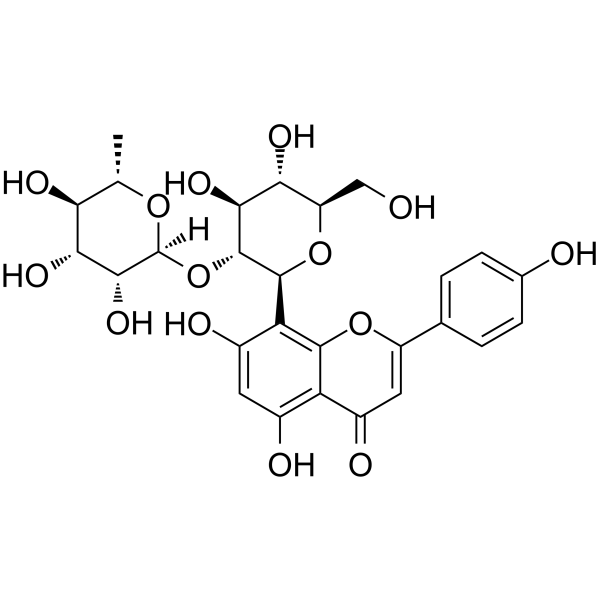
Vitexin-2"-O-rhamnoside

Based on 1 Customer Validation
Vitexin-2"-O-rhamnoside is an orally active flavonoid glycoside. Vitexin-2"-O-rhamnoside inhibits Apoptosis, increases the phosphorylation levels of PI3K/Akt, inhibits caspase-3, SOD activity, and promotes cytokine (IL-2, IL-6, and IL-12) secretion. Vitexin-2"-O-rhamnoside strongly inhibits DNA synthesis in MCF-7 cells with an IC50 of 17.5 μM. Vitexin-2"-O-rhamnoside enhances immune function and improves the absorption of active compounds. Vitexin-2"-O-rhamnoside has antioxidant activity. Vitexin-2"-O-rhamnoside is used in the study of cardiovascular disease and immune-related diseases.
연구목적의 판매만을 진행합니다. 환자를 대상으로 한 판매는 하지 않습니다.
- Purity : 99.78%
- CAS No.: 64820-99-1
- 화학식: C27H30O14
- 분자량:578.52
-
보관:
4°C, protect from light
* In solvent : -80°C, 6 months; -20°C, 1 month (protect from light)

To place orders, for customer services and technical support, please contact: MedChemExpress USA
Tel: 609-228-6898 E-mail: [email protected] [email protected]


-
 Biological Activity
-
Chemical Information
-
용액&용해도
- Protocol
- 순도&문서
- References
-
 Help & FAQs


-

HY-N0534R
Vitexin-2"-O-rhamnoside (Standard)Standard of Vitexin-2"-O-rhamnoside -
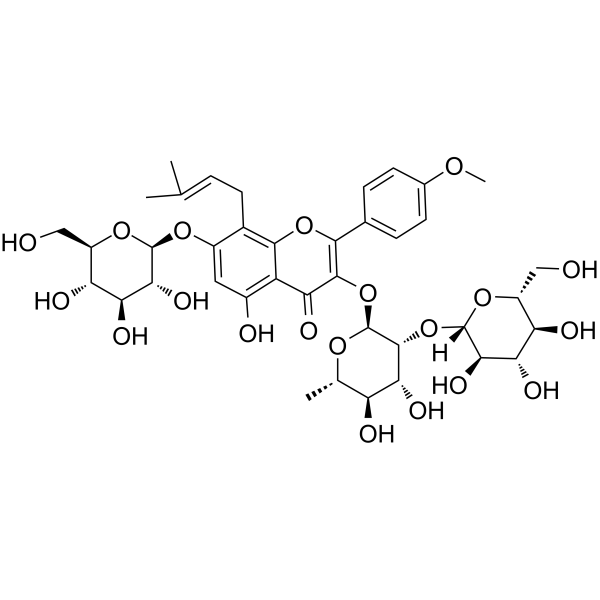
HY-N0257
Epimedin ANatural Product -
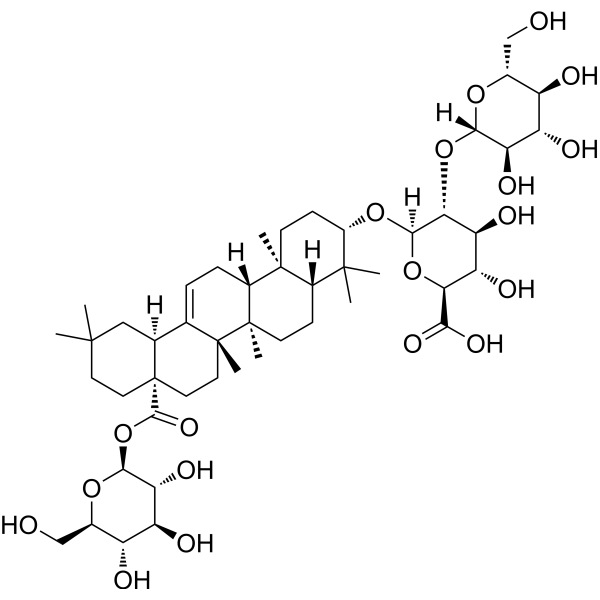
HY-N0607
Ginsenoside RoCalcium Channel Antagonist -
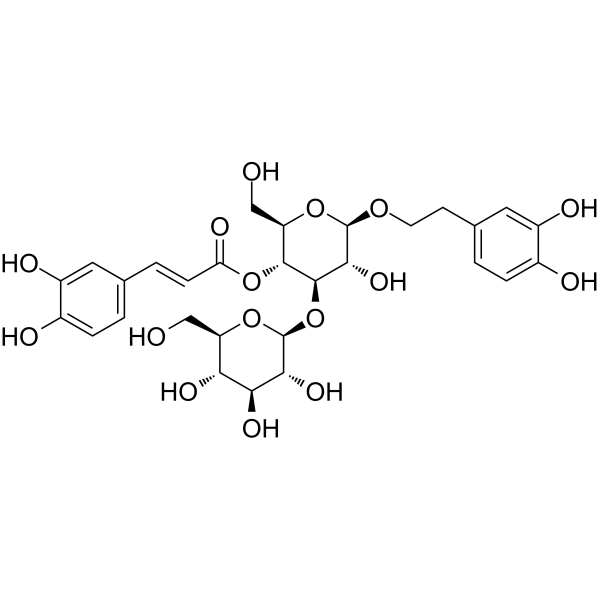
HY-N0031
PlantamajosideNF-κB Inhibitor -
HY-N0604
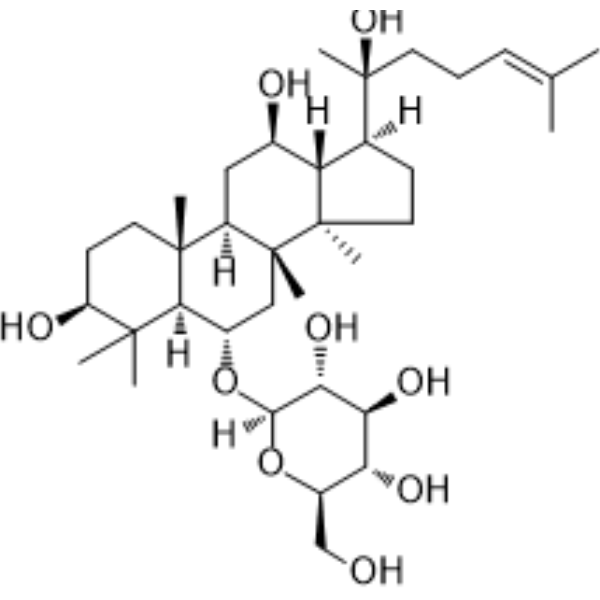
Ginsenoside Rh1Endogenous Metabolite -
HY-N0712
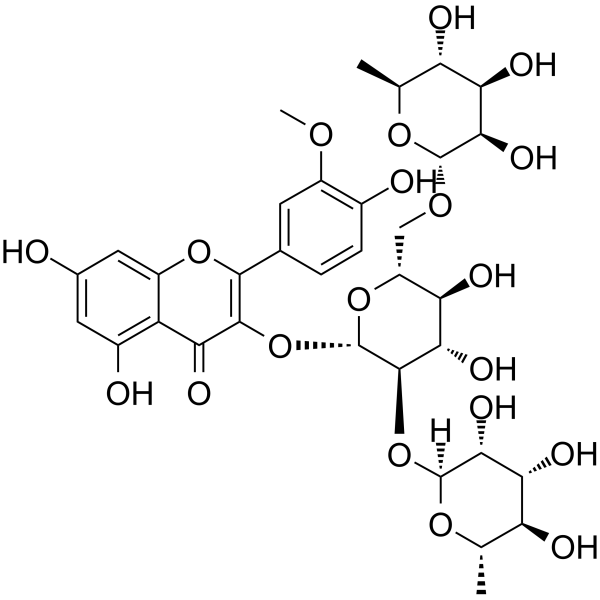
TyphaneosidePI3K/Akt/mTOR Activator -
HY-N0314
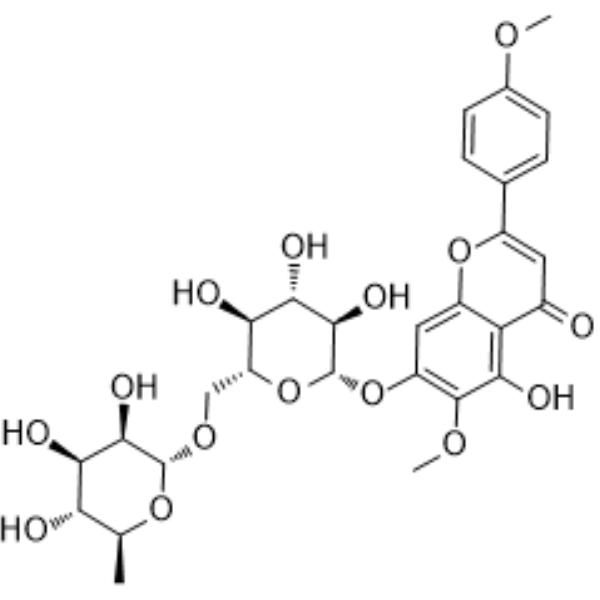
PectolinarinIL-6/8 Inhibitor -
HY-76225
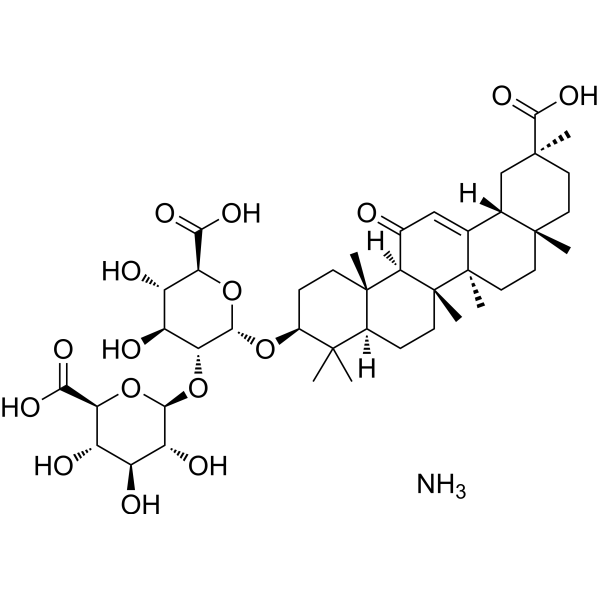
Ammonium glycyrrhizinateAnti-tumor Agent -

HY-N0257R
Epimedin A (Standard)Standard of Epimedin A -

HY-N0607R
Ginsenoside Ro (Standard)Calcium Channel Antagonist -

HY-N0712R
Typhaneoside (Standard)Autophagy Inhibitor -

HY-N0031R
Plantamajoside (Standard)NF-κB Inhibitor


Biological Activity
제품 설명
|
IL-6 |
Caspase-3 |
IL-12 |
IL-2 |
In Vitro
Vitexin-2"-O-rhamnoside (62.5 μM; 24 h) can significantly alleviate the morphological deterioration, nuclear condensation of human adipose-derived stem cells induced by hydrogen peroxide, and reduce the percentage of apoptotic/necrotic cells and intracellular caspase-3 activity[1].
Vitexin-2"-O-rhamnoside (15.6-125 μM; 1 h) can improve the viability of human umbilical vein endothelial cells ECV304[2].
MedChemExpress (MCE) has not independently confirmed the accuracy of these methods. They are for reference only. Further protocols information, click here.
-
Cell Line:Human adipose-derived stem cells (hADSCs)
-
Concentration:0 μM, 15.6 μM, 31.3 μM, 62.5 μM, 125 μM, 250 μM
-
Incubation Time:24 h, 48 h, 72 h
-
Result:Had no cytotoxic effect (up to 250 μM).
Significantly increased the cell viability of hADSCs to 106.93%, 124.24%, and 127.08% at 24 h, 48 h and 72 h, respectively (at 62.5 μM).
In Vivo
Vitexin-2"-O-rhamnoside (50-200 mg/kg; i.g.; 14 days) improves immunosuppression, oxidative stress, and phosphorylation of PI3K/Akt signal pathway in Cyclophosphamide (HY-17420) treated mice[4].
Vitexin-2"-O-rhamnoside (30 mg/kg; p.o.) shows a significantly increased oral bioavailability in rats when co-administered with Verapamil (HY-14275) or high-concentration Bile salts[5].
MedChemExpress (MCE) has not independently confirmed the accuracy of these methods. They are for reference only.
-
Animal Model:SPF male Kunming strain mice (male, 20 g)[3]
-
Dosage:30 mg/kg
-
Administration:Oral gavage (p.o.) or intravenous injection (i.v.)
-
Result:Had a cumulative ratio unchanged in urine and feces of 4.13% and 38.89% after oral administration and 12.83% and 24.65% after intravenous administration, respectively.
Had a total recovery of 37.48% in feces (12.83% in urine and 24.65% in feces) after intravenous administration and 43.02% in feces (4.13% in urine and 38.89% in feces) after oral administration.
-
Animal Model:Male BALB/c mice (male, 18-22 g, 6-8 weeks old) + immunosuppressive model induced by Cyclophosphamide[4]
-
Dosage:50 mg/kg, 100 mg/kg, 200 mg/kg
-
Administration:Intragastric administration, 14 days
-
Result:Improved weight loss symptoms in immunosuppressed mice.
Increased the thymus and spleen indices, restored the damage of CY to the thymus and spleen, alleviated the decrease in RBC, WBC, HGB, and PLT levels.
Promoted the proliferation of spleen lymphocytes, B cells, and T cells.
Enhanced NK and CTL activities, promoted the secretion and mRNA expression of cytokines IFN-γ, IL-2, IL-6, and IL-12.
Increased the activities of GSH-Px, CAT, SOD, and T-AOC, and decreased the level of MDA.
Increased the phosphorylation levels of PI3K and Akt in a dose-dependent manner.


Chemical Information
-
CAS No. 64820-99-1
-
Appearance Solid
-
분자량 578.52
-
화학식 C27H30O14
-
Color White to yellow
-
SMILES
OC1=CC(O)=C2C(OC(C3=CC=C(O)C=C3)=CC2=O)=C1[C@H](O[C@H](CO)[C@@H](O)[C@@H]4O)[C@@H]4O[C@@](O[C@@H](C)[C@H](O)[C@H]5O)([H])[C@@H]5O
-
Structure Classification
-
Initial Source
-
선적
Room temperature in continental US; may vary elsewhere.
-
보관
4°C, protect from light
* In solvent : -80°C, 6 months; -20°C, 1 month (protect from light)


용액&용해도
In Vitro:
DMSO : 100 mg/mL (172.85 mM; Need ultrasonic; Hygroscopic DMSO has a significant impact on the solubility of product, please use newly opened DMSO)
Please refer to the solubility information to select the appropriate solvent. Once prepared, please aliquot and store the solution to prevent product inactivation from repeated freeze-thaw cycles.
Storage method and period of stock solution: -80°C, 6 months; -20°C, 1 month (protect from light). When stored at -80°C, please use it within 6 months. When stored at -20°C, please use it within 1 month.
Please refer to the solubility information to select the appropriate solvent. Once prepared, please aliquot and store the solution to prevent product inactivation from repeated freeze-thaw cycles.
Storage method and period of stock solution: -80°C, 6 months; -20°C, 1 month (protect from light). When stored at -80°C, please use it within 6 months. When stored at -20°C, please use it within 1 month.
Concentration (start) × Volume (start) = Concentration (final) × Volume (final)
In Vivo:
Select the appropriate dissolution method based on your experimental animal and administration route.
- For the following dissolution methods, please ensure to first prepare a clear stock solution using an In Vitro approach and then sequentially add co-solvents:
- To ensure reliable experimental results, the clarified stock solution can be appropriately stored based on storage conditions. As for the working solution for In Vivo experiments, it is recommended to prepare freshly and use it on the same day.
- The percentages shown for the solvents indicate their volumetric ratio in the final prepared solution. If precipitation or phase separation occurs during preparation, heat and/or sonication can be used to aid dissolution.
Add each solvent one by one: 10% DMSO 40% PEG300 5% Tween-80 45% Saline
Solubility: ≥ 2.5 mg/mL (4.32 mM); Clear solution
This protocol yields a clear solution of ≥ 2.5 mg/mL (saturation unknown).
Taking 1 mL working solution as an example, add 100 μL DMSO stock solution (25.0 mg/mL) to 400 μL PEG300, and mix evenly; then add 50 μL Tween-80 and mix evenly; then add 450 μL Saline to adjust the volume to 1 mL.
Preparation of Saline: Dissolve 0.9 g sodium chloride in ddH₂O and dilute to 100 mL to obtain a clear Saline solution.
Add each solvent one by one: 10% DMSO 90% (20% SBE-β-CD in Saline)
Solubility: ≥ 2.5 mg/mL (4.32 mM); Clear solution
This protocol yields a clear solution of ≥ 2.5 mg/mL (saturation unknown).
Taking 1 mL working solution as an example, add 100 μL DMSO stock solution (25.0 mg/mL) to 900 μL 20% SBE-β-CD in Saline, and mix evenly.
Preparation of 20% SBE-β-CD in Saline (4°C, storage for one week): 2 g SBE-β-CD powder is dissolved in 10 mL Saline, completely dissolve until clear.
In Vivo Dissolution Calculator
Please enter the basic information of animal experiments:
-
-
-
-
Recommended: Prepare an additional quantity of animals to account for potential losses during experiments.
Please enter your animal formula composition:
-
%DMSO +
Recommended: Keep the proportion of DMSO in working solution below 2% if your animal is weak.
-
%+
-
+%Tween-80 + +
-
%Saline +
The co-solvents required include: DMSO, . All of co-solvents are available by MedChemExpress (MCE). , Tween 80. All of co-solvents are available by MedChemExpress (MCE).
Working solution concentration: 0.22 mg/mL
Method for preparing stock solution: mg drug dissolved in μL DMSO. Stock solution concentration: mg/mL. * In solvent : -80°C, 6 months; -20°C, 1 month (protect from light)
1. Take μL DMSO stock solution;
2. Add μL .
μL , mix evenly;
3. Then add μL Tween 80, mix evenly;
4. Then add μL
Please ensure that the stock solution in the first step is dissolved to a clear state, and add co-solvents in sequence. You can use ultrasonic heating (ultrasonic cleaner, recommended frequency 20-40 kHz), vortexing, etc. to assist dissolution.

Protocol
-
Kinase activity and phosphorylation assays
Kinase activity assays measure the ability of kinases to transfer phosphate groups from ATP to specific substrates, while phosphorylation assays detect the presence and levels of phosphorylated proteins. Common methods include radiolabeled ATP incorporation (e. g. ,), ADP release detection via bioluminescence (e. g. ,[3]), enzyme-linked immunosorbent assays (ELISA) for phospho-specific epitopes (e. g. ,[6]), and microtiter-based formats for high-throughput screening (e. g. ,[8]). The ADP-Glo assay quantifies kinase activity by measuring ADP produced during phosphorylation using a luciferase-based system. Radiometric assays involve autoradiography or scintillation counting after incorporation of 32P-labeled ATP into substrate proteins. ELISA-based approaches rely on phospho-specific antibodies to detect activated kinases in cell lysates or purified samples.
-
Western Blot
Western blotting (WB) is a commonly used experimental method in molecular biology, biochemistry, and immunogenetics for identifying and quantifying target proteins. It combines gel electrophoresis with immunoassay, enabling researchers to analyze protein expression, post-translational modifications, and molecular weight.
-
EdU Incorporation Assay (Click Chemistry-Based DNA Synthesis Measurement)
The EdU incorporation assay measures DNA synthesis by adding the thymidine analog 5-ethynyl-2′-deoxyuridine to cells or tissues, where it is incorporated into newly synthesized DNA during S phase. Incorporated EdU is detected by copper-catalyzed azide-alkyne cycloaddition, in which a fluorescent azide covalently reacts with the ethynyl group on EdU, allowing S-phase cells to be detected by fluorescence microscopy, flow cytometry, or high-content imaging. EdU detection does not require DNA denaturation or anti-BrdU antibody access, which preserves sample structure and improves compatibility with immunostaining and multiparameter cytometry compared with BrdU-based detection. EdU can be cytotoxic in a cell-type- and exposure-dependent manner, so pulse duration, concentration, and continuous-labeling designs should be validated for each cell type.
-
Apoptosis
Apoptosis, also called programmed cell death, is generally characterized by distinct morphological characteristics.
-
TUNEL staining for apoptotic DNA fragmentation
TUNEL staining detects DNA strand breaks by using terminal deoxynucleotidyl transferase to add labeled nucleotides to exposed 3′-OH DNA termini, generating either microscopic staining in fixed cells or tissue sections, or fluorescence/cytometric signal in cell suspensions. TUNEL positivity reflects DNA fragmentation but should not be interpreted alone as definitive apoptosis, because TUNEL can also label necrotic, autolytic, mechanically damaged, or DNA-repair-associated DNA breaks.
-
Cell Cytotoxicity Assay
Cytotoxicity assays are usually based on the assessment of cell membrane damage, which can also be indirectly detected by measuring cell viability. Detection methods include MTT assay, CKK-8 assay, LDH assay and ATP assay, etc.
-
Annexin V plus membrane-impermeant dye apoptosis staining
Annexin V-based apoptosis assays rely on the detection of phosphatidylserine (PS) externalization from the inner leaflet of the plasma membrane to the outer leaflet, an early biochemical hallmark of apoptosis. Fluorescently labeled Annexin V binds PS in a calcium-dependent manner, enabling identification of early apoptotic cells by flow cytometry or fluorescence microscopy. When combined with a membrane-impermeant DNA-binding dye (e. g. , propidium iodide), this approach allows discrimination between viable (Annexin V−/dye−), early apoptotic (Annexin V+/dye−), and late apoptotic or necrotic (Annexin V+/dye+) cell populations by assessing membrane integrity and PS exposure.
-
BrdU Incorporation Assay
Bromodeoxyuridine (BrdU) incorporation assay is based on the principle that BrdU, a thymidine analog, is incorporated into newly synthesized DNA during the S phase of the cell cycle, thereby serving as a marker of DNA replication and cellular proliferation. Incorporated BrdU can be detected using anti-BrdU antibodies following DNA denaturation, enabling visualization or quantification of proliferating cells through immunochemical detection methods such as immunofluorescence or immunohistochemistry.
-
Apoptosis Solutions
Apoptosis is a regulated, generally non-lytic cell-death pathway that removes unwanted, damaged, infected, or abnormal cells through coordinated morphological changes, caspase activation, DNA fragmentation, and membrane remodeling. The intrinsic apoptosis pathway is controlled mainly by mitochondrial outer membrane permeabilization, BCL-2 family proteins, cytochrome c release, apoptosome formation, caspase-9 activation, and downstream executioner caspase-3/7 activation. The extrinsic apoptosis pathway is initiated by death receptors such as Fas, TNFR, and TRAIL receptors, which recruit adaptor proteins and activate caspase-8 before engaging executioner caspases or mitochondrial amplification through BID cleavage. Apoptosis is linked to many phenotypes, including cancer cell killing, tissue homeostasis, immune regulation, neurodegeneration, infection response, and treatment-induced cytotoxicity; unresolved questions include how apoptosis interacts with necroptosis, pyroptosis, ferroptos
-
Research Protocol for Cardiovascular Diseases
Cardiovascular disease can be modeled as maladaptive cardiac remodeling, where ischemic injury or pressure overload activates inflammatory signaling, fibroblast activation, extracellular-matrix deposition, cardiomyocyte hypertrophy, vascular remodeling, and progressive ventricular dysfunction. The TGF-β/SMAD axis is a central profibrotic pathway after myocardial injury and pressure overload, while innate immune and cytokine pathways regulate leukocyte recruitment, scar formation, and adverse remodeling. Key unresolved questions include which inflammatory signals are reparative versus harmful, when fibrosis is protective versus maladaptive, and whether pathway inhibition improves function without weakening necessary infarct healing or compensatory remodeling.
-
Protocol for Kinase activity and phosphorylation assays
Kinase activity assays measure transfer of phosphate from ATP to a protein or peptide substrate, generating phosphorylated substrate, ADP, or incorporated radiolabeled phosphate as the readout; phosphorylation assays measure site-specific phosphorylation in cells or tissues as a proxy for kinase-pathway activation, inhibition, or substrate regulation. Phosphorylation can be detected by phospho-specific Western blot, immunoprecipitation kinase assay, phospho-immunofluorescence, phospho-flow cytometry, luminescent ADP detection, radiolabeled ATP incorporation, or reporter-based pathway assays, and these readouts can be applied to cancer cells, primary neurons, mouse tumors, organoids, inflammatory macrophages, ferroptosis studies, and mitophagy studies when the kinase target is biologically relevant.
-
Research Protocol for Inflammation-related Diseases
The NLRP3 inflammasome is a cytosolic innate immune signaling platform that integrates priming signals and danger-signal activation to promote caspase-1 activation, maturation of IL-1β and IL-18, and gasdermin D-mediated pyroptotic cell death. The core experimental logic is to determine whether inflammatory disease phenotypes are driven by increased NLRP3 expression, ASC-containing inflammasome assembly, caspase-1 cleavage, GSDMD cleavage, and extracellular release of IL-1β/IL-18 rather than by nonspecific cell injury alone. The pathway is strongly linked to inflammation-related disease phenotypes because monosodium urate crystals activate NALP3/NLRP3 inflammasome signaling in gout-like crystal inflammation, cholesterol crystals activate NLRP3 inflammasomes in atherogenesis models, and DSS-induced intestinal inflammation has been reported to involve NLRP3 inflammasome activity. However, experimental colitis studies also show context-dependent protective effects of NLRP3 inflammasome co


순도&문서
-
Data Sheet (284 KB)
-
SDS (252 KB)
- English - EN (252 KB)
- Français - FR (252 KB)
- Deutsch - DE (252 KB)
- Norwegian - NO (252 KB)
- Español - ES (252 KB)
- Swedish - SV (252 KB)
- Italian - IT (252 KB)
- Korean - KR (252 KB)
- Portuguese - PT (252 KB)
-
Handling Instructions (2659 KB)
References
[1]. Wei W, et al. Effects of vitexin-2"-O-rhamnoside and vitexin-4"-O-glucoside on growth and oxidative stress-induced cell apoptosis of human adipose-derived stem cells. J Pharm Pharmacol. 2014 Jul;66(7):988-97. [Content Brief]
[3]. Cai S, et al. Comparative study on the excretion of vitexin-4''-O-glucoside in mice after oral and intravenous administration by using HPLC. Biomed Chromatogr. 2013 Nov;27(11):1375-9. [Content Brief]
[4]. Wang Y, et al. Vitexin-2-O-rhamnoside improves immunosuppression, oxidative stress, and phosphorylation of PI3K/Akt signal pathway in cyclophosphamide treated mice. Eur J Pharmacol. 2022 Jun 15;925:174999. [Content Brief]
[6]. Ninfali P, et al. Characterization and biological activity of the main flavonoids from Swiss Chard (Beta vulgaris subspecies cycla). Phytomedicine. 2007 Feb;14(2-3):216-21. [Content Brief]


Complete Stock Solution Preparation Table
Please refer to the solubility information to select the appropriate solvent. Once prepared, please aliquot and store the solution to prevent product inactivation from repeated freeze-thaw cycles.
Storage method and period of stock solution: -80°C, 6 months; -20°C, 1 month (protect from light). When stored at -80°C, please use it within 6 months. When stored at -20°C, please use it within 1 month.
| Optional Solvent | Concentration Solvent Mass | 1 mg | 5 mg | 10 mg | 25 mg |
|---|---|---|---|---|---|
| DMSO | 1 mM | 1.7285 mL | 8.6427 mL | 17.2855 mL | 43.2137 mL |
| 5 mM | 0.3457 mL | 1.7285 mL | 3.4571 mL | 8.6427 mL | |
| 10 mM | 0.1729 mL | 0.8643 mL | 1.7285 mL | 4.3214 mL | |
| 15 mM | 0.1152 mL | 0.5762 mL | 1.1524 mL | 2.8809 mL | |
| 20 mM | 0.0864 mL | 0.4321 mL | 0.8643 mL | 2.1607 mL | |
| 25 mM | 0.0691 mL | 0.3457 mL | 0.6914 mL | 1.7285 mL | |
| 30 mM | 0.0576 mL | 0.2881 mL | 0.5762 mL | 1.4405 mL | |
| 40 mM | 0.0432 mL | 0.2161 mL | 0.4321 mL | 1.0803 mL | |
| 50 mM | 0.0346 mL | 0.1729 mL | 0.3457 mL | 0.8643 mL | |
| 60 mM | 0.0288 mL | 0.1440 mL | 0.2881 mL | 0.7202 mL | |
| 80 mM | 0.0216 mL | 0.1080 mL | 0.2161 mL | 0.5402 mL | |
| 100 mM | 0.0173 mL | 0.0864 mL | 0.1729 mL | 0.4321 mL |


Vitexin-2"-O-rhamnoside Related Classifications
HY-N0534 Related Classifications
 Powered by Bioz