1. Search Result
Search Result
Results for "

Amino acid Transporter

" in MedChemExpress (MCE) Product Catalog:

52

Inhibitors & Agonists

2

Screening Libraries

4

Biochemical Assay Reagents

8

Natural
Products

6

Recombinant Proteins

4

Isotope-Labeled Compounds

11

Antibodies

1

Oligonucleotides

Cat. No. Product Name Target Research Areas Chemical Structure
  • HY-N0455
    L-Arginine
    20+ Cited Publications

    Environmental Pollutants Endogenous Metabolite NO Synthase Cardiovascular Disease Inflammation/Immunology
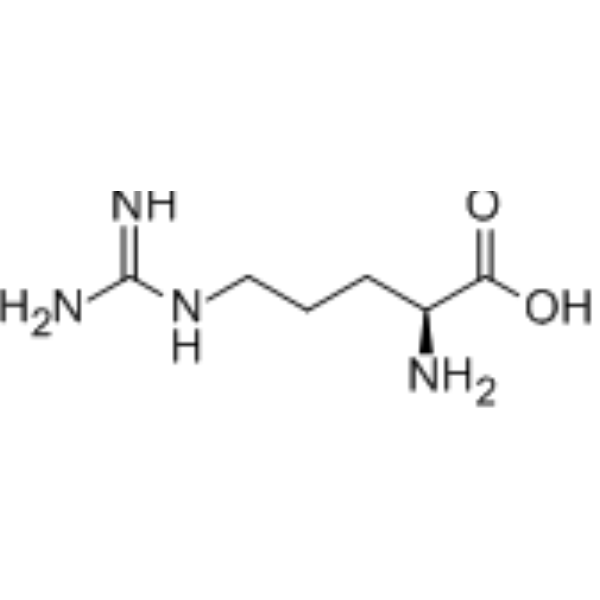
    L-Arginine ((S)-(+)-Arginine) is the substrate for the endothelial nitric oxide synthase (eNOS) to generate NO. L-Arginine is transported into vascular smooth muscle cells by the cationic amino acid transporter family of proteins where it is metabolized to nitric oxide (NO), polyamines, or L-proline. L-Arginine is a potent vasodilator, and can be used to induce experimental acute pancreatitis .
    L-Arginine
  • HY-B1102
    Evans Blue
    25+ Cited Publications

    Direct Blue 53; T-1824; C.I. 23860

    EAAT iGluR Cardiovascular Disease Neurological Disease
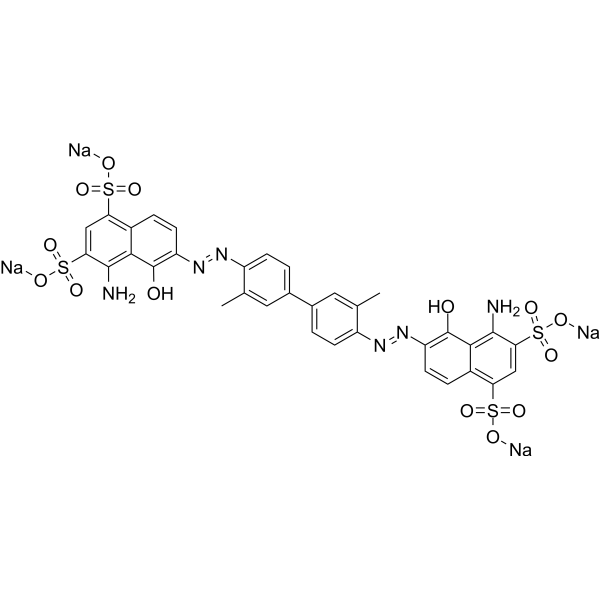
    Evans Blue (Direct Blue 53) is a potent inhibitor of L-glutamate uptake via the membrane bound excitatory amino acid transporter (EAAT). Evans Blue is a L-glutamate and kainate receptor-mediated currents inhibitor. Evans Blue has a strong affinity towards serum albumin, making it a high molecular weight protein tracer. Evans Blue is also used to study BBB (blood-brain barrier) permeability .
    Evans Blue
  • HY-112683
    V-9302
    Maximum Cited Publications
    34 Publications Verification

    ASCT Cancer
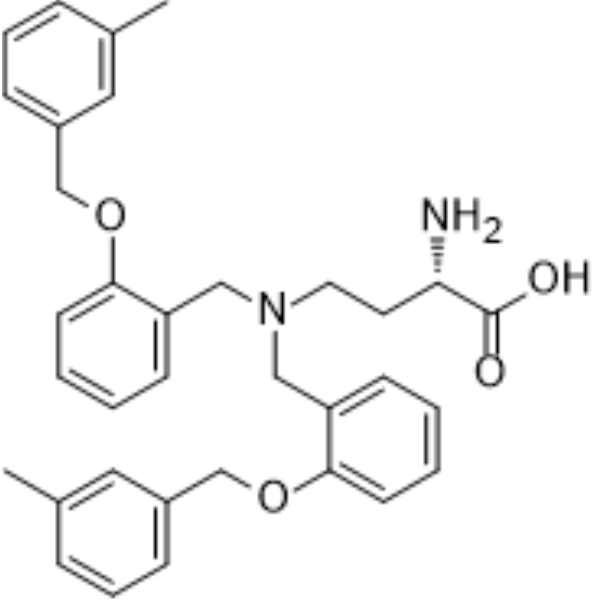
    V-9302 is a competitive antagonist of transmembrane glutamine flux. V-9302 selectively and potently targets the amino acid transporter ASCT2 (SLC1A5) not ASCT1. V-9302 inhibits ASCT2-mediated glutamine uptake (IC50=9.6 μM) in HEK-293 cells .
    V-9302
  • HY-108540
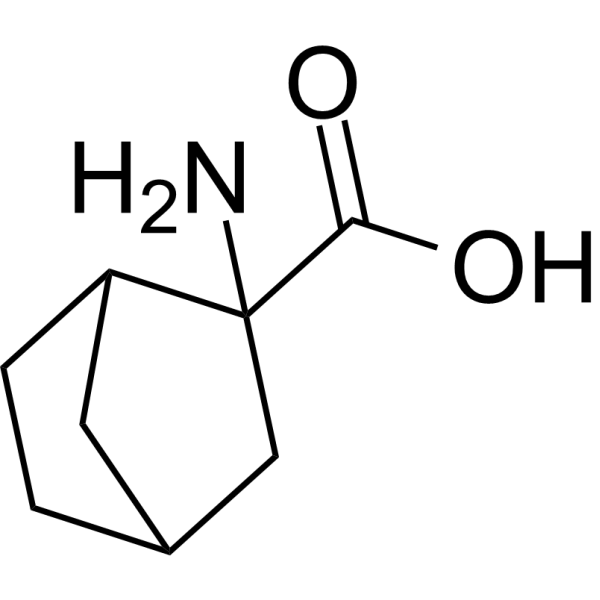
    BCH
    10+ Cited Publications

    2-Amino-2-norbornanecarboxylic acid; LAT1-IN-1

    Apoptosis Cancer
    BCH (2-Amino-2-norbornanecarboxylic acid) is a selective and competitive inhibitor of large neutral amino acid transporter 1 (LAT1) significantly inhibit cellular uptake of amino acids and mTOR phosphorylation, which induces the suppression of cancer growth and apoptosis .
    BCH
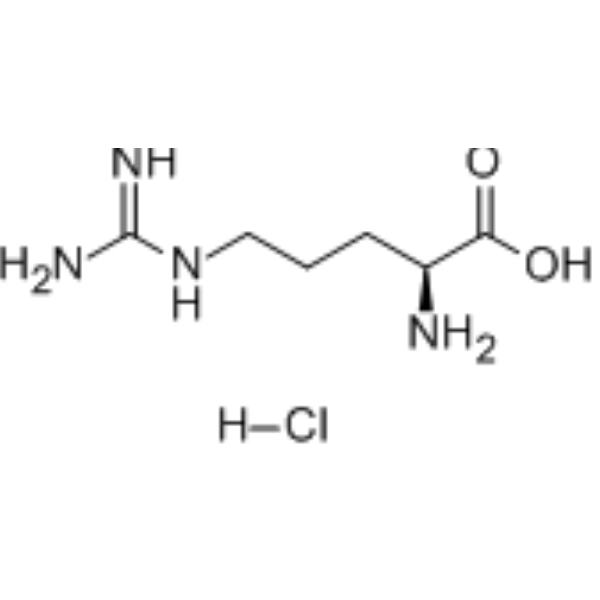
  • HY-N0455A
    L-Arginine hydrochloride
    Maximum Cited Publications
    23 Publications Verification

    (S)-(+)-Arginine hydrochloride

    NO Synthase Endogenous Metabolite Cardiovascular Disease Inflammation/Immunology
    L-Arginine ((S)-(+)-Arginine) is the substrate for the endothelial nitric oxide synthase (eNOS) to generate NO. L-Arginine is transported into vascular smooth muscle cells by the cationic amino acid transporter family of proteins where it is metabolized to nitric oxide (NO), polyamines, or L-proline. L-Arginine is a potent vasodilator, and can be used to induce experimental acute pancreatitis .
    L-Arginine hydrochloride
  • HY-101037
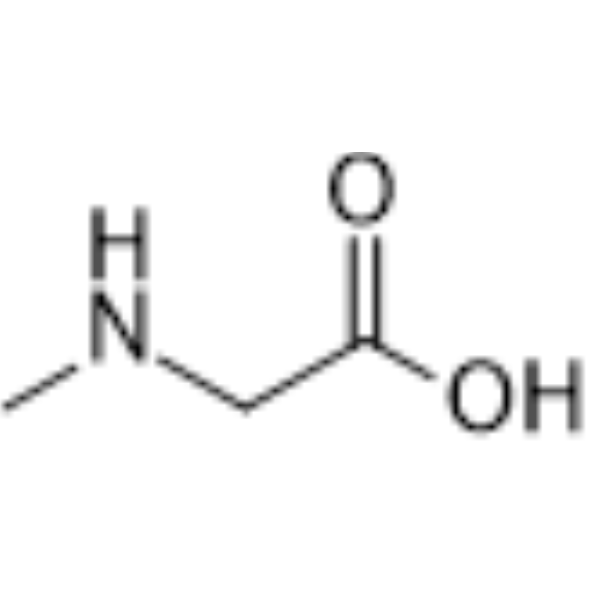
    Sarcosine
    3 Publications Verification

    N-Methylglycine; Sarcosin

    Endogenous Metabolite GlyT Cancer
    Sarcosine (N-Methylglycine), an endogenous amino acid, is a competitive glycine transporter type I (GlyT1) inhibitor and N-methyl-D-aspartate (NMDA) receptor co-agonist. Sarcosine increases the glycine concentration, resulting in an indirect potentiation of the NMDA receptor. Sarcosine is commonly used for the research of schizophrenia .
    Sarcosine
  • HY-112683A
    V-9302 hydrochloride
    Maximum Cited Publications
    34 Publications Verification

    ASCT Cancer
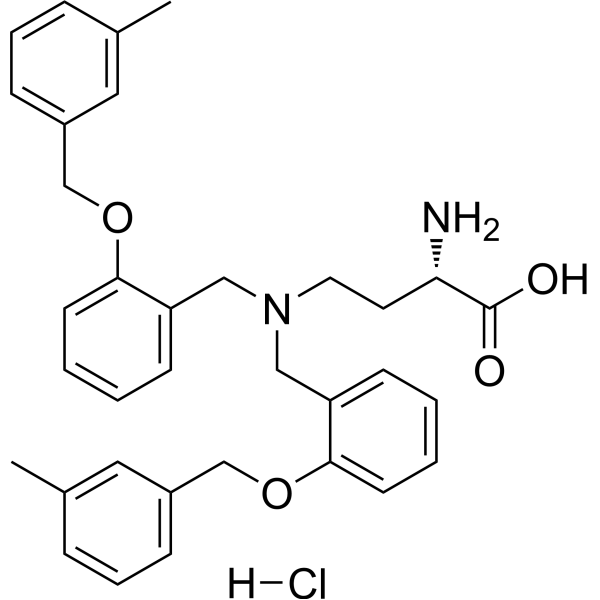
    V-9302 hydrochloride is a competitive antagonist of transmembrane glutamine flux. V-9302 hydrochloride selectively and potently targets the amino acid transporter ASCT2 (SLC1A5) not ASCT1. V-9302 hydrochloride inhibits ASCT2-mediated glutamine uptake (IC50=9.6 µM) in HEK-293 cells .
    V-9302 hydrochloride
  • HY-107522
    DL-TBOA
    1 Publications Verification

    EAAT Neurological Disease
    DL-TBOA is a potent non-transportable inhibitor of excitatory amino acid transporters with IC50s of 70 μM, 6 μM and 6 μM for excitatory amino acid transporter-1 (EAAT1), EAAT2 and EAAT3, respectively. DL-TBOA inhibits the uptake of [ 14C]glutamate in COS-1 cells expressing the human EAAT1 and EAAT2 with Ki valuesof 42 μM and 5.7 μM, respectively. DL-TBOA blocks EAAT4 and EAAT5 in a competitive manner with Ki values of 4.4 μM and 3.2 μM, respectively .
    DL-TBOA
  • HY-120139
    KMH-233
    1 Publications Verification

    Amino acid Transporter Cancer
    KMH-233, a potent, reversible and selective inhibitor of l-type amino acid transporter LAT1/SLC7A5, inhibits the uptake of LAT1 substrate, l-leucin (IC50=18 μM) as well as cell growth. KMH-233 significantly potentiates the efficacy of Bestatin and Cisplatin even at low concentrations (25 μM) .
    KMH-233
  • HY-W087830

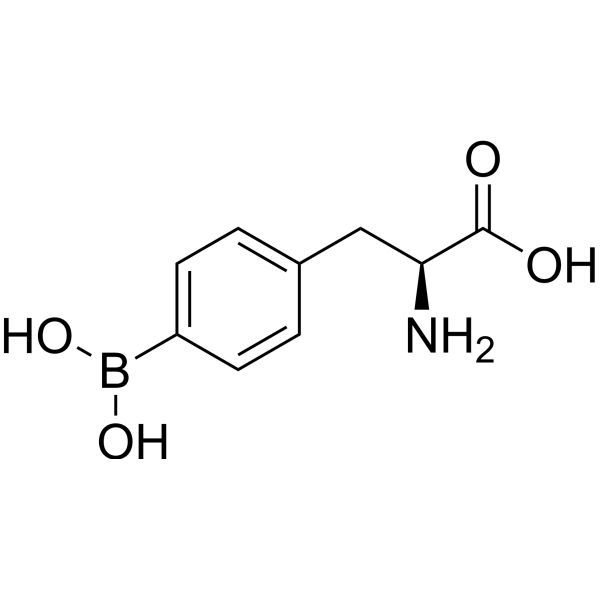
    L-BPA

    Biochemical Assay Reagents Cancer
    L-p-Boronophenylalanine is a boron-containing substrate for L-type amino acid transporters (LAT1 and LAT2). L-p-Boronophenylalanine enters tumor cells by competing with natural amino acids for LAT, selectively accumulating boron in cancer cells. L-p-Boronophenylalanine can be used in boron neutron capture therapy (BNCT). When boron-10 captures thermal neutrons, a nuclear reaction occurs, producing high-energy alpha particles and lithium nuclei, which kill cancer cells at close range with little damage to surrounding tissues. L-p-Boronophenylalanine can be used in cancer research, especially glioblastoma and anaplastic astrocytoma .
    L-p-Boronophenylalanine
  • HY-Y1147
    Diethyl maleate
    1 Publications Verification

    Maleic acid diethyl ester

    Biochemical Assay Reagents Others
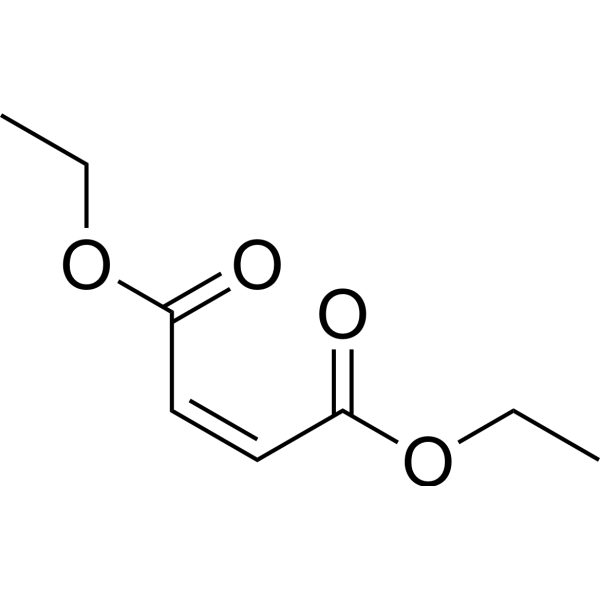
    Diethyl maleate (DEM) is an orally available, effective glutathione (GSH) depletor that crosses the blood-brain barrier. Diethyl maleate covalently binds irreversibly to GSH via glutathione S-transferase with an in vitro IC50 of 0.1-0.5 mM. Diethyl maleate selectively depletes GSH in liver, lung, and brain tissues, exacerbating oxidative stress and enhancing hyperbaric oxygen toxicity. Diethyl maleate promotes precursor amino acid uptake and in turn promotes GSH synthesis by upregulating the activity of the cystine-glutamate transporter XO -. Diethyl maleate can be used to study redox homeostasis and GSH protection mechanisms in oxidative stress-related diseases such as hyperbaric oxygen injury and metabolic diseases[1][2][3].
    Diethyl maleate
  • HY-10914
    UCPH-101
    1 Publications Verification

    EAAT Neurological Disease
    UCPH-101 is an excitatory amino acid transporter subtype 1 (EAAT1) inhibitor with an IC50 of 0.66 μM.
    UCPH-101
  • HY-12741
    LDN-212320
    5+ Cited Publications

    LDN-0212320; OSU-0212320

    EAAT Neurological Disease
    LDN-212320 (LDN-0212320) is a glutamate transporter (GLT-1)/excitatory amino acid transporter 2 (EAAT2) activator (at translational level). LDN-212320 (LDN-0212320) prevents nociceptive pain by upregulating astroglial GLT-1 expression in the hippocampus and ACC [1]
    LDN-212320
  • HY-114381

    EAAT Neurological Disease
    GT 949 is a selective excitatory amino acid transporter-2 (EAAT2) positive allosteric modulator with an EC50 of 0.26 nM .
    GT 949
  • HY-W016445

    1-Amino-1-deoxy-D-glucitol, 98%

    Biochemical Assay Reagents Others
    D-Glucamine, 98% (1-Amino-1-deoxy-D-glucitol, 98%) is an amino sugar derivative that serves as an excipient in pharmaceutical formulations. D-Glucamine, 98% also acts as a substrate for studies investigating sugar transporter pathways
    D-Glucamine, 98%
  • HY-N0455R

    Reference Standards NO Synthase Endogenous Metabolite Cardiovascular Disease Cancer
    L-Arginine (Standard) is the analytical standard of L-Arginine. This product is intended for research and analytical applications. L-Arginine ((S)-(+)-Arginine) is the substrate for the endothelial nitric oxide synthase (eNOS) to generate NO. L-Arginine is transported into vascular smooth muscle cells by the cationic amino acid transporter family of proteins where it is metabolized to nitric oxide (NO), polyamines, or L-proline. L-Arginine is a potent vasodilator, and can be used to induce experimental acute pancreatitis .
    L-Arginine (Standard)
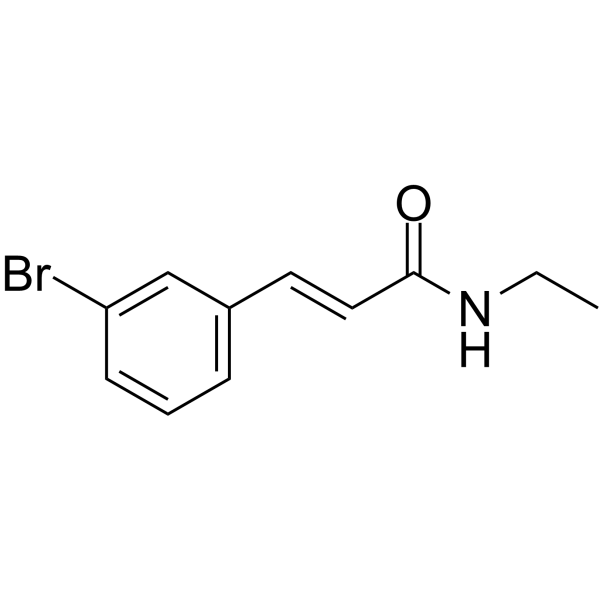
  • HY-B1274
    Cinromide
    2 Publications Verification

    trans-3-Bromo-N-ethylcinnamamide

    Amino acid Transporter Neurological Disease Metabolic Disease
    Cinromide is an anticonvulsant agent. Cinromide inhibits epithelial neutral amino acid transporter B 0AT1 (SLC6A19) with an IC50 of 0.5 μM .
    Cinromide
  • HY-B0952
    2-Aminoheptane
    1 Publications Verification

    TuAminoheptane

    Adrenergic Receptor Neurological Disease
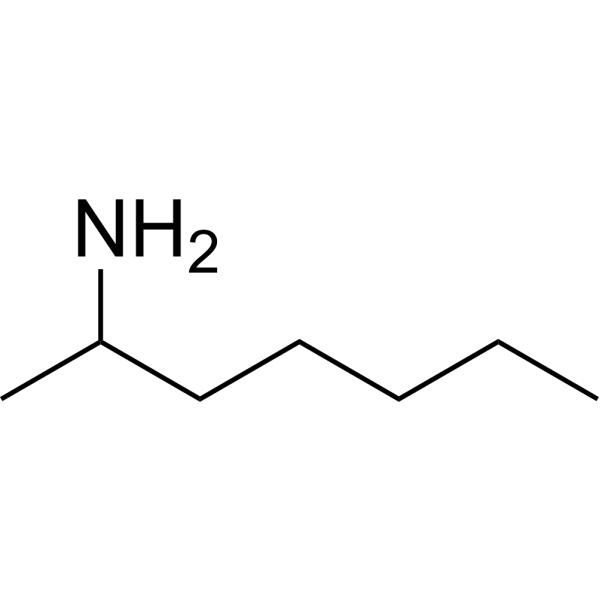
    2-Aminoheptane (Tuaminoheptane) is a norepinephrine transporter inhibitor. 2-Aminoheptane binds to norepinephrine transporter via ionic and hydrophobic interactions to block norepinephrine uptake. 2-Aminoheptane deactivates ω-TAmla enzyme, reduces recombinant whole cell stability, and acts as an amino group donor substrate for ω-TA and ω-TAmla enzymes. 2-Aminoheptane can be used in research on depression and Alzheimer's disease .
    2-Aminoheptane
  • HY-162455

    EAAT Neurological Disease
    NA-014 is an excitatory amino acid transporter 2 (EAAT2)-selective positive allosteric modulator. NA-014 increases EAAT2-mediated glutamate uptake. NA-014 can be used for the research of epilepsy, neuropathic pain, stroke, drugs of abuse disorders .
    NA-014
  • HY-N2368A
    Arecaidine hydrochloride
    1 Publications Verification

    GABA Receptor Neurological Disease
    Arecaidine hydrochloride, a pyridine alkaloid, is a potent GABA uptake inhibitor. Arecaidine hydrochloride is a substrate of H +-coupled amino acid transporter 1 (PAT1, SLC36A1) and competitively inhibits L-proline uptake .
    Arecaidine hydrochloride
  • HY-101037S1

    N-Methylglycine-d3; Sarcosin-d3

    Isotope-Labeled Compounds Endogenous Metabolite GlyT Cancer
    Sarcosine-d3 is the deuterium labeled Sarcosine. Sarcosine (N-Methylglycine), an endogenous amino acid, is a competitive glycine transporter type I (GlyT1) inhibitor and N-methyl-D-aspartate (NMDA) receptor co-agonist. Sarcosine increases the glycine concentration, resulting in an indirect potentiation of the NMDA receptor. Sarcosine is commonly used for the research of schizophrenia .
    Sarcosine-d3
  • HY-168773

    EAAT Neurological Disease
    (R)-AS-1 is a selective positive allosteric modulator of the excitatory amino acid transporter 2 (EAAT2), with an EC50 of 11 nM. (R)-AS-1 (at doses of 60 and 90 mg/kg) increases spontaneous locomotor activity in mice. Additionally, it demonstrates anticonvulsant activity in mouse models of seizures induced by maximal electroshock (MES), pentylenetetrazole (PTZ), or electrical stimuli (32 or 44 mA), with ED50s of 66.3, 36.3, 15.6, and 41.6 mg/kg, respectively. (R)-AS-1 can be used in neurological disease research .
    (R)-AS-1
  • HY-139692

    EAAT Neurological Disease
    EAAT2 activator 1 is the potent activator of excitatory amino acid transporter 2 (EAAT2). EAAT2 is the major glutamate transporter and functions to remove glutamate from synapses. EAAT2 activator 1 increases EAAT2 protein levels dose-dependently .
    EAAT2 activator 1
  • HY-146242

    EAAT ASCT Cancer
    SN05 is a potent amino acid transport (AAT) inhibitor with Ki values of 2.77 μM, 0.73 μM, 0.87 μM, 3.7 μM, 7.25 μM, 7.23 μM and 2.22 μM for hASCT1, rASCT2, hASCT2, EAAT1, EAAT2, EAAC1 and EAAT5, respectively. SN05 can be used in the study of cancer .
    SN05
  • HY-W677684

    Nuclear Hormone Receptor 4A/NR4A Others
    Nurr1 agonist 2 (Compound 7) is a Nurr1 agonist (EC50: 0.07 μM). Nurr1 agonist 2 binds to the recombinant Nurr1 ligand binding domain (LBD) with a Kd value of 0.14 μM. Nurr1 agonist 2 increases the Nurr1-regulated genes tyrosine hydroxylase (TH) and vesicular amino acid transporter 2 (VMAT2) mRNA expression .
    Nurr1 agonist 2
  • HY-162864

    Amino acid Transporter Metabolic Disease
    JX237 is an inhibitor of the epithelial neutral amino acid transporter B 0AT1 (SLC6A19) with an IC50 value of 31 nM. SLC6A19 is the main transporter for the absorption of neutral amino acids in the intestines and their reabsorption in the kidneys. By inhibiting B 0AT1, JX237 can be used for the study of disorders of amino acid metabolism .
    JX237
  • HY-N2368B
    Arecaidine hydrobromide
    1 Publications Verification

    GABA Receptor Neurological Disease
    Arecaidine hydrobromide, a pyridine alkaloid, is a potent GABA uptake inhibitor. Arecaidine hydrobromide is a substrate of H +-coupled amino acid transporter 1 (PAT1, SLC36A1) and competitively inhibits L-proline uptake .
    Arecaidine hydrobromide
  • HY-101037R

    N-Methylglycine (Standard); Sarcosin (Standard)

    Reference Standards Endogenous Metabolite GlyT Cancer
    Sarcosine (Standard) is the analytical standard of Sarcosine. This product is intended for research and analytical applications. Sarcosine (N-Methylglycine), an endogenous amino acid, is a competitive glycine transporter type I (GlyT1) inhibitor and N-methyl-D-aspartate (NMDA) receptor co-agonist. Sarcosine increases the glycine concentration, resulting in an indirect potentiation of the NMDA receptor. Sarcosine is commonly used for the research of schizophrenia .
    Sarcosine (Standard)
  • HY-W327145

    Endogenous Metabolite Infection
    Lysylglutamic acid is a dipeptide formed by combining two amino acids, Lysine (Lys) and Glutamic acid (Glu). The Ki value of the membrane transporter PEPT1 was 1.3 mM .
    Lysylglutamic acid
  • HY-101037S

    N-Methylglycine-15N; Sarcosin-15N

    Endogenous Metabolite GlyT Cancer
    Sarcosine- 15N is the 15N-labeled Sarcosine. Sarcosine (N-Methylglycine), an endogenous amino acid, is a competitive glycine transporter type I (GlyT1) inhibitor and N-methyl-D-aspartate (NMDA) receptor co-agonist. Sarcosine increases the glycine concentration, resulting in an indirect potentiation of the NMDA receptor. Sarcosine is commonly used for the research of schizophrenia .
    Sarcosine-15N
  • HY-146241

    EAAT ASCT Cancer
    SN40 is a potent amino acid transport (AAT) inhibitor with Kis of 7.29 μM, 2.42 μM, 2.94 μM, 5.55 μM, 24.43 μM and 5.55 μM for rat ASCT2, human ASCT2, EAAT1, EAAT2, EAAC1 and EAAT5, respectively. SN40 can be used for researching anticancer .
    SN40
  • HY-146241B

    EAAT ASCT Others
    SN40 hydrochloride is a potent amino acid transport (AAT) inhibitor with Kis of 7.29 μM, 2.42 μM, 2.94 μM, 5.55 μM, 24.43 μM and 5.55 μM for rat ASCT2, human ASCT2, EAAT1, EAAT2, EAAC1 and EAAT5, respectively. SN40 hydrochloride can be used for researching anticancer .
    SN40 hydrochloride
  • HY-108540R

    2-Amino-2-norbornanecarboxylic acid (Standard); LAT1-IN-1 (Standard)

    Apoptosis Reference Standards Cancer
    BCH (Standard) is the analytical standard of BCH. This product is intended for research and analytical applications. BCH (2-Amino-2-norbornanecarboxylic acid) is a selective and competitive inhibitor of large neutral amino acid transporter 1 (LAT1) significantly inhibit cellular uptake of amino acids and mTOR phosphorylation, which induces the suppression of cancer growth and apoptosis .
    BCH (Standard)
  • HY-107522B

    EAAT Neurological Disease
    DL-TBOA ammonium is a potent non-transportable inhibitor of excitatory amino acid transporters with IC50s of 70 μM, 6 μM and 6 μM for excitatory amino acid transporter-1 (EAAT1), EAAT2 and EAAT3, respectively. DL-TBOA ammonium inhibits the uptake of [ 14C]glutamate in COS-1 cells expressing the human EAAT1 and EAAT2 with Ki valuesof 42 μM and 5.7 μM, respectively. DL-TBOA ammonium blocks EAAT4 and EAAT5 in a competitive manner with Ki values of 4.4 μM and 3.2 μM, respectively .
    DL-TBOA ammonium
  • HY-N0455C

    NO Synthase Endogenous Metabolite Cardiovascular Disease Inflammation/Immunology
    L-Arginine arginine is the substrate for the endothelial nitric oxide synthase (eNOS) to generate NO. L-Arginine is transported into vascular smooth muscle cells by the cationic amino acid transporter family of proteins where it is metabolized to nitric oxide (NO), polyamines, or L-proline. L-Arginine is a potent vasodilator, and can be used to induce experimental acute pancreatitis .
    L-Arginine arginine
  • HY-175296

    EAAT Neurological Disease
    EAAT2 activator 2 (Compound 4(SF-2)) is a brain-penetrant excitatory amino acid transporter 2 (EAAT2) modulator (Ki=28.7 nM). EAAT2 activator 2 enhances EAAT2-mediated glutamate uptake, improving synaptic glutamate clearance. EAAT2 activator 2 is promising for research of neurodegenerative diseases (e.g., ALS, Alzheimer’s disease) .
    EAAT2 activator 2
  • HY-W748519

    N-Methylglycine-13C3; Sarcosin-13C3

    Isotope-Labeled Compounds GlyT Endogenous Metabolite Cancer
    Sarcosine- 13C3 (N-Methylglycine- 13C3; Sarcosin- 13C3) is the 13C-labeled Sarcosine (HY-101037). Sarcosine (N-Methylglycine), an endogenous amino acid, is a competitive glycine transporter type I (GlyT1) inhibitor and N-methyl-D-aspartate (NMDA) receptor co-agonist. Sarcosine increases the glycine concentration, resulting in an indirect potentiation of the NMDA receptor. Sarcosine is commonly used for the research of schizophrenia .
    Sarcosine-13C3
  • HY-120139A

    ASCT Cancer
    (R)-KMH-233 is the isomer of KMH-233 (HY-120139), and can be used as an experimental control. KMH-233, a potent, reversible and selective l-type amino acid transporter 1 (LAT1) inhibitor, inhibits the uptake of LAT1 substrate, l-leucin (IC50=18 μM) as well as cell growth. KMH-233 significantly potentiates the efficacy of Bestatin and Cisplatin even at low concentrations (25 μM) .
    (R)-KMH-233
  • HY-164401

    DNA Alkylator/Crosslinker Apoptosis Cancer
    QBS10072S is a LAT1-selective substrate with blood-brain barrier permeability that inhibits tumor growth. QBS10072S enters LAT1-expressing tumor cells via LAT1-mediated active transport, induces interstrand DNA cross-linking and cell apoptosis, and reduces leptomeningeal dissemination. QBS10072S can be used in studies related to glioblastoma multiforme, diffuse intrinsic pontine glioma, triple-negative breast cancer brain metastases, and aggressive T-cell lymphoma .
    QBS10072S
  • HY-N2368AR

    Reference Standards GABA Receptor Neurological Disease
    Arecaidine hydrochloride, a pyridine alkaloid, is a potent GABA uptake inhibitor. Arecaidine hydrochloride is a substrate of H+-coupled amino acid transporter 1 (PAT1, SLC36A1) and competitively inhibits L-proline uptake .
    Arecaidine hydrochloride (Standard)
  • HY-107525

    EAAT Neurological Disease
    (±)-HIP-A is a non-competitive excitatory amino acid transporter (EAAT) blocker that effectively blocks Glu uptake (IC50=17-18 μM). (±)-HIP-A is also a lead compound against ischemia-induced neuronal degeneration. (±)-HIP-A can be used in the study of neurological diseases .
    (±)-HIP-A
  • HY-107524

    EAAT Neurological Disease
    (±)-HIP-B is a non-competitive excitatory amino acid transporter (EAAT) blocker that effectively blocks Glu uptake (IC50=17-18 μM). (±)-HIP-B is also a lead compound against ischemia-induced neuronal degeneration. (±)-HIP-B can be used in the study of neurological diseases .
    (±)-HIP-B
  • HY-161062

    EAAT Neurological Disease
    TAOA AM Ester trimethyl lock is a high-affinity fluorescent prodrug-like inhibitor of the excitatory amino acid transporter (EAAT). It can penetrate the cell membrane and be activated by hydrolysis by endogenous cell esterases to form active EAAT inhibitors. TAOA AM Ester trimethyl lock can be used to study neurodegeneration and neuronal cell death .
    TAOA AM Ester trimethyl lock
  • HY-W740245

    Isotope-Labeled Compounds GABA Receptor Neurological Disease
    Arecaidine-d5 hydrobromide is the deuterium labeled Arecaidine hydrobromide (HY-N2368B). Arecaidine hydrobromide, a pyridine alkaloid, is a potent GABA uptake inhibitor. Arecaidine hydrobromide is a substrate of H+-coupled amino acid transporter 1 (PAT1, SLC36A1) and competitively inhibits L-proline uptake .
    Arecaidine-d5 hydrobromide
  • HY-N0455AR

    (S)-(+)-Arginine hydrochloride (Standard)

    Reference Standards NO Synthase Endogenous Metabolite Cancer
    L-Arginine (hydrochloride) (Standard) is the analytical standard of L-Arginine (hydrochloride). This product is intended for research and analytical applications. L-Arginine ((S)-(+)-Arginine) is the substrate for the endothelial nitric oxide synthase (eNOS) to generate NO. L-Arginine is transported into vascular smooth muscle cells by the cationic amino acid transporter family of proteins where it is metabolized to nitric oxide (NO), polyamines, or L-proline. L-Arginine is a potent vasodilator, and can be used to induce experimental acute pancreatitis .
    L-Arginine hydrochloride (Standard)
  • HY-W267524

    Drug Derivative Cancer
    H-Phe (3-CF3)-OH is a phenylalanine derivative targeting the L-type amino acid transporter 1 (LAT1, SLC7A5) as its core target, and it belongs to LAT1 substrates. H-Phe (3-CF3)-OH can be used for prodrug scaffold development and research related to multiple solid tumors .
    H-Phe(3-CF3)-OH
  • HY-W246010

    Dibenzylglycine

    Amino acid Transporter Others
    α,α-DiBn-DL-Gly (Dibenzylglycine) is an achiral α-substituted phenylalanine derivative, non-substrate weak inhibitor of LAT1 (L-type amino acid transporter 1). α,α-DiBn-DL-Gly does not stimulate efflux of-Gabapentin from preloaded HEK-hLAT1 cells. α,α-DiBn-DL-Gly shows minimal inhibition of-Gabapentin (HY-A0057) uptake into HEK-hLAT1 cells .
    α,α-DiBn-DL-Gly
  • HY-179689

    Amino acid Transporter Metabolic Disease
    SLC6A19-IN-5 (Example 25) is a SLC6A19 inhibitor with an IC50 of 11 nM. SLC6A19-IN-5 can be used for research on diseases related to abnormal amino acid metabolism, amino acid transport, and/or amino acid levels .
    SLC6A19-IN-5
  • HY-183588

    EAAT Reactive Oxygen Species (ROS) Neurological Disease
    HCM-01 is an Excitatory amino acid transporter 2 (EAAT2) activator with oral effectiveness and blood-brain barrier penetration.HCM-01 binds to the allosteric site of EAAT2, increases EAAT2 expression in astrocytes, enhances glutamate-handling capacity, and modulates glutamate homeostasis.HCM-01 acts as an antioxidant, improves oxidative/antioxidative balance and increases total antioxidant capacity. HCM-01 can be used for the research of Alzheimer's disease .
    HCM-01
  • HY-W772441

    Amino Acid Derivatives Others
    H-Phe(3-tBu)-OH hydrochloride is an amino acid derivative commonly used in biochemical research and organic synthesis .
    H-Phe(3-tBu)-OH hydrochloride

Inquiry Online

Your information is safe with us. * Required Fields.

Salutation


Country or Region *

Applicant Name *


Organization Name *

Department *


Email Address *


Product Name *

Cat. No.


Requested quantity *

Phone Number *


Remarks

Inquiry Online

Inquiry Information

Product Name:
Cat. No.:
Quantity:
MCE Japan Authorized Agent:

