



SLC1A5/ASCT2 Antibody (YA1180)
(Synonyms: SLC1A5 ; ASCT2; M7V1, RDR, RDRC; Neutral amino acid transporter B(0); ATB(0); Baboon M7 virus receptor; RD114/simian type D retrovirus receptor; Sodium-dependent neutral amino acid transporter type 2; Solute carrier family 1 member 5)
Based on 1 Customer Validation
SLC1A5/ASCT2 Antibody (YA1180) is a Rabbit-derived and non-conjugated IgG monoclonal antibody, targeting to SLC1A5/ASCT2.
-
Host:
Rabbit
-
Isotype:
IgG
-
Application:
IHC-P
-
Reactivity :
Human
-
Formulation:
Supplied in 50mM Tris-Glycine(pH 7.4), 0.15M NaCl, 40%Glycerol, 0.01% sodium azide and 0.05% BSA.
-
Conjugation:
Non-conjugated


To place orders, for customer services and technical support, please contact: MedChemExpress USA
Tel: 609-228-6898 E-mail: [email protected] [email protected]





Applications
| Application |
IHC-P

IHC-P: Immunohistochemistry-Paraffin
|
|---|---|
| Dilution Ratio | 1:100-1:200 |


Product Details
SLC1A5/ASCT2 Antibody (YA1180) is a Rabbit-derived and non-conjugated IgG monoclonal antibody, targeting to SLC1A5/ASCT2.
-
Host Rabbit

-
Clonality Recombinant,Monoclonal

-
Species ReactivityHuman
-
Observed Molecular WeightObserved band size: 57 kDa
Note: Due to possible protein modifications or aggregation, the molecular weight should be confirmed by actual measurement, and the predicted value is for reference only.

-
Calculated Molecular Weight Predicted band size: 57 kDa

A synthesized peptide derived from human SLC1A5
Endogenous
Affinity Purified
Non-conjugated
Unmodified
IgG


Product Properties
-
Appearance
Liquid
-
Formulation
Supplied in 50mM Tris-Glycine(pH 7.4), 0.15M NaCl, 40%Glycerol, 0.01% sodium azide and 0.05% BSA.
-
Concentration
Batch-dependent, Please check the COA for the concentration of each lot. Check Lot Concentration
-
Storage & Stability
Stored at -20°C for 1 year. Avoid repeated freeze / thaw cycles.
-
Shipping
Shipping with blue ice.


Verification Images
-
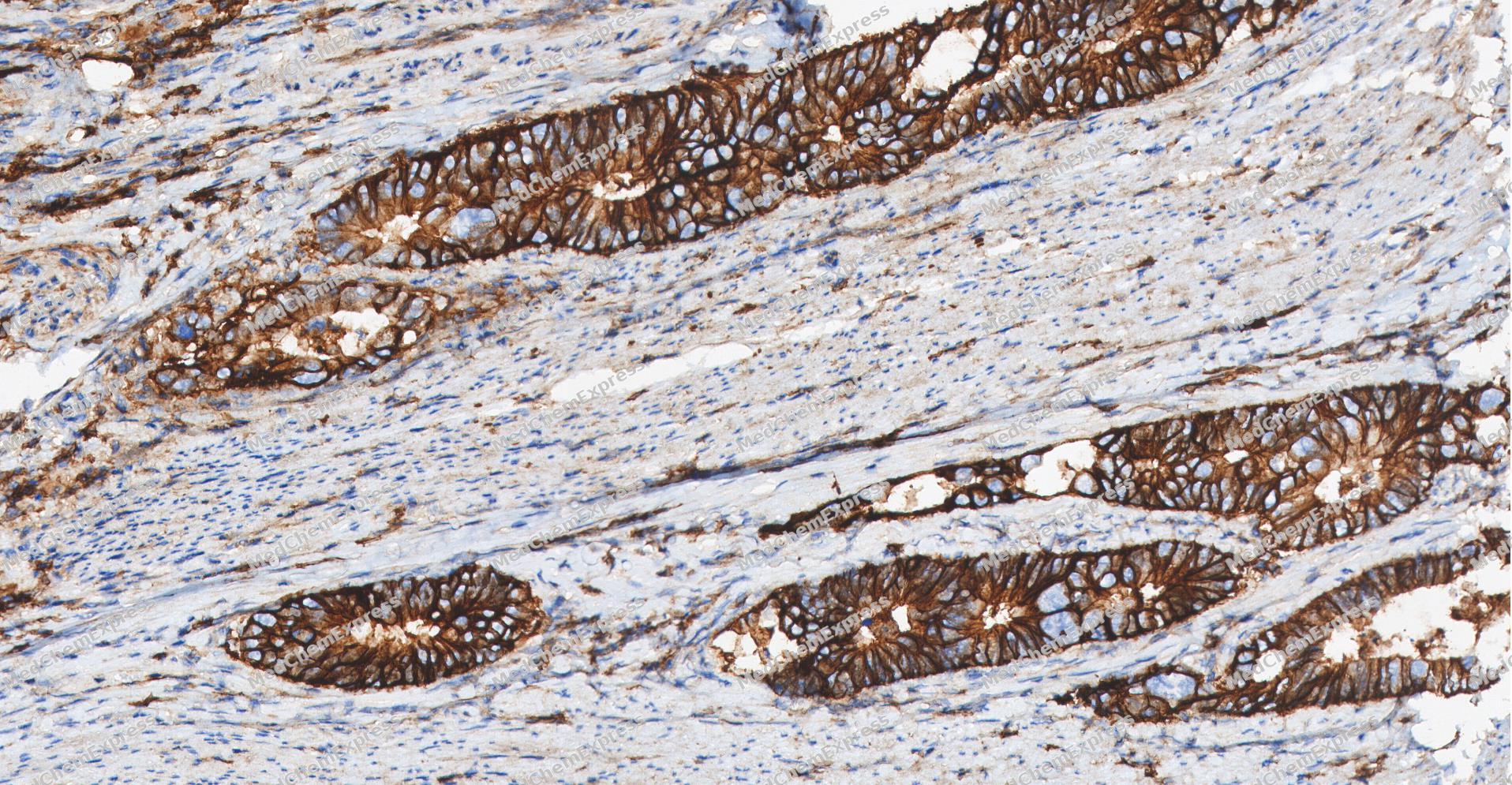
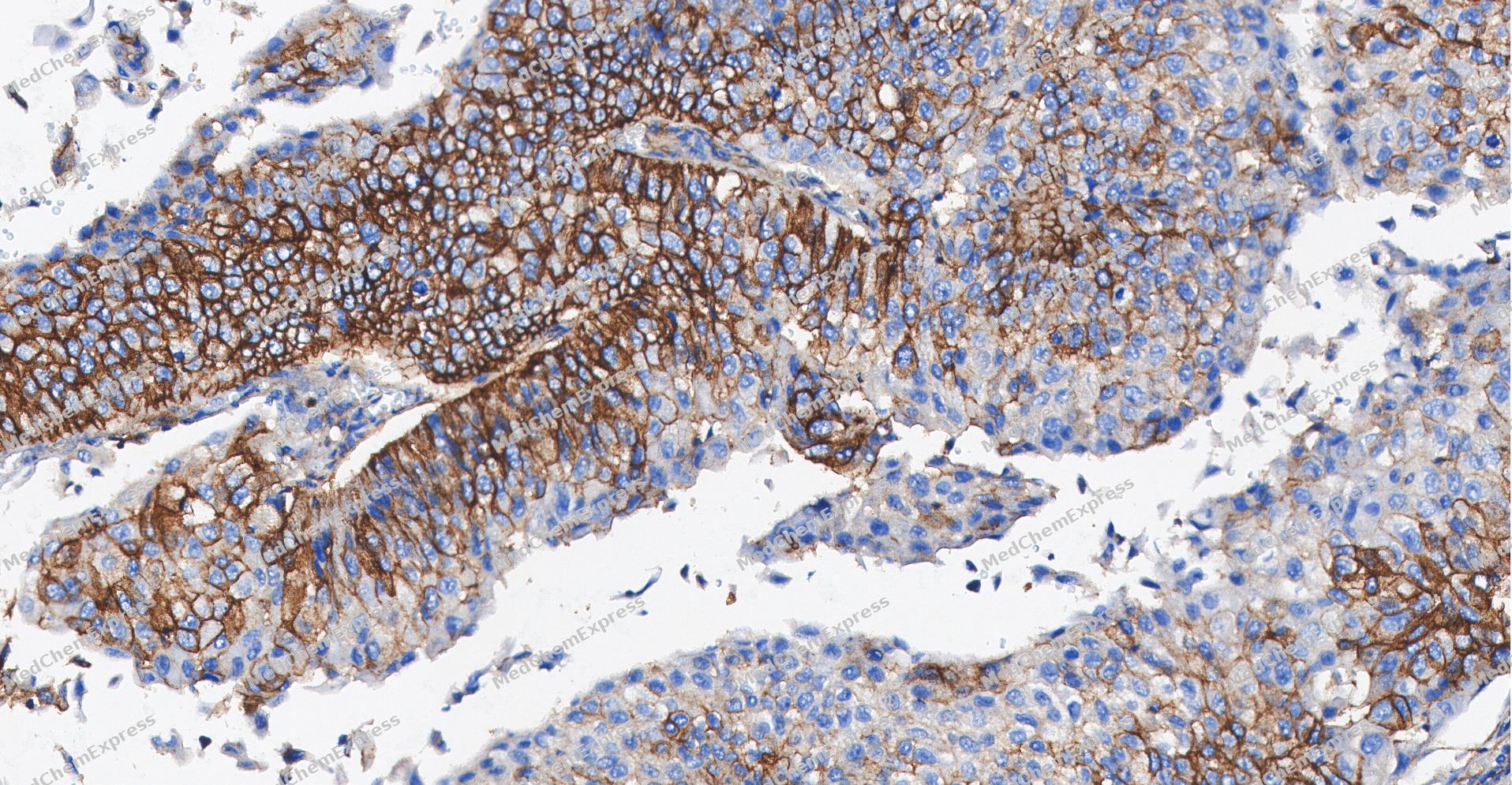
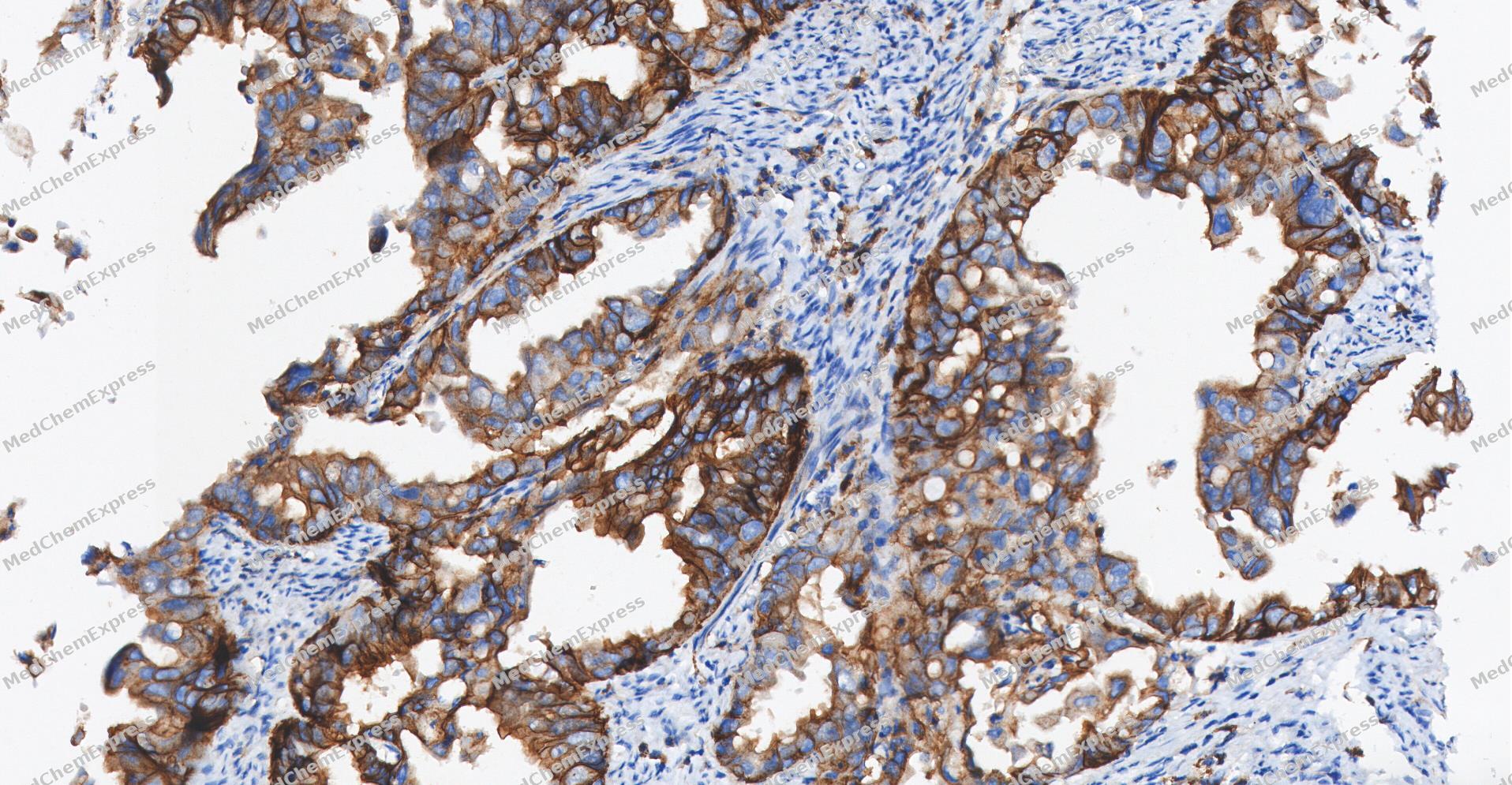
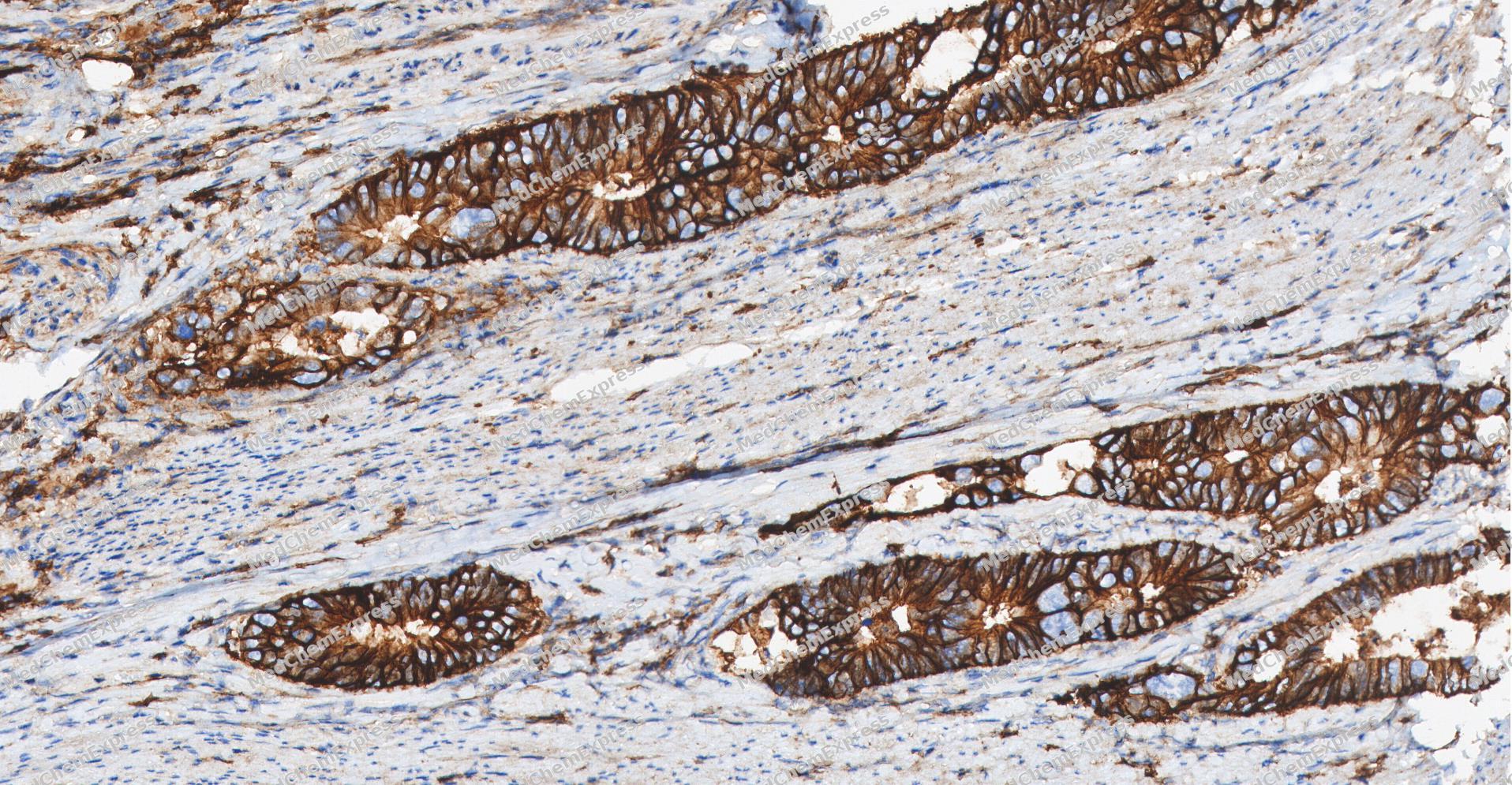 Immunohistochemical analysis of paraffin-embedded human Colon cancer tissue using SLC1A5/ASCT2 antibody was performed. The section was pretreated using high-temperature and high-pressure mediated EDTA antigen retrieval buffer (pH 9.0), for 5 minutes. The tissues were incubated with primary antibody (HY-P81435, 1:100 dilution) at room temperature for 60 minutes. Detection was performed using an HRP conjugated compact polymer system. DAB was used as the chromogen. The tissues were counterstained with hematoxylin and mounted with neutral balsam mounting medium.
 -
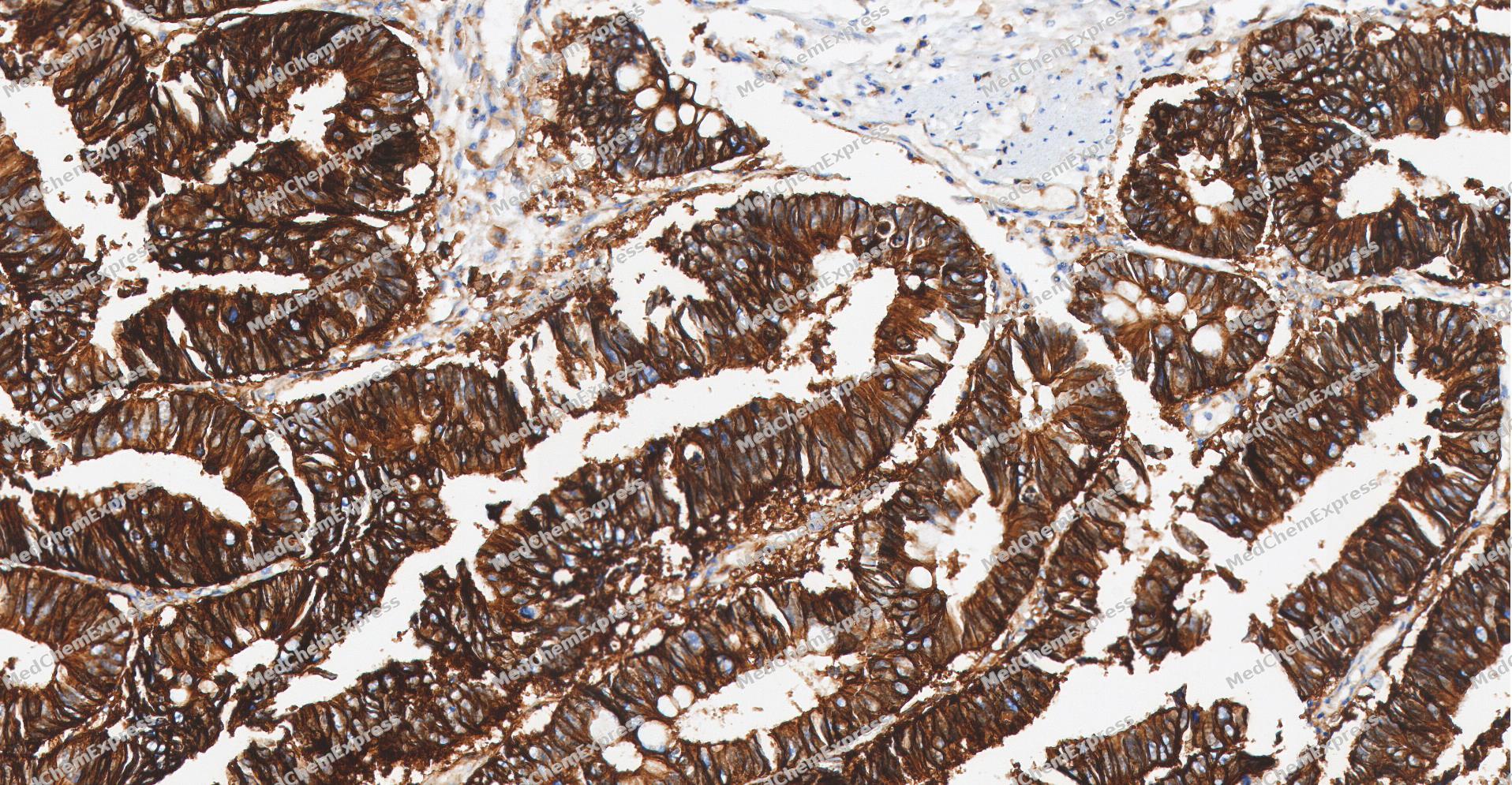
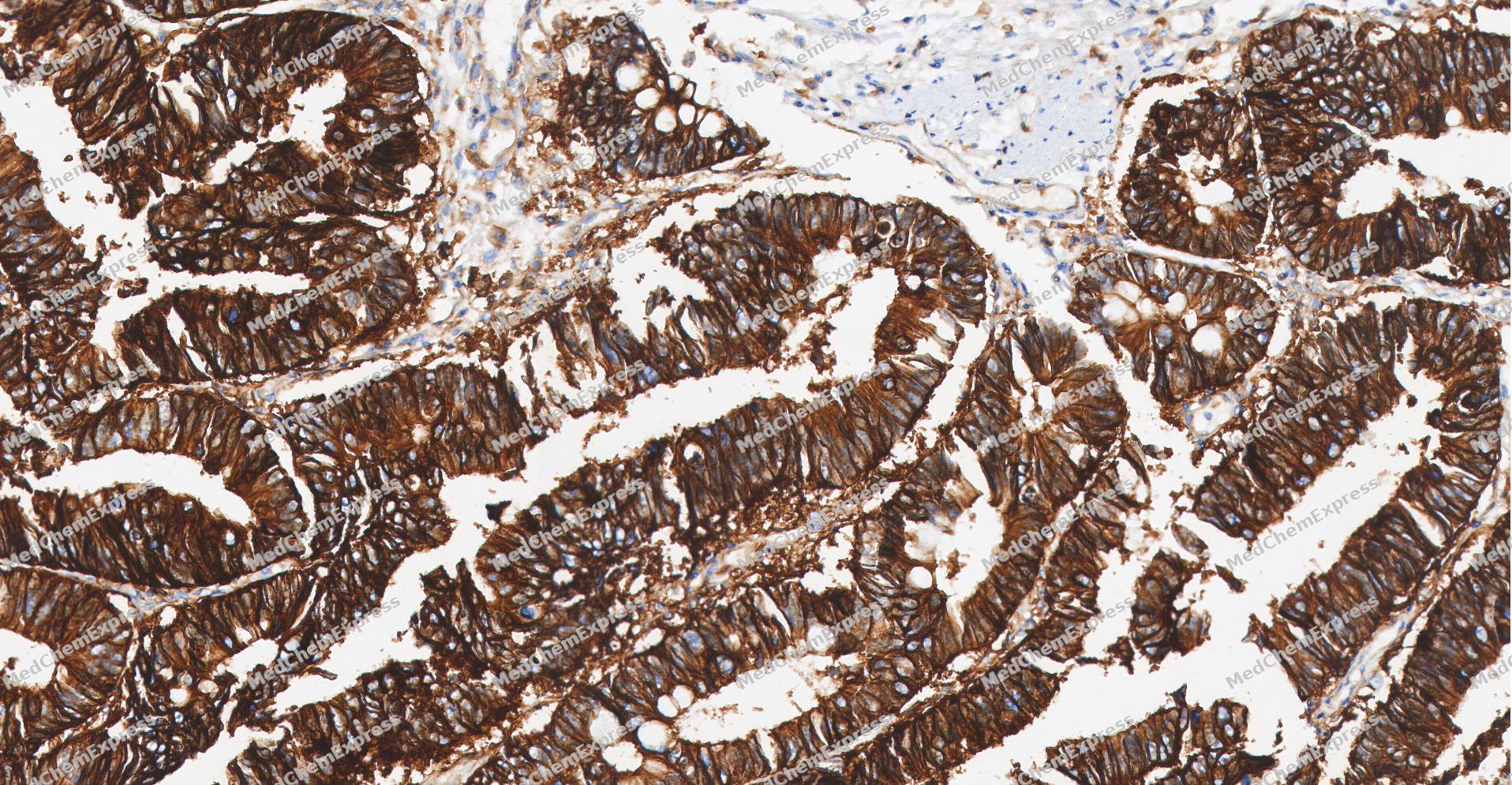 Immunohistochemical analysis of paraffin-embedded human Colon cancer tissue using SLC1A5/ASCT2 antibody was performed. The section was pretreated using high-temperature and high-pressure mediated EDTA antigen retrieval buffer (pH 9.0), for 5 minutes. The tissues were incubated with primary antibody (HY-P81435, 1:100 dilution) at room temperature for 60 minutes. Detection was performed using an HRP conjugated compact polymer system. DAB was used as the chromogen. The tissues were counterstained with hematoxylin and mounted with neutral balsam mounting medium.
 -
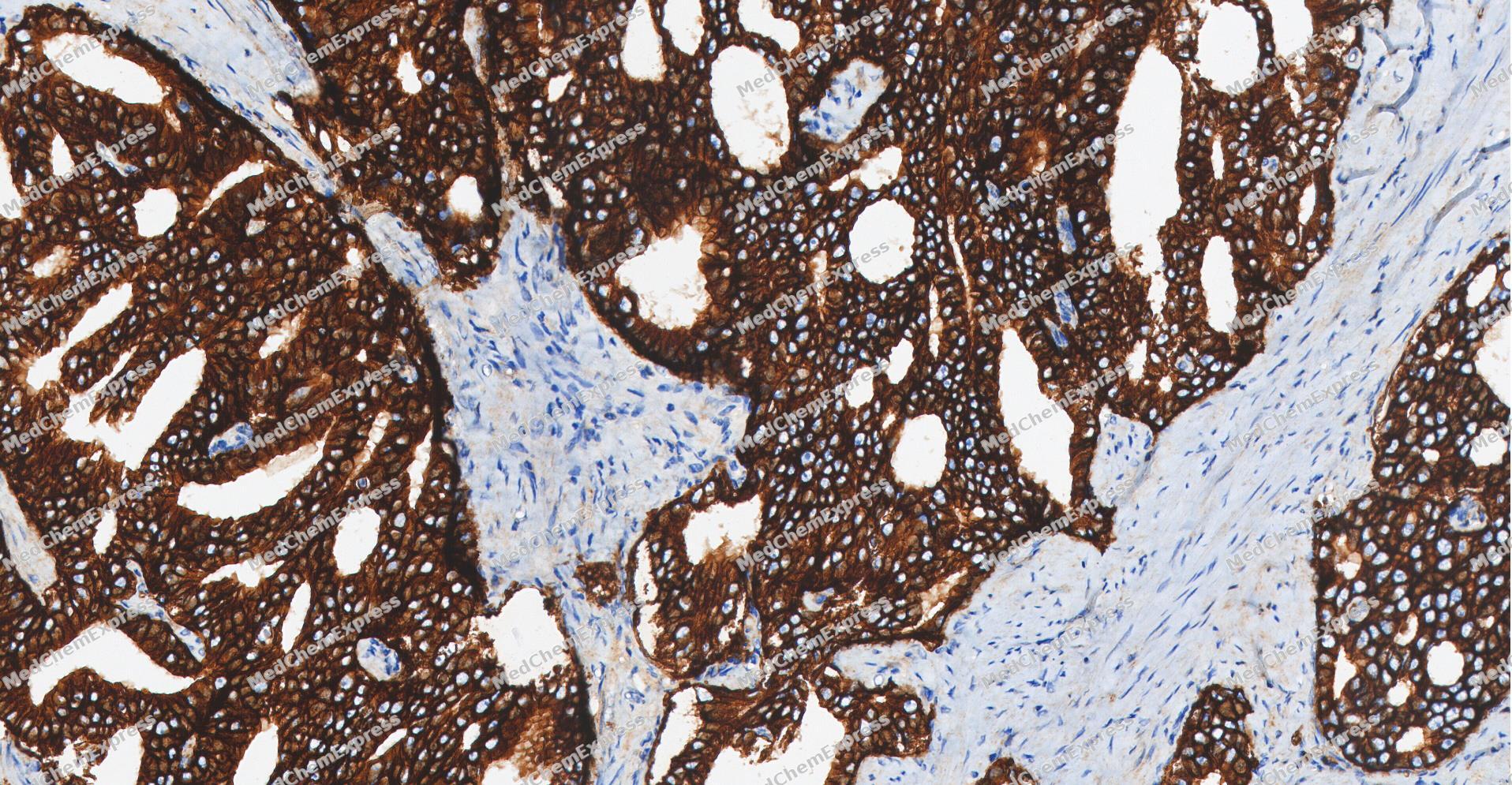
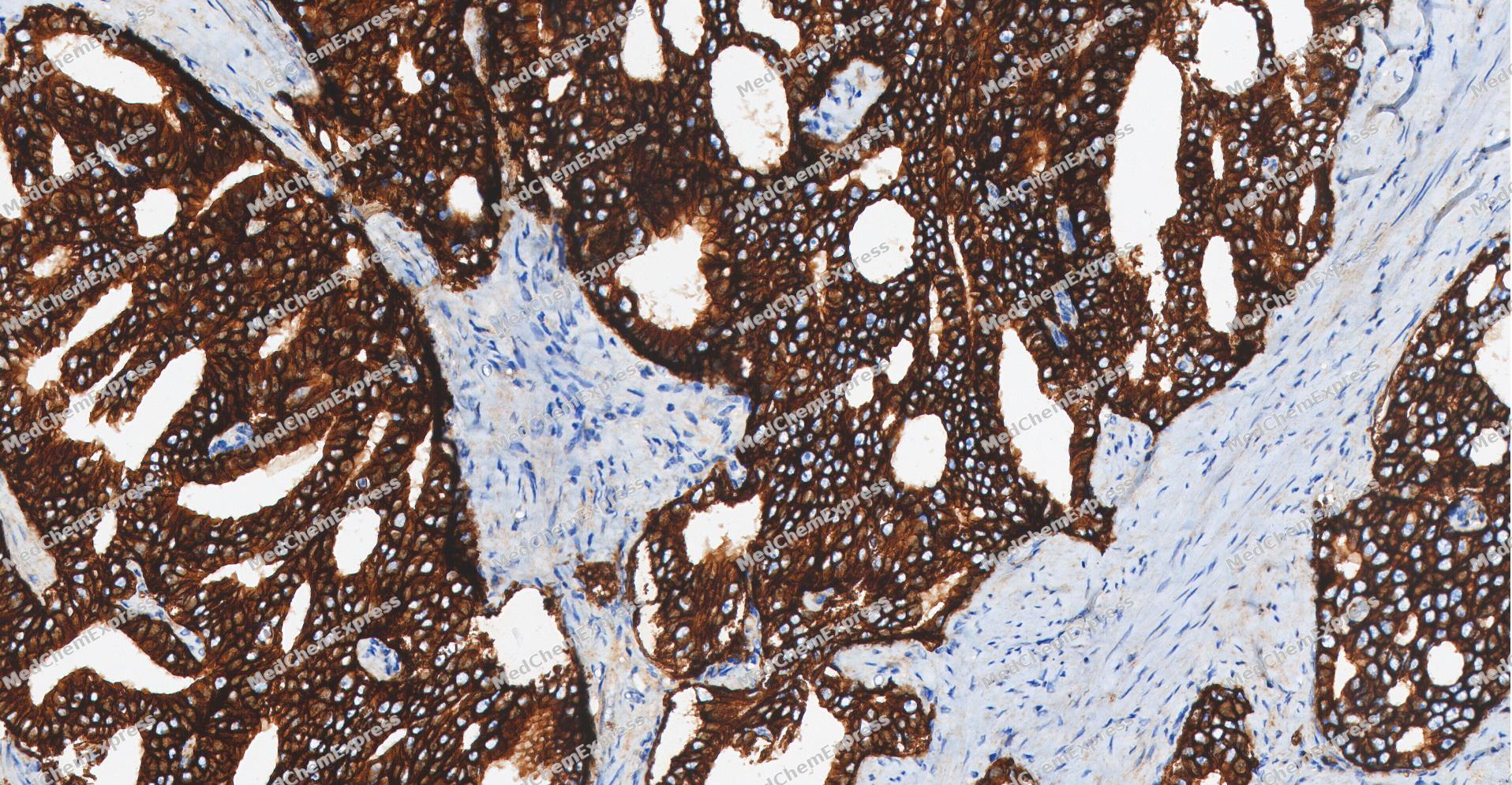 Immunohistochemical analysis of paraffin-embedded human Prostate Cancer tissue using SLC1A5/ASCT2 antibody was performed. The section was pretreated using high-temperature and high-pressure mediated EDTA antigen retrieval buffer (pH 9.0), for 5 minutes. The tissues were incubated with primary antibody (HY-P81435, 1:100 dilution) at room temperature for 60 minutes. Detection was performed using an HRP conjugated compact polymer system. DAB was used as the chromogen. The tissues were counterstained with hematoxylin and mounted with neutral balsam mounting medium.
 -
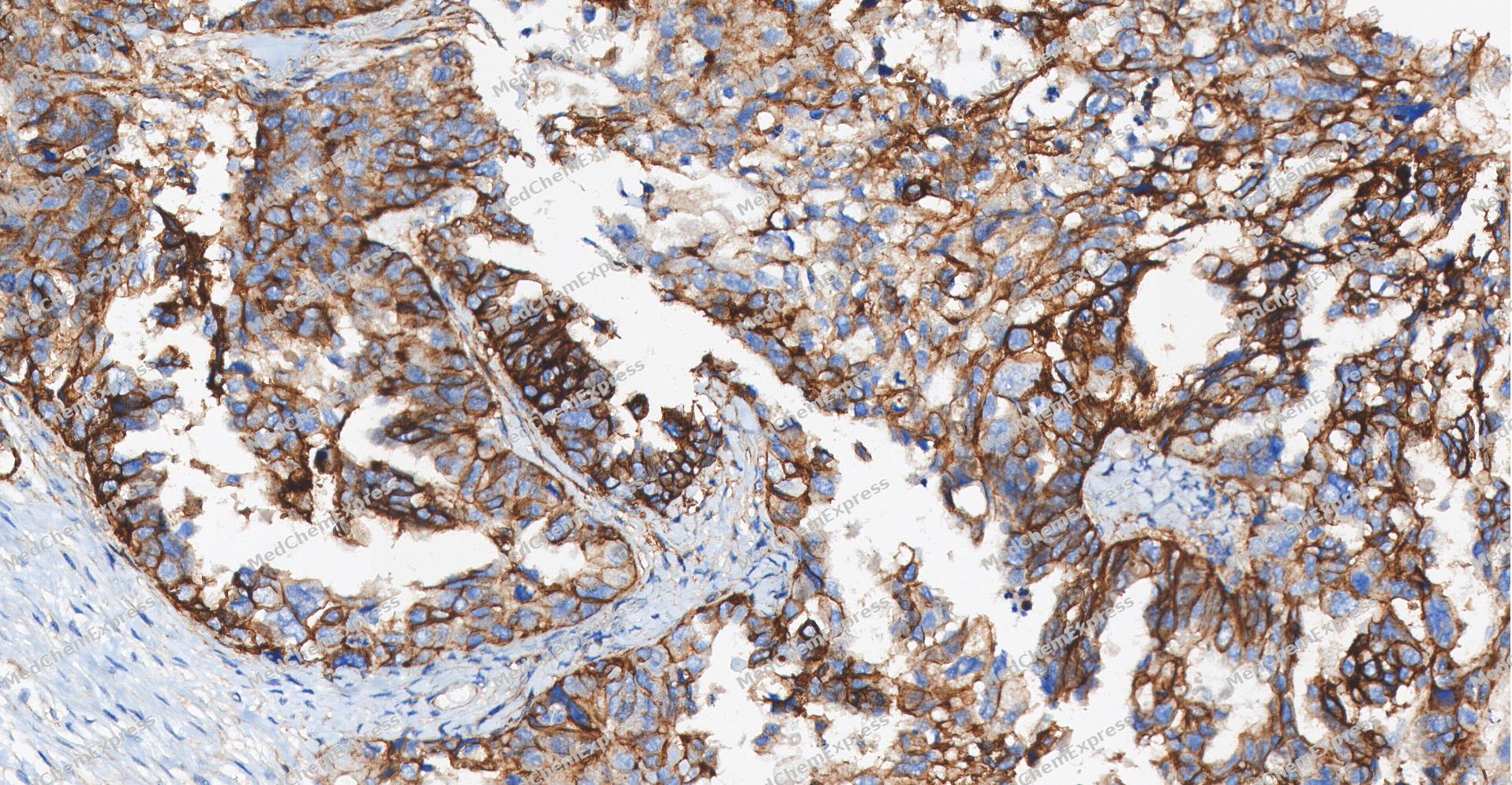
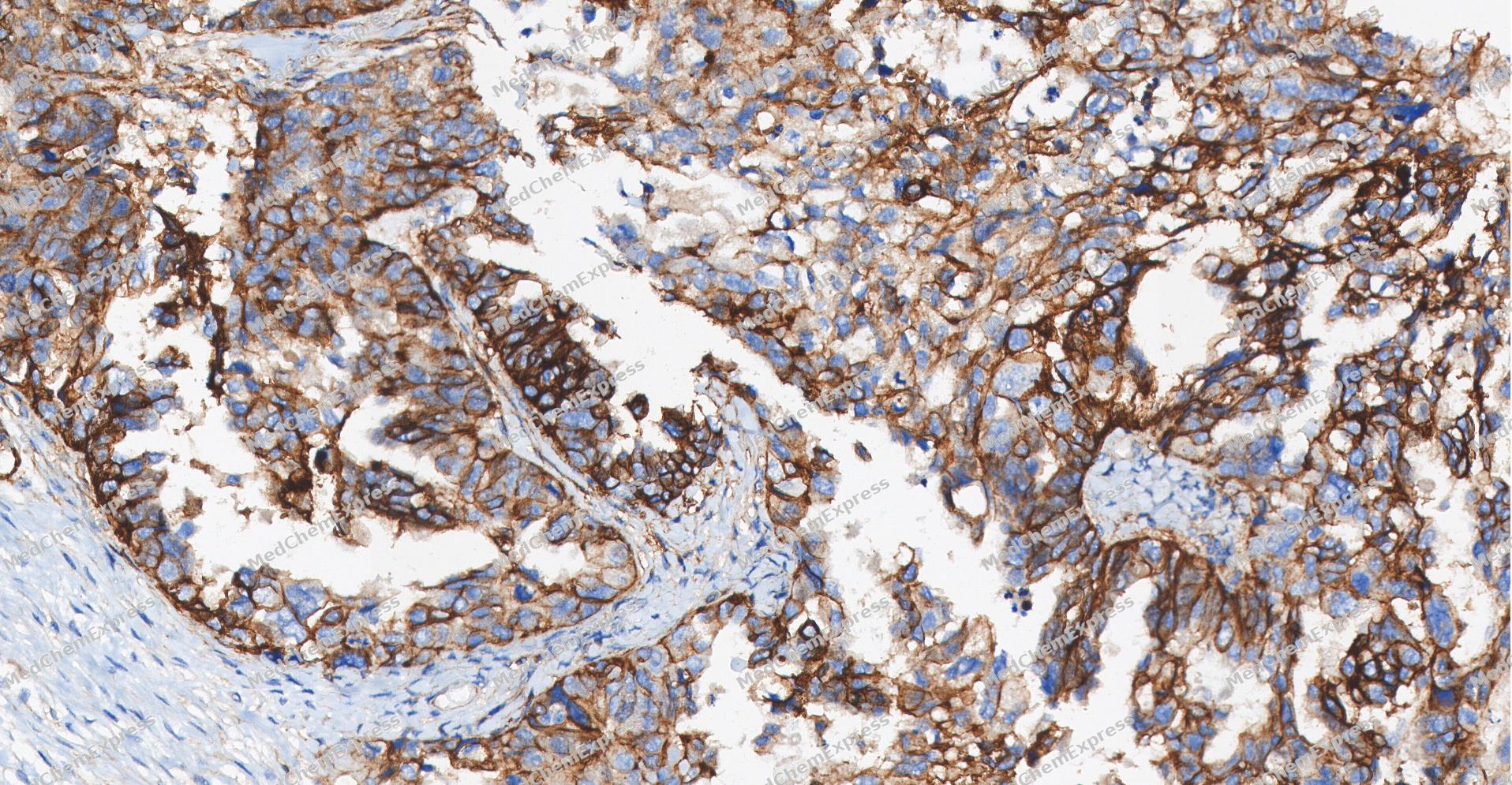 Immunohistochemical analysis of paraffin-embedded human Ovarian Cancer tissue using SLC1A5/ASCT2 antibody was performed. The section was pretreated using high-temperature and high-pressure mediated EDTA antigen retrieval buffer (pH 9.0), for 5 minutes. The tissues were incubated with primary antibody (HY-P81435, 1:100 dilution) at room temperature for 60 minutes. Detection was performed using an HRP conjugated compact polymer system. DAB was used as the chromogen. The tissues were counterstained with hematoxylin and mounted with neutral balsam mounting medium.
 -
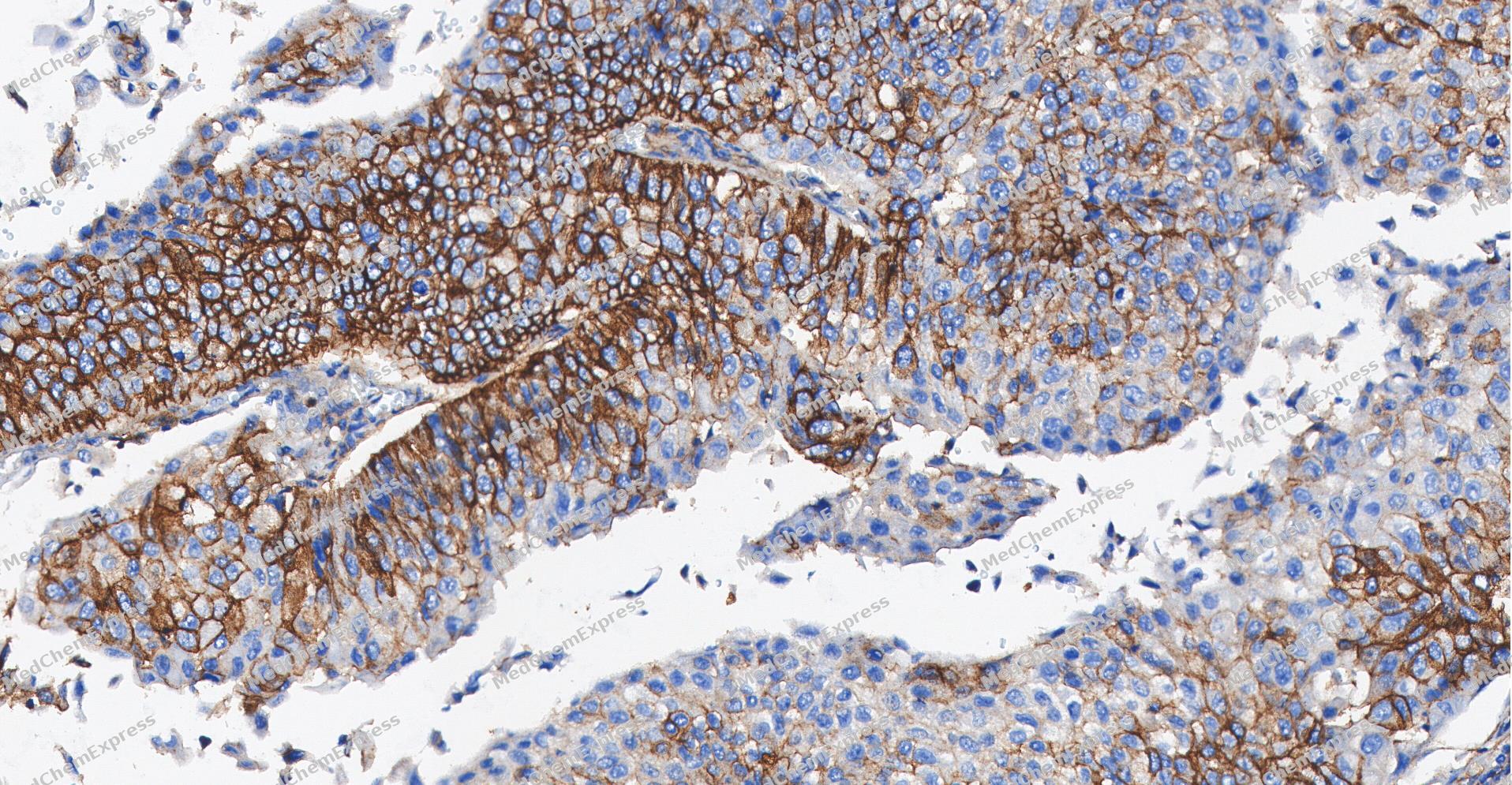 Immunohistochemical analysis of paraffin-embedded human Bladder cancer tissue using SLC1A5/ASCT2 antibody was performed. The section was pretreated using high-temperature and high-pressure mediated EDTA antigen retrieval buffer (pH 9.0), for 5 minutes. The tissues were incubated with primary antibody (HY-P81435, 1:100 dilution) at room temperature for 60 minutes. Detection was performed using an HRP conjugated compact polymer system. DAB was used as the chromogen. The tissues were counterstained with hematoxylin and mounted with neutral balsam mounting medium.
 -
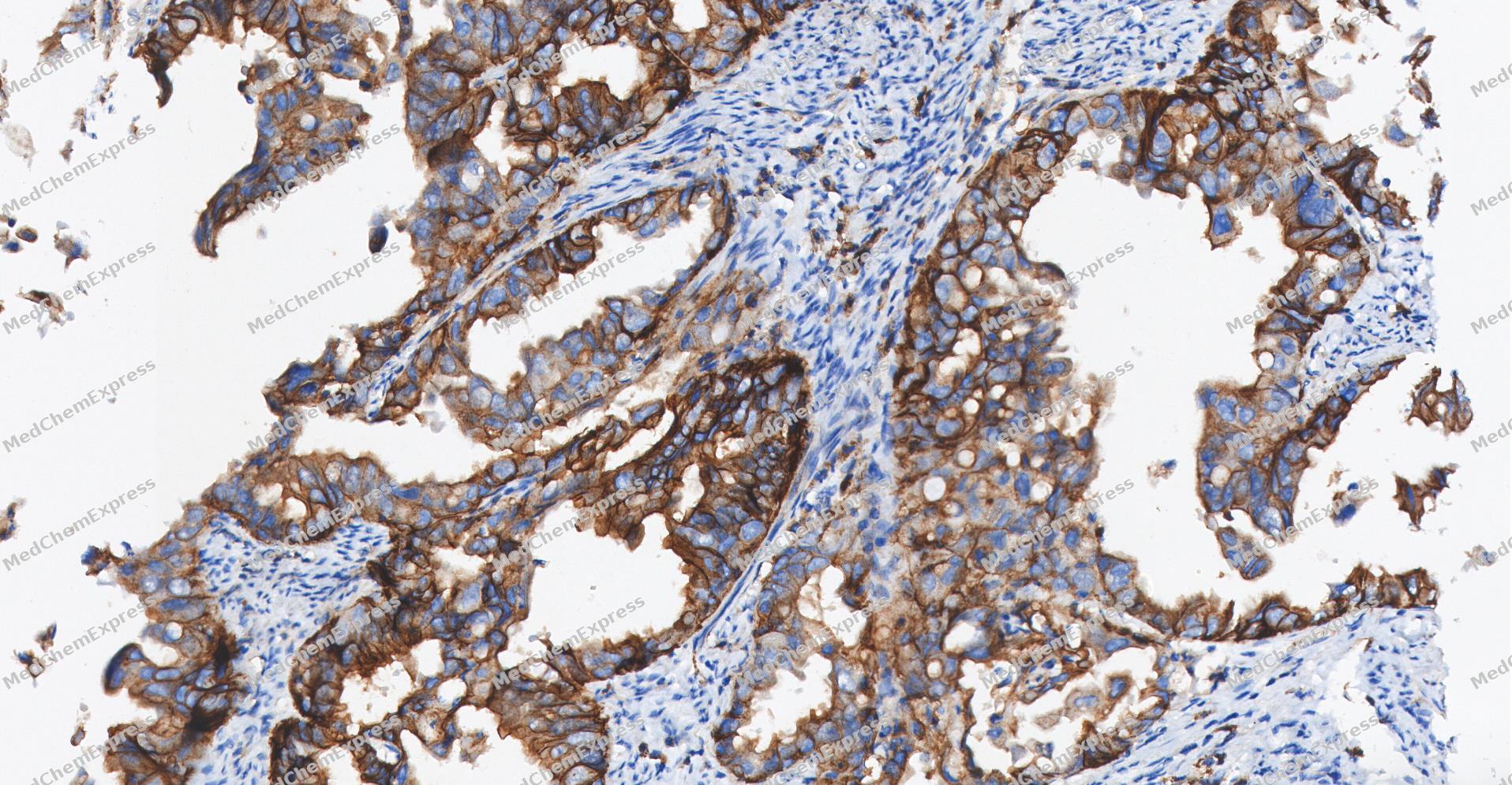 Immunohistochemical analysis of paraffin-embedded human Endometrial Carcinoma tissue using SLC1A5/ASCT2 antibody was performed. The section was pretreated using high-temperature and high-pressure mediated EDTA antigen retrieval buffer (pH 9.0), for 5 minutes. The tissues were incubated with primary antibody (HY-P81435, 1:100 dilution) at room temperature for 60 minutes. Detection was performed using an HRP conjugated compact polymer system. DAB was used as the chromogen. The tissues were counterstained with hematoxylin and mounted with neutral balsam mounting medium.
 -
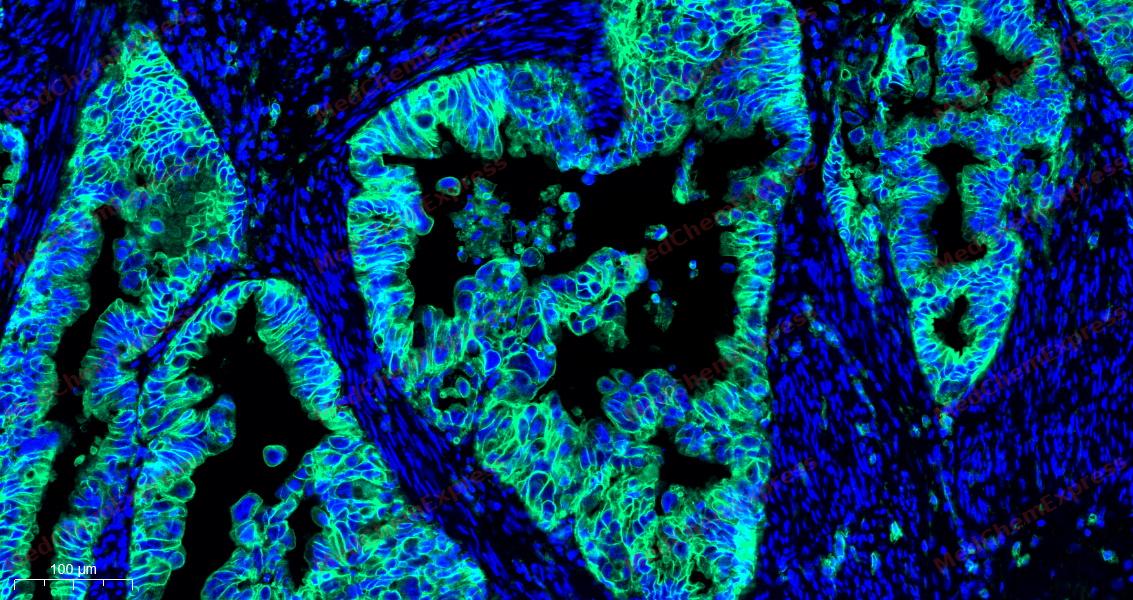
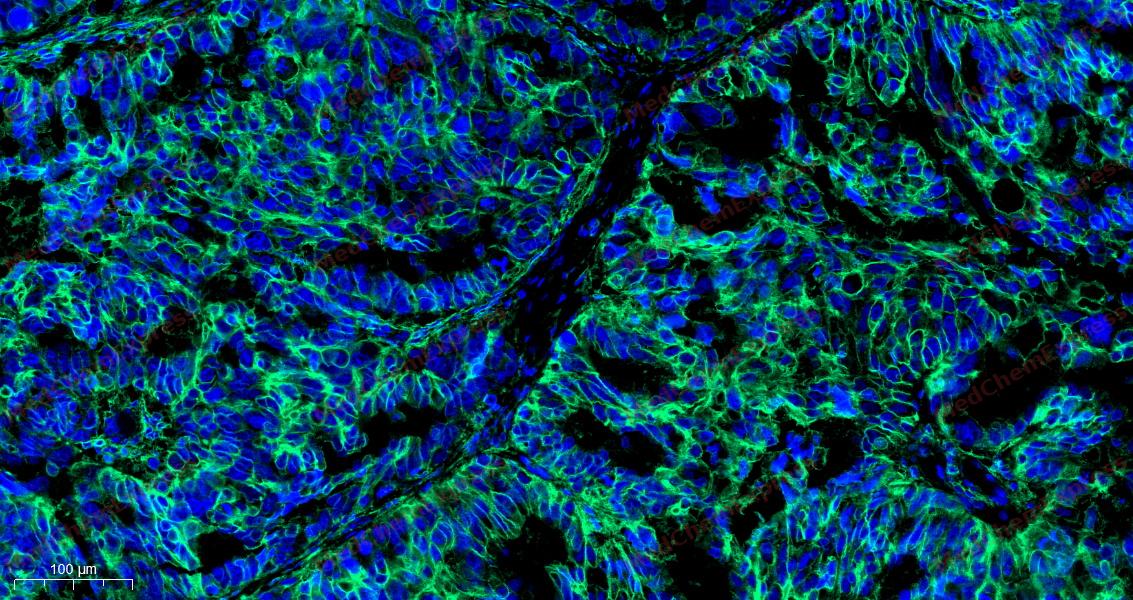
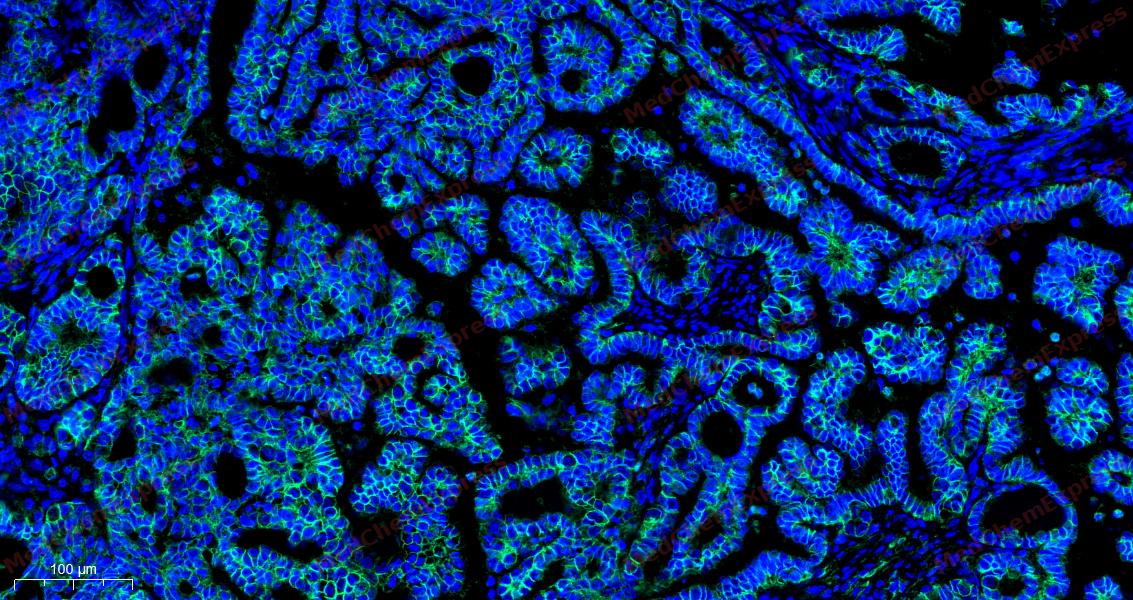
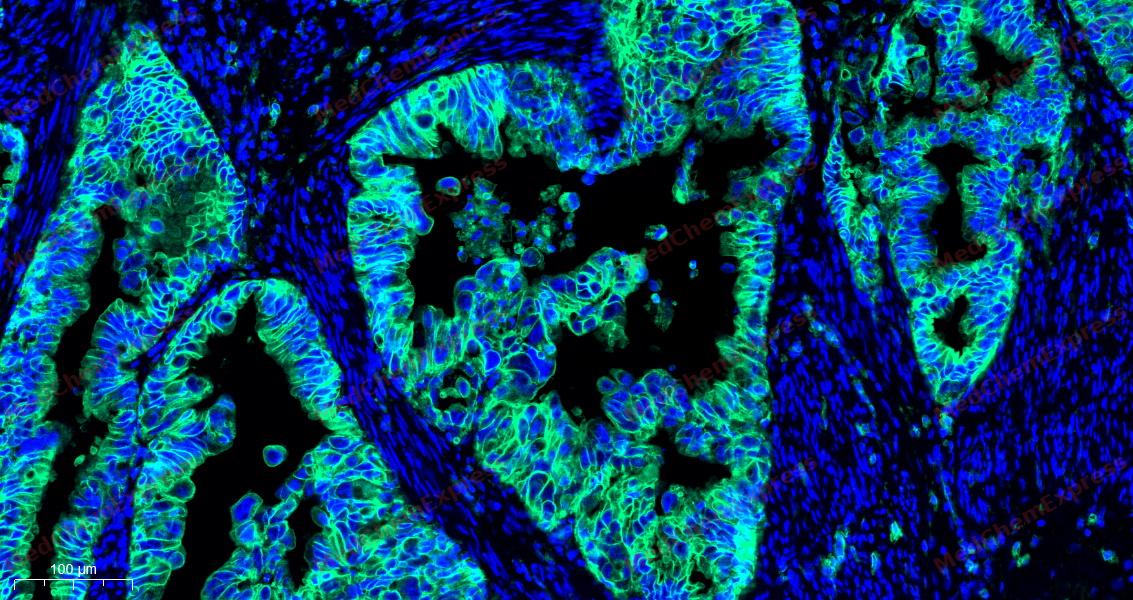 Tyramide signaling amplification based immunofluorescence was performed on paraffin-embedded human Endometrial Carcinoma tissue using SLC1A5/ASCT2 antibody. Antigen retrieval was performed in EDTA buffer pH 9.0 (95 °C, 20 min) followed by cooling to RT. Then incubated with primary antibody (HY-P81435, 1:100 dilution) at room temperature for 60 minutes and HRP conjugated secondary antibody for 10 minutes. Fluorescence was then developed with Vari Fluor 532 TSA (200×)(HY-D1832). The tissues were counterstained with DAPI and mounted with Anti-fade mounting medium.
 -
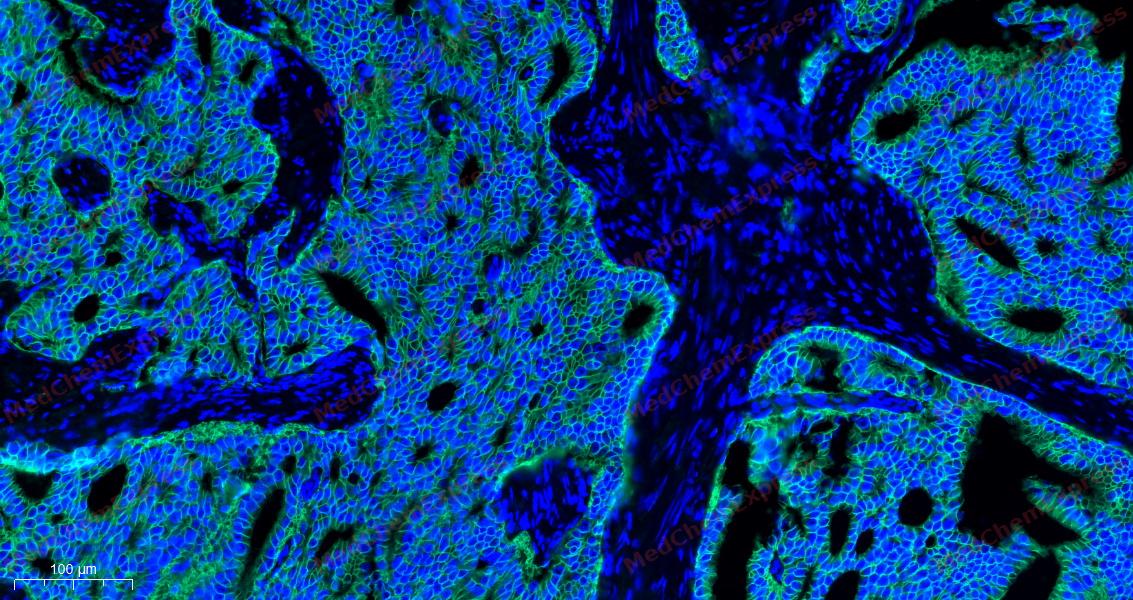
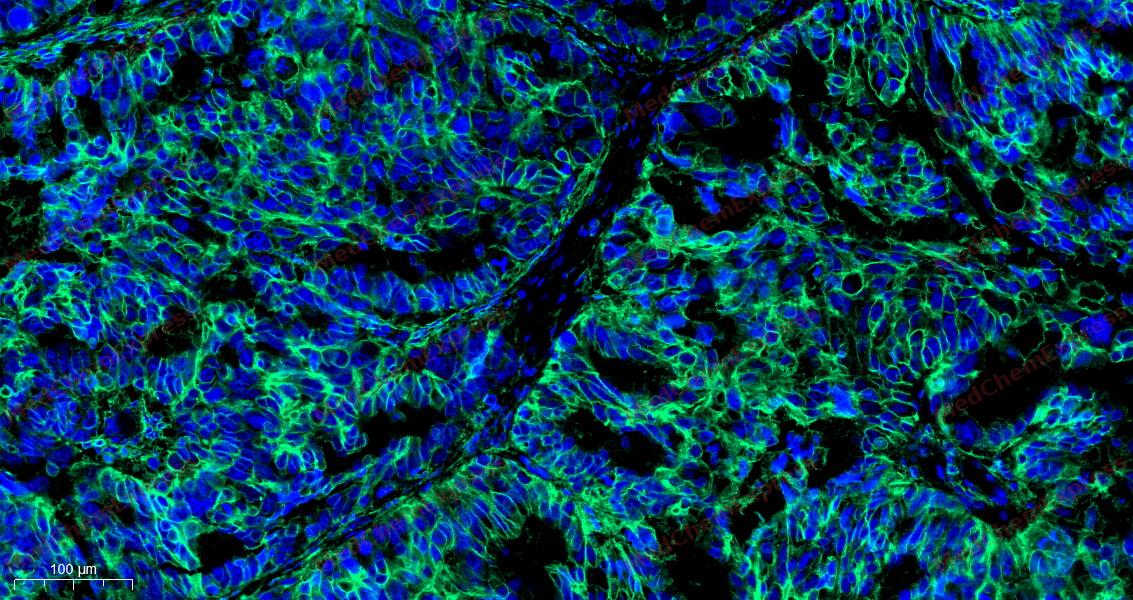 Tyramide signaling amplification based immunofluorescence was performed on paraffin-embedded human ovarian carcinoma tissue using SLC1A5/ASCT2 antibody. Antigen retrieval was performed in EDTA buffer pH 9.0 (95 °C, 20 min) followed by cooling to RT. Then incubated with primary antibody (HY-P81435, 1:100 dilution) at room temperature for 60 minutes and HRP conjugated secondary antibody for 10 minutes. Fluorescence was then developed with Vari Fluor 532 TSA (200×)(HY-D1832). The tissues were counterstained with DAPI and mounted with Anti-fade mounting medium.
 -
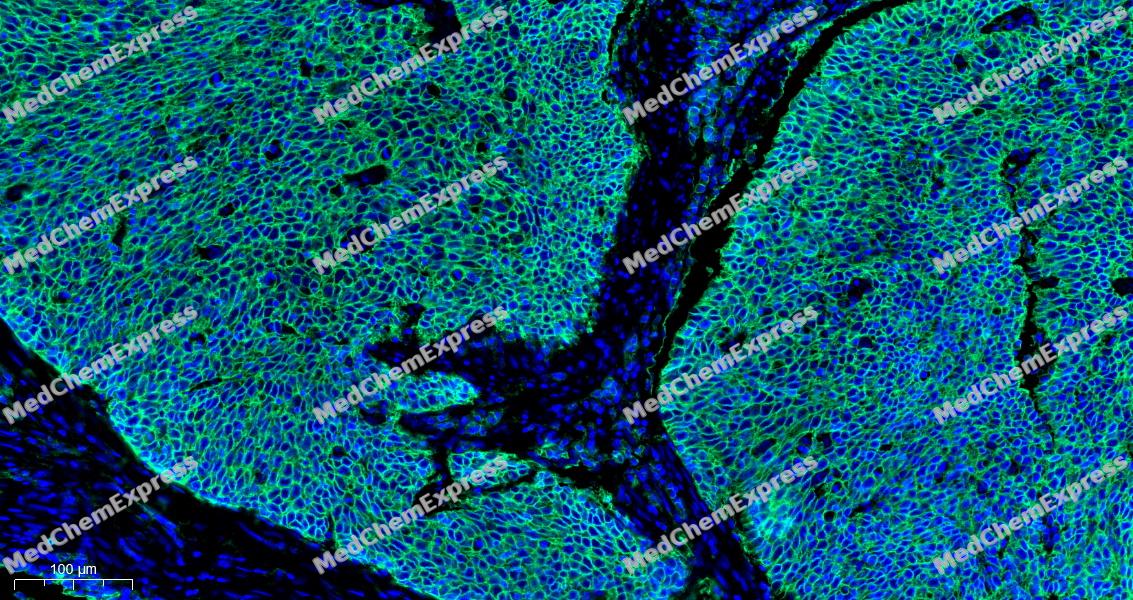
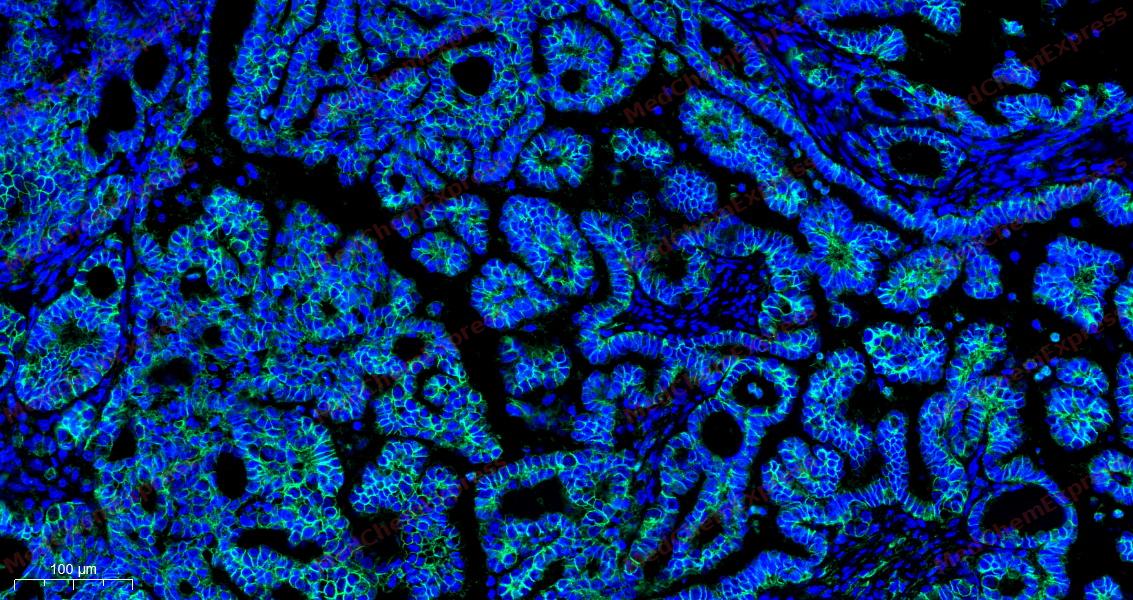 Tyramide signaling amplification based immunofluorescence was performed on paraffin-embedded human ovarian carcinoma tissue using SLC1A5/ASCT2 antibody. Antigen retrieval was performed in EDTA buffer pH 9.0 (95 °C, 20 min) followed by cooling to RT. Then incubated with primary antibody (HY-P81435, 1:100 dilution) at room temperature for 60 minutes and HRP conjugated secondary antibody for 10 minutes. Fluorescence was then developed with Vari Fluor 532 TSA (200×)(HY-D1832). The tissues were counterstained with DAPI and mounted with Anti-fade mounting medium.
 -
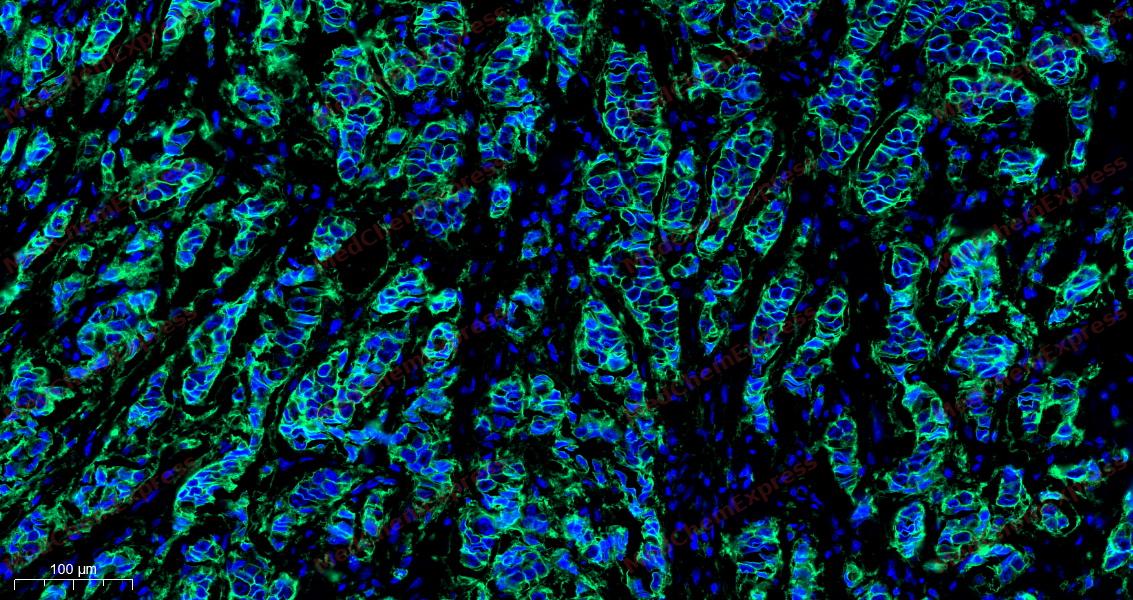 Tyramide signaling amplification based immunofluorescence was performed on paraffin-embedded human Breast Cancer tissue using SLC1A5/ASCT2 antibody. Antigen retrieval was performed in EDTA buffer pH 9.0 (95 °C, 20 min) followed by cooling to RT. Then incubated with primary antibody (HY-P81435, 1:100 dilution) at room temperature for 60 minutes and HRP conjugated secondary antibody for 10 minutes. Fluorescence was then developed with Vari Fluor 532 TSA (200×)(HY-D1832). The tissues were counterstained with DAPI and mounted with Anti-fade mounting medium.
 -
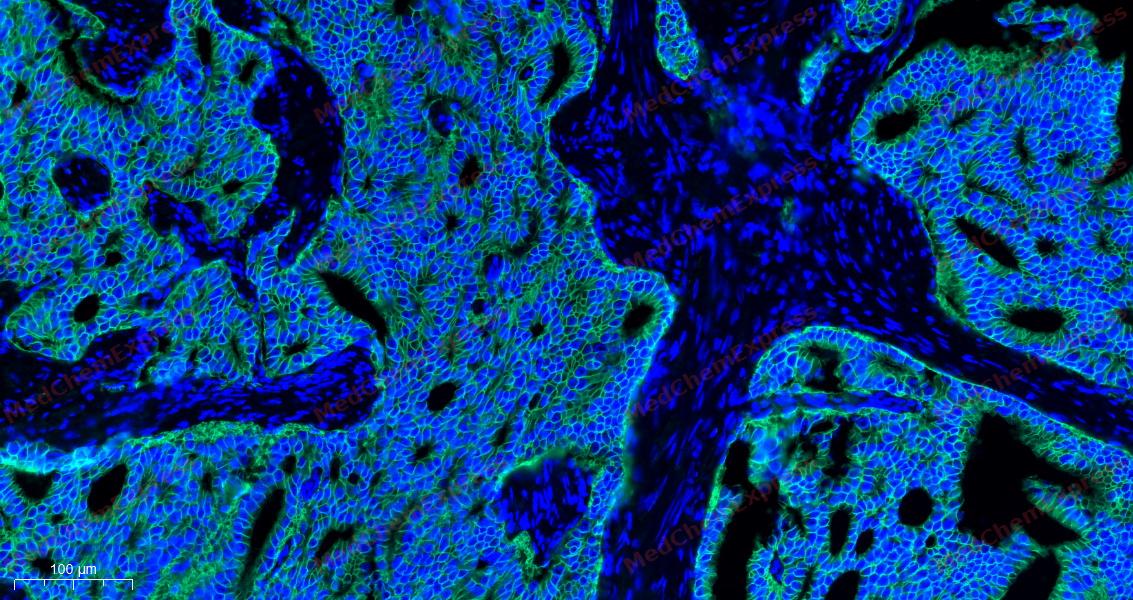 Tyramide signaling amplification based immunofluorescence was performed on paraffin-embedded human Prostate Cancer tissue using SLC1A5/ASCT2 antibody. Antigen retrieval was performed in EDTA buffer pH 9.0 (95 °C, 20 min) followed by cooling to RT. Then incubated with primary antibody (HY-P81435, 1:100 dilution) at room temperature for 60 minutes and HRP conjugated secondary antibody for 10 minutes. Fluorescence was then developed with Vari Fluor 532 TSA (200×)(HY-D1832). The tissues were counterstained with DAPI and mounted with Anti-fade mounting medium.
 -
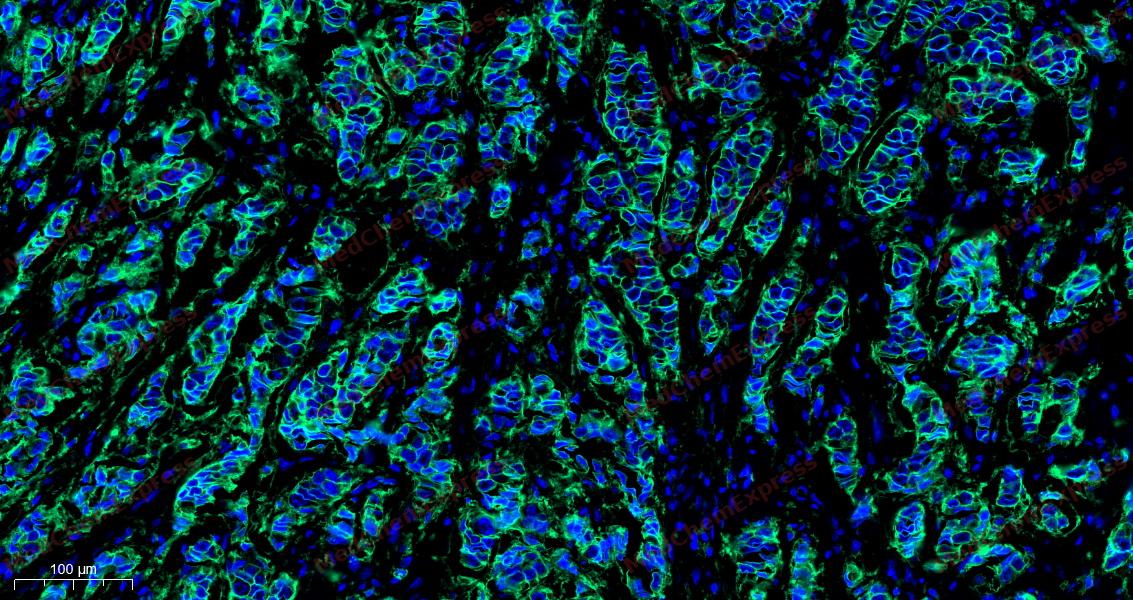
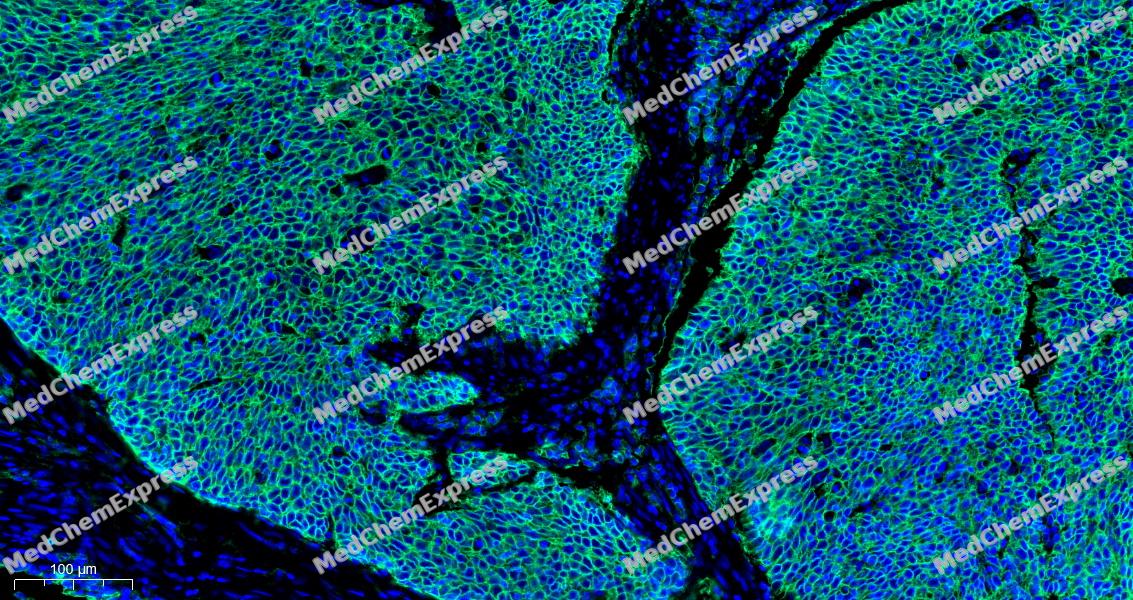 Tyramide signaling amplification based immunofluorescence was performed on paraffin-embedded human Esophageal Carcinoma tissue using SLC1A5/ASCT2 antibody. Antigen retrieval was performed in EDTA buffer pH 9.0 (95 °C, 20 min) followed by cooling to RT. Then incubated with primary antibody (HY-P81435, 1:100 dilution) at room temperature for 60 minutes and HRP conjugated secondary antibody for 10 minutes. Fluorescence was then developed with Vari Fluor 532 TSA (200×)(HY-D1832). The tissues were counterstained with DAPI and mounted with Anti-fade mounting medium.


Background
-
Function
SLC1A5/ASCT2 is a Sodium-coupled antiporter of neutral amino acids. In a tri-substrate transport cycle, exchanges neutral amino acids between the extracellular and intracellular compartments, coupled to the inward cotransport of at least one sodium ion. The preferred substrate is the essential amino acid L-glutamine, a precursor for biosynthesis of proteins, nucleotides and amine sugars as well as an alternative fuel for mitochondrial oxidative phosphorylation. Exchanges L-glutamine witH2O2her neutral amino acids such as L-serine, L-threonine and L-asparagine in a bidirectional way. Provides L-glutamine to proliferating stem and activated cells driving the metabolic switch toward cell differentiation. The transport cycle is usually pH-independent, with the exception of L-glutamate. Transports extracellular L-glutamate coupled to the cotransport of one proton and one sodium ion in exchange for intracellular L-glutamine counter-ion. May provide for L-glutamate uptake in glial cells regulating glutamine/glutamate cycle in the nervous system. Can transport D-amino acids. Mediates D-serine release from the retinal glia potentially affecting NMDA receptor function in retinal neurons. Displays sodium- and amino acid-dependent but uncoupled channel-like anion conductance with a preference SCN(-) >> NO3(-) > I(-) > Cl(-). TH2O2gh binding of the fusogenic protein syncytin-1/ERVW-1 may mediate trophoblasts syncytialization, the spontaneous fusion of their plasma membranes, an essential process in placental development; (Microbial infection) Acts as a cell surface receptor for Feline endogenous virus RD114; (Microbial infection) Acts as a cell surface receptor for Baboon M7 endogenous virus; (Microbial infection) Acts as a cell surface receptor for type D simian retroviruses[1][2][3][4][5][6][7][8][9][10].
-
Subcellular Localization
Cell membrane; Multi-pass membrane protein; Melanosome
-
Expression
Tissue_specificity:Placenta, lung, skeletal muscle, kidney, pancreas, and intestine (PubMed:8702519) . Expressed in CD34-positive hematopoietic progenitors (at protein level) (PubMed:24953180) -
Isoforms & Post-Translational Modification
Q15758 has 3 isomers: Q15758-1: 56598 Da (predicted); Q15758-2: 36636 Da (predicted); Q15758-3: 33710 Da (predicted).
-
Subunit
Homotrimer (Probable) (PubMed:29872227). Interacts with ERVH48-1/suppressyn; may negatively regulate syncytialization (PubMed:23492904)
-
SwissProt ID
-
Synonyms
SLC1A5 ; ASCT2; M7V1, RDR, RDRC; Neutral amino acid transporter B(0); ATB(0); Baboon M7 virus receptor; RD114/simian type D retrovirus receptor; Sodium-dependent neutral amino acid transporter type 2; Solute carrier family 1 member 5
-
Research Field
Microbiology


Documentation
-
Data Sheet (232 KB)
-
SDS (252 KB)
- English - EN (252 KB)
- Français - FR (252 KB)
- Deutsch - DE (252 KB)
- Norwegian - NO (252 KB)
- Español - ES (252 KB)
- Swedish - SV (252 KB)
- Italian - IT (252 KB)
- Korean - KR (252 KB)
- Portuguese - PT (252 KB)
-
User Guide for Antibodies (1077 KB)

 Powered by Bioz
