From 11:00 pm to 12:00 pm EST ( 8:00 pm to 9:00 pm PST ) on January 6th, the website will be under maintenance. We are sorry for the inconvenience. Please arrange your schedule properly.
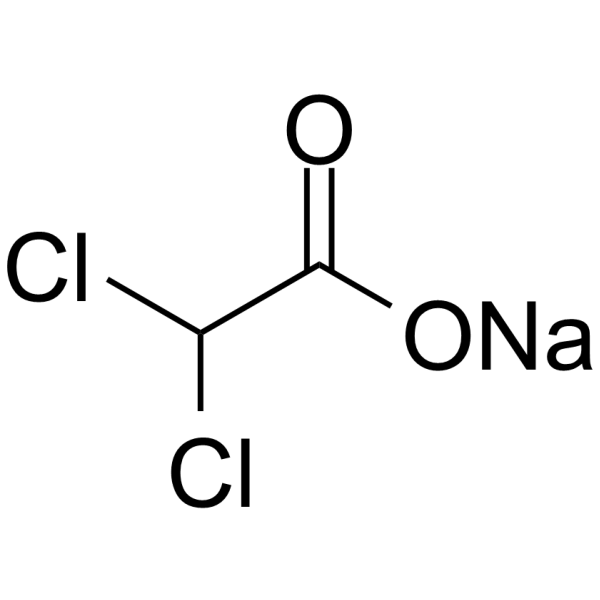
Sodium dichloroacetate is an orally active pyruvate dehydrogenase kinase (PDK) inhibitor. Sodium dichloroacetate also stimulates pyruvate dehydrogenase (PDH) activity and works as a Na +-K +-2Cl − cotransporter (NKCC) inhibitor. Sodium dichloroacetate prevents the phosphorylation of the E1α subunit of PDC, promoting the entry of pyruvate into the mitochondria for oxidative metabolism, reducing lactate production, and simultaneously increasing the production of reactive oxygen species (ROS). Sodium dichloroacetate inhibits tumor cell proliferation and induces apoptosis. Sodium dichloroacetate is promising for research of cancers [2].
Pivekimab is a human IgG1 monoclonal antibody that targets interleukin-3 (IL-3) and CD123. Pivekimab is used to synthesize pivekimab sunirine, a CD123-directed antibody-active molecule conjugate (ADC). Pivekimab is used in the study of blastic plasmacytoid dendritic cell neoplasm (BPDCN) [2].
Anifrolumab is a type I interferon (IFN) receptor antagonist, a human monoclonal antibody. Anifrolumab blocks the activity of type I interferon. Anifrolumab can be used in systemic lupus erythematosus (SLE) research [2].
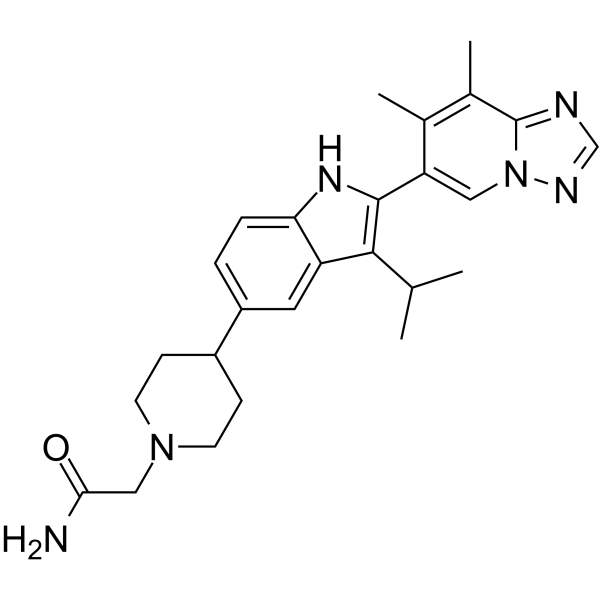
Afimetoran (BMS-986256) is an orally active, selective, and highly bioavailable TLR7/8 antagonist. Afimetoran (BMS-986256) can inhibit TLR7/8 activation of the NF-κB pathway and reverse TLR7 mediated resistance to steroid induced apoptosis in plasma cell like dendritic cells (pDCs). Afimetoran (BMS-986256) can be used for research on inflammation and autoimmune diseases (systemic lupus erythematosus) [2].
Vibecotamab (XmAb14045) is a potent bispecific antibody targeting both CD123 and CD3. Vibecotamab targets T cell-mediated killing of CD123-expressing cells, regardless of T cell antigen specificity. Vibecotamab is a full length immunoglobulin molecule. Vibecotamab can be studied in research for diseases such as Myelodysplastic syndrome and acute myeloid leukemia. Recommend Isotype Control: half-IG G1-kappa/(scFv-heavy-lambda)-h-CH2-CH3[2] .
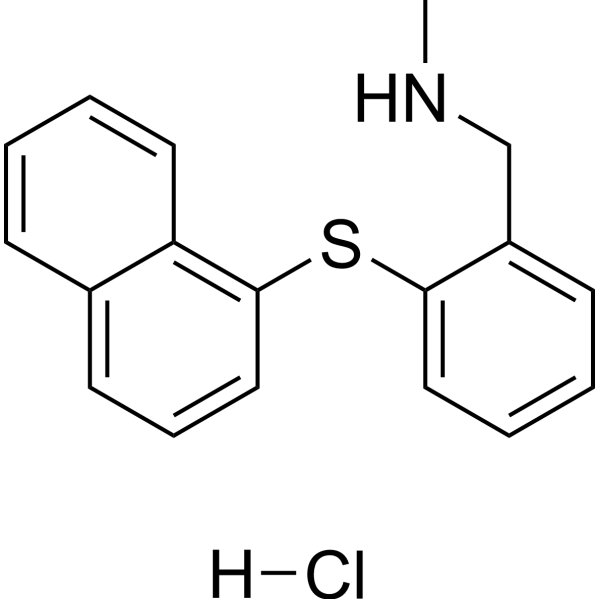
IFN alpha-IFNAR-IN-1 hydrochloride is a nonpeptidic, low-molecular-weight inhibitor of the interaction between IFN-α and IFNAR. IFN alpha-IFNAR-IN-1 hydrochloride inhibits modified Vaccinia virus ankara (MVA)-induced IFN-α responses in murine bone-marrow-derived, Flt3- L-differentiated pDC cultures (BM-pDCs) (IC50=2-8 μM) .
Flotetuzumab (MGD006; S80880) is an investigational CD123/CD3 bispecific dual-affinity retargeting antibody (DART) molecule. Flotetuzumab reactivates T cells by simultaneously binding to CD123 in target cells and CD3 in effector T cells, leading to T-cell-mediated cytotoxicity in target cells. Flotetuzumab shows inhibitory effect on a mouse model of patient-derived xenograft (PDX) in acute myeloid leukemia (AML) [2].
Litifilimab (BIIB059) is a humanized anti-BDCA2 IgG1 monoclonal antibody administered subcutaneously. Litifilimab can inhibit the production of type I interferons, cytokines and chemokines. Litifilimab can be used in the research of diseases such as systemic lupus erythematosus [2].
GSK215 is a potent and selective PROTAC focal adhesion kinase (FAK) degrader with a pDC50 of 8.4. GSK215 is designed by a binder for the VHL E3 ligase and the FAK inhibitor VS-4718. GSK215 induces rapid and prolonged FAK degradation, giving a long-lasting effect on FAK levels and a marked pharmacokinetic/pharmacodynamics (PK/PD) disconnect .
Ligelizumab (QGE 031) is a humanized high-affinity anti-immunoglobulin IgE monoclonal antibody. Ligelizumab selectively inhibits the binding of IgE to the high-affinity receptor FcεRI, while the inhibitory effect on the low-affinity receptor CD23 is weak. Ligelizumab can inhibit the activation of effector cells such as mast cells and Basophil, while reducing the production of IgE by B cells, and restoring the IFN-α production and regulatory T cell (Treg) induction function of plasmacytoid dendritic cells (pDC). Ligelizumab can be used in the study of allergic diseases (such as chronic spontaneous urticaria, allergic asthma) [2].
Talacotuzumab (JNJ 56022473; CSL 362) is an IgG1-type fully humanized, CD123-neutralizing monoclonal antibody containing a modified Fc structure. Talacotuzumab has KDs of 0.43 nM, 188 nM, 46 nM, 16.8 nM for CD123, CD32b/c, CD16-158F, CD16-158V, respectively. Talacotuzumab inhibits IL-3 binding to CD123, antagonizing IL-3 signaling in target cells. Talacotuzumab has mutated the Fc region to increase affinity for CD16 (FcγRIIIa), thereby enhancing antibody-dependent cell-mediated cytotoxicity (ADCC). Talacotuzumab is highly effective in vivo reducing leukemic cell growth in acute myeloid leukemia (AML) xenograft mouse models [2] .
CpG ODN 10101 (ODN 10101; CPG 10101) is a selective agonist targeting TLR9, a synthetic oligodeoxynucleotide modified with phosphate thioester. CpG ODN 10101 activates B cells and plasmacytoid dendritic cells (pDCs), inducing the production of cytokines and chemokines such as interferon-IFN-α, interferon-inducible protein IP-10, and 2'5'-oligoadenylate synthase (2'5'-OAS), regulating innate immunity and promoting Th1 adaptive immune responses. CpG ODN 10101 also possesses antiviral properties and enhances vaccine immunogenicity, making it suitable as an immunomodulator and vaccine adjuvant for vaccine development in chronic hepatitis C and infectious diseases such as melioidosis, pertussis, and respiratory syncytial virus (RSV) [2] .
IRF5-CPP5 is a cytosolic peptide that selectively targeting human IRF5 wirh a Kd of 0.53 μM.IRF5-CPP5 disrupts IRF5 homodimerization and inhibits its nuclear translocation without altering IRF5 phosphorylation levels. IRF5-CPP5 inhibits proinflammatory cytokine (IL-6, IL-1β, TNF-α) production. IRF5-CPP5 can be used for the research of systemic lupus erythematosus .
Ricorfotide vedotin (CBP-1008) is a dual-ligand peptide-drug conjugate (PDC) conjugated to MMAE (HY-15162), targeting Folate receptor α (FRα) and TRPV6. Ricorfotide vedotin binds to FRα with high affinity and TRPV6 with low affinity. Ricorfotide vedotin has antitumor activity, and can be used in advanced solid tumor research (eg: colorectal cancer, breast cancer, non-small cell lung cancer, ovarian cancer, adrenocortical carcinoma and follicular dendritic cell sarcoma) [2] .
Lixarkitug (AZD9829 antibody; INT-020) is a humanized IgG1κ antibody targeting IL-3Ra/CD123. Lixarkitug can be conjugated with Samrotecan to form the intact ADC molecule lixarkitug samrotecan (AZD9829), which is used in studies of acute myeloid leukemia (AML) [2]. The isotype control corresponding to Lixarkitug is Human IgG1 kappa, Isotype Control (HY-P99001).
NHS-activated 2-octynoic acid-BSA is an immunogen used to establish a mouse model of primary biliary cholangitis (PBC). When used in combination with Complete Freund's Adjuvant (HY-153808), NHS-activated 2-octynoic acid-BSA stimulates the body's immune system, which recognizes it as a foreign antigen and triggers an immune response against autologous biliary epithelial cells. This leads to the production of anti-PDC-E2 antibodies, causing bile duct damage and inflammation. NHS-activated 2-octynoic acid-BSA is promising for use in primary biliary cholangitis research .
DOTA-EB-TATE is composed of SST peptide derivative, DOTA-octreotate conjugated a common to an Evans blue analog (EB). DOTA-EB-TATE is a peptide drug conjugate (PDC) improves the pharmacokinetics of SSTR2 analogs and reduces PRRT toxicity. DOTA-EB-TATE can also be used for the synthesis/research of Radionuclide-Drug Conjugates (RDCs) [2].
IFN alpha-IFNAR-IN-1 is a nonpeptidic, low-molecular-weight inhibitor of the interaction between IFN-α and IFNAR. IFN alpha-IFNAR-IN-1 inhibits modified Vaccinia virus ankara (MVA)-induced IFN-α responses in murine bone-marrow-derived, Flt3- L-differentiated pDC cultures (BM-pDCs) (IC50=2-8 μM) .
Pyruvate decarboxylase (PDC) is an enzyme that catalyses the decarboxylation of pyruvic acid to acetaldehyde. Pyruvate decarboxylase catalyses the non-oxidative conversion of pyruvate (or other 2-oxo acids) to acetaldehyde and CO2 .
Vidutolimod sodium is a CpG-A oligodeoxynucleotide. Vidutolimod sodium is a Toll-like receptor 9 (TLR9) agonist, which activates plasmacytoid dendritic cells (pDCs) and triggers interferon alpha (IFNα) release, leading to a cascade of anti-tumor immune effects.
Daxdilimab is an anti-ILT7 monoclonal antibody, ILT7 is a cell surface molecule specific to the pDC type of dendritic cells. Daxdilimab can be used in acute lung injury (ALI) in patients with COVID-19 infection research [2].
ssRNA42 (sodium) is a 20-mer phosphothioate protected single-stranded RNA oligonucleotide. ssRNA42 (sodium) derives from ssRNA40 by replacement of all G nucleotides with adenosine. ssRNA42 activated human PBMCs to secrete IFN-α, TNF-a, IL- 12p40, and IL-6, but ssRNA42 failed to stimulated murine pDCs and PBMCs.
CBP-1018 is a PDC (peptide-drug conjugate) formed by conjugating Monomethyl auristatin E (HY-15162) to a dual-targeting ligand of FLOR1/PSMA (prostate-specific membrane antigen) via a linker (HY-78738). CBP-1018 binds to FLOR1 and prostate-specific membrane antigen (PSMA). CBP-1018 is applicable to the research of solid tumors and metastatic castration-resistant prostate cancer [2].
4-Methylthiazole is an Apoptosis trigger. 4-Methylthiazole markedly reduces CD45 and CD123 surface markers, increases ROS levels, Caspase-3 protein levels. 4-Methylthiazole triggers Apoptosis and mitochondrial disruption. 4-Methylthiazole can be used in the research of acute promyelocytic leukemia .
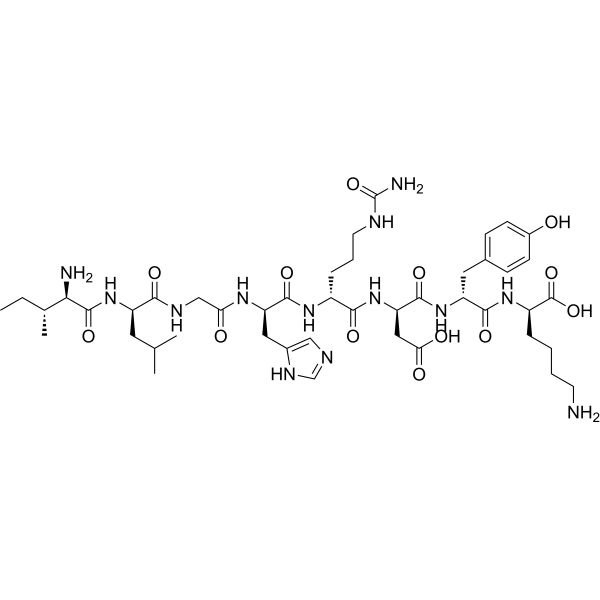
PDC31 (THG113.31; ILGHXDYK) is an allosteric and non-competitive inhibitor of FP Prostaglandin Receptor. PDC31 is the D-amino acid-based oligopeptide, is used for smooth muscle contractile agent. PDC31 decreases the strength and duration of uterine contractions in vivo, which can be used for research of preterm labor and primary dysmenorrhea (PD). PDC31 also enhances Ca 2+-dependent large-conductance K +-channel in human myometrial cells [2].
Mipletamig (APVO-436) is a bispecific CD123 x CD3 monoclonal antibody. Mipletamig simultaneously binds to both CD3-expressing T cells and CD123-expressing cancer cells, thereby crosslinking CD123-expressing tumor cells and cytotoxic T lymphocytes (CTLs). This results in the activation and proliferation of T-cells and causes CTL-mediated cell lysis of CD123-expressing tumor cells. Mipletamig can be used for the study of acute myeloid leukemia (AML) .
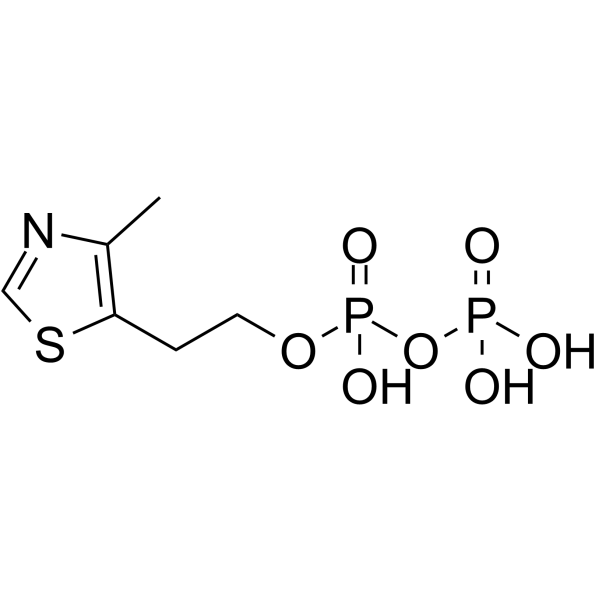
Thiamine diphosphate analog 1 is an analog of thiamine diphosphate. Thiamine diphosphate is the active metabolite of vitamin B1 in organisms. Thiamine diphosphate targets ThDP-dependent enzymes such as transketolase and pyruvate dehydrogenase complex, acting as an essential coenzyme to exert an activating effect. Thiamine diphosphate assists in catalytic reactions in free form and initiates the catalytic cycles of various glucose-metabolizing enzymes. Thiamine diphosphate serves as a diagnostic biomarker and protective factor for Alzheimer's disease. Thiamine diphosphate can be used in research related to metabolism and Alzheimer's disease [2] .
Bexatamig (SAR-443579) is a trifunctional natural killer cell engager targeting IL-3R α/CD123, NKp46/NCR1/CD335 and Fc gamma RIIIA/CD16a. Bexatamig forms a cytolytic synapse between natural killer cells and CD123-positive tumor cells. By activating natural killer cells to induce tumor cell death, Bexatamig effectively reduces the burden of CD123-positive acute myeloid leukemia (AML) blasts. Bexatamig has been granted FDA Fast Track designation, and is primarily investigated for relapsed or refractory acute myeloid leukemia, B-cell acute lymphoblastic leukemia, and high-risk myelodysplastic syndromes [2].
Anti-IL-3Ra/CD123 Antibody (SNG-CD123A) is a CHO-expressed human antibody that targets IL-3Ra/CD123. The predicted molecular weight (MW) of Anti-IL-3Ra/CD123 Antibody (SNG-CD123A) is 146.14 kDa. The isotype control for Anti-IL-3Ra/CD123 Antibody (SNG-CD123A) can refer to Human IgG1 kappa, Isotype Control (HY-P99001).
BGC1614 is a Nectin-4-targeting bicyclic toxin conjugate (BTC) belonging to the category of peptide-drug conjugates (PDCs). BGC1614 exhibits strong targeted binding ability to Nectin-4, with an KD of 3.859 × 10 -7 M. BGC1614 exhibits superior antitumor efficacy in nude mice bearing PC-3 and N87 tumor xenografts. BGC1614 can be used for research related to Nectin-4-overexpressing tumors (such as prostate cancer, gastric cancer) .
CSL-360 is a chimeric unconjugated IgG1 monoclonal antibody targeting CD123. CSL-360 efficiently prevents the binding of IL-3 to CD123, abolishing IL-3 induced cell proliferation. CSL-360 can be used for acute myeloid leukemia (AML) research [2].
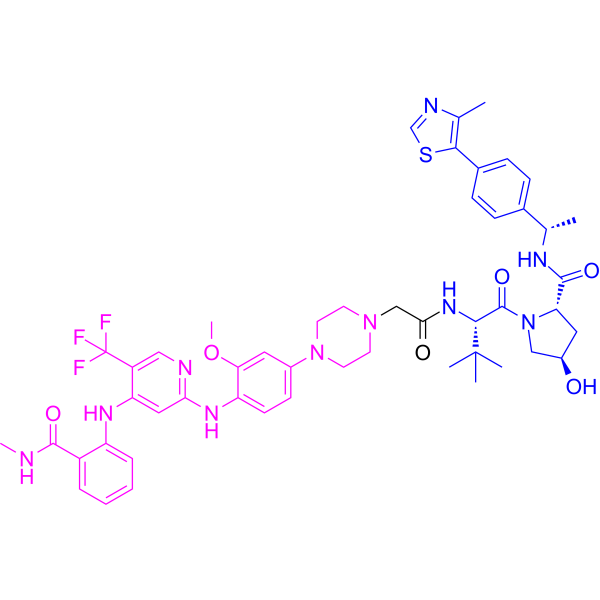
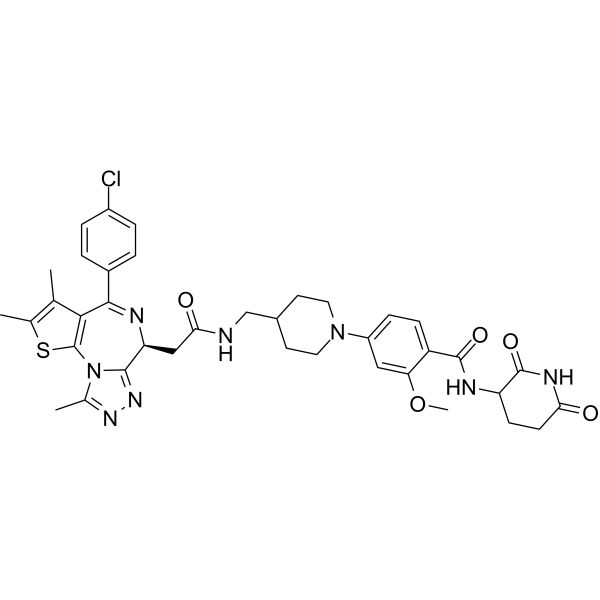
PROTAC sEH-degrader-4 is a highly efficient PROTAC degrader that targets soluble epoxide hydrolase (sEH)(pDC50 = 10.3). PROTAC sEH-degrader-4 can be used for research on inflammation-related diseases. Pink: sEH ligand (HY-179169); Blue: E3 ligase CRBN ligand (HY-179168); Black: Linker .
Anti-Mouse CD317/BST2 Antibody (927) is a rat-derived IgG2b κ type antibody inhibitor, targeting to mouse CD317/BST2. Anti-Mouse CD317/BST2 Antibody (927) can deplete plasmacytoid dendritic cells (pDC). Anti-Mouse CD317/BST2 Antibody (927) can be used for the researches of cancer, infection, inflammation and immunology, such as head and neck squamous cell carcinoma (HNSCC), murine cytomegalovirus (MCMV) infection and asthma [2] .
TLD-1433 is the fourth-generation ruthenium (II) based photodynamic compound (PDC). TLD-1433 is activated by green light (525 ± 25 nm) and efficiently generates ROS to achieve pathogen inactivation. After photoinactivation, TLD-1433 significantly induces lipid peroxidation of the cell membrane, which can directly damage the integrity of the viral envelope. TLD-1433 has ID50 for enveloped viruses (such as H1N1 influenza virus, coronavirus OC43, HSV-1, Zika virus) is as low as nanomolar level; for non-enveloped viruses (such as adenovirus Ad5, mammalian rotavirus MRV), a concentration of micro-molar level is required for inactivation. TLD-1433 has antigen retention property and can be used for the preparation of inactivated vaccines .
KHK2823 is a humanized monoclonal anti-human CD123/IL3RA antibody. Recommend Isotype Controls: Human IgG1 kappa, Isotype Control (HY-P99001). KHK2823 can be used in research related to leukemia .
PDHK1-IN-1 (compound 17) is a selective inhibitor of PDHK1 (IC50=1.5 μM) with anticancer activity. PDHK1 negatively regulates the pyruvate dehydrogenase complex (PDC), limiting the tricarboxylic acid (TCA) cycle and oxidative phosphorylation. Overexpression of PDHK1 can shift the metabolism towards an increased glycolysis dependence (Warburg effect). PDHK1-IN-1 can inhibit the phosphorylation of the PDC E1α Ser232 recognition site of PDHK1 and the phosphorylation of Ser293 .
PROTAC BRD4 Degrader-34 (Compound MZ2) is a selective BRD4 PROTAC degrader (pDC50 = 8.4). PROTAC BRD4 Degrader-34 can induce BD2 degradation mediated by VHL. PROTAC BRD4 Degrader-34 can be used for research on cancer. (Pink: BRD4-BD2 Ligand (HY-78695); Blue: VHL Ligand (HY-125845); Black: Linker (HY-130524)) .
(123B9)2-L2-PTX is an EphA2-agonistic peptide-drug conjugate (PDC). (123B9)2-L2-PTX consists of a dimeric 123B9 (HY-P10579) and Paclitaxel (HY-B0015). (123B9)2-L2-PTX significantly reduces circulating tumor cells and inhibits lung tumor metastasis in breast-cancer-Metastasis mice model. (123B9)2-L2-PTX can be used for cancers research, such as melanomas and ovarian and breast cancers .
Pdc Rat Pre-designed siRNA Set A contains three designed siRNAs for Pdc gene (Rat), as well as a negative control, a positive control, and a FAM-labeled negative control.
PDC Human Pre-designed siRNA Set A contains three designed siRNAs for PDC gene (Human), as well as a negative control, a positive control, and a FAM-labeled negative control.
L 377202 is a peptide-drug conjugate (PDC). L 377202 consists of Doxorubicin (HY-15142A) and a prostate-specific antigen (PSA)-hydrolyzable peptide. L 377202 demonstrates strong inhibitory effects on PSA-secreting prostate cancer cells. L 377202 is promising for research of prostate cancer .
AZ-10417808 is a selective caspase-3 inhibitor. AZ-10417808 blocks apoptosis signaling pathway by inhibiting caspase-3 activity. AZ-10417808 can be used to study the effect of nicotine on plasmacytoid dendritic cell migration .
TPP-9476 (BAY-943 antibody) is an anti-human IL3RA (CD123) monoclonal antibody with human IL3RAKd of 11 nM and cynomolgus monkey IL3RAKd of 16 nM. TPP-9476 binds specifically to human and cynomolgus monkey IL3RA, undergoes target-dependent internalization into lysosomes of IL3RA-positive cells.TPP-9476 exerts antiproliferative effects in IL3RA-expressing acute myeloid leukemia and classical Hodgkin lymphoma cells, reduces tumor burden, improves survival, and induces complete tumor remission in relevant xenograft mouse models .
Pdc Mouse Pre-designed siRNA Set A contains three designed siRNAs for Pdc gene (Mouse), as well as a negative control, a positive control, and a FAM-labeled negative control.
XL177B is an inactive (R) enantiomer of XL177A (HY-138794). XL177B has no effect on CD86 or HLA-DR expression on pDCs. XL177B serves as a negative control. XL177B can be used in the research of multiple myeloma .
Benzyl N-[2-(prop-2-enamido)ethyl]carbamate is a short aliphatic linker featuring a Cbz-protected amine and an acrylamide. Acrylamide is a Michael acceptor which is a good Michael acceptor which can be used in thiol-based bioconjugation or polymerization. Meanwhile, the Cbz protecting group can be removed using Pd-C hydrogenation to reveal a free amine that can participate in a wide variety of reactions such as couplings or reductive amination.
M4K3250 is a selective ALK2 PROTAC degrader with a pDC50 of 7.9. M4K3250 induces the formation of a ternary complex between ALK2 and the E3 ubiquitin ligase CRBN, thereby causing ALK2 degradation and inhibiting ALK2 activity. M4K3250 exhibits cytotoxicity in glioblastoma cells. M4K3250 can be used in studies related to glioblastoma .
M4K3233 is a selective ALK2 PROTAC degrader with a pDC50 of 7.3 and a pIC50 of 6.6. M4K3233 recruits CRBN to form a ternary complex with ALK2, mediating ALK2 degradation via the proteasomal and lysosomal pathways. M4K3233 induces moderate downregulation of RIPK2 and significant downregulation of SIK3 in mammalian cells. M4K3233 is applicable to research related to glioblastoma .
MPD-1 (Maleimide-KGDEVD-doxorubicin) is a peptide drug conjugate (PDC). MPD-1 enhances CD8 + T cell tumor infiltration, and activates antigen-presenting cells. MPD-1 enables dual-trigger payload release, amplifies cytotoxicity via in situ feedback, and selectively delivers payload to tumor microenvironments via enhanced albumin metabolism and macropinocytosis. MPD-1 exhibits antitumor efficacy in mouse colorectal cancer models. MPD-1 can be used for the research of colorectal cancer [2].
IRF5-CPP5 is a cytosolic peptide that selectively targeting human IRF5 wirh a Kd of 0.53 μM.IRF5-CPP5 disrupts IRF5 homodimerization and inhibits its nuclear translocation without altering IRF5 phosphorylation levels. IRF5-CPP5 inhibits proinflammatory cytokine (IL-6, IL-1β, TNF-α) production. IRF5-CPP5 can be used for the research of systemic lupus erythematosus .
Ricorfotide vedotin (CBP-1008) is a dual-ligand peptide-drug conjugate (PDC) conjugated to MMAE (HY-15162), targeting Folate receptor α (FRα) and TRPV6. Ricorfotide vedotin binds to FRα with high affinity and TRPV6 with low affinity. Ricorfotide vedotin has antitumor activity, and can be used in advanced solid tumor research (eg: colorectal cancer, breast cancer, non-small cell lung cancer, ovarian cancer, adrenocortical carcinoma and follicular dendritic cell sarcoma) [2] .
DOTA-EB-TATE is composed of SST peptide derivative, DOTA-octreotate conjugated a common to an Evans blue analog (EB). DOTA-EB-TATE is a peptide drug conjugate (PDC) improves the pharmacokinetics of SSTR2 analogs and reduces PRRT toxicity. DOTA-EB-TATE can also be used for the synthesis/research of Radionuclide-Drug Conjugates (RDCs) [2].
CBP-1018 is a PDC (peptide-drug conjugate) formed by conjugating Monomethyl auristatin E (HY-15162) to a dual-targeting ligand of FLOR1/PSMA (prostate-specific membrane antigen) via a linker (HY-78738). CBP-1018 binds to FLOR1 and prostate-specific membrane antigen (PSMA). CBP-1018 is applicable to the research of solid tumors and metastatic castration-resistant prostate cancer [2].
PDC31 (THG113.31; ILGHXDYK) is an allosteric and non-competitive inhibitor of FP Prostaglandin Receptor. PDC31 is the D-amino acid-based oligopeptide, is used for smooth muscle contractile agent. PDC31 decreases the strength and duration of uterine contractions in vivo, which can be used for research of preterm labor and primary dysmenorrhea (PD). PDC31 also enhances Ca 2+-dependent large-conductance K +-channel in human myometrial cells [2].
BGC1614 is a Nectin-4-targeting bicyclic toxin conjugate (BTC) belonging to the category of peptide-drug conjugates (PDCs). BGC1614 exhibits strong targeted binding ability to Nectin-4, with an KD of 3.859 × 10 -7 M. BGC1614 exhibits superior antitumor efficacy in nude mice bearing PC-3 and N87 tumor xenografts. BGC1614 can be used for research related to Nectin-4-overexpressing tumors (such as prostate cancer, gastric cancer) .
(123B9)2-L2-PTX is an EphA2-agonistic peptide-drug conjugate (PDC). (123B9)2-L2-PTX consists of a dimeric 123B9 (HY-P10579) and Paclitaxel (HY-B0015). (123B9)2-L2-PTX significantly reduces circulating tumor cells and inhibits lung tumor metastasis in breast-cancer-Metastasis mice model. (123B9)2-L2-PTX can be used for cancers research, such as melanomas and ovarian and breast cancers .
Pivekimab is a human IgG1 monoclonal antibody that targets interleukin-3 (IL-3) and CD123. Pivekimab is used to synthesize pivekimab sunirine, a CD123-directed antibody-active molecule conjugate (ADC). Pivekimab is used in the study of blastic plasmacytoid dendritic cell neoplasm (BPDCN) [2].
Anifrolumab is a type I interferon (IFN) receptor antagonist, a human monoclonal antibody. Anifrolumab blocks the activity of type I interferon. Anifrolumab can be used in systemic lupus erythematosus (SLE) research [2].
Vibecotamab (XmAb14045) is a potent bispecific antibody targeting both CD123 and CD3. Vibecotamab targets T cell-mediated killing of CD123-expressing cells, regardless of T cell antigen specificity. Vibecotamab is a full length immunoglobulin molecule. Vibecotamab can be studied in research for diseases such as Myelodysplastic syndrome and acute myeloid leukemia. Recommend Isotype Control: half-IG G1-kappa/(scFv-heavy-lambda)-h-CH2-CH3[2] .
Flotetuzumab (MGD006; S80880) is an investigational CD123/CD3 bispecific dual-affinity retargeting antibody (DART) molecule. Flotetuzumab reactivates T cells by simultaneously binding to CD123 in target cells and CD3 in effector T cells, leading to T-cell-mediated cytotoxicity in target cells. Flotetuzumab shows inhibitory effect on a mouse model of patient-derived xenograft (PDX) in acute myeloid leukemia (AML) [2].
Litifilimab (BIIB059) is a humanized anti-BDCA2 IgG1 monoclonal antibody administered subcutaneously. Litifilimab can inhibit the production of type I interferons, cytokines and chemokines. Litifilimab can be used in the research of diseases such as systemic lupus erythematosus [2].
Ligelizumab (QGE 031) is a humanized high-affinity anti-immunoglobulin IgE monoclonal antibody. Ligelizumab selectively inhibits the binding of IgE to the high-affinity receptor FcεRI, while the inhibitory effect on the low-affinity receptor CD23 is weak. Ligelizumab can inhibit the activation of effector cells such as mast cells and Basophil, while reducing the production of IgE by B cells, and restoring the IFN-α production and regulatory T cell (Treg) induction function of plasmacytoid dendritic cells (pDC). Ligelizumab can be used in the study of allergic diseases (such as chronic spontaneous urticaria, allergic asthma) [2].
Talacotuzumab (JNJ 56022473; CSL 362) is an IgG1-type fully humanized, CD123-neutralizing monoclonal antibody containing a modified Fc structure. Talacotuzumab has KDs of 0.43 nM, 188 nM, 46 nM, 16.8 nM for CD123, CD32b/c, CD16-158F, CD16-158V, respectively. Talacotuzumab inhibits IL-3 binding to CD123, antagonizing IL-3 signaling in target cells. Talacotuzumab has mutated the Fc region to increase affinity for CD16 (FcγRIIIa), thereby enhancing antibody-dependent cell-mediated cytotoxicity (ADCC). Talacotuzumab is highly effective in vivo reducing leukemic cell growth in acute myeloid leukemia (AML) xenograft mouse models [2] .
Lixarkitug (AZD9829 antibody; INT-020) is a humanized IgG1κ antibody targeting IL-3Ra/CD123. Lixarkitug can be conjugated with Samrotecan to form the intact ADC molecule lixarkitug samrotecan (AZD9829), which is used in studies of acute myeloid leukemia (AML) [2]. The isotype control corresponding to Lixarkitug is Human IgG1 kappa, Isotype Control (HY-P99001).
Daxdilimab is an anti-ILT7 monoclonal antibody, ILT7 is a cell surface molecule specific to the pDC type of dendritic cells. Daxdilimab can be used in acute lung injury (ALI) in patients with COVID-19 infection research [2].
Mipletamig (APVO-436) is a bispecific CD123 x CD3 monoclonal antibody. Mipletamig simultaneously binds to both CD3-expressing T cells and CD123-expressing cancer cells, thereby crosslinking CD123-expressing tumor cells and cytotoxic T lymphocytes (CTLs). This results in the activation and proliferation of T-cells and causes CTL-mediated cell lysis of CD123-expressing tumor cells. Mipletamig can be used for the study of acute myeloid leukemia (AML) .
Bexatamig (SAR-443579) is a trifunctional natural killer cell engager targeting IL-3R α/CD123, NKp46/NCR1/CD335 and Fc gamma RIIIA/CD16a. Bexatamig forms a cytolytic synapse between natural killer cells and CD123-positive tumor cells. By activating natural killer cells to induce tumor cell death, Bexatamig effectively reduces the burden of CD123-positive acute myeloid leukemia (AML) blasts. Bexatamig has been granted FDA Fast Track designation, and is primarily investigated for relapsed or refractory acute myeloid leukemia, B-cell acute lymphoblastic leukemia, and high-risk myelodysplastic syndromes [2].
Anti-IL-3Ra/CD123 Antibody (SNG-CD123A) is a CHO-expressed human antibody that targets IL-3Ra/CD123. The predicted molecular weight (MW) of Anti-IL-3Ra/CD123 Antibody (SNG-CD123A) is 146.14 kDa. The isotype control for Anti-IL-3Ra/CD123 Antibody (SNG-CD123A) can refer to Human IgG1 kappa, Isotype Control (HY-P99001).
CSL-360 is a chimeric unconjugated IgG1 monoclonal antibody targeting CD123. CSL-360 efficiently prevents the binding of IL-3 to CD123, abolishing IL-3 induced cell proliferation. CSL-360 can be used for acute myeloid leukemia (AML) research [2].
Anti-Mouse CD317/BST2 Antibody (927) is a rat-derived IgG2b κ type antibody inhibitor, targeting to mouse CD317/BST2. Anti-Mouse CD317/BST2 Antibody (927) can deplete plasmacytoid dendritic cells (pDC). Anti-Mouse CD317/BST2 Antibody (927) can be used for the researches of cancer, infection, inflammation and immunology, such as head and neck squamous cell carcinoma (HNSCC), murine cytomegalovirus (MCMV) infection and asthma [2] .
KHK2823 is a humanized monoclonal anti-human CD123/IL3RA antibody. Recommend Isotype Controls: Human IgG1 kappa, Isotype Control (HY-P99001). KHK2823 can be used in research related to leukemia .
TPP-9476 (BAY-943 antibody) is an anti-human IL3RA (CD123) monoclonal antibody with human IL3RAKd of 11 nM and cynomolgus monkey IL3RAKd of 16 nM. TPP-9476 binds specifically to human and cynomolgus monkey IL3RA, undergoes target-dependent internalization into lysosomes of IL3RA-positive cells.TPP-9476 exerts antiproliferative effects in IL3RA-expressing acute myeloid leukemia and classical Hodgkin lymphoma cells, reduces tumor burden, improves survival, and induces complete tumor remission in relevant xenograft mouse models .
4-Methylthiazole is an Apoptosis trigger. 4-Methylthiazole markedly reduces CD45 and CD123 surface markers, increases ROS levels, Caspase-3 protein levels. 4-Methylthiazole triggers Apoptosis and mitochondrial disruption. 4-Methylthiazole can be used in the research of acute promyelocytic leukemia .
CLEC4C is a lectin-type cell surface receptor that plays a crucial role in antigen capture by dendritic cells. It specifically recognizes non-sialylated galactose-terminated biantennary glycans with the trisaccharide epitope Gal(beta1-3/4)GlcNAc(beta1-2)Man. CLEC4C Protein, Cynomolgus (HEK293, hFc) is the recombinant cynomolgus-derived CLEC4C protein, expressed by HEK293 , with N-hFc labeled tag.
IL-3R α/CD123 protein is an important member of the type I cytokine receptor family and mediates cellular responses to a variety of cytokines, emphasizing its key role in hematopoiesis and immune regulation.IL-3R alpha/CD123 Protein, Canine (HEK293, His) is the recombinant canine-derived IL-3R alpha/CD123 protein, expressed by HEK293 , with C-6*His labeled tag.
FITC-tagged IL-3R α/CD123 is a cell surface receptor for IL3 expressed on hematopoietic progenitor cells, monocytes, and B lymphocytes, regulating their production and differentiation. FITC-Labeled IL-3R alpha/CD123 Protein, Human (HEK293, His) is the recombinant human-derived FITC-Labeled IL-3R alpha/CD123 protein, expressed by HEK293 , with His labeled tag.
IL-3R alpha/CD123 protein, a receptor for IL3, is expressed on hematopoietic cells and governs their production and differentiation. Upon ligand binding, it heterodimerizes with IL3RB, activating JAK2 and PI3K. This activation leads to cell proliferation and differentiation, mediated by STAT5. IL-3R alpha interacts with IL3 and forms heterodimers with alpha and beta subunits, contributing to hematopoietic cell development. IL-3R alpha/CD123 Protein, Mouse (HEK293, His) is the recombinant mouse-derived IL-3R alpha/CD123 protein, expressed by HEK293 , with C-8*His labeled tag.
IL-3R alpha/CD123 protein, a receptor for IL3, is expressed on hematopoietic cells and governs their production and differentiation.Upon ligand binding, it heterodimerizes with IL3RB, activating JAK2 and PI3K.This activation leads to cell proliferation and differentiation, mediated by STAT5.IL-3R alpha interacts with IL3 and forms heterodimers with alpha and beta subunits, contributing to hematopoietic cell development.IL-3R alpha/CD123 Protein, Mouse (HEK293, Fc) is the recombinant mouse-derived IL-3R alpha/CD123 protein, expressed by HEK293 , with C-hFc labeled tag.
CLEC4C is a lectin-type cell surface receptor that plays a crucial role in antigen capture by dendritic cells. It specifically recognizes non-sialylated galactose-terminated biantennary glycans with the trisaccharide epitope Gal(beta1-3/4)GlcNAc(beta1-2)Man. CLEC4C Protein, Human (Biotinylated, HEK293, His-Avi) is the recombinant human-derived CLEC4C protein, expressed by HEK293 , with N-His, N-Avi labeled tag.
IL-3R α/CD123 protein is an important member of the type I cytokine receptor family and mediates cellular responses to a variety of cytokines, emphasizing its key role in hematopoiesis and immune regulation. IL-3R alpha/CD123 Protein, Cynomolgus (HEK293, His) is the recombinant cynomolgus-derived IL-3R alpha/CD123 protein, expressed by HEK293 , with C-6*His labeled tag.
FITC-tagged IL-3R α/CD123 is a cell surface receptor for IL3 expressed on hematopoietic progenitor cells, monocytes, and B lymphocytes, regulating their production and differentiation. IL-3R alpha/CD123 Protein, Human (HEK293, His) is the recombinant human-derived IL-3R alpha/CD123 protein, expressed by HEK293 , with C-6*His labeled tag.
FITC-tagged IL-3R α/CD123 is a cell surface receptor for IL3 expressed on hematopoietic progenitor cells, monocytes, and B lymphocytes, regulating their production and differentiation. IL-3R alpha/CD123 Protein, Human (HEK293, Fc) is the recombinant human-derived IL-3R alpha/CD123 protein, expressed by HEK293, with C-hFc labeled tag.
FITC-tagged IL-3R α/CD123 is a cell surface receptor for IL3 expressed on hematopoietic progenitor cells, monocytes, and B lymphocytes, regulating their production and differentiation. IL-3R alpha/CD123 Protein, Human (Biotinylated, HEK293, Fc-Avi) is the recombinant human-derived IL-3R alpha/CD123 protein, expressed by HEK293 , with C-Avi, C-hFc labeled tag.
FITC-tagged IL-3R α/CD123 is a cell surface receptor for IL3 expressed on hematopoietic progenitor cells, monocytes, and B lymphocytes, regulating their production and differentiation. IL-3R alpha/CD123 Protein, Human (HEK293, Llama Fc) is the recombinant human-derived IL-3R alpha/CD123 protein, expressed by HEK293, with C-Llama Fc labeled tag.
CLEC4C is a lectin-type cell surface receptor that plays a crucial role in antigen capture by dendritic cells. It specifically recognizes non-sialylated galactose-terminated biantennary glycans with the trisaccharide epitope Gal(beta1-3/4)GlcNAc(beta1-2)Man. CLEC4C Protein, Human (His-SUMO) is the recombinant human-derived CLEC4C protein, expressed by E. coli , with N-SUMO, N-6*His labeled tag.
CLEC4C is a lectin-type cell surface receptor that plays a crucial role in antigen capture by dendritic cells. It specifically recognizes non-sialylated galactose-terminated biantennary glycans with the trisaccharide epitope Gal(beta1-3/4)GlcNAc(beta1-2)Man. CLEC4C Protein, Human (HEK293, His, Myc) is the recombinant human-derived CLEC4C protein, expressed by HEK293 , with N-6*His, N-Myc labeled tag.
CLEC4C is a lectin-type cell surface receptor that plays a crucial role in antigen capture by dendritic cells. It specifically recognizes non-sialylated galactose-terminated biantennary glycans with the trisaccharide epitope Gal(beta1-3/4)GlcNAc(beta1-2)Man. CLEC4C Protein, Human (HEK293, Fc) is the recombinant human-derived CLEC4C protein, expressed by HEK293, with N-hFc labeled tag.
FITC-tagged IL-3R α/CD123 is a cell surface receptor for IL3 expressed on hematopoietic progenitor cells, monocytes, and B lymphocytes, regulating their production and differentiation. IL-3R alpha/CD123 Protein, Human (Biotinylated, HEK293, His-Avi) is the recombinant human-derived IL-3R alpha/CD123 protein, expressed by HEK293 , with C-Avi, C-His labeled tag.
CLEC4C is a lectin-type cell surface receptor that plays a crucial role in antigen capture by dendritic cells. It specifically recognizes non-sialylated galactose-terminated biantennary glycans with the trisaccharide epitope Gal(beta1-3/4)GlcNAc(beta1-2)Man. CLEC4C Protein, Cynomolgus (HEK293, His) is the recombinant cynomolgus-derived CLEC4C protein, expressed by HEK293 , with N-His labeled tag.
CpG ODN 10101 (ODN 10101; CPG 10101) is a selective agonist targeting TLR9, a synthetic oligodeoxynucleotide modified with phosphate thioester. CpG ODN 10101 activates B cells and plasmacytoid dendritic cells (pDCs), inducing the production of cytokines and chemokines such as interferon-IFN-α, interferon-inducible protein IP-10, and 2'5'-oligoadenylate synthase (2'5'-OAS), regulating innate immunity and promoting Th1 adaptive immune responses. CpG ODN 10101 also possesses antiviral properties and enhances vaccine immunogenicity, making it suitable as an immunomodulator and vaccine adjuvant for vaccine development in chronic hepatitis C and infectious diseases such as melioidosis, pertussis, and respiratory syncytial virus (RSV) [2] .
Vidutolimod sodium is a CpG-A oligodeoxynucleotide. Vidutolimod sodium is a Toll-like receptor 9 (TLR9) agonist, which activates plasmacytoid dendritic cells (pDCs) and triggers interferon alpha (IFNα) release, leading to a cascade of anti-tumor immune effects.
ssRNA42 (sodium) is a 20-mer phosphothioate protected single-stranded RNA oligonucleotide. ssRNA42 (sodium) derives from ssRNA40 by replacement of all G nucleotides with adenosine. ssRNA42 activated human PBMCs to secrete IFN-α, TNF-a, IL- 12p40, and IL-6, but ssRNA42 failed to stimulated murine pDCs and PBMCs.
Pdc Rat Pre-designed siRNA Set A contains three designed siRNAs for Pdc gene (Rat), as well as a negative control, a positive control, and a FAM-labeled negative control.
PDC Human Pre-designed siRNA Set A contains three designed siRNAs for PDC gene (Human), as well as a negative control, a positive control, and a FAM-labeled negative control.
Pdc Mouse Pre-designed siRNA Set A contains three designed siRNAs for Pdc gene (Mouse), as well as a negative control, a positive control, and a FAM-labeled negative control.
Inquiry Online
Your information is safe with us. * Required Fields.
Western blot analysis of extracts from THP-1(lane 2(20μg), Jurkat (lane 3(20μg) and NIH3T3(lane 4(20μg) using FOXO1A (HY-P80132) Rabbit mAb. Proteins were transferred
to a PVDF membrane and blocked with 5% non-fat milk in TBST for 2 hour at room temperature. The primary antibody (1/1000) and Loading control antibody (Beta Actin, HY-P80438, 1/10000) was
used in 5% non-fat milk in TBST at 4°C overnight. Goat Anti-Mouse/Rabbit IgG-HRP Secondary Antibody (1/10000) was used for 1 hour at room temperature.
Western blot analysis of extracts from THP-1(lane 2(20μg), Jurkat (lane 3(20μg) and NIH3T3(lane 4(20μg) using FOXO1A (HY-P80132) Rabbit mAb. Proteins were transferred
to a PVDF membrane and blocked with 5% non-fat milk in TBST for 2 hour at room temperature. The primary antibody (1/1000) and Loading control antibody (Beta Actin, HY-P80438, 1/10000) was
used in 5% non-fat milk in TBST at 4°C overnight. Goat Anti-Mouse/Rabbit IgG-HRP Secondary Antibody (1/10000) was used for 1 hour at room temperature.
Western blot analysis of extracts from THP-1(lane 2(20μg), Jurkat (lane 3(20μg) and NIH3T3(lane 4(20μg) using FOXO1A (HY-P80132) Rabbit mAb. Proteins were transferred
to a PVDF membrane and blocked with 5% non-fat milk in TBST for 2 hour at room temperature. The primary antibody (1/1000) and Loading control antibody (Beta Actin, HY-P80438, 1/10000) was
used in 5% non-fat milk in TBST at 4°C overnight. Goat Anti-Mouse/Rabbit IgG-HRP Secondary Antibody (1/10000) was used for 1 hour at room temperature.
Western blot analysis of extracts from THP-1(lane 2(20μg), Jurkat (lane 3(20μg) and NIH3T3(lane 4(20μg) using FOXO1A (HY-P80132) Rabbit mAb. Proteins were transferred
to a PVDF membrane and blocked with 5% non-fat milk in TBST for 2 hour at room temperature. The primary antibody (1/1000) and Loading control antibody (Beta Actin, HY-P80438, 1/10000) was
MedchemExpress Validation 03
Western blot analysis of extracts from THP-1(lane 2(20μg), Jurkat (lane 3(20μg) and NIH3T3(lane 4(20μg) using FOXO1A (HY-P80132) Rabbit mAb. Proteins were transferred
MedchemExpress Validation 04
Western blot analysis of extracts from THP-1(lane 2(20μg), Jurkat (lane 3(20μg) and NIH3T3(lane 4(20μg) using FOXO1A (HY-P80132) Rabbit mAb. Proteins were transferred
to a PVDF membrane and blocked with 5% non-fat milk in TBST for 2 hour at room temperature. The primary antibody (1/1000) and Loading control antibody (Beta Actin, HY-P80438, 1/10000) was
used in 5% non-fat milk in TBST at 4°C overnight. Goat Anti-Mouse/Rabbit IgG-HRP Secondary Antibody (1/10000) was used for 1 hour at room temperature.
MedchemExpress Validation
Western blot analysis of extracts from THP-1(lane 2(20μg), Jurkat (lane 3(20μg) and NIH3T3(lane 4(20μg) using FOXO1A (HY-P80132) Rabbit mAb. Proteins were transferred
to a PVDF membrane and blocked with 5% non-fat milk in TBST for 2 hour at room temperature. The primary antibody (1/1000) and Loading control antibody (Beta Actin, HY-P80438, 1/10000) was
used in 5% non-fat milk in TBST at 4°C overnight. Goat Anti-Mouse/Rabbit IgG-HRP Secondary Antibody (1/10000) was used for 1 hour at room temperature.
Western blot analysis of extracts from THP-1(lane 2(20μg), Jurkat (lane 3(20μg) and NIH3T3(lane 4(20μg) using FOXO1A (HY-P80132) Rabbit mAb. Proteins were transferred
to a PVDF membrane and blocked with 5% non-fat milk in TBST for 2 hour at room temperature. The primary antibody (1/1000) and Loading control antibody (Beta Actin, HY-P80438, 1/10000) was
used in 5% non-fat milk in TBST at 4°C overnight. Goat Anti-Mouse/Rabbit IgG-HRP Secondary Antibody (1/10000) was used for 1 hour at room temperature.
MedchemExpress Validation
Western blot analysis of extracts from THP-1(lane 2(20μg), Jurkat (lane 3(20μg) and NIH3T3(lane 4(20μg) using FOXO1A (HY-P80132) Rabbit mAb. Proteins were transferred
to a PVDF membrane and blocked with 5% non-fat milk in TBST for 2 hour at room temperature. The primary antibody (1/1000) and Loading control antibody (Beta Actin, HY-P80438, 1/10000) was
used in 5% non-fat milk in TBST at 4°C overnight. Goat Anti-Mouse/Rabbit IgG-HRP Secondary Antibody (1/10000) was used for 1 hour at room temperature.
MedchemExpress Validation
Western blot analysis of extracts from THP-1(lane 2(20μg), Jurkat (lane 3(20μg) and NIH3T3(lane 4(20μg) using FOXO1A (HY-P80132) Rabbit mAb. Proteins were transferred
to a PVDF membrane and blocked with 5% non-fat milk in TBST for 2 hour at room temperature. The primary antibody (1/1000) and Loading control antibody (Beta Actin, HY-P80438, 1/10000) was
used in 5% non-fat milk in TBST at 4°C overnight. Goat Anti-Mouse/Rabbit IgG-HRP Secondary Antibody (1/10000) was used for 1 hour at room temperature.
MedchemExpress Validation
Western blot analysis of extracts from THP-1(lane 2(20μg), Jurkat (lane 3(20μg) and NIH3T3(lane 4(20μg) using FOXO1A (HY-P80132) Rabbit mAb. Proteins were transferred
to a PVDF membrane and blocked with 5% non-fat milk in TBST for 2 hour at room temperature. The primary antibody (1/1000) and Loading control antibody (Beta Actin, HY-P80438, 1/10000) was
used in 5% non-fat milk in TBST at 4°C overnight. Goat Anti-Mouse/Rabbit IgG-HRP Secondary Antibody (1/10000) was used for 1 hour at room temperature.
MedchemExpress Validation
Western blot analysis of extracts from THP-1(lane 2(20μg), Jurkat (lane 3(20μg) and NIH3T3(lane 4(20μg) using FOXO1A (HY-P80132) Rabbit mAb. Proteins were transferred
to a PVDF membrane and blocked with 5% non-fat milk in TBST for 2 hour at room temperature. The primary antibody (1/1000) and Loading control antibody (Beta Actin, HY-P80438, 1/10000) was
used in 5% non-fat milk in TBST at 4°C overnight. Goat Anti-Mouse/Rabbit IgG-HRP Secondary Antibody (1/10000) was used for 1 hour at room temperature.
MedchemExpress Validation
Western blot analysis of extracts from THP-1(lane 2(20μg), Jurkat (lane 3(20μg) and NIH3T3(lane 4(20μg) using FOXO1A (HY-P80132) Rabbit mAb. Proteins were transferred
to a PVDF membrane and blocked with 5% non-fat milk in TBST for 2 hour at room temperature. The primary antibody (1/1000) and Loading control antibody (Beta Actin, HY-P80438, 1/10000) was
used in 5% non-fat milk in TBST at 4°C overnight. Goat Anti-Mouse/Rabbit IgG-HRP Secondary Antibody (1/10000) was used for 1 hour at room temperature.
MedchemExpress Validation
Western blot analysis of extracts from THP-1(lane 2(20μg), Jurkat (lane 3(20μg) and NIH3T3(lane 4(20μg) using FOXO1A (HY-P80132) Rabbit mAb. Proteins were transferred
to a PVDF membrane and blocked with 5% non-fat milk in TBST for 2 hour at room temperature. The primary antibody (1/1000) and Loading control antibody (Beta Actin, HY-P80438, 1/10000) was
used in 5% non-fat milk in TBST at 4°C overnight. Goat Anti-Mouse/Rabbit IgG-HRP Secondary Antibody (1/10000) was used for 1 hour at room temperature.
MedChemExpress values your privacy and your trust is important to us. We use cookies to enhance your website experience. Some cookies are necessary to run the website.
Privacy and Cookie Policy



























![Benzyl N-[2-(prop-2-enamido)ethyl]carbamate](http://file.medchemexpress.com/product_pic/hy-w800833.gif)








