1. Search Result
Search Result
Results for "

Food production

" in MedChemExpress (MCE) Product Catalog:

130

Inhibitors & Agonists

1

Screening Libraries

39

Biochemical Assay Reagents

1

Peptides

23

Natural
Products

30

Isotope-Labeled Compounds

3

Oligonucleotides

Cat. No. Product Name Target Research Areas Chemical Structure
  • HY-N0215
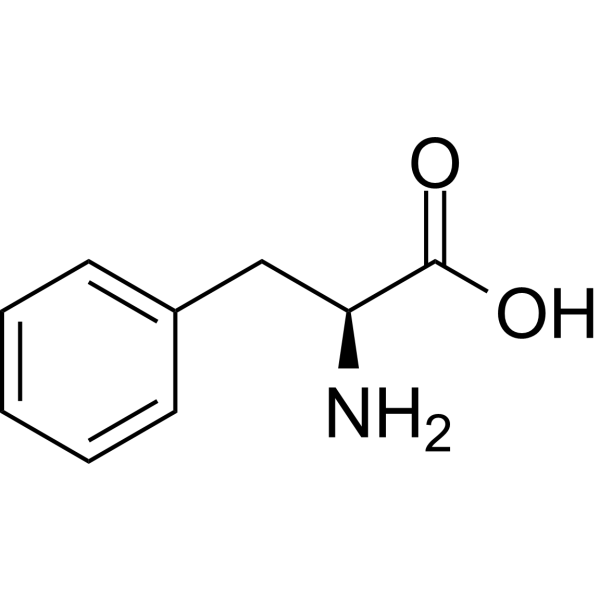
    L-Phenylalanine
    Maximum Cited Publications
    8 Publications Verification

    (S)-2-Amino-3-phenylpropionic acid

    Calcium Channel iGluR Endogenous Metabolite Ligands for E3 Ligase Metabolic Disease Cancer
    L-Phenylalanine ((S)-2-Amino-3-phenylpropionic acid) is an essential amino acid isolated from Escherichia coli. L-Phenylalanine is a α2δ subunit of voltage-dependent Ca + channels antagonist with a Ki of 980 nM. L-phenylalanine is a competitive antagonist for the glycine- and glutamate-binding sites of N-methyl-D-aspartate receptors (NMDARs) (KB of 573 μM ) and non-NMDARs, respectively. L-Phenylalanine is widely used in the production of food flavors and pharmaceuticals .
    L-Phenylalanine
  • HY-A0100
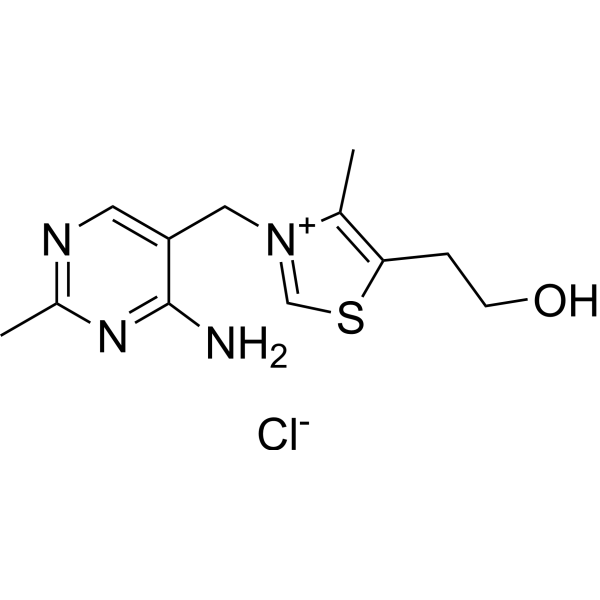
    Thiamine monochloride
    1 Publications Verification

    Vitamin B1

    Environmental Pollutants Endogenous Metabolite Bacterial Neurological Disease Metabolic Disease
    Thiamine monochloride (Vitamin B1) is an essential vitamin that plays an important role in cellular production of energy from ingested food and enhances normal neuronal actives.
    Thiamine monochloride
  • HY-E70452

    MTG; MTGase; Protein-glutamine-γ-glutamyltransferase

    Biochemical Assay Reagents Others
    Microbial Transglutaminase (MTG) is a transglutaminase. Enzymes have high catalytic efficiency, high specificity, and mild operating conditions. It can be applied in industries such as pharmaceuticals, industrial production, food manufacturing, and aquaculture .
    Microbial Transglutaminase
  • HY-Y1422D

    Environmental Pollutants Lipase Others
    Lipase,Candida antarctica (Immobilized) is an immobilized lipase isolated from Candida antarctica fraction B. Lipase,Candida antarctica (Immobilized) features high stability and selectivity. Lipase,Candida antarctica (Immobilized) is widely used in fields such as chemical synthesis, food oil modification, and biodiesel production .
    Lipase,Candida antarctica (Immobilized)
  • HY-P3028

    Ficin

    Biochemical Assay Reagents Others Metabolic Disease
    Ficain is an enzyme extract composed of several proteases that can be isolated from Ficus hispida L. and the latex of fig (Ficus carica). Ficain has different specificities in different proportions during fruit ripening. Ficain is widely used in protein hydrolysis, food, production of bioactive peptides and antibody fragments .
    Ficain
  • HY-121965

    Biochemical Assay Reagents Endogenous Metabolite Others
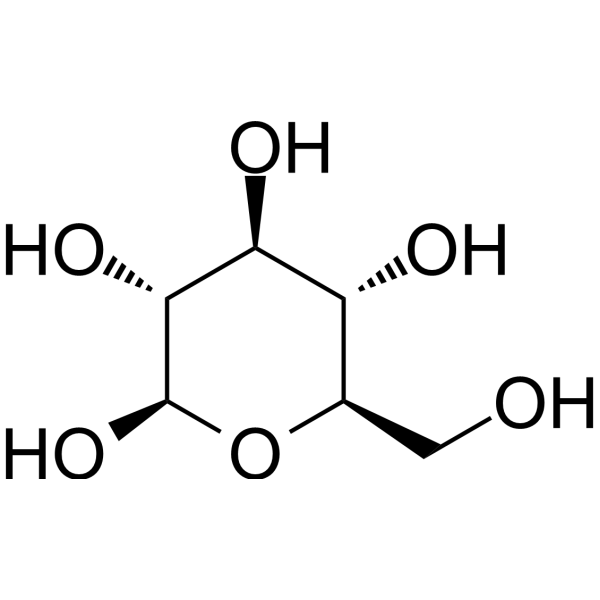
    β-D-Glucose, also known as glucose, is a monosaccharide, the most important carbohydrate in biological systems, the main energy source of cells, and plays a key role in various metabolic processes. β-D-Glucose has unique chemical properties that make it an abundant component in plant and animal tissues and is readily metabolized by organisms to produce cellular energy. It is commonly used to improve hypoglycemia and dehydration, and as a sweetener and preservative in food and beverage production.
    β-D-Glucose
  • HY-B2228
    Proteinase, Aspergillus oryzae
    1 Publications Verification

    Biochemical Assay Reagents Cancer
    Proteinase, Aspergillus oryzae is a serine protease that hydrolyzes peptide bonds in protein substrates, preferring alkaline conditions (optimal pH 10.5). It efficiently degrades casein, poly-L-glutamic acid, and poly-L-lysine, with activity irreversibly inhibited by diisopropylfluorophosphate (DFP) and potato inhibitor. This enzyme catalyzes proteolysis via serine residues in its active site, finding applications in food processing (e.g., soy sauce fermentation), detergents, and leather industries due to its high yield in solid-state fermentation and cost-effective production.
    Proteinase, Aspergillus oryzae
  • HY-N0524
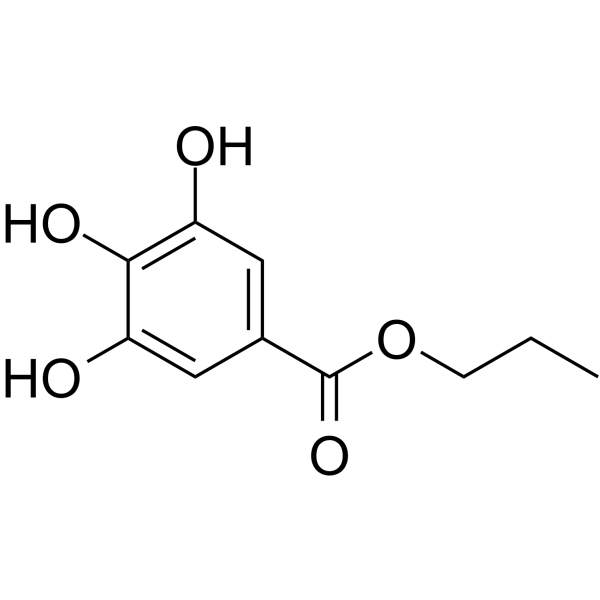
    Propyl gallate
    2 Publications Verification

    Environmental Pollutants Reactive Oxygen Species (ROS) Apoptosis Cardiovascular Disease Inflammation/Immunology Cancer
    Propyl gallate is a common food antioxidant. Propyl gallate can inhibit the production of acrolein, glyoxal and methylglyoxal. Propyl gallate exhibits anti-inflammatory, antitumor and cardioprotective activities .
    Propyl gallate
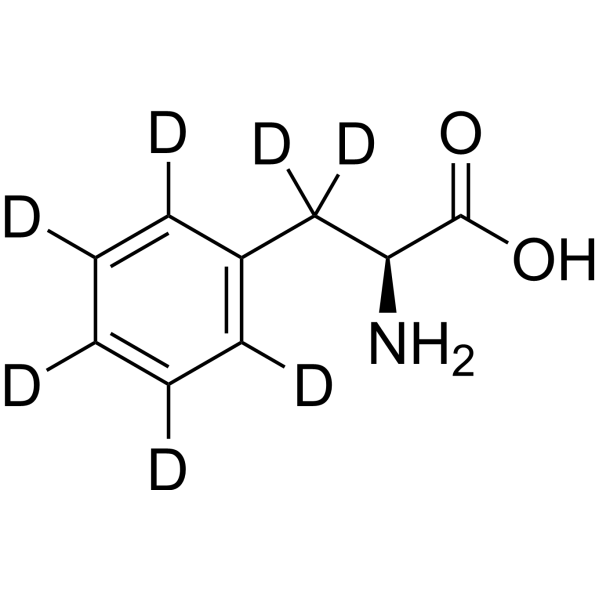
  • HY-N0215S12
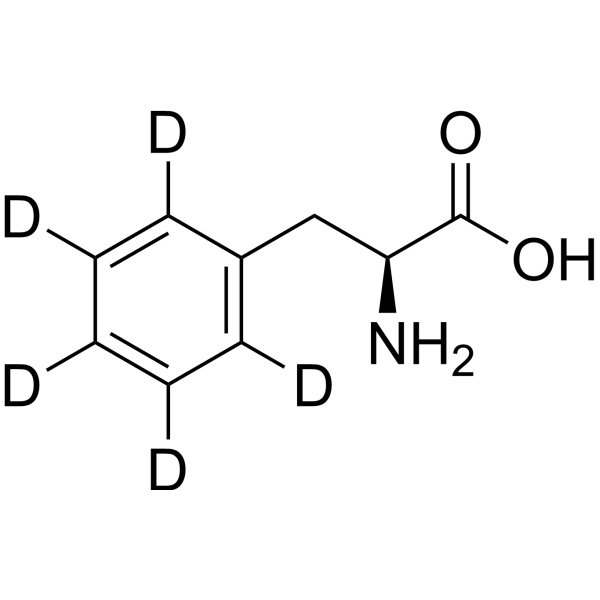
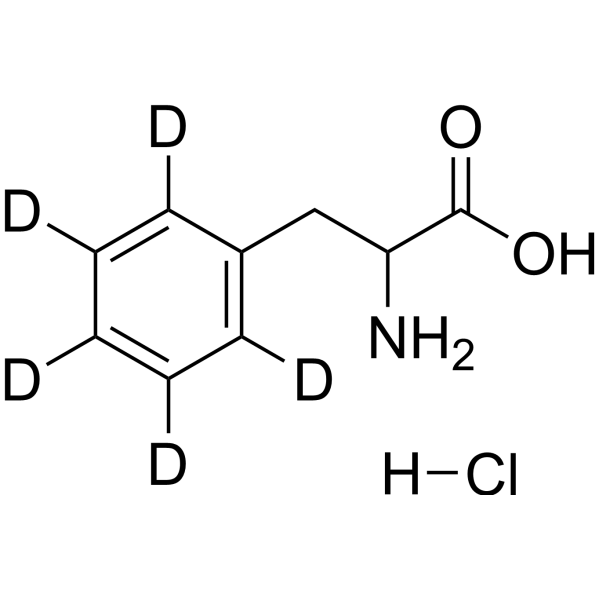
    L-Phenylalanine-d5
    1 Publications Verification

    (S)-2-Amino-3-phenylpropionic acid-d5

    Calcium Channel iGluR Endogenous Metabolite Metabolic Disease
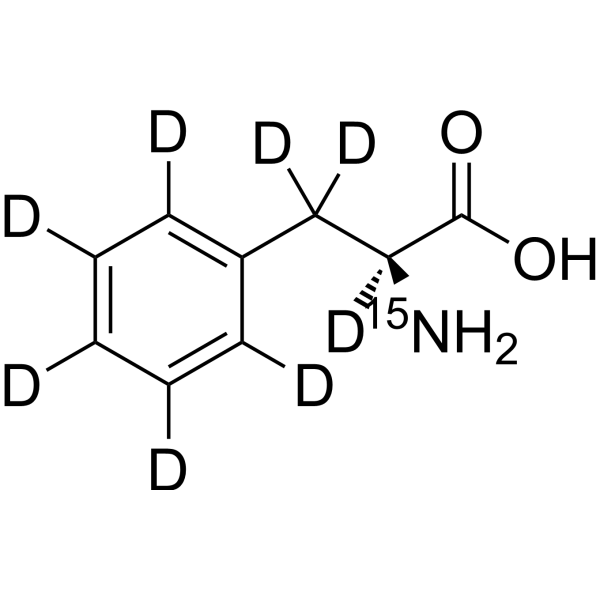
    L-Phenylalanine-d5 is the deuterium labeled L-Phenylalanine. L-Phenylalanine ((S)-2-Amino-3-phenylpropionic acid) is an essential amino acid isolated from Escherichia coli. L-Phenylalanine is a α2δ subunit of voltage-dependent Ca+ channels antagonist with a Ki of 980 nM. L-phenylalanine is a competitive antagonist for the glycine- and glutamate-binding sites of N-methyl-D-aspartate receptors (NMDARs) (KB of 573 μM ) and non-NMDARs, respectively. L-Phenylalanine is widely used in the production of food flavors and pharmaceuticals .
    L-Phenylalanine-d5
  • HY-W133982

    Environmental Pollutants Biochemical Assay Reagents Infection
    Corn steep liquor, a food industrial by-product, is a nutritional additive in the liquid culture medium of fungus. Corn steep liquor can increase the production of fairy chemicals and mycelia .
    Corn steep liquor
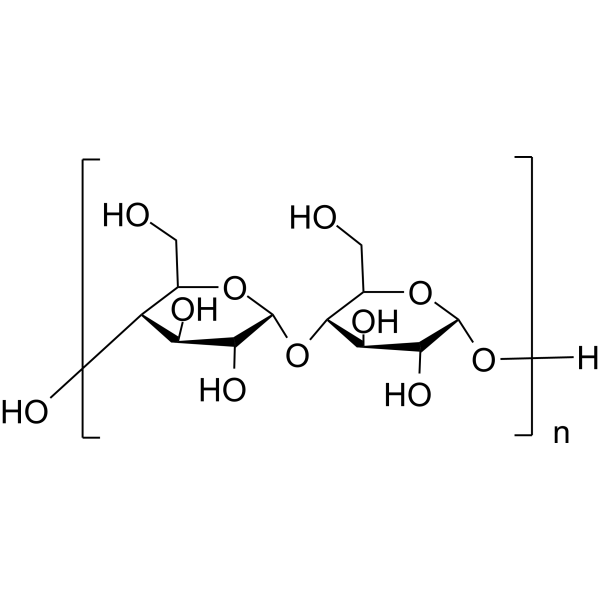
  • HY-W115731

    Environmental Pollutants Endogenous Metabolite Biochemical Assay Reagents Others
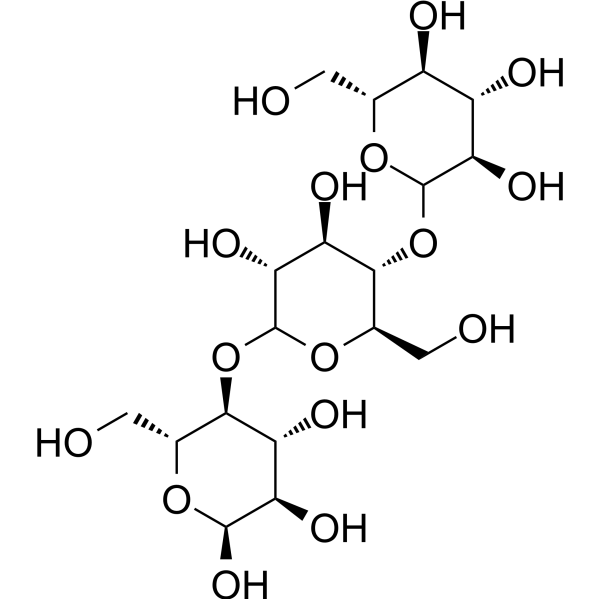
    Dextrins are a group of low molecular weight carbohydrates produced by the hydrolysis of starch. Dextrin is commonly used as a thickener, stabilizer or binder in a variety of foods including baked goods, beverages and confectionary. In addition, it is used in the production of adhesives, paper and textiles. Its unique chemical properties make it an important ingredient in a variety of industrial processes, especially in construction and packaging.
    Dextrin
  • HY-N0215S1
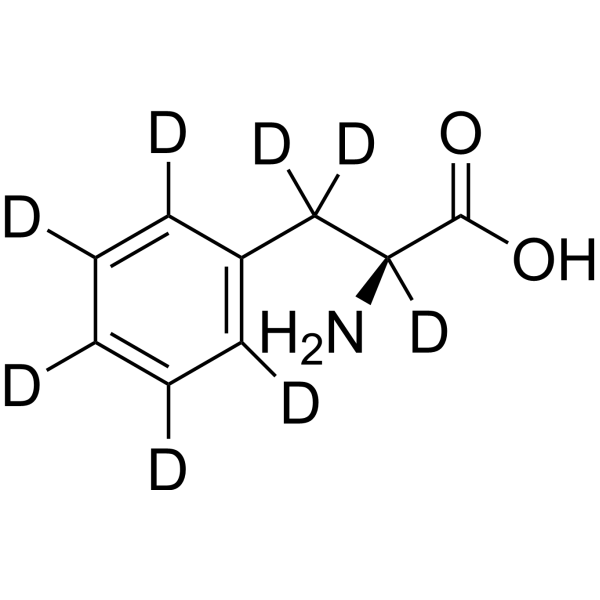
    L-Phenylalanine-d8
    1 Publications Verification

    (S)-2-Amino-3-phenylpropionic acid-d8

    Calcium Channel iGluR Endogenous Metabolite Metabolic Disease
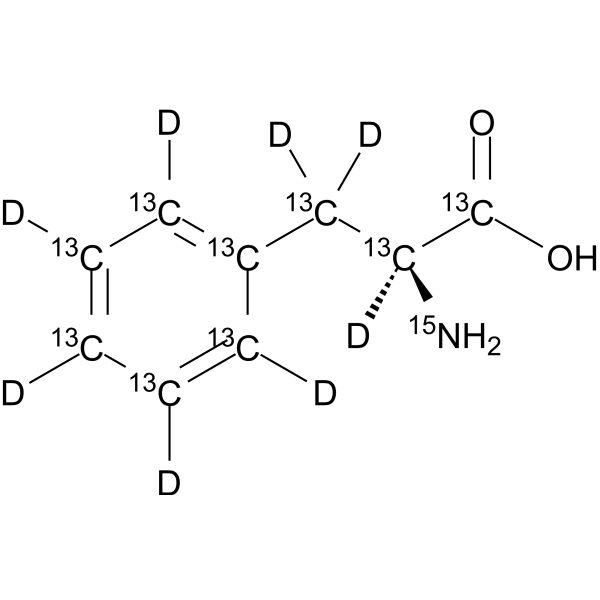
    L-Phenylalanine-d8 is the deuterium labeled L-Phenylalanine. L-Phenylalanine ((S)-2-Amino-3-phenylpropionic acid) is an essential amino acid isolated from Escherichia coli. L-Phenylalanine is a α2δ subunit of voltage-dependent Ca+ channels antagonist with a Ki of 980 nM. L-phenylalanine is a competitive antagonist for the glycine- and glutamate-binding sites of N-methyl-D-aspartate receptors (NMDARs) (KB of 573 μM ) and non-NMDARs, respectively. L-Phenylalanine is widely used in the production of food flavors and pharmaceuticals .
    L-Phenylalanine-d8
  • HY-W099547

    Liposome Others
    Dihexadecyl hydrogen phosphateIt is an organic compound belonging to phospholipids. It's often used as an emulsifier, which means it helps mix two substances together that don't usually mix well, such as oil and water. Dihexadecyl hydrogen phosphateIt has several applications in the food industry, especially in the production of processed foods where it improves texture and stability. Additionally, it has applications in the pharmaceutical industry where it can be used ain the generation of micelles, liposomes, and other types of artificial membranes.
    Dihexadecyl hydrogen phosphate
  • HY-116439

    DINP

    Environmental Pollutants Biochemical Assay Reagents Angiotensin Receptor NO Synthase Cardiovascular Disease Cancer
    Diisononyl phthalate (DINP) is an orally active polyvinyl chloride plasticizer and indirect food additive. Diisononyl phthalate activates the ACE/AT1R axis and inhibits the production of NO. Diisononyl phthalate reduces the expression of eNOS. Diisononyl phthalate induces increased blood pressure in mice. Diisononyl phthalate induces monocytic leukemia in rats. Diisononyl phthalate can be used in hypertension-related research .
    Diisononyl phthalate
  • HY-W005355
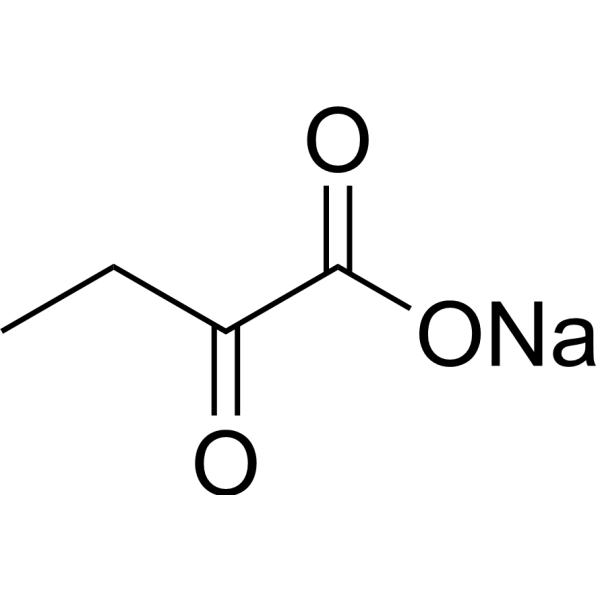
    Sodium 2-oxobutanoate
    1 Publications Verification

    Biochemical Assay Reagents Others
    Sodium 2-oxobutanoate is an organic compound commonly used as a food additive and industrial raw material. It can be used as an acidity regulator, leavening agent and preservative, and is often used in the fields of bread, baked goods and canning. In addition, the compound is used in the production of certain industrial products, such as in plastics, textiles and dyes.
    Sodium 2-oxobutanoate
  • HY-W013809

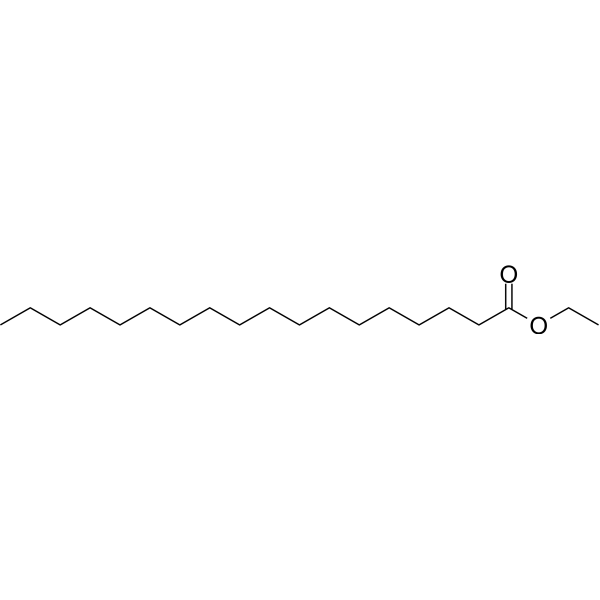
    Stearic acid ethyl ester

    Biochemical Assay Reagents Others
    Ethyl stearate is an ester compound produced by the reaction of ethanol and stearic acid. It is commonly used as a flavoring agent in various foods such as baked goods, beverages and desserts. Ethyl stearate is also used as a fragrance ingredient in the manufacture of perfume, cologne and personal care products. Additionally, it has applications in industrial settings such as the production of lubricants and plasticizers.
    Ethyl stearate
  • HY-W127507

    Environmental Pollutants Biochemical Assay Reagents Others
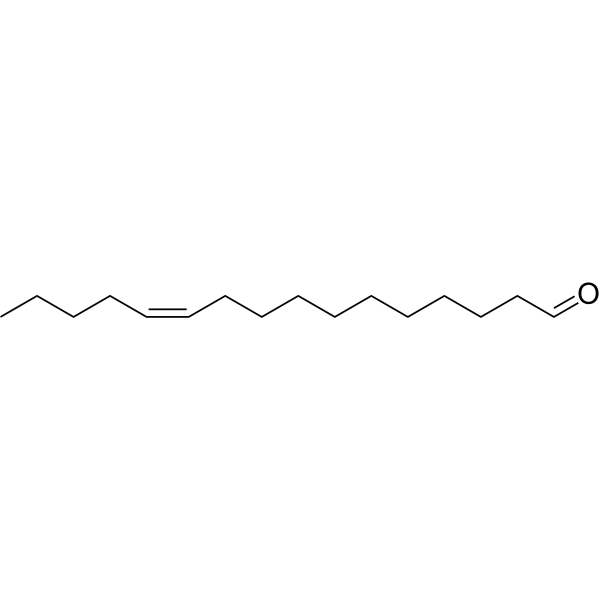
    cis-11-Hexadecenal has a fatty, waxy odor and is commonly used as a flavoring agent in the food and beverage industry. In addition, it can be used as an intermediate in the synthesis of various organic compounds, including fragrances, pharmaceuticals, and agrochemicals. Its unique chemical properties make it an important ingredient in a variety of industrial processes, notably in the production of perfumes and air fresheners.
    cis-11-Hexadecenal
  • HY-B1991

    Environmental Pollutants Herbicide Others
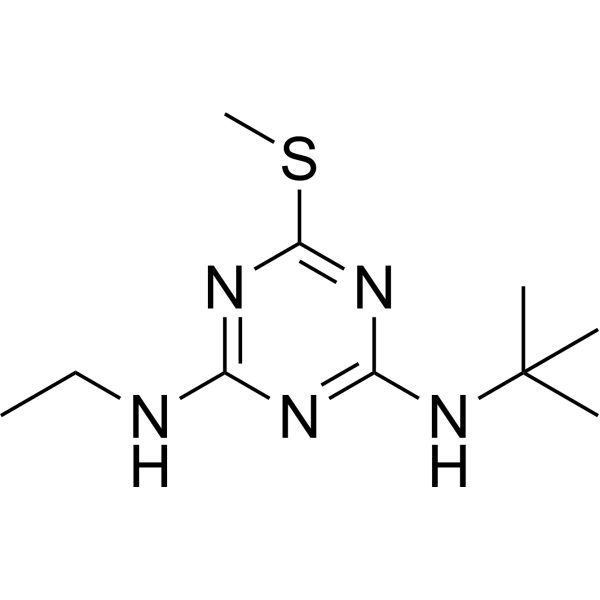
    Terbutryn is a photosystem II inhibitor and aquatic toxicant. Terbutryn interferes with photosynthesis by inhibiting photosystem II. Terbutryn reduces the production of periphyton by acting directly on periphytic algae in artificial indoor streams. Terbutryn reduces the population growth of Lumbriculus variegatus in artificial indoor streams through indirect effects associated with the reduction of food sources for periphyton. The overall 50% dissipation time (DT50) of Terbutryn in the water of artificial indoor streams is 28 d .
    Terbutryn
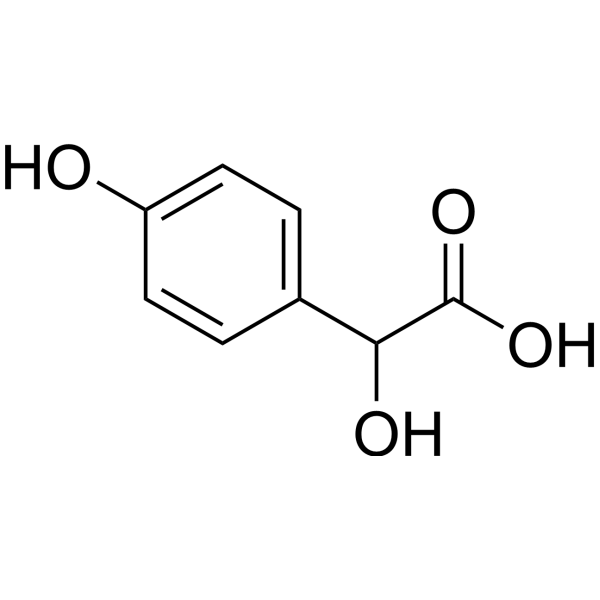
  • HY-113027

    Endogenous Metabolite Others
    p-Hydroxymandelic acid is a valuable aromatic fine chemical and widely used for production of pharmaceuticals and food additives.
    p-Hydroxymandelic acid
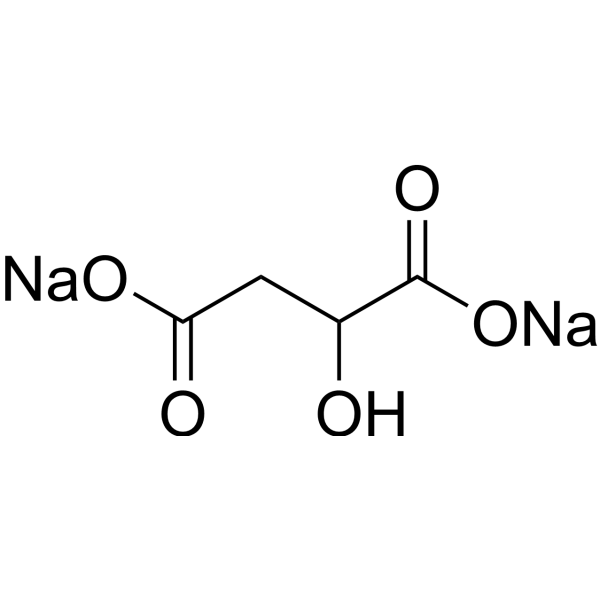
  • HY-W250303
    Malic acid disodium salt
    4 Publications Verification

    Hydroxybutanedioic acid disodium salt; E 296 disodium salt

    Biochemical Assay Reagents Others
    Sodium DL-Malate is an organic compound commonly used as a food additive, buffer and nutritional supplement. It contains sodium and malic acid. Malic acid disodium salt has several properties suitable for these applications, including the ability to enhance food flavor, improve texture and regulate acidity. Additionally, it can be used as a dietary supplement due to its potential health benefits, including improved energy production, reduced fatigue, and enhanced athletic performance.
    Malic acid disodium salt
  • HY-B2225B

    Edible corn starch (from corn)

    Biochemical Assay Reagents Endogenous Metabolite Others
    Starch (from corn) is a carbohydrate extracted from the kernel of the corn plant. It contains two main components, namely amylose and amylopectin. Starches from corn have various applications in the food industry as thickeners, stabilizers and binders. It is commonly used in the production of products such as baked goods, snacks, sauces and soups. In addition, it can be used as a raw material for the production of biofuels and bioplastics.
    Starch (from corn)
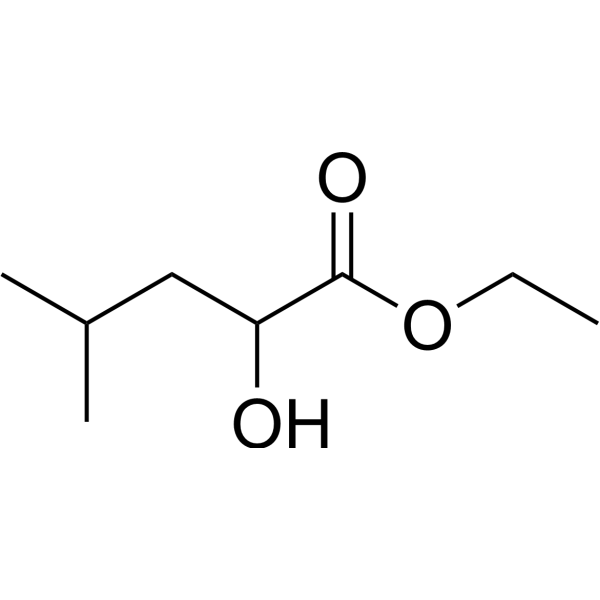
  • HY-W114581

    Biochemical Assay Reagents Others
    Ethyl2-hydroxy-4-methylpentanoate has a fruity odor and is commonly used as a flavoring agent in the food and beverage industry. In addition, it can be used as an intermediate in the synthesis of various organic compounds, including pharmaceuticals and agrochemicals. Its unique chemical properties make it an important ingredient in a variety of industrial processes, including the production of cosmetics and personal care products.
    Ethyl2-hydroxy-4-methylpentanoate
  • HY-Y0543
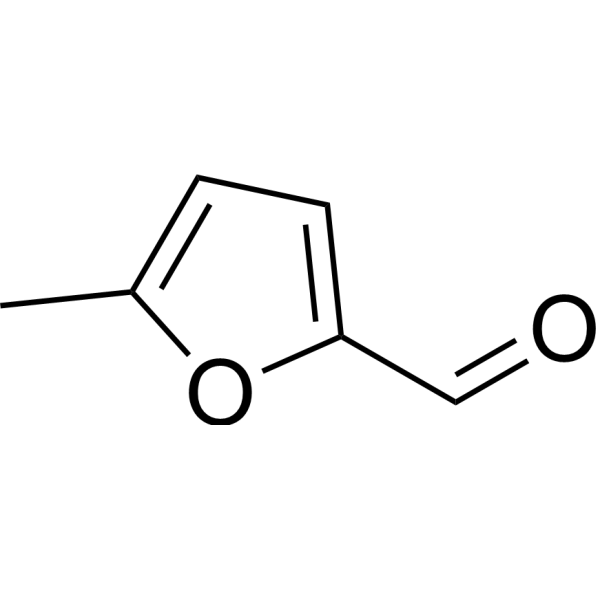
    5-Methylfurfural
    1 Publications Verification

    Biochemical Assay Reagents COX Inflammation/Immunology Cancer
    5-Methylfurfural is a chemical that can be utilized as food additive, intermediate in the production of agrochemicals, and precursor of certain anti-cancer natural products. 5-Methylfurfural is formed during the photoexposition of ranitidine hydrochloride. 5-Methylfurfural is an organic compound. 5-Methylfurfural has a strong tendency to be further hydrogenated to 2,5-dimethylfuran (DMF). 5-Methylfurfural can predominantly evoke skin inflammation and barrier disintegration. 5-Methylfurfural degrades native DNA through the formation of single-strand breaks .
    5-Methylfurfural
  • HY-E70445

    Biochemical Assay Reagents Others
    Chondroitinase AC II is a hydrolase. Enzymes have high catalytic efficiency, high specificity, and mild operating conditions. It can be applied in industries such as pharmaceuticals, industrial production, food manufacturing, and aquaculture .
    Chondroitinase AC II
  • HY-W127474

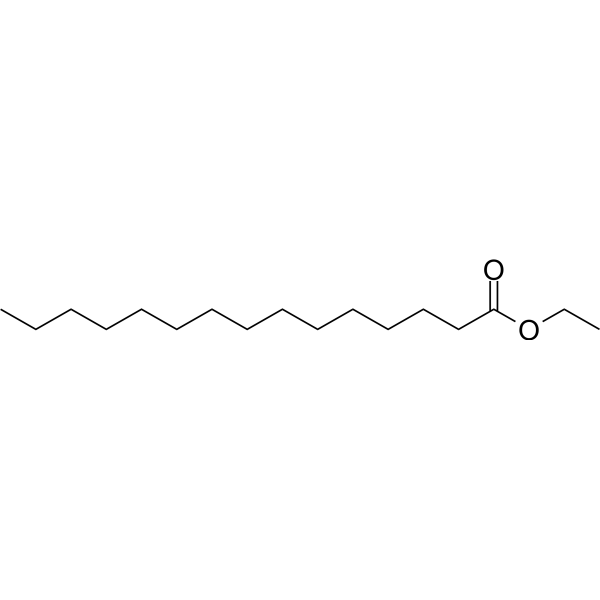
    Biochemical Assay Reagents Others
    Ethyl pentadecanoate is an organic compound that is commonly used as a flavoring and food additive, and can also be used in industrial manufacturing, such as the production of lubricants and surfactants. In addition, Ethyl pentadecanoate has biological activities such as antibacterial, insecticidal and antiseptic.
    Ethyl pentadecanoate
  • HY-Y1039

    1-Monostearin; 2,3-Dihydroxypropyl stearate

    Environmental Pollutants Biochemical Assay Reagents Others
    Stearic acid 1-monoglyceride is an ester composed of stearic acid and glycerin, commonly known as glyceryl monostearate. 1-Monoglyceride stearate has unique chemical properties that make it an important ingredient in a variety of industrial processes, including food production, cosmetics, and pharmaceuticals. It acts as an emulsifier, stabilizer and thickener in these products, enhancing their texture and shelf life.
    1-Stearoyl-rac-glycerol
  • HY-W127475

    Biochemical Assay Reagents Others
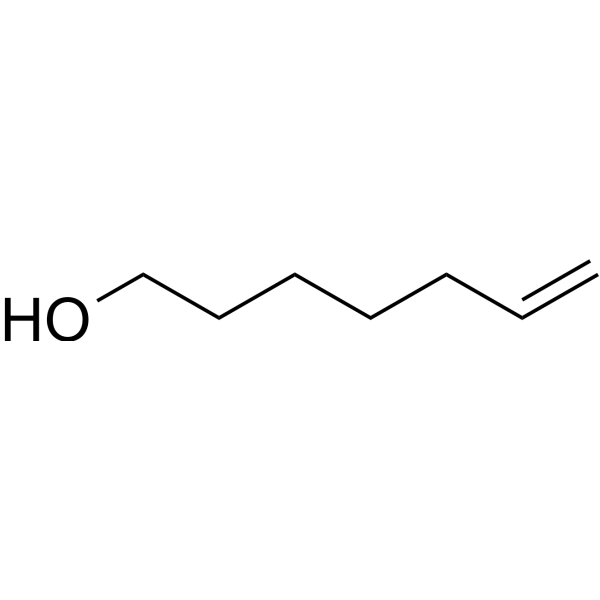
    6-Hepten-1-ol has a floral and green odor and is commonly used as a flavoring agent in the food and beverage industry. In addition, it can be used as an intermediate in the synthesis of various organic compounds, including fragrances, pharmaceuticals, and agrochemicals. Its unique chemical properties make it an important ingredient in a variety of industrial processes, notably in the production of perfumes, air fresheners and cleaning agents.
    6-Hepten-1-ol
  • HY-78211

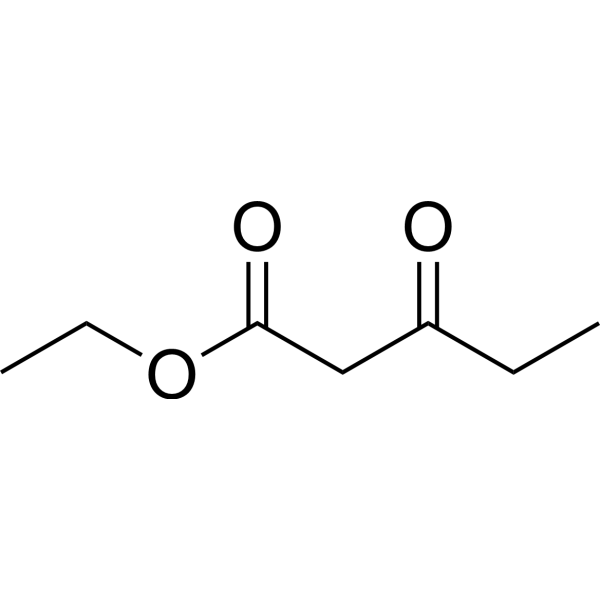
    Ethyl Propionylacetate

    Biochemical Assay Reagents Others
    Ethyl 3-oxopentanoate is an organic ester compound commonly used as a reactant or solvent in organic synthesis. It can be used as an important raw material for the preparation of pharmaceuticals, food flavors, spices and other products. In addition, because of its stability and reactivity in certain chemical reactions, it is also widely used in some industrial productions. Although Ethyl 3-oxopentanoate has no direct application in the medical field, it still plays an important role in chemical research and industry.
    Ethyl 3-oxopentanoate
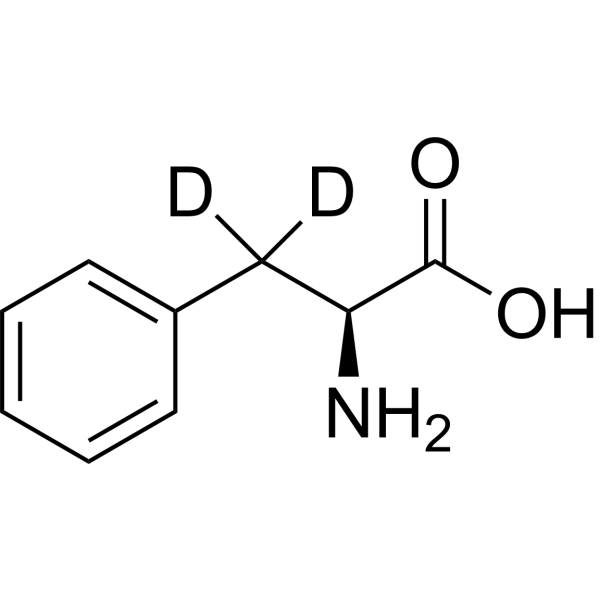
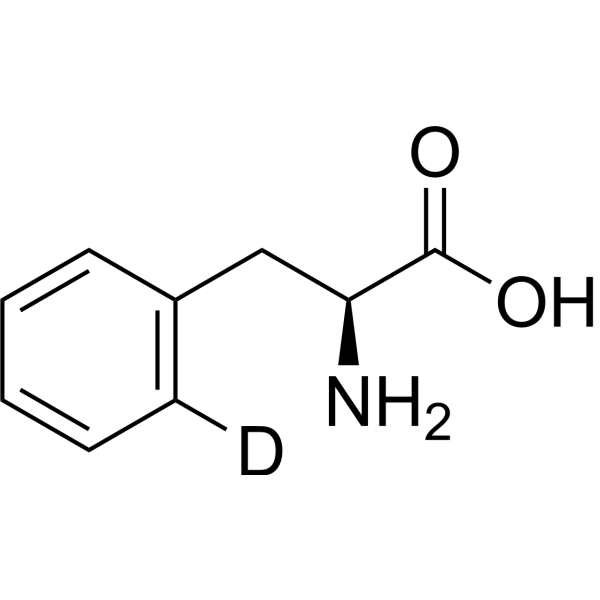
  • HY-N0215S3

    (S)-2-Amino-3-phenylpropionic acid-d2

    Calcium Channel iGluR Endogenous Metabolite Metabolic Disease
    L-Phenylalanine-d2 is the deuterium labeled L-Phenylalanine. L-Phenylalanine ((S)-2-Amino-3-phenylpropionic acid) is an essential amino acid isolated from Escherichia coli. L-Phenylalanine is a α2δ subunit of voltage-dependent Ca+ channels antagonist with a Ki of 980 nM. L-phenylalanine is a competitive antagonist for the glycine- and glutamate-binding sites of N-methyl-D-aspartate receptors (NMDARs) (KB of 573 μM ) and non-NMDARs, respectively. L-Phenylalanine is widely used in the production of food flavors and pharmaceuticals .
    L-Phenylalanine-d2
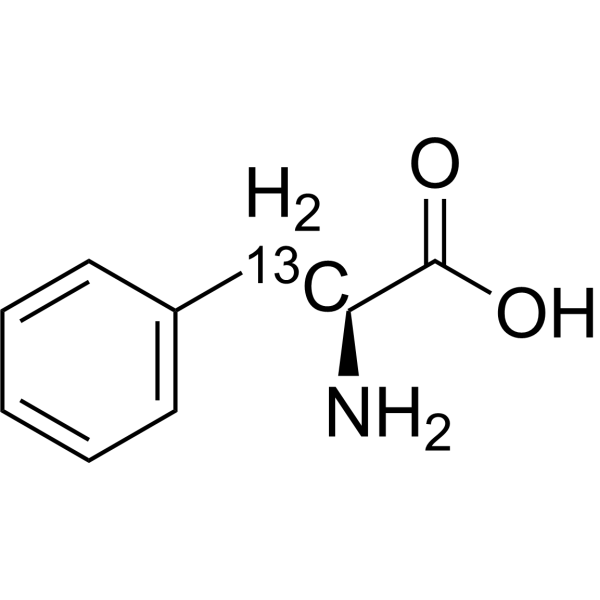
  • HY-N0215S7
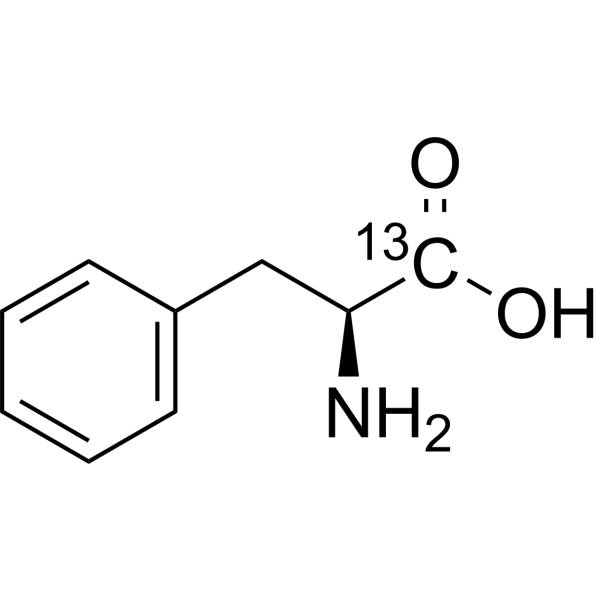
    L-Phenylalanine-3-13C
    1 Publications Verification

    (S)-2-Amino-3-phenylpropionic acid-3-13C

    Calcium Channel iGluR Endogenous Metabolite Metabolic Disease
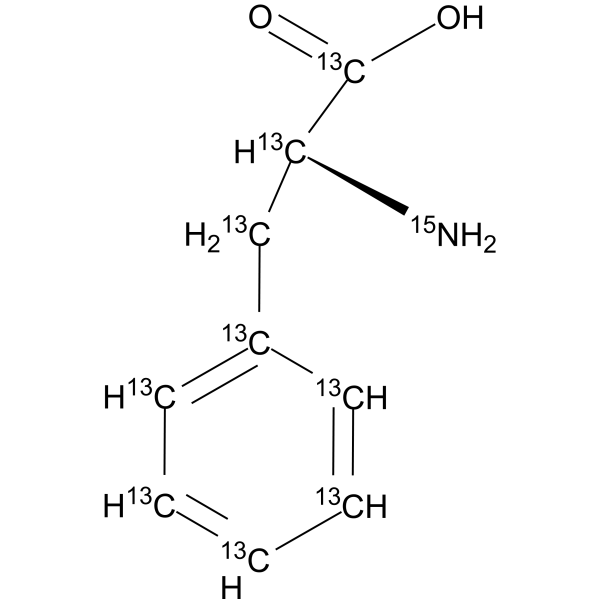
    L-Phenylalanine-3- 13C is the 13C-labeled L-Phenylalanine. L-Phenylalanine ((S)-2-Amino-3-phenylpropionic acid) is an essential amino acid isolated from Escherichia coli. L-Phenylalanine is a α2δ subunit of voltage-dependent Ca+ channels antagonist with a Ki of 980 nM. L-phenylalanine is a competitive antagonist for the glycine- and glutamate-binding sites of N-methyl-D-aspartate receptors (NMDARs) (KB of 573 μM ) and non-NMDARs, respectively. L-Phenylalanine is widely used in the production of food flavors and pharmaceuticals .
    L-Phenylalanine-3-13C
  • HY-N16331

    Others Others
    Soybean flour is a defatted and slowly available protein nutrient. Soybean flour can be isolated from the leguminous plant soybean. Soybean flour has antioxidant activity and stabilizes lipids in formulated foods. Soybean flour can be used for food production such as gluten-free bread research .
    Soybean flour
  • HY-W009684

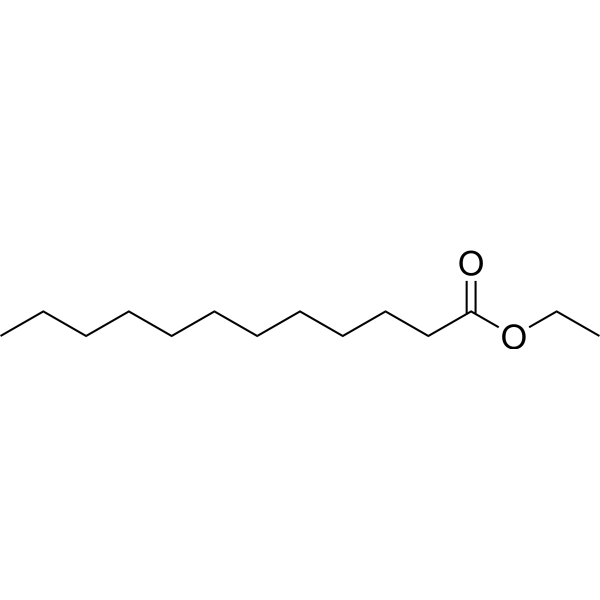
    Ethyl dodecanoate

    Environmental Pollutants Biochemical Assay Reagents Others
    Ethyl Laurate is an organic compound commonly used as a flavoring and food additive. It can be used to make fruit, mint and sweet flavors, and is widely used in some food processing and cosmetic production. In addition, this compound is also used as a reagent and intermediate in some organic synthesis reactions.
    Ethyl Laurate
  • HY-W250303A
    Malic acid disodium hydrate
    4 Publications Verification

    Hydroxybutanedioic acid disodium hydrate; Disodium DL-malate hydrate; E 296 disodium hydrate

    Biochemical Assay Reagents Others
    Malic acid disodium hydrate is an organic compound that is commonly used as a food additive, buffering agent, and nutritional supplement. It contains sodium and malic acid. Malic acid disodium hydrate has a variety of properties that make it suitable for these applications, including the ability to enhance food flavor, improve texture, and regulate acidity. In addition, due to its potential health benefits, including improved energy production, reduced fatigue, and enhanced athletic performance, Malic acid disodium hydrate can be used as a dietary supplement .
    Malic acid disodium hydrate
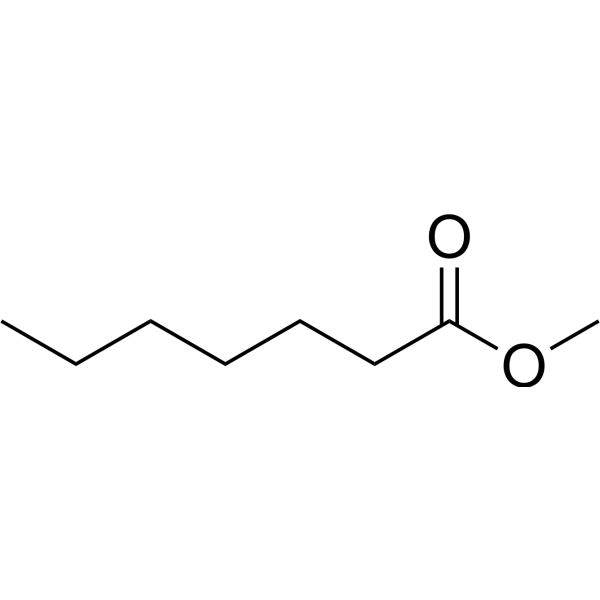
  • HY-141610

    Methyl enanthate

    Biochemical Assay Reagents Others
    Methyl heptanoate, commonly used as a flavoring and fragrance ingredient in the food and cosmetic industries, Methyl heptanoate is also used as a solvent for various substances, including resins, oils and waxes, in addition, it has been studied for its potential as a biofuel and polymer production application.
    Methyl heptanoate
  • HY-W250123

    Environmental Pollutants Biochemical Assay Reagents Others
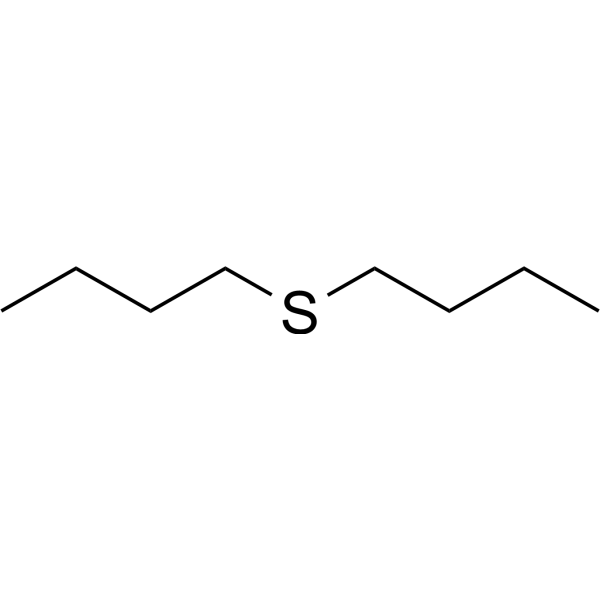
    Dibutyl sulfide is an oily liquid commonly used as a solvent, extractant and flavoring agent in various industrial processes, especially in the production of petroleum products, polymers and food additives. Dibutyl sulfide has unique chemical properties that make it an active ingredient in many applications requiring high solvency and low volatility.
    Dibutyl sulfide
  • HY-N0524R

    Reference Standards Reactive Oxygen Species (ROS) Apoptosis Cardiovascular Disease Inflammation/Immunology Cancer
    Propyl gallate (Standard) is the analytical standard of Propyl gallate. This product is intended for research and analytical applications. Propyl gallate is a common food antioxidant. Propyl gallate can inhibit the production of acrolein, glyoxal and methylglyoxal. Propyl gallate exhibits anti-inflammatory, antitumor and cardioprotective activities .
    Propyl gallate (Standard)
  • HY-W127627

    Biochemical Assay Reagents Others
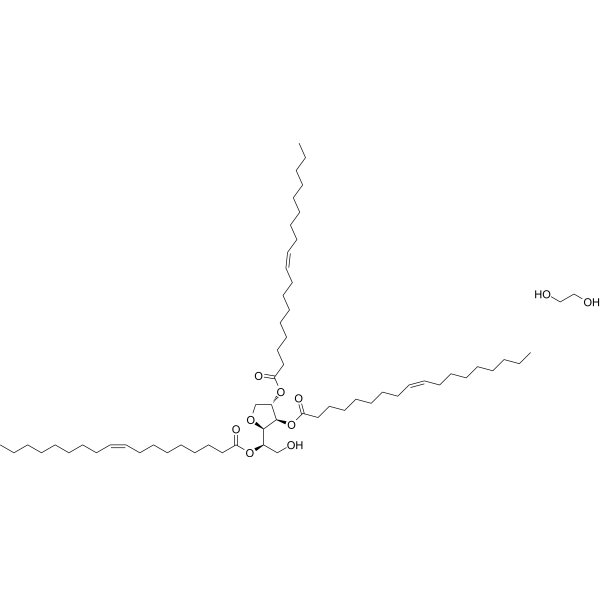
    Tween 85 is a nonionic surfactant belonging to the class of ethoxylated sorbitan esters. It is used as an emulsifier and solubilizer in various industries such as pharmaceutical, cosmetic and food. Because of its ability to blend oily and water-based ingredients, Tween 85 is often used in the formulation of creams, lotions and ointments. In addition, it is used as a dispersant for pigments in the production of paints and coatings.
    Tween 85
  • HY-W015308

    Pelargonic acid methyl ester

    Biochemical Assay Reagents Endogenous Metabolite Others
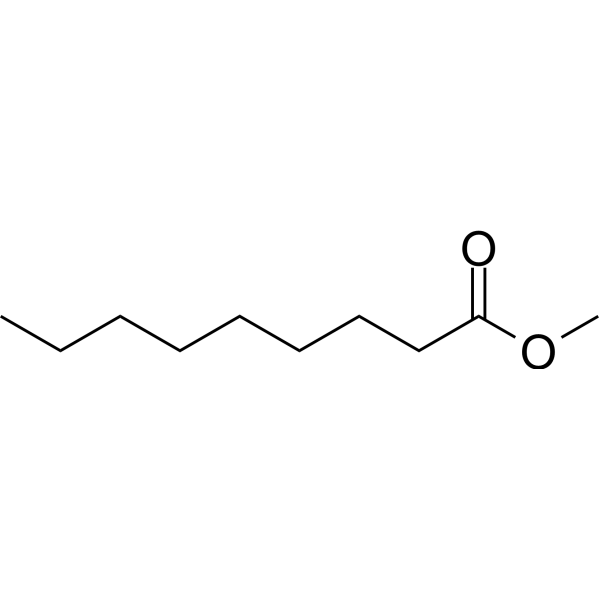
    Methyl nonanoate is an ester compound obtained by the reaction of methanol and nonanoic acid. It has a fruity aroma and is commonly used as a flavoring agent in a variety of foods such as baked goods, confectionary and beverages. Methyl nonanoate is also used as a fragrance ingredient in the manufacture of perfume, cologne and personal care products. Furthermore, it has applications in industrial settings, for example in the production of solvents, resins and plasticizers.
    Methyl nonanoate
  • HY-E70428

    Biochemical Assay Reagents Others
    D-Xylose dehydrogenase is a peptidase. Enzymes have high catalytic efficiency, high specificity, and mild operating conditions. It can be applied in industries such as pharmaceuticals, industrial production, food manufacturing, and aquaculture .
    D-Xylose dehydrogenase
  • HY-E70438

    Biochemical Assay Reagents Others
    Endoproteinase Pro-C is a hydrolase. Enzymes have high catalytic efficiency, high specificity, and mild operating conditions. It can be applied in industries such as pharmaceuticals, industrial production, food manufacturing, and aquaculture .
    Endoproteinase Pro-C
  • HY-E70426

    Biochemical Assay Reagents Others
    Polyphosphate kinase (RsPPK) is a kinase. Enzymes have high catalytic efficiency, high specificity, and mild operating conditions. It can be applied in industries such as pharmaceuticals, industrial production, food manufacturing, and aquaculture .
    Polyphosphate kinase (RsPPK)
  • HY-E70454

    Neuronal Transglutaminase; TGy; TG6

    Biochemical Assay Reagents Others
    Human epidermal transglutaminase (Neuronal Transglutaminase) is a transglutaminase. Enzymes have high catalytic efficiency, high specificity, and mild operating conditions. It can be applied in industries such as pharmaceuticals, industrial production, food manufacturing, and aquaculture .
    Human neuronal transglutaminase
  • HY-E70436

    TG1; TGase 1

    Biochemical Assay Reagents Others
    Human keratinocyte transglutaminase (TG1) is a transglutaminase. Enzymes have high catalytic efficiency, high specificity, and mild operating conditions. It can be applied in industries such as pharmaceuticals, industrial production, food manufacturing, and aquaculture .
    Human keratinocyte transglutaminase
  • HY-E70439

    TG3; TGase 3

    Biochemical Assay Reagents Others
    Human epidermal transglutaminase (TG3) is a transferase. Enzymes have high catalytic efficiency, high specificity, and mild operating conditions. It can be applied in industries such as pharmaceuticals, industrial production, food manufacturing, and aquaculture .
    Human epidermal transglutaminase
  • HY-P2728A

    Biochemical Assay Reagents Cardiovascular Disease
    Murine Antithrombin III is a blood coagulation inhibitory enzyme with high catalytic efficiency, high specificity, mild action conditions, etc., and can be used in the pharmaceutical industry, industrial production, food manufacturing, aquaculture and other industries .
    Murine Antithrombin III
  • HY-E70437

    Tissue-type transglutaminase; TG2; TGase 2

    Biochemical Assay Reagents Others
    Guinea pig liver transglutaminase (Tissue-type transglutaminase) is an exoenzyme. Enzymes have high catalytic efficiency, high specificity, and mild operating conditions. It can be applied in industries such as pharmaceuticals, industrial production, food manufacturing, and aquaculture .
    Guinea pig liver transglutaminase
  • HY-W013809R

    Stearic acid ethyl ester (Standard)

    Biochemical Assay Reagents Reference Standards Others
    Ethyl stearate (Standard) is the analytical standard of Ethyl stearate. This product is intended for research and analytical applications. Ethyl stearate is an ester compound produced by the reaction of ethanol and stearic acid. It is commonly used as a flavoring agent in various foods such as baked goods, beverages and desserts. Ethyl stearate is also used as a fragrance ingredient in the manufacture of perfume, cologne and personal care products. Additionally, it has applications in industrial settings such as the production of lubricants and plasticizers.
    Ethyl stearate (Standard)
  • HY-B0922

    DCU; Dichlorolurea

    Biochemical Assay Reagents Endocrinology
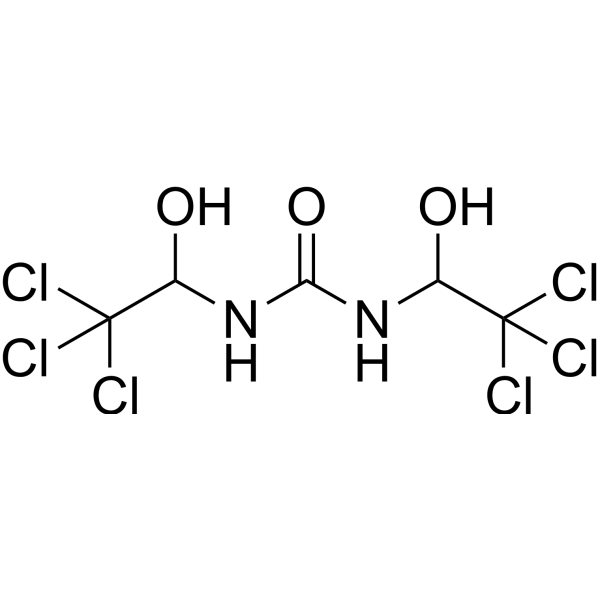
    Dicloralurea is a veterinary food additive that inhibits methane production in herbicide ruminants, acts as a growth stimulant.
    Dicloralurea
  • HY-W009443

    Diethyl sebacate

    Environmental Pollutants Biochemical Assay Reagents Others
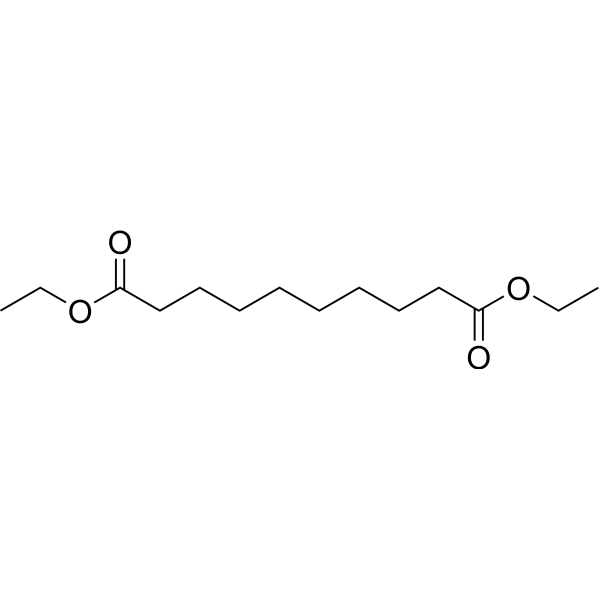
    Diethyl decanedioate is an organic compound commonly used as a raw material for flavors and food additives. It can be used to make fruit and mint flavors, and is widely used in some food processing and cosmetic production. In addition, this compound is also used as a reagent and intermediate in some organic synthesis reactions.
    Diethyl decanedioate
  • HY-W015487

    Ethyl 3-oxohexanoate

    Biochemical Assay Reagents Others
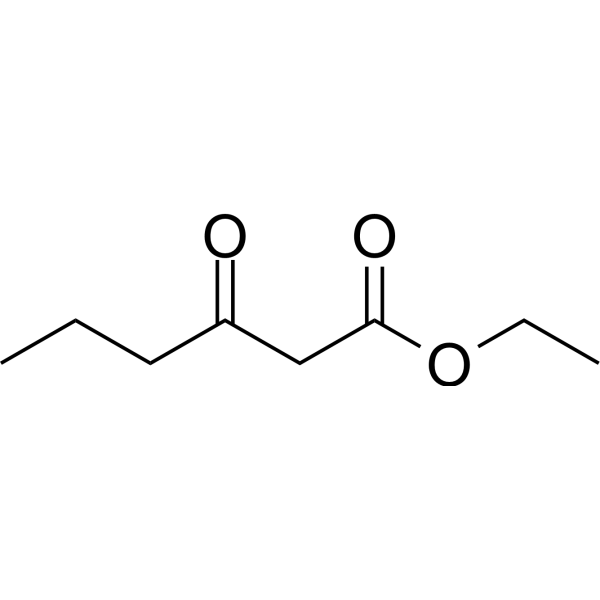
    Ethyl butyrylacetate is an organic compound belonging to the class of esters. Synthesized by the reaction of ethyl acetate, butyric acid and acetic anhydride. Ethyl butyrylacetate has a fruity aroma and is commonly used as a flavoring agent in various food and beverages such as candies, ice cream and soft drinks. It is also used as a fragrance ingredient in perfumes and personal care products. In addition to its use in the food and fragrance industries, Ethyl butyrylacetate is also used in industrial settings, such as in the production of solvents.
    Ethyl butyrylacetate

Inquiry Online

Your information is safe with us. * Required Fields.

Salutation


Country or Region *

Applicant Name *


Organization Name *

Department *


Email Address *


Product Name *

Cat. No.


Requested quantity *

Phone Number *


Remarks

Inquiry Online

Inquiry Information

Product Name:
Cat. No.:
Quantity:
MCE Japan Authorized Agent: