Search Result
Results for "
Mmp13 Inhibitors
" in MedChemExpress (MCE) Product Catalog:
1
Biochemical Assay Reagents
1
Isotope-Labeled Compounds
| Art. -Nr. |
Produktname |
Target |
Forschungsgebiete |
Chemical Structure |
-
- HY-12270
-
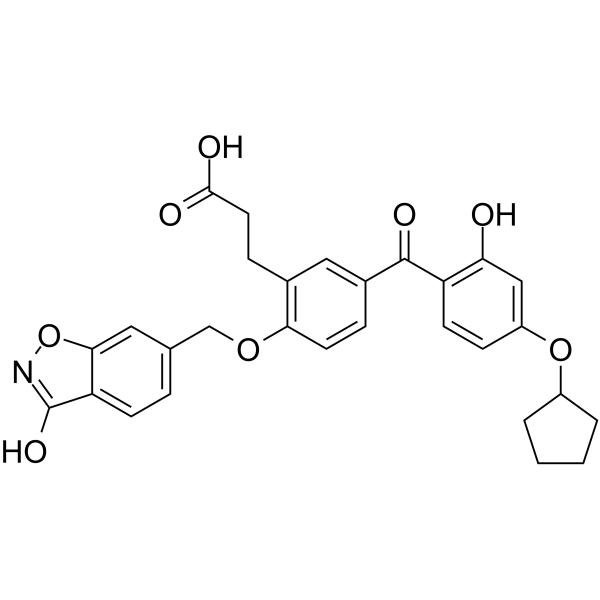
T-5224
Maximum Cited Publications
100 Publications Verification
|
AP-1
MMP
|
Neurological Disease
Inflammation/Immunology
Cancer
|
|
T-5224 is a transcription factor c-Fos/activator protein (AP)-1 inhibitor with anti-inflammatory effects, which specifically inhibits the DNA binding activity of c-Fos/c-Jun without affecting other transcription factors. T-5224 inhibits the IL-1β-induced up-regulation of Mmp-3, Mmp-13 and Adamts-5 transcription .
|
-
-
- HY-N1463
-
|
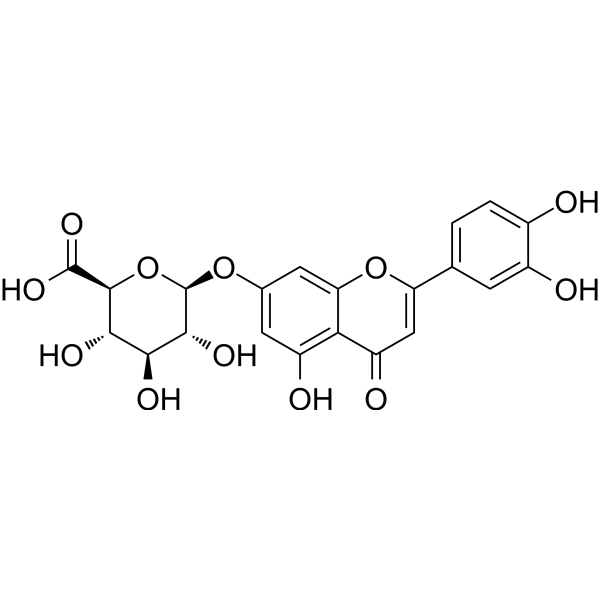
Luteolin 7-glucuronide
|
MMP
|
Neurological Disease
Inflammation/Immunology
|
|
Luteolin 7-O-glucuronide could inhibit Matrix Metalloproteinases (MMP) activities, with IC50s of 17.63, 7.99, 11.42, 12.85, 0.03 μM for MMP-1, MMP-3, MMP-8, MMP-9, MMP-13, respectively .
|
-
-
- HY-110397
-
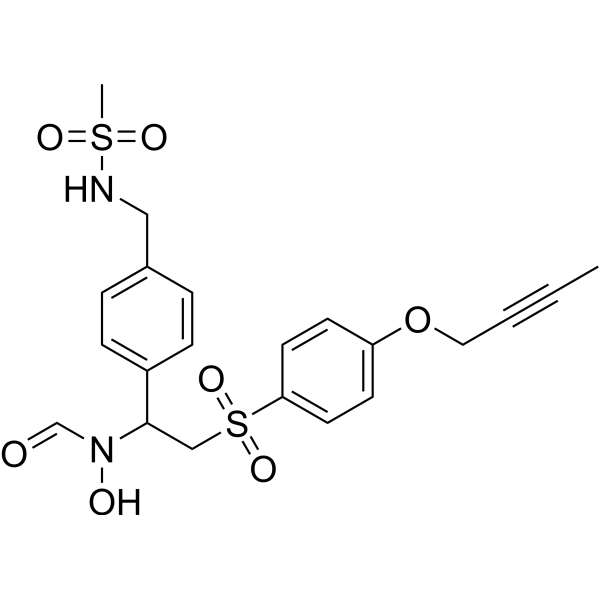
KP-457
3 Publications Verification
|
MMP
|
Cardiovascular Disease
|
|
KP-457 is a selective a disintegrin and metalloproteinase 17 (ADAM17) inhibitor, with higher selectivity for ADAM17 than for other MMPs and ADAM10, and IC50s are 11.1 nM (ADAM17), 748 nM (ADAM10), 717 nM (MMP2), 9760 nM (MMP3), 2200 nM (MMP8), 5410 nM (MMP9), 930 nM (MMP13), 2140 nM (MMP14), and 7100 nM (MMP17), respectively.
|
-
-
- HY-100113
-
|
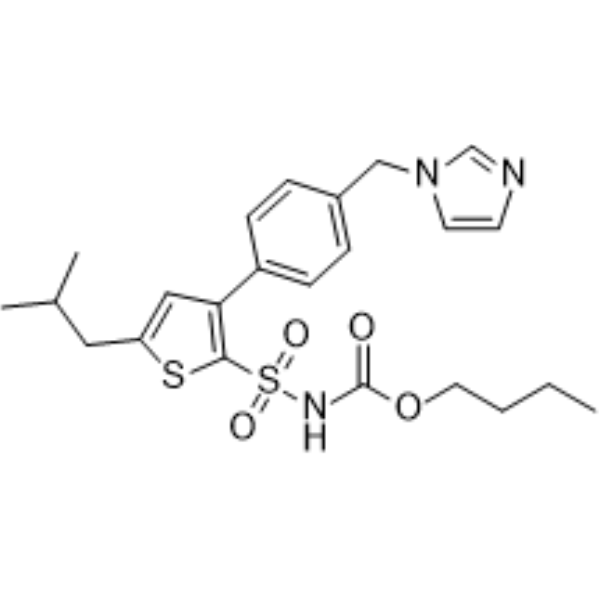
AT2 receptor agonist C21
|
Angiotensin Receptor
p38 MAPK
TGF-beta/Smad
TGF-β Receptor
MMP
|
Cardiovascular Disease
Neurological Disease
Inflammation/Immunology
|
|
Buloxibutid (AT2 receptor agonist C21) is an orally active, selective angiotensin II type 2 receptor (AT2R) agonist, with a Ki value of 0.4 nM for porcine AT2R. Buloxibutid exerts effects such as vasodilation, anti-inflammation, anti-fibrosis (promoting the expression of collagenase MMP-13) and tissue repair mainly by activating the NO/cGMP pathway, inhibiting the pro-proliferative MAPK signaling, and suppressing the pro-fibrotic TGF-β/Smad pathway as well as the inflammatory NF-κB pathway. Buloxibutid can be used in research related to idiopathic pulmonary fibrosis, hypertension, and systemic sclerosis .
|
-
-
- HY-N1454
-
|
Apigenin 7-O-glucuronide
|
MMP
|
Cancer
|
|
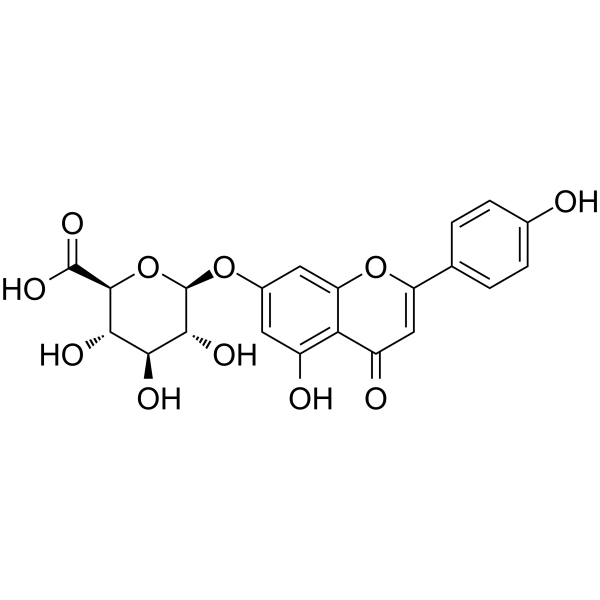
Apigenin-7-glucuronide could inhibit Matrix Metalloproteinases (MMP) activities, with IC50s of 12.87, 22.39, 17.52, 0.27 μM for MMP-3, MMP-8, MMP-9, MMP-13, respectively.
|
-
-
- HY-107394
-
|
|
MMP
|
Inflammation/Immunology
Cancer
|
|
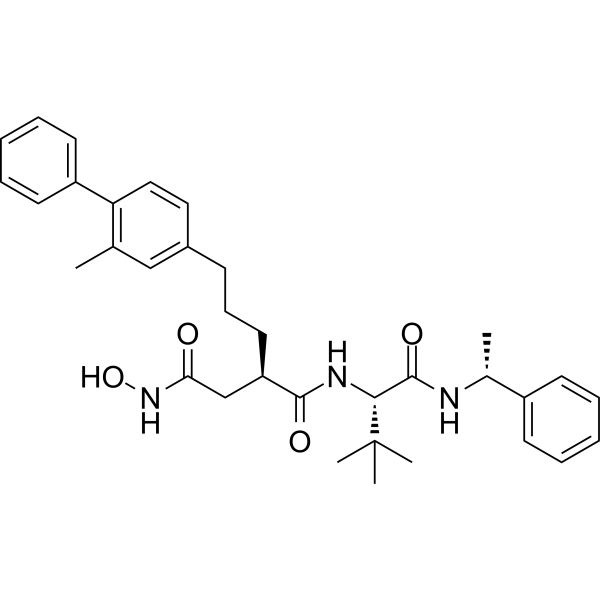
UK 356618 (Compound 4j) is a potent and selective inhibitor of matrix metalloprotease-3 (MMP-3) with an IC50 of 5.9 nM. UK 356618 is less potent against MMP-1, MMP-2, MMP-9, MMP-13 and MMP-14 compared with MMP-3 .
|
-
-
- HY-100359
-
|
|
MMP
|
Inflammation/Immunology
Cancer
|
|
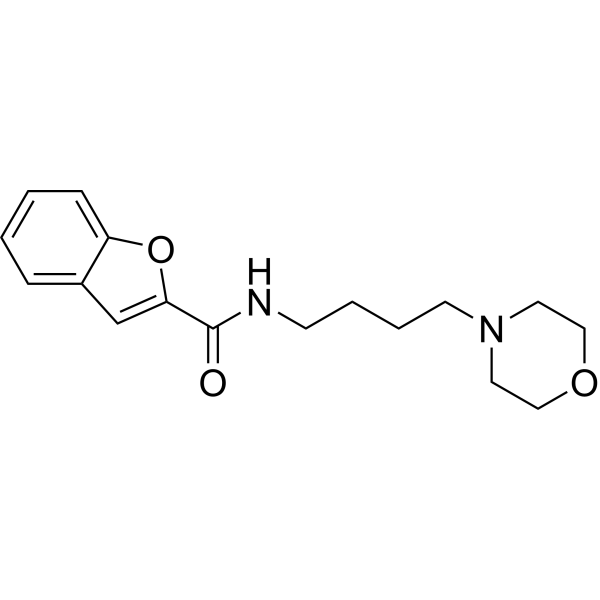
CL-82198 is a selective inhibitor of MMP-13. CL-82198 binds to the entire S1’ pocket of MMP-13, which is the basis for its selectivity towards MMP-13 and the lack of inhibitory activities against other MMPs . CL-82198 is a pharmacologic treatment for preventing osteoarthritis (OA) progression .
|
-
-
- HY-12875
-
|
|
Ras
|
Cancer
|
|
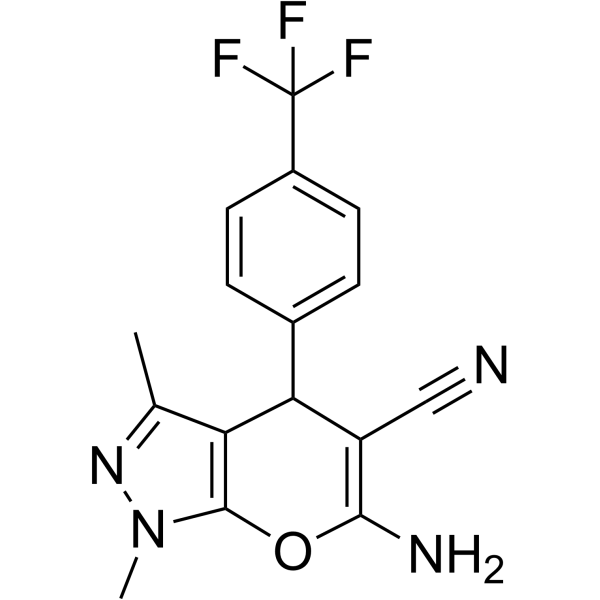
BQU57 is a selective inhibitor of RalA/RalB small GTPases, with a binding potency (Kb) of 7.7 μM for RalB-GDP. BQU57 can block its interaction with effector proteins (such as SEC5 and EXO84), inhibiting tumor cell migration, invasion and non-adherent growth. BQU57 downregulates the NF-κB signaling pathway, reduces the expression of IL-6, IL-8 and MMP-13, and inhibits apoptosis by regulating the Bcl-2/Bax balance. BQU57 also protects the extracellular matrix by inhibiting the Ral/NF-κB pathway and can be used for the study of degenerative diseases. BQU57 exhibits significant antitumor activity in triple-negative breast cancer (TNBC) models, inhibiting orthotopic tumor growth and lung metastasis and enhancing paclitaxel chemotherapy sensitivity .
|
-
-
- HY-12170
-
|
AG3340; KB-R9896
|
MMP
Apoptosis
|
Cancer
|
|
Prinomastat (AG3340) is a broad spectrum, potent, orally active metalloproteinase (MMP) inhibitor with IC50s of 79, 6.3 and 5.0 nM for MMP-1, MMP-3 and MMP-9, respectively. Prinomastat inhibits MMP-2, MMP-3, MMP-13 and MMP-9 with Kis of 0.05 nM, 0.3 nM, 0.03 nM and 0.26 nM, respectively. Prinomastat crosses blood-brain barrier. Antitumor avtivity .
|
-
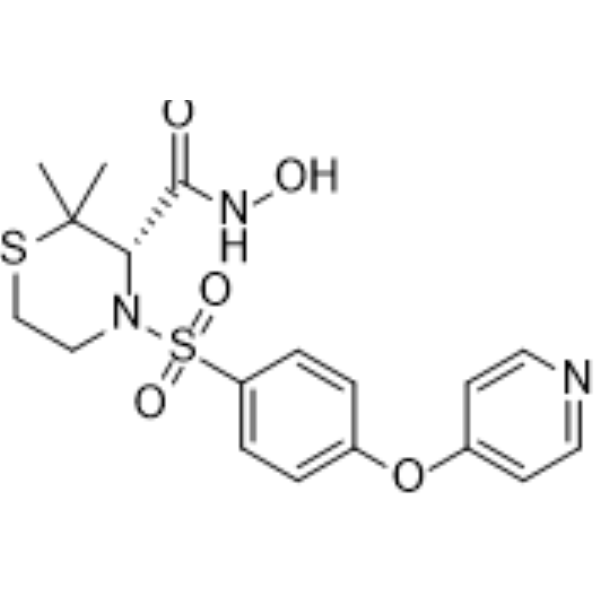
-
- HY-124029
-
|
Mmp13-IN-3
|
MMP
|
Inflammation/Immunology
|
|
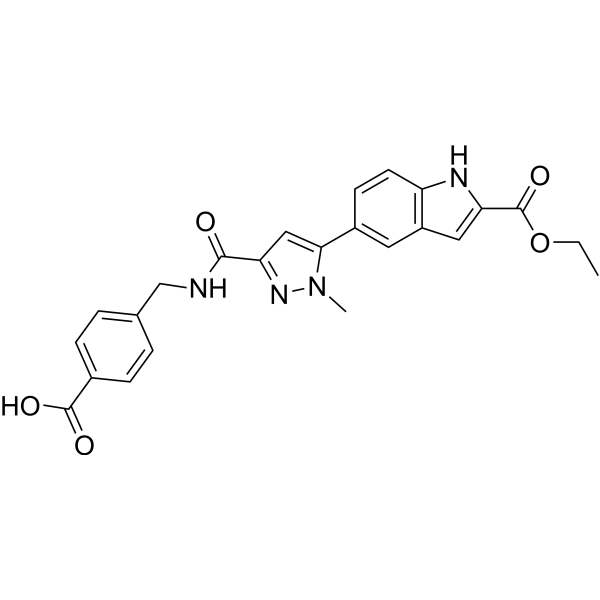
BI-4394 (MMP13-IN-3), a chemical probe, is a potent, selective, and orally active MMP-13 inhibitor (IC50=1 nM ) for the potential treatment of osteoarthritis . BI-4394 is >1000 selective over other MMPs .
|
-
-
- HY-100518
-
T-26c
3 Publications Verification
|
MMP
|
Inflammation/Immunology
|
|
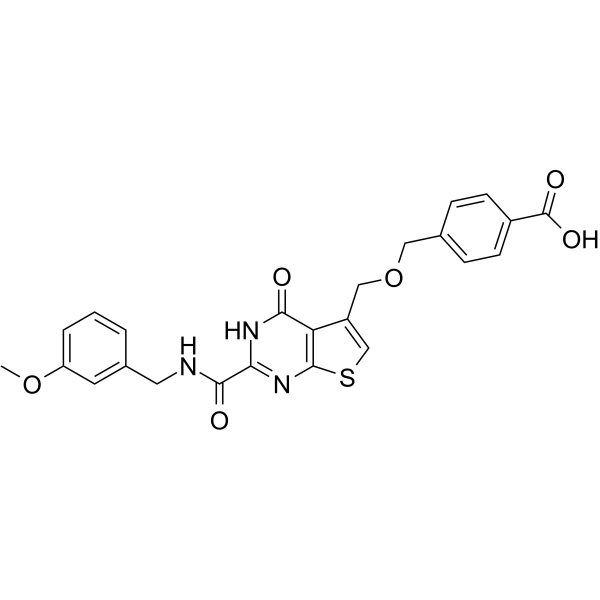
T-26c, a chemical probe, is highly potent and selective matrix metalloproteinase-13 (MMP-13) inhibitor with an IC50 of 6.75 pM and more than 2600-fold selectivity over the other related metalloenzymes .
|
-
-
- HY-N2350
-
|
|
MMP
NF-κB
TNF Receptor
|
Cancer
|
|
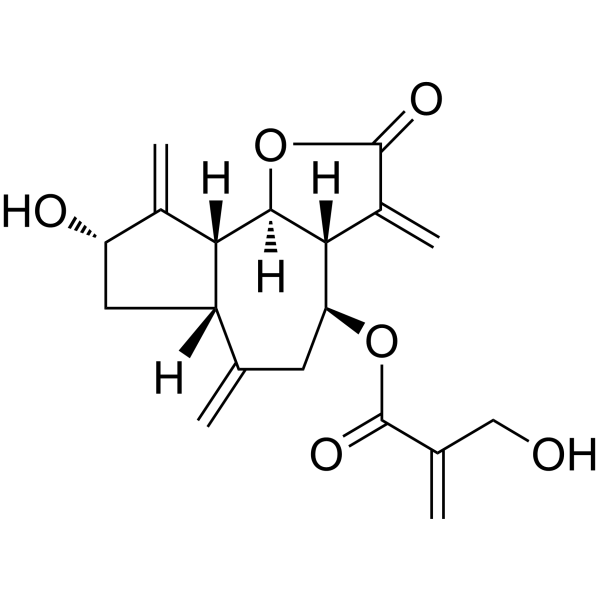
Cynaropicrin is a sesquiterpene lactone which can inhibit tumor necrosis factor (TNF-α) release with IC50s of 8.24 and 3.18 μM for murine and human macrophage cells, respectively. Cynaropicrin also inhibits the increase of cartilage degradation factor (MMP13) and suppresses NF-κB signaling.
|
-
-
- HY-19820A
-
|
|
Akt
Ser/Thr Protease
Apoptosis
MMP
|
Cardiovascular Disease
Neurological Disease
Inflammation/Immunology
|
|
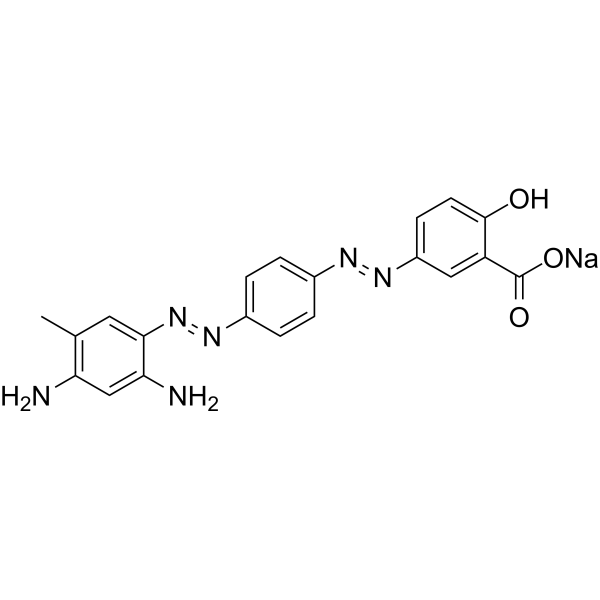
NSC45586 sodium is an inhibitor of PHLPP. NSC45586 sodium targets the PP2C phosphatase domains of PHLPP1 and PHLPP2, blocks the phosphatase activity of PHLPP, increases the expression level of FOXO1 in the nucleus, and reduces the protein expression of PHLPP1. NSC45586 sodium activates the AKT survival signaling pathway, enhances IGF-1-induced AKT activation, and inhibits the phosphorylation of AKT/ERK under basal conditions. NSC45586 sodium reduces staurosporine-induced neuronal death, preserves notochord cell morphology and KRT19 expression, inhibits cell apoptosis (apoptosis), improves the viability and proliferation of nucleus pulposus cells, upregulates the expression of ACAN/SOX9, and downregulates the expression of MMP13. NSC45586 sodium binds tightly to bovine serum albumin (bovine serum albumin), and exerts a more significant effect on nucleus pulposus in male individuals. NSC45586 sodium can be used in studies related to global cerebral ischemia and intervertebral disc degeneration .
|
-
-
- HY-125166
-
DB04760
1 Publications Verification
|
MMP
|
Neurological Disease
Cancer
|
|
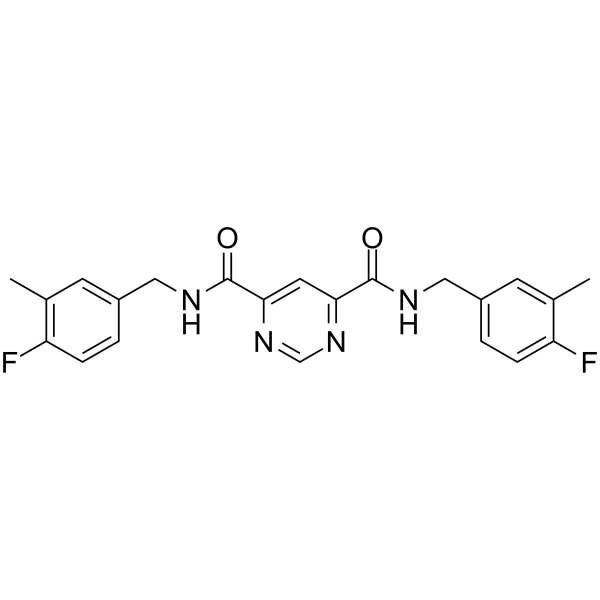
DB04760 (compound 4) is a potent, highly selective, non-zinc-chelating MMP-13 inhibitor with an IC50 of 8 nM . DB04760 significantly reduces paclitaxel neurotoxicity and has anticancer activity .
|
-
-
- HY-19485
-
XL-784
2 Publications Verification
|
MMP
|
Cardiovascular Disease
|
|
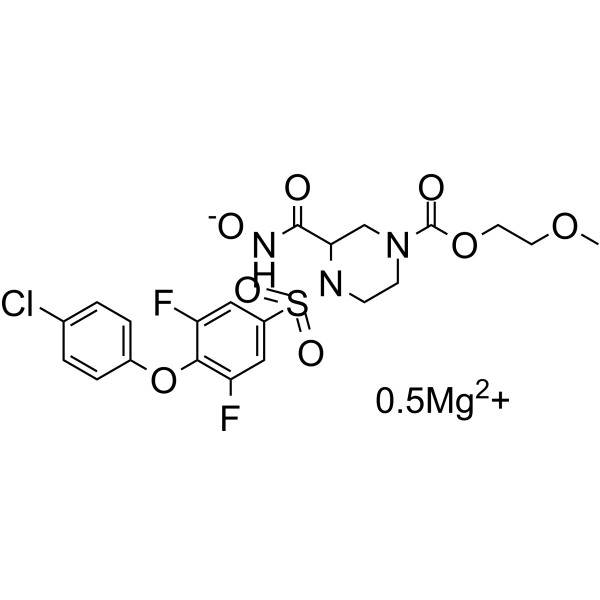
XL-784 is a selective matrix metalloproteinases (MMP) inhibitor, with IC50s of ~1900, 0.81, 120, 10.8, 18, 0.56 nM for MMP-1, MMP-2, MMP-3, MMP-8, MMP-9, MMP-13, respectively.
|
-
-
- HY-10398
-
|
Ro 1130830; RS 130830
|
MMP
|
Cancer
|
|
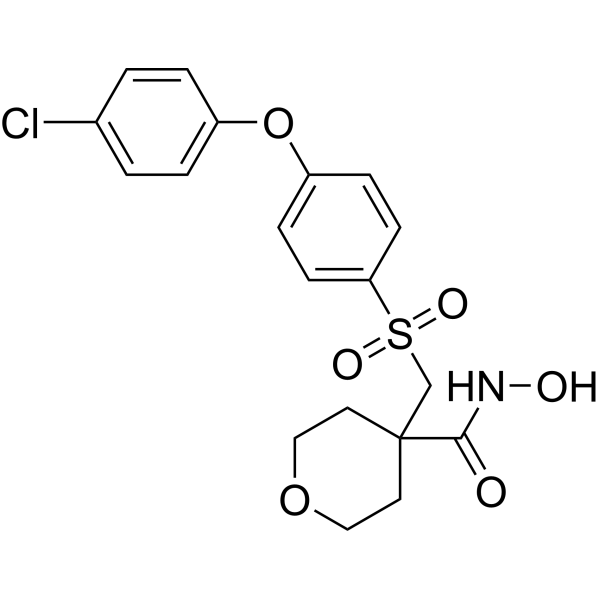
CTS-1027 is a potent small molecule inhibitor of MMPs, with IC50s of 0.3 nM, 0.5 nM for MMP2, MMP13, respectively, and has > 1,000 fold selectivity over MMP1.
|
-
-
- HY-12170A
-
|
AG3340 hydrochloride; KB-R9896 hydrochloride
|
MMP
Apoptosis
|
Cancer
|
|
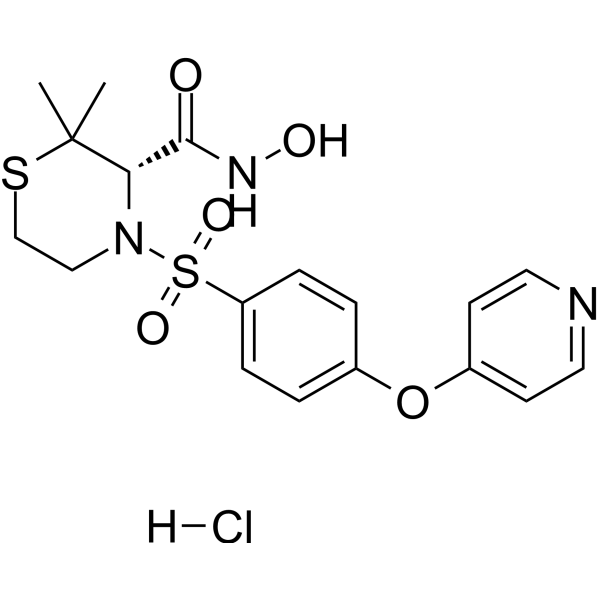
Prinomastat hydrochloride (AG3340 hydrochloride) is a broad spectrum, potent, orally active metalloproteinase (MMP) inhibitor with IC50s of 79, 6.3 and 5.0 nM for MMP-1, MMP-3 and MMP-9, respectively. Prinomastat hydrochloride inhibits MMP-2, MMP-3, MMP-13 and MMP-9 with Kis of 0.05 nM, 0.3 nM, 0.03 nM and 0.26 nM, respectively. Prinomastat hydrochloride can cross blood-brain barrier. Antitumor avtivity .
|
-
-
- HY-12093
-
MMP408
1 Publications Verification
|
MMP
|
Inflammation/Immunology
|
|
MMP408 is a selective and orally effective inhibitor of MMP-12 with IC50 values for human, mouse and rat MMP-12 of 2 nM, 160 nM and 3 μM respectively. MMP408 exhibits IC50 value for human MMP-13 of 120 nM, and its activity against other MMPs is weak. MMP408 can alleviate inflammation, fibrosis and tissue remodeling by inhibiting MMP-12. MMP408 can be used in the research of chronic obstructive pulmonary disease and chronic sinusitis with nasal polyps .
|
-

-
- HY-107639
-
|
|
MMP
|
Inflammation/Immunology
|
|
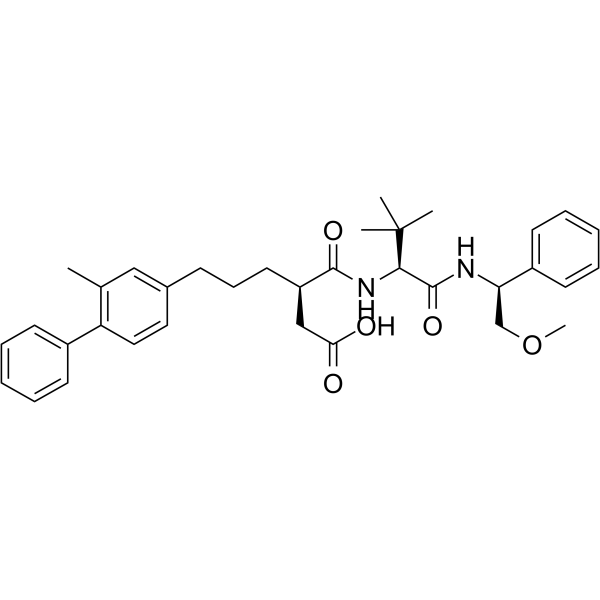
UK-370106 is a potent and highly selective MMP-3 (IC50 of 23 nM) and MMP-12 (IC50 of 42 nM) inhibitor with >1200-fold higher potency than MMP-1, MMP-2, MMP-9, and MMP-14, and about 100-fold than MMP-13 and MMP-8. UK-370106 potently inhibits cleavage of [ 3H]-fibronectin by MMP-3 (IC50 of 320 nM) and has little effect on keratinocyte migration in vitro .
|
-
-
- HY-107428
-
|
|
MMP
|
Cardiovascular Disease
|
|
PD-166793 is a potent, selective, orally active and wide-broad spectrum inhibitor of MMP, exhibiting nanomolar potency against MMP-2, MMP-3 and MMP-13 (IC50=4, 7, and 8 nM, respectively) and micromolar potency vs MMP-1, -7 and -9 (IC50=6.0, 7.2, and 7.9 μM, respectively). PD-166793 can attenuate left ventricular remodeling and dysfunction in a rat model of progressive heart failure .
|
-
-
- HY-122624
-
|
|
MMP
|
Inflammation/Immunology
|
|
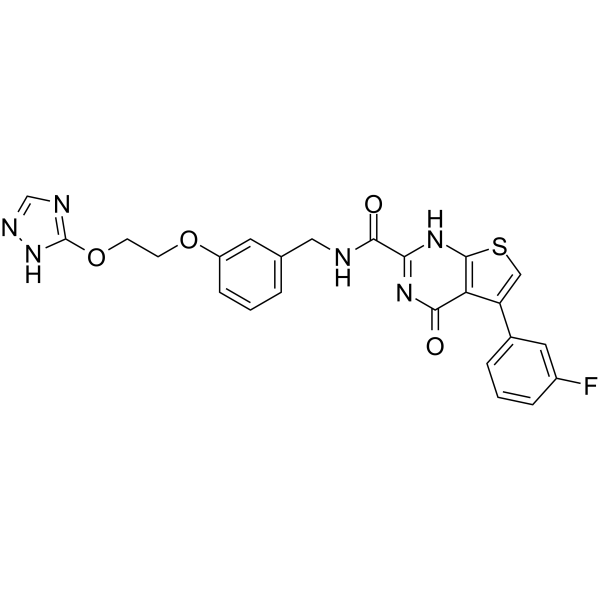
MMP13-IN-2 is a potent, selective and orally active MMP-13 inhibitor. MMP13-IN-2 exhibits excellent potency for MMP-13 (IC50=0.036 nM) and selectivities (greater than 1,500-fold) over MMP-1, 3, 7, 8, 9, 14, and TACE. MMP13-IN-2 has the ability to block the release of collagen from cartilage in vitro. MMP13-IN-2 has the potential for collagenase related disease research .
|
-
-
- HY-128026
-
|
|
MMP
|
Inflammation/Immunology
|
|
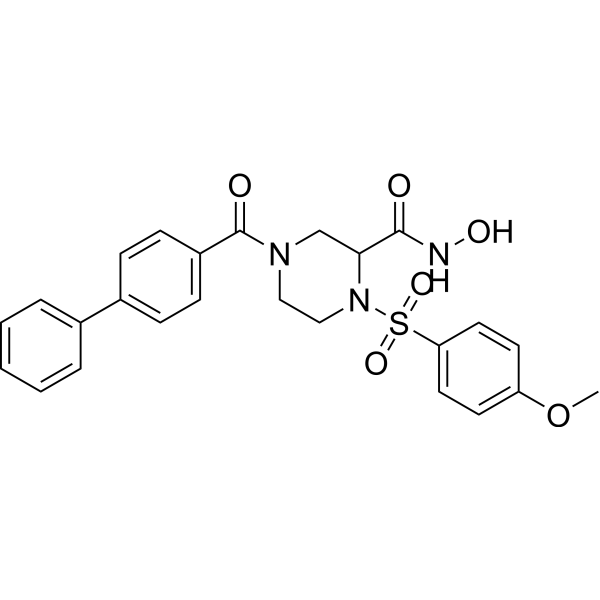
MMP-9/MMP-13 Inhibitor I is a potent MMP-9 and MMP-13 inhibitor with IC50s of both 0.9 nM. MMP-9/MMP-13 Inhibitor I shows >20-folds selectivity for MMP-9/MMP-13 over other MMPs .
|
-
-
- HY-12168
-
|
BAY 12-9566
|
MMP
|
Cancer
|
|
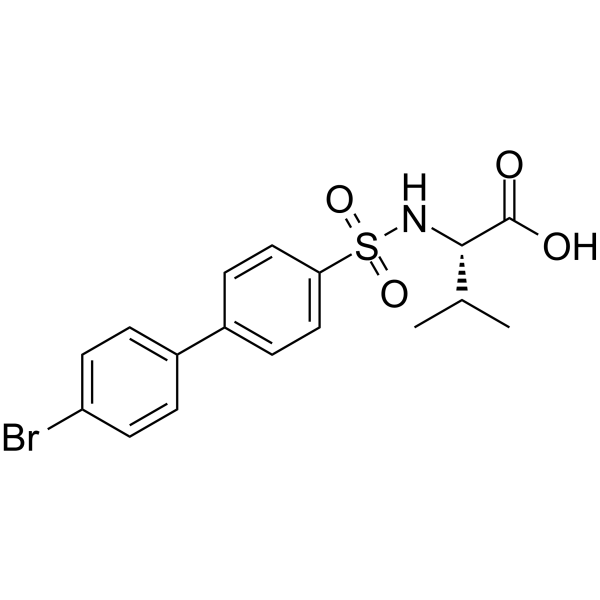
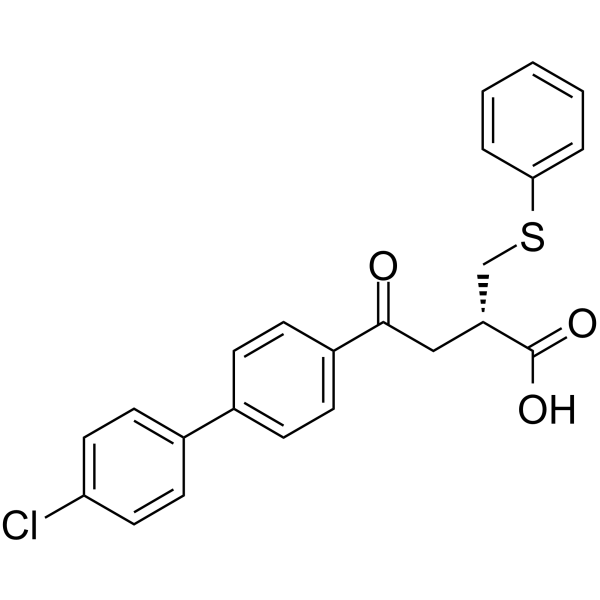
Tanomastat (BAY 12-9566) is an orally bioavailable, non-peptidic biphenyl matrix metalloproteinases (MMPs) inhibitor with a Zn-binding carboxyl group. The Ki values are 11, 143, 301, and 1470 nM for MMP-2, MMP-3, MMP-9, MMP-13 respectively. Tanomastat shows anti-invasive and antimetastatic activity in several experimental tumor models .
|
-
-
- HY-N1508
-
|
|
MMP
Apoptosis
Autophagy
NF-κB
TNF Receptor
COX
Toll-like Receptor (TLR)
SOD
ASK1
JNK
|
Cardiovascular Disease
Inflammation/Immunology
Endocrinology
Cancer
|
|
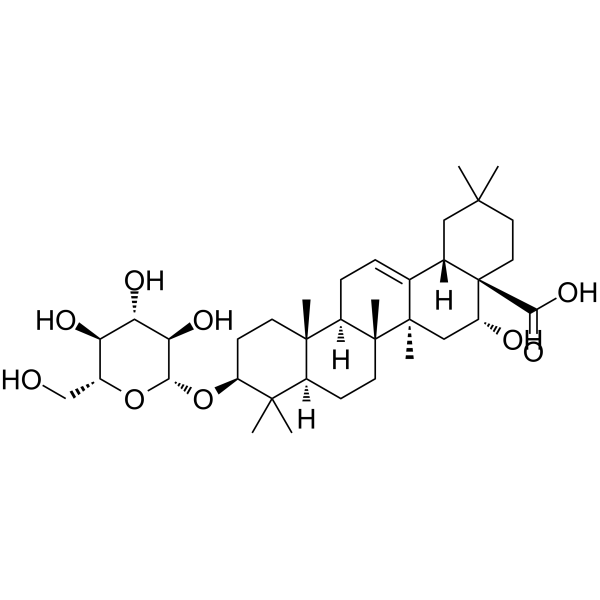
Ecliptasaponin A is an orally active pentacyclic triterpenoid saponin. Ecliptasaponin A exerts anti-tumor activity by activating ASK1/JNK pathway, inducing apoptosis and autophagy in lung cancer cells. Ecliptasaponin A exerts anti-inflammatory/anti-fibrotic effects and protects the cardiovascular system by inhibiting the HMGB1/TLR4/NF-κB pathway, and the expression of COX-2 and MMP-9. Ecliptasaponin A can enhance SOD activity, reduce MDA levels, and alleviate oxidative stress damage. Ecliptasaponin A exerts chondroprotective effects by inhibiting the expression of MMP13 and regulating inflammatory factors. Ecliptasaponin A improves ovarian function and regulates sex hormones by upregulating the expression of ESR1 receptors .
|
-
-
- HY-W011085
-
|
|
MMP
|
Inflammation/Immunology
|
|
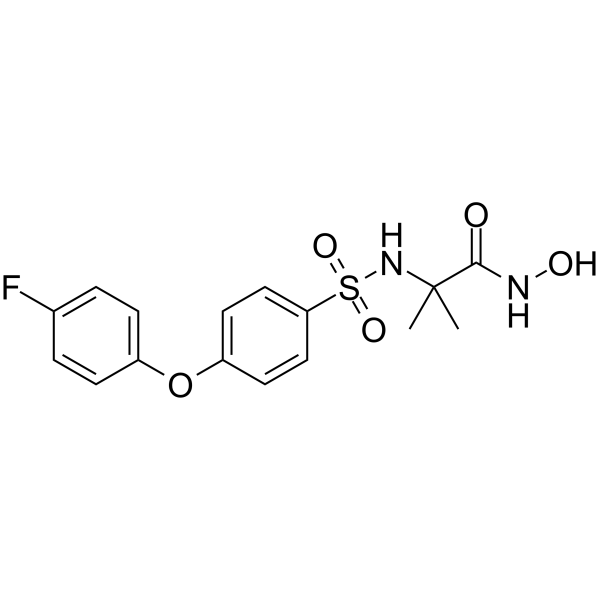
CP-471474 is an orally active and pan MMP inhibitor, with IC50 values of 1170 nM (MMP-1), 0.7 nM (MMP-2), 16 nM (MMP-3), 13 nM (MMP-9) and 0.9 nM (MMP-13), respectively .
|
-
-
- HY-116302
-
|
|
MMP
|
Neurological Disease
Inflammation/Immunology
|
|
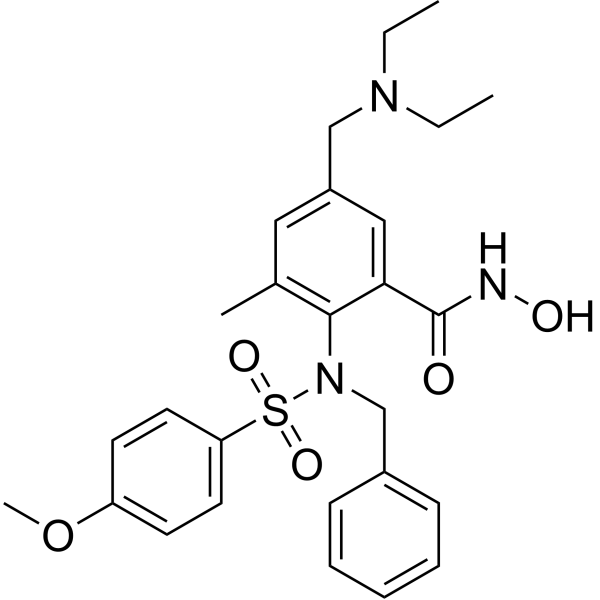
MMP-9-IN-9 (compound 4f) is a slective MMP-9 inhibitor with an IC50 of 5 nM. MMP-9-IN-9 shows selective for MMP-9 over MMP-1 and MMP-13. MMP-9-IN-9 shows strong anti-inflammatory and neuroprotective effects .
|
-
-
- HY-147745
-
|
|
MMP
|
Cancer
|
|
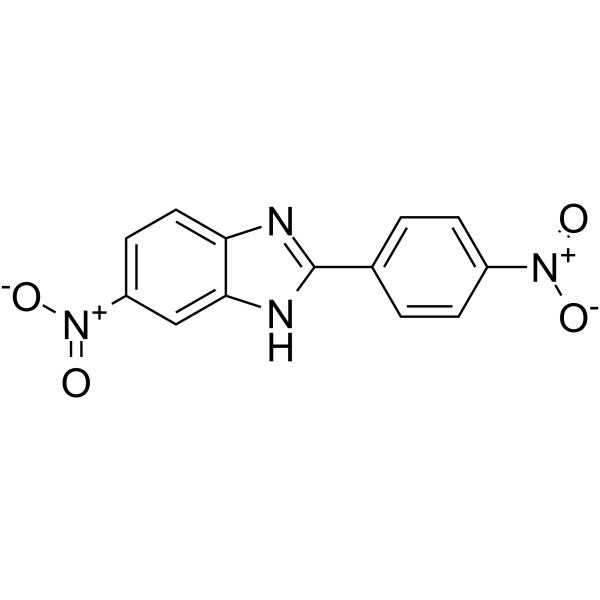
MMP2-IN-2 (compound 42) is a potent and selective MMP-2 (matrix metalloproteinases) inhibitor, with an IC50 of 4.2 μM. MMP2-IN-2 also shows inhibitory activity against MMP-13, MMP-9 and MMP-8, with IC50 values of 12, 23.3, and 25 μM, respectively .
|
-
-
- HY-117970
-
|
|
MMP
|
Cardiovascular Disease
|
|
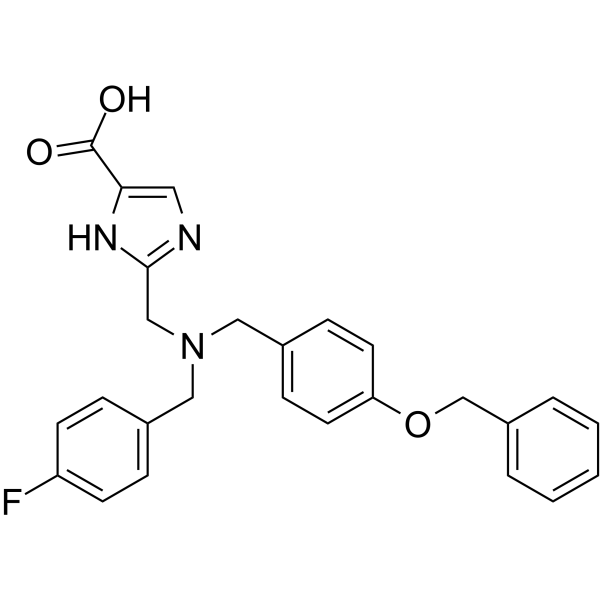
MMPI-1154 is a promising novel cardio-cytoprotective imidazole-carboxylic acid (ICA) MMP-2 inhibitor(IC50=6.6 μM) and can be used for the study of acute myocardial infarction. MMPI-1154 also inhibits the activity of MMP-13, MMP-1 and MMP-9 with IC50s of 1.8 μM,10 μM, and 13 μM, respectively .
|
-
-
- HY-N2503
-
|
|
Apoptosis
MMP
|
Inflammation/Immunology
|
|
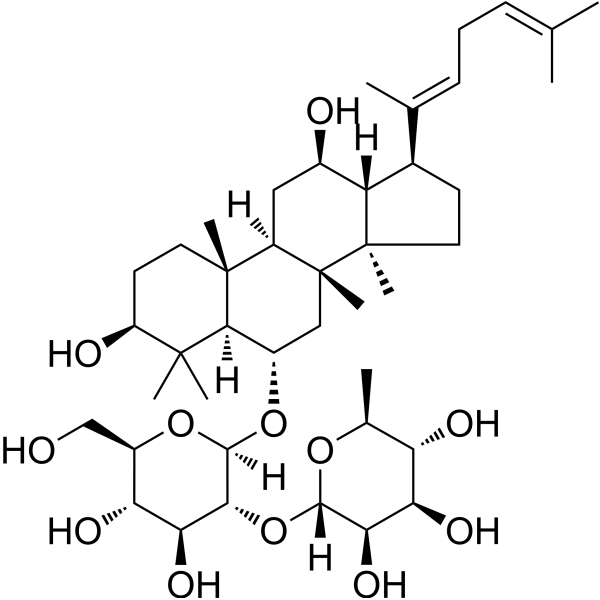
Ginsenoside F4 (GF4), ginseng saponinis, isolated from notoginseng or red ginseng. Ginsenoside F4 (GF4) has inhibitory effect on human lymphocytoma JK cell by inducing its apoptosis .
Ginsenoside F4 (GF4) inhibits matrix metalloproteinase 13 (MMP 13) expression in IL-1β-treated chondrocytes and blocks cartilage breakdown in rabbit cartilage tissue culture, shows therapeutic potential for preventing cartilage collagen matrix breakdown in diseased tissues .
|
-
-
- HY-114091
-
|
|
MMP
|
Inflammation/Immunology
|
|
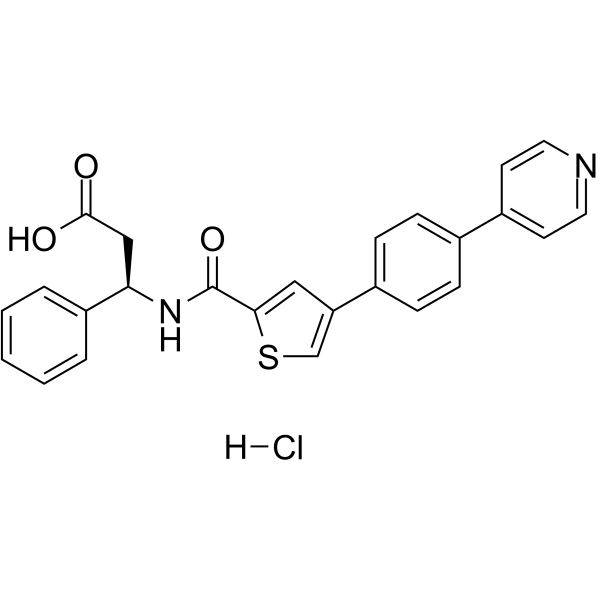
PF-00356231 hydrochloride is a specific, non-peptidic, non-zinc chelating ligand and inhibitor of matrix metalloproteinase MMP-12 (IC50=1.4 μM). PF-00356231 hydrochloride binds to MMP-12 and forms PF-00356231/MMP-12 complex. PF-00356231 hydrochloride shows potency against MMP-13, MMP-8, MMP-9, MMP-3 with IC50s of 0.00065, 1.7, 0.98, 0.39 μM, respectively .
|
-
-
- HY-120505
-
|
|
ERK
p38 MAPK
|
Inflammation/Immunology
|
|
ITZ-1 is an orally active and selective extracellular signal-regulated kinase (ERK)-mitogen-activated protein kinase (MAPK) pathway inhibitor with an IC50 of 0.51 μM for inhibiting interleukin-1β (IL-1β)-induced matrix metalloproteinase-13 (MMP-13) production. ITZ-1 reduces MMP-13 expression and suppresses nitric oxide (NO)-induced chondrocyte apoptosi. ITZ-1 is promising for research of osteoarticular diseases .
|
-

-
- HY-112160
-
|
|
MMP
|
Cardiovascular Disease
|
|
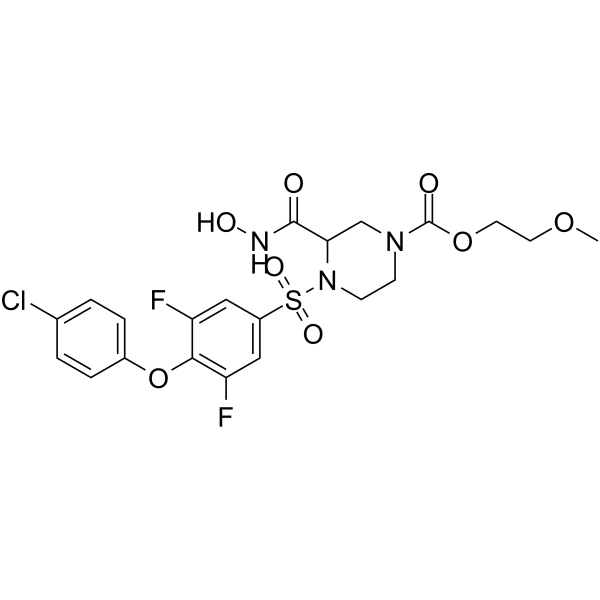
XL-784 free base is a selective matrix metalloproteinases (MMP) inhibitor, with IC50s of ~1900, 0.81, 120, 10.8, 18, 0.56 nM for MMP-1, MMP-2, MMP-3, MMP-8, MMP-9 and MMP-13, respectively .
|
-
-
- HY-N1454R
-
|
Apigenin 7-O-glucuronide (Standard)
|
Reference Standards
MMP
|
Cancer
|
|
Apigenin-7-glucuronide (Standard) is the analytical standard of Apigenin-7-glucuronide. This product is intended for research and analytical applications. Apigenin-7-glucuronide could inhibit Matrix Metalloproteinases (MMP) activities, with IC50s of 12.87, 22.39, 17.52, 0.27 μM for MMP-3, MMP-8, MMP-9, MMP-13, respectively.
|
-

-
- HY-14237
-
|
|
MMP
|
Inflammation/Immunology
Cancer
|
|
SC-77964 is a potent, selective and orally active matrix metalloprotease (MMP) inhibitor. SC-77964 shows IC50 values < 0.1 nM against MMP-2, MMP-9, and MMP-13. SC-77964 can be used for the research of cancer and inflammation, such as melanoma .
|
-

-
- HY-107640
-
|
|
MMP
|
Cancer
|
|
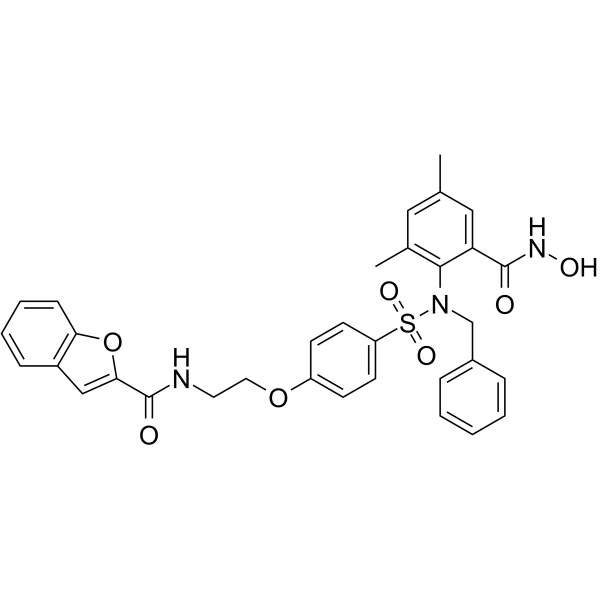
WAY-170523 is a potent and selective MMP-13 (matrix metalloproteinase-13) inhibitor, with an IC50 of 17 nM. WAY-170523 can directly attenuate ERK1/2 phosphorylation. WAY-170523 inhibits the invasion of PC-3 cells, can be used for prostate cancer research .
|
-
-
- HY-N1463R
-
|
Luteolin 7-glucuronide (Standard)
|
Reference Standards
MMP
|
Neurological Disease
Inflammation/Immunology
|
|
Luteolin 7-O-glucuronide (Standard) is the analytical standard of Luteolin 7-O-glucuronide. This product is intended for research and analytical applications. Luteolin 7-O-glucuronide could inhibit Matrix Metalloproteinases (MMP) activities, with IC50s of 17.63, 7.99, 11.42, 12.85, 0.03 μM for MMP-1, MMP-3, MMP-8, MMP-9, MMP-13, respectively .
|
-

-
- HY-12270R
-
|
|
AP-1
MMP
|
Others
|
|
T-5224 (Standard) is the analytical standard of T-5224. This product is intended for research and analytical applications. T-5224 is a transcription factor c-Fos/activator protein (AP)-1 inhibitor with anti-inflammatory effects, which specifically inhibits the DNA binding activity of c-Fos/c-Jun without affecting other transcription factors. T-5224 inhibits the IL-1β-induced up-regulation of Mmp-3, Mmp-13 and Adamts-5 transcription .
|
-

-
- HY-110397G
-
|
|
MMP
|
Cardiovascular Disease
|
|
KP-457 (GMP) is KP-457 (HY-110397) produced by using GMP guidelines. GMP small molecules work appropriately as an auxiliary reagent for cell therapy manufacture.KP-457 is a selective a disintegrin and metalloproteinase 17 (ADAM17) inhibitor, with higher selectivity for ADAM17 than for other MMPs and ADAM10, and IC50s are 11.1 nM (ADAM17), 748 nM (ADAM10), 717 nM (MMP2), 9760 nM (MMP3), 2200 nM (MMP8), 5410 nM (MMP9), 930 nM (MMP13), 2140 nM (MMP14), and 7100 nM (MMP17), respectively .
|
-

-
- HY-149377
-
|
|
MMP
|
Metabolic Disease
|
|
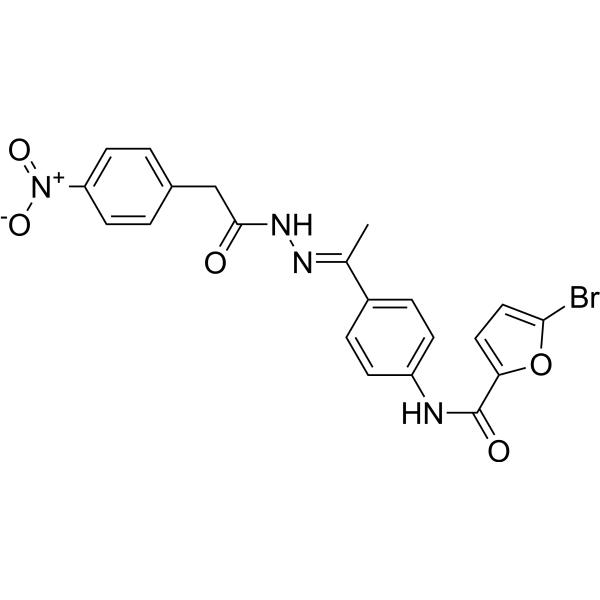
MMP13-IN-4 (compound 13) is a potent and selective inhibitor of MMP-13 (IC50=14.6 μM),involved in osteoarthritis (OA) .
|
-
-
- HY-110046
-
|
|
MMP
|
Others
|
|
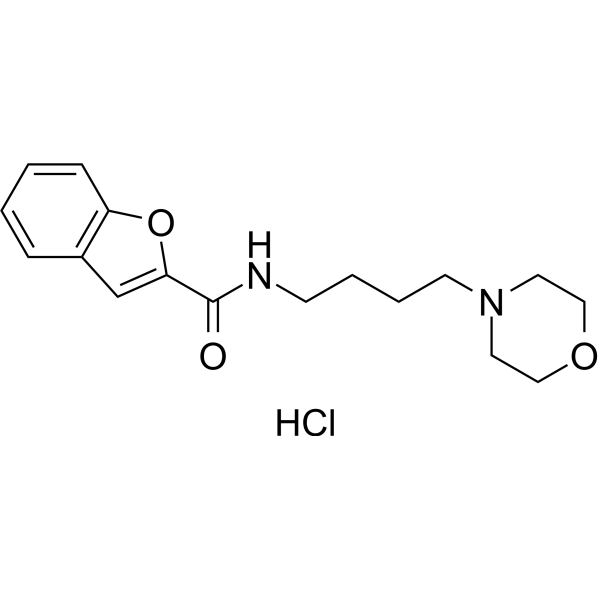
CL-82198 hydrochloride is a selective inhibitor of MMP-13. CL-82198 hydrochloride binds to the entire S1’ pocket of MMP-13, which is the basis of its selectivity against MMP-1, MMP-9, and TACE .
|
-
-
- HY-154868
-
|
|
MMP
|
Cardiovascular Disease
Cancer
|
|
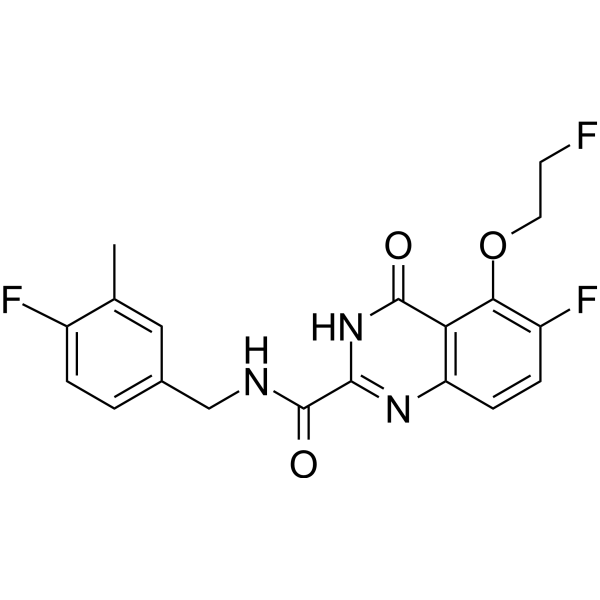
MMP-13-IN-1 is a potent and selective inhibitor of MMP-13 with a IC50 value of 16 nM. MMP-13-in-1 can be used for atherosclerosis research .
|
-
-
- HY-107013
-
|
|
MMP
|
Inflammation/Immunology
|
|
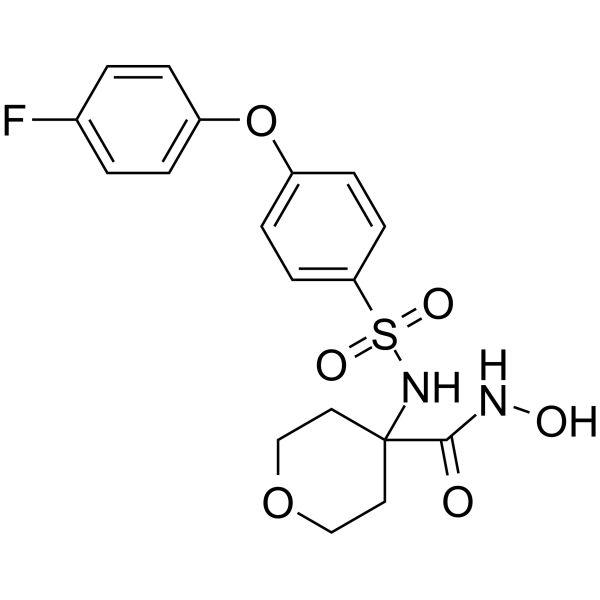
CP-544439 is a potent and orally active matrix metalloproteinase-13 (MMP-13) inhibitor with an IC50 of 0.75 nM .
|
-
-
- HY-129699
-
-

-
- HY-119185
-
|
|
Endogenous Metabolite
|
Cancer
|
|
AZD-6605 is a potent, reversible inhibitor of MMP2, MMP9, MMP12 and MMP13 with excellent selectivity. During drug development, AZD-6605 was optimized for activity, solubility and DMPK properties against MMP13 by replacing the zinc hydroxide binding group associated with historical inhibitors .
|
-

-
- HY-123438
-
|
|
MMP
|
Others
|
|
WAY-151693, sulfonamide derivative of a hydroxamic acid, acts as a potent inhibitor of MMP13 in virtual screening .
|
-

-
- HY-149378
-
|
|
MMP
|
Metabolic Disease
|
|
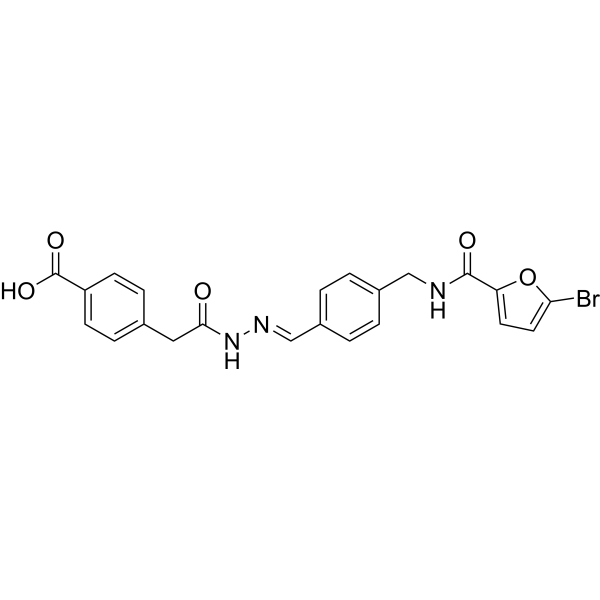
MMP13-IN-5 (compound 13m) is a potent and selective inhibitor of MMP-2/MMP-13 (IC50=3.6 μM/14.6 μM),involved in osteoarthritis (OA) .
|
-
-
- HY-114396
-
|
|
MMP
|
Cancer
|
|
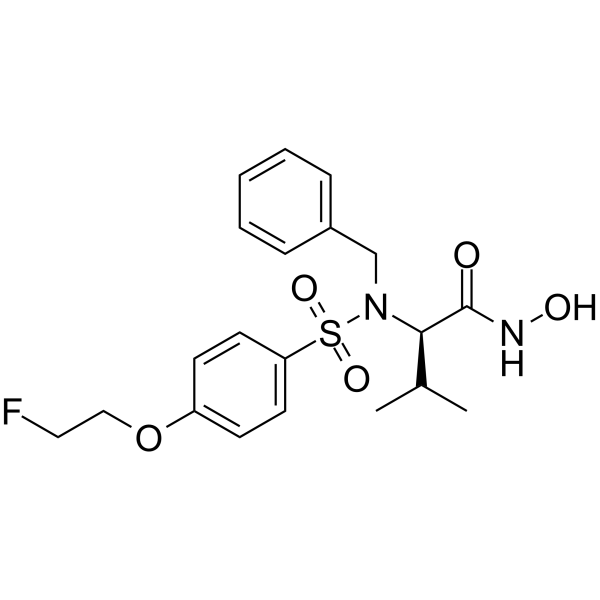
BR351 is a brain penetrant MMP inhibitor with IC50s of 4, 2, 11, 50 nM for MMP2, MMP8, MMP9 and MMP13, respectively .
|
-
-
- HY-100518A
-
|
|
MMP
|
Inflammation/Immunology
|
|
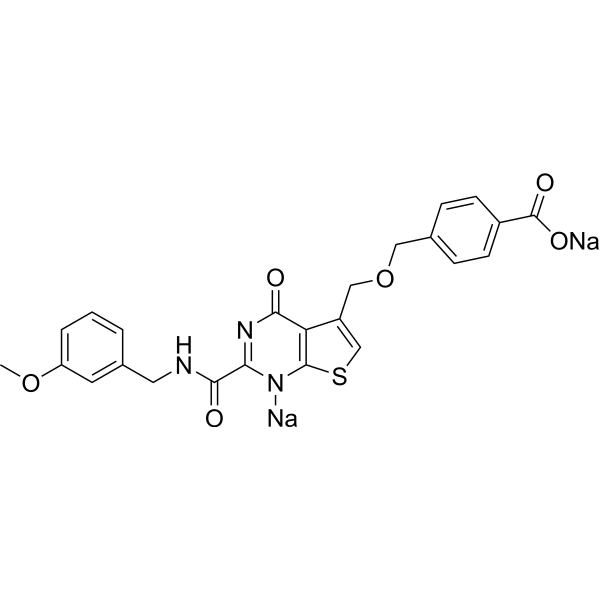
T26c sodium is a potent and selective MMP13 inhibitor with IC50 value of 6.9 pM. T26c sodium can inhibit the degradation of bovine nasal septal cartilage explants .
|
-
-
- HY-43586
-
|
|
MMP
|
Cancer
|
|
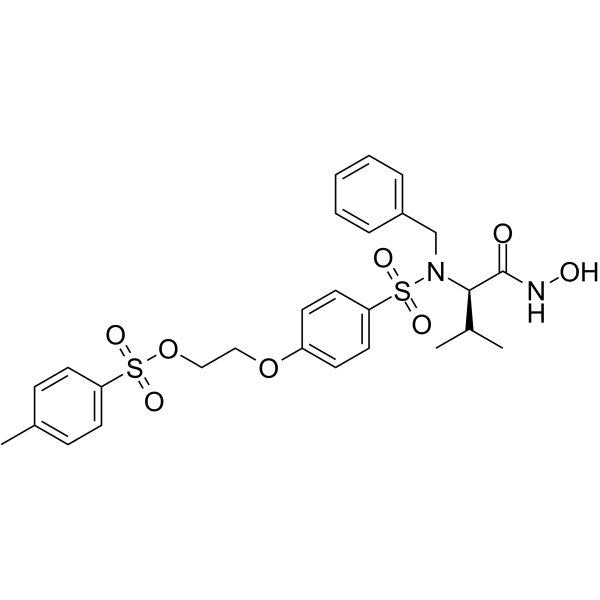
BR351 precursor is a precursor of BR351. BR351 is a brain penetrant MMP inhibitor with IC50s of 4, 2, 11, 50 nM for MMP2, MMP8, MMP9 and MMP13, respectively .
|
-
-
- HY-110116
-
|
|
MMP
|
Cardiovascular Disease
Inflammation/Immunology
Cancer
|
|
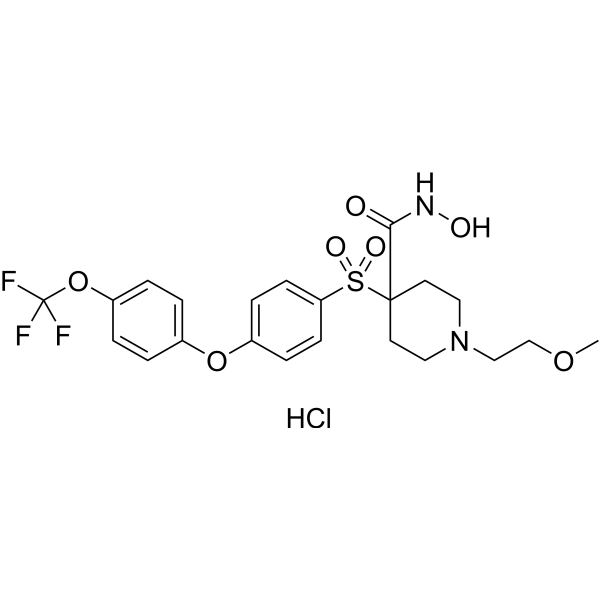
SD-2590 hydrochloride is a potent MMP inhibitor with IC50 values of ﹤0.1, ﹤0.1, 0.18, and 1.7 nM for MMP2, MMP13, MMP9, and MMP8, respectively. SD-2590 hydrochloride inhibits dilation of the left ventricle in rats .
|
-
- HY-153913
-
|
|
MMP
|
Inflammation/Immunology
|
|
MMP-9-IN-7 is a potent MMP9 inhibitor with an IC50 of 0.52 μM in proMMP9/MMP3 P126 activation assay. MMP-9-IN-7 is extracted from patent WO2012162468 (example 59), and can be used for MMP9/MMP13 mediated syndrome research .
|
-
- HY-12168B
-
|
(Rac)-BAY 12-9566
|
MMP
|
Cancer
|
|
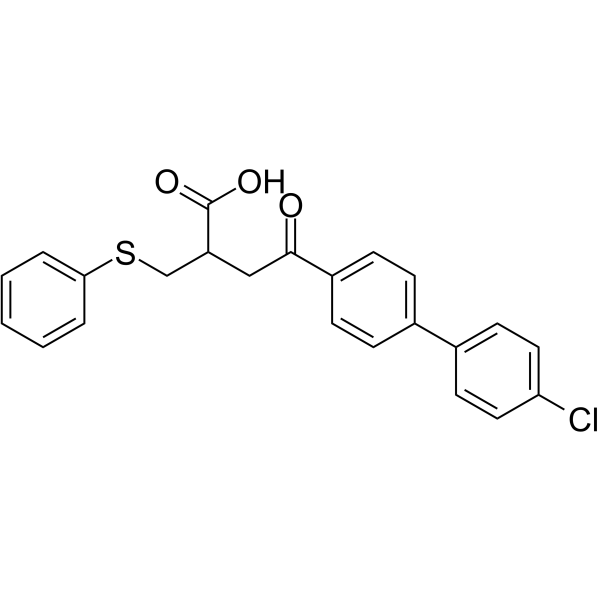
(Rac)-Tanomastat ((Rac)-BAY 12-9566) is the racemate of Tanomastat. Tanomastat (BAY 12-9566) is an orally bioavailable, non-peptidic biphenyl matrix metalloproteinases (MMPs) inhibitor with a Zn-binding carboxyl group. The Ki values are 11, 143, 301, and 1470 nM for MMP-2, MMP-3, MMP-9, MMP-13 respectively. Tanomastat shows anti-invasive and antimetastatic activity in several experimental tumor models .
|
-
- HY-W670700
-
|
|
MMP
|
Others
|
|
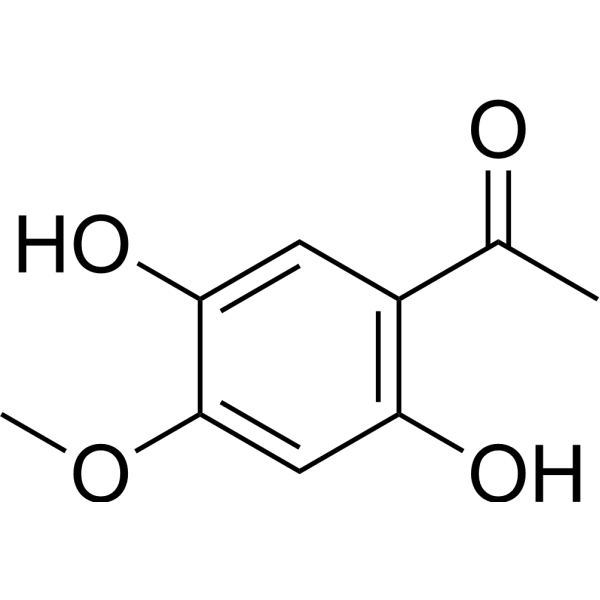
2,5-Dihydroxy-4-methoxyacetophenone (compounds 3) can be isolated from the 80% methanol extract of roots of Cynanchum paniculatum Kitagawa. 2,5-Dihydroxy-4-methoxyacetophenone inhibits glutamate-induced cytotoxicity in hippocampal HT22 cell line . 2,5-Dihydroxy-4-methoxyacetophenone significantly inhibites MMP-13 expression in SW1353 cells, and have the potential for alleviating cartilage degradation .
|
-
- HY-N2350R
-
|
|
Reference Standards
MMP
NF-κB
TNF Receptor
|
Cancer
|
|
Cynaropicrin (Standard) is the analytical standard of Cynaropicrin. This product is intended for research and analytical applications. Cynaropicrin is a sesquiterpene lactone which can inhibit tumor necrosis factor (TNF-α) release with IC50s of 8.24 and 3.18 μM for murine and human macrophage cells, respectively. Cynaropicrin also inhibits the increase of cartilage degradation factor (MMP13) and suppresses NF-κB signaling.
|
-

- HY-N13208
-
|
|
MMP
TGF-beta/Smad
|
Others
|
Stevia Powder is a natural sweetener with antioxidant activity. Stevia Powder can downregulate pro fibrotic pathways in cirrhotic rats, including reduced hepatic myofibroblasts and decreased expression of matrix metalloproteinases MMP2 and MMP13, upregulate anti fibrotic molecule Smad7, prevent serum necrosis and elevated bile stasis markers, thereby inhibiting the development of liver fibrosis .
|
-

- HY-164525
-
|
SC-81490; PF-02881307
|
MMP
|
Cancer
|
|
SD-7300 (SC-81490) is an orally active inhibitor of MMP-2, MMP-9, and MMP-13 with Ki values ??of 0.03, 0.01, and 0.03 nM, respectively. SD-7300 can reduce the degradation of extracellular matrix by tumor cells, thereby inhibiting the invasion and metastasis of tumor cells. In addition, SD-7300 is also a dose-dependent inhibitor of mouse corneal angiogenesis and an inhibitor of interleukin-1-induced bovine cartilage degradation. SD-7300 can be used in breast cancer research .
|
-

- HY-162902
-
|
|
TGF-β Receptor
|
Cardiovascular Disease
|
|
ALK5-IN-82 is a potent and selective inhibitor against activin receptor-like kinase 5 (ALK5) with an IC50 value of 9.1 nM. ALK5-IN-82 inhibits the protein expression of α-smooth muscle actin (α-SMA), collagen I and tissue inhibitor of metalloproteinase 1 (TIMP-1)/matrix metalloproteinase 13 (MMP-13) in transforming growth factor-β-induced human umbilical vein endothelial cells. ALK5-IN-82 is promising for research of cardiac fibrosis .
|
-

- HY-114091A
-
|
|
MMP
|
Inflammation/Immunology
|
|
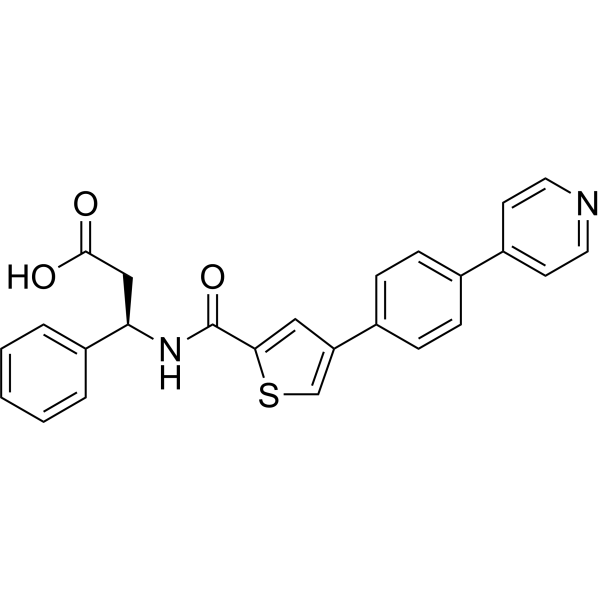
PF-00356231 hydrochloride is a specific, non-peptidic, non-zinc chelating ligand and inhibitor of matrix metalloproteinase MMP-12 (IC50=1.4 μM). PF-00356231 hydrochloride binds to MMP-12 and forms PF-00356231/MMP-12 complex. PF-00356231 hydrochloride shows potency against MMP-13, MMP-8, MMP-9, MMP-3 with IC50s of 0.00065, 1.7, 0.98, 0.39 μM, respectively .
|
-
- HY-113621B
-
|
|
Fluorescent Dye
MMP
|
Cancer
|
|
Ageladine A dihydrochloride is an inhibitor of matrix metalloproteinase (MMP) isolated from the marine sponge Agelas nakamurai, possessing anti-angiogenic activity. Ageladine A dihydrochloride not only inhibits MMP-2 but also MMP-1, MMP-8, MMP-9, MMP-12, and MMP-13, with IC50 values of 4.65 μM, 2.79 μM, 907.12 nM, 1.83 μM, 767.57 nM, and 1.09 μM, respectively. Additionally, Ageladine A dihydrochloride is a pH-sensitive membrane-permeable dye that emits fluorescence in the blue-green range upon UV excitation, featuring a maximum absorption peak at 370 nm. Furthermore, Ageladine A dihydrochloride serves as a reliable and stable fluorescent pH sensor for detecting changes in intracellular pH values .
|
-

- HY-181698
-
|
|
MMP
|
Inflammation/Immunology
|
|
MMP13-IN-6 (Compound 10a) is a MMP-13 inhibitor with a Ki value of 40 nM against hMMP-13. MMP13-IN-6 can be used in the research of osteoarthritis and rheumatoid arthritis .
|
-

- HY-N1508R
-
|
|
Reference Standards
MMP
Apoptosis
Autophagy
NF-κB
TNF Receptor
COX
Toll-like Receptor (TLR)
SOD
ASK1
JNK
|
Cardiovascular Disease
Inflammation/Immunology
Endocrinology
Cancer
|
|
Ecliptasaponin A (Standard) is the analytical standard for Ecliptasaponin A (HY-N1508). Ecliptasaponin A is an orally active pentacyclic triterpenoid saponin. Ecliptasaponin A exerts anti-tumor activity by activating ASK1/JNK pathway, inducing apoptosis and autophagy in lung cancer cells. Ecliptasaponin A exerts anti-inflammatory/anti-fibrotic effects and protects the cardiovascular system by inhibiting the HMGB1/TLR4/NF-κB pathway, and the expression of COX-2 and MMP-9. Ecliptasaponin A can enhance SOD activity, reduce MDA levels, and alleviate oxidative stress damage. Ecliptasaponin A exerts chondroprotective effects by inhibiting the expression of MMP13 and regulating inflammatory factors. Ecliptasaponin A improves ovarian function and regulates sex hormones by upregulating the expression of ESR1 receptors.
|
-

- HY-100518R
-
|
|
MMP
Reference Standards
|
Inflammation/Immunology
|
|
T-26c (Standard) is the analytical standard of T-26c (HY-100518). This product is intended for research and analytical applications. T-26c, a chemical probe, is highly potent and selective matrix metalloproteinase-13 (MMP-13) inhibitor with an IC50 of 6.75 pM and more than 2600-fold selectivity over the other related metalloenzymes .
|
-

- HY-10398R
-
|
Ro 1130830 (Standard); RS 130830 (Standard)
|
Reference Standards
MMP
|
Cancer
|
|
CTS-1027 (Standard) is the analytical standard of CTS-1027 (HY-10398). This product is intended for research and analytical applications. CTS-1027 is a potent small molecule inhibitor of MMPs, with IC50s of 0.3 nM, 0.5 nM for MMP2, MMP13, respectively, and has > 1,000 fold selectivity over MMP1.
|
-

- HY-12270S
-
|
|
Isotope-Labeled Compounds
AP-1
MMP
|
Inflammation/Immunology
|
|
T-5224-d8 is the deuterium labeled T-5224 (HY-12270). T-5224 is a transcription factor c-Fos/activator protein (AP)-1 inhibitor with anti-inflammatory effects, which specifically inhibits the DNA binding activity of c-Fos/c-Jun without affecting other transcription factors. T-5224 inhibits the IL-1β-induced up-regulation of Mmp-3, Mmp-13 and Adamts-5 transcription .
|
-

- HY-119138
-
|
|
p38 MAPK
MMP
PGE synthase
|
Inflammation/Immunology
|
|
R-130823 is an orally active, highly selective p38α inhibitor with an IC50 of 22 nM against p38α, an IC50 of 820 nM against p38β, and no activity against p38γ or p38δ. R-130823 downregulates downstream cartilage degradation and inflammatory mediators, and inhibits the release of MMP-13, MMP-1 and PGE2. R-130823 reduces hind paw swelling, improves hyperalgesia, and blocks arthritis progression. R-130823 is applicable to research related to osteoarthritis and rheumatoid arthritis .
|
-

- HY-100113A
-
|
AT2 receptor agonist C21 hydrochloride
|
Angiotensin Receptor
p38 MAPK
TGF-β Receptor
TGF-beta/Smad
MMP
|
Cardiovascular Disease
Neurological Disease
Inflammation/Immunology
|
Buloxibutid (AT2 receptor agonist C21) hydrochloride is an orally active, selective angiotensin II type 2 receptor (AT2R) agonist, with a Ki value of 0.4 nM for porcine AT2R. Buloxibutid hydrochloride exerts vasodilatory, anti-inflammatory, antifibrotic (promoting the expression of collagenase MMP-13) and tissue repair effects mainly by activating the NO/cGMP pathway, inhibiting the pro-proliferative MAPK signaling, and suppressing the pro-fibrotic TGF-β/Smad pathway and inflammatory NF-κB pathway. Buloxibutid hydrochloride can be used in research related to idiopathic pulmonary fibrosis, hypertension, systemic sclerosis and other conditions .
|
-

- HY-107428R
-
|
|
Reference Standards
MMP
|
Cardiovascular Disease
|
|
PD-166793 (Standard) is the analytical standard of PD-166793 (HY-107428). This product is intended for research and analytical applications. PD-166793 is a potent, selective, orally active and wide-broad spectrum inhibitor of MMP, exhibiting nanomolar potency against MMP-2, MMP-3 and MMP-13 (IC50=4, 7, and 8 nM, respectively) and micromolar potency vs MMP-1, -7 and -9 (IC50=6.0, 7.2, and 7.9 μM, respectively). PD-166793 can attenuate left ventricular remodeling and dysfunction in a rat model of progressive heart failure .
|
-

- HY-100113R
-
|
AT2 receptor agonist C21 (Standard)
|
Angiotensin Receptor
Reference Standards
p38 MAPK
TGF-beta/Smad
TGF-β Receptor
MMP
|
Cardiovascular Disease
Neurological Disease
Inflammation/Immunology
|
|
Buloxibutid (AT2 receptor agonist C21) (Standard) is the analytical standard of Buloxibutid (HY-100113). This product is intended for research and analytical applications. Buloxibutid is an orally active, selective angiotensin II type 2 receptor (AT2R) agonist, with a Ki value of 0.4 nM for porcine AT2R. Buloxibutid exerts effects such as vasodilation, anti-inflammation, anti-fibrosis (promoting the expression of collagenase MMP-13) and tissue repair mainly by activating the NO/cGMP pathway, inhibiting the pro-proliferative MAPK signaling, and suppressing the pro-fibrotic TGF-β/Smad pathway as well as the inflammatory NF-κB pathway. Buloxibutid can be used in research related to idiopathic pulmonary fibrosis, hypertension, and systemic sclerosis.
|
-

| Art. -Nr. |
Produktname |
Type |
-
- HY-110397G
-
|
|
Fluorescent Dyes
|
|
KP-457 (GMP) is KP-457 (HY-110397) produced by using GMP guidelines. GMP small molecules work appropriately as an auxiliary reagent for cell therapy manufacture.KP-457 is a selective a disintegrin and metalloproteinase 17 (ADAM17) inhibitor, with higher selectivity for ADAM17 than for other MMPs and ADAM10, and IC50s are 11.1 nM (ADAM17), 748 nM (ADAM10), 717 nM (MMP2), 9760 nM (MMP3), 2200 nM (MMP8), 5410 nM (MMP9), 930 nM (MMP13), 2140 nM (MMP14), and 7100 nM (MMP17), respectively .
|
| Art. -Nr. |
Produktname |
Type |
-
- HY-110397G
-
|
|
Biochemical Assay Reagents
|
|
KP-457 (GMP) is KP-457 (HY-110397) produced by using GMP guidelines. GMP small molecules work appropriately as an auxiliary reagent for cell therapy manufacture.KP-457 is a selective a disintegrin and metalloproteinase 17 (ADAM17) inhibitor, with higher selectivity for ADAM17 than for other MMPs and ADAM10, and IC50s are 11.1 nM (ADAM17), 748 nM (ADAM10), 717 nM (MMP2), 9760 nM (MMP3), 2200 nM (MMP8), 5410 nM (MMP9), 930 nM (MMP13), 2140 nM (MMP14), and 7100 nM (MMP17), respectively .
|
| Art. -Nr. |
Produktname |
Category |
Target |
Chemical Structure |
-
- HY-N1463
-
|
Luteolin 7-glucuronide
|
Structural Classification
Flavonoids
other families
Classification of Application Fields
Flavones
Other Diseases
Phenols
Polyphenols
Plants
Disease Research Fields
Source Classification
|
MMP
|
|
Luteolin 7-O-glucuronide could inhibit Matrix Metalloproteinases (MMP) activities, with IC50s of 17.63, 7.99, 11.42, 12.85, 0.03 μM for MMP-1, MMP-3, MMP-8, MMP-9, MMP-13, respectively .
|
-
-
- HY-N1454
-
-
-
- HY-N2350
-
-
-
- HY-N1508
-
-
-
- HY-N2503
-
-
-
- HY-N1454R
-
-
-
- HY-N1463R
-
|
Luteolin 7-glucuronide (Standard)
|
Structural Classification
Flavonoids
other families
Flavones
Phenols
Polyphenols
Plants
Source Classification
|
Reference Standards
MMP
|
|
Luteolin 7-O-glucuronide (Standard) is the analytical standard of Luteolin 7-O-glucuronide. This product is intended for research and analytical applications. Luteolin 7-O-glucuronide could inhibit Matrix Metalloproteinases (MMP) activities, with IC50s of 17.63, 7.99, 11.42, 12.85, 0.03 μM for MMP-1, MMP-3, MMP-8, MMP-9, MMP-13, respectively .
|
-
-
- HY-W670700
-
-
-
- HY-N2350R
-
-
-
- HY-N1508R
-
|
|
Triterpenes
Structural Classification
other families
Terpenoids
Plants
Source Classification
|
Reference Standards
MMP
Apoptosis
Autophagy
NF-κB
TNF Receptor
COX
Toll-like Receptor (TLR)
SOD
ASK1
JNK
|
|
Ecliptasaponin A (Standard) is the analytical standard for Ecliptasaponin A (HY-N1508). Ecliptasaponin A is an orally active pentacyclic triterpenoid saponin. Ecliptasaponin A exerts anti-tumor activity by activating ASK1/JNK pathway, inducing apoptosis and autophagy in lung cancer cells. Ecliptasaponin A exerts anti-inflammatory/anti-fibrotic effects and protects the cardiovascular system by inhibiting the HMGB1/TLR4/NF-κB pathway, and the expression of COX-2 and MMP-9. Ecliptasaponin A can enhance SOD activity, reduce MDA levels, and alleviate oxidative stress damage. Ecliptasaponin A exerts chondroprotective effects by inhibiting the expression of MMP13 and regulating inflammatory factors. Ecliptasaponin A improves ovarian function and regulates sex hormones by upregulating the expression of ESR1 receptors.
|
-
| Art. -Nr. |
Produktname |
Chemical Structure |
-
- HY-12270S
-
|
|
|
T-5224-d8 is the deuterium labeled T-5224 (HY-12270). T-5224 is a transcription factor c-Fos/activator protein (AP)-1 inhibitor with anti-inflammatory effects, which specifically inhibits the DNA binding activity of c-Fos/c-Jun without affecting other transcription factors. T-5224 inhibits the IL-1β-induced up-regulation of Mmp-3, Mmp-13 and Adamts-5 transcription .
|
-
| Art. -Nr. |
Produktname |
Target |
Forschungsgebiete |
Chemical Structure |
-
- HY-110397G
-
|
|
MMP
|
Cardiovascular Disease
|
|
KP-457 (GMP) is KP-457 (HY-110397) produced by using GMP guidelines. GMP small molecules work appropriately as an auxiliary reagent for cell therapy manufacture.KP-457 is a selective a disintegrin and metalloproteinase 17 (ADAM17) inhibitor, with higher selectivity for ADAM17 than for other MMPs and ADAM10, and IC50s are 11.1 nM (ADAM17), 748 nM (ADAM10), 717 nM (MMP2), 9760 nM (MMP3), 2200 nM (MMP8), 5410 nM (MMP9), 930 nM (MMP13), 2140 nM (MMP14), and 7100 nM (MMP17), respectively .
|
-
Your information is safe with us. * Required Fields.
Inquiry Information
- Produktname:
- Art. -Nr.:
- Menge:
- MCE Japan Authorized Agent:








