Search Result
Results for "
NCI-H460 cells
" in MedChemExpress (MCE) Product Catalog:
1
Biochemical Assay Reagents
| Cat. No. |
Product Name |
Target |
Research Areas |
Chemical Structure |
-
- HY-N0171A
-
|
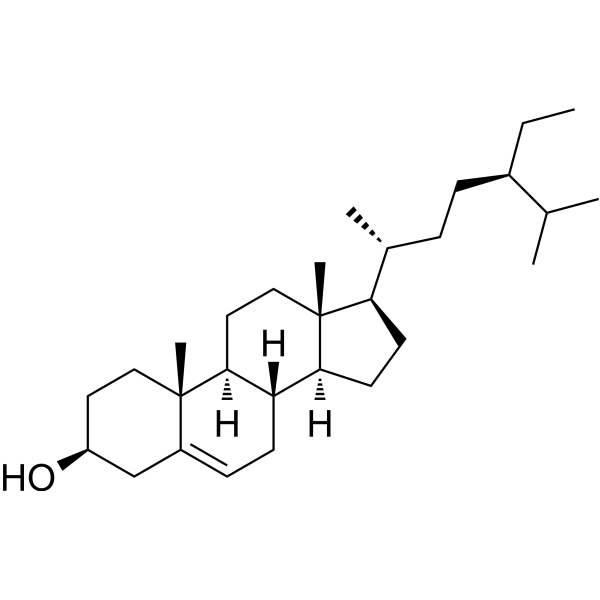
β-Sitosterol (purity>98%); 22,23-Dihydrostigmasterol (purity>98%)
|
Bacterial
Apoptosis
Reactive Oxygen Species (ROS)
MDM-2/p53
Caspase
PARP
MMP
Bcl-2 Family
HIF/HIF Prolyl-Hydroxylase
TNF Receptor
Interleukin Related
NF-κB
mTOR
Lactate Dehydrogenase
CDK
Glutathione Peroxidase
SOD
|
Infection
Cardiovascular Disease
Inflammation/Immunology
Cancer
|
|
Beta-Sitosterol (purity>98%) is orally active. Beta-Sitosterol exhibits multiple activities, including anti-inflammatory, anticancer, antioxidant, antimicrobial, antidiabetic, antioxidant enzyme, and analgesic. Beta-Sitosterol inhibits inflammation and impaired adipogenesis in bovine mammary epithelial cells by reducing levels of ROS, TNF-α, IL-1β, and NF-κB p65 and restoring the activity of the HIF-1α/mTOR signaling pathway. Beta-Sitosterol induces apoptosis in cancer cells through ROS-mediated mitochondrial dysregulation and p53 activation. Beta-Sitosterol exerts its anticancer effects in cancer cells by activating caspase-3, caspase-8, and caspase-9, mediating PARP inactivation, MMP loss, altered Bcl-2-Bax ratio, and cytochrome c release. Beta-Sitosterol modulates macrophage polarization and reduces rheumatoid inflammation in mice. Beta-Sitosterol inhibits tumor growth in multiple mouse cancer models. Beta-Sitosterol can be used in the research of arthritis, lung cancer, breast cancer and other cancers, diabetes, etc .
|
-
-
- HY-N10503
-
|
|
Tyrosinase
Ras
Raf
MAPKAPK2 (MK2)
Apoptosis
|
Cancer
|
|
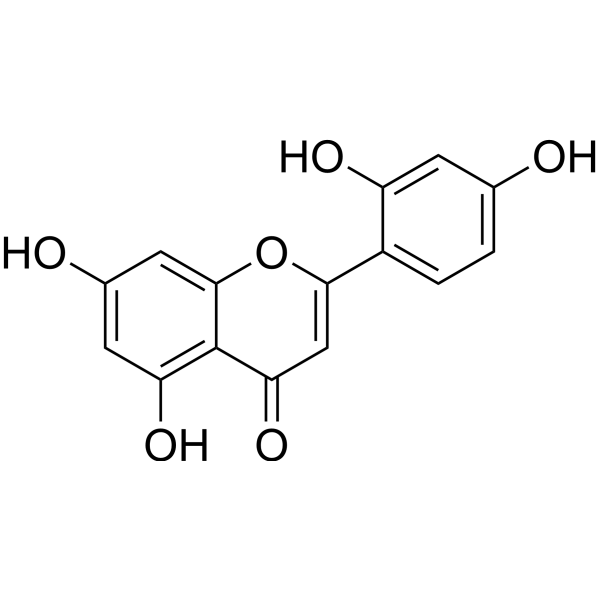
Norartocarpetin is a tyrosinase inhibitor. Norartocarpetin has strong tyrosinase inhibitory activity with an IC50 value of 0.47 μM. Norartocarpetin as an antibrowning agent can be used for the research of food systems. Norartocarpetin also has a significant anticancer activity in lung carcinoma cells (NCI-H460) with an IC50 value of 22 μM. Norartocarpetin has antiproliferative effects are mediated via targeting Ras/Raf/MAPK signalling pathway, mitochondrial mediated apoptosis, S-phase cell cycle arrest and suppression of cell migration and invasion in human lung carcinoma cells .
|
-
-
- HY-N6605
-
|
Trifolin
|
Apoptosis
|
Cardiovascular Disease
Cancer
|
|
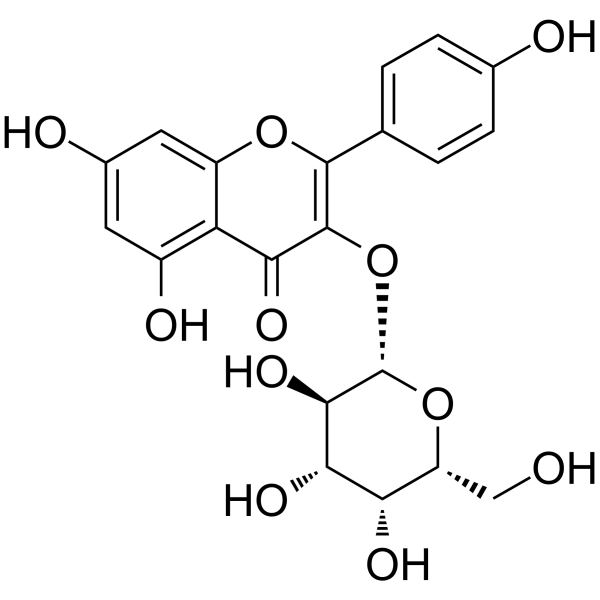
Kaempferol 3-O-β-D-galactopyranoside (Trifolin) is an orally active flavonoid derivative that can be found in the aerial parts of Consolida oliverana. Kaempferol 3-O-β-D-galactopyranoside exhibits antitumor and cardioprotective effects .
|
-
-
- HY-P991501
-
|
HcHAb18
|
ADC Antibody
Transmembrane Glycoprotein
SARS-CoV
|
Infection
Cancer
|
|
Meplazumab (HcHAb18) is a humanized anti-CD147 IgG1 antibody a Kd of 0.47 nM. Meplazumab shows anti-SARS-CoV-2 and antitumor activity. Meplazumab conjugated with DM1 can form an antibody-conjugated drug ( HcHAb18-DM1), which induces G2/M phase cell cycle arrest and exerts antiproliferative activity in cancer cells. Meplazumab can be used for the researches of COVID-19 pneumonia and non-small cell lung cancer .
|
-
-
- HY-149265
-
|
|
Reactive Oxygen Species (ROS)
TrxR
Ferroptosis
Apoptosis
Caspase
Bcl-2 Family
|
Cancer
|
|
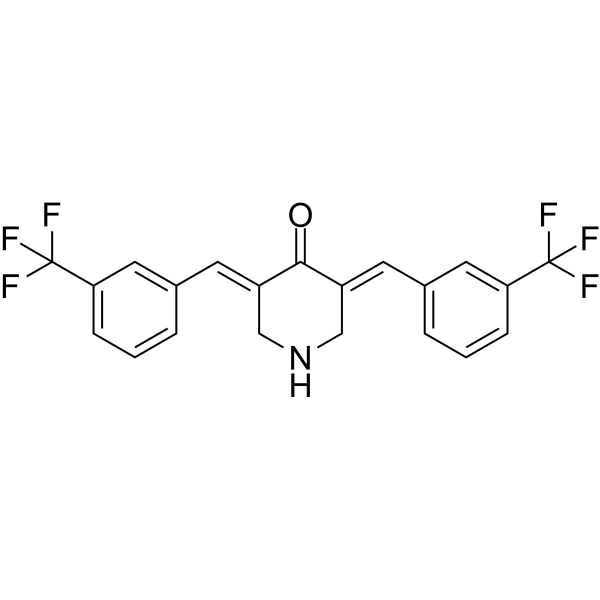
ROS-generating agent 1 is a selective ROS-generating agent. ROS-generating agent 1 inhibits TrxR activity and expression in cancer cells. ROS-generating agent 1 induces ROS-dependent apoptosis and ferroptosis in cancer cells. ROS-generating agent 1 selectively kills lung cancer cells and inhibits the growth of cancer cell xenograft tumors in nude mice. ROS-generating agent 1 can be used for the research of non-small cell lung cancer .
|
-
-
- HY-145312
-
|
|
ATM/ATR
|
Cancer
|
|
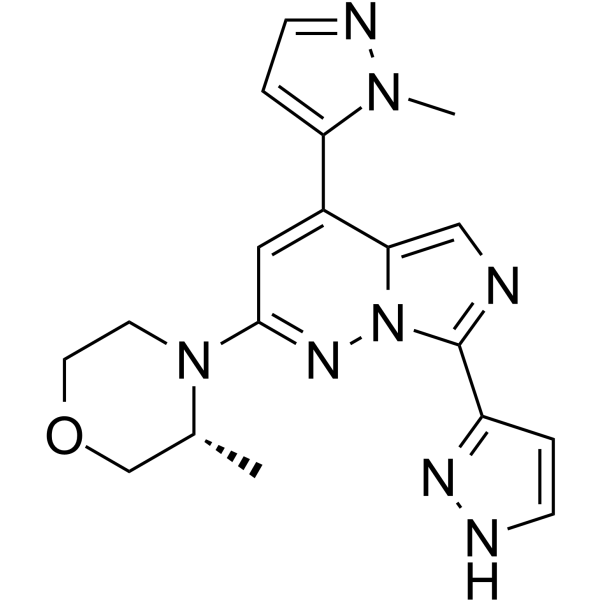
ATR-IN-4 is a potent ATR (Ataxia telangiectasia mutated gene Rad 3-associated kinase) inhibitor. ATR-IN-4 inhibits growth of human prostate cancer cells DU145 and human lung cancer cells NCI-H460 with IC50s of 130.9 nM and 41 .33 nM, respectively. (Patent CN112142744A, compound 13) .
|
-
-
- HY-143412
-
|
|
HDAC
DNA/RNA Synthesis
Apoptosis
|
Cancer
|
|
MIR002 is a potent and orally active DNA polymerase α (POLA1) and HDAC 11 dual inhibitor. MIR002 induces acetylation of p53, activation of p21, G1/S cell cycle arrest, and apoptosis. MIR002 shows significant antitumor activity in vivo .
|
-
-
- HY-P991570
-
|
AD5-10; oba-01 Antibody
|
TNF Receptor
Apoptosis
Caspase
Atg8/LC3
Akt
Beclin1
JNK
|
Cancer
|
|
Zaptuzumab (AD5-10) is a DR5-specific humanized monoclonal antibody that selectively binds to DR5 with high affinity. Zaptuzumab specifically induces cancer cell death by both caspase-apoptosis and autophagic cell death (ACD). Zaptuzumab activates both ADCC and CDC. Zaptuzumab induces ROS generation and GSH level reduction. Zaptuzumab shows a significant suppression of the tumor growth and good safety in various xenografts mice tumor models .
|
-
-
- HY-W096169D
-
|
|
Biochemical Assay Reagents
Drug Intermediate
|
Cancer
|
|
Platinum is a metallic element, and its complexes act as orally active anticancer agents. Platinum-based complexes used for tumors include Cisplatin (HY-17394), Carboplatin (HY-17393), and Oxaliplatin (HY-17371) .
|
-
-
- HY-175343
-
|
|
Ligands for E3 Ligase
|
Infection
|
|
OICR-41103 is an effective, selective, cell-active DCAF1 small molecule chemical probe that targets the DCAF1 WDR domain and replaces the viral Vpr protein. The binding Ki value of OICR-41103 and DCAF1 is less than 2 nM .
|
-
-
- HY-170995
-
|
|
PROTACs
ROR
Apoptosis
|
Cancer
|
|
PROTAC ROR1 degrader-1 is a ROR1 PROTAC degrader with DC50 values of 40.88 nM (NCI-H23), 69.0 nM (NCI-H460), 83.35 nM (NCI-H1299) and 42.07 nM (NCI-H1975), respectively. PROTAC ROR1 degrader-1 inhibits the proliferation of lung cancer cells and induces apoptosis. PROTAC ROR1 degrader-1 can be used in research related to non-small cell lung cancer .
|
-
-
- HY-101741
-
|
A-289099
|
Microtubule/Tubulin
Apoptosis
|
Cancer
|
|
A-259745 is an orally active antimitotic agent that binds to the colchicine-binding site of tubulin. A-259745 exhibits potent in vitro cytotoxic activity against both multi-drug-resistant and non-multi-drug-resistant cancer cell lines, with ED50 values of 0.018 μM against HCT-15 and 0.028 μM against NCI-H460 cell lines. A-259745 inhibits tubulin polymerization, disrupts the dynamic equilibrium of the mitotic spindle, arrests dividing cells in metaphase, and subsequently induces apoptosis. A-259745 shows dose-dependent antitumor efficacy in murine tumor models. A-259745 can be used for the study of cancer .
|
-
-
- HY-147726
-
|
|
Microtubule/Tubulin
|
Cancer
|
|
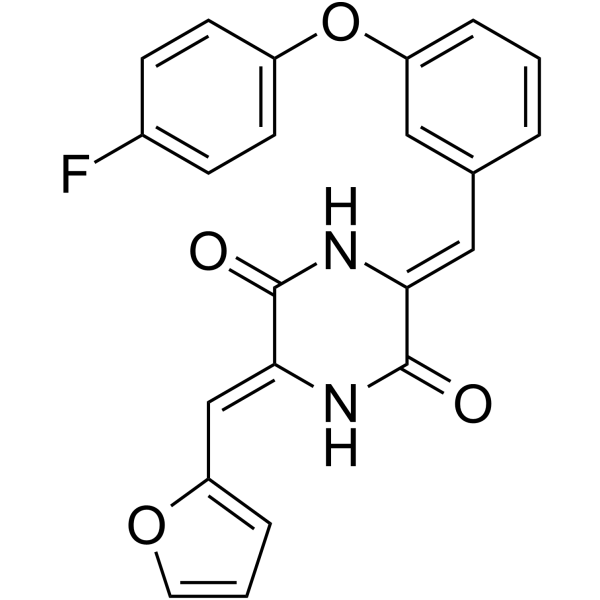
Microtubule inhibitor 5 (compound 17f) is a potent microtubule inhibitor. Microtubule inhibitor 5 shows cytotoxicity with an IC50 value of 154.5 nM for NCI-H460 cells. Microtubule inhibitor 5 shows good cell permeability .
|
-
-
- HY-147724
-
|
|
Microtubule/Tubulin
|
Cancer
|
|
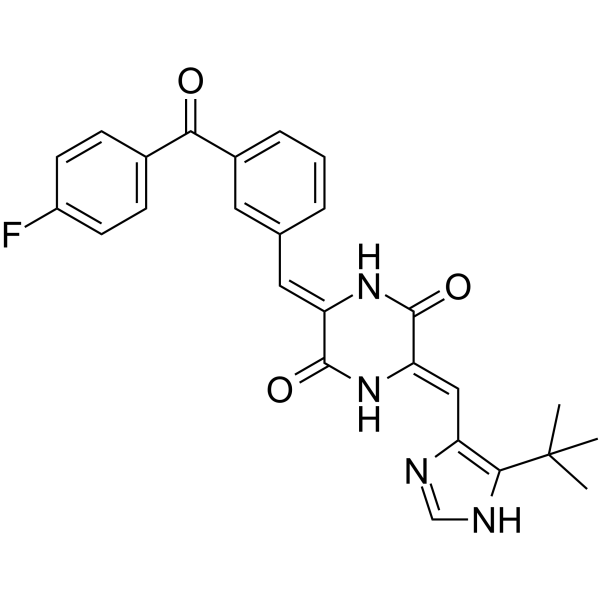
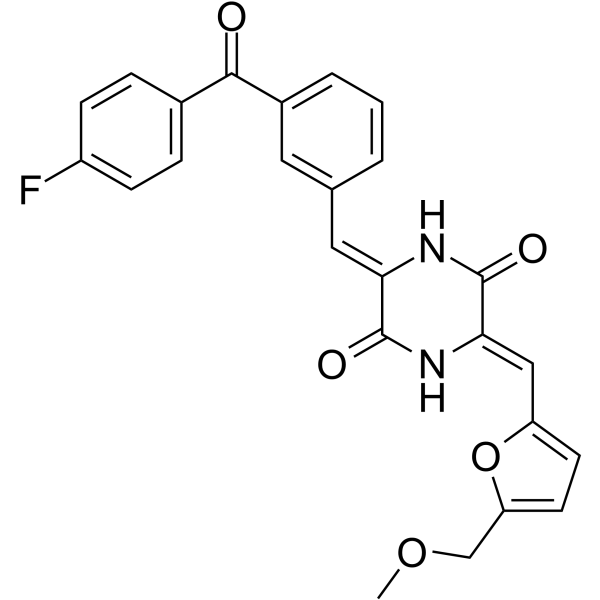
Compounds 17O (ic50= 14.0 nm, NCI-H460) and 17p (ic50= 2.9 nm, NCI-H460) and furan groups showed effective cytotoxic activity against various human cancer cell lines at the nanomolar level.
|
-
-
- HY-147728
-
|
|
Microtubule/Tubulin
|
Cancer
|
|
Compounds 17O (ic50= 14.0 nm, NCI-H460) and 17p (ic50= 2.9 nm, NCI-H460) and furan groups showed effective cytotoxic activity against various human cancer cell lines at the nanomolar level.
|
-
-
- HY-173074
-
|
|
Microtubule/Tubulin
MDM-2/p53
Apoptosis
|
Cancer
|
|
Microtubulin-IN-1 (Compound 8g) is the inhibitor for microtubulin that targets colchicine-binding site, disrupts the microtubulin integrity, and induces the upregulation of p53. Microtubulin-IN-1 exhibits antiproliferative activity in a variety of cancer cell lines (IC50 for NCI-H460, BxPC-3 and HT-29 is 2.4, 1.6 and 2.07 nM, respectively), arrests the cell cycle at G2/M phase, and induces apoptosis in NCI-H460 .
|
-
-
- HY-164033
-
|
Ramnodigin
|
Apoptosis
|
Cancer
|
|
HOE 689 (Ramnodigin) is an analog of Digitoxin (HY-B1357). HOE 689 exhibits cytotoxicity to lung cancer cells and induces apoptosis in cancer cell NCI-H460 with an IC50 of 52 nM .
|
-
-
- HY-N10877
-
|
|
Others
|
Cancer
|
|
Chlorajapolide F is a nature product that could be isolated from the aerial part of Chloranthus japonicas. Chlorajapolide F has low cytotoxic activity against NCI-H460 and SMMC-7721 cell lines .
|
-
-
- HY-139882
-
-
-
- HY-144337
-
|
|
DNA Alkylator/Crosslinker
|
Cancer
|
|
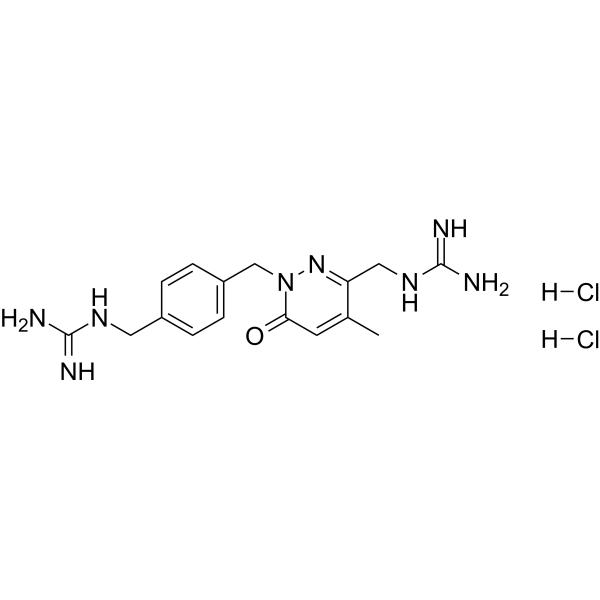
DNA crosslinker 4 (dihydrochloride) is a potent DNA minor groove binder. DNA crosslinker 4 (dihydrochloride) has certain inhibitory activity against cancer cells NCI-H460, A2780 and MCF-7. DNA crosslinker 4 (dihydrochloride) can be used for researching anticancer .
|
-
-
- HY-161614
-
|
|
Microtubule/Tubulin
|
Cancer
|
|
Tubulin inhibitor 44 (Compound 26r) is an inhibitor for tubullin. Tubulin inhibitor 44 exhibits cytotoxicity in cancer cells NCI-H460, BxPC-3 and HT-29, with IC50s of 0.96, 0.66 and 0.61 nM, respectively .
|
-
-
- HY-W560574
-
|
|
Xanthine Oxidase
|
Cancer
|
|
Xanthine oxidase-IN-14 (Compound 3f) is an inhibitor for xanthine oxidase, with IC50 >100 μM. Xanthine oxidase-IN-14 inhibits proliferations of cancer cells MCF-7, NCI-H460 and SF-268, with IC50 greater than 150 μM .
|
-
-
- HY-117872
-
|
20-O-Acetylsartorypyrone D
|
Fungal
|
Infection
|
|
Sartorypyrone A (20-O-Acetylsartorypyrone D) is a monocyclic terpenoid isolated from the soil fungus Neosartorya fischeri. Sartorypyrone A exhibits in vitro growth inhibitory activity against MCF-7, NCI-H460, and A375-C5 cell lines, and has potential anticancer properties.
|
-
-
- HY-144335
-
|
|
DNA Alkylator/Crosslinker
|
Cancer
|
|
DNA crosslinker 2 (dihydrochloride) is a potent DNA minor groove binder with DNA binding affinity (ΔTm) of 1.2 °C. DNA crosslinker 2 (dihydrochloride) has certain inhibitory activity against cancer cells NCI-H460, A2780 and MCF-7. DNA crosslinker 2 (dihydrochloride) can be used for researching anticancer .
|
-
-
- HY-N10876
-
|
|
Others
|
Others
|
|
8-epi-Chlorajapolide F (compound 1) a sesquiterpene that can be isolated from the aboveground part of the Chloranthus japonicus. 8-epi-Chlorajapolide has few cytotoxic to human cancer cell lines NCI-H460 and SMMC-7721 (IC50s>50 μg/mL) .
|
-
-
- HY-147725
-
|
|
Microtubule/Tubulin
|
Cancer
|
|
Microtubule inhibitor 4 (compound 2) is a potent microtubule inhibitor. Microtubule inhibitor 4 shows cytotoxicity with IC50s of 4.0, 3.2, 2.1 nM for NCI-H460, BxPC-3, HT-29 cells, respectively. Microtubule inhibitor 4 shows the inhibition of tubulin polymerization .
|
-
-
- HY-147727
-
|
|
Microtubule/Tubulin
|
Cancer
|
|
Microtubule inhibitor 6 (compound 17o) is a potent microtubule inhibitor. Microtubule inhibitor 6 shows cytotoxicity with IC50s of 14.0, 6.6, 7.0 nM for NCI-H460, BxPC-3, HT-29 cells, respectively. Microtubule inhibitor 6 efficiently inhibits microtubule polymerization .
|
-
-
- HY-138098
-
|
|
Endogenous Metabolite
|
Cancer
|
|
Sartorypyrone B is a 2β-acetoxyl analogue of chevalone C. Sartorypyrone B is yielded from the ethyl acetate extract of the culture of the marine sponge-associated fungus Neosartorya tsunodae (KUFC 9213). Sartorypyrone B exhibits strong growth inhibitory activity, having GI50s of 17.8, 20.5, and 25.0 μM, respectively, for MCF-7, NCI-H460, and A375-C5. Sartorypyrone B has the potential for the research of breast adenocarcinoma, non-small cell lung cancer, and melanoma diseases .
|
-
-
- HY-155522
-
|
|
Carbonic Anhydrase
|
Cancer
|
|
WES-1 (Compound 8g) is an inhibitor of carbonic anhydrase IX (Ki: 55.9 μM). WES-1 has broad spectrum anti-proliferative activity against the cancer cells, such as leukemia (K-562 and MOLT-4), non-small cell lung cancer (NCI–H460), colon cancer (HCT 116 and HCT-15) and melanoma (LOX IMVI) cell lines .
|
-
-
- HY-169476
-
|
|
Drug Derivative
|
Cancer
|
|
Pyrrolidine linoleamide is a derivative of linoleic acid amide with anticancer activity. Pyrrolidine linoleamide exhibits antiproliferative activity against a range of cancer cell lines, with IC50 values of 12.0, 27.5, 7.7, 21.9, 36.6, 32.6, and 33.9 μg/mL against U251, MCF-7, NCI-ADR/RES, 786-0, NCI-H460, PC-3, and OVCAR-3 cell lines, respectively .
|
-
-
- HY-126618
-
|
|
Tyrosinase
|
Cancer
|
|
Aspochalasin I exhibits cytotoxicity against cancer cells NCIH460, MCF-7 and SF-268, with IC50s of 22.1, 33.4 and 19.9 μM. Aspochalasin I inhibits melanogenesis (IC50 of 22.4 μM) through inhibition of tyrosinase, and can thus be used as whitening agent .
|
-
-
- HY-N10949
-
|
|
Others
|
Cancer
|
|
Viscosalactone B is a withanolide found in Withania somnifera. Viscosalactone B shows potent inhibitory activities to NCI-H460, HCT-116, MCF-7 and SF-268 cancer cells with IC50 values of 0.32, 0.47, 0.4 and 0.45 μg/mL. Viscosalactone B can be used for the research of cancer .
|
-
-
- HY-143303
-
|
|
Apoptosis
|
Cancer
|
|
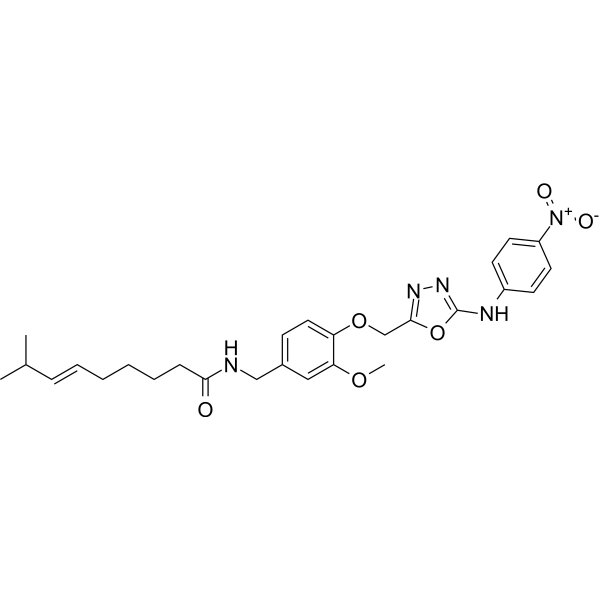
Anticancer agent 32 (compound 2g) is an anticancer agent. Anticancer agent 32 shows anticancer activities, affects cell cycle and induces cell apoptosis. Anticancer agent 32 can be used for the research of cancer .
|
-
-
- HY-125727
-
|
|
Fungal
|
Infection
Cancer
|
|
Globosuxanthone A is a dihydroxanthenone with obvious antifungal activity towards Fusarium graminearum, Fusarium solani, and Botrytis cinerea with MIC values of 4, 8, and 16 μg/mL, respectively. Anticancer activity .
|
-
-
- HY-143302
-
|
|
Apoptosis
|
Cancer
|
|
Anticancer agent 31 is a 1,3-diphenylurea quinoxaline derivative, and a anticancer agent. Anticancer agent 31 exhibits antitumor acitvity by arresting cell cycle at S phase and inducing apoptosis .
|
-
-
- HY-119694
-
|
|
Drug Metabolite
Mitochondrial Metabolism
Cytochrome P450
|
Cancer
|
|
Rotenolone is a metabolite of Rotenone (HY-B1756), inhibitor of Mitochondrial complex I, and antiproliferative agent, with an IC50 of 137 nM against bovine complex I. Rotenolone undergoes biotransformation via multiple cytochrome P450 isoenzymes in rainbow trout liver microsomes. Rotenolone exhibits anticancer activity against ovarian cancer, breast cancer, prostate cancer, non-small cell lung cancer, and colon cancer. Rotenolone can be used in studies related to ovarian cancer, breast cancer, prostate cancer, non-small cell lung cancer, and colon cancer .
|
-
-
- HY-D3209
-
|
|
Fluorescent Dye
Quinone Reductase
|
Cancer
|
|
NIR-ASM is a near-infrared fluorescent probe that can cross cell membranes and be activated by NQO1. NIR-ASM can distinguish NQO1-expressing cancer cells from normal cells via fluorescence microscopy and flow cytometry. NIR-ASM generates near-infrared fluorescence with a high signal-to-noise ratio in tumor models with NQO1 activity, enabling the detection of endogenous NQO1 activity in vivo. NIR-ASM is applicable to the research of lung cancer and breast cancer .
|
-
-
- HY-183806
-
|
|
Others
|
Cancer
|
|
ANTXR1-IN-1 is a ANTXR1 inhibitor with a Ka of 2.88 μM for hANTXR1, and exhibits anti-tumor cell activity. ANTXR1-IN-1 undergoes acylation with Ser229 of ANTXR1, thereby inhibiting tumor cell proliferation. ANTXR1-IN-1 induces G2/M phase arrest and apoptosis in tumor cells. ANTXR1-IN-1 can be used for research on melanoma, non-small cell lung cancer, hepatocellular carcinoma, and colorectal cancer .
|
-
-
- HY-111103
-
|
|
PAK
LIM Kinase (LIMK)
MMP
|
Cancer
|
|
CZh226 is a selective PAK4 inhibitor with an IC50 of 0.0111 μM and a Ki of 0.009 μM. CZh226 functionally inhibits PAK4 activity and reduces the phosphorylation level of downstream signaling molecules. CZh226 inhibits the migration and invasion of tumor cells. CZh226 is applicable to lung cancer-related research .
|
-
-
- HY-N17349
-
|
|
Endogenous Metabolite
|
Cancer
|
|
(23S,24R)-Dimethylcholest-7-ene-3b,5a,6b-triol (compound 3) is a cytotoxin that can be found in the marine bryozoan Bugula neritina. (23S,24R)-Dimethylcholest-7-ene-3b,5a,6b-triol shows weak cytotoxicity against SGC7901 cell with an IC50 value of 111.8 μM. (23S,24R)-Dimethylcholest-7-ene-3b,5a,6b-triol can be used for the research of hepatocellular carcinoma, gastric carcinoma .
|
-
-
- HY-P991954
-
|
|
Complement System
Syk
|
Inflammation/Immunology
Cancer
|
|
GT103 is a human-derived monoclonal antibody targeting complement factor H (CFH). GT103 binds to a conformationally distinct epitope of CFH on tumor cells. GT103 activates the classical complement pathway, induces complement-dependent cytotoxicity, and triggers antibody-dependent cellular phagocytosis (ADCP) of tumor cells. GT103 increases calreticulin translocation to tumor cell plasma membranes. GT103 mediates B-cell activation via Syk kinase phosphorylation. GT103 inhibits tumor growth and metastasis in animal models. GT103 can be used for the research of non-small cell lung cancer .
|
-
-
- HY-117208
-
|
|
Glyoxalase (GLO)
Apoptosis
DNA/RNA Synthesis
PARP
|
Cancer
|
|
TLSC702 is a human glyoxalase I (hGLO I) inhibitor with an IC50 of 2.0 μM. TLSC702 inhibits the activity of human glyoxalase I, thereby leading to the accumulation of methylglyoxal and its derived advanced glycation end products. TLSC702 inhibits tumor cell proliferation, induces apoptotic morphological changes, internucleosomal DNA fragmentation and PARP cleavage in tumor cells. TLSC702 can be used in research related to leukemia and lung cancer .
|
-
-
- HY-W743094
-
|
|
Drug Derivative
|
Inflammation/Immunology
Cancer
|
|
Methylstenbolone is a steroid and an anti-inflammatory agent. Methylstenbolone inhibits nitric oxide production in macrophages and exhibits cytotoxicity against breast cancer cells and normal fibroblasts. Methylstenbolone can be used for the research of inflammation and breast cancer .
|
-
-
- HY-180416
-
|
|
Antibiotic
|
Cancer
|
|
TMC-169 is a potent antibiotic of the Aspochalasin group that can be isolated from Aspergillus flavipes. TMC-169 exhibits anti-tumor activity against multiple cancer cells. TMC-169 can be used for the research of cancer, such as hematologic malignancies, non-small cell lung cancer, breast cancer, and glioma .
|
-
-
- HY-P991883
-
|
Licartin; Metuximab; Mehuzumab
|
Apoptosis
CDK
Caspase
Bcl-2 Family
|
Cancer
|
|
Metuzumab (Licartin) is a human-mouse chimeric IgG1 monoclonal antibody targeting CD147. Metuzumab induces Apoptosis, reduces levels of Cyclin D1, full-length Caspase-3, and Bcl-2, and increases Bax expression. Metuzumab enhances the sensitivity of non-small cell lung cancer (NSCLC) cells to Gemcitabine (HY-17026). Metuzumab is applicable for research on hepatocellular carcinoma and non-small cell lung cancer [1] [2].
|
-
| Cat. No. |
Product Name |
Type |
-
- HY-D3209
-
|
|
Fluorescent Dyes
|
|
NIR-ASM is a near-infrared fluorescent probe that can cross cell membranes and be activated by NQO1. NIR-ASM can distinguish NQO1-expressing cancer cells from normal cells via fluorescence microscopy and flow cytometry. NIR-ASM generates near-infrared fluorescence with a high signal-to-noise ratio in tumor models with NQO1 activity, enabling the detection of endogenous NQO1 activity in vivo. NIR-ASM is applicable to the research of lung cancer and breast cancer .
|
| Cat. No. |
Product Name |
Type |
-
- HY-W096169D
-
|
|
Biochemical Assay Reagents
|
|
Platinum is a metallic element, and its complexes act as orally active anticancer agents. Platinum-based complexes used for tumors include Cisplatin (HY-17394), Carboplatin (HY-17393), and Oxaliplatin (HY-17371) .
|
| Cat. No. |
Product Name |
Target |
Research Area |
Image |
-
- HY-P991501
-
|
HcHAb18
|
ADC Antibody
Transmembrane Glycoprotein
SARS-CoV
|
Infection
Cancer
|
|
Meplazumab (HcHAb18) is a humanized anti-CD147 IgG1 antibody a Kd of 0.47 nM. Meplazumab shows anti-SARS-CoV-2 and antitumor activity. Meplazumab conjugated with DM1 can form an antibody-conjugated drug ( HcHAb18-DM1), which induces G2/M phase cell cycle arrest and exerts antiproliferative activity in cancer cells. Meplazumab can be used for the researches of COVID-19 pneumonia and non-small cell lung cancer .
|
-
(5)
-
- HY-P991570
-
|
AD5-10; oba-01 Antibody
|
TNF Receptor
Apoptosis
Caspase
Atg8/LC3
Akt
Beclin1
JNK
|
Cancer
|
|
Zaptuzumab (AD5-10) is a DR5-specific humanized monoclonal antibody that selectively binds to DR5 with high affinity. Zaptuzumab specifically induces cancer cell death by both caspase-apoptosis and autophagic cell death (ACD). Zaptuzumab activates both ADCC and CDC. Zaptuzumab induces ROS generation and GSH level reduction. Zaptuzumab shows a significant suppression of the tumor growth and good safety in various xenografts mice tumor models .
|
-
(5)
-
- HY-P991954
-
|
|
Complement System
Syk
|
Inflammation/Immunology
Cancer
|
|
GT103 is a human-derived monoclonal antibody targeting complement factor H (CFH). GT103 binds to a conformationally distinct epitope of CFH on tumor cells. GT103 activates the classical complement pathway, induces complement-dependent cytotoxicity, and triggers antibody-dependent cellular phagocytosis (ADCP) of tumor cells. GT103 increases calreticulin translocation to tumor cell plasma membranes. GT103 mediates B-cell activation via Syk kinase phosphorylation. GT103 inhibits tumor growth and metastasis in animal models. GT103 can be used for the research of non-small cell lung cancer .
|
-
(5)
-
- HY-P991883
-
|
Licartin; Metuximab; Mehuzumab
|
Apoptosis
CDK
Caspase
Bcl-2 Family
|
Cancer
|
|
Metuzumab (Licartin) is a human-mouse chimeric IgG1 monoclonal antibody targeting CD147. Metuzumab induces Apoptosis, reduces levels of Cyclin D1, full-length Caspase-3, and Bcl-2, and increases Bax expression. Metuzumab enhances the sensitivity of non-small cell lung cancer (NSCLC) cells to Gemcitabine (HY-17026). Metuzumab is applicable for research on hepatocellular carcinoma and non-small cell lung cancer [1] [2].
|
-
(5)
| Cat. No. |
Product Name |
Category |
Target |
Chemical Structure |
-
- HY-N0171A
-
|
β-Sitosterol (purity>98%); 22,23-Dihydrostigmasterol (purity>98%)
|
Cardiovascular Disease
Structural Classification
Classification of Application Fields
Leguminosae
Glycine max (L.) merr
Plants
Inflammation/Immunology
Disease Research Fields
Steroids
Source Classification
|
Bacterial
Apoptosis
Reactive Oxygen Species (ROS)
MDM-2/p53
Caspase
PARP
MMP
Bcl-2 Family
HIF/HIF Prolyl-Hydroxylase
TNF Receptor
Interleukin Related
NF-κB
mTOR
Lactate Dehydrogenase
CDK
Glutathione Peroxidase
SOD
|
|
Beta-Sitosterol (purity>98%) is orally active. Beta-Sitosterol exhibits multiple activities, including anti-inflammatory, anticancer, antioxidant, antimicrobial, antidiabetic, antioxidant enzyme, and analgesic. Beta-Sitosterol inhibits inflammation and impaired adipogenesis in bovine mammary epithelial cells by reducing levels of ROS, TNF-α, IL-1β, and NF-κB p65 and restoring the activity of the HIF-1α/mTOR signaling pathway. Beta-Sitosterol induces apoptosis in cancer cells through ROS-mediated mitochondrial dysregulation and p53 activation. Beta-Sitosterol exerts its anticancer effects in cancer cells by activating caspase-3, caspase-8, and caspase-9, mediating PARP inactivation, MMP loss, altered Bcl-2-Bax ratio, and cytochrome c release. Beta-Sitosterol modulates macrophage polarization and reduces rheumatoid inflammation in mice. Beta-Sitosterol inhibits tumor growth in multiple mouse cancer models. Beta-Sitosterol can be used in the research of arthritis, lung cancer, breast cancer and other cancers, diabetes, etc .
|
-
-
- HY-N10503
-
|
|
Flavonoids
Flavones
Plants
Moraceae
|
Tyrosinase
Ras
Raf
MAPKAPK2 (MK2)
Apoptosis
|
|
Norartocarpetin is a tyrosinase inhibitor. Norartocarpetin has strong tyrosinase inhibitory activity with an IC50 value of 0.47 μM. Norartocarpetin as an antibrowning agent can be used for the research of food systems. Norartocarpetin also has a significant anticancer activity in lung carcinoma cells (NCI-H460) with an IC50 value of 22 μM. Norartocarpetin has antiproliferative effects are mediated via targeting Ras/Raf/MAPK signalling pathway, mitochondrial mediated apoptosis, S-phase cell cycle arrest and suppression of cell migration and invasion in human lung carcinoma cells .
|
-
-
- HY-N6605
-
-
-
- HY-N10877
-
-
-
- HY-117872
-
|
20-O-Acetylsartorypyrone D
|
Microorganisms
Terpenoids
Diterpenoids
Source Classification
|
Fungal
|
|
Sartorypyrone A (20-O-Acetylsartorypyrone D) is a monocyclic terpenoid isolated from the soil fungus Neosartorya fischeri. Sartorypyrone A exhibits in vitro growth inhibitory activity against MCF-7, NCI-H460, and A375-C5 cell lines, and has potential anticancer properties.
|
-
-
- HY-N10876
-
-
-
- HY-138098
-
-
-
- HY-126618
-
-
-
- HY-N10949
-
-
-
- HY-125727
-
-
-
- HY-N17349
-
|
|
Structural Classification
Tetracyclic Triterpenoids
Animals
Terpenoids
Source Classification
|
Endogenous Metabolite
|
|
(23S,24R)-Dimethylcholest-7-ene-3b,5a,6b-triol (compound 3) is a cytotoxin that can be found in the marine bryozoan Bugula neritina. (23S,24R)-Dimethylcholest-7-ene-3b,5a,6b-triol shows weak cytotoxicity against SGC7901 cell with an IC50 value of 111.8 μM. (23S,24R)-Dimethylcholest-7-ene-3b,5a,6b-triol can be used for the research of hepatocellular carcinoma, gastric carcinoma .
|
-
| Cat. No. |
Product Name |
|
Classification |
-
- HY-N0171A
-
|
β-Sitosterol (purity>98%); 22,23-Dihydrostigmasterol (purity>98%)
|
|
Cholesterol
|
|
Beta-Sitosterol (purity>98%) is orally active. Beta-Sitosterol exhibits multiple activities, including anti-inflammatory, anticancer, antioxidant, antimicrobial, antidiabetic, antioxidant enzyme, and analgesic. Beta-Sitosterol inhibits inflammation and impaired adipogenesis in bovine mammary epithelial cells by reducing levels of ROS, TNF-α, IL-1β, and NF-κB p65 and restoring the activity of the HIF-1α/mTOR signaling pathway. Beta-Sitosterol induces apoptosis in cancer cells through ROS-mediated mitochondrial dysregulation and p53 activation. Beta-Sitosterol exerts its anticancer effects in cancer cells by activating caspase-3, caspase-8, and caspase-9, mediating PARP inactivation, MMP loss, altered Bcl-2-Bax ratio, and cytochrome c release. Beta-Sitosterol modulates macrophage polarization and reduces rheumatoid inflammation in mice. Beta-Sitosterol inhibits tumor growth in multiple mouse cancer models. Beta-Sitosterol can be used in the research of arthritis, lung cancer, breast cancer and other cancers, diabetes, etc .
|
Your information is safe with us. * Required Fields.
Inquiry Information
- Product Name:
- Cat. No.:
- Quantity:
- MCE Japan Authorized Agent:

