1. Search Result
Search Result
Results for "

Neuropathic diseases

" in MedChemExpress (MCE) Product Catalog:

44

Inhibitors & Agonists

1

Screening Libraries

1

Peptides

8

Natural
Products

1

Isotope-Labeled Compounds

1

Oligonucleotides

Cat. No. Product Name Target Research Areas Chemical Structure
  • HY-13324
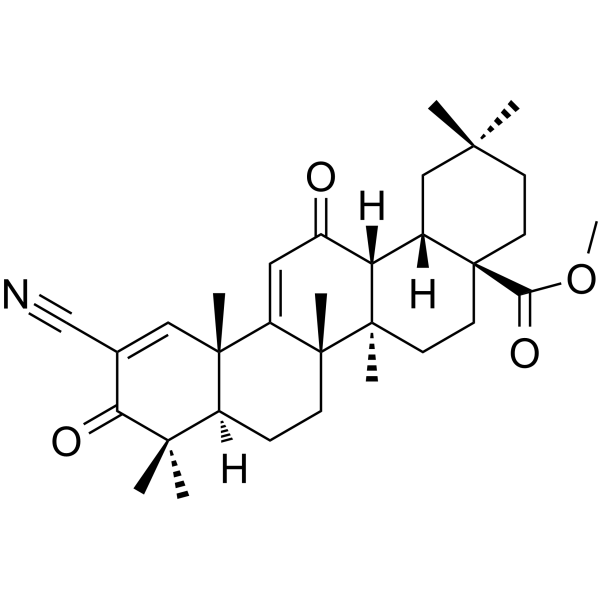
    Bardoxolone methyl
    Maximum Cited Publications
    41 Publications Verification

    RTA 402; NSC 713200; CDDO Methyl ester

    Keap1-Nrf2 SARS-CoV Virus Protease Cardiovascular Disease Infection Neurological Disease Metabolic Disease Inflammation/Immunology Cancer
    Bardoxolone (CDDO; RTA 401) methyl is an orally active and blood-brain-barrier-penetrant activator of Nrf2 and an inhibitor of SARS-CoV-2 3CL protease. Bardoxolone methyl inhibits SARS-CoV-2 replication in Vero cells with an EC50 value of 0.29 μM. Bardoxolone methyl increases levels of pNrf2 and HO-1, inhibits inflammatory mediators like pNFκB and MCP-1. Bardoxolone methyl activates the Nrf2 pathway to enhance antioxidant and anti-inflammatory responses, inhibits viral replication, and improves mitochondrial function. Bardoxolone methyl can be used in research on chemotherapy-induced neuropathic pain (CINP), COVID-19, and chronic kidney disease (CKD) .
    Bardoxolone methyl
  • HY-N0131
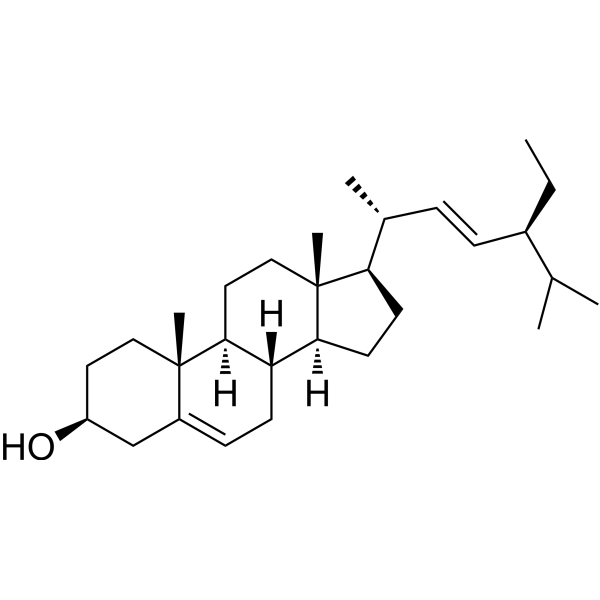
    Stigmasterol
    10+ Cited Publications

    MMP Endogenous Metabolite Neurological Disease Inflammation/Immunology
    Stigmasterol is an orally acitve, immunomodulatory agent with anti-inflammatory and neuroprotective effect, as well as able to cross the blood-brain barrier. Stigmasterol activates AMPK, which in turn inhibits NF-κB and NLRP3 signaling pathways, reduces microglia-mediated neuroinflammation, and alleviates cognitive impairment and Alzheimer's disease. Stigmasterol regulates M1/M2 polarization of microglia through the TLR4/ NF-κB pathway, thereby reducing neuropathic pain. Stigmasterol can be used for neurodegenerative diseases, inflammatory diseases, and pain management, among others .
    Stigmasterol
  • HY-B0527A
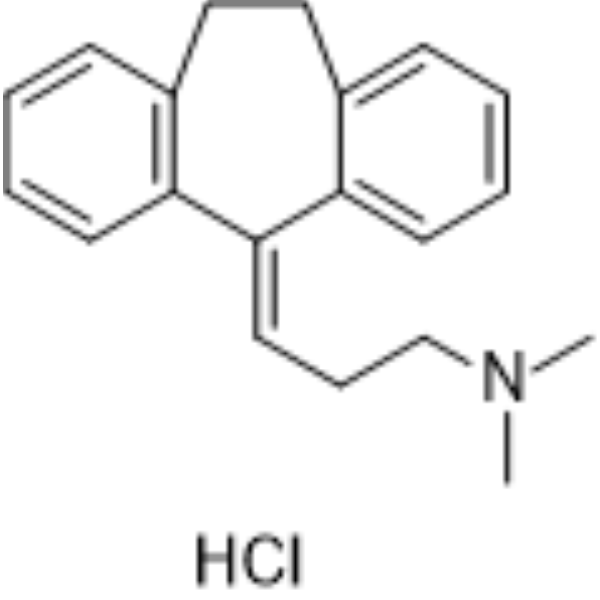
    Amitriptyline hydrochloride
    5+ Cited Publications

    Serotonin Transporter 5-HT Receptor mAChR Histamine Receptor Adrenergic Receptor Trk Receptor Sodium Channel Potassium Channel Dopamine Transporter Apoptosis Neurological Disease Inflammation/Immunology Endocrinology
    Amitriptyline hydrochloride is an orally active tricyclic antidepressant (TCA). Amitriptyline hydrochloride mainly exerts its antidepressant effect by blocking SERT (Ki = 3.45 nM) and NET (Ki = 13.3 nM), thereby increasing the concentrations of 5-hydroxytryptamine (5-HT) and norepinephrine (NE) in the synaptic cleft. Amitriptyline hydrochloride is also an agonist at α2A and TrkA/TrkB receptors, thereby exerting analgesic and neurotrophic activities (inhibiting cell apoptosis). Amitriptyline hydrochloride can reduce inflammation, angiogenesis and fibrosis. Amitriptyline hydrochloride binds to DAT (with Ki = 2.58 μM). Amitriptyline hydrochloride has high affinity for a series of receptors and can antagonize muscarinic cholinergic receptors (M1/M2/M3/M4/M5 receptors) (Ki = 11-24 nM), H1 receptors (Ki = 0.5-1.1 nM), adrenergic α1 receptors (Ki = 4.4 nM), etc., resulting in a series of side effects. Amitriptyline hydrochloride can block sodium channels and hERG potassium channel (IC50 = 4.78 μM) and it has cardiotoxicity .
    Amitriptyline hydrochloride
  • HY-B0527
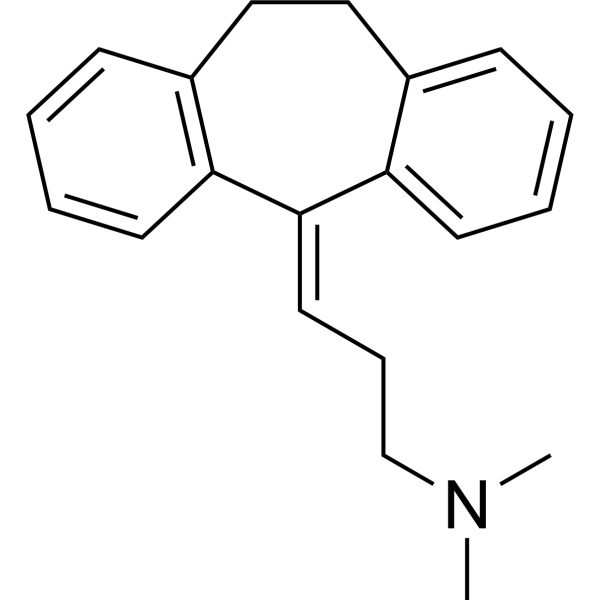
    Amitriptyline
    5+ Cited Publications

    Serotonin Transporter Trk Receptor Sodium Channel 5-HT Receptor Histamine Receptor Adrenergic Receptor mAChR Potassium Channel Dopamine Transporter Apoptosis Neurological Disease Inflammation/Immunology Endocrinology
    Amitriptyline is an orally active tricyclic antidepressant (TCA). Amitriptyline mainly exerts its antidepressant effect by blocking SERT (Ki = 3.45 nM) and NET (Ki = 13.3 nM), thereby increasing the concentrations of 5-hydroxytryptamine (5-HT) and norepinephrine (NE) in the synaptic cleft. Amitriptyline is also an agonist at α2A and TrkA/TrkB receptors, thereby exerting analgesic and neurotrophic activities (inhibiting cell apoptosis). Amitriptyline can reduce inflammation, angiogenesis and fibrosis. Amitriptyline binds to DAT (with Ki = 2.58 μM). Amitriptyline has high affinity for a series of receptors and can antagonize muscarinic cholinergic receptors (M1/M2/M3/M4/M5 receptors) (Ki = 11-24 nM), H1 receptors (Ki = 0.5-1.1 nM), adrenergic α1 receptors (Ki = 4.4 nM), etc., resulting in a series of side effects. Amitriptyline can block sodium channels and hERG potassium channel (IC50 = 4.78 μM) and it has cardiotoxicity .
    Amitriptyline
  • HY-110252

    Opioid Receptor Neurological Disease Inflammation/Immunology
    Salvinorin B is a selective and brain-penetrant kappa opioid receptor (KOPr) agonist with an EC50 of 248 nM and Ki of 2.95 μM. Salvinorin B activates downstream signaling pathways by binding to KOPr, inhibits pain transmission and reduces inflammatory response. Salvinorin B can be used for the researches of inflammation, immunology and neurological disease, such as neuropathic pain, multiple sclerosis and anxiety .
    Salvinorin B
  • HY-15322
    PRT062607
    4 Publications Verification

    P505-15; PRT-2607; BIIB-057

    Syk Apoptosis Caspase Inflammation/Immunology Cancer
    PRT062607 (P505-15; PRT-2607) is an orally active ATP-competitive Syk inhibitor with an IC50 value of 1 nM, and exhibits at least 80-fold selectivity over other kinases. PRT062607 blocks B cell antigen receptor-mediated activation, Fcε receptor 1-mediated basophil degranulation and microglial phagocytosis, and induces caspase-dependent apoptosis and microglial death. PRT062607 inhibits tumor growth and peripheral nerve injury-induced mechanical allodynia, and prevents neuronal loss. PRT062607 can be used in research related to rheumatoid arthritis, chronic lymphocytic leukemia, non-Hodgkin's lymphoma, neurodegenerative diseases and neuropathic pain .
    PRT062607
  • HY-17387
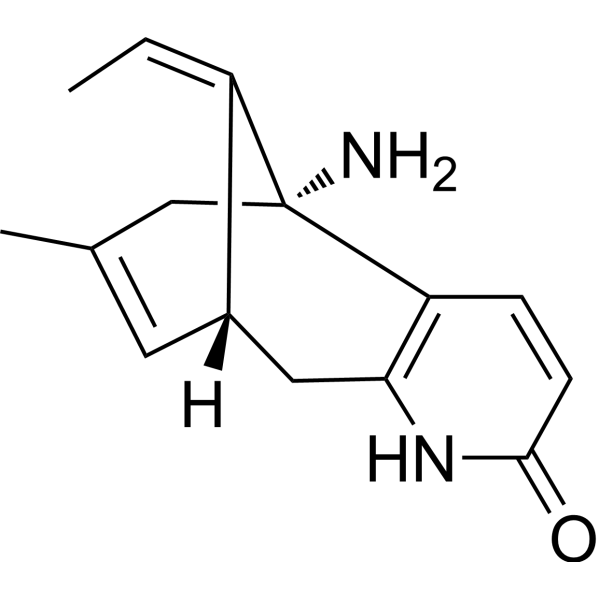
    (-)-Huperzine A
    5+ Cited Publications

    Huperzine A

    Cholinesterase (ChE) iGluR Infection Neurological Disease Inflammation/Immunology
    (-)-Huperzine A (Huperzine A) is an alkaloid isolated from Huperzia serrata, with neuroprotective activity. (-)-Huperzine A is a potent, highly specific, reversible and blood-brain barrier penetrant inhibitor of acetylcholinesterase (AChE), with an IC50 of 82 nM. (-)-Huperzine A also is non-competitive antagonist of N-methyl-D-aspartate glutamate (NMDA) receptor. (-)-Huperzine A is developed for the research of neurodegenerative diseases, including Alzheimer’s disease .
    (-)-Huperzine A
  • HY-P1137
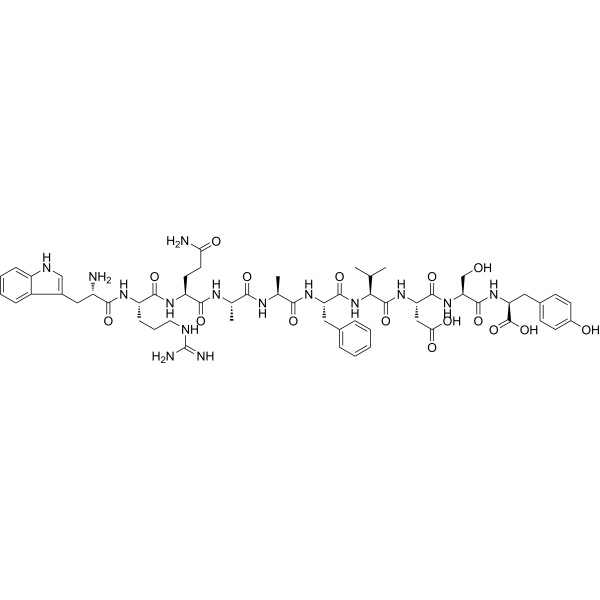
    10Panx
    1 Publications Verification

    Gap Junction Protein Others
    10Panx is a competitive inhibitor of selective Pannexin 1 (PANX1) channels. 10Panx blocks the opening of PANX1 channels, inhibits ATP release and downstream P2X7 receptor-mediated signaling pathways, thereby reducing cell death and inflammatory responses. 10Panx can be used in the study of diseases such as neuropathic pain, inflammatory bowel disease, and Clostridioides difficile infection. 10Panx can effectively reduce mechanical hyperalgesia and enhanced C-reflexes, and inhibit the expression of pro-inflammatory factors such as IL-6[1][2][3].
    10Panx
  • HY-Y0790
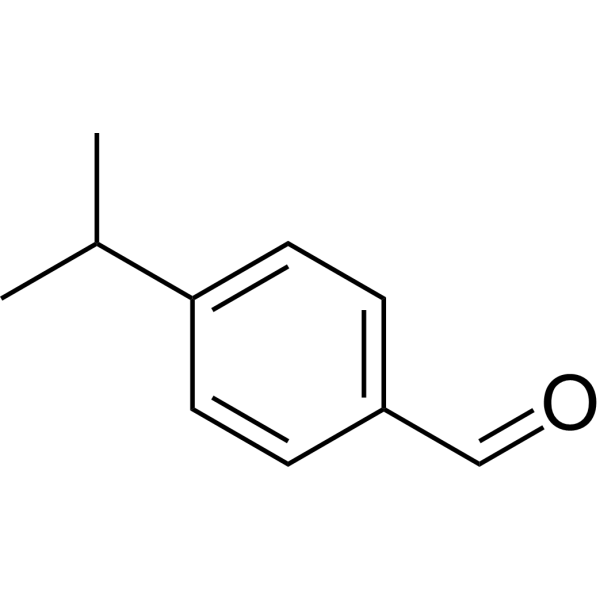
    Cuminaldehyde
    1 Publications Verification

    p-Isopropylbenzaldehyde

    Environmental Pollutants α-synuclein Infection Neurological Disease Inflammation/Immunology Cancer
    Cuminaldehyde is the main component of Cuminum cyminum and has multiple biological activities, including anti-inflammatory, anti-cancer, anti-diabetic, anti-injury, anti-neuropathy and antibacterial effects. Cuminaldehyde is an inhibitor of aldose reductase (IC50= 0.00085 mg/mL), α-glucosidase (IC50=0.5 mg/mL) and lipoxygenase (IC50=1370 μM). Cuminaldehyde also inhibits the fibrillation of α-synuclein and prevents its aggregation. Cuminaldehyde has potential application value in the research of neurodegenerative diseases, cancer, diabetes and neuropathic pain diseases .
    Cuminaldehyde
  • HY-103504
    (S)-SNAP5114
    1 Publications Verification

    GABA Receptor Neurological Disease
    (S)-SNAP5114 is a non-covalent murine GABA transporter inhibitor with blood-brain barrier penetration ability, which exhibits significant subtype-selective inhibitory activity against mGAT4 (pIC50=5.71, pKi=4.56), much higher than its effects on mGAT1, mGAT2 and mGAT3. (S)-SNAP5114 elevates extracellular GABA concentrations by blocking the GABA reuptake mechanism, thereby enhancing thalamus-specific GABAergic signaling and exerting potential neuromodulatory effects. (S)-SNAP5114 is widely used in studies related to epilepsy, neuropathic pain, anxiety and depression, and various neurodegenerative diseases .
    (S)-SNAP5114
  • HY-163763

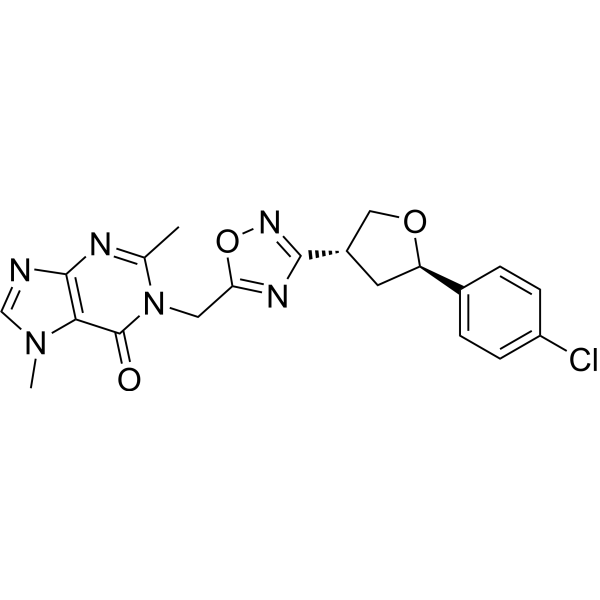
    G2A (GPR132) Neurological Disease Inflammation/Immunology Cancer
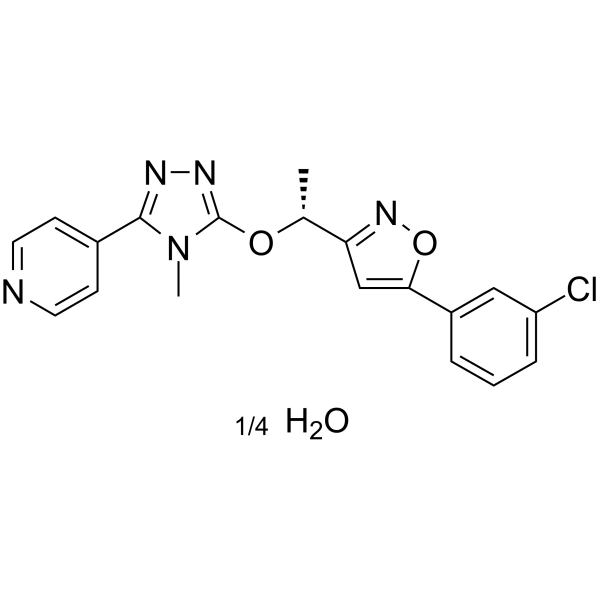
    T-10418 is a potent and highly selective G2A/GPR132 agonist. T-10418 has an EC50 of 0.82 μM for human G2A activation. T-10418 has good water solubility, metabolic stability, and pharmacokinetic properties. T-10418 can be used for the research of various diseases such as neuropathic pain, acute myeloid leukemia, and inflammation .
    T-10418
  • HY-W013331
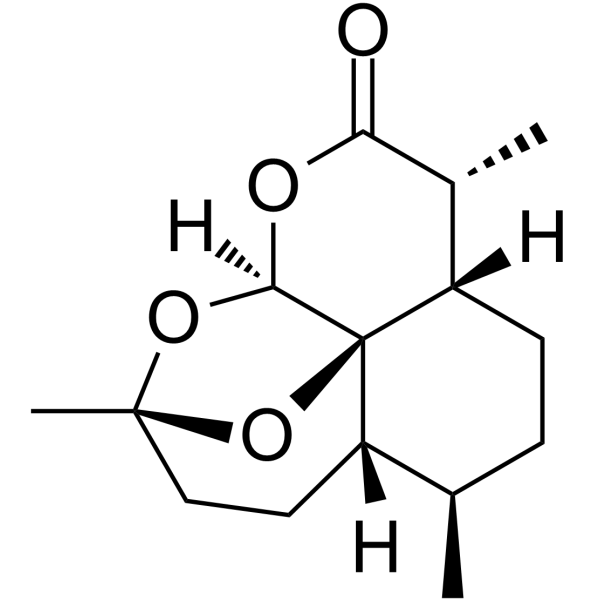
    Deoxyartemisinin
    1 Publications Verification

    2-Deoxyartemisinin

    TNF Receptor Neurological Disease Inflammation/Immunology
    Deoxyartemisinin (2-Deoxyartemisinin) is an orally active anti-inflammatory and analgesic agent. Deoxyartemisinin selectively reduces the level of the pro-inflammatory cytokine TNF-α. Deoxyartemisinin alleviates neuropathic pain, inflammatory pain, and croton oil-induced ear edema.\nDeoxyartemisinin exerts an analgesic effect against thermal stimulation. Deoxyartemisinin has anti-ulcer activity. Deoxyartemisinin can be used in research related to inflammatory diseases, pain, and gastric ulcers .
    Deoxyartemisinin
  • HY-156684

    GDC-6599

    TRP Channel Neurological Disease
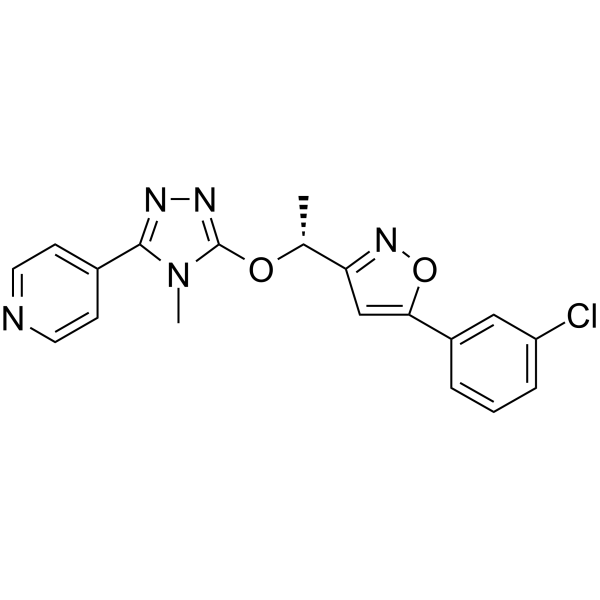
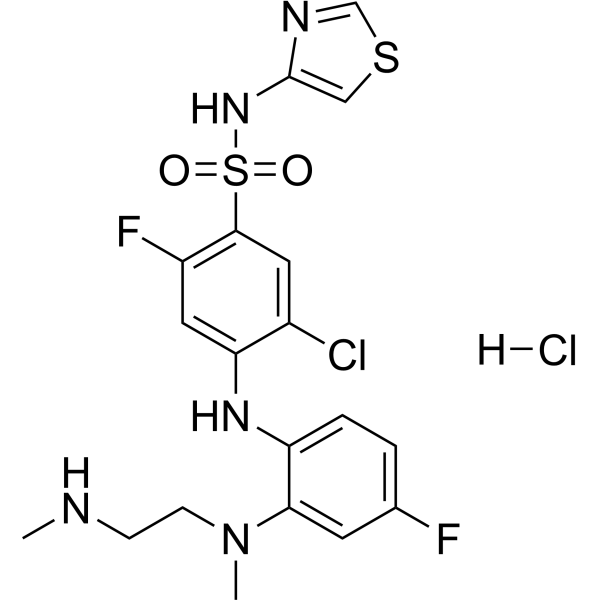
    GDC-6599 is an orally active TRPA1 inhibitor, with IC50 values of 5.3 nM in humans, 6.6 nM in rats, 9.3 nM in dogs, 7.2 nM in monkeys, and 15 nM in guinea pigs. GDC-6599 can be used in the research of neuropathic pain and respiratory diseases such as asthma and chronic cough .
    Nedizantrep
  • HY-W097625

    Toll-like Receptor (TLR) MyD88 p38 MAPK NF-κB Heme Oxygenase (HO) Neurological Disease Inflammation/Immunology Cancer
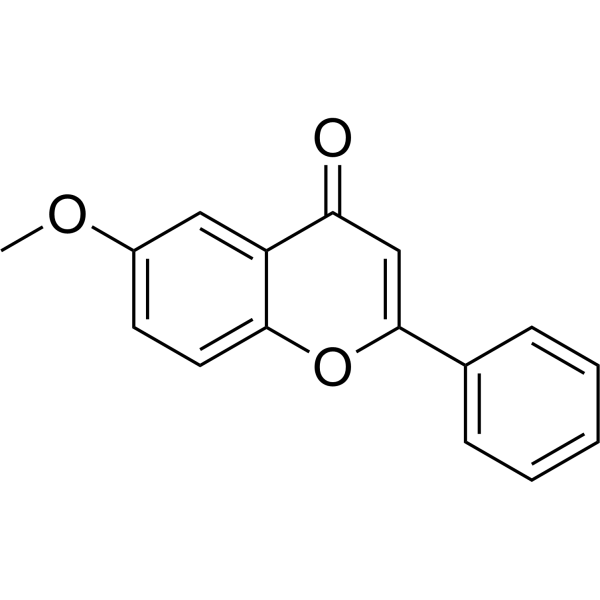
    6-Methoxyflavone is an orally active methoxyflavone. 6-Methoxyflavone suppresses neuroinflammation in microglia through the inhibition of TLR4/MyD88/p38 MAPK/NF-κB dependent pathways and the activation of HO-1/NQO-1 signaling. 6-Methoxyflavone induces S-phase arrest through the CCNA2/CDK2/p21CIP1 signaling pathway in HeLa cells. 6-Methoxyflavone inhibits NFAT Translocation into the nucleus and suppresses T cell activation. 6-Methoxyflavone partially restores chronic ethanol-induced behavioral deficits in mice. 6-Methoxyflavone antagonizes chronic constriction injury and diabetes associated neuropathic nociception expression. 6-Methoxyflavone can be used for the study of cancer, inflammation and neurological diseases .
    6-Methoxyflavone
  • HY-12761

    Cannabinoid Receptor Cardiovascular Disease Others Neurological Disease Metabolic Disease Inflammation/Immunology Cancer
    A-836339 is a selective CB2 receptor agonist, with Ki values of 0.4 nM and 0.8 nM in humans and rats, respectively. A-836339 exhibits multiple effects such as analgesia, gastric protection, anti-inflammation, and antioxidant activity. A-836339 produces antinociceptive and analgesic activities by activating CB2 receptors in the dorsal root ganglia and spinal cord. A-836339 can also exert gastric protective effects through anti-inflammatory mechanisms (reducing TNF-α and IL-1β) and antioxidant mechanisms (enhancing the activities of CAT and SOD, and reducing H2O2). Radioactively labeled A-836339 can serve as a CB2-specific radioligand for autoradiography and PET imaging. A-836339 can be used in research on inflammatory pain, neuropathic pain, gastric ulcers, cerebral ischemia, etc .
    A-836339
  • HY-125111

    GPR55 Cannabinoid Receptor Neurological Disease Metabolic Disease Cancer
    PSB-SB-487 is a potent GPR55 antagonist and CB2 agonist with an IC50 value of 0.113 µM for GPR55, and a Ki value of 0.292 µM for human CB2. PSB-SB-487 can be used for researching diabetes, Parkinson’s disease, neuropathic pain, and cancer .
    PSB-SB-487
  • HY-101228

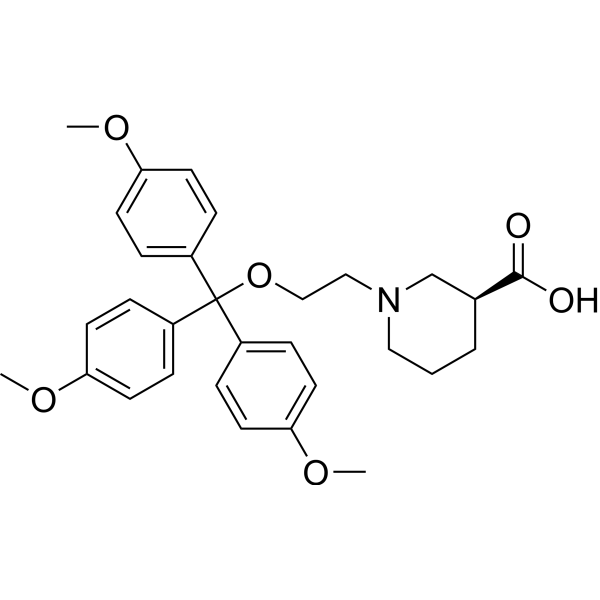
    P2X Receptor Neurological Disease
    PSB-12054 is a selective P2X4 antagonist with an IC50 of 0.189 μM at human P2X4 receptors. PSB-12054 can be used in the research of neuropathic pain and neurodegenerative diseases .
    PSB-12054
  • HY-167862

    Endogenous Metabolite Neurological Disease
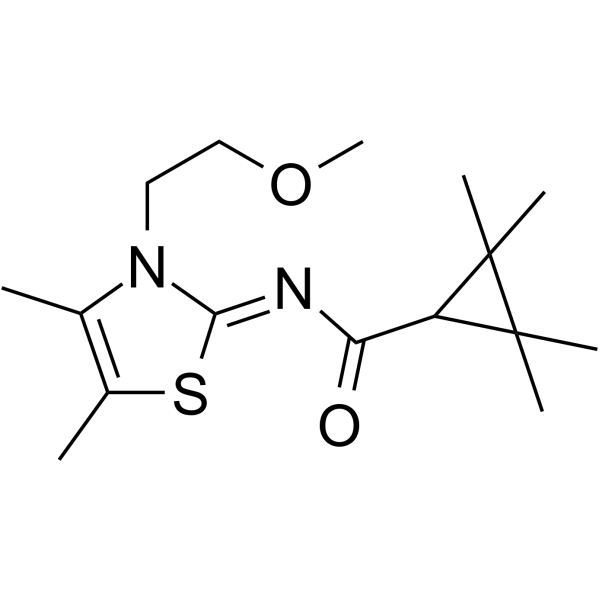
    UCM-05194 is a selective LPA1 receptor agonist with activity to improve neuropathic pain. UCM-05194 is a LPA1 agonist that exhibits potent and selective properties in its pharmacologically similar properties. UCM-05194 triggers LPA1-mediated cellular effects and leads to internalization of the receptor, resulting in functional inactivation in primary sensory neurons. UCM-05194 effectively reduces pain perception in in vivo models. UCM-05194 can be used to conduct research on progressive systemic diseases .
    UCM-05194
  • HY-W712539

    Drug Derivative Neurological Disease Inflammation/Immunology
    Homodihydrocapsaicin II is a capsaicinoid with analgesic and anti-inflammatory effects, which is found in capsicum fruits. Homodihydrocapsaicin II is promising for research of inflammatory diseases and neuropathic pain .
    Homodihydrocapsaicin II
  • HY-110255
    AZD 2066
    1 Publications Verification

    mGluR Calcium Channel Trk Receptor Neurological Disease
    AZD-2066 is a selective, orally active and blood-brain barrier-permeating mGluR5 antagonist. AZD 2066 activates the BDNF/trkB signaling pathway. AZD 2066 can be used in the research of neuropathic pain, major depressive disorder and gastroesophageal reflux disease .
    AZD 2066
  • HY-127110

    Phospholipase Others Neurological Disease Inflammation/Immunology
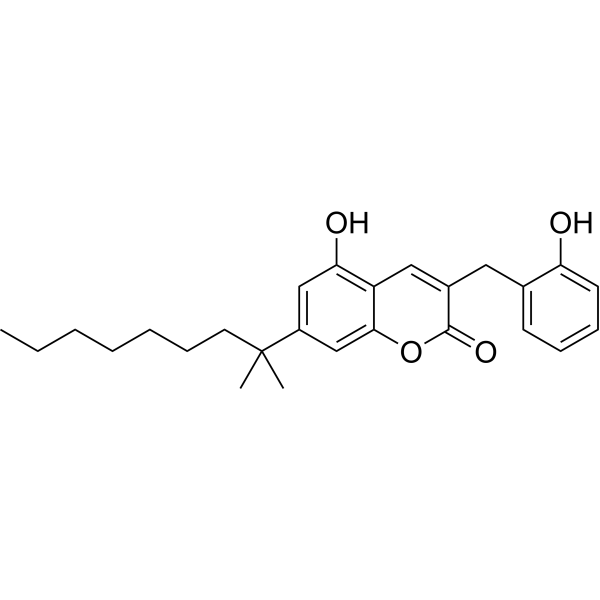
    AK106-001616 is a potent and selective inhibitor of cytosolic phospholipase A2 (cPLA2) (IC50=3.8 nmol/L). AK106-001616 is able to reduce the production of prostaglandins (PG) E2 and leukotrienes (LT) B4 by stimulated cells. AK106-001616 can be used in the study of inflammatory diseases, neuropathic pain and pulmonary fibrosis .
    AK106-001616
  • HY-Y0790R

    p-Isopropylbenzaldehyde (Standard)

    α-synuclein Reference Standards Infection Neurological Disease Inflammation/Immunology Cancer
    Cuminaldehyde Standard is the analytical standard of Cuminaldehyde. This product is intended for research and analytical applications. Cuminaldehyde is the main component of Cuminum cyminum and has multiple biological activities, including anti-inflammatory, anti-cancer, anti-diabetic, anti-injury, anti-neuropathy and antibacterial effects. Cuminaldehyde is an inhibitor of aldose reductase (IC50= 0.00085 mg/mL) and α-glucosidase (IC50=0.5 mg/mL). Cuminaldehyde also inhibits the fibrillation of α-synuclein and prevents its aggregation Cuminaldehyde can induce apoptosis in colon adenocarcinoma cells by targeting topoisomerase I and II. In addition, Cuminaldehyde also exerts anti-inflammatory activity by inhibiting lipoxygenase. Cuminaldehyde has a strong inhibitory effect on the growth of Aspergillus flavus and the biosynthesis of aflatoxin B1 (AFB1). Cuminaldehyde can exert anti-injury and anti-neuropathy effects by participating in opioid receptors, L-arginine/NO/cGMP pathways and anti-inflammatory effects. Cuminaldehyde has potential application value in the research of neurodegenerative diseases, cancer, diabetes and neuropathic pain diseases .
    Cuminaldehyde (Standard)
  • HY-158338

    MAGL Others Neurological Disease Inflammation/Immunology Cancer
    ABHD antagonist 1 possesses ABHD6 (α/β-Hydrolase domain containing 6) inhibitory activity, involving the regulation of biochemical pathways involved in ABHD6, thereby affecting cell function and inflammatory response. ABHD antagonist 1 can be used in pain, neuropathic diseases, inflammatory diseases. Autoimmune diseases, metabolic diseases, and cancer research .
    ABHD antagonist 1
  • HY-155183

    Adenosine Receptor Inflammation/Immunology Cancer
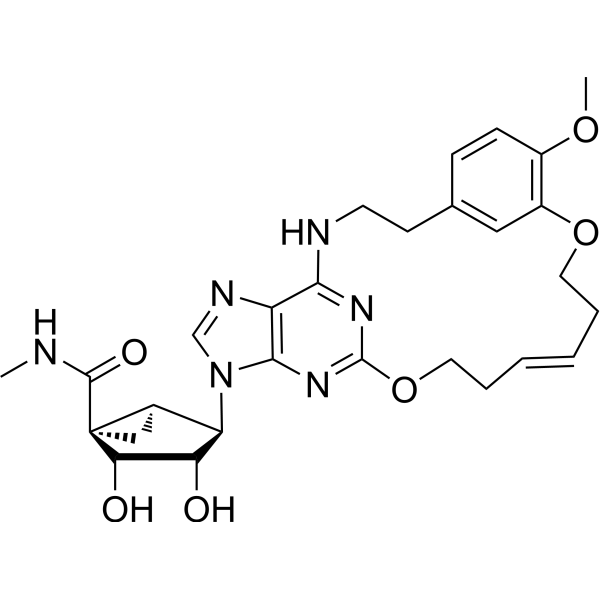
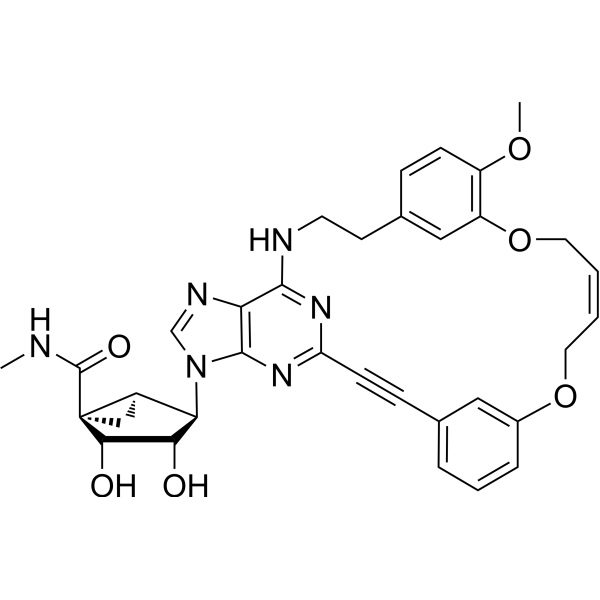
    A3AR agonist 1 (Compound 12) is an A3AR agonist (Ki: 25.8 nM). A3AR agonist 1 stimulates β-arrestin2 recruitment, with an EC50 value of 5.17 nM. A3AR agonist 1 can be used for research of inflammatory diseases, ischemia, cancer, neuropathic pain, liver diseases, etc .
    A3AR agonist 1
  • HY-136459

    iGluR Neurological Disease
    NMDA receptor antagonist 2 is a potent and orally active NR2B subtype-selective NMDA antagonist with an IC50 and a Ki of 1.0 nM and 0.88 nM, respectively. NMDA receptor antagonist 2 is used for the study of neuropathic pain and Parkinson’s disease .
    NMDA receptor antagonist 2
  • HY-156596A

    Sodium Channel Neurological Disease
    Aneratrigine (hydrochloride) is a sodium channel protein type 9 subunit alpha blocker. Aneratrigine (hydrochloride) can be used for neuropathic pain diseases research .
    Aneratrigine hydrochloride
  • HY-110255A

    mGluR Calcium Channel Trk Receptor Neurological Disease
    AZD-2066 hydrate is a selective, orally active and blood-brain barrier-permeating mGluR5 antagonist. AZD 2066 hydrate activates the BDNF/trkB signaling pathway. AZD 2066 hydrate can be used in the research of neuropathic pain, major depressive disorder and gastroesophageal reflux disease .
    AZD 2066 hydrate
  • HY-110255B

    mGluR Calcium Channel Trk Receptor Neurological Disease
    AZD-2066 hydrochloride is a selective, orally active and blood-brain barrier-permeating mGluR5 antagonist. AZD 2066 hydrochloride activates the BDNF/trkB signaling pathway. AZD 2066 hydrochloride can be used in the research of neuropathic pain, major depressive disorder and gastroesophageal reflux disease .
    AZD-2066 hydrochloride
  • HY-143583

    Phosphodiesterase (PDE) Neurological Disease Cancer
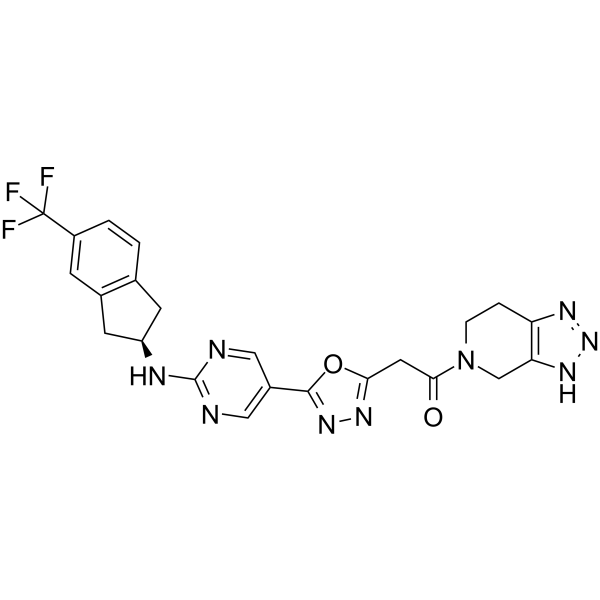
    ATX inhibitor 10 is a potent inhibitor of ATX. ATX inhibitor 10 is s nitrogen-containing heterocyclic compound. ATX plays a role in causing pathological conditions including fibrosis, arthritis, neurodegeneration, neuropathic pain, and cancer. ATX inhibitor 10 has the potential for the research of ATX related diseases (extracted from patent WO2021115375A1, compound 35) .
    ATX inhibitor 10
  • HY-129931

    H-Phe-Phe-NH2

    Neurokinin Receptor Neurological Disease
    Phenylalanylphenylalanylamide (H-Phe-Phe-NH₂) is a ligand for the substance P 1–7 (SP1-7) binding site with a Ki value of 1.5 nM. Phenylalanylphenylalanylamide exerts significant anti-allodynic and anti-hyperalgesic effects in animal models of neuropathic pain following central administratio. Phenylalanylphenylalanylamide shows no distinct effect after peripheral (intraperitoneal) administration. Phenylalanylphenylalanylamide can be used for research on pain-related diseases .
    Phenylalanylphenylalanylamide
  • HY-174898

    5-HT Receptor Neurological Disease
    5-HT2C agonist-9 (Compound 33) is a 5-HT2C agonist with an EC50 of 1.4 nM for h5-HT2C. 5-HT2C agonist-9 can be used in the research of diseases such as depression, drug addiction, alcoholism, PTSD and neuropathic pain .
    5-HT2C agonist-9
  • HY-155184

    Adenosine Receptor Neurological Disease Inflammation/Immunology Cancer
    A3AR agonist 2 (Compound 19) a selective A3AR agonist (Ki: 22.1 nM). A3AR agonist 2 stimulates β-arrestin2 recruitment, with EC50 value of 4.36 nM. A3AR agonist 2 can be used for research of inflammatory diseases, ischemia, cancer, neuropathic pain, liver diseases, and other chronic conditions . A3AR agonist 2 is a click chemistry reagent, it contains an Alkyne group and can undergo copper-catalyzed azide-alkyne cycloaddition (CuAAc) with molecules containing Azide groups.
    A3AR agonist 2
  • HY-17387S1

    Huperzine A-d4

    iGluR Cholinesterase (ChE) Apoptosis Isotope-Labeled Compounds Neurological Disease
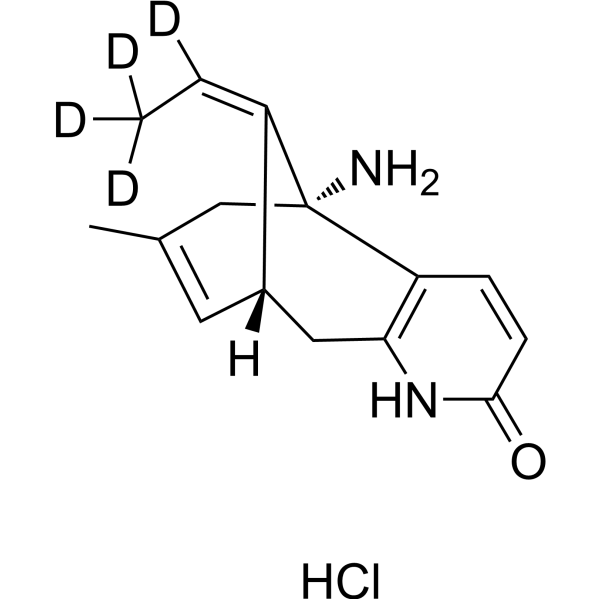
    (-)-Huperzine A-d4 hydrochloride is deuterated labeled (-)-Huperzine A (HY-17387). (-)-Huperzine A (Huperzine A) is an alkaloid isolated from Huperzia serrata, with neuroprotective activity. (-)-Huperzine A is a potent, highly specific, reversible and blood-brain barrier penetrant inhibitor of acetylcholinesterase (AChE), with an IC50 of 82 nM. (-)-Huperzine A also is non-competitive antagonist of N-methyl-D-aspartate glutamate (NMDA) receptor. (-)-Huperzine A is developed for the research of neurodegenerative diseases, including Alzheimer’s disease .
    (-)-Huperzine A-d4 hydrochloride
  • HY-147352

    iGluR Neurological Disease
    NMDA receptor potentiator-1 (Compound 1368) is a subunit selective NMDA receptor potentiator with IC50s of 4 μM and 5 μM against NR2C and NR2D expression, respectively .
    NMDA receptor potentiator-1
  • HY-185187

    AAK1 Neurological Disease
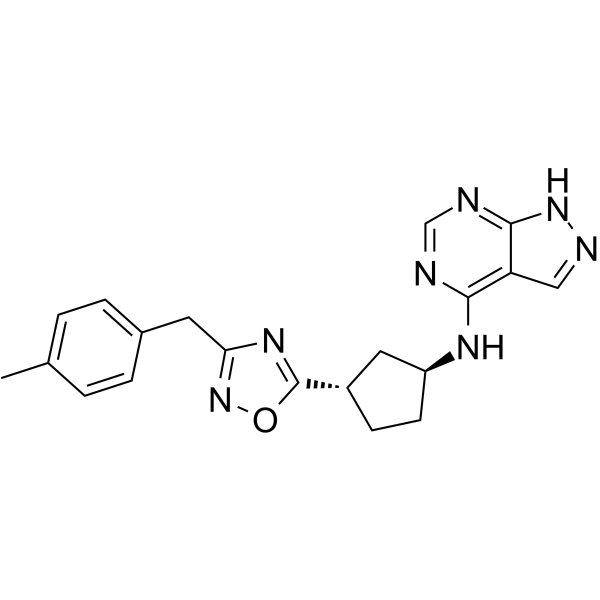
    AAK1-IN-12 (Compound 4) is a selective, orally active AAK1 inhibitor that can cross the blood-brain barrier. AAK1-IN-12 is applicable to the research of schizophrenia, Parkinson's disease, neuropathic pain and Alzheimer's disease .
    AAK1-IN-12
  • HY-183106

    Melanocortin Receptor Cardiovascular Disease Neurological Disease Metabolic Disease Inflammation/Immunology
    MC4R antagonist-2 is a potent melanocortin 4 receptor (MC4R) antagonist with an IC50 of 0.54 nM. MC4R antagonist-2 can be used for the research of MC4R-mediated conditions, such as cachexia, osteoporosis, neuropathic pain, depression, hypertension, malnutrition-related obesity, and associated inflammatory diseases .
    MC4R antagonist-2
  • HY-183871

    iGluR Apoptosis Calcium Channel Neurological Disease Metabolic Disease
    WMS-1410 is a selective GluN2B-containing NMDA receptor inhibitor with an IC50 of 18.4 nM. WMS-1410 regulates intracellular calcium levels and protects cells from Apoptosis. WMS-1410 inhibits glutamate-induced excitotoxicity. WMS-1410 reverses NMDA/glycine-induced reduction in glucose-stimulated insulin secretion without altering physiological insulin secretion or baseline redox status, but fails to counteract insulin content loss induced by glucolipotoxicity. WMS-1410 exhibits analgesic activity against advanced neuropathic pain. WMS-1410 can be used in studies related to stroke, brain injury, Alzheimer's disease, Parkinson's disease, type 2 diabetes, and neuropathic pain .
    WMS-1410
  • HY-110268

    CXCR Inflammation/Immunology
    NVP CXCR2 20 is a selective CXCR2 inhibitor with analgesic and antinociceptive activities. NVP CXCR2 20 selectively blocks CXCR2 signaling and attenuates mechanical and thermal hypersensitivity in rat chronic constriction injury (CCI) models. NVP CXCR2 20 inhibits CXCL3-induced hypersensitivity in naive mice and reduces elevated CXCL3 protein levels in the spinal cord and dorsal root ganglia (DRG) of CCI-exposed rats. NVP CXCR2 20 can be used for the research of neuropathic pain and chronic obstructive pulmonary disease (COPD) .
    NVP CXCR2 20
  • HY-171116

    Potassium Channel Neurological Disease
    Kv7.2/Kv7.3 activator-4 (example 53) is a Kv7.2/Kv7.3 potassium channel activator that can be used in the research of epilepsy, neuropathic pain and other related diseases .
    Kv7.2/Kv7.3 activator-4
  • HY-156505A

    iGluR Neurological Disease
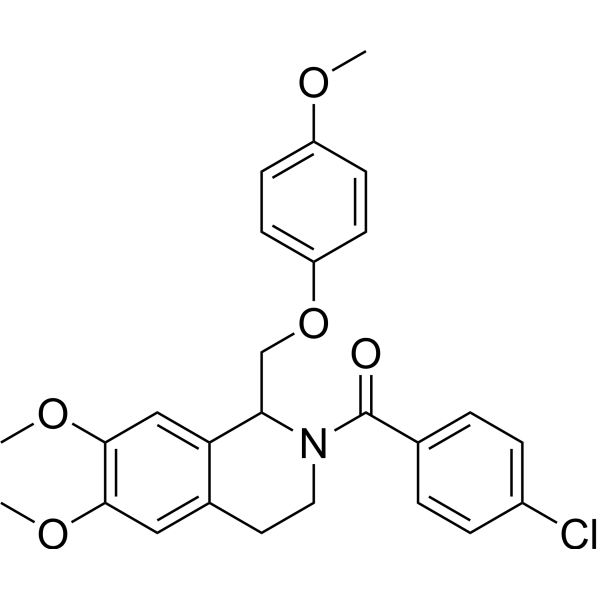
    R-(+)-EU-1180-453 is a positive allosteric modulator targeting NMDA receptors containing GluN2C and GluN2D subunits, with a pEC50 value of 5.5 for both rat receptor subtypes, and it can cross the blood-brain barrier. R-(+)-EU-1180-453 increases the potency of glutamate, enhances receptor responses to maximally effective concentrations of agonists, and acts only on receptors bound to both co-agonists. R-(+)-EU-1180-453 is applicable to research related to Alzheimer's disease, Parkinson's disease, epilepsy, and neuropathic pain .
    R-(+)-EU-1180-453
  • HY-119601

    Phosphodiesterase (PDE) Cancer
    GRI918013 (compound 1) is a selective and competitive autotaxin (ATX/NPP2) inhibitor with anti-invasive and anti-metastatic activity. GRI918013 competitively binds to ATX, blocking lipid substrates such as lysophosphatidylcholine (LPC) from entering the ATX active site, thereby inhibiting ATX-mediated hydrolysis of LPC to lysophosphatidic acid (LPA), and consequently inhibiting ATX-LPA axis-related tumor cell invasion and metastasis. GRI918013 inhibits ATX-mediated hydrolysis of the LPL substrate FS-3 (IC50=31.42 nM, Ki=12.98 nM). GRI918013 can be used in research on cancer invasion and metastasis, such as melanoma, and can also serve as a tool compound for ATX-LPA axis-related diseases such as fibrotic diseases, neuropathic pain, and cholestatic pruritus .
    GRI918013
  • HY-181007

    iGluR Sigma Receptor Neurological Disease
    NMDA receptor antagonist 9 is a selective GluN2B subunit-containing NMDA receptor antagonist with a Ki of 5.2 nM. NMDA receptor antagonist 9 exhibits 9-fold selectivity over σ1 receptors, shows poor selectivity towards σ2 receptors. NMDA receptor antagonist 9 inhibits ion flux through GluN2B subunit-containing NMDA receptors. NMDA receptor antagonist 9 can be used for the research of neurological disease, such as alzheimer’s disease and parkinson’s disease .
    NMDA receptor antagonist 9
  • HY-W158948

    Opioid Receptor Neurological Disease
    6-Fluoro-3-(1,2,3,6-tetrahydropyridin-4-yl)-1H-indole is a ORL-1 receptor modulator. 6-Fluoro-3-(1,2,3,6-tetrahydropyridin-4-yl)-1H-indole regulates downstream pathways associated with nociception, cognition and physiological processes. 6-Fluoro-3-(1,2,3,6-tetrahydropyridin-4-yl)-1H-indole is used in the research of central nervous system diseases and pain-related disorders including anxiety, depression, Alzheimer's disease and attention deficit disorder .
    6-Fluoro-3-(1,2,3,6-tetrahydropyridin-4-yl)-1H-indole
  • HY-W097625R

    Toll-like Receptor (TLR) MyD88 p38 MAPK NF-κB Heme Oxygenase (HO) Reference Standards PERK Neurological Disease Metabolic Disease Inflammation/Immunology Cancer
    6-Methoxyflavone (Standard) is the analytical standard of 6-Methoxyflavone (HY-W097625). This product is intended for research and analytical applications. 6-Methoxyflavone is an orally active methoxyflavone. 6-Methoxyflavone suppresses neuroinflammation in microglia through the inhibition of TLR4/MyD88/p38 MAPK/NF-κB dependent pathways and the activation of HO-1/NQO-1 signaling. 6-Methoxyflavone induces S-phase arrest through the CCNA2/CDK2/p21CIP1 signaling pathway and activates the PERK/EIF2a/ATF4/CHOP pathway in HeLa cells. 6-Methoxyflavone acts as a Flumazenil (HY-B0009)-insensitive positive allosteric modulator at human recombinant α1β2γ2L and α2β2γ2L GABAα receptors. 6-Methoxyflavone inhibits NFAT Translocation into the nucleus and suppresses T cell activation. 6-Methoxyflavone partially restores chronic ethanol-induced behavioral deficits in mice. 6-Methoxyflavone antagonizes chronic constriction injury and diabetes associated neuropathic nociception expression. 6-Methoxyflavone can be used for the study of cancer, inflammation and neurological diseases .
    6-Methoxyflavone (Standard)

Inquiry Online

Your information is safe with us. * Required Fields.

Salutation


Country or Region *

Applicant Name *


Organization Name *

Department *


Email Address *


Product Name *

Cat. No.


Requested quantity *

Phone Number *


Remarks

Inquiry Online

Inquiry Information

Product Name:
Cat. No.:
Quantity:
MCE Japan Authorized Agent: