1. Search Result
Search Result
Results for "

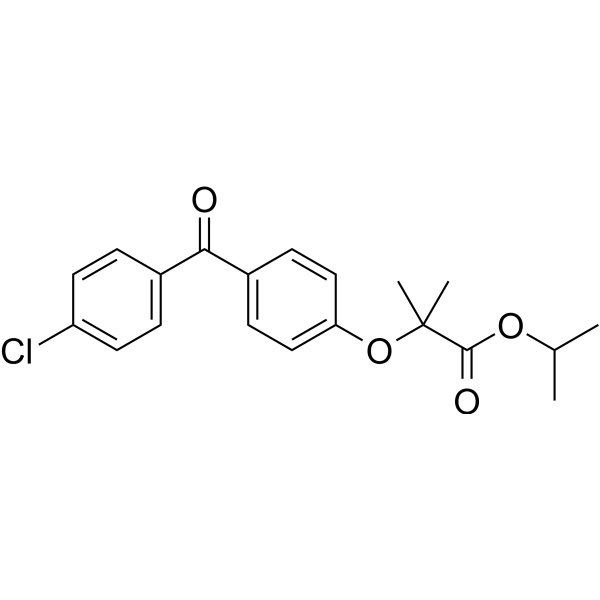
PPARα agonists

" in MedChemExpress (MCE) Product Catalog:

124

Inhibitors & Agonists

1

Fluorescent Dyes

1

Biochemical Assay Reagents

11

Natural
Products

14

Isotope-Labeled Compounds

1

GMP Molecules

Cat. No. Product Name Target Research Areas Chemical Structure
  • HY-16995
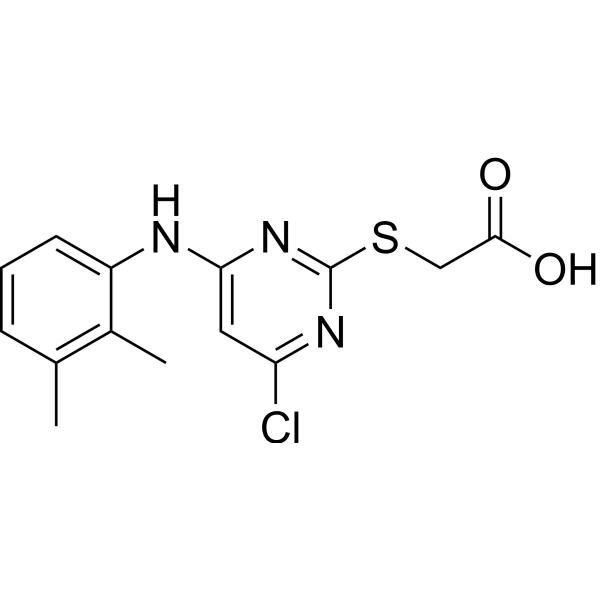
    Pirinixic acid
    Maximum Cited Publications
    33 Publications Verification

    Wy-14643

    PPAR Metabolic Disease Inflammation/Immunology
    Pirinixic acid (Wy-14643) is a potent agonist of PPARα, with EC50s of 0.63 μM, 32 μM for murine PPARα and PPARγ, and 5.0 μM, 60 μM, 35 μM for human PPARα, PPARγ and PPARδ, respectively.
    Pirinixic acid
  • HY-13861
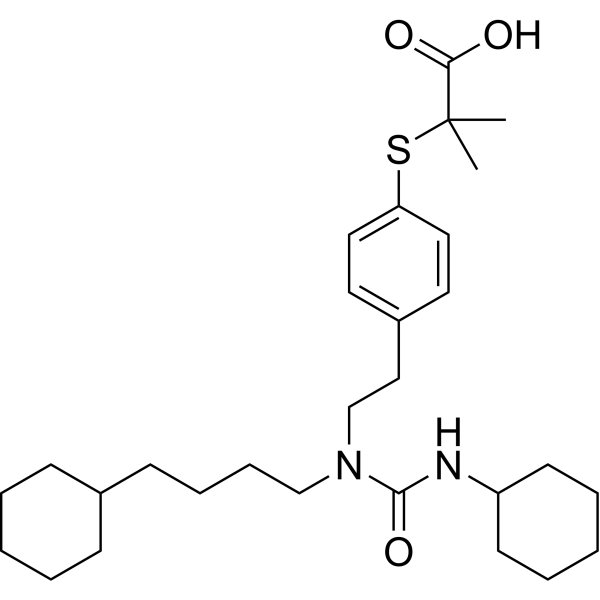
    GW7647
    20+ Cited Publications

    PPAR Cardiovascular Disease
    GW7647 is a potent PPARα agonist, with EC50s of 6 nM, 1.1 μM, and 6.2 μM for human PPARα, PPARγ and PPARδ, respectively.
    GW7647
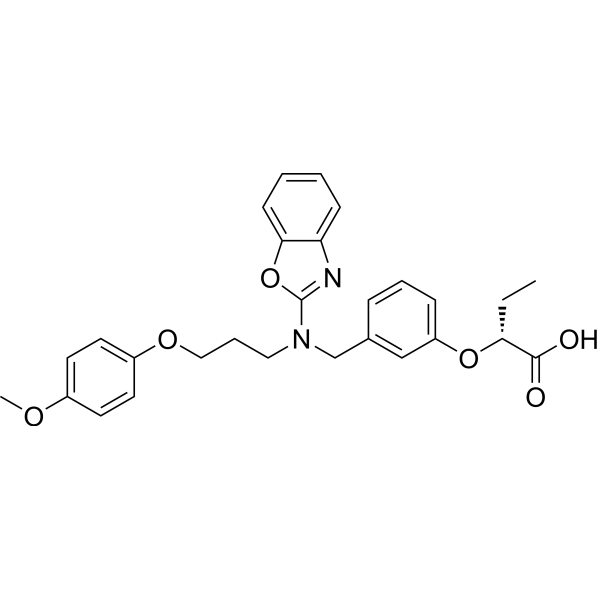
  • HY-17618
    Pemafibrate
    5+ Cited Publications

    (R)-K-13675

    PPAR Cardiovascular Disease Inflammation/Immunology
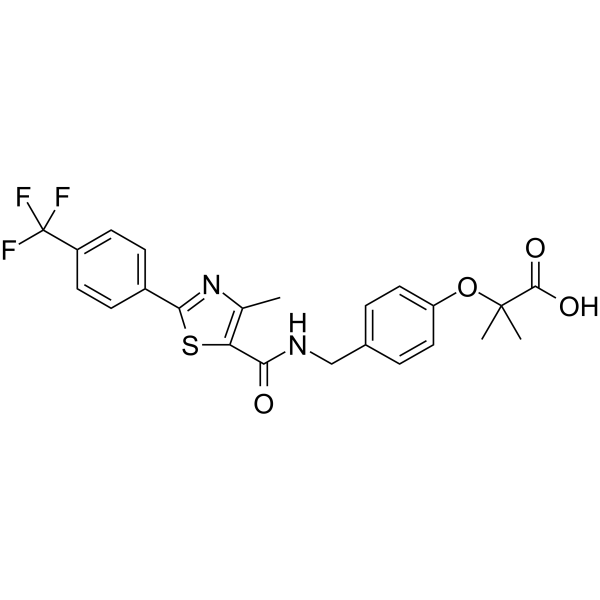
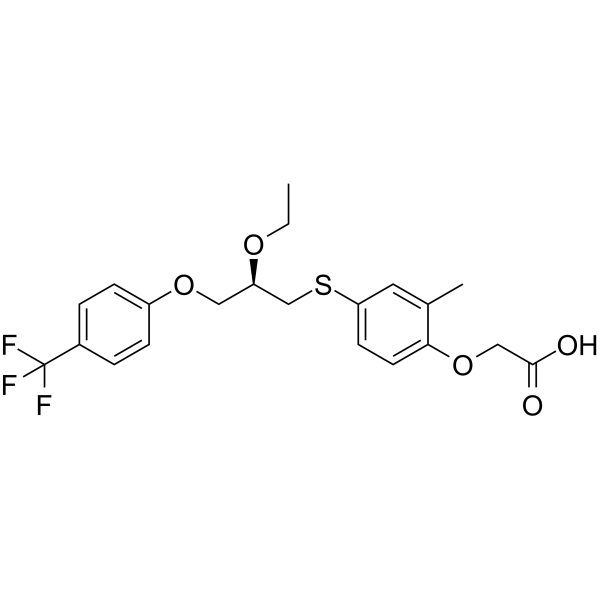
    Pemafibrate is a highly selective PPARα agonist, with an EC50 of 1 nM.
    Pemafibrate
  • HY-107542
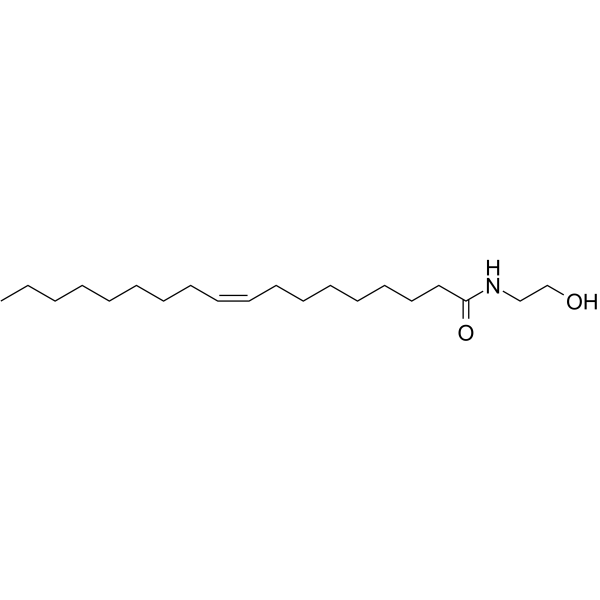
    Oleoylethanolamide
    3 Publications Verification

    N-Oleoylethanolamide; Oleamide MEA; Oleic acid monoethanolamide

    Endogenous Metabolite PPAR Cardiovascular Disease Metabolic Disease
    Oleoylethanolamide is a high affinity endogenous PPAR-α agonist, which plays an important role in the treatment of obesity and arteriosclerosis.
    Oleoylethanolamide
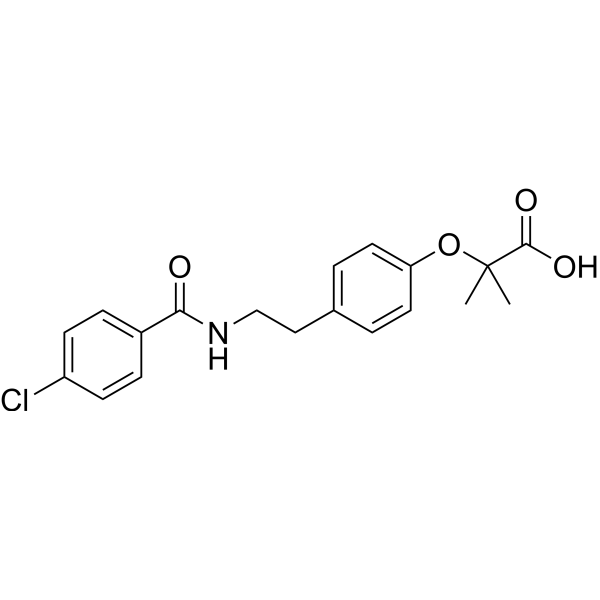
  • HY-B0637
    Bezafibrate
    10+ Cited Publications

    BM15075

    PPAR Cardiovascular Disease Metabolic Disease
    Bezafibrate is an agonist of PPAR, with EC50s of 50 μM, 60 μM, 20 μM for human PPARα, PPARγ and PPARδ, and 90 μM, 55 μM, 110 μM for murine PPARα, PPARγ and PPARδ, respectively; Bezafibrate is used as an hypolipidemic agent.
    Bezafibrate
  • HY-19522
    Seladelpar
    1 Publications Verification

    MBX-8025; RWJ-800025

    PPAR Metabolic Disease
    Seladelpar (MBX-8025) is an orally active, potent and specific PPARδ agonist with an EC50 of 2 nM. Seladelpar shows more than 750-fold and 2500-fold selectivity over the PPARα and PPARγ receptors, respectively. Seladelpar can be used for the study of primary biliary cholangitis .
    Seladelpar
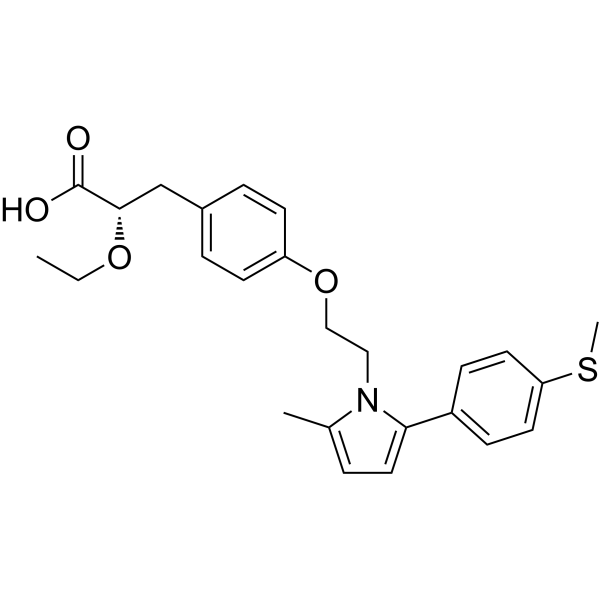
  • HY-19937
    Saroglitazar
    5+ Cited Publications

    PPAR Metabolic Disease
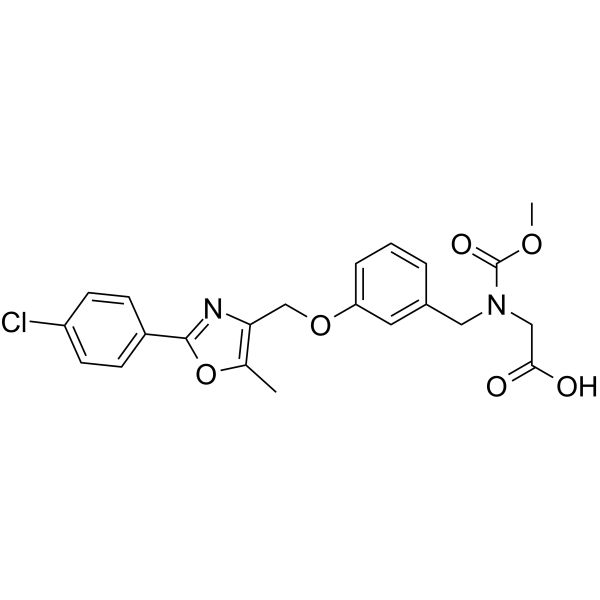
    Saroglitazar is a novel peroxisome proliferator-activated receptor (PPAR) agonist with predominant PPARα and moderate PPARγ activity with EC50 values of 0.65 pM and 3 nM in HepG2 cells, respectively.
    Saroglitazar
  • HY-13928
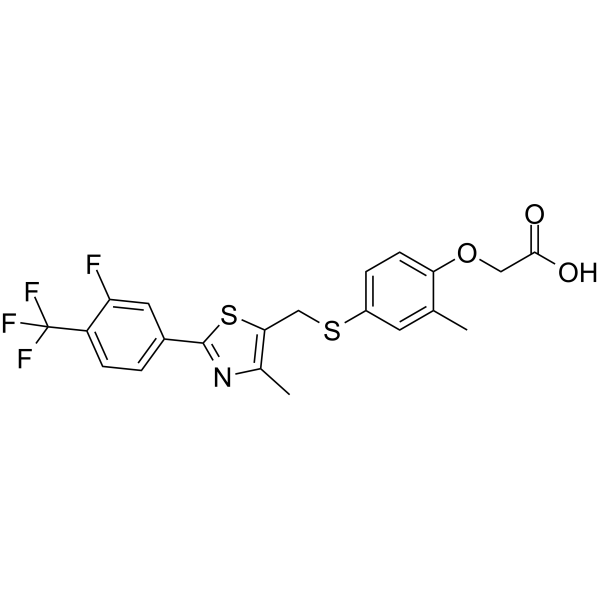
    GW0742
    15+ Cited Publications

    GW610742

    PPAR Cardiovascular Disease Metabolic Disease Inflammation/Immunology Cancer
    GW0742 is a potent PPARβ and PPARδ agonist, with an IC50 of 1 nM for human PPARδ in binding assay, and EC50s of 1 nM, 1.1 μM and 2 μM for human PPARδ, PPARα, and PPARγ, respectively.
    GW0742
  • HY-17444

    PPAR Metabolic Disease Cancer
    Tesaglitazar is a dual-target PPARα/γ agonist with an EC50 of 13.4 μM for rat PPARα and 3.6 μM for human PPARα. Tesaglitazar affects lipid and glucose metabolism by activating PPARα and PPARγ receptors, and has the potential to improve blood sugar and relieve pain. Tesaglitazar can be used to induce in vivo tumor models and can be used in the study of type 2 diabetes, dyslipidemia, and neuropathic pain .
    Tesaglitazar
  • HY-N0783
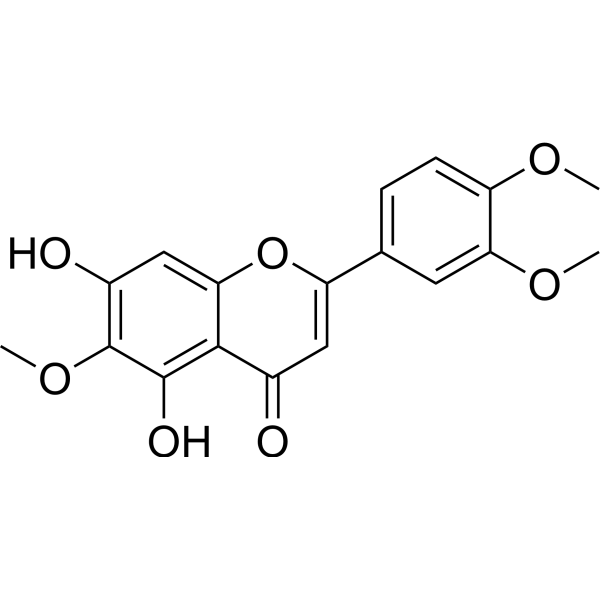
    Eupatilin
    Maximum Cited Publications
    8 Publications Verification

    PPAR Autophagy Neurological Disease Inflammation/Immunology Cancer
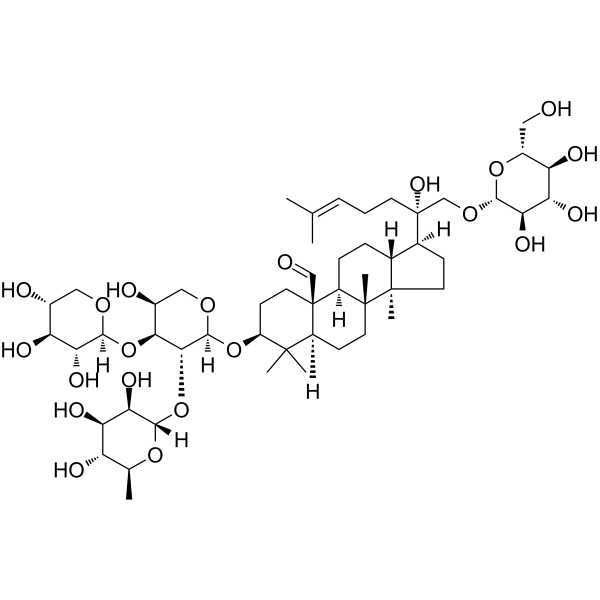
    Eupatilin, a lipophilic flavonoid isolated from Artemisia argyi Lévl. et Van., is a PPARα agonist, and possesses anti-apoptotic, anti-oxidative and anti-inflammatory activities.
    Eupatilin
  • HY-106266
    Chiglitazar
    1 Publications Verification

    Carfloglitazar

    PPAR Metabolic Disease
    Chiglitazar (Carfloglitazar) is a PPARα/γ dual agonist, with EC50s of 1.2, 0.08, 1.7 μM for PPARα, PPARγ and PPARδ, respectively.
    Chiglitazar
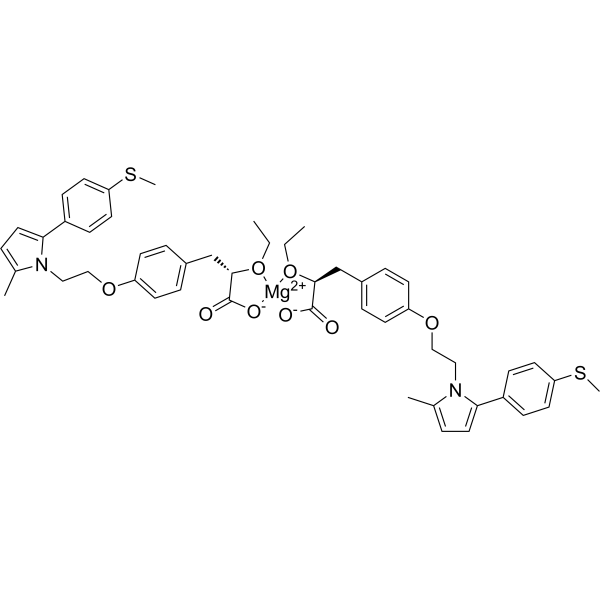
  • HY-19937A
    Saroglitazar magnesium
    5+ Cited Publications

    PPAR Metabolic Disease
    Saroglitazar magnesium is a novel peroxisome proliferator-activated receptor (PPAR) agonist with predominant PPARα and moderate PPARγ activity with EC50 values of 0.65 pM and 3 nM in HepG2 cells, respectively.
    Saroglitazar magnesium
  • HY-14928

    PPAR ERK JNK TGF-beta/Smad NO Synthase COX NF-κB Interleukin Related Cardiovascular Disease Metabolic Disease Inflammation/Immunology
    Lobeglitazone is a new type of thiazolidinedione. Lobeglitazone is the orally active agonist for PPAR with EC50 of 137.4 nM and 546.3 nM for PPARγ and PPARα. Lobeglitazone is the inhibitor for ERK/JNK/Smad/NF-κB signaling pathway. Lobeglitazone exhibits anti-inflammatory, anti-diabetic, anti-fibrotic and anti-atherosclerotic properties .
    Lobeglitazone
  • HY-B0287
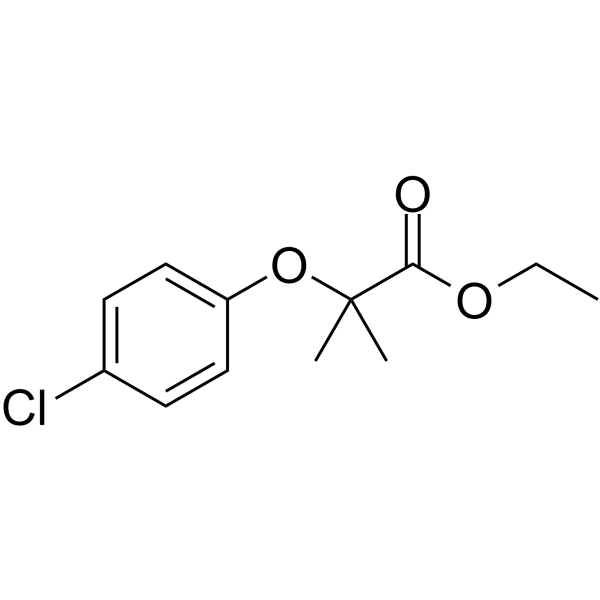
    Clofibrate
    4 Publications Verification

    PPAR Metabolic Disease
    Clofibrate is an agonist of PPAR, with EC50s of 50 μM, ~500 μM for murine PPARα and PPARγ, and 55 μM, ~500 μM for human PPARα and PPARγ, respectively.
    Clofibrate
  • HY-N6869
    Dehydroabietic acid
    1 Publications Verification

    Antibiotic PPAR Bacterial Fungal Infection Metabolic Disease Inflammation/Immunology Cancer
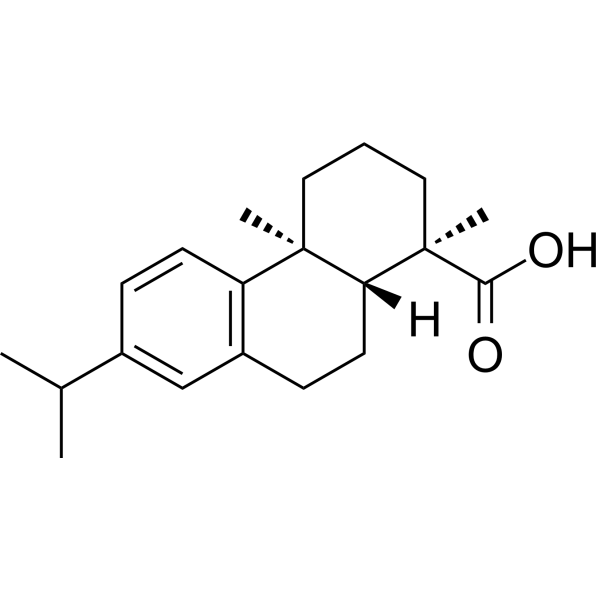
    Dehydroabietic acid is a diterpene resin acid that can be isolated from Pinus and Picea. Dehydroabietic acid has anti-bacterial, anti-fungal, anti-inflammatory, and anticancer activities. Dehydroabietic acid is a dual PPAR-α/γ agonist and PPAR-γ partial agonist, which can attenuate insulin resistance (IR) and hepatic steatosis induced by HFD-consumption in mice .
    Dehydroabietic acid
  • HY-W081067

    HFPO-DA

    PPAR Infection
    Perfluoro (2-methyl-3-oxahexanoic) acid (HFPO-DA) is an orally active PPARα agonist with an EC50 of 2.1 μM for human PPARα. Perfluoro (2-methyl-3-oxahexanoic) acid induces peroxisome proliferation and increases the levels of proinflammatory mediators. It impairs intestinal barrier function and disrupts cecal flora balance. Perfluoro (2-methyl-3-oxahexanoic) acid is applicable to research related to developmental toxicity, hepatotoxicity and intestinal toxicity .
    Perfluoro(2-methyl-3-oxahexanoic) acid
  • HY-112813
    TUG-1375
    4 Publications Verification

    Free Fatty Acid Receptor Metabolic Disease
    TUG-1375 is an agonist of free fatty acid receptor 2 (FFA2/GPR43), with a pKi of 6.69. TUG-1375 is inactive on FFA3, FFA4, PPARα, PPARγ, PPARδ, LXRα or LXRβ .
    TUG-1375
  • HY-14817

    PPM 204

    PPAR Metabolic Disease
    Indeglitazar (PPM 204) is an orally available PPAR pan-agonist for all three PPARα, PPARδ and PPARγ .
    Indeglitazar
  • HY-10678
    BMS-687453
    3 Publications Verification

    PPAR Cardiovascular Disease
    BMS-687453 is a potent and selective PPARα agonist, with an EC50 and IC50 of 10 nM and 260 nM for human PPARα and 4100 nM and >15000 nM for PPARγ in PPAR-GAL4 transactivation assays.
    BMS-687453
  • HY-17445

    BMS-298585

    PPAR Metabolic Disease
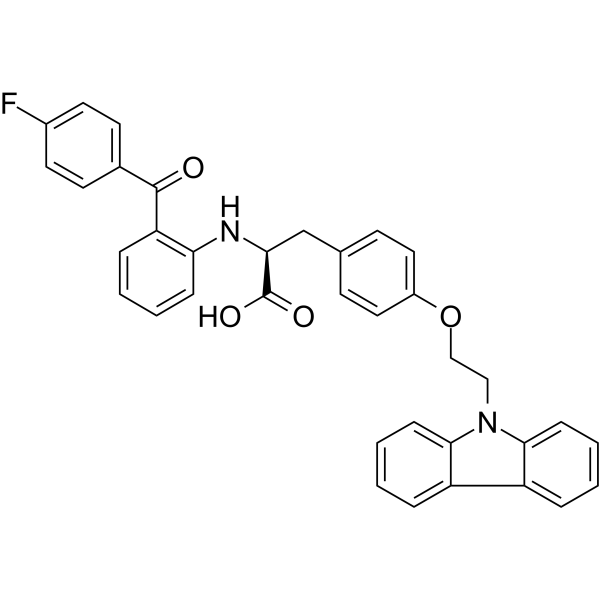
    Muraglitazar is a PPAR α/γ dual agonist for the research of type 2 diabetes and associated dyslipidemia. Muraglitazar shows potent activity in vitro at human PPARα (EC50 = 320 nM) and PPARγ(EC50 = 110 nM) .
    Muraglitazar
  • HY-50665

    LY-674

    PPAR Metabolic Disease
    LY518674 is a potent, selective PPARα agonist, with an EC50 of 42 nM for human PPARα. LY518674 reduces triglycerides in and increased HDL-C and is used for the treatment of atherosclerosis .
    LY518674
  • HY-106278
    GW 590735
    1 Publications Verification

    PPAR Metabolic Disease
    GW 590735 is a potent and selective PPARα agonist. GW 590735 showsEC50=4 nM on PPARα and at least 500-fold selectivity versus PPARδ and PPARγ. GW 590735 can be used for the research of dyslipidemia .
    GW 590735
  • HY-16421

    (-)-DRF 2725; NNC 61-0029

    PPAR Metabolic Disease
    Ragaglitazar is a PPARα and PPARγ agonist with potent lipid-lowering and insulin-sensitizing efficacy in animal models. Ragaglitazar improves glycemic control and lipid profile in type 2 diabetic.
    Ragaglitazar
  • HY-W128156

    10-HSA

    PPAR Inflammation/Immunology
    10-Hydroxystearic acid (10-HSA) is a PPARα agonist. 10-Hydroxystearic acid stimulates collagen synthesis. 10-Hydroxystearic acid is an anti-aging agent and reduces the appearance of pores and hyperpigmented lesions .
    10-Hydroxystearic acid
  • HY-108523

    UVI 2112

    RAR/RXR Metabolic Disease
    LG100754 (UVI 2112) is a RXR dimers modulater. LG100754 acts as a RXR:RXR homodimer antagonist, but functions as a agonist towards RXR:PPARα and RXR:PPARγ heterodimers. LG100754 is an insulin sensitizer that functions through RXR .
    LG100754
  • HY-19383
    Ertiprotafib
    2 Publications Verification

    PTP 112

    Phosphatase IKK PPAR Metabolic Disease
    Ertiprotafib is an inhibitor of PTP1B, IkB kinase β (IKK-β), and a dual PPARα and PPARβ agonist, with an IC50 of 1.6 μM for PTP1B, 400 nM for IKK-β, an EC50 of ~1 μM for PPARα/PPARβ.
    Ertiprotafib
  • HY-19522A
    Seladelpar sodium
    1 Publications Verification

    MBX-8025 sodium; RWJ-800025 sodium

    PPAR Metabolic Disease Inflammation/Immunology
    Seladelpar (MBX-8025) sodium salt is an orally active, potent and specific PPARδ agonist with an EC50 of 2 nM. Seladelpar sodium salt shows more than 750-fold and 2500-fold selectivity over the PPARα and PPARγ receptors, respectively. Seladelpar sodium salt hydrochloride can be used for the study of primary biliary cholangitis .
    Seladelpar sodium
  • HY-108571

    PPAR Cardiovascular Disease Metabolic Disease
    CP-775146 is a selective PPARα agonist (Ki of 24.5 nM) that binds strongly to the PPARα ligand. CP-775146 has no observable affinity for PPARβ and PPARγ.CP-775146 shows hypolipidemic activity. CP-775146 efficiently alleviates obesity-induced liver damage, prevents lipid accumulation by activating the liver fatty acid β-oxidation pathway .
    CP-775146
  • HY-N9333

    PPAR Metabolic Disease Cancer
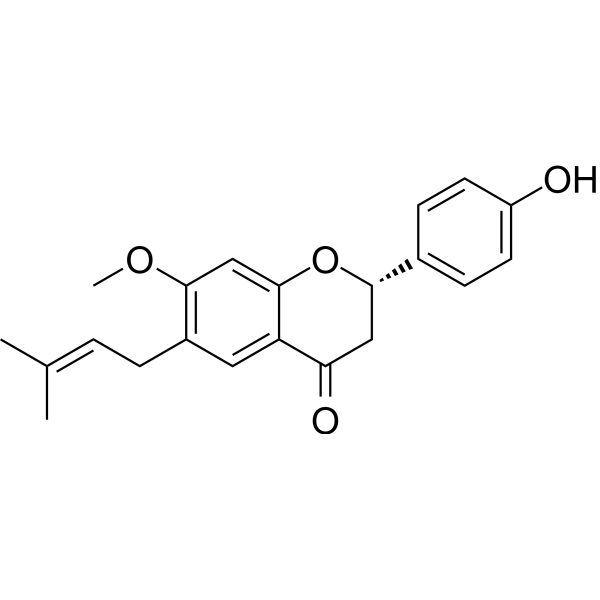
    Wistin, isolated from Caragana sinica roots, is a PPARα and PPARγ agonist .
    Wistin
  • HY-129683

    PPAR Metabolic Disease
    AM3102 is an oleoylethanolamide (OEA) analog. AM3102 is an endogenous high-affinity PPAR-alpha agonist. AM3102 resists enzymatic hydrolysis, activates PPAR-alpha with high potency in vitro, and persistently reduces feeding when administered in vivo either parenterally or orally .
    AM3102
  • HY-107542S

    N-Oleoylethanolamide-d4; Oleamide MEA-d4; Oleic acid monoethanolamide-d4

    Isotope-Labeled Compounds Endogenous Metabolite PPAR Cardiovascular Disease Metabolic Disease
    Oleoylethanolamide-d4 is the deuterium labeled Oleoylethanolamide. Oleoylethanolamide is a high affinity endogenous PPAR-α agonist, which plays an important role in the treatment of obesity and arteriosclerosis.
    Oleoylethanolamide-d4
  • HY-107542S2

    N-Oleoylethanolamide-d2; Oleamide MEA-d2; Oleic acid monoethanolamide-d2

    Isotope-Labeled Compounds Endogenous Metabolite PPAR Cardiovascular Disease Metabolic Disease
    Oleoylethanolamide-d2 is the deuterium labeled Oleoylethanolamide. Oleoylethanolamide is a high affinity endogenous PPAR-α agonist, which plays an important role in the treatment of obesity and arteriosclerosis.
    Oleoylethanolamide-d2
  • HY-143239

    PPAR Metabolic Disease
    PPARα/γ agonist 1 (compound 5b) is a potent and dual PPARα/γ partial agonist with EC50 values of 28 nM and 69 nM for PPARα and PPARγ, respectively. PPARα/γ agonist 1 is a promising prototype for dyslipidemia and diabetes research .
    PPARα/γ agonist 1
  • HY-110118

    PPAR Metabolic Disease
    Edaglitazone is a potent, selective and orally active PPARγ agonist, with EC50s of 35.6 nM and 1053 nM for PPARα and PPARγ, respectively. Edaglitazone displays antiplatelet, antidiabetic and anti-hyperglycemic activity .
    Edaglitazone
  • HY-17618S

    (R)-K-13675-d4

    PPAR Isotope-Labeled Compounds Inflammation/Immunology
    Pemafibrate-d4 is deuterated labeled Pemafibrate (HY-17618). Pemafibrate is a highly selective PPARα agonist, with an EC50 of 1 nM.
    Pemafibrate-d4
  • HY-B0637S

    PPAR Cardiovascular Disease Metabolic Disease
    Bezafibrate-d6 is the deuterium labeled Bezafibrate. Bezafibrate is an agonist of PPAR, with EC50s of 50 μM, 60 μM, 20 μM for human PPARα, PPARγ and PPARδ, and 90 μM, 55 μM, 110 μM for murine PPARα, PPARγ and PPARδ, respectively; Bezafibrate is used as an hypolipidemic agent.
    Bezafibrate-d6
  • HY-163547

    PPAR Inflammation/Immunology
    PPAR agonist 5 (compound 4b) is a potent PPAR agonist with EC50 values of 3.20, 1.51, 1.92 µM for PPARα, PPARβ/δ, PPARγ, respectively. PPAR agonist 5 shows anti-inflammatory effect .
    PPAR agonist 5
  • HY-107542R

    N-Oleoylethanolamide (Standard); Oleamide MEA (Standard); Oleic acid monoethanolamide (Standard)

    Reference Standards Endogenous Metabolite PPAR Cardiovascular Disease Metabolic Disease
    Oleoylethanolamide (Standard) is the analytical standard of Oleoylethanolamide. This product is intended for research and analytical applications. Oleoylethanolamide is a high affinity endogenous PPAR-α agonist, which plays an important role in the treatment of obesity and arteriosclerosis.
    Oleoylethanolamide (Standard)
  • HY-144111

    PPAR Inflammation/Immunology
    PPARα/δ agonist 1 is a potent PPARα/PPARδ dual agonist (PPARα EC50=7.0 nM; PPARδ EC50=8.4 nM). PPARα/δ agonist 1 is a high selectivity over PPARγ (PPARγ EC50=1316.1 nM). PPARα/δ agonist 1 has the potential for the research of nonalcoholic steatohepatitis .
    PPARα/δ agonist 1
  • HY-113820

    PPAR Metabolic Disease
    AZD4619 is an orally active, selective peroxisome proliferator-activated receptor α (PPARα) agonist. AZD4619 increases alanine aminotransferase 1 (ALT1) protein expression in a dose-dependent manner in human, but not in rat primary hepatocytes. AZD4619 is a lipid-lowering drug .
    AZD4619
  • HY-N9768

    9-oxo-ODA

    Fungal PPAR Infection
    (10E,12E)-9-Oxo-10,12-octadecadienoic acid (9-oxo-ODA) is a PPARα agonist that can be isolated from the basidiomycete Gomphus floccosus. (10E,12E)-9-Oxo-10,12-octadecadienoic acid enhances fatty acid oxidation through PPARα activation, thereby inhibiting triglyceride accumulation. (10E,12E)-9-Oxo-10,12-octadecadienoic acid also has antifungal (Fungal) activity .
    (10E,12E)-9-Oxo-10,12-octadecadienoic acid
  • HY-139177

    PPAR Cardiovascular Disease
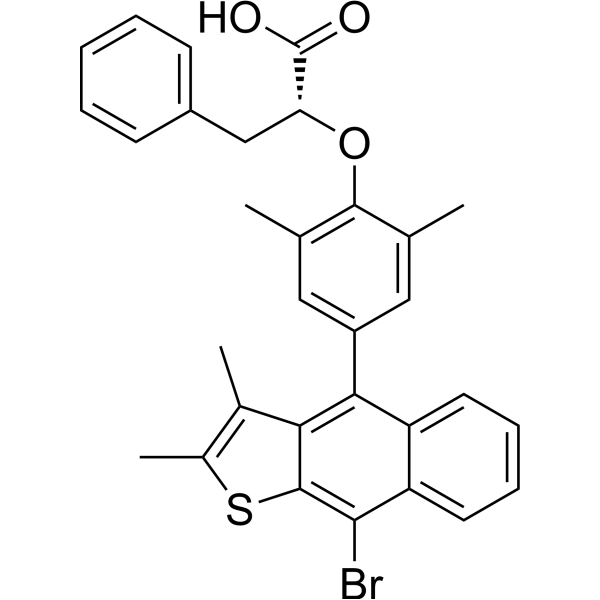
    PPARα agonist 2 (compound 4u) is a potent and selective PPARα agonist with an EC50 of 37 nM. PPARα agonist 2 exhibits >2,700-fold selectivity for PPARα over other PPAR isoforms. PPARα agonist 2 has the potential for retinal disorders research .
    PPARα agonist 2
  • HY-B0287R
    Clofibrate (Standard)
    4 Publications Verification

    Reference Standards PPAR Metabolic Disease
    Clofibrate (Standard) is the analytical standard of Clofibrate. This product is intended for research and analytical applications. Clofibrate is an agonist of PPAR, with EC50s of 50 μM, ~500 μM for murine PPARα and PPARγ, and 55 μM, ~500 μM for human PPARα and PPARγ, respectively.
    Clofibrate (Standard)
  • HY-19848

    LBM-642

    PPAR Metabolic Disease
    Cevoglitazar (LBM-642) is an orally active and highly potent PPARα and PPARγ dual agonist. Cevoglitazar can reduce food intake, body weight, and fasting plasma insulin in obese mice and cynomolgus monkeys. Cevoglitazar has the potential for diabetes and obesity-related disorders research .
    Cevoglitazar
  • HY-Y1624

    ADDP; SR 4077

    Free Fatty Acid Receptor PPAR Metabolic Disease
    1,1'-(Azodicarbonyl)-dipiperidine (ADDP) can be used in the condensation reaction of alcohols with acidic compounds. 1,1'-(Azodicarbonyl)-dipiperidine can also be used in the synthesis of GPR120 agonists with antidiabetic activity, as well as the synthesis of triple agonists for PPARα, PPARγ, and PPARδ. 1,1'-(Azodicarbonyl)-dipiperidine can be used in metabolic disease research .
    1,1'-(Azodicarbonyl)-dipiperidine
  • HY-19852

    PPAR Metabolic Disease
    KRP-105 is a potent, highly selective, and orally effective PPAR alpha (EC50 = 8 nM) agonist. KRP-105 can significantly reduce serum triglyceride, total cholesterol, and non high density lipoprotein cholesterol levels. KRP-105 can be used for research on metabolic diseases such as dyslipidemia .
    KRP-105
  • HY-117196
    GW 9578
    1 Publications Verification

    PPAR Metabolic Disease Inflammation/Immunology
    GW9578 is a subtype-selective PPARα agonist (EC50s of 5 and 50 nM for murine and human PPAR-α) with potent lipid-lowering activity .
    GW 9578
  • HY-176971

    PPAR Cardiovascular Disease Metabolic Disease
    PPARα agonist 6 (Compound 15) is a PPARα agonist. PPARα agonist 6 can be used in the research of dyslipidemia .
    PPARα agonist 6
  • HY-107054

    ETC-1001

    PPAR Cardiovascular Disease
    ESP-31015 (ETC-1001) is an orally active and non-fibrate based PPARα agonists. ESP-31015 demonstrates significant lipid-regulating effects in the obese Zucker rat model. ESP-31015 can be used in cardiovascular disease research .
    ESP-31015
  • HY-U00014

    PPAR Metabolic Disease
    AVE-8134 is a potent PPARα agonist, with EC50 values of 100 and 3000 nM for human and rodent PPARα receptor, respectively.
    AVE-8134

Inquiry Online

Your information is safe with us. * Required Fields.

Salutation


Country or Region *

Applicant Name *


Organization Name *

Department *


Email Address *


Product Name *

Cat. No.


Requested quantity *

Phone Number *


Remarks

Inquiry Online

Inquiry Information

Product Name:
Cat. No.:
Quantity:
MCE Japan Authorized Agent:

