1. Search Result
Search Result
Results for "

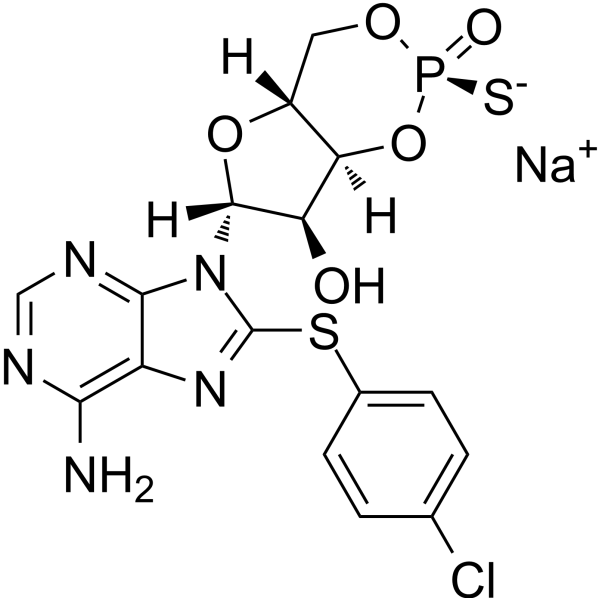
Sp-8-Br-2'-O-Me-cAMPS

" in MedChemExpress (MCE) Product Catalog:

100

Inhibitors & Agonists

1

Screening Libraries

7

Peptides

4

Natural
Products

1

Click Chemistry

1

Oligonucleotides

Cat. No. Product Name Target Research Areas Chemical Structure
  • HY-B0764
    Bucladesine sodium
    Maximum Cited Publications
    43 Publications Verification

    Dibutyryl cAMP sodium; DBcAMP sodium

    PKA Reactive Oxygen Species (ROS) Apoptosis Neurological Disease Inflammation/Immunology Cancer
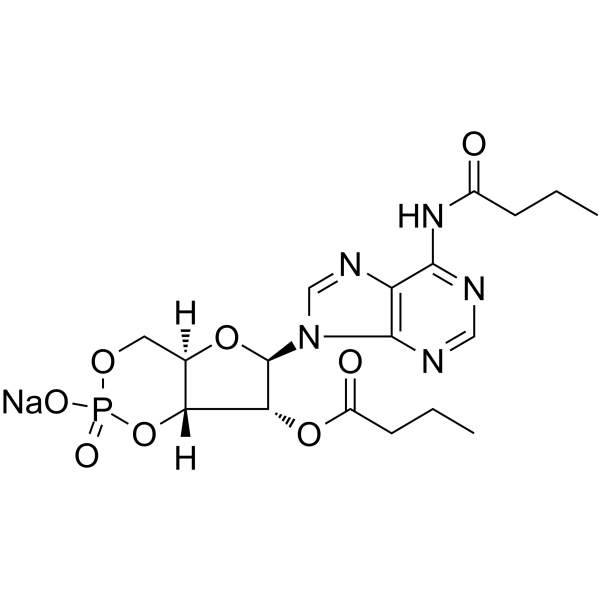
    Bucladesine (Dibutyryl cAMP; DBcAMP) sodium is a membrane-permeable 3′, 5′-cyclic adenosine monophosphate (cAMP) analog. Bucladesine selectively activates cAMP dependent protein kinase (PKA) by increasing the intracellular level of cAMP. Bucladesine significantly attenuates MDMA-induced increases in hippocampal mitochondrial ROS formation, mitochondrial outer membrane damage, cytochrome c release, and hippocampal ADP/ATP ratio, thereby improving spatial learning and memory impairments. Bucladesine exhibit anti-nociceptive and anti-inflammation effect. Bucladesine can inhibit cancer cells proliferation, induce apoptosis. Bucladesine can be used for the researches of neurological disease, cancer, inflammation .
    Bucladesine sodium
  • HY-100927

    Ro 20-174

    Phosphodiesterase (PDE) Neurological Disease
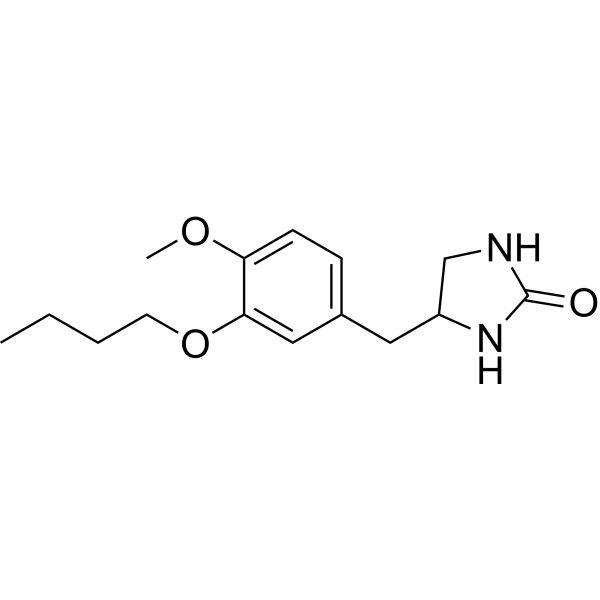
    Ro 20-1724 (Ro 20-174) is a potent inhibitor of cAMP-specific phosphodiesterase (PDE4/PDE IV) with a Ki of 1930 nM. Neuroprotective effect .
    Ro 20-1724
  • HY-100530D
    Rp-cAMPS sodium salt
    5 Publications Verification

    PKA Neurological Disease
    Rp-cAMPS sodium salt, a cAMP analog, is a potent, competitive cAMP-induced activation of cAMP-dependent PKA I and II (Kis of 12.5 µM and 4.5 µM, respectively) antagonist. Rp-cAMPS sodium salt is resistant to hydrolysis by phosphodiesterases .
    Rp-cAMPS sodium salt
  • HY-P3366

    XW003

    GCGR Metabolic Disease
    Ecnoglutide (XW003) is a long-acting, cAMP-biased glucagon-like peptide 1 (GLP-1) receptor agonist. Ecnoglutide can be used for research of T2DM and obesity .
    Ecnoglutide
  • HY-117656
    ESI-05
    4 Publications Verification

    NSC 116966

    Acyltransferase Neurological Disease Metabolic Disease
    ESI-05 is a specific exchange proteins directly activated by cAMP 2 (EPAC2) inhibitor. ESI-05 inhibits cAMP-mediated EPAC2 GEF activity with an IC50 of 0.43 μM. ESI-05 can be used for the research of diabetes, insulin secretion and neurological disorders .
    ESI-05
  • HY-125791
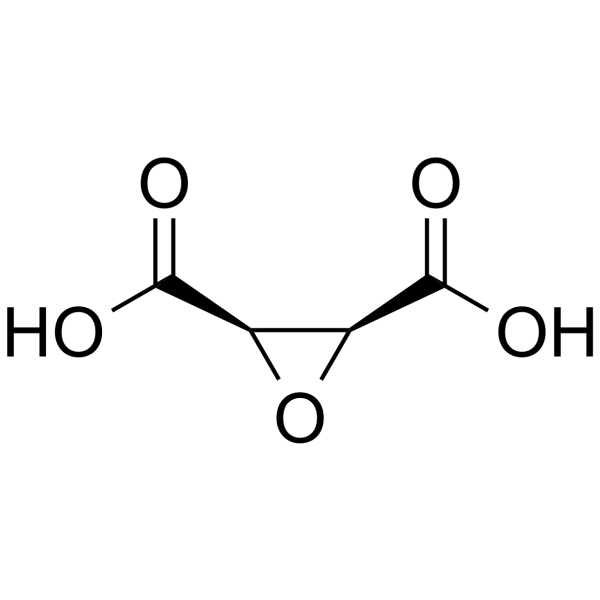
    cis-Epoxysuccinic acid
    3 Publications Verification

    Succinate Receptor 1 Cardiovascular Disease
    cis-Epoxysuccinic acid is a succinate receptor (SUCNR1/GPR91) agonist. cis-Epoxysuccinic acid inhibits cAMP levels with an EC50 value of 2.7 μM. cis-Epoxysuccinic acid can be used for the research of cardiovascular system .
    cis-Epoxysuccinic acid
  • HY-124151

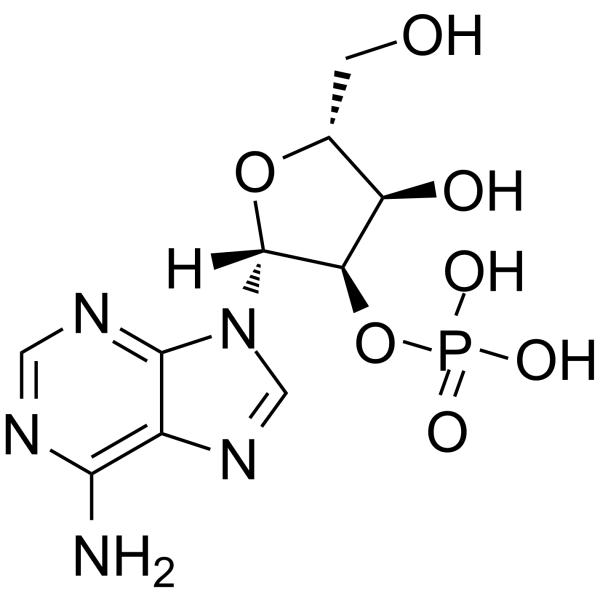
    2'-AMP; Adenosine 2'-phosphate; AMP 2'-phosphate

    Adenosine Receptor Endogenous Metabolite Neurological Disease
    Adenosine-2'-monophosphate (2'-AMP) is converted by extracellular 2’,3'-CAMP. Adenosine-2'-monophosphate is further metabolized to extracellular adenosine (a mechanism called the extracellular 2’,3’-cAMP-adenosine pathway). Adenosine-2'-monophosphate inhibits LPS-induced TNF-α and CXCL10 production via A2A receptor activation .
    Adenosine-2'-monophosphate
  • HY-136172
    ESI-08
    1 Publications Verification

    Ras Cardiovascular Disease Metabolic Disease Cancer
    ESI-08 is a potent and selective EPAC antagonist, which can completely inhibit both EPAC1 and EPAC2 (IC50 of 8.4 μM) activity. ESI-08 selectively blocks cAMP-induced EPAC activation, but does not inhibit cAMP-mediated PKA activation .
    ESI-08
  • HY-B0392

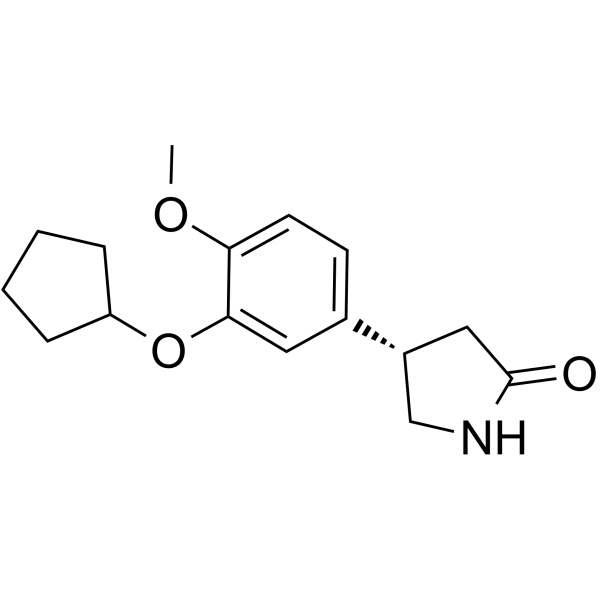
    (+)-Rolipram; (S)-Rolipram

    Phosphodiesterase (PDE) Apoptosis Neurological Disease Inflammation/Immunology Cancer
    (S)-(+)-Rolipram ((+)-Rolipram) is a cyclic AMP(cAMP)-specific phosphodiesterase 4 (PDE4) inhibitor, with an IC50 of 1100 nM. (S)-(+)-Rolipram can suppresse tumor necrosis factor-alpha (TNFα) production by human mononuclear cells .
    (S)-(+)-Rolipram
  • HY-100530C

    PKA Phosphodiesterase (PDE) Neurological Disease Metabolic Disease
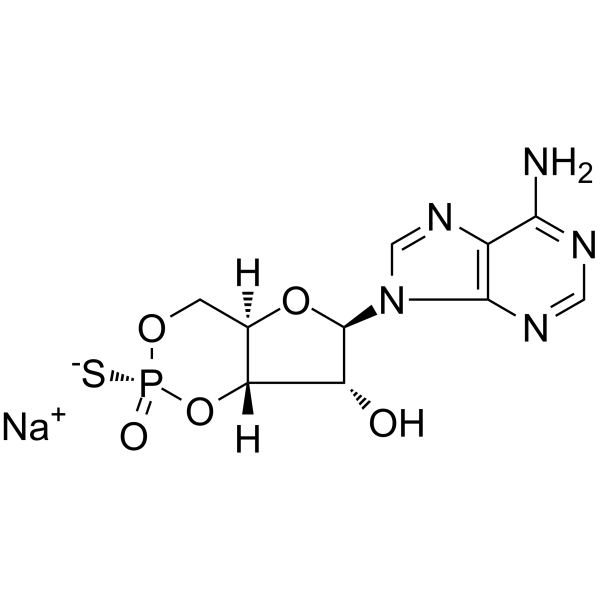
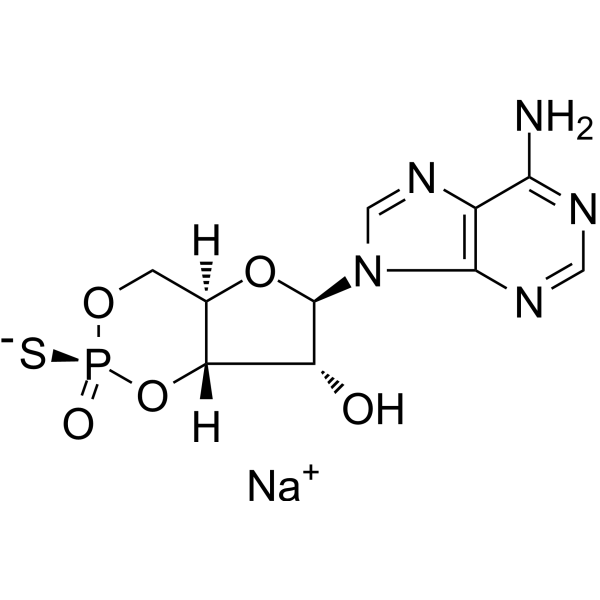
    Sp-cAMPS sodium salt, a cAMP analog, is potent activator of cAMP-dependent PKA I and PKA II. Sp-cAMPS sodium salt is also a potent, competitive phosphodiesterase (PDE3A) inhibitor with a Ki of 47.6 µM. Sp-cAMPS sodium salt binds the PDE10 GAF domain with an EC50 of 40 μM .
    Sp-cAMPS sodium salt
  • HY-103180

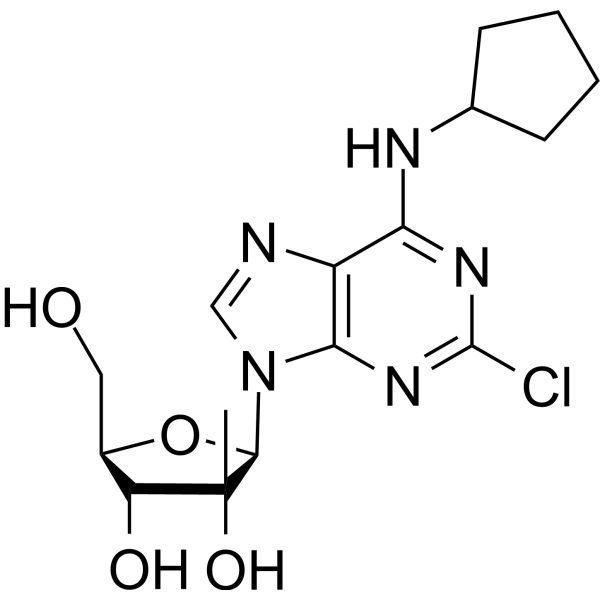
    2-Chloro-N-cyclopentyl-2′-C-methyladenosine

    Adenosine Receptor Neurological Disease
    2'-MeCCPA is a potent and selective A1 adenosine receptors (A1AR) agonist. 2'-MeCCPA efficiently inhibits cAMP modulation in both direct pathway medium spiny neurons (dMSNs) and indirect pathway medium spiny neurons (iMSNs) .
    2'-MeCCPA
  • HY-P2197

    Apelin Receptor (APJ) Arrestin Inflammation/Immunology
    ELA-11(human), a peptide, is a full agonist of human apelin receptor, with a pKi of 7.85. ELA-11(human) completely inhibits Forskolin-induced cAMP production and stimulates β-arrestin recruitment .
    ELA-11(human)
  • HY-137640A

    PKA Inflammation/Immunology
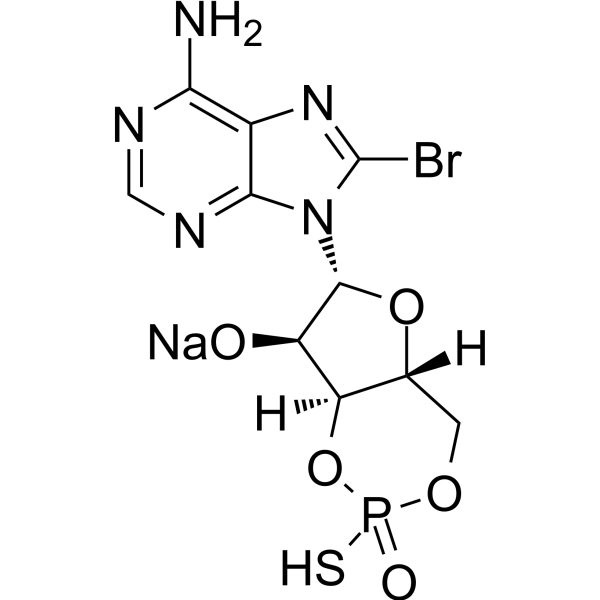
    Sp-8-Br-cAMPS sodium is a cAMP analog, which performs a protein kinase A (PKA) activating activity with EC50 of 360 nM. Sp-8-Br-cAMPS sodium inhibits proliferation of T cells and the haemocyte non-self response in Lepidoptera larve .
    Sp-8-Br-cAMPS sodium
  • HY-P2249

    Arrestin Apelin Receptor (APJ) Cardiovascular Disease
    ELA-21 (human) is an apelin receptor agonist with a pKi of 8.52. ELA-21 (human) completely inhibits Forskolin-induced cAMP production and stimulates β-arrestin recruitment with subnanomolar potencies. ELA-21 (human) is an agonist in G-protein-dependent and -independent pathways .
    ELA-21 (human)
  • HY-134266
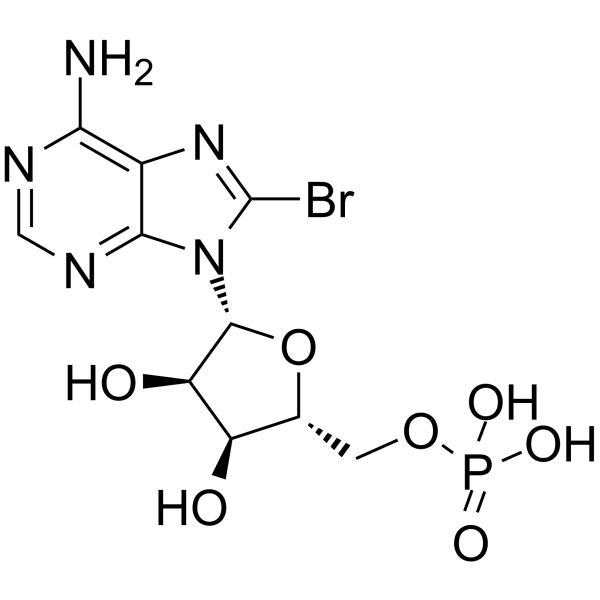
    8-Bromo-AMP
    1 Publications Verification

    8-Bromoadenosine 5'-monophosphate; 8-Bromoadenylic acid

    Endogenous Metabolite Cardiovascular Disease
    8-Bromo-AMP (8-Bromoadenosine 5'-monophosphate) is a membrane permeable cAMP analogue. 8-Bromo-AMP can improve the ability of the heart to recover from ischemia and reperfusion by increasing the levels of ATP, ADP, and total adenine nucleotides .
    8-Bromo-AMP
  • HY-50158

    GCGR Metabolic Disease Inflammation/Immunology
    Glucagon receptor antagonist-2 is a glucagon receptor antagonist. Glucagon receptor antagonist-2 functionally inhibits receptor activity via reduced cAMP production. Glucagon receptor antagonist-2 can be used for the research of type 2 diabetes .
    Glucagon receptor antagonist-2
  • HY-153213A

    TSH Receptor Endocrinology
    Org 274178-0 is a selective thyroid-stimulating hormone receptor (TSHR) antagonist with a pIC50 value for TSHR is 5.03. Org 274178-0 inhibits the activation of cAMP signaling pathway and phospholipase C (PLC) signaling pathway mediated by thyroid-stimulating hormone (TSH) and TSH receptor-stimulating immunoglobulins (TSIs). Org 274178-0 is promising for research of Graves’ disease and Graves’ ophthalmopathy .
    Org 274178-0
  • HY-100530A

    PKA Neurological Disease
    Rp-cAMPS, a cAMP analog, is a potent, competitive cAMP-induced activation of cAMP-dependent PKA I and II (Kis of 12.5 µM and 4.5 µM, respectively) antagonist. Rp-cAMPS is resistant to hydrolysis by phosphodiesterases .
    Rp-cAMPS
  • HY-100530
    Rp-cAMPS triethylammonium salt
    5 Publications Verification

    PKA Neurological Disease
    Rp-cAMPS triethylammonium salt, a cAMP analog, is a potent, competitive cAMP-induced activation of cAMP-dependent PKA I and II (Kis of 12.5 µM and 4.5 µM, respectively) antagonist. Rp-cAMPS triethylammonium salt is resistant to hydrolysis by phosphodiesterases .
    Rp-cAMPS triethylammonium salt
  • HY-137640C
    Rp-8-Br-cAMPS sodium
    1 Publications Verification

    PKA Inflammation/Immunology Cancer
    Rp-8-Br-cAMPS sodium is an analog of cAMP and an inhibitor of PKA. Rp-8-Br-cAMPS sodium occupies cAMP binding sites on PKA type I regulatory subunits, thereby preventing PKA dissociation and activation. Rp-8-Br-cAMPS sodium can be used in the study of tumors and retrovirus-induced immune deficiency. Rp-8-Br-cAMPS sodium also inhibits insulin secretion .
    Rp-8-Br-cAMPS sodium
  • HY-120994B

    PKA Neurological Disease Inflammation/Immunology
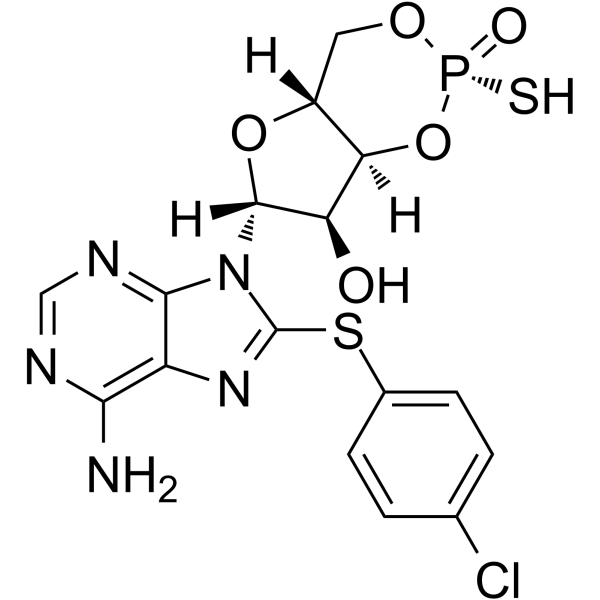
    Sp-8-CPT-cAMPS, a cAMP analog, is a potent and selective activator of the cAMP-dependent protein kinas A (PKA I and PKA II). Sp-8-CPT-cAMPS selects site A of RI compares to site A of RII by 153-fold and site B of RII compares to site B of RI by 59-fold .
    Sp-8-CPT-cAMPS
  • HY-131768

    Cholinesterase (ChE) Others
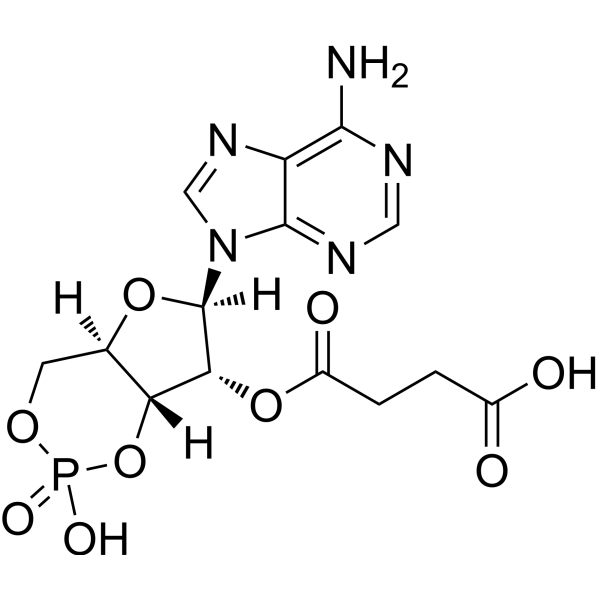
    2'-O-Succinyl-cAMP is a cAMP analog that can be covalently coupled to acetylcholinesterase. 2'-O-Succinyl-cAMP conjugate has been used as tracers in a classical heterogeneous competitive enzyme immunoassay allowing the determination of cAMP .
    2'-O-Succinyl-cAMP
  • HY-134254

    8-(6-Aminohexylamino)-cAMP

    Biochemical Assay Reagents Others
    8-AHA-cAMP (8-(6-Aminohexylamino)-cAMP) is a cAMP derivative that modulates the function of proteins by interacting with their cAMP binding domain (CNBD). 8-AHA-cAMP can be used to reveal the mechanism of action of cAMP in cell signaling .
    8-AHA-cAMP
  • HY-P1325

    ((Cys31, Nva 34)-Neuropeptide Y (27-36))2

    Neuropeptide Y Receptor Neurological Disease
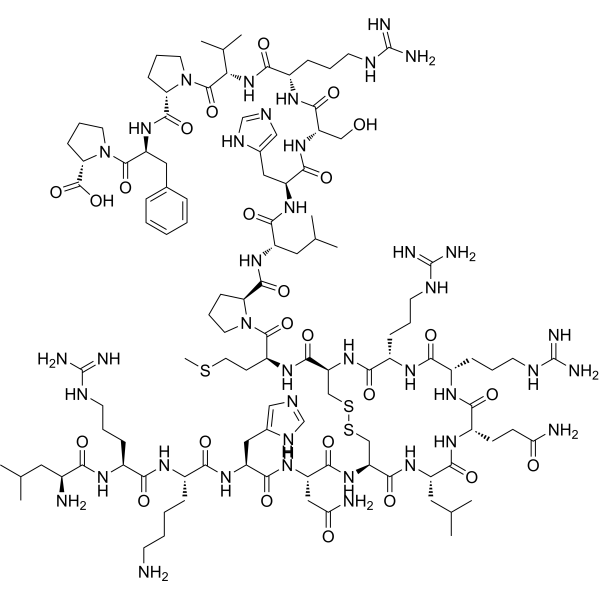
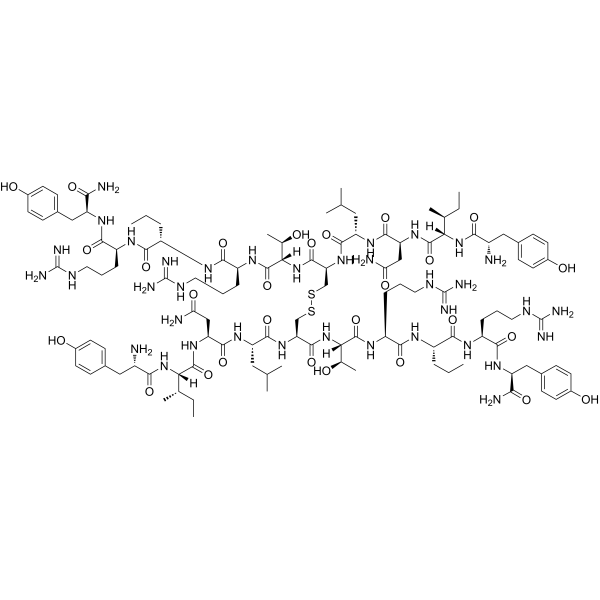
    BWX 46 (((Cys31, Nva 34)-Neuropeptide Y (27-36))2) is a selective Y5 receptor agonist with an IC50 value of 0.85 nM. BWX 46 can inhibit the synthesis of cAMP in Y5 cells .
    BWX 46
  • HY-B0764R

    Dibutyryl cAMP sodium (Standard); DBcAMP sodium (Standard)

    Reference Standards PKA Reactive Oxygen Species (ROS) Apoptosis Neurological Disease Inflammation/Immunology Cancer
    Bucladesine (Dibutyryl cAMP; DBcAMP) sodium (Standard) is the analytical standard of Bucladesine sodiumn (HY-B0764). This product is intended for research and analytical applications. Bucladesine is a membrane-permeable 3′, 5′-cyclic adenosine monophosphate (cAMP) analog. Bucladesine selectively activates cAMP dependent protein kinase (PKA) by increasing the intracellular level of cAMP. Bucladesine significantly attenuates MDMA-induced increases in hippocampal mitochondrial ROS formation, mitochondrial outer membrane damage, cytochrome c release, and hippocampal ADP/ATP ratio, thereby improving spatial learning and memory impairments. Bucladesine exhibit anti-nociceptive and anti-inflammation effect. Bucladesine can inhibit cancer cells proliferation, induce apoptosis. Bucladesine can be used for the researches of neurological disease, cancer, inflammation .
    Bucladesine sodium (Standard)
  • HY-131032

    Adenosine Receptor Others
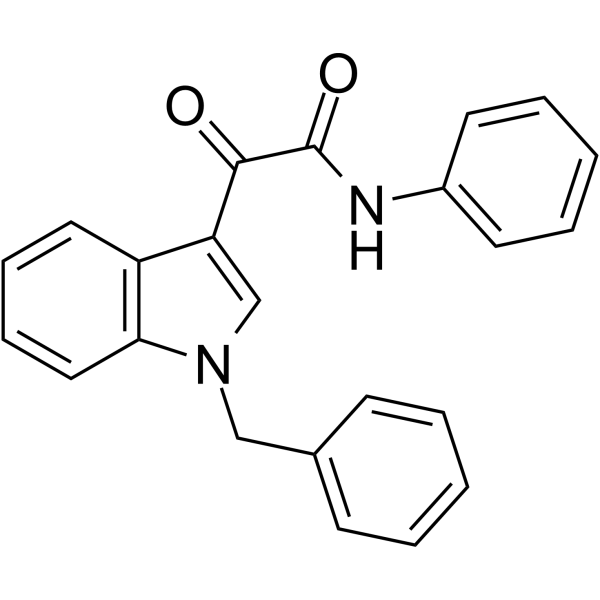
    KI-7 is an A2B adenosine receptor positive allosteric modulator. KI-7 potentiates the cAMP accumulation induced by the non-selective A2B adenosine receptor agonist NECA (EC50=445.8 nM). KI-7 also potentiates the cAMP accumulation induced by the selective A2B adenosine receptor agonist BAY 60-6583 as well as by adenosine with EC50s of 2390 nM and 2550 nM, respectively .
    KI-7
  • HY-149933

    Cannabinoid Receptor Neurological Disease
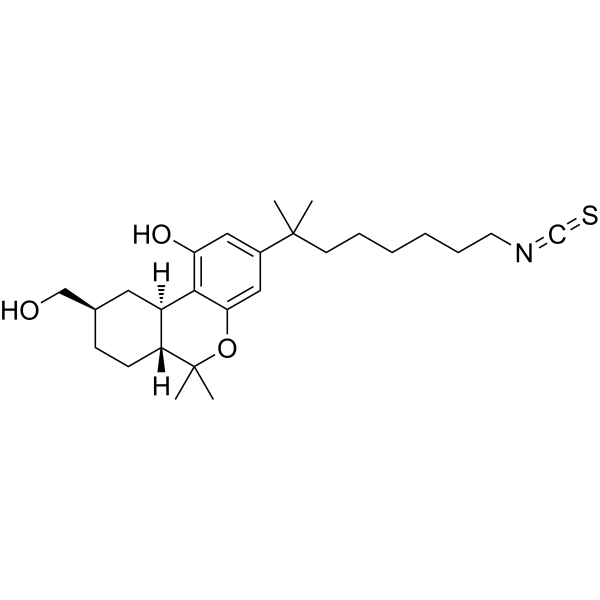
    AM841 is a high-affinity electrophilic ligand. AM841 interacts covalently with a cysteine in helix six and activates the CB1 cannabinoid receptor. AM841 reduces Forskolin (HY-15371)-stimulated cAMP accumulation. AM841 also slows gastrointestinal motility .
    AM841
  • HY-100530B

    PKA Phosphodiesterase (PDE) Neurological Disease Metabolic Disease
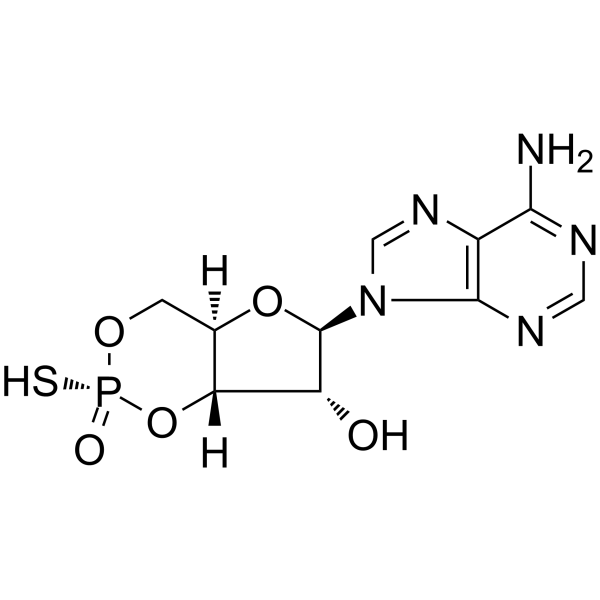
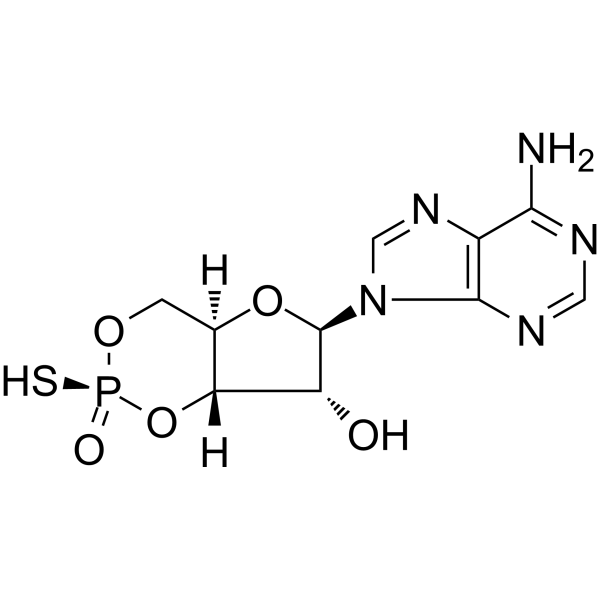
    Sp-cAMPS, a cAMP analog, is potent activator of cAMP-dependent PKA I and PKA II. Sp-cAMPS is also a potent, competitive phosphodiesterase (PDE3A) inhibitor with a Ki of 47.6 µM. Sp-cAMPS binds the PDE10 GAF domain with an EC50 of 40 μM .
    Sp-cAMPS
  • HY-110005

    PKA Phosphodiesterase (PDE) Neurological Disease Metabolic Disease
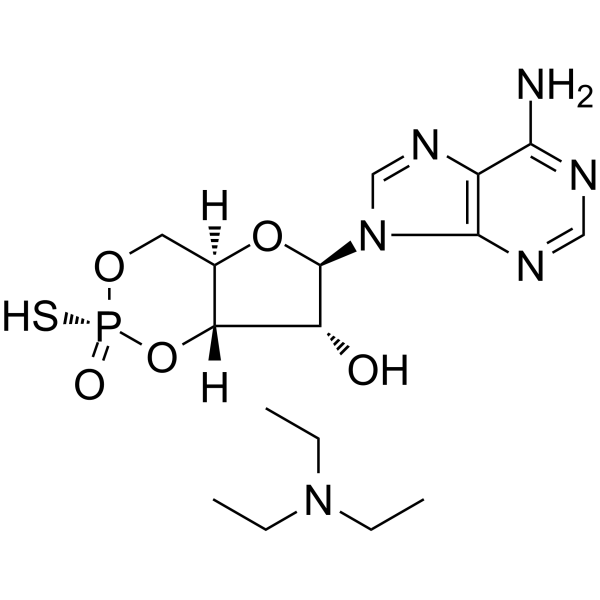
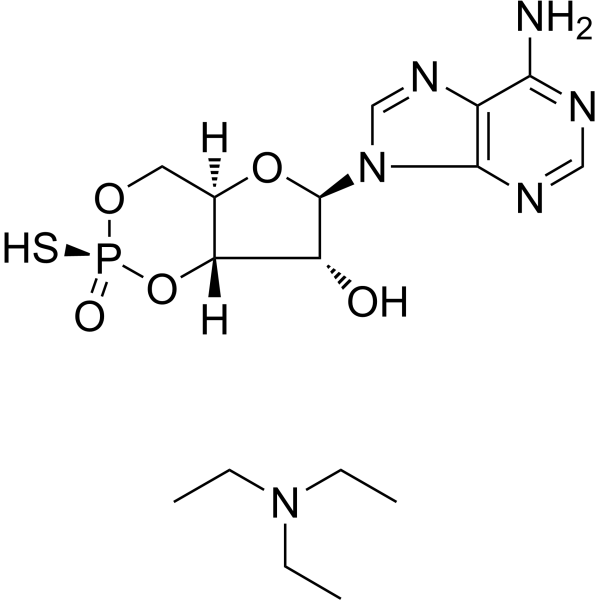
    Sp-cAMPS triethylamine, a cAMP analog, is potent activator of cAMP-dependent PKA I and PKA II. Sp-cAMPS triethylamine is also a potent, competitive phosphodiesterase (PDE3A) inhibitor with a Ki of 47.6 µM. Sp-cAMPS triethylamine binds the PDE10 GAF domain with an EC50 of 40 μM .
    Sp-cAMPS triethylamine
  • HY-P3786

    PKA PKC Cancer
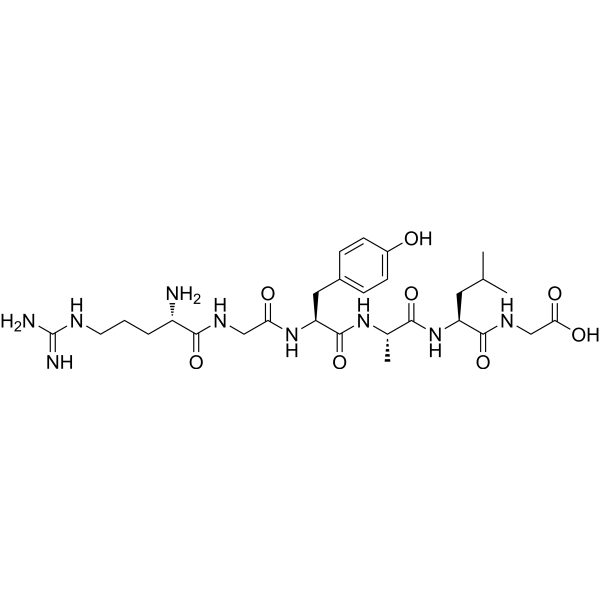
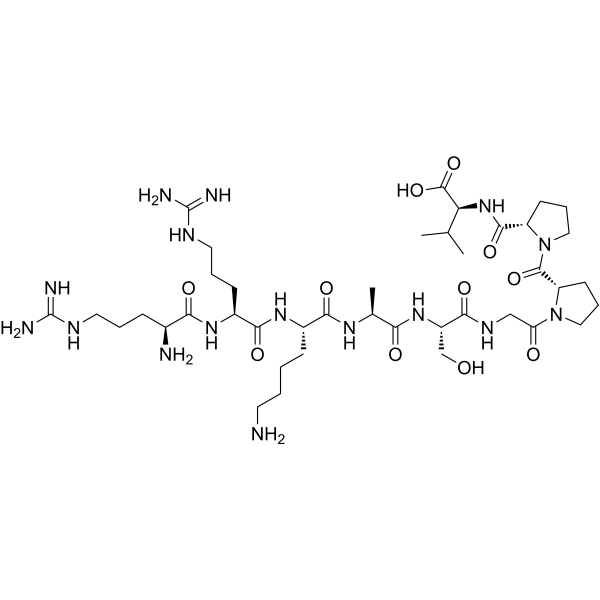
    H-Arg-Gly-Tyr-Ala-Leu-Gly-OH is a competitive and CAMP dependent protein kinase inhibitor .
    H-Arg-Gly-Tyr-Ala-Leu-Gly-OH
  • HY-P3770

    PKC Others
    Phosphate acceptor peptide is a substrate for cAMP-dependent protein kinase (PKA). phosphate acceptor peptide is also a weak PKC inhibitor .
    Phosphate acceptor peptide
  • HY-W349178

    Phosphodiesterase (PDE) Cardiovascular Disease
    Medorinone is an inhibitor of cAMP phosphodiesterase activity. Medorinone can be used as a cardiac stimulant/vasodilator .
    Medorinone
  • HY-106303

    Adenosine Receptor Cardiovascular Disease
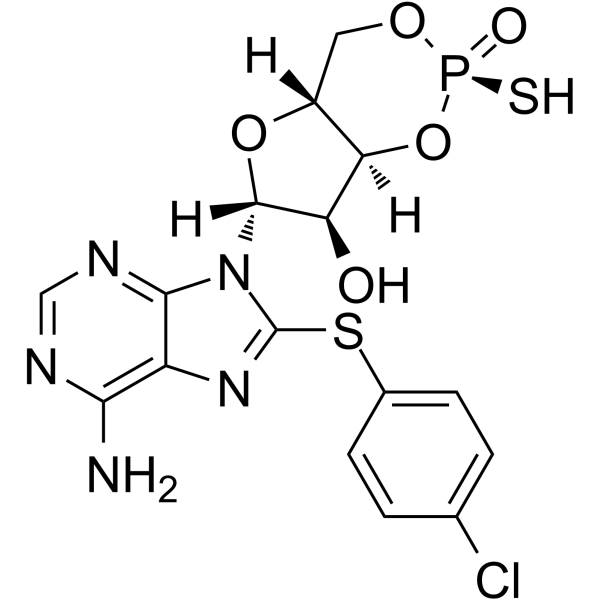
    YT 146 is a potent agonist of A2 adenosine receptor (A2 AR) agonist. YT 146 causes a concentreation dependent cAMP accumulation, with the EC50 of 1.5 nM. YT 146 has cardioprotective effects .
    YT 146
  • HY-141495
    (Rac)-Razpipadon
    1 Publications Verification

    PW0464

    Dopamine Receptor Neurological Disease
    PW0464, a nanomolar potent complete G protein biased ligand, is a noncatechol D1R agonist, with an EC50 of 5.8 nM (Gs-cAMP) .
    (Rac)-Razpipadon
  • HY-178982

    Apelin Receptor (APJ) Metabolic Disease
    Apelin agonist 2 (Compound 35) is an orally active APLNR agonist. Apelin agonist 2 can significantly inhibit the accumulation of cAMP (EC50 = 10 nM). Apelin agonist 2 exhibits a significant improvement in glucose tolerance. Apelin agonist 2 can be used to study metabolic diseases such as diabetes .
    Apelin agonist 2
  • HY-P0252B

    α-Melanocyte-Stimulating Hormone free acid

    Melanocortin Receptor Neurological Disease
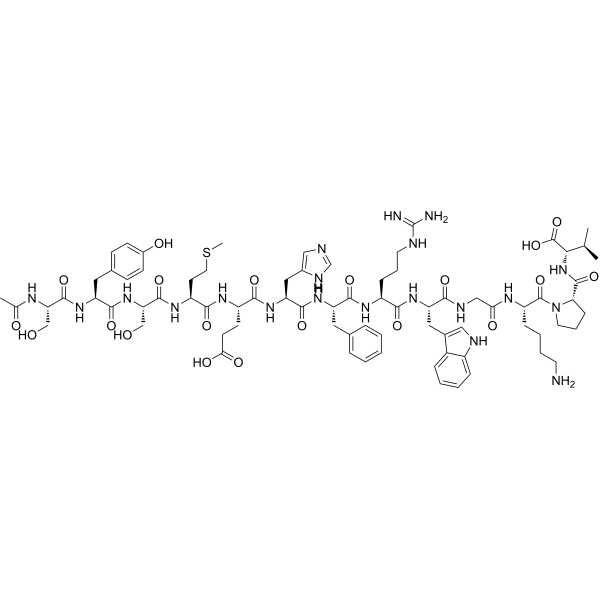
    α-MSH free acid (α-Melanocyte-Stimulating Hormone free acid) is an MC3R and MC4R agonist with EC50s of 0.16 nM and 5.6 nM, respectively. α-MSH free acid activates cAMP generation at MC3R and MC4R .
    α-MSH free acid
  • HY-120994A

    PKA Neurological Disease Inflammation/Immunology
    Rp-8-CPT-cAMPS, a cAMP analog, is a potent and competitive antagonist of cAMP-induced activation of cAMP-dependent PKA I and II. Rp-8-CPT-cAMPS preferentially selects site A of RI compares to site A of RII and site B of RII compares to site B of RI .
    Rp-8-CPT-cAMPS
  • HY-137640B

    PKA Inflammation/Immunology Cancer
    Rp-8-Br-cAMPS is an analog of cAMP and an inhibitor of PKA. Rp-8-Br-cAMPS occupies cAMP binding sites on PKA type I regulatory subunits, thereby preventing PKA dissociation and activation. Rp-8-Br-cAMPS can be used in the study of tumors and retrovirus-induced immune deficiency. Rp-8-Br-cAMPS also inhibits insulin secretion .
    Rp-8-Br-cAMPS
  • HY-134263

    PKA Ras Cardiovascular Disease
    8-Br-cAMP-AM is a cyclic adenosine monophosphate (cAMP) analog that activates two major signal transduction pathways in the heart by mimicking the effects of cAMP: protein kinase A (PKA) and guanosine nucleotide exchange factor (Epac), which is directly activated by cAMP. 8-Br-cAMP-AM can be used to study cardiac ischemia and reperfusion injury .
    8-Br-cAMP-AM
  • HY-N3550

    Others Cancer
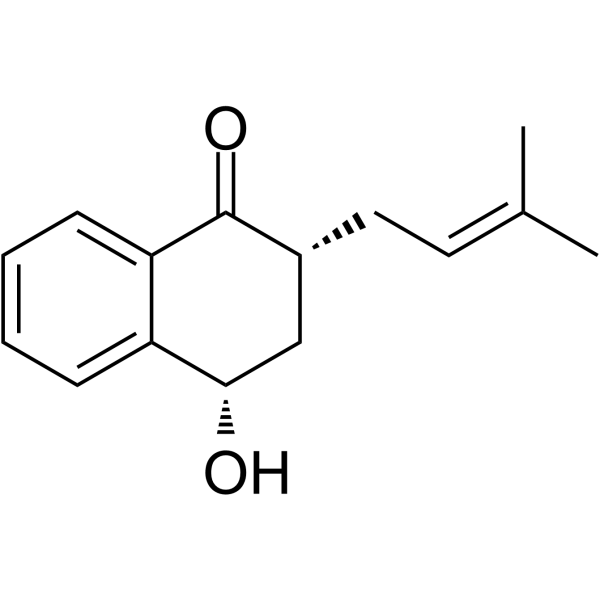
    Catalponol is a naphthoquinone derivative. Catalponol enhances dopamine biosynthesis by inducing tyrosine hydroxylase activity. Catalponol also increases the levels of cAMP and tyrosine hydroxylase phosphorylation in PC12 cells .
    Catalponol
  • HY-130786

    BRL 30892

    Phosphodiesterase (PDE) Others Inflammation/Immunology
    Denbufylline (BRL 30892) is an inhibitor of phosphodiesterase-4 (PDE4). Denbufylline is able to block the degradation of intracellular cAMP (cyclic adenosine phosphate) thereby increasing the level of intracellular cAMP, which helps regulate a variety of cellular functions. Denbufylline can be used in the study of chronic obstructive pulmonary disease (COPD), asthma and other inflammatory diseases .
    Denbufylline
  • HY-137370

    HENECA; 2-Hexynyl-NECA

    Adenosine Receptor Amyloid-β Neurological Disease
    2-Hexynyl-5′-N-ethylcarboxamidoadenosine (HENECA) is a selective A2A adenosine receptor agonist. 2-Hexynyl-5′-N-ethylcarboxamidoadenosine increases intracellular cAMP level, and inhibits TNFα-evoked MMP-3 release. 2-Hexynyl-5′-N-ethylcarboxamidoadenosine induces Aβ42 production in SH-SY5Y cells .
    2-Hexynyl-5′-N-ethylcarboxamidoadenosine
  • HY-N2658

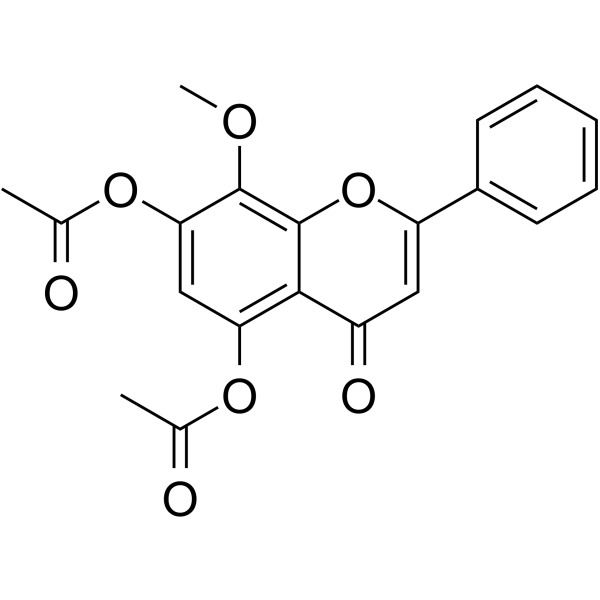
    Phosphodiesterase (PDE) Others
    5,7-Diacetoxy-8-methoxyflavone is a natural product that could come from scutellaria genus plants. 5,7-Diacetoxy-8-methoxyflavone has inhibitory activity for cAMP phosphodiesterase .
    5,7-Diacetoxy-8-methoxyflavone
  • HY-161107

    GPR84 Inflammation/Immunology
    OX04529 (compound 69) is a potent, selective and orally active agonist of GPR84. OX04529 inhibits FSK-induced cAMP production with an EC50 of 0.0185 nM. OX04529 displayed excellent potency, high G-protein signaling bias .
    OX04529
  • HY-14326

    Dopamine Receptor Neurological Disease
    L-750667 is a selective dopamine D4 receptor antagonist ligand. 125I-labeled L-750667 can specifically bind to dopamine D4 receptors in the rat retina, with a Kd value of 0.06 nM. L-750667 is involved in the regulation of the light-sensitive cAMP pool .
    L-750667
  • HY-117064

    Ras Others
    NY-0173 is an antagonist of Exchange proteins directly activated by cAMP (EPAC), with IC50s of 3.5 μM (EPAC2)and 4.0 μM (EPAC1) respectively. NY-0173 can be used to elucidate the biological functions of EPAC .
    NY-0173
  • HY-124681

    Neuromedin U Receptor (NMUR) Metabolic Disease
    NY0116 is a neuromedin U receptor 2 (NMUR2) agonist with EC50 values of 27.76 μM for hNMUR1 and 13.61 μM for hNMUR2. NY0116 decreases cAMP while stimulating calcium signaling in stably expressing NMUR2 HEK293 cells .
    NY0116
  • HY-177493A

    Somatostatin Receptor Metabolic Disease Endocrinology
    SSTR3 agonist-1 TFA is a potent, orally active, and selective SSTR3 agnoist (EC50 =0.14 nM). SSTR3 agonist-1 TFA binds to SSTR3 receptor to inhibit cAMP activity. SSTR3 agonist-1 TFA decreases kidney weight and kidney cystic index (KCI) in a mouse model of autosomal dominant polycystic kidney disease (ADPKD). SSTR3 agonist-1 TFA can be used for ADPKD research .
    SSTR3 agonist-1 TFA
  • HY-120994

    PKA Neurological Disease Inflammation/Immunology
    Rp-8-CPT-cAMPS sodium, a cAMP analog, is a potent and competitive antagonist of cAMP-induced activation of cAMP-dependent PKA I and II. Rp-8-CPT-cAMPS sodium preferentially selects site A of RI compares to site A of RII and site B of RII compares to site B of RI .
    Rp-8-CPT-cAMPS sodium
  • HY-137624

    PKA Others
    Sp-cAMPS-AM is an analog of cAMP. Sp-cAMPS-AM acts as the inducer of PKA activation and CREB phosphorylation, through entrance into the cell and release of its parent polar structure Sp-cAMPS .
    Sp-cAMPS-AM

Inquiry Online

Your information is safe with us. * Required Fields.

Salutation


Country or Region *

Applicant Name *


Organization Name *

Department *


Email Address *


Product Name *

Cat. No.


Requested quantity *

Phone Number *


Remarks

Inquiry Online

Inquiry Information

Product Name:
Cat. No.:
Quantity:
MCE Japan Authorized Agent: