From 11:00 pm to 12:00 pm EST ( 8:00 pm to 9:00 pm PST ) on January 6th, the website will be under maintenance. We are sorry for the inconvenience. Please arrange your schedule properly.
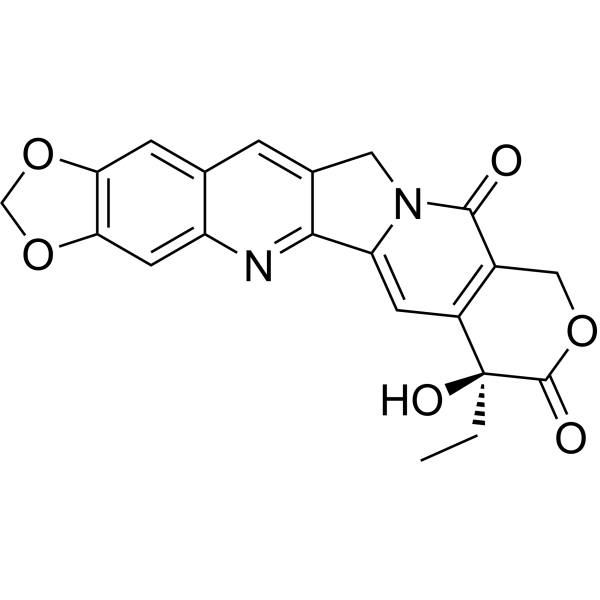
FL118 (10,11-(Methylenedioxy)-20(S)-camptothecin), a Camptothecin (HY-16560) analogue, is a potent and orally active survivininhibitor. FL118 binds to oncoprotein DDX5 (p68) to dephosphorylates and degrades DDX5. FL118 can be used for the research of cancer .
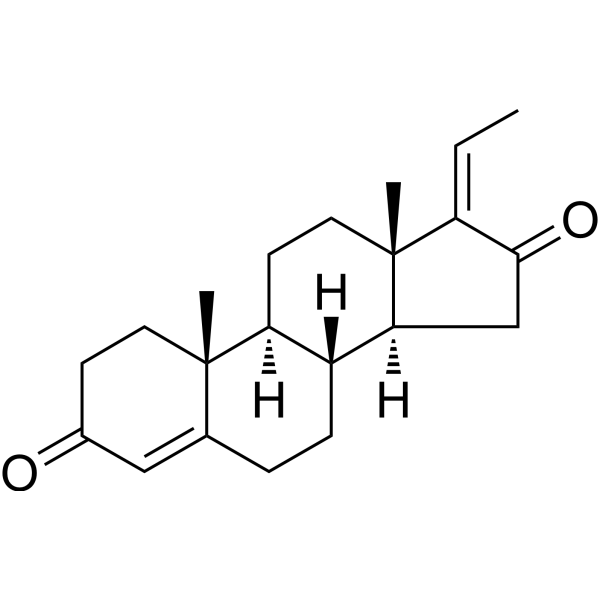
Guggulsterone is a plant sterol derived from the gum resin of the tree Commiphora wightii. Guggulsterone inhibits the growth of a wide variety of tumor cells and induces apoptosis through down regulation of antiapoptotic gene products (IAP1, xIAP, Bfl-1/A1, Bcl-2, cFLIP and survivin), modulation of cell cycle proteins (cyclin D1 and c-Myc), activation of caspases and JNK, inhibition of Akt . Guggulsterone, a farnesoid X receptor (FXR) antagonist, with IC50s of 24.06 μM and 39.05 μM for (-)-(E)-Guggulsterone (HY-N7781) and (Z)-Guggulsterone (HY-110066), respectively .
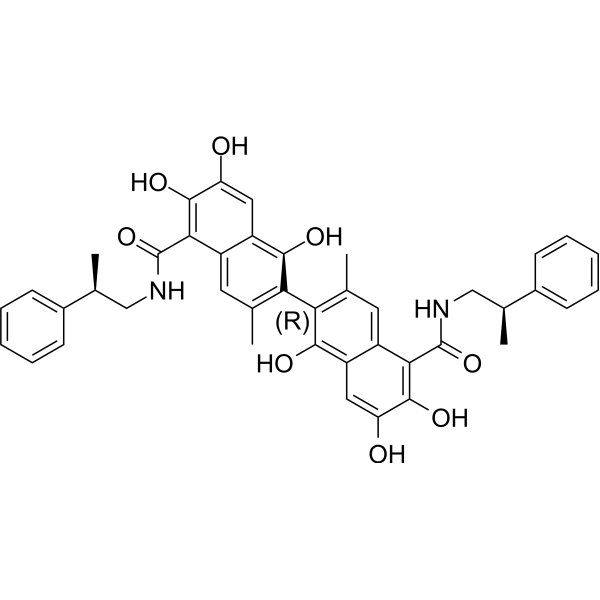
Sabutoclax is a potent and effective Bcl-2 Family (Bcl-2, Bcl-XL, Mcl-1, Bfl-1) inhibitor with IC50s of 0.32 μM, 0.31 μM, 0.20 μM, and 0.62 μM, respectively. Sabutoclax increases Bax, Bim, PUMA and survivin expression .
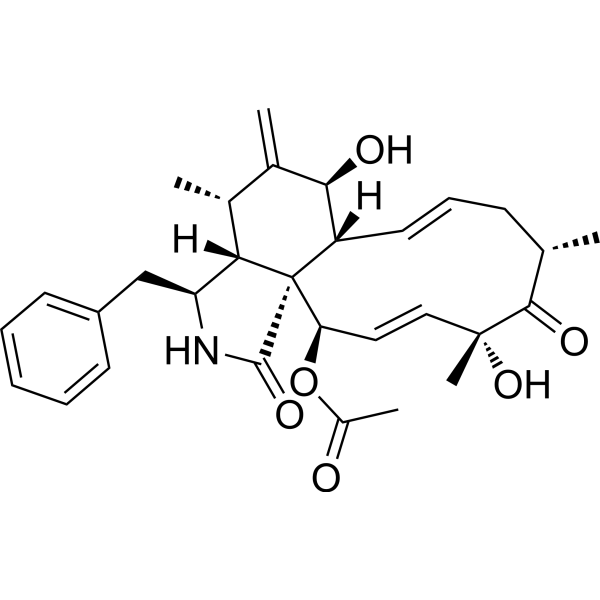
Cytochalasin D (Zygosporin A) is a potent actin polymerizationinhibitor, could be derived from fungus. Cytochalasin D has cell-permeable activity. Cytochalasin D inhibits the G-actin–cofilin interaction by binding to G-actin. Cytochalasin D also inhibits the binding of cofilin to F-actin and decreases the rate of both actin polymerization and depolymerization in living cells. Cytochalasin D can reduce exosome release, in turn reducing the amount of survivin present in the tumour environment. Cytochalasin D induces phosphorylation and cytoplasmic retention of Yap .
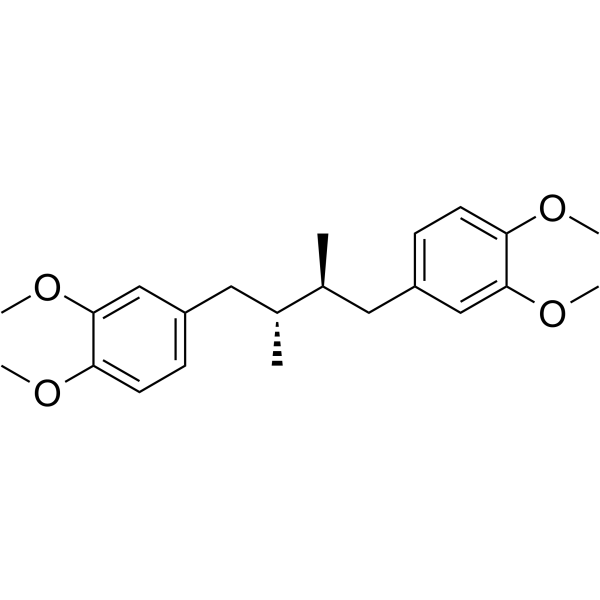
Terameprocol is an inhibitor targeting the Sp1 transcription factor, which can selectively inhibit the transcription of Sp1-dependent genes. Terameprocol exerts its effects by inhibiting Sp1-mediated gene transcription, such as reducing the expression of genes like CDC2, survivin and HMGB1, thereby arresting the cell cycle, inducing apoptosis, and suppressing the inflammatory response. Terameprocol exhibits anti-proliferative, pro-apoptotic, and anti-inflammatory activities and is currently mainly used in the research of diseases such as cancer and pulmonary arterial hypertension[1][2][3].
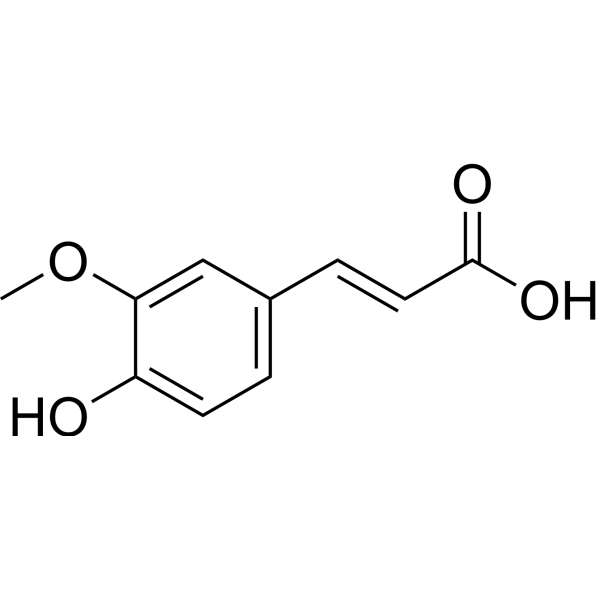
(E)-Ferulic acid is an isomer of ferulic acid, an aromatic compound abundant in plant cell walls. (E)-Ferulic acid causes phosphorylation of β-catenin (β-catenin), leading to proteasome degradation, increasing the expression of pro-apoptotic factor Bax and reducing pro-apoptotic factor Expression of the survival factor survivin. (E)-Ferulic acid can effectively remove reactive oxygen species (ROS) and inhibit lipid peroxidation. (E)-Ferulic acid exerts antiproliferative and antimigratory effects in the human lung cancer cell line H1299.
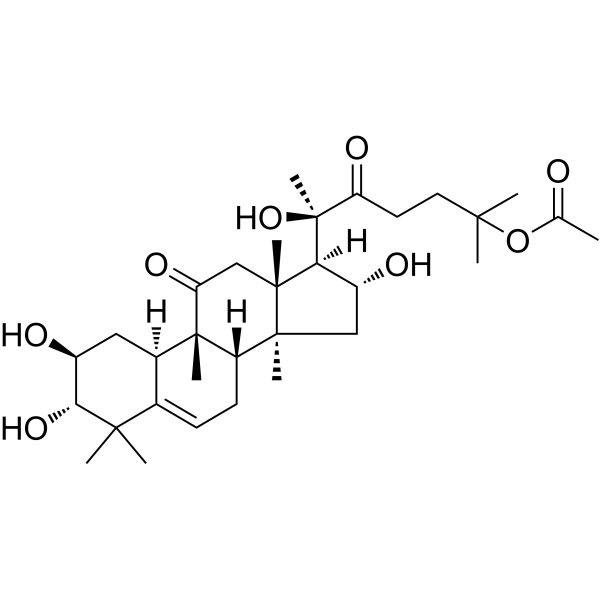
Cucurbitacin IIa (Hemslecin A) is an orally active, blood-brain barrier-permeable EGFRinhibitor with an IC50 of 1.455 nM against human EGFR. Cucurbitacin IIa induces caspase-3-dependent apoptosis, downregulates survivin expression, enhances autophagy levels, disrupts the actin cytoskeleton via actin aggregation, arrests the cell cycle at the G2/M phase, and exerts anti-inflammatory activity by inhibiting the EGFR-MAPK signaling pathway. Cucurbitacin IIa can be used in the research of inflammation-related diseases, depression, and cancers such as non-small cell lung cancer .
α-Santalol (cis-α-Santalol), a naturally occurring sesquiterpene, is an orally active anticancer agent and apoptosis inducer. α-Santalol activates caspase-3 to drive apoptotic processes. >α-Santalol induces apoptosis, decreases cell viability, and causes PARP cleavage in human prostate cancer cells. α-santalol inhibitsAkt/Survivin pathway to induce cell death. α-Santalol can be used for the research of prostate cancer and diabetes mellitus .
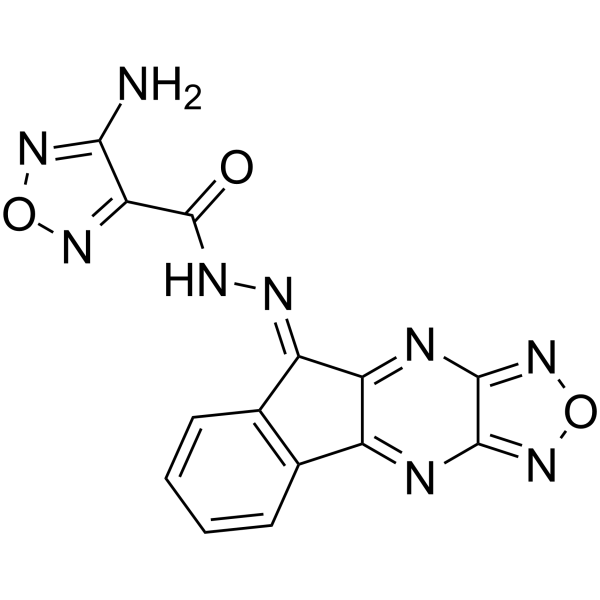
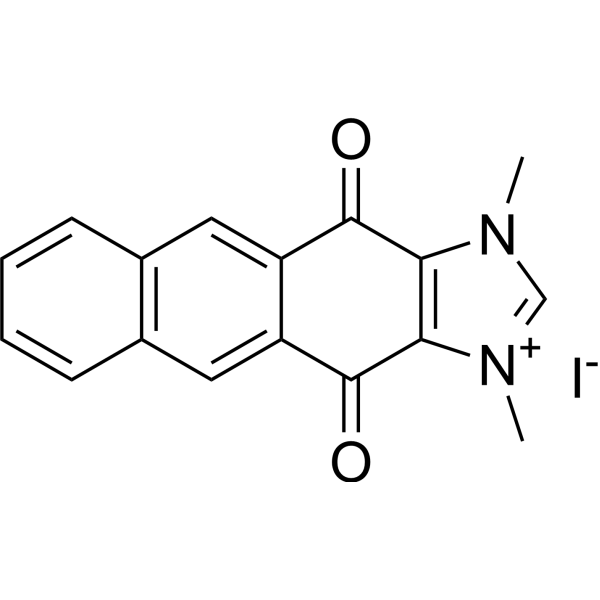
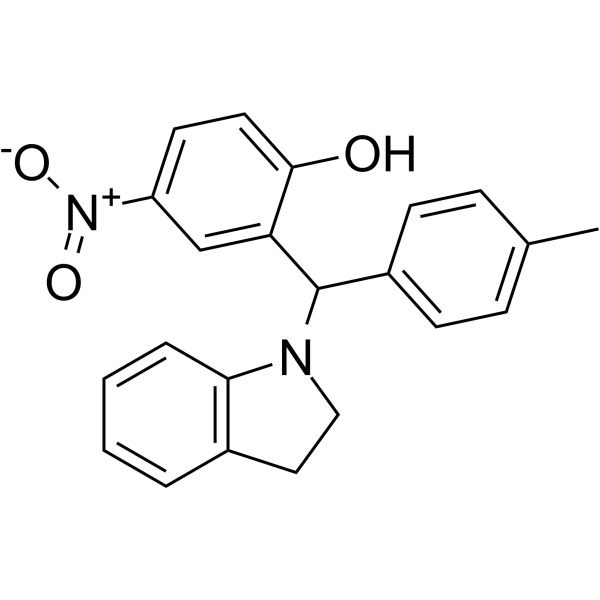
LQZ-7I is a survivin-targeting inhibitor. LQZ-7I inhibitssurvivin dimerization. LQZ-7I orally effectively inhibits xenograft tumor growth and induces survivin loss in tumors .
UC-112 is a XIAPinhibitor with anticancer activity. UC-112 selectively downregulates and degrades survivin via the ubiquitin-mediated proteasomal degradation pathway. UC-112 reduces XIAP levels in in vivo tumor models. UC-112 activates caspase-3/7 and caspase-9, and induces cancer cell apoptosis. UC-112 is applicable to studies on melanoma, prostate cancer and cancer-related research .
Polygalacin D (PGD) is a bioactive compound isolated from Platycodon grandiflorum with anticancer and anti-proliferative properties.
PGD suppresses the expression of the IAP family of proteins including survivin, cIAP-1 and cIAP-2 and blocks the PI3K/Akt pathway by inhibiting the phosphorylation of GSK3β, Akt and the expression of PI3K. Polygalacin D induces apoptosis
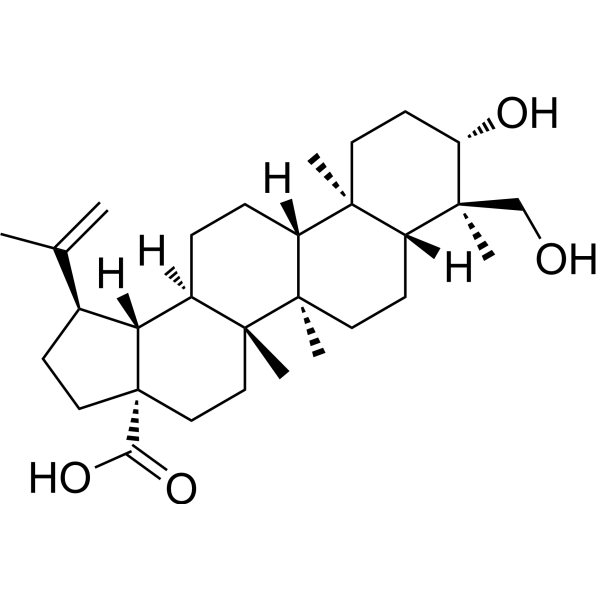
23-Hydroxybetulinic acid (Anemosapogenin) is an orally active triterpenoid with broad-spectrum anticancer activity. 23-Hydroxybetulinic acid reduces the levels of Bcl-2 and survivin, elevates the level of Bax, promotes the cleavage/activation of caspase-3 and caspase-9, and induces apoptosis via the endogenous mitochondrial pathway involving cytochrome C release and mitochondrial membrane potential disruption. 23-Hydroxybetulinic acid arrests the cell cycle at S and G1 phases, inhibits cancer cell proliferation, blocks the MAPK signaling pathway, regulates MMP2, and induces autophagic apoptosis by upregulating beclin-1. 23-Hydroxybetulinic acid inhibits the activity and efflux function of P-gp, increases the intracellular accumulation of chemotherapeutic drugs, and synergistically enhances cytotoxicity with Doxorubicin (HY-15142). 23-Hydroxybetulinic acid inhibits the phosphorylation and nuclear translocation of STAT6, blocks M2 macrophage polarization, and reduces M2 macrophage-mediated apoptosis resistance of colon cancer cells. 23-Hydroxybetulinic acid can be used in related studies on chronic myeloid leukemia, hepatocellular carcinoma, sarcoma 180, multidrug-resistant breast cancer, leukemia, Doxorubicin-induced cardiotoxicity, and colorectal cancer .
DK419 is a potent and orally active Wnt/β-catenin signaling inhibitor, with an IC50 of 0.19 μM. DK419 reduces protein lelvels of Axin2, β-catenin, c-Myc, Cyclin D1 and Survivin and induces production of pAMPK .
LQZ-7F, a survivin dimerizationinhibitor, induces spontaneous apoptosis and synergizes with Docetaxel in prostate cancer cells. LQZ-7F dose-dependently inhibits survival of both PC-3 and C4-2 cells with IC50s of 2.99 and 2.47 µM, respectively .
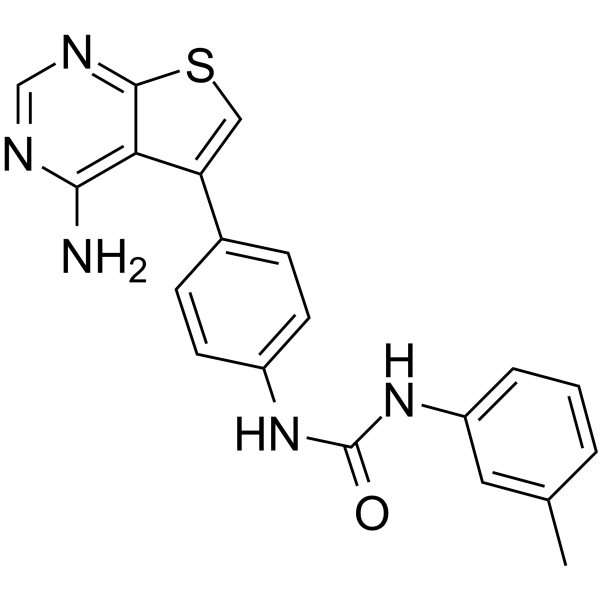
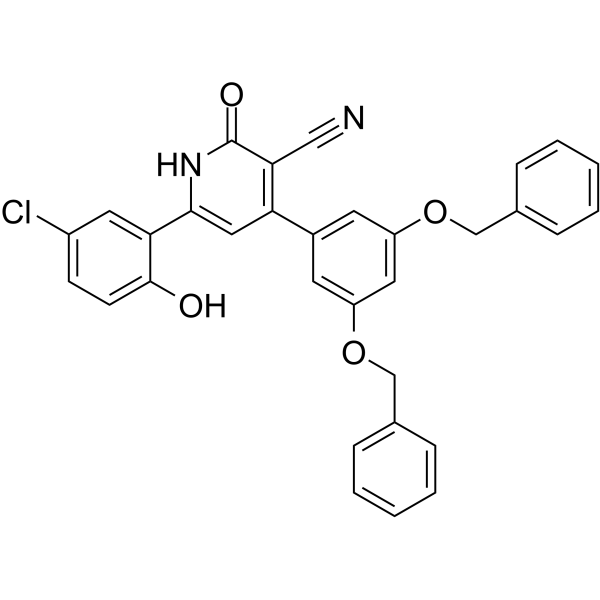
STAT3-IN-11 (7a) is a selective STAT3inhibitor that inhibits the phosphorylation of STAT3 at site pTyr705. STAT3-IN-11 inhibits the phosphorylation of downstream genes (Survivin and Mcl-1) without affecting its upstream tyrosine kinases (Src and JAK2) levels and p-STAT1 expression. STAT3-IN-11 can induce cancer cell apoptosis, which is potential for the discovery of effective STAT3 inhibitors and antitumor agents against cancers .
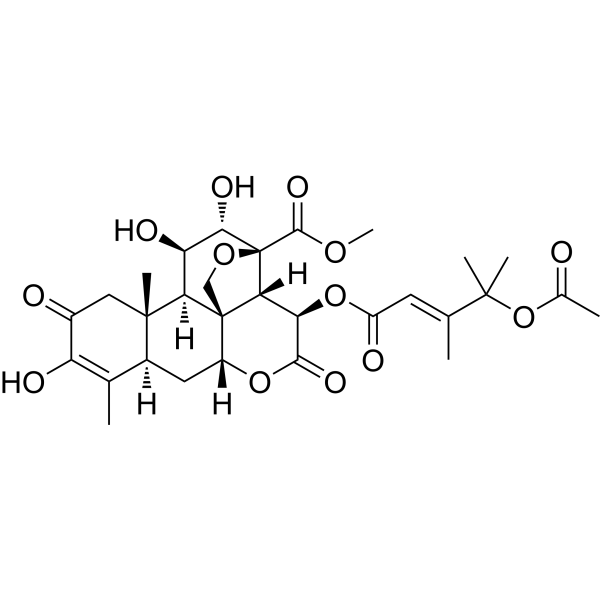
Bruceantinol is a quassinoid that can be isolated from Brucea javanica, inhibitspepper mottle virus (PepMoV) in pepper. Bruceantinol is a STAT3inhibitor demonstrating potent antitumor activity in in vitro and in vivo human colorectal cancer (CRC) models. Bruceantinol has potent anti-leukemic activity. Bruceantinol strongly inhibits STAT3 DNA-binding ability (IC50 = 2.4 pM), blocks the constitutive and IL-6-induced STAT3 activation, and suppresses transcription of MCL-1, PTTG1, survivin and c-Myc. Bruceantinol binds with CDK2/4/6 to facilitate protein degradation through proteasome pathway. Bruceantinol can dose- and time-dependently reduces the cell growth, impede cell proliferation, disrupts the cell cycle, and induces necrosis in MCF-7 cells and apoptosis in MDA-MB-231 cells .
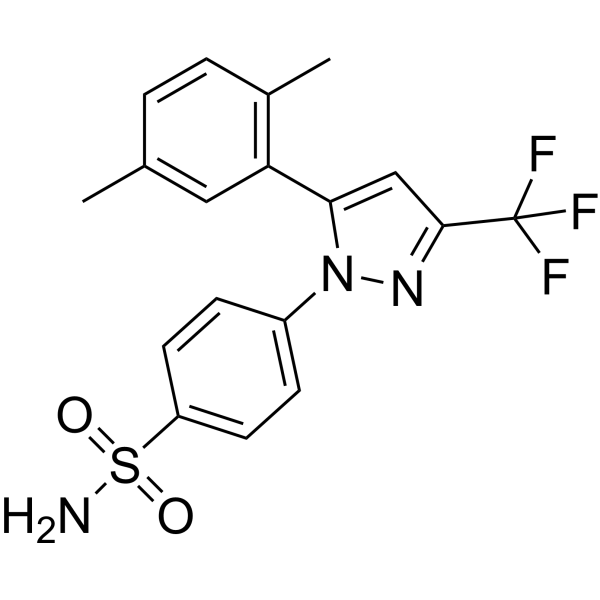
2,5-Dimethylcelecoxib is an analogue of celecoxib (HY-14398) with anticancer activity but without COX-2 inhibitory activity. 2,5-Dimethylcelecoxib exerts its anti-cancer cell proliferation effect by inhibiting the core mechanism of the Wnt/β-catenin signaling pathway. 2,5-Dimethylcelecoxib also inhibits T-cell factor-dependent transcriptional activity and inhibits expression of the Wnt/β-catenin target gene products cyclin D1 and survivin .
PBX-7016 is a Camptothecin (HY-16560) derivative. PBX-7016 can selectively inhibitTopoisomerase 1. PBX-7016 can specifically bind and degrade the cancer protein DDX5, thereby down-regulating the expression of anti-apoptotic proteins such as Survivin, Mcl-1, and XIAP, and promoting the apoptosis of cancer cells. PBX-7016 can be used to synthesis of ADCs .
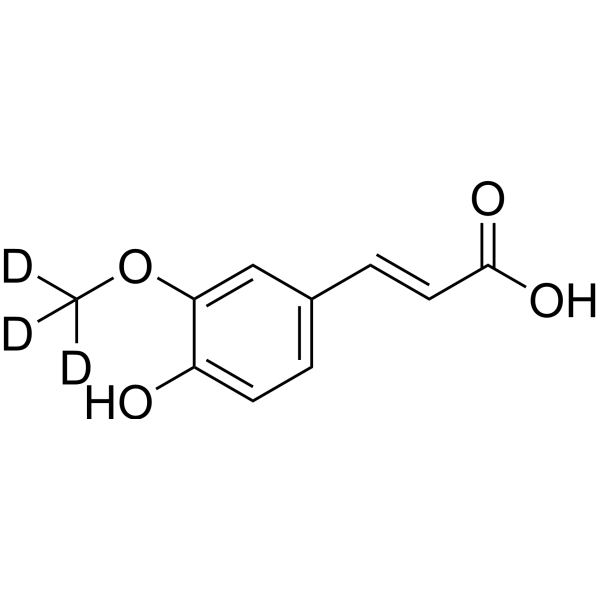
(E)-Ferulic acid-d3 is the deuterium labeled (E)-Ferulic acid. (E)-Ferulic acid is a isomer of Ferulic acid which is an aromatic compound, abundant in plant cell walls. (E)-Ferulic acid causes the phosphorylation of β-catenin, resulting in proteasomal degradation of β-catenin and increases the expression of pro-apoptotic factor Bax and decreases the expression of pro-survival factor survivin. (E)-Ferulic acid shows a potent ability to remove reactive oxygen species (ROS) and inhibits lipid peroxidation. (E)-Ferulic acid exerts both anti-proliferation and anti-migration effects in the human lung cancer cell line H1299 .
LLP-3 is a potent Survivininhibitor that disrupts the Survivin-Ran interaction in cancer cells. LLP-3 can be used in the research of Glioblastoma multiforme (GBM) .
N-Hydroxyphthalimide is a blocking agent and catalyst. N-Hydroxyphthalimide promotes oxidation reactions by generating PINO free radicals and activating hydrogen atom transfer processes. N-Hydroxyphthalimide reduces the expression of anti-apoptotic proteins Survivin and Bcl-xL and activates caspase 9 and caspase 3. N-Hydroxyphthalimide induces Apoptosis. N-Hydroxyphthalimide inhibits the phosphorylation of mTOR (Ser2448, Ser2481) and Akt (Ser473). N-Hydroxyphthalimide has anticancer effects against breast and colon cancer .
Ceramide (Egg) (Ceramide (Egg, Chicken)) is a ceramide from chicken. Ceramide (Egg) is a sphingomyelin signaling pathway second messenger.Ceramide (Egg) activates PP2A, JNK, p38 MAPK, CAPK, ceramide-activated protein phosphatase, Vav, PKCζ, and SAPK/JNK cascade.Ceramide (Egg) downregulates or inhibitsAKT, survivin, CDK2, mTOR, and FLIP.Ceramide (Egg) mediates apoptosis, autophagy, cell cycle arrest, mitochondrial dysfunction, redox state shifts, and ROS generation.Ceramide (Egg) can be used for the research of cancer and neurological disease .
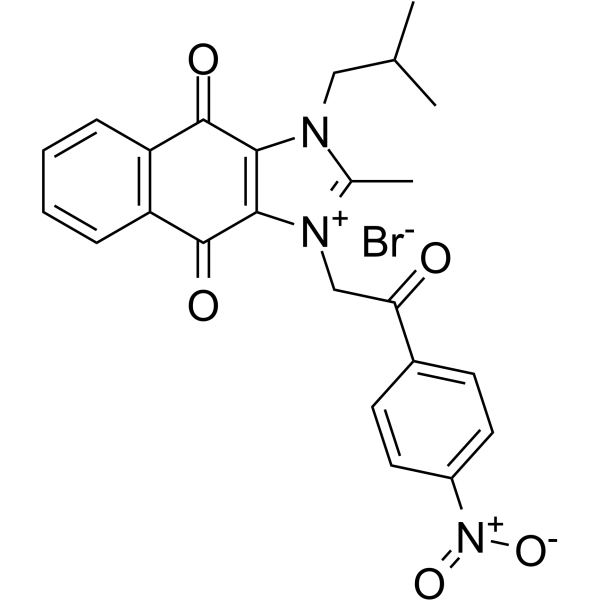
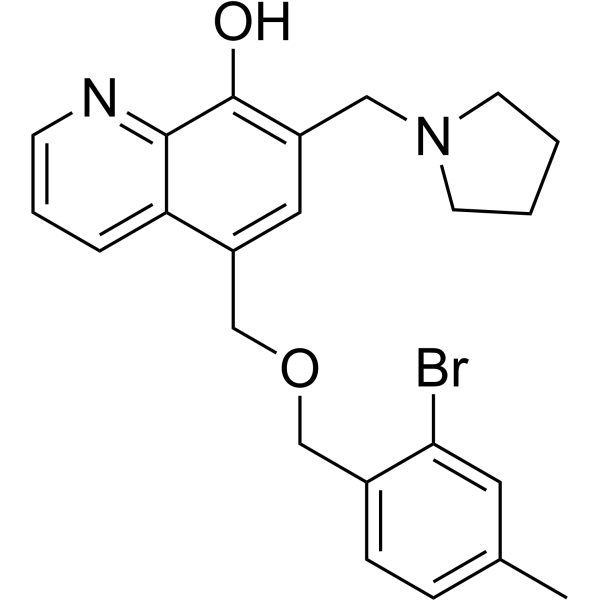
NSC 80467, a DNA damaging agent, selectively inhibitssurvivin. NSC 80467 preferentially inhibits DNA synthesis and results in induction of γH2AX and pKAP1, two markers of DNA damage .
MX106-4C is a survivininhibitor that selectively kills ABCB1-positive colorectal cancer cells. MX106-4C can exert synergistic anticancer effects with Doxorubicin or resensitize drug-resistant ABCB1 cells to Doxorubicin .
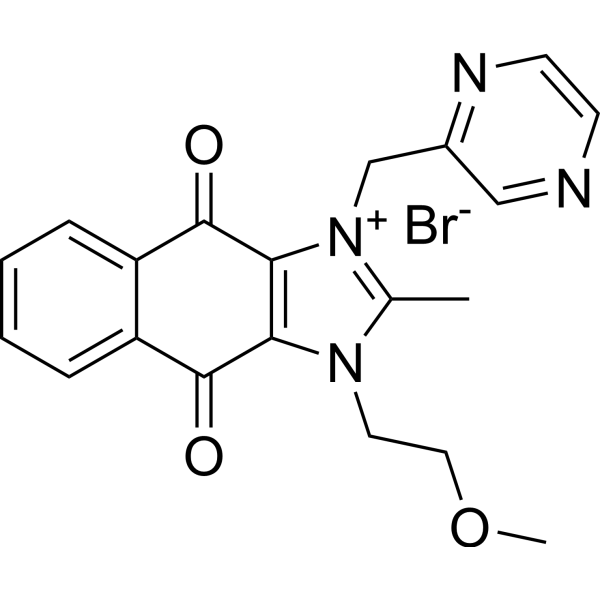
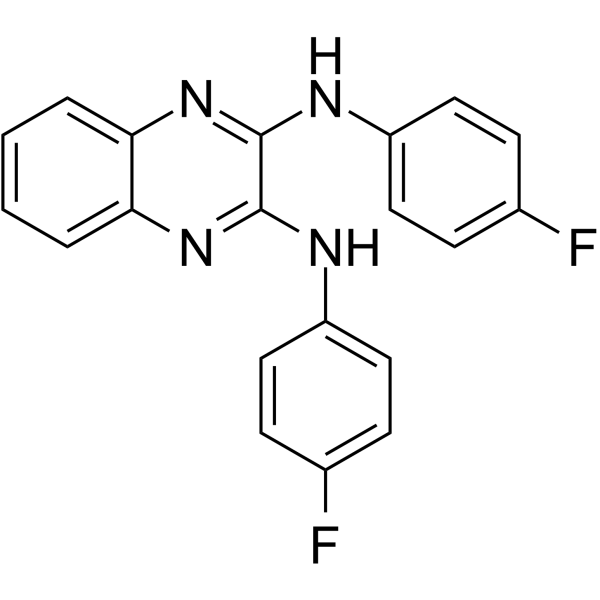
Survivin-IN-2 is a survivininhibitor. Survivin-IN-2 shows cytotoxicity in cells with IC50s of 0.53 μM (C4-2 cells) and 1.06 μM (PC-3 cells). Survivin-IN-2 effectively suppresses xenograft tumor growth without apparent toxicity and eliminates survivin in the tumors. Survivin-IN-2 can be used for the study of prostate cancer .
Survivin-IN-1 (Compound II₃) is a potent Survivin (a member of the Inhibitor of Apoptosis Protein family) inhibitor with an IC50 value of 8.1 μM against human lung cancer A549 cells and 9.0 μM against breast cancer MCF-7 cells. Survivin-IN-1 reduces Survivin protein levels and induces tumor cell apoptosis. Survivin-IN-1 is promising for research of malignant tumors such as lung cancer and breast cancer .
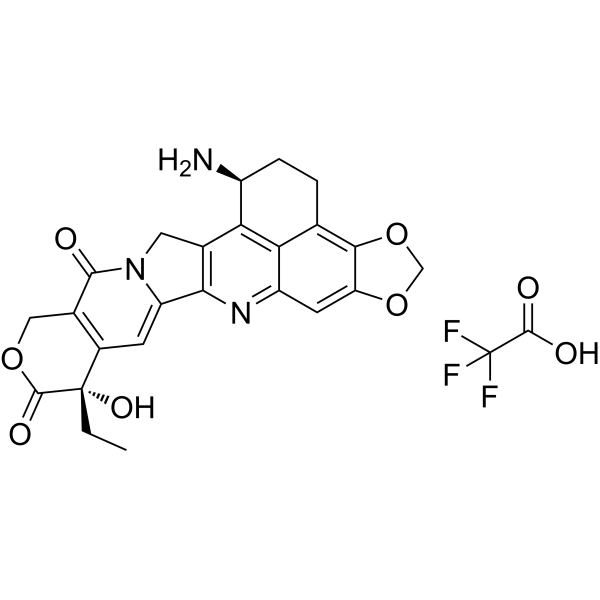
PBX-7011 TFA is a derivative of camptothecin (HY-16560), which inhibits expressions of the cancer related survival genes DDX5, Survivin, Mcl-1 and XIAP in cells FaDu, degrades DDX5 proteins and exhibits anticancer activity .
CPA7 is a novel Stat3inhibitor. CPA7 downregulates survivin, Bcl-XL, and Mcl-1. CPA7 induces Apoptosis. CPA7 enhances the radiosensitivity of prostate cancer. CPA7 has anti-cancer effects against prostate cancer .
WMJ-J-09 is an HDACinhibitor with IC50 values of 7.5 nM (HDAC1), 21.3 nM (HDAC2), 18.4 nM (HDAC3), 90.9 nM (HDAC8), 3.9 nM (HDAC6) and 8715.7 nM (HDAC4). WMJ-J-09 blocks the cell cycle and induces apoptosis in cancer cells. WMJ-J-09 induces cancer cell death through the LKB1-AMPK-p38MAPK-p63-survivin signaling cascade.WMJ-J-09 inhibitsHDAC enzyme activity, leading to acetylation of key proteins and thereby regulating cancer cell death. WMJ-J-09 can be used in HCT116 cells and FaDu cells research[1][2].
YAP/TAZ-TEAD-IN-2 (Compound 51) is a YAP/TAZ-TEADinhibitor that inhibits the interaction between YAP/TAZ and TEAD. YAP/TAZ-TEAD-IN-2 suppresses the transcriptional activity of TEAD, with an IC50 of 1.2 nM. YAP/TAZ-TEAD-IN-2 inhibits YAP/TAZ-TEAD target genes expression (Cyr61, CTGF, AXL and Survivin) and breast cancer cell proliferation .
AQIM-I is an inhibitor of survivin via inhibitssurvivin expression and colony formation. AQIM-I induces ROS production, apoptosis, cell cycle arrest, DNA damage, and autophagy. AQIM-I inhibits nonsmall cell lung cancer cells A549 with an IC50 value of 9 nM .
(E)-Ferulic acid (Standard) is the analytical standard of (E)-Ferulic acid. This product is intended for research and analytical applications. (E)-Ferulic acid is an isomer of ferulic acid, an aromatic compound abundant in plant cell walls. (E)-Ferulic acid causes phosphorylation of β-catenin (β-catenin), leading to proteasome degradation, increasing the expression of pro-apoptotic factor Bax and reducing pro-apoptotic factor Expression of the survival factor survivin. (E)-Ferulic acid can effectively remove reactive oxygen species (ROS) and inhibit lipid peroxidation. (E)-Ferulic acid exerts antiproliferative and antimigratory effects in the human lung cancer cell line H1299.
Guggulsterone (Standard) is the analytical standard of Guggulsterone (HY-107738). This product is intended for research and analytical applications. Guggulsterone is a plant sterol derived from the gum resin of the tree Commiphora wightii. Guggulsterone inhibits the growth of a wide variety of tumor cells and induces apoptosis through down regulation of antiapoptotic gene products (IAP1, xIAP, Bfl-1/A1, Bcl-2, cFLIP and survivin), modulation of cell cycle proteins (cyclin D1 and c-Myc), activation of caspases and JNK, inhibition of Akt. Guggulsterone, a farnesoid X receptor (FXR) antagonist, with IC50s of 24.06 μM and 39.05 μM for (-)-(E)-Guggulsterone (HY-N7781) and (Z)-Guggulsterone (HY-110066), respectively.
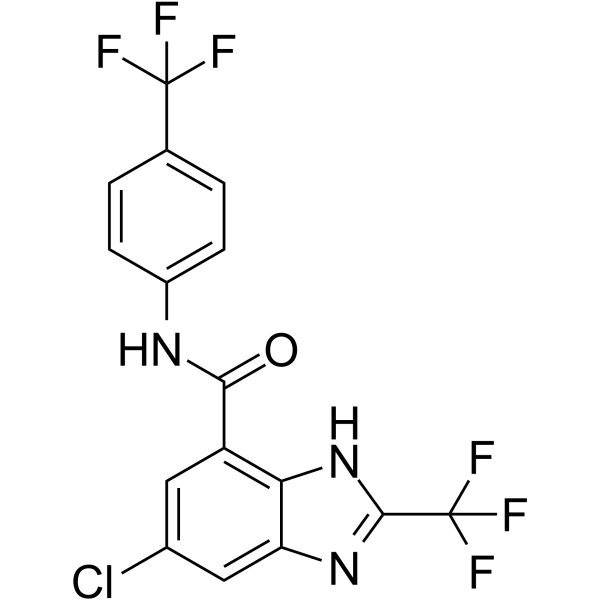
MX107 is a selective and potent survivininhibitor that suppresses triple-negative breast cancer (TNBC) cell proliferation. MX107 induces degradation of survivin and inhibitor-of-apoptosis proteins (IAPs), which inhibits nuclear factor κB (NF-κB) activation induced by DNA damage. MX107 enhances tumoricidal efficacy of genotoxic treatments synergized with chemotherapeutic drugs .
Isonanangenine B (SF002-96-1) is a selective survivininhibitor (IC50=1.6 µM). Isonanangenine B blocks the binding of key transcription factors, such as Stat3 and NF-κB, to the survivin promoter. Isonanangenine B is promising for research of cancers .
HNPMI is an inhibitor of EGFR and has cytotoxic effects on tumor cells. HNPMI can downregulate the protein levels of osteopontin, survivin and cathepsin S, leading to apoptosis. HNPMI also regulates BCL-2/BAX and p53 in CRC cell lines to inhibit tumorigenesis .
K882 (Compound 4e) is a Srcinhibitor, with KD of 0.315 μM. K882 induces Apoptosis. K882 inhibitsXIAP and Survivin. K882 inhibits the activation of PI3K/Akt/mTOR, Jak1/Stat3, Ras/MAPK signaling pathways. K882 shows anti-tumor activity against non-small cell lung cancer .
STAT3-IN-38 (Compound 4m) is an inhibitor of STAT3 (KD of rhSTAT3: 45.33 µM). STAT3-IN-38 binds to the SH2 domain of STAT3 protein and suppresses the STAT3’s phosphorylation at site pTyr705 as well as its downstream genes (Survivin and Mcl-1). STAT3-IN-38 could block cell-cycle and induce Apoptosis in colorectal cancer cells .
SC-60 is a derivative of Sorafenib (HY-10201). SC-60 exerts its anti-tumor effect by activating the phosphatase activity of SHP-1, thereby inhibiting the STAT3 signaling pathway. SC-60 exhibits strong proliferation inhibitory activity in various hepatocellular carcinoma (HCC) cell lines. SC-60 downregulates the expression of downstream anti-apoptotic proteins (such as Bcl-2, Cyclin D1, Survivin), ultimately inducing caspase-dependent apoptosis. SC-60 significantly inhibits tumor growth in xenograft tumor models. SC-60 can be used for the study of HCC .
Topoisomerase I inhibitor 17 (Compound 7h) is a Topoisomerase I (Top1)inhibitor. Topoisomerase I inhibitor 17 reduces DDX5 and reverses the locking of Top1 activity by DDX5. Topoisomerase I inhibitor 17 induces Top1-mediated DNA damage and promotes reactive oxygen species (ROS) production. Topoisomerase I inhibitor 17 induces Apoptosis (reduces antiapoptotic proteins XIAP, Bcl-2, Survivin and up-regulates pro-apoptotic proteins Bax, γH2AX). Topoisomerase I inhibitor 17 also blocks the progression of the G2/M checkpoint and induces cell cycle arrest. Topoisomerase I inhibitor 17 significantly inhibits colony formation and cell migration in colorectal cancer cells. Topoisomerase I inhibitor 17 effectively reduces tumors in human PDX tumor mice .
(rac)-ZK-304709 is an isoform of ZK-304709 and is an orally active multi-targeted tumor growth inhibitor that inhibits multiple cell cycle-dependent kinases (CDKs), vascular endothelial growth factor receptor kinases (VEGF-RTKs), and platelet-derived growth factor receptor kinase β (PDGF-RTKβ). (rac)-ZK-304709 can dose-dependently inhibit the proliferation and colony formation of neuroendocrine tumor (NET) cells. (rac)-ZK-304709 directly acts on NET cells by inducing G2 cell cycle arrest and apoptosis, while reducing the expression of MCL1, survivin, and HIF1α. (rac)-ZK-304709 effectively controls tumor growth by inducing apoptosis and inhibiting tumor-induced angiogenesis, and may become a potential agent for inhibiting NET .
Cucurbitacin IIa (Hemslecin A) (Standard) is the analytical standard for Cucurbitacin IIa (HY-N1988). This product is used for research and analytical applications. Cucurbitacin IIa is an orally active, blood-brain barrier-penetrating EGFRinhibitor with an IC50 of 1.455 nM for human EGFR. Cucurbitacin IIa induces caspase-3 dependent cell apoptosis, downregulates survivin expression, enhances autophagy levels, disrupts the actin cytoskeleton through actin aggregation, blocks the cell cycle at the G2/M phase, and inhibits the EGFR-MAPK signaling pathway to exert anti-inflammatory activity. Cucurbitacin IIa can be used in research on inflammatory-related diseases, depression, and non-small cell lung cancer and other cancers.
N-Hydroxyphthalimide (Standard) is the analytical standard of N-Hydroxyphthalimide (HY-Y0396). This product is intended for research and analytical applications. N-Hydroxyphthalimide is a blocking agent and catalyst. N-Hydroxyphthalimide promotes oxidation reactions by generating PINO free radicals and activating hydrogen atom transfer processes. N-Hydroxyphthalimide reduces the expression of anti-apoptotic proteins Survivin and Bcl-xL and activates caspase 9 and caspase 3. N-Hydroxyphthalimide induces Apoptosis. N-Hydroxyphthalimide inhibits the phosphorylation of mTOR (Ser2448, Ser2481) and Akt (Ser473). N-Hydroxyphthalimide has anticancer effects against breast and colon cancer .
23-Hydroxybetulinic acid (Standard) is the analytical standard of 23-Hydroxybetulinic acid (HY-N0566). This product is intended for research and analytical applications. 23-Hydroxybetulinic acid (Anemosapogenin) is an orally active triterpenoid with broad-spectrum anticancer activity. 23-Hydroxybetulinic acid reduces the levels of Bcl-2 and survivin, elevates the level of Bax, promotes the cleavage/activation of caspase-3 and caspase-9, and induces apoptosis via the endogenous mitochondrial pathway involving cytochrome C release and mitochondrial membrane potential disruption. 23-Hydroxybetulinic acid arrests the cell cycle at S and G1 phases, inhibits cancer cell proliferation, blocks the MAPK signaling pathway, regulates MMP2, and induces autophagic apoptosis by upregulating beclin-1. 23-Hydroxybetulinic acid inhibits the activity and efflux function of P-gp, increases the intracellular accumulation of chemotherapeutic drugs, and synergistically enhances cytotoxicity with Doxorubicin (HY-15142). 23-Hydroxybetulinic acid inhibits the phosphorylation and nuclear translocation of STAT6, blocks M2 macrophage polarization, and reduces M2 macrophage-mediated apoptosis resistance of colon cancer cells. 23-Hydroxybetulinic acid can be used in related studies on chronic myeloid leukemia, hepatocellular carcinoma, sarcoma 180, multidrug-resistant breast cancer, leukemia, Doxorubicin-induced cardiotoxicity, and colorectal cancer.
Anticancer agent 324 is a Survivininhibitor. Anticancer agent 324 competitively binds to Survivin’s linker region and triggers proteasomal IAP degradation. Anticancer agent 324 blocks Borealin binding and chromosomal passenger complex formation, and inhibitsSurvivin-CRM1 nuclear-cytoplasmic transport. Anticancer agent 324 activates extrinsic (caspase-8) and intrinsic (caspase-9) apoptotic pathways, activates executioner caspases-3 and caspases-7, and arrests cell cycle. Anticancer agent 324 can be used for the research of breast cancer .
MX106 is a survivininhibitor and an analog of UC-112 (HY-12842). MX106 inhibits the expression of survivin both in vitro and in vivo. MX106 suppresses the proliferation of human melanoma cells, epidermoid carcinoma cells and colon cancer cells, and also exerts inhibitory effects on multidrug-resistant cell lines overexpressing P-glycoprotein .
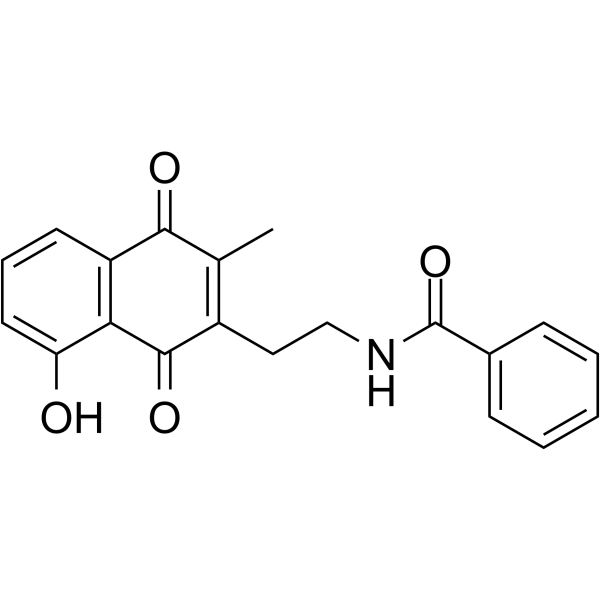
Sepantronium bromide (Standard) is the analytical standard of Sepantronium bromide (HY-10194). This product is intended for research and analytical applications. Sepantronium bromide (YM-155) is a survivininhibitor with an IC50 of 0.54 nM .
CK2-TN03 is an ATP-competitive casein kinase 2 (CK2) inhibitor, with an IC50 of 165 nM and a Ki of 20 nM. CK2-TN03 inhibits CK2-mediated survivin activation and reduces CK2-dependent phosphorylation levels of BRD4/MYCN and AKT1. CK2-TN03 exerts anti-neuroblastoma effects by inhibitingsurvivin, leading to mitotic catastrophe and apoptosis of cancer cells. CK2-TN03 can be used in studies related to neuroblastoma .
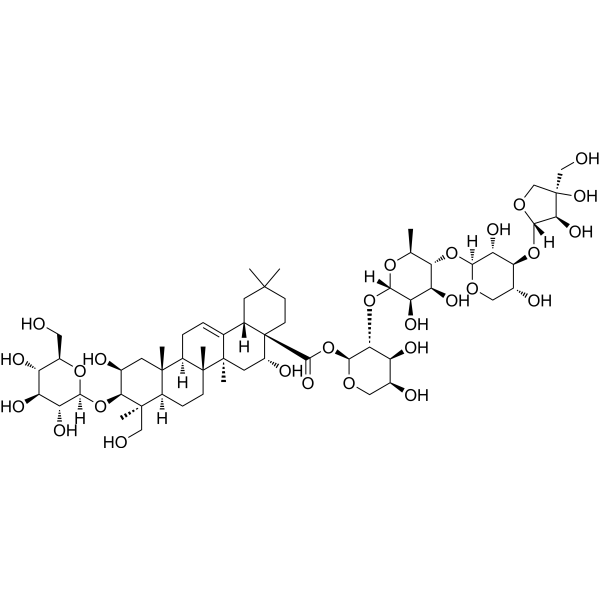
Avicin D is a plant triterpenoid. Avicin D induces Autophagy by activation of AMPK. Avicin D inhibitsmTOR and S6 kinase activity. Avicin D selectively induces Apoptosis and downregulates p-STAT-3, bcl-2, and Survivin. Avicin D has properties of being a selective Glucocorticoid receptor modulator. Avicin D inhibitsNF-κB activation. Avicin D shows anti-tumor effects against cutaneous T-cell lymphomas .
Candidone is a type of flavanone phenolic compound with anti-cancer and antibacterial activities. Candidone inhibits the proliferation of hepatoblastoma and cholangiocarcinoma cells and induces their apoptosis by up-regulating p21, Bax, and caspase 3/9, and down-regulating Bcl-2 and survivin. It reduces the metastatic ability of cancer cells by inhibiting the expression of phosphorylated p38 and matrix metalloproteinase MMP-9. Candidone has inhibitory effects on multidrug-resistant bacterial strains. Candidone binds to the base pairs of DNA in a groove-binding manner, thereby slightly altering the conformation of DNA .
RO0505124 is a selective CDK4inhibitor with an IC50 of 20 nM. RO0505124 reversibly binds the ATP pocket of the kinase. RO0505124 induces G1 phase arrest in cancer cells via reduced retinoblastoma protein (Rb) phosphorylation, blocking S phase progression. RO0505124 exhibits anti-proliferative activity against various cancer cells. RO0505124 delays mitotic entry, induces aberrant mitosis with lagging chromosomes, driving mitotic slippage and formation of multinucleated or micronucleated cells. RO0505124 inhibits G2/M phase accumulation of survivin and borealin. RO0505124 can be used for the research of cancer .
N-Hydroxyphthalimide is a blocking agent and catalyst. N-Hydroxyphthalimide promotes oxidation reactions by generating PINO free radicals and activating hydrogen atom transfer processes. N-Hydroxyphthalimide reduces the expression of anti-apoptotic proteins Survivin and Bcl-xL and activates caspase 9 and caspase 3. N-Hydroxyphthalimide induces Apoptosis. N-Hydroxyphthalimide inhibits the phosphorylation of mTOR (Ser2448, Ser2481) and Akt (Ser473). N-Hydroxyphthalimide has anticancer effects against breast and colon cancer .
N-Hydroxyphthalimide (Standard) is the analytical standard of N-Hydroxyphthalimide (HY-Y0396). This product is intended for research and analytical applications. N-Hydroxyphthalimide is a blocking agent and catalyst. N-Hydroxyphthalimide promotes oxidation reactions by generating PINO free radicals and activating hydrogen atom transfer processes. N-Hydroxyphthalimide reduces the expression of anti-apoptotic proteins Survivin and Bcl-xL and activates caspase 9 and caspase 3. N-Hydroxyphthalimide induces Apoptosis. N-Hydroxyphthalimide inhibits the phosphorylation of mTOR (Ser2448, Ser2481) and Akt (Ser473). N-Hydroxyphthalimide has anticancer effects against breast and colon cancer .
Anticancer agent 324 is a Survivininhibitor. Anticancer agent 324 competitively binds to Survivin’s linker region and triggers proteasomal IAP degradation. Anticancer agent 324 blocks Borealin binding and chromosomal passenger complex formation, and inhibitsSurvivin-CRM1 nuclear-cytoplasmic transport. Anticancer agent 324 activates extrinsic (caspase-8) and intrinsic (caspase-9) apoptotic pathways, activates executioner caspases-3 and caspases-7, and arrests cell cycle. Anticancer agent 324 can be used for the research of breast cancer .
Guggulsterone is a plant sterol derived from the gum resin of the tree Commiphora wightii. Guggulsterone inhibits the growth of a wide variety of tumor cells and induces apoptosis through down regulation of antiapoptotic gene products (IAP1, xIAP, Bfl-1/A1, Bcl-2, cFLIP and survivin), modulation of cell cycle proteins (cyclin D1 and c-Myc), activation of caspases and JNK, inhibition of Akt . Guggulsterone, a farnesoid X receptor (FXR) antagonist, with IC50s of 24.06 μM and 39.05 μM for (-)-(E)-Guggulsterone (HY-N7781) and (Z)-Guggulsterone (HY-110066), respectively .
Cytochalasin D (Zygosporin A) is a potent actin polymerizationinhibitor, could be derived from fungus. Cytochalasin D has cell-permeable activity. Cytochalasin D inhibits the G-actin–cofilin interaction by binding to G-actin. Cytochalasin D also inhibits the binding of cofilin to F-actin and decreases the rate of both actin polymerization and depolymerization in living cells. Cytochalasin D can reduce exosome release, in turn reducing the amount of survivin present in the tumour environment. Cytochalasin D induces phosphorylation and cytoplasmic retention of Yap .
(E)-Ferulic acid is an isomer of ferulic acid, an aromatic compound abundant in plant cell walls. (E)-Ferulic acid causes phosphorylation of β-catenin (β-catenin), leading to proteasome degradation, increasing the expression of pro-apoptotic factor Bax and reducing pro-apoptotic factor Expression of the survival factor survivin. (E)-Ferulic acid can effectively remove reactive oxygen species (ROS) and inhibit lipid peroxidation. (E)-Ferulic acid exerts antiproliferative and antimigratory effects in the human lung cancer cell line H1299.
Cucurbitacin IIa (Hemslecin A) is an orally active, blood-brain barrier-permeable EGFRinhibitor with an IC50 of 1.455 nM against human EGFR. Cucurbitacin IIa induces caspase-3-dependent apoptosis, downregulates survivin expression, enhances autophagy levels, disrupts the actin cytoskeleton via actin aggregation, arrests the cell cycle at the G2/M phase, and exerts anti-inflammatory activity by inhibiting the EGFR-MAPK signaling pathway. Cucurbitacin IIa can be used in the research of inflammation-related diseases, depression, and cancers such as non-small cell lung cancer .
α-Santalol (cis-α-Santalol), a naturally occurring sesquiterpene, is an orally active anticancer agent and apoptosis inducer. α-Santalol activates caspase-3 to drive apoptotic processes. >α-Santalol induces apoptosis, decreases cell viability, and causes PARP cleavage in human prostate cancer cells. α-santalol inhibitsAkt/Survivin pathway to induce cell death. α-Santalol can be used for the research of prostate cancer and diabetes mellitus .
Polygalacin D (PGD) is a bioactive compound isolated from Platycodon grandiflorum with anticancer and anti-proliferative properties.
PGD suppresses the expression of the IAP family of proteins including survivin, cIAP-1 and cIAP-2 and blocks the PI3K/Akt pathway by inhibiting the phosphorylation of GSK3β, Akt and the expression of PI3K. Polygalacin D induces apoptosis
23-Hydroxybetulinic acid (Anemosapogenin) is an orally active triterpenoid with broad-spectrum anticancer activity. 23-Hydroxybetulinic acid reduces the levels of Bcl-2 and survivin, elevates the level of Bax, promotes the cleavage/activation of caspase-3 and caspase-9, and induces apoptosis via the endogenous mitochondrial pathway involving cytochrome C release and mitochondrial membrane potential disruption. 23-Hydroxybetulinic acid arrests the cell cycle at S and G1 phases, inhibits cancer cell proliferation, blocks the MAPK signaling pathway, regulates MMP2, and induces autophagic apoptosis by upregulating beclin-1. 23-Hydroxybetulinic acid inhibits the activity and efflux function of P-gp, increases the intracellular accumulation of chemotherapeutic drugs, and synergistically enhances cytotoxicity with Doxorubicin (HY-15142). 23-Hydroxybetulinic acid inhibits the phosphorylation and nuclear translocation of STAT6, blocks M2 macrophage polarization, and reduces M2 macrophage-mediated apoptosis resistance of colon cancer cells. 23-Hydroxybetulinic acid can be used in related studies on chronic myeloid leukemia, hepatocellular carcinoma, sarcoma 180, multidrug-resistant breast cancer, leukemia, Doxorubicin-induced cardiotoxicity, and colorectal cancer .
Bruceantinol is a quassinoid that can be isolated from Brucea javanica, inhibitspepper mottle virus (PepMoV) in pepper. Bruceantinol is a STAT3inhibitor demonstrating potent antitumor activity in in vitro and in vivo human colorectal cancer (CRC) models. Bruceantinol has potent anti-leukemic activity. Bruceantinol strongly inhibits STAT3 DNA-binding ability (IC50 = 2.4 pM), blocks the constitutive and IL-6-induced STAT3 activation, and suppresses transcription of MCL-1, PTTG1, survivin and c-Myc. Bruceantinol binds with CDK2/4/6 to facilitate protein degradation through proteasome pathway. Bruceantinol can dose- and time-dependently reduces the cell growth, impede cell proliferation, disrupts the cell cycle, and induces necrosis in MCF-7 cells and apoptosis in MDA-MB-231 cells .
(E)-Ferulic acid (Standard) is the analytical standard of (E)-Ferulic acid. This product is intended for research and analytical applications. (E)-Ferulic acid is an isomer of ferulic acid, an aromatic compound abundant in plant cell walls. (E)-Ferulic acid causes phosphorylation of β-catenin (β-catenin), leading to proteasome degradation, increasing the expression of pro-apoptotic factor Bax and reducing pro-apoptotic factor Expression of the survival factor survivin. (E)-Ferulic acid can effectively remove reactive oxygen species (ROS) and inhibit lipid peroxidation. (E)-Ferulic acid exerts antiproliferative and antimigratory effects in the human lung cancer cell line H1299.
Guggulsterone (Standard) is the analytical standard of Guggulsterone (HY-107738). This product is intended for research and analytical applications. Guggulsterone is a plant sterol derived from the gum resin of the tree Commiphora wightii. Guggulsterone inhibits the growth of a wide variety of tumor cells and induces apoptosis through down regulation of antiapoptotic gene products (IAP1, xIAP, Bfl-1/A1, Bcl-2, cFLIP and survivin), modulation of cell cycle proteins (cyclin D1 and c-Myc), activation of caspases and JNK, inhibition of Akt. Guggulsterone, a farnesoid X receptor (FXR) antagonist, with IC50s of 24.06 μM and 39.05 μM for (-)-(E)-Guggulsterone (HY-N7781) and (Z)-Guggulsterone (HY-110066), respectively.
Isonanangenine B (SF002-96-1) is a selective survivininhibitor (IC50=1.6 µM). Isonanangenine B blocks the binding of key transcription factors, such as Stat3 and NF-κB, to the survivin promoter. Isonanangenine B is promising for research of cancers .
Cucurbitacin IIa (Hemslecin A) (Standard) is the analytical standard for Cucurbitacin IIa (HY-N1988). This product is used for research and analytical applications. Cucurbitacin IIa is an orally active, blood-brain barrier-penetrating EGFRinhibitor with an IC50 of 1.455 nM for human EGFR. Cucurbitacin IIa induces caspase-3 dependent cell apoptosis, downregulates survivin expression, enhances autophagy levels, disrupts the actin cytoskeleton through actin aggregation, blocks the cell cycle at the G2/M phase, and inhibits the EGFR-MAPK signaling pathway to exert anti-inflammatory activity. Cucurbitacin IIa can be used in research on inflammatory-related diseases, depression, and non-small cell lung cancer and other cancers.
23-Hydroxybetulinic acid (Standard) is the analytical standard of 23-Hydroxybetulinic acid (HY-N0566). This product is intended for research and analytical applications. 23-Hydroxybetulinic acid (Anemosapogenin) is an orally active triterpenoid with broad-spectrum anticancer activity. 23-Hydroxybetulinic acid reduces the levels of Bcl-2 and survivin, elevates the level of Bax, promotes the cleavage/activation of caspase-3 and caspase-9, and induces apoptosis via the endogenous mitochondrial pathway involving cytochrome C release and mitochondrial membrane potential disruption. 23-Hydroxybetulinic acid arrests the cell cycle at S and G1 phases, inhibits cancer cell proliferation, blocks the MAPK signaling pathway, regulates MMP2, and induces autophagic apoptosis by upregulating beclin-1. 23-Hydroxybetulinic acid inhibits the activity and efflux function of P-gp, increases the intracellular accumulation of chemotherapeutic drugs, and synergistically enhances cytotoxicity with Doxorubicin (HY-15142). 23-Hydroxybetulinic acid inhibits the phosphorylation and nuclear translocation of STAT6, blocks M2 macrophage polarization, and reduces M2 macrophage-mediated apoptosis resistance of colon cancer cells. 23-Hydroxybetulinic acid can be used in related studies on chronic myeloid leukemia, hepatocellular carcinoma, sarcoma 180, multidrug-resistant breast cancer, leukemia, Doxorubicin-induced cardiotoxicity, and colorectal cancer.
Avicin D is a plant triterpenoid. Avicin D induces Autophagy by activation of AMPK. Avicin D inhibitsmTOR and S6 kinase activity. Avicin D selectively induces Apoptosis and downregulates p-STAT-3, bcl-2, and Survivin. Avicin D has properties of being a selective Glucocorticoid receptor modulator. Avicin D inhibitsNF-κB activation. Avicin D shows anti-tumor effects against cutaneous T-cell lymphomas .
BIRC5 Protein, Human, a protein in the intrinsic apoptotic pathway that interacts with XIAP and DIABLO leading to caspase-3 and caspase-9 inactivation. BIRC5 (survivin) is also involved in stabilizing the microtubule-kinetochore dynamics.
Apoptosis inhibitor 4/Birc5 has the dual effects of promoting cell proliferation and inhibiting apoptosis. As an important component of the chromosomal channel protein complex (CPC), Birc5 coordinates chromosome alignment and segregation during mitosis and cytokinesis. Apoptosis inhibitor 4/Birc5 Protein, Mouse (P.pastoris, His) is the recombinant mouse-derived Apoptosis inhibitor 4/Birc5 protein, expressed by P. pastoris , with N-His labeled tag.
The BIRC5 protein has dual roles in cell proliferation and prevention of apoptosis. It is an important CPC component and guides chromosome alignment and segregation during mitosis. It directs CPC movement, contributes to central spindle organization, and recruits CPC to centromeres. BIRC5 Protein, Human (His-SUMO) is the recombinant human-derived BIRC5 protein, expressed by E. coli , with labeled tag.
(E)-Ferulic acid-d3 is the deuterium labeled (E)-Ferulic acid. (E)-Ferulic acid is a isomer of Ferulic acid which is an aromatic compound, abundant in plant cell walls. (E)-Ferulic acid causes the phosphorylation of β-catenin, resulting in proteasomal degradation of β-catenin and increases the expression of pro-apoptotic factor Bax and decreases the expression of pro-survival factor survivin. (E)-Ferulic acid shows a potent ability to remove reactive oxygen species (ROS) and inhibits lipid peroxidation. (E)-Ferulic acid exerts both anti-proliferation and anti-migration effects in the human lung cancer cell line H1299 .
Western blot analysis of extracts from THP-1(lane 2(20μg), Jurkat (lane 3(20μg) and NIH3T3(lane 4(20μg) using FOXO1A (HY-P80132) Rabbit mAb. Proteins were transferred
to a PVDF membrane and blocked with 5% non-fat milk in TBST for 2 hour at room temperature. The primary antibody (1/1000) and Loading control antibody (Beta Actin, HY-P80438, 1/10000) was
used in 5% non-fat milk in TBST at 4°C overnight. Goat Anti-Mouse/Rabbit IgG-HRP Secondary Antibody (1/10000) was used for 1 hour at room temperature.
Western blot analysis of extracts from THP-1(lane 2(20μg), Jurkat (lane 3(20μg) and NIH3T3(lane 4(20μg) using FOXO1A (HY-P80132) Rabbit mAb. Proteins were transferred
to a PVDF membrane and blocked with 5% non-fat milk in TBST for 2 hour at room temperature. The primary antibody (1/1000) and Loading control antibody (Beta Actin, HY-P80438, 1/10000) was
used in 5% non-fat milk in TBST at 4°C overnight. Goat Anti-Mouse/Rabbit IgG-HRP Secondary Antibody (1/10000) was used for 1 hour at room temperature.
Western blot analysis of extracts from THP-1(lane 2(20μg), Jurkat (lane 3(20μg) and NIH3T3(lane 4(20μg) using FOXO1A (HY-P80132) Rabbit mAb. Proteins were transferred
to a PVDF membrane and blocked with 5% non-fat milk in TBST for 2 hour at room temperature. The primary antibody (1/1000) and Loading control antibody (Beta Actin, HY-P80438, 1/10000) was
used in 5% non-fat milk in TBST at 4°C overnight. Goat Anti-Mouse/Rabbit IgG-HRP Secondary Antibody (1/10000) was used for 1 hour at room temperature.
Western blot analysis of extracts from THP-1(lane 2(20μg), Jurkat (lane 3(20μg) and NIH3T3(lane 4(20μg) using FOXO1A (HY-P80132) Rabbit mAb. Proteins were transferred
to a PVDF membrane and blocked with 5% non-fat milk in TBST for 2 hour at room temperature. The primary antibody (1/1000) and Loading control antibody (Beta Actin, HY-P80438, 1/10000) was
MedchemExpress Validation 03
Western blot analysis of extracts from THP-1(lane 2(20μg), Jurkat (lane 3(20μg) and NIH3T3(lane 4(20μg) using FOXO1A (HY-P80132) Rabbit mAb. Proteins were transferred
MedchemExpress Validation 04
Western blot analysis of extracts from THP-1(lane 2(20μg), Jurkat (lane 3(20μg) and NIH3T3(lane 4(20μg) using FOXO1A (HY-P80132) Rabbit mAb. Proteins were transferred
to a PVDF membrane and blocked with 5% non-fat milk in TBST for 2 hour at room temperature. The primary antibody (1/1000) and Loading control antibody (Beta Actin, HY-P80438, 1/10000) was
used in 5% non-fat milk in TBST at 4°C overnight. Goat Anti-Mouse/Rabbit IgG-HRP Secondary Antibody (1/10000) was used for 1 hour at room temperature.
MedchemExpress Validation
Western blot analysis of extracts from THP-1(lane 2(20μg), Jurkat (lane 3(20μg) and NIH3T3(lane 4(20μg) using FOXO1A (HY-P80132) Rabbit mAb. Proteins were transferred
to a PVDF membrane and blocked with 5% non-fat milk in TBST for 2 hour at room temperature. The primary antibody (1/1000) and Loading control antibody (Beta Actin, HY-P80438, 1/10000) was
used in 5% non-fat milk in TBST at 4°C overnight. Goat Anti-Mouse/Rabbit IgG-HRP Secondary Antibody (1/10000) was used for 1 hour at room temperature.
Western blot analysis of extracts from THP-1(lane 2(20μg), Jurkat (lane 3(20μg) and NIH3T3(lane 4(20μg) using FOXO1A (HY-P80132) Rabbit mAb. Proteins were transferred
to a PVDF membrane and blocked with 5% non-fat milk in TBST for 2 hour at room temperature. The primary antibody (1/1000) and Loading control antibody (Beta Actin, HY-P80438, 1/10000) was
used in 5% non-fat milk in TBST at 4°C overnight. Goat Anti-Mouse/Rabbit IgG-HRP Secondary Antibody (1/10000) was used for 1 hour at room temperature.
MedchemExpress Validation
Western blot analysis of extracts from THP-1(lane 2(20μg), Jurkat (lane 3(20μg) and NIH3T3(lane 4(20μg) using FOXO1A (HY-P80132) Rabbit mAb. Proteins were transferred
to a PVDF membrane and blocked with 5% non-fat milk in TBST for 2 hour at room temperature. The primary antibody (1/1000) and Loading control antibody (Beta Actin, HY-P80438, 1/10000) was
used in 5% non-fat milk in TBST at 4°C overnight. Goat Anti-Mouse/Rabbit IgG-HRP Secondary Antibody (1/10000) was used for 1 hour at room temperature.
MedchemExpress Validation
Western blot analysis of extracts from THP-1(lane 2(20μg), Jurkat (lane 3(20μg) and NIH3T3(lane 4(20μg) using FOXO1A (HY-P80132) Rabbit mAb. Proteins were transferred
to a PVDF membrane and blocked with 5% non-fat milk in TBST for 2 hour at room temperature. The primary antibody (1/1000) and Loading control antibody (Beta Actin, HY-P80438, 1/10000) was
used in 5% non-fat milk in TBST at 4°C overnight. Goat Anti-Mouse/Rabbit IgG-HRP Secondary Antibody (1/10000) was used for 1 hour at room temperature.
MedchemExpress Validation
Western blot analysis of extracts from THP-1(lane 2(20μg), Jurkat (lane 3(20μg) and NIH3T3(lane 4(20μg) using FOXO1A (HY-P80132) Rabbit mAb. Proteins were transferred
to a PVDF membrane and blocked with 5% non-fat milk in TBST for 2 hour at room temperature. The primary antibody (1/1000) and Loading control antibody (Beta Actin, HY-P80438, 1/10000) was
used in 5% non-fat milk in TBST at 4°C overnight. Goat Anti-Mouse/Rabbit IgG-HRP Secondary Antibody (1/10000) was used for 1 hour at room temperature.
MedchemExpress Validation
Western blot analysis of extracts from THP-1(lane 2(20μg), Jurkat (lane 3(20μg) and NIH3T3(lane 4(20μg) using FOXO1A (HY-P80132) Rabbit mAb. Proteins were transferred
to a PVDF membrane and blocked with 5% non-fat milk in TBST for 2 hour at room temperature. The primary antibody (1/1000) and Loading control antibody (Beta Actin, HY-P80438, 1/10000) was
used in 5% non-fat milk in TBST at 4°C overnight. Goat Anti-Mouse/Rabbit IgG-HRP Secondary Antibody (1/10000) was used for 1 hour at room temperature.
MedchemExpress Validation
Western blot analysis of extracts from THP-1(lane 2(20μg), Jurkat (lane 3(20μg) and NIH3T3(lane 4(20μg) using FOXO1A (HY-P80132) Rabbit mAb. Proteins were transferred
to a PVDF membrane and blocked with 5% non-fat milk in TBST for 2 hour at room temperature. The primary antibody (1/1000) and Loading control antibody (Beta Actin, HY-P80438, 1/10000) was
used in 5% non-fat milk in TBST at 4°C overnight. Goat Anti-Mouse/Rabbit IgG-HRP Secondary Antibody (1/10000) was used for 1 hour at room temperature.
MedchemExpress Validation
Western blot analysis of extracts from THP-1(lane 2(20μg), Jurkat (lane 3(20μg) and NIH3T3(lane 4(20μg) using FOXO1A (HY-P80132) Rabbit mAb. Proteins were transferred
to a PVDF membrane and blocked with 5% non-fat milk in TBST for 2 hour at room temperature. The primary antibody (1/1000) and Loading control antibody (Beta Actin, HY-P80438, 1/10000) was
used in 5% non-fat milk in TBST at 4°C overnight. Goat Anti-Mouse/Rabbit IgG-HRP Secondary Antibody (1/10000) was used for 1 hour at room temperature.
MedChemExpress values your privacy and your trust is important to us. We use cookies to enhance your website experience. Some cookies are necessary to run the website.
Privacy and Cookie Policy