Search Result
Results for "
adenocarcinoma+cells
" in MedChemExpress (MCE) Product Catalog:
1
Biochemical Assay Reagents
1
Isotope-Labeled Compounds
| Cat. No. |
Product Name |
Target |
Research Areas |
Chemical Structure |
-
- HY-17411
-
-
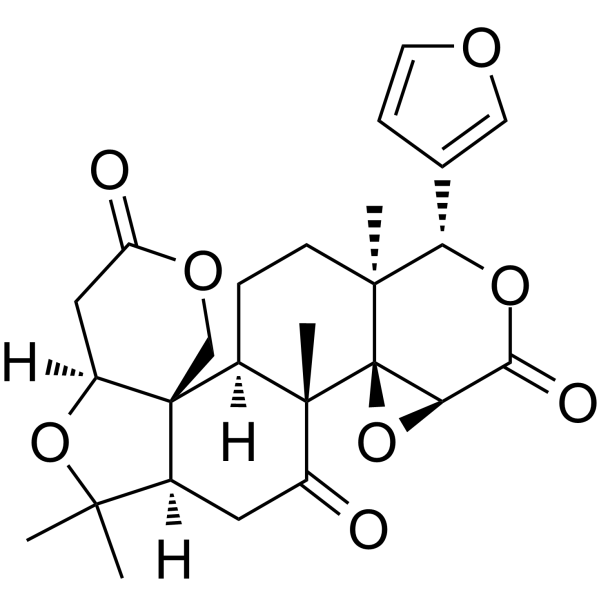
-
- HY-124745
-
|
|
MAP4K
Wnt
Apoptosis
|
Cancer
|
|
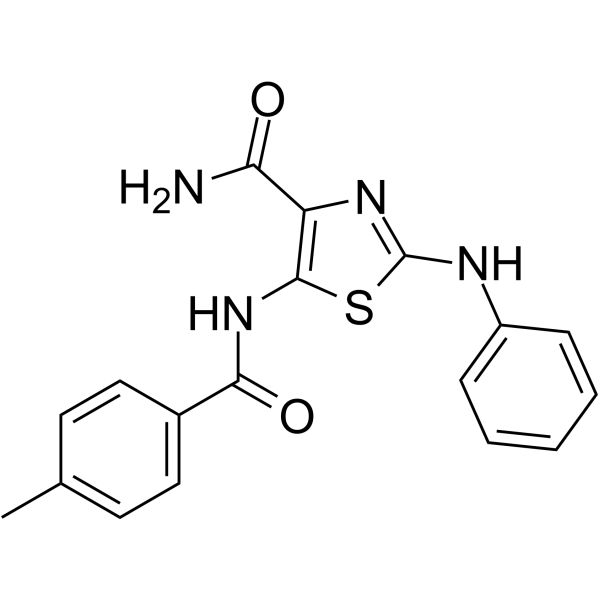
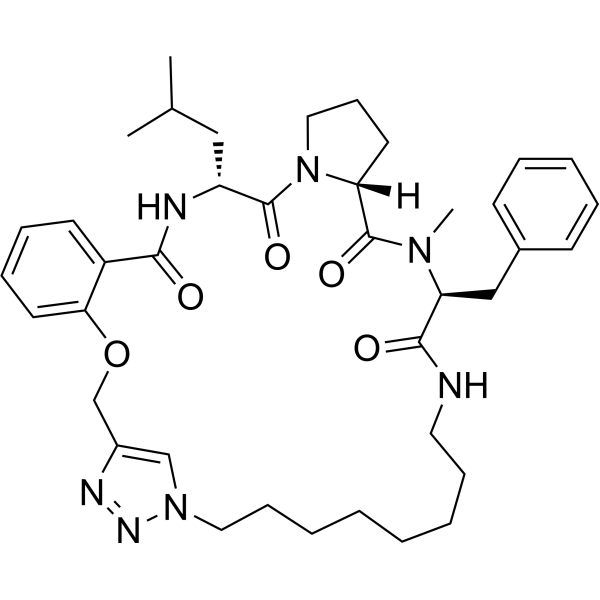
KY-05009 is an ATP-competitive Traf2- and Nck-interacting kinase (TNIK) inhibitor with a Ki of 100 nM. KY-05009 pharmacologically inhibits TGF-β1-induced epithelial-to-mesenchymal transition (EMT) in human lung adenocarcinoma cells. KY-05009 inhibits the protein expression of TNIK and transcriptional activity of Wnt target genes and induces apoptosis in cancer cells. KY-05009 exerts anti-cancer activity .
|
-
-
- HY-401424
-
|
Polyoxyethylene(36) Castor Oil; PEG-36 Castor Oil
|
Environmental Pollutants
Biochemical Assay Reagents
|
Others
|
|
Cremophor EL-36 is a non-ionic surfactant, mainly used as a solubilizing carrier for poorly soluble Paclitaxel (HY-B0015). For example, Cremophor EL-36 can enhance the intracellular influx of Etoposide (HY-13629) without affecting drug efflux, and can dose-dependently increase the accumulation of VP-16 in lung adenocarcinoma cells (such as PC-14 and A549), significantly enhancing its cytotoxic effect .
|
-

-
- HY-100498
-
|
|
FAK
Apoptosis
|
Cancer
|
|
GSK2256098 is a selective FAK kinase inhibitor, which inhibits growth and survival of pancreatic ductal adenocarcinoma cells.
|
-
-
- HY-D0203
-
|
Malachite green
|
Environmental Pollutants
Fluorescent Dye
|
Others
|
|
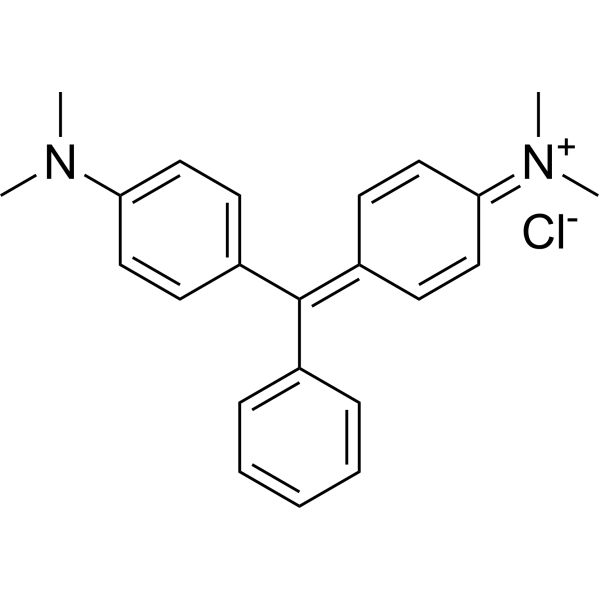
Basic green 4 (Malachite green) is a cationic dye that is widely used as a bactericide in aquaculture and is also commonly used in laboratories for the determination of phosphates. Basic green 4 exhibits high cytotoxicity and carcinogenicity to mammalian cells, specifically shown by its IC50 values of 2.03 µM for HEp-2 human laryngeal cells and 13.8 µM for Caco-2 human colorectal adenocarcinoma cells, and it can promote the development of liver tumors. The maximum absorbance wavelength is 621 nm .
|
-
-
- HY-17663
-
|
|
PARP
STAT
STING
IFNAR
|
Cancer
|
|
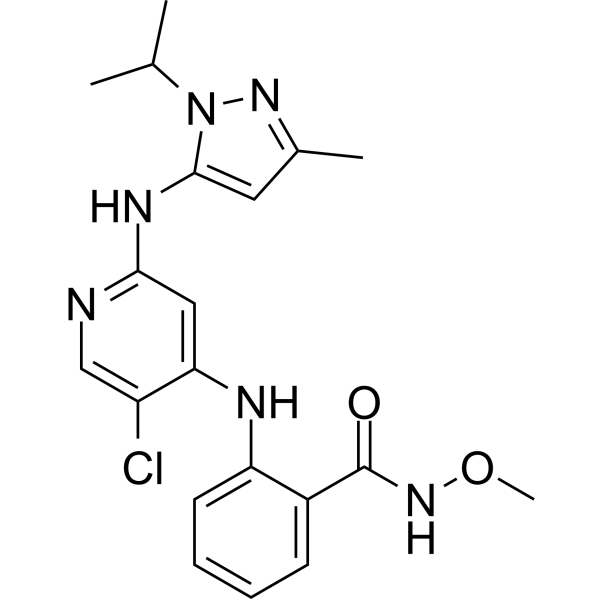
KMR-206 is a PARP7 inhibitor with an IC50 of 13.7 nM. KMR-206 relieves AHR-mediated transcriptional repression and enhances CYP1A1 expression in the presence of TCDD. KMR-206 induces the STING-dependent IFN-β signaling pathway and increases the levels of STAT1, pSTAT1 and nuclear PARP7 in cancer cells. KMR-206 reduces the viability of lung adenocarcinoma cells, enhances radiation-induced immunogenic signals, and induces the production of immunogenic signals in glioblastoma cancer stem cells. KMR-206 destabilizes FRA1 to increase IRF1 levels and promotes the IRF3-CBP/p300 interaction. KMR-206 can be used in studies related to lung adenocarcinoma and glioblastoma .
|
-

-
- HY-17411R
-
-

-
- HY-169474
-
|
PAMAM G1.0
|
Biochemical Assay Reagents
|
Cancer
|
|
Starburst 1st Generation (PAMAM G1.0) is a Polyamidoamine (HY-164657; PAMAM) dendrimer with amine termini that has been used as a drug delivery system in vitro. Starburst 1st Generation conjugated to di-n-dodecylamine and encapsulating 5-Fluorouracil (HY-90006) increase the solubility of 5-Fluorouracil and are cytotoxic to AGS gastric adenocarcinoma cells .
|
-

-
- HY-165245
-
|
|
Transmembrane Glycoprotein
|
Cancer
|
|
SBI-183 is an orally active inhibitor of QSOX1 (Kd: 20 μM). SBI-183 suppresses the proliferative and invasive phenotype of renal cancer cell lines, including triple negative breast cancer cell line, lung adenocarcinoma cell line and pancreatic ductal adenocarcinoma. SBI-183 inhibits tumor growth in two human xenograft mouse models of renal cell carcinoma in vivo .
|
-

-
- HY-161767
-
|
|
Molecular Glues
Oxidative Phosphorylation
Ras
|
Cancer
|
JWJ-01-306 is a CRBN-recruiting ZBTB11 Molecular Glues degrader. JWJ-01-306 degrades ZBTB11 and reprograms cellular metabolism, thereby reducing the level of Oxidative Phosphorylation and the activity of the tricarboxylic acid cycle. JWJ-01-306 enhances the response of organoids to K-Ras inhibition. JWJ-01-306 inhibits the proliferation of pancreatic ductal adenocarcinoma cells and melanoma cells. JWJ-01-306 can be used in studies related to pancreatic ductal adenocarcinoma and melanoma .
|
-

-
- HY-124414
-
|
|
Estrogen Receptor/ERR
Drug Metabolite
|
Cancer
|
|
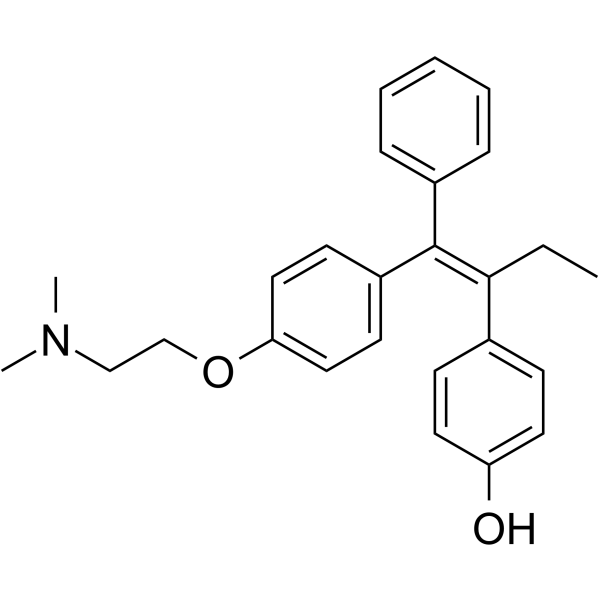
4'-Hydroxytamoxifen is a metabolite of Tamoxifen. 4'-Hydroxytamoxifen shows higher affinity for the ER than Tamoxifen. 4'-Hydroxytamoxifen induces a non-apoptotic cytotoxic effect in human endometrial adenocarcinoma cells .
|
-
-
- HY-124414A
-
|
|
Estrogen Receptor/ERR
Drug Metabolite
|
Cancer
|
|
4'-Hydroxytamoxifen TFA is a salt form of a metabolite of Tamoxifen. 4'-Hydroxytamoxifen TFA has a higher affinity for ER than Tamoxifen. 4'-Hydroxytamoxifen TFA induces non-apoptotic cytotoxicity in human endometrial adenocarcinoma cells .
|
-

-
- HY-N8491
-
|
|
Others
|
Cancer
|
|
Dihydrocarveol is an anticancer agent. Dihydrocarveol shows inhibitory activity against human colon adenocarcinoma cells (HCT-116, HT-29, COLO320DM) with an IC50 value of 28.31 μM in HCT-116 cells. Dihydrocarveol is promising for research of colon cancer .
|
-

-
- HY-118054
-
|
|
Orphan Nuclear Receptor
|
Cancer
|
|
LRH-1 Inhibitor-3 is a small molecule that inhibits LRH-1 transcriptional activity, thereby decreasing the expression of target genes associated with cell growth and proliferation. LRH-1 Inhibitor-3 has shown potential in reducing cancer cell proliferation in human pancreatic, colon, and breast adenocarcinoma cell lines. LRH-1 Inhibitor-3 serves as a molecular probe for investigating the role of LRH-1 in various malignancies.
|
-

-
- HY-N15413
-
|
|
Parasite
|
Infection
|
|
Thalidasine (compound 3) is a bisbenzyltetrahydroisoquinoline alkaloid. Thalidasine is a anticancer agent against human colon adenocarcinoma cells. Thalidasine exhibits antileishmanial activity and can be used for Leishmania infection research research .
|
-

-
- HY-118091A
-
|
LY300502
|
5 alpha Reductase
|
Cancer
|
|
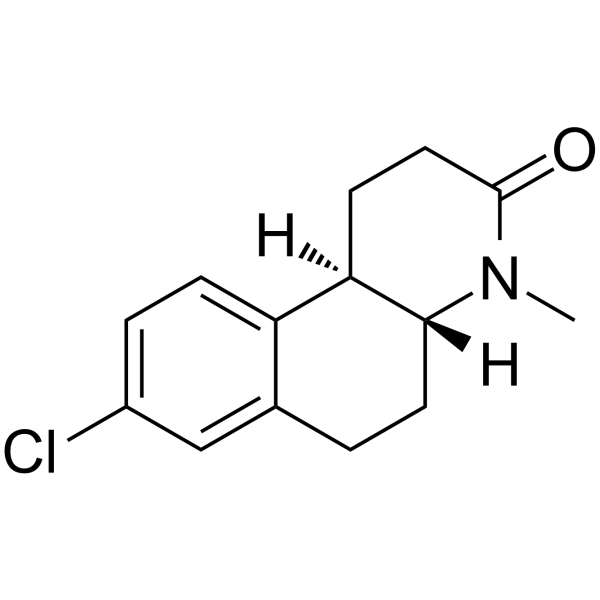
Bexlosteride (LY300502) is a benzoquinolinone human type I 5α-reductase inhibitor. Bexlosteride shows metabolic inhibitory, antiproliferative, and antisecretory effects in LNCaP human prostatic adenocarcinoma cell cultures. Bexlosteride can be used for the research of prostatic cancer .
|
-
-
- HY-129564
-
|
|
Antibiotic
|
Cancer
|
|
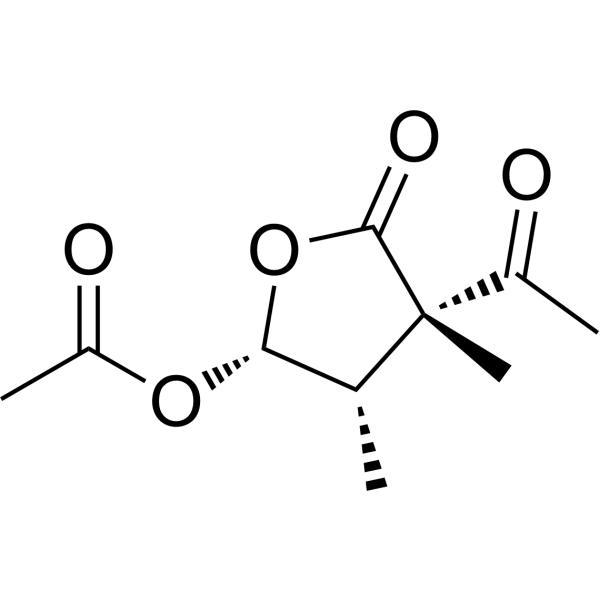
Acetomycin is an antibiotic. Acetomycin inhibits the growth of CT-8 human colon adenocarcinoma cells (IC50: 1.5 μg/mL) and L1210 murine leukemia cells (IC50: 2.2 μg/mL). Acetomycin can be isolated from actinomycete WP-2661 .
|
-
-
- HY-Y0790R
-
|
p-Isopropylbenzaldehyde (Standard)
|
α-synuclein
Reference Standards
|
Infection
Neurological Disease
Inflammation/Immunology
Cancer
|
|
Cuminaldehyde Standard is the analytical standard of Cuminaldehyde. This product is intended for research and analytical applications. Cuminaldehyde is the main component of Cuminum cyminum and has multiple biological activities, including anti-inflammatory, anti-cancer, anti-diabetic, anti-injury, anti-neuropathy and antibacterial effects. Cuminaldehyde is an inhibitor of aldose reductase (IC50= 0.00085 mg/mL) and α-glucosidase (IC50=0.5 mg/mL). Cuminaldehyde also inhibits the fibrillation of α-synuclein and prevents its aggregation Cuminaldehyde can induce apoptosis in colon adenocarcinoma cells by targeting topoisomerase I and II. In addition, Cuminaldehyde also exerts anti-inflammatory activity by inhibiting lipoxygenase. Cuminaldehyde has a strong inhibitory effect on the growth of Aspergillus flavus and the biosynthesis of aflatoxin B1 (AFB1). Cuminaldehyde can exert anti-injury and anti-neuropathy effects by participating in opioid receptors, L-arginine/NO/cGMP pathways and anti-inflammatory effects. Cuminaldehyde has potential application value in the research of neurodegenerative diseases, cancer, diabetes and neuropathic pain diseases .
|
-

-
- HY-N5093
-
|
|
Others
|
Cancer
|
|
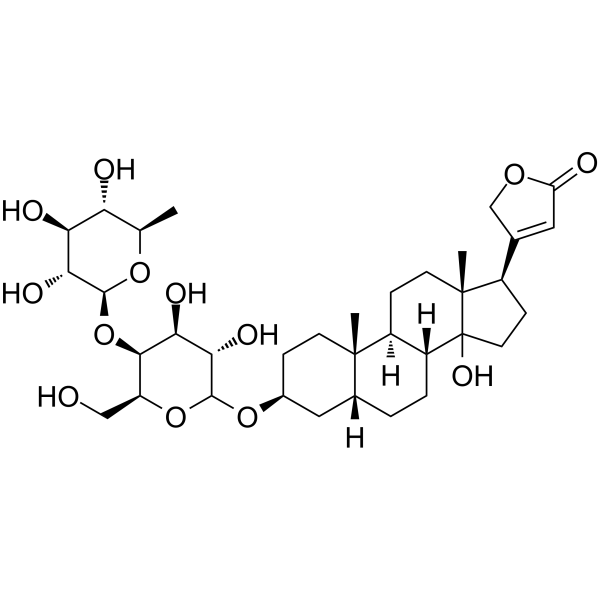
Glucodigifucoside, a cardenolide glycoside that could be isolated from the seeds of Digitalis purpurea, exhibits potent cytotoxicity against human renal adenocarcinoma cell line ACHN .
|
-
-
- HY-N14303
-
|
|
Antibiotic
Bacterial
|
Infection
Cancer
|
|
16-Methyloxazolomycin is an antibiotic. 16-Methyloxazolomycin has the effect of resisting bacteria and algae. 16-Methyloxazolomycin against leukemia P388 and human lung adenocarcinoma cells .
|
-

-
- HY-160025
-
-
-
- HY-N1056
-
|
Zerumbetol
|
Others
|
Cancer
|
|
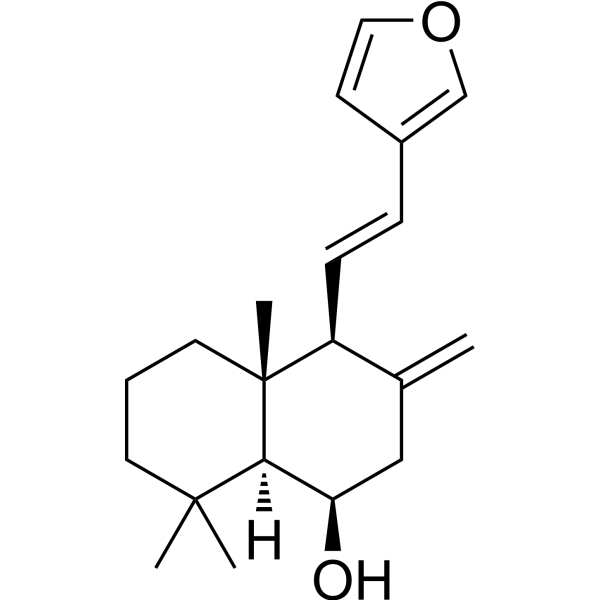
Yunnancoronarin A (Zerumbetol) can be isolated from Hedychium forrestii. Yunnancoronarin A is cytotoxic, with IC50 values of 11.08 and 2.19 μM against lung adenocarcinoma cells A549 and leukemia cells K562, respectively .
|
-
-
- HY-N4227
-
|
|
Endogenous Metabolite
|
Cancer
|
|
Conicasterol is a 4-mercaptosteroid with significant cytotoxic activity. Conicasterol showed an IC50 value of 6.23 μg/mL in a test on a human breast adenocarcinoma cell line (MCF-7). Conicasterol's antitumor activity makes it a potential bioactive lead molecule .
|
-

-
- HY-163947
-
|
|
VD/VDR
|
Cancer
|
|
UG-480 is a gemini analog that effectively stabilizes the active VDR conformation. UG-480 has antiproliferative effects in estrogen receptor-positive MCF-7 breast adenocarcinoma cells. UG-480 can be used in cancer research .
|
-

-
- HY-144361
-
|
|
Apoptosis
|
Cancer
|
|
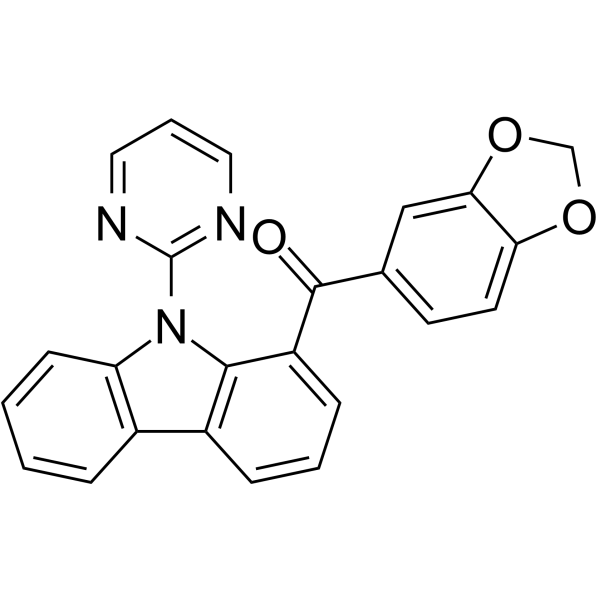
Antitumor agent-44 (Compound 5n) disrupts the mitochondrial homeostasis, induces cell cycle arrest and apoptosis in human adenocarcinoma cells. Antitumor agent-44 (Compound 5n) possesses good anti-tumor activity in a lung-cancer-cell xenograft mice model .
|
-
-
- HY-124414R
-
|
|
Reference Standards
Estrogen Receptor/ERR
Drug Metabolite
|
Cancer
|
|
4'-Hydroxytamoxifen (Standard) is the analytical standard of 4'-Hydroxytamoxifen. This product is intended for research and analytical applications. 4'-Hydroxytamoxifen is a metabolite of Tamoxifen. 4'-Hydroxytamoxifen shows higher affinity for the ER than Tamoxifen. 4'-Hydroxytamoxifen induces a non-apoptotic cytotoxic effect in human endometrial adenocarcinoma cells .
|
-

-
- HY-113700
-
|
|
Antibiotic
|
Cancer
|
|
PD 116779 is an Antibiotic with anticancer activity. PD 116779 demonstrates moderate cytotoxicity against L1210 lymphocytic leukemia and HCT-8 human colon adenocarcinoma cell lines with IC50 values of 3.55x10 -7 and 4.08x10 -7 M, respectively .
|
-

-
- HY-124414AR
-
|
|
Reference Standards
Estrogen Receptor/ERR
Drug Metabolite
|
Cancer
|
|
4'-Hydroxytamoxifen (TFA) (Standard) is the analytical standard of 4'-Hydroxytamoxifen (TFA). This product is intended for research and analytical applications. 4'-Hydroxytamoxifen TFA is a salt form of a metabolite of Tamoxifen. 4'-Hydroxytamoxifen TFA has a higher affinity for ER than Tamoxifen. 4'-Hydroxytamoxifen TFA induces non-apoptotic cytotoxicity in human endometrial adenocarcinoma cells[1].
|
-

-
- HY-151295
-
|
|
DNA/RNA Synthesis
|
Cancer
|
|
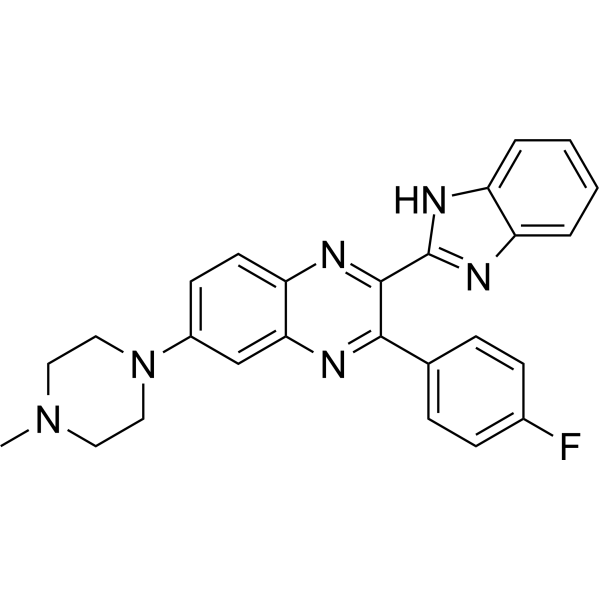
Antitumor agent-75 is a novel potent antitumor agent. Antitumor agent-75 has cytotoxic effects on cancer and normal human cell lines. Antitumor agent-75 shows a highly selective cytotoxic effect against human lung adenocarcinoma (cell line A549) when combined with Antitumor agent-74 (HY-151292), the IC50 value of 2.8 μM. Antitumor agent-75 can be used for the research of cancer .
|
-
-
- HY-N6969A
-
|
|
Adrenergic Receptor
|
Cancer
|
|
Dicentrine hydrochloride is a drug with anti-inflammatory and anti-cancer activity. Dicentrine hydrochloride exerts its effects by enhancing TNF-α-induced apoptosis in A549 lung adenocarcinoma cells. Dicentrine hydrochloride increases caspase-8, -9, -3 and poly(ADP-ribose) polymerase (PARP) activities. Dicentrine hydrochloride inhibits TNF-α-induced invasion and migration of A549 cells. Dicentrine hydrochloride significantly inhibited the TNF-α-activated TAK1, p38, JNK and Akt signaling pathways, and reduced the transcriptional activities of NF-κB and AP-1 .
|
-

-
- HY-113513
-
|
|
Others
|
Cancer
|
|
5(S)-HEPE is an active metabolite of eicosapentaenoic acid. It is formed from EPA by 5-lipoxygenase (5-LO). 5(S)-HEPE is an agonist of G protein-coupled receptor 119 (GPR119). It increases cAMP accumulation in CHO-K1 cells expressing human GPR119 when used at a concentration of 10 μM. 5(S)-HEPE increases glucose-induced insulin secretion from MING6 insulinoma pancreatic islets and glucagon-like peptide 1 (GLP-1) secretion from HuTu 80 adenocarcinoma cells when used at a concentration of 10 μM. Serum levels of 5(S)-HEPE are elevated in patients with hyperlipidemia.
|
-

-
- HY-160850
-
|
|
Endogenous Metabolite
|
Endocrinology
|
|
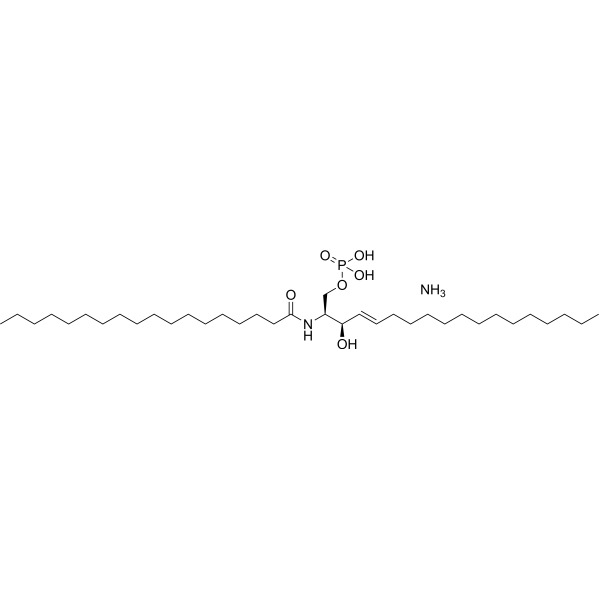
C18 Ceramide-1-phosphate (d18:1/18:0) (ammonium salt) is a specific type of long-chain molecule found in murine skin . C18 Ceramide-1-phosphate (d18:1/18:0) (ammonium salt) promotes migration of both mouse bone marrow-derived multipotent stromal cells and human umbilical vein endothelial cells at concentrations between 0.5-5 µM. C18 Ceramide-1-phosphate (d18:1/18:0) (ammonium salt)’s levels are higher in CFPAC-1 pancreatic ductal adenocarcinoma cells than in pancreatic cancer stem cells .
|
-
-
- HY-152021S
-
|
|
Isotope-Labeled Compounds
|
Others
|
|
C18 Ceramide-1-phosphate (d18:1/18:0)-d3 is the deuterium labeled C18 Ceramide-1-phosphate (d18:1/18:0) (HY-160850). C18 Ceramide-1-phosphate (d18:1/18:0) is a specific type of long-chain molecule found in murine skin. C18 Ceramide-1-phosphate (d18:1/18:0) promotes migration of both mouse bone marrow-derived multipotent stromal cells and human umbilical vein endothelial cells at concentrations between 0.5-5 μM. C18 Ceramide-1-phosphate (d18:1/18:0)’s levels are higher in CFPAC-1 pancreatic ductal adenocarcinoma cells than in pancreatic cancer stem cells .
|
-

-
- HY-N11737
-
|
|
Drug Derivative
|
Inflammation/Immunology
|
|
Monasfluore A is an azaphenanthrenone derivative with antioxidant activity. Monasfluore A inhibits LPS-induced nitric oxide production. Monasfluore A scavenges DPPH and superoxide anion free radicals. Monasfluore A exerts cellular antioxidant activity in oxidatively damaged colon adenocarcinoma cells. Monasfluore A shows no antiproliferative effect on human laryngeal cancer cells and colon adenocarcinoma cells .
|
-

-
- HY-181113
-
|
|
Anaplastic lymphoma kinase (ALK)
|
Cancer
|
|
ALK-IN-34 is an Anaplastic Lymphoma Kinase (ALK) inhibitor with an IC50 of 0.26 μM. ALK-IN-34 demonstrates antiproliferative activity against lung cancer cells and gastric adenocarcinoma cells .
|
-

-
- HY-100498R
-
|
|
FAK
Reference Standards
Apoptosis
|
Cancer
|
|
GSK2256098 (Standard) is the analytical standard of GSK2256098 (HY-100498). This product is intended for research and analytical applications. GSK2256098 is a selective FAK kinase inhibitor, which inhibits growth and survival of pancreatic ductal adenocarcinoma cells.
|
-

-
- HY-N17610
-
|
|
Others
|
Cancer
|
|
2',4'-Dihydroxydihydrochalcone exhibits cytotoxic activity against HT-29 colon adenocarcinoma cells (IC50 = 1.8 μM). 2',4'-Dihydroxydihydrochalcone may be used in research on cancers such as colon adenocarcinoma .
|
-

-
- HY-N17419
-
|
|
Others
|
Cancer
|
|
Tylophoridicine F is a cytotoxic agent. Tylophoridicine F can be isolated from T. atrofolliculata. Tylophoridicine F exhibits more cytotoxic activity on cells compared to Adriamycin (assessed using ileocecal adenocarcinoma cells and keratin-forming tumor cells) .
|
-

-
- HY-120825
-
|
|
Apoptosis
DNA/RNA Synthesis
Reactive Oxygen Species (ROS)
Keap1-Nrf2
|
Cancer
|
|
QD 232 is a quinazolinedione-based ROS inducer and an apoptosis inducer with cytotoxicity and redox regulatory activity. QD 232 promotes ROS accumulation, activates the NRF2-mediated oxidative stress response and unfolded protein response pathways, and upregulates downstream antioxidant and stress response genes. QD 232 inhibits mtDNA transcription driven by HSP2 and LSP promoters, and impairs mitochondrial oxidative phosphorylation function. QD 232 induces apoptosis of pancreatic ductal adenocarcinoma cells and exerts cytotoxicity against gemcitabine (HY-17026)-resistant pancreatic ductal adenocarcinoma cells. QD 232 delays tumor growth in a mouse pancreatic cancer xenograft model .
|
-

-
- HY-N18083
-
|
|
Drug Derivative
|
Cancer
|
|
Gweicurculactone is a sesquiterpene and cytotoxin found in the root tuber of Curcuma wenyujin Y. H. Chen et C. Ling. Gweicurculactone exerts cytotoxic effects against human promyelocytic leukemia, hepatocellular carcinoma, chronic myelogenous leukemia, epidermoid carcinoma, and breast adenocarcinoma cells. Gweicurculactone can be used for the research of leukemia, hepatocellular carcinoma, epidermoid carcinoma of the mouth, breast adenocarcinoma .
|
-

-
- HY-P2044
-
|
|
HDAC
|
Cancer
|
|
Azumamide E is a HDAC inhibitor, with an IC50 of 0.064 μM against HDAC, 1.22 μM against HDAC1, and 2.28 μM against HDAC4. Azumamide E inhibits HDAC activity in nuclear extracts of leukemia cells and cervical adenocarcinoma cells. Azumamide E suppresses angiogenesis. Azumamide E is applicable for research on leukemia, cervical adenocarcinoma, and anti-angiogenesis .
|
-

-
- HY-176560
-
|
|
Estrogen Receptor/ERR
|
Metabolic Disease
Cancer
|
|
Raloxifene alkene (Compound 101) is a serum cholesterol clearance agent. Raloxifene alkene has significant anti-proliferation activity against breast adenocarcinoma cells. Raloxifene alkene effectively reduces serum cholesterol level without significant uterine weight and increase of number oieosinoohils in the stromallaver of ovarleclomized rat models. Raloxifene alkene can be used for post-menopausasyndrome, particularly osteoporosis, estrogen-dependent breast and uterine carcinoma research .
|
-

-
- HY-153503
-
|
|
Anaplastic lymphoma kinase (ALK)
Insulin Receptor
|
Cancer
|
|
ALK-IN-24 is an orally active ALK inhibitor with an IC50 value of 1.7 nM. ALK-IN-24 also inhibits insulin receptor kinase with an IC50 value of 6 nM. ALK-IN-24 suppresses the proliferation of lung adenocarcinoma cells. ALK-IN-24 inhibits ALK-driven tumor growth in xenograft mouse models. ALK-IN-24 can be used in research related to non-small cell lung cancer .
|
-

-
- HY-N19640
-
|
|
TNF Receptor
|
Cancer
|
|
(20S)-18,20-Epoxydigitoxigenin α-L-thvetoside is a cardenolide glycoside found in the bark of Thevetia peruviana. (20S)-18,20-Epoxydigitoxigenin α-L-thvetoside is a tumor necrosis factor (TNF)-related apoptosis-inducing ligand (TRAIL) resistance-overcoming agent. (20S)-18,20-Epoxydigitoxigenin α-L-thvetoside synergistically sensitizes TRAIL-resistant gastric adenocarcinoma cells to TRAIL, reducing cell viability when combined with TRAIL. (20S)-18,20-Epoxydigitoxigenin α-L-thvetoside can be used for the research of human gastric adenocarcinoma .
|
-

-
- HY-164184
-
|
|
Apoptosis
Caspase
HSP
Early 2 Factor (E2F)
DNA/RNA Synthesis
|
Cancer
|
|
Ly101-4B is an apoptosis inducer and multi-target inhibitor with antiproliferative, antitumor and cycytotoxic effects. Ly101-4B reduces HSF1 expression, inhibits microRNA-214 synthesis, downregulates HSP27, HSP70 and HSP90 expression, while suppressing E2F-dependent transcriptional activity and downregulating its target genes. Ly101-4B induces caspase 3/7-mediated apoptosis by reducing DNA synthesis, inhibiting the cell cycle and G1/S phase transition, without affecting RNA synthesis or inducing necrosis. Ly101-4B is selective for pancreatic ductal adenocarcinoma cells with different genotypes and varying degrees of E2F dependence. Ly101-4B can be used in research related to epithelial ovarian cancer and pancreatic ductal adenocarcinoma .
|
-

| Cat. No. |
Product Name |
Type |
-
- HY-D0203
-
|
Malachite green
|
Fluorescent Dyes
|
|
Basic green 4 (Malachite green) is a cationic dye that is widely used as a bactericide in aquaculture and is also commonly used in laboratories for the determination of phosphates. Basic green 4 exhibits high cytotoxicity and carcinogenicity to mammalian cells, specifically shown by its IC50 values of 2.03 µM for HEp-2 human laryngeal cells and 13.8 µM for Caco-2 human colorectal adenocarcinoma cells, and it can promote the development of liver tumors. The maximum absorbance wavelength is 621 nm .
|
| Cat. No. |
Product Name |
Type |
-
- HY-401424
-
|
Polyoxyethylene(36) Castor Oil; PEG-36 Castor Oil
|
Biochemical Assay Reagents
|
|
Cremophor EL-36 is a non-ionic surfactant, mainly used as a solubilizing carrier for poorly soluble Paclitaxel (HY-B0015). For example, Cremophor EL-36 can enhance the intracellular influx of Etoposide (HY-13629) without affecting drug efflux, and can dose-dependently increase the accumulation of VP-16 in lung adenocarcinoma cells (such as PC-14 and A549), significantly enhancing its cytotoxic effect .
|
| Cat. No. |
Product Name |
Target |
Research Area |
-
- HY-P2044
-
|
|
HDAC
|
Cancer
|
|
Azumamide E is a HDAC inhibitor, with an IC50 of 0.064 μM against HDAC, 1.22 μM against HDAC1, and 2.28 μM against HDAC4. Azumamide E inhibits HDAC activity in nuclear extracts of leukemia cells and cervical adenocarcinoma cells. Azumamide E suppresses angiogenesis. Azumamide E is applicable for research on leukemia, cervical adenocarcinoma, and anti-angiogenesis .
|
| Cat. No. |
Product Name |
Category |
Target |
Chemical Structure |
-
- HY-17411
-
-
-
- HY-17411R
-
-
-
- HY-N8491
-
-
-
- HY-N15413
-
-
-
- HY-Y0790R
-
|
p-Isopropylbenzaldehyde (Standard)
|
Structural Classification
Ketones, Aldehydes, Acids
Rudbeckia laciniata L.
Umbelliferae
Plants
Endogenous metabolite
Source Classification
|
α-synuclein
Reference Standards
|
|
Cuminaldehyde Standard is the analytical standard of Cuminaldehyde. This product is intended for research and analytical applications. Cuminaldehyde is the main component of Cuminum cyminum and has multiple biological activities, including anti-inflammatory, anti-cancer, anti-diabetic, anti-injury, anti-neuropathy and antibacterial effects. Cuminaldehyde is an inhibitor of aldose reductase (IC50= 0.00085 mg/mL) and α-glucosidase (IC50=0.5 mg/mL). Cuminaldehyde also inhibits the fibrillation of α-synuclein and prevents its aggregation Cuminaldehyde can induce apoptosis in colon adenocarcinoma cells by targeting topoisomerase I and II. In addition, Cuminaldehyde also exerts anti-inflammatory activity by inhibiting lipoxygenase. Cuminaldehyde has a strong inhibitory effect on the growth of Aspergillus flavus and the biosynthesis of aflatoxin B1 (AFB1). Cuminaldehyde can exert anti-injury and anti-neuropathy effects by participating in opioid receptors, L-arginine/NO/cGMP pathways and anti-inflammatory effects. Cuminaldehyde has potential application value in the research of neurodegenerative diseases, cancer, diabetes and neuropathic pain diseases .
|
-
-
- HY-N5093
-
-
-
- HY-N14303
-
-
-
- HY-N1056
-
-
-
- HY-N4227
-
-
-
- HY-N6969A
-
|
|
Alkaloids
Other Alkaloids
Stephania epigaea Lo
Plants
Menispermaceae
Source Classification
|
Adrenergic Receptor
|
|
Dicentrine hydrochloride is a drug with anti-inflammatory and anti-cancer activity. Dicentrine hydrochloride exerts its effects by enhancing TNF-α-induced apoptosis in A549 lung adenocarcinoma cells. Dicentrine hydrochloride increases caspase-8, -9, -3 and poly(ADP-ribose) polymerase (PARP) activities. Dicentrine hydrochloride inhibits TNF-α-induced invasion and migration of A549 cells. Dicentrine hydrochloride significantly inhibited the TNF-α-activated TAK1, p38, JNK and Akt signaling pathways, and reduced the transcriptional activities of NF-κB and AP-1 .
|
-
-
- HY-113513
-
|
|
Microorganisms
Source Classification
|
Others
|
|
5(S)-HEPE is an active metabolite of eicosapentaenoic acid. It is formed from EPA by 5-lipoxygenase (5-LO). 5(S)-HEPE is an agonist of G protein-coupled receptor 119 (GPR119). It increases cAMP accumulation in CHO-K1 cells expressing human GPR119 when used at a concentration of 10 μM. 5(S)-HEPE increases glucose-induced insulin secretion from MING6 insulinoma pancreatic islets and glucagon-like peptide 1 (GLP-1) secretion from HuTu 80 adenocarcinoma cells when used at a concentration of 10 μM. Serum levels of 5(S)-HEPE are elevated in patients with hyperlipidemia.
|
-
-
- HY-N11737
-
|
|
Structural Classification
Natural Products
Microorganisms
Source Classification
|
Drug Derivative
|
|
Monasfluore A is an azaphenanthrenone derivative with antioxidant activity. Monasfluore A inhibits LPS-induced nitric oxide production. Monasfluore A scavenges DPPH and superoxide anion free radicals. Monasfluore A exerts cellular antioxidant activity in oxidatively damaged colon adenocarcinoma cells. Monasfluore A shows no antiproliferative effect on human laryngeal cancer cells and colon adenocarcinoma cells .
|
-
-
- HY-N17610
-
-
-
- HY-N17419
-
-
-
- HY-N18083
-
-
-
- HY-P2044
-
-
-
- HY-N19640
-
|
|
Apocynaceae
Triterpenes
Structural Classification
Terpenoids
Thevetia peruviana (Pers.) K. Schum.
Plants
Source Classification
|
TNF Receptor
|
|
(20S)-18,20-Epoxydigitoxigenin α-L-thvetoside is a cardenolide glycoside found in the bark of Thevetia peruviana. (20S)-18,20-Epoxydigitoxigenin α-L-thvetoside is a tumor necrosis factor (TNF)-related apoptosis-inducing ligand (TRAIL) resistance-overcoming agent. (20S)-18,20-Epoxydigitoxigenin α-L-thvetoside synergistically sensitizes TRAIL-resistant gastric adenocarcinoma cells to TRAIL, reducing cell viability when combined with TRAIL. (20S)-18,20-Epoxydigitoxigenin α-L-thvetoside can be used for the research of human gastric adenocarcinoma .
|
-
| Cat. No. |
Product Name |
Chemical Structure |
-
- HY-152021S
-
|
|
|
C18 Ceramide-1-phosphate (d18:1/18:0)-d3 is the deuterium labeled C18 Ceramide-1-phosphate (d18:1/18:0) (HY-160850). C18 Ceramide-1-phosphate (d18:1/18:0) is a specific type of long-chain molecule found in murine skin. C18 Ceramide-1-phosphate (d18:1/18:0) promotes migration of both mouse bone marrow-derived multipotent stromal cells and human umbilical vein endothelial cells at concentrations between 0.5-5 μM. C18 Ceramide-1-phosphate (d18:1/18:0)’s levels are higher in CFPAC-1 pancreatic ductal adenocarcinoma cells than in pancreatic cancer stem cells .
|
-
Your information is safe with us. * Required Fields.
Inquiry Information
- Product Name:
- Cat. No.:
- Quantity:
- MCE Japan Authorized Agent:








