Search Result
Results for "
brain+tissue
" in MedChemExpress (MCE) Product Catalog:
5
Biochemical Assay Reagents
2
Isotope-Labeled Compounds
| Cat. No. |
Product Name |
Target |
Research Areas |
Chemical Structure |
-
- HY-D0714
-
|
2,3,5-Triphenyltetrazolium chloride; TPTZ; TTC
|
Biochemical Assay Reagents
|
Cardiovascular Disease
|
|
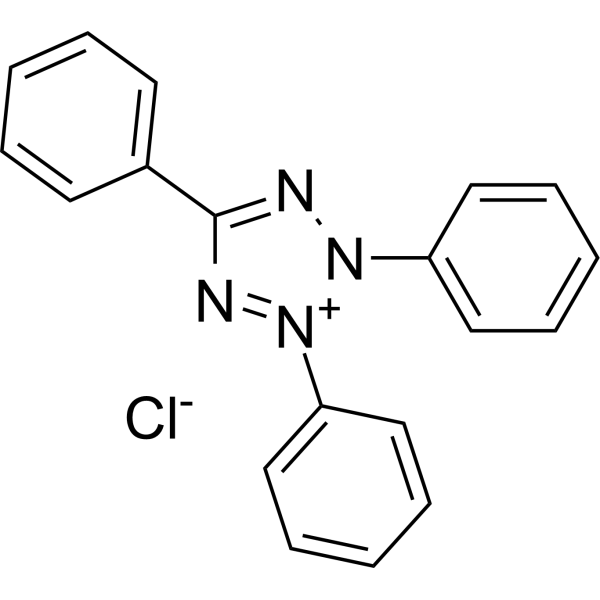
Tetrazolium Red (2,3,5-Triphenyltetrazolium chloride; TTC) is a not brain-penetrant, colorless, water-soluble dye that is reduced by mitochondrial enzymes to a deep red, water-insoluble compound (formazan) mainly in the mitochondria of living cells. Tetrazolium Red is used to observe the activity of dehydrogenase, and it turns colorless to red when exposed to hydrogen. Tetrazolium Red distinguishes between surviving and infarcted brain tissue after stroke. Tetrazolium Red has been used to stain heart tissue to measure the extent of acute lesions and also used to stain brain tissue to detect the size of the infarcted area. The absorption wavelength of Tetrazolium Red is 570 nm .
|
-
-
- HY-B1614
-
-
-
- HY-120110
-
-
-
- HY-Y1147
-
|
Maleic acid diethyl ester
|
Biochemical Assay Reagents
|
Others
|
|
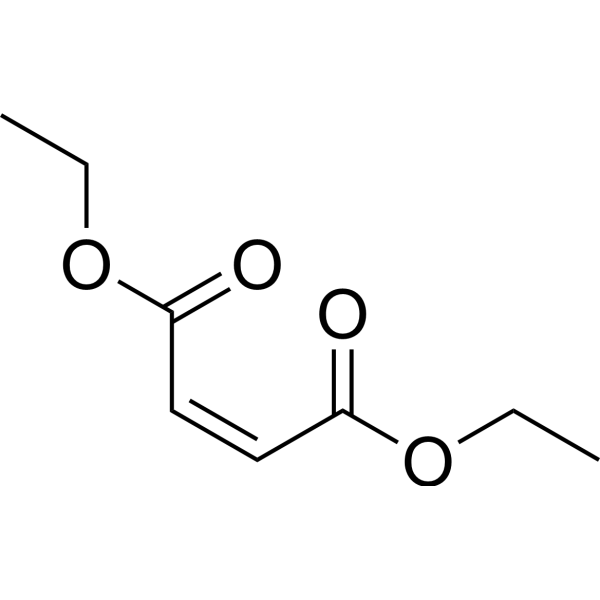
Diethyl maleate (DEM) is an orally available, effective glutathione (GSH) depletor that crosses the blood-brain barrier. Diethyl maleate covalently binds irreversibly to GSH via glutathione S-transferase with an in vitro IC50 of 0.1-0.5 mM. Diethyl maleate selectively depletes GSH in liver, lung, and brain tissues, exacerbating oxidative stress and enhancing hyperbaric oxygen toxicity. Diethyl maleate promotes precursor amino acid uptake and in turn promotes GSH synthesis by upregulating the activity of the cystine-glutamate transporter XO -. Diethyl maleate can be used to study redox homeostasis and GSH protection mechanisms in oxidative stress-related diseases such as hyperbaric oxygen injury and metabolic diseases[1][2][3].
|
-
-
- HY-107661
-
|
ONO-2506; (R)-2-Propyloctanoic acid
|
ERK
Akt
NF-κB
EAAT
|
Cardiovascular Disease
Neurological Disease
|
|
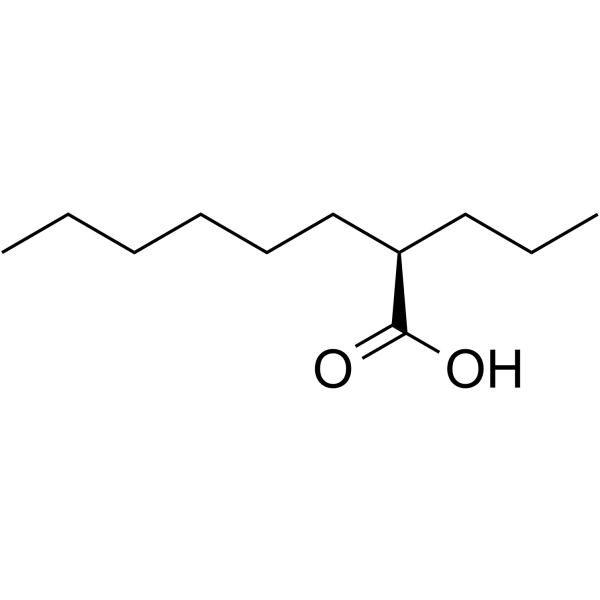
Arundic Acid is an orally effective astrocyte function modulator and neuroprotective agent. Arundic Acid increases the expression and function of the astrocytic glutamate transporter EAAT1 by activating the ERK, Akt and NF-κB pathways. Arundic Acid attenuates retinal ganglion cell death in a normal-tension glaucoma model. Arundic Acid exerts neuroprotective effects in a mouse model of Parkinson's disease. Arundic Acid is a S100β protein synthesis inhibitor that prevents neurological deficits and brain tissue damage after intracerebral hemorrhage in rats. Arundic Acid downregulates neuroinflammation and astrocytic dysfunction after status epilepticus in immature rats. Arundic Acid is applicable to research related to Parkinson's disease, cerebral ischemia, glaucoma, intracerebral hemorrhage and epilepsy .
|
-
-
- HY-P5623A
-
|
RVG29-Cys; RDP-Cys; Rabies Virus Glycoprotein-29-Cys
|
RABV
|
Others
|
|
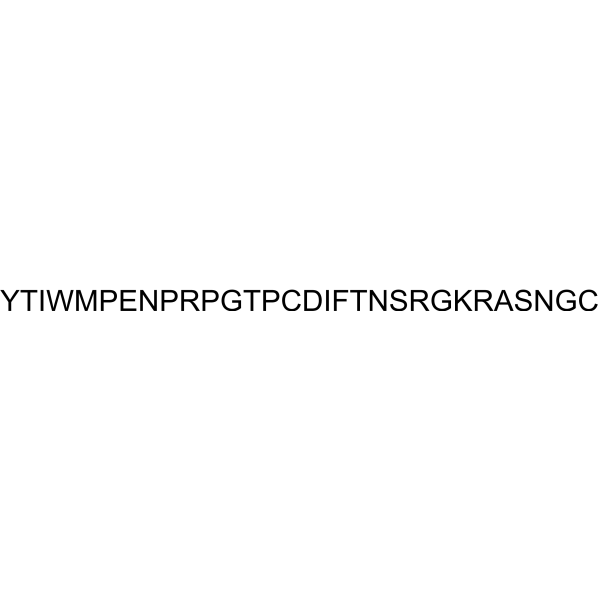
RVG-Cys (RVG29-Cys) is a peptide derived from rabies virus glycoprotein (RVG29) with Cys attached to facilitate subsequent conjugation. RVG-Cys enhances the specific targeted delivery of proteins in brain tissue and neurons .
|
-
-
- HY-P4052
-
|
|
ROS Kinase
|
Neurological Disease
|
|
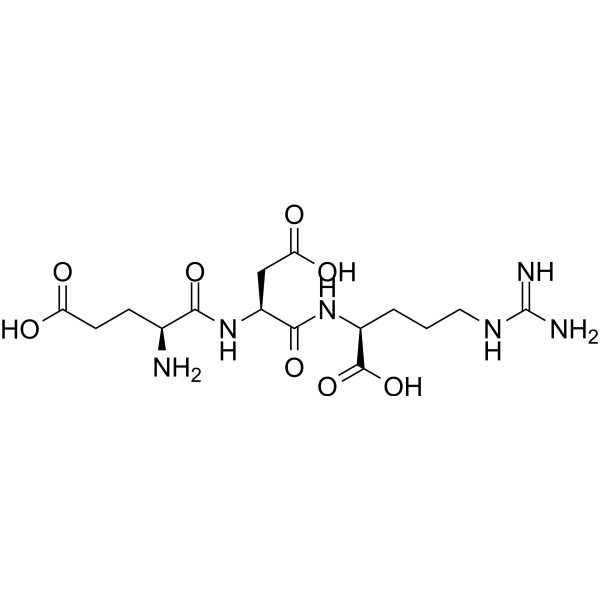
Pinealon is a 3-amino acid peptide and shows neuroprotective properties. Pinealon prevents reactive oxygen species (ROS) accumulation and suppresses the activation of ERK 1/2. Pinealon stimulates the functional activity of the main cellular elements of brain tissue, reduces the level of spontaneous cell death. Pinealon protects the rat offspring from prenatal hyperhomocysteinemia .
|
-
-
- HY-W094758A
-
|
|
Fluorescent Dye
|
Cancer
|
|
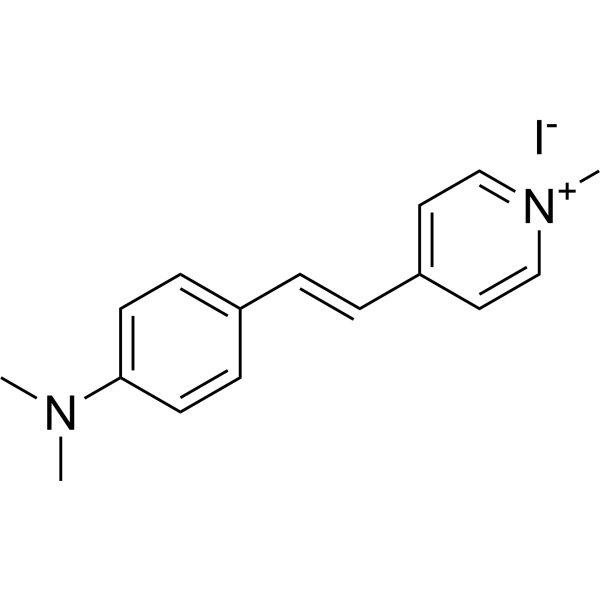
4-Di-1-ASP is a styryl dye used to stain glioma cells in living brain tissue for analysis of cell structure, viability, proliferation and endocytosis, cytokinesis and phagocytosis, as well as for observation of mitochondrial structures in living cells. 4-Di-1-ASP fluoresces green when imaged microscopically (λex /λem = 475/606 nm) .
|
-
-
- HY-114332
-
|
|
MAP3K
JNK
|
Neurological Disease
Metabolic Disease
|
|
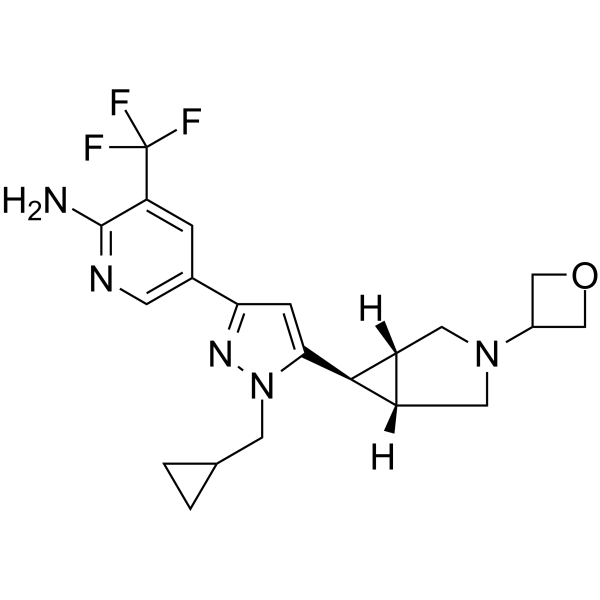
GNE-8505 is an orally active, blood-brain barrier-permeable selective dual leucine zipper kinase (DLK) inhibitor. GNE-8505 has an IC50 of 0.144 μM for pJNK, and EC50 of 0.457 μM for DRG. GNE-8505 inhibits the DLK/JNK pathway, reduces stress-induced c-Jun phosphorylation levels, decreases neuronal death and suppresses axonal degeneration. GNE-8505 reduces phosphorylated c-Jun levels in the retina, spinal cord and brain tissues of mice. GNE-8505 is applicable to research related to Alzheimer's disease and amyotrophic lateral sclerosis (ALS) .
|
-
-
- HY-B1189
-
|
Dicrotalic acid; 3-Hydroxy-3-methylglutaric acid
|
HMG-CoA Reductase (HMGCR)
Autophagy
Endogenous Metabolite
|
Cardiovascular Disease
Metabolic Disease
|
|
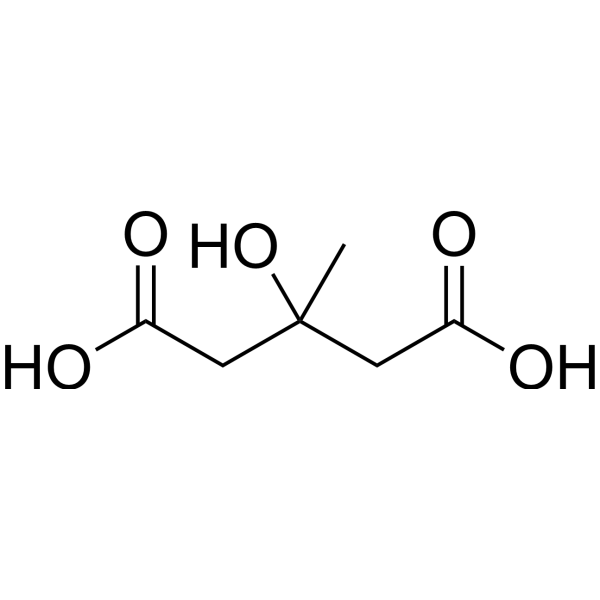
Meglutol is a lipid-lowering agent. Meglutol can reduces cholesterol, triglycerides, serum β-lipoprotein, and phospholipids, and inhibits the activity of HMG-CoA reductase (a rate-limiting enzyme in cholesterol biosynthesis). Meglutol can induce significant lipid oxidative damage in brain tissue. It is promising for research in the field of cardiovascular diseases and metabolic diseases .
|
-
-
- HY-131881
-
|
|
mAChR
|
Neurological Disease
|
|
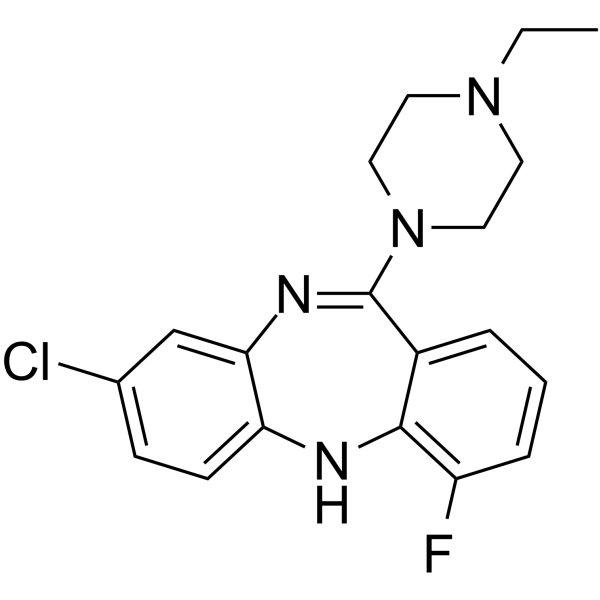
JHU37160 is a potent and brain-penetrant DREADD agonist, with EC50s of 18.5 nM and 0.2 nM for hM3Dq and hM4Di DREADDs in HEK-293 cells, respectively. JHU37160 exhibits selective [ 3H]Clozapine displacement from DREADDs and not from other Clozapine-binding sites in mice brain tissue .
|
-
-
- HY-148385
-
|
|
Endogenous Metabolite
Integrin
FAK
Src
ERK
p38 MAPK
|
Neurological Disease
Cancer
|
|
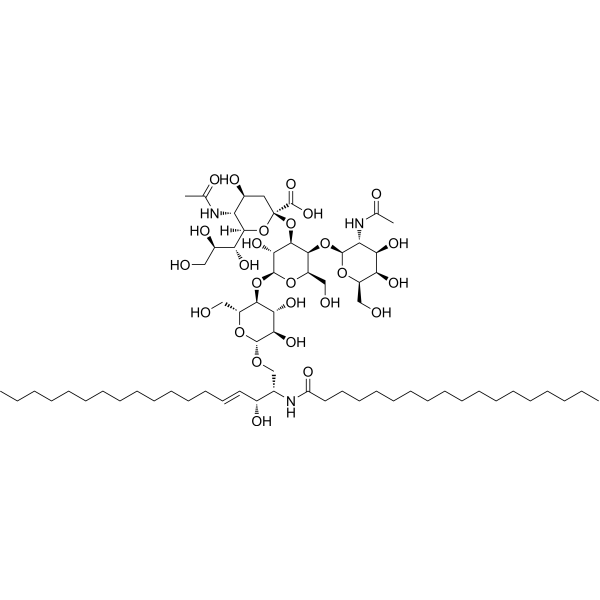
Ganglioside GM2 is a human tumor antigen predominantly found in human tumor cells and fetal brain tissue. As a sialylated glycosphingolipid, Ganglioside GM2 is involved in processes such as cell signaling, adhesion, and motility. Ganglioside GM2 abnormal expression and accumulation are associated with tumors and neurodegenerative disorders. Ganglioside GM2 promotes tumor cell migration and invasion by directly binding to the integrin β1 receptor, activating the FAK/Src/Erk-MAPK signaling pathway, and inducing actin cytoskeleton remodeling .
|
-
-
- HY-P5558
-
|
|
VEGFR
|
Neurological Disease
|
|
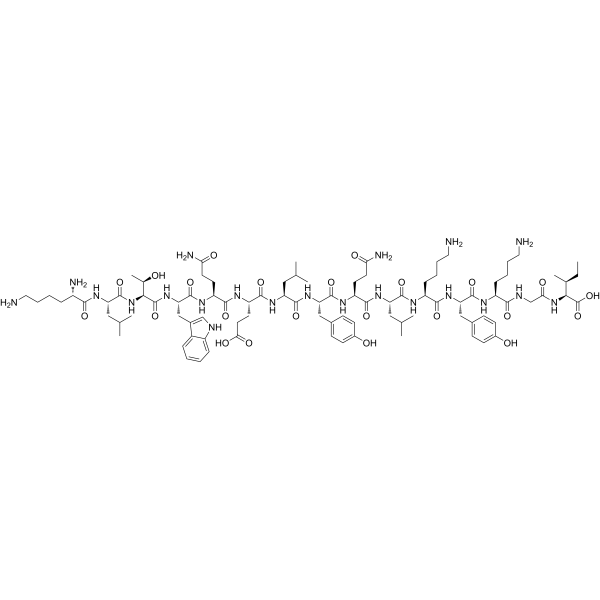
KLTWQELYQLKYKGI is a VEGF mimetic peptide designed based on the VEGF helix sequence 17-25, with the ability to activate VEGF receptors and exert pro-angiogenic biological activity. KLTWQELYQLKYKGI effectively promotes the attachment, spreading and proliferation of human umbilical vein endothelial cells. KLTWQELYQLKYKGI enhances the proliferation, migration and osteogenic differentiation of bone marrow stromal cells (BMSCs). KLTWQELYQLKYKGI synergistically accelerates angiogenesis and bone regeneration in rat cranial defect models. KLTWQELYQLKYKGI can be used for the research of brain tissue engineering and traumatic brain injury repair and biomaterials for bone tissue engineering and bone repair .
|
-
-
- HY-173591
-
|
|
Formyl Peptide Receptor (FPR)
Apoptosis
|
Cardiovascular Disease
Neurological Disease
Inflammation/Immunology
|
|
T0080 is a central nervous system-penetrant FPR1 inhibitor. By functionally blocking the FPR1 signaling pathway, T0080 effectively reduces neutrophil infiltration into ischemic brain tissue and maintains the integrity of the blood-brain barrier. T0080 alleviates tPA-associated hemorrhagic transformation, inhibits demyelination responses and the expression of NOX2. T0080 also possesses anti-apoptotic (apoptosis) and anti-inflammatory properties, thereby protecting myelin and reducing neurological deficits. T0080 is widely used in studies related to ischemic stroke complicated by hemorrhagic transformation after tPA thrombolysis, as well as multiple sclerosis .
|
-

-
- HY-B1730
-
|
|
Cyclic GMP-AMP Synthase
|
Neurological Disease
Metabolic Disease
|
|
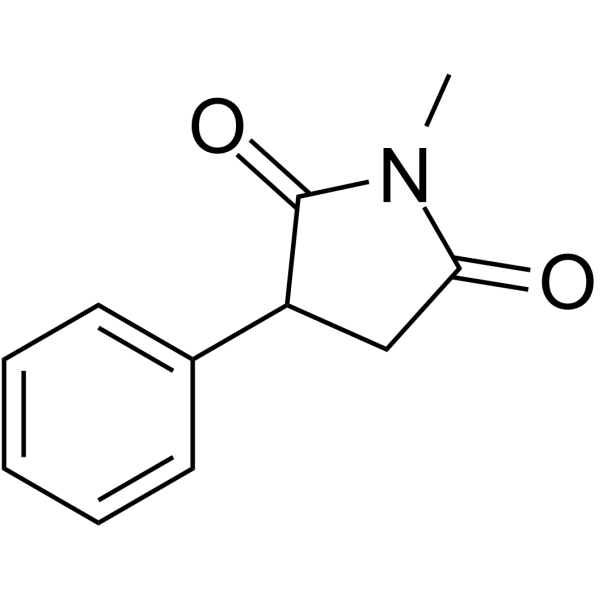
Phensuximide is an orally active succinimide antiepileptic and anticonvulsant agent. Phensuximide inhibits cyclic AMP and cyclic GMP accumulation in depolarized brain tissue. Phensuximide can be used for the study of seizure and petit mal .
|
-
-
- HY-P5623A1
-
|
RVG29-Cys acetate; RDP-Cys acetate; Rabies Virus Glycoprotein-29-Cys acetate
|
RABV
|
Others
|
|
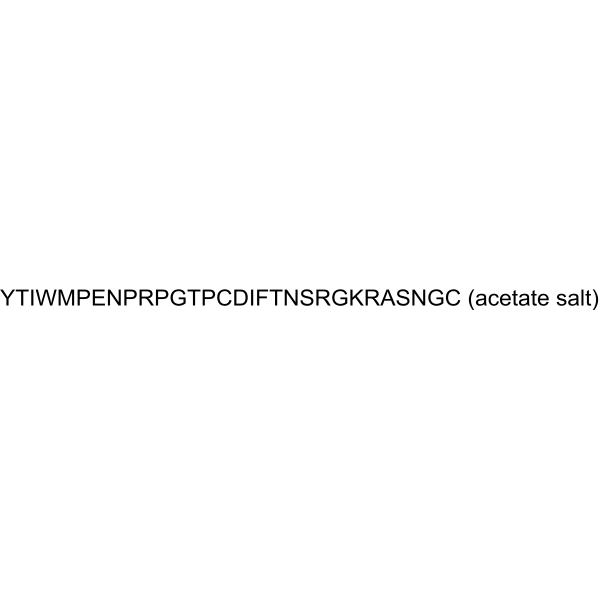
RVG-Cys (RVG29-Cys) acetate is a peptide derived from rabies virus glycoprotein (RVG29) with Cys attached to facilitate subsequent conjugation. RVG-Cys acetate enhances the specific targeted delivery of proteins in brain tissue and neurons .
|
-
-
- HY-149170
-
|
|
5-HT Receptor
Monoamine Transporter
|
Neurological Disease
|
|
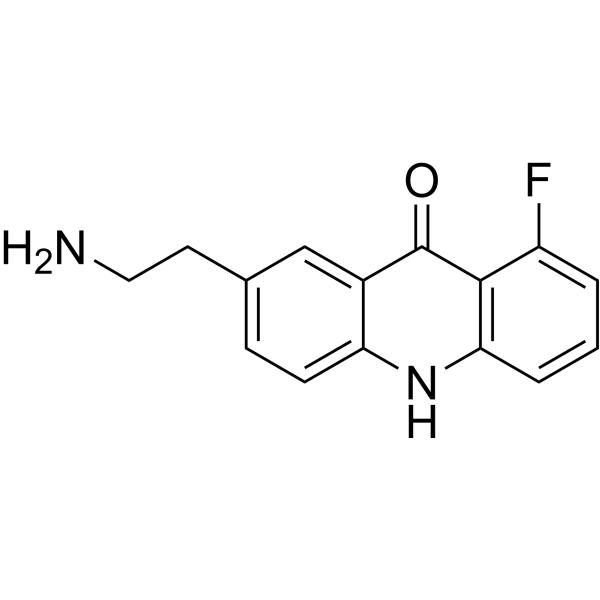
FFN246 is a fluorescent, dual substrate of serotonin transporter (SERT) probe and vesicular monoamine transporter 2 (VMAT2) with excitation and emission spectra 392/427 nm. FFN246 can be used for labeling serotonergic neurons in mouse brain tissue through SERT-dependent accumulation .
|
-
-
- HY-W020468
-
|
DuP 996
|
Potassium Channel
TRP Channel
|
Neurological Disease
|
|
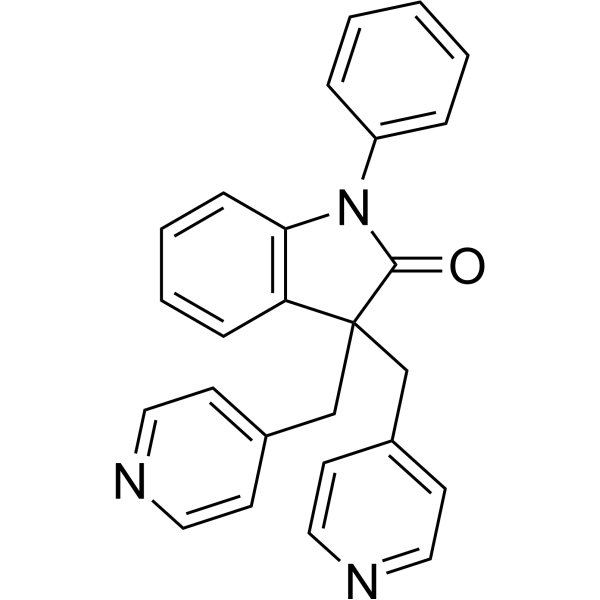
Linopirdine (DuP 996) is an orally active, selective M-type K + current (IM; Kv7; KCNQ Channels) inhibitor with an IC50 of 2.4 μM. Linopirdine is a TRPV1 agonist. Linopirdine, a putative cognition enhancing agent, increases acetylcholine release in rat brain tissue .
|
-
-
- HY-173527
-
|
|
Mitochondrial Metabolism
|
Metabolic Disease
|
|
PSSI-51 is an orally active, peripherally selective inhibitor of succinyl-CoA:3-ketoacid-CoA transferase (SCOT). PSSI-51 inhibits SCOT activity in peripheral tissues (such as muscle and kidney) but does not affect SCOT activity in brain tissue. PSSI-51 reduces ketone body oxidation by inhibiting SCOT, thereby improving obesity-related hyperglycemia. PSSI-51 can be used in the study of type 2 diabetes (T2D) and has the potential to improve obesity-related metabolic disorders .
|
-

-
- HY-W017424
-
|
|
Drug Intermediate
Caspase
Apoptosis
|
Neurological Disease
Cancer
|
|
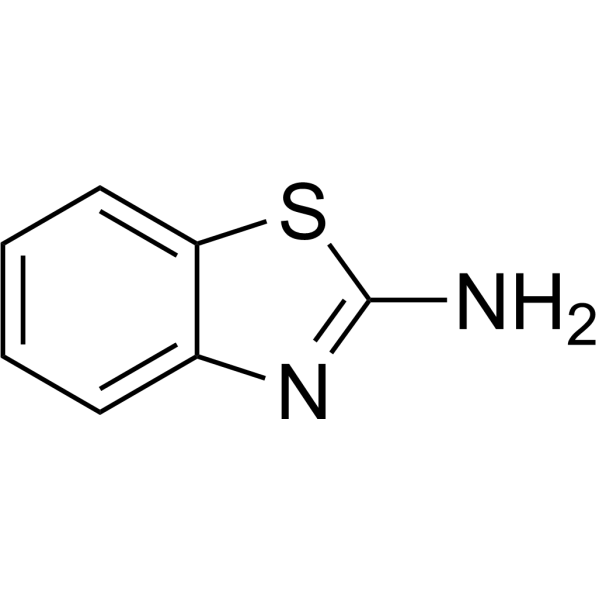
2-Aminobenzothiazole acts as a caspase 3/7 activator, an anticancer cytotoxic agent, and also exhibits neurotoxicity. 2-Aminobenzothiazole drives the apoptotic pathway by activating caspase 3/7, induces mitochondrial inner membrane depolarization, and triggers both early and late apoptosis via a caspase-dependent pathway. In zebrafish models, 2-Aminobenzothiazole induces oxidative damage in brain tissues and inhibits genes related to GABA and 5-HT synthesis pathways. Long-term exposure to 2-Aminobenzothiazole impairs motor ability, social behavior, anxiety-like state and cognitive function. 2-Aminobenzothiazole can be used in studies of human laryngeal carcinoma and related neurotoxicity .
|
-
-
- HY-125039
-
|
|
Glutathione Peroxidase
|
Cardiovascular Disease
Neurological Disease
|
|
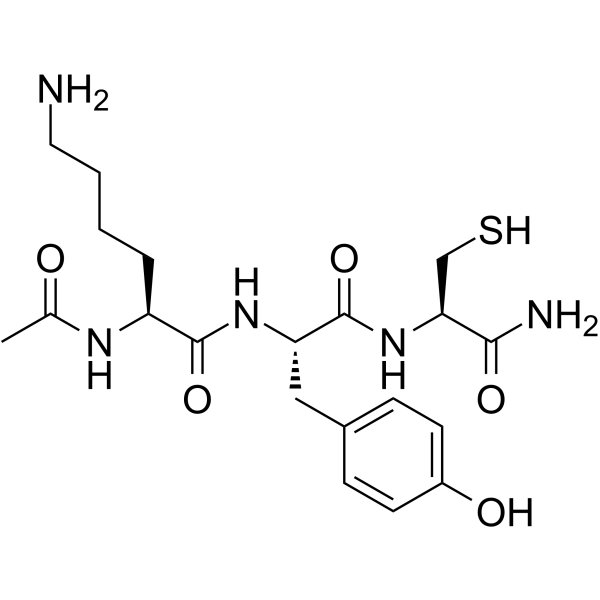
N-Acetyl lysyltyrosylcysteine amide is a potent, reversible, specific, and non-toxic tripeptide inhibitor of myeloperoxidase (MPO). N-Acetyl lysyltyrosylcysteine amide effectively inhibits MPO generation of toxic oxidants in vivo. N-Acetyl lysyltyrosylcysteine amide reduces neuronal damage and preserves brain tissue and neurological function in the stroked brain. N-Acetyl lysyltyrosylcysteine amide inhibits MPO-dependent hypochlorous acid (HOCl) generation, protein nitration, and LDL oxidation .
|
-
-
- HY-149010
-
|
|
Keap1-Nrf2
|
Neurological Disease
|
|
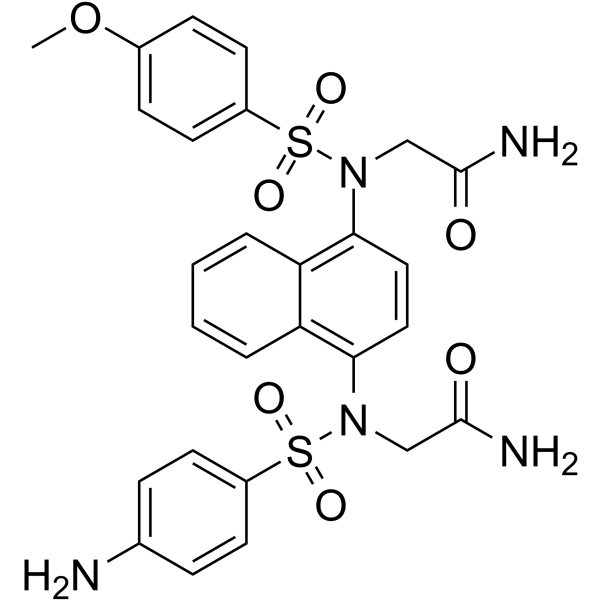
NXPZ-2 is an orally active Keap1-Nrf2 protein–protein interaction (PPI) inhibitor with a Ki value of 95 nM, EC50 value of 120 and 170 nM. NXPZ-2 can dose-dependently ameliorate Aβ[1-42]-Induced cognitive dysfunction, improve brain tissue pathological changes in Alzheimer’s disease (AD) mouse by increasing neuron quantity and function. NXPZ-2 can inhibit oxidative stress by increasing Nrf2 expression levels and promoting its cytoplasm to nuclear translocation, which is helpful for Keap1-Nrf2 PPI inhibitors and AD associated disease research .
|
-
-
- HY-131006
-
|
|
Monoamine Transporter
|
Neurological Disease
|
|
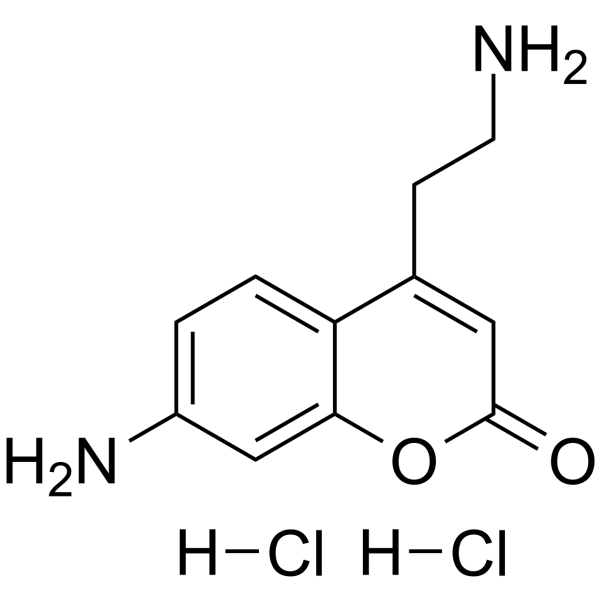
FFN200 dihydrochloride, a fluorescent substrate of VMAT2, selectively trace monoamine exocytosis in both neuronal cell culture and brain tissue. The fluorescence excitation and emission maxima of FFN200 are determined to be 352 and 451 nm, respectively .
|
-
-
- HY-NP019
-
|
|
Sirtuin
Caspase
Apoptosis
|
Neurological Disease
|
|
Agkistrodon halys batroxobin is a thrombin-like serine protease. Agkistrodon halys batroxobin reduces the expression of Sirt1 and extracellular signal-regulated kinase activation in brain tissue. Agkistrodon halys batroxobin reduces cleaved caspase-3 expression and inhibits neuronal apoptosis in rat .
|
-

-
- HY-131891
-
|
|
mAChR
|
Neurological Disease
|
|
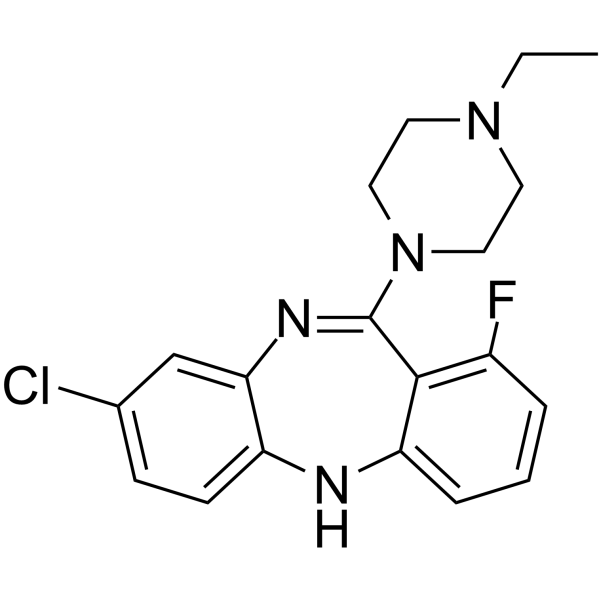
JHU37152 is a potent and brain-penetrant DREADD agonist, with EC50s of 5 nM and 0.5 nM for hM3Dq and hM4Di DREADDs in HEK-293 cells, respectively. JHU37152 exhibits selective [ 3H]Clozapine displacement from DREADDs and not from other Clozapine-binding sites in mice brain tissue .
|
-
-
- HY-W009411
-
|
|
Fluorescent Dye
|
Others
|
|
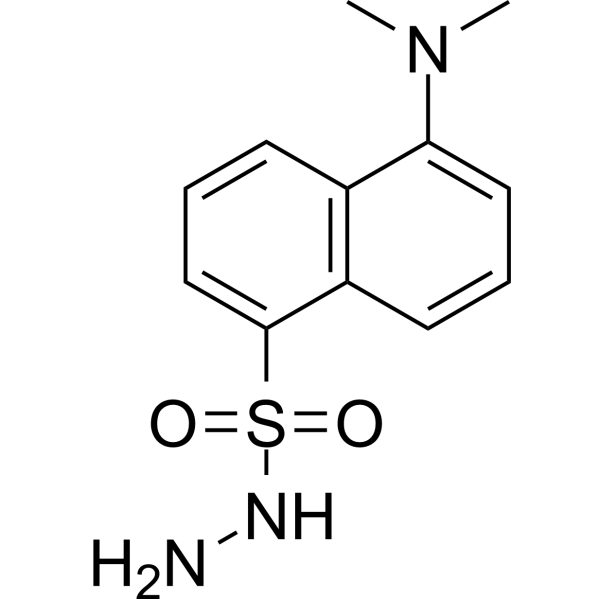
Dansyl hydrazine is a carbohydrate-specific fluorescent dye (Ex/Em = 340 nm/525 nm). Dansyl hydrazine undergoes a condensation reaction with aldehyde groups generated by periodate oxidation on carbohydrate-containing structures to form fluorescent hydrazone compounds. Dansyl hydrazine selectively stains polysaccharides in formalin-fixed, paraffin-embedded human post-mortem brain tissues, revealing detailed structural features. Dansyl hydrazine is applicable to research related to Alzheimer's disease, Lafora disease, and polyglucosan body disease .
|
-
-
- HY-P10427
-
|
|
CXCR
Dengue Virus
|
Neurological Disease
Inflammation/Immunology
Cancer
|
|
DV1 is a CXCR4 inhibitor with anti-proteolytic properties that specifically blocks the binding of SDF-1α to its receptor. DV1 inhibits the migration of breast cancer cells and enables the targeted delivery of avidin-PLGA nanoparticles to CXCR4-expressing cancer cells. DV1 not only effectively suppresses the progression of metastatic breast cancer in mouse models, but also preferentially accumulates in brain tumor tissues rather than normal brain tissues, showing potential for inhibiting intracranial tumor metastasis. As a humoral immune stimulant, DV1 induces the production of specific IgG, neutralizing antibodies and cellular immune responses, thereby providing the host with protection against lethal challenges. DV1 has been applied to studies on CXCR4-expressing cancers, glioblastoma, dengue fever and other related diseases .
|
-

-
- HY-W127668
-
|
|
Acyltransferase
|
Neurological Disease
|
|
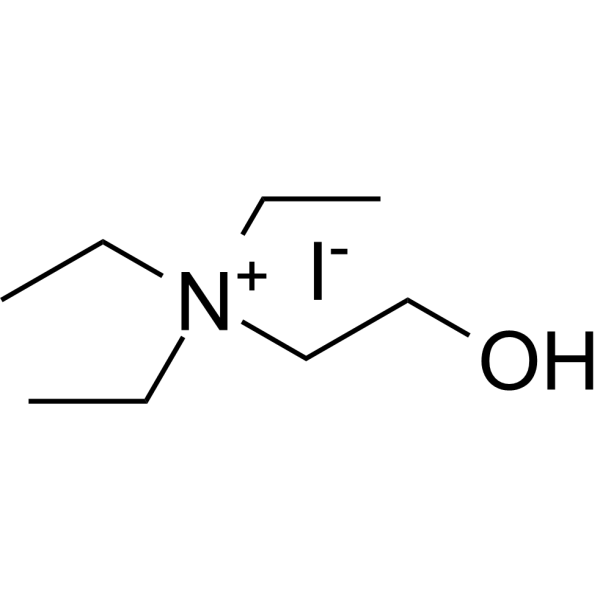
Triethylcholine iodide is a choline acetyltransferase inhibitor and a regulator of the acetylcholine synthesis pathway. Triethylcholine iodide inhibits acetylcholine synthesis in brain tissues and blocks neuromuscular and autonomic ganglionic transmission. Triethylcholine iodide exerts weak curare-like effects at extremely high concentrations. Triethylcholine iodide elevates the pentylenetetrazol seizure threshold, alters electroencephalogram patterns in Felis catus, but does not affect the maximal electroshock seizure threshold in Oryctolagus cuniculus. Triethylcholine iodide can be used in seizure-related research .
|
-
-
- HY-W338446
-
|
|
Tau Protein
|
Neurological Disease
|
|
BF-170 is a selective tau fibril binding agent with an EC50 of 221 nM. It exhibits good blood-brain barrier permeability, and after intravenous injection in mice, the concentration in brain tissue reaches 9.1% ID/g within 2 minutes (with a brain clearance rate of 0.25% ID/g after 30 minutes). BF-170 can be used as a probe for tau protein pathology imaging in Alzheimer's disease (AD). It plays an important role in early-stage AD research and holds potential for imaging studies of tau-related neurodegenerative diseases .
|
-

-
- HY-P10427A
-
|
|
CXCR
Dengue Virus
|
Infection
|
|
DV1 TFA is a CXCR4 inhibitor with anti-proteolytic properties that specifically blocks the binding of SDF-1α to its receptor. DV1 TFA inhibits the migration of breast cancer cells and enables the targeted delivery of avidin-PLGA nanoparticles to CXCR4-expressing cancer cells. DV1 TFA not only effectively suppresses the progression of metastatic breast cancer in mouse models, but also preferentially accumulates in brain tumor tissues rather than normal brain tissues, showing potential for inhibiting intracranial tumor metastasis. As a humoral immune stimulant, DV1 TFA induces the production of specific IgG, neutralizing antibodies and cellular immune responses, thereby providing the host with protection against lethal challenges. DV1 TFA has been applied to studies on CXCR4-expressing cancers, glioblastoma, dengue fever and other related diseases .
|
-

-
- HY-165116
-
|
18:0p/22:6-PE; C18(Plasm)-22:6-PE; PE(P-18:0/22:6)
|
Endogenous Metabolite
|
Others
|
|
1-1(Z)-Octadecenyl-2-docosahexaenoyl-sn-glycero-3-PE (18:0p/22:6-PE) is a lipid identified in rat brain tissue by mass spectrometry imaging with specific structural and distribution characteristics, and isomers of different fatty acid chains can be identified by improved methods.
|
-

-
- HY-178920
-
|
|
α-synuclein
|
Neurological Disease
|
|
α-Synuclein-IN-17 (Compound 10) is an α-Synuclein inhibitor, with an IC50 value of 9 μM. α-Synuclein-IN-17 exhibits potent inhibitory activity against both in-vitro assembled asyn fibrils and LBD brain tissue-amplified asyn fibrils. α-Synuclein-IN-17 can be used for the study of Parkinson's disease (PD) and Lewy Body Disease (LBD) .
|
-

-
- HY-112636
-
|
|
Amyloid-β
|
Others
|
|
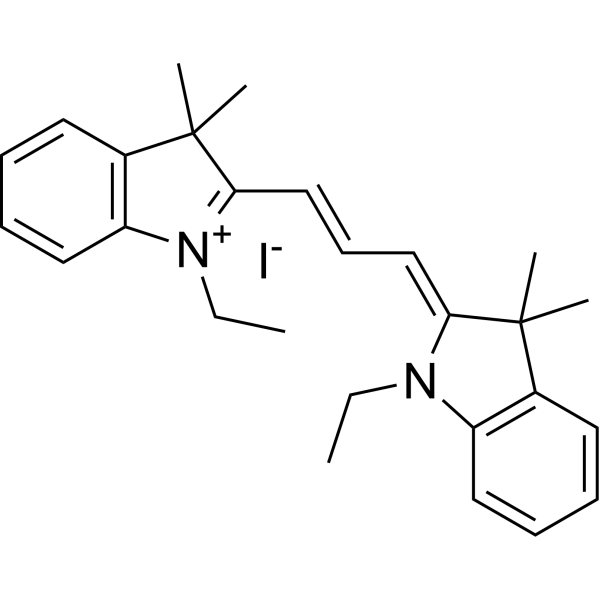
Astrophloxine is a fluorescent imaging probe capable of targeting antiparallel dimers. Astrophloxine can be used to detect aggregated Aβ in brain tissue and cerebrospinal fluid samples of Alzheimer's disease (AD) mice .
|
-
-
- HY-P2799I
-
|
|
Creatine Kinase
|
Inflammation/Immunology
|
|
Creatine Kinase BB (CK-BB), human brain is a specific isoenzyme of creatine kinase (E.C. 2.7.3.2) primarily derived from human brain tissue. Creatine Kinase BB can be used for the study of radioimmunoassay techniques .
|
-

-
- HY-127022
-
|
Daturamine; α-Hydroxyscopolamine
|
mAChR
Calcium Channel
Reactive Oxygen Species (ROS)
|
Neurological Disease
|
|
Anisodine (Daturamine) is a neuroprotective compound that reduces exacerbated M1, M2, M4, and M5 receptor expression in brain tissues under hypoxia/reoxygenation conditions. Anisodine inhibits calcium ion influx and reactive oxygen species (ROS)levels. Anisodine leads to decreased aspartate levels during hypoxia .
|
-

-
- HY-127022A
-
|
Daturamine hydrobromide; α-Hydroxyscopolamine hydrobromide
|
mAChR
Calcium Channel
Reactive Oxygen Species (ROS)
|
Neurological Disease
|
|
Anisodine (Daturamine) hydrobromide is a neuroprotective compound that reduces exacerbated M1, M2, M4, and M5 receptor expression in brain tissues under hypoxia/reoxygenation conditions. Anisodine hydrobromide inhibits calcium ion influx and reactive oxygen species (ROS)levels. Anisodine hydrobromide leads to decreased aspartate levels during hypoxia .
|
-

-
- HY-16923
-
|
BIII-890; BIII-890 CL free acid
|
Sodium Channel
|
Neurological Disease
|
|
Crobenetine (BIII-890), a benzomorphan derivative, is a potent, selective, and highly use-dependent Na + channel blocker. Crobenetine displaces [3H]BTX from site 2 of the Na + channel (IC50=49 nM) in rat brain synaptosomes, yet exhibits only low binding affinity for other receptors and ion channels. Crobenetine protects brain tissue from the deleterious effects of focal cerebral ischemia in rodents .
|
-

-
- HY-N8931
-
|
Lithospermic acid monomethyl ester
|
Akt
|
Neurological Disease
|
|
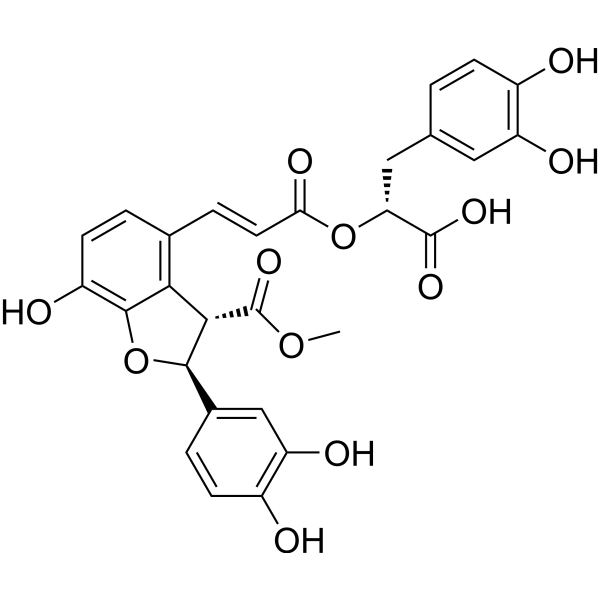
Monomethyl lithospermate activates the PI3K/AKT pathway, which plays a protective role in nerve injury. Monomethyl lithospermate can improve the survival ability of SHSY-5Y cells, inhibit the breakdown of mitochondrial membrane potential (MMOP) and inhibit cell apoptosis. Monomethyl lithospermate also reduced the level of oxidative stress in the brain tissue of rats with middle artery occlusion (MCAO) and improved nerve damage in rats with ischemic stroke (IS) .
|
-
-
- HY-N15364
-
|
|
Endogenous Metabolite
|
Metabolic Disease
|
|
Imidazoleacetic acid riboside is a metabolite of histamine, belonging to the riboside conjugates of imidazoleacetic acid. Imidazoleacetic acid riboside is generated by dephosphorylation of imidazoleacetic acid ribonucleotide in rats. Imidazoleacetic acid riboside can be detected in the kidney and brain tissue after administration of labeled histamine or histidine, and exists as a urinary metabolite of histamine in both rats and humans. Imidazoleacetic acid riboside is not only excreted in urine, but also can be used to capture and isolate ribose for studying the metabolic pathways of ribose synthesis from glucose or glucuronolactone via the pentose phosphate pathway or the C-6 oxidation pathway in vivo .
|
-

-
- HY-129793
-
-

-
- HY-161835
-
-

-
- HY-171852
-
|
|
Biochemical Assay Reagents
|
Cancer
|
|
Iodoquine is an analog of chloroquine. Iodoquine exhibits high uptake in tumor cells and can localize to cells with high ALDH1 content, including cancer stem cells. With low uptake in normal brain tissue, iodoquine can be used in research related to tumor diagnosis or as a radiotracer .
|
-

-
- HY-B1730R
-
|
|
Cyclic GMP-AMP Synthase
Reference Standards
|
Neurological Disease
Metabolic Disease
|
|
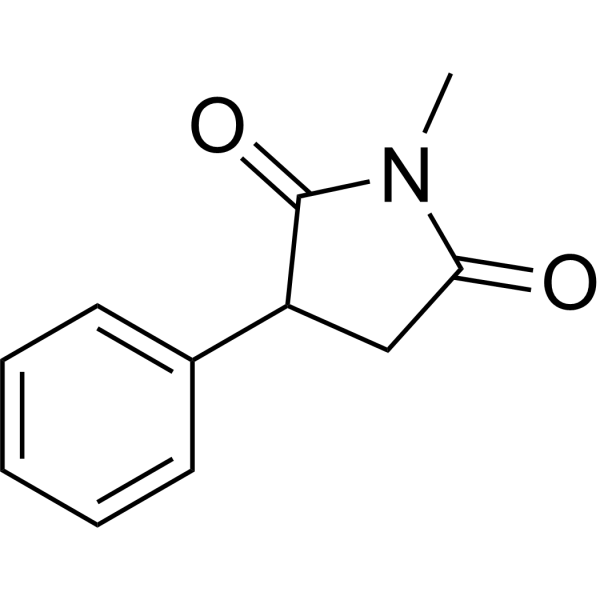
Phensuximide (Standard) is the analytical standard of Phensuximide. This product is intended for research and analytical applications. Phensuximide is an orally active succinimide antiepileptic and anticonvulsant agent. Phensuximide inhibits cyclic AMP and cyclic GMP accumulation in depolarized brain tissue. Phensuximide can be used for the study of seizure and petit mal .
|
-
-
- HY-W020468R
-
|
DuP 996 (Standard)
|
Reference Standards
Potassium Channel
TRP Channel
|
Neurological Disease
|
|
Linopirdine (DuP 996) is an orally active, selective M-type K+ current (IM; Kv7; KCNQ Channels) inhibitor with an IC50 of 2.4 μM. Linopirdine is a TRPV1 agonist. Linopirdine, a putative cognition enhancing agent, increases acetylcholine release in rat brain tissue .
|
-

-
- HY-165072
-
|
C2 Sulfatide; N-Acetyl sulfatide
|
Biochemical Assay Reagents
|
Others
|
|
C2 3'-Sulfo galactosylceramide (d18:1/2:0) (C2 Sulfatide) is one of the sulfatide class of glycolipids. C2 3'-Sulfo galactosylceramide (d18:1/2:0) can be used in the quantification of lysosulfatides in mouse brain tissue and plasma .
|
-

-
- HY-W753375R
-
|
|
Reference Standards
Fungal
Succinate Dehydrogenase
|
Infection
|
|
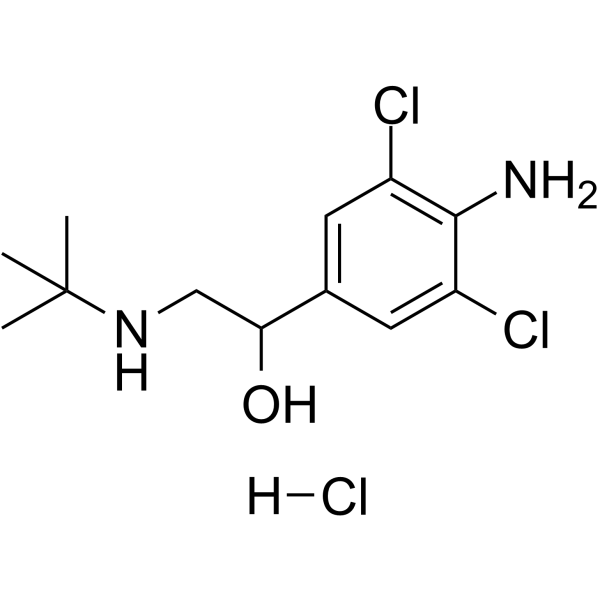
Clenbuterol (hydrochloride) (Standard) is the analytical standard of Clenbuterol (hydrochloride). This product is intended for research and analytical applications. Clenbuterol (NAB-365) hydrochloride, a selective β2-adrenergic agonist, enhances skeletal muscle strength and hypertrophy. Clenbuterol hydrochloride induces growth factor mRNA, activates astrocytes, and protects rat brain tissue against ischemic damage .
|
-

-
- HY-B1614R
-
|
NAB-365 hydrochloride (Standard)
|
Reference Standards
Adrenergic Receptor
|
Metabolic Disease
Inflammation/Immunology
Endocrinology
|
|
Clenbuterol (hydrochloride) (Standard) is the analytical standard of Clenbuterol (hydrochloride). This product is intended for research and analytical applications. Clenbuterol (NAB-365) hydrochloride, a selective β2-adrenergic agonist, enhances skeletal muscle strength and hypertrophy. Clenbuterol hydrochloride induces growth factor mRNA, activates astrocytes, and protects rat brain tissue against ischemic damage .
|
-

-
- HY-106110
-
|
|
Prostaglandin Receptor
|
Metabolic Disease
|
OP-2507 is a prostacyclin analog. OP-2507 can increase brain glucose levels in mice, suppress the breakdown of energy metabolism under hypoxic conditions, and has a protective effect against changes in cyclic nucleotides in hypoxic brain tissue (specifically, an increase in cyclic AMP and a decrease in cyclic GMP). OP-2507 provides protective effects against brain hypoxia and edema .
|
-

-
- HY-16923A
-
|
BIII-890 hydrochloride; BIII-890 CL
|
Sodium Channel
|
Neurological Disease
|
|
Crobenetine hydrochloride (BIII-890 hydrochloride) is the hydrochloride form of Crobenetine (HY-16923). Crobenetine hydrochloride is a selective inhibitor for Na + channel. Crobenetine hydrochloride displaces 3HBTX from site 2 of the Na + channel (IC50=49 nM) in rat brain synaptosomes, exhibits only low binding affinity for other receptors and ion channels. Crobenetine hydrochloride protects brain tissue from the deleterious effects of focal cerebral ischemia in rodents .
|
-

-
- HY-B1189R
-
|
Dicrotalic acid (Standard); 3-Hydroxy-3-methylglutaric acid (Standard)
|
HMG-CoA Reductase (HMGCR)
Autophagy
Endogenous Metabolite
Reference Standards
|
Cardiovascular Disease
Metabolic Disease
|
|
Meglutol (Standard) is the analytical standard of Meglutol. This product is intended for research and analytical applications. Meglutol is a lipid-lowering agent. Meglutol can reduces cholesterol, triglycerides, serum β-lipoprotein, and phospholipids, and inhibits the activity of HMG-CoA reductase (a rate-limiting enzyme in cholesterol biosynthesis). Meglutol can induce significant lipid oxidative damage in brain tissue. It is promising for research in the field of cardiovascular diseases and metabolic diseases .
|
-

- HY-121364
-
|
|
Histamine Receptor
Fluorescent Dye
|
Others
|
|
Bodilisant is a histamine H3 receptor (hH3R) ligand and imaging/labeling agent, with a Ki value of 6.51 nM for hH3R. Bodilisant binds to hH3R to produce strong green fluorescence, localizes to the extracellular membrane without internalization, and generates clear, displaceable fluorescent labeling of hH3R in native human brain tissues. Bodilisant serves as a pharmacological tool to visualize the distribution of hH3R via fluorescence confocal laser scanning microscopy .
|
-

- HY-158030
-
|
|
HDAC
|
Neurological Disease
|
|
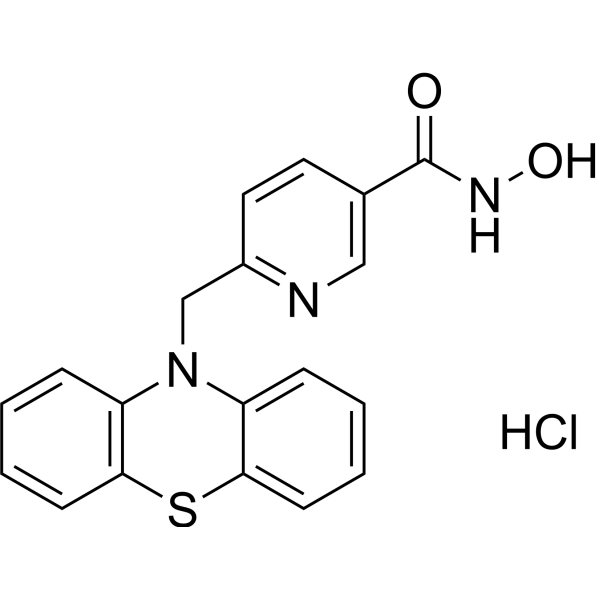
HDAC6-IN-37 (compound W5) is an inhibitor of HDAC6 and has neuroprotective effects. HDAC6-IN-37 can restore the morphology of hippocampal neurons, reduce the expression of Aβ, Tau, and p-Tau proteins in the hippocampus of AD rats, and inhibit the formation of senile plaques and neurofibrillary tangles. Thus, HDAC6-IN-37 improves the Aβ/Cu 2+-induced AD model in rats, regulates oxidative stress status, and balances neurotransmitter disorders in brain tissue .
|
-
- HY-152003S
-
|
|
Isotope-Labeled Compounds
|
Others
|
|
Ganglioside GM2-d3 (ammonium) is the deuterium labeled Ganglioside GM2 (HY-148385). Ganglioside GM2 is a human tumor antigen predominantly found in human tumor cells and fetal brain tissue. As a sialylated glycosphingolipid, Ganglioside GM2 is involved in processes such as cell signaling, adhesion, and motility. Ganglioside GM2 abnormal expression and accumulation are associated with tumors and neurodegenerative disorders. Ganglioside GM2 promotes tumor cell migration and invasion by directly binding to the integrin β1 receptor, activating the FAK/Src/Erk-MAPK signaling pathway, and inducing actin cytoskeleton remodeling .
|
-

- HY-145858
-
|
|
Ferroptosis
|
Cancer
|
|
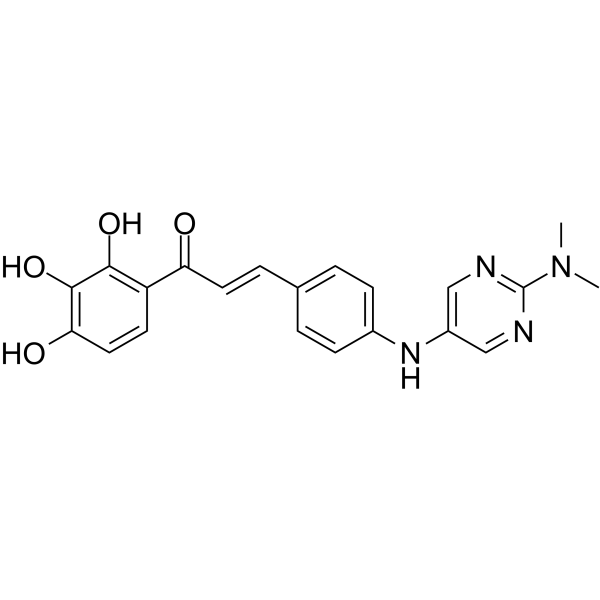
Chalcones A-N-5 is a trihydroxy chalcone derivative compound. Chalcones A-N-5 doesn’t show cytotoxicity at the concentration lower than 100 µM (with IC50 > 1 mM), but has a significant effect on promoting cell proliferation. Chalcones A-N-5 potentially promotes neuronal cell growth in the damaged brain tissue. Chalcones A-N-5 also inhibits ferroptosis induced by RSL or erastin and reduces the lipid peroxidation levels induced by Aβ1-42 protein aggregation. Chalcones A-N-5 is a promising molecular skeleton candidate for further development of lead compound for in vivo test to research AD .
|
-
- HY-W017424R
-
|
|
Reference Standards
Apoptosis
Drug Intermediate
Caspase
|
Others
|
|
2-Aminobenzothiazole (Standard) is the analytical standard of 2-Aminobenzothiazole. This product is intended for research and analytical applications. 2-Aminobenzothiazole acts as a caspase 3/7 activator, an anticancer cytotoxic agent, and also exhibits neurotoxicity. 2-Aminobenzothiazole drives the apoptotic pathway by activating caspase 3/7, induces mitochondrial inner membrane depolarization, and triggers both early and late apoptosis via a caspase-dependent pathway. In zebrafish models, 2-Aminobenzothiazole induces oxidative damage in brain tissues and inhibits genes related to GABA and 5-HT synthesis pathways. Long-term exposure to 2-Aminobenzothiazole impairs motor ability, social behavior, anxiety-like state and cognitive function. 2-Aminobenzothiazole can be used in studies of human laryngeal carcinoma and related neurotoxicity .
|
-

- HY-159941
-
|
|
α-synuclein
|
Neurological Disease
|
|
tau-0N4R-IN-1 (Compound 6T) is an BBB-penetrable inhibitor of tau 0N4R oligomerization. tau-0N4R-IN-1 effectively inhibits the fibrosis of tau 0N4R, 2N3R, and 2N4R, exhibits an anti-seeding effect on tau in vitro, reduces the oligomerization of α-syn dose-dependently, and prevents formation of α-syn inclusions. tau-0N4R-IN-1 is stable in mouse microsomes and reduces Aβ plaques in brain tissues from AD patients. tau-0N4R-IN-1 has good pharmacokinetic properties in mice .
|
-

- HY-148605
-
|
|
ATP Synthase
Drug Derivative
|
Cardiovascular Disease
Neurological Disease
Inflammation/Immunology
|
|
Aloracetam is a γ-aminobutyric acid cyclic derivative that can pass through the blood-brain barrier and has a significant enhancing cognitive function effect. Aloracetam improves the blood perfusion of brain tissue, increases the synthesis of proteins, ATP and acetylcholine in the brain, enhances the excitatory conduction effect of cholinergic nerves, and reduces the damage to brain tissue caused by cerebral vascular diseases. Aloracetam also has certain anti-epileptic, anti-inflammatory, analgesic and anti-depressant effects .
|
-

- HY-113203A
-
|
|
Endogenous Metabolite
|
Neurological Disease
|
|
Putreanine dihydrochloride is an alkaline diamino monocarboxylic acid amino acid that exists exclusively in the central nervous system of mammals and birds. Putreanine dihydrochloride reaches its highest concentration in the caudal region of the brain. Putreanine dihydrochloride appears in the brain tissue of rats 2 weeks after birth, and its concentration gradually increases to adult levels over several months .
|
-

- HY-183557
-
|
|
OGA
|
Neurological Disease
|
|
O-GlcNAcase-IN-6 is an orally active, blood-brain barrier-permeable O-GlcNAcase (OGA) inhibitor with an IC50 of 5.4 nM. O-GlcNAcase-IN-6 inhibits OGA activity, thereby increasing the level of O-GlcNAc glycosylation in brain tissues. O-GlcNAcase-IN-6 can be used for the research of Alzheimer's disease .
|
-

- HY-B1803
-
|
ICI 136753
|
GABA Receptor
|
Neurological Disease
|
|
Tracazolate (ICI 136753) is an orally active non-benzodiazepine anxiolytic. Tracazolate significantly enhances the binding of the radioligand 3H-flunitrazepam ( 3H-FLU) to brain tissue benzodiazepine receptors. Tracazolate enhances the binding of γ-aminobutyric acid (GABA) to its receptors. Tracazolate exhibits anticonvulsant activity. Tracazolate can be used in anxiety-related research .
|
-

- HY-D3171
-
|
|
Fluorescent Dye
Cholinesterase (ChE)
|
Neurological Disease
|
|
AD-BChE/HClO is a dual-target two-photon fluorescent probe. AD-BChE/HClO can release 4-methylumbelliferone via butyrylcholinesterase-mediated hydrolysis of the ester bond at position 7, as well as hypochlorous acid-mediated thiocarbonyl oxidation. AD-BChE/HClO enables two-photon imaging in nerve cells and mouse brain tissues via tail vein injection. AD-BChE/HClO can be used for the research of Alzheimer's disease .
|
-

- HY-D2970
-
|
|
Fluorescent Dye
|
Neurological Disease
|
|
Golgi-P is a near-infrared Golgi-targeted fluorescent probe specifically used for the detection of Golgi polarity in living cells and living tissues. Golgi-P exhibits a significant polarity-dependent spectral behavior, with its emission wavelength shifting redward with polarity (Ex/Em: 700 nm/780-825 nm). Golgi-P achieves near-infrared fluorescence imaging directly in the brain tissue of depressed mice. Golgi-P combines polarity sensing with Golgi-targeting functionality, providing a new tool for the molecular diagnosis of depression .
|
-

- HY-148747
-
|
|
Biochemical Assay Reagents
|
Neurological Disease
Cancer
|
|
Ganglioside GD3 (d18:1/12:0) is a type of glycosphingolipid, the d18:1 indicates the sphingosine base, and the 12:0 represents the fatty acid part which is lauric acid. Ganglioside GD3 (d18:1/12:0) is a crucial intermediate in the biosynthesis pathway of gangliosides and is mainly found in the brain tissues of mammals. Ganglioside GD3 (d18:1/12:0) plays significant roles in development, cell signal transduction, and various diseases .
|
-

- HY-182254
-
|
|
Cholinesterase (ChE)
|
Neurological Disease
|
|
AChE/BChE-IN-35, Tacrine (HY-111338) derivative, is a brain-penetrant dual AChE/BChE inhibitor with an Electric Eel AChE IC50 of 123.66 nM, human AChE IC50 of 122.34 nM, and equine BChE IC50 of 488.00 nM. AChE/BChE-IN-35 undergoes LAT1-mediated active transport across cell membranes. AChE/BChE-IN-35 exhibits enhanced brain exposure with slower brain tissue elimination. AChE/BChE-IN-35 can be used for the research of alzheimer's disease .
|
-

- HY-W009411S
-
|
|
Isotope-Labeled Compounds
Fluorescent Dye
|
Others
|
|
Dansyl hydrazine- 13C2 is the 13C-labeled Dansyl hydrazine (HY-W009411). Dansyl hydrazine is a carbohydrate-specific fluorescent dye (Ex/Em = 340 nm/525 nm). Dansyl hydrazine undergoes a condensation reaction with aldehyde groups generated by periodate oxidation on carbohydrate-containing structures to form fluorescent hydrazone compounds. Dansyl hydrazine selectively stains polysaccharides in formalin-fixed, paraffin-embedded human post-mortem brain tissues, revealing detailed structural features. Dansyl hydrazine is applicable to research related to Alzheimer's disease, Lafora disease, and polyglucosan body disease.
|
-

- HY-180306
-
|
|
Estrogen Receptor/ERR
Radionuclide-Drug Conjugates (RDCs)
|
Cancer
|
Fluoroestradiol is an Estrogen receptor PET imaging tracer precursor. Fluoroestradiol, when radiolabeled with 18F, can be used as an Estrogen receptor PET imaging tracer. 18F-Fluoroestradiol exhibits the highest uptake selectivity and target-to-background ratio among
several 18F-labeled estrogens. 18F-Fluoroestradiol has demonstrated Estrogen receptor expression in normal brain tissues and in meningiomas. 18F-Fluoroestradiol can quantify regional Estrogen receptor expression in breast cancer. 18F-Fluoroestradiol has potential applications in assessing and monitoring heterogeneity in ovarian cancer .
|
-

- HY-D3179
-
|
|
Fluorescent Dye
BCRP
|
Neurological Disease
|
|
CDg13 is a fluorescent probe that specifically detects living neural stem/progenitor cells. CDg13 localizes to the endoplasmic reticulum via its dihexyl moiety, with no interaction with endoplasmic reticulum biomolecules. CDg13 undergoes selective efflux by active ABCG2 transporters, with increased intracellular accumulation following ABCG2 inhibition or knockdown. CDg13 isolates and enriches self-renewable neural stem/progenitor cells from embryonic mouse brain tissue, stains neural stem/progenitor cells brightly, and sorts ABCG2low cell populations from heterogeneous populations . (Ex/Em = 520/553 nm)
|
-

| Cat. No. |
Product Name |
Type |
-
- HY-W094758A
-
|
|
Fluorescent Dyes
|
|
4-Di-1-ASP is a styryl dye used to stain glioma cells in living brain tissue for analysis of cell structure, viability, proliferation and endocytosis, cytokinesis and phagocytosis, as well as for observation of mitochondrial structures in living cells. 4-Di-1-ASP fluoresces green when imaged microscopically (λex /λem = 475/606 nm) .
|
-
- HY-D3171
-
|
|
Fluorescent Dyes
|
|
AD-BChE/HClO is a dual-target two-photon fluorescent probe. AD-BChE/HClO can release 4-methylumbelliferone via butyrylcholinesterase-mediated hydrolysis of the ester bond at position 7, as well as hypochlorous acid-mediated thiocarbonyl oxidation. AD-BChE/HClO enables two-photon imaging in nerve cells and mouse brain tissues via tail vein injection. AD-BChE/HClO can be used for the research of Alzheimer's disease .
|
-
- HY-D2970
-
|
|
Fluorescent Dyes
|
|
Golgi-P is a near-infrared Golgi-targeted fluorescent probe specifically used for the detection of Golgi polarity in living cells and living tissues. Golgi-P exhibits a significant polarity-dependent spectral behavior, with its emission wavelength shifting redward with polarity (Ex/Em: 700 nm/780-825 nm). Golgi-P achieves near-infrared fluorescence imaging directly in the brain tissue of depressed mice. Golgi-P combines polarity sensing with Golgi-targeting functionality, providing a new tool for the molecular diagnosis of depression .
|
-
- HY-D3179
-
|
|
Fluorescent Dyes
|
|
CDg13 is a fluorescent probe that specifically detects living neural stem/progenitor cells. CDg13 localizes to the endoplasmic reticulum via its dihexyl moiety, with no interaction with endoplasmic reticulum biomolecules. CDg13 undergoes selective efflux by active ABCG2 transporters, with increased intracellular accumulation following ABCG2 inhibition or knockdown. CDg13 isolates and enriches self-renewable neural stem/progenitor cells from embryonic mouse brain tissue, stains neural stem/progenitor cells brightly, and sorts ABCG2low cell populations from heterogeneous populations . (Ex/Em = 520/553 nm)
|
| Cat. No. |
Product Name |
Type |
-
- HY-D0714
-
|
2,3,5-Triphenyltetrazolium chloride; TPTZ; TTC
|
Biochemical Assay Reagents
|
|
Tetrazolium Red (2,3,5-Triphenyltetrazolium chloride; TTC) is a not brain-penetrant, colorless, water-soluble dye that is reduced by mitochondrial enzymes to a deep red, water-insoluble compound (formazan) mainly in the mitochondria of living cells. Tetrazolium Red is used to observe the activity of dehydrogenase, and it turns colorless to red when exposed to hydrogen. Tetrazolium Red distinguishes between surviving and infarcted brain tissue after stroke. Tetrazolium Red has been used to stain heart tissue to measure the extent of acute lesions and also used to stain brain tissue to detect the size of the infarcted area. The absorption wavelength of Tetrazolium Red is 570 nm .
|
-
- HY-Y1147
-
|
Maleic acid diethyl ester
|
Biochemical Assay Reagents
|
|
Diethyl maleate (DEM) is an orally available, effective glutathione (GSH) depletor that crosses the blood-brain barrier. Diethyl maleate covalently binds irreversibly to GSH via glutathione S-transferase with an in vitro IC50 of 0.1-0.5 mM. Diethyl maleate selectively depletes GSH in liver, lung, and brain tissues, exacerbating oxidative stress and enhancing hyperbaric oxygen toxicity. Diethyl maleate promotes precursor amino acid uptake and in turn promotes GSH synthesis by upregulating the activity of the cystine-glutamate transporter XO -. Diethyl maleate can be used to study redox homeostasis and GSH protection mechanisms in oxidative stress-related diseases such as hyperbaric oxygen injury and metabolic diseases[1][2][3].
|
-
- HY-NP019
-
|
|
Biochemical Assay Reagents
|
|
Agkistrodon halys batroxobin is a thrombin-like serine protease. Agkistrodon halys batroxobin reduces the expression of Sirt1 and extracellular signal-regulated kinase activation in brain tissue. Agkistrodon halys batroxobin reduces cleaved caspase-3 expression and inhibits neuronal apoptosis in rat .
|
-
- HY-W009411
-
|
|
Biochemical Assay Reagents
|
|
Dansyl hydrazine is a carbohydrate-specific fluorescent dye (Ex/Em = 340 nm/525 nm). Dansyl hydrazine undergoes a condensation reaction with aldehyde groups generated by periodate oxidation on carbohydrate-containing structures to form fluorescent hydrazone compounds. Dansyl hydrazine selectively stains polysaccharides in formalin-fixed, paraffin-embedded human post-mortem brain tissues, revealing detailed structural features. Dansyl hydrazine is applicable to research related to Alzheimer's disease, Lafora disease, and polyglucosan body disease .
|
-
- HY-W127668
-
|
|
Biochemical Assay Reagents
|
|
Triethylcholine iodide is a choline acetyltransferase inhibitor and a regulator of the acetylcholine synthesis pathway. Triethylcholine iodide inhibits acetylcholine synthesis in brain tissues and blocks neuromuscular and autonomic ganglionic transmission. Triethylcholine iodide exerts weak curare-like effects at extremely high concentrations. Triethylcholine iodide elevates the pentylenetetrazol seizure threshold, alters electroencephalogram patterns in Felis catus, but does not affect the maximal electroshock seizure threshold in Oryctolagus cuniculus. Triethylcholine iodide can be used in seizure-related research .
|
| Cat. No. |
Product Name |
Target |
Research Area |
-
- HY-P5623A
-
|
RVG29-Cys; RDP-Cys; Rabies Virus Glycoprotein-29-Cys
|
RABV
|
Others
|
|
RVG-Cys (RVG29-Cys) is a peptide derived from rabies virus glycoprotein (RVG29) with Cys attached to facilitate subsequent conjugation. RVG-Cys enhances the specific targeted delivery of proteins in brain tissue and neurons .
|
-
- HY-P4052
-
|
|
ROS Kinase
|
Neurological Disease
|
|
Pinealon is a 3-amino acid peptide and shows neuroprotective properties. Pinealon prevents reactive oxygen species (ROS) accumulation and suppresses the activation of ERK 1/2. Pinealon stimulates the functional activity of the main cellular elements of brain tissue, reduces the level of spontaneous cell death. Pinealon protects the rat offspring from prenatal hyperhomocysteinemia .
|
-
- HY-P5558
-
|
|
VEGFR
|
Neurological Disease
|
|
KLTWQELYQLKYKGI is a VEGF mimetic peptide designed based on the VEGF helix sequence 17-25, with the ability to activate VEGF receptors and exert pro-angiogenic biological activity. KLTWQELYQLKYKGI effectively promotes the attachment, spreading and proliferation of human umbilical vein endothelial cells. KLTWQELYQLKYKGI enhances the proliferation, migration and osteogenic differentiation of bone marrow stromal cells (BMSCs). KLTWQELYQLKYKGI synergistically accelerates angiogenesis and bone regeneration in rat cranial defect models. KLTWQELYQLKYKGI can be used for the research of brain tissue engineering and traumatic brain injury repair and biomaterials for bone tissue engineering and bone repair .
|
-
- HY-P5623A1
-
|
RVG29-Cys acetate; RDP-Cys acetate; Rabies Virus Glycoprotein-29-Cys acetate
|
RABV
|
Others
|
|
RVG-Cys (RVG29-Cys) acetate is a peptide derived from rabies virus glycoprotein (RVG29) with Cys attached to facilitate subsequent conjugation. RVG-Cys acetate enhances the specific targeted delivery of proteins in brain tissue and neurons .
|
-
- HY-P10427
-
|
|
CXCR
Dengue Virus
|
Neurological Disease
Inflammation/Immunology
Cancer
|
|
DV1 is a CXCR4 inhibitor with anti-proteolytic properties that specifically blocks the binding of SDF-1α to its receptor. DV1 inhibits the migration of breast cancer cells and enables the targeted delivery of avidin-PLGA nanoparticles to CXCR4-expressing cancer cells. DV1 not only effectively suppresses the progression of metastatic breast cancer in mouse models, but also preferentially accumulates in brain tumor tissues rather than normal brain tissues, showing potential for inhibiting intracranial tumor metastasis. As a humoral immune stimulant, DV1 induces the production of specific IgG, neutralizing antibodies and cellular immune responses, thereby providing the host with protection against lethal challenges. DV1 has been applied to studies on CXCR4-expressing cancers, glioblastoma, dengue fever and other related diseases .
|
-
- HY-P10427A
-
|
|
CXCR
Dengue Virus
|
Infection
|
|
DV1 TFA is a CXCR4 inhibitor with anti-proteolytic properties that specifically blocks the binding of SDF-1α to its receptor. DV1 TFA inhibits the migration of breast cancer cells and enables the targeted delivery of avidin-PLGA nanoparticles to CXCR4-expressing cancer cells. DV1 TFA not only effectively suppresses the progression of metastatic breast cancer in mouse models, but also preferentially accumulates in brain tumor tissues rather than normal brain tissues, showing potential for inhibiting intracranial tumor metastasis. As a humoral immune stimulant, DV1 TFA induces the production of specific IgG, neutralizing antibodies and cellular immune responses, thereby providing the host with protection against lethal challenges. DV1 TFA has been applied to studies on CXCR4-expressing cancers, glioblastoma, dengue fever and other related diseases .
|
-
- HY-148337
-
|
|
Peptides
|
Others
|
|
Thr-Val-Leu is a central nervous system tripeptide and reduces Thr-Val-Leu content in schizophrenic brain tissue .
|
-
- HY-P1557
-
|
1-12-Somatostatin-28
|
Peptides
|
Neurological Disease
|
|
Somatostatin-28 (1-12) is a somatostatin fragment that is monitored in brain tissue to track processing of somatostatin.
|
-
- HY-P11049
-
|
|
Peptides
|
Neurological Disease
|
|
Stroke-homing peptide is a homing peptide. Stroke-homing peptide can home to ischemic stroke brain tissue and detect the apoptotic neuronal cells. Stroke-homing peptide can be used for the research of molecular imaging and selective drug delivery to stroke tissue .
|
-
- HY-P2473
-
|
|
Peptides
|
Neurological Disease
|
|
Neurogranin (48-76), human is a dominant endogenous peptide in Alzheimer's disease (AD) brain tissue. Neurogranin (48-76) is a potential biomarker for synaptic function in AD .
|
-
- HY-K6141
-
|
|
|
MCE Human Brain Organoid (Expansion) Kit contains Human Brain Organoid Expansion Basal Medium and Human Brain Organoid Expansion Culture Supplements. This kit enables the efficient in vitro generation of human forebrain organoids (hFBs). Within this culture system, human brain tissue can spontaneously form organoid structures that faithfully recapitulate key features of in vivo cellular heterogeneity and complex tissue organization.
|
-
- HY-K6143
-
|
|
|
MCE Mouse Fetal Brain Organoid (Expansion) Kit contains Mouse Fetal Brain Organoid Expansion Basal Medium and Mouse Fetal Brain Organoid Expansion Culture Supplement
. This kit enables the efficient in vitro generation of mouse fetal brain organoids (mFBs). Within this culture system, mouse fetal brain tissue can spontaneously form organoid structures that faithfully recapitulate key features of in vivo cellular heterogeneity and complex tissue organization.
|
| Cat. No. |
Product Name |
Category |
Target |
Chemical Structure |
| Cat. No. |
Product Name |
Chemical Structure |
-
- HY-152003S
-
|
|
|
Ganglioside GM2-d3 (ammonium) is the deuterium labeled Ganglioside GM2 (HY-148385). Ganglioside GM2 is a human tumor antigen predominantly found in human tumor cells and fetal brain tissue. As a sialylated glycosphingolipid, Ganglioside GM2 is involved in processes such as cell signaling, adhesion, and motility. Ganglioside GM2 abnormal expression and accumulation are associated with tumors and neurodegenerative disorders. Ganglioside GM2 promotes tumor cell migration and invasion by directly binding to the integrin β1 receptor, activating the FAK/Src/Erk-MAPK signaling pathway, and inducing actin cytoskeleton remodeling .
|
-
-
- HY-W009411S
-
|
|
|
Dansyl hydrazine- 13C2 is the 13C-labeled Dansyl hydrazine (HY-W009411). Dansyl hydrazine is a carbohydrate-specific fluorescent dye (Ex/Em = 340 nm/525 nm). Dansyl hydrazine undergoes a condensation reaction with aldehyde groups generated by periodate oxidation on carbohydrate-containing structures to form fluorescent hydrazone compounds. Dansyl hydrazine selectively stains polysaccharides in formalin-fixed, paraffin-embedded human post-mortem brain tissues, revealing detailed structural features. Dansyl hydrazine is applicable to research related to Alzheimer's disease, Lafora disease, and polyglucosan body disease.
|
-
Your information is safe with us. * Required Fields.
Inquiry Information
- Product Name:
- Cat. No.:
- Quantity:
- MCE Japan Authorized Agent:








