Search Result
Results for "
colorectal tumor growth
" in MedChemExpress (MCE) Product Catalog:
3
Isotope-Labeled Compounds
| Cat. No. |
상품명 |
Target |
연구분야 |
Chemical Structure |
-
- HY-10201
-
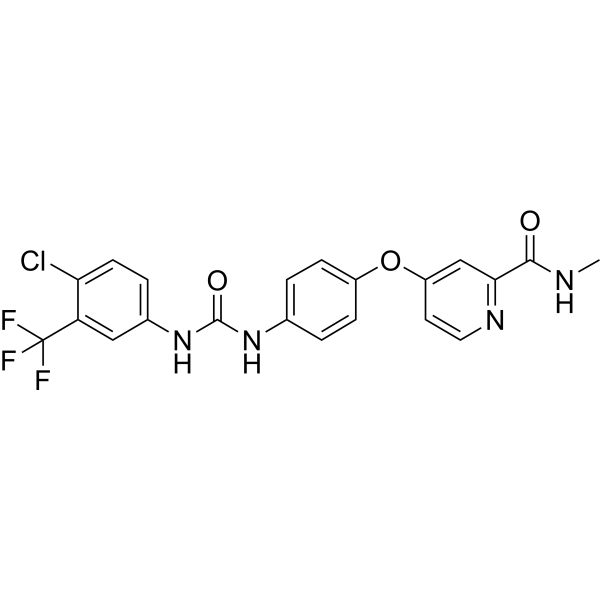
Sorafenib
Maximum Cited Publications
283 Publications Verification
Bay 43-9006
|
Raf
VEGFR
FLT3
Autophagy
Apoptosis
STAT
Akt
MMP
Cadherin
p38 MAPK
ERK
MEK
PI3K
PARP
Bcl-2 Family
|
Infection
Neurological Disease
Metabolic Disease
Inflammation/Immunology
Cancer
|
|
Sorafenib (Bay 43-9006) is a potent oral active multikinase inhibitor. Sorafenib blocks autophosphorylation and activity of receptor tyrosine kinases (VEGFR-2, VEGFR-3) and RAF family kinases, thereby suppressing the RAF/MEK/ERK and PI3K/Akt pathways, inhibiting STAT3 phosphorylation, and selectively inhibiting the MAPK pathway in cancer cells. Sorafenib induces cell cycle arrest, autophagy, apoptosis, and PARP cleavage, reduces Bcl-2, Bcl-XL, cyclin D1 levels, and activates Bak and Bax. Sorafenib inhibits tumor growth and metastasis in mouse and rat models. Sorafenib can be used for cancer research, such as colon, breast, non-small-cell lung cancer (NSCLC), ovarian, pancreatic, melanoma, colorectal and hepatocellular carcinoma .
|
-
-
- HY-145928
-
|
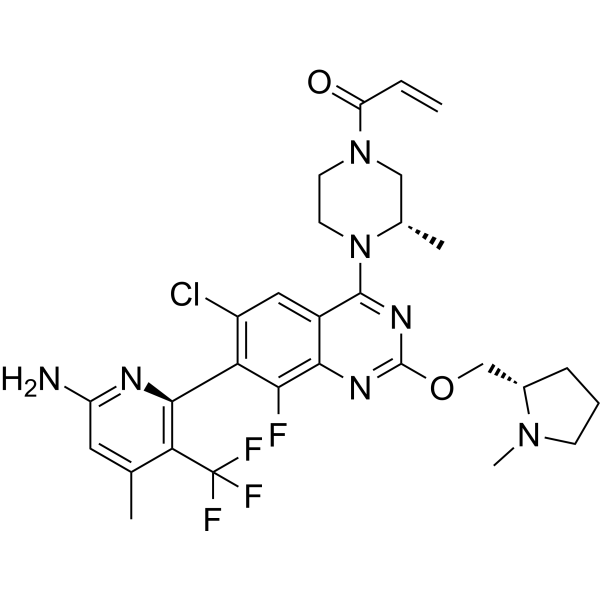
GDC-6036
|
Ras
|
Cancer
|
|
Divarasib (GDC-6036) is an orally active, selective KRAS G12C inhibitor with an IC50 of <0.01 μM. Divarasib covalently binds Cys12 in GDP-bound KRAS G12C, occupies the switch II pocket, blocks GTP binding and SOS-mediated reactivation, and inhibits oncogenic KRAS signaling. Divarasib induces tumor shrinkage and robust tumor growth inhibition in KRAS G12C-positive models and cancer cells. Divarasib can be used for the research of non-small cell lung cancer, colorectal adenocarcinoma, pancreatic ductal adenocarcinoma, and other KRAS G12C-mutated solid tumors .
|
-
-
- HY-10201A
-
|
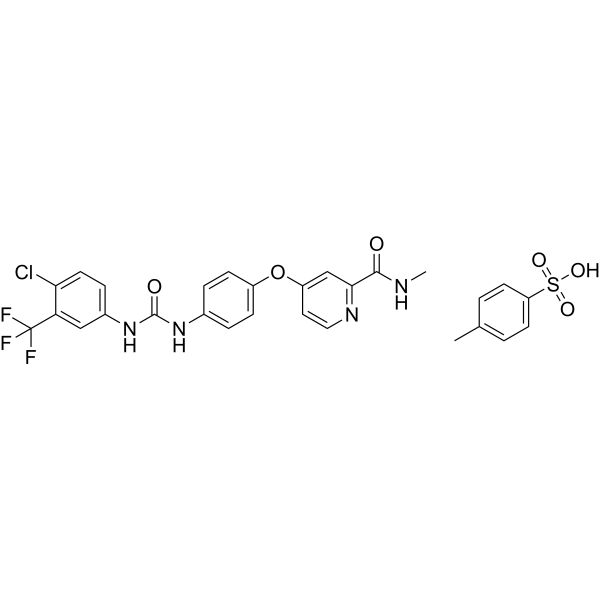
Bay 43-9006 tosylate
|
Raf
VEGFR
FLT3
Autophagy
Apoptosis
STAT
Akt
MMP
Cadherin
p38 MAPK
ERK
MEK
PI3K
PARP
Bcl-2 Family
|
Infection
Neurological Disease
Metabolic Disease
Inflammation/Immunology
Cancer
|
|
Sorafenib (Bay 43-9006) tosylate is a potent oral active multikinase inhibitor. Sorafenib blocks autophosphorylation and activity of receptor tyrosine kinases (VEGFR-2, VEGFR-3) and RAF family kinases, thereby suppressing the RAF/MEK/ERK and PI3K/Akt pathways, inhibiting STAT3 phosphorylation, and selectively inhibiting the MAPK pathway in cancer cells. Sorafenib tosylate induces cell cycle arrest, autophagy, apoptosis, and PARP cleavage, reduces Bcl-2, Bcl-XL, cyclin D1 levels, and activates Bak and Bax. Sorafenib tosylate inhibits tumor growth and metastasis in mouse and rat models. Sorafenib tosylate can be used for cancer research, such as colon, breast, non-small-cell lung cancer (NSCLC), ovarian, pancreatic, melanoma, colorectal and hepatocellular carcinoma .
|
-
-
- HY-P99275
-
|
AMG-888; U3-1287
|
EGFR
Akt
ERK
PARP
Survivin
|
Cancer
|
|
Patritumab (Human Anti-ERBB3 Recombinant Antibody) is a neutralizing monoclonal antibody to ERBB3. Patritumab shows a synergy with Cetuximab (HY-P9905), potently inhibits the phosphorylation of EGFR, HER2, HER3, ERK, and AKT. Patritumab also induces cell apoptosis and suppresses the growth of pancreatic, non-small cell lung cancer, and colorectal cancer xenograft tumors .
|
-

-
- HY-A0033
-
|
UK-88525
|
mAChR
p38 MAPK
Akt
|
Neurological Disease
Metabolic Disease
Cancer
|
|
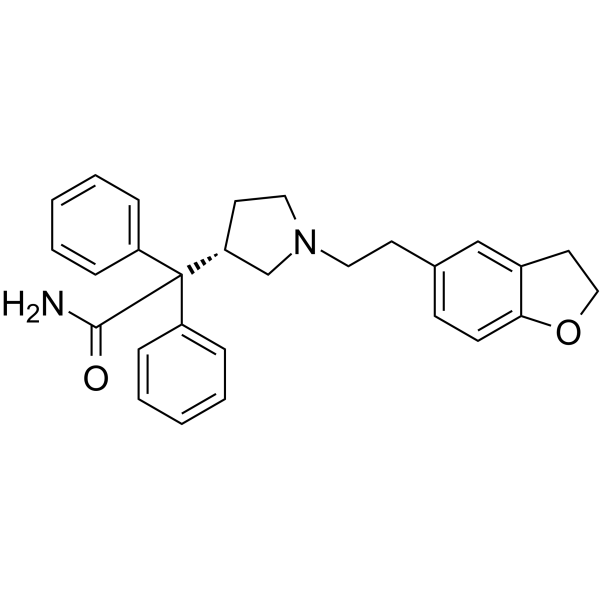
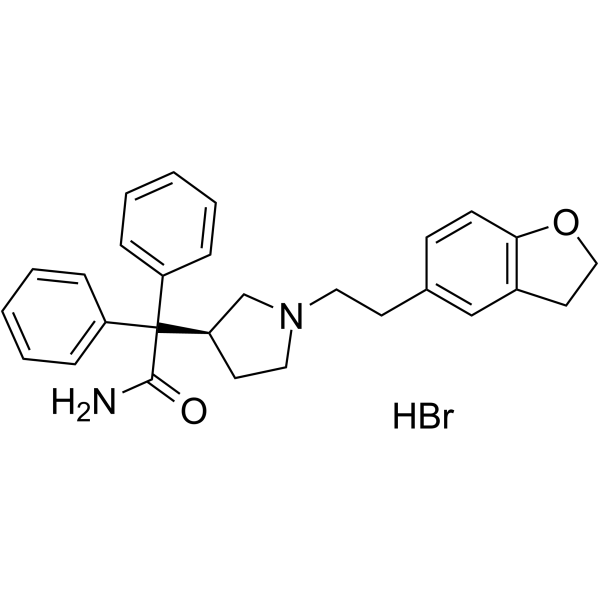
Darifenacin (UK-88525) is a selective and orally active M3 muscarinic receptor (M3R) antagonist with a pKi of 8.9. Darifenacin binds >20-fold more specifically to M3R than to other muscarinic receptors. Darifenacin can be used in the study of urinary incontinence and other symptoms of overactive bladder. Darifenacin inhibits tumor growth in colorectal cancer cells and has anti-tumor effects .
|
-
-
- HY-A0012
-
|
UK-88525 hydrobromide
|
mAChR
p38 MAPK
Akt
|
Neurological Disease
Metabolic Disease
Cancer
|
|
Darifenacin (UK-88525) hydrobromide is a selective and orally active M3 muscarinic receptor (M3R) antagonist with a pKi of 8.9. Darifenacin hydrobromide binds >20-fold more specifically to M3R than to other muscarinic receptors. Darifenacin hydrobromide can be used in the study of urinary incontinence and other symptoms of overactive bladder. Darifenacin hydrobromide inhibits tumor growth in colorectal cancer cells and has anti-tumor effects .
|
-
-
- HY-148807
-
|
QC8222 free base; TACH 101 free base
|
Histone Demethylase
Apoptosis
|
Cancer
|
|
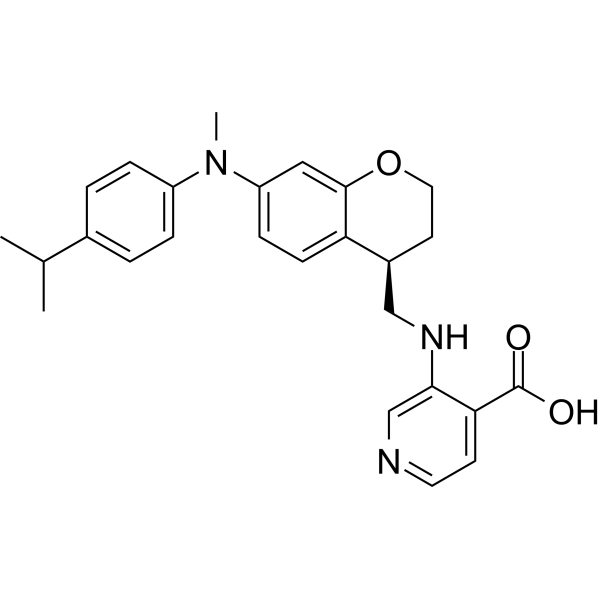
Zavondemstat (QC8222 free base; TACH 101 free base) is an orally active pan-KDM4 inhibitor, with a IC50 ≤ 0.08 μM against human KDM4A-D and a Kᵢ of 0.52 μM against human KDM4C. Zavondemstat induces cell apoptosis, causes S-phase cell cycle arrest, reduces the population of tumor-initiating cells and inhibits cancer cell proliferation. Zavondemstat suppresses tumor growth and induces tumor regression in mouse xenograft models. Zavondemstat can be used for the research of various cancers including colorectal cancer, esophageal squamous cell carcinoma and triple-negative breast cancer .
|
-
-
- HY-159607
-
|
|
PROTACs
SWI/SNF Complex
|
Cancer
|
|
PRT3789 is a selective SMARCA2 PROTAC degrader (DC50 in HeLa cell: 0.72 nM for SMARCA2, 14 nM for SMARCA4). PRT3789 forms a stable ternary complex with Von Hippel-Lindau (VHL) E3 ligase, induces polyubiquitination at SMARCA2-specific lysine residues, and drives proteasome-dependent SMARCA2 degradation. PRT3789 disrupts SWI/SNF chromatin remodeling complex integrity, induces dissociation of specific subunits, suppresses oncogenic gene expression, reduces chromatin accessibility, and upregulates antigen processing/presentation-related gene expression. PRT3789 induces synthetic lethality, inhibits proliferation and colony formation, and drives tumor growth inhibition and regression in SMARCA4-deficient contexts. PRT3789 can be used for the research of SMARCA4-mutated solid tumors, non-small cell lung cancer, endometrial cancer, colorectal cancer, bladder cancer, esophageal cancer, ovarian cancer, and gastric cancer .
|
-

-
- HY-14668
-
|
AEGR-733 mesylate; BMS-201038 mesylate
|
Microsomal Triglyceride Transfer Protein (MTP)
mTOR
LDLR
Autophagy
Apoptosis
|
Cardiovascular Disease
Neurological Disease
Metabolic Disease
Cancer
|
|
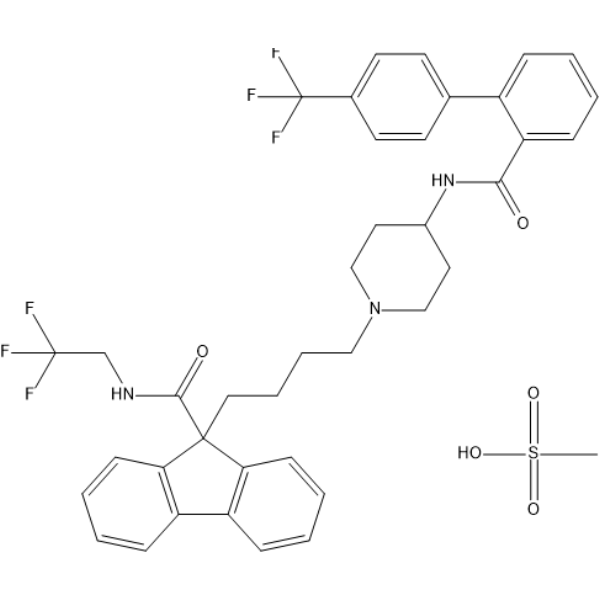
Lomitapide (AEGR-733; BMS-201038) mesylate is an orally active microsomal triglyceride transfer protein (MTP) inhibitor and a selective mTORC1 inhibitor with lipid-lowering activity and BBB permeability. Lomitapide mesylate significantly reduces plasma LDL levels by blocking the assembly and secretion of very-low-density lipoprotein (VLDL). Lomitapide mesylate inhibits mTORC1 in an ATP-dependent manner, thereby inducing AMPK-independent autophagic cell death and suppressing cancer cell growth and apoptosis. Lomitapide mesylate also enhances tumor infiltration of CD8 + T cells. In addition, Lomitapide mesylate inhibits HDAC, improves endothelial function, effectively alleviates vascular inflammation and oxidative stress, and exerts neuroprotective effects in a cerebral ischemia/reperfusion injury model. Lomitapide mesylate can be used in research on related diseases such as colorectal cancer, breast cancer, melanoma, ischemic stroke, and familial hypercholesterolemia .
|
-
-
- HY-150190
-
F5446
1 Publications Verification
|
Histone Methyltransferase
Apoptosis
|
Cancer
|
|
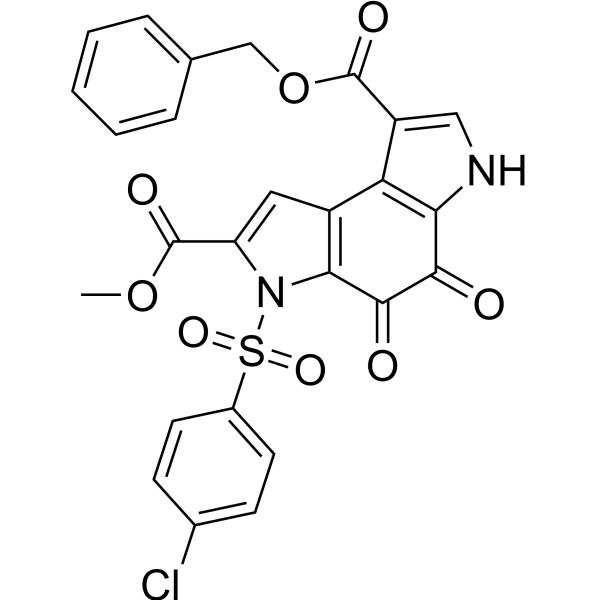
F5446 (Compound 1) is a selective small molecule inhibitor of SUV39H1 methyltransferase. F5446 decreases H3K9me3 deposition at the FAS promoter, increases Fas expression and increases colorectal carcinoma cell sensitivity to FasL-induced apoptosis in vitro. F5446 suppresses human colon tumor xenograft growth in vivo .
|
-
-
- HY-100685
-
MS-444
2 Publications Verification
BE-34776
|
HuR
Apoptosis
COX
|
Neurological Disease
Cancer
|
|
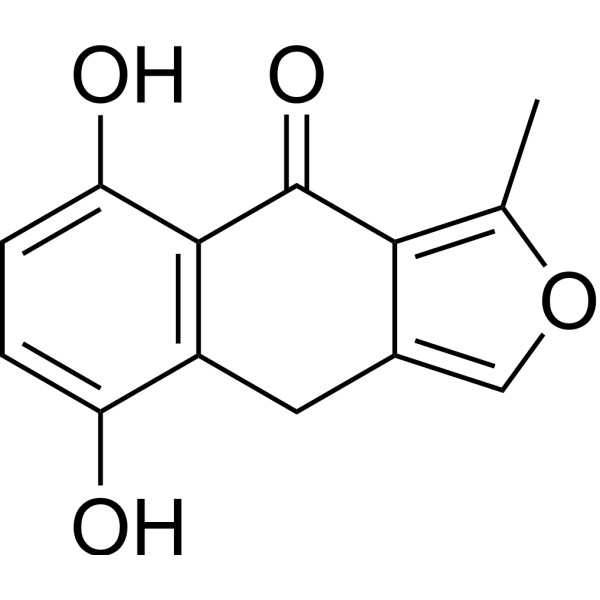
MS-444 (BE-34776) is a HuR (ELAVL1) inhibitor that blocks the cytoplasmic translocation of HuR and inhibits its dimerization. MS-444 reduces cytoplasmic HuR levels by preventing the binding of HuR to ARE-mRNA, without altering the total expression of HuR. MS-444 induces apoptosis, inhibits cell growth, angiogenesis and invasion, and also regulates immune function and microbiota. MS-444 effectively alters the number, size and invasiveness of tumors in various cancer models. MS-444 is tolerable to intraperitoneal injection in vivo and can be applied to research related to colorectal cancer, familial adenomatous polyposis, colitis-associated cancer and glioblastoma .
|
-
-
- HY-156112
-
|
|
Ser/Thr Protease
|
Cancer
|
|
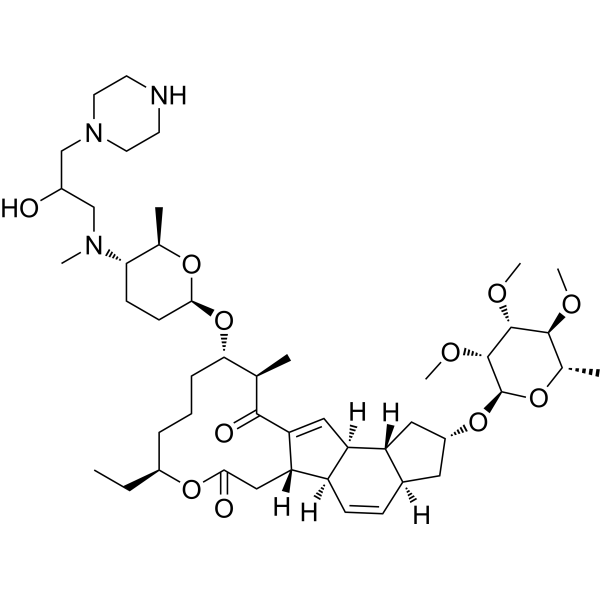
LM2I is a derivative of Spinosyn A (SPA). LM2I is argininosuccinate synthase (ASS1) enzyme activator, and tumor inhibitor that directly interact with ASS1. LM2I has significant antiproliferative activity in seven colorectal cancer cell-lines and xenograft tumors of colorectal cancer. LM2I inhibits colorectal cancer cell growth via the EGFR pathway .
|
-
-
- HY-160421
-
|
|
Apoptosis
|
Inflammation/Immunology
Cancer
|
|
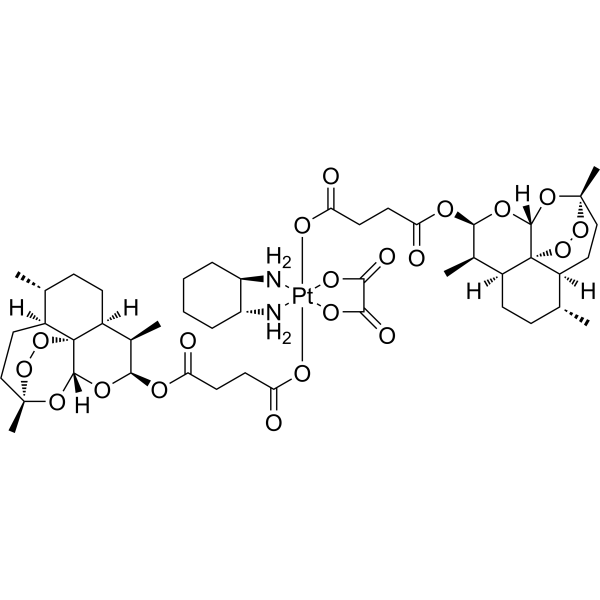
TREM2-IN-1 (OPA) is a TREM2 inhibitor derived from oxaliplatin and artesunate. TREM2-IN-1 can relieves immunosuppressive tumor microenvironment and enhancing chemical anticancer efficiency. TREM2-IN-1 deters the tumor growth in mice models bearing MC38 colorectal tumor by reducing the number of CD206 + and CX3CR1 + immunosuppressive macrophages. TREM2-IN-1 also promotes the expansion and infiltration of immunostimulatory dendritic, cytotoxic T and natural killer cells .
|
-
-
- HY-138832
-
|
APG-1252-M1
|
Bcl-2 Family
Apoptosis
Caspase
PARP
|
Cancer
|
|
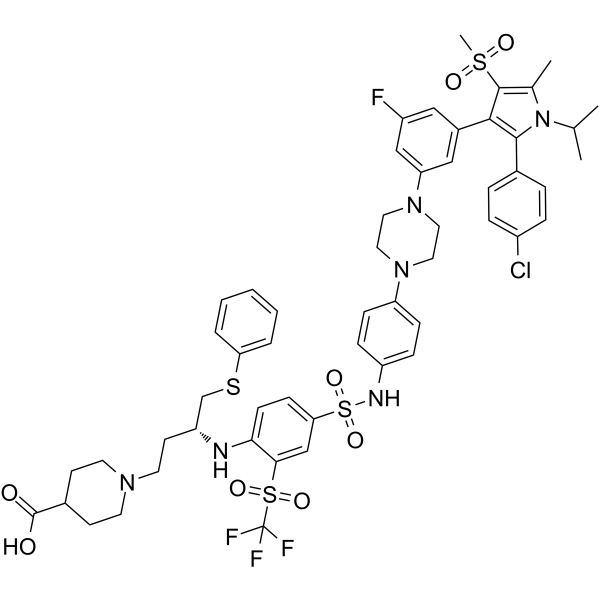
BM-1244 (APG-1252-M1) is a Bcl-xL/Bcl-2 inhibitor with Kis of 134 nM and 450 nM. BM-1244 has anti-tumor effects by inducing apoptosis and suppressing tumor growth. BM-1244 can induce cytochrome C and Smac release from mitochondria with caspase-3 and PARP cleavage. BM-1244 exhibits synergy with chemotherapy in vivo. BM-1244 can be studied in research for colorectal cancer, acute myeloid leukemia and gastric cancer .
|
-
-
- HY-P991621
-
|
EOS-215
|
TREM receptor
|
Cancer
|
|
EOS006215 (EOS-215) is a humanized monoclonal antibody targeting TREM-2. EOS006215 competes with TREM2 ligands, prevents TREM2 multimerization, and blocks downstream signaling. EOS006215 inhibits efferocytosis, reprograms transcriptomic profiles of monocyte-derived macrophages, alters metabolism and immune response genes, and increases pro-inflammatory marker secretion. EOS006215 reduces metastasis burden, delays tumor growth, and reprograms the tumor microenvironment to overcome anti-PD-1 resistance. EOS006215 can be used for the research of triple negative breast cancer and colorectal cancer .
|
-

-
- HY-N0660
-
|
|
Apoptosis
PARP
Caspase
AMPK
Autophagy
VEGFR
Keap1-Nrf2
STING
11β-HSD
Ferroptosis
PI3K
Akt
p38 MAPK
ERK
|
Neurological Disease
Metabolic Disease
Inflammation/Immunology
Cancer
|
|
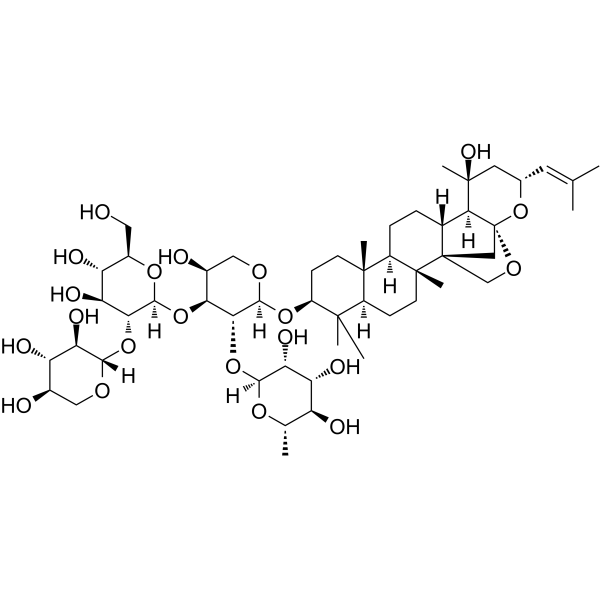
Jujuboside B is a bioactive saponin component isolated from Ziziphi Spinosae Semen (sour jujube seed), with oral efficacy and blood-brain barrier permeability. Jujuboside B induces acute leukemia cell death and drives necroptosis apoptosis by activating the RIPK1/RIPK3/MLKL pathway. Jujuboside B upregulates the expression of NOXA, PARP and caspase-3, activates AMPK, inhibits the proliferation of breast cancer cells, and induces cell apoptosis and autophagy. Jujuboside B inhibits angiogenesis and tumor growth by blocking the VEGFR-2 signaling pathway. Jujuboside B alleviates liver injury in mice by regulating the Nrf2-STING signaling pathway . Jujuboside B alleviates liver injury by regulating anti-inflammatory responses and downregulating the expression of 11β-HSD2. Jujuboside B induces ferroptosis and overcomes radioresistance in non-small cell lung cancer via the PPARγ-ATF3-Gpx4 signaling pathway. Jujuboside B exerts inhibitory effects on platelet aggregation. Jujuboside B inhibits febrile seizures by suppressing the activity of AMPA receptors. Jujuboside B reverses chronic unpredictable mild stress-promoted tumor progression by blocking the PI3K/Akt and MAPK/ERK pathways and dephosphorylating CREB signaling. Jujuboside B is applicable to related studies on acute leukemia, breast cancer, PM2.5-induced lung injury, hepatotoxicity, liver injury, colorectal cancer, non-small cell lung cancer, thromboembolic diseases, cardiovascular diseases associated with high platelet aggregation, febrile seizures, and depressive-like phenotypes .
|
-
-
- HY-160215
-
|
|
TGF-β Receptor
p38 MAPK
TGF-beta/Smad
Interleukin Related
|
Cancer
|
|
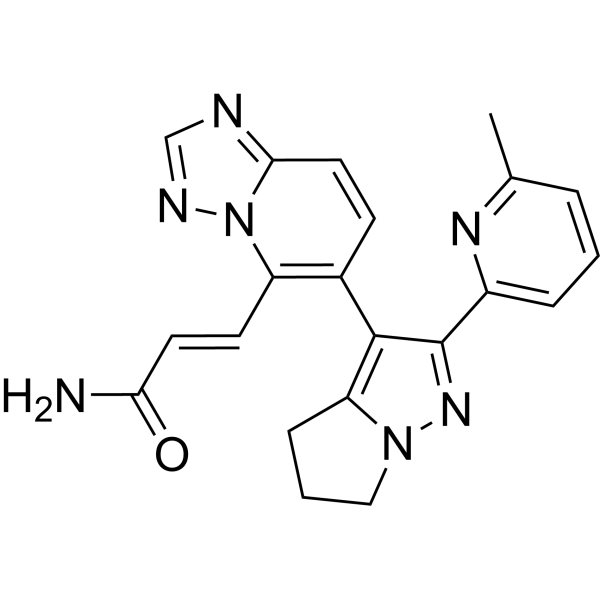
GFH018 is an orally active, selective and ATP-competitive TGF-βR1 inhibitor with an IC50 of 40 nM. GFH018 reactivates the immune system by blocking the immunosuppression mediated by regulatory T cells and M2 macrophages. GFH018 inhibits tumor angiogenesis. GFH018 suppresses tumor growth in mouse tumor models. GFH018 can be used for the research of solid tumors, hepatocellular carcinoma, colorectal cancer, breast cancer, and relapsed/metastatic nasopharyngeal carcinoma .
|
-
-
- HY-164315
-
|
|
Ras
PERK
|
Cancer
|
|
KRAS G12C inhibitor 67 (Example 35) is an orally active KRAS G12C inhibitor. KRAS G12C inhibitor 67 inhibits pERK and active KRas. KRAS G12C inhibitor 67 selectively inhibits the growth of various KRAS G12C mutant tumor cell lines. KRAS G12C inhibitor 67 exhibits anticancer activity against esophageal cancer, bladder cancer, colorectal cancer, lung cancer, and pancreatic cancer .
|
-

-
- HY-Y0121
-
|
|
Environmental Pollutants
Apoptosis
Parasite
VEGFR
|
Cardiovascular Disease
Cancer
|
|
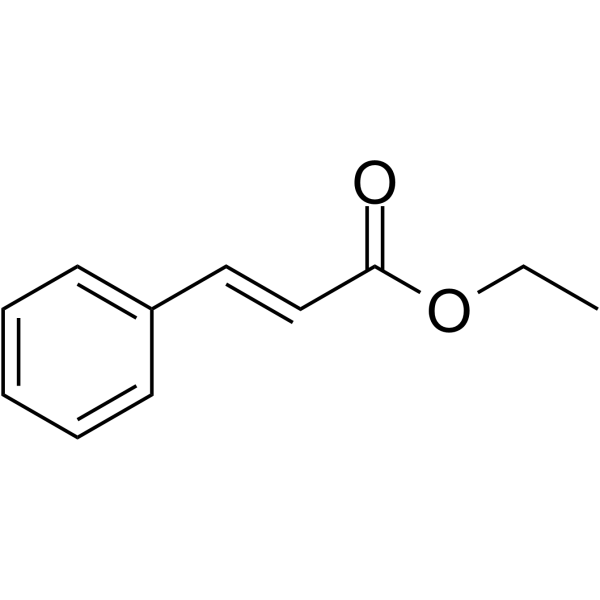
Ethyl cinnamate, an orally active chemical constituent of the rhizome of Kaempferia galanga, exhibits anti-cancer, nematocidal, sedative and vasorelaxant activities. Ethyl cinnamate is a fragrance ingredient used as a food flavor and additive for cosmetic products. Ethyl cinnamate is also an excellent clearing reagent for mammalian tissues. Ethyl cinnamate suppresses tumor growth through anti-angiogenesis by attenuating VEGFR2 signal pathway in colorectal cancer. Ethyl cinnamate inhibits the tonic contractions induced by high K+ and phenylephrine (PE) with respective IC50 values of 0.30 mM and 0.38 mM in rat aorta .
|
-
-
- HY-N1976
-
|
(3R,8S)-Falcarindiol; 3(R),8(S),9(Z)-Falcarindiol
|
|
Infection
Cancer
|
|
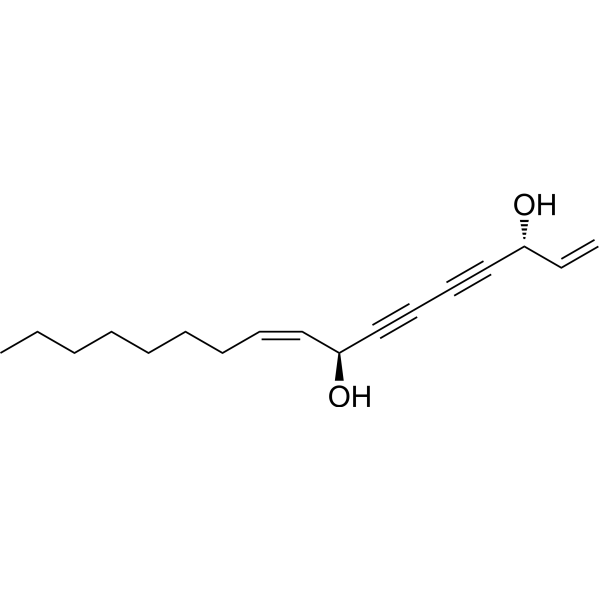
(+)-(3R,8S)-Falcarindiol ((3R,8S)-Falcarindiol; 3 (R),8 (S),9 (Z)-Falcarindiol) is an orally active polyacetylene anti-mycobacterial agent. (+)-(3R,8S)-Falcarindiol exhibits antibacterial activity against Gram-positive bacteria, Gram-negative bacteria and mycobacteria. Co-administration of (+)-(3R,8S)-Falcarindiol with (3R)-falcarinol alters the composition of gut microbiota, reduces colonic tumor lesions and slows down polyp growth. (+)-(3R,8S)-Falcarindiol can be used in research related to tuberculosis and colorectal cancer .
|
-
-
- HY-P99852
-
|
ABT165; PR1283233
|
VEGFR
Notch
|
Cancer
|
|
Dilpacimab (ABT165) is a bispecific variable domain immunoglobulin. Dilpacimab binds to and inhibits DLL4 and VEGF and acts as a tumor growth inhibitor. Dilpacimab can be used in research related to metastatic colorectal cancer and advanced solid tumors .
|
-

-
- HY-16726
-
|
CG100649
|
COX
Carbonic Anhydrase
|
Cancer
|
|
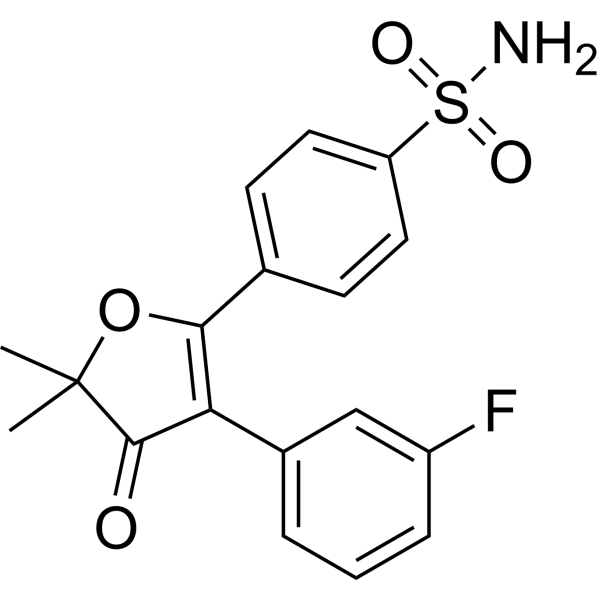
Polmacoxib (CG100649) is a first-in-class, orally active nonsteroidal anti-inflammatory agent (NSAID) which is a dual inhibitor of COX-2 (IC50 around 0.1 μg/ml) and carbonic anhydrase . Polmacoxib inhibits colorectal adenoma and tumor growth in mouse models .
|
-
-
- HY-W181530
-
|
|
Molecular Glues
CDK
Apoptosis
Ligands for E3 Ligase
|
Cancer
|
|
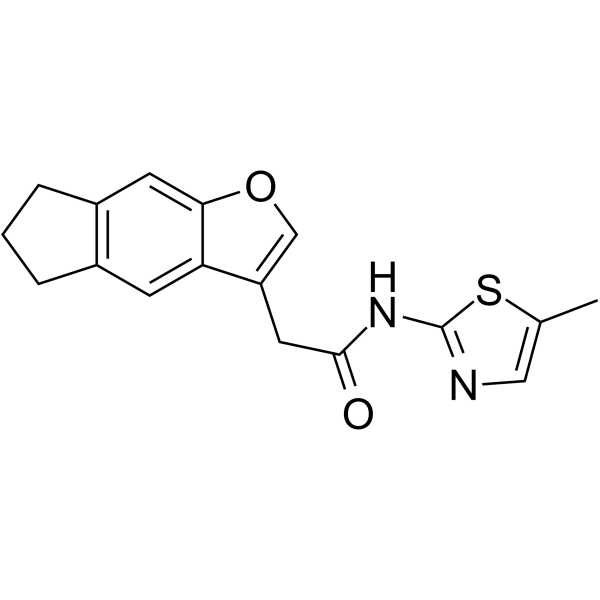
NCT02 is a molecular glue degrader based on the E3 ubiquitin ligase DDB1 that targets CDK12 and its binding partner CCNK. NCT02 triggers the ubiquitination and proteasomal degradation of CCNK, thereby downregulating CDK12 protein levels and inhibiting its downstream signaling pathways. NCT02 can induce tumor cell apoptosis, arrest the cell cycle, and selectively inhibit the proliferation of colorectal cancer cells carrying TP53 defects or belonging to the consensus molecular subtype CMS4. NCT02 has the potential to inhibit tumor growth in in vitro and in vivo models .
|
-
-
- HY-176785S
-
|
|
Ras
Apoptosis
p38 MAPK
Caspase
TNF Receptor
|
Cancer
|
|
MCB-294 is a dual-state pan-KRAS inhibitor that selectively inhibits KRAS over NRAS and HRAS. MCB-294 capable of binding both the active (GTP-bound) and inactive (GDP-bound) forms of KRAS with Kds of approximately 1 pM and 10 nM, respectively. MCB-294 broadly impairs the growth of hTERT-HPNE cells expressing G12D, G12C, G12V, G12S, G13D, and wild-type KRAS, with IC50s of approximately 700 nM. MCB-294 induces irreversible apoptosis in KRAS-mutated tumors. MCB-294 effectively suppress KRAS G12C inhibitor-resistant cancer cells and remodel the tumor immune microenvironment. MCB-294 can be used for the study of pancreatic cancer, colorectal cancer and lung cancer .
|
-

-
- HY-176798
-
|
|
Lactate Dehydrogenase
Reactive Oxygen Species (ROS)
Apoptosis
|
Cancer
|
|
NCI-006 is an orally active lactate dehydrogenase (LDH) inhibitor (LDHA IC50 = 0.06 μM; LDHB IC50 = 0.03 μM). NCI-006 inhibits intratumoral LDH activity, lactate production, and tumor growth in a mouse pancreatic cancer model. NCI-006 inhibits glycolysis and induces apoptosis in vitro. NCI-006 enhances the radiosensitivity of glycolytic tumor cell lines while sparing non-glycolytic/normal cells (1522, skin fibroblasts) in combination with ionizing radiation (IR). NCI-006 exhibits synergistic antitumor effects in combination with IACS-010759 (HY-112037) against colorectal and gastric cancers. NCI-006 targets glycolysis by inhibiting lactate dehydrogenase impairs tumor growth in an Ewing sarcoma model .
|
-

-
- HY-174996
-
|
|
PROTACs
Epigenetic Reader Domain
Apoptosis
|
Cancer
|
|
NEP162 is a BRD4 PROTAC degrader with DC50s of 1.2 and 1.6 μM in SW480 and U2OS cells. NEP162 exhibits antiproliferative activity, effectively inhibits tumor growth and induces apoptosis. NEP162 can be used for the study of osteosarcoma, colorectal cancer and non-small cell lung cancer, etc. (Pink: BRD4 ligand : (HY-78695), Blue: E3 ligase Ligand (HY-D2259), BLACK: Linker, E3 ligase ligand-linker conjugate (HY-174997)) .
|
-

-
- HY-W998345
-
|
|
PROTACs
PDK-1
Akt
|
Cancer
|
SMART1 is a highly specific and CRBN-dependent PROTAC that can effectively degrade Smurf1. SMART1 can block the PDK1-Akt signaling pathway in KRAS mutant colorectal cancer. SMART1 can inhibit tumor growth in KRAS mutant colorectal cancer (CRC) xenograft models.(Blue: CRBN ligand; Black: linker; Pink: Smurf1 ligand (Smurf1-L)) .
|
-

-
- HY-168593
-
|
|
β-catenin
PROTACs
Wnt
Histone Demethylase
|
Cancer
|
|
PROTAC KDM3 degrader-1 (Compound 4) is a CRBN-recruiting PROTAC designed based on the IOX1 (HY-12304) scaffold. PROTAC KDM3 degrader-1 selectively degrades the KDM3A and KDM3B proteins, thereby inhibiting the Wnt/β-catenin signaling pathway. PROTAC KDM3 degrader-1 significantly suppresses the self-renewal capacity of colorectal cancer stem cells and inhibits the growth of colorectal cancer tumors. PROTAC KDM3 degrader-1 is suitable for research on colorectal cancer (Target protein ligand (Pink): HY-12304; linker (Black): HY-22335; Conjugate of E3 ligase ligand and linker: HY-112599; E3 ligase (Blue): HY-41547) .
|
-

-
- HY-145928B
-
|
GDC-6036 adipate
|
Ras
|
Cancer
|
|
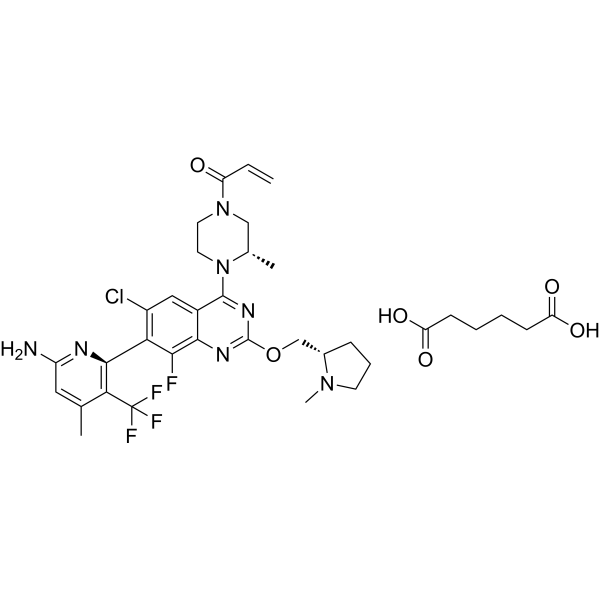
Divarasib (GDC-6036) adipate is an orally active, selective KRASG12C inhibitor with an IC50 of <0.01 μM. Divarasib adipate covalently binds Cys12 in GDP-bound KRASG12C, occupies the switch II pocket, blocks GTP binding and SOS-mediated reactivation, and inhibits oncogenic KRAS signaling. Divarasib adipate induces tumor shrinkage and robust tumor growth inhibition in KRASG12C-positive models and cancer cells. Divarasib adipate can be used for the research of non-small cell lung cancer, colorectal adenocarcinoma, pancreatic ductal adenocarcinoma, and other KRASG12C-mutated solid tumors .
|
-
-
- HY-N13009
-
|
|
Raf
HIF/HIF Prolyl-Hydroxylase
ERK
MEK
Reactive Oxygen Species (ROS)
Apoptosis
Caspase
|
Cancer
|
|
MO-2097 is a RAF-1/HIF-1α inhibitor. MO-2097 induces RAF-1 destabilization, leading to a reduction in
EMT-associated transcription factors and mesenchymal markers. MO-2097 inhibits HIF-1a protein expression mediated by hnRNPA2B1 under hypoxic and mimetic hypoxia. MO-2097 induces mitochondrial ROS, which leads to apoptosis in cells. MO-2097 effectively suppresses colorectal cancer metastasis by inhibiting the RAF/MEK/ERK signaling pathway. MO-2097 attenuates tumor growth in a xenograft HCT116 cell mouse model. MO-2097 can be used for the study of colorectal cancer .
|
-

-
- HY-N3001
-
|
|
STAT
VEGFR
Bcl-2 Family
Survivin
IAP
NF-κB
Apoptosis
Caspase
|
Neurological Disease
Inflammation/Immunology
Cancer
|
|
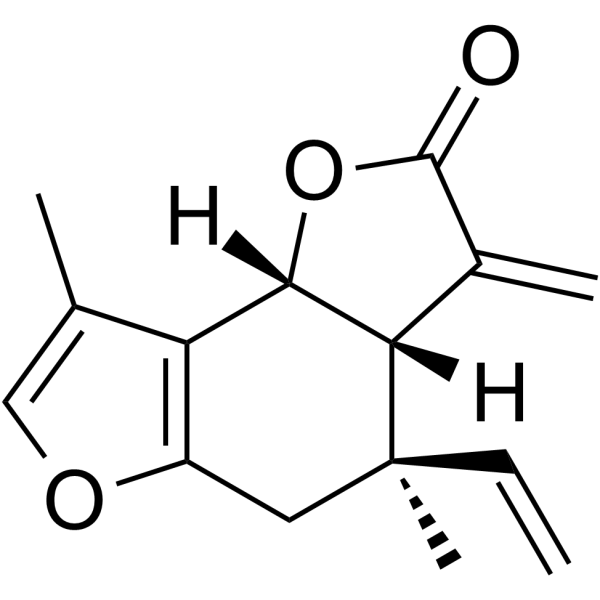
Isolinderalactone is a sesquiterpene that exhibits anti-cancer, anti-inflammatory, and neuroprotective effects. Isolinderalactone inhibits VEGF expression and tyrosine phosphorylation of VEGFR2. Isolinderalactone decreases viability and induces apoptosis in U-87 glioblastoma (GBM) cells and colorectal cancer (CRC) cells. Isolinderalactone induces G2/M phase cell cycle arrest, ROS generation, pJNK/p38 MAPK activation, in colorectal cancer (CRC) cells. Isolinderalactone blocks LPS (HY-D1056)-induced NF-κB activation while activating Nrf2-HMOX1 signaling in RAW264.7 macrophages. Isolinderalactone improves cognitive dysfunction in APP/PS1 mice. Isolinderalactone can be used for the study of Glioblastoma multiforme (GBM), colorectal cancer, Alzheimer’s disease and acute lung injury .
|
-
-
- HY-157014
-
|
|
Tryptophan Hydroxylase
|
Cancer
|
|
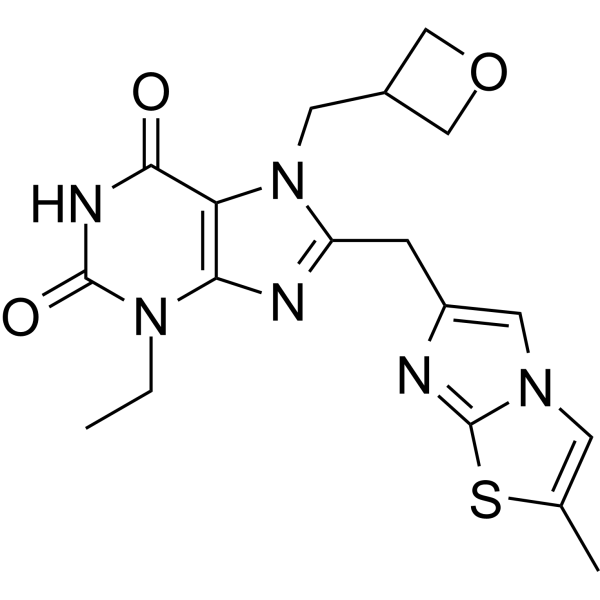
TPT-004 is a selective and oraly active tryptophan hydroxylases (TPH) inhibitor with IC50s of 77 nM and 16 nM for TPH1 and TPH2, repsectively. TPT-004 exhibits exceptional selectivity for TPH1 compared with other members of the AAAH family. TPT-004 shows efficacy peripheral serotonin attenuation and colorectal tumor growth in mice[1][2].
|
-
-
- HY-P991646
-
|
heMab
|
Transmembrane Glycoprotein
|
Cancer
|
|
ING-1 (heMab) is a high-affinity humanized monoclonal antibody against epithelial cell adhesion molecule (Ep-CAM). ING-1 is a transmembrane glycoprotein mediating Ca 2+. ING-1 binds to Ep-CAM on tumor cells and exhibits potent in vitro activity, targeting and inhibiting tumor growth and metastasis in mouse cancer models. ING-1 is useful in the research of breast, colorectal, and lung cancers, among other cancers .
|
-

-
- HY-148918
-
|
|
β-catenin
Wnt
Bcl-2 Family
|
Inflammation/Immunology
Cancer
|
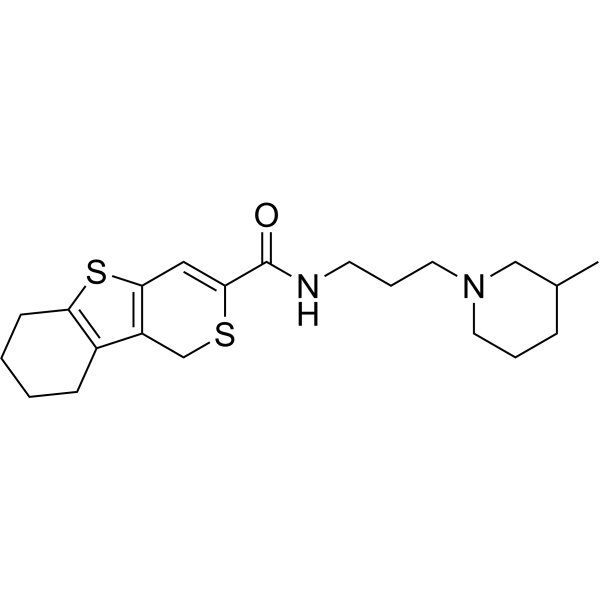
E722-2648 is an inhibitor targeting the BCL9 and β-catenin complex with antitumor activity. E722-2648 blocks complex formation by disrupting the interaction between the two proteins, thereby inhibiting β-catenin-mediated transcriptional activity and downregulating the expression of WNT target genes. E722-2648 effectively inhibits tumor growth in colon cancer xenograft models and colorectal cancer mouse models. E722-2648 can be used for the research of colon cancer and colorectal cancer .
|
-
-
- HY-120105
-
|
|
DNA/RNA Synthesis
Apoptosis
MDM-2/p53
Bcl-2 Family
Caspase
PARP
|
Cancer
|
|
NSC666715 is a DNA polymerase β (Pol-β) inhibitor. NSC666715 directly and specifically interacts with Pol-β, interferes with its binding to damaged DNA, blocks its dRP lyase activity, and inhibits Pol-β-mediated SN- and LP-BER. NSC666715 induces AP site accumulation and S-phase cell cycle arrest, and triggers senescence and apoptosis (apoptosis) via the p53/p21 pathway in colorectal cancer cells. NSC666715 enhances TMZ (HY-17364)-induced DNA damage, senescence and apoptosis, and potentiates the cytotoxicity of TMZ. NSC666715 inhibits tumor growth in colon cancer xenograft models. NSC666715 can be used in research related to colorectal cancer .
|
-

-
- HY-175164
-
|
|
Apoptosis
c-Myc
|
Cancer
|
|
SVC112 is a translation elongation inhibitor that prevents the cyclic dissociation of EF2 from the ribosome, thereby inhibiting the elongation step of translation. SVC112 shows activity in growth inhibition among cancer cell lines of various origins (acute myeloid leukemia (AML), multiple myeloma (Myeloma), colorectal cancer (CRC), and head and neck squamous cell carcinoma (HNSCC)). SVC112 preferentially impedes ribosomal processing of mRNAs, and decreaseds CSC-related proteins including Myc and Sox2. SVC112 induces apoptosis in hematologic cancer cell lines, while phosphorylation of c-Myc correlates with sensitivity to SVC112 in colorectal cancer cell lines. SVC112 inactivates HNSCC stem cells in vitro and prevents the regrowth of HNSCC tumor xenografts in mice. SVC112 can be used for the study of HNSCC .
|
-

-
- HY-171745
-
|
|
ATM/ATR
|
Cancer
|
|
ATR-IN-32 is an orally active ATR inhibitor. ATR-IN-32 potently inhibits the proliferation of MIA PaCa-2 cells. ATR-IN-32 exerts significant tumor growth inhibition in mice bearing LOVO and HT-29 xenografts. ATR-IN-32 can be used for the study of cancers mediated by ATR protein kinase, such as colorectal cancer, pancreatic cancer .
|
-

-
- HY-150636
-
|
|
Autophagy
Apoptosis
|
Cancer
|
|
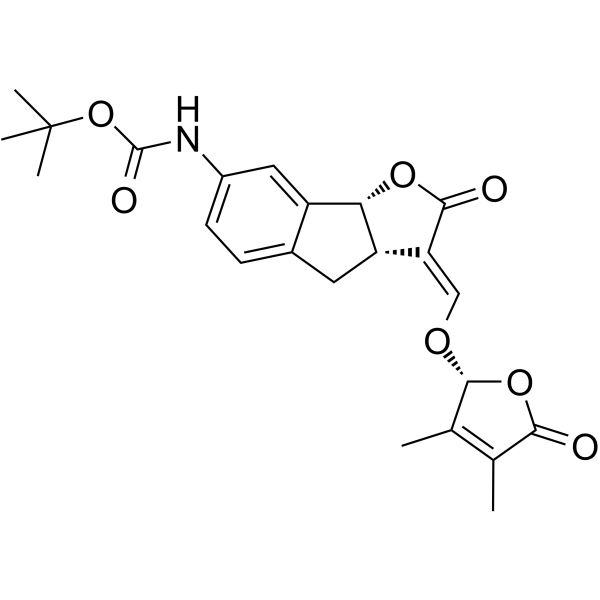
Autophagy-IN-1 is a potent autophagy/mitophagy inhibitor, acts by selectively increasing the autophagic flux while blocking the autophagosome-lysosome fusion in cancer cells. Autophagy-IN-1 can induce apoptosis and cell cycle arrest. Autophagy-IN-1 significantly inhibits tumor growth in an HCT116 xenograft mouse model and with low toxicity. Autophagy-IN-1 can be used for researching colorectal cancer .
|
-
-
- HY-147125
-
|
|
HSP
Akt
CDK
Raf
Apoptosis
|
Cancer
|
|
DDO-6600 is a covalent Hsp90 inhibitor. DDO-6600 disrupts the interaction between Hsp90 and its co-chaperone protein Cdc37, thereby inducing the degradation of kinase client proteins (such as AKT, CDK4, c-Raf). DDO-6600 has inhibitory activity against various cancer cells. DDO-6600 inhibits the migration and invasion of HCT-116 cells, and induces cell cycle arrest and apoptosis. DDO-6600 significantly inhibits tumor growth in the HCT-116 xenograft tumor model. DDO-6600 can be used for research on colorectal cancer .
|
-

-
- HY-111033
-
|
|
MEK
ERK
Apoptosis
p38 MAPK
CDK
PARP
|
Inflammation/Immunology
Cancer
|
|
RO5068760 is a potent, orally active and selective non-ATP-competitive MEK1/2 inhibitor with an IC50 of 0.025 μM for MEK1. RO5068760 significantly inhibits MAPK pathway activity, thereby inducing G1 cell cycle arrest and apoptosis to inhibit cancer cell growth. RO5068760 exhibits significant efficacy in a broad spectrum of tumors with aberrant MAPK pathway activation. RO5068760 can be used for melanoma, colorectal cancer, non-small cell lung cancer (NSCLC), and pancreatic cancer research .
|
-

-
- HY-Y0121R
-
|
|
Reference Standards
Parasite
VEGFR
Apoptosis
|
Cardiovascular Disease
Cancer
|
|
Ethyl cinnamate (Standard) is the analytical standard of Ethyl cinnamate. This product is intended for research and analytical applications. Ethyl cinnamate, an orally active chemical constituent of the rhizome of Kaempferia galanga, exhibits anti-cancer, nematocidal, sedative and vasorelaxant activities. Ethyl cinnamate is a fragrance ingredient used as a food flavor and additive for cosmetic products. Ethyl cinnamate is also an excellent clearing reagent for mammalian tissues. Ethyl cinnamate suppresses tumor growth through anti-angiogenesis by attenuating VEGFR2 signal pathway in colorectal cancer. Ethyl cinnamate inhibits the tonic contractions induced by high K+ and phenylephrine (PE) with respective IC50 values of 0.30 mM and 0.38 mM in rat aorta .
|
-

-
- HY-160215A
-
|
|
TGF-β Receptor
p38 MAPK
TGF-beta/Smad
Interleukin Related
|
Cancer
|
|
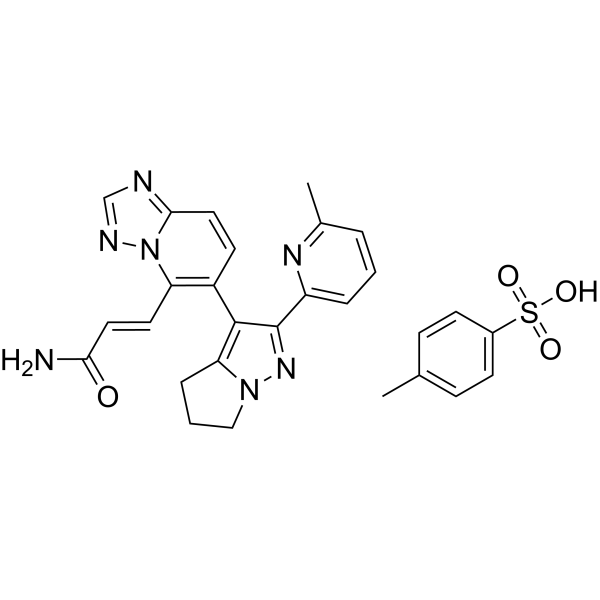
GFH018 is an orally active, selective and ATP-competitive TGF-βR1 inhibitor with an IC50 of 40 nM. GFH018 reactivates the immune system by blocking the immunosuppression mediated by regulatory T cells and M2 macrophages. GFH018 inhibits tumor angiogenesis. GFH018 suppresses tumor growth in mouse tumor models. GFH018 can be used for the research of solid tumors, hepatocellular carcinoma, colorectal cancer, breast cancer, and relapsed/metastatic nasopharyngeal carcinoma .
|
-
-
- HY-175265
-
|
|
c-Myc
Ras
Apoptosis
|
Cancer
|
|
PQ32 is an antitumor agent that targets c-MYC Pu27 and KRAS G-quadruplexes. PQ32 inhibits tumor cell proliferation, arrests the cell cycle at the G2 phase, and induces apoptosis. PQ32 inhibits the expression of c-MYC and KRAS genes. PQ32 can inhibit tumor growth in mice and is used in the study of lymphoma, breast cancer, lung cancer, hepatocellular carcinoma, colorectal cancer, and other cancers .
|
-

-
- HY-148918A
-
|
|
β-catenin
Wnt
Bcl-2 Family
|
Cancer
|
E722-2648 TFA is an inhibitor targeting the BCL9 and β-catenin complex with antitumor activity. E722-2648 TFA blocks complex formation by disrupting the interaction between the two proteins, thereby inhibiting β-catenin-mediated transcriptional activity and downregulating the expression of WNT target genes. E722-2648 TFA effectively inhibits tumor growth in colon cancer xenograft models and colorectal cancer mouse models. E722-2648 TFA can be used for the research of colon cancer and colorectal cancer .
|
-

-
- HY-P991572
-
|
|
EGFR
|
Cancer
|
|
MM-151 is a humanized IgG1 monoclonal antibody targeting EGFR. MM-151 binds multiple regions of the EGFR extracellular domain (ECD) and reduces its mutations in circulating cell-free tumor DNA with EGFR resistance. MM-151 significantly inhibits EGFR signaling and cell growth. MM-151 can be used for drug-resistant cancers research, such as colorectal, non-small cell lung and triple negative breast cancer .
|
-

-
- HY-148807A
-
|
QC8222; TACH 101
|
Apoptosis
Histone Demethylase
|
Cancer
|
|
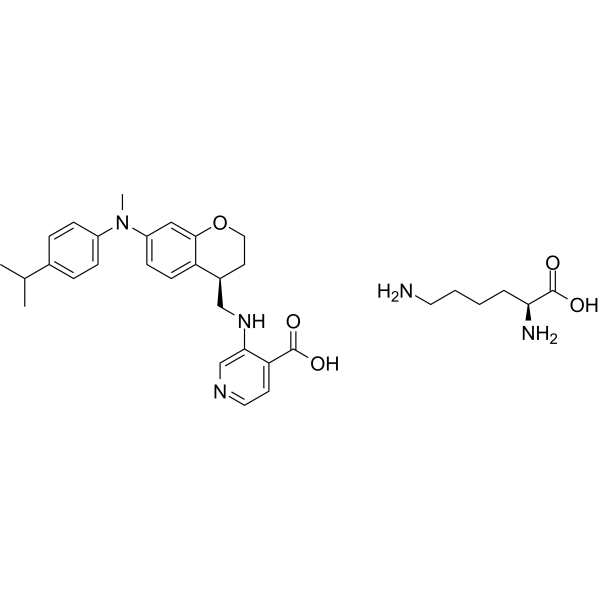
Zavondemstat (QC8222; TACH 101) L-lysine is an orally active pan-KDM4 inhibitor, with a IC50 ≤ 0.08 μM against human KDM4A-D and a Kᵢ of 0.52 μM against human KDM4C. Zavondemstat L-lysine induces cell apoptosis, causes S-phase cell cycle arrest, reduces the population of tumor-initiating cells and inhibits cancer cell proliferation. Zavondemstat L-lysine suppresses tumor growth and induces tumor regression in mouse xenograft models. Zavondemstat L-lysine can be used for the research of various cancers including colorectal cancer, esophageal squamous cell carcinoma and triple-negative breast cancer .
|
-
-
- HY-172820
-
|
DP303c
|
Antibody-Drug Conjugates (ADCs)
EGFR
|
Cancer
|
|
Trastuzumab envedotin (DP303c) is a anti-human epidermal growth factor receptor 2 (HER2) antibody-drug conjugate (ADC). Trastuzumab envedotin is composed of the tubulin polymerization inhibitor Monomethyl auristatin E (MMAE) (HY-15162) to the anti-HER2 antibody DP001 via a cleavable linker. Trastuzumab envedotin can be used for the research of HER2-positive solid tumors, such as breast cancer, colorectal cancer, and gastric cancer .
|
-

-
- HY-175698
-
|
|
ACSL Family
Ferroptosis
Microtubule/Tubulin
COX
Glutathione Peroxidase
|
Cancer
|
|
Ferroptosis inducer-9 is a ferroptosis inducer and colchicine site tubulin polymerization inhibitor. Ferroptosis inducer-9 inhibits MCF-7 cell growth with an IC50 of 14 nM and inhibits [ 3H]colchicine binding. Ferroptosis inducer-9 reduces expression of GPX4 and FTH, increases COX2 and ACSL4, lowers GSH, NADP+, and NADPH levels, increases LPO, MDA, and Fe(II) levels, and decreases SOD concentrations. Ferroptosis inducer-9 demonstrates significant anti-tumor efficacy in HCT116 CRC xenograft model. Ferroptosis inducer-9 can be used for the study of triple negative breast cancer (TNBC) and colorectal cancer (CRC) .
|
-

-
- HY-179452
-
|
|
Ras
CDK
Mitochondrial Metabolism
|
Cancer
|
|
KRAS G13D-IN-2 (compound 8B) is a potent orally active KRAS G13D inhibitor with IC50 values of 1.95 μM (HCT-116 G13D) and 2.16 μM (HCT-15 G13D). KRAS G13D-IN-2 induces G1-phase arrest and mitochondrial membrane depolarization. KRAS G13D-IN-2 induces senescence through CDK6/TWIST1 inhibition. KRAS G13D-IN-2 inhibits tumor growth in murine models. KRAS G13D-IN-2 can be used for KRAS G13D-mutant colorectal cancer research .
|
-

-
- HY-P991433
-
|
|
TNF Receptor
|
Cancer
|
|
BIIB036 is a human IgG1 monoclonal antibody (mAb) targeting TNFRSF12A/Fn14. BIIB036 inhibits the growth of patient-derived primary colorectal tumors in SCID mice .
|
-

- HY-P990082
-
|
APX-003; BD-0801
|
VEGFR
|
Cancer
|
|
Suvemcitug is a humanized IgG1κ antibody targeting VEGF with antiangiogenic activity. Suvemcitug selectively binds to and blocks VEGFA from binding to VEGFR1 and 2, thereby inhibiting its activities and preventing tumor angiogenesis and ultimately suppressing tumor growth and metastasis. Suvemcitug can be used for the study of colorectal cancer .
|
-

- HY-151255
-
|
|
CDK
|
Cancer
|
|
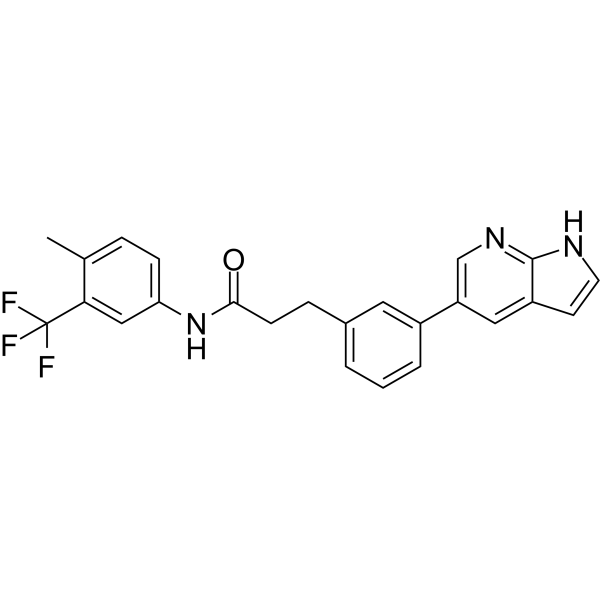
CDK8-IN-9 (compound 22) is a potent type II CDK8 inhibitor with an IC50 value of 48.6 nM. CDK8-IN-9 can inhibit tumor growth and is used in colorectal cancer studies .
|
-
- HY-164517
-
|
|
Trk Receptor
|
Cancer
|
|
ONO-7579 is an orally active TRKA inhibitor that suppresses tumor growth by inhibiting the phosphorylation of TRKA. In colorectal cancer cells KM12, its EC50 is 17.6 ng/g (meaning that when each gram of tumor tissue contains 17.6 ng of ONO-7579, the activity of phosphorylated TRKA in the tumor is inhibited by 50%). ONO-7579 can be used in cancer research .
|
-

- HY-16726R
-
|
CG100649 (Standard)
|
Reference Standards
COX
Carbonic Anhydrase
|
Cancer
|
|
Polmacoxib (Standard) is the analytical standard of Polmacoxib. This product is intended for research and analytical applications. Polmacoxib (CG100649) is a first-in-class, orally active nonsteroidal anti-inflammatory agent (NSAID) which is a dual inhibitor of COX-2 (IC50 around 0.1 μg/ml) and carbonic anhydrase . Polmacoxib inhibits colorectal adenoma and tumor growth in mouse models .
|
-

- HY-148807C
-
|
QC8222 sodium; TACH 101 sodium
|
Apoptosis
Histone Demethylase
|
Cancer
|
|
Zavondemstat (QC8222; TACH 101) sodium is an orally active pan-KDM4 inhibitor, with a IC50 ≤ 0.08 μM against human KDM4A-D and a Kᵢ of 0.52 μM against human KDM4C. Zavondemstat sodium induces cell apoptosis, causes S-phase cell cycle arrest, reduces the population of tumor-initiating cells and inhibits cancer cell proliferation. Zavondemstat sodium suppresses tumor growth and induces tumor regression in mouse xenograft models. Zavondemstat sodium can be used for the research of various cancers including colorectal cancer, esophageal squamous cell carcinoma and triple-negative breast cancer .
|
-

- HY-A0012R
-
|
UK-88525 hydrobromide (Standard)
|
Reference Standards
mAChR
p38 MAPK
Akt
|
Neurological Disease
Metabolic Disease
Cancer
|
|
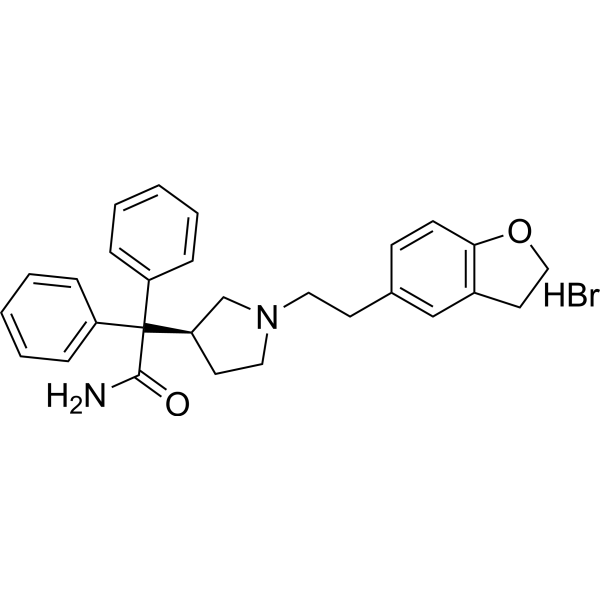
Darifenacin (hydrobromide) (Standard) is the analytical standard of Darifenacin (hydrobromide). This product is intended for research and analytical applications. Darifenacin (hydrobromide) is a selective and orally active M3 muscarinic receptor (M3R) antagonist with a pKi of 8.9. Darifenacin (hydrobromide) binds >20-fold more specifically to M3R than to other muscarinic receptors. Darifenacin (hydrobromide) can be used in the study of urinary incontinence and other symptoms of overactive bladder. Darifenacin (hydrobromide) inhibits tumor growth in colorectal cancer cells and has anti-tumor effects .
|
-
- HY-162873
-
|
|
MEK
Raf
|
Cancer
|
|
MEK/RAF-IN-1 (Compound 16b) is an inhibitor of both MEK and RAF. It shows potent inhibition with IC50 values of 28 nM for MEK1, and 3 nM each for BRAF and BRAFV600E. MEK/RAF-IN-1 demonstrates significant antitumor activity, effectively inhibiting cell proliferation in vitro against MIA PaCa-2 (G12C KRAS), HCT116 (G13D KRAS), and C26 (G12D KRAS) cells. Additionally, it inhibits tumor growth in xenograft mouse models of colorectal cancer .
|
-

- HY-Y0121S1
-
|
|
Isotope-Labeled Compounds
|
Others
|
|
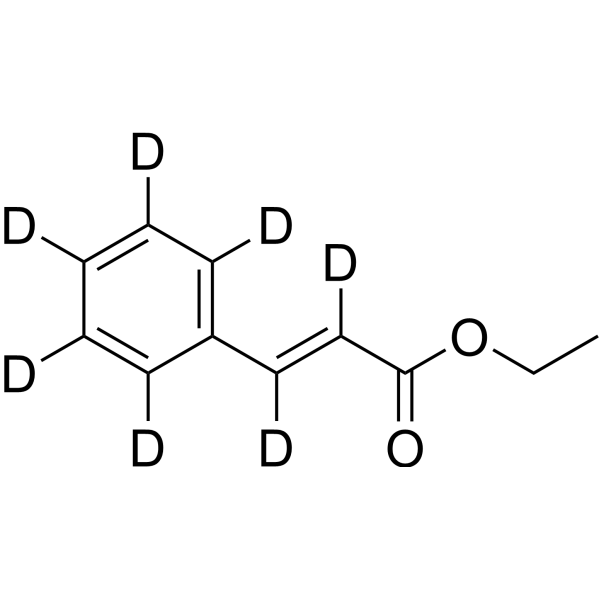
Ethyl cinnamate-d7 is deuterated labeled Ethyl cinnamate (HY-Y0121). Ethyl cinnamate, an orally active chemical constituent of the rhizome of Kaempferia galanga, exhibits anti-cancer, nematocidal, sedative and vasorelaxant activities. Ethyl cinnamate is a fragrance ingredient used as a food flavor and additive for cosmetic products. Ethyl cinnamate is also an excellent clearing reagent for mammalian tissues. Ethyl cinnamate suppresses tumor growth through anti-angiogenesis by attenuating VEGFR2 signal pathway in colorectal cancer. Ethyl cinnamate inhibits the tonic contractions induced by high K+ and phenylephrine (PE) with respective IC50 values of 0.30 mM and 0.38 mM in rat aorta .
|
-
- HY-175547
-
|
|
PROTACs
MAP4K
ERK
Interleukin Related
IFNAR
|
Inflammation/Immunology
Cancer
|
|
PROTAC HPK1 Degrader-5 is a potent and orally active HPK1 PROTAC degrader (DC50 = 5.0 nM; Dmax ≥ 99%). PROTAC HPK1 Degrader-5 significantly inhibits SLP76 phosphorylation and enhanced ERK pathway activation through degrading HPK1, thereby stimulating IL-2 and IFN-γ release. PROTAC HPK1 Degrader-5 exhibits the ability to overcome the immunosuppressive effects imposed by PGE2, NECA or TGF-β. PROTAC HPK1 Degrader-5 alone efficaciously inhibits tumor growth in an MC38 syngeneic mouse model. PROTAC HPK1 Degrader-5 can be used for the study of tumor (such as colorectal cancer) immunotherapy (Pink: Target protein ligand (HY-175549); Blue: E3 ligand (HY-W023573); Black: Linker; E3 ligand + Linker (HY-175551)) .
|
-

- HY-182906
-
|
|
Wee1
CDK
|
Cancer
|
|
XL495 is an potent, selective and orally active PKMYT1 inhibitor. XL495 inhibits CDK1 Thr14 phosphorylation and induces KAP1 Ser824 phosphorylation in xenograft tumors. XL495 reduces tumor growth in colorectal and breast cancer xenograft models, and achieves tumor regression with DNA-damaging agents in colorectal cancer xenograft models. XL495 can be used for the research of cancer, such as breast cancer and colorectal cancer .
|
-

- HY-19272
-
|
|
Nucleoside Antimetabolite/Analog
Asialoglycoprotein Receptor (ASGPR)
|
Cancer
|
|
OGT-719 is a potent, orally active nucleoside analogue that targets the asialoglycoprotein receptor (ASGP-R). OGT-719 inhibits growth of metastatic colorectal tumors in the liver of nude mice. OGT-719 can be used for primary hepatocellular carcinoma and colorectal liver metastases research .
|
-

- HY-183937A
-
|
|
PROTACs
Phosphatase
STAT
|
Cancer
|
|
PD-305 is a selective PTPN2 PROTAC degrader, with DC50 values of 0.25 nM and 5.11 nM against PTPN2 and PTPN1, respectively. PD-305 enhances IFN-γ-induced STAT1 phosphorylation, inhibits the proliferation of IFN-γ-stimulated colorectal cancer cells, promotes CD8 + T cell activation, enhances the tumor-killing activity of T cells, and suppresses tumor growth in mouse models. PD-305 can be used for the research of colorectal cancer .
|
-

- HY-P991969
-
|
|
EGFR
|
Cancer
|
|
LR004 is an EGFR monoclonal antibody, with a Kd of 2.80×10 -9 M against human EGFR. LR004 shows extremely weak inhibitory effect on the viability of EGFR-positive tumor cells in vitro, but inhibits the growth of EGFR-positive tumor xenografts as a single agent. LR004 is applicable to research related to advanced colorectal cancer, solid tumors, esophageal squamous cell carcinoma, epidermoid carcinoma, colon cancer and breast cancer .
|
-

- HY-183328
-
|
|
MNK
Bcl-2 Family
|
Cancer
|
|
MNK1/2-IN-11 is a potent, selective and orally active MNK1/2 inhibitor with MNK1 IC50 of 1.2 nM, MNK2 IC50 of 1.3 nM. MNK1/2-IN-11 reduces eukaryotic translation initiation factor 4E phosphorylation, decreases Mcl-1 and Cyclin D1 expression. MNK1/2-IN-11 inhibits tumor growth in mouse CT26 colorectal tumor models. MNK1/2-IN-11 can be used for the research of colorectal cancer .
|
-

- HY-182802
-
|
|
Ferroptosis
Glutathione Peroxidase
Reactive Oxygen Species (ROS)
Mitochondrial Metabolism
|
Cancer
|
|
Ferroptosis inducer-15 is a ferroptosis inducer. Ferroptosis inducer-15 downregulates GPX4 expression, triggers lipid peroxidation via ROS accumulation, and disrupts mitochondrial membrane potential to drive ferroptosis. Ferroptosis inducer-15 increases splenic CD4 + T cell proportion, promotes CD8 + cytotoxic T cell tumor infiltration, and activates antitumor immune responses. Ferroptosis inducer-15 exerts antiproliferative activity against colorectal cancer cells and inhibits tumor growth in xenograft mice models without significant body weight loss. Ferroptosis inducer-15 can be used for the research of cancer, such as colorectal cancer .
|
-

- HY-181668
-
|
|
ULK
|
Cancer
|
|
ULK1-IN-4 (compound 12i) is a ULK1 inhibitor with an IC50 of 4.7 μM against human ULK1, and it exhibits selectivity for Aurora A/Aurora B kinases. ULK1-IN-4 forms a covalent bond with the thiol group of the Cys182 residue of ULK1, thereby inhibiting the kinase activity of ULK1. ULK1-IN-4 inhibits the growth of colorectal cancer cells and exerts tumor-suppressive activity in a mouse model of colorectal cancer .
|
-

- HY-181076
-
|
|
PI3K
CDK
Apoptosis
|
Cancer
|
|
FOXM1-IN-3 is a potent FOXM1 inhibitor. FOXM1-IN-3 downregulates FOXM1 expression at protein and mRNA levels, suppressing downstream effectors CCNB1 and CDC25. FOXM1-IN-3 induces G2/M cell cycle arrest and apoptosis in colorectal cancer cells. FOXM1-IN-3 inhibits colony formation and cell migration in colorectal cancer cells. FOXM1-IN-3 targets the cancer stem cell phenotype in colorectal cancer cells, reducing cancer stem cell marker expression. FOXM1-IN-3 reduces tumor growth in a zebrafish xenograft model. FOXM1-IN-3 can be used for the research of colorectal cancer .
|
-

- HY-165503
-
|
|
Wnt
β-catenin
|
Cancer
|
|
AZ1366 is an orally active tankyrase inhibitor. AZ1366 stabilizes Axin2, reduces NuMA levels, disrupts the interaction between tankyrase and NuMA, induces G2/M phase arrest, inhibits the Wnt pathway, and downregulates the expression of β-catenin-dependent genes. AZ1366 inhibits tumor growth in colorectal cancer xenograft models. AZ1366 synergistically inhibits the proliferation of non-small cell lung cancer cells, improves tumor control and significantly prolongs survival in orthotopic non-small cell lung cancer mouse models. AZ1366 is applicable to research related to colorectal cancer and non-small cell lung cancer .
|
-

- HY-P992340
-
|
|
Radionuclide-Drug Conjugates (RDCs)
TNF Receptor
|
Cancer
|
|
CTB006 is a monoclonal antibody targeting a humanized chimeric recombinant anti-DR5. CTB006 specifically binds to and activates DR5, thereby inducing tumor cell apoptosis, inhibiting tumor growth and reducing tumor drug resistance. 177Lu-radiolabeled CTB006 can deliver targeted radiotherapy to tumor cells; while 89Zr- or 177Lu-labeled CTB006 can serve as a PET/CT imaging agent for detecting DR5 expression levels in preclinical tumor models and screening cancers with DR5 overexpression. CTB006 can be applied to research related to gastrointestinal cancer, colorectal cancer and other solid tumors .
|
-

- HY-181871
-
|
|
Trk Receptor
Akt
ERK
Apoptosis
|
Cancer
|
|
DZX19 (Compound C02) is an orally active, selective TRK inhibitor with a TRKA IC50 value of 1.32 nM, a TRKB IC50 of 2.28 nM, and a TRKC IC50 of 4.05 nM. DZX19 inhibits the kinase activities of wild-type TRKA, TRKA mutants (G595R, F589L, G667C), wild-type TRKB, and wild-type TRKC, and suppresses the phosphorylation of TRKA as well as its downstream AKT and ERK signaling pathways. DZX19 induces apoptosis. DZX19 inhibits tumor growth in a colorectal cancer xenograft mouse model. DZX19 is applicable for the research of colorectal cancer .
|
-

- HY-181837
-
|
|
IKK
NF-κB
Bcl-2 Family
Reactive Oxygen Species (ROS)
Apoptosis
|
Cancer
|
|
IKKβ-IN-7 is an IKKβ inhibitor with an IC50 value of 9.44 μM. IKKβ-IN-7 induces DNA damage, S-phase cell cycle arrest, ROS accumulation, mitochondrial membrane potential loss, and apoptosis. IKKβ-IN-7 inhibits phosphorylation of p65 and IκBα, suppresses p65 nuclear translocation, and regulates NF-κB-controlled genes. IKKβ-IN-7 suppresses tumor growth in xenograft models and shows activity against colorectal cancer with low normal cell cytotoxicity. IKKβ-IN-7 can be used for the research of colorectal cancer .
|
-

- HY-P991911
-
|
|
Scavenger Receptor Class B type I (SR-BI)
|
Cancer
|
|
PLT012 is a humanized IgG4 antibody targeting CD36. PLT012 inhibits the lipid-binding domain of CD36. PLT012 blocks CD36-mediated metabolic adaptation in regulatory T cells (Tregs) and CD8 + tumor-infiltrating lymphocytes (TILs), thereby inhibiting tumor growth and shifting the tumor microenvironment from immunosuppressive to immunosupportive. PLT012 reduces intratumoral Tregs, enhances CD8 + T cell infiltration and cytotoxic function, and increases the abundance of progenitor-exhausted T cells. PLT012 exerts robust antitumor activity and synergizes with anti-PD-L1 or standard-of-care regimens (anti-VEGF + anti-PD-L1). PLT012 can be used for hepatocellular carcinoma, colorectal cancer and solid tumor research .
|
-

- HY-181484
-
|
|
STING
IKK
IFNAR
Interleukin Related
CXCR
|
Cancer
|
|
STING agonist-50 is an orally active STING agonist with an IC50 of 3.457 μM. STING agonist-50 activates the STING signaling pathway and promotes the phosphorylation of downstream TBK1 and IRF3. STING agonist-50 induces the expression of IFN-β, CXCL10 and IL-6. STING agonist-50 inhibits tumor growth in syngeneic mouse models. STING agonist-50 can be used for the research of colorectal cancer .
|
-

- HY-179374
-
|
|
Aurora Kinase
HDAC
Apoptosis
|
Cancer
|
|
Aurora kinase/HDAC-IN-1 is an orally active dual Aurora kinase and HDAC inhibitor that inhibits Aurora A (IC50 = 116 nM), Aurora B (IC50 = 225 nM), HDAC1 (IC50 = 164 nM), and HDAC2 (IC50 = 346 nM).Aurora kinase/HDAC-IN-1 promotes histone H3 acetylation, inhibits Aurora A phosphorylation and downstream signaling, and induces apoptosis via G2/M cell-cycle arrest. Aurora kinase/HDAC-IN-1 exhibits potent antiproliferative activity in colorectal cancer cells, with an IC50 value of 30.2 nM in HCT-116 cells.Aurora kinase/HDAC-IN-1 significantly suppresses tumor growth in an HCT-116 colorectal cancer xenograft mouse model .
|
-

- HY-181842
-
|
|
PARP
ERK
Apoptosis
|
Cancer
|
|
PARP1/ERK IN-1 is a dual PARP1/ERK inhibitor, with a PARP1 IC50 of 0.9 nM and an ERK2 IC50 of 1.8 nM. PARP1/ERK IN-1 inhibits proliferation and migration of various cancer cell lines, and induces apoptosis and DNA damage. PARP1/ERK IN-1 suppresses tumor growth in mouse models of colorectal cancer, and reduces the expression of Ki‑67, BRCA1 and Rad51. PARP1/ERK IN-1 can be used in the research of colorectal cancer, triple-negative breast cancer and pancreatic cancer .
|
-

- HY-185446
-
|
|
MEK
Pim
ERK
|
Cancer
|
|
KZ-02 is an orally active dual MEK1/Pim-1 kinase inhibitor, with an IC50 of 1.07 nM against MEK1 and an IC50 of 1.34 μM against Pim-1. KZ-02 reduces the phosphorylation levels of ERK and Cdc25C, and promotes the proteasomal degradation of Pim-1 protein. KZ-02 inhibits cancer cell growth and exerts anti-tumor effects. KZ-02 can be used in the research of colorectal cancer .
|
-

- HY-183365
-
|
|
SOS1
Ras
p38 MAPK
ERK
MEK
Apoptosis
|
Cancer
|
|
SL43 is an orally active and potent SOS1 inhibitor with a Kd of 0.16 μM. SL43 disrupts SOS1-KRAS interaction, inhibits SOS1-mediated nucleotide exchange on KRAS mutants, and suppresses RAS-MAPK signaling. SL43 exerts antiproliferative activity against KRAS-mutant cancer cells, induces early apoptosis and G1 phase cell cycle arrest, and reduces phosphorylated MEK and ERK levels. SL43 suppresses tumor growth in a colorectal cancer xenograft model .
|
-

- HY-181793
-
|
|
VEGFR
HDAC
Microtubule/Tubulin
|
Cancer
|
|
VEGFR2/HDAC-IN-1 is a dual selective enzymatic inhibitor of VEGFR2 kinase and HDAC6 with oral activity. VEGFR2/HDAC-IN-1 has an IC50 of 19.19 nM for VEGFR2 and 0.165 μM for HDAC6. VEGFR2/HDAC-IN-1 increases α-tubulin acetylation, exerts antiproliferative effects, inhibits tumor growth, and exhibits antiangiogenic activity. VEGFR2/HDAC-IN-1 can be used for the research of colorectal carcinoma and hepatocellular carcinoma .
|
-

- HY-182016
-
|
|
PROTACs
ATM/ATR
Checkpoint Kinase (Chk)
Apoptosis
DNA/RNA Synthesis
Caspase
Bcl-2 Family
MDM-2/p53
|
Cancer
|
|
PROTAC ATR degrader-3 is a potent CRBN-based ATR PROTAC degrader with a DC50 of 127 nM. PROTAC ATR degrader-3 also degrades CHK1 with an DC50 of 135 nM. PROTAC ATR degrader-3 inhibits cancer cells proliferation, migration and invasion, triggers apoptosis and induces S phase arrest and DNA damage. PROTAC ATR degrader-3 achieves tumor growth inhibition in LoVo xenograft mouse model without apparent toxicity. PROTAC ATR degrader-3 can be used for the research of colorectal cancer .
|
-

- HY-180885S
-
|
|
Ras
ERK
|
Cancer
|
|
KRAS G12D-IN-35 (example 7) is a potent and orally active KRAS G12D inhibitor. KRAS G12D-IN-35 suppresses p-ERK in AGS cells and potently inhibits the proliferation of various KRAS G12D-mutant cancer cell lines. KRAS G12D-IN-35 inhibits tumor growth in HPAC and GP2D mouse models. KRAS G12D-IN-35 can be used for cancer research, such as pancreatic and colorectal cancer .
|
-

- HY-183674
-
|
|
Molecular Glues
MEK
Raf
PERK
Ras
p38 MAPK
Apoptosis
|
Cancer
|
|
MEK-IN-10 is an orally active pan-MEK/RAF non-degrading molecular glue with an IC50 of 782 nM against human MEK1. MEK-IN-10 blocks the phosphorylation of MEK and ERK, induces and stabilizes the MEK1-RAF complex, and disrupts the RAS-MAPK signaling pathway. MEK-IN-10 induces apoptosis in cancer cells and arrests cells at the G0/G1 phase. MEK-IN-10 induces tumor growth inhibition in mouse xenograft models. MEK-IN-10 can be used in the research of RAS-driven cancers, such as colorectal cancer and pancreatic cancer .
|
-

- HY-184119
-
|
IM502
|
PI3K
STAT
PD-1/PD-L1
Endogenous Metabolite
|
Inflammation/Immunology
Cancer
|
|
Pabgraminone C (IM502) is a Fungal metabolite and PI3Kγ inhibitor with an IC50 of 61.7 nM against PI3Kγ. Pabgraminone C shifts the STAT signaling pathway in cells from an immunosuppressive STAT3/STAT6-dominant profile to an immunostimulatory STAT1/STAT2-dominant profile, driving cells toward a pro-inflammatory phenotype. Pabgraminone C reprograms cells from an immunosuppressive state to an immunostimulatory state, reversing their suppressive effect on anti-tumor immunity. Pabgraminone C inhibits established tumor growth and metastasis across multiple cancer types. Pabgraminone C overcomes resistance to PD-1 checkpoint blockade strategies. Pabgraminone C can be used in research related to liver cancer, melanoma, and colorectal cancer .
|
-

- HY-182759
-
|
|
DNA Alkylator/Crosslinker
Topoisomerase
Caspase
Bcl-2 Family
Apoptosis
|
Cancer
|
|
MN33-47 is a multi-target anti-tumor compound with broad-spectrum anti-proliferative activity. MN33-47 relieves the inhibition of the mitochondrial apoptosis pathway by downregulating the anti-apoptotic protein Bcl-2, while activating caspase-3 and inhibiting Topoisomerase I activity, thereby promoting its degradation through the ubiquitin-proteasome and autophagy-lysosome pathways. MN33-47 can also induce DNA cross-linking and G2/M cell cycle arrest, inhibit cancer cell migration and activate the mitochondrial apoptosis pathway, thus exerting potent anti-tumor effects. MN33-47 can improve the water solubility of SN-38 (HY-13704), and exhibits dose-dependent tumor growth inhibition effects in CT26 tumor-bearing mouse models without obvious toxic and side effects. MN33-47 can be used in related studies on colorectal adenocarcinoma, cervical adenocarcinoma, hepatocellular carcinoma, alveolar basal epithelial adenocarcinoma, gastric cancer and colon cancer .
|
-

- HY-179501
-
|
|
PDK-1
Reactive Oxygen Species (ROS)
Apoptosis
Oxidative Phosphorylation
|
Cancer
|
|
PDK1-IN-5 is a selective PDK1 inhibitor. PDK1-IN-5 activaties PDH by diminishing phosphorylation level via PDK1 inhibition. PDK1-IN-5 effectively reverses the Warburg effect and shifts cellular energy metabolism from glycolysis toward oxidative phosphorylation by increased acetyl-CoA, reduced lactate, elevated mitochondrial ROS, and subsequent induction of apoptosis. PDK1-IN-5 robustly inhibits tumor growth in vivo without inducing systemic toxicity. PDK1-IN-5 can be used for lung adenocarcinoma, human non-small cell lung adenocarcinoma and gastric colorectal .
|
-

- HY-181284
-
|
|
G-quadruplex
DNA/RNA Synthesis
Ras
PI3K
Akt
ERK
Caspase
Apoptosis
|
Cancer
|
|
BYBC‑1 is a selective G4‑RNA‑targeting ligand with high affinity forKRAS and NRAS G4‑RNAs (Kd = 0.05-0.28 μM). BYBC‑1 stabilizes G4‑RNA structures in KRAS and NRAS mRNA, blocks thePI3K/AKT and MAPK/ERK pathways, activates the DNA damage response (DDR), suppresses energy metabolism, and induces S‑phase arrest and apoptosis. BYBC‑1 exhibits high selectivity over non‑malignant fibroblasts and significantly inhibits the growth of HCT‑116 xenograft tumors in vivo. BYBC‑1 can be used for the study of colorectal cancer .
|
-

- HY-181272
-
|
|
MMP
Caspase
Apoptosis
|
Cancer
|
|
MMP-9-IN-14 is a MMP-9 inhibitor (IC50 = 34.46 μM). MMP-9-IN-14 induces G1-phase cell cycle arrest and caspase-dependent apoptosis in cancer cells. MMP-9-IN-14 promotes the accumulation of phosphorylated γH2AX. MMP-9-IN-14 inhibits the migration and invasion of cancer cells, and downregulates the expressions of MMP-2, MMP-9 and hTERT in cancer cells. MMP-9-IN-14 inhibits tumor growth and angiogenic spread in animal models. MMP-9-IN-14 can be used for the research of cancers such as lung adenocarcinoma, cervical cancer and colorectal cancer .
|
-

- HY-179439
-
|
|
COX
VEGFR
HIF/HIF Prolyl-Hydroxylase
Caspase
Bcl-2 Family
Apoptosis
MMP
|
Cancer
|
|
Multi-kinase-IN-8 is a muti-kinase inhibitor. Multi-kinase-IN-8 inhibits COX-1 (IC50 of 12.6 μM), COX-2 (IC50 of 0.05 μM) and VEGFR-2 (IC50 of 0.12 nM). Multi-kinase-IN-8 inhibits tumor-associated carbonic anhydrases (CA IX and CA XII with Ki of 31.5 nM and 386.9 nM, respectively). Multi-kinase-IN-8 triggers cell cycle arrest and apoptosis through upregulation of Caspase 9 and Bax along with downregulation of Bcl 2. Multi-kinase-IN-8 suppresses PGE2, p-VEGFR-2, MMP-9 and HIF-1α and exhibits growth-inhibitory activity against breast cancer, lung cancer, and colorectal adenocarcinoma .
|
-

- HY-180119
-
|
|
IKK
NF-κB
Autophagy
|
Cancer
|
|
IKKβ-IN-5 is an orally active and selective IKKβ inhibitor with an IC50 of 7.5 nM. IKKβ-IN-5 directly inhibits IKKβ phosphorylation and attenuates NF κB mediated inflammatory and survival signals while promoting autophagy flux. IKKβ-IN-5 exhibits a 6-fold selectivity forIKKβ over the homologous kinase IKKα. IKKβ-IN-5 exerts robust antiproliferative effects through a dual mechanism involving G₂/M phase cell cycle arrest and autophagy activation, even under inflammatory stimulation in vitro. IKKβ-IN-5 demonstrates favorable pharmacokinetics and suppresses tumor growth in vivo. IKKβ-IN-5 can be used for colorectal cancer and potentially other inflammation driven malignancies research .
|
-

- HY-182760
-
|
|
DNA Alkylator/Crosslinker
Bcl-2 Family
Caspase
Apoptosis
Topoisomerase
|
Cancer
|
|
MN33-63 is a Bcl-2 inhibitor, caspase-3 activator and DNA crosslinker with broad-spectrum anticancer activity. MN33-63 improves the water solubility of SN-38 (HY-13704), inhibits tumor growth and proliferation in a dose-dependent manner, and causes no obvious toxicity. MN33-63 relieves the inhibition of the mitochondrial apoptotic pathway, initiates the apoptosis program, inhibits Topo I activity, and promotes its degradation via the ubiquitin-proteasome and autophagy-lysosome pathways. MN33-63 induces DNA crosslinking, G2/M cell cycle arrest, inhibition of cancer cell migration, and cancer cell apoptosis through the mitochondrial pathway. MN33-63 can be used in the research of colorectal cancer, cervical cancer, hepatocellular carcinoma, lung adenocarcinoma and gastric cancer .
|
-

- HY-181758
-
|
|
PROTACs
Epigenetic Reader Domain
Histone Acetyltransferase
c-Myc
Apoptosis
|
Cancer
|
|
PROTAC CBP/p300/BRD4 Degrader-1 is a dual-target PROTAC degrader with DC50 values of 8.8 pM (BRD4), 6.55 nM (CBP), and 1.05 nM (p300). PROTAC CBP/p300/BRD4 Degrader-1 induces CRBN- and proteasome-dependent degradation of BRD4 and CBP/p300, downregulates c-Myc and acetyl-H3K27, induces apoptosis. PROTAC CBP/p300/BRD4 Degrader-1 acts as an antiproliferative and antitumor agent, induces tumor growth inhibition in xenograft models. PROTAC CBP/p300/BRD4 Degrader-1 can be used for the research of prostate cancer and colorectal cancer .
|
-

- HY-175870A
-
|
|
Ras
ERK
|
Cancer
|
|
(7R)-Eras-4001 is an orally active KRAS mutant inhibitor with remarkable selectivity for H-RAS and N-RAS. (7R)-Eras-4001 effectively suppresses cancer cell viability by blocking downstream signaling pathways mediated by RAF family proteins, inhibiting the formation of the KRAS G12D-RAF1 RBD complex and the phosphorylation of ERK1/2. (7R)-Eras-4001 induces tumor growth inhibition and regression in a dose-dependent manner, and also reduces plasma ERK1/2 phosphorylation levels. (7R)-Eras-4001 exerts a synergistic effect with anti-PD-1 Cetuximab (HY-P9905). (7R)-Eras-4001 can be used in research on non-small cell lung cancer, pancreatic cancer, colorectal cancer, and ovarian cancer .
|
-

- HY-N0660R
-
|
|
Reference Standards
ERK
p38 MAPK
Akt
PI3K
11β-HSD
STING
VEGFR
Ferroptosis
Autophagy
Apoptosis
Keap1-Nrf2
Caspase
PARP
AMPK
|
Neurological Disease
Metabolic Disease
Inflammation/Immunology
Cancer
|
|
Jujuboside B (Standard) is the analytical standard of Jujuboside B. This product is intended for research and analytical applications. Jujuboside B is a bioactive saponin component isolated from Ziziphi Spinosae Semen (sour jujube seed), with oral efficacy and blood-brain barrier permeability. Jujuboside B induces acute leukemia cell death and drives necroptosis apoptosis by activating the RIPK1/RIPK3/MLKL pathway. Jujuboside B upregulates the expression of NOXA, PARP and caspase-3, activates AMPK, inhibits the proliferation of breast cancer cells, and induces cell apoptosis and autophagy. Jujuboside B inhibits angiogenesis and tumor growth by blocking the VEGFR-2 signaling pathway. Jujuboside B alleviates liver injury in mice by regulating the Nrf2-STING signaling pathway . Jujuboside B alleviates liver injury by regulating anti-inflammatory responses and downregulating the expression of 11β-HSD2. Jujuboside B induces ferroptosis and overcomes radioresistance in non-small cell lung cancer via the PPARγ-ATF3-Gpx4 signaling pathway. Jujuboside B exerts inhibitory effects on platelet aggregation. Jujuboside B inhibits febrile seizures by suppressing the activity of AMPA receptors. Jujuboside B reverses chronic unpredictable mild stress-promoted tumor progression by blocking the PI3K/Akt and MAPK/ERK pathways and dephosphorylating CREB signaling. Jujuboside B is applicable to related studies on acute leukemia, breast cancer, PM2.5-induced lung injury, hepatotoxicity, liver injury, colorectal cancer, non-small cell lung cancer, thromboembolic diseases, cardiovascular diseases associated with high platelet aggregation, febrile seizures, and depressive-like phenotypes.
|
-

- HY-P992130
-
|
TQB2102 Antibody
|
ADC Antibody
EGFR
|
Cancer
|
|
Rolditamig (TQB2102 Antibody) is a recombinant humanized anti-human epidermal growth factor receptor 2 (HER2) antibody. Rolditamig can be conjugated with an enzyme-cleavable linker and a topoisomerase I inhibitor to form the ADC TQB2102. Rolditamig is applicable to research on solid tumors such as HER2-positive breast cancer .
|
-

-
- HY-172820
-
|
DP303c
|
Fluorescent Dyes
|
|
Trastuzumab envedotin (DP303c) is a anti-human epidermal growth factor receptor 2 (HER2) antibody-drug conjugate (ADC). Trastuzumab envedotin is composed of the tubulin polymerization inhibitor Monomethyl auristatin E (MMAE) (HY-15162) to the anti-HER2 antibody DP001 via a cleavable linker. Trastuzumab envedotin can be used for the research of HER2-positive solid tumors, such as breast cancer, colorectal cancer, and gastric cancer .
|
| Cat. No. |
상품명 |
Target |
Research Area |
Image |
-
- HY-P99275
-
|
AMG-888; U3-1287
|
EGFR
Akt
ERK
PARP
Survivin
|
Cancer
|
|
Patritumab (Human Anti-ERBB3 Recombinant Antibody) is a neutralizing monoclonal antibody to ERBB3. Patritumab shows a synergy with Cetuximab (HY-P9905), potently inhibits the phosphorylation of EGFR, HER2, HER3, ERK, and AKT. Patritumab also induces cell apoptosis and suppresses the growth of pancreatic, non-small cell lung cancer, and colorectal cancer xenograft tumors .
|
-

(5)
-
- HY-P991621
-
|
EOS-215
|
TREM receptor
|
Cancer
|
|
EOS006215 (EOS-215) is a humanized monoclonal antibody targeting TREM-2. EOS006215 competes with TREM2 ligands, prevents TREM2 multimerization, and blocks downstream signaling. EOS006215 inhibits efferocytosis, reprograms transcriptomic profiles of monocyte-derived macrophages, alters metabolism and immune response genes, and increases pro-inflammatory marker secretion. EOS006215 reduces metastasis burden, delays tumor growth, and reprograms the tumor microenvironment to overcome anti-PD-1 resistance. EOS006215 can be used for the research of triple negative breast cancer and colorectal cancer .
|
-
(5)
-
- HY-P99852
-
|
ABT165; PR1283233
|
VEGFR
Notch
|
Cancer
|
|
Dilpacimab (ABT165) is a bispecific variable domain immunoglobulin. Dilpacimab binds to and inhibits DLL4 and VEGF and acts as a tumor growth inhibitor. Dilpacimab can be used in research related to metastatic colorectal cancer and advanced solid tumors .
|
-
(5)
-
- HY-P991646
-
|
heMab
|
Transmembrane Glycoprotein
|
Cancer
|
|
ING-1 (heMab) is a high-affinity humanized monoclonal antibody against epithelial cell adhesion molecule (Ep-CAM). ING-1 is a transmembrane glycoprotein mediating Ca 2+. ING-1 binds to Ep-CAM on tumor cells and exhibits potent in vitro activity, targeting and inhibiting tumor growth and metastasis in mouse cancer models. ING-1 is useful in the research of breast, colorectal, and lung cancers, among other cancers .
|
-
(5)
-
- HY-P991572
-
|
|
EGFR
|
Cancer
|
|
MM-151 is a humanized IgG1 monoclonal antibody targeting EGFR. MM-151 binds multiple regions of the EGFR extracellular domain (ECD) and reduces its mutations in circulating cell-free tumor DNA with EGFR resistance. MM-151 significantly inhibits EGFR signaling and cell growth. MM-151 can be used for drug-resistant cancers research, such as colorectal, non-small cell lung and triple negative breast cancer .
|
-
(5)
-
- HY-P991433
-
|
|
TNF Receptor
|
Cancer
|
|
BIIB036 is a human IgG1 monoclonal antibody (mAb) targeting TNFRSF12A/Fn14. BIIB036 inhibits the growth of patient-derived primary colorectal tumors in SCID mice .
|
-
(5)
-
- HY-P990082
-
|
APX-003; BD-0801
|
VEGFR
|
Cancer
|
|
Suvemcitug is a humanized IgG1κ antibody targeting VEGF with antiangiogenic activity. Suvemcitug selectively binds to and blocks VEGFA from binding to VEGFR1 and 2, thereby inhibiting its activities and preventing tumor angiogenesis and ultimately suppressing tumor growth and metastasis. Suvemcitug can be used for the study of colorectal cancer .
|
-
(5)
-
- HY-P991969
-
|
|
EGFR
|
Cancer
|
|
LR004 is an EGFR monoclonal antibody, with a Kd of 2.80×10 -9 M against human EGFR. LR004 shows extremely weak inhibitory effect on the viability of EGFR-positive tumor cells in vitro, but inhibits the growth of EGFR-positive tumor xenografts as a single agent. LR004 is applicable to research related to advanced colorectal cancer, solid tumors, esophageal squamous cell carcinoma, epidermoid carcinoma, colon cancer and breast cancer .
|
-
(5)
-
- HY-P992340
-
|
|
Radionuclide-Drug Conjugates (RDCs)
TNF Receptor
|
Cancer
|
|
CTB006 is a monoclonal antibody targeting a humanized chimeric recombinant anti-DR5. CTB006 specifically binds to and activates DR5, thereby inducing tumor cell apoptosis, inhibiting tumor growth and reducing tumor drug resistance. 177Lu-radiolabeled CTB006 can deliver targeted radiotherapy to tumor cells; while 89Zr- or 177Lu-labeled CTB006 can serve as a PET/CT imaging agent for detecting DR5 expression levels in preclinical tumor models and screening cancers with DR5 overexpression. CTB006 can be applied to research related to gastrointestinal cancer, colorectal cancer and other solid tumors .
|
-
(5)
-
- HY-P991911
-
|
|
Scavenger Receptor Class B type I (SR-BI)
|
Cancer
|
|
PLT012 is a humanized IgG4 antibody targeting CD36. PLT012 inhibits the lipid-binding domain of CD36. PLT012 blocks CD36-mediated metabolic adaptation in regulatory T cells (Tregs) and CD8 + tumor-infiltrating lymphocytes (TILs), thereby inhibiting tumor growth and shifting the tumor microenvironment from immunosuppressive to immunosupportive. PLT012 reduces intratumoral Tregs, enhances CD8 + T cell infiltration and cytotoxic function, and increases the abundance of progenitor-exhausted T cells. PLT012 exerts robust antitumor activity and synergizes with anti-PD-L1 or standard-of-care regimens (anti-VEGF + anti-PD-L1). PLT012 can be used for hepatocellular carcinoma, colorectal cancer and solid tumor research .
|
-
(5)
-
- HY-P992130
-
|
TQB2102 Antibody
|
ADC Antibody
EGFR
|
Cancer
|
|
Rolditamig (TQB2102 Antibody) is a recombinant humanized anti-human epidermal growth factor receptor 2 (HER2) antibody. Rolditamig can be conjugated with an enzyme-cleavable linker and a topoisomerase I inhibitor to form the ADC TQB2102. Rolditamig is applicable to research on solid tumors such as HER2-positive breast cancer .
|
-
(5)
| Cat. No. |
상품명 |
Category |
Target |
Chemical Structure |
-
- HY-N0660
-
|
|
Cardiovascular Disease
Triterpenes
Structural Classification
other families
Classification of Application Fields
Terpenoids
Plants
Disease Research Fields
Source Classification
|
Apoptosis
PARP
Caspase
AMPK
Autophagy
VEGFR
Keap1-Nrf2
STING
11β-HSD
Ferroptosis
PI3K
Akt
p38 MAPK
ERK
|
|
Jujuboside B is a bioactive saponin component isolated from Ziziphi Spinosae Semen (sour jujube seed), with oral efficacy and blood-brain barrier permeability. Jujuboside B induces acute leukemia cell death and drives necroptosis apoptosis by activating the RIPK1/RIPK3/MLKL pathway. Jujuboside B upregulates the expression of NOXA, PARP and caspase-3, activates AMPK, inhibits the proliferation of breast cancer cells, and induces cell apoptosis and autophagy. Jujuboside B inhibits angiogenesis and tumor growth by blocking the VEGFR-2 signaling pathway. Jujuboside B alleviates liver injury in mice by regulating the Nrf2-STING signaling pathway . Jujuboside B alleviates liver injury by regulating anti-inflammatory responses and downregulating the expression of 11β-HSD2. Jujuboside B induces ferroptosis and overcomes radioresistance in non-small cell lung cancer via the PPARγ-ATF3-Gpx4 signaling pathway. Jujuboside B exerts inhibitory effects on platelet aggregation. Jujuboside B inhibits febrile seizures by suppressing the activity of AMPA receptors. Jujuboside B reverses chronic unpredictable mild stress-promoted tumor progression by blocking the PI3K/Akt and MAPK/ERK pathways and dephosphorylating CREB signaling. Jujuboside B is applicable to related studies on acute leukemia, breast cancer, PM2.5-induced lung injury, hepatotoxicity, liver injury, colorectal cancer, non-small cell lung cancer, thromboembolic diseases, cardiovascular diseases associated with high platelet aggregation, febrile seizures, and depressive-like phenotypes .
|
-
-
- HY-Y0121
-
-
-
- HY-N1976
-
|
(3R,8S)-Falcarindiol; 3(R),8(S),9(Z)-Falcarindiol
|
Infection
Structural Classification
Natural Products
Classification of Application Fields
Decachaeta ovatifolia (DC.) R.M.King & H.Rob.
Umbelliferae
Plants
Inflammation/Immunology
Disease Research Fields
Source Classification
|
|
|
(+)-(3R,8S)-Falcarindiol ((3R,8S)-Falcarindiol; 3 (R),8 (S),9 (Z)-Falcarindiol) is an orally active polyacetylene anti-mycobacterial agent. (+)-(3R,8S)-Falcarindiol exhibits antibacterial activity against Gram-positive bacteria, Gram-negative bacteria and mycobacteria. Co-administration of (+)-(3R,8S)-Falcarindiol with (3R)-falcarinol alters the composition of gut microbiota, reduces colonic tumor lesions and slows down polyp growth. (+)-(3R,8S)-Falcarindiol can be used in research related to tuberculosis and colorectal cancer .
|
-
-
- HY-N13009
-
|
|
Phenols
Polyphenols
Morus alba L.
Plants
Moraceae
Source Classification
|
Raf
HIF/HIF Prolyl-Hydroxylase
ERK
MEK
Reactive Oxygen Species (ROS)
Apoptosis
Caspase
|
|
MO-2097 is a RAF-1/HIF-1α inhibitor. MO-2097 induces RAF-1 destabilization, leading to a reduction in
EMT-associated transcription factors and mesenchymal markers. MO-2097 inhibits HIF-1a protein expression mediated by hnRNPA2B1 under hypoxic and mimetic hypoxia. MO-2097 induces mitochondrial ROS, which leads to apoptosis in cells. MO-2097 effectively suppresses colorectal cancer metastasis by inhibiting the RAF/MEK/ERK signaling pathway. MO-2097 attenuates tumor growth in a xenograft HCT116 cell mouse model. MO-2097 can be used for the study of colorectal cancer .
|
-
-
- HY-N3001
-
-
-
- HY-Y0121R
-
|
|
Structural Classification
Kaempferia galanga L.
Microorganisms
Other Phenylpropanoids
Phenylpropanoids
Plants
Source Classification
Zingiberaceae
|
Reference Standards
Parasite
VEGFR
Apoptosis
|
|
Ethyl cinnamate (Standard) is the analytical standard of Ethyl cinnamate. This product is intended for research and analytical applications. Ethyl cinnamate, an orally active chemical constituent of the rhizome of Kaempferia galanga, exhibits anti-cancer, nematocidal, sedative and vasorelaxant activities. Ethyl cinnamate is a fragrance ingredient used as a food flavor and additive for cosmetic products. Ethyl cinnamate is also an excellent clearing reagent for mammalian tissues. Ethyl cinnamate suppresses tumor growth through anti-angiogenesis by attenuating VEGFR2 signal pathway in colorectal cancer. Ethyl cinnamate inhibits the tonic contractions induced by high K+ and phenylephrine (PE) with respective IC50 values of 0.30 mM and 0.38 mM in rat aorta .
|
-
-
- HY-N0660R
-
|
|
Triterpenes
Structural Classification
other families
Terpenoids
Plants
Source Classification
|
Reference Standards
ERK
p38 MAPK
Akt
PI3K
11β-HSD
STING
VEGFR
Ferroptosis
Autophagy
Apoptosis
Keap1-Nrf2
Caspase
PARP
AMPK
|
|
Jujuboside B (Standard) is the analytical standard of Jujuboside B. This product is intended for research and analytical applications. Jujuboside B is a bioactive saponin component isolated from Ziziphi Spinosae Semen (sour jujube seed), with oral efficacy and blood-brain barrier permeability. Jujuboside B induces acute leukemia cell death and drives necroptosis apoptosis by activating the RIPK1/RIPK3/MLKL pathway. Jujuboside B upregulates the expression of NOXA, PARP and caspase-3, activates AMPK, inhibits the proliferation of breast cancer cells, and induces cell apoptosis and autophagy. Jujuboside B inhibits angiogenesis and tumor growth by blocking the VEGFR-2 signaling pathway. Jujuboside B alleviates liver injury in mice by regulating the Nrf2-STING signaling pathway . Jujuboside B alleviates liver injury by regulating anti-inflammatory responses and downregulating the expression of 11β-HSD2. Jujuboside B induces ferroptosis and overcomes radioresistance in non-small cell lung cancer via the PPARγ-ATF3-Gpx4 signaling pathway. Jujuboside B exerts inhibitory effects on platelet aggregation. Jujuboside B inhibits febrile seizures by suppressing the activity of AMPA receptors. Jujuboside B reverses chronic unpredictable mild stress-promoted tumor progression by blocking the PI3K/Akt and MAPK/ERK pathways and dephosphorylating CREB signaling. Jujuboside B is applicable to related studies on acute leukemia, breast cancer, PM2.5-induced lung injury, hepatotoxicity, liver injury, colorectal cancer, non-small cell lung cancer, thromboembolic diseases, cardiovascular diseases associated with high platelet aggregation, febrile seizures, and depressive-like phenotypes.
|
-
| Cat. No. |
상품명 |
Chemical Structure |
-
- HY-176785S
-
|
|
|
MCB-294 is a dual-state pan-KRAS inhibitor that selectively inhibits KRAS over NRAS and HRAS. MCB-294 capable of binding both the active (GTP-bound) and inactive (GDP-bound) forms of KRAS with Kds of approximately 1 pM and 10 nM, respectively. MCB-294 broadly impairs the growth of hTERT-HPNE cells expressing G12D, G12C, G12V, G12S, G13D, and wild-type KRAS, with IC50s of approximately 700 nM. MCB-294 induces irreversible apoptosis in KRAS-mutated tumors. MCB-294 effectively suppress KRAS G12C inhibitor-resistant cancer cells and remodel the tumor immune microenvironment. MCB-294 can be used for the study of pancreatic cancer, colorectal cancer and lung cancer .
|
-
-
- HY-Y0121S1
-
|
|
|
Ethyl cinnamate-d7 is deuterated labeled Ethyl cinnamate (HY-Y0121). Ethyl cinnamate, an orally active chemical constituent of the rhizome of Kaempferia galanga, exhibits anti-cancer, nematocidal, sedative and vasorelaxant activities. Ethyl cinnamate is a fragrance ingredient used as a food flavor and additive for cosmetic products. Ethyl cinnamate is also an excellent clearing reagent for mammalian tissues. Ethyl cinnamate suppresses tumor growth through anti-angiogenesis by attenuating VEGFR2 signal pathway in colorectal cancer. Ethyl cinnamate inhibits the tonic contractions induced by high K+ and phenylephrine (PE) with respective IC50 values of 0.30 mM and 0.38 mM in rat aorta .
|
-
-
- HY-180885S
-
|
|
|
KRAS G12D-IN-35 (example 7) is a potent and orally active KRAS G12D inhibitor. KRAS G12D-IN-35 suppresses p-ERK in AGS cells and potently inhibits the proliferation of various KRAS G12D-mutant cancer cell lines. KRAS G12D-IN-35 inhibits tumor growth in HPAC and GP2D mouse models. KRAS G12D-IN-35 can be used for cancer research, such as pancreatic and colorectal cancer .
|
-
| Cat. No. |
상품명 |
|
Classification |
-
- HY-176785S
-
|
|
|
Alkynes
|
|
MCB-294 is a dual-state pan-KRAS inhibitor that selectively inhibits KRAS over NRAS and HRAS. MCB-294 capable of binding both the active (GTP-bound) and inactive (GDP-bound) forms of KRAS with Kds of approximately 1 pM and 10 nM, respectively. MCB-294 broadly impairs the growth of hTERT-HPNE cells expressing G12D, G12C, G12V, G12S, G13D, and wild-type KRAS, with IC50s of approximately 700 nM. MCB-294 induces irreversible apoptosis in KRAS-mutated tumors. MCB-294 effectively suppress KRAS G12C inhibitor-resistant cancer cells and remodel the tumor immune microenvironment. MCB-294 can be used for the study of pancreatic cancer, colorectal cancer and lung cancer .
|
Your information is safe with us. * Required Fields.
Inquiry Information
- 상품명:
- Cat. No.:
- 수량:
- MCE Japan Authorized Agent:








