



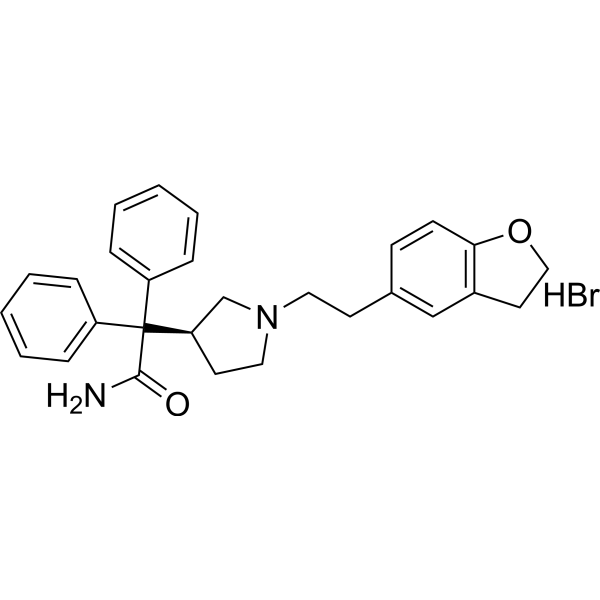
Darifenacin hydrobromide (Standard)
Darifenacin (hydrobromide) (Standard) is the analytical standard of Darifenacin (hydrobromide). This product is intended for research and analytical applications. Darifenacin (hydrobromide) is a selective and orally active M3 muscarinic receptor (M3R) antagonist with a pKi of 8.9. Darifenacin (hydrobromide) binds >20-fold more specifically to M3R than to other muscarinic receptors. Darifenacin (hydrobromide) can be used in the study of urinary incontinence and other symptoms of overactive bladder. Darifenacin (hydrobromide) inhibits tumor growth in colorectal cancer cells and has anti-tumor effects.
For research use only. We do not sell to patients.
- Purity : 98%
- CAS No.: 133099-07-7
- Formula: C28H31BrN2O2
- Molecular Weight:507.46
-
Storage:
Please store the product under the recommended conditions in the Certificate of Analysis.

To place orders, for customer services and technical support, please contact: MedChemExpress USA
Tel: 609-228-6898 E-mail: [email protected] [email protected]


-
 Product Information
-
Chemical Information
- Purity & Documentation
-
 Help & FAQs


-
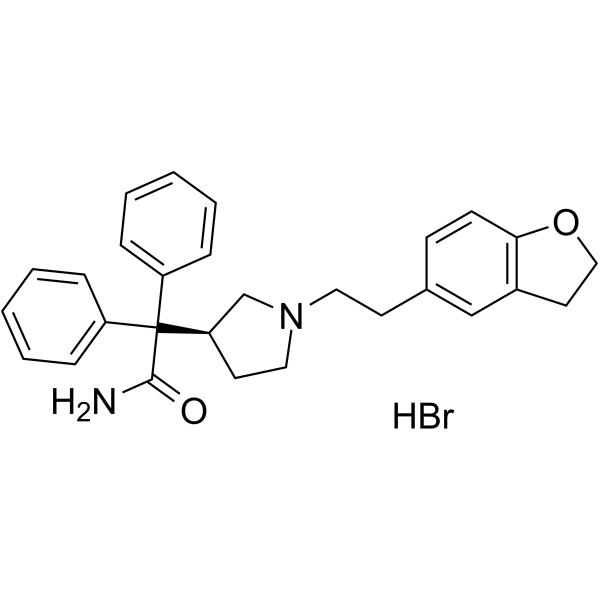
HY-A0012
Darifenacin hydrobromideM3 Muscarinic Receptor Antagonist -
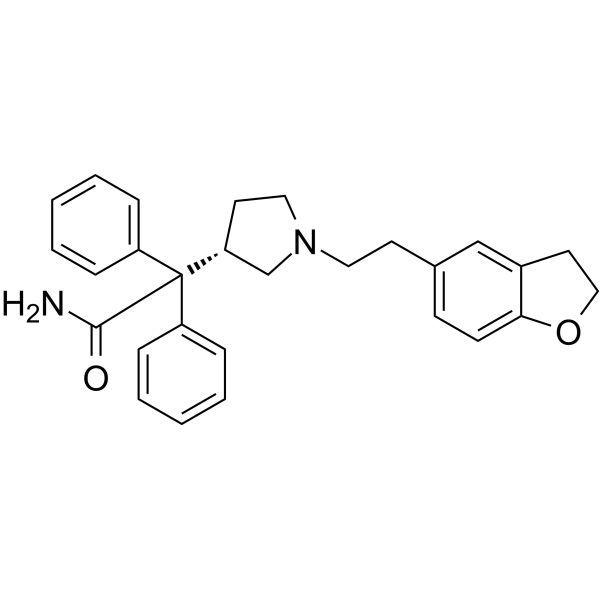
HY-A0033
DarifenacinM3 Muscarinic Receptor Antagonist -
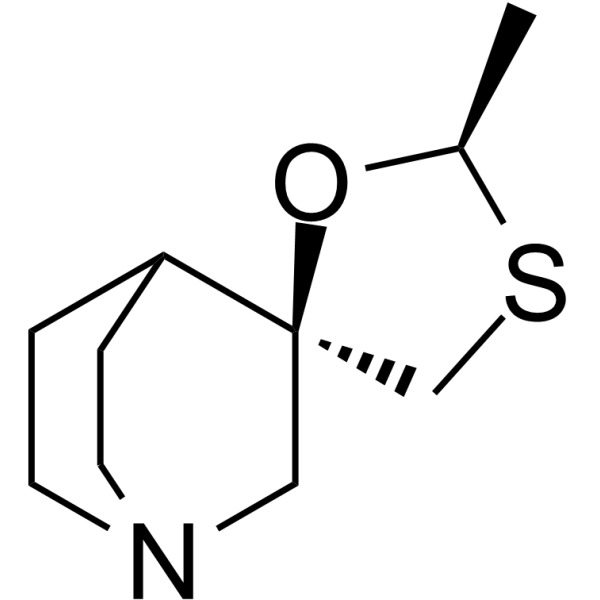
HY-70020
CevimelineMuscarinic M1/M3 Receptor Agonist -
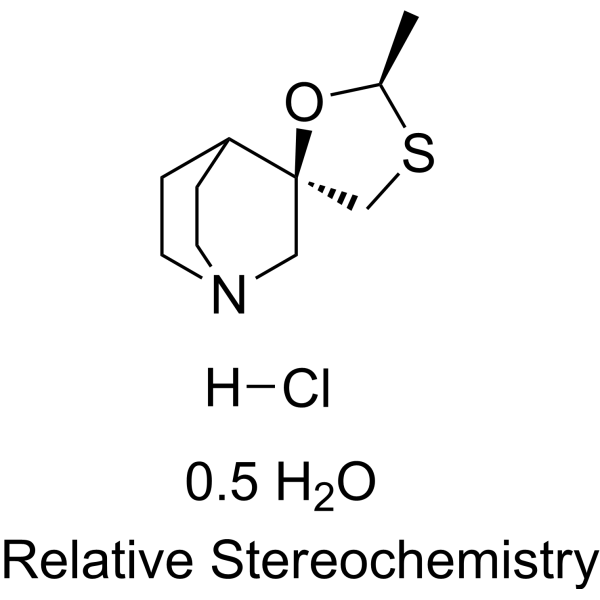
HY-76772
Cevimeline hydrochloride hemihydrateMuscarinic M1/M3 Receptor Agonist -
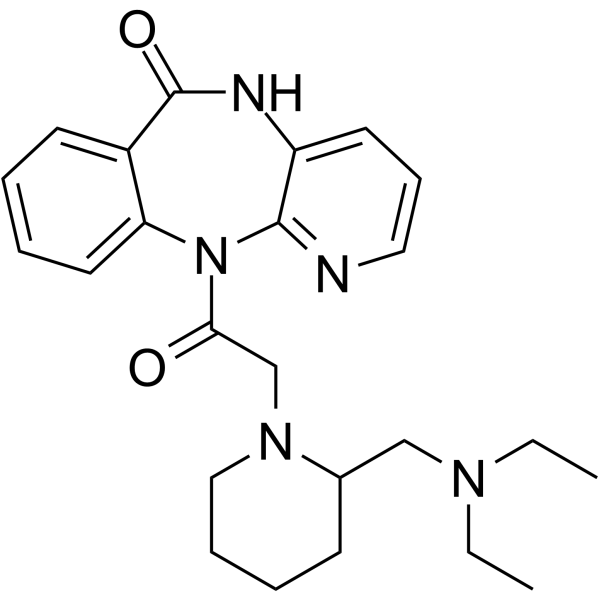
HY-101381
OtenzepadmAChR Antagonist -
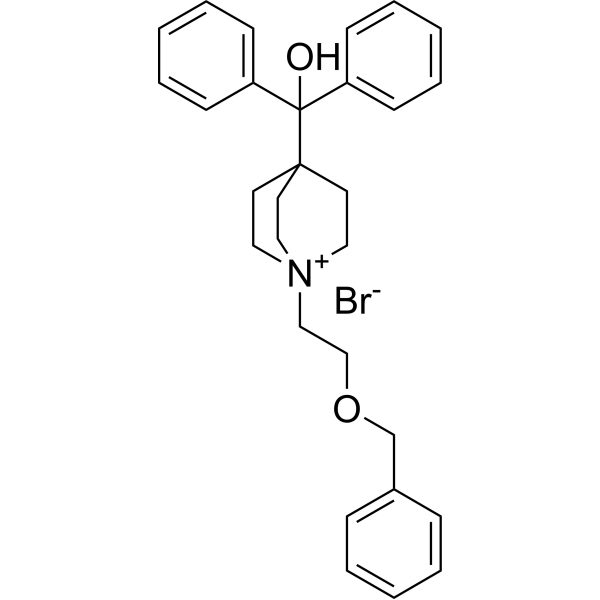
HY-12100
Umeclidinium bromidemAChR Antagonist -
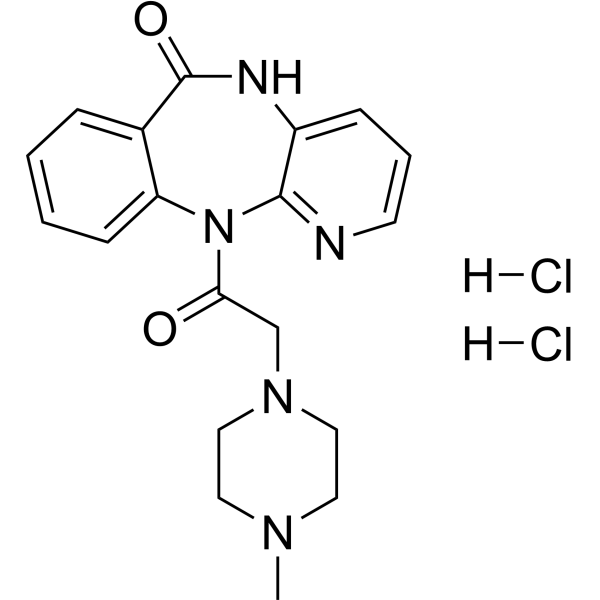
HY-17037
Pirenzepine dihydrochlorideM1 mAChR Antagonist -
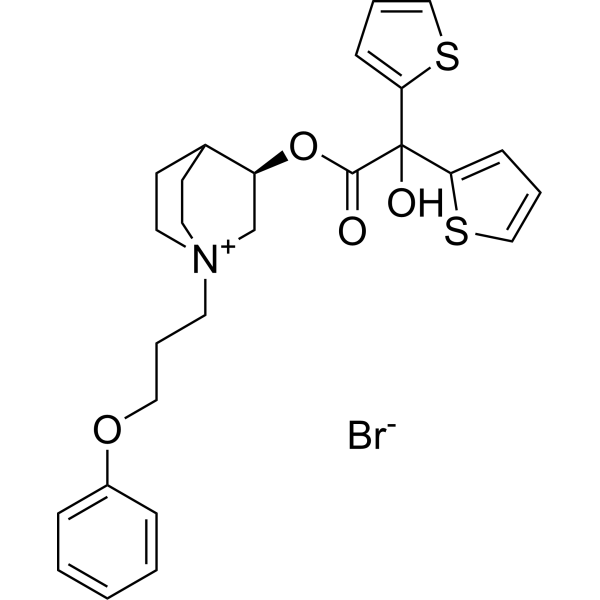
HY-14144
Aclidinium BromidemAChR Antagonist -
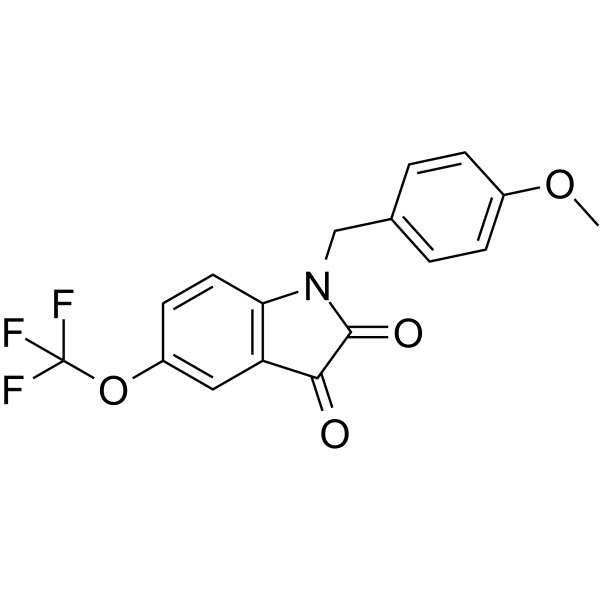
HY-12157
VU 0238429M5 Positive Allosteric Modulator -
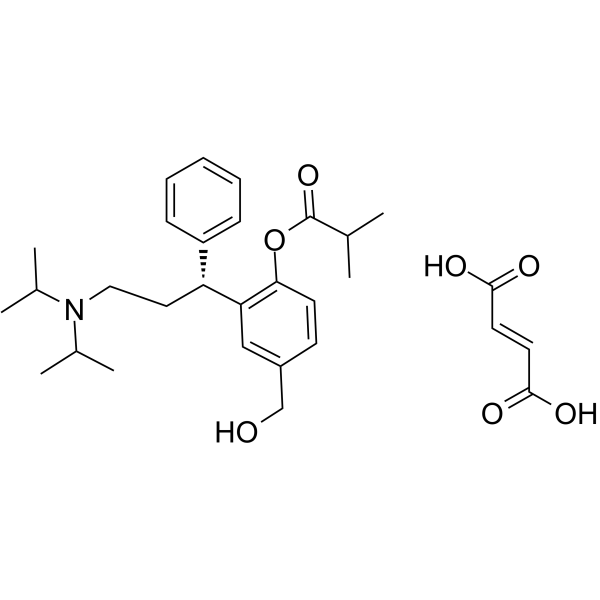
HY-A0030
Fesoterodine fumaratemAChR Antagonist -
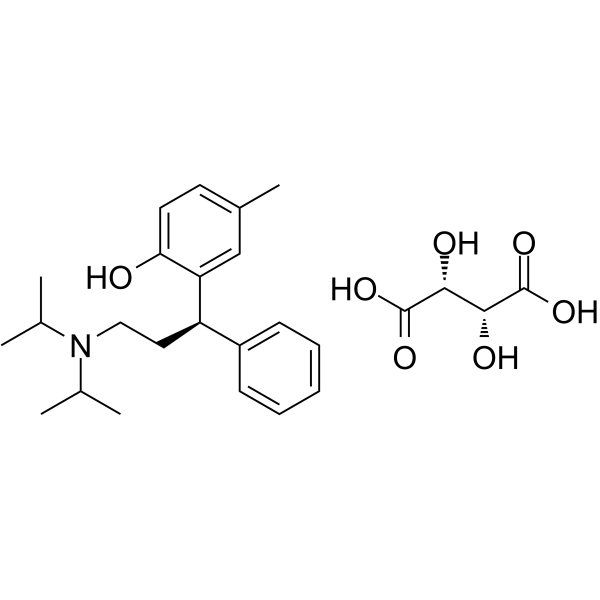
HY-90010
Tolterodine tartratemAChR Inhibitor -
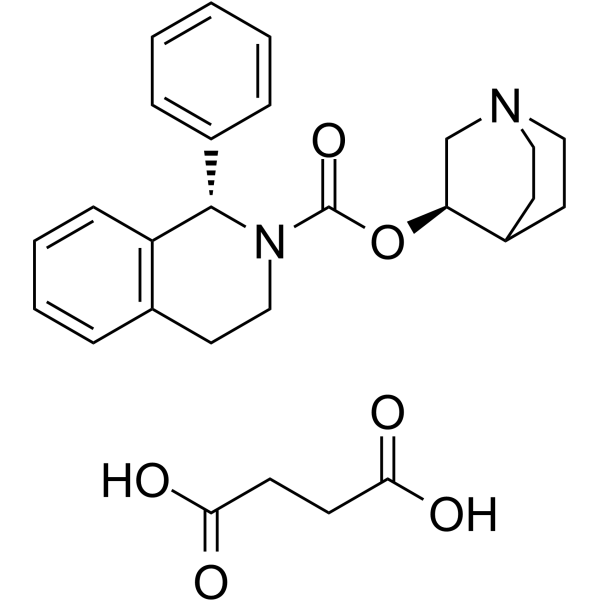
HY-A0002
Solifenacin SuccinateMuscarinic Receptor Antagonist


Product Information
Information
Application
The compound is the grade of analytical standard, which is the reference standard supplied assay. It is commonly used in qualitative, quantitative and methodological research experiments in HPLC, GC and MS.


Chemical Information
-
CAS No. 133099-07-7
-
Molecular Weight 507.46
-
Formula C28H31BrN2O2
-
SMILES
O=C(C(C1=CC=CC=C1)([C@@H]2CCN(CCC3=CC4=C(OCC4)C=C3)C2)C5=CC=CC=C5)N.Br
-
Synonyms
UK-88525 hydrobromide (Standard)
-
Shipping
Room temperature in continental US; may vary elsewhere.
-
Storage
Please store the product under the recommended conditions in the Certificate of Analysis.


Purity & Documentation
References
[1]. Hegde SS, et al. Functional role of M2 and M3 muscarinic receptors in the urinary bladder of rats in vitro and in vivo. Br J Pharmacol, 1997, 120(8), 1409-1418. [Content Brief]
[2]. Miller DW, et al. Evaluation of drug efflux transporter liabilities of darifenacin in cell culture models of the blood-brain and blood-ocular barriers. Neurourol Urodyn, 2011, 30(8), 1633-1638. [Content Brief]
[3]. Iijima K, et al. Effects of the M3 receptor selective muscarinic antagonist darifenacin on bladder afferent activity of the rat pelvic nerve. Eur Urol, 2007, 52(3), 842-847. [Content Brief]

Calculators
Concentration (start) × Volume (start) = Concentration (final) × Volume (final)


Darifenacin hydrobromide (Standard) Related Classifications
HY-A0012R Related Classifications
 Powered by Bioz