Search Result
Results for "
endogenous antagonist
" in MedChemExpress (MCE) Product Catalog:
6
Isotope-Labeled Compounds
| Cat. No. |
Product Name |
Target |
Research Areas |
Chemical Structure |
-
- HY-P0264
-
|
Avexitide
|
GLP Receptor
|
Metabolic Disease
|
|
Exendin(9-39) amide (Avexitide) is a glucagon-like peptide-1 (GLP-1) antagonist that competes with endogenous GLP-1 for binding to GLP-1 receptors, thereby antagonizing the effects of excess GLP-1 secretion. Exendin(9-39) amide can be used to study postoperative hypoglycemia (PBH) .
|
-

-
- HY-13677
-
-
-
- HY-100806
-
-
-
- HY-135103
-
|
T-βMCA sodium
|
FXR
|
Cancer
|
|
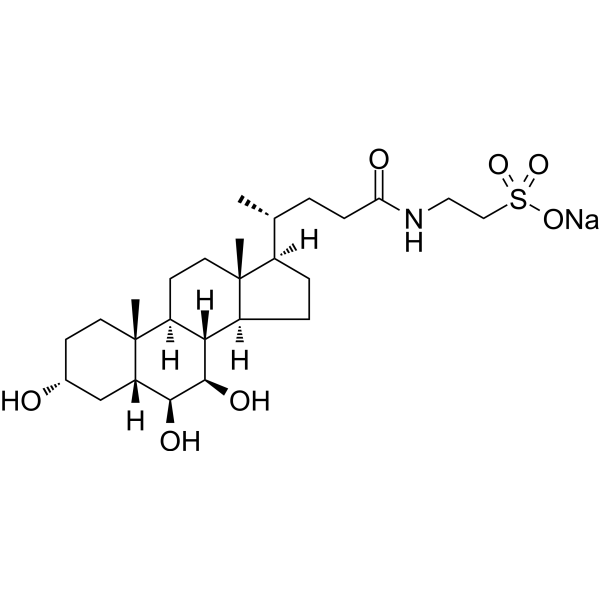
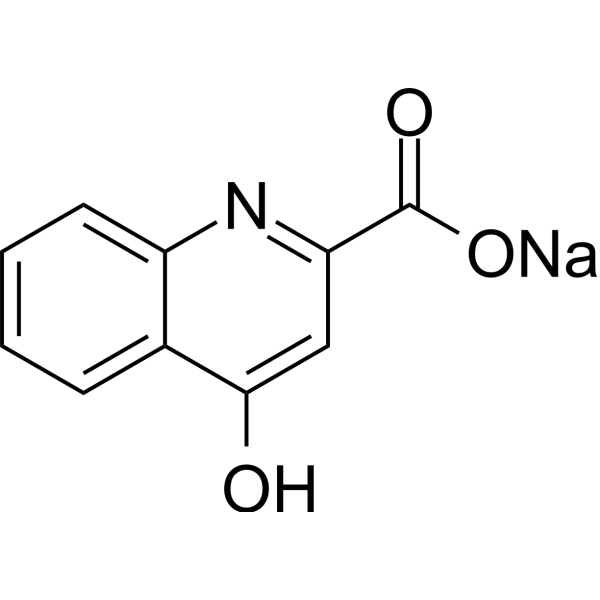
Tauro-β-muricholic Acid sodium (T-βMCA sodium), a endogenous metabolite, is a competitive and reversible farnesoid X receptor (FXR) antagonist, with an IC50 of 40 μM .
|
-
-
- HY-100806S
-
-
-
- HY-30004
-
|
|
Environmental Pollutants
Endogenous Metabolite
|
Cardiovascular Disease
Metabolic Disease
|
|
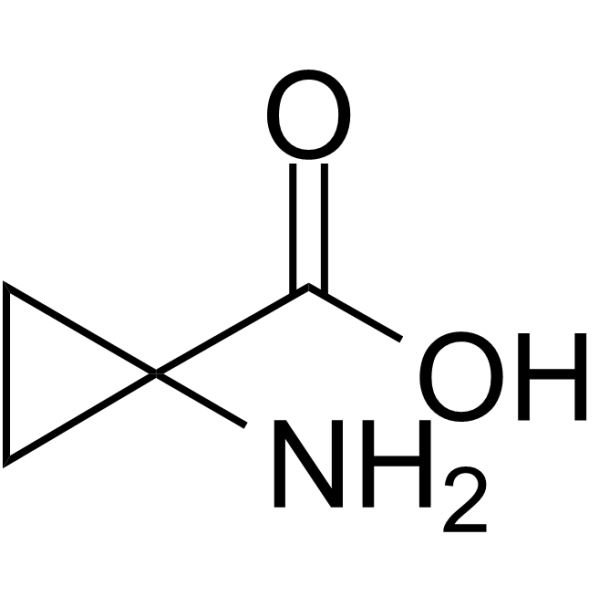
1-Aminocyclopropane-1-carboxylic acid is an endogenous metabolite. In the presence of low concentrations (1 μM) of glutamate, 1-Aminocyclopropane-1-carboxylic acid acts as a small molecule agonist of NMDA receptors with an EC50 of 0.7-0.9 μM. At high concentrations (10 μM) of glutamate, 1-Aminocyclopropane-1-carboxylic acid acts as a competitive antagonist of NMDA receptors with an EC50 of 81.6 nM. 1-Aminocyclopropane-1-carboxylic acid exerts neuroprotective activity by moderately activating NMDA receptors to prevent neuronal cell death in ischemic animal models. Additionally, 1-Aminocyclopropane-1-carboxylic acid is an antagonist of NMDA receptors, inducing blood pressure reduction and antioxidant effects in stroke-prone hypertensive rats. 1-Aminocyclopropane-1-carboxylic acid enhances object recognition memory and cognitive flexibility dependent on the prefrontal cortex, but does not affect impulsivity nor exhibit an antipsychotic-like profile. 1-Aminocyclopropane-1-carboxylic acid shows promise for research in the field of neurotoxicity. .
|
-
-
- HY-107512
-
-
-
- HY-N2908
-
|
Methyl atrarate
|
Environmental Pollutants
NF-κB
Androgen Receptor
p38 MAPK
NO Synthase
|
Inflammation/Immunology
Cancer
|
|
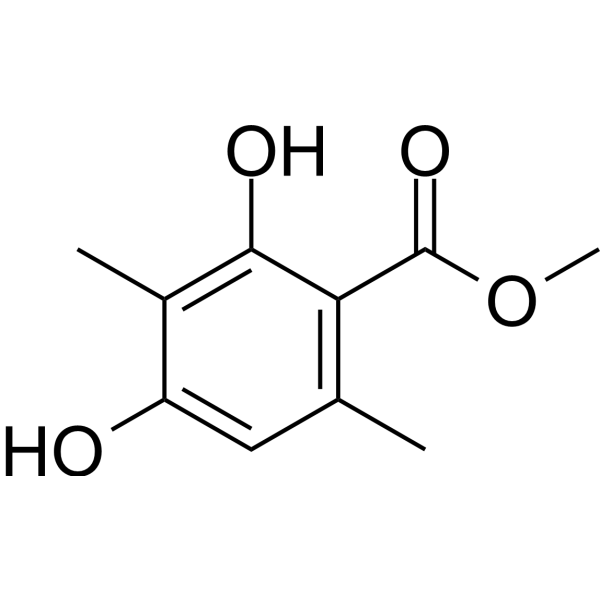
Atraric acid (Methyl atrarate) is a specific androgen receptor (AR) antagonist with anti-inflammatory and anticancer effects. Atraric acid represses the expression of the endogenous prostate specific antigen gene in both LNCaP and C4-2 cells. Atraric acid can also inhibit the synthesis of NO and cytokine, and suppress the MAPK-NFκB signaling pathway. Atraric acid can be used to research prostate diseases and inflammatory diseases .
|
-
-
- HY-13677A
-
|
Mercaptopurine hydrate; 6-MP hydrate
|
Nucleoside Antimetabolite/Analog
|
Cancer
|
|
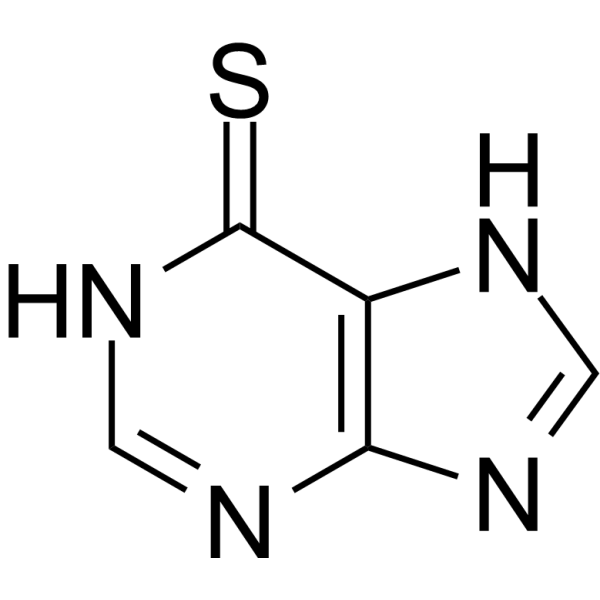
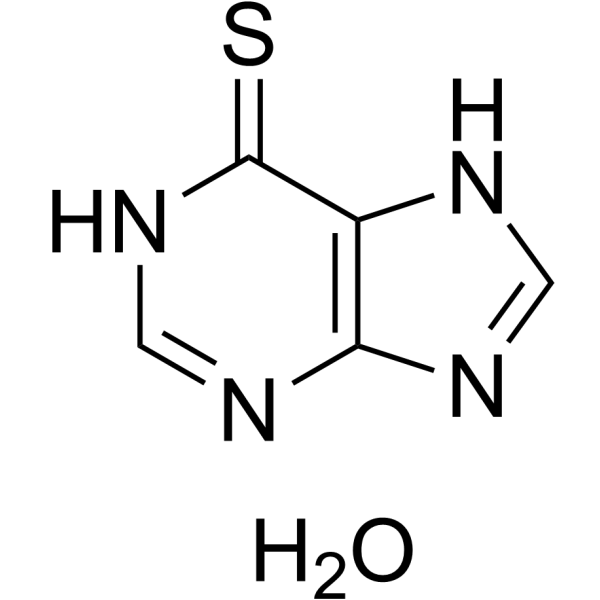
6-Mercaptopurine hydrate (Mercaptopurine hydrate; 6-MP hydrate) is a purine analogue which acts as an antagonist of the endogenous purines and has been widely used as antileukemic agent and immunosuppressive agent.
|
-
-
- HY-10858
-
|
|
sFRP-1
Wnt
|
Cancer
|
|
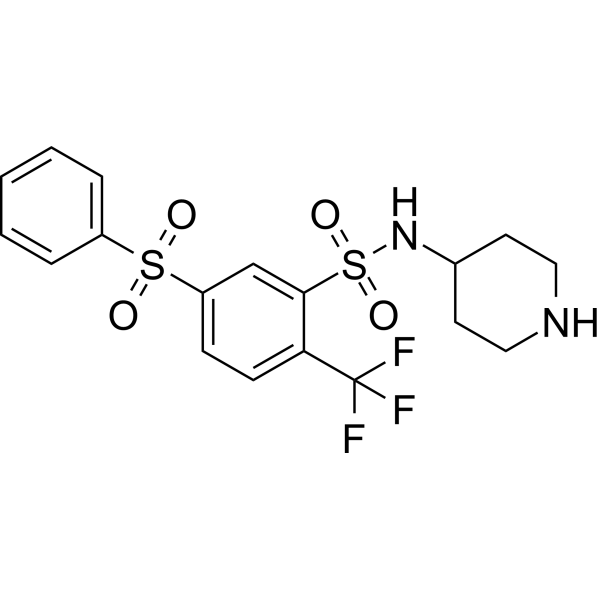
WAY 316606 is an inhibitor of the secreted protein sFRP-1, an endogenous antagonist of the secreted glycoprotein Wnt. The affinity of WAY-316606 for sFRP-1 is determined using the FP binding assay with IC50 of 0.5 μM .
|
-
-
- HY-110098
-
|
EPPTB
|
Trace Amine-associated Receptor (TAAR)
|
Neurological Disease
|
|
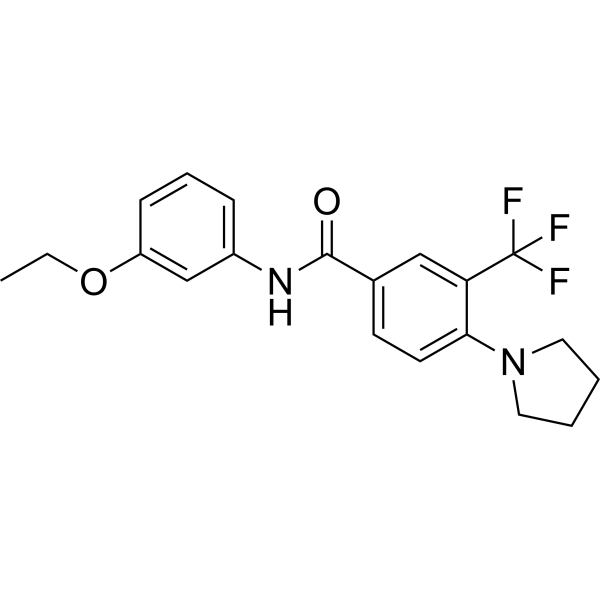
Ro 5212773 (EPPTB) is a potent and selective trace amine-associated receptor 1 (TAAR1) antagonist (Ki=0.9 nM for mouse TAAR1), with no significant effects on other TAARs. TAAR1 is a G protein-coupled receptor (GPCR) that is nonselectively activated by endogenous metabolites of amino acids .
|
-
-
- HY-117541
-
|
Glycyl-L-glutamine
|
Others
|
Neurological Disease
|
|
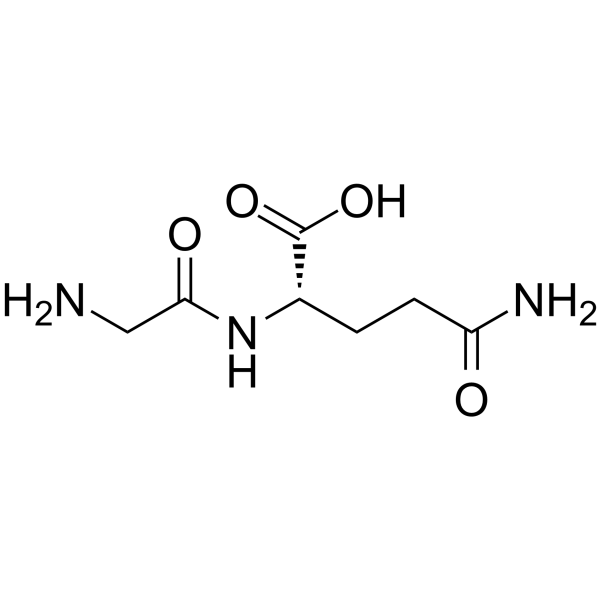
Glycyl-glutamine (Glycyl-L-glutamine), as a enzymatic cleavage product of β-endorphin, is apparently an endogenous antagonist of beta-endorphin(1-31) in several systems . Glycyl-glutamine (Glycyl-L-glutamine) is an activate and stable glutamine-containing neuropeptide over glutamine (Gln) .
|
-
-
- HY-100806R
-
-
-
- HY-W010820
-
-
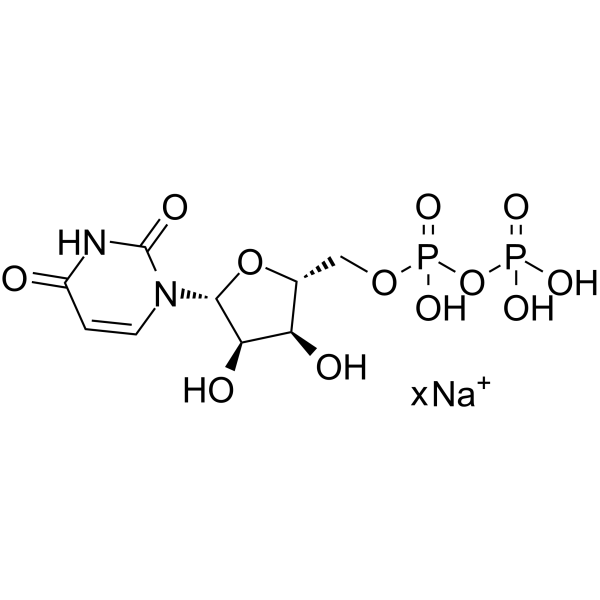
-
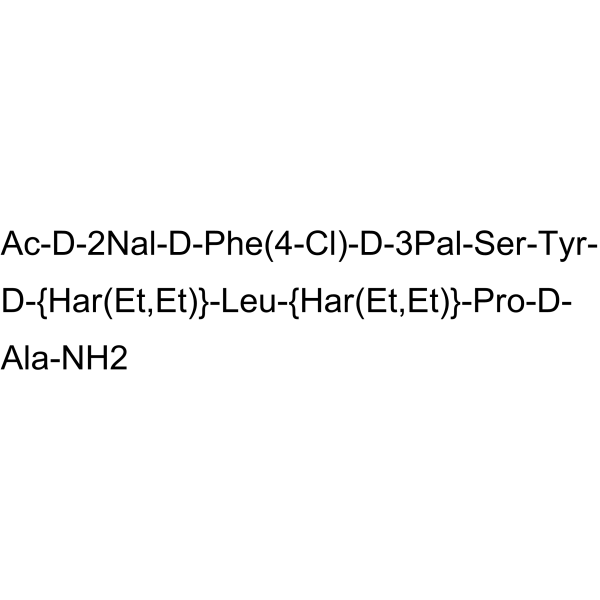
- HY-P1628
-
|
|
GnRH Receptor
|
Metabolic Disease
|
|
Ganirelix is a competitive and selective gonadotropin releasing hormone (GnRH) antagonist. Ganirelix prevents endogenous GnRH from inducing luteinising hormone (LH) and follicle stimulating hormone relea .
|
-
-
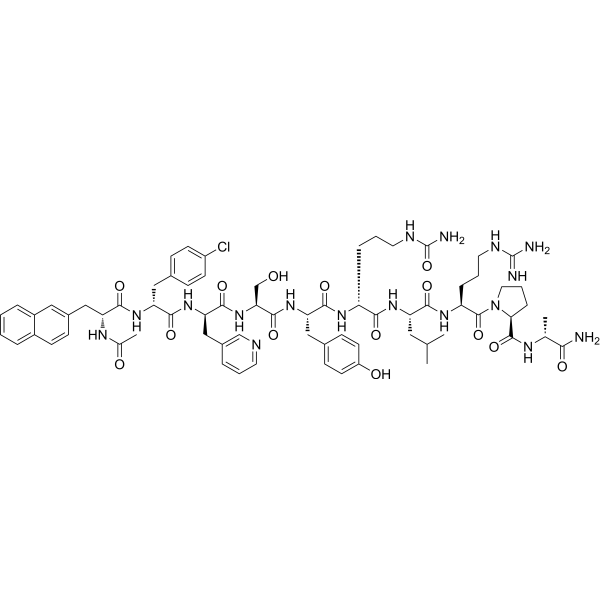
- HY-P0009
-
|
SB-75
|
GnRH Receptor
|
Endocrinology
|
|
Cetrorelix is a potent gonadotrophin-releasing hormone (GnRH) antagonist. Cetrorelix inhibits the endogenous luteinizing hormone surge during ovarian stimulation. Cetrorelix reduces cyclophosphamide induced ovarian follicular destruction in mice .
|
-
-
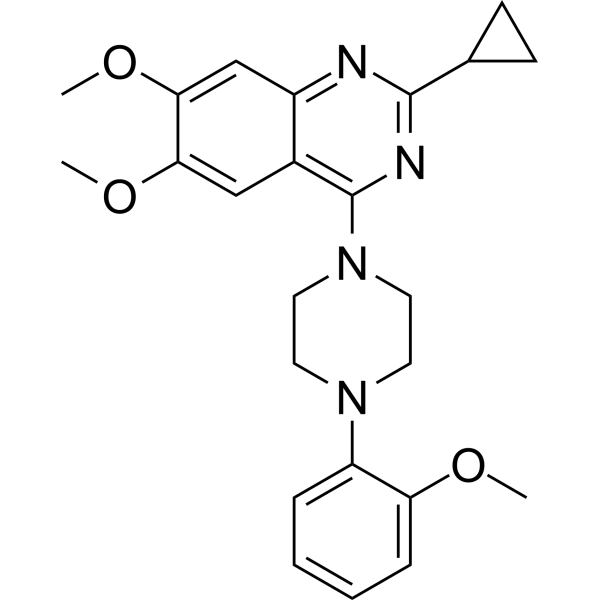
- HY-16639
-
|
|
GPR35
Neurotensin Receptor
|
Neurological Disease
Endocrinology
|
|
ML314 is a potent, BBB-penetrant and β-arrestin biased molecule agonist of NTR1 (EC50 = 1.9 μM). ML314 shows good selectivity against NTR2 and GPR35, but does not stimulate Ca2+ mobilization. ML314 can attenuate amphetamine-like hyperlocomotion in dopamine transporter knockout mice. ML314 attenuates methamphetamine-associated hyperlocomotion and potentiates the psychostimulant inhibitory effects of a ghrelin antagonist in wild type mouse model. ML314 also acts as an allosteric enhancer of endogenous neurotensin. ML314 antagonizes G protein signaling. ML314 can be studied in research for methamphetamine abuse conditions .
|
-
-
- HY-11095
-
|
|
mGluR
CaSR
PI3K
Akt
mTOR
Autophagy
Apoptosis
Bcl-2 Family
Caspase
|
Cardiovascular Disease
Neurological Disease
|
|
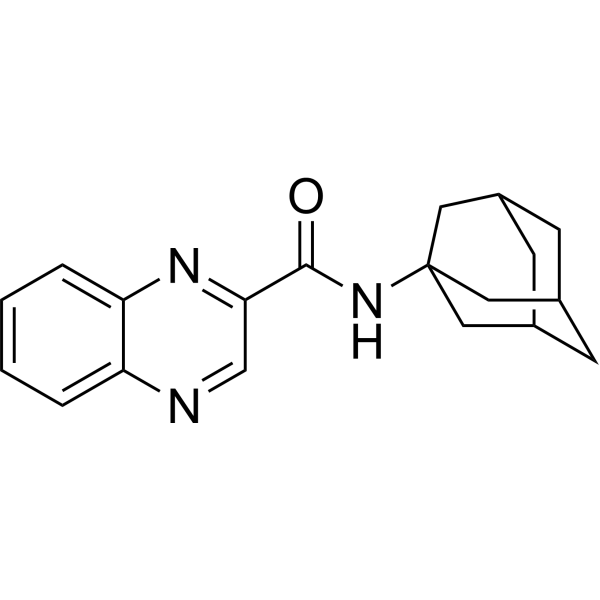
NPS 2390 is an allosteric antagonist of calcium-sensing receptor (CaSR) and mGluR1/5. NPS 2390 inhibits the PI3K/Akt/mTOR signaling pathway, reduces hypoxia-induced intracellular calcium elevation, decreases the expression of autophagy (autophagy) proteins, regulates the expression of phenotypic marker proteins, and inhibits the proliferation of pulmonary artery smooth muscle cells. NPS 2390 attenuates the endogenous apoptosis (apoptosis) pathway, increases the expression level of Bcl-2, downregulates the expression levels of Bax, cytochrome c and caspase-3, alleviates cerebral edema and improves neurological function in rat models. NPS 2390 can be used in studies related to hypoxic pulmonary hypertension, traumatic brain injury, stroke and pain .
|
-
-
- HY-P1271
-
|
Catestatin (cattle)
|
nAChR
|
Cardiovascular Disease
|
|
Catestatin is a 21-amino acid residue, cationic and hydrophobic peptide. Catestatin is an endogenous peptide that regulates cardiac function and blood pressure . Catestatin is a non-competitive nicotinic antagonist acting through nicotinic acetylcholine receptors (nAChRs) to inhibit catecholamine release .
|
-

-
- HY-139576B
-
|
DUR-928 trimethylamine
|
LXR
Endogenous Metabolite
|
Metabolic Disease
|
|
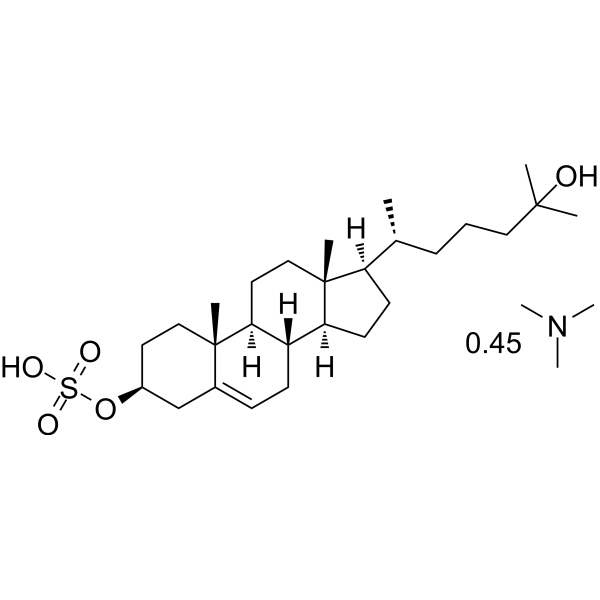
Larsucosterol (DUR-928) trimethylamine, a cholesterol metabolite, is a potent liver X receptor (LXR) antagonist. Larsucosterol trimethylamine as a potent endogenous regulator decreases lipogenesis. Larsucosterol trimethylamine inhibits the cholesterol biosynthesis via decreasing mRNA levels and inhibiting the activation of SREBP-1 .
|
-
-
- HY-P0264A
-
|
Avexitide acetate
|
GLP Receptor
|
Metabolic Disease
|
|
Exendin(9-39) amide (Avexitide) acetate is a glucagon-like peptide-1 (GLP-1) antagonist that competes with endogenous GLP-1 for the GLP-1R, counteracting the effects of excessive GLP-1 secretion. Exendin(9-39) amide acetate can be utilized in Postbariatric hypoglycemia (PBH) research .
|
-

-
- HY-109532
-
|
Ganirest
|
GnRH Receptor
|
Metabolic Disease
|
|
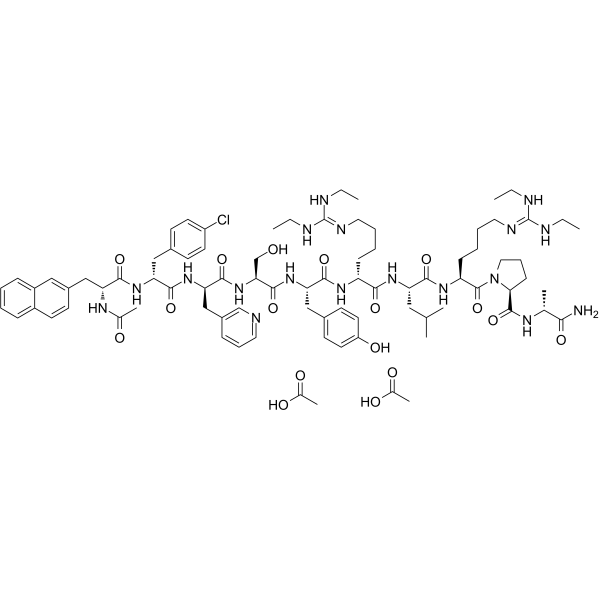
Ganirelix acetate (Ganirest) is a competitive and selective gonadotropin-releasing hormone (GnRH) antagonist. Ganirelix acetate blocks endogenous GnRH-induced release of luteinizing hormone (LH) and follicle-stimulating hormone. Ganirelix acetate antagonizes Prostaglandin E2 (HY-101952)-induced detrusor overactivity and enhances Carbachol (HY-B1208)-induced detrusor contraction. Ganirelix acetate is applicable to research related to female infertility and detrusor overactivity .
|
-
-
- HY-10858A
-
|
|
sFRP-1
Wnt
|
Cancer
|
|
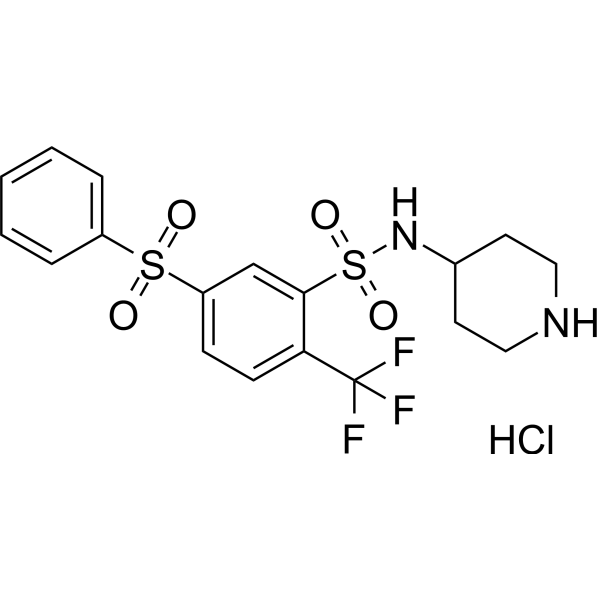
WAY 316606 hydrochloride is an inhibitor of the secreted protein sFRP-1, an endogenous antagonist of the secreted glycoprotein Wnt. The affinity of WAY-316606 for sFRP-1 is determined using the FP binding assay with IC50 of 0.5 μM .
|
-
-
- HY-P11341
-
|
|
Kisspeptin Receptor
|
Endocrinology
|
|
Kisspeptin antagonist p271 is a Kisspeptin antagonist with cell-penetrating ability. Kisspeptin antagonist p271 can block the binding of endogenous Kisspeptin to GPR54 on pituitary somatotropes, thereby relieving the inhibition of growth hormone secretion. Kisspeptin antagonist p271 can specifically and significantly stimulate growth hormone secretion, while inhibiting luteinizing hormone without affecting prolactin or cortisol. Kisspeptin antagonist p271 can be used in the research of diseases related to insufficient growth hormone secretion .
|
-

-
- HY-13677S1
-
|
Mercaptopurine-13C2,15N; 6-MP-13C2,15N
|
Nucleoside Antimetabolite/Analog
Autophagy
Endogenous Metabolite
|
Cancer
|
|
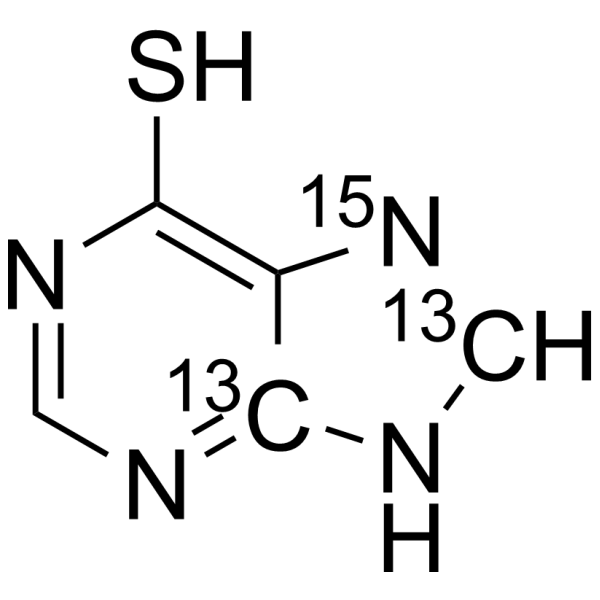
6-Mercaptopurine- 13C2, 15N is the 13C- and 15N-labeled 6-Mercaptopurine. 6-Mercaptopurine is a purine analogue which acts as an antagonist of the endogenous purines and has been widely used as antileukemic agent and immunosuppressive agent.
|
-
-
- HY-N6776
-
|
|
Potassium Channel
|
Neurological Disease
Cancer
|
|
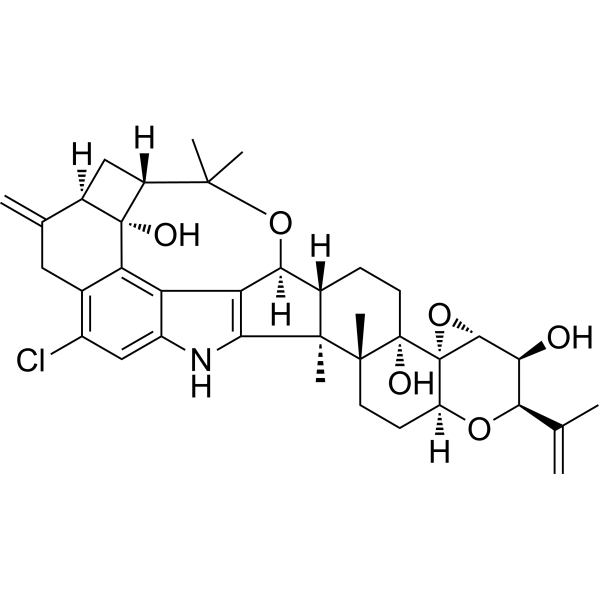
Penitrem A is an indole diterpene neurotoxic alkaloid produced by Penicillium, acts as a selective BK channel antagonist with antiproliferative and anti-invasive activities against multiple malignancies. Penitrem A increases the spontaneous release of endogenous glutamate, gamma-aminobutyric acid (GABA) and aspartate from cerebrocortical synaptosomes, and induces tremorgenic syndromes in animals .
|
-
-
- HY-30004R
-
|
|
Reference Standards
Endogenous Metabolite
|
Cardiovascular Disease
Metabolic Disease
|
|
1-Aminocyclopropane-1-carboxylic acid (Standard) is the analytical standard of 1-Aminocyclopropane-1-carboxylic acid. This product is intended for research and analytical applications. 1-Aminocyclopropane-1-carboxylic acid is an endogenous metabolite. In the presence of low concentrations (1 μM) of glutamate, 1-Aminocyclopropane-1-carboxylic acid acts as a small molecule agonist of NMDA receptors with an EC50 of 0.7-0.9 μM. At high concentrations (10 μM) of glutamate, 1-Aminocyclopropane-1-carboxylic acid acts as a competitive antagonist of NMDA receptors with an EC50 of 81.6 nM. 1-Aminocyclopropane-1-carboxylic acid exerts neuroprotective activity by moderately activating NMDA receptors to prevent neuronal cell death in ischemic animal models. Additionally, 1-Aminocyclopropane-1-carboxylic acid is an antagonist of NMDA receptors, inducing blood pressure reduction and antioxidant effects in stroke-prone hypertensive rats. 1-Aminocyclopropane-1-carboxylic acid enhances object recognition memory and cognitive flexibility dependent on the prefrontal cortex, but does not affect impulsivity nor exhibit an antipsychotic-like profile. 1-Aminocyclopropane-1-carboxylic acid shows promise for research in the field of neurotoxicity. .
|
-

-
- HY-112874
-
|
BMS-687681
|
CCR
|
Neurological Disease
Inflammation/Immunology
Cancer
|
|
BMS-681 is an orthosteric antagonist of CC chemokine receptor 2 (CCR2). BMS-681 restricts the movement of the extracellular end of TM6 by stabilizing TM7. TM7 and TM6 are the main components of the orthosteric binding site. BMS-681 can be used to study inflammatory neurodegenerative diseases and cancer .
|
-

-
- HY-139576
-
|
DUR-928
|
LXR
Endogenous Metabolite
|
Metabolic Disease
|
|
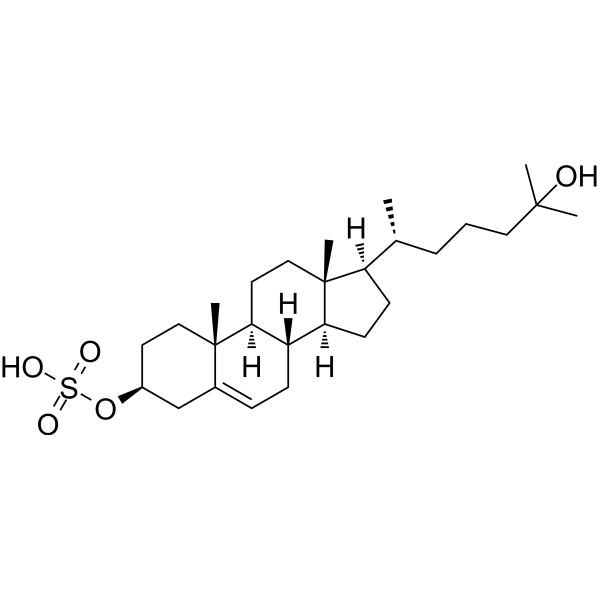
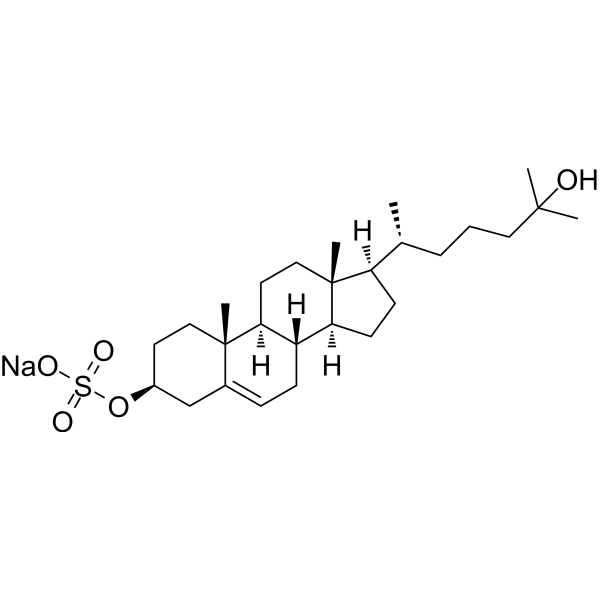
Larsucosterol (DUR-928), a cholesterol metabolite, is a potent liver X receptor (LXR) antagonist. Larsucosterol as a potent endogenous regulator decreases lipogenesis. Larsucosterol inhibits the cholesterol biosynthesis via decreasing mRNA levels and inhibiting the activation of SREBP-1 .
|
-
-
- HY-13677AR
-
|
Mercaptopurine hydrate (Standard); 6-MP hydrate (Standard)
|
Reference Standards
Nucleoside Antimetabolite/Analog
|
Cancer
|
|
6-Mercaptopurine hydrate (Standard) is the analytical standard of 6-Mercaptopurine hydrate. This product is intended for research and analytical applications. 6-Mercaptopurine hydrate (Mercaptopurine hydrate; 6-MP hydrate) is a purine analogue which acts as an antagonist of the endogenous purines and has been widely used as antileukemic agent and immunosuppressive agent.
|
-

-
- HY-W050122
-
|
|
GABA Receptor
|
Neurological Disease
|
|
S-(+)-GABOB is an endogenous ligand with antiepileptic activity. S-(+)-GABOB is a metabolite of GABA and may function as a neurotransmitter. S-(+)-GABOB behaves as a full agonist when bound to the ρ(1) wild-type receptor. S-(+)-GABOB acts as a competitive antagonist in the ρ(1) T244S mutant receptor .
|
-

-
- HY-108425
-
|
|
Sodium Channel
|
Neurological Disease
|
|
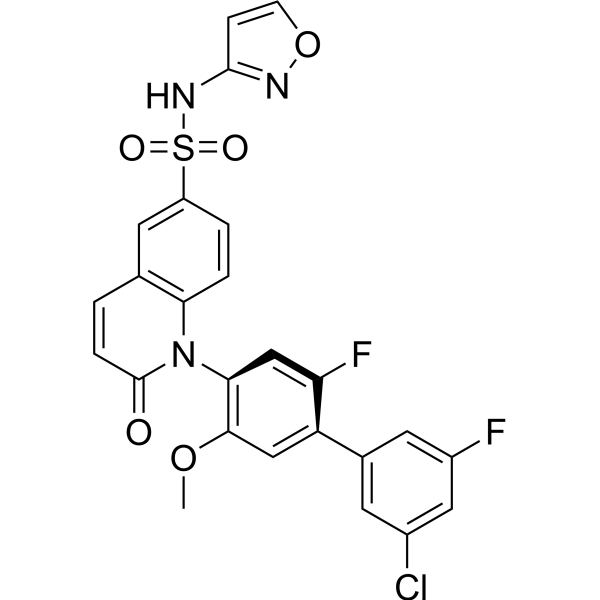
AMG8379 is a potent, orally active and selective sulfonamide antagonist of the voltage-gated sodium channel NaV1.7, with IC50s of 8.5 and 18.6 nM for hNaV1.7 and mNaV1.7, respectively. AMG8379 potently and reversibly blocks endogenous Tetrodotoxin (TTX)-sensitive sodium channels in dorsal root ganglia (DRG) neurons with an IC50 of 3.1 nM .
|
-
-
- HY-165125
-
|
|
Neuropeptide Y Receptor
|
Metabolic Disease
|
|
(S)-VU0637120 is a Y4R antagonist that effectively reduces the binding response of its endogenous ligand, pancreatic polypeptide (PP), on Y4R, with an IC50 value of 2.7 μM. (S)-VU0637120 binds to the allosteric site of Y4R, which is located in the core region of the Y4R transmembrane structure, near the binding pocket of pancreatic polypeptide (PP), with a KB value of 300-400 nM. (S)-VU0637120 holds potential for research in the field of metabolic diseases .
|
-

-
- HY-P3066
-
|
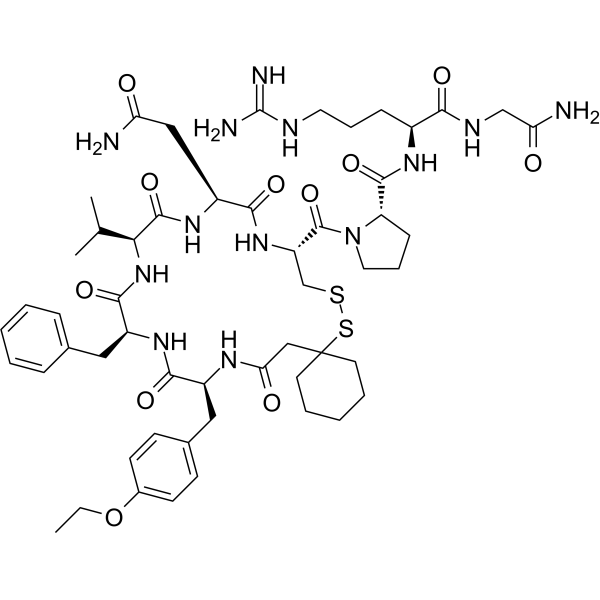
d(CH2)5Tyr(Et)VAVP
|
Vasopressin Receptor
|
Metabolic Disease
|
|
SKF 100398 (d(CH2)5Tyr(Et)VAVP), an arginine vasopressin (AVP) analogue, is a specific antagonist of the antidiuretic effect of exogenous and endogenous AVP .
|
-
-
- HY-P3598
-
|
|
Neurokinin Receptor
|
Cancer
|
|
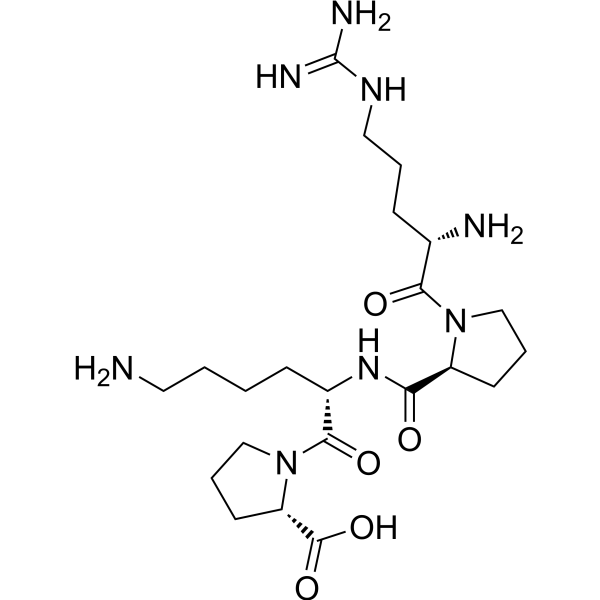
Substance P(1-4) is a potent neurokinin receptors (NK-R) antagonist. Substance P(1-4) has regulation of normal hematopoiesis and inhibits endogenous erythroid colony (EEC) formation .
|
-
-
- HY-13677S
-
-
-
- HY-P1271A
-
|
|
nAChR
|
Cardiovascular Disease
|
|
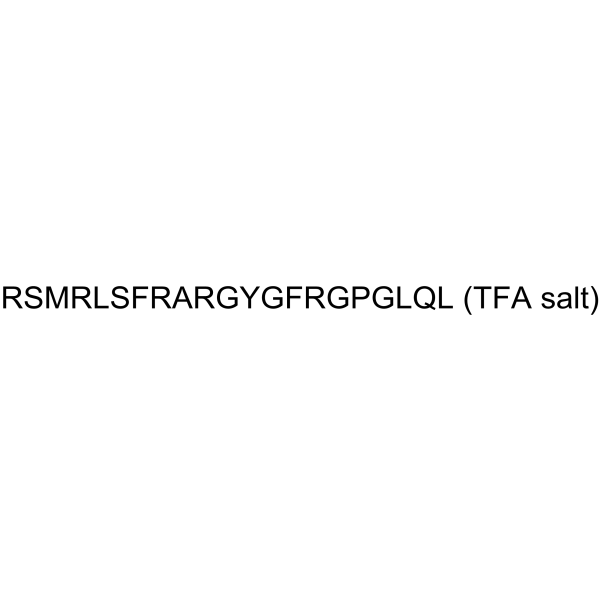
Catestatin TFA is a 21-amino acid residue, cationic and hydrophobic peptide. Catestatin TFA is an endogenous peptide that regulates cardiac function and blood pressure . Catestatin TFA is a non-competitive nicotinic antagonist acting through nicotinic acetylcholine receptors (nAChRs) to inhibit catecholamine release .
|
-
-
- HY-P1320
-
|
|
Opioid Receptor
|
Inflammation/Immunology
|
|
[Nphe1]Nociceptin(1-13)NH2, a novel nociceptin/orphanin FQ (NC) endogenous ligand, is a selective and competitive ociceptin receptor antagonist without any residual agonist activity. [Nphe1]nociceptin(1-13)NH2 binds selectively to recombinant nociceptin receptors (pKi=8.4) and antagonizes the inhibitory effects of nociceptin on cyclic AMP accumulation in CHO cells (pA2=6.0). [Nphe1]Nociceptin(1-13)NH2 has the potential to act as an analgesic agent .
|
-
![[Nphe1]Nociceptin(1-13)NH2](//file.medchemexpress.com/product_pic/hy-p1320.gif)
-
- HY-120767
-
|
KLH-2109 choline; OBE-2109 choline
|
GnRH Receptor
|
Inflammation/Immunology
Cancer
|
|
Linzagolix choline (KLH-2109 choline) is a non-peptide gonadotropin-releasing hormone (GnRH) antagonist with oral activity. Linzagolix choline inhibits the release of endogenous gonadotropins such as luteinizing hormone LH and follicle-stimulating hormone FSH by binding to the GnRH receptor within the pituitary gland. This inhibition results in a reduction in the production of sex hormones such as estrogen and progesterone, which in turn affects the course of sex hormone-dependent diseases. Linzagolix choline can be used in the study of sex hormone-dependent diseases such as endometriosis and uterine fibroids .
|
-

-
- HY-14752
-
|
SB 751689
|
CaSR
|
Metabolic Disease
Endocrinology
|
|
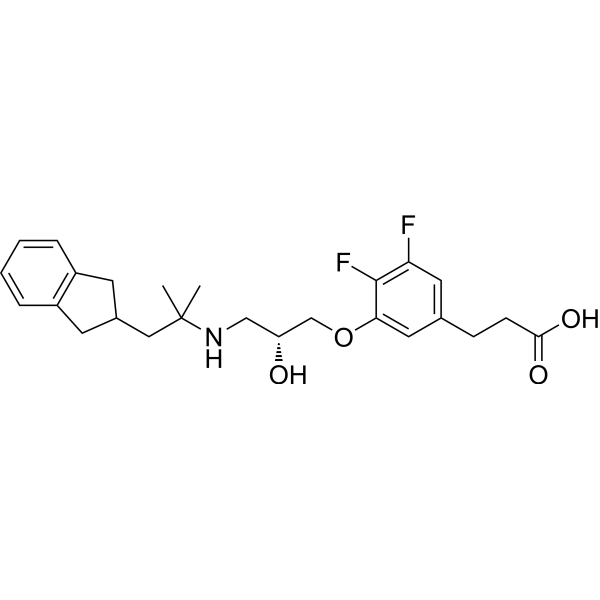
Ronacaleret (SB 751689) is an orally active, potent, and selective calcium-sensing receptor (CaSR) antagonist that stimulates endogenous parathyroid hormone release from the parathyroid glands. Ronacaleret (SB 751689) is used for the study of postmenopausal osteoporosis .
|
-
-
- HY-15104
-
|
SB 751689A
|
CaSR
|
Metabolic Disease
Endocrinology
|
|
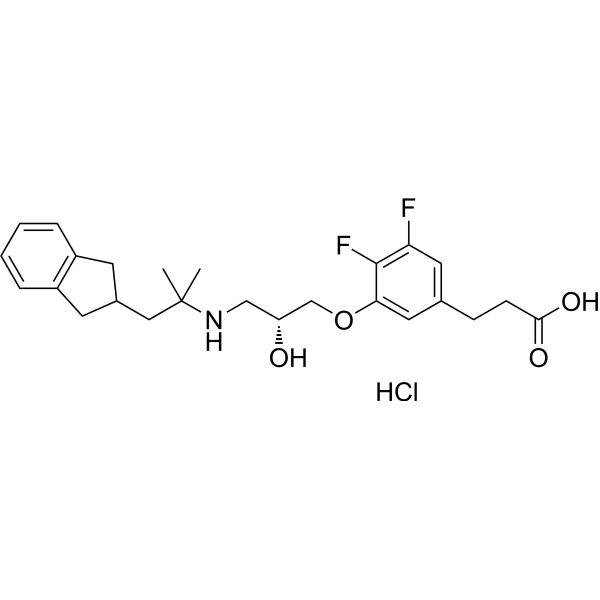
Ronacaleret hydrochloride (SB 751689A) is an orally active, potent, and selective calcium-sensing receptor (CaSR) antagonist that stimulates endogenous parathyroid hormone release from the parathyroid glands. Ronacaleret hydrochloride (SB 751689A) is used for the study of postmenopausal osteoporosis .
|
-
-
- HY-13677R
-
|
Mercaptopurine (Standard); 6-MP (Standard)
|
Reference Standards
Nucleoside Antimetabolite/Analog
Autophagy
Endogenous Metabolite
|
Cancer
|
|
6-Mercaptopurine (Standard) is the analytical standard of 6-Mercaptopurine. This product is intended for research and analytical applications. 6-Mercaptopurine is a purine analogue which acts as an antagonist of the endogenous purines and has been widely used as antileukemic agent and immunosuppressive drug.
|
-

-
- HY-139576C
-
|
DUR-928 ammonium
|
LXR
Endogenous Metabolite
|
Metabolic Disease
|
|
Larsucosterol (DUR-928) ammonium, a cholesterol metabolite, is a potent liver X receptor (LXR) antagonist. Larsucosterol ammonium as a potent endogenous regulator decreases lipogenesis. Larsucosterol ammonium inhibits the cholesterol biosynthesis via decreasing mRNA levels and inhibiting the activation of SREBP-1 .
|
-

-
- HY-P3839
-
|
|
Opioid Receptor
|
Neurological Disease
|
|
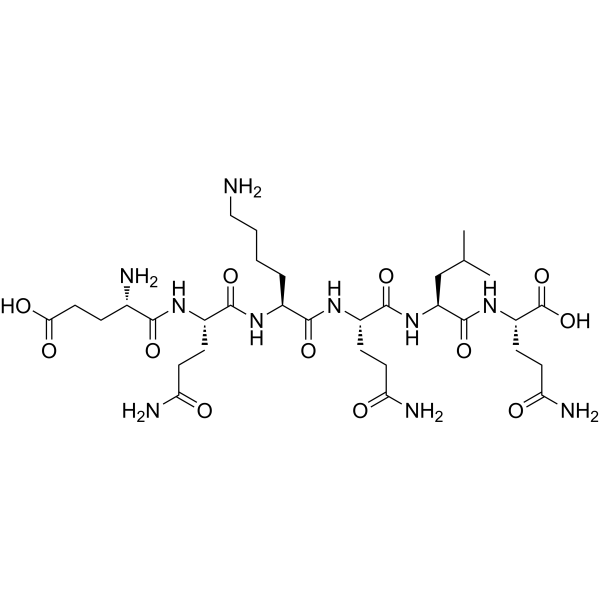
Nocistatin, a neuropeptide, is an endogenous ligand for the orphan opioid receptor-like receptor. Nocistatin is also a functional antagonist of neuropeptide nociceptin or orphanin FQ (Noc/OFQ). Nocistatin inhibits 5-HT release via a Gi/o proteinmediated pathway. Nocistatin blocks Nociceptin (Nociceptin)-induced allodynia and hyperalgesia .
|
-
-
- HY-129207
-
|
|
GHSR
|
Endocrinology
|
|
Ghrelin is an endogenous ligand for the growth hormone secretagogue receptor that stimulates food intake and transduces signals to hypothalamic regulatory nuclei that control energy homeostasis. JMV3002 is a potent ghrelin receptor antagonist with an IC50 value of 1.1 nM in vitro. 80 μg/kg, JMV3002 inhibits hexarelin-stimulated food intake by as much as 98% in rats. JMV3002 alone does not elicit growth hormone release nor does it inhibit hexarelin-stimulated growth hormone secretion when tested in infant rats at a dose of 160 μg/kg.
|
-

-
- HY-12701A
-
|
U-99194A; PNU-99194A maleate; JPC-211 maleate
|
Dopamine Receptor
|
Neurological Disease
|
|
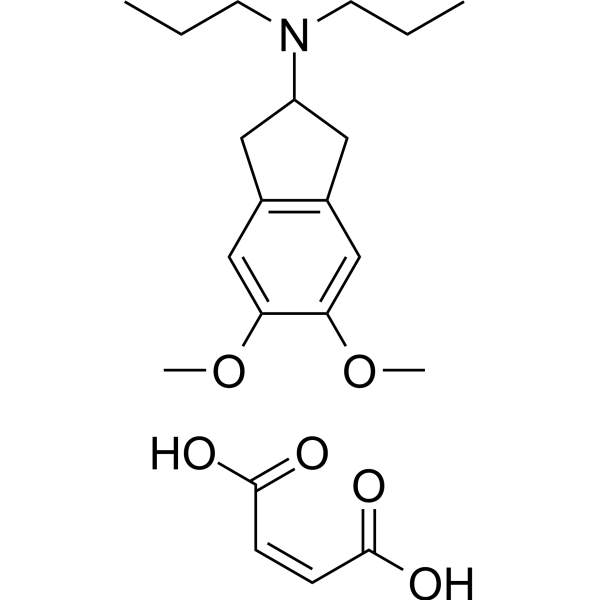
U-99194 (PNU-99194) maleate is a selective, potent dopamine D3 receptor antagonist (Ki =160 nM). U-99194 maleate inhibits the activation of D3 receptor mediated by endogenously released dopamine or exogenous D3 agonists. U-99194 maleate abrogates the IPSC-suppressive effect of the D3 agonist PD 128907 in rat hippocampal slices. U-99194 maleate significantly suppresses Nicotine (HY-127019)-induced tremor in mice. U-99194 maleate can be used for the study of dopamine D3 receptor-mediated motor disorders, particularly kinetic tremors .
|
-
-
- HY-175390
-
|
TGDP sodium; 6-Thio-GDP sodium
|
Endogenous Metabolite
|
Inflammation/Immunology
Cancer
|
|
6-Thioguanosine-5'-O-diphosphate sodium (6-Thio-GDP sodium) (TGDP sodium) is an active metabolite of 6-Mercaptopurine (HY-13677). 6-Mercaptopurine is a purine analogue which acts as an antagonist of the endogenous purines and has been widely used as antileukemic agent and immunosuppressive drug .
|
-

-
- HY-120189
-
-
-
- HY-144204
-
|
|
Estrogen Receptor/ERR
|
Endocrinology
Cancer
|
|
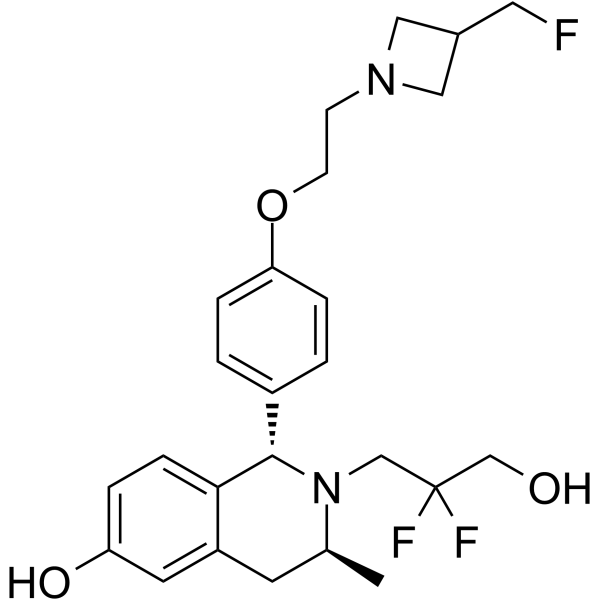
Estrogen receptor antagonist 5 is a potent antagonist of Estrogen receptor. The estrogen receptor is a ligand-activated transcriptional regulatory protein that mediates induction of a variety of biological effects through its interaction with endogenous estrogens. Estrogen receptor antagonist 5 has the potential for the research of metastatic disease (extracted from patent WO2017174757A1, compound 165) .
|
-
-
- HY-144206
-
|
|
Estrogen Receptor/ERR
|
Endocrinology
|
|
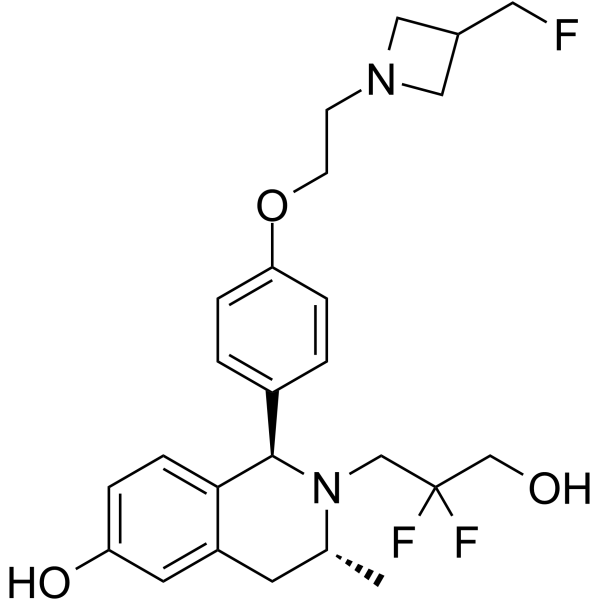
Estrogen receptor antagonist 6 is a potent antagonist of Estrogen receptor. The estrogen receptor is a ligand-activated transcriptional regulatory protein that mediates induction of a variety of biological effects through its interaction with endogenous estrogens. Estrogen receptor antagonist 6 has the potential for the research of metastatic disease (extracted from patent WO2017174757A1, compound 166) .
|
-
- HY-135103S
-
|
|
Isotope-Labeled Compounds
FXR
|
Cancer
|
|
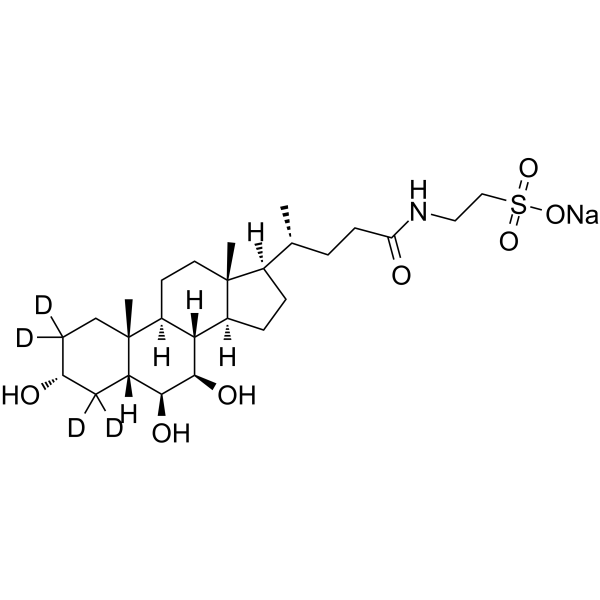
Tauro-β-muricholic acid-d4 (sodium) is the deuterium labeled Tauro-β-muricholic acid sodium. Tauro-β-muricholic Acid sodium (T-βMCA sodium), a endogenous metabolite, is a competitive and reversible farnesoid X receptor (FXR) antagonist, with an IC50 of 40 μM .
|
-
- HY-139576A
-
|
DUR-928 sodium
|
LXR
Endogenous Metabolite
|
Metabolic Disease
|
|
Larsucosterol (DUR-928) sodium, a cholesterol metabolite, is a potent liver X receptor (LXR) antagonist. Larsucosterol sodium as a potent endogenous regulator decreases lipogenesis. Larsucosterol sodium inhibits the cholesterol biosynthesis via decreasing mRNA levels and inhibiting the activation of SREBP-1 .
|
-
- HY-107512R
-
-

- HY-W650803
-
|
A-57219 free base; SCH 40054 free base
|
Adrenergic Receptor
|
Cardiovascular Disease
|
|
Nemazoline (A-57219) is selective α-adrenergic agent with α1-agonist/α2-antagonist activity, which is used as a nasal decongestant. Nemazoline produces decongestion by α1-mediated contraction of capacitance vessels, but not compromises blood flow by virtue of α2-antagonism. Nemazoline also blocks endogenous noradrenaline-mediated α 2-constriction of the resistance vessels .
|
-

- HY-P0009S1
-
|
SB-75-d10
|
Isotope-Labeled Compounds
GnRH Receptor
|
Endocrinology
|
|
Cetrorelix-d10 (SB-75-d10) is deuterium labeled Cetrorelix. Cetrorelix is a potent gonadotrophin-releasing hormone (GnRH) antagonist. Cetrorelix inhibits the endogenous luteinizing hormone surge during ovarian stimulation. Cetrorelix reduces cyclophosphamide induced ovarian follicular destruction in mice .
|
-

- HY-W654353
-
|
T-α-MCA-d4-1 sodium
|
Isotope-Labeled Compounds
FXR
Endogenous Metabolite
|
Others
|
|
Tauro-α-muricholic acid-d4-1 (sodium) is deuterium labeled Tauro-α-muricholic acid (sodium). Tauro-α-muricholic acid (T-α-MCA) sodium is a FXR (Farnesoid X receptor) antagonist (IC50=28μM). Tauro-α-muricholic acid sodium is also a endogenous metabolite that can be found in cecal .
|
-

- HY-129668
-
|
|
Adrenergic Receptor
|
Neurological Disease
|
|
Bremazocine is a potent opioid kappa receptor agonist with analgesic activity. Bremazocine induces peripheral analgesia by releasing endogenous norepinephrine. The analgesic effect of bremazocine is associated with interaction with adenosine receptors. Bremazocine produces a dose-dependent peripheral analgesia after topical application. The effect of bremazocine is affected by nonselective α(2) adrenaline receptor antagonists, suggesting that it acts through a norepinephrine pathway .
|
-

- HY-P2025
-
|
|
Histone Methyltransferase
|
Neurological Disease
|
|
JMV 236 is a cholecystokinin antagonist with appetite-suppressing activity. JMV 236 affects the regulation of food intake through the interaction of the intestinal endogenous peptide PrRP and the CCK1 receptor. The administration of JMV 236 activates PrRP neurons located in the NTS, thereby enhancing its appetite-suppressing effect. JMV 236 has significant effects on areas of the central nervous system associated with food intake, especially during states of starvation .
|
-

- HY-P1318
-
|
|
Opioid Receptor
|
Neurological Disease
|
|
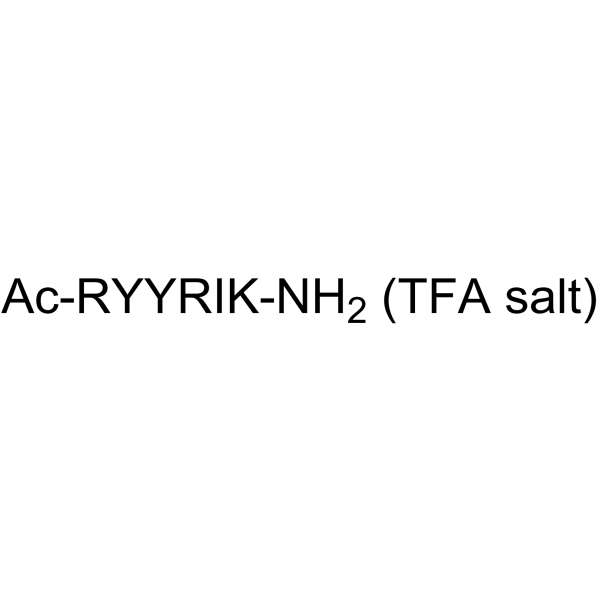
Ac-RYYRIK-NH2 is a potent and partial agonist on ORL1 transfected in CHO cells (Kd=1.5 nM) and behaves as a endogenous ligand of ORL1. Ac-RYYRIK-NH2 is a specific antagonist for the activation of G protein and competitively antagonizes the stimulation of [ 35S]-GTPgS binding to G proteins by nociceptin/orphanin FQ (noc/OFQ) in membranes and sections of rat brain .
|
-

- HY-P1318A
-
|
|
Opioid Receptor
|
Neurological Disease
|
|
Ac-RYYRIK-NH2 TFA is a potent and partial agonist on ORL1 transfected in CHO cells (Kd=1.5 nM) and behaves as a endogenous ligand of ORL1. Ac-RYYRIK-NH2 is a specific antagonist for the activation of G protein and competitively antagonizes the stimulation of [ 35S]-GTPgS binding to G proteins by nociceptin/orphanin FQ (noc/OFQ) in membranes and sections of rat brain .
|
-
- HY-N2908R
-
|
Methyl atrarate (Standard)
|
Reference Standards
Androgen Receptor
NO Synthase
p38 MAPK
NF-κB
|
Inflammation/Immunology
Cancer
|
|
Atraric acid (Standard) is the analytical standard of Atraric acid. This product is intended for research and analytical applications. Atraric acid (Methyl atrarate) is a specific androgen receptor (AR) antagonist with anti-inflammatory and anticancer effects. Atraric acid represses the expression of the endogenous prostate specific antigen gene in both LNCaP and C4-2 cells. Atraric acid can also inhibit the synthesis of NO and cytokine, and suppress the MAPK-NFκB signaling pathway. Atraric acid can be used to research prostate diseases and inflammatory diseases[1][2].
|
-

- HY-118056
-
|
|
Cannabinoid Receptor
|
|
|
ABD459 is a CB1 receptor antagonist with significant effects on regulating food intake and sleep-wake cycles. ABD459 completely displaces CB1 agonist CP99540 (Ki = 8.6 nM) and antagonizes CP55940-induced GTPγS binding (KB = 7.7 nM). ABD459 may specifically modulate endogenous cannabinoid release through cholinergic activity and plays a role in attention and arousal regulation. ABD459 is suitable for research in neurological disorders .
|
-

- HY-124626
-
|
|
Histamine Receptor
|
Inflammation/Immunology
|
(R)-(+)-Mequitazine is a histamine H1 receptor antagonist that mainly undergoes bio-transformation via human liver microsomes, resulting in hydroxylated and S-oxidized metabolites. (R)-(+)-Mequitazine competitively binds to the H1 receptors in gastrointestinal, vascular, and respiratory effect cells, thus blocking the endogenous activity of histamine. (R)-(+)-Mequitazine has an inhibitory effect on CYP3A-catalyzed midazolam 1’-hydroxylase. (R)-(+)-Mequitazine can be used in the study of various allergic diseases .
|
-

- HY-12701
-
|
U-99194A free base; PNU-99194A; JPC-211
|
Dopamine Receptor
|
Neurological Disease
|
|
U-99194 (PNU-99194) is a selective, potent dopamine D3 receptor antagonist. U-99194 inhibits the activation of D3 receptor mediated by endogenously released dopamine or exogenous D3 agonists. U-99194 abrogates the IPSC-suppressive effect of the D3 agonist PD 128907 in rat hippocampal slices. U-99194 significantly suppresses Nicotine (HY-127019)-induced tremor in mice. U-99194 can be used for the study of dopamine D3 receptor-mediated motor disorders, particularly kinetic tremors .
|
-
- HY-P1320A
-
|
|
Opioid Receptor
|
Inflammation/Immunology
|
|
[Nphe1]Nociceptin(1-13)NH2, a novel nociceptin/orphanin FQ (NC) endogenous ligand, is a selective and competitive ociceptin receptor antagonist without any residual agonist activity. [Nphe1]nociceptin(1-13)NH2?binds selectively to recombinant nociceptin receptors (pKi=8.4) and antagonizes the inhibitory effects of nociceptin on cyclic AMP accumulation in CHO cells (pA2=6.0). [Nphe1]Nociceptin(1-13)NH2 has the potential to act as an analgesic agent .
|
-
![[Nphe1]Nociceptin(1-13)NH2 TFA](//file.medchemexpress.com/product_pic/hy-p1320a.gif)
- HY-180406
-
|
|
Neuropeptide Y Receptor
|
Neurological Disease
|
|
NPY Y2 antagonist 2 is a modulator targeting the neuropeptide Y (NPY) receptor Y2, with pKi values of 6.8 nM and 7.2 nM in human and rat brains, respectively, and demonstrating blood-brain barrier penetration. NPY Y2 antagonist 2 shows selectivity for the Y1 and Y5 receptors. NPY Y2 antagonist 2 blocks the negative feedback regulation mediated by the NPY Y2 receptor, thereby increasing endogenous NPY release and enhancing Y1 receptor activation, resulting in the modulation of central neurotransmitter release. NPY Y2 antagonist 2 exhibits moderate in vivo clearance, high free fraction in rat brain, and a favorable brain/plasma ratio and brain exposure. NPY Y2 antagonist 2 is applicable for research in conditions such as mood disorders, anxiety induced by alcohol withdrawal, and social anxiety associated with nicotine withdrawal .
|
-

- HY-106798
-
|
A-57219; SCH 40054
|
Adrenergic Receptor
|
Cardiovascular Disease
|
|
Nemazoline hydrochloride (A-57219 hydrochloride) is selective α-adrenergic agent with α1-agonist/α2-antagonist activity, which is used as a nasal decongestant. Nemazoline hydrochloride produces decongestion by α1-mediated contraction of capacitance vessels, but not compromises blood flow by virtue of α2-antagonism. Nemazoline hydrochloride also blocks endogenous noradrenaline-mediated α 2-constriction of the resistance vessels .
|
-

- HY-103294
-
|
|
Endogenous Metabolite
|
Others
|
|
R892 is a selective and efficient bradyKinin B1 receptor antagonist with significant antagonistic activity. The pA2 values of R892 in human and rabbit B1 receptors are 8.8 and 8.6 respectively, indicating its strong anti-activity at these receptors. R892 exhibits selectivity with ID50 values of 2.8 nM and >600 nM for B1 and B2 receptors, respectively, and has no endogenous agonist activity. R892 is resistant to aminopeptidase and kininase II (ACE) degradation and exhibits metabolic stability .
|
-

- HY-10858R
-
|
|
Reference Standards
sFRP-1
Wnt
|
Cancer
|
|
WAY 316606 (Standard) is the analytical standard of WAY 316606 (HY-10858). This product is intended for research and analytical applications. WAY 316606 is an inhibitor of the secreted protein sFRP-1, an endogenous antagonist of the secreted glycoprotein Wnt. The affinity of WAY-316606 for sFRP-1 is determined using the FP binding assay with IC50 of 0.5 μM .
|
-

- HY-119080
-
|
|
Progesterone Receptor
|
Endocrinology
Cancer
|
|
CP8754 is an orally active, selective human progesterone receptor (hPR) antagonist that blocks progesterone-mediated signaling pathways. CP8754 competitively inhibits the binding of [ 3H]-progesterone to hPR. And in vitro, CP8754 inhibits progesterone-dependent exogenous luciferase and endogenous alkaline phosphatase expression; while in vivo, CP8754 inhibits rabbit endometrial transformation. CP8754 does not significantly bind to human glucocorticoid receptors (hGR), estrogen receptors (hER), or rat androgen receptors (rAR). CP8754 can be used in the study of progesterone-related diseases such as breast cancer, endometriosis, uterine fibroids, and meningioma, as well as hormone-dependent tumors .
|
-

- HY-20888
-
|
MNF
|
Aryl Hydrocarbon Receptor
Cytochrome P450
Apoptosis
Akt
ERK
TGF-beta/Smad
|
Neurological Disease
Inflammation/Immunology
Cancer
|
|
3'-Methoxy-4'-nitroflavone (MNF) is a specific aryl hydrocarbon receptor (AhR) antagonist. 3'-Methoxy-4'-nitroflavone activates AhR by inhibiting CYP1, the metabolic enzyme of the endogenous ligand FICZ (HY-12451), leading to the accumulation of FICZ. 3'-Methoxy-4'-nitroflavone reverses the anti-apoptotic effect of TCDD, attenuates the activation of Akt and Erk1/2 kinases and the expression of TGFα induced by TCDD. 3'-Methoxy-4'-nitroflavone can be used in research related to breast tumor promotion, rheumatoid arthritis, multiple sclerosis and inflammatory bowel disease .
|
-

- HY-P991744
-
|
|
CXCR
|
Cancer
|
|
Anti-Mouse CXCR4 Antibody is a monoclonal antibody that specifically recognizes murine CXCR4 (C-X-C chemokine receptor 4), also known as fusin or CD184. CXCR4 is a seven-transmembrane G protein–coupled receptor whose principal endogenous ligand is CXCL12 (stromal cell–derived factor-1α, SDF-1α) and is widely expressed in hematopoietic cells, endothelial cells, neurons, as well as embryonic and adult stem cells. The CXCR4–CXCL12 signaling axis activates multiple downstream pathways, including ERK1/2, Ras, p38 MAPK, PLC/MAPK, and SAPK/JNK, thereby regulating cell survival, proliferation, migration, and stemness maintenance. Aberrant overexpression of CXCR4 is closely associated with poor prognosis and metastasis in various cancers, with CXCR4-positive tumor cells preferentially home to CXCL12-rich tissues such as the liver, bone marrow, lung, and lymph nodes. Accordingly, CXCR4 and its CXCL12-related antagonists emerge as attractive targets for experimental anticancer therapy. Anti-Mouse CXCR4 Antibody is generated using a cell-based immunization and screening strategy and exhibits high affinity for both endogenous and exogenous murine CXCR4. Anti-Mouse CXCR4 Antibody can be used for thestudy of chronic lymphocytic leukemia and multiple myeloma .
|
-

| Cat. No. |
Product Name |
Target |
Research Area |
-
- HY-P0264
-
|
Avexitide
|
GLP Receptor
|
Metabolic Disease
|
|
Exendin(9-39) amide (Avexitide) is a glucagon-like peptide-1 (GLP-1) antagonist that competes with endogenous GLP-1 for binding to GLP-1 receptors, thereby antagonizing the effects of excess GLP-1 secretion. Exendin(9-39) amide can be used to study postoperative hypoglycemia (PBH) .
|
-
- HY-P1628
-
|
|
GnRH Receptor
|
Metabolic Disease
|
|
Ganirelix is a competitive and selective gonadotropin releasing hormone (GnRH) antagonist. Ganirelix prevents endogenous GnRH from inducing luteinising hormone (LH) and follicle stimulating hormone relea .
|
-
- HY-P0009
-
|
SB-75
|
GnRH Receptor
|
Endocrinology
|
|
Cetrorelix is a potent gonadotrophin-releasing hormone (GnRH) antagonist. Cetrorelix inhibits the endogenous luteinizing hormone surge during ovarian stimulation. Cetrorelix reduces cyclophosphamide induced ovarian follicular destruction in mice .
|
-
- HY-P1271
-
|
Catestatin (cattle)
|
nAChR
|
Cardiovascular Disease
|
|
Catestatin is a 21-amino acid residue, cationic and hydrophobic peptide. Catestatin is an endogenous peptide that regulates cardiac function and blood pressure . Catestatin is a non-competitive nicotinic antagonist acting through nicotinic acetylcholine receptors (nAChRs) to inhibit catecholamine release .
|
-
- HY-P0264A
-
|
Avexitide acetate
|
GLP Receptor
|
Metabolic Disease
|
|
Exendin(9-39) amide (Avexitide) acetate is a glucagon-like peptide-1 (GLP-1) antagonist that competes with endogenous GLP-1 for the GLP-1R, counteracting the effects of excessive GLP-1 secretion. Exendin(9-39) amide acetate can be utilized in Postbariatric hypoglycemia (PBH) research .
|
-
- HY-P11341
-
|
|
Kisspeptin Receptor
|
Endocrinology
|
|
Kisspeptin antagonist p271 is a Kisspeptin antagonist with cell-penetrating ability. Kisspeptin antagonist p271 can block the binding of endogenous Kisspeptin to GPR54 on pituitary somatotropes, thereby relieving the inhibition of growth hormone secretion. Kisspeptin antagonist p271 can specifically and significantly stimulate growth hormone secretion, while inhibiting luteinizing hormone without affecting prolactin or cortisol. Kisspeptin antagonist p271 can be used in the research of diseases related to insufficient growth hormone secretion .
|
-
- HY-P3066
-
|
d(CH2)5Tyr(Et)VAVP
|
Vasopressin Receptor
|
Metabolic Disease
|
|
SKF 100398 (d(CH2)5Tyr(Et)VAVP), an arginine vasopressin (AVP) analogue, is a specific antagonist of the antidiuretic effect of exogenous and endogenous AVP .
|
-
- HY-P3598
-
|
|
Neurokinin Receptor
|
Cancer
|
|
Substance P(1-4) is a potent neurokinin receptors (NK-R) antagonist. Substance P(1-4) has regulation of normal hematopoiesis and inhibits endogenous erythroid colony (EEC) formation .
|
-
- HY-P1271A
-
|
|
nAChR
|
Cardiovascular Disease
|
|
Catestatin TFA is a 21-amino acid residue, cationic and hydrophobic peptide. Catestatin TFA is an endogenous peptide that regulates cardiac function and blood pressure . Catestatin TFA is a non-competitive nicotinic antagonist acting through nicotinic acetylcholine receptors (nAChRs) to inhibit catecholamine release .
|
-
- HY-P1320
-
|
|
Opioid Receptor
|
Inflammation/Immunology
|
|
[Nphe1]Nociceptin(1-13)NH2, a novel nociceptin/orphanin FQ (NC) endogenous ligand, is a selective and competitive ociceptin receptor antagonist without any residual agonist activity. [Nphe1]nociceptin(1-13)NH2 binds selectively to recombinant nociceptin receptors (pKi=8.4) and antagonizes the inhibitory effects of nociceptin on cyclic AMP accumulation in CHO cells (pA2=6.0). [Nphe1]Nociceptin(1-13)NH2 has the potential to act as an analgesic agent .
|
-
- HY-P3839
-
|
|
Opioid Receptor
|
Neurological Disease
|
|
Nocistatin, a neuropeptide, is an endogenous ligand for the orphan opioid receptor-like receptor. Nocistatin is also a functional antagonist of neuropeptide nociceptin or orphanin FQ (Noc/OFQ). Nocistatin inhibits 5-HT release via a Gi/o proteinmediated pathway. Nocistatin blocks Nociceptin (Nociceptin)-induced allodynia and hyperalgesia .
|
-
- HY-P2025
-
|
|
Histone Methyltransferase
|
Neurological Disease
|
|
JMV 236 is a cholecystokinin antagonist with appetite-suppressing activity. JMV 236 affects the regulation of food intake through the interaction of the intestinal endogenous peptide PrRP and the CCK1 receptor. The administration of JMV 236 activates PrRP neurons located in the NTS, thereby enhancing its appetite-suppressing effect. JMV 236 has significant effects on areas of the central nervous system associated with food intake, especially during states of starvation .
|
-
- HY-P1318
-
|
|
Opioid Receptor
|
Neurological Disease
|
|
Ac-RYYRIK-NH2 is a potent and partial agonist on ORL1 transfected in CHO cells (Kd=1.5 nM) and behaves as a endogenous ligand of ORL1. Ac-RYYRIK-NH2 is a specific antagonist for the activation of G protein and competitively antagonizes the stimulation of [ 35S]-GTPgS binding to G proteins by nociceptin/orphanin FQ (noc/OFQ) in membranes and sections of rat brain .
|
-
- HY-P1318A
-
|
|
Opioid Receptor
|
Neurological Disease
|
|
Ac-RYYRIK-NH2 TFA is a potent and partial agonist on ORL1 transfected in CHO cells (Kd=1.5 nM) and behaves as a endogenous ligand of ORL1. Ac-RYYRIK-NH2 is a specific antagonist for the activation of G protein and competitively antagonizes the stimulation of [ 35S]-GTPgS binding to G proteins by nociceptin/orphanin FQ (noc/OFQ) in membranes and sections of rat brain .
|
-
- HY-P1320A
-
|
|
Opioid Receptor
|
Inflammation/Immunology
|
|
[Nphe1]Nociceptin(1-13)NH2, a novel nociceptin/orphanin FQ (NC) endogenous ligand, is a selective and competitive ociceptin receptor antagonist without any residual agonist activity. [Nphe1]nociceptin(1-13)NH2?binds selectively to recombinant nociceptin receptors (pKi=8.4) and antagonizes the inhibitory effects of nociceptin on cyclic AMP accumulation in CHO cells (pA2=6.0). [Nphe1]Nociceptin(1-13)NH2 has the potential to act as an analgesic agent .
|
-
- HY-103294
-
|
|
Endogenous Metabolite
|
Others
|
|
R892 is a selective and efficient bradyKinin B1 receptor antagonist with significant antagonistic activity. The pA2 values of R892 in human and rabbit B1 receptors are 8.8 and 8.6 respectively, indicating its strong anti-activity at these receptors. R892 exhibits selectivity with ID50 values of 2.8 nM and >600 nM for B1 and B2 receptors, respectively, and has no endogenous agonist activity. R892 is resistant to aminopeptidase and kininase II (ACE) degradation and exhibits metabolic stability .
|
| Cat. No. |
Product Name |
Target |
Research Area |
Image |
-
- HY-P991744
-
|
|
CXCR
|
Cancer
|
|
Anti-Mouse CXCR4 Antibody is a monoclonal antibody that specifically recognizes murine CXCR4 (C-X-C chemokine receptor 4), also known as fusin or CD184. CXCR4 is a seven-transmembrane G protein–coupled receptor whose principal endogenous ligand is CXCL12 (stromal cell–derived factor-1α, SDF-1α) and is widely expressed in hematopoietic cells, endothelial cells, neurons, as well as embryonic and adult stem cells. The CXCR4–CXCL12 signaling axis activates multiple downstream pathways, including ERK1/2, Ras, p38 MAPK, PLC/MAPK, and SAPK/JNK, thereby regulating cell survival, proliferation, migration, and stemness maintenance. Aberrant overexpression of CXCR4 is closely associated with poor prognosis and metastasis in various cancers, with CXCR4-positive tumor cells preferentially home to CXCL12-rich tissues such as the liver, bone marrow, lung, and lymph nodes. Accordingly, CXCR4 and its CXCL12-related antagonists emerge as attractive targets for experimental anticancer therapy. Anti-Mouse CXCR4 Antibody is generated using a cell-based immunization and screening strategy and exhibits high affinity for both endogenous and exogenous murine CXCR4. Anti-Mouse CXCR4 Antibody can be used for thestudy of chronic lymphocytic leukemia and multiple myeloma .
|
-

(5)
| Cat. No. |
Product Name |
Category |
Target |
Chemical Structure |
-
- HY-13677
-
-
-
- HY-100806
-
-
-
- HY-30004
-
|
|
Structural Classification
Classification of Application Fields
Ketones, Aldehydes, Acids
Metabolic Disease
Endogenous metabolite
Disease Research Fields
Source Classification
|
Environmental Pollutants
Endogenous Metabolite
|
|
1-Aminocyclopropane-1-carboxylic acid is an endogenous metabolite. In the presence of low concentrations (1 μM) of glutamate, 1-Aminocyclopropane-1-carboxylic acid acts as a small molecule agonist of NMDA receptors with an EC50 of 0.7-0.9 μM. At high concentrations (10 μM) of glutamate, 1-Aminocyclopropane-1-carboxylic acid acts as a competitive antagonist of NMDA receptors with an EC50 of 81.6 nM. 1-Aminocyclopropane-1-carboxylic acid exerts neuroprotective activity by moderately activating NMDA receptors to prevent neuronal cell death in ischemic animal models. Additionally, 1-Aminocyclopropane-1-carboxylic acid is an antagonist of NMDA receptors, inducing blood pressure reduction and antioxidant effects in stroke-prone hypertensive rats. 1-Aminocyclopropane-1-carboxylic acid enhances object recognition memory and cognitive flexibility dependent on the prefrontal cortex, but does not affect impulsivity nor exhibit an antipsychotic-like profile. 1-Aminocyclopropane-1-carboxylic acid shows promise for research in the field of neurotoxicity. .
|
-
-
- HY-107512
-
-
-
- HY-N2908
-
-
-
- HY-117541
-
-
-
- HY-100806R
-
-
-
- HY-W010820
-
-
-
- HY-139576B
-
-
-
- HY-N6776
-
|
|
Structural Classification
Microorganisms
Terpenoids
Diterpenoids
Source Classification
|
Potassium Channel
|
|
Penitrem A is an indole diterpene neurotoxic alkaloid produced by Penicillium, acts as a selective BK channel antagonist with antiproliferative and anti-invasive activities against multiple malignancies. Penitrem A increases the spontaneous release of endogenous glutamate, gamma-aminobutyric acid (GABA) and aspartate from cerebrocortical synaptosomes, and induces tremorgenic syndromes in animals .
|
-
-
- HY-30004R
-
|
|
Structural Classification
Microorganisms
Ketones, Aldehydes, Acids
Endogenous metabolite
Source Classification
|
Reference Standards
Endogenous Metabolite
|
|
1-Aminocyclopropane-1-carboxylic acid (Standard) is the analytical standard of 1-Aminocyclopropane-1-carboxylic acid. This product is intended for research and analytical applications. 1-Aminocyclopropane-1-carboxylic acid is an endogenous metabolite. In the presence of low concentrations (1 μM) of glutamate, 1-Aminocyclopropane-1-carboxylic acid acts as a small molecule agonist of NMDA receptors with an EC50 of 0.7-0.9 μM. At high concentrations (10 μM) of glutamate, 1-Aminocyclopropane-1-carboxylic acid acts as a competitive antagonist of NMDA receptors with an EC50 of 81.6 nM. 1-Aminocyclopropane-1-carboxylic acid exerts neuroprotective activity by moderately activating NMDA receptors to prevent neuronal cell death in ischemic animal models. Additionally, 1-Aminocyclopropane-1-carboxylic acid is an antagonist of NMDA receptors, inducing blood pressure reduction and antioxidant effects in stroke-prone hypertensive rats. 1-Aminocyclopropane-1-carboxylic acid enhances object recognition memory and cognitive flexibility dependent on the prefrontal cortex, but does not affect impulsivity nor exhibit an antipsychotic-like profile. 1-Aminocyclopropane-1-carboxylic acid shows promise for research in the field of neurotoxicity. .
|
-
-
- HY-139576
-
-
-
- HY-13677R
-
-
-
- HY-139576A
-
-
-
- HY-107512R
-
-
-
- HY-N2908R
-
|
Methyl atrarate (Standard)
|
Microorganisms
Phenols
Plants
|
Reference Standards
Androgen Receptor
NO Synthase
p38 MAPK
NF-κB
|
|
Atraric acid (Standard) is the analytical standard of Atraric acid. This product is intended for research and analytical applications. Atraric acid (Methyl atrarate) is a specific androgen receptor (AR) antagonist with anti-inflammatory and anticancer effects. Atraric acid represses the expression of the endogenous prostate specific antigen gene in both LNCaP and C4-2 cells. Atraric acid can also inhibit the synthesis of NO and cytokine, and suppress the MAPK-NFκB signaling pathway. Atraric acid can be used to research prostate diseases and inflammatory diseases[1][2].
|
-
| Cat. No. |
Product Name |
Chemical Structure |
Your information is safe with us. * Required Fields.
Inquiry Information
- Product Name:
- Cat. No.:
- Quantity:
- MCE Japan Authorized Agent:





![[Nphe1]Nociceptin(1-13)NH2](http://file.medchemexpress.com/product_pic/hy-p1320.gif)


![[Nphe1]Nociceptin(1-13)NH2 TFA](http://file.medchemexpress.com/product_pic/hy-p1320a.gif)





