Delivery of temperature sensitive items including proteins and kits will be paused on 6/19 for the Juneteenth holiday. For urgent orders please contact customer service.
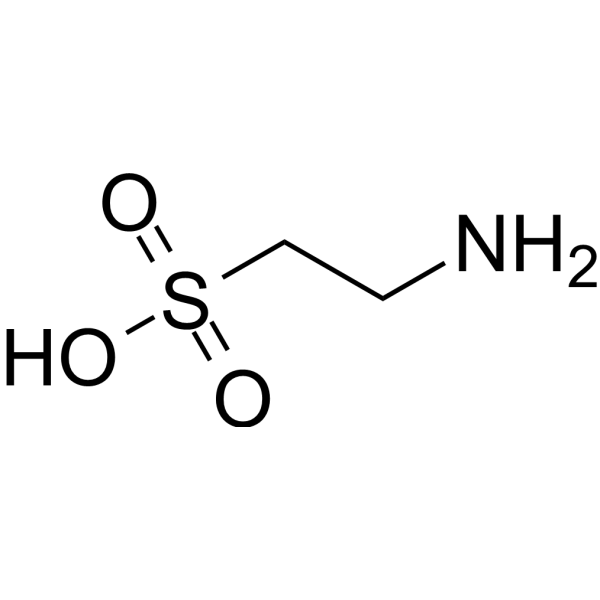
Taurine, a sulphur-containing amino acid and an organic osmolyte involved in cell volume regulation, provides a substrate for the formation of bile salts, and plays a role in the modulation of intracellular freecalcium concentration. Taurine has the ability to activate autophagy in adipocytes .
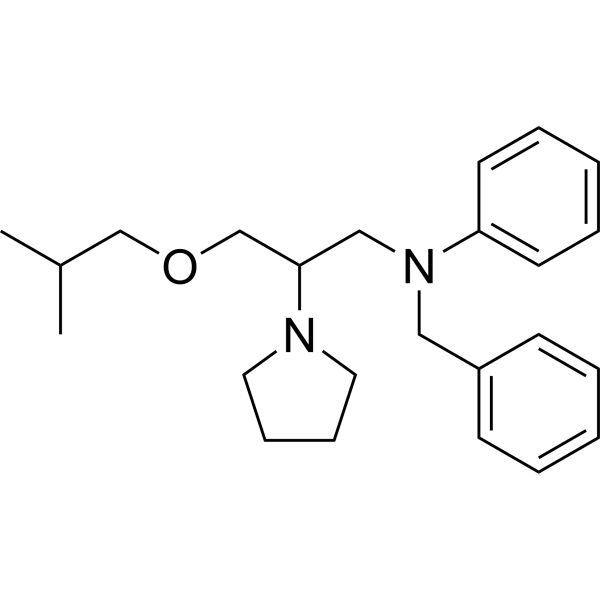
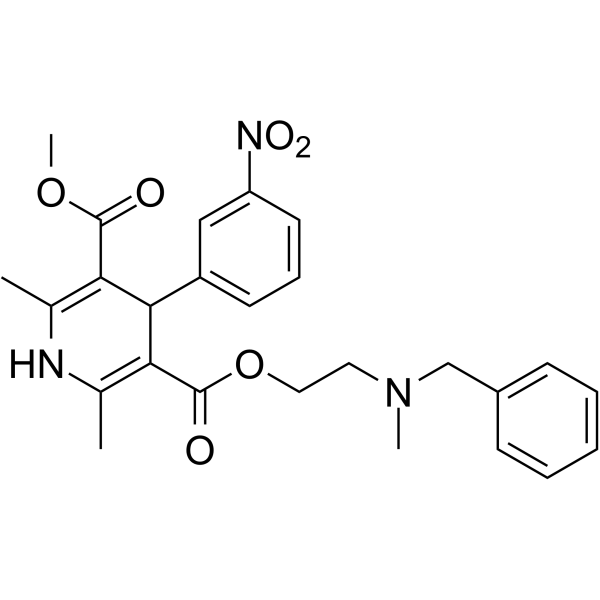
Nicardipine (YC-93 free base) is a calcium channel blocker with an IC50 of 1 μM for blocking cardiac calcium channels. Nicardipine acts as an agent for chronic stable angina and for controlling blood pressure .
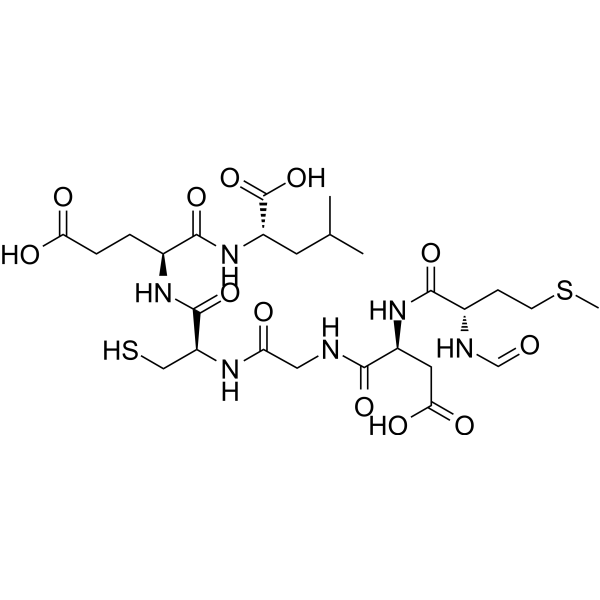
Foxy-5, a WNT5A agonist, is a mimicking peptide of WNT5A which is a non-canonical member of the Wnt family. Foxy-5 triggers cytosolic freecalcium signaling without affecting β-catenin activation and it impairs the migration and invasion of epithelial cancer cells. Foxy-5 effectively reduces the metastatic spread of WNT5A-low prostate cancer cells in an orthotopic mouse model .
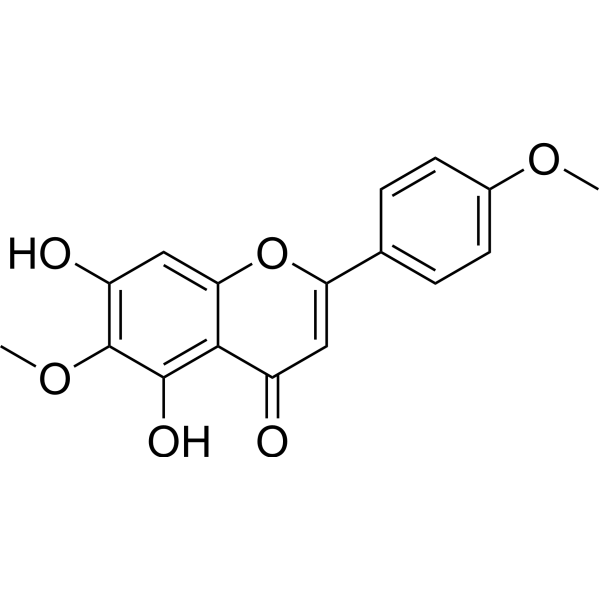
Pectolinarigenin is an orally active dual inhibitor of COX-2/5-LOX with anti-inflammatory, antioxidant, antitumor and neuroprotective activities. Pectolinarigenin exerts neuroprotective and anti-inflammatory effects on astrocyte inflammation via the NFκB and MAPK pathways. Pectolinarigenin inhibits LPS-induced phosphorylation of ERK1/2, N-FκB and p38MAPK, directly inhibits the enzymatic activity or binding of COX-2, 5-LOX and HIF-1α, and reduces the level of XIAP. Pectolinarigenin modifies Keap1 to promote nuclear accumulation of Nrf2, induces ARE-mediated antioxidant enzyme expression, and possesses direct free radical scavenging activity. Pectolinarigenin reduces the release of NO, proinflammatory mediators and leukotrienes, and increases the level of IL-10. Pectolinarigenin induces G2/M cell cycle arrest, apoptosis (Apoptosis) and autophagy (Autophagy) via the PI3K/AKT/mTOR signaling pathway. Pectolinarigenin reduces renal crystal deposition and inhibits melanin synthesis. Pectolinarigenin inhibits inflammation and alleviates allergy in mouse models of inflammation. Pectolinarigenin alleviates renal injury, inflammation and oxidative stress in mice by inhibiting HIF-1α activity. Pectolinarigenin can be used for the research of neurodegenerative diseases, inflammatory/allergic diseases, calcium oxalate nephrocalcinosis, gastric cancer, melasma, post-inflammatory diseases and chloasma .
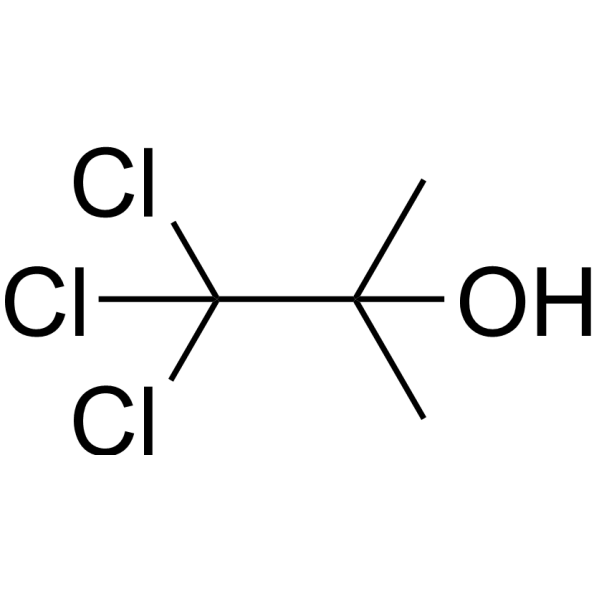
Chlorobutanol is an orally active and potent inhibitor of platelet aggregation and release and a pharmaceutical preservative with antibacterial activity. Chlorobutanol inhibits thromboxane B2 formation, ATP release, and elevation of cytosolic freecalcium caused by collagen, ADP, epinephrine, arachidonic acid and thrombin. Chlorobutanol is active against a wide variety of Gram-positive and Gram-negative bacteria, and several mold spores and fungi. Chlorobutanol is widely used in food and cosmetic industry .
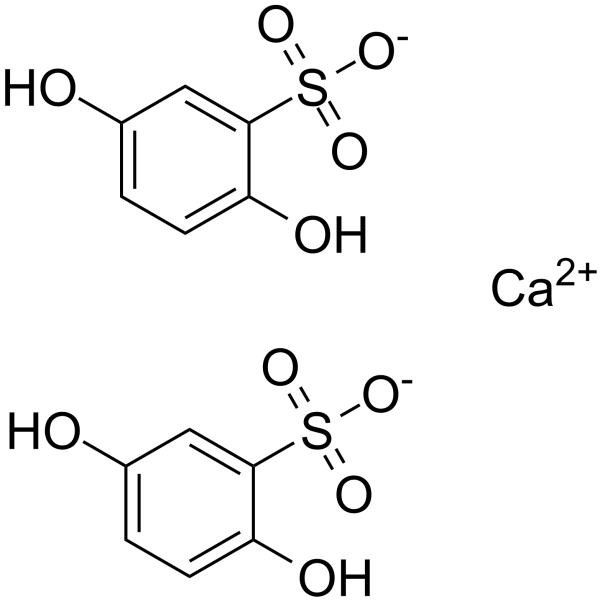
Calcium dobesilate is a vascular protector with oral activity that can clear hydroxyl free radicals, with an IC50 of 1.1 pM. Calcium dobesilate has antioxidant activity and helps to reduce oxidative stress and inflammation in the retinas of diabetic mice. Calcium dobesilate can be used to study chronic venous diseases, diabetic retinopathy, and the occurrence of hemorrhoids, among other conditions .
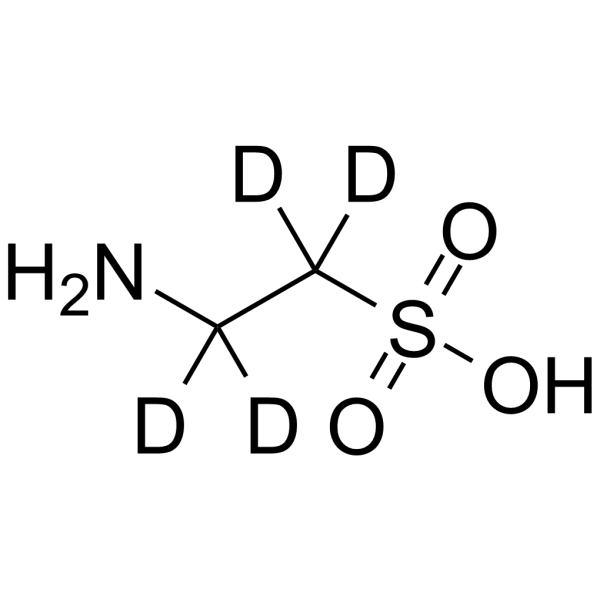
Taurine-d4 is the deuterium labeled Taurine. Taurine, a sulphur-containing amino acid and an organic osmolyte involved in cell volume regulation, provides a substrate for the formation of bile salts, and plays a role in the modulation of intracellular freecalcium concentration. Taurine has the ability to activate autophagy in adipocytes .
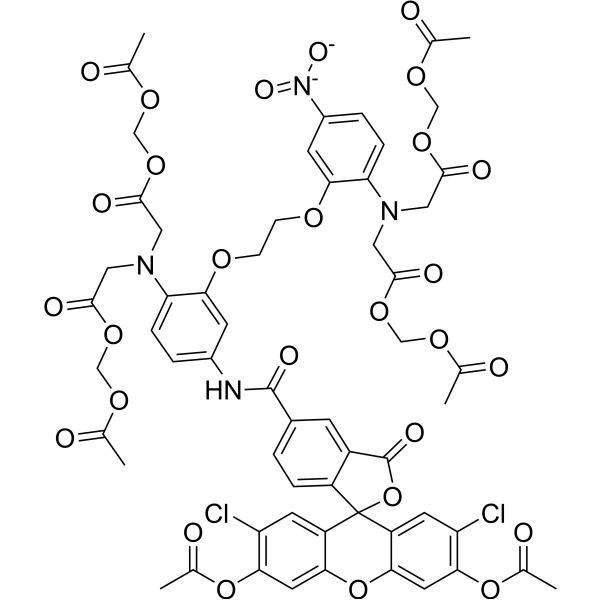
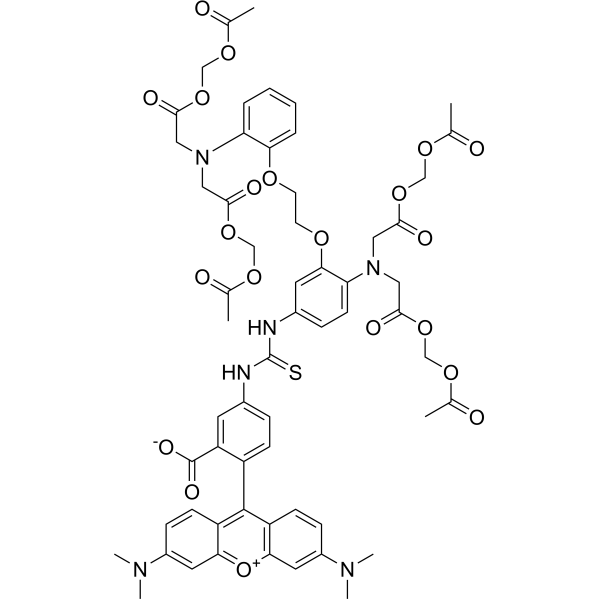
Calcium Green-5N AM is a Ca 2+-sensitive fluorescent probe (Kd= 14 μM). Calcium Green-5N AM shows enhanced fluorescence intensity upon binding to Ca 2+, and it can monitor free Ca 2+ in neurons .
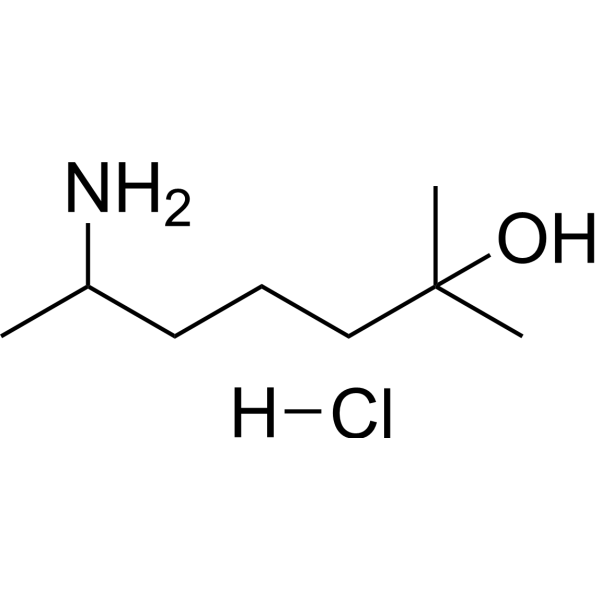
Heptaminol (RP-2831) hydrochloride is a vasoconstrictor used in the study of hypotension, especially orthostatic hypotension. Heptaminol is also a skin cancer proliferation inhibitor that inhibits immune inflammation induced by the tumor promoting factor 12-O-tetradecanoylphorbol-13-acetate (TPA) in an NO-dependent manner. Heptaminol also acts as a sympathomimetic amine, exerting indirect sympathetic effects. Heptaminol is also an antagonist of catecholamine release and uptake and can increase intracellular freecalcium levels .
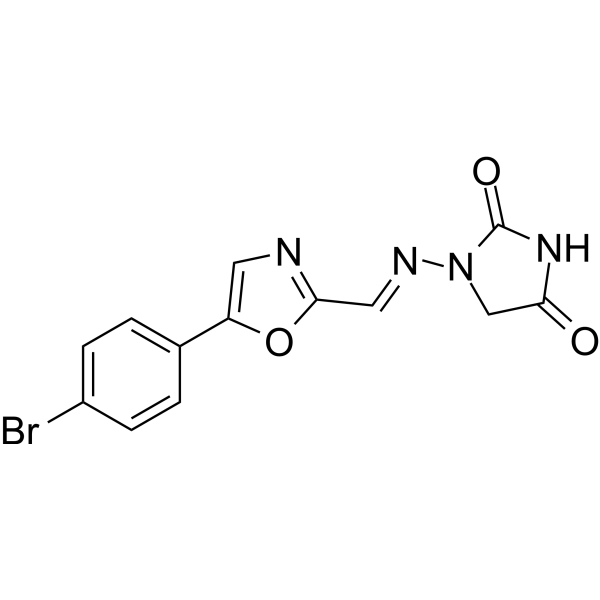
Azumolene (EU4093 free base), a Dantrolene analog, is a muscle relaxant. Azumolene is a ryanodine receptor (RyR) modulator and inhibits the calcium-release through ryanodine receptor. Azumolene can be used for malignant hyperthermia research .
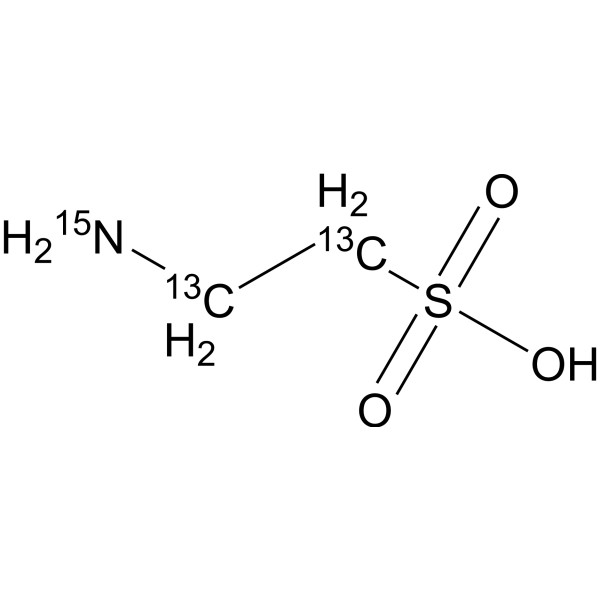
Taurine- 13C2, 15N is the 13C- and 15N- labeled Taurine. Taurine, a sulphur-containing amino acid and an organic osmolyte involved in cell volume regulation, provides a substrate for the formation of bile salts, and plays a role in the modulation of intracellular freecalcium concentration. Taurine has the ability to activate autophagy in adipocytes .
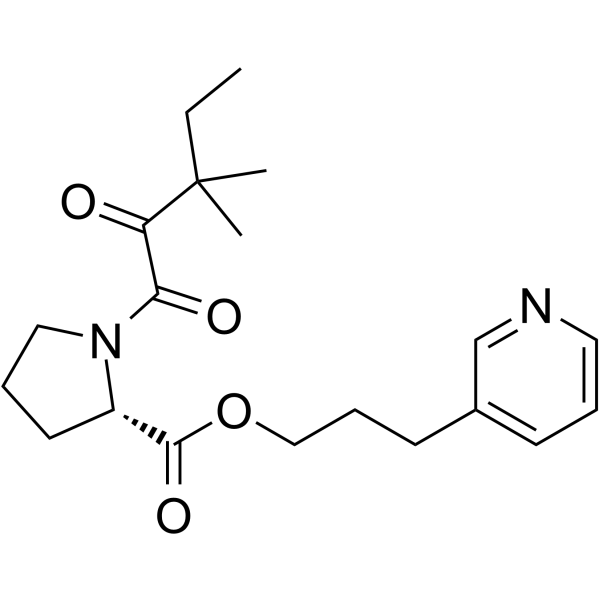
GPI-1046 is an orally active, antibiotic-free immunophilin ligand that reduces ethanol intake by upregulating glutamate transporter 1 (GLT1) in the prefrontal cortex (PFC) and nucleus accumbens core (NAc-core). GPI-1046 improves human immunodeficiency virus (HIV)-associated sensory neuropathy (HIV-SN) by attenuating store-operated calcium (SOC) entry. GPI-1046 has neuroprotective activity .
Progesterone/BSA is a conjugate of Progesterone (HY-N0437) and bovine serum albumin (BSA). Progesterone/BSA cannot penetrate the plasma membrane of human sperm, but still rapidly elevates intracellular freecalcium and induces the acrosome reaction. Progesterone/BSA can also act as a probe to specifically bind to progesterone-binding proteins on the membrane of rat brain synaptosomes .
Calcium Orange AM is an intracellular calcium reporter. Specific fluorescence can be detected when freecalcium binds to Calcium Orange AM (Ex/Em=549/576 nm). Calcium Orange AM does not enter the vacuoles and does not compartmentalize into acidic vesicles .
Taurine (Standard) is the analytical standard of Taurine. This product is intended for research and analytical applications. Taurine, a sulphur-containing amino acid and an organic osmolyte involved in cell volume regulation, provides a substrate for the formation of bile salts, and plays a role in the modulation of intracellular freecalcium concentration. Taurine has the ability to activate autophagy in adipocytes .
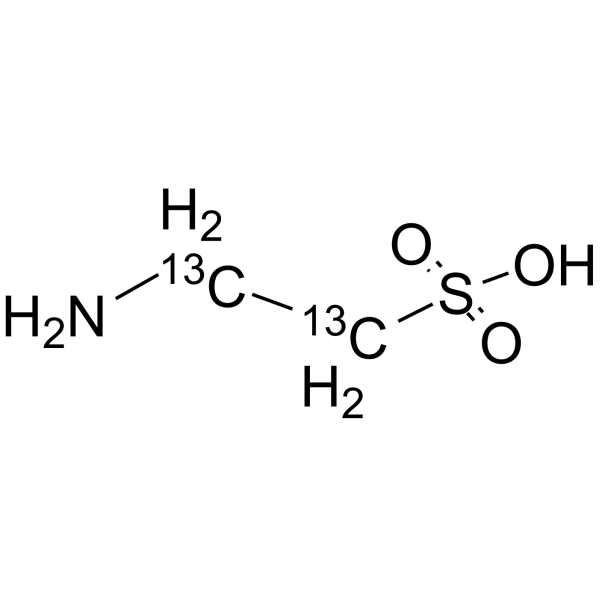
Taurine- 13C2 is the 13C-labeled Taurine. Taurine, a sulphur-containing amino acid and an organic osmolyte involved in cell volume regulation, provides a substrate for the formation of bile salts, and plays a role in the modulation of intracellular freecalcium concentration. Taurine has the ability to activate autophagy in adipocytes .
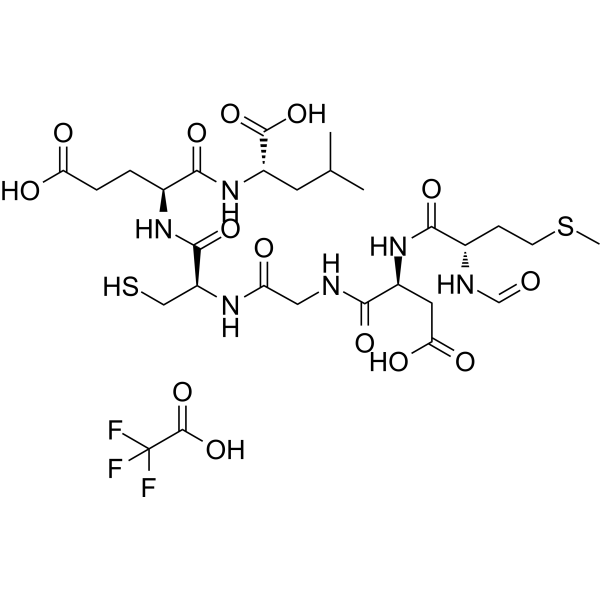
Foxy-5 TFA, a WNT5A agonist, is a mimicking peptide of WNT5A which is a non-canonical member of the Wnt family. Foxy-5 TFA triggers cytosolic freecalcium signaling without affecting β-catenin activation and it impairs the migration and invasion of epithelial cancer cells. Foxy-5 TFA effectively reduces the metastatic spread of WNT5A-low prostate cancer cells in an orthotopic mouse model .
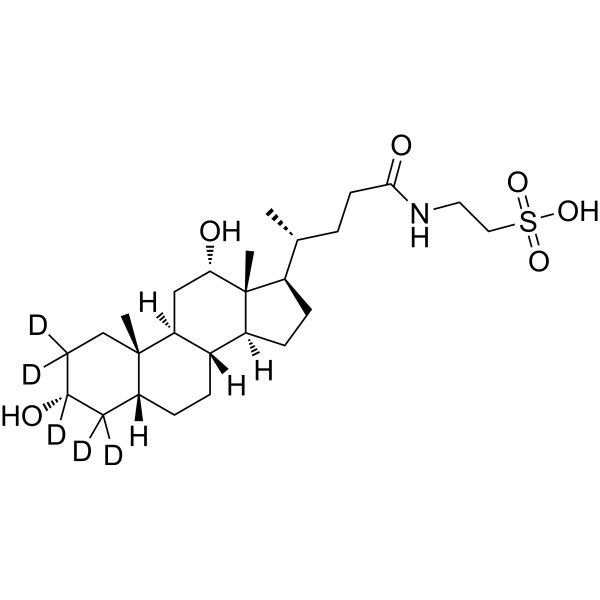
Taurodeoxycholic acid-d5 is the deuterium labeled Taurodeoxycholic acid (HY-B1899) . Taurodeoxycholic acid, a bile acid, stabilizes the mitochondrial membrane, decreases free radical formation. Taurodeoxycholic acid inhibits apoptosis by blocking a calcium-mediated apoptotic pathway as well as caspase-12 activation. Taurodeoxycholic acid exhibits neuroprotective effect in 3-nitropropionic acid induced mouse model or genetic mouse model of Huntington's disease (HD) .
Calcium green-5N hexapotassium is a cell-impermeant Ca 2+-sensitive fluorescent probe. Calcium green-5N hexapotassium shows enhancement in fluorescence intensity on binding Ca 2+, and can monitor free Ca 2+ in neurons .
(S)-Albuterol hydrochloride is a muscarinic receptor and phospholipase C activator. (S)-Albuterol hydrochloride increases intracellular freecalcium in airway smooth muscle .
Rhod-2 triammonium is a cell impermeant, red fluorescent calcium indicator. Rhod-2 triammonium exhibits a significant shift in fluorescence intensity upon calcium binding (ex max=549 nm; calcium-free v. ex/em max=552/581 nm; calcium-bound). Unlike the UV-excitable indicators Fura-2 and Indo-1 (HY-D0121), there is no accompanying spectral shift .
EVT-101 free base is a GluN2B antagonist. EVT-101 free base binds at the same GluN1/GluN2B dimer interface as Ifenprodil (HY-12882). EVT-101 free base inhibits calcium influx in chicken-derived cells, with an EC50 of 22 nM. EVT-101 can be used in the research of brain disorders .
CS-722 Free base is a synthesized centrally acting muscle relaxant, and has a muscle relaxant activity and depressant effectson the spinal reflex . CS-722 Free base inhibits spontaneous inhibitory postsynaptic currents and excitatory postsynaptic currents in hippocampal cultures probably by an inhibition of both sodium and calcium currents .
TI-16 is a peptide that targets β-amyloid (Aβ) protein. TI-16 can cross the blood-brain barrier. TI-16 can increase the concentration of intracellular freeCaM, thereby restoring calcium ion homeostasis and reducing Aβ toxicity. TI-16 can reduce the deposition of Aβ in the brain, improve neuronal pathology, inhibit cell apoptosis, and improve cognitive function in mice. TI-16 is commonly used in the study of Alzheimer's disease .
KT-362 free acid is an intracellular calcium antagonist with antiarrhythmic and vasodilatory effects. KT-362 free acid shows an antagonistic effect against norepinephrine (NE) induced vasoconstriction response, achieved by reducing inositol phospholipid hydrolysis, thereby reducing intracellular calcium mobilization. KT-362 free acid can be used to study the contraction and relaxation mechanisms of vascular smooth muscle, especially in exploring the role of intracellular calcium mobilization and inositol phospholipid hydrolysis in vascular contraction .
AJG049 free base is a calcium channel (Ca 2+ channel) antagonist. AJG049 free base regulates vascular relaxation, reduces cardiac load, and improves cardiac perfusion by binding to the binding site of L-type calcium channels, specifically Diltiazem (HY-B0632). AJG049 free base can be used in cardiovascular disease research .
SB-237376 (free base) is a potassium and calcium channel blocker. SB-237376 (free base) can inhibit the rapidly activating delayed rectifier potassium current I(Kr) (IC50 is 0.42 μM), and at high concentrations, it blocks the L-type calcium current I(Ca,L). In the rabbit ventricular model, SB-237376 (free base) can induce early afterdepolarizations (EADs) at a concentration of 3 µM. Compared to other IKr inhibitors such as dl-sotalol, SB-237376 has a lower proarrhythmic risk. SB-237376 (free base) holds potential for research in the field of arrhythmia-related diseases .
(S)-Nicardipine ((S)-YC-93 free base) is the less active S enantiomer of Nicardipine. Nicardipine is a calcium channel blocker with an IC50 of 1 μM for blocking cardiac calcium channels. Nicardipine acts as an agent for chronic stable angina and for controlling blood pressure .
LY393615 (NCC1048) free base is a novel neuronal Ca 2+(calcium channel) and Na + channel (sodium channel) blocker with IC50s of 1.9 μΜ and 5.2 μΜ for α1A and α1B calcium channel subunits. LY393615 free base has good brain penetration and neuroprotective effects in models of in cerebral ischemia that can be used for neurological disease research .
AGN-190383 is a bee venom phospholipase A2 inhibitor. AGN 190383 inhibits both hormone-operated and depolarization-dependent calcium mobilization as well as fMLP stimulated increases in free cytosolic calcium. AGN-190383 has anti-inflammatory activity .
Rhod-2 sodium is a cell impermeant, red fluorescent calcium indicator. Rhod-2 sodium exhibits a significant shift in fluorescence intensity upon calcium binding (ex max=549 nm; calcium-free v. ex/em max=552/581 nm; calcium-bound). Unlike the UV-excitable indicators Fura-2 and Indo-1 (HY-D0121), there is no accompanying spectral shift .
Rhod-2 potassium is a cell impermeant, red fluorescent calcium indicator. Rhod-2 potassium exhibits a significant shift in fluorescence intensity upon calcium binding (ex max=549 nm; calcium-free v. ex/em max=552/581 nm; calcium-bound). Unlike the UV-excitable indicators Fura-2 and Indo-1 (HY-D0121), there is no accompanying spectral shift .
(R)-Nicardipine ((R)-YC-93 free base) is the less active R enantiomer of Nicardipine. Nicardipine (YC-93) is a calcium channel blocker with an IC50 of 1 μM for blocking cardiac calcium channels. Nicardipine acts as an agent for chronic stable angina and for controlling blood pressure .
Nicardipine (Standard) is the analytical standard of Nicardipine. This product is intended for research and analytical applications. Nicardipine (YC-93 free base) is a calcium channel blocker with an IC50 of 1 μM for blocking cardiac calcium channels. Nicardipine acts as an agent for chronic stable angina and for controlling blood pressure .
Moveltipril calcium (MC-838 calcium) is an orally active angiotensin converting enzyme (ACE) inhibitor with antihypertensive activity. Moveltipril calcium binds via a stable thioester bond and exhibits relative resistance to enzymatic hydrolysis in rat liver homogenate. Moveltipril calcium effectively inhibits ACE extracted from rabbit lung in a concentration-dependent manner. Moveltipril calcium is able to highly specifically inhibit the contractile response to angiotensin-I (AI) in free rat aortic rings and guinea pig ileum preparations, while enhancing the contractile response to calcitonin .
Elgodipine (IQB-875 free base) is an orally active dihydropyridine calcium antagonist and an antianginal compound. Elgodipine inhibits both T- and L-type calcium channels (IC50: 32 and 2.3 nM). Elgodipine lowers systemic vascular resistance and improves systolic cardiac function .
Thapsigargicin (Thapsigargicine) is a activator of mast cells and leukocytes. Thapsigargicin induces histamine release from rat peritoneal mast cells and human basophil leukocytes. Thapsigargicin increases the cytoplasmic freecalcium level in intact human blood platelets .
INDO 1 pentasodium is a cell-impermeant ratiometric, freecalcium ion (Ca 2+) fluorescent indicator that can quantitatively monitor dynamic changes in intracellular free Ca 2+ concentrations. When unbound to Ca 2+ (free state), INDO 1 pentasodium exhibits a peak emission wavelength of 485 nm under UV excitation (350 nm). Upon binding to Ca 2+ (bound state), the emission peak shifts to 405 nm. INDO 1 pentasodium is highly photolabile and susceptible to photobleaching, and its emission spectrum may overlap with the autofluorescence of NADH .
GS 283 is a compound with calcium antagonist and weak histamine and muscarinic receptor blocking activity, with activity in modulating contraction of guinea pig and rat tracheal smooth muscle. GS 283 inhibits contractions induced by carbachol, histamine (guinea pig only), and high H + in guinea pig and rat tracheal smooth muscle, inhibits Ca 2+-induced contractions in guinea pig tracheal smooth muscle, and at high concentrations completely abolishes contractions induced by carbachol in Ca 2+-free medium.
Taurine (Standard) is the analytical standard of Taurine. This product is intended for research and analytical applications. Taurine, a sulphur-containing amino acid and an organic osmolyte involved in cell volume regulation, provides a substrate for the formation of bile salts, and plays a role in the modulation of intracellular freecalcium concentration. Taurine has the ability to activate autophagy in adipocytes .
Taurine- 15N (2-Aminoethanesulfonic acid- 15N) is 15N labeled Taurine. Taurine, a sulphur-containing amino acid and an organic osmolyte involved in cell volume regulation, provides a substrate for the formation of bile salts, and plays a role in the modulation of intracellular freecalcium concentration. Taurine has the ability to activate autophagy in adipocytes .
D-myo-Inositol-1,3,4-triphosphate (sodium) is one of the inositol oligophosphate isomers implicated in signal transduction. D-myo-Inositol-1,3,4-triphosphate (sodium) acts through the inhibition of Ins(3,4,5,6)-P4 kinase activity to increase cellular level of Ins(3,4,5,6)-P4, thereby inhibiting calcium-activated chloride channels. D-myo-Inositol-1,3,4-triphosphate (sodium) can be regulated by the levels of cytosolic freecalcium .
MS Medium (Calcium-Free) is a culture medium with a high concentration of inorganic salts and ions, making it a relatively stable balanced solution. The quantity and ratio of nutrients in MS Medium (Calcium-Free) are suitable to meet the nutritional and physiological needs of plants.
1-Myristoyl-2-hydroxy-sn-glycero-3-phosphoethanolamine (14:0 Lyso PE) is a lysophospholipid with a phosphoethanolamine head and a myristoyl tail. The free amine group can conjugate with NHS active ester or coupled with carboxylic acid in the presence of a coupling agent. It also induces transient increases in intracellular calcium in PC12 cells . Serum levels of 1-Myristoyl-2-hydroxy-sn-glycero-3-phosphoethanolamine are elevated in patients with malignant breast cancer compared to healthy controls .
Heptaminol (hydrochloride) (Standard) is the analytical standard of Heptaminol (hydrochloride). This product is intended for research and analytical applications. Heptaminol (RP-2831) hydrochloride is a vasoconstrictor used in the study of hypotension, especially orthostatic hypotension. Heptaminol is also a skin cancer proliferation inhibitor that inhibits immune inflammation induced by the tumor promoting factor 12-O-tetradecanoylphorbol-13-acetate (TPA) in an NO-dependent manner. Heptaminol also acts as a sympathomimetic amine, exerting indirect sympathetic effects. Heptaminol is also an antagonist of catecholamine release and uptake and can increase intracellular freecalcium levels .
Bisaramil hydrochloride is an antiarrhythmic compound with activity in inhibiting free radical generation. Bisaramil hydrochloride directly blocks sodium currents and exhibits enhanced sodium channel blocking ability. Bisaramil hydrochloride inhibits isoproterenol-induced slow calcium action potentials in cardiomyocytes. Bisaramil hydrochloride reduces heart rate and prolongs the PR, QRS, and QT intervals in the electrocardiogram, showing blocking effects on sodium and potassium channels. Bisaramil hydrochloride reduces cardiac conduction velocity, increases the threshold current for capture and atrial fibrillation, and prolongs the effective refractory period. Bisaramil hydrochloride reduces ventricular arrhythmias and eliminates mortality caused by ventricular fibrillation in ischemic rat hearts .
IMM-H004, a coumarin derivative, possesses neuroprotective and potent free radical scavenging abilities. IMM-H004 significantly inhibits amyloid-β (Aβ)-induced cytotoxicity and apoptosis, offering potential value for research into neurodegenerative diseases such as Alzheimer's disease. Additionally, IMM-H004 is also capable of effectively blocking the calcium mobilization and chemotaxis induced by CKLF1-C27 (HY-P3418), thereby alleviating asthmatic pathological changes in the lung tissue of CKLF1 transgenic mice .
Pectolinarigenin (Standard) is the analytical standard of Pectolinarigenin. This product is intended for research and analytical applications. Pectolinarigenin is an orally active dual inhibitor of COX-2/5-LOX with anti-inflammatory, antioxidant, antitumor and neuroprotective activities. Pectolinarigenin exerts neuroprotective and anti-inflammatory effects on astrocyte inflammation via the NFκB and MAPK pathways. Pectolinarigenin inhibits LPS-induced phosphorylation of ERK1/2, N-FκB and p38MAPK, directly inhibits the enzymatic activity or binding of COX-2, 5-LOX and HIF-1α, and reduces the level of XIAP. Pectolinarigenin modifies Keap1 to promote nuclear accumulation of Nrf2, induces ARE-mediated antioxidant enzyme expression, and possesses direct free radical scavenging activity. Pectolinarigenin reduces the release of NO, proinflammatory mediators and leukotrienes, and increases the level of IL-10. Pectolinarigenin induces G2/M cell cycle arrest, apoptosis (Apoptosis) and autophagy (Autophagy) via the PI3K/AKT/mTOR signaling pathway. Pectolinarigenin reduces renal crystal deposition and inhibits melanin synthesis. Pectolinarigenin inhibits inflammation and alleviates allergy in mouse models of inflammation. Pectolinarigenin alleviates renal injury, inflammation and oxidative stress in mice by inhibiting HIF-1α activity. Pectolinarigenin can be used for the research of neurodegenerative diseases, inflammatory/allergic diseases, calcium oxalate nephrocalcinosis, gastric cancer, melasma, post-inflammatory diseases and chloasma.
SH Medium (Agar-Free, Sucrose-Free) is mainly composed of potassium salts, calcium chloride, magnesium sulfate, phosphates, etc., and is a sterile solution.
ER Medium (Agar-Free, Sucrose-Free) is mainly composed of potassium salts, calcium chloride, magnesium sulfate, phosphates, etc., and is a sterile solution.
HE Medium (Agar-Free, Sucrose-Free) is mainly composed of potassium salts, calcium chloride, magnesium sulfate, phosphates, etc. It is a sterile solution that can be used for plant culture.
NT Medium (Agar-Free, Sucrose-Free) is mainly composed of potassium salts, calcium chloride, magnesium sulfate, phosphates, etc., and is a sterile solution after autoclaving. This product contains sucrose.
Miller Medium (Agar-Free, Sucrose-Free) is mainly composed of potassium nitrate, calcium nitrate, magnesium sulfate, and phosphate, with a potassium nitrate concentration of 1000 mg/L and an ammonium nitrate concentration of 1000 mg/L. Miller Medium (Agar-Free, Sucrose-Free) has a high nitrate content and is a sterile solution.
NT Medium (Agar-Free, Sucrose-Free) is mainly composed of potassium salts, calcium chloride, magnesium sulfate, phosphates, etc., and is a sterile solution after autoclaving. This product contains agar and sucrose.
NT Medium (Agar-Free, Sucrose-Free) is mainly composed of potassium salts, calcium chloride, magnesium sulfate, phosphates, etc., and is a sterile solution sterilized by autoclaving. This product does not contain agar or sucrose.
Nitsch Medium (Agar-Free, Sucrose-Free) is mainly composed of potassium nitrate, calcium chloride, magnesium sulfate, and phosphates. The concentrations are: potassium nitrate 2575.5 mg/L, magnesium sulfate 246.5 mg/L, and ammonium nitrate 720 mg/L. Nitsch Medium (Agar-Free, Sucrose-Free) has a high vitamin content and is a sterile solution.
MT Medium (Agar-Free, Sucrose-Free) is mainly composed of potassium salts, calcium chloride, magnesium sulfate, and phosphates. The potassium salt concentration is 1650 mg/L, the magnesium sulfate concentration is 370 mg/L, and the inositol concentration is 100 mg/L. MT Medium (Agar-Free, Sucrose-Free) has a high vitamin content, as well as high nitrate and thiamine content, and is a sterile solution.
The composition of 1/4 MS Medium (Agar-Free, Sucrose-Free) is similar to that of standard MS medium, but the concentration of macroelements (ammonium nitrate, potassium nitrate, calcium chloride, magnesium sulfate, potassium dihydrogen phosphate, etc.) is diluted to one-quarter of the original concentration.
NecroX-5 free base is a derivative of the NecroX, reduces intracellular calcium concentration, and possesses anti-inflammatory and anti-cancer activity.
Calcium oxide (CaO) acts as a heterogeneous base catalyst. Calcium oxide can be extracted not only from waste materials such as oyster shells, eggshells and crab shells, but also exhibits tolerance to low to moderate oil quality, free fatty acid and water content in raw materials. Calcium oxide can be used in biodiesel production, where it effectively catalyzes the transesterification of vegetable oils or animal fats to produce alkyl esters .
β-Sanshool is found in Zanthoxylum bungeanum and has a unique pungent taste. β-Sanshool is a TRPV1 activator that activates TRPV1 to increase intracellular calcium concentration. β-Sanshool has antioxidant effects and enhances free radical scavenging activity. β-Sanshool increases the thermal denaturation temperature and stabilizes protein structures. β-Sanshool induces sensory experiences of numbness and bitterness .
MN-05 is a dual neuroprotective and vasodilatory NMDA receptor inhibitor.MN-05 blocks calcium influx, reduces free radical production, and maintains mitochondrial membrane potential in cortical neurons exposed to glutamate.MN-05 dilates aortic rings against phenylephrine-induced contraction.MN-05 protects neurons against glutamate-induced injury in vitro.MN-05 can be used for the research of neurodegenerative diseases .
Trequinsin (HL 725 free base) is a PDE inhibitor, CatSper channel activator, and sperm potassium channel modulator. Trequinsin targets PDE3 with an IC50 of <1 nM. Trequinsin enhances currents and elevates intracellular calcium and cGMP levels via direct activation of the CatSper channel, while inhibiting the outward current conductance of sperm potassium channels. Without inducing premature acrosome reaction, Trequinsin significantly enhances sperm hyperactivated motility, forward motility, and the ability to penetrate viscous media. Trequinsin exerts age-specific positive inotropic and positive lusitropic effects on rabbit ventricular papillary muscles. Trequinsin has been used in studies on the mechanisms underlying male infertility (e.g., asthenozoospermia) .
1-Myristoyl-2-hydroxy-sn-glycero-3-phosphoethanolamine-d27 (14:0 Lyso PE-d27) is the deuterium labeled 1-Myristoyl-2-hydroxy-sn-glycero-3-phosphoethanolamine. 1-Myristoyl-2-hydroxy-sn-glycero-3-phosphoethanolamine (14:0 Lyso PE) is a lysophospholipid with a phosphoethanolamine head and a myristoyl tail. The free amine group can conjugate with NHS active ester or coupled with carboxylic acid in the presence of a coupling agent. It also induces transient increases in intracellular calcium in PC12 cells .
Zinc borate is a bioactive inorganic substance with properties including osteogenic induction, pro-angiogenesis, antioxidation, antimutagenesis and cytotoxicity. In the field of bone tissue engineering, Zinc borate is often incorporated into chitosan scaffolds. By releasing zinc ions and borate ions, Zinc borate induces the differentiation of human dental pulp stem cells into osteoblasts, upregulates the expression of bone-related genes and promotes calcium deposition. Zinc borate also promotes angiogenesis by upregulating key factors such as vascular endothelial growth factor. Zinc borate exhibits antioxidant capacity to scavenge free radicals, and can specifically reduce mutagenicity under specific conditions. Zinc borate reduces the survival rate of mouse fibroblasts, but it can still be used in studies related to bone tissue engineering .
Calcium Green-5N AM is a Ca 2+-sensitive fluorescent probe (Kd= 14 μM). Calcium Green-5N AM shows enhanced fluorescence intensity upon binding to Ca 2+, and it can monitor free Ca 2+ in neurons .
Calcium Orange AM is an intracellular calcium reporter. Specific fluorescence can be detected when freecalcium binds to Calcium Orange AM (Ex/Em=549/576 nm). Calcium Orange AM does not enter the vacuoles and does not compartmentalize into acidic vesicles .
Calcium green-5N hexapotassium is a cell-impermeant Ca 2+-sensitive fluorescent probe. Calcium green-5N hexapotassium shows enhancement in fluorescence intensity on binding Ca 2+, and can monitor free Ca 2+ in neurons .
Rhod-2 sodium is a cell impermeant, red fluorescent calcium indicator. Rhod-2 sodium exhibits a significant shift in fluorescence intensity upon calcium binding (ex max=549 nm; calcium-free v. ex/em max=552/581 nm; calcium-bound). Unlike the UV-excitable indicators Fura-2 and Indo-1 (HY-D0121), there is no accompanying spectral shift .
Rhod-2 potassium is a cell impermeant, red fluorescent calcium indicator. Rhod-2 potassium exhibits a significant shift in fluorescence intensity upon calcium binding (ex max=549 nm; calcium-free v. ex/em max=552/581 nm; calcium-bound). Unlike the UV-excitable indicators Fura-2 and Indo-1 (HY-D0121), there is no accompanying spectral shift .
INDO 1 pentasodium is a cell-impermeant ratiometric, freecalcium ion (Ca 2+) fluorescent indicator that can quantitatively monitor dynamic changes in intracellular free Ca 2+ concentrations. When unbound to Ca 2+ (free state), INDO 1 pentasodium exhibits a peak emission wavelength of 485 nm under UV excitation (350 nm). Upon binding to Ca 2+ (bound state), the emission peak shifts to 405 nm. INDO 1 pentasodium is highly photolabile and susceptible to photobleaching, and its emission spectrum may overlap with the autofluorescence of NADH .
Progesterone/BSA is a conjugate of Progesterone (HY-N0437) and bovine serum albumin (BSA). Progesterone/BSA cannot penetrate the plasma membrane of human sperm, but still rapidly elevates intracellular freecalcium and induces the acrosome reaction. Progesterone/BSA can also act as a probe to specifically bind to progesterone-binding proteins on the membrane of rat brain synaptosomes .
Rhod-2 triammonium is a cell impermeant, red fluorescent calcium indicator. Rhod-2 triammonium exhibits a significant shift in fluorescence intensity upon calcium binding (ex max=549 nm; calcium-free v. ex/em max=552/581 nm; calcium-bound). Unlike the UV-excitable indicators Fura-2 and Indo-1 (HY-D0121), there is no accompanying spectral shift .
Taurine (Standard) is the analytical standard of Taurine. This product is intended for research and analytical applications. Taurine, a sulphur-containing amino acid and an organic osmolyte involved in cell volume regulation, provides a substrate for the formation of bile salts, and plays a role in the modulation of intracellular freecalcium concentration. Taurine has the ability to activate autophagy in adipocytes .
MS Medium (Calcium-Free) is a culture medium with a high concentration of inorganic salts and ions, making it a relatively stable balanced solution. The quantity and ratio of nutrients in MS Medium (Calcium-Free) are suitable to meet the nutritional and physiological needs of plants.
SH Medium (Agar-Free, Sucrose-Free) is mainly composed of potassium salts, calcium chloride, magnesium sulfate, phosphates, etc., and is a sterile solution.
ER Medium (Agar-Free, Sucrose-Free) is mainly composed of potassium salts, calcium chloride, magnesium sulfate, phosphates, etc., and is a sterile solution.
HE Medium (Agar-Free, Sucrose-Free) is mainly composed of potassium salts, calcium chloride, magnesium sulfate, phosphates, etc. It is a sterile solution that can be used for plant culture.
NT Medium (Agar-Free, Sucrose-Free) is mainly composed of potassium salts, calcium chloride, magnesium sulfate, phosphates, etc., and is a sterile solution after autoclaving. This product contains sucrose.
Miller Medium (Agar-Free, Sucrose-Free) is mainly composed of potassium nitrate, calcium nitrate, magnesium sulfate, and phosphate, with a potassium nitrate concentration of 1000 mg/L and an ammonium nitrate concentration of 1000 mg/L. Miller Medium (Agar-Free, Sucrose-Free) has a high nitrate content and is a sterile solution.
NT Medium (Agar-Free, Sucrose-Free) is mainly composed of potassium salts, calcium chloride, magnesium sulfate, phosphates, etc., and is a sterile solution after autoclaving. This product contains agar and sucrose.
NT Medium (Agar-Free, Sucrose-Free) is mainly composed of potassium salts, calcium chloride, magnesium sulfate, phosphates, etc., and is a sterile solution sterilized by autoclaving. This product does not contain agar or sucrose.
Nitsch Medium (Agar-Free, Sucrose-Free) is mainly composed of potassium nitrate, calcium chloride, magnesium sulfate, and phosphates. The concentrations are: potassium nitrate 2575.5 mg/L, magnesium sulfate 246.5 mg/L, and ammonium nitrate 720 mg/L. Nitsch Medium (Agar-Free, Sucrose-Free) has a high vitamin content and is a sterile solution.
MT Medium (Agar-Free, Sucrose-Free) is mainly composed of potassium salts, calcium chloride, magnesium sulfate, and phosphates. The potassium salt concentration is 1650 mg/L, the magnesium sulfate concentration is 370 mg/L, and the inositol concentration is 100 mg/L. MT Medium (Agar-Free, Sucrose-Free) has a high vitamin content, as well as high nitrate and thiamine content, and is a sterile solution.
The composition of 1/4 MS Medium (Agar-Free, Sucrose-Free) is similar to that of standard MS medium, but the concentration of macroelements (ammonium nitrate, potassium nitrate, calcium chloride, magnesium sulfate, potassium dihydrogen phosphate, etc.) is diluted to one-quarter of the original concentration.
Foxy-5, a WNT5A agonist, is a mimicking peptide of WNT5A which is a non-canonical member of the Wnt family. Foxy-5 triggers cytosolic freecalcium signaling without affecting β-catenin activation and it impairs the migration and invasion of epithelial cancer cells. Foxy-5 effectively reduces the metastatic spread of WNT5A-low prostate cancer cells in an orthotopic mouse model .
Foxy-5 TFA, a WNT5A agonist, is a mimicking peptide of WNT5A which is a non-canonical member of the Wnt family. Foxy-5 TFA triggers cytosolic freecalcium signaling without affecting β-catenin activation and it impairs the migration and invasion of epithelial cancer cells. Foxy-5 TFA effectively reduces the metastatic spread of WNT5A-low prostate cancer cells in an orthotopic mouse model .
TI-16 is a peptide that targets β-amyloid (Aβ) protein. TI-16 can cross the blood-brain barrier. TI-16 can increase the concentration of intracellular freeCaM, thereby restoring calcium ion homeostasis and reducing Aβ toxicity. TI-16 can reduce the deposition of Aβ in the brain, improve neuronal pathology, inhibit cell apoptosis, and improve cognitive function in mice. TI-16 is commonly used in the study of Alzheimer's disease .
MCE 0.25% Trypsin-EDTA (1×), Phenol Red-Free, is prepared by dissolving trypsin powder (a mixture of proteases from porcine pancreas, irradiated and sterilized) and EDTA in a calcium- and magnesium-free balanced salt solution. It is filter-sterilized and can be directly used for the dissociation of cultured cells and tissues. The 100 mL is defined as the base specification. All larger sizes correspond to incremental volumes of this base.
MCE MEM Vitamin Solution (100×) contains eight vitamins, including choline chloride, D-calcium pantothenate, folic acid, nicotinamide, pyridoxal hydrochloride, riboflavin, thiamine hydrochloride, and inositol. It can be used as a serum-free supplement for cell culture media to enhance cell viability and promote cell growth.
Taurine, a sulphur-containing amino acid and an organic osmolyte involved in cell volume regulation, provides a substrate for the formation of bile salts, and plays a role in the modulation of intracellular freecalcium concentration. Taurine has the ability to activate autophagy in adipocytes .
Pectolinarigenin is an orally active dual inhibitor of COX-2/5-LOX with anti-inflammatory, antioxidant, antitumor and neuroprotective activities. Pectolinarigenin exerts neuroprotective and anti-inflammatory effects on astrocyte inflammation via the NFκB and MAPK pathways. Pectolinarigenin inhibits LPS-induced phosphorylation of ERK1/2, N-FκB and p38MAPK, directly inhibits the enzymatic activity or binding of COX-2, 5-LOX and HIF-1α, and reduces the level of XIAP. Pectolinarigenin modifies Keap1 to promote nuclear accumulation of Nrf2, induces ARE-mediated antioxidant enzyme expression, and possesses direct free radical scavenging activity. Pectolinarigenin reduces the release of NO, proinflammatory mediators and leukotrienes, and increases the level of IL-10. Pectolinarigenin induces G2/M cell cycle arrest, apoptosis (Apoptosis) and autophagy (Autophagy) via the PI3K/AKT/mTOR signaling pathway. Pectolinarigenin reduces renal crystal deposition and inhibits melanin synthesis. Pectolinarigenin inhibits inflammation and alleviates allergy in mouse models of inflammation. Pectolinarigenin alleviates renal injury, inflammation and oxidative stress in mice by inhibiting HIF-1α activity. Pectolinarigenin can be used for the research of neurodegenerative diseases, inflammatory/allergic diseases, calcium oxalate nephrocalcinosis, gastric cancer, melasma, post-inflammatory diseases and chloasma .
Taurine (Standard) is the analytical standard of Taurine. This product is intended for research and analytical applications. Taurine, a sulphur-containing amino acid and an organic osmolyte involved in cell volume regulation, provides a substrate for the formation of bile salts, and plays a role in the modulation of intracellular freecalcium concentration. Taurine has the ability to activate autophagy in adipocytes .
CS-722 Free base is a synthesized centrally acting muscle relaxant, and has a muscle relaxant activity and depressant effectson the spinal reflex . CS-722 Free base inhibits spontaneous inhibitory postsynaptic currents and excitatory postsynaptic currents in hippocampal cultures probably by an inhibition of both sodium and calcium currents .
Thapsigargicin (Thapsigargicine) is a activator of mast cells and leukocytes. Thapsigargicin induces histamine release from rat peritoneal mast cells and human basophil leukocytes. Thapsigargicin increases the cytoplasmic freecalcium level in intact human blood platelets .
Pectolinarigenin (Standard) is the analytical standard of Pectolinarigenin. This product is intended for research and analytical applications. Pectolinarigenin is an orally active dual inhibitor of COX-2/5-LOX with anti-inflammatory, antioxidant, antitumor and neuroprotective activities. Pectolinarigenin exerts neuroprotective and anti-inflammatory effects on astrocyte inflammation via the NFκB and MAPK pathways. Pectolinarigenin inhibits LPS-induced phosphorylation of ERK1/2, N-FκB and p38MAPK, directly inhibits the enzymatic activity or binding of COX-2, 5-LOX and HIF-1α, and reduces the level of XIAP. Pectolinarigenin modifies Keap1 to promote nuclear accumulation of Nrf2, induces ARE-mediated antioxidant enzyme expression, and possesses direct free radical scavenging activity. Pectolinarigenin reduces the release of NO, proinflammatory mediators and leukotrienes, and increases the level of IL-10. Pectolinarigenin induces G2/M cell cycle arrest, apoptosis (Apoptosis) and autophagy (Autophagy) via the PI3K/AKT/mTOR signaling pathway. Pectolinarigenin reduces renal crystal deposition and inhibits melanin synthesis. Pectolinarigenin inhibits inflammation and alleviates allergy in mouse models of inflammation. Pectolinarigenin alleviates renal injury, inflammation and oxidative stress in mice by inhibiting HIF-1α activity. Pectolinarigenin can be used for the research of neurodegenerative diseases, inflammatory/allergic diseases, calcium oxalate nephrocalcinosis, gastric cancer, melasma, post-inflammatory diseases and chloasma.
β-Sanshool is found in Zanthoxylum bungeanum and has a unique pungent taste. β-Sanshool is a TRPV1 activator that activates TRPV1 to increase intracellular calcium concentration. β-Sanshool has antioxidant effects and enhances free radical scavenging activity. β-Sanshool increases the thermal denaturation temperature and stabilizes protein structures. β-Sanshool induces sensory experiences of numbness and bitterness .
The CACNA1C protein is the alpha-1C subunit of voltage-gated calcium channels that generate L-type calcium currents that are critical for calcium influx and sarcoplasmic release. Its role in excitation-contraction coupling is critical for cardiac development, rhythm regulation, and smooth muscle cell contraction. CACNA1C Protein, Pig (Cell-Free, His) is the recombinant pig-derived CACNA1C protein, expressed by E. coli Cell-free , with N-10*His labeled tag.
ATP2A1 is critical for striated muscle function, acting as the primary Ca(2+) ATPase to efficiently reuptake cytosolic Ca(2+) into the sarcoplasmic reticulum. Through ATP hydrolysis, ATP2A1 transfers calcium from the cytoplasm to the sarcoplasmic reticulum lumen, which is critical for precise control of calcium levels, regulation of isolation, and control of muscle excitation and contraction dynamics. ATP2A1 Protein, Human (Cell-Free, His) is the recombinant human-derived ATP2A1 protein, expressed by E. coli Cell-free, with N-10*His labeled tag.
Cystine/glutamate transporter; Amino acid transport system xc-; calcium channel blocker resistance protein CCBR1; Solute carrier family 7 member 11; xCT
The SLC7A11 protein forms a heterodimer with SLC3A2 and acts as an antiporter to exchange extracellular L-cystine for intracellular L-glutamate across the plasma membrane. This sodium-independent electroneutral transport, with a 1:1 stoichiometry, relies on high intracellular levels of L-glutamate and intracellular reduction of L-cystine. SLC7A11 Protein, Human (Cell-Free, His) is the recombinant human-derived SLC7A11 protein, expressed by E. coli Cell-free , with N-10*His labeled tag.
Taurine-d4 is the deuterium labeled Taurine. Taurine, a sulphur-containing amino acid and an organic osmolyte involved in cell volume regulation, provides a substrate for the formation of bile salts, and plays a role in the modulation of intracellular freecalcium concentration. Taurine has the ability to activate autophagy in adipocytes .
Taurine- 13C2, 15N is the 13C- and 15N- labeled Taurine. Taurine, a sulphur-containing amino acid and an organic osmolyte involved in cell volume regulation, provides a substrate for the formation of bile salts, and plays a role in the modulation of intracellular freecalcium concentration. Taurine has the ability to activate autophagy in adipocytes .
Taurine- 13C2 is the 13C-labeled Taurine. Taurine, a sulphur-containing amino acid and an organic osmolyte involved in cell volume regulation, provides a substrate for the formation of bile salts, and plays a role in the modulation of intracellular freecalcium concentration. Taurine has the ability to activate autophagy in adipocytes .
Taurodeoxycholic acid-d5 is the deuterium labeled Taurodeoxycholic acid (HY-B1899) . Taurodeoxycholic acid, a bile acid, stabilizes the mitochondrial membrane, decreases free radical formation. Taurodeoxycholic acid inhibits apoptosis by blocking a calcium-mediated apoptotic pathway as well as caspase-12 activation. Taurodeoxycholic acid exhibits neuroprotective effect in 3-nitropropionic acid induced mouse model or genetic mouse model of Huntington's disease (HD) .
Taurine- 15N (2-Aminoethanesulfonic acid- 15N) is 15N labeled Taurine. Taurine, a sulphur-containing amino acid and an organic osmolyte involved in cell volume regulation, provides a substrate for the formation of bile salts, and plays a role in the modulation of intracellular freecalcium concentration. Taurine has the ability to activate autophagy in adipocytes .
1-Myristoyl-2-hydroxy-sn-glycero-3-phosphoethanolamine-d27 (14:0 Lyso PE-d27) is the deuterium labeled 1-Myristoyl-2-hydroxy-sn-glycero-3-phosphoethanolamine. 1-Myristoyl-2-hydroxy-sn-glycero-3-phosphoethanolamine (14:0 Lyso PE) is a lysophospholipid with a phosphoethanolamine head and a myristoyl tail. The free amine group can conjugate with NHS active ester or coupled with carboxylic acid in the presence of a coupling agent. It also induces transient increases in intracellular calcium in PC12 cells .
Taurine, a sulphur-containing amino acid and an organic osmolyte involved in cell volume regulation, provides a substrate for the formation of bile salts, and plays a role in the modulation of intracellular freecalcium concentration. Taurine has the ability to activate autophagy in adipocytes .
1-Myristoyl-2-hydroxy-sn-glycero-3-phosphoethanolamine (14:0 Lyso PE) is a lysophospholipid with a phosphoethanolamine head and a myristoyl tail. The free amine group can conjugate with NHS active ester or coupled with carboxylic acid in the presence of a coupling agent. It also induces transient increases in intracellular calcium in PC12 cells . Serum levels of 1-Myristoyl-2-hydroxy-sn-glycero-3-phosphoethanolamine are elevated in patients with malignant breast cancer compared to healthy controls .
Inquiry Online
Your information is safe with us. * Required Fields.
Western blot analysis of extracts from THP-1(lane 2(20μg), Jurkat (lane 3(20μg) and NIH3T3(lane 4(20μg) using FOXO1A (HY-P80132) Rabbit mAb. Proteins were transferred
to a PVDF membrane and blocked with 5% non-fat milk in TBST for 2 hour at room temperature. The primary antibody (1/1000) and Loading control antibody (Beta Actin, HY-P80438, 1/10000) was
used in 5% non-fat milk in TBST at 4°C overnight. Goat Anti-Mouse/Rabbit IgG-HRP Secondary Antibody (1/10000) was used for 1 hour at room temperature.
Western blot analysis of extracts from THP-1(lane 2(20μg), Jurkat (lane 3(20μg) and NIH3T3(lane 4(20μg) using FOXO1A (HY-P80132) Rabbit mAb. Proteins were transferred
to a PVDF membrane and blocked with 5% non-fat milk in TBST for 2 hour at room temperature. The primary antibody (1/1000) and Loading control antibody (Beta Actin, HY-P80438, 1/10000) was
used in 5% non-fat milk in TBST at 4°C overnight. Goat Anti-Mouse/Rabbit IgG-HRP Secondary Antibody (1/10000) was used for 1 hour at room temperature.
Western blot analysis of extracts from THP-1(lane 2(20μg), Jurkat (lane 3(20μg) and NIH3T3(lane 4(20μg) using FOXO1A (HY-P80132) Rabbit mAb. Proteins were transferred
to a PVDF membrane and blocked with 5% non-fat milk in TBST for 2 hour at room temperature. The primary antibody (1/1000) and Loading control antibody (Beta Actin, HY-P80438, 1/10000) was
used in 5% non-fat milk in TBST at 4°C overnight. Goat Anti-Mouse/Rabbit IgG-HRP Secondary Antibody (1/10000) was used for 1 hour at room temperature.
Western blot analysis of extracts from THP-1(lane 2(20μg), Jurkat (lane 3(20μg) and NIH3T3(lane 4(20μg) using FOXO1A (HY-P80132) Rabbit mAb. Proteins were transferred
to a PVDF membrane and blocked with 5% non-fat milk in TBST for 2 hour at room temperature. The primary antibody (1/1000) and Loading control antibody (Beta Actin, HY-P80438, 1/10000) was
MedchemExpress Validation 03
Western blot analysis of extracts from THP-1(lane 2(20μg), Jurkat (lane 3(20μg) and NIH3T3(lane 4(20μg) using FOXO1A (HY-P80132) Rabbit mAb. Proteins were transferred
MedchemExpress Validation 04
Western blot analysis of extracts from THP-1(lane 2(20μg), Jurkat (lane 3(20μg) and NIH3T3(lane 4(20μg) using FOXO1A (HY-P80132) Rabbit mAb. Proteins were transferred
to a PVDF membrane and blocked with 5% non-fat milk in TBST for 2 hour at room temperature. The primary antibody (1/1000) and Loading control antibody (Beta Actin, HY-P80438, 1/10000) was
used in 5% non-fat milk in TBST at 4°C overnight. Goat Anti-Mouse/Rabbit IgG-HRP Secondary Antibody (1/10000) was used for 1 hour at room temperature.
MedchemExpress Validation
Western blot analysis of extracts from THP-1(lane 2(20μg), Jurkat (lane 3(20μg) and NIH3T3(lane 4(20μg) using FOXO1A (HY-P80132) Rabbit mAb. Proteins were transferred
to a PVDF membrane and blocked with 5% non-fat milk in TBST for 2 hour at room temperature. The primary antibody (1/1000) and Loading control antibody (Beta Actin, HY-P80438, 1/10000) was
used in 5% non-fat milk in TBST at 4°C overnight. Goat Anti-Mouse/Rabbit IgG-HRP Secondary Antibody (1/10000) was used for 1 hour at room temperature.
Western blot analysis of extracts from THP-1(lane 2(20μg), Jurkat (lane 3(20μg) and NIH3T3(lane 4(20μg) using FOXO1A (HY-P80132) Rabbit mAb. Proteins were transferred
to a PVDF membrane and blocked with 5% non-fat milk in TBST for 2 hour at room temperature. The primary antibody (1/1000) and Loading control antibody (Beta Actin, HY-P80438, 1/10000) was
used in 5% non-fat milk in TBST at 4°C overnight. Goat Anti-Mouse/Rabbit IgG-HRP Secondary Antibody (1/10000) was used for 1 hour at room temperature.
MedchemExpress Validation
Western blot analysis of extracts from THP-1(lane 2(20μg), Jurkat (lane 3(20μg) and NIH3T3(lane 4(20μg) using FOXO1A (HY-P80132) Rabbit mAb. Proteins were transferred
to a PVDF membrane and blocked with 5% non-fat milk in TBST for 2 hour at room temperature. The primary antibody (1/1000) and Loading control antibody (Beta Actin, HY-P80438, 1/10000) was
used in 5% non-fat milk in TBST at 4°C overnight. Goat Anti-Mouse/Rabbit IgG-HRP Secondary Antibody (1/10000) was used for 1 hour at room temperature.
MedchemExpress Validation
Western blot analysis of extracts from THP-1(lane 2(20μg), Jurkat (lane 3(20μg) and NIH3T3(lane 4(20μg) using FOXO1A (HY-P80132) Rabbit mAb. Proteins were transferred
to a PVDF membrane and blocked with 5% non-fat milk in TBST for 2 hour at room temperature. The primary antibody (1/1000) and Loading control antibody (Beta Actin, HY-P80438, 1/10000) was
used in 5% non-fat milk in TBST at 4°C overnight. Goat Anti-Mouse/Rabbit IgG-HRP Secondary Antibody (1/10000) was used for 1 hour at room temperature.
MedchemExpress Validation
Western blot analysis of extracts from THP-1(lane 2(20μg), Jurkat (lane 3(20μg) and NIH3T3(lane 4(20μg) using FOXO1A (HY-P80132) Rabbit mAb. Proteins were transferred
to a PVDF membrane and blocked with 5% non-fat milk in TBST for 2 hour at room temperature. The primary antibody (1/1000) and Loading control antibody (Beta Actin, HY-P80438, 1/10000) was
used in 5% non-fat milk in TBST at 4°C overnight. Goat Anti-Mouse/Rabbit IgG-HRP Secondary Antibody (1/10000) was used for 1 hour at room temperature.
MedchemExpress Validation
Western blot analysis of extracts from THP-1(lane 2(20μg), Jurkat (lane 3(20μg) and NIH3T3(lane 4(20μg) using FOXO1A (HY-P80132) Rabbit mAb. Proteins were transferred
to a PVDF membrane and blocked with 5% non-fat milk in TBST for 2 hour at room temperature. The primary antibody (1/1000) and Loading control antibody (Beta Actin, HY-P80438, 1/10000) was
used in 5% non-fat milk in TBST at 4°C overnight. Goat Anti-Mouse/Rabbit IgG-HRP Secondary Antibody (1/10000) was used for 1 hour at room temperature.
MedchemExpress Validation
Western blot analysis of extracts from THP-1(lane 2(20μg), Jurkat (lane 3(20μg) and NIH3T3(lane 4(20μg) using FOXO1A (HY-P80132) Rabbit mAb. Proteins were transferred
to a PVDF membrane and blocked with 5% non-fat milk in TBST for 2 hour at room temperature. The primary antibody (1/1000) and Loading control antibody (Beta Actin, HY-P80438, 1/10000) was
used in 5% non-fat milk in TBST at 4°C overnight. Goat Anti-Mouse/Rabbit IgG-HRP Secondary Antibody (1/10000) was used for 1 hour at room temperature.
MedchemExpress Validation
Western blot analysis of extracts from THP-1(lane 2(20μg), Jurkat (lane 3(20μg) and NIH3T3(lane 4(20μg) using FOXO1A (HY-P80132) Rabbit mAb. Proteins were transferred
to a PVDF membrane and blocked with 5% non-fat milk in TBST for 2 hour at room temperature. The primary antibody (1/1000) and Loading control antibody (Beta Actin, HY-P80438, 1/10000) was
used in 5% non-fat milk in TBST at 4°C overnight. Goat Anti-Mouse/Rabbit IgG-HRP Secondary Antibody (1/10000) was used for 1 hour at room temperature.
MedChemExpress values your privacy and your trust is important to us. We use cookies to enhance your website experience. Some cookies are necessary to run the website.
Privacy and Cookie Policy

