Search Result
Results for "
gene+transcription
" in MedChemExpress (MCE) Product Catalog:
3
Biochemical Assay Reagents
4
Isotope-Labeled Compounds
| Art. -Nr. |
Produktname |
Target |
Forschungsgebiete |
Chemical Structure |
-
- HY-B0069
-
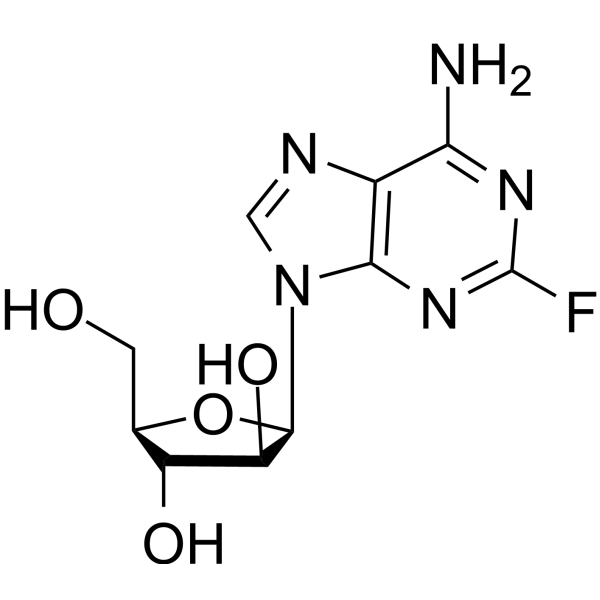
Fludarabine
Maximum Cited Publications
105 Publications Verification
F-ara-A; NSC 118218
|
Nucleoside Antimetabolite/Analog
DNA/RNA Synthesis
STAT
Apoptosis
|
Cancer
|
|
Fludarabine (NSC 118218) is a DNA synthesis inhibitor and a fluorinated purine analogue with antineoplastic activity in lymphoproliferative malignancies. Fludarabine inhibits the cytokine-induced activation of STAT1 and STAT1-dependent gene transcription in normal resting or activated lymphocytes .
|
-
-
- HY-50698
-
-
-
- HY-14422
-
|
|
ROR
|
Cancer
|
|
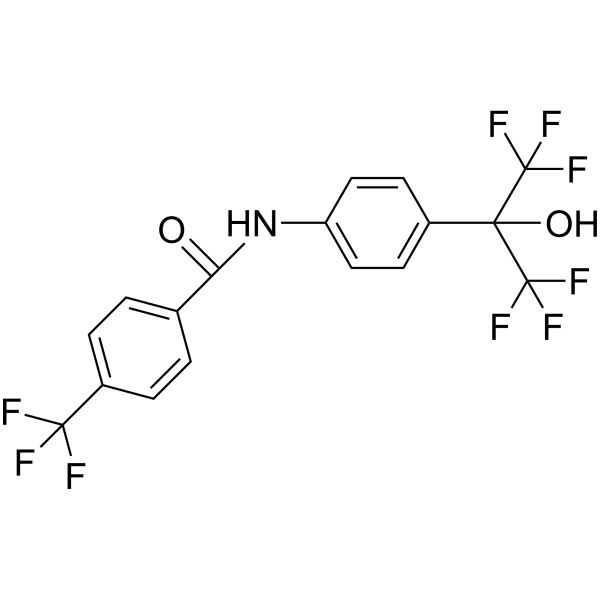
SR1078 is a selective agonist of retinoic acid receptor-related orphan receptor α/γ (RORα/RORγ). SR1078 directly binds to the ligand binding domain of RORα and RORγ and increases the transcriptional activity of these receptors, leading to stimulation of RORα/γ target gene transcription .
|
-
-
- HY-145572
-
|
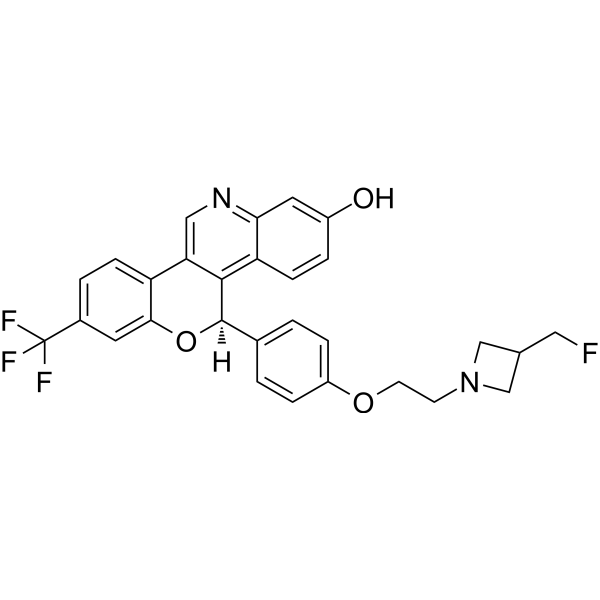
LY-3484356
|
Estrogen Receptor/ERR
|
Cancer
|
|
Imlunestrant (LY-3484356) is an orally active, potent and selective estrogen receptor degrader (SERD) with pure antagonistic properties. Imlunestrant results in sustained inhibition of ER-dependent gene transcription and cell growth. Imlunestrant can be used for the research of ER-positive (ER+) advanced breast cancer (aBC) and endometrial endometrioid cancer (EEC) .
|
-
-
- HY-18300
-
|
GLPG0634
|
JAK
HIV
|
Cancer
|
|
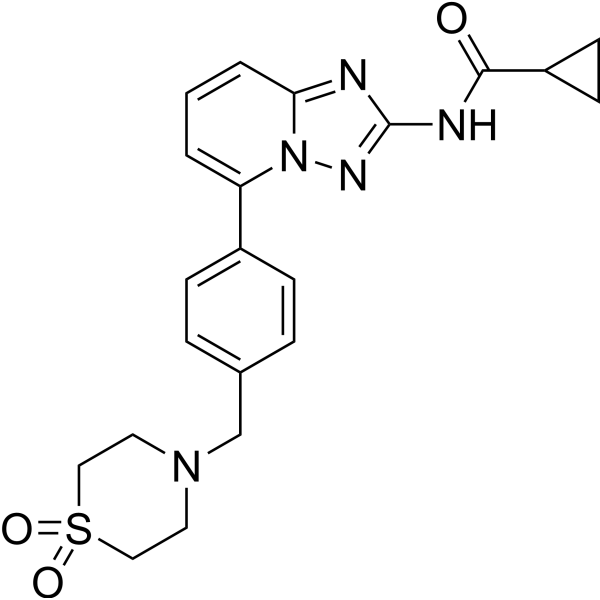
Filgotinib (GLPG0634) is a selective, orally available JAK1 inhibitor with anti-inflammatory and antiviral activities. Filgotinib can effectively inhibit the activities of JAK1, JAK2, JAK3 and TYK2 with IC50 values of 10 nM, 28 nM, 810 nM and 116 nM, respectively. Filgotinib also inhibits HIV-1 driven gene transcription and reduces proliferation of HIV-1 infected cells. Filgotinib can be used in the study of rheumatoid arthritis and inflammatory bowel disease .
|
-
-
- HY-111558
-
|
|
DNA Methyltransferase
TET Protein
|
Cancer
|
|
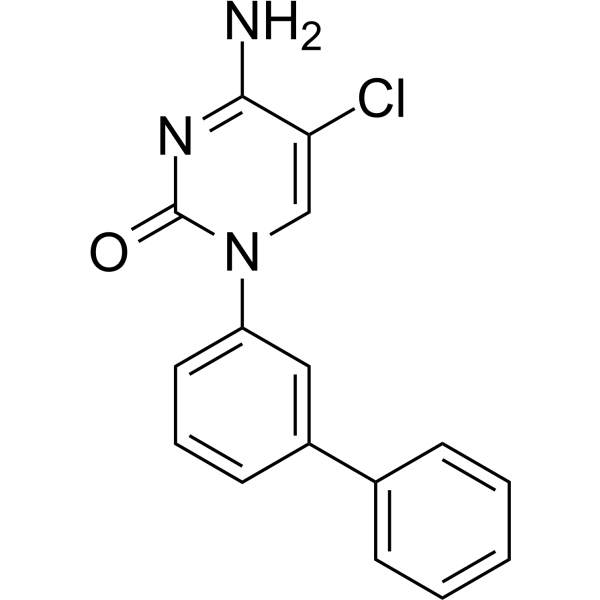
Bobcat339 is a potent and selective cytosine-based inhibitor of TET enzyme, with IC50s of 33 μM and 73 μM for TET1 and TET2, respectively. Bobcat339 is useful to the field of epigenetics and serves as a starting point for new therapeutics that target DNA methylation and gene transcription .
|
-
-
- HY-B1060
-
|
Methylprednisolone hydrogen succinate sodium
|
Glucocorticoid Receptor
|
Infection
Neurological Disease
Inflammation/Immunology
Cancer
|
|
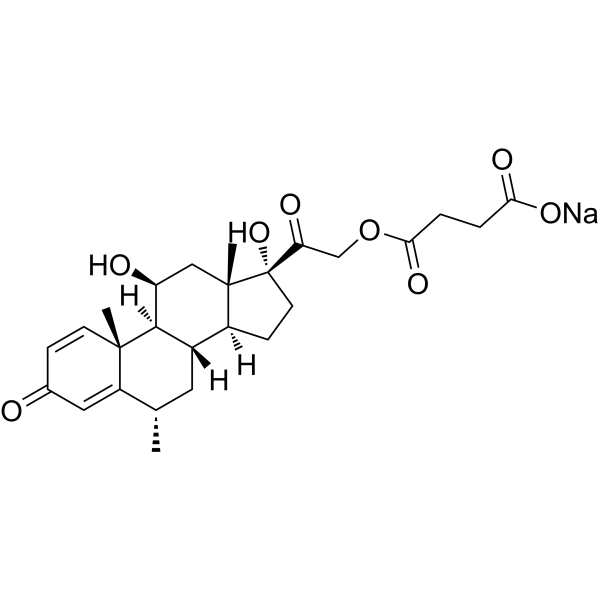
Methylprednisolone succinate (Methylprednisolone hydrogen succinate) sodium is a prodrug of Methylprednisolone (HY-B0260) and glucocorticoid with immunosuppressant and anti-inflammatory activity. Methylprednisolone succinate sodium binds cytosolic glucocorticoid receptors, translocates to nuclei, and modulates target gene transcription. Methylprednisolone succinate sodium alters Bax, Bcl-2, occludin, and ZO-1 expression; attenuates TLR4/NF-κB signaling; suppresses proinflammatory cytokine production and immune cell activation. Methylprednisolone succinate sodium can be used for the research of intracranial haemorrhage, rheumatoid arthritis, multiple sclerosis, preterminal cancer, inflammatory conditions, shock, immediate-type hypersensitivity, acute myocardial ischemia, hypoxic heart muscle damage, and traumatic spinal cord injury .
|
-
-
- HY-111558A
-
|
|
DNA Methyltransferase
TET Protein
|
Cancer
|
|
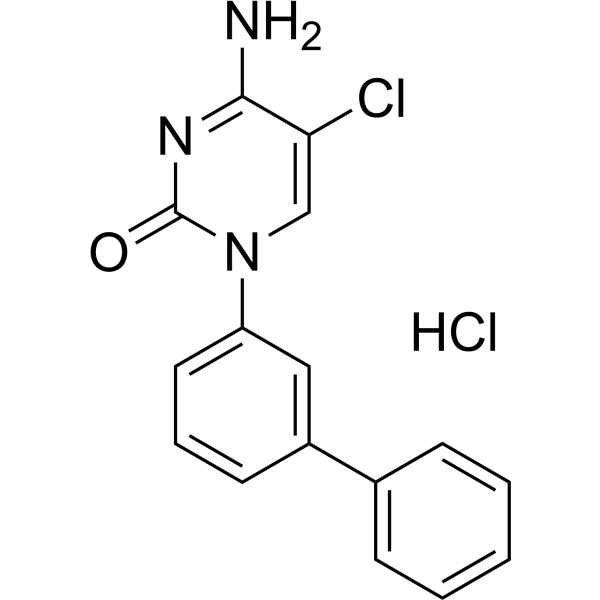
Bobcat339 hydrochloride is a potent and selective cytosine-based inhibitor of TET enzyme, with the IC50s of 33 μM and 73 μM for TET1 and TET2, respectively. Bobcat339 hydrochloride is useful to the field of epigenetics and serves as a starting point for new therapeutics that target DNA methylation and gene transcription .
|
-
-
- HY-145572A
-
|
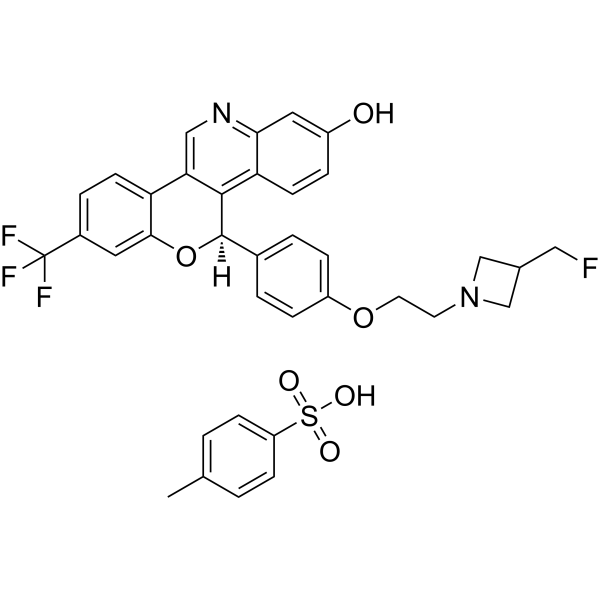
LY-3484356 tosylate
|
Estrogen Receptor/ERR
|
Cancer
|
|
Imlunestrant (LY-3484356) tosylate is an orally active, potent and selective estrogen receptor degrader (SERD) with pure antagonistic properties. Imlunestrant tosylate results in sustained inhibition of ER-dependent gene transcription and cell growth. Imlunestrant tosylate can be used for the research of ER-positive (ER+) advanced breast cancer (aBC) and endometrial endometrioid cancer (EEC) .
|
-
-
- HY-100431
-
|
|
Notch
|
Cancer
|
|
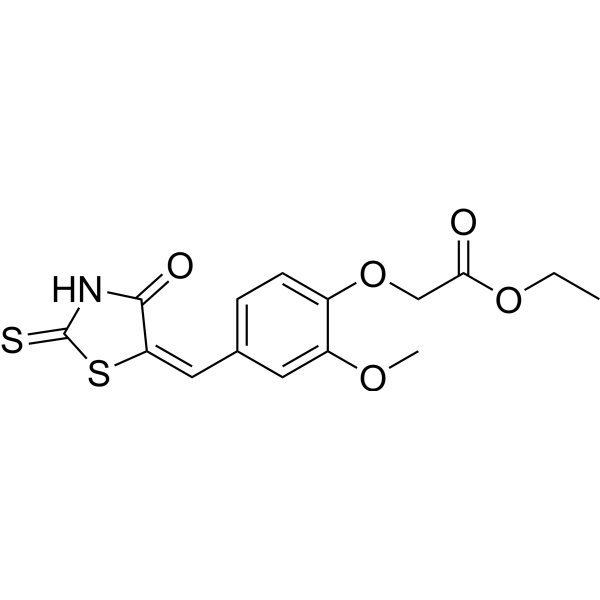
IMR-1 is a novel class of Notch inhibitor targeting the transcriptional activation with an IC50 of 26 μM. IMR-1 prevents the recruitment of Mastermind-like 1 (Maml1) to the Notch Ternary Complex (NTC) on chromatin, inhibits Notch target gene transcription and dramatically inhibits tumor growth .
|
-
-
- HY-167874
-
|
|
Heme Oxygenase (HO)
NF-κB
Transmembrane Glycoprotein
|
Cardiovascular Disease
|
|
ASP-8731 is an orally active BACH1 inhibitor. ASP-8731 activates antioxidant, anti-inflammatory and globin gene pathways by relieving the inhibitory effect of BACH1 on NRF2-mediated gene transcription. ASP-8731 significantly upregulates the expression of HMOX1, FTH1 and various globins (such as HGB, HBG, HBA), increases fetal hemoglobin (HbF) levels, and effectively induces F-cell production in hydroxyurea-unresponsive cells. Meanwhile, ASP-8731 reduces inflammatory responses and white blood cell counts by downregulating VCAM1, ICAM-1 and the phosphorylation level of NF-κB(p65), and blocks heme-induced glutathione depletion and microcirculatory stasis. ASP-8731 holds potential for inhibiting sickle cell disease and related hematological disorders .
|
-

-
- HY-134955
-
VT103
5 Publications Verification
|
YAP
|
Cancer
|
|
VT103, an analog of VT101, is an orally active and selective TEAD1 protein palmitoylation inhibitor. VT103 inhibits YAP/TAZ-TEAD promoted gene transcription, blocks TEAD auto-palmitoylation, and disrupts interaction between YAP/TAZ and TEAD. VT103 can be used for the research of cancer .
|
-
-
- HY-136521
-
|
|
Epigenetic Reader Domain
|
Cancer
|
|
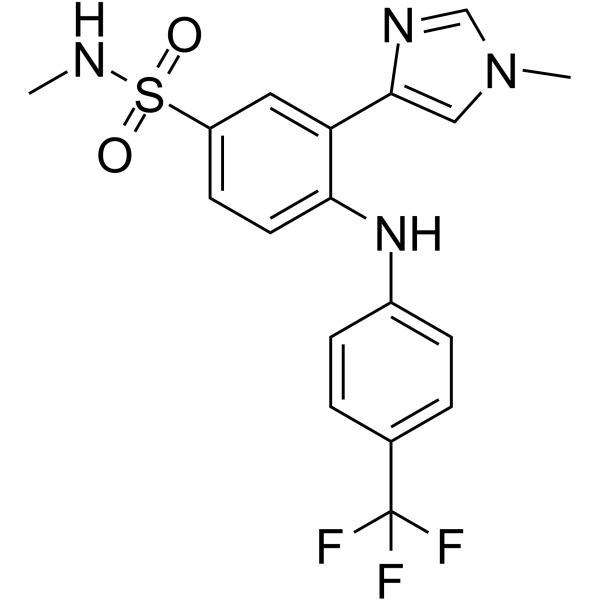
AZ13824374 is a potent and selective ATAD2 bromodomain inhibitor (pIC50 of 6.9 in HCT116 cells). AZ13824374 disrupts chromatin interactions and gene transcription by binding to the acetyl-lysine binding site of the ATAD2 bromodomain. AZ13824374 has anticancer activity against breast cancer .
|
-
-
- HY-124500
-
|
|
STAT
Apoptosis
|
Cancer
|
|
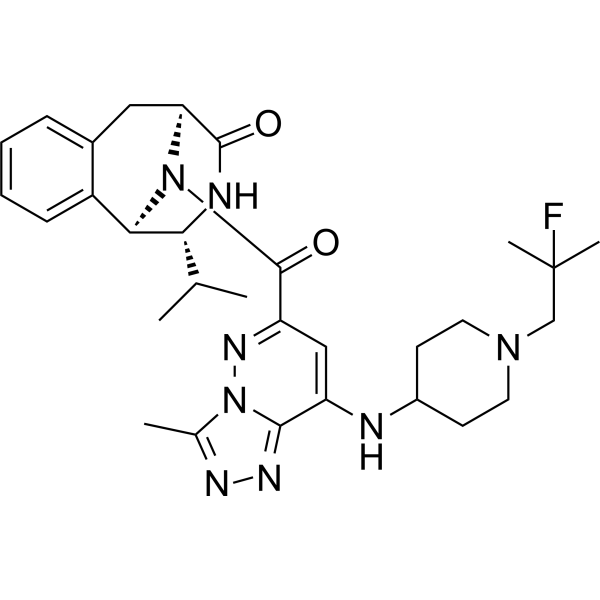
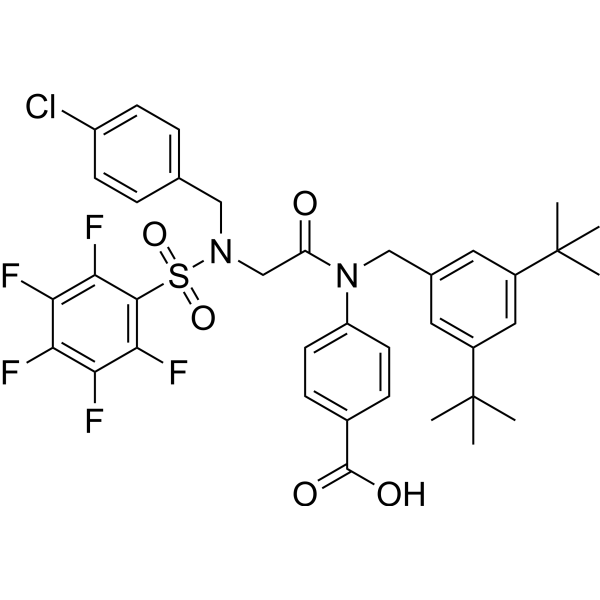
AC-4-130 is a potent STAT5 SH2 domain inhibitor. AC-4-130 directly binds to STAT5 and disrupts STAT5 activation, dimerization, nuclear translocation, and STAT5-dependent gene transcription. AC-4-130 induces cell cycle arrest and apoptosis in FLT3-ITD-driven leukemic cells. AC-4-130 has anti-cancer activity and can efficiently block pathological levels of STAT5 activity in acute myeloid leukemia (AML) .
|
-
-
- HY-10447
-
|
EM-1421
|
Survivin
COX
TNF Receptor
Apoptosis
|
Infection
Inflammation/Immunology
Cancer
|
|
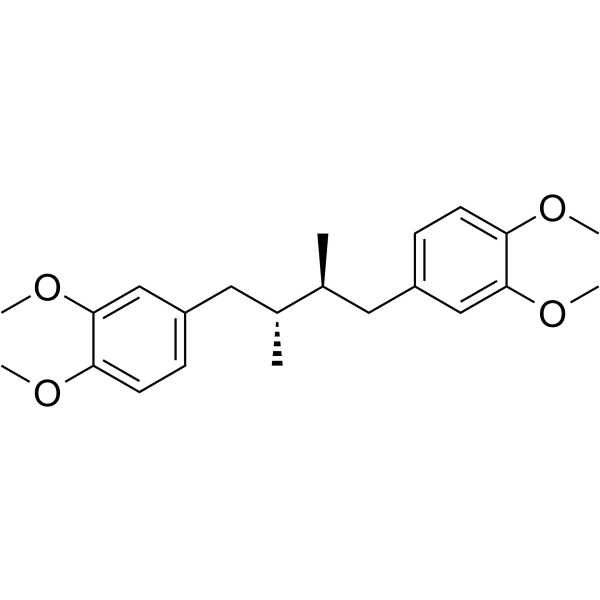
Terameprocol is an inhibitor targeting the Sp1 transcription factor, which can selectively inhibit the transcription of Sp1-dependent genes. Terameprocol exerts its effects by inhibiting Sp1-mediated gene transcription, such as reducing the expression of genes like CDC2, survivin and HMGB1, thereby arresting the cell cycle, inducing apoptosis, and suppressing the inflammatory response. Terameprocol exhibits anti-proliferative, pro-apoptotic, and anti-inflammatory activities and is currently mainly used in the research of diseases such as cancer and pulmonary arterial hypertension[1][2][3].
|
-
-
- HY-32350
-
|
1α,25-Dihydroxy Vitamin D2
|
VD/VDR
Drug Metabolite
Endogenous Metabolite
|
Metabolic Disease
|
|
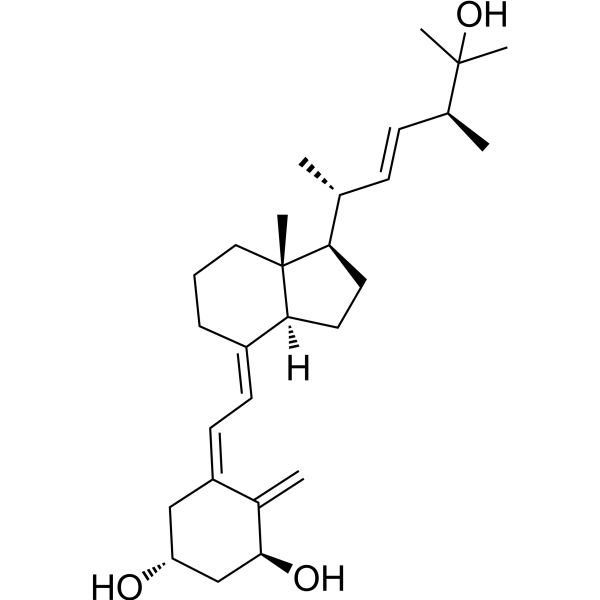
Ercalcitriol (1α,25-Dihydroxy Vitamin D2) is a vitamin D receptor (VDR) agonist with high binding affinity. After binding to VDR, Ercalcitriol forms a complex with retinoid X receptor (RXR) to regulate target gene transcription. For example, Ercalcitriol induces human gingival/oral epithelial cells to produce human cat antimicrobial peptide (hCAP-18/LL-37), which has antimicrobial activity against periodontal pathogens such as Porphyromonas gingivalis. Ercalcitriol enhances the innate immune defense of the oral mucosa by promoting the expression of antimicrobial peptides, and is mainly used in the study of periodontal diseases and immune-related oral diseases .
|
-
-
- HY-B1900
-
|
Methylprednisolone hydrogen succinate
|
Glucocorticoid Receptor
Bacterial
Toll-like Receptor (TLR)
NF-κB
|
Infection
Neurological Disease
Metabolic Disease
Inflammation/Immunology
Cancer
|
|
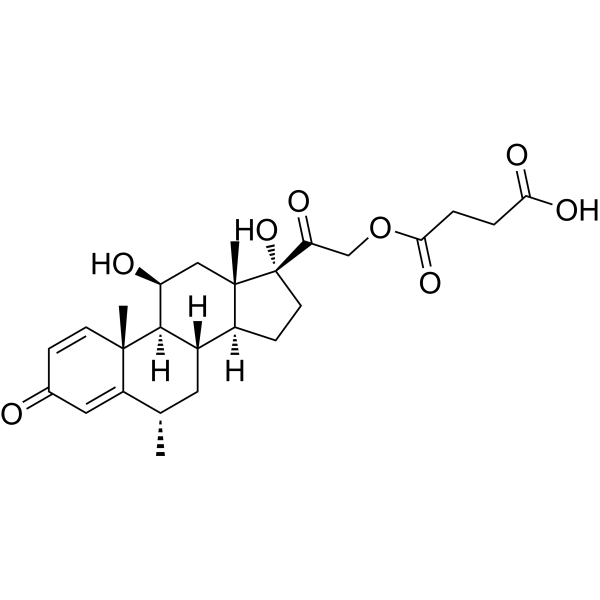
Methylprednisolone succinate (Methylprednisolone hydrogen succinate) is a prodrug of Methylprednisolone (HY-B0260) and glucocorticoid with immunosuppressant and anti-inflammatory activity. Methylprednisolone succinate binds cytosolic glucocorticoid receptors, translocates to nuclei, and modulates target gene transcription. Methylprednisolone succinate alters Bax, Bcl-2, occludin, and ZO-1 expression; attenuates TLR4/NF-κB signaling; suppresses proinflammatory cytokine production and immune cell activation. Methylprednisolone succinate can be used for the research of intracranial haemorrhage, rheumatoid arthritis, multiple sclerosis, preterminal cancer, inflammatory conditions, shock, immediate-type hypersensitivity, acute myocardial ischemia, hypoxic heart muscle damage, and traumatic spinal cord injury .
|
-
-
- HY-A0087
-
|
|
Environmental Pollutants
PPAR
Estrogen Receptor/ERR
Biochemical Assay Reagents
Cytochrome P450
|
Others
|
|
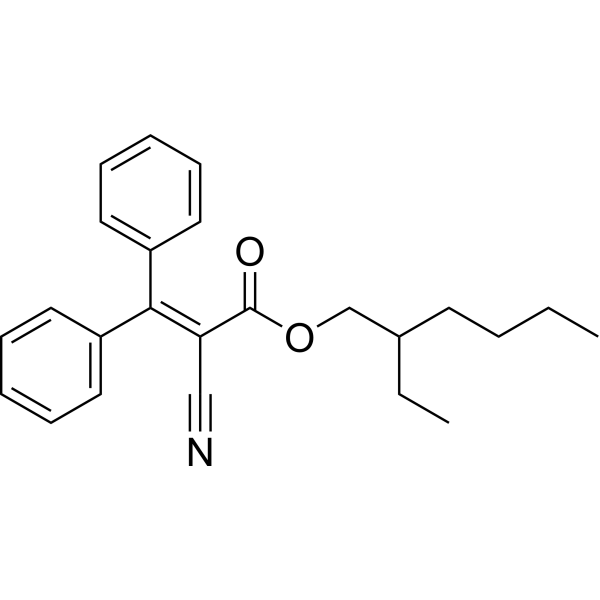
Octocrylene is an organic ultraviolet (UV) filter that absorbs mainly UVB radiation and shorter UVA wavelengths. Octocrylene acts as a partial agonist of PPARγ, which alters the gene transcription profile of lipid metabolism enzymes. In addition, Octocrylene is cytotoxic and genotoxic to human skin fibroblasts and mediates the biosynthesis of estrogens such as estriol in zebrafish larvae, while affecting antioxidant pathways including glutathione transferase and peroxisomes .
|
-
-
- HY-159644
-
|
AB521
|
HIF/HIF Prolyl-Hydroxylase
VEGFR
|
Cancer
|
|
Casdatifan (AB521) is an orally active and selective allosteric small-molecule inhibitor of hypoxia-inducible factor 2α (HIF-2α). Casdatifan inhibits pro-tumor gene transcription by blocking the heterodimerization of HIF-2α with ARNT, and significantly suppresses tumor growth in clear cell renal cell carcinoma (ccRCC) models either as a monotherapy or in combination with agents such as Zimberelimab (HY-P99109). Casdatifan is applicable for the research of ccRCC .
|
-

-
- HY-D0932
-
|
Solvent Red 24; C.I. 26105
|
Environmental Pollutants
Biochemical Assay Reagents
Cytochrome P450
Aryl Hydrocarbon Receptor
|
Metabolic Disease
|
|
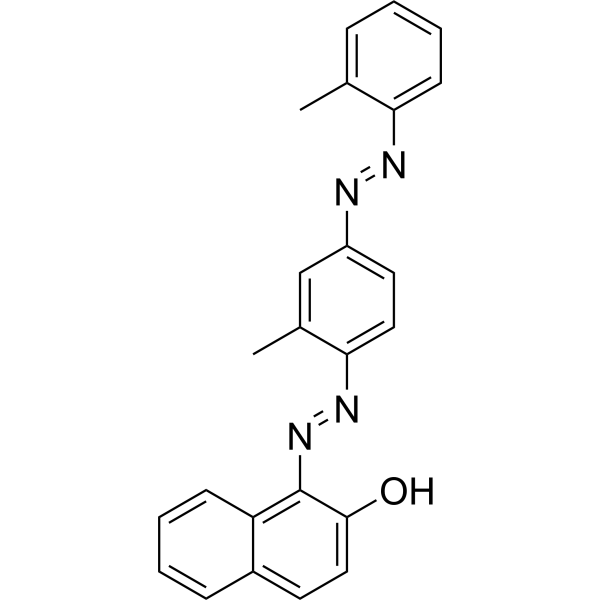
Sudan IV is an agonist of the aryl hydrocarbon receptor (AhR) that activates downstream signaling pathways and induces CYP1A1 expression. Sudan IV promotes CYP1A1 gene transcription by activating AhR-ARNT heterodimers and binding to exogenous response elements (XREs) on DNA, thereby enhancing drug metabolizing enzyme activity. Sudan IV can be used to study the toxicity mechanisms of industrial dyes and the effects of interactions with serum proteins (such as bovine serum albumin (BSA)) on their distribution in vivo. Sudan IV is a fat-soluble diazo dye that can be used to stain lipids, triglycerides, and lipoproteins on frozen sections .
|
-
-
- HY-N10319
-
|
|
Epigenetic Reader Domain
Necroptosis
TRP Channel
|
Metabolic Disease
Inflammation/Immunology
Cancer
|
|
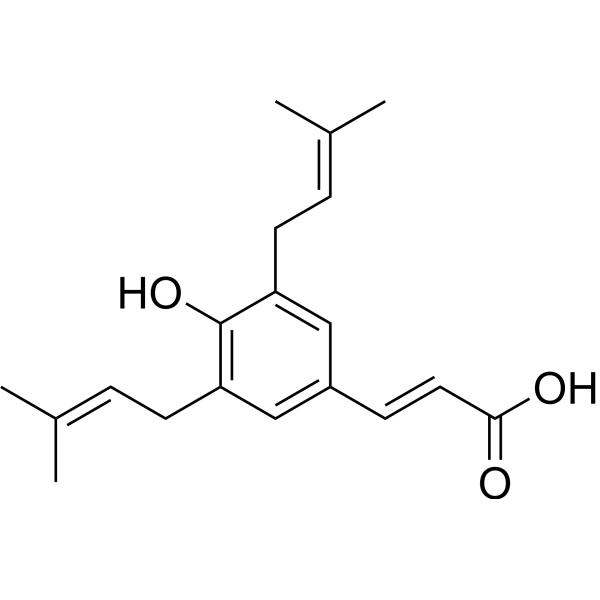
Artepillin C is an orally active CREB/CRTC2 inhibitor and TRPA1 covalent agonist (EC50=1.8 μM). Artepillin C inhibits CREB/CRTC2-mediated gene transcription and downregulates BMAL1 expression to regulate glucose and lipid metabolism. Artepillin C can also activate TRPA1 channels to induce spicy taste signals. Artepillin C can inhibit tumor cell proliferation, induce necroptosis, improve insulin resistance and inhibit liver lipid synthesis. Artepillin C can be used in the study of metabolic syndrome, tumor prevention and treatment, and inflammation .
|
-
-
- HY-13032B
-
|
GSK 525762C; I-BET 762 besylate
|
Epigenetic Reader Domain
ERK
|
Cancer
|
|
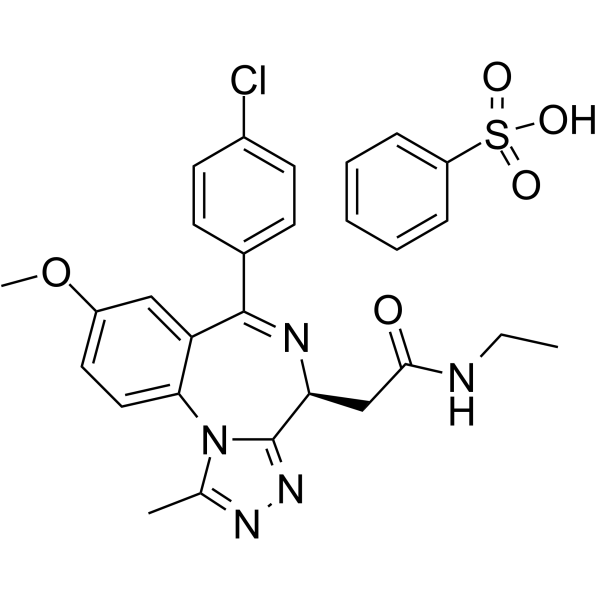
Molibresib besylate (GSK 525762C; I-BET 762 besylate) is an orally active pan-BET inhibitor that targets and binds to BRD2, BRD3, BRD4 and BRDT. By competitively occupying acetylated lysine binding sites, Molibresib besylate disrupts the interaction between BET proteins and chromatin, thereby effectively inhibiting MYC expression and target gene transcription. Molibresib besylate exhibits broad antiproliferative activity, which not only inhibits cancer cell growth and induces growth arrest, but also downregulates mitosis-related genes and upregulates the level of p-ERK1/2. When combined with MEK inhibitors, Molibresib besylate shows a significant synergistic effect, reduces tumor burden in mouse models of leukemia, modulates the immune microenvironment and prolongs survival. Molibresib besylate is widely applicable to research related to acute myeloid leukemia, multiple myeloma, triple-negative breast cancer, small-cell lung cancer and various advanced refractory solid tumors .
|
-
-
- HY-107494A
-
|
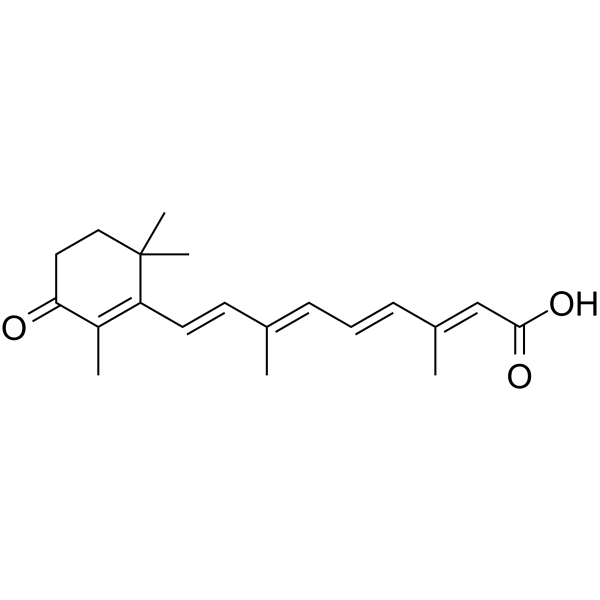
all-trans 4-Keto Retinoic Acid
|
Endogenous Metabolite
|
Metabolic Disease
|
|
all-trans-4-Oxoretinoic acid, an active metabolite of vitamin A, induces gene transcription via binding to nuclear retinoic acid receptors (RARs).
|
-
-
- HY-18300A
-
|
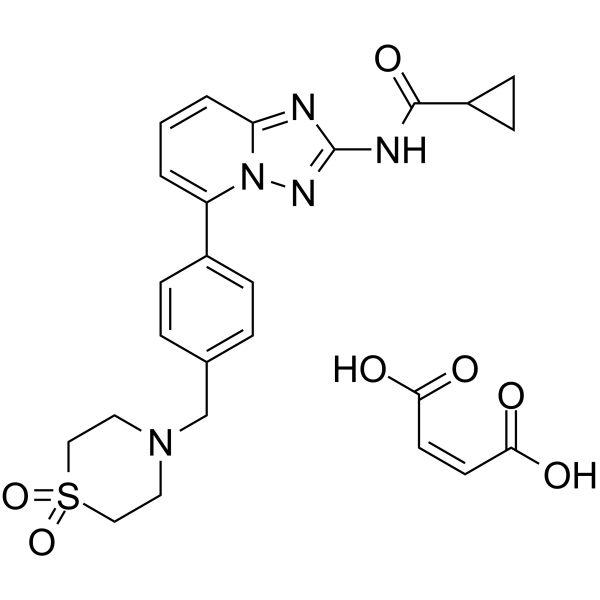
GLPG0634 maleate
|
JAK
HIV
|
Inflammation/Immunology
|
|
Filgotinib maleate (GLPG0634 maleate) is a selective, orally available JAK1 inhibitor with anti-inflammatory and antiviral activities. Filgotinib maleate can effectively inhibit the activities of JAK1, JAK2, JAK3 and TYK2 with IC50 values of 10 nM, 28 nM, 810 nM and 116 nM, respectively. Filgotinib maleate also inhibits HIV-1 driven gene transcription and reduces proliferation of HIV-1 infected cells. Filgotinib maleate can be used in the study of rheumatoid arthritis and inflammatory bowel disease .
|
-
-
- HY-108638
-
|
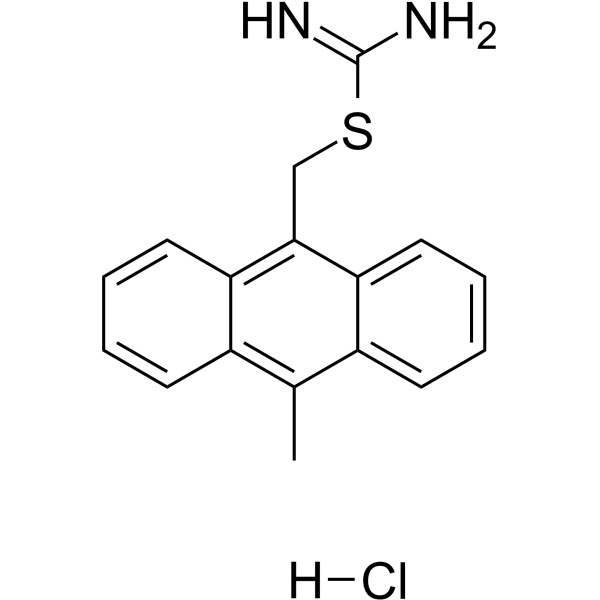
XI-011 hydrochloride
|
MDM-2/p53
Apoptosis
PARP
|
Cancer
|
|
NSC 146109 hydrochloride (XI-011 hydrochloride) is a p53 activator and MDMX inhibitor. NSC 146109 hydrochloride inhibits MDMX gene transcription, downregulates MDMX mRNA and protein levels, stabilizes p53 and activates the transcriptional activity of p53. NSC 146109 hydrochloride induces cancer cell apoptosis (apoptosis) and inhibits the growth of transformed cells. NSC 146109 hydrochloride inhibits the growth of xenograft tumors. NSC 146109 hydrochloride can be used in research related to breast cancer and cervical cancer .
|
-
-
- HY-B1537
-
|
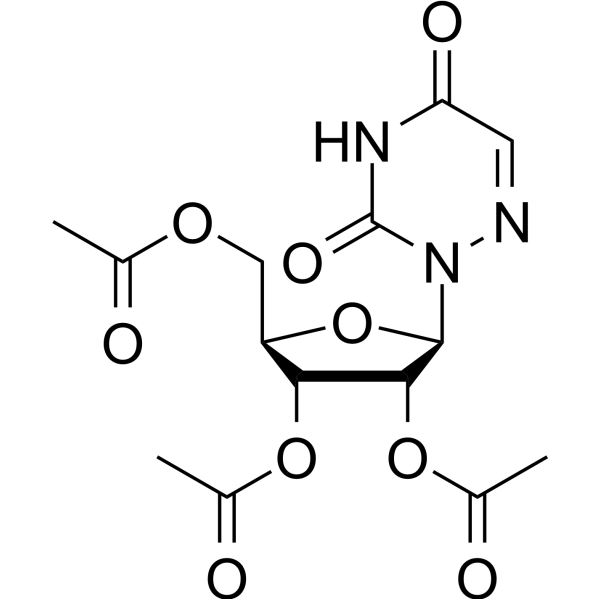
2',3',5'-Tri-O-acetyl-6-azauridine
|
Virus Protease
Influenza Virus
|
Infection
Inflammation/Immunology
|
|
Azaribine (2',3',5'-Tri-O-acetyl-6-azauridine) is a potent orotidine monophosphate decarboxylase (OMPD) inhibitor. Azaribine is an antiviral inhibitor of several RNA viruses and inhibits viral genome replication and gene transcription. Azaribine shows broad-spectrum antiviral activity (EC50=3.80 nM-1.73 μM against influenza A and B viruses; EC50=1.62 μM against ZIKV Paraiba). Azaribine, a triacetate salt of Azauridine, has the potential for psoriasis research .
|
-
-
- HY-B0072
-
|
SDZ-ICS-930 free base
|
5-HT Receptor
nAChR
p38 MAPK
NF-κB
AP-1
Nuclear Factor of activated T Cells (NFAT)
JAK
|
Neurological Disease
Inflammation/Immunology
Cancer
|
|
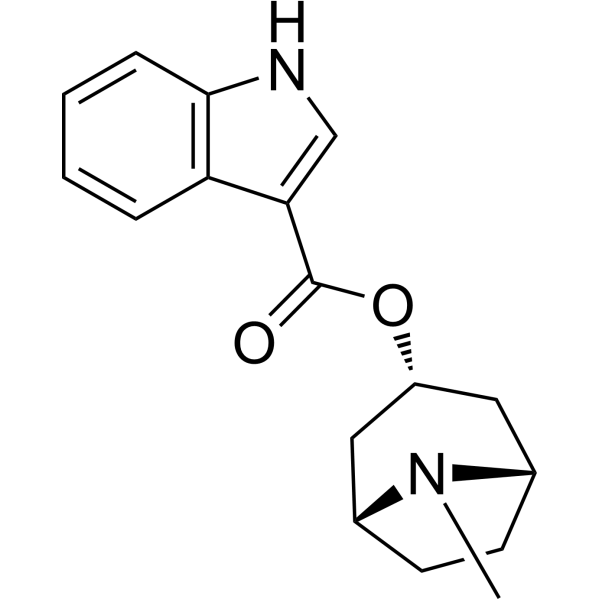
Tropisetron is an orally active 5-HT3R antagonist (Ki = 5.3 nM) as well as being a potent and selective α7 nicotinic partial agonist (EC50 = 1.3 μM). Tropisetron prevents phosphorylation and activation of the p38 MAPK. Tropisetron inhibits both IL-2 gene transcription and IL-2 synthesis in stimulated T cells. Tropisetron inhibits the binding to DNA and the transcriptional activity of NFAT and AP-1. Tropisetron is anti-inflammatory and antiemetic. Tropisetron has antitumor and neuroprotective effects. Tropisetron can be studied in research for diseases including hemorrhagic cystitis, chronic joint inflammation, lung cancer and chronic cerebral hypoperfusion .
|
-
-
- HY-P0312
-
|
|
c-Myc
|
Cancer
|
|
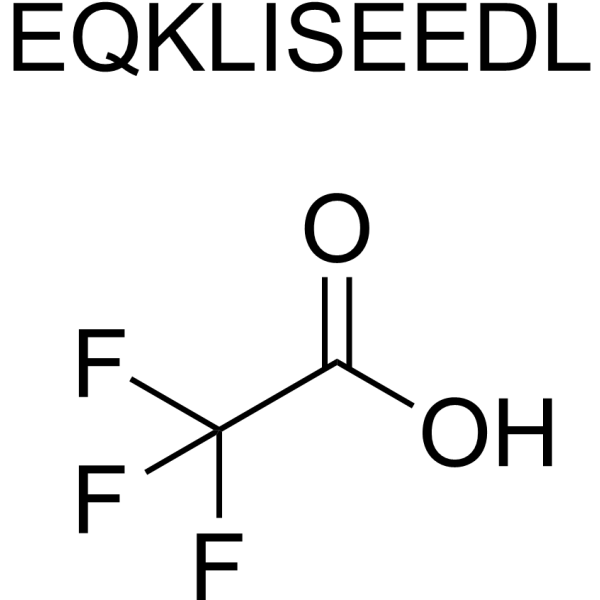
c-Myc Peptide (TFA) is a synthetic peptide corresponding to the C-terminal amino acids (410-419) of human c-myc protein, and participates in regulation of growth-related gene transcription.
|
-
-
- HY-136741
-
BOT-64
2 Publications Verification
|
IKK
|
Inflammation/Immunology
|
|
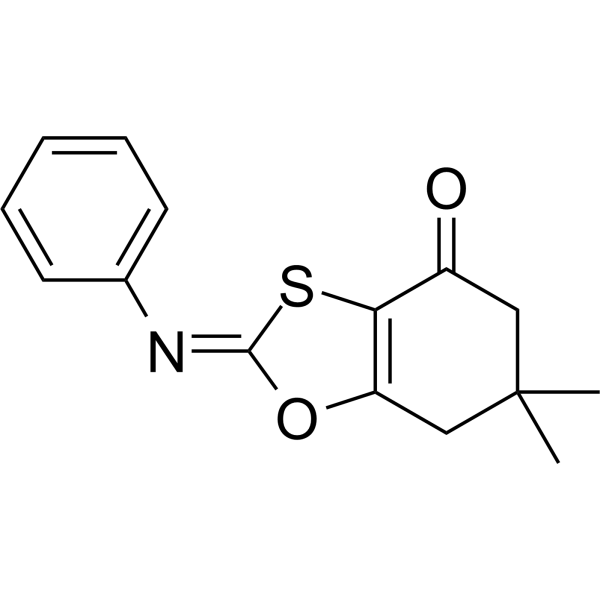
BOT-64 is an inhibitory κB (IκB) kinase β (IKKβ) inhibitor with an IC50 of 1 µM. BOT-64 blocks lipopolysaccharide-induced nuclear factor-κB activation and nuclear factor-κB-regulated inflammatory gene transcription .
|
-
-
- HY-114196
-
|
ZGN-1061
|
MetAP
|
Metabolic Disease
|
|
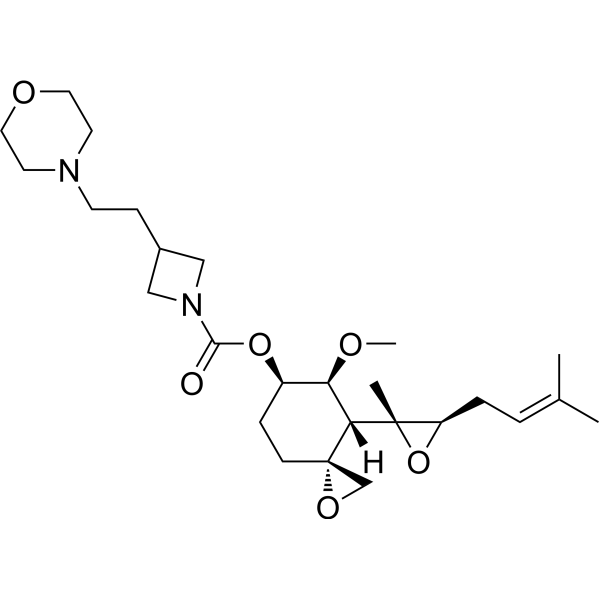
Aclimostat (ZGN-1061) is a potent inhibitor of the MetAP2 enzyme and displays favorable efficacy and safety in preclinical studies. ZGN-1061 produced similar efficacy as beloranib for weight loss, improvements in metabolic parameters in a mouse model of obesity and insulin resistance, and concordant changes in gene transcription in HepG2 cells .
|
-
-
- HY-141567A
-
|
Pseudo-UTP trisodium solution (100 mM)
|
DNA/RNA Synthesis
|
Infection
|
|
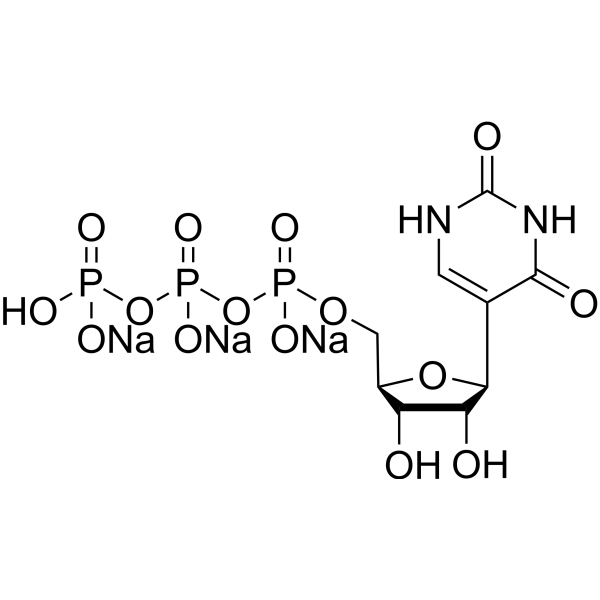
Pseudouridine 5'-triphosphate (Pseudo-UTP) trisodium solution (100 mM) is a modified ribonucleoside triphosphate and uracil base-modified UTP derivative. Pseudouridine 5'-triphosphate trisodium solution (100 mM) enhances translational properties and stability of mRNA, reduces innate immune responses in mammalian cells, and inhibits signal-dependent transcription termination of vaccinia virus early gene transcription while supporting transcription elongation. Pseudouridine 5'-triphosphate trisodium solution (100 mM) can be used for the research of vaccinia virus infection .
|
-
-
- HY-120920
-
|
|
Dopamine Receptor
|
Inflammation/Immunology
|
|
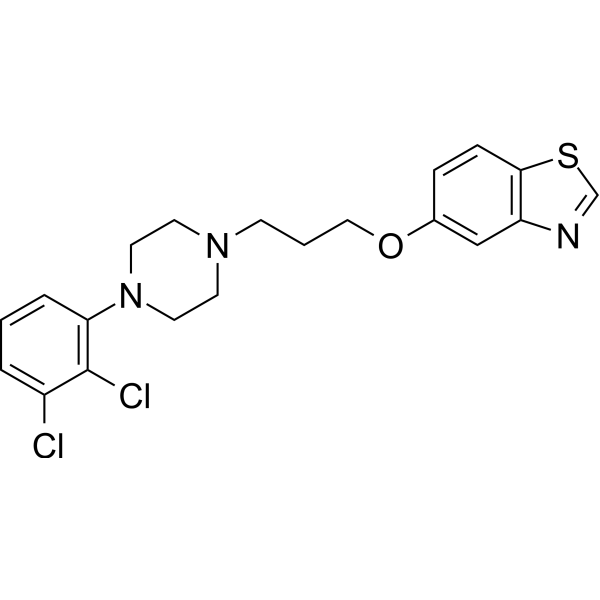
UNC9995 is a β-arrestin2-biased agonist of dopamine receptor Drd2. UNC9995 inhibits NLRP3 inflammasome activation by enhancing β-arrestin2-NLRP3 interaction, thus prevents neuronal degeneration. Futhermore, UNC9995 activates the Drd2/β-arrestin2 signaling to prevent inflammation-related genes transcription-induced by JAK/STAT3. UNC9995 improves depressive behavior in mouse model, and improves astrocytes dysfunctions .
|
-
-
- HY-W018324
-
|
5hmC
|
Endogenous Metabolite
|
Neurological Disease
Metabolic Disease
Cancer
|
|
5-Hydroxymethylcytosine (5hmC) is an oxidized forms of 5-methylcytosine (5mC) in mammalian DNA. 5-Hydroxymethylcytosine is produced from 5mC in an enzymatic pathway involving three 5mC oxidases, Ten-eleven translocation (TET)1, TET2, and TET3. The conversion of 5mC into 5hmC can be the first step in a pathway leading towards DNA demethylation. 5-Hydroxymethylcytosine is associated with gene transcription and frequently used as a mark to investigate dynamic DNA methylation conversion during mammalian development. 5-Hydroxymethylcytosine can be used for the study of non-small cell lung cancer (NSCLC), neurodegenerative diseases (Alzheimer’s, Parkinson’s) and hematological malignancies (acute myeloid leukemia, myelodysplastic syndromes) .
|
-

-
- HY-126979
-
|
|
c-Myc
|
Cancer
|
|
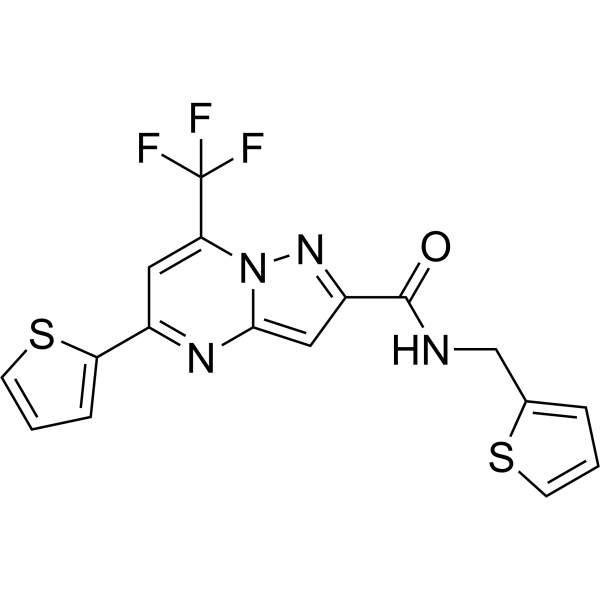
Mycro2 is an inhibitor of c-Myc/Max dimer and DNA binding, with an IC50 value of 23 μM for the inhibition of Myc/Max DNA binding activity. Mycro2 can inhibit c-myc-dependent cell proliferation, gene transcription and oncogenic transformation .
|
-
-
- HY-W273690
-
|
1-Hexyltheobromine; Hexyltheobromine
|
Drug Intermediate
Collagen
|
Cardiovascular Disease
Neurological Disease
|
|
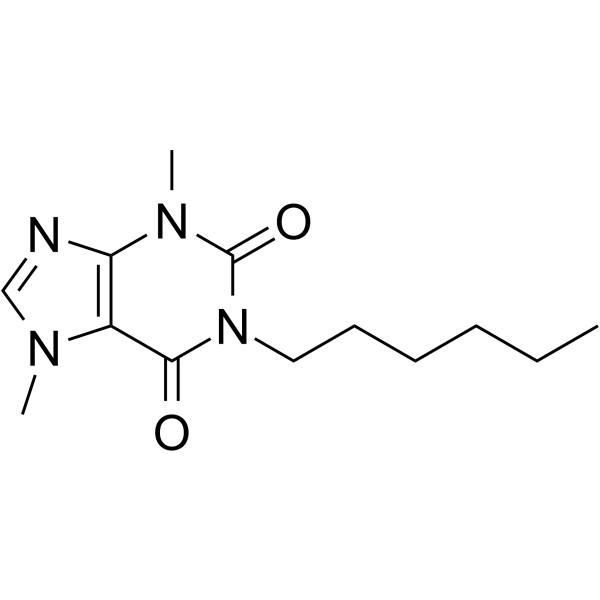
Pentifylline (1-Hexyltheobromine; Hexyltheobromine), PTX (HY-B0715) precursor compound, is a vasodilator. Pentifylline decreases procollagen levels and inhibits collagen production. Pentifylline reduces functional nuclear NF-1 to suppress procollagen gene transcription .
|
-
-
- HY-112821
-
|
|
YAP
|
Inflammation/Immunology
|
|
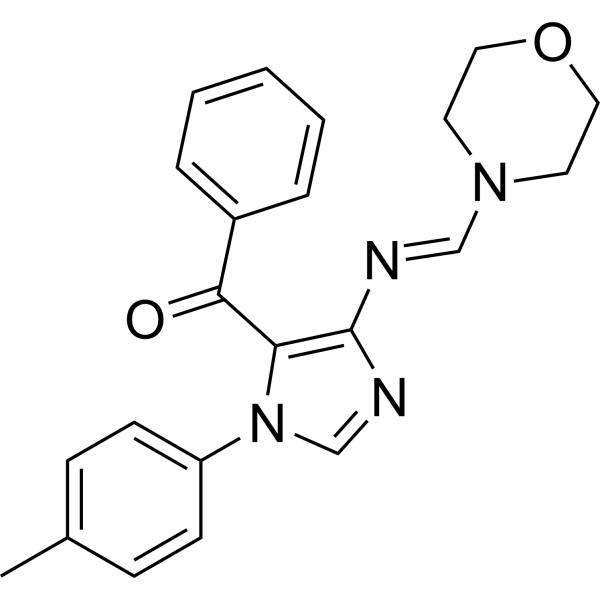
IBS008738 is a potent TAZ activator. IBS008738 stabilizes TAZ, increases the unphosphorylated TAZ level, enhances the association of MyoD with the myogenin promoter, upregulates MyoD-dependent gene transcription, and competes with myostatin in C2C12 cells. IBS008738 enhances myogenesis in C2C12 cells and facilitates muscle repair in a muscle injury model .
|
-
-
- HY-141567
-
|
Pseudo-UTP
|
DNA/RNA Synthesis
|
Infection
|
|
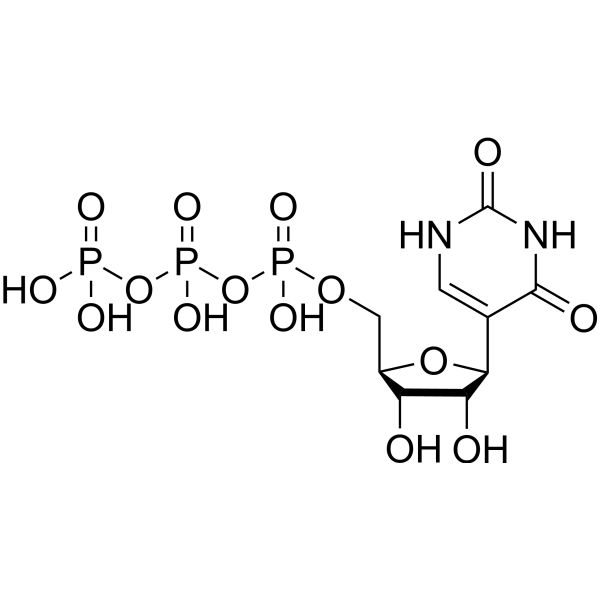
Pseudouridine 5'-triphosphate (Pseudo-UTP) is a modified ribonucleoside triphosphate and uracil base-modified UTP derivative. Pseudouridine 5'-triphosphate enhances translational properties and stability of mRNA, reduces innate immune responses in mammalian cells, and inhibits signal-dependent transcription termination of vaccinia virus early gene transcription while supporting transcription elongation. Pseudouridine 5'-triphosphate can be used for the research of vaccinia virus infection .
|
-
-
- HY-127024A
-
|
|
Thyroid Hormone Receptor
|
Metabolic Disease
|
|
TR antagonist 2 (Compound 10a) is a competitive thyroid hormone receptors (TRα/β) antagonist (IC50=47 nM). TR antagonist 2 competes with triiodothyronine (T3) for binding to the ligand-binding domain of TR to block receptor-coactivator complex formation and inhibit target gene transcription, reducing thyroid hormone-mediated hypermetabolic effects. TR antagonist 2 is promising for research of hyperthyroidism (e.g., Graves' disease) and thyrotoxicosis .
|
-

-
- HY-164373
-
|
|
Androgen Receptor
Apoptosis
|
Cancer
|
|
SC428 is an androgen receptor (AR) inhibitor that targets the N-terminal domain. SC428 potently decrease the transactivation of (AR)-V7, (AR)v567es, as well as full-length ( AR ) (AR-FL) and its LBD mutants, substantially. SC428 inhibits androgen-stimulated (AR)-FL nuclear translocation, chromatin binding, and (AR) -regulated gene transcription. SC428 inhibits the proliferation of tumor cells in vitro. SC428 inhibits tumor cell growth by inducing apoptosis in mice transplanted with 22RV1 .
|
-

-
- HY-B1900R
-
|
Methylprednisolone hydrogen succinate (Standard)
|
Reference Standards
Glucocorticoid Receptor
Bacterial
Toll-like Receptor (TLR)
NF-κB
|
Metabolic Disease
Inflammation/Immunology
Cancer
|
|
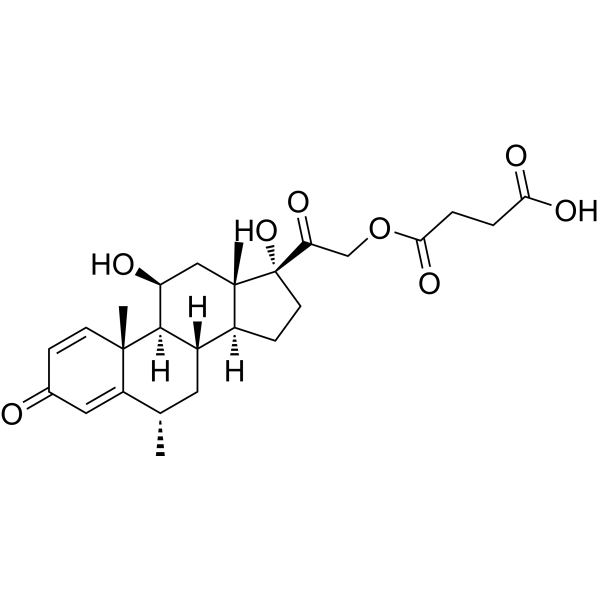
Methylprednisolone succinate (Standard) is the analytical standard of Methylprednisolone succinate (HY-B1900). This product is intended for research and analytical applications. Methylprednisolone succinate (Methylprednisolone hydrogen succinate) is a prodrug of Methylprednisolone (HY-B0260) and glucocorticoid with immunosuppressant and anti-inflammatory activity. Methylprednisolone succinate binds cytosolic glucocorticoid receptors, translocates to nuclei, and modulates target gene transcription. Methylprednisolone succinate alters Bax, Bcl-2, occludin, and ZO-1 expression; attenuates TLR4/NF-κB signaling; suppresses proinflammatory cytokine production and immune cell activation. Methylprednisolone succinate can be used for the research of intracranial haemorrhage, rheumatoid arthritis, multiple sclerosis, preterminal cancer, inflammatory conditions, shock, immediate-type hypersensitivity, acute myocardial ischemia, hypoxic heart muscle damage, and traumatic spinal cord injury .
|
-
-
- HY-D0932R
-
|
Solvent Red 24 (Standard); C.I. 26105 (Standard)
|
Biochemical Assay Reagents
Aryl Hydrocarbon Receptor
Cytochrome P450
Reference Standards
|
Metabolic Disease
|
|
Sudan IV (Standard) (Solvent Red 24 (Standard)) is the analytical standard of Sudan IV (HY-D0932). This product is intended for research and analytical applications. Sudan IV is an agonist of the aryl hydrocarbon receptor (AhR) that activates downstream signaling pathways and induces CYP1A1 expression. Sudan IV promotes CYP1A1 gene transcription by activating AhR-ARNT heterodimers and binding to exogenous response elements (XREs) on DNA, thereby enhancing drug metabolizing enzyme activity. Sudan IV can be used to study the toxicity mechanisms of industrial dyes and the effects of interactions with serum proteins (such as bovine serum albumin (BSA)) on their distribution in vivo. Sudan IV is a fat-soluble diazo dye that can be used to stain lipids, triglycerides, and lipoproteins on frozen sections.
|
-

-
- HY-124404
-
|
|
Aryl Hydrocarbon Receptor
Na+/K+ ATPase
Prostaglandin Receptor
|
Inflammation/Immunology
|
|
12(R)-HETE is a CYP-dependent arachidonic acid metabolite that acts as a proinflammatory lipid mediator. 12 (R)-HETE widely exists in various tissues including the eye, skin and liver. In the cornea, 12(R)-HETE is metabolized via pathways such as β-oxidation into the precursor of 12(R)-HETrE. Without direct receptor binding, 12(R)-HETE indirectly activates AHR-mediated target gene transcription, while inhibiting the enzymatic activity of Na+,K+-ATPase and the intracellular calcium elevation induced by TP agonists. 12(R)-HETE also possesses multiple physiological effects such as chemotaxis, proangiogenesis, vasodilation, natriuresis, diuresis and intraocular pressure reduction, and can be widely used in studies related to psoriasis, inflammatory skin diseases and ocular inflammation .
|
-

-
- HY-N10319R
-
|
|
Reference Standards
TRP Channel
Necroptosis
Epigenetic Reader Domain
|
Metabolic Disease
Inflammation/Immunology
Cancer
|
|
Artepillin C (Standard) is the analytical standard of Artepillin C (HY-N10319). This product is intended for research and analytical applications. Artepillin C is an orally active CREB/CRTC2 inhibitor and TRPA1 covalent agonist (EC50=1.8 μM). Artepillin C inhibits CREB/CRTC2-mediated gene transcription and downregulates BMAL1 expression to regulate glucose and lipid metabolism. Artepillin C can also activate TRPA1 channels to induce spicy taste signals. Artepillin C can inhibit tumor cell proliferation, induce apoptosis, improve insulin resistance and inhibit liver lipid synthesis. Artepillin C can be used in the study of metabolic syndrome, tumor prevention and treatment, and inflammation .
|
-

-
- HY-12316R
-
|
20α-Hydroxycholesterol (Standard)
|
Reference Standards
Smo
Endogenous Metabolite
|
Cancer
|
|
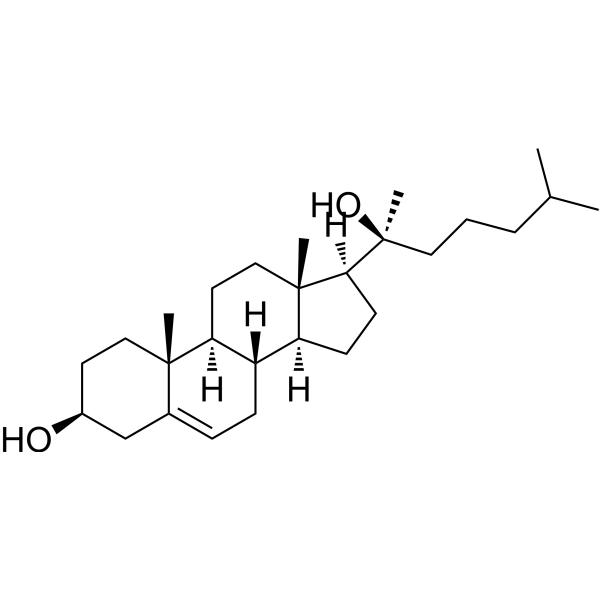
20(S)-Hydroxycholesterol (Standard) is the analytical standard of 20(S)-Hydroxycholesterol. This product is intended for research and analytical applications. 20(S)-hydroxyCholesterol (20α-Hydroxycholesterol) is an allosteric activator of the oncoprotein smoothened (Smo) that activates the hedgehog (Hh) signaling pathway with an EC50 of 3 μM in a gene transcription reporter assay using NIH3T3 cells .
|
-
-
- HY-50698G
-
|
|
Polo-like Kinase (PLK)
Apoptosis
Epigenetic Reader Domain
|
Cancer
|
|
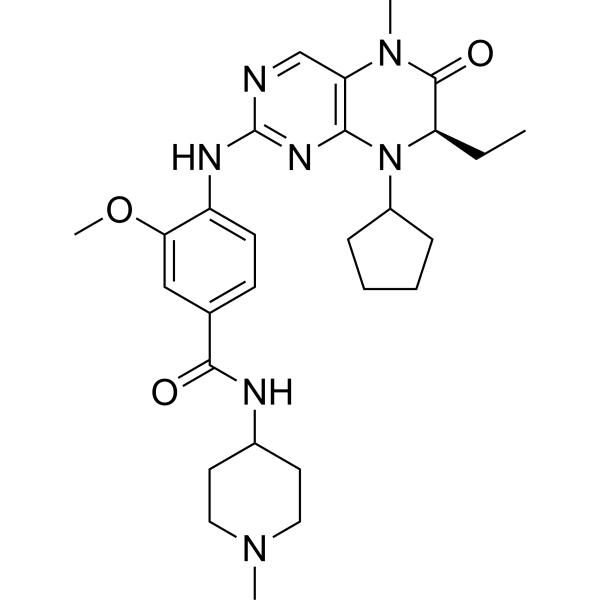
BI 2536 (GMP) is BI 2536 (HY-50698) produced by using GMP guidelines. GMP small molecules works appropriately as an auxiliary reagent for cell therapy manufacture. BI 2536 is a dual PLK1 and BRD4 inhibitor with IC50s of 0.83 and 25 nM, respectively . BI-2536 suppresses IFNB (encoding IFN-β) gene transcription .
|
-

-
- HY-155982
-
|
|
STAT
|
Cancer
|
|
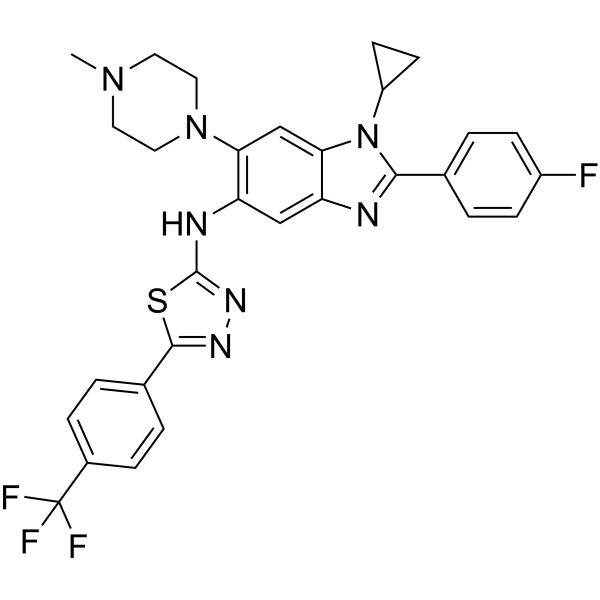
STAT3-IN-20 (Compound 40) is a selective STAT3 inhibitor (IC50: 0.65 μM). STAT3-IN-20 binds the SH2 domain to inhibit STAT3 phosphorylation, translocation, and downstream gene transcription. STAT3-IN-20 exhibits antiproliferative activities against STAT3-overactivated DU145 and MDA-MB-231 cancer cells (IC50: 2.97 μM and 3.26 μM respectively). STAT3-IN-20 induces cell cycle arrest and apoptosis .
|
-
-
- HY-W030338
-
|
|
Endogenous Metabolite
|
Inflammation/Immunology
|
|
aPKC-IN-2 is a small molecule inhibitor that inhibits aPKC activity. aPKC-IN-2 can effectively block vascular endothelial permeability in cell culture and in vivo experiments. aPKC-IN-2 shows biological activity in interfering with NFκB-driven gene transcription and is associated with inflammatory responses. aPKC-IN-2 has a significant inhibitory effect on vascular endothelial permeability induced by VEGF and TNF, and its EC50 value is in the low nanomolar range. The structural characteristics of aPKC-IN-2 reveal key elements of its inhibitory activity, providing the possibility for further development of small molecule aPKC inhibitors .
|
-

-
- HY-177373
-
|
|
CDK
|
Cancer
|
|
P21 saRNA is a small activating RNA (saRNA) targeting the p21 genes. P21 saRNA induce expression of the p21 genes, and targets the p21 promoters at ?322 relative to gene's transcription start site .
|
-

-
- HY-125636
-
|
|
c-Myc
|
Cancer
|
|
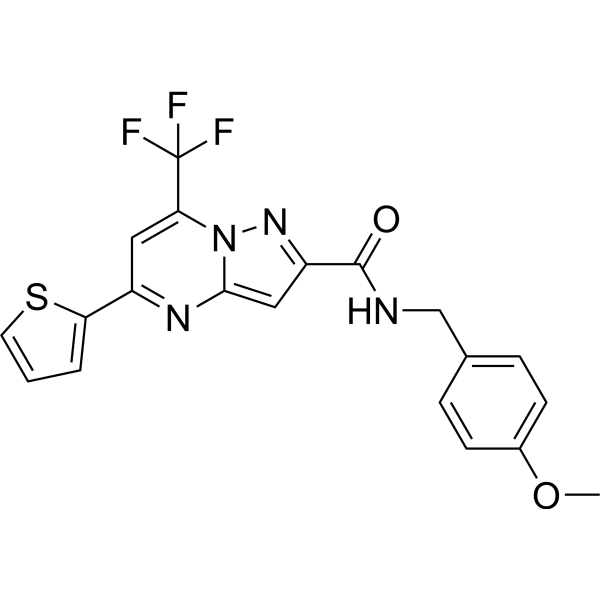
Mycro1 is an inhibitor of c-Myc/Max dimer and DNA binding, with an IC50 value of 30 μM for the inhibition of Myc/Max DNA binding activity. Mycro1 can inhibit c-myc-dependent cell proliferation, gene transcription and oncogenic transformation .
|
-
-
- HY-B0069R
-
|
F-ara-A (Standard); NSC 118218 (Standard)
|
Reference Standards
Nucleoside Antimetabolite/Analog
DNA/RNA Synthesis
STAT
Apoptosis
|
Cancer
|
|
Fludarabine (Standard) is the analytical standard of Fludarabine. This product is intended for research and analytical applications. Fludarabine (NSC 118218) is a DNA synthesis inhibitor and a fluorinated purine analogue with antineoplastic activity in lymphoproliferative malignancies. Fludarabine inhibits the cytokine-induced activation of STAT1 and STAT1-dependent gene transcription in normal resting or activated lymphocytes .
|
-

- HY-170837
-
|
|
STAT
|
Cancer
|
|
STAT5-IN-3 (Compound 14a) is a STAT5 inhibitor with anticancer activity. STAT5-IN-3 blocks the tyrosine phosphorylation of STAT5A/5B at the Y694/699 sites and significantly reduces the expression of STAT5B protein, thereby inhibiting downstream gene transcription and blocking the proliferation and survival of leukemia cells. Additionally, STAT5-IN-3 holds significant value in overcoming chemotherapy resistance .
|
-

- HY-171786
-
|
|
CDK
|
Cancer
|
|
CDK12-IN-8 (Compound Cpd143) is an orally active and highly selective inhibitor of cyclin-dependent kinase 12 (CDK12). CDK12-IN-8 inhibits CDK12-mediated phosphorylation of the C-terminal domain (CTD) serine 2 of RNA polymerase II, interfering with gene transcription elongation and DNA damage repair pathways. CDK12-IN-8 is promising for research of cancers with high CDK12 expression such as small cell lung cancer and triple-negative breast cancer .
|
-

- HY-18300AR
-
|
GLPG0634 maleate (Standard)
|
JAK
HIV
Reference Standards
|
Inflammation/Immunology
|
|
Filgotinib (maleate) (Standard) is the analytical standard of Filgotinib (maleate). This product is intended for research and analytical applications. Filgotinib maleate (GLPG0634 maleate) is a selective, orally available JAK1 inhibitor with anti-inflammatory and antiviral activities. Filgotinib maleate can effectively inhibit the activities of JAK1, JAK2, JAK3 and TYK2 with IC50 values of 10 nM, 28 nM, 810 nM and 116 nM, respectively. Filgotinib maleate also inhibits HIV-1 driven gene transcription and reduces proliferation of HIV-1 infected cells. Filgotinib maleate can be used in the study of rheumatoid arthritis and inflammatory bowel disease .
|
-

- HY-174403
-
|
|
Bcl-2 Family
c-Myc
Apoptosis
Caspase
|
Cancer
|
|
c-MYC/BCL2 ligand 1 iodide is a dual-targeting c-MYC/Bcl-2 G4 ligand with Kd values of 0.90 μM (c-MYC G4) and 0.56 μM (Bcl-2 G4). c-MYC/BCL2 ligand 1 iodide inhibits c-MYC and Bcl-2 gene transcription by binding to G4-forming sequences and downregulates their protein expression. c-MYC/BCL2 ligand 1 iodide inhibits suppresses migration, induces caspase-dependent apoptosis, and triggers cell cycle G1 arrest in MCF-7 cells. c-MYC/BCL2 ligand 1 iodide significantly suppresses tumor growth in a 4T1 syngeneic model with no observable toxicity. c-MYC/BCL2 ligand 1 iodide can be used for the research of breast cancer.
|
-

- HY-175459
-
|
|
PROTACs
FAK
|
Inflammation/Immunology
Cancer
|
|
PROTAC FAK degrader 3 is a selective FAK PROTAC degrader (DC50 = 1.08 nM). PROTAC FAK degrader 3 induces FAK degradation dependent on the ubiquitin-proteasome system and its binding to FAK and CRBN. PROTAC FAK degrader 3 upregulates MHC-I gene transcription and tumor cell surface expression by inhibiting the non-catalytic activity of FAK, leading to increased antigen presentation and activation of cytotoxic CD8 T cells. PROTAC FAK degrader 3 enhances in vivo anti-tumor activity by promoting MHC-I expression and enhancing T cell activation. PROTAC FAK degrader 3 can be used in cancer research targeting FAK degradation in ovarian cancer, hepatocellular carcinoma, and other cancers. (Pink: FAK-IN-3:HY-143407, Blue: Thalidomide-4-OH:HY-103596, Blue + Black: FAK ligand-3: HY-W939883, Black: Linker) .
|
-

- HY-P10418
-
|
|
c-Myc
|
Cancer
|
|
VGN50 is a bioactive molecule that mimics the function of K-Rta and down-regulates MYC-mediated gene transcription. VGN50 has antitumor activity .
|
-

- HY-177374
-
|
|
Cadherin
|
Cancer
|
|
Ecad saRNA is a small activating RNA (saRNA) targeting the E-cadherin genes. Ecad saRNA induce expression of the E-cadherin genes, and targets the E-cadherin promoters at ?215 relative to gene's transcription start site .
|
-

- HY-121982
-
|
|
Fungal
|
Infection
|
|
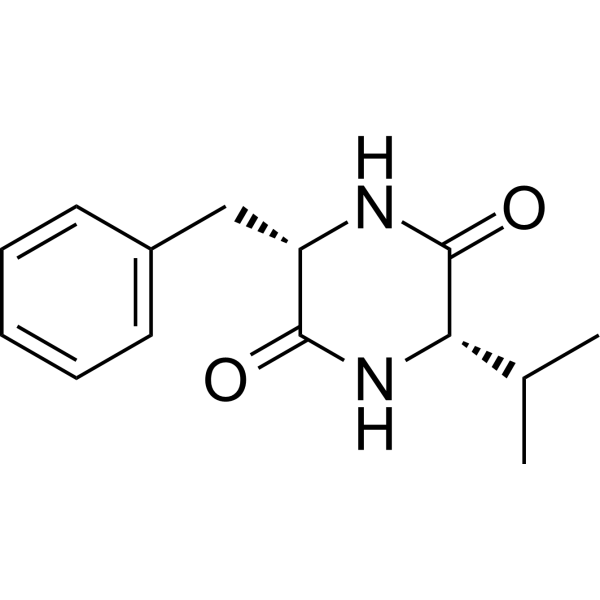
Cyclo(L-Phe-L-Val) is a potent inhibitor of enzymes isocitrate lyase (ICL) (IC50=27 μg/mL). cyclo(L-Phe-L-Val) inhibits the gene transcription of ICL in C. albicans under C2-carbon-utilizing conditions .
|
-
- HY-129346
-
|
|
Endogenous Metabolite
|
Cancer
|
|
STF-038533 is a CREB target gene transcription inhibitor with the activity of inhibiting the expression of related genes. STF-038533 plays a regulatory role in cell signaling pathways and has potential application value in exploring the inhibition of CREB-related diseases .
|
-

- HY-107494AR
-
|
all-trans 4-Keto Retinoic Acid (Standard)
|
Reference Standards
Endogenous Metabolite
|
Metabolic Disease
|
|
all-trans-4-Oxoretinoic acid (Standard) is the analytical standard of all-trans-4-Oxoretinoic acid. This product is intended for research and analytical applications. all-trans-4-Oxoretinoic acid, an active metabolite of vitamin A, induces gene transcription via binding to nuclear retinoic acid receptors (RARs).
|
-

- HY-174589
-
|
|
mRNA
|
Metabolic Disease
|
|
Human LMX1A mRNA encodes the human LIM homeobox transcription factor 1 alpha (LMX1A) protein, a homeodomain and LIM-domain containing protein. LMX1A is a transcription factor that acts as a positive regulator of insulin gene transcription. It also plays a role in the development of dopamine producing neurons during embryogenesis.
|
-

- HY-W297348
-
|
|
Protein Arginine Deiminase
|
Others
|
|
(Rac)-Cl-amidine is an orally active peptidyl arginine deimidase (PAD) inhibitor with the property of inhibiting PAD activity. (Rac)-Cl-amidine exhibits enhanced efficacy in cells and can be used to study PAD function. (Rac)-Cl-amidine can effectively regulate gene transcription, cell differentiation and innate immune response .
|
-

- HY-155543
-
|
|
Androgen Receptor
|
Cancer
|
|
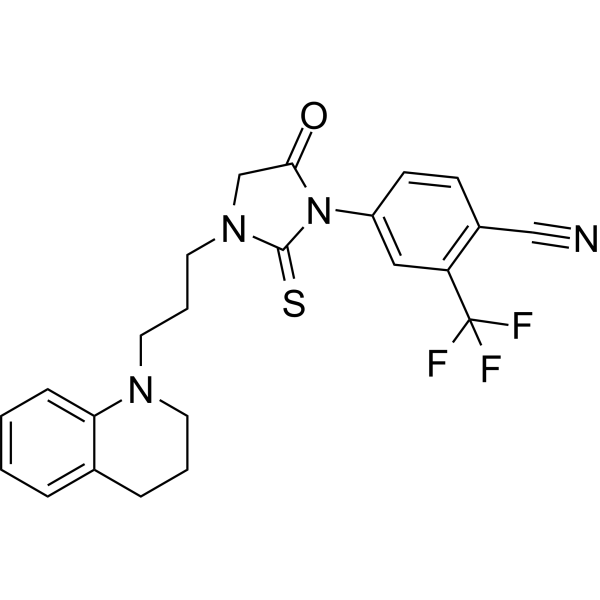
Anticancer agent 135 (compound 26h) is a potent androgen receptor (AR) antagonist. Anticancer agent 135 can effectively block AR nuclear translocation and inhibit AR/AR-V7 heterodimerization, thereby inhibiting downstream gene transcription. Anticancer agent 135 displays potent robust efficacy in prostate cancer xenograft models .
|
-
- HY-P10843
-
|
|
Estrogen Receptor/ERR
|
Cancer
|
|
R4K1 is a cell-permeable stapled peptide. R4K1 binds to the estrogen receptor (ER) α with high affinity and inhibits its interaction with coactivators. R4K1 can enter breast cancer cells to regulate gene transcription and inhibit cell proliferation. R4K1 can be used in the study of cancer .
|
-

- HY-153421
-
|
|
Histone Methyltransferase
|
Cancer
|
|
PRMT5-IN-28 (compound 36) is an inhibitor of protein arginine methyltransferase 5 (PRMT5) enzyme. Protein arginine methylation is a common post-translational modification involved in gene transcription, mRNA splicing, DNA repair, protein cellular localization, cell fate determination and signal transduction, etc. Abnormal PRMT5 can promote cancer cell proliferation, resist apoptosis, enhance invasion and metastasis, and affect immune escape .
|
-
- HY-W654296
-
|
|
Isotope-Labeled Compounds
PPAR
Cytochrome P450
Biochemical Assay Reagents
Estrogen Receptor/ERR
|
Others
|
|
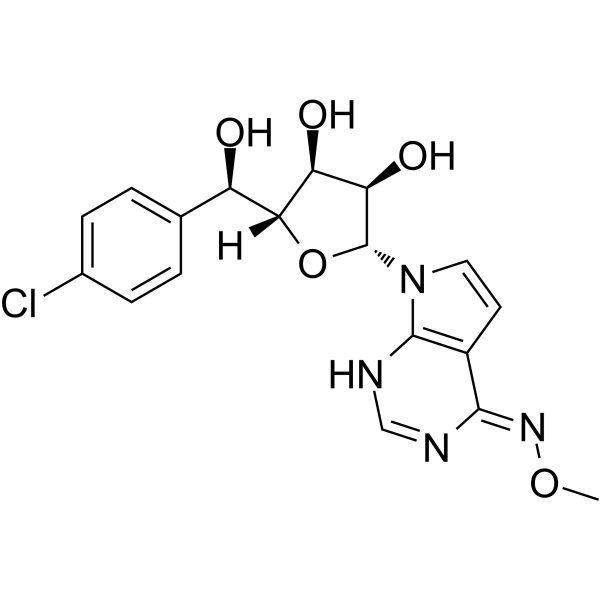
Octocrylene- 13C3 is the 13C-labeled Octocrylene (HY-A0087). Octocrylene is an organic ultraviolet (UV) filter that absorbs mainly UVB radiation and shorter UVA wavelengths. Octocrylene acts as a partial agonist of PPARγ, which alters the gene transcription profile of lipid metabolism enzymes. In addition, Octocrylene is cytotoxic and genotoxic to human skin fibroblasts and mediates the biosynthesis of estrogens such as estriol in zebrafish larvae, while affecting antioxidant pathways including glutathione transferase and peroxisomes .
|
-

- HY-173393
-
|
|
LXR
|
Cancer
|
|
LXRα agonist 1 (Compound 40) is a selective LXRα agonist (EC50: 42 nM). LXRα agonist 1 also has a certain agonistic effect on LXRβ (EC50: 266 nM). LXRα agonist 1 promotes target gene transcription by stabilizing the ligand binding domain (LBD) of LXRα. LXRα agonist 1 exhibits potent antitumor effects in hepatocellular carcinoma cells when combined with the Raf inhibitor Sorafenib (HY-10201). LXRα agonist 1 can be used in the study of lipotoxic cancers .
|
-

- HY-134997
-
|
4-oxo DHA
|
PPAR
|
Cancer
|
|
4-oxo Docosahexaenoic acid (4-oxo DHA) is a putative metabolite of Docosahexaenoic acid (HY-B2167) with antiproliferative and PPARγ agonist activity. It inhibits the growth of several triple negative breast cancer cell lines (MCF-10F, trMCF, bsMCF, MDA-MB-231, and BT549) at 50-100 μM, however it increased proliferation of MCF-7 cells. 4-oxo DHA binds covalently to PPARγ and activates gene transcription in luciferase reporter assays and in dendritic cells with EC50 values of approximately 8-16 μM.
|
-

- HY-D0932S
-
|
Solvent Red 24-d6; C.I. 26105-d6
|
Isotope-Labeled Compounds
Biochemical Assay Reagents
Aryl Hydrocarbon Receptor
Cytochrome P450
|
Metabolic Disease
|
|
Sudan IV-d6 (Solvent Red 24-d6) is the deuterium labeled Sudan IV(HY-D0932). Sudan IV is an agonist of the aryl hydrocarbon receptor (AhR) that activates downstream signaling pathways and induces CYP1A1 expression. Sudan IV promotes CYP1A1 gene transcription by activating AhR-ARNT heterodimers and binding to exogenous response elements (XREs) on DNA, thereby enhancing drug metabolizing enzyme activity. Sudan IV can be used to study the toxicity mechanisms of industrial dyes and the effects of interactions with serum proteins (such as bovine serum albumin (BSA)) on their distribution in vivo. Sudan IV is a fat-soluble diazo dye that can be used to stain lipids, triglycerides, and lipoproteins on frozen sections .
|
-

- HY-32350S1
-
|
1α,25-Dihydroxy Vitamin D2-d3
|
Isotope-Labeled Compounds
Endogenous Metabolite
VD/VDR
|
Metabolic Disease
|
|
Ercalcitriol-d3 (1α,25-Dihydroxy Vitamin D2-d3) is the deuterium labeled Ercalcitriol (HY-32350). Ercalcitriol (1α,25-Dihydroxy Vitamin D2) is a vitamin D receptor (VDR) agonist with high binding affinity. After binding to VDR, Ercalcitriol forms a complex with retinoid X receptor (RXR) to regulate target gene transcription. For example, Ercalcitriol induces human gingival/oral epithelial cells to produce human cat antimicrobial peptide (hCAP-18/LL-37), which has antimicrobial activity against periodontal pathogens such as Porphyromonas gingivalis. Ercalcitriol enhances the innate immune defense of the oral mucosa by promoting the expression of antimicrobial peptides, and is mainly used in the study of periodontal diseases and immune-related oral diseases .
|
-

- HY-W018324S
-
|
5hmC-13C,d2
|
Isotope-Labeled Compounds
|
Neurological Disease
|
|
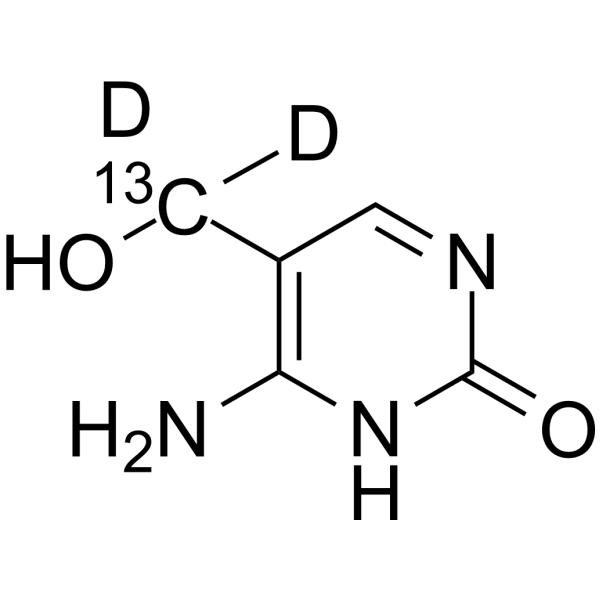
5-Hydroxymethylcytosine- 13C,d2 is the 13C and deuterium labeled 5-Hydroxymethylcytosine (HY-W018324). 5-Hydroxymethylcytosine (5hmC) is an oxidized forms of 5-methylcytosine (5mC) in mammalian DNA. 5-Hydroxymethylcytosine is produced from 5mC in an enzymatic pathway involving three 5mC oxidases, Ten-eleven translocation (TET)1, TET2, and TET3. The conversion of 5mC into 5hmC can be the first step in a pathway leading towards DNA demethylation. 5-Hydroxymethylcytosine is associated with gene transcription and frequently used as a mark to investigate dynamic DNA methylation conversion during mammalian development. 5-Hydroxymethylcytosine can be used for the study of non-small cell lung cancer (NSCLC), neurodegenerative diseases (Alzheimer’s, Parkinson’s) and hematological malignancies (acute myeloid leukemia, myelodysplastic syndromes) .
|
-
- HY-P992409
-
|
|
Hedgehog
|
Cancer
|
|
MEDI-5304 is a hedgehog antibody inhibitor with human sonic hedgehog (SHH) KD of 5.13 pmol/L, and human Indian hedgehog (IHH) KD of 34.7 pmol/L. MEDI-5304 binds and neutralizes SHH and IHH, blocks downstream target gene transcription, inhibits osteoblast differentiation. MEDI-5304 can be used for the research of colon cancer .
|
-

- HY-181345
-
|
|
Estrogen Receptor/ERR
|
Cancer
|
|
OP-1690 is a complete estrogen receptor (ERα) antagonist (CERAN), with pIC50 values of 7.5 and 7.9 in alkaline phosphatase (AP) activity assay and TR-FRET assay, respectively. OP-1690 modulates receptor function by inducing ERα tetramerization, effectively induces ERα degradation, inhibits target gene transcription, but exhibits low antiproliferative potency. OP-1690 can be used for breast cancer research .
|
-

- HY-15364
-
|
|
Drug Derivative
VD/VDR
|
Metabolic Disease
|
|
19-nor-1α,25-Dihydroxyvitamin D3 is a vitamin D receptor (VDR) agonist with an EC50 of 4.8 nM. 19-nor-1α,25-Dihydroxyvitamin D3 binds to VDR and promotes gene transcription. 19-nor-1α,25-Dihydroxyvitamin D3 can be used in the research of diseases related to the vitamin D signaling pathway .
|
-

- HY-P11829
-
|
|
Histone Acetyltransferase
|
Cancer
|
|
ACTR-AD1 2L is a ACTR-AD1 peptide. ACTR-AD1 2L inhibits CBP/p300-NCOA3 complex formation, modulates gene transcription, inhibits CBP/p300 acetylase activity, reduces acetylation levels, and exhibits antiproliferative activity. ACTR-AD1 2L binds with stronger affinity to its target proteins than the wild-type peptide. ACTR-AD1 2L can be used for the research of breast cancer .
|
-

- HY-183326
-
|
IDMF
|
Keap1-Nrf2
|
Inflammation/Immunology
|
|
Isosorbide di-(methyl fumarate) (IDMF), topical DMF (HY-17363) derivative, is an NRF2/ARE pathway activator. Isosorbide di-(methyl fumarate) downregulates ANCR targets, modulates epithelial differentiation, represses proinflammatory cytokine genes, IL-17A- and TNF-induced keratinocyte genes, psoriatic skin lesion-specific genes, and immune response genes. Isosorbide di-(methyl fumarate) stimulates oxidative stress response gene transcription, reduces erythema and scaling in Imiquimod (HY-B0180)-induced psoriasiform lesions. Isosorbide di-(methyl fumarate) exhibits no genotoxicity or radiation sensitivity in skin fibroblasts, is nonirritating and nonsensitizing in rodent models. Isosorbide di-(methyl fumarate) can be used for the research of psoriasis vulgaris .
|
-

- HY-181599
-
|
|
Mitochondrial Metabolism
DNA/RNA Synthesis
Reactive Oxygen Species (ROS)
Apoptosis
Autophagy
Caspase
Bcl-2 Family
Atg8/LC3
|
Cancer
|
|
XAN-5 is a mitochondrial DNA G-quadruplex (mtG4) ligand with a Kd of 3.8 μM. XAN-5 selectively binds and stabilizes mtG4 structures, disrupting mitochondrial gene transcription and DNA replication. XAN-5 triggers mitochondrial dysfunction, ROS overproduction, G0 phase arrest and caspase-dependent apoptosis. XAN-5 inhibits autophagy and induces immunogenic cell death. XAN-5 inhibits tumor growth in a mouse liver cancer model while enhancing tumor-infiltrating CD4 + and CD8 + T cells. XAN-5 targets two cancer resistance mechanisms simultaneously. XAN-5 can be used for the research of liver cancer .
|
-

- HY-167262
-
|
|
RAR/RXR
|
Metabolic Disease
Cancer
|
|
AGN-191659 is an orally active RAR/RXR agonist with EC50 values of 11 nM, 23 nM, and 37 nM for RXRα, RARβ, and RARγ, respectively. AGN-191659 activates RXRα, RARβ and RARγ to induce gene transcription. AGN-191659 induces tissue transglutaminase activity, inhibits ornithine decarboxylase activity induced by tumor promoters, and suppresses chondrogenesis. AGN-191659 reverses basic fibroblast growth factor-induced endothelial cell proliferation. AGN-191659 induces hypertriglyceridemia in rat models. AGN-191659 inhibits total heparin-releasable lipase activity. AGN-191659 can be used in research related to promyelocytic leukemia and hypertriglyceridemia .
|
-

- HY-183905
-
|
|
11β-HSD
Glucocorticoid Receptor
Reactive Oxygen Species (ROS)
Keap1-Nrf2
|
Neurological Disease
|
|
KR-67607 is a selective 11β-HSD1 inhibitor, with an IC50 value of 4.8 nM against h11β-HSD1 and 7.1 nM against mouse 11β-HSD1. KR-67607 inhibits stress-induced Glucocorticoid receptor nuclear translocation, reduces cortisol levels, suppresses the expression of ROS and proinflammatory cytokines, and enhances Nrf-2-mediated antioxidant gene transcription. KR-67607 maintains trabecular meshwork structure and reverses elevated intraocular pressure. KR-67607 improves ocular antioxidant activity and mucus secretion, reverses ocular surface damage, and prevents ischemia-reperfusion induced ocular injury. KR-67607 can be used in research related to glaucoma and dry eye disease .
|
-

| Art. -Nr. |
Produktname |
Type |
-
- HY-D0932
-
|
Solvent Red 24; C.I. 26105
|
Fluorescent Dyes
|
|
Sudan IV is an agonist of the aryl hydrocarbon receptor (AhR) that activates downstream signaling pathways and induces CYP1A1 expression. Sudan IV promotes CYP1A1 gene transcription by activating AhR-ARNT heterodimers and binding to exogenous response elements (XREs) on DNA, thereby enhancing drug metabolizing enzyme activity. Sudan IV can be used to study the toxicity mechanisms of industrial dyes and the effects of interactions with serum proteins (such as bovine serum albumin (BSA)) on their distribution in vivo. Sudan IV is a fat-soluble diazo dye that can be used to stain lipids, triglycerides, and lipoproteins on frozen sections .
|
-
- HY-D0932R
-
|
Solvent Red 24 (Standard); C.I. 26105 (Standard)
|
Fluorescent Dyes
|
|
Sudan IV (Standard) (Solvent Red 24 (Standard)) is the analytical standard of Sudan IV (HY-D0932). This product is intended for research and analytical applications. Sudan IV is an agonist of the aryl hydrocarbon receptor (AhR) that activates downstream signaling pathways and induces CYP1A1 expression. Sudan IV promotes CYP1A1 gene transcription by activating AhR-ARNT heterodimers and binding to exogenous response elements (XREs) on DNA, thereby enhancing drug metabolizing enzyme activity. Sudan IV can be used to study the toxicity mechanisms of industrial dyes and the effects of interactions with serum proteins (such as bovine serum albumin (BSA)) on their distribution in vivo. Sudan IV is a fat-soluble diazo dye that can be used to stain lipids, triglycerides, and lipoproteins on frozen sections.
|
-
- HY-50698G
-
|
|
Fluorescent Dyes
|
|
BI 2536 (GMP) is BI 2536 (HY-50698) produced by using GMP guidelines. GMP small molecules works appropriately as an auxiliary reagent for cell therapy manufacture. BI 2536 is a dual PLK1 and BRD4 inhibitor with IC50s of 0.83 and 25 nM, respectively . BI-2536 suppresses IFNB (encoding IFN-β) gene transcription .
|
| Art. -Nr. |
Produktname |
Type |
-
- HY-141567A
-
|
Pseudo-UTP trisodium solution (100 mM)
|
Biochemical Assay Reagents
|
|
Pseudouridine 5'-triphosphate (Pseudo-UTP) trisodium solution (100 mM) is a modified ribonucleoside triphosphate and uracil base-modified UTP derivative. Pseudouridine 5'-triphosphate trisodium solution (100 mM) enhances translational properties and stability of mRNA, reduces innate immune responses in mammalian cells, and inhibits signal-dependent transcription termination of vaccinia virus early gene transcription while supporting transcription elongation. Pseudouridine 5'-triphosphate trisodium solution (100 mM) can be used for the research of vaccinia virus infection .
|
-
- HY-141567
-
|
Pseudo-UTP
|
Biochemical Assay Reagents
|
|
Pseudouridine 5'-triphosphate (Pseudo-UTP) is a modified ribonucleoside triphosphate and uracil base-modified UTP derivative. Pseudouridine 5'-triphosphate enhances translational properties and stability of mRNA, reduces innate immune responses in mammalian cells, and inhibits signal-dependent transcription termination of vaccinia virus early gene transcription while supporting transcription elongation. Pseudouridine 5'-triphosphate can be used for the research of vaccinia virus infection .
|
-
- HY-50698G
-
|
|
Biochemical Assay Reagents
|
|
BI 2536 (GMP) is BI 2536 (HY-50698) produced by using GMP guidelines. GMP small molecules works appropriately as an auxiliary reagent for cell therapy manufacture. BI 2536 is a dual PLK1 and BRD4 inhibitor with IC50s of 0.83 and 25 nM, respectively . BI-2536 suppresses IFNB (encoding IFN-β) gene transcription .
|
| Art. -Nr. |
Produktname |
Target |
Research Area |
-
- HY-P0312
-
|
|
c-Myc
|
Cancer
|
|
c-Myc Peptide (TFA) is a synthetic peptide corresponding to the C-terminal amino acids (410-419) of human c-myc protein, and participates in regulation of growth-related gene transcription.
|
-
- HY-P10418
-
|
|
c-Myc
|
Cancer
|
|
VGN50 is a bioactive molecule that mimics the function of K-Rta and down-regulates MYC-mediated gene transcription. VGN50 has antitumor activity .
|
-
- HY-121982
-
|
|
Fungal
|
Infection
|
|
Cyclo(L-Phe-L-Val) is a potent inhibitor of enzymes isocitrate lyase (ICL) (IC50=27 μg/mL). cyclo(L-Phe-L-Val) inhibits the gene transcription of ICL in C. albicans under C2-carbon-utilizing conditions .
|
-
- HY-P10843
-
|
|
Estrogen Receptor/ERR
|
Cancer
|
|
R4K1 is a cell-permeable stapled peptide. R4K1 binds to the estrogen receptor (ER) α with high affinity and inhibits its interaction with coactivators. R4K1 can enter breast cancer cells to regulate gene transcription and inhibit cell proliferation. R4K1 can be used in the study of cancer .
|
-
- HY-P11829
-
|
|
Histone Acetyltransferase
|
Cancer
|
|
ACTR-AD1 2L is a ACTR-AD1 peptide. ACTR-AD1 2L inhibits CBP/p300-NCOA3 complex formation, modulates gene transcription, inhibits CBP/p300 acetylase activity, reduces acetylation levels, and exhibits antiproliferative activity. ACTR-AD1 2L binds with stronger affinity to its target proteins than the wild-type peptide. ACTR-AD1 2L can be used for the research of breast cancer .
|
| Art. -Nr. |
Produktname |
Target |
Research Area |
Image |
-
- HY-P992409
-
|
|
Hedgehog
|
Cancer
|
|
MEDI-5304 is a hedgehog antibody inhibitor with human sonic hedgehog (SHH) KD of 5.13 pmol/L, and human Indian hedgehog (IHH) KD of 34.7 pmol/L. MEDI-5304 binds and neutralizes SHH and IHH, blocks downstream target gene transcription, inhibits osteoblast differentiation. MEDI-5304 can be used for the research of colon cancer .
|
-

(5)
| Art. -Nr. |
Produktname |
Category |
Target |
Chemical Structure |
-
- HY-32350
-
-
-
- HY-N10319
-
|
|
Ketones, Aldehydes, Acids
Plants
Compositae
Artemisia capillaris Thunb.
Source Classification
|
Epigenetic Reader Domain
Necroptosis
TRP Channel
|
|
Artepillin C is an orally active CREB/CRTC2 inhibitor and TRPA1 covalent agonist (EC50=1.8 μM). Artepillin C inhibits CREB/CRTC2-mediated gene transcription and downregulates BMAL1 expression to regulate glucose and lipid metabolism. Artepillin C can also activate TRPA1 channels to induce spicy taste signals. Artepillin C can inhibit tumor cell proliferation, induce necroptosis, improve insulin resistance and inhibit liver lipid synthesis. Artepillin C can be used in the study of metabolic syndrome, tumor prevention and treatment, and inflammation .
|
-
-
- HY-107494A
-
-
-
- HY-W018324
-
|
5hmC
|
Natürliche Produkte
Classification of Application Fields
Metabolic Disease
Endogenous metabolite
Disease Research Fields
Source Classification
Cancer
|
Endogenous Metabolite
|
|
5-Hydroxymethylcytosine (5hmC) is an oxidized forms of 5-methylcytosine (5mC) in mammalian DNA. 5-Hydroxymethylcytosine is produced from 5mC in an enzymatic pathway involving three 5mC oxidases, Ten-eleven translocation (TET)1, TET2, and TET3. The conversion of 5mC into 5hmC can be the first step in a pathway leading towards DNA demethylation. 5-Hydroxymethylcytosine is associated with gene transcription and frequently used as a mark to investigate dynamic DNA methylation conversion during mammalian development. 5-Hydroxymethylcytosine can be used for the study of non-small cell lung cancer (NSCLC), neurodegenerative diseases (Alzheimer’s, Parkinson’s) and hematological malignancies (acute myeloid leukemia, myelodysplastic syndromes) .
|
-
-
- HY-N10319R
-
|
|
Ketones, Aldehydes, Acids
Plants
Compositae
Artemisia capillaris Thunb.
Source Classification
|
Reference Standards
TRP Channel
Necroptosis
Epigenetic Reader Domain
|
|
Artepillin C (Standard) is the analytical standard of Artepillin C (HY-N10319). This product is intended for research and analytical applications. Artepillin C is an orally active CREB/CRTC2 inhibitor and TRPA1 covalent agonist (EC50=1.8 μM). Artepillin C inhibits CREB/CRTC2-mediated gene transcription and downregulates BMAL1 expression to regulate glucose and lipid metabolism. Artepillin C can also activate TRPA1 channels to induce spicy taste signals. Artepillin C can inhibit tumor cell proliferation, induce apoptosis, improve insulin resistance and inhibit liver lipid synthesis. Artepillin C can be used in the study of metabolic syndrome, tumor prevention and treatment, and inflammation .
|
-
-
- HY-12316R
-
-
-
- HY-107494AR
-
-
| Art. -Nr. |
Produktname |
Chemical Structure |
-
- HY-W654296
-
|
|
|
Octocrylene- 13C3 is the 13C-labeled Octocrylene (HY-A0087). Octocrylene is an organic ultraviolet (UV) filter that absorbs mainly UVB radiation and shorter UVA wavelengths. Octocrylene acts as a partial agonist of PPARγ, which alters the gene transcription profile of lipid metabolism enzymes. In addition, Octocrylene is cytotoxic and genotoxic to human skin fibroblasts and mediates the biosynthesis of estrogens such as estriol in zebrafish larvae, while affecting antioxidant pathways including glutathione transferase and peroxisomes .
|
-
-
- HY-D0932S
-
|
|
|
Sudan IV-d6 (Solvent Red 24-d6) is the deuterium labeled Sudan IV(HY-D0932). Sudan IV is an agonist of the aryl hydrocarbon receptor (AhR) that activates downstream signaling pathways and induces CYP1A1 expression. Sudan IV promotes CYP1A1 gene transcription by activating AhR-ARNT heterodimers and binding to exogenous response elements (XREs) on DNA, thereby enhancing drug metabolizing enzyme activity. Sudan IV can be used to study the toxicity mechanisms of industrial dyes and the effects of interactions with serum proteins (such as bovine serum albumin (BSA)) on their distribution in vivo. Sudan IV is a fat-soluble diazo dye that can be used to stain lipids, triglycerides, and lipoproteins on frozen sections .
|
-
-
- HY-32350S1
-
|
|
|
Ercalcitriol-d3 (1α,25-Dihydroxy Vitamin D2-d3) is the deuterium labeled Ercalcitriol (HY-32350). Ercalcitriol (1α,25-Dihydroxy Vitamin D2) is a vitamin D receptor (VDR) agonist with high binding affinity. After binding to VDR, Ercalcitriol forms a complex with retinoid X receptor (RXR) to regulate target gene transcription. For example, Ercalcitriol induces human gingival/oral epithelial cells to produce human cat antimicrobial peptide (hCAP-18/LL-37), which has antimicrobial activity against periodontal pathogens such as Porphyromonas gingivalis. Ercalcitriol enhances the innate immune defense of the oral mucosa by promoting the expression of antimicrobial peptides, and is mainly used in the study of periodontal diseases and immune-related oral diseases .
|
-
-
- HY-W018324S
-
|
|
|
5-Hydroxymethylcytosine- 13C,d2 is the 13C and deuterium labeled 5-Hydroxymethylcytosine (HY-W018324). 5-Hydroxymethylcytosine (5hmC) is an oxidized forms of 5-methylcytosine (5mC) in mammalian DNA. 5-Hydroxymethylcytosine is produced from 5mC in an enzymatic pathway involving three 5mC oxidases, Ten-eleven translocation (TET)1, TET2, and TET3. The conversion of 5mC into 5hmC can be the first step in a pathway leading towards DNA demethylation. 5-Hydroxymethylcytosine is associated with gene transcription and frequently used as a mark to investigate dynamic DNA methylation conversion during mammalian development. 5-Hydroxymethylcytosine can be used for the study of non-small cell lung cancer (NSCLC), neurodegenerative diseases (Alzheimer’s, Parkinson’s) and hematological malignancies (acute myeloid leukemia, myelodysplastic syndromes) .
|
-
| Art. -Nr. |
Produktname |
|
Classification |
-
- HY-141567A
-
|
Pseudo-UTP trisodium solution (100 mM)
|
|
Nucleotide Analogs
|
|
Pseudouridine 5'-triphosphate (Pseudo-UTP) trisodium solution (100 mM) is a modified ribonucleoside triphosphate and uracil base-modified UTP derivative. Pseudouridine 5'-triphosphate trisodium solution (100 mM) enhances translational properties and stability of mRNA, reduces innate immune responses in mammalian cells, and inhibits signal-dependent transcription termination of vaccinia virus early gene transcription while supporting transcription elongation. Pseudouridine 5'-triphosphate trisodium solution (100 mM) can be used for the research of vaccinia virus infection .
|
-
- HY-141567
-
|
Pseudo-UTP
|
|
Nucleotide Analogs
|
|
Pseudouridine 5'-triphosphate (Pseudo-UTP) is a modified ribonucleoside triphosphate and uracil base-modified UTP derivative. Pseudouridine 5'-triphosphate enhances translational properties and stability of mRNA, reduces innate immune responses in mammalian cells, and inhibits signal-dependent transcription termination of vaccinia virus early gene transcription while supporting transcription elongation. Pseudouridine 5'-triphosphate can be used for the research of vaccinia virus infection .
|
-
- HY-177373
-
|
|
|
saRNAs
|
|
P21 saRNA is a small activating RNA (saRNA) targeting the p21 genes. P21 saRNA induce expression of the p21 genes, and targets the p21 promoters at ?322 relative to gene's transcription start site .
|
-
- HY-177374
-
|
|
|
saRNAs
|
|
Ecad saRNA is a small activating RNA (saRNA) targeting the E-cadherin genes. Ecad saRNA induce expression of the E-cadherin genes, and targets the E-cadherin promoters at ?215 relative to gene's transcription start site .
|
-
- HY-174589
-
|
|
|
mRNA
Transcription Factors
|
|
Human LMX1A mRNA encodes the human LIM homeobox transcription factor 1 alpha (LMX1A) protein, a homeodomain and LIM-domain containing protein. LMX1A is a transcription factor that acts as a positive regulator of insulin gene transcription. It also plays a role in the development of dopamine producing neurons during embryogenesis.
|
| Art. -Nr. |
Produktname |
Target |
Forschungsgebiete |
Chemical Structure |
-
- HY-50698G
-
|
|
Polo-like Kinase (PLK)
Apoptosis
Epigenetic Reader Domain
|
Cancer
|
|
BI 2536 (GMP) is BI 2536 (HY-50698) produced by using GMP guidelines. GMP small molecules works appropriately as an auxiliary reagent for cell therapy manufacture. BI 2536 is a dual PLK1 and BRD4 inhibitor with IC50s of 0.83 and 25 nM, respectively . BI-2536 suppresses IFNB (encoding IFN-β) gene transcription .
|
-
Your information is safe with us. * Required Fields.
Inquiry Information
- Produktname:
- Art. -Nr.:
- Menge:
- MCE Japan Authorized Agent:








