Search Result
Results for "
limiters
" in MedChemExpress (MCE) Product Catalog:
3
Biochemical Assay Reagents
5
Isotope-Labeled Compounds
| Cat. No. |
Product Name |
Target |
Research Areas |
Chemical Structure |
-
- HY-16658B
-
Z-VAD-FMK
Maximum Cited Publications
740 Publications Verification
Z-VAD(OH)-FMK
|
Caspase
Apoptosis
RIP kinase
Glutathione Peroxidase
Reactive Oxygen Species (ROS)
|
Inflammation/Immunology
Cancer
|
|
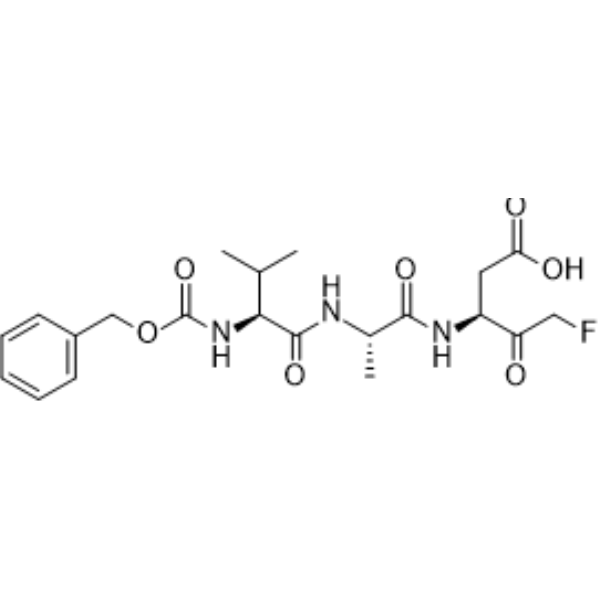
Z-VAD-FMK is a pan-caspase inhibitor and also an ICE-like protease inhibitor, which inhibits apoptosis by preventing the processing of CPP32 to its active form. Z-VAD-FMK sensitivity varies primarily due to differential expression of receptor-interacting protein 1 (RIP1). Z-VAD-FMK limits the cryopreservation-induced apoptosis by reducing caspase-3 activity of in vitro produced bovine embryos. Z-VAD-FMK is immunosuppressive in vitro and inhibits T cell proliferation without blocking the processing of caspase-8 and caspase-3. Z-VAD-FMK leads to a decrease in intracellular glutathione (GSH) with a concomitant increase in reactive oxygen species (ROS) levels in activated T cells. Z-VAD-FMK is due to oxidative stress via the depletion of GSH. Z-VAD-FMK can be used for the study of acute pancreatitis .
|
-
-
- HY-12169
-
|
BB2516; TA2516
|
MMP
|
Cancer
|
|
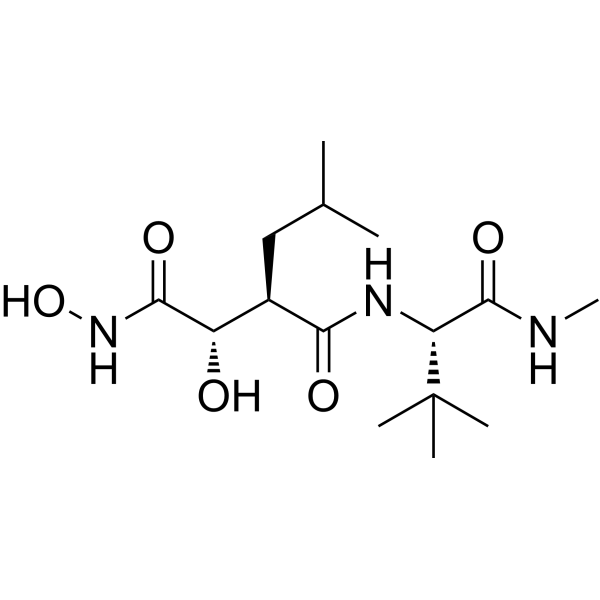
Marimastat (BB2516) is a broad spectrum and orally bioavailable inhibitor of MMPs, with potent activity against MMP-9 (IC50=3 nM), MMP-1 (IC50=5 nM), MMP-2 (IC50=6 nM), MMP-14 (IC50=9 nM) and MMP-7 (IC50=13 nM), used in the treatment of cancer. Marimastat (BB2516) is an angiogenesis and metastasis inhibitor, which limits the growth and production of blood vessels. As an antimetatstatic agent it prevents malignant cells from breaching the basement membranes .
|
-
-
- HY-147080
-
|
ARC1905
|
Complement System
|
Others
|
|
Avacincaptad pegol (ARC1905) sodium is a 40KDa PEG-conjugated aptamer. Avacincaptad pegol sodium targets complement factor 5 (C5), inhibits the cleavage of C5 into C5a and C5b, limits inflammatory stimulation and complement membrane attack complex (MAC), and is used to study age-related macular degeneration (AMD). Avacincaptad pegol sodium limits irregular cell apoptosis by targeting downstream factors in the complement cascade while preserving the early steps of the complement system .
|
-
-
- HY-14993
-
|
|
Protease Activated Receptor (PAR)
Apoptosis
|
Cardiovascular Disease
|
|
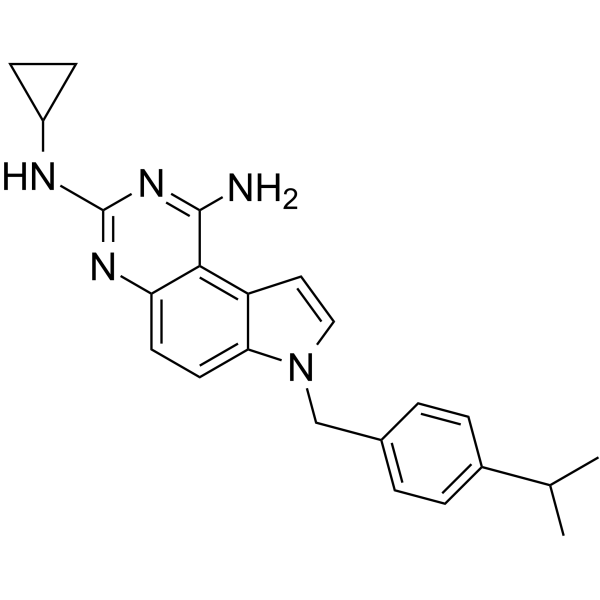
SCH79797 is a highly potent, selective nonpeptide protease activated receptor 1 (PAR1) antagonist. SCH79797 inhibits binding of a high-affinity thrombin receptor-activating peptide to PAR1 with an IC50 of 70 nM and a Ki of 35 nM. SCH79797 inhibits thrombin-induced platelet aggregation with an IC50 of 3 μM. SCH79797 has antiproliferative and pro-apoptotic effects, and limits myocardial ischemia/reperfusion injury in rat hearts. SCH79797 also potently prevents PAR1 activation in vascular smooth muscle cells, endothelial cells, and astrocytes .
|
-
-
- HY-B1657A
-
|
|
Sodium Channel
|
Neurological Disease
|
|
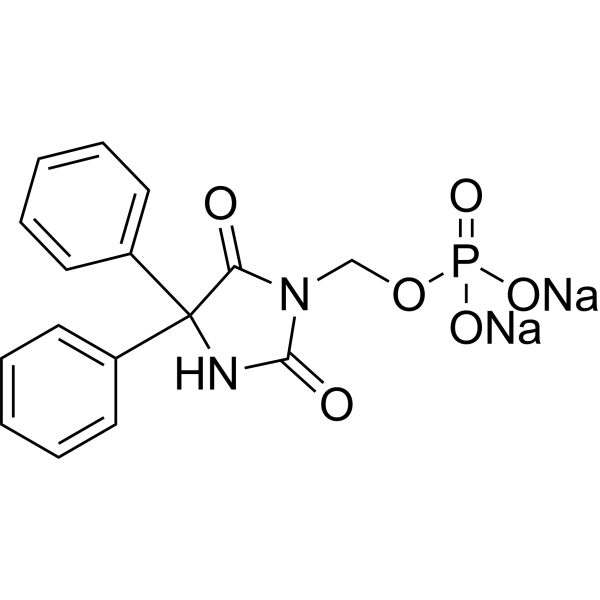
Fosphenytoin sodium is a phenytoin proagent with similar anticonvulsant properties. Its main mechanism is to block frequency-dependent, use-dependent and voltage-dependent neuronal sodium channels, and therefore limit repetitive firing of action potentials.
|
-
-
- HY-14994
-
|
|
Protease Activated Receptor (PAR)
Apoptosis
|
Cardiovascular Disease
|
|
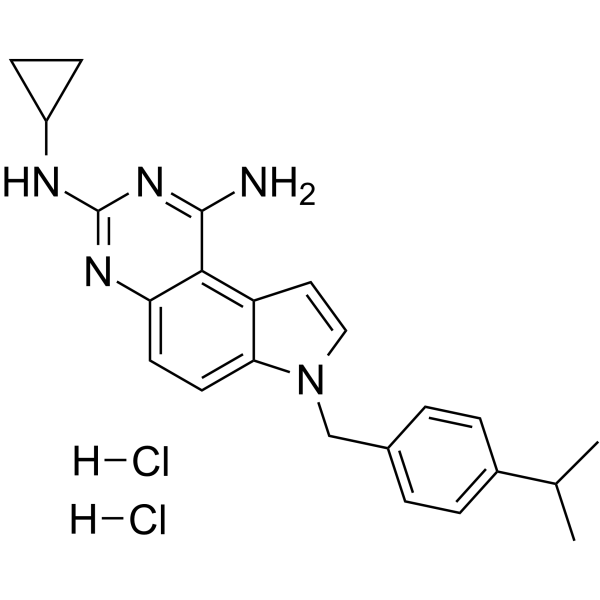
SCH79797 dihydrochloride is a highly potent, selective nonpeptide protease activated receptor 1 (PAR1) antagonist. SCH79797 dihydrochloride inhibits binding of a high-affinity thrombin receptor-activating peptide to PAR1 with an IC50 of 70 nM and a Ki of 35 nM. SCH79797 dihydrochloride inhibits thrombin-induced platelet aggregation with an IC50 of 3 μM. SCH79797 dihydrochloride has antiproliferative and pro-apoptotic effects, and limits myocardial ischemia/reperfusion injury in rat hearts. SCH79797 dihydrochloride also potently prevents PAR1 activation in vascular smooth muscle cells, endothelial cells, and astrocytes .
|
-
-
- HY-N3387
-
|
|
Apoptosis
NF-κB
Akt
MMP
|
Inflammation/Immunology
Cancer
|
|
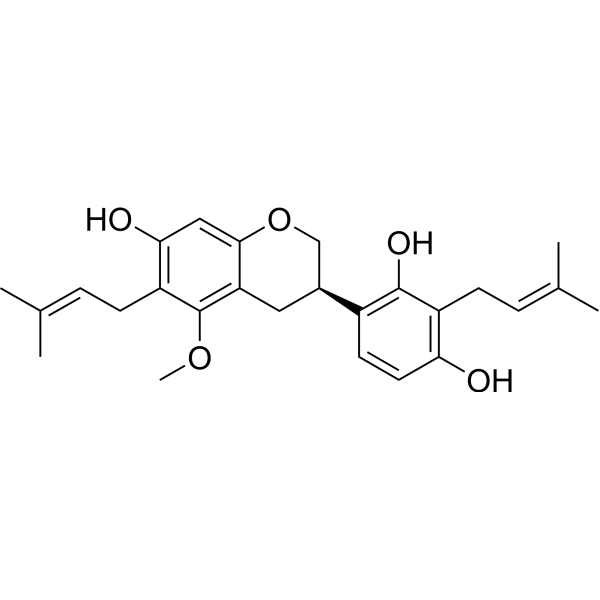
Licoricidin (LCD) is isolated from Glycyrrhiza uralensis Fisch, possesses anti-cancer activities. Licoricidin (LCD) inhibit SW480 cells (IC50=7.2 μM) by inducing cycle arrest, apoptosis and autophagy, and is a potential chemopreventive or chemotherapeutic agent against colorectal cancer . Licoricidin (LCD) inhibits Lung Metastasis by inhibition of tumor angiogenesis and lymphangiogenesis as well as changes in the local microenvironment of tumor tissues the anticarcinogenic effect . Licoricidin enhanced gemcitabine-induced cytotoxicity in Osteosarcoma (OS) cells by inactivation of the Akt and NF-κB pathways in vitro and in vivo . Licoricidin blocks UVA-induced photoaging via ROS scavenging, limits the activity of MMP-1, it can be considered as an active ingredient in new topically applied anti-ageing formulations .
|
-
-
- HY-B1238
-
|
(±)-Pronethalo
|
Adrenergic Receptor
|
Cardiovascular Disease
Neurological Disease
|
|
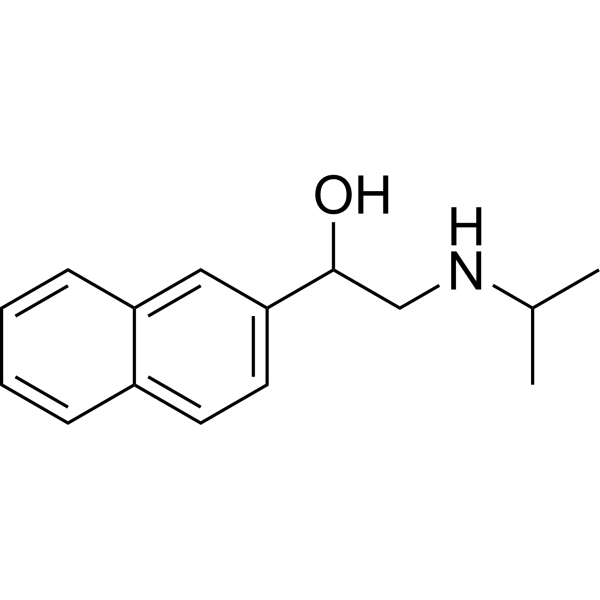
Pronethalol ((±)-Pronethalo) is a non-selective β-adrenergic antagonist. Pronethalol is a potent inhibitor of Sox2 expression. Pronethalol protects against and to reverse Digitalis-induced ventricular arrhythmias and limits the cerebral arteriovenous malformation (AVMs) .
|
-
-
- HY-P1123
-
|
|
ATP Citrate Lyase
Free Fatty Acid Receptor
Acetyl-CoA Carboxylase
|
Metabolic Disease
|
|
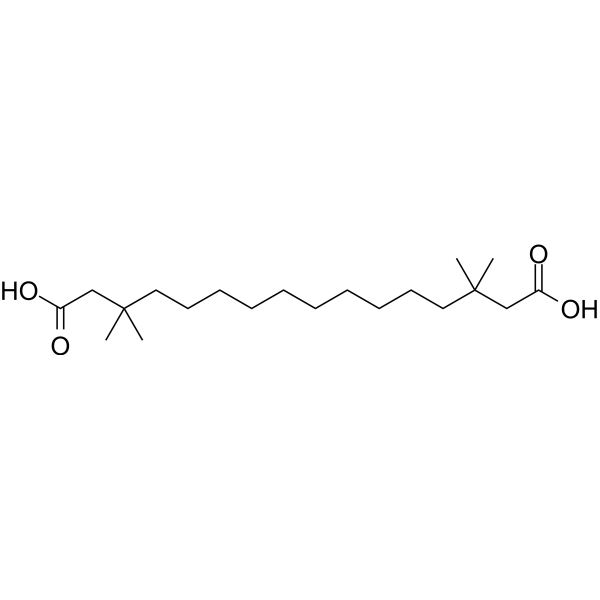
MEDICA16 is an orally active acetyl-CoA carboxylase and ATP-citrate lyase inhibitor. MEDICA16 limits the acetyl-CoA supply for acetyl-CoA carboxylase, inhibits acetyl-CoA carboxylase activity, exerts citrate-competitive inhibitory effects on ATP-citrate lyase, and reduces hepatic AMPK activity. MEDICA16 can be used in research related to insulin resistance, hyperlipidemia, and obesity .
|
-
-
- HY-P3173
-
|
R-enzyme
|
Biochemical Assay Reagents
|
Others
|
|
Pullulanase (R-enzyme) is a key starch debranching enzyme that specifically hydrolyzes α-1,6-glycosidic linkages in polysaccharides such as amylopectin and pullulan, facilitating the efficient degradation of starch into fermentable sugars .
|
-

-
- HY-109086
-
|
JNJ-40346527; JNJ-527
|
c-Fms
|
Neurological Disease
Inflammation/Immunology
Cancer
|
|
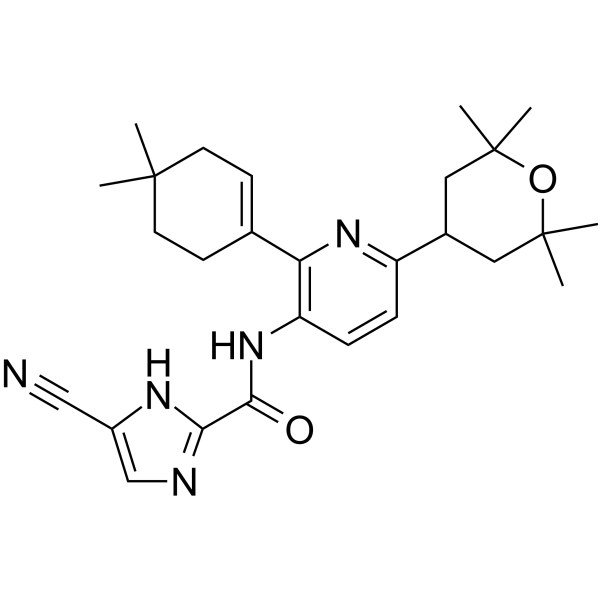
Edicotinib (JNJ-40346527) is a potent, selective, brain penetrant and orally active colony-stimulating factor-1 receptor (CSF-1R) inhibitor with an IC50 of 3.2 nM. Edicotinib exhibits less inhibitory effects on KIT and FLT3 with IC50 values of 20 nM and 190 nM, respectively . Edicotinib limits microglial expansion and attenuates microglial proliferation and neurodegeneration in mice. Edicotinib has the potential for Alzheimer’s disease and rheumatoid arthritis research .
|
-
-
- HY-131146
-
AMOZ
1 Publications Verification
3-Amino-5-morpholinomethyl-2-oxazolidone
|
Drug Metabolite
|
Infection
|
|
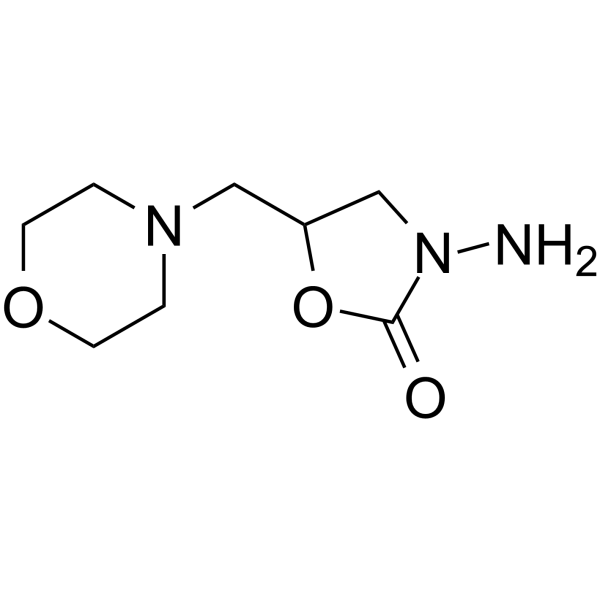
AMOZ is a carcinogenic metabolite of Furaltadone (HY-B1148A), which forms stable tissue residues by covalently binding to proteins as a hapten. AMOZ can be coupled with carrier proteins (such as BSA/OVA) to induce immune response and is released after acid hydrolysis. AMOZ residues can be detected by competitive ELISA method, and the detection limit in the monoclonal antibody 2E5.1 test is as low as 0.16 μg/kg (shrimp sample). AMOZ can be used as a typical marker to monitor drug residues in animal-derived foods in the field of food safety[1][2].
|
-
-
- HY-128879A
-
|
|
Phosphodiesterase (PDE)
GSK-3
Tau Protein
|
Cardiovascular Disease
Neurological Disease
Inflammation/Immunology
|
|
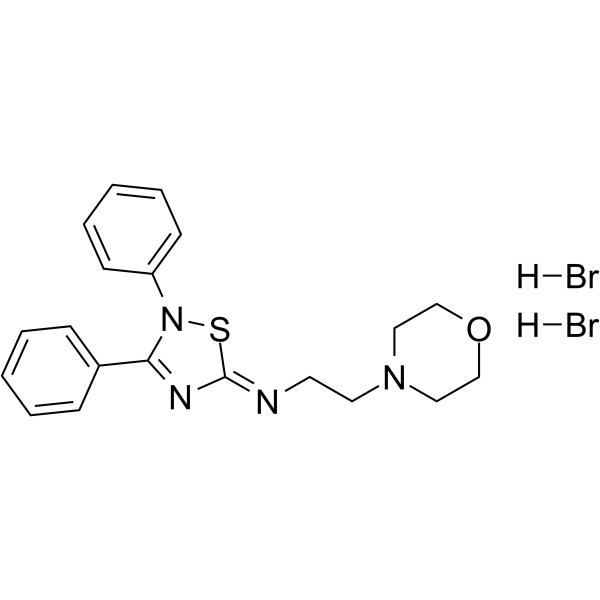
VP3.15 dihydrobromide is a highly potent, orally bioavailable, and CNS-penetrant PDE7-GSK3 dual inhibitor, with IC50 values of 1.59 μM and 0.88 μM against PDE7 and GSK3, respectively . VP3.15 dihydrobromide elevates intracellular cAMP levels, suppresses immune responses, enhances remyelination, limits excessive tau phosphorylation, and alleviates neuroinflammation and neuronal loss. VP3.15 dihydrobromide promotes oligodendrocyte precursor cell differentiation, improves in vivo remyelination, inhibits autoimmune encephalomyelitis, and mitigates germinal matrix-intraventricular hemorrhage-related brain injury, cerebral atrophy, ventricular enlargement, and cognitive impairment. VP3.15 dihydrobromide can be used in research related to multiple sclerosis and germinal matrix-intraventricular hemorrhage .
|
-
-
- HY-W110910
-
|
|
Biochemical Assay Reagents
|
Infection
|
|
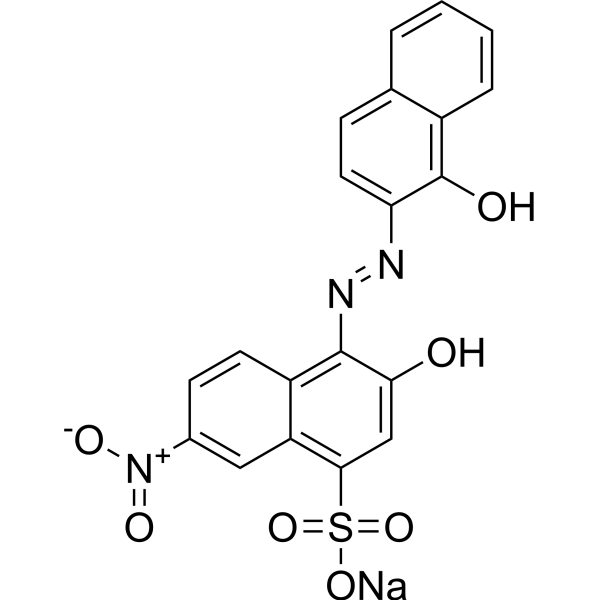
Eriochrome black T, Indicator is a complexing agent for metal ions (e.g., Ca 2+, Mg 2+) and is used as an indicator in complexometric titrations. Eriochrome black T, Indicator forms colored complexes with metal ions through covalent coordination bonds, and indicates the endpoint of the titration by color change. Eriochrome black T, Indicator can be used as an anionic azo dye in photocatalytic degradation studies to evaluate the performance of photocatalysts. The reaction solution of Eriochrome black T, Indicator combined with Mg 2+ is initially purple. During loop-mediated isothermal amplification (LAMP), the color changes from purple to sky blue due to the consumption of Mg 2+ by the formation of magnesium pyrophosphate, indicating a positive reaction. The optimal concentration of Eriochrome black T, Indicator in LAMP is 60 μM, and the detection limit for Mycobacterium tuberculosis is 1 pg DNA/reaction .
|
-
-
- HY-N0430
-
|
Coptisin
|
Indoleamine 2,3-Dioxygenase (IDO)
NF-κB
p38 MAPK
PI3K
Akt
Apoptosis
Reactive Oxygen Species (ROS)
Mitochondrial Metabolism
DNA/RNA Synthesis
ROCK
LDLR
|
Cardiovascular Disease
Neurological Disease
Metabolic Disease
Inflammation/Immunology
Cancer
|
|
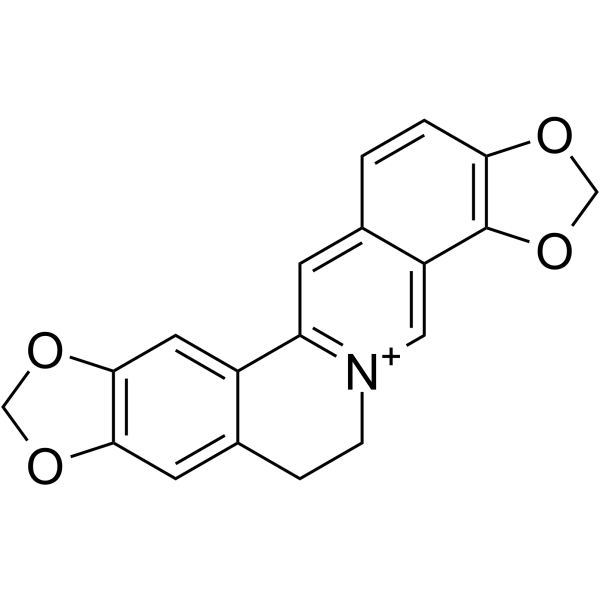
Coptisine is an orally active and brain-penetrant alkaloid found in Coptis chinensis. Coptisine is a reversible, uncompetitive IDO inhibitor with a Ki of 5.8 μM and an IC50 of 6.3 μM. Coptisine suppresses neuroinflammation, reduces Aβ plaque burden and shows neuroprotective activity. Coptisine shows anti-inflammation activity by blocking NF-κB, MAPK, and PI3K/Akt activation. Coptisine inhibits cancer cells proliferation, induces DNA damage, G2/M phase cell cycle arrest, apoptosis, ROS production and mitochondrial dysfunction. Coptisine inhibits Rho/ROCK pathway activation, reduces arrhythmia, limits cardiac injury marker release, reduces infarct size, and preserves cardiac function in rat myocardial ischemia/reperfusion models. Coptisine downregulates HMGCR and upregulates LDLR and CYP7A1 to modulate cholesterol metabolism, reduces abnormal serum lipid levels, and promotes fecal bile acid excretion. Coptisine can be used for the research of cancer, hypercholesterolemia, Alzheimer’s disease, inflammatory disorders and cardiovascular disease .
|
-
-
- HY-N0430A
-
|
|
Indoleamine 2,3-Dioxygenase (IDO)
NF-κB
p38 MAPK
PI3K
Akt
Apoptosis
Reactive Oxygen Species (ROS)
Mitochondrial Metabolism
DNA/RNA Synthesis
ROCK
LDLR
|
Cardiovascular Disease
Neurological Disease
Metabolic Disease
Inflammation/Immunology
Cancer
|
|
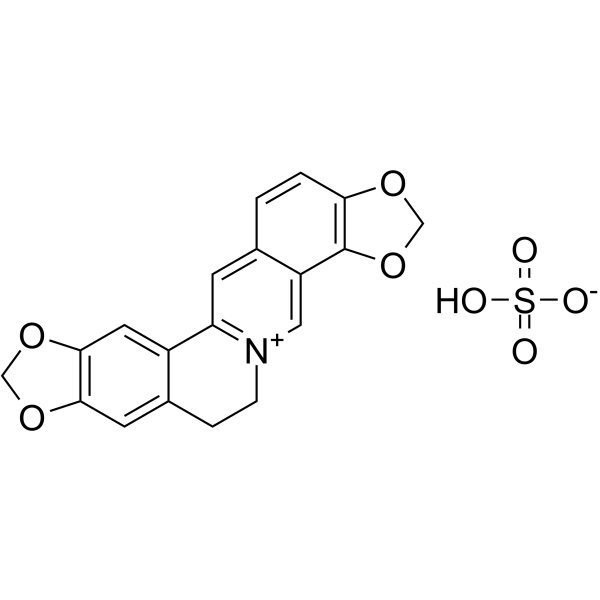
Coptisine Sulfate is an orally active and brain-penetrant alkaloid found in Coptis chinensis. Coptisine Sulfate is a reversible, uncompetitive IDO inhibitor with a Ki of 5.8 μM and an IC50 of 6.3 μM. Coptisine Sulfate suppresses neuroinflammation, reduces Aβ plaque burden and shows neuroprotective activity. Coptisine Sulfate shows anti-inflammation activity by blocking NF-κB, MAPK, and PI3K/Akt activation. Coptisine Sulfate inhibits cancer cells proliferation, induces DNA damage, G2/M phase cell cycle arrest, apoptosis, ROS production and mitochondrial dysfunction. Coptisine Sulfate inhibits Rho/ROCK pathway activation, reduces arrhythmia, limits cardiac injury marker release, reduces infarct size, and preserves cardiac function in rat myocardial ischemia/reperfusion models. Coptisine Sulfate downregulates HMGCR and upregulates LDLR and CYP7A1 to modulate cholesterol metabolism, reduces abnormal serum lipid levels, and promotes fecal bile acid excretion. Coptisine Sulfate be used for the research of cancer, hypercholesterolemia, Alzheimer’s disease, inflammatory disorders and cardiovascular disease .
|
-
-
- HY-W011082
-
|
|
NOD-like Receptor (NLR)
|
Cardiovascular Disease
|
|
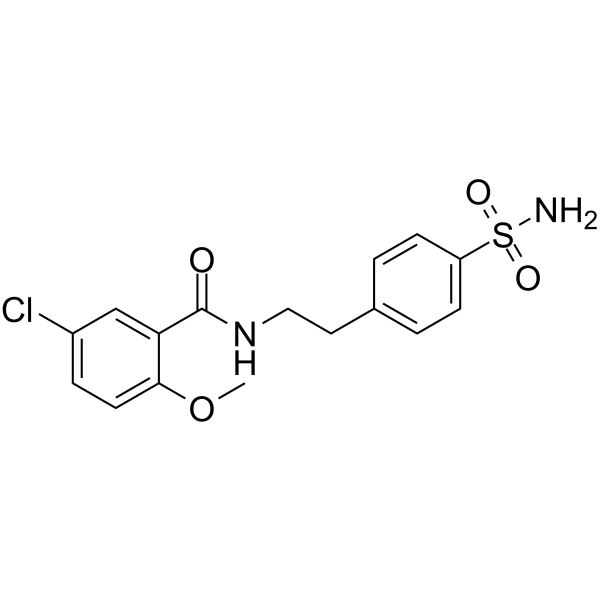
NLRP3-IN-2, an intermediate substrate in the synthesis of glyburide, inhibits the formation of the NLRP3 inflammasome in cardiomyocytes and limits the infarct size following myocardial ischemia/reperfusion in the mouse, without affecting glucose metabolism .
|
-
-
- HY-W013435
-
|
|
Fluorescent Dye
|
Others
|
|
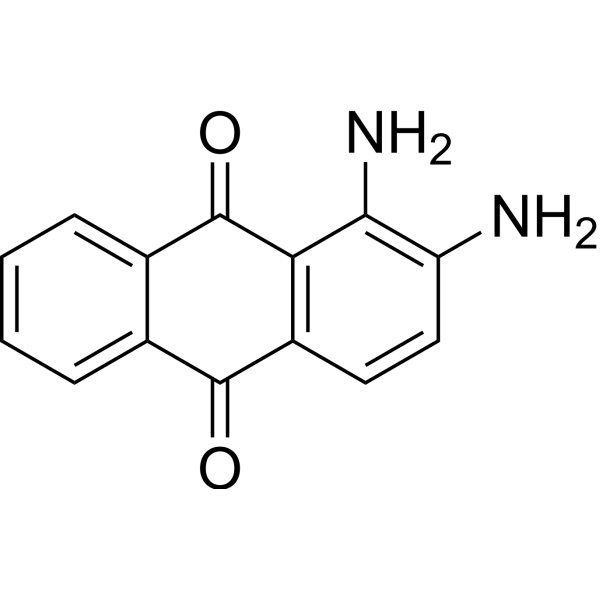
1,2-Diaminoanthraquinone is a sensitivity, specificity and nontoxic nitric oxide (NO) fluorescent probe. 1,2-Diaminoanthraquinone can be used to detect NO productions in live cell and animals with a maximum of absorption at about 540 nm and a detection limit of 5 μM for NO .
|
-
-
- HY-N7347
-
|
Garcinia lactone
|
ATP Citrate Lyase
|
Metabolic Disease
|
|
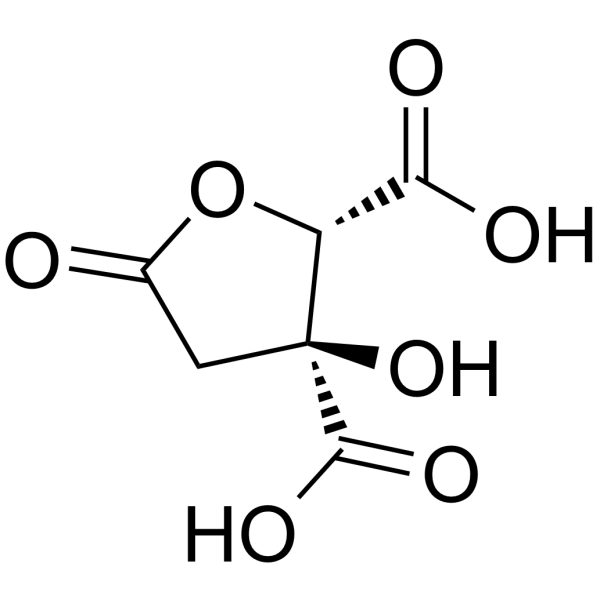
(-)-Hydroxycitric acid lactone (Garcinia lactone) is an anti-obesity agent and a popular weight loss food supplement. (-)-Hydroxycitric acid lactone is a potent inhibitor of ATP-citrate lyase. (-)-Hydroxycitric acid lactone catalyzes the extramitochondrial cleavage of citrate to oxaloacetate and acetyl-CoA, limits the availability of acetyl-CoA units required for fatty acid synthesis .
|
-
-
- HY-W017186
-
|
|
Aldehyde Dehydrogenase (ALDH)
|
Cancer
|
|
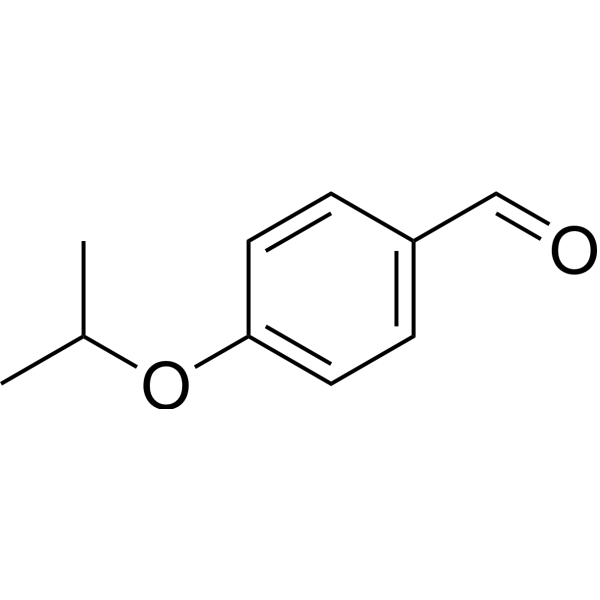
ALDH1A3-IN-3 is a potent inhibitor of ALDH1A3, with an IC50 of 0.26 μM. ALDH1A3-IN-3 is also a good ALDH3A1 substrate which limits its application as a selective inhibitor. ALDH1A3-IN-3 can be used for the research of prostate cancer .
|
-
-
- HY-161296
-
|
|
Bacterial
HIV
|
Infection
|
|
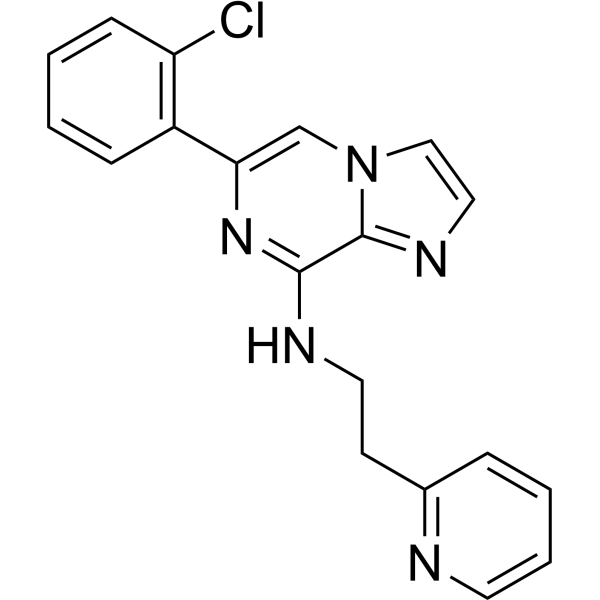
TH6342 is a SAMHD1 modulator that binds to pretetrameric SAMHD1 and prevents its oligomerization and allosteric activation. SAMHD1 is a dNTP triphosphohydrolase and an HIV-1 restriction factor. SAMHD1 can limit the replication of retroviruses and DNA viruses and has antiviral effects. The inhibitory mechanism of TH6342 does not occupy the SAMHD1 nucleotide-binding pocket, gently binds the target, and functions as a chemical probe .
|
-
-
- HY-B1421
-
|
LY031537
|
Adrenergic Receptor
Trace Amine-associated Receptor (TAAR)
|
Metabolic Disease
|
|
Ractopamine hydrochloride (LY031537) is a potent and orally active β-adrenergic receptor (βAR) agonist with Kd value of ~25 nM for pig β1AR and β2AR. Ractopamine hydrochloride also is a mTAAR1 agonist with an EC50 of 16 μM. Ractopamine hydrochloride promotes muscle mass development, limits fat deposition, reduces feed consumption, increases total cellular protein synthesis, and improves growth rate and feed efficiency in finishing swine. Ractopamine hydrochloride can be used for researching to increase lean tissue growth and improve production efficiency in pigs .
|
-

-
- HY-E70116
-
|
Glycogen α-1,6-glucanohydrolase
|
Glycosidase
|
Others
|
|
Isoamylase (Glycogen α-1,6-glucanohydrolase) catalyzes the hydrolysis of α-1,6-glycosidic linkages in glycogen, amylopectin and α/β-limit dextrins .
|
-

-
- HY-P4896
-
|
|
Integrin
|
Cancer
|
|
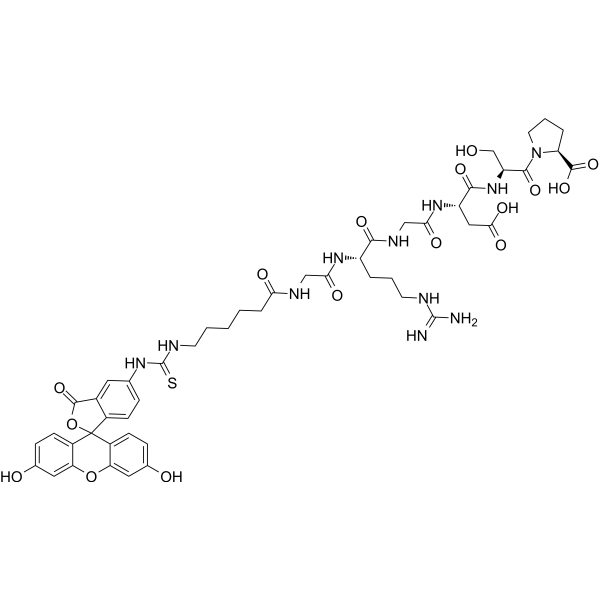
FITC-Ahx Gly Arg Gly Asp Ser Pro is a GRGDSP (HY-P0290) coupled to FITC. GRGDSP is an integrin inhibitor that can inhibit the adherence of tumor cells to endothelial cells of blood vessels and limit its metastasis .
|
-
-
- HY-D1262
-
|
Thiol-green 2
|
Fluorescent Dye
|
Others
|
|
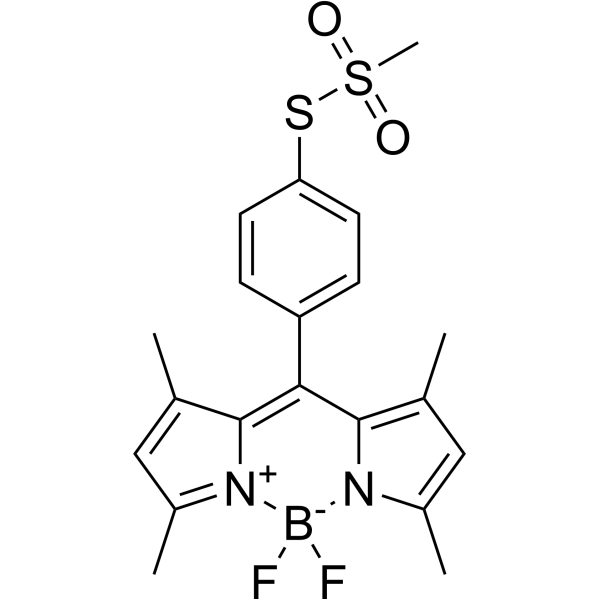
BODIPY-TS (Thiol-green 2) is a fast response and thiol-specific turn-on probe. BODIPY-TS utilizes the thiosulfonate scaffold as a thiol recognition unit. BODIPY-TS has low toxicity, and features high selectivity, low detection limit, and quantitative reaction to thiols . Ex: 490 nM; Em: 515 nM.
|
-
-
- HY-D2864
-
|
|
Fluorescent Dye
|
Others
|
|
Aza-CyBz is a selective NaCl-responsive fluorescent probe. Aza-CyBz visualizes plant salt stress by forming ordered aggregates with NaCl, leading to near-infrared fluorescence quenching. Aza-CyBz acts via electrostatic interaction between the cationic cyanine dye and NaCl to form J-aggregates, causing fluorescence quenching with a detection limit of 170 μM .
|
-

-
- HY-107637
-
|
|
MMP
|
Cardiovascular Disease
|
|
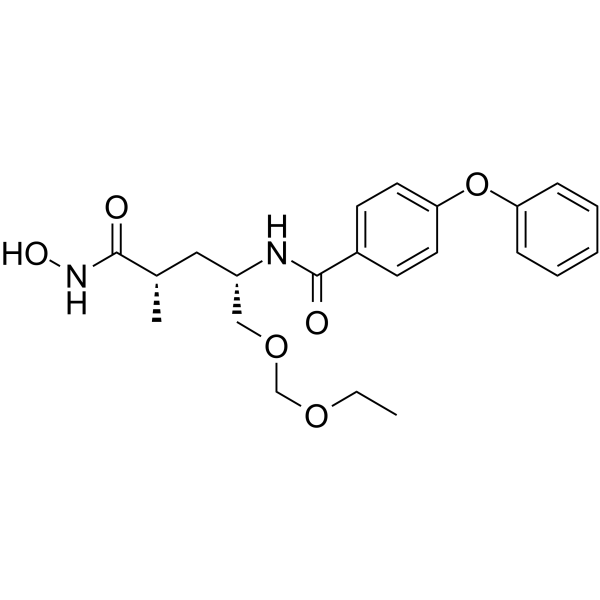
ONO-4817 is a potent inhibitor of matrix metalloproteinase (MMP). Inhibition of matrix metalloproteinases (MMPs) is expected to suppress atherosclerotic neointimal proliferation and thus limits atheromatous plaque progression. ONO-4817 suppresses the development of aortic intimal hyperplasia in experimental hyperlipidemic rabbit .
|
-
-
- HY-157395
-
|
|
Pyruvate Kinase
|
Cancer
|
|
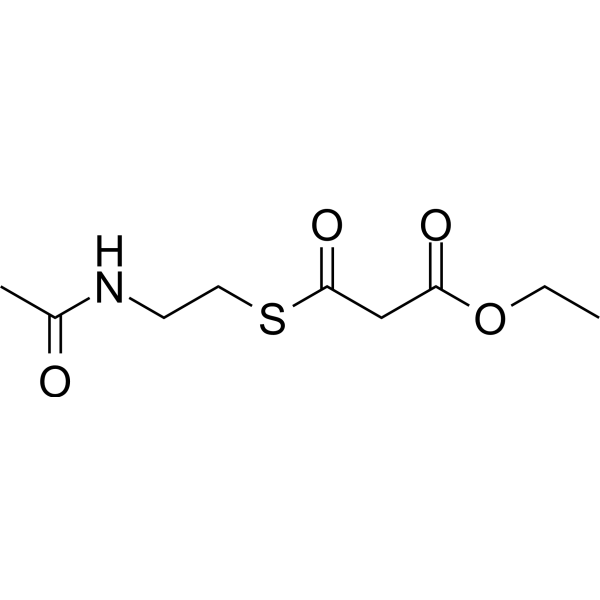
malonyl-NAC increases cellular propylation, resulting in reduced endogenous GAPDH activity. malonyl-NAC increases GAPDH malonylation in cells and inhibits pyruvate kinase activity. In addition, malonyl-NAC limits the metabolism and proliferation of a highly glycolytic kidney cancer cell line harboring a tricarboxylic acid cycle mutation .
|
-
-
- HY-P3525A
-
|
|
Integrin
|
Others
|
|
G-Pen-GRGDSPCA TFA is an αvβ3-inhibiting RGD peptide. G-Pen-GRGDSPCA can limit neointimal hyperplasia and lumen stenosis after vascular injury, as well as regulate the migration and proliferation of smooth muscle cells. G-Pen-GRGDSPCA TFA can be used in the study of the mechanism of vascular injury repair .
|
-

-
- HY-155335
-
|
|
Formyl Peptide Receptor (FPR)
|
Inflammation/Immunology
|
|
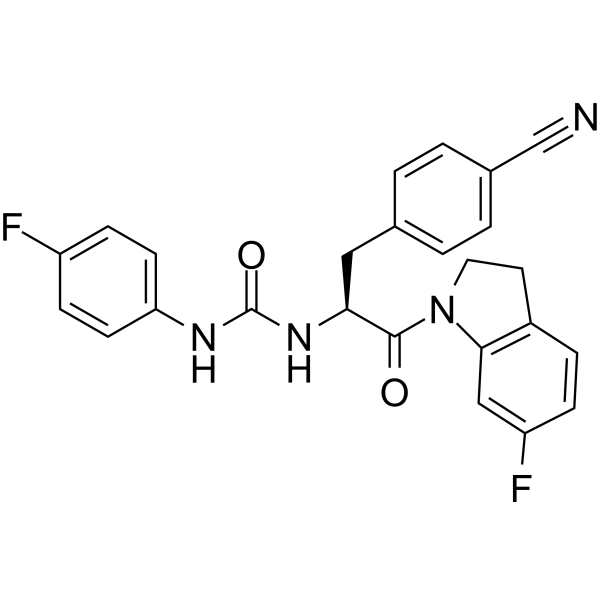
FPR2 agonist 3 (compound CMC23) can limit the lactate dehydrogenase release in LPS (HY-D1056) -stimulated cultures and decrease the levels of pro-inflammatory IL-1β and IL-6. FPR2 agonist 3 decrease the level of phosphor-STAT3 via the STAT3/SOCS3 signaling pathway .
|
-
-
- HY-147278
-
|
Divesiran; SLN124
|
Ser/Thr Protease
Small Interfering RNA (siRNA)
TMPRSS6
|
Cardiovascular Disease
|
|
Manusiran (Divesiran) is a GalNac-siRNA targeting liver and transmembrane serine protease 6 (Serine protease 6). Manusiran increases hepatic Hepcidin synthesis and plasma levels by silencing TMPRSS6, a negative regulator of hepcidin production, and limits the availability of iron required for erythropoiesis. Combined use of Manusiran with Deferiprone (HY-B0568) reduces ineffective erythropoiesis and hepatic iron overload in a mouse model of β-thalassemia. Manusiran can be used for research on polycythemia vera, type 1 hereditary hemochromatosis, and β-thalassemia .
|
-

-
- HY-149552
-
|
|
OGT
|
Cancer
|
|
Ac4-5SGlcNAc is an O-GlcNAc transferase (OGT) inhibitor. Ac4-5SGlcNAc converts intracellularly to UDP-5SGlcNAc, which competes with native UDP-GlcNAc (HY-148596) to block OGT catalytic activity, reduces cellular UDP-GlcNAc pools, and limits global protein O-GlcNAcylation. Ac4-5SGlcNAc reduces OGA levels via feedback, alters lectin signal intensities and glycan-related band masses. Ac4-5SGlcNAc can be used for the research of breast cancer .
|
-

-
- HY-164677
-
|
|
Arp2/3 Complex
|
Cancer
|
|
PLH1215 is a compound used to regulate, limit, or inhibit the expression of AVIL (advillin), which can be utilized in cancer research .
|
-

-
- HY-151537
-
|
|
Fluorescent Dye
|
Infection
Inflammation/Immunology
|
|
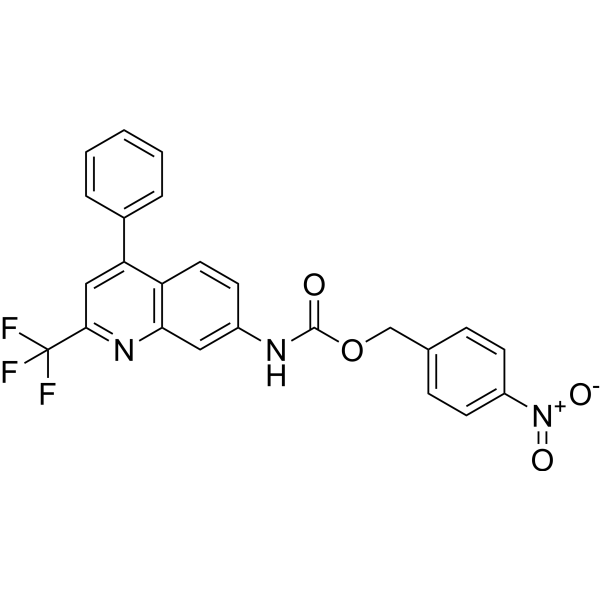
Gol-NTR is a Golgi-targetable probe with high selectivity and sensitivity. Gol-NTR is Nitroreductase (NTR)-activated and has visualization acute lung injury (ALI) and repair function. Gol-NTR has a low detection limit of 54.8 ng/mL. Gol-NTR can be used for the research for monitoring and assessing research response of sepsis-induced ALI .
|
-
-
- HY-P3525
-
|
|
Integrin
|
Others
|
|
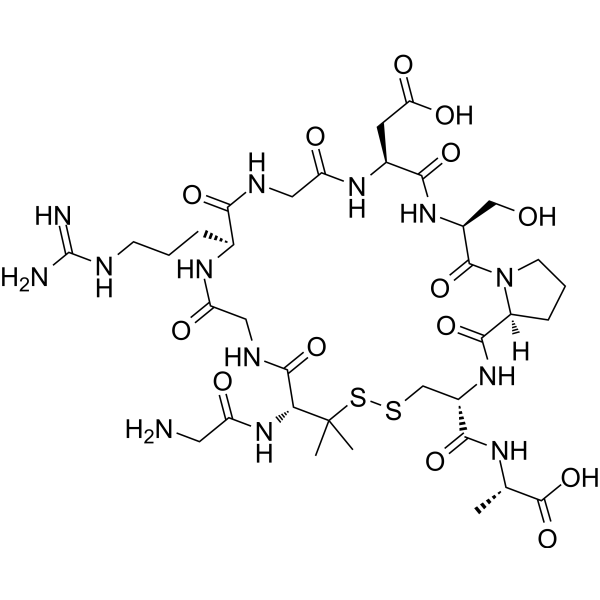
G-Pen-GRGDSPCA is an αvβ3-inhibiting RGD peptide. G-Pen-GRGDSPCA can limit neointimal hyperplasia and lumen stenosis after vascular injury, as well as regulate the migration and proliferation of smooth muscle cells. G-Pen-GRGDSPCA can be used in the study of the mechanism of vascular injury repair .
|
-
-
- HY-106150
-
|
EMD-96785
|
Na+/H+ Exchanger (NHE)
|
Others
|
|
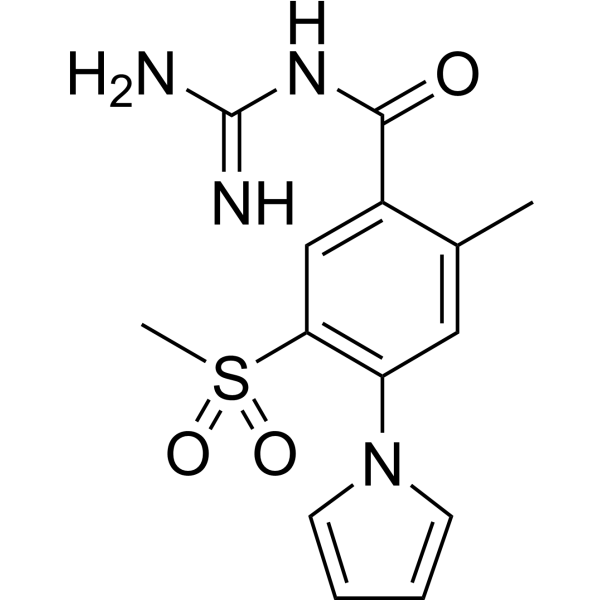
Eniporide (EMD 96785) is a Na(+)/H(+) exchange (NHE) inhibitor. Eniporide specifically inhibits the NHE-1 isoform. Eniporide improves cardiac performance inhibition associated with myocardial ischemia/reperfusion in animals, and limits infarct size in experimental models. Eniporide regulates cardiac performance and high-energy phosphate content in clinically relevant pig models of CPB and cardiac arrest .
|
-
-
- HY-129123
-
|
|
Antibiotic
|
Infection
|
|
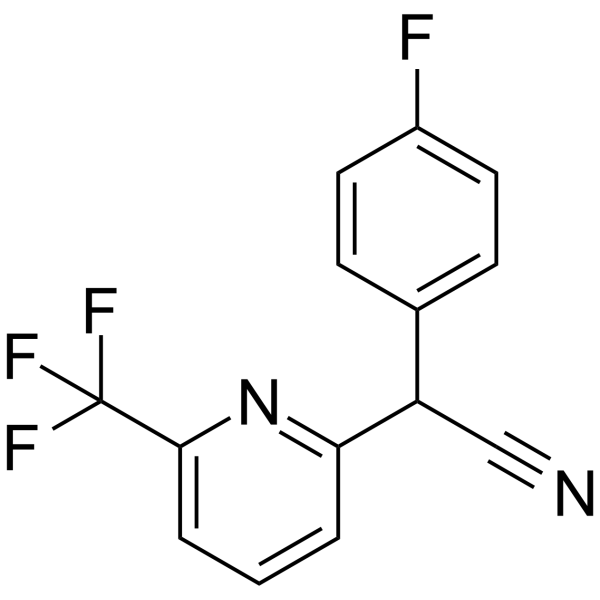
ML318 is a biaryl nitrile inhibitor of PvdQ acylase with an IC50 of 20 nM by binding in the acyl-binding site. ML318 inhibits P. aeruginosa (PAO1) with an IC50 of 19 μM. ML318 prevents pyoverdine production and limits the growth of P. aeruginosa under iron-limiting conditions .
|
-
-
- HY-35556
-
-

-
- HY-136894
-
|
|
Fluorescent Dye
|
Others
|
|
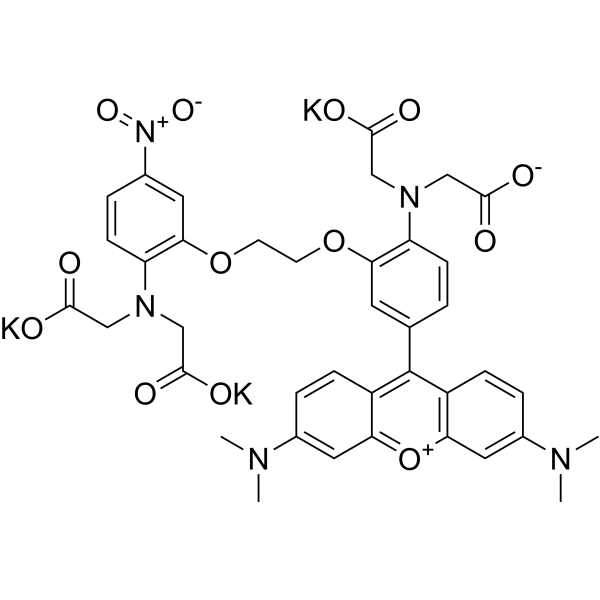
Rhod-5N is a cell-impermeant calcium-binding fluorescent dye composed of a BAPTA chelating group and a rhodamine fluorophore. Rhod-5N is often added to MOPS buffer to complex and indicate cation content. The selectivity of Rhod-5N for Cd 2+ is higher than other interfering cations ((Na+, K+, Mg 2+, Ca 2+, Zn 2+) except Pb 2+), and the detection limit is 3.1 μg/L .
|
-
-
- HY-12169R
-
|
BB2516 (Standard); TA2516 (Standard)
|
MMP
Reference Standards
|
Cancer
|
|
Marimastat (Standard) is the analytical standard of Marimastat. This product is intended for research and analytical applications. Marimastat (BB2516) is a broad spectrum and orally bioavailable inhibitor of MMPs, with potent activity against MMP-9 (IC50=3 nM), MMP-1 (IC50=5 nM), MMP-2 (IC50=6 nM), MMP-14 (IC50=9 nM) and MMP-7 (IC50=13 nM), used in the treatment of cancer. Marimastat (BB2516) is an angiogenesis and metastasis inhibitor, which limits the growth and production of blood vessels. As an antimetatstatic agent it prevents malignant cells from breaching the basement membranes .
|
-

-
- HY-14993R
-
|
|
Protease Activated Receptor (PAR)
Apoptosis
|
Cardiovascular Disease
|
|
SCH79797 (Standard) is the analytical standard of SCH79797. This product is intended for research and analytical applications. SCH79797 is a highly potent, selective nonpeptide protease activated receptor 1 (PAR1) antagonist. SCH79797 inhibits binding of a high-affinity thrombin receptor-activating peptide to PAR1 with an IC50 of 70 nM and a Ki of 35 nM. SCH79797 inhibits thrombin-induced platelet aggregation with an IC50 of 3 μM. SCH79797 has antiproliferative and pro-apoptotic effects, and limits myocardial ischemia/reperfusion injury in rat hearts. SCH79797 also potently prevents PAR1 activation in vascular smooth muscle cells, endothelial cells, and astrocytes .
|
-

-
- HY-16658BG
-
|
|
Caspase
Apoptosis
|
Cancer
|
|
Z-VAD-FMK is a pan-caspase inhibitor and also an ICE-like protease inhibitor, which inhibits apoptosis by preventing the processing of CPP32 to its active form. Z-VAD-FMK sensitivity varies primarily due to differential expression of receptor-interacting protein 1 (RIP1). Z-VAD-FMK limits the cryopreservation-induced apoptosis by reducing caspase-3 activity of in vitro produced bovine embryos. Z-VAD-FMK is immunosuppressive in vitro and inhibits T cell proliferation without blocking the processing of caspase-8 and caspase-3. Z-VAD-FMK leads to a decrease in intracellular glutathione (GSH) with a concomitant increase in reactive oxygen species (ROS) levels in activated T cells. Z-VAD-FMK is due to oxidative stress via the depletion of GSH. Z-VAD-FMK can be used for the study of acute pancreatitis .
|
-

-
- HY-164676
-
|
|
Others
|
Cancer
|
|
PLH2058 is a compound used to regulate, limit, or inhibit the expression of AVIL (advillin), which can be utilized in cancer research .
|
-

-
- HY-100044
-
|
1,2,4-Benzotriazin-3-amine; Win 60109
|
DNA/RNA Synthesis
|
Others
|
|
SR 4330 is a cytotoxic compound that targets hypoxic cells. The lower limits of quantification are 40 ng/mL and 20 ng/mL in mouse and human plasma .
|
-

-
- HY-B1238A
-
|
(±)-Pronethalo hydrochloride
|
Adrenergic Receptor
|
Cardiovascular Disease
Neurological Disease
|
|
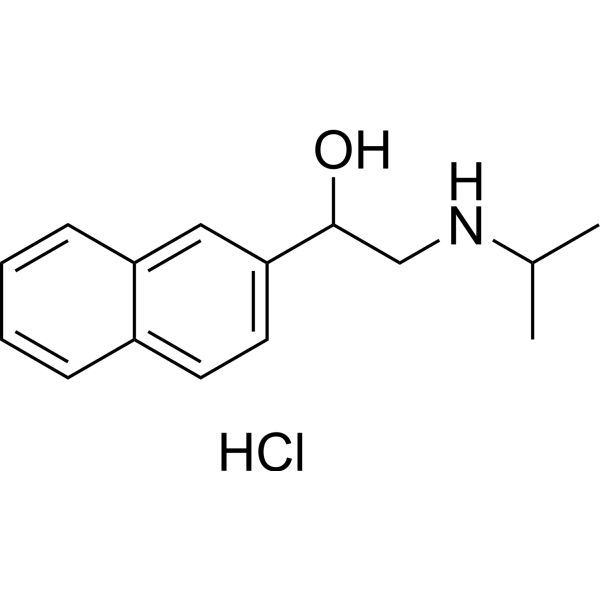
Pronethalol ((±)-Pronethalo) is a non-selective β-adrenergic antagonist. Pronethalol is a potent inhibitor of Sox2 expression. Pronethalol protects against and to reverse Digitalis-induced ventricular arrhythmias, and limits the cerebral arteriovenous malformation (AVMs) .
|
-
-
- HY-D0038
-
|
|
Fluorescent Dye
|
Inflammation/Immunology
|
|
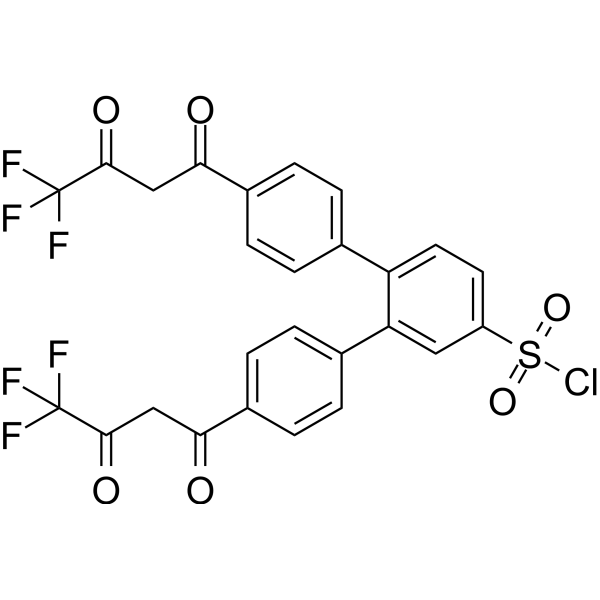
BTBCT is mainly used as a label in time-resolved fluorescence immunoassays (TRFIA). The lower limit of detection for TSH TR-IFMA is 0.011 mIU/L in a 10 μl sample volume. The high fluorescence intensity and stability of BTBCT improves the sensitivity of the assay .
|
-
-
- HY-B1838
-
Asulam
1 Publications Verification
|
Herbicide
|
Others
|
|
Asulam is a herbicide with control activity against wild oats. Asulam can be used for bulb production in spinach, tulips, daffodils and lilies. Maximum residue limits (MRLs) for Asulam were evaluated in spinach. The review of Asulam took into account its endocrine disrupting properties .
|
-

-
- HY-B1657AS
-
|
|
Isotope-Labeled Compounds
Sodium Channel
|
Neurological Disease
|
|
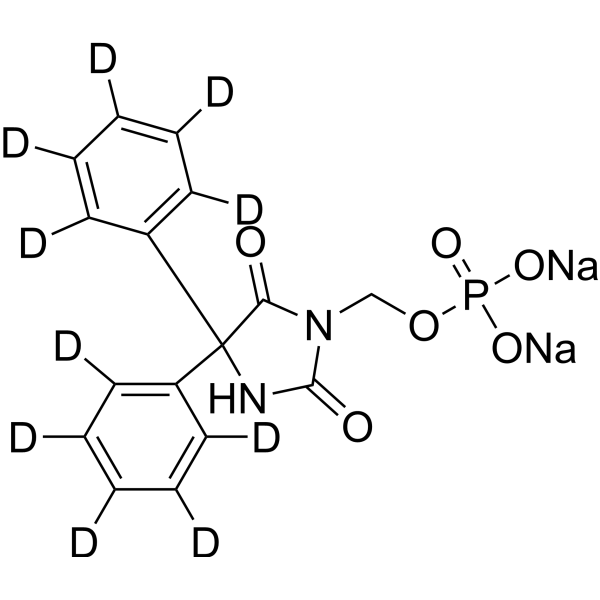
Fosphenytoin-d10 (disodium) is deuterium labeled Fosphenytoin (disodium). Fosphenytoin sodium is a phenytoin proagent with similar anticonvulsant properties. Its main mechanism is to block frequency-dependent, use-dependent and voltage-dependent neuronal sodium channels, and therefore limit repetitive firing of action potentials.
|
-
-
- HY-W414447
-
|
DB1
|
Biochemical Assay Reagents
|
Others
|
|
Disperse blue 1 is an organic dye. Disperse blue 1 can be used in staining experiments in biology to stain cells and tissues .
|
-

-
- HY-B1657AR
-
|
|
Reference Standards
Sodium Channel
|
Neurological Disease
|
|
Fosphenytoin (disodium) (Standard) is the analytical standard of Fosphenytoin (disodium). This product is intended for research and analytical applications. Fosphenytoin sodium is a phenytoin proagent with similar anticonvulsant properties. Its main mechanism is to block frequency-dependent, use-dependent and voltage-dependent neuronal sodium channels, and therefore limit repetitive firing of action potentials.
|
-

- HY-101132
-
|
|
Endogenous Metabolite
|
Inflammation/Immunology
|
|
VB-201 is an oxidized phospholipid small molecule with anti-inflammatory activity. VB-201 inhibits CD14- and Toll-like receptor 2-dependent innate cell activation. VB-201 limits the progression of atherosclerosis and can be used to study atherosclerosis .
|
-

- HY-106150A
-
|
|
Na+/H+ Exchanger (NHE)
|
Cardiovascular Disease
|
|
Eniporide mesylate (EMD 96785 mesylate) is a Na(+)/H(+) exchange (NHE) inhibitor. Eniporide mesylate specifically inhibits the NHE-1 isoform. Eniporide mesylate improves cardiac performance inhibition associated with myocardial ischemia/reperfusion in animals, and limits infarct size in experimental models. Eniporide mesylate regulates cardiac performance and high-energy phosphate content .
|
-

- HY-B1238R
-
|
(±)-Pronethalo (Standard)
|
Adrenergic Receptor
Reference Standards
|
Cardiovascular Disease
Neurological Disease
|
|
Pronethalol (Standard) is the analytical standard of Pronethalol. This product is intended for research and analytical applications. Pronethalol ((±)-Pronethalo) is a non-selective β-adrenergic antagonist. Pronethalol is a potent inhibitor of Sox2 expression. Pronethalol protects against and to reverse Digitalis-induced ventricular arrhythmias and limits the cerebral arteriovenous malformation (AVMs) .
|
-

- HY-174513
-
|
|
mRNA
|
Inflammation/Immunology
|
|
Human TNFRSF8 mRNA encodes the human TNF receptor superfamily member 8 (TNFRSF8) protein, a member of the TNF receptor superfamily. TNFRSF8 is a positive regulator of apoptosis, and also has been shown to limit the proliferative potential of autoreactive CD8 effector T cells and protect the body against autoimmunity.
|
-

- HY-18938A
-
|
GS-4997 hydrochloride
|
Apoptosis
MAP3K
|
Cancer
|
|
Selonsertib hydrochloride (GS-4997 hydrochloride) is an orally bioavailable enzyme inhibitor with potential anti-inflammatory, anti-tumor and anti-fibrotic activities. Selonsertib hydrochloride blocks ASK1 phosphorylation and activation by binding to the catalytic kinase domain. Selonsertib hydrochloride prevents the production of inflammatory cytokines and reduces the expression of genes associated with fibrosis. Selonsertib hydrochloride inhibits excessive apoptosis and limits cell proliferation .
|
-

- HY-W708304
-
|
|
Isotope-Labeled Compounds
Herbicide
|
Others
|
|
Asulam-d3 is the deuterium labeled Asulam (HY-B1838). Asulam is a herbicide with control activity against wild oats. Asulam can be used for bulb production in spinach, tulips, daffodils and lilies. Maximum residue limits (MRLs) for Asulam were evaluated in spinach. The review of Asulam took into account its endocrine disrupting properties .
|
-

- HY-137618B
-
|
|
HIV
|
Others
|
|
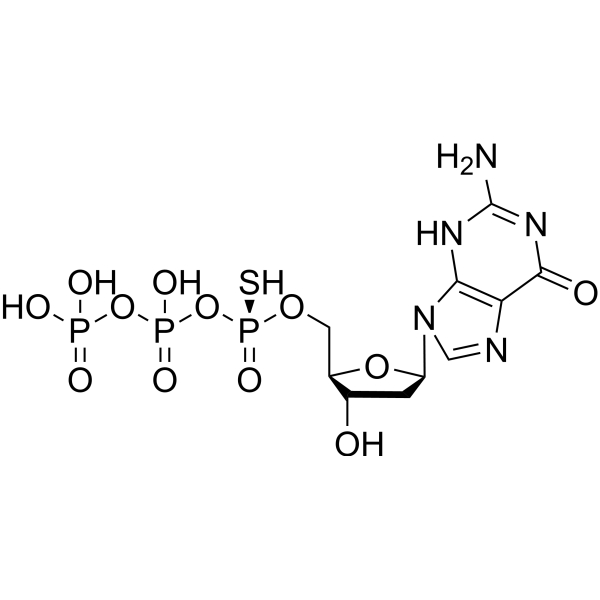
Rp-dGTPαS is the nucleotide substrate of SAMHD1 and is one of the enantiomers of the dNTPαS nucleotide. SAMHD1 is an essential regulator of cellular dNTPs that limits virus (HIV-1, etc.) replication in the CD4+ myeloid lineage and resting T cells. The SAMHD1 tetrameric complex catalyzes the hydrolysis of Rp-dGTPαS into 2'-deoxynucleosides and triphosphates .
|
-
- HY-W011082R
-
|
|
Reference Standards
NOD-like Receptor (NLR)
|
Cardiovascular Disease
|
|
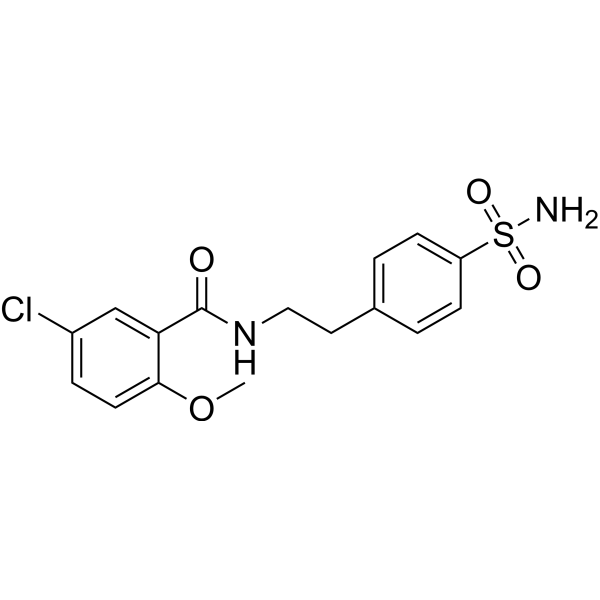
NLRP3-IN-2 (Standard) is the analytical standard of NLRP3-IN-2. This product is intended for research and analytical applications. NLRP3-IN-2, an intermediate substrate in the synthesis of glyburide, inhibits the formation of the NLRP3 inflammasome in cardiomyocytes and limits the infarct size following myocardial ischemia/reperfusion in the mouse, without affecting glucose metabolism .
|
-
- HY-115477
-
|
RP5063 hydrochloride
|
5-HT Receptor
|
Cardiovascular Disease
|
|
Brilaroxazine (RP5063) hydrochloride is a modulator of serotonin receptors, exhibiting potential therapeutic activity in the treatment of pulmonary arterial hypertension (PAH). Brilaroxazine hydrochloride has been shown to limit functional and structural changes associated with PAH, leading to significant improvements in pulmonary hemodynamics and right ventricular hypertrophy. Brilaroxazine hydrochloride also enhances oxygen saturation levels and alleviates elevated pulmonary arterial pressures when used as an adjunct to standard PAH therapies.
|
-

- HY-N7347R
-
|
Garcinia lactone (Standard)
|
Reference Standards
ATP Citrate Lyase
|
Metabolic Disease
|
|
(-)-Hydroxycitric acid lactone (Standard) is the analytical standard of (-)-Hydroxycitric acid lactone. This product is intended for research and analytical applications. (-)-Hydroxycitric acid lactone (Garcinia lactone) is an anti-obesity agent and a popular weight loss food supplement. (-)-Hydroxycitric acid lactone is a potent inhibitor of ATP-citrate lyase. (-)-Hydroxycitric acid lactone catalyzes the extramitochondrial cleavage of citrate to oxaloacetate and acetyl-CoA, limits the availability of acetyl-CoA units required for fatty acid synthesis .
|
-

- HY-109086A
-
|
JNJ-40346527 hydrochloride; JNJ-527 hydrochloride
|
c-Fms
|
Neurological Disease
Inflammation/Immunology
Cancer
|
|
Edicotinib hydrochloride is a potent, selective, brain penetrant and orally active?colony-stimulating factor-1 receptor (CSF-1R)?inhibitor with an IC50 of 3.2 nM. Edicotinib hydrochloride exhibits less inhibitory effects on KIT and FLT3 with IC50 values of 20 nM and 190 nM, respectively . Edicotinib hydrochloride limits microglial expansion and attenuates microglial proliferation and neurodegeneration?in mice. Edicotinib hydrochloride has the potential for Alzheimer’s disease and rheumatoid arthritis research .
|
-

- HY-D2204
-
|
|
Phosphatase
SHP1
Fluorescent Dye
|
Cancer
|
|
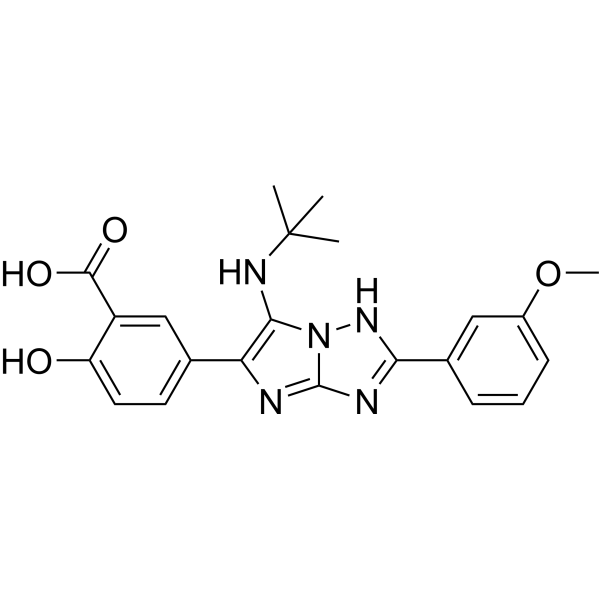
SHP1-IN-1 (compound 5p) is a fluorescent probe for the protein tyrosine phosphatase SHP1 containing the Src homology 2 domain. SHP1-IN-1 has SHP1 inhibitory activity, selectivity for Fe 3+ ions and good fluorescence properties. SHP1-IN-1 exhibits aggregation post-quenching (ACQ) effect, good interference immunity and low detection limit (5.55 μM) .
|
-
- HY-P4832
-
|
|
Amyloid-β
|
Neurological Disease
|
|
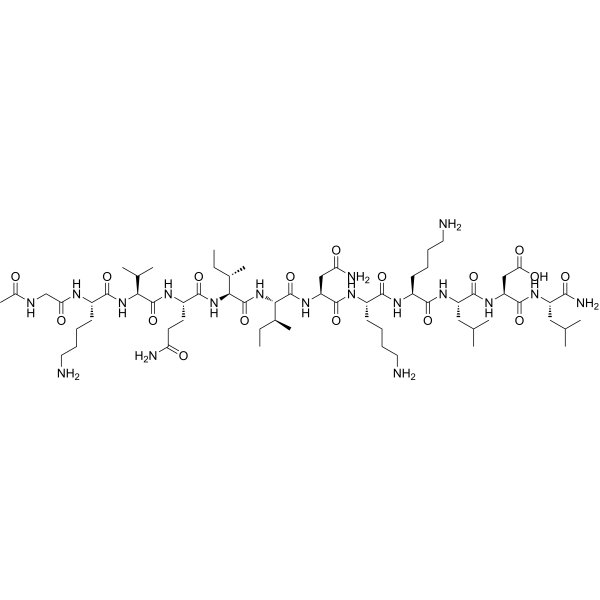
Acetyl-Tau Peptide (273-284) amide is an acetylated Tau peptide fragment. Acetyl-Tau Peptide (273-284) amide limits the substantial aggregation of Ac-Aβ(25–35)-NH2 and can be used as an inhibitor of Ac-Aβ(25–35)-NH2. Acetyl-Tau Peptide (273-284) amide can be used as an experimental model to investigate the Aβ/Tau cross-interaction .
|
-
- HY-123558
-
|
Y 14556
|
Antibiotic
|
Cancer
|
|
Bactobolin C is an antibiotic produced by Pseudomonas sp. BMG13A7, which has strong antimicrobial and antitumor activities, can also inhibit antibody production and treat autoimmune encephalomyelitis. However, its undesirable toxicity limits its medicinal application. The unique chemical structure and promising biological activities of Bactobolin C have attracted people's interest in its total synthesis and new active analogs. So far, the structural modification of Bactobolin C has mainly focused on the hydroxyl groups on the amino acid side chains and backbone.
|
-

- HY-113781
-
|
LY031537 free base
|
Adrenergic Receptor
Trace Amine-associated Receptor (TAAR)
|
Metabolic Disease
|
|
Ractopamine (LY031537 free base) is a potent and orally active β-adrenergic receptor (βAR) agonist with Kd value of ~25 nM for pig β1AR and β2AR. Ractopamine also is a mTAAR1 agonist with an EC50 of 16 μM. Ractopamine promotes muscle mass development, limits fat deposition, reduces feed consumption, increases total cellular protein synthesis, and improves growth rate and feed efficiency in finishing swine. Ractopamine can be used for researching to increase lean tissue growth and improve production efficiency in pigs .
|
-

- HY-E70118
-
|
|
Glycosidase
|
Others
|
|
oligo-α-1,6-Glucosidase, Bacillus cereus ATCC7064 is a hydrolase that mainly hydrolyzes oligosaccharides with α-1,6-glycosidic bonds. oligo-α-1,6-Glucosidase, Bacillus cereus ATCC7064 can catalyzes the exo hydrolysis of α-1,6-glucoside bonds from the nonreducing ends of panose, palatinose, α-limit dextrins, and isomaltooligosaccharides. oligo-α-1,6-Glucosidase, Bacillus cereus ATCC7064 participates in the degradation pathway of starch and glycogen, assisting enzymes such as α-amylase to completely hydrolyzes amylopectin .
|
-

- HY-14994R
-
|
|
Protease Activated Receptor (PAR)
Apoptosis
|
Cardiovascular Disease
|
|
SCH79797 (dihydrochloride) (Standard) is the analytical standard of SCH79797 (dihydrochloride). This product is intended for research and analytical applications. SCH79797 dihydrochloride is a highly potent, selective nonpeptide protease activated receptor 1 (PAR1) antagonist. SCH79797 dihydrochloride inhibits binding of a high-affinity thrombin receptor-activating peptide to PAR1 with an IC50 of 70 nM and a Ki of 35 nM. SCH79797 dihydrochloride inhibits thrombin-induced platelet aggregation with an IC50 of 3 μM. SCH79797 dihydrochloride has antiproliferative and pro-apoptotic effects, and limits myocardial ischemia/reperfusion injury in rat hearts. SCH79797 dihydrochloride also potently prevents PAR1 activation in vascular smooth muscle cells, endothelial cells, and astrocytes .
|
-

- HY-W751276
-
|
|
Isotope-Labeled Compounds
Adrenergic Receptor
Trace Amine-associated Receptor (TAAR)
|
Metabolic Disease
|
|
Ractopamine- 13C6 is the 13C-labeled Ractopamine (HY-113781). Ractopamine (LY031537 free base) is a potent and orally active β-adrenergic receptor (βAR) agonist with Kd value of ~25 nM for pig β1AR and β2AR. Ractopamine also is a mTAAR1 agonist with an EC50 of 16 μM. Ractopamine promotes muscle mass development, limits fat deposition, reduces feed consumption, increases total cellular protein synthesis, and improves growth rate and feed efficiency in finishing swine. Ractopamine can be used for researching to increase lean tissue growth and improve production efficiency in pigs .
|
-

- HY-W751275
-
|
|
Isotope-Labeled Compounds
Adrenergic Receptor
Trace Amine-associated Receptor (TAAR)
|
Metabolic Disease
|
|
Ractopamine- 13C2 is the 13C-labeled Ractopamine (HY-113781). Ractopamine (LY031537 free base) is a potent and orally active β-adrenergic receptor (βAR) agonist with Kd value of ~25 nM for pig β1AR and β2AR. Ractopamine also is a mTAAR1 agonist with an EC50 of 16 μM. Ractopamine promotes muscle mass development, limits fat deposition, reduces feed consumption, increases total cellular protein synthesis, and improves growth rate and feed efficiency in finishing swine. Ractopamine can be used for researching to increase lean tissue growth and improve production efficiency in pigs .
|
-

- HY-W010713
-
|
Fimaporfin free base
|
Photosensitizer
|
Cancer
|
|
Meso-tetraphenylchlorin (TPCS2a) is a photosensitizer with poor water solubility, which limits its use in the blood circulation. However, TPCS2a@NPs nanoparticles can be prepared based on polylactic-co-polyethylene glycol acid (PLGA) polymer core loaded with TPCS2. Such nanoparticles can be coated with mesenchymal stem cell-derived plasma membranes (mMSCs) to form mMSC-TPCS2a@NPs, which prolongs blood circulation time and improves tumor targeting ability. Compared with uncoated TPCS2a@NPs, mMSC-TPCS2a@NPs can reduce macrophage uptake by 54% to 70% under different conditions. Both nanoparticle forms are effectively accumulated in MCF7 and MDA-MB-231 breast cancer cells, while uptake in normal breast epithelial cells MCF10A is significantly lower .
|
-

- HY-D3003
-
|
|
Fluorescent Dye
|
Others
|
|
M-H2S is an endoplasmic reticulum-targeted ratio-type near-infrared fluorescent probe (Ex/Em : 480 nm/560 nm) specifically designed for the detection of hydrogen sulfide (H2S) in living cells and zebrafish. M-H2S exhibits detection limit for H2S of 39.1 nM, and the fluorescence intensity ratio (F₆₅₀/F₅₆₀) within the range of 0-40 μM shows a linear relationship with the H2S concentration. M-H2S responds best under pH = 7.2 (the normal physiological pH of the endoplasmic reticulum) conditions, making it suitable for the detection of the microenvironment of the endoplasmic reticulum. M-H2S can be used to study the role of H2S in endoplasmic reticulum function, stress response, and related diseases .
|
-

- HY-N11602
-
|
|
Endogenous Metabolite
|
Metabolic Disease
|
|
Deoxycholic acid 3-sulfate is a sulfated metabolite of deoxycholic acid, belonging to the sulfate ester form of secondary bile acids. The proportion of Deoxycholic acid 3-sulfate in serum from both healthy states and cholestatic states is below the limit of detection .
|
-

- HY-W653727
-
|
Prochloraz-desimidazole-formylamino
|
Drug Metabolite
|
Others
|
|
BTS44596 (Prochloraz-desimidazole-formylamino) is a metabolite of the antifungal agent Prochloraz (HY-B0845). BTS44596 is one of the core target analytes for regulatory monitoring of Prochloraz residue limits in fruits and vegetables as well as for simultaneous detection via LC-MS/MS .
|
-

- HY-W012475
-
|
|
Fungal
|
Infection
|
|
cis-3-Hexenyl benzoate is a volatile organic compound with a grassy aroma, widely used in the fragrance and cosmetic industries. It exhibits weak antifungal activity. cis-3-Hexenyl benzoate shows no significant risks in genotoxicity, reproductive toxicity, or environmental toxicity, and its skin sensitization potential is controllable within defined concentration limits .
|
-

- HY-170378
-
|
|
Fungal
|
Infection
|
|
Laccase-IN-5 (Compound 2b) is the inhibitor for Laccase with an IC50 of 0.82 μM. Laccase-IN-5 increases the cell membrane permeability, limits the growth of hyphae, destorys the cell wall, and induces oxidative stress responses. Laccase-IN-5 exhibits antifungal activity against various plant pathogenic fungi and oomycetes, inhibits B. dothidea with an EC50 of 0.96 mg/L .
|
-

- HY-D3244
-
|
|
Fluorescent Dye
|
Others
|
|
RDDB is a rhodamine-based turn-on fluorescent and colorimetric chemosensor selective for Mn 2+, with a limit of detection of 5×10 -8 M (excitation wavelength: 480-550 nm; fluorescence signal collection range: >590 nm). In the presence of Mn 2+, RDDB undergoes a spirolactam ring-opening reaction of its rhodamine hydrazide moiety, resulting in turn-on fluorescence and a color change. RDDB can be used for intracellular Mn 2+ imaging .
|
-

- HY-181739
-
|
|
CD1
|
Cancer
|
|
GCB-27a is a CD1d-binding immunostimulant and antitumor agent. GCB-27a binds to CD1d to form a stable complex and presents it to NKT cells, enhancing hydrophobic interactions within the A' pocket of CD1d through branched-chain conformation restriction. GCB-27a induces a Th1-biased immune response, drives IFN?γ production and limits IL-4 levels. GCB-27a is applicable to research related to melanoma lung metastasis .
|
-

- HY-B1421S2
-
|
LY031537-d3
|
Isotope-Labeled Compounds
Adrenergic Receptor
Trace Amine-associated Receptor (TAAR)
|
Metabolic Disease
|
|
Ractopamine-d3 (LY031537-d3) hydrochloride is the deuterium labeled Ractopamine hydrochloride (HY-B1421). Ractopamine hydrochloride (LY031537) is a potent and orally active β-adrenergic receptor (βAR) agonist with Kd value of ~25 nM for pig β1AR and β2AR. Ractopamine hydrochloride also is a mTAAR1 agonist with an EC50 of 16 μM. Ractopamine hydrochloride promotes muscle mass development, limits fat deposition, reduces feed consumption, increases total cellular protein synthesis, and improves growth rate and feed efficiency in finishing swine. Ractopamine hydrochloride can be used for researching to increase lean tissue growth and improve production efficiency in pigs .
|
-

- HY-180109
-
|
Benzo-17R-Resolvin D2
|
TNF Receptor
Interleukin Related
|
Cardiovascular Disease
Neurological Disease
Inflammation/Immunology
Cancer
|
|
Benzo-17R-RvD2 (Benzo-17R-Resolvin D2) is a benzo-containing analog of RvD2 (HY-121636). Benzo-17R-RvD2 enhances human macrophage efferocytosis, limits neutrophil infiltration, reduces TNF-α, and increases IL-1 receptor antagonist in peritonitis. Benzo-17R-RvD2 promotes E. coli killing by human leukocytes and reduces neutrophil swarm area without compromising anti-Candida activity. Benzo-17R-RvD2 activates the human-RvD2 receptor with an EC50 ∼1.5 nM. Benzo-17R-RvD2 can be used in research on inflammation-associated diseases such as cardiovascular disease, cancer, neuroinflammation, pain, and muscle regeneration .
|
-

- HY-181088
-
|
|
Phosphodiesterase (PDE)
Interleukin Related
|
Metabolic Disease
|
|
PDE3/4-IN-4 is an orally active PDE3A and PDE4B inhibitor with IC50 values of 10 nM and 9.4 nM, respectively. PDE3/4-IN-4 shows selective activity relative to most other PDE family members. PDE3/4-IN-4 modulates the cAMP/PKA/CREB signaling pathway. PDE3/4-IN-4 inhibits pro-inflammatory factor IL-6. PDE3/4-IN-4 reduces expression of inflammatory markers in liver tissue. PDE3/4-IN-4 attenuates liver fibrosis. PDE3/4-IN-4 limits liver damage in cholestatic and sepsis-induced liver disease mice models. PDE3/4-IN-4 can be used for the research of liver injury, cholestatic liver diseases, sepsis-induced liver injury .
|
-

- HY-W327027
-
|
|
Fluorescent Dye
|
Others
|
|
7-(2,4-Dinitrophenoxy)-4-methyl-2H-chromen-2-one (Compound 1) is a fluorescent probe for the detection of hydrogen sulfide (H2S). 7-(2,4-Dinitrophenoxy)-4-methyl-2H-chromen-2-one has a low detection limit (4×10 -6 mol/L), good selectivity and high sensitivity. 7-(2,4-Dinitrophenoxy)-4-methyl-2H-chromen-2-one shows almost no cytotoxicity at concentrations of 150 µg/mL. 7-(2,4-Dinitrophenoxy)-4-methyl-2H-chromen-2-one has the excitation peak of 331 nm, and the emission peak about 385 nm in DMSO solvent. Upon the addition of increasing amounts of HS -, the fluorescence intensity increases obviously at about 392 nm .
|
-

-
-
HY-L038
-
|
|
2,405 compounds
|
|
Stem cells, which are found in all multi-cellular organisms, can divide and differentiate into diverse special cell types and can self-renew to produce more stem cells. To be useful in therapy, stem cells must be converted into desired cell types as necessary which is called induced differentiation or directed differentiation. Understanding and using signaling pathways for differentiation is an important method in successful regenerative medicine. Small molecules or growth factors induce the conversion of stem cells into appropriate progenitor cells, which will later give rise to the desired cell type. There is a variety of signal molecules and molecular families that may affect the establishment of germ layers in vivo, such as fibroblast growth factors (FGFs); the wnt family or superfamily of transforming growth factors β (TGFβ) and bone morphogenetic proteins (BMP). Unfortunately, for now, a high cost of recombinant factors is likely to limit their use on a larger scale in medicine. The more promising technique focuses on the use of small molecules. These small molecules can be used for either activating or deactivating specific signaling pathways. They enhance reprogramming efficiency by creating cells that are compatible with the desired type of tissue. It is a cheaper and non-immunogenic method.
MCE Differentiation Inducing Compound Library contains a unique collection of 2,405 compounds that act on signaling pathways for differentiation. These compounds are potential stimulators for induced differentiation. This library is a useful tool for researching directed differentiation and regenerative medicine.
|
| Cat. No. |
Product Name |
Type |
-
- HY-W013435
-
|
|
Fluorescent Dyes
|
|
1,2-Diaminoanthraquinone is a sensitivity, specificity and nontoxic nitric oxide (NO) fluorescent probe. 1,2-Diaminoanthraquinone can be used to detect NO productions in live cell and animals with a maximum of absorption at about 540 nm and a detection limit of 5 μM for NO .
|
-
- HY-D1262
-
|
Thiol-green 2
|
Fluorescent Dyes
|
|
BODIPY-TS (Thiol-green 2) is a fast response and thiol-specific turn-on probe. BODIPY-TS utilizes the thiosulfonate scaffold as a thiol recognition unit. BODIPY-TS has low toxicity, and features high selectivity, low detection limit, and quantitative reaction to thiols . Ex: 490 nM; Em: 515 nM.
|
-
- HY-D2864
-
|
|
Fluorescent Dyes
|
|
Aza-CyBz is a selective NaCl-responsive fluorescent probe. Aza-CyBz visualizes plant salt stress by forming ordered aggregates with NaCl, leading to near-infrared fluorescence quenching. Aza-CyBz acts via electrostatic interaction between the cationic cyanine dye and NaCl to form J-aggregates, causing fluorescence quenching with a detection limit of 170 μM .
|
-
- HY-151537
-
|
|
Fluorescent Dyes
|
|
Gol-NTR is a Golgi-targetable probe with high selectivity and sensitivity. Gol-NTR is Nitroreductase (NTR)-activated and has visualization acute lung injury (ALI) and repair function. Gol-NTR has a low detection limit of 54.8 ng/mL. Gol-NTR can be used for the research for monitoring and assessing research response of sepsis-induced ALI .
|
-
- HY-136894
-
|
|
Fluorescent Dyes
|
|
Rhod-5N is a cell-impermeant calcium-binding fluorescent dye composed of a BAPTA chelating group and a rhodamine fluorophore. Rhod-5N is often added to MOPS buffer to complex and indicate cation content. The selectivity of Rhod-5N for Cd 2+ is higher than other interfering cations ((Na+, K+, Mg 2+, Ca 2+, Zn 2+) except Pb 2+), and the detection limit is 3.1 μg/L .
|
-
- HY-16658BG
-
|
|
Fluorescent Dyes
|
|
Z-VAD-FMK is a pan-caspase inhibitor and also an ICE-like protease inhibitor, which inhibits apoptosis by preventing the processing of CPP32 to its active form. Z-VAD-FMK sensitivity varies primarily due to differential expression of receptor-interacting protein 1 (RIP1). Z-VAD-FMK limits the cryopreservation-induced apoptosis by reducing caspase-3 activity of in vitro produced bovine embryos. Z-VAD-FMK is immunosuppressive in vitro and inhibits T cell proliferation without blocking the processing of caspase-8 and caspase-3. Z-VAD-FMK leads to a decrease in intracellular glutathione (GSH) with a concomitant increase in reactive oxygen species (ROS) levels in activated T cells. Z-VAD-FMK is due to oxidative stress via the depletion of GSH. Z-VAD-FMK can be used for the study of acute pancreatitis .
|
-
- HY-D0038
-
|
|
Fluorescent Dyes
|
|
BTBCT is mainly used as a label in time-resolved fluorescence immunoassays (TRFIA). The lower limit of detection for TSH TR-IFMA is 0.011 mIU/L in a 10 μl sample volume. The high fluorescence intensity and stability of BTBCT improves the sensitivity of the assay .
|
-
- HY-D2204
-
|
|
Fluorescent Dyes
|
|
SHP1-IN-1 (compound 5p) is a fluorescent probe for the protein tyrosine phosphatase SHP1 containing the Src homology 2 domain. SHP1-IN-1 has SHP1 inhibitory activity, selectivity for Fe 3+ ions and good fluorescence properties. SHP1-IN-1 exhibits aggregation post-quenching (ACQ) effect, good interference immunity and low detection limit (5.55 μM) .
|
-
- HY-D3003
-
|
|
Fluorescent Dyes
|
|
M-H2S is an endoplasmic reticulum-targeted ratio-type near-infrared fluorescent probe (Ex/Em : 480 nm/560 nm) specifically designed for the detection of hydrogen sulfide (H2S) in living cells and zebrafish. M-H2S exhibits detection limit for H2S of 39.1 nM, and the fluorescence intensity ratio (F₆₅₀/F₅₆₀) within the range of 0-40 μM shows a linear relationship with the H2S concentration. M-H2S responds best under pH = 7.2 (the normal physiological pH of the endoplasmic reticulum) conditions, making it suitable for the detection of the microenvironment of the endoplasmic reticulum. M-H2S can be used to study the role of H2S in endoplasmic reticulum function, stress response, and related diseases .
|
-
- HY-D3244
-
|
|
Fluorescent Dyes
|
|
RDDB is a rhodamine-based turn-on fluorescent and colorimetric chemosensor selective for Mn 2+, with a limit of detection of 5×10 -8 M (excitation wavelength: 480-550 nm; fluorescence signal collection range: >590 nm). In the presence of Mn 2+, RDDB undergoes a spirolactam ring-opening reaction of its rhodamine hydrazide moiety, resulting in turn-on fluorescence and a color change. RDDB can be used for intracellular Mn 2+ imaging .
|
| Cat. No. |
Product Name |
Type |
-
- HY-W110910
-
|
|
Biochemical Assay Reagents
|
|
Eriochrome black T, Indicator is a complexing agent for metal ions (e.g., Ca 2+, Mg 2+) and is used as an indicator in complexometric titrations. Eriochrome black T, Indicator forms colored complexes with metal ions through covalent coordination bonds, and indicates the endpoint of the titration by color change. Eriochrome black T, Indicator can be used as an anionic azo dye in photocatalytic degradation studies to evaluate the performance of photocatalysts. The reaction solution of Eriochrome black T, Indicator combined with Mg 2+ is initially purple. During loop-mediated isothermal amplification (LAMP), the color changes from purple to sky blue due to the consumption of Mg 2+ by the formation of magnesium pyrophosphate, indicating a positive reaction. The optimal concentration of Eriochrome black T, Indicator in LAMP is 60 μM, and the detection limit for Mycobacterium tuberculosis is 1 pg DNA/reaction .
|
-
- HY-106150
-
|
EMD-96785
|
Biochemical Assay Reagents
|
|
Eniporide (EMD 96785) is a Na(+)/H(+) exchange (NHE) inhibitor. Eniporide specifically inhibits the NHE-1 isoform. Eniporide improves cardiac performance inhibition associated with myocardial ischemia/reperfusion in animals, and limits infarct size in experimental models. Eniporide regulates cardiac performance and high-energy phosphate content in clinically relevant pig models of CPB and cardiac arrest .
|
-
- HY-16658BG
-
|
|
Biochemical Assay Reagents
|
|
Z-VAD-FMK is a pan-caspase inhibitor and also an ICE-like protease inhibitor, which inhibits apoptosis by preventing the processing of CPP32 to its active form. Z-VAD-FMK sensitivity varies primarily due to differential expression of receptor-interacting protein 1 (RIP1). Z-VAD-FMK limits the cryopreservation-induced apoptosis by reducing caspase-3 activity of in vitro produced bovine embryos. Z-VAD-FMK is immunosuppressive in vitro and inhibits T cell proliferation without blocking the processing of caspase-8 and caspase-3. Z-VAD-FMK leads to a decrease in intracellular glutathione (GSH) with a concomitant increase in reactive oxygen species (ROS) levels in activated T cells. Z-VAD-FMK is due to oxidative stress via the depletion of GSH. Z-VAD-FMK can be used for the study of acute pancreatitis .
|
| Cat. No. |
Product Name |
Target |
Research Area |
-
- HY-P4896
-
|
|
Integrin
|
Cancer
|
|
FITC-Ahx Gly Arg Gly Asp Ser Pro is a GRGDSP (HY-P0290) coupled to FITC. GRGDSP is an integrin inhibitor that can inhibit the adherence of tumor cells to endothelial cells of blood vessels and limit its metastasis .
|
-
- HY-P3525A
-
|
|
Integrin
|
Others
|
|
G-Pen-GRGDSPCA TFA is an αvβ3-inhibiting RGD peptide. G-Pen-GRGDSPCA can limit neointimal hyperplasia and lumen stenosis after vascular injury, as well as regulate the migration and proliferation of smooth muscle cells. G-Pen-GRGDSPCA TFA can be used in the study of the mechanism of vascular injury repair .
|
-
- HY-P3525
-
|
|
Integrin
|
Others
|
|
G-Pen-GRGDSPCA is an αvβ3-inhibiting RGD peptide. G-Pen-GRGDSPCA can limit neointimal hyperplasia and lumen stenosis after vascular injury, as well as regulate the migration and proliferation of smooth muscle cells. G-Pen-GRGDSPCA can be used in the study of the mechanism of vascular injury repair .
|
-
- HY-P4832
-
|
|
Amyloid-β
|
Neurological Disease
|
|
Acetyl-Tau Peptide (273-284) amide is an acetylated Tau peptide fragment. Acetyl-Tau Peptide (273-284) amide limits the substantial aggregation of Ac-Aβ(25–35)-NH2 and can be used as an inhibitor of Ac-Aβ(25–35)-NH2. Acetyl-Tau Peptide (273-284) amide can be used as an experimental model to investigate the Aβ/Tau cross-interaction .
|
-
- HY-P5510
-
|
HCV NS3 protease substrate
|
Peptides
|
Others
|
|
Ac-Asp-Glu-Asp(EDANS)-Glu-Glu-Abu-ψ-(COO)Ala-Ser-Lys(DABCYL)-NH2 (HCV NS3 protease substrate) is a biological active peptide. (This peptide is a HCV protease substrate incorporating an ester bond between residues P1 and P1. Due to ready transesterification of the scissile bond to the acyl-enzyme intermediate, this substrate shows very high kcat/Km values, enabling detection of activity with subnanomolar nonstructural protein 3 (NS3 protease) concentrations. It is widely used for the continuous assay of NS3 protease activity. Substrate cleavage is proportional to the enzyme concentration with a detection limit for NS3 between 1 nM and 250 pM.
|
| Cat. No. |
Product Name |
Category |
Target |
Chemical Structure |
-
- HY-N3387
-
-
-
- HY-N0430
-
|
Coptisin
|
Alkaloids
Structural Classification
Classification of Application Fields
Coptis chinensis Franch.
Ranunculaceae
Metabolic Disease
Quinoline Alkaloids
Plants
Disease Research Fields
Source Classification
|
Indoleamine 2,3-Dioxygenase (IDO)
NF-κB
p38 MAPK
PI3K
Akt
Apoptosis
Reactive Oxygen Species (ROS)
Mitochondrial Metabolism
DNA/RNA Synthesis
ROCK
LDLR
|
|
Coptisine is an orally active and brain-penetrant alkaloid found in Coptis chinensis. Coptisine is a reversible, uncompetitive IDO inhibitor with a Ki of 5.8 μM and an IC50 of 6.3 μM. Coptisine suppresses neuroinflammation, reduces Aβ plaque burden and shows neuroprotective activity. Coptisine shows anti-inflammation activity by blocking NF-κB, MAPK, and PI3K/Akt activation. Coptisine inhibits cancer cells proliferation, induces DNA damage, G2/M phase cell cycle arrest, apoptosis, ROS production and mitochondrial dysfunction. Coptisine inhibits Rho/ROCK pathway activation, reduces arrhythmia, limits cardiac injury marker release, reduces infarct size, and preserves cardiac function in rat myocardial ischemia/reperfusion models. Coptisine downregulates HMGCR and upregulates LDLR and CYP7A1 to modulate cholesterol metabolism, reduces abnormal serum lipid levels, and promotes fecal bile acid excretion. Coptisine can be used for the research of cancer, hypercholesterolemia, Alzheimer’s disease, inflammatory disorders and cardiovascular disease .
|
-
-
- HY-N0430A
-
|
|
Alkaloids
Structural Classification
Chelidonium majus
Classification of Application Fields
Metabolic Disease
Quinoline Alkaloids
Plants
Disease Research Fields
Papaveraceae
Source Classification
|
Indoleamine 2,3-Dioxygenase (IDO)
NF-κB
p38 MAPK
PI3K
Akt
Apoptosis
Reactive Oxygen Species (ROS)
Mitochondrial Metabolism
DNA/RNA Synthesis
ROCK
LDLR
|
|
Coptisine Sulfate is an orally active and brain-penetrant alkaloid found in Coptis chinensis. Coptisine Sulfate is a reversible, uncompetitive IDO inhibitor with a Ki of 5.8 μM and an IC50 of 6.3 μM. Coptisine Sulfate suppresses neuroinflammation, reduces Aβ plaque burden and shows neuroprotective activity. Coptisine Sulfate shows anti-inflammation activity by blocking NF-κB, MAPK, and PI3K/Akt activation. Coptisine Sulfate inhibits cancer cells proliferation, induces DNA damage, G2/M phase cell cycle arrest, apoptosis, ROS production and mitochondrial dysfunction. Coptisine Sulfate inhibits Rho/ROCK pathway activation, reduces arrhythmia, limits cardiac injury marker release, reduces infarct size, and preserves cardiac function in rat myocardial ischemia/reperfusion models. Coptisine Sulfate downregulates HMGCR and upregulates LDLR and CYP7A1 to modulate cholesterol metabolism, reduces abnormal serum lipid levels, and promotes fecal bile acid excretion. Coptisine Sulfate be used for the research of cancer, hypercholesterolemia, Alzheimer’s disease, inflammatory disorders and cardiovascular disease .
|
-
-
- HY-N7347
-
-
-
- HY-N7347R
-
|
Garcinia lactone (Standard)
|
other families
Ketones, Aldehydes, Acids
Plants
Source Classification
|
Reference Standards
ATP Citrate Lyase
|
|
(-)-Hydroxycitric acid lactone (Standard) is the analytical standard of (-)-Hydroxycitric acid lactone. This product is intended for research and analytical applications. (-)-Hydroxycitric acid lactone (Garcinia lactone) is an anti-obesity agent and a popular weight loss food supplement. (-)-Hydroxycitric acid lactone is a potent inhibitor of ATP-citrate lyase. (-)-Hydroxycitric acid lactone catalyzes the extramitochondrial cleavage of citrate to oxaloacetate and acetyl-CoA, limits the availability of acetyl-CoA units required for fatty acid synthesis .
|
-
-
- HY-N11602
-
-
| Cat. No. |
Product Name |
Chemical Structure |
-
- HY-B1657AS
-
|
|
|
Fosphenytoin-d10 (disodium) is deuterium labeled Fosphenytoin (disodium). Fosphenytoin sodium is a phenytoin proagent with similar anticonvulsant properties. Its main mechanism is to block frequency-dependent, use-dependent and voltage-dependent neuronal sodium channels, and therefore limit repetitive firing of action potentials.
|
-
-
- HY-W708304
-
|
|
|
Asulam-d3 is the deuterium labeled Asulam (HY-B1838). Asulam is a herbicide with control activity against wild oats. Asulam can be used for bulb production in spinach, tulips, daffodils and lilies. Maximum residue limits (MRLs) for Asulam were evaluated in spinach. The review of Asulam took into account its endocrine disrupting properties .
|
-
-
- HY-W751276
-
|
|
|
Ractopamine- 13C6 is the 13C-labeled Ractopamine (HY-113781). Ractopamine (LY031537 free base) is a potent and orally active β-adrenergic receptor (βAR) agonist with Kd value of ~25 nM for pig β1AR and β2AR. Ractopamine also is a mTAAR1 agonist with an EC50 of 16 μM. Ractopamine promotes muscle mass development, limits fat deposition, reduces feed consumption, increases total cellular protein synthesis, and improves growth rate and feed efficiency in finishing swine. Ractopamine can be used for researching to increase lean tissue growth and improve production efficiency in pigs .
|
-
-
- HY-W751275
-
|
|
|
Ractopamine- 13C2 is the 13C-labeled Ractopamine (HY-113781). Ractopamine (LY031537 free base) is a potent and orally active β-adrenergic receptor (βAR) agonist with Kd value of ~25 nM for pig β1AR and β2AR. Ractopamine also is a mTAAR1 agonist with an EC50 of 16 μM. Ractopamine promotes muscle mass development, limits fat deposition, reduces feed consumption, increases total cellular protein synthesis, and improves growth rate and feed efficiency in finishing swine. Ractopamine can be used for researching to increase lean tissue growth and improve production efficiency in pigs .
|
-
-
- HY-B1421S2
-
|
|
|
Ractopamine-d3 (LY031537-d3) hydrochloride is the deuterium labeled Ractopamine hydrochloride (HY-B1421). Ractopamine hydrochloride (LY031537) is a potent and orally active β-adrenergic receptor (βAR) agonist with Kd value of ~25 nM for pig β1AR and β2AR. Ractopamine hydrochloride also is a mTAAR1 agonist with an EC50 of 16 μM. Ractopamine hydrochloride promotes muscle mass development, limits fat deposition, reduces feed consumption, increases total cellular protein synthesis, and improves growth rate and feed efficiency in finishing swine. Ractopamine hydrochloride can be used for researching to increase lean tissue growth and improve production efficiency in pigs .
|
-
| Cat. No. |
Product Name |
|
Classification |
-
- HY-147080
-
|
ARC1905
|
|
Aptamers
|
|
Avacincaptad pegol (ARC1905) sodium is a 40KDa PEG-conjugated aptamer. Avacincaptad pegol sodium targets complement factor 5 (C5), inhibits the cleavage of C5 into C5a and C5b, limits inflammatory stimulation and complement membrane attack complex (MAC), and is used to study age-related macular degeneration (AMD). Avacincaptad pegol sodium limits irregular cell apoptosis by targeting downstream factors in the complement cascade while preserving the early steps of the complement system .
|
-
- HY-147278
-
|
Divesiran; SLN124
|
|
siRNAs
siRNA drugs
|
|
Manusiran (Divesiran) is a GalNac-siRNA targeting liver and transmembrane serine protease 6 (Serine protease 6). Manusiran increases hepatic Hepcidin synthesis and plasma levels by silencing TMPRSS6, a negative regulator of hepcidin production, and limits the availability of iron required for erythropoiesis. Combined use of Manusiran with Deferiprone (HY-B0568) reduces ineffective erythropoiesis and hepatic iron overload in a mouse model of β-thalassemia. Manusiran can be used for research on polycythemia vera, type 1 hereditary hemochromatosis, and β-thalassemia .
|
-
- HY-174513
-
|
|
|
mRNA
|
|
Human TNFRSF8 mRNA encodes the human TNF receptor superfamily member 8 (TNFRSF8) protein, a member of the TNF receptor superfamily. TNFRSF8 is a positive regulator of apoptosis, and also has been shown to limit the proliferative potential of autoreactive CD8 effector T cells and protect the body against autoimmunity.
|
| Cat. No. |
Product Name |
Target |
Research Areas |
Chemical Structure |
-
- HY-16658BG
-
|
|
Caspase
Apoptosis
|
Cancer
|
|
Z-VAD-FMK is a pan-caspase inhibitor and also an ICE-like protease inhibitor, which inhibits apoptosis by preventing the processing of CPP32 to its active form. Z-VAD-FMK sensitivity varies primarily due to differential expression of receptor-interacting protein 1 (RIP1). Z-VAD-FMK limits the cryopreservation-induced apoptosis by reducing caspase-3 activity of in vitro produced bovine embryos. Z-VAD-FMK is immunosuppressive in vitro and inhibits T cell proliferation without blocking the processing of caspase-8 and caspase-3. Z-VAD-FMK leads to a decrease in intracellular glutathione (GSH) with a concomitant increase in reactive oxygen species (ROS) levels in activated T cells. Z-VAD-FMK is due to oxidative stress via the depletion of GSH. Z-VAD-FMK can be used for the study of acute pancreatitis .
|
-
Your information is safe with us. * Required Fields.
Inquiry Information
- Product Name:
- Cat. No.:
- Quantity:
- MCE Japan Authorized Agent:








