Search Result
Results for "
liver+damage
" in MedChemExpress (MCE) Product Catalog:
3
Biochemical Assay Reagents
3
Isotope-Labeled Compounds
| Cat. No. |
Product Name |
Target |
Research Areas |
Chemical Structure |
-
- HY-W145521
-
|
β Glucan
|
Biochemical Assay Reagents
IKK
NO Synthase
Bacterial
|
Infection
Inflammation/Immunology
Cancer
|
|
β-1,3-Glucan (β Glucan) is an orally active polysaccharide composed of glucose polymers. β-1,3-Glucan increase the activity of IKKβ kinase, enhances the production of nitric oxide. β-1,3-Glucan improves resistance to Vibrio harveyi infection. β-1,3-Glucan enhances immune response, promotes blood pressure recovery, reduces lung, kidney and liver damage, inhibits the growth of syngeneic tumors .
|
-
-
- HY-42682
-
|
D-Galactosamine HCl
|
Drug Derivative
|
Inflammation/Immunology
|
|
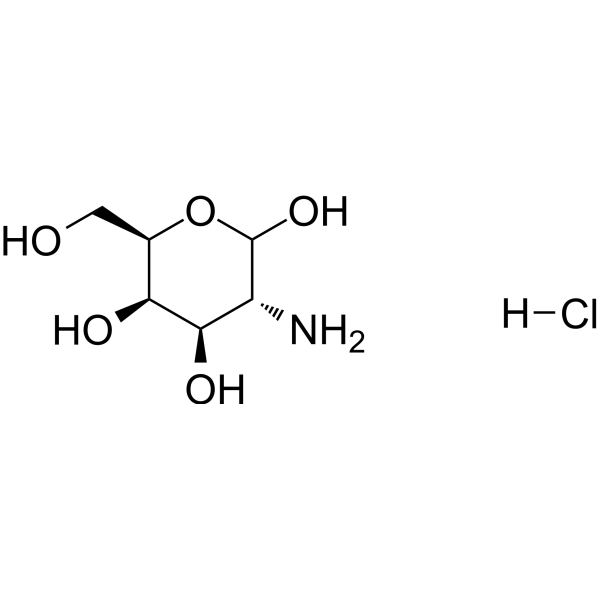
D(+)-Galactosamine (D-Galactosamine) hydrochloride, which is an established experimental toxin, primarily causes liver injury by the generation of free radicals and depletion of UTP nucleotides. D(+)-Galactosamine hydrochloride intoxication also induces renal dysfunction thus, renal failure is often associated with the end-stage of the liver damage. Lipopolysaccharide/D(+)-Galactosamine-induced acute liver injury is a known animal model of fulminant hepatic failure .
|
-
-
- HY-154629
-
-

-
- HY-N7075
-
Inulin
4 Publications Verification
|
Endogenous Metabolite
|
Infection
Neurological Disease
Metabolic Disease
Cancer
|
|
Inulin is an orally active prebiotic targeting the intestinal microbiota, selectively promoting the proliferation and activity of beneficial bacteria such as bifidobacteria and lactic acid bacteria, and playing a role in regulating the intestinal microecology. The functions of Inulin include: Fermentation by probiotics in the colon to produce short-chain fatty acids (such as butyrate and propionate), lowering the intestinal pH and inhibiting the overgrowth of harmful bacteria; Enhancing the intestinal barrier function and reducing endotoxin translocation; Directly scavenging free radicals (such as superoxide free radicals, hydroxyl free radicals) and activating antioxidant enzymes (SOD, CAT) to reduce oxidative stress. Inulin can also be used in the study of intestinal diseases (constipation, IBD), metabolic syndrome (diabetes, obesity) and liver damage by regulating glucose and lipid metabolism (such as reducing triglycerides, improving insulin sensitivity) and immune response (enhancing NK cell activity, inhibiting inflammatory factors)[1][2][3][4].
|
-

-
- HY-N0823
-
-
-
- HY-120912
-
-
-
- HY-134816
-
|
|
Toll-like Receptor (TLR)
|
Metabolic Disease
Inflammation/Immunology
Cancer
|
|
D-Glucan is an orally effective Dectin-1 receptor immune activator with antioxidant properties (reducing TNF-α). D-Glucan activates macrophages and neutrophils to scavenge free radicals, inhibit oxidative stress and inflammatory responses, and improve insulin sensitivity. D-Glucan promotes glycolysis by enhancing the activity of the antioxidant enzyme glutathione, inhibiting gluconeogenesis and activating GK. D-Glucan can be used in the research of liver damage protection (antagonizing Acetaminophen (HY-66005) toxicity), radiation protection (synergistic with vitamin E) and diabetes (improving glucose metabolism) .
|
-
-
- HY-16274
-
|
TAK-475
|
Farnesyl Transferase
|
Metabolic Disease
|
|
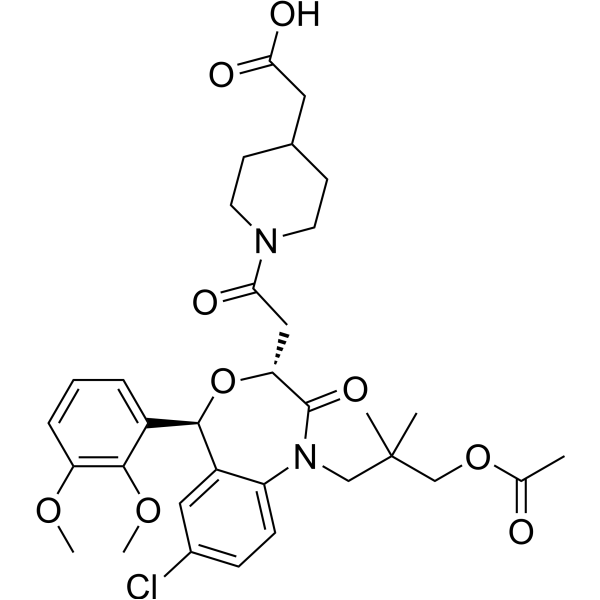
Lapaquistat acetate (TAK-475) is a squalene synthase inhibitor, blocking the conversion of farnesyl diphosphate (FPP) to squalene in the cholesterol biosynthesis pathway . Lapaquistat acetate is effective at lowering low-density lipoprotein cholesterol, but it might cause liver damage. Lapaquistat acetate is used for hypercholesterolemia and mevalonate kinase deficiency (MKD) research .
|
-
-
- HY-163897
-
|
|
PROTACs
Ferroptosis
Reactive Oxygen Species (ROS)
|
Inflammation/Immunology
|
|
PROTAC NCOA4 degrader-1 is a VHL-based PROTAC NCOA4 degrader. PROTAC NCOA4 degrader-1 is a ferroptosis inhibitor. PROTAC NCOA4 degrader-1 reduces Fe 2+ elevation, ROS production, MDA content and PTGS2 mRNA expression. PROTAC NCOA4 degrader-1 ameliorates liver damage in a CCl4-induced acute liver injury model. PROTAC NCOA4 degrader-1 can be used for the researches of inflammation and immunology. (Pink: NCOA4 ligand (HY-149457). Black: linker (HY-163903). Blue: VHL ligand (HY-138678B)) .
|
-

-
- HY-W011711
-
|
|
URAT1
Oxidative Phosphorylation
Apoptosis
|
Metabolic Disease
|
|
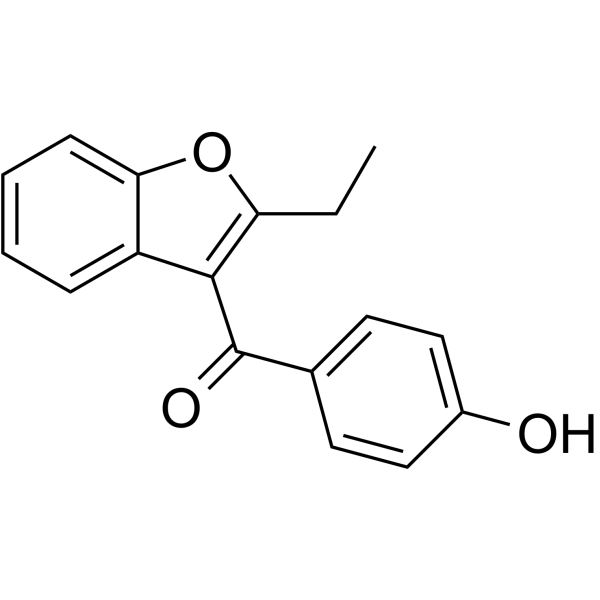
Benzarone is an oral inhibitor of human urate transporter 1 (hURAT1) with an IC50 value of 2.8 μM, and it also acts as an uncoupler of oxidative phosphorylation. Benzarone can cause liver damage and promote cell apoptosis and necrosis. Benzarone can be used to lower serum uric acid levels and for research in vascular diseases .
|
-
-
- HY-N3121
-
|
|
PERK
Keap1-Nrf2
Apoptosis
|
Cardiovascular Disease
Neurological Disease
Metabolic Disease
Cancer
|
|
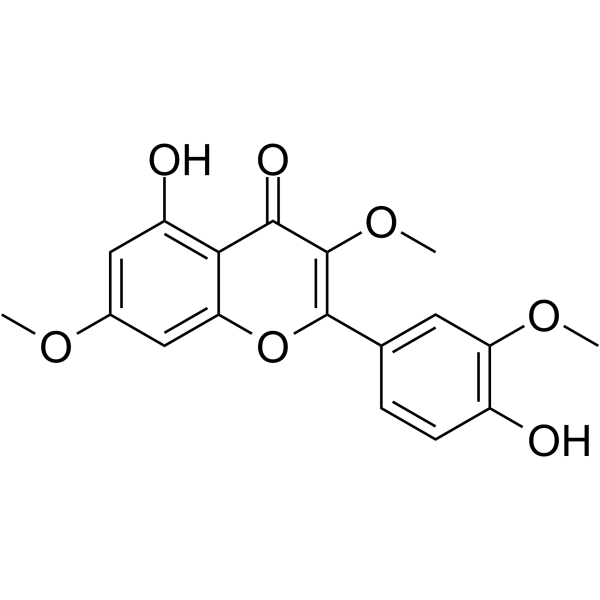
Pachypodol is an orally active methoxyflavonoid compound. Pachypodol activates the ERK-dependent Nrf2 pathway and inhibits Apoptosis. Pachypodol exhibits activities such as antioxidant, cytoprotective, anti-inflammatory effects. Pachypodol improves cognition. Pachypodol exerts protective effects against cardiac and liver damage. Pachypodol has anticancer activity against colon cancer .
|
-
-
- HY-B0848
-
|
|
Environmental Pollutants
Bacterial
|
Infection
Metabolic Disease
|
|
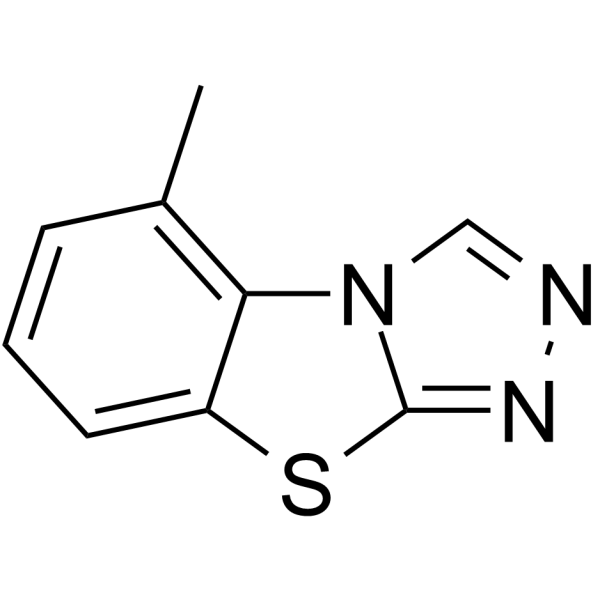
Tricyclazole is a pentaketone melanin biosynthesis inhibitor and a unique fungicide for controlling rice blast. Tricyclazole alters the structure and function of fungal cell walls, reduces fungal pathogenicity and penetration, and causes dose-dependent liver damage in animals .
|
-
-
- HY-N4170
-
|
|
Keap1-Nrf2
Reactive Oxygen Species (ROS)
|
Metabolic Disease
|
|
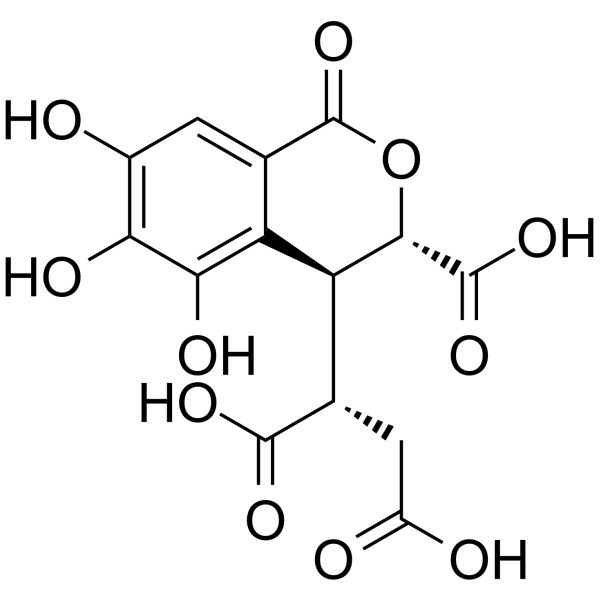
Chebulic acid is a phenolic acid compound isolated from Terminalia chebula with strong antioxidant activity, which breaks protein cross-links induced by advanced glycation end products (AGEs) and inhibits the formation of AGEs. Chebulic acid is effective in controlling elevated metabolic parameters, oxidative stress, and liver damage, supporting its beneficial role in asthma, diabetes, and liver protection .
|
-
-
- HY-B0885
-
|
(±)-Econazol
|
Fungal
Bacterial
Calcium Channel
Cytochrome P450
|
Infection
Metabolic Disease
|
|
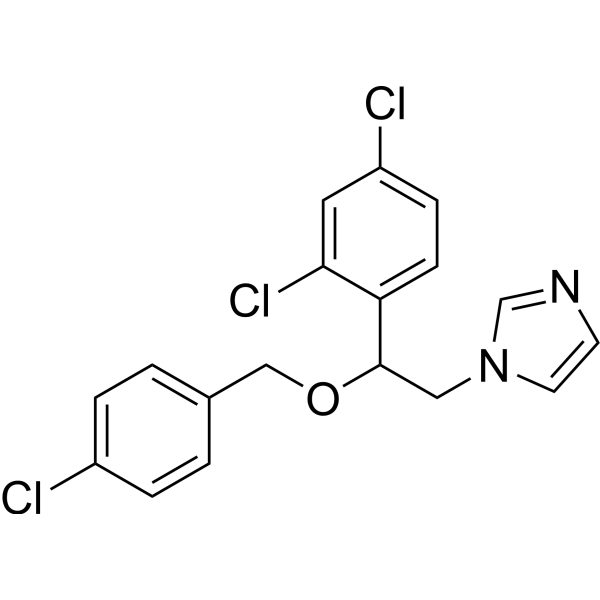
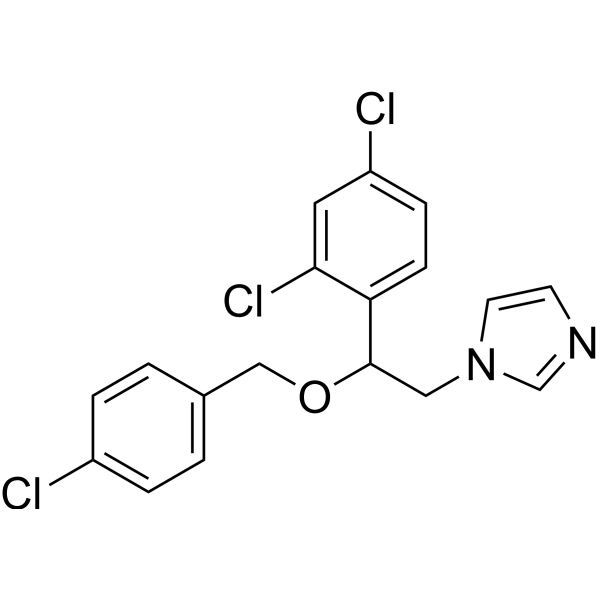
Econazole ((±)-Econazol) is an orally active imidazole antifungal agent, as well as a cytochrome P-450 inhibitor and a blocker of calcium and manganese ion uptake. Econazole is active against a variety of fungi and some Gram-positive bacteria, but has no significant activity against Gram-negative bacteria. Econazole can inhibit the synthesis of prostaglandins and can also induce liver damage .
|
-
-
- HY-N5092
-
|
|
Reactive Oxygen Species (ROS)
Cytochrome P450
|
Metabolic Disease
|
|
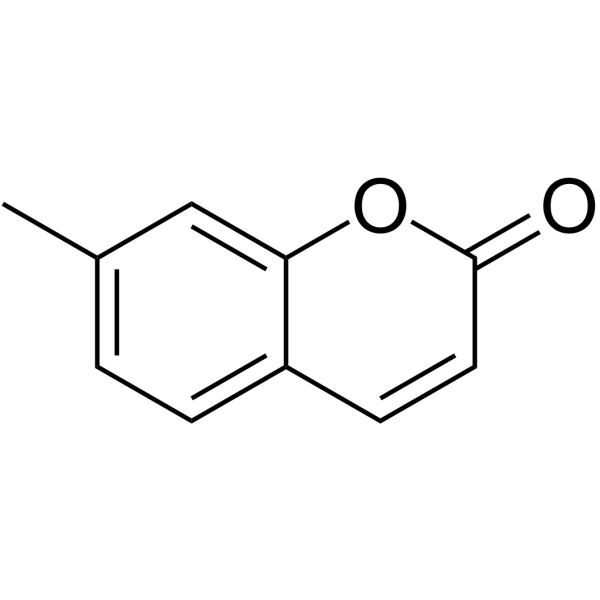
7-Methylcoumarin is a coumarin derivative with potent hepatoprotective and antioxidant properties. 7-Methylcoumarin is a mechanism-based inhibitor for CYP2A6. 7-Methylcoumarin significantly decreases alanine aminotransferase (ALT), aspartate aminotransferase (AST), and serum bilirubin (TB) in rats with CCl4-induced liver damage, whilst restoring total protein (TP) and albumin (TA) levels in serum as well as preventing oxidative stress. 7-Methylcoumarin can decline mitotic activity of A. sativum promeristem .
|
-
-
- HY-121944
-
|
|
Casein Kinase
Wnt
|
Others
|
|
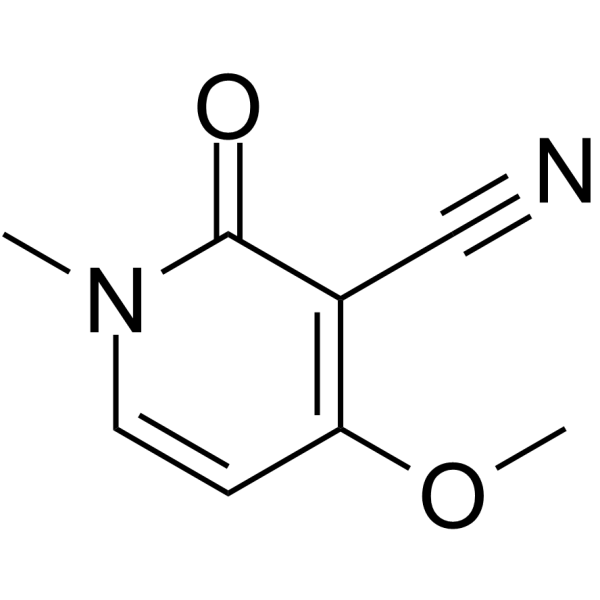
Ricinine exhibits hepatoprotection in CCl4-induced liver damage. Ricinine is also a CK1α inhibitor, and may activate Wnt pathway .
|
-
-
- HY-W012657
-
|
|
Environmental Pollutants
Parasite
|
Infection
|
|
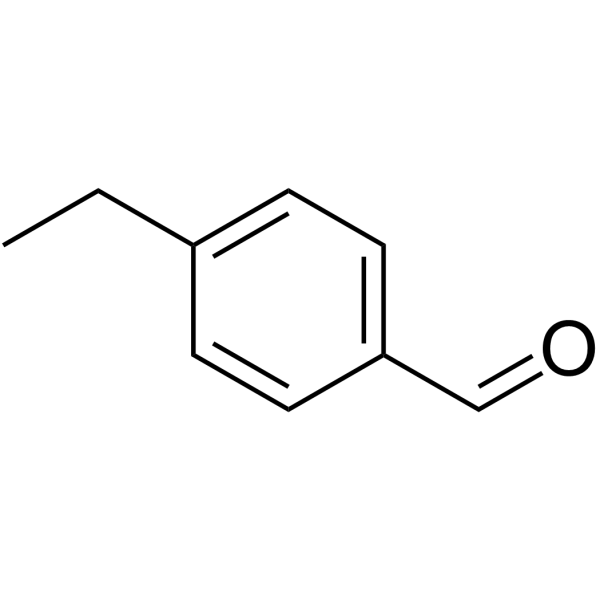
4-Ethylbenzaldehyde is an aldehyde type organic compound with an almond-like odor. 4-Ethylbenzaldehyde is naturally present in various foods such as grilled meat, black tea, peanuts, etc. 4-Ethylbenzaldehyde has significant effects in controlling plant parasitic nematodes. 4-Ethylbenzaldehyde has genotoxicity and potential for liver damage in zebrafish models .
|
-
-
- HY-N7327
-
|
|
Phospholipase
|
Inflammation/Immunology
|
|
Ochnaflavone is an inhibitor of IIA-type secretory phospholipase A2 (sPLA2-IIA) with an IC50 of 3.45 µM. Ochnaflavone exhibits significant anti-inflammatory and liver-protective effects, capable of inhibiting the degradation of phosphatidylethanolamine (PE) and lipid peroxidation induced by carbon tetrachloride (CCl4) in rat liver, with an IC50 of 7.16 µM for lipid peroxidation. Ochnaflavone can be used in research on liver damage and inflammatory diseases .
|
-

-
- HY-W040194
-
|
|
Environmental Pollutants
Herbicide
|
Metabolic Disease
|
|
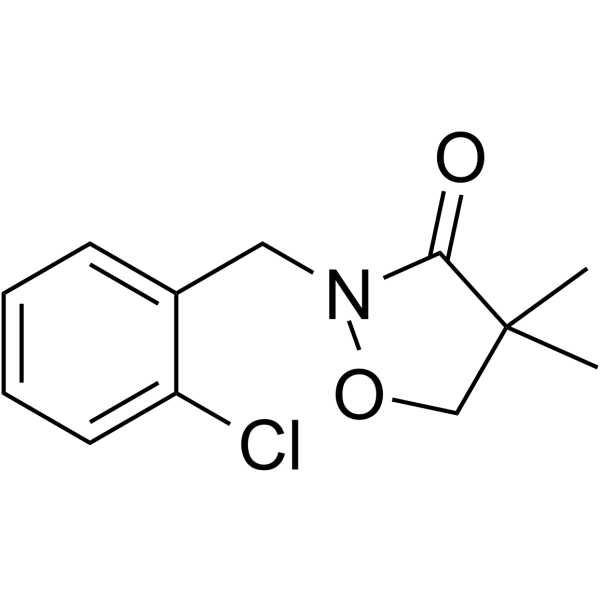
Clomazone is a broad spectrum herbicide, mainly used to control annual broadleaf weeds and grass weeds in various crops such as rice, soybeans, and peanuts. Clomazone inhibits carotenoid biosynthesis, and treated plants show typical "albinism" symptoms due to the destruction of chloroplast membrane structure leading to chlorophyll degradation. Clomazone exhibits multiple toxic effects on non-target organisms, including aquatic lethality, developmental malformations, liver damage, mitochondrial dysfunction, and hematotoxicity .
|
-
-
- HY-B0854
-
-
-
- HY-145733
-
|
|
E1/E2/E3 Enzyme
|
Cardiovascular Disease
|
|
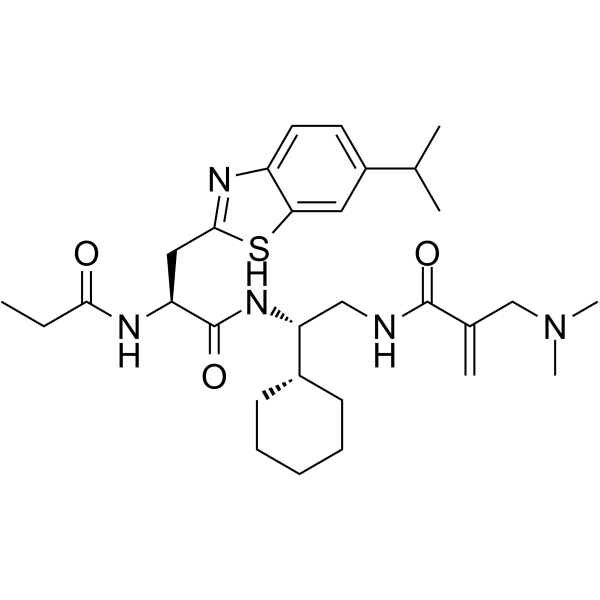
DI-1859 is a potent, selective and covalent inhibitor of DCN1. DI-1859 inhibits neddylation of cullin 3 in cells at low nanomolar concentrations. DI-1859 induces a robust increase of NRF2 protein, a CRL3 substrate, in mouse liver and effectively protects mice from acetaminophen-induced liver damage .
|
-
-
- HY-W115752
-
|
Diamine sulfate (99%)
|
PEPCK
Aldehyde Dehydrogenase (ALDH)
|
Neurological Disease
Metabolic Disease
Cancer
|
|
Hydrazine sulfate is an orally active PEPCK inhibitor. Hydrazine sulfate inhibits PEPCK and low-Km ALDH. Hydrazine sulfate impairs gluconeogenesis and enhances the protective effect of energy substrates against MPP + toxicity. Hydrazine sulfate exacerbates liver damage in rats when combined with Ethanol. Hydrazine sulfate can be used in the research of shock, non-small cell lung cancer, colorectal cancer and Parkinson's disease .
|
-

-
- HY-108571
-
|
|
PPAR
|
Cardiovascular Disease
Metabolic Disease
|
|
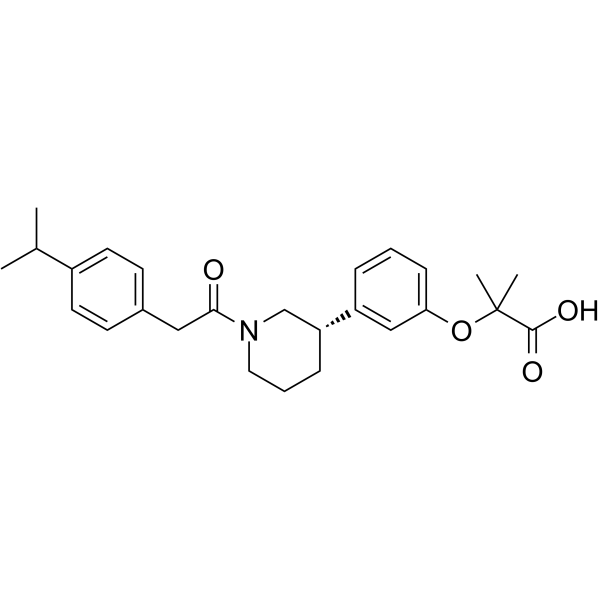
CP-775146 is a selective PPARα agonist (Ki of 24.5 nM) that binds strongly to the PPARα ligand. CP-775146 has no observable affinity for PPARβ and PPARγ.CP-775146 shows hypolipidemic activity. CP-775146 efficiently alleviates obesity-induced liver damage, prevents lipid accumulation by activating the liver fatty acid β-oxidation pathway .
|
-
-
- HY-W392413
-
|
|
Drug Derivative
Reactive Oxygen Species (ROS)
|
Cardiovascular Disease
Neurological Disease
Metabolic Disease
Inflammation/Immunology
|
|
Glutathione monoethyl ester is a glutathione derivative that can be transported into cells and hydrolyzed into glutathione. Glutathione monoethyl ester downregulates the gene expression of TEN1 and CTC1 while upregulating TERT expression. Glutathione monoethyl ester enhances telomerase activity, promotes proliferation and differentiation in aged bone marrow stromal cells, while elevating glutathione levels and reducing oxidative stress, protein aggregation and cell death in motor neuronal cells. Glutathione monoethyl ester confers broad multi-organ protection against cerebral ischemia, renal injury, liver damage, and pancreatitis. Glutathione monoethyl ester can be used for the research of amyotrophic lateral sclerosis, stroke, acute renal failure, liver injury, and acute pancreatitis .
|
-

-
- HY-120912R
-
-

-
- HY-156240
-
|
|
E1/E2/E3 Enzyme
Keap1-Nrf2
|
Metabolic Disease
|
|
DI-1548 is a potent, selective, and irreversible covalent inhibitor of DCN1 (IC50 = 4.6 nM). DI-1548 potently and selectively inhibits cullin 3 neddylation at nanomolar concentrations, and exhibits no obvious effect on the neddylation of other cullin members (including cullin 1, 2, 4A, 4B, and 5). DI-1548 exhibits no cytotoxicity. DI-1548 covalently binds to DCN1, disrupting the DCN1-UBC12 interaction, causing the collapse of the neddylation complex, inactivating CRL3, leading to NRF2 accumulation and upregulation of its target genes, and ultimately protecting mice from liver damage. DI-1548 can be used in liver injury research .
|
-

-
- HY-164799
-
|
|
FXR
|
Inflammation/Immunology
|
|
FXR agonist 12 (Compound C7) is the orally active agonist for FXR. FXR agonist 12 down-regulates bile acid synthesis-related genes, and up-regulates bile acid transport-related genes in HepG2 cells. FXR agonist 12 improves ANIT-induced cholestasis, ameliorates the liver damage and fibrosis in mouse NASH models .
|
-

-
- HY-42682R
-
|
D-Galactosamine HCl (Standard)
|
Reference Standards
|
Inflammation/Immunology
|
|
D(+)-Galactosamine (hydrochloride) (Standard) is the analytical standard of D(+)-Galactosamine (hydrochloride). This product is intended for research and analytical applications. D(+)-Galactosamine (D-Galactosamine) hydrochloride, which is an established experimental toxin, primarily causes liver injury by the generation of free radicals and depletion of UTP nucleotides. D(+)-Galactosamine hydrochloride intoxication also induces renal dysfunction thus, renal failure is often associated with the end-stage of the liver damage. Lipopolysaccharide/D(+)-Galactosamine-induced acute liver injury is a known animal model of fulminant hepatic failure .
|
-

-
- HY-B0885R
-
|
(±)-Econazol (Standard)
|
Reference Standards
Fungal
Bacterial
Calcium Channel
Cytochrome P450
|
Infection
Metabolic Disease
|
|
Econazole (Standard) ((±)-Econazol (Standard)) is the analytical standard of Econazole (HY-B0885). This product is intended for research and analytical applications. Econazole ((±)-Econazol) is an orally active imidazole antifungal agent, as well as a cytochrome P-450 inhibitor and a blocker of calcium and manganese ion uptake. Econazole is active against a variety of fungi and some Gram-positive bacteria, but has no significant activity against Gram-negative bacteria. Econazole can inhibit the synthesis of prostaglandins and can also induce liver damage .
|
-
-
- HY-175005
-
|
|
Keap1-Nrf2
PPAR
Interleukin Related
|
Metabolic Disease
Inflammation/Immunology
|
|
CF-Carvacrol is an orally active lipid-lowering agent synthesized by merging the pharmacophores of Carvacrol (HY-N0711) and Clofibric acid (HY-B1415). CF-Carvacrol has a good affinity for PPAR-α. CF-Carvacrol has significant hypolipidemic activity and may exert antioxidant and anti-inflammatory activity by activating the Nrf2/HO-1 signaling pathway to reduce liver injury. CF-Carvacrol can be used for the study of CF-induced liver damage .
|
-

-
- HY-121944S
-
-
-
- HY-W017140R
-
|
SBMP (Standard)
|
Endogenous Metabolite
Reference Standards
|
Others
|
|
Ricinine (Standard) is the analytical standard of Ricinine. This product is intended for research and analytical applications. Ricinine exhibits hepatoprotection in CCl4 -induced liver damage .
|
-

-
- HY-121944R
-
|
|
Reference Standards
Others
|
Others
|
|
Ricinine (Standard) is the analytical standard of Ricinine. This product is intended for research and analytical applications. Ricinine exhibits hepatoprotection in CCl4 -induced liver damage .
|
-

-
- HY-N1125
-
|
Hypoglic acid
|
TNF Receptor
|
Others
|
|
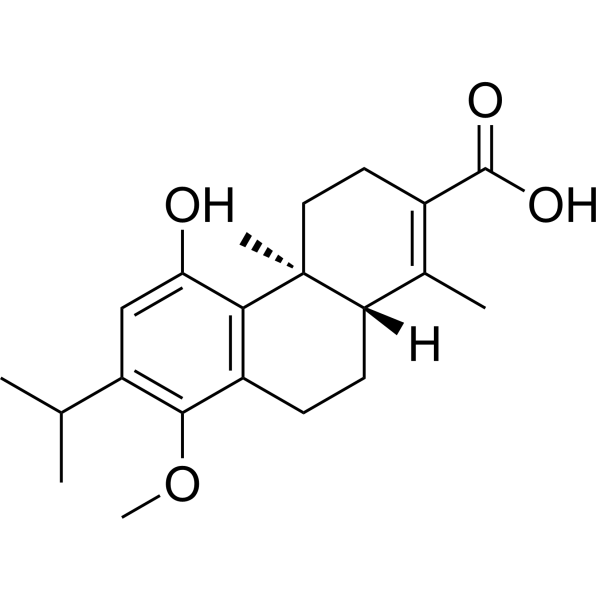
Triptobenzene H (Hypoglic acid) significantly increases TNF-α and IL-1β mRNA levels in macrophages, causing indirect liver damage .
|
-
-
- HY-N13159
-
|
|
Others
|
Inflammation/Immunology
|
|
Goodyeroside A is a glycoside compound derived from the plant Goodyera that exhibits significant hepatoprotective activity. It can inhibit liver damage induced by carbon tetrachloride (HY-Y0298) in primary cultured rat hepatocytes .
|
-

-
- HY-P3690
-
|
|
Proteasome
|
Others
|
|
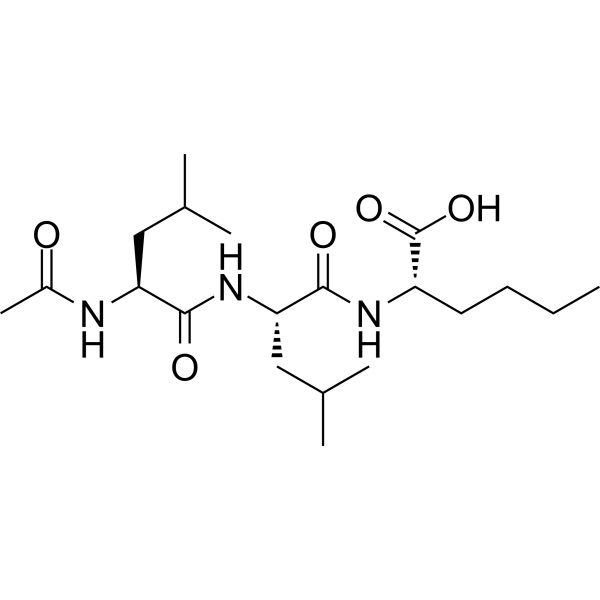
Ac-Leu-Leu-Norleucinol (ALLN) is a calpain inhibitor, can be used for research of Acetaminophen (HY-66005) induced acute liver damage, and lowers glutamic-oxalacetic transaminease (ALT) and glutamic-pyruvic transaminase (AST) .
|
-
-
- HY-118274
-
|
GC 300
|
Endogenous Metabolite
|
Others
|
|
ADDA (GC 300) is a unique C20 amino acid that is a key component of hepatotoxins produced by cyanobacteria. ADDA is essential for the toxicity of nodularin and microcystin, toxins that can cause liver damage. ADDA can be used for research in toxicology .
|
-

-
- HY-19421
-
|
|
Bacterial
|
Inflammation/Immunology
|
Orazamide is an AICA orotate. Orazamide can prevent anti-TB drug-induced liver damage by downregulating the protein expression of HMGB 1 and RAGE in liver tissue and inhibiting the secretion of inflammatory factors. Orazamide can be used in research on hepatitis and liver cirrhosis .
|
-

-
- HY-B0149S3
-
|
Cyclocapron-13C2,15N
|
Isotope-Labeled Compounds
|
Inflammation/Immunology
|
|
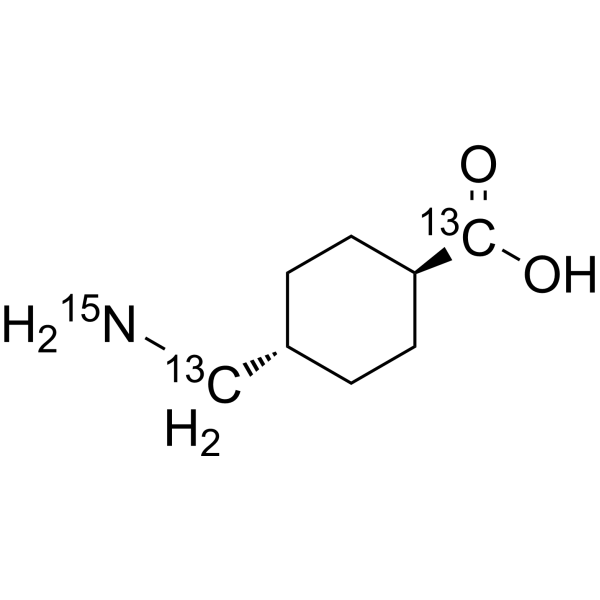
Tranexamic acid- 13C2, 15N (Cyclocapron- 13C2, 15N) is the 13C2 and 15N labeled Tranexamic acid. Tranexamic acid is an antifibrinolytic agent that alleviates liver damage and fibrosis in mouse models of chronic bile duct injury .
|
-
-
- HY-N0823R
-
-

-
- HY-N3121R
-
|
|
Reference Standards
PERK
Keap1-Nrf2
Apoptosis
|
Cardiovascular Disease
Neurological Disease
Metabolic Disease
Cancer
|
|
Pachypodol (Standard) is the analytical standard of Pachypodol (HY-N3121). This product is intended for research and analytical applications. Pachypodol is an orally active methoxyflavonoid compound. Pachypodol activates the ERK-dependent Nrf2 pathway and inhibits Apoptosis. Pachypodol exhibits activities such as antioxidant, cytoprotective, anti-inflammatory effects. Pachypodol improves cognition. Pachypodol exerts protective effects against cardiac and liver damage. Pachypodol has anticancer activity against colon cancer .
|
-

-
- HY-B0885S
-
|
(±)-Econazol-d6
|
Isotope-Labeled Compounds
Fungal
Bacterial
Calcium Channel
Cytochrome P450
|
Infection
Metabolic Disease
|
|
Econazole-d6 ((±)-Econazol-d6) is the deuterium labeled Econazole (HY-B0885). Econazole is an orally active imidazole antifungal agent, as well as a cytochrome P-450 inhibitor and a blocker of calcium and manganese ion uptake. Econazole is active against a variety of fungi and some Gram-positive bacteria, but has no significant activity against Gram-negative bacteria. Econazole can inhibit the synthesis of prostaglandins and can also induce liver damage .
|
-

-
- HY-W012657R
-
|
|
Reference Standards
Parasite
|
Infection
|
|
4-Ethylbenzaldehyde (Standard) is the analytical standard of 4-Ethylbenzaldehyde (HY-W012657). This product is intended for research and analytical applications. 4-Ethylbenzaldehyde is an aldehyde type organic compound with an almond-like odor. 4-Ethylbenzaldehyde is naturally present in various foods such as grilled meat, black tea, peanuts, etc. 4-Ethylbenzaldehyde has significant effects in controlling plant parasitic nematodes. 4-Ethylbenzaldehyde has genotoxicity and potential for liver damage in zebrafish models.
|
-

-
- HY-W040194R
-
|
|
Herbicide
Reference Standards
|
Metabolic Disease
|
|
Clomazone (Standard) is the analytical standard of Clomazone (HY-W040194). This product is intended for research and analytical applications. Clomazone is a broad spectrum herbicide, mainly used to control annual broadleaf weeds and grass weeds in various crops such as rice, soybeans, and peanuts. Clomazone inhibits carotenoid biosynthesis, and treated plants show typical "albinism" symptoms due to the destruction of chloroplast membrane structure leading to chlorophyll degradation. Clomazone exhibits multiple toxic effects on non-target organisms, including aquatic lethality, developmental malformations, liver damage, mitochondrial dysfunction, and hematotoxicity.
|
-

-
- HY-N5092R
-
|
|
Reference Standards
Reactive Oxygen Species (ROS)
Cytochrome P450
|
Metabolic Disease
|
|
7-Methylcoumarin (Standard) is the analytical standard of 7-Methylcoumarin. This product is intended for research and analytical applications. 7-Methylcoumarin is a coumarin derivative with potent hepatoprotective and antioxidant properties. 7-Methylcoumarin is a mechanism-based inhibitor for CYP2A6. 7-Methylcoumarin significantly decreases alanine aminotransferase (ALT), aspartate aminotransferase (AST), and serum bilirubin (TB) in rats with CCl4-induced liver damage, whilst restoring total protein (TP) and albumin (TA) levels in serum as well as preventing oxidative stress. 7-Methylcoumarin can decline mitotic activity of A. sativum promeristem .
|
-

-
- HY-W685358
-
|
|
Insecticide
Apoptosis
|
Infection
Metabolic Disease
Inflammation/Immunology
|
|
D-Tetramethrin is a type I synthetic pyrethroid insecticide and hepatotoxicity inducer. D-Tetramethrin induces oxidative stress in the liver of zebrafish. D-Tetramethrin induces Apoptosis and inflammatory responses. D-Tetramethrin causes severe liver damage in zebrafish. D-Tetramethrin can be used in studies related to hepatotoxicity .
|
-

-
- HY-N4170R
-
|
|
Reference Standards
Keap1-Nrf2
Reactive Oxygen Species (ROS)
|
Metabolic Disease
|
|
Chebulic acid (Standard) is the analytical standard of Chebulic acid (HY-N4170). This product is intended for research and analytical applications. Chebulic acid is a phenolic acid compound isolated from Terminalia chebula with strong antioxidant activity, which breaks protein cross-links induced by advanced glycation end products (AGEs) and inhibits the formation of AGEs. Chebulic acid is effective in controlling elevated metabolic parameters, oxidative stress, and liver damage, supporting its beneficial role in asthma, diabetes, and liver protection .
|
-

-
- HY-181088
-
|
|
Phosphodiesterase (PDE)
Interleukin Related
|
Metabolic Disease
|
|
PDE3/4-IN-4 is an orally active PDE3A and PDE4B inhibitor with IC50 values of 10 nM and 9.4 nM, respectively. PDE3/4-IN-4 shows selective activity relative to most other PDE family members. PDE3/4-IN-4 modulates the cAMP/PKA/CREB signaling pathway. PDE3/4-IN-4 inhibits pro-inflammatory factor IL-6. PDE3/4-IN-4 reduces expression of inflammatory markers in liver tissue. PDE3/4-IN-4 attenuates liver fibrosis. PDE3/4-IN-4 limits liver damage in cholestatic and sepsis-induced liver disease mice models. PDE3/4-IN-4 can be used for the research of liver injury, cholestatic liver diseases, sepsis-induced liver injury .
|
-

-
- HY-N19083
-
|
|
Bacterial
|
Inflammation/Immunology
|
|
Tecomella undulata Extract, also known as Rohida extract, is a valuable botanical extract derived from the bark and leaves of the Tecomella undulata plant native to the Indian Thar Desert and is rich in bioactive compounds such as flavonoids, quinones, triterpenoids, and other phytochemicals that contribute to its diverse therapeutic properties. This extract is widely recognized for its hepatoprotective effects demonstrated through its ability to protect against liver damage induced by toxins such as paracetamol and carbon tetrachloride by normalizing elevated liver enzyme levels reducing oxidative stress and improving liver function. Additionally, it exhibits significant anti-inflammatory activity comparable to standard drugs like indomethacin and has been used to treat conditions like ascites and hepatosplenomegaly while also showing immunomodulatory effects by enhancing both humoral and cell-mediated immune responses and possessing antimicrobial properties that make it effective against various pathogens. Recent research suggests that Tecomella undulata may have potential in managing nonalcoholic steatohepatitis (NASH) by reducing body weight insulin resistance and improving liver function markers making it a versatile natural remedy with significant applications in hepatoprotection anti-inflammation and immune support.
|
-

| Cat. No. |
Product Name |
Type |
-
- HY-W145521
-
|
β Glucan
|
Biochemical Assay Reagents
|
|
β-1,3-Glucan (β Glucan) is an orally active polysaccharide composed of glucose polymers. β-1,3-Glucan increase the activity of IKKβ kinase, enhances the production of nitric oxide. β-1,3-Glucan improves resistance to Vibrio harveyi infection. β-1,3-Glucan enhances immune response, promotes blood pressure recovery, reduces lung, kidney and liver damage, inhibits the growth of syngeneic tumors .
|
-
- HY-134816
-
|
|
Biochemical Assay Reagents
|
|
D-Glucan is an orally effective Dectin-1 receptor immune activator with antioxidant properties (reducing TNF-α). D-Glucan activates macrophages and neutrophils to scavenge free radicals, inhibit oxidative stress and inflammatory responses, and improve insulin sensitivity. D-Glucan promotes glycolysis by enhancing the activity of the antioxidant enzyme glutathione, inhibiting gluconeogenesis and activating GK. D-Glucan can be used in the research of liver damage protection (antagonizing Acetaminophen (HY-66005) toxicity), radiation protection (synergistic with vitamin E) and diabetes (improving glucose metabolism) .
|
-
- HY-W115752
-
|
Diamine sulfate (99%)
|
Biochemical Assay Reagents
|
|
Hydrazine sulfate is an orally active PEPCK inhibitor. Hydrazine sulfate inhibits PEPCK and low-Km ALDH. Hydrazine sulfate impairs gluconeogenesis and enhances the protective effect of energy substrates against MPP + toxicity. Hydrazine sulfate exacerbates liver damage in rats when combined with Ethanol. Hydrazine sulfate can be used in the research of shock, non-small cell lung cancer, colorectal cancer and Parkinson's disease .
|
| Cat. No. |
Product Name |
Target |
Research Area |
-
- HY-P3690
-
|
|
Proteasome
|
Others
|
|
Ac-Leu-Leu-Norleucinol (ALLN) is a calpain inhibitor, can be used for research of Acetaminophen (HY-66005) induced acute liver damage, and lowers glutamic-oxalacetic transaminease (ALT) and glutamic-pyruvic transaminase (AST) .
|
| Cat. No. |
Product Name |
Category |
Target |
Chemical Structure |
-
- HY-42682
-
-
-
- HY-N7075
-
Inulin
4 Publications Verification
|
Structural Classification
Human Gut Microbiota Metabolites
Polysaccharides
Classification of Application Fields
Metabolic Disease
Plants
Compositae
Endogenous metabolite
Disease Research Fields
Saccharides
Sophora tomentosa L.
Source Classification
|
Endogenous Metabolite
|
|
Inulin is an orally active prebiotic targeting the intestinal microbiota, selectively promoting the proliferation and activity of beneficial bacteria such as bifidobacteria and lactic acid bacteria, and playing a role in regulating the intestinal microecology. The functions of Inulin include: Fermentation by probiotics in the colon to produce short-chain fatty acids (such as butyrate and propionate), lowering the intestinal pH and inhibiting the overgrowth of harmful bacteria; Enhancing the intestinal barrier function and reducing endotoxin translocation; Directly scavenging free radicals (such as superoxide free radicals, hydroxyl free radicals) and activating antioxidant enzymes (SOD, CAT) to reduce oxidative stress. Inulin can also be used in the study of intestinal diseases (constipation, IBD), metabolic syndrome (diabetes, obesity) and liver damage by regulating glucose and lipid metabolism (such as reducing triglycerides, improving insulin sensitivity) and immune response (enhancing NK cell activity, inhibiting inflammatory factors)[1][2][3][4].
|
-
-
- HY-N0823
-
-
-
- HY-120912
-
-
-
- HY-N3121
-
-
-
- HY-N4170
-
-
-
- HY-N5092
-
-
-
- HY-121944
-
-
-
- HY-W012657
-
-
-
- HY-N7327
-
|
|
Structural Classification
Flavonoids
Ochna atropurpurea DC.
Plants
Biflavones
Source Classification
|
Phospholipase
|
|
Ochnaflavone is an inhibitor of IIA-type secretory phospholipase A2 (sPLA2-IIA) with an IC50 of 3.45 µM. Ochnaflavone exhibits significant anti-inflammatory and liver-protective effects, capable of inhibiting the degradation of phosphatidylethanolamine (PE) and lipid peroxidation induced by carbon tetrachloride (CCl4) in rat liver, with an IC50 of 7.16 µM for lipid peroxidation. Ochnaflavone can be used in research on liver damage and inflammatory diseases .
|
-
-
- HY-120912R
-
-
-
- HY-42682R
-
|
D-Galactosamine HCl (Standard)
|
Structural Classification
Microorganisms
Vitis vinifera cv. Zalema
Plants
Vitaceae
Saccharides
Monosaccharides
Source Classification
|
Reference Standards
|
|
D(+)-Galactosamine (hydrochloride) (Standard) is the analytical standard of D(+)-Galactosamine (hydrochloride). This product is intended for research and analytical applications. D(+)-Galactosamine (D-Galactosamine) hydrochloride, which is an established experimental toxin, primarily causes liver injury by the generation of free radicals and depletion of UTP nucleotides. D(+)-Galactosamine hydrochloride intoxication also induces renal dysfunction thus, renal failure is often associated with the end-stage of the liver damage. Lipopolysaccharide/D(+)-Galactosamine-induced acute liver injury is a known animal model of fulminant hepatic failure .
|
-
-
- HY-W017140R
-
-
-
- HY-121944R
-
-
-
- HY-N1125
-
-
-
- HY-N13159
-
-
-
- HY-N0823R
-
-
-
- HY-N3121R
-
-
-
- HY-W012657R
-
-
-
- HY-N5092R
-
|
|
Microorganisms
Coumarins
Phenylpropanoids
Source Classification
|
Reference Standards
Reactive Oxygen Species (ROS)
Cytochrome P450
|
|
7-Methylcoumarin (Standard) is the analytical standard of 7-Methylcoumarin. This product is intended for research and analytical applications. 7-Methylcoumarin is a coumarin derivative with potent hepatoprotective and antioxidant properties. 7-Methylcoumarin is a mechanism-based inhibitor for CYP2A6. 7-Methylcoumarin significantly decreases alanine aminotransferase (ALT), aspartate aminotransferase (AST), and serum bilirubin (TB) in rats with CCl4-induced liver damage, whilst restoring total protein (TP) and albumin (TA) levels in serum as well as preventing oxidative stress. 7-Methylcoumarin can decline mitotic activity of A. sativum promeristem .
|
-
-
- HY-N4170R
-
-
-
- HY-N19083
-
|
|
Structural Classification
Extract
|
Bacterial
|
|
Tecomella undulata Extract, also known as Rohida extract, is a valuable botanical extract derived from the bark and leaves of the Tecomella undulata plant native to the Indian Thar Desert and is rich in bioactive compounds such as flavonoids, quinones, triterpenoids, and other phytochemicals that contribute to its diverse therapeutic properties. This extract is widely recognized for its hepatoprotective effects demonstrated through its ability to protect against liver damage induced by toxins such as paracetamol and carbon tetrachloride by normalizing elevated liver enzyme levels reducing oxidative stress and improving liver function. Additionally, it exhibits significant anti-inflammatory activity comparable to standard drugs like indomethacin and has been used to treat conditions like ascites and hepatosplenomegaly while also showing immunomodulatory effects by enhancing both humoral and cell-mediated immune responses and possessing antimicrobial properties that make it effective against various pathogens. Recent research suggests that Tecomella undulata may have potential in managing nonalcoholic steatohepatitis (NASH) by reducing body weight insulin resistance and improving liver function markers making it a versatile natural remedy with significant applications in hepatoprotection anti-inflammation and immune support.
|
-
| Cat. No. |
Product Name |
Chemical Structure |
-
- HY-121944S
-
|
|
|
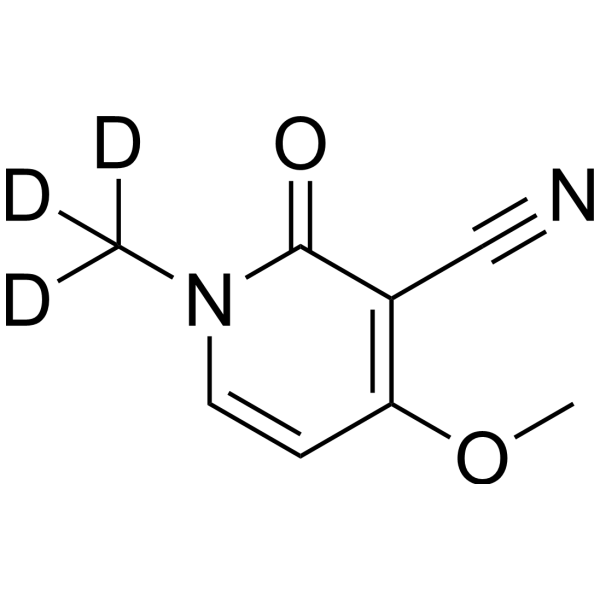
Ricinine-d3 is the deuterium labeled Ricinine. Ricinine exhibits hepatoprotection in CCl4 -induced liver damage .
|
-
-
- HY-B0149S3
-
|
|
|
Tranexamic acid- 13C2, 15N (Cyclocapron- 13C2, 15N) is the 13C2 and 15N labeled Tranexamic acid. Tranexamic acid is an antifibrinolytic agent that alleviates liver damage and fibrosis in mouse models of chronic bile duct injury .
|
-
-
- HY-B0885S
-
|
|
|
Econazole-d6 ((±)-Econazol-d6) is the deuterium labeled Econazole (HY-B0885). Econazole is an orally active imidazole antifungal agent, as well as a cytochrome P-450 inhibitor and a blocker of calcium and manganese ion uptake. Econazole is active against a variety of fungi and some Gram-positive bacteria, but has no significant activity against Gram-negative bacteria. Econazole can inhibit the synthesis of prostaglandins and can also induce liver damage .
|
-
| Cat. No. |
Product Name |
|
Classification |
-
- HY-154629
-
|
|
|
Solvents
|
|
Sesame Oil is a vegetable oil. Sesame Oil can be extracted from the seeds of Sesamum indicum L. Sesame Oil decreases NF-κB, aspartate aminotransferase, alanine aminotransferase, IL-1β, IL-4 and nitric oxide. Sesame Oil has antitumor activity against malignant melanoma. Sesame Oil has protective effects against liver damage caused by various agents such as Cisplatin (HY-17394) and Acetaminophen (HY-66005). Sesame Oil shows antinociceptive and anti-inflammatory activities .
|
Your information is safe with us. * Required Fields.
Inquiry Information
- Product Name:
- Cat. No.:
- Quantity:
- MCE Japan Authorized Agent:








