



Gingerenone A
Based on 3 publication(s) in Google Scholar
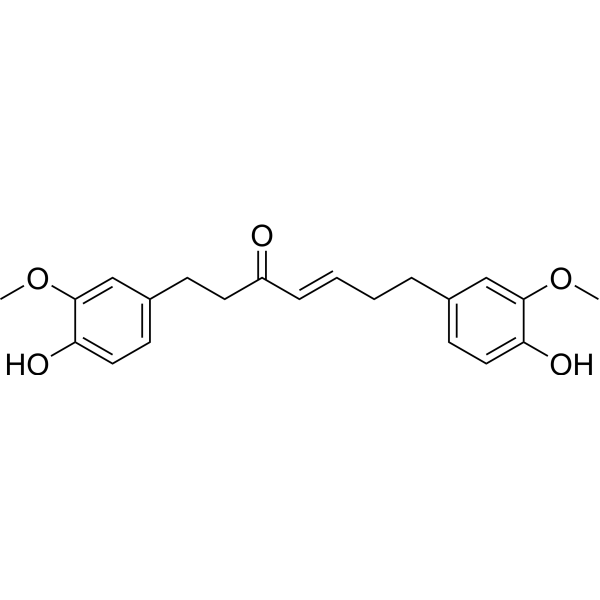
Gingerenone A is an Nrf2-Gpx4 activator that can induce Ferroptosis in liver damage with oral activity. Gingerenone A has anti-inflammatory, anti-diabetic, anti-tumor, and pro-aging effects in mice.
Para uso exclusivo en investigación. No vendemos a pacientes.
- Pureza : 99.95%
- No. CAS: 128700-97-0
- Fòrmula: C21H24O5
- Peso molecular:356.41
-
Almacenamiento:Powder -20°C, 3 years , 4°C, 2 years ; In solvent -80°C, 6 months , -20°C, 1 month

To place orders, for customer services and technical support, please contact: MedChemExpress USA
Tel: 609-228-6898 E-mail: [email protected] [email protected]


-
 Actividad biológica
-
Chemical Information
-
Solvente y solubilidad
- Protocolo
- Pureza y Documentación
- Referencias
-
 Help & FAQs


-
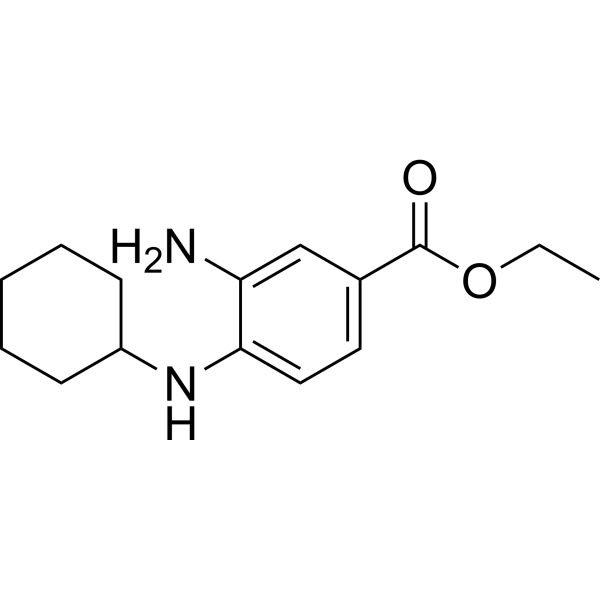
HY-100579
Ferrostatin-1Ferroptosis Inhibitor -
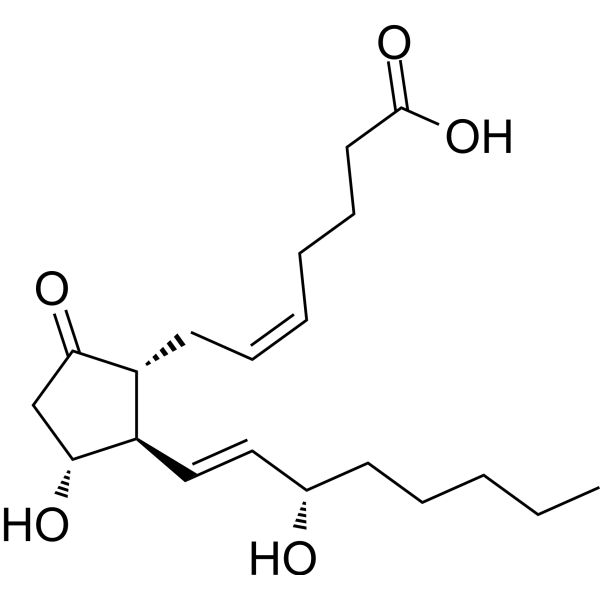
HY-101952
Prostaglandin E2Prostaglandin Receptor Agonist -
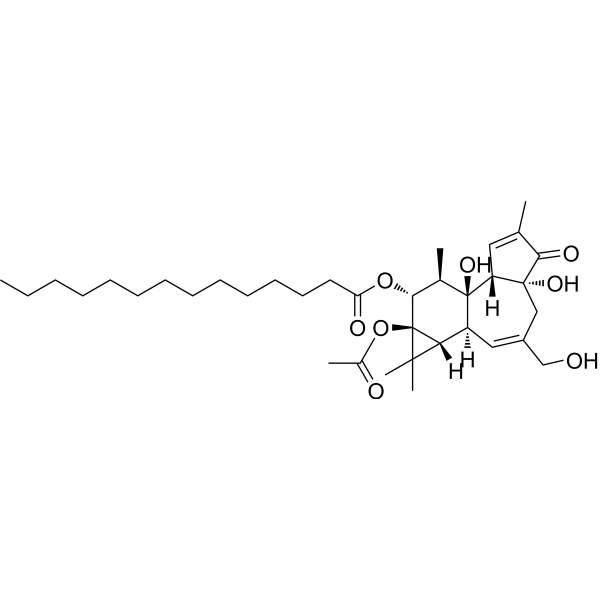
HY-18739
Phorbol 12-myristate 13-acetatePKC Activator -
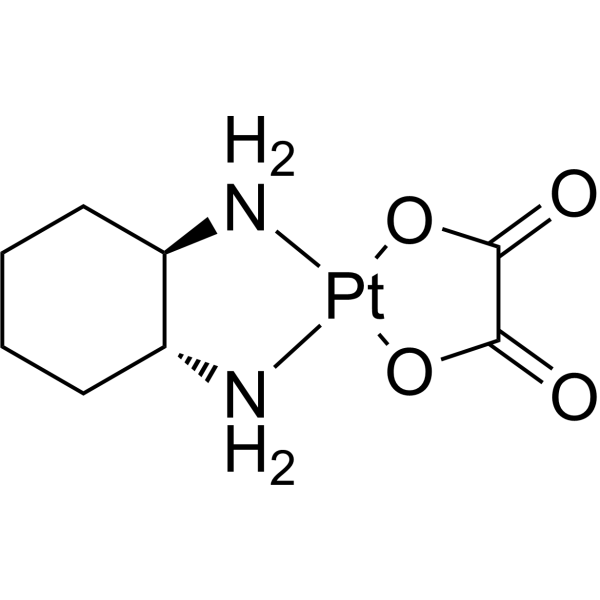
HY-17371
OxaliplatinDNA Synthesis Inhibitor -
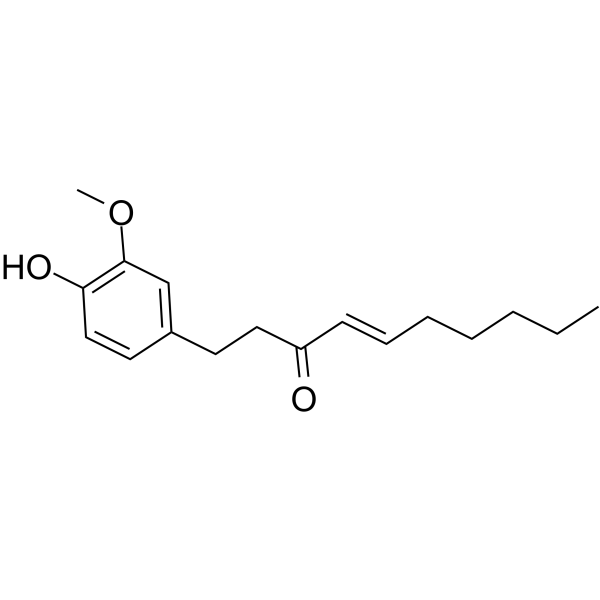
HY-14616
ShogaolAutophagy Inducer -
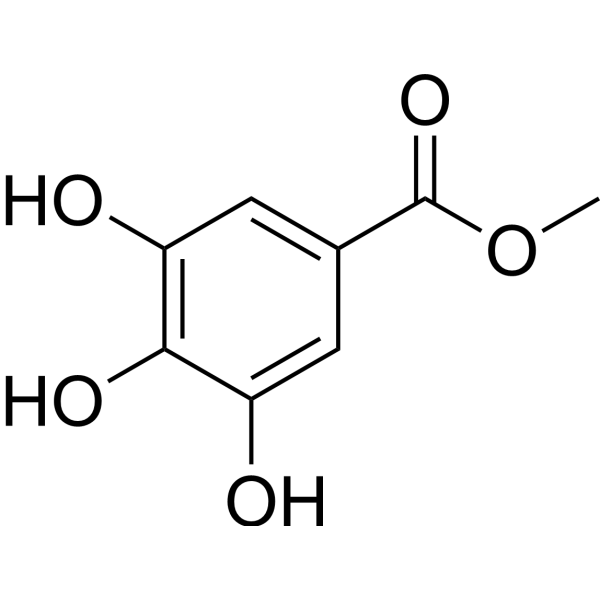
HY-N2010
Methyl gallateAntioxidant -
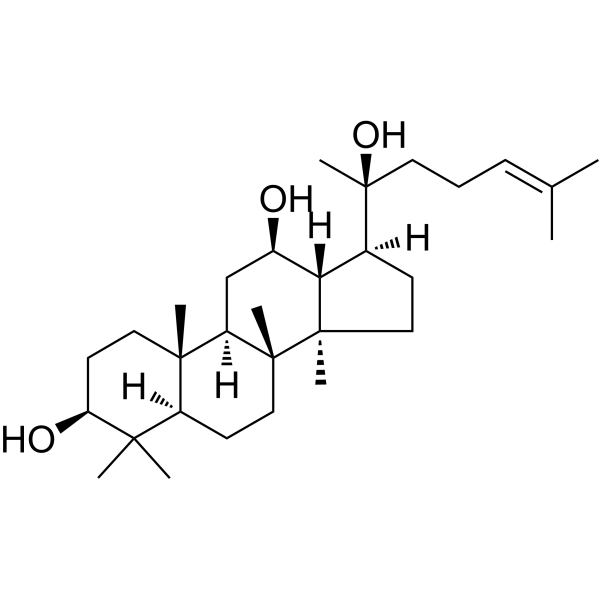
HY-N0797
(20S)-ProtopanaxadiolAkt activity inhibitor -
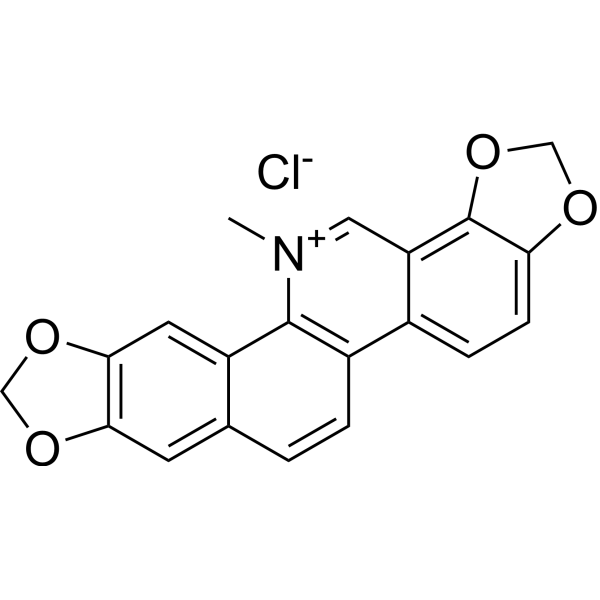
HY-N0052A
Sanguinarine chlorideApoptosis Inducer -
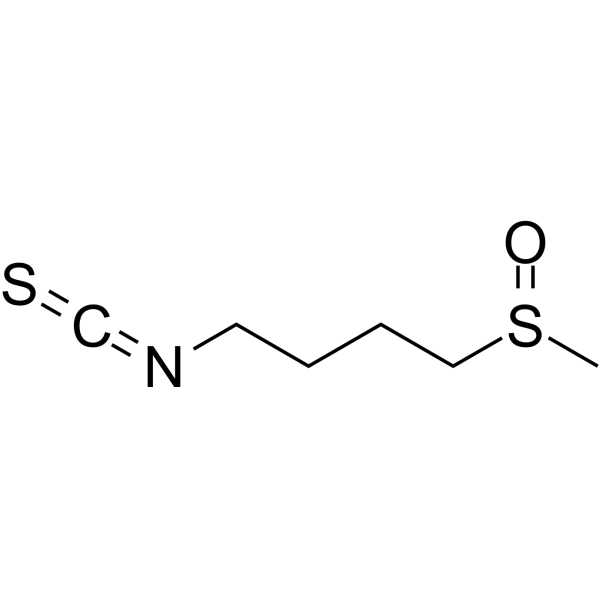
HY-13755
SulforaphaneKeap1/Nrf2/ARE Inducer -
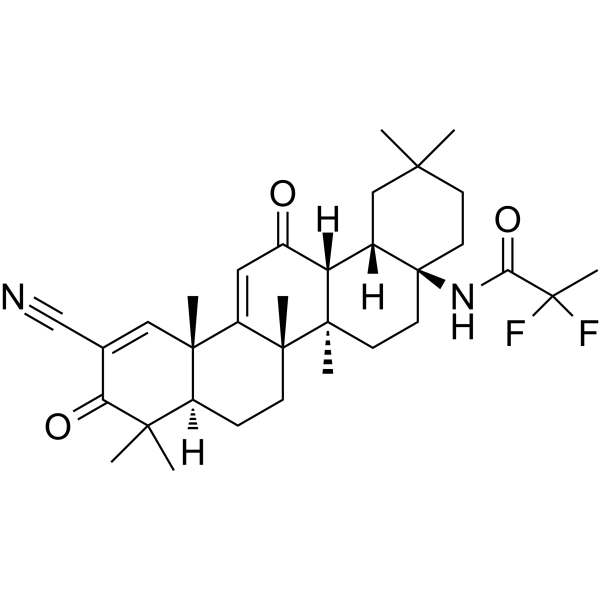
HY-12212
OmaveloxoloneNrf2 Activator -

HY-120912R
Gingerenone A (Standard)Nrf2-Gpx4 Activator -
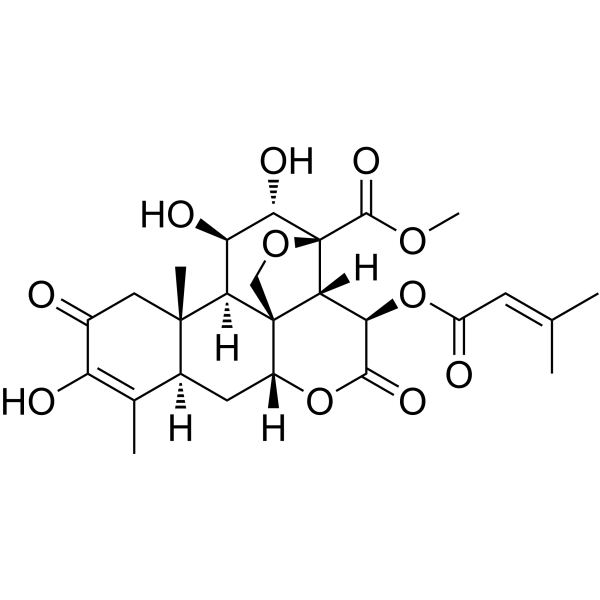
HY-19543
BrusatolNrf2 Inhibitor
Publications Citing Use of MedChemExpress (MCE) Gingerenone A
More Customer Validation & Images

-
Cell Proliferation/Viability Assay
-
ELISA
-
IF
-
Cell Migration/Invasion Assay
-
WB


Actividad biológica
Descripciòn
IC50 & Target
|
GPX4 |
Cellular Effect
|
Cell Line

|
Type | Value | Description | References |
|---|---|---|---|---|
| HEK293 | EC50 |
24 μM
Compound: 40
|
Cytotoxicity against HEK293 cells after 16 hrs by alamar blue assay
Cytotoxicity against HEK293 cells after 16 hrs by alamar blue assay
|
[PMID: 20004045] |
In Vitro
Gingerenone A (2.5-40 μM, 5 h) overcomes insulin resistance and increases glucose uptake in 3T3-L1 cells by inhibiting S6K1 activity[1].
Gingerenone A (40 μM, 6 days) inhibits lipogenesis and lipid accumulation in 3T3-L1 cells[2].
Gingerenone A (0-40 μM, 6 days) suppresses the proliferation and hypertrophy of 3T3-L1 cells, regulating the expression or phosphorylation levels of proteins related to lipogenesis and fatty acid metabolism[2].
Gingerenone A promotes anti-proliferation and senescence in breast cancer cells induced by oxidative stress[3].
Gingerenone A with an IC50 values for breast cancer cells (SKBR3, MCF-7 and MDA-MB-231) is 50.41, 42.67, 56.29 µM in a 48-hour TP experiment [3].
Gingerenone A (80 μM, 48 h) causes a delay in the G2/M phase of MCF7 and MDA-MB-231 cells[3].
Gingerenone A (80 μM, 1.5-3 h) induces an increase in ROS levels in MCF7 and MDA-MB-231 cells[3].
Gingerenone A (0-80 μM, 48 h) induces senescence in MCF7 and MDA-MB-231 cells[3].
MedChemExpress (MCE) has not independently confirmed the accuracy of these methods. They are for reference only.
-
Cell Line:3T3-L1
-
Concentration:0, 2.5, 5, 10, 20, 40 μM
-
Incubation Time:5 h
-
Result:Increased AKTS473 and S6K1T389, decreased phosphorylation of S6S235/236 and insulin receptor substrate 1 (IRS-1) S1101, and increased binding of IRS-1 to PI3K.
-
Cell Line:3T3-L1
-
Concentration:40 μM
-
Incubation Time:6 days
-
Result:Inhibits cellular adipogenesis and lipid accumulation.
-
Cell Line:3T3-L1
-
Concentration:0, 10, 20, 40 μM
-
Incubation Time:6 days
-
Result:Inhibited PPAR-γ, C/EBP-α, and FAS protein levels, decreased SREBP-1 and FAS (lipogenesis markers) protein expression levels, and increased PGC-1α and CPT-1 (fatty acid oxidation markers) protein expression levels.
-
Cell Line:MCF7, SKBR3, M10, MDA-MB-231
-
Concentration:0, 20, 40, 60, 80μM
-
Incubation Time:48 h
-
Result:Inhibited tumor cell proliferation with little effect on normal cells.
-
Cell Line:MCF7, MDA-MB-231
-
Concentration:80 μM
-
Incubation Time:48 h
-
Result:Increased subG1, moderately decreased G1, and increased G2/M populations.
-
Cell Line:MCF-7, MDA-MB-231
-
Concentration:0, 40, 80 μM
-
Incubation Time:5 h
-
Result:Upregulated the expression of aging-related genes EDN1, ANKRD1, CDKN1A, SERPINE and TAGLN.
In Vivo
Gingerenone A (5-20 mg/kg, orally, once a day, 7 days) can alleviate ferroptosis in the SLI of DSS-induced colitis mice, and its protective effect is associated with the activation of the Nrf2-Gpx4 signaling pathway[4].
MedChemExpress (MCE) has not independently confirmed the accuracy of these methods. They are for reference only.
-
Animal Model:HFD mice[2]
-
Dosage:10, 50 mg/kg; daily; 15 weeks
-
Administration:Oral
-
Result:Reduced fat gain without significantly affecting caloric intake, reduced visceral fat mass, and made fat cells smaller.
-
Animal Model:Mice induced by DSS[6]
-
Dosage:5, 20 mg/kg; daily; 7 days
-
Administration:Oral
-
Result:Alleviated DSS-induced liver pathological damage, liver parameters and cytokine levels, increased antioxidant enzyme activities, alleviated ferroptosis, upregulated GPX4 expression, and activated Nrf2.


Chemical Information
-
No. CAS 128700-97-0
-
Appearance Solid
-
Peso molecular 356.41
-
Fòrmula C21H24O5
-
Color Light yellow to yellow
-
SMILES
O=C(/C=C/CCC1=CC=C(O)C(OC)=C1)CCC2=CC=C(O)C(OC)=C2
-
Structure Classification
-
Initial Source
-
Envío
Room temperature in continental US; may vary elsewhere.
-
Almacenamiento
Powder -20°C 3 years 4°C 2 years In solvent -80°C 6 months -20°C 1 month


Publications (3)
-
Journal Impact Factor
-
Most Recent
-
Nat Aging
Comparative analysis of senolytic drugs reveals mitochondrial determinants of efficacy and resistance. [Abstract]2026 Feb;6(2):316-328. PMID: 41611832 -
J Ethnopharmacol
Gingerenone A ameliorates airway inflammation and remodeling in asthma by modulating the TLR4/MyD88/NF-κB pathway. [Abstract]2025 Sep 30:120656. PMID: 41038330
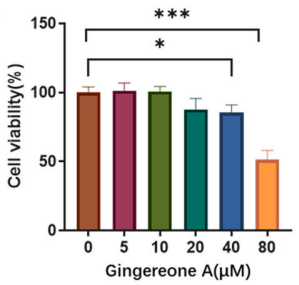
Gingerenone A purchased from MedChemExpress. Usage Cited in: J Ethnopharmacol. 2025 Sep 30:120656. [Abstract]
The vitality of MLE-12 cells following 24 h of treatment with varying concentrations of Gingerenone A (GA) (5-80 μM). The results indicated that GA concentrations below 40 μM had no cytotoxic effects on MLE-12 cells.
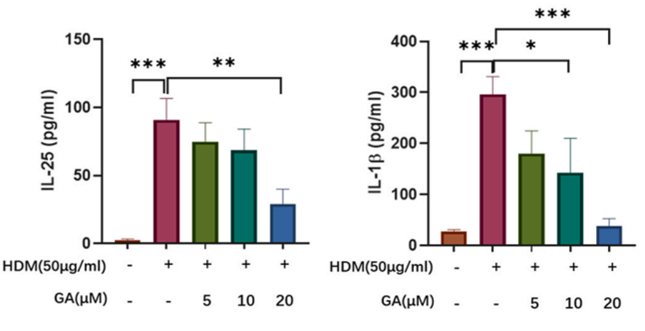
Gingerenone A purchased from MedChemExpress. Usage Cited in: J Ethnopharmacol. 2025 Sep 30:120656. [Abstract]
Gingerenone A (GA) (5-80 μM) treatment significantly decreased the HDM-induced secretion of IL-25 and IL-1β by epithelial cells.
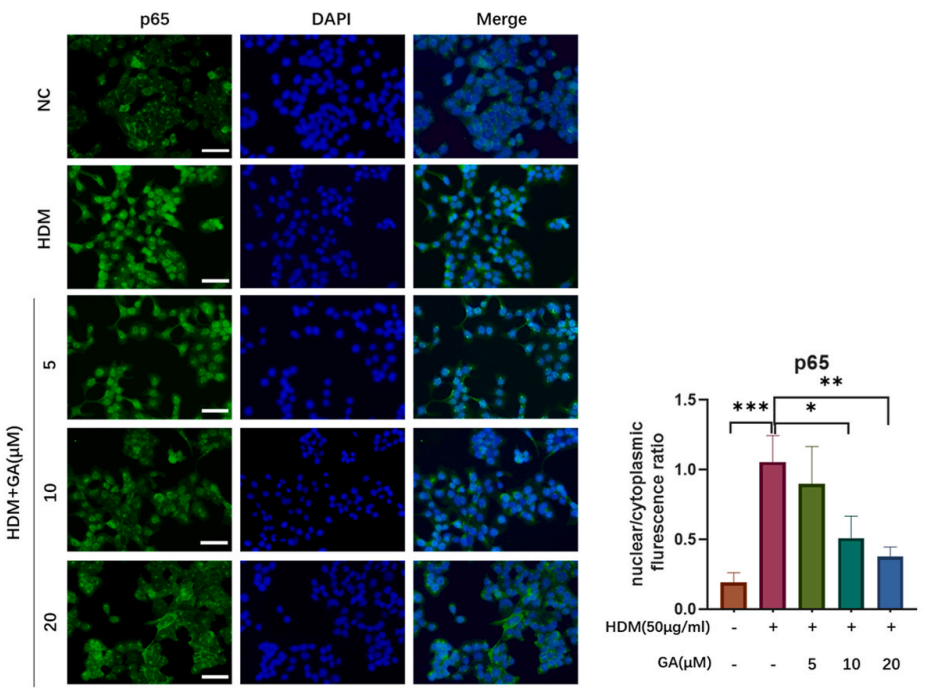
Gingerenone A purchased from MedChemExpress. Usage Cited in: J Ethnopharmacol. 2025 Sep 30:120656. [Abstract]
Representative immunofluorescence images showing p65 nuclear translocation in MLE-12 cells after treatment with different concentrations of HDM and/or Gingerenone A (GA) (5-20 μM) (scale bar = 50 μm), along with quantitative analysis of the nuclear/cytoplasmic fluorescence intensity ratio. The results showed that GA treatment reduced HDM-induced NF-κB nuclear translocation. Quantitative analysis of nuclear/cytoplasmic fluorescence intensity ratios reveals significantly lower NF-κB nuclear accumulation in the GA group (10-20 μM) versus the HDM group (P < 0.05).
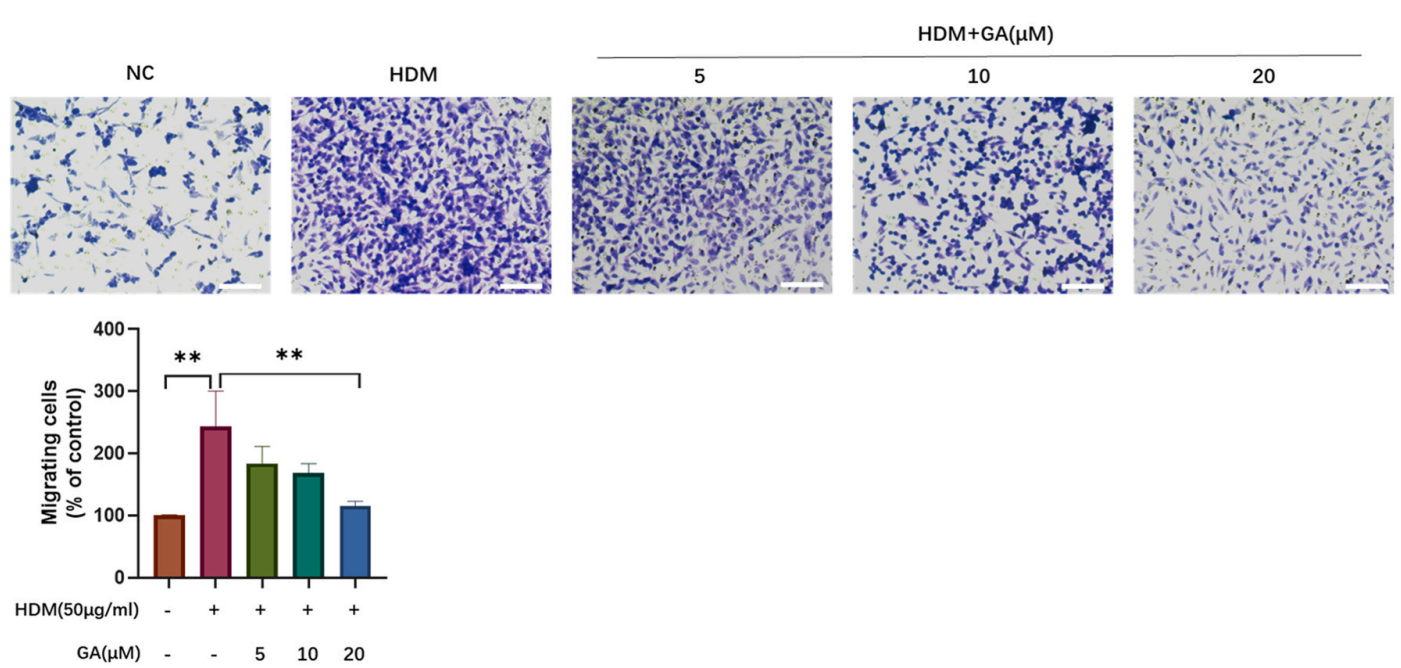
Gingerenone A purchased from MedChemExpress. Usage Cited in: J Ethnopharmacol. 2025 Sep 30:120656. [Abstract]
Representative images (scale bar = 100 μm) of the migration assay of MLE-12 cells under Gingerenone A (GA) and HDM stimulation, along with the migration cell ratio relative to the control group (n = 3). The results showed that 48-h of HDM stimulation increased MLE-12 cell migration. However, after GA treatment at 5, 10, and 20 μM, migration rates significantly decreased. These data indicate that GA substantially inhibits HDM-induced increases in airway epithelial cell migration.
Gingerenone A purchased from MedChemExpress. Usage Cited in: J Ethnopharmacol. 2025 Sep 30:120656. [Abstract]
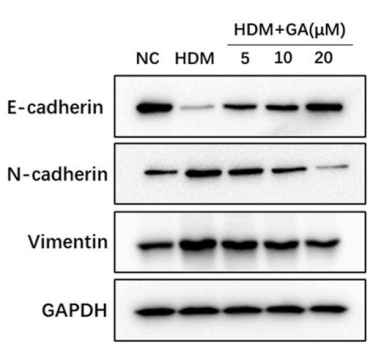
Western blot analysis for E-cadherin, N-cadherin and vimentin in MLE-12 cells under Gingerenone A (GA) (5-20 μM) and HDM stimulation (n = 3). The results revealed that treatment with HDM caused a significant reduction in E-cadherin (epithelial marker) and simultaneous elevation of N-cadherin and vimentin (mesenchymal markers). In contrast, GA treatment effectively counteracted these changes in protein levels.
Gingerenone A purchased from MedChemExpress. Usage Cited in: J Ethnopharmacol. 2025 Sep 30:120656. [Abstract]
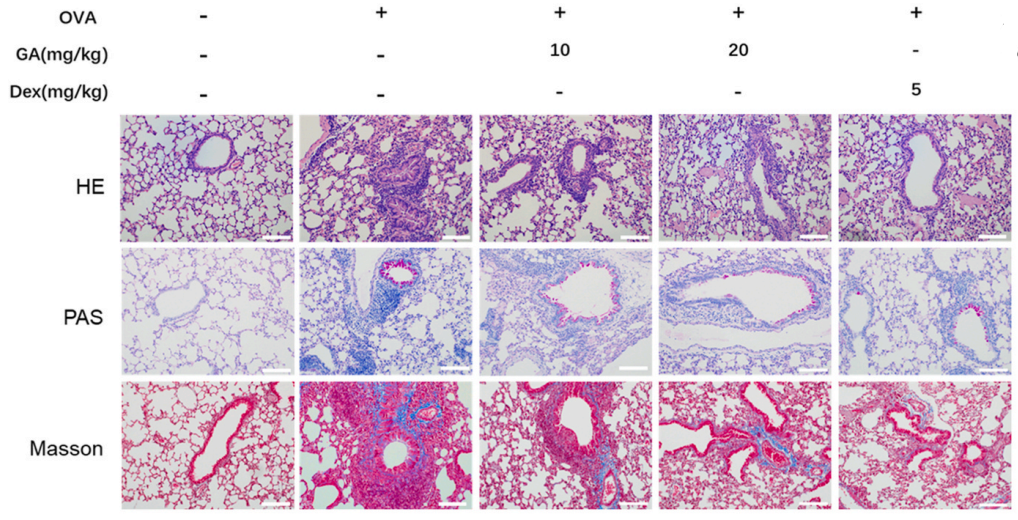
Gingerenone A (GA) (10-20 mg/kg; i.p.; once daily for 7 days) markedly alleviated extensive inflammatory cell infiltration in the pulmonary vasculature and alveoli of asthmatic mice.
-


Solvente y solubilidad
In Vitro:
DMSO : 100 mg/mL (280.58 mM; Need ultrasonic; Hygroscopic DMSO has a significant impact on the solubility of product, please use newly opened DMSO)
Please refer to the solubility information to select the appropriate solvent. Once prepared, please aliquot and store the solution to prevent product inactivation from repeated freeze-thaw cycles.
Storage method and period of stock solution: -80°C, 6 months; -20°C, 1 month. When stored at -80°C, please use it within 6 months. When stored at -20°C, please use it within 1 month.
Please refer to the solubility information to select the appropriate solvent. Once prepared, please aliquot and store the solution to prevent product inactivation from repeated freeze-thaw cycles.
Storage method and period of stock solution: -80°C, 6 months; -20°C, 1 month. When stored at -80°C, please use it within 6 months. When stored at -20°C, please use it within 1 month.
Concentration (start) × Volume (start) = Concentration (final) × Volume (final)
In Vivo:
Select the appropriate dissolution method based on your experimental animal and administration route.
- For the following dissolution methods, please ensure to first prepare a clear stock solution using an In Vitro approach and then sequentially add co-solvents:
- To ensure reliable experimental results, the clarified stock solution can be appropriately stored based on storage conditions. As for the working solution for In Vivo experiments, it is recommended to prepare freshly and use it on the same day.
- The percentages shown for the solvents indicate their volumetric ratio in the final prepared solution. If precipitation or phase separation occurs during preparation, heat and/or sonication can be used to aid dissolution.
Add each solvent one by one: 10% DMSO 40% PEG300 5% Tween-80 45% Saline
Solubility: 2.5 mg/mL (7.01 mM); Clear solution; Need ultrasonic
This protocol yields a clear solution of 2.5 mg/mL.
Taking 1 mL working solution as an example, add 100 μL DMSO stock solution (25.0 mg/mL) to 400 μL PEG300, and mix evenly; then add 50 μL Tween-80 and mix evenly; then add 450 μL Saline to adjust the volume to 1 mL.
Preparation of Saline: Dissolve 0.9 g sodium chloride in ddH₂O and dilute to 100 mL to obtain a clear Saline solution.
Add each solvent one by one: 10% DMSO 90% (20% SBE-β-CD in Saline)
Solubility: 2.5 mg/mL (7.01 mM); Clear solution; Need ultrasonic
This protocol yields a clear solution of 2.5 mg/mL.
Taking 1 mL working solution as an example, add 100 μL DMSO stock solution (25.0 mg/mL) to 900 μL 20% SBE-β-CD in Saline, and mix evenly.
Preparation of 20% SBE-β-CD in Saline (4°C, storage for one week): 2 g SBE-β-CD powder is dissolved in 10 mL Saline, completely dissolve until clear.
In Vivo Dissolution Calculator
Please enter the basic information of animal experiments:
-
-
-
-
Recommended: Prepare an additional quantity of animals to account for potential losses during experiments.
Please enter your animal formula composition:
-
%DMSO +
Recommended: Keep the proportion of DMSO in working solution below 2% if your animal is weak.
-
%+
-
+%Tween-80 + +
-
%Saline +
The co-solvents required include: DMSO, . All of co-solvents are available by MedChemExpress (MCE). , Tween 80. All of co-solvents are available by MedChemExpress (MCE).
Working solution concentration: 0.22 mg/mL
Method for preparing stock solution: mg drug dissolved in μL DMSO. Stock solution concentration: mg/mL.
1. Take μL DMSO stock solution;
2. Add μL .
μL , mix evenly;
3. Then add μL Tween 80, mix evenly;
4. Then add μL
Please ensure that the stock solution in the first step is dissolved to a clear state, and add co-solvents in sequence. You can use ultrasonic heating (ultrasonic cleaner, recommended frequency 20-40 kHz), vortexing, etc. to assist dissolution.


Pureza y Documentación
-
Ficha de datos (280 KB)
-
SDS (537 KB)
- English - EN (537 KB)
- Français - FR (537 KB)
- Deutsch - DE (537 KB)
- Norwegian - NO (537 KB)
- Español - ES (537 KB)
- Swedish - SV (537 KB)
- Italian - IT (537 KB)
- Korean - KR (537 KB)
- Portuguese - PT (537 KB)
-
Instrucciones de manejo (2659 KB)
Referencias
[1]. Junhong Chen, et al. Gingerenone A Sensitizes the Insulin Receptor and Increases Glucose Uptake by Inhibiting the Activity of p70 S6 Kinase. Mol Nutr Food Res.2018 Dec;62(23):e1800709. [Content Brief]
[2]. Sujin Suk, et al. Gingerenone A, a polyphenol present in ginger, suppresses obesity and adipose tissue inflammation in high-fat diet-fed mice. Mol Nutr Food Res. 2017 Oct;61(10):10.1002/mnfr.201700139. [Content Brief]
[3]. Yu TJ, et al. Gingerenone A Induces Antiproliferation and Senescence of Breast Cancer Cells. Antioxidants (Basel). 2022 Mar 19;11(3):587. [Content Brief]
[4]. Chen Y, et al. Gingerenone A Alleviates Ferroptosis in Secondary Liver Injury in Colitis Mice via Activating Nrf2-Gpx4 Signaling Pathway. J Agric Food Chem. 2022 Oct 5;70(39):12525-12534. [Content Brief]


Complete Stock Solution Preparation Table
Please refer to the solubility information to select the appropriate solvent. Once prepared, please aliquot and store the solution to prevent product inactivation from repeated freeze-thaw cycles.
Storage method and period of stock solution: -80°C, 6 months; -20°C, 1 month. When stored at -80°C, please use it within 6 months. When stored at -20°C, please use it within 1 month.
| Optional Solvent | Concentration Solvent Mass | 1 mg | 5 mg | 10 mg | 25 mg |
|---|---|---|---|---|---|
| DMSO | 1 mM | 2.8058 mL | 14.0288 mL | 28.0576 mL | 70.1439 mL |
| 5 mM | 0.5612 mL | 2.8058 mL | 5.6115 mL | 14.0288 mL | |
| 10 mM | 0.2806 mL | 1.4029 mL | 2.8058 mL | 7.0144 mL | |
| 15 mM | 0.1871 mL | 0.9353 mL | 1.8705 mL | 4.6763 mL | |
| 20 mM | 0.1403 mL | 0.7014 mL | 1.4029 mL | 3.5072 mL | |
| 25 mM | 0.1122 mL | 0.5612 mL | 1.1223 mL | 2.8058 mL | |
| 30 mM | 0.0935 mL | 0.4676 mL | 0.9353 mL | 2.3381 mL | |
| 40 mM | 0.0701 mL | 0.3507 mL | 0.7014 mL | 1.7536 mL | |
| 50 mM | 0.0561 mL | 0.2806 mL | 0.5612 mL | 1.4029 mL | |
| 60 mM | 0.0468 mL | 0.2338 mL | 0.4676 mL | 1.1691 mL | |
| 80 mM | 0.0351 mL | 0.1754 mL | 0.3507 mL | 0.8768 mL | |
| 100 mM | 0.0281 mL | 0.1403 mL | 0.2806 mL | 0.7014 mL |


Gingerenone A Related Classifications
HY-120912 Related Classifications
 Powered by Bioz